Vintage Retro Anime vs Classic 90s Anime: What's the Difference?
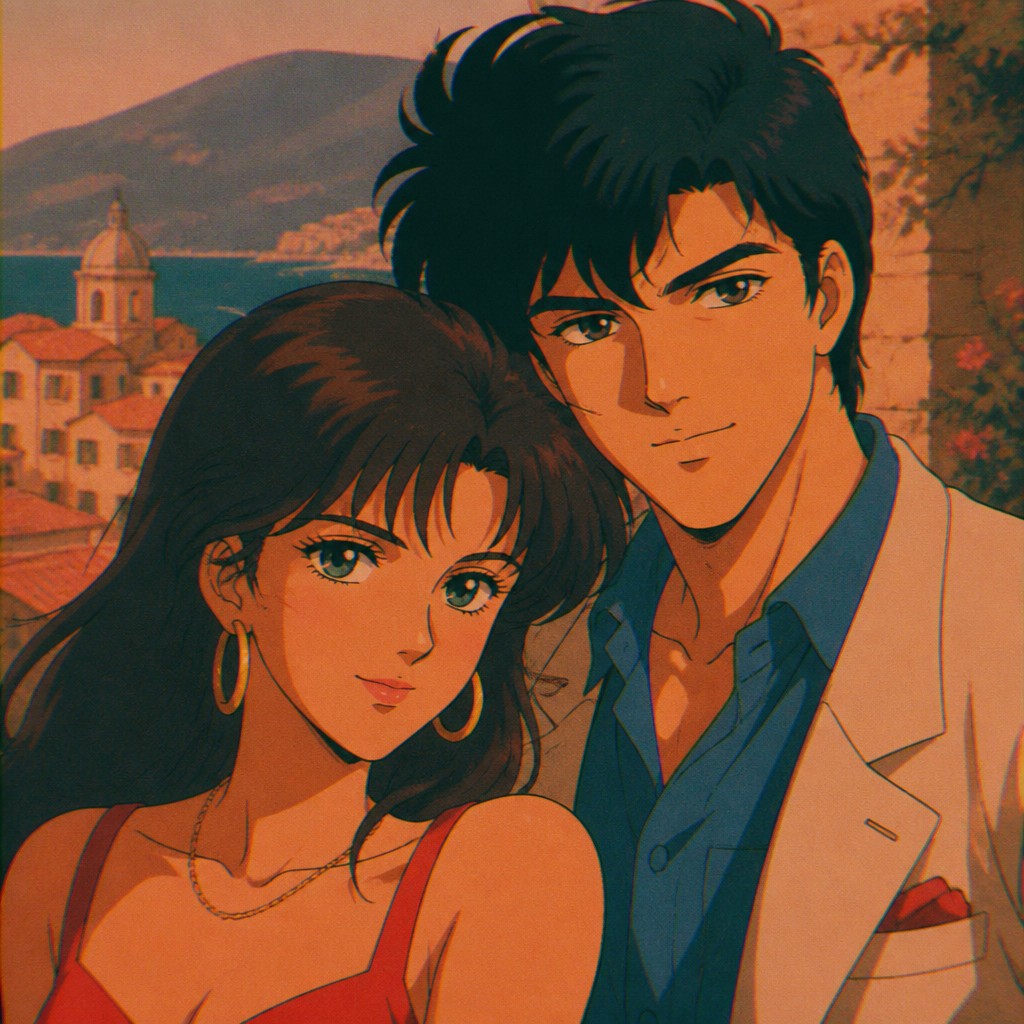
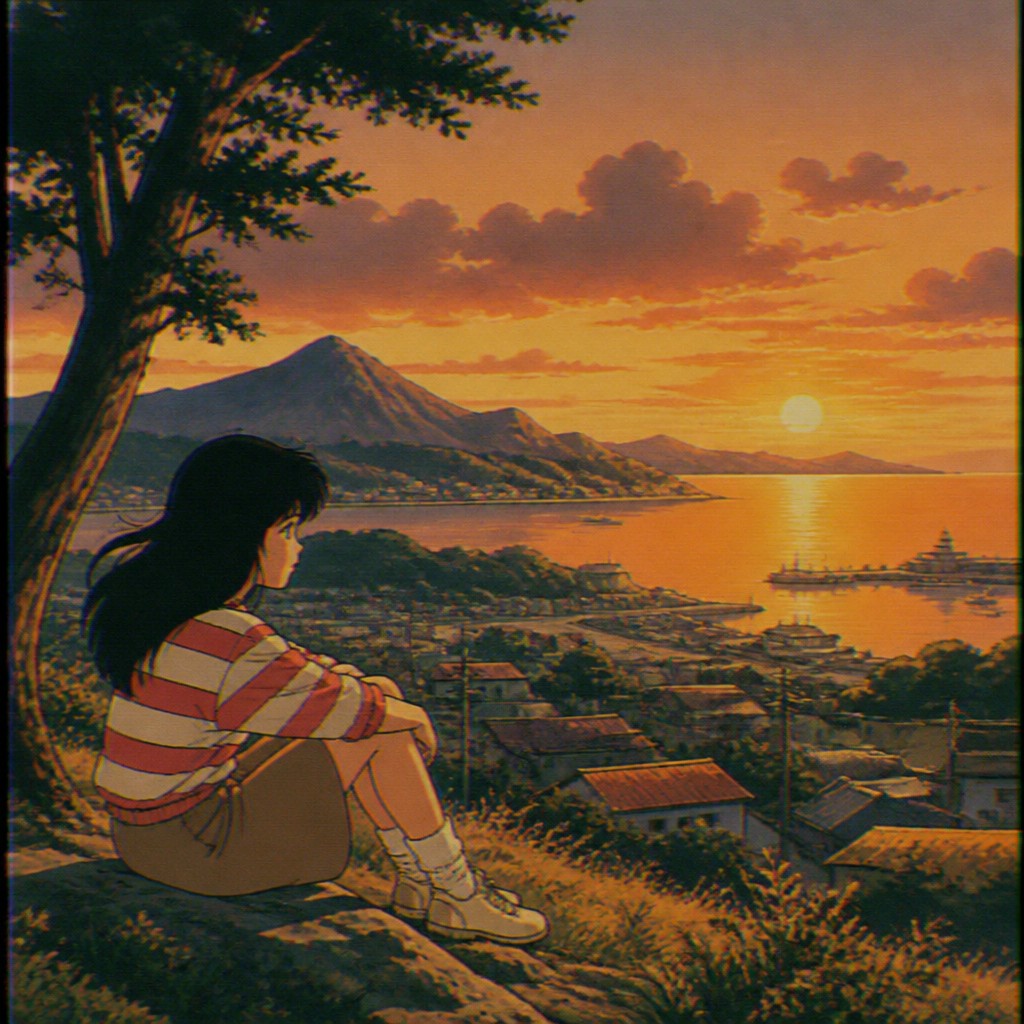
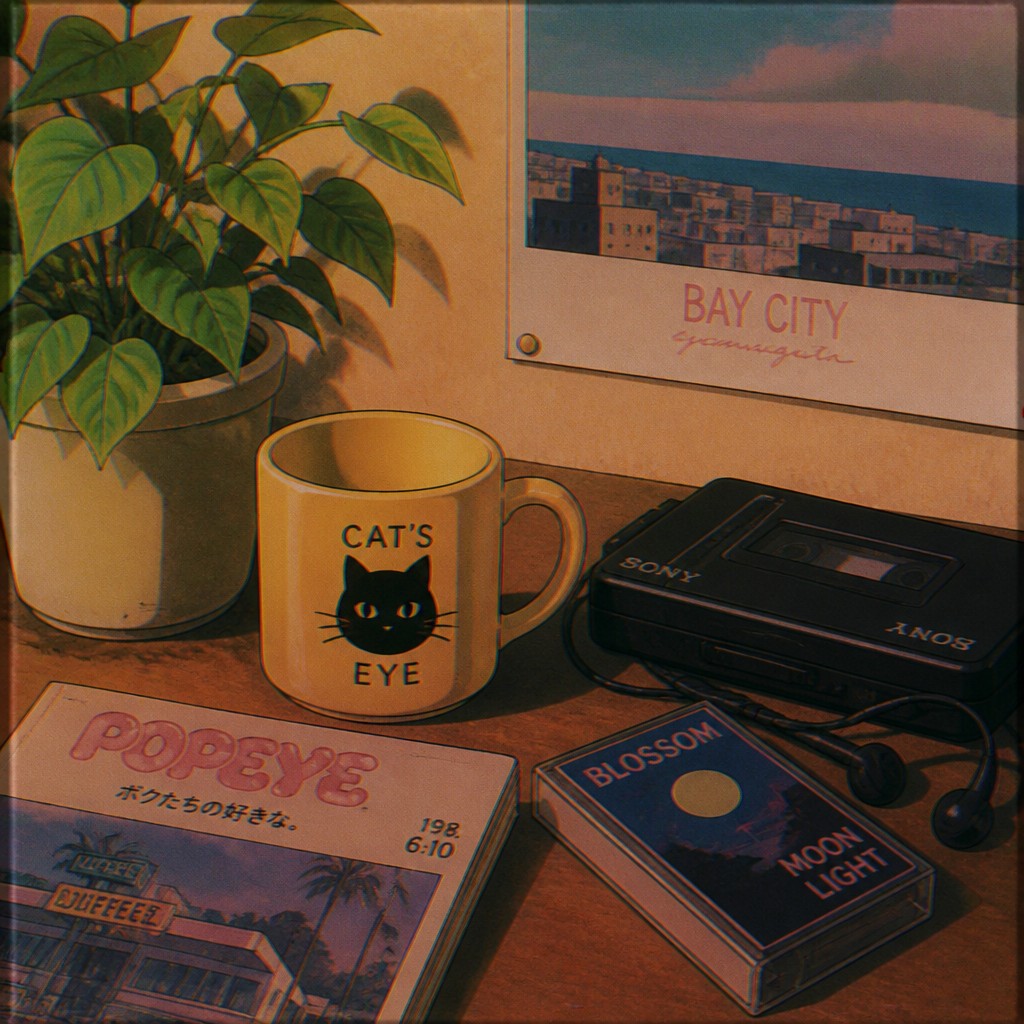
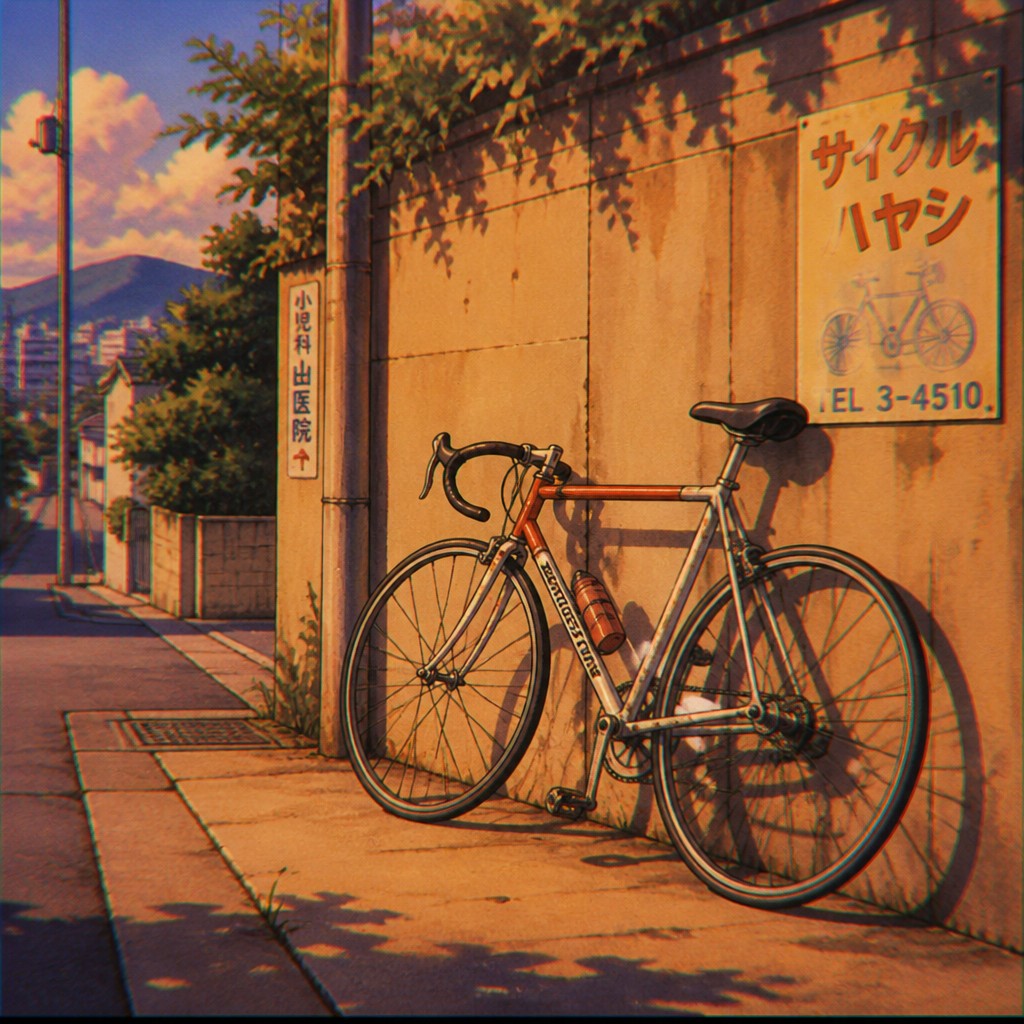
Vintage Retro Anime Art Style evokes a nostalgic 1980s-to-1990s feeling with warm earth tones, simple but expressive cel shading, subtle film grain, and softly painted backgrounds. It often feels a little faded, handmade, and cinematic, with a mood that emphasizes atmosphere and memory over sharp polish.
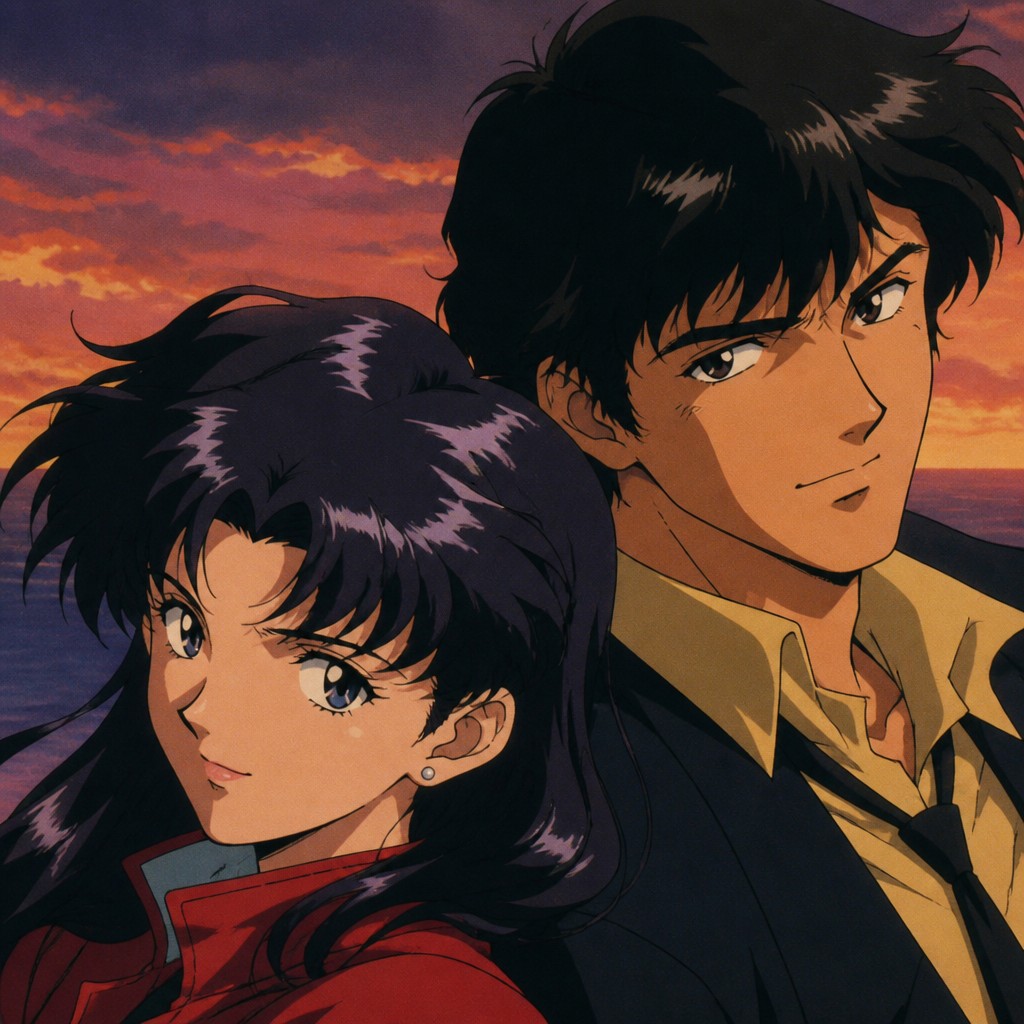
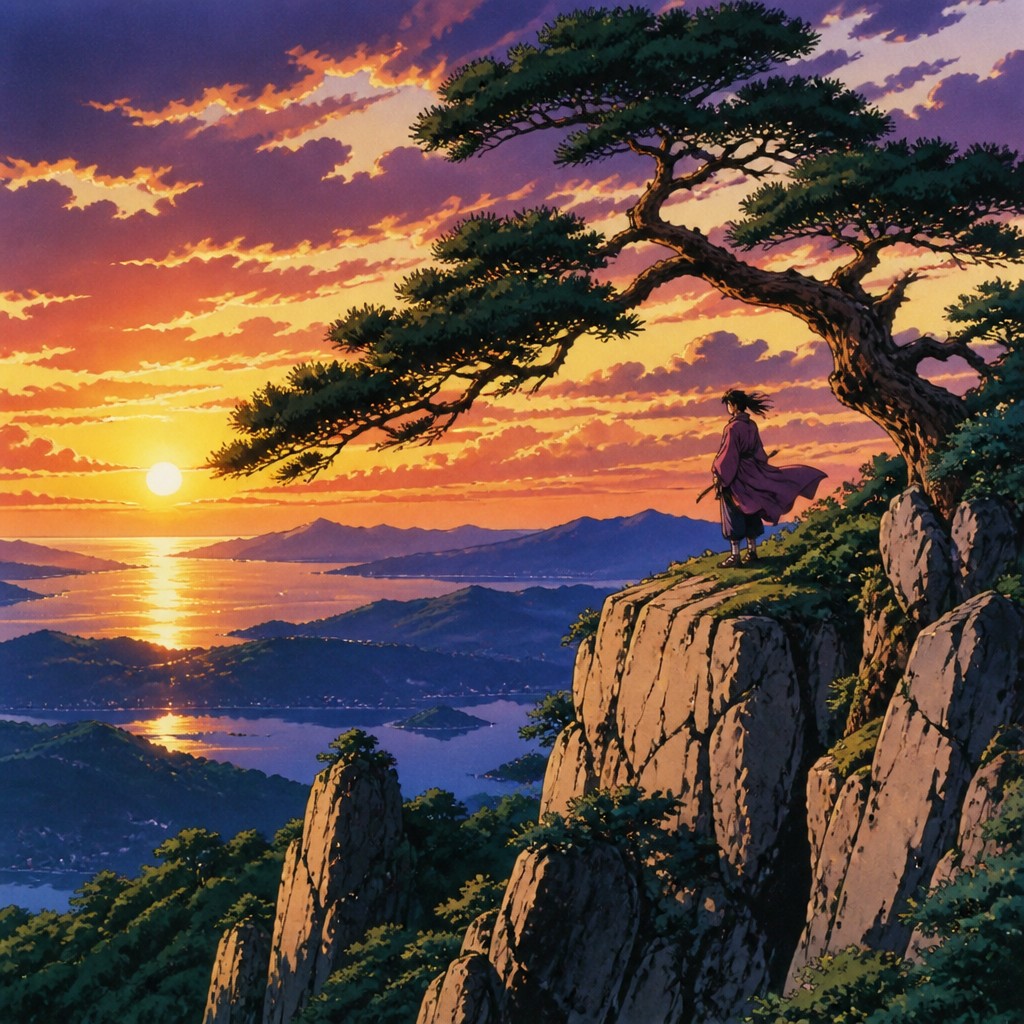
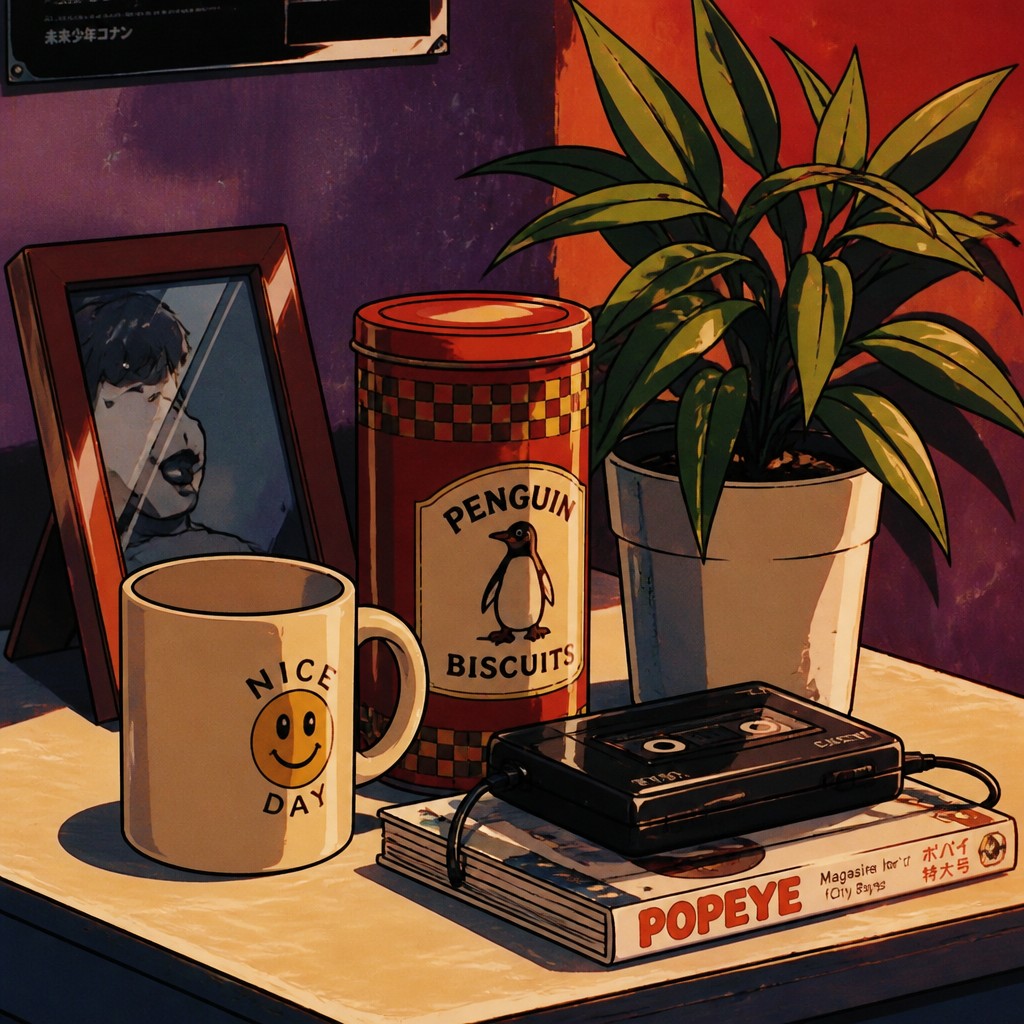
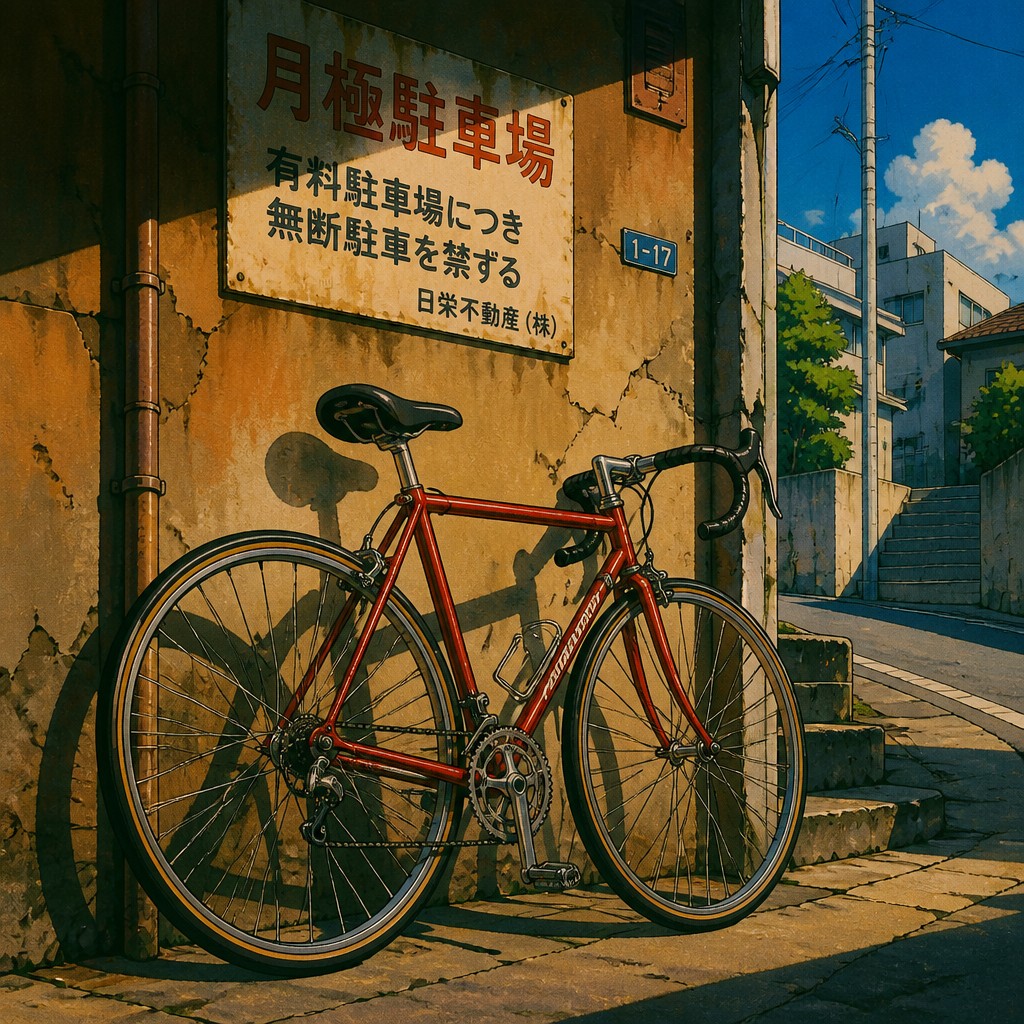
Classic 90s Anime Art Style is a broader vintage hand-drawn anime look associated with that decade’s clean cel shading, glossy eyes, sharper facial features, and painted backgrounds. People compare the two because both use traditional anime techniques and retro aesthetics, but one leans more earthy and nostalgic while the other feels brighter, crisper, and more iconic in its character design.
Same Prompt, Both Styles
Each pair below was generated from the identical prompt — only the style changed.
“portrait of two people together”
“wide landscape with natural scenery”
“still life with everyday objects”
“bicyle resting against a wall”
Key Differences
| Vintage Retro Anime | Classic 90s Anime | |
|---|---|---|
| Color palette | Warm, earthy, slightly muted colors with nostalgic softness. | Cleaner, brighter colors with stronger contrast and saturation. |
| Shading | Soft cel shading with gentle transitions and a faded feel. | Distinct cel shading with clearer shadows and highlights. |
| Line & form | Slightly looser, rounder forms that feel aged and atmospheric. | Sharper, more defined features with a classic hand-drawn look. |
| Eyes & faces | Expressive but understated eyes; facial features feel softened. | Glossy eyes and pointed features create a more iconic anime look. |
| Backgrounds | Soft painted backgrounds with a dreamy, nostalgic mood. | Painted backgrounds that feel more polished and visually crisp. |
| Surface texture | Visible film grain and analog texture enhance the retro feel. | Usually cleaner surfaces with less texture and less aged patina. |
| Mood | nostalgic, warm, expressive, sentimental | nostalgic, expressive, romantic, dramatic |
| Energy | balanced | balanced |
| Detail level | detailed | detailed |
| Color | warm earth tones, muted vintage palette | warm saturated cel colors, painted backgrounds |
| Texture | film grain, hand-painted softness | clean linework, soft painted surfaces |
| Origin | 1980s-1990s Japanese animation | late 1980s–1990s Japanese animation |
| Best for | posters, album covers, character art, storyboards, retro-themed games | anime posters, character art, nostalgic fan art, storybook illustrations, retro game art |
| Difficulty | moderate | advanced |
Which Should You Choose?
Pick Style A if you want warmth, nostalgia, and a gently faded retro mood that feels cinematic and reflective. Choose Style B if you want a more recognizable classic anime appearance with sharper character design, glossier features, and a cleaner vintage finish. In practice, A is often better for mood pieces and emotional nostalgia, while B suits hero shots, character-focused scenes, and visuals that should read as distinctly 90s anime.
Frequently Asked Questions
Is Vintage Retro Anime Art Style the same as Classic 90s Anime Art Style?
Not exactly. They overlap heavily, but Style A emphasizes warmth, grain, and a softer nostalgic atmosphere. Style B is more focused on the cleaner, more iconic hand-drawn look often associated with 90s anime.
Which style looks more cinematic?
Style A often feels more cinematic because its muted palette, film grain, and soft backgrounds create a moody, remembered quality. Style B can still look cinematic, but it usually reads as sharper and more graphic.
Which style is better for character designs?
Style B is usually stronger for character designs because its pointed features and glossy eyes make faces read clearly and instantly. Style A works well too, but it tends to soften and mellow character features.
Can these styles use the same techniques?
Yes. Both commonly use cel shading and painted backgrounds, and both reference traditional anime production methods. The difference is mainly in color treatment, line sharpness, surface texture, and overall mood.