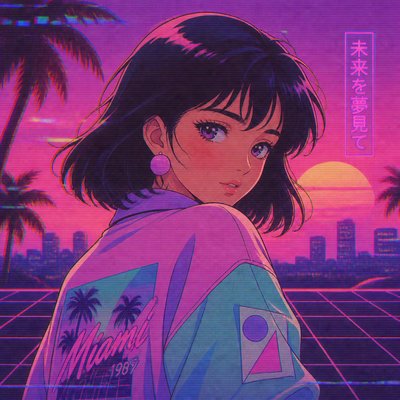
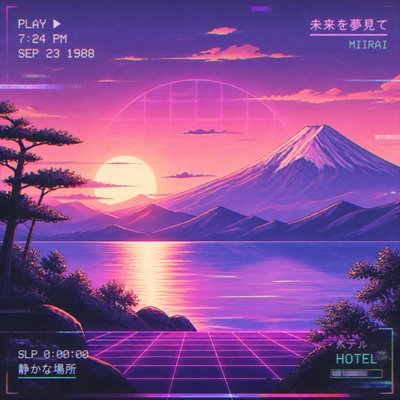
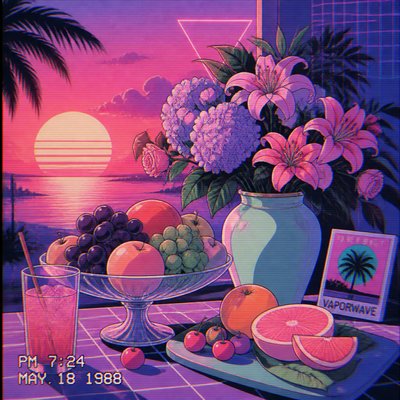
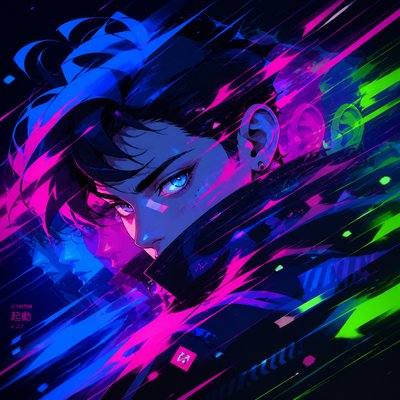
90s Anime Cell Animation Still
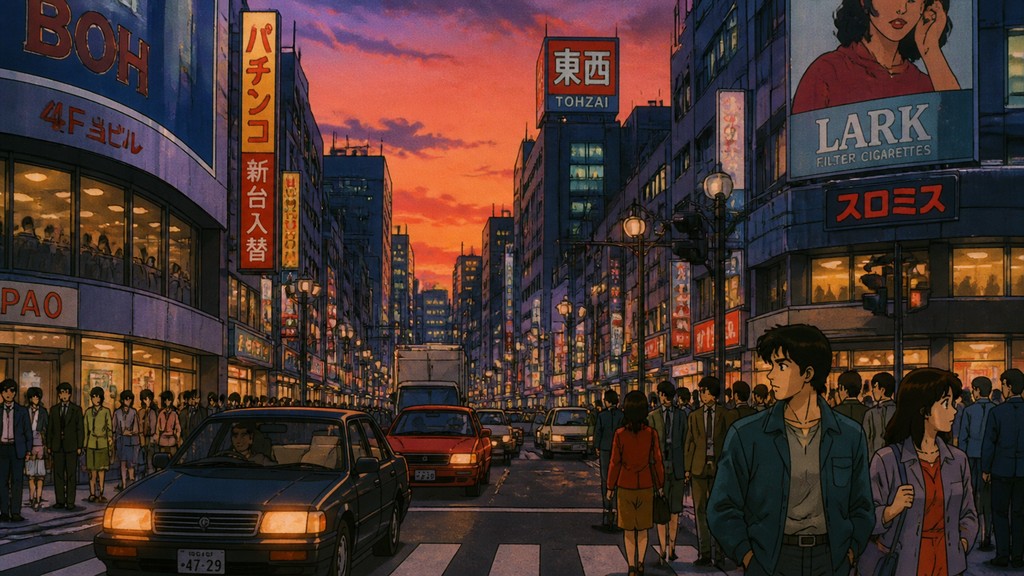
Hand-painted 90s anime cel look with flat colors, bold ink lines, paint buildup, soft glows, and nostalgic film warmth.
Instantly rendered in 90s Anime Cell Animation Still — or transform a photo
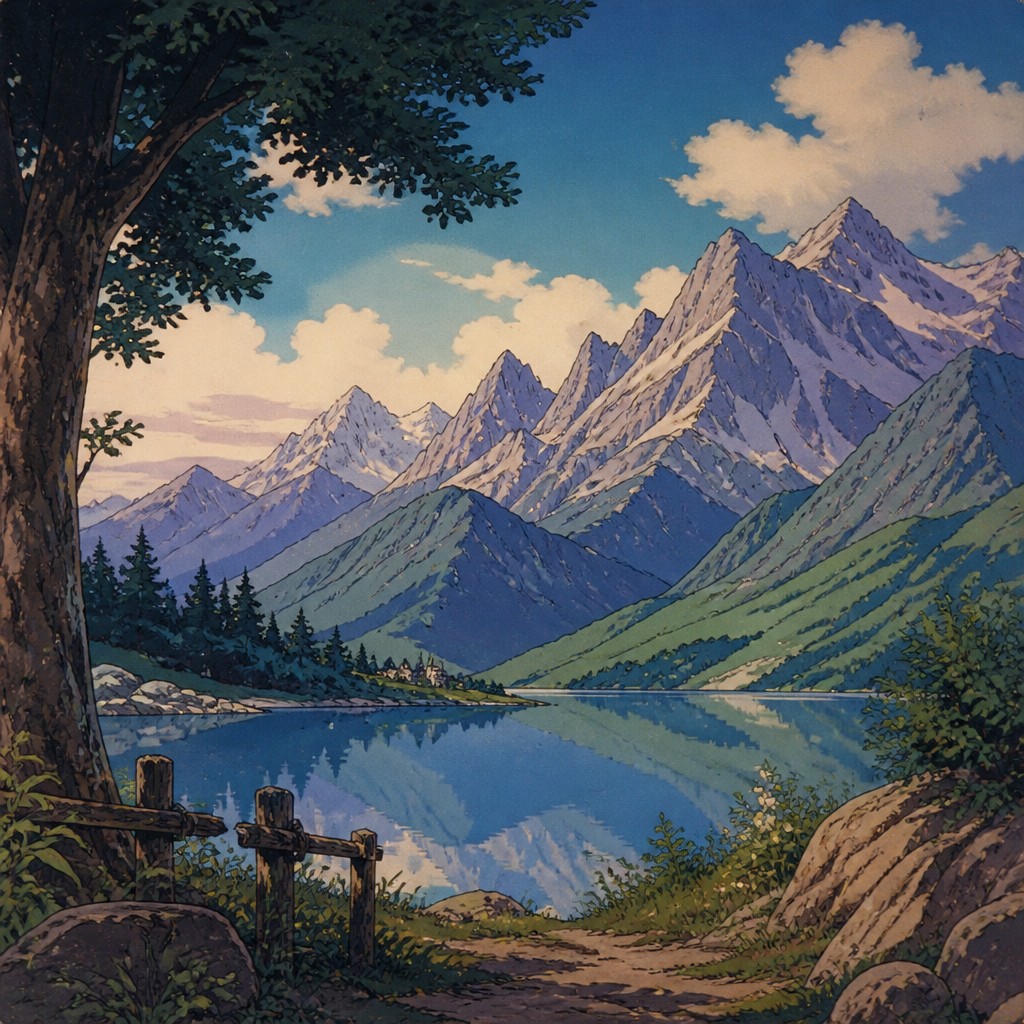
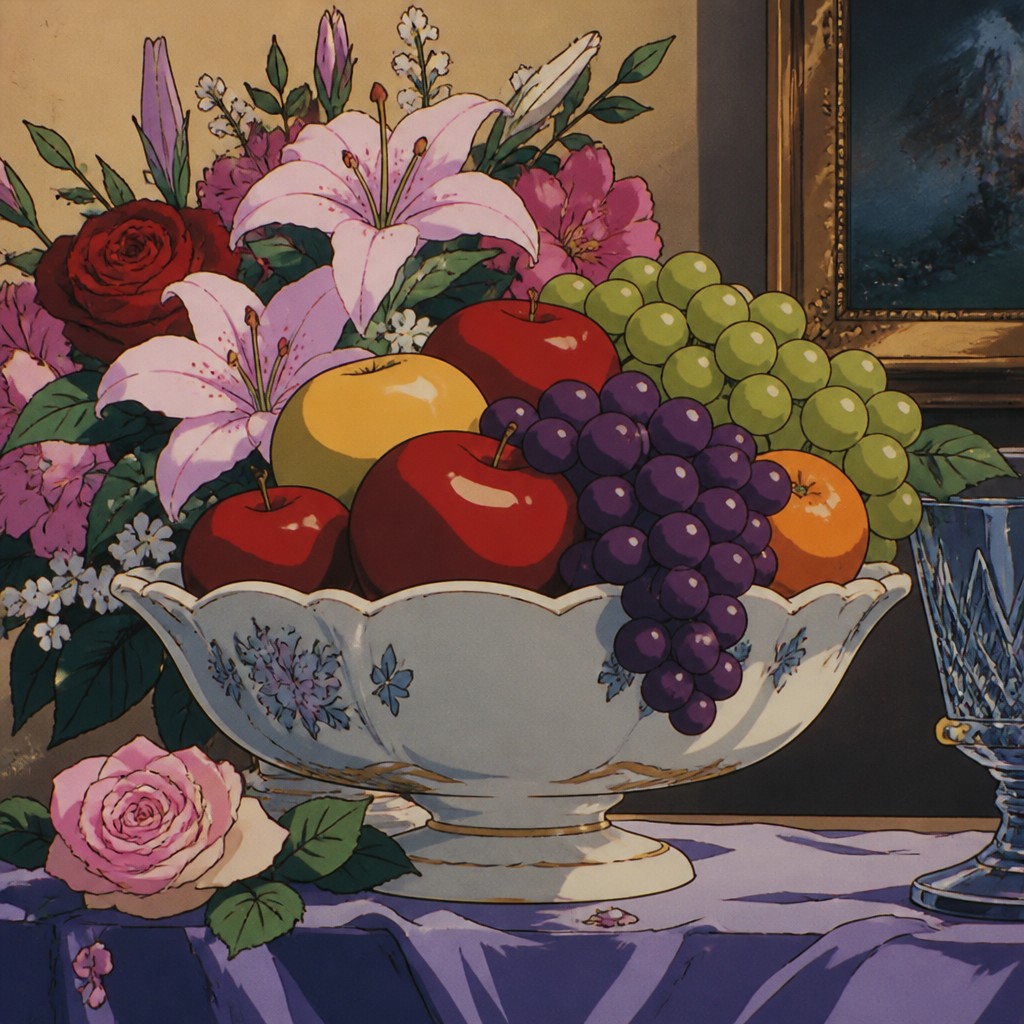
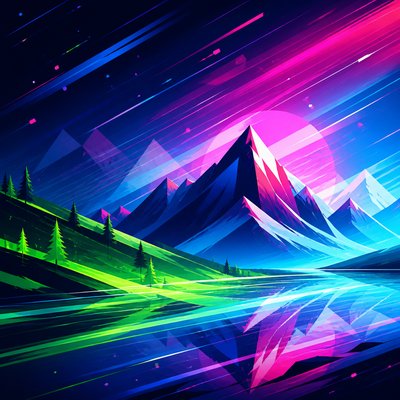
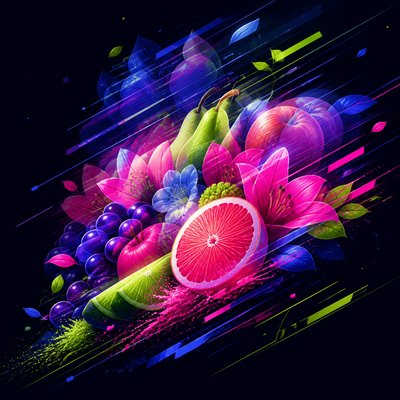
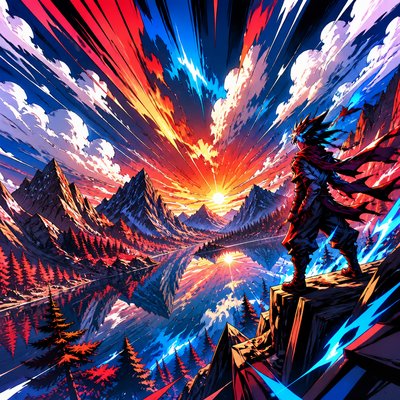
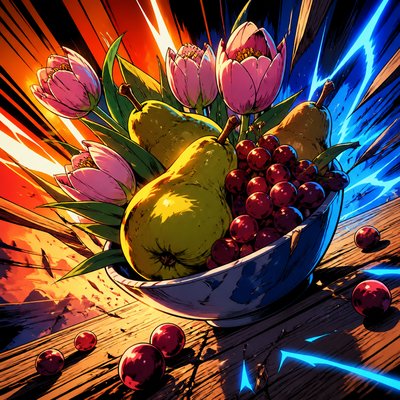
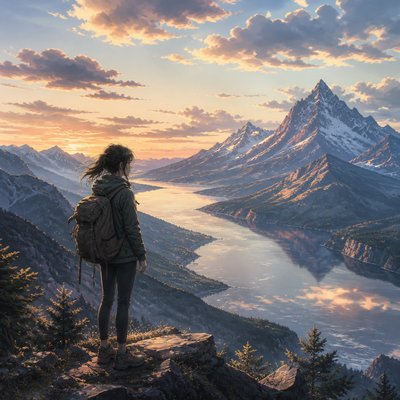
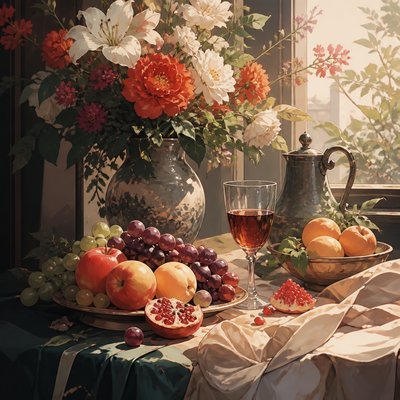
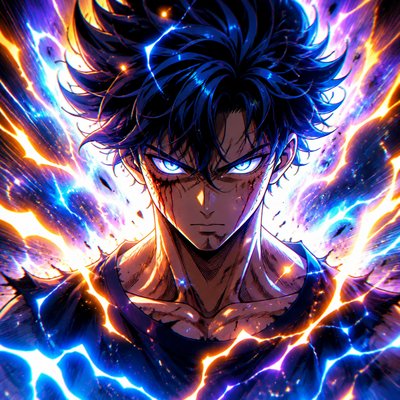
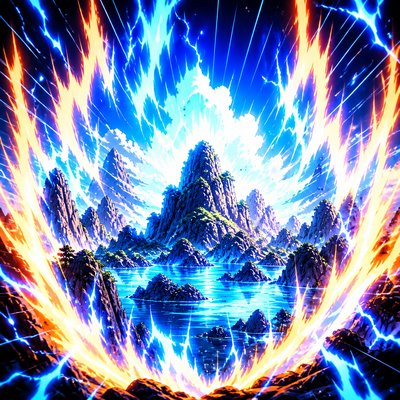
90s Anime Cell Animation Still Gallery
Tap any artwork to explore it
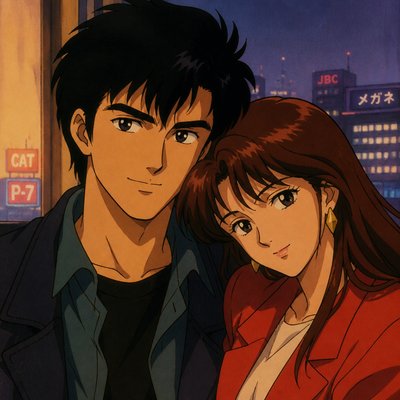
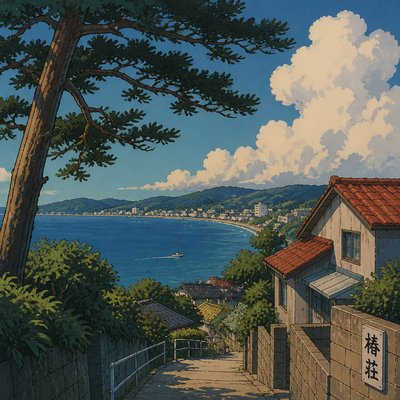
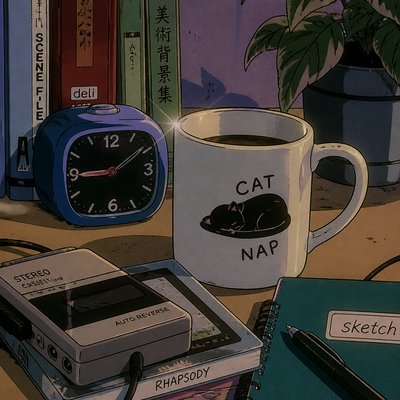
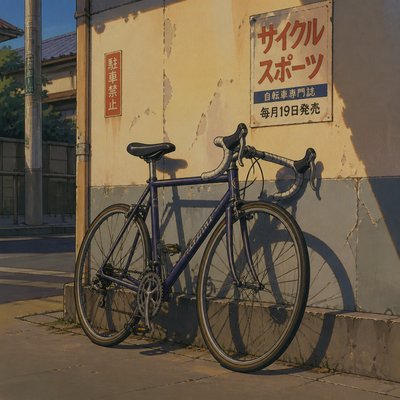
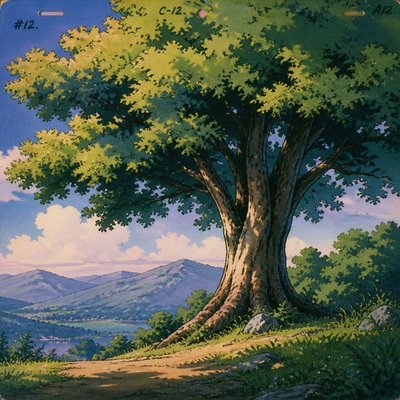
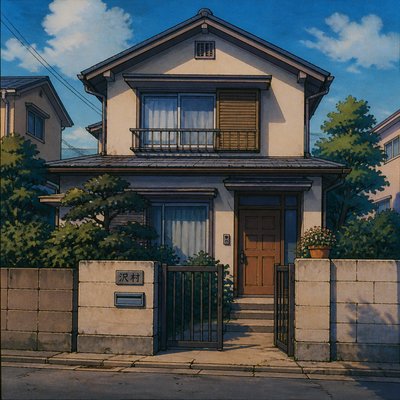
What is 90s Anime Cell Animation Still?
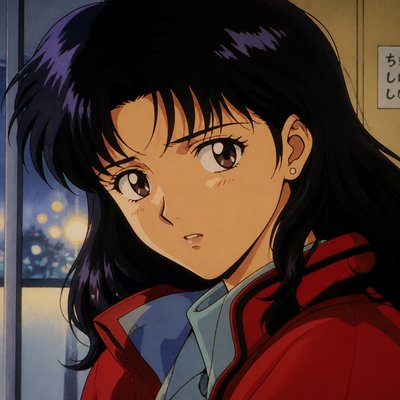
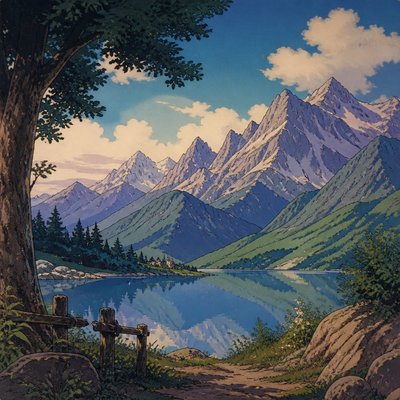
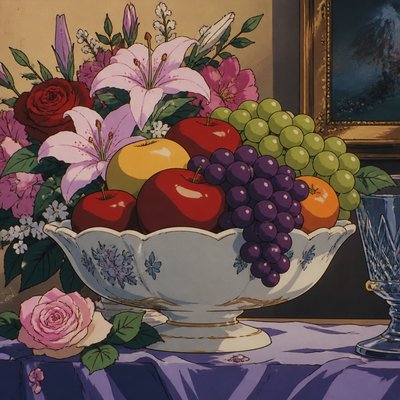
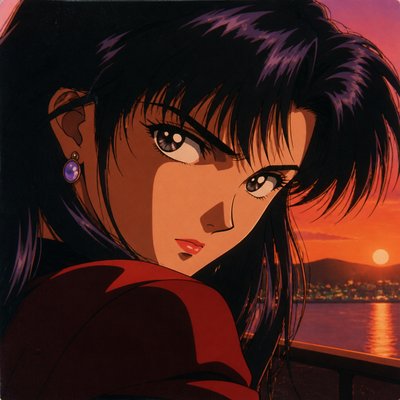
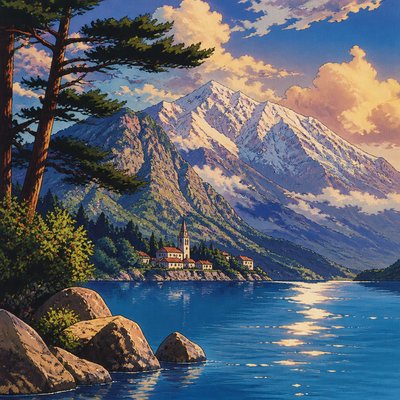
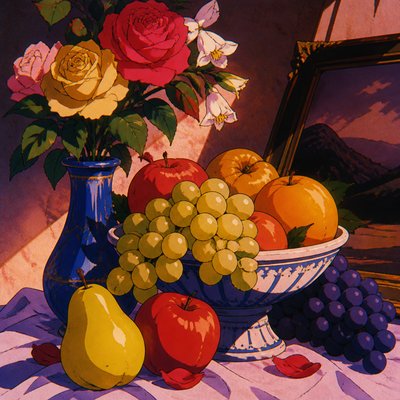
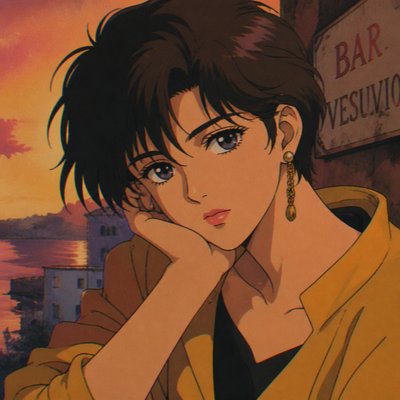
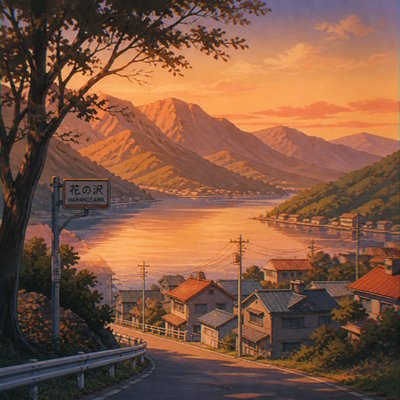
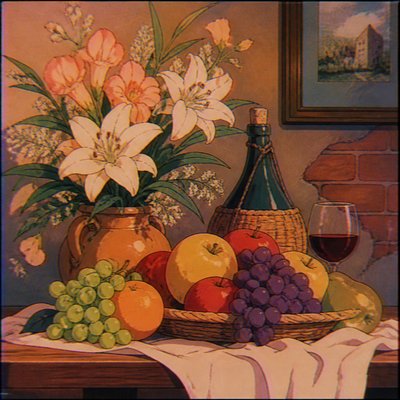
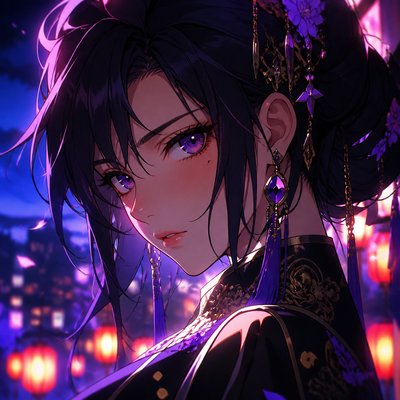
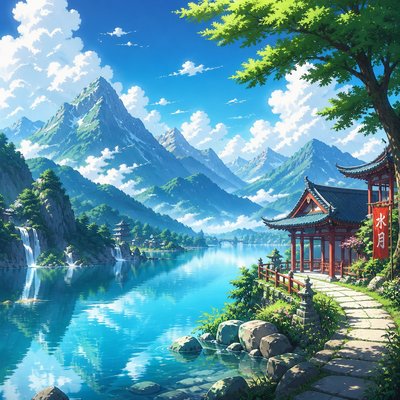
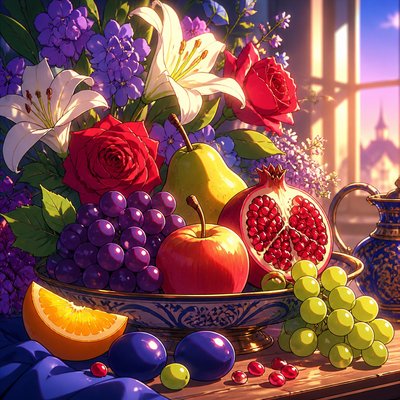
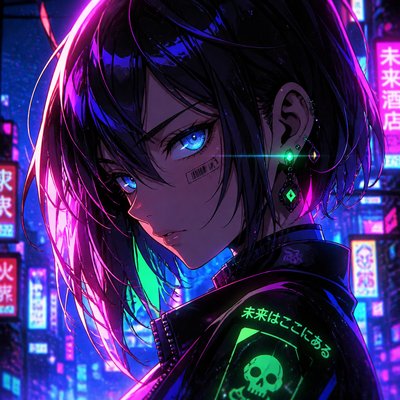
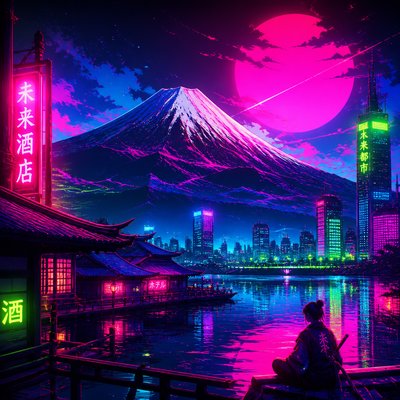
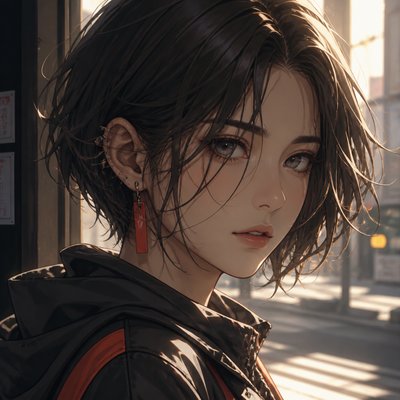
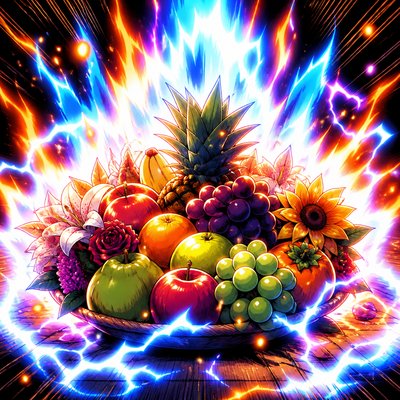
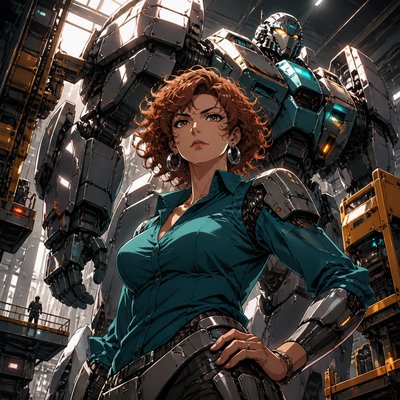
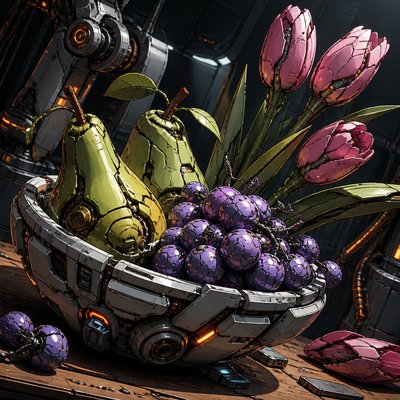
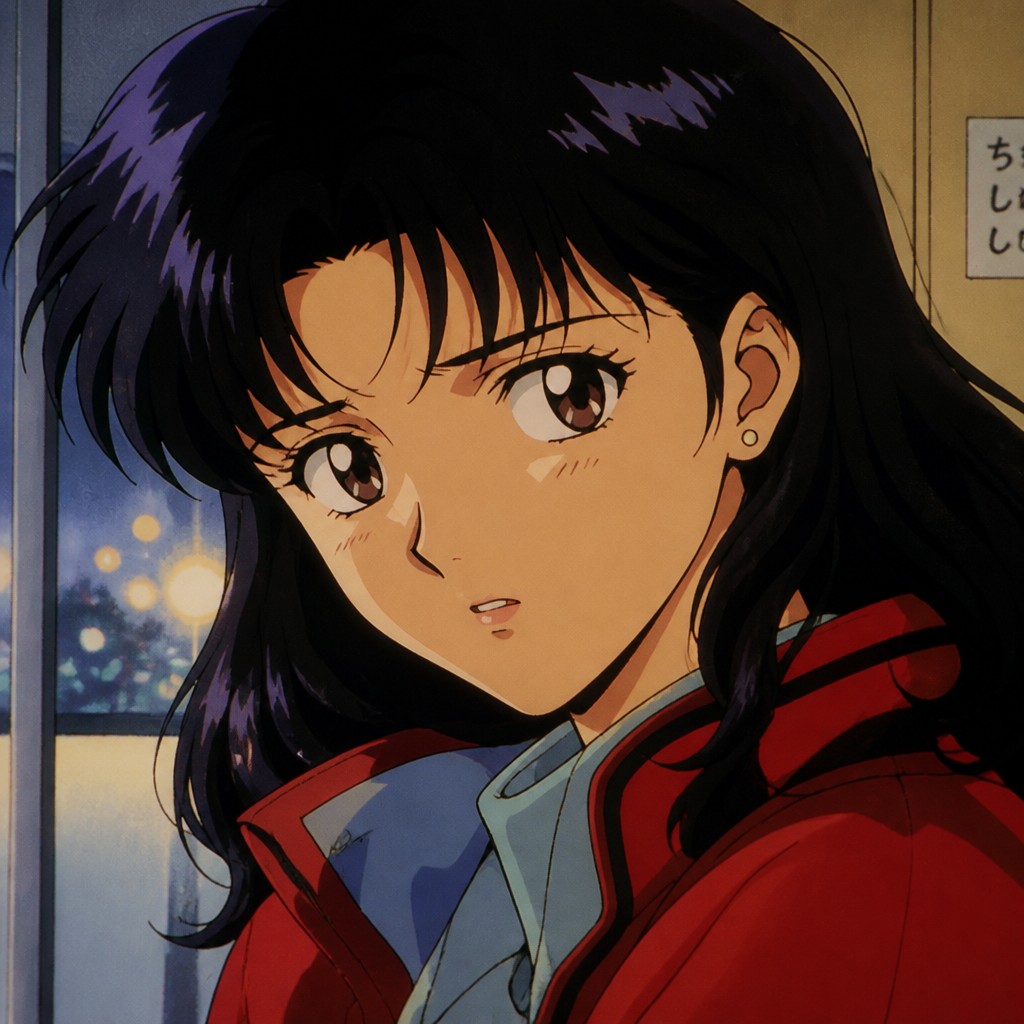
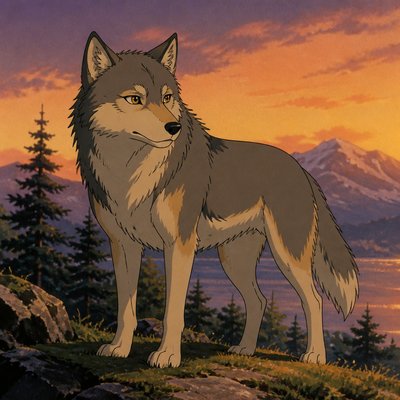
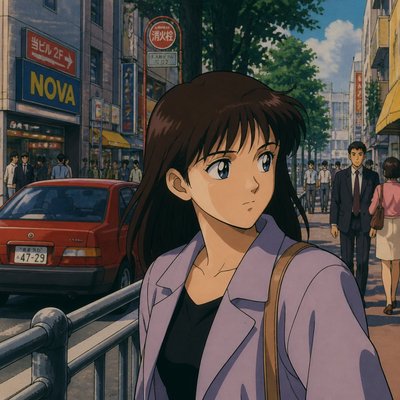
90s Anime Cell Animation Still is the look of a single paused frame from hand-drawn Japanese television animation and feature films produced on acetate cels. It is defined by bold black linework, flat color fills, crisp shadow shapes, and the tactile irregularities of paint applied by hand: slight buildup at edges, subtle pooling, and small variations that keep the image from feeling mechanically uniform.
What makes the style distinctive is the balance between graphic clarity and analog warmth. Characters and objects are usually outlined with line weights that vary by form and distance, while lighting is simplified into cel-shaded layers rather than continuous rendering. The result often includes muted production-era colors, gentle analog color bleed, soft airbrushed highlights, and faint film grain, evoking the material and workflow of 1990s animation before fully digital pipelines became dominant.
Try It On Your Photos
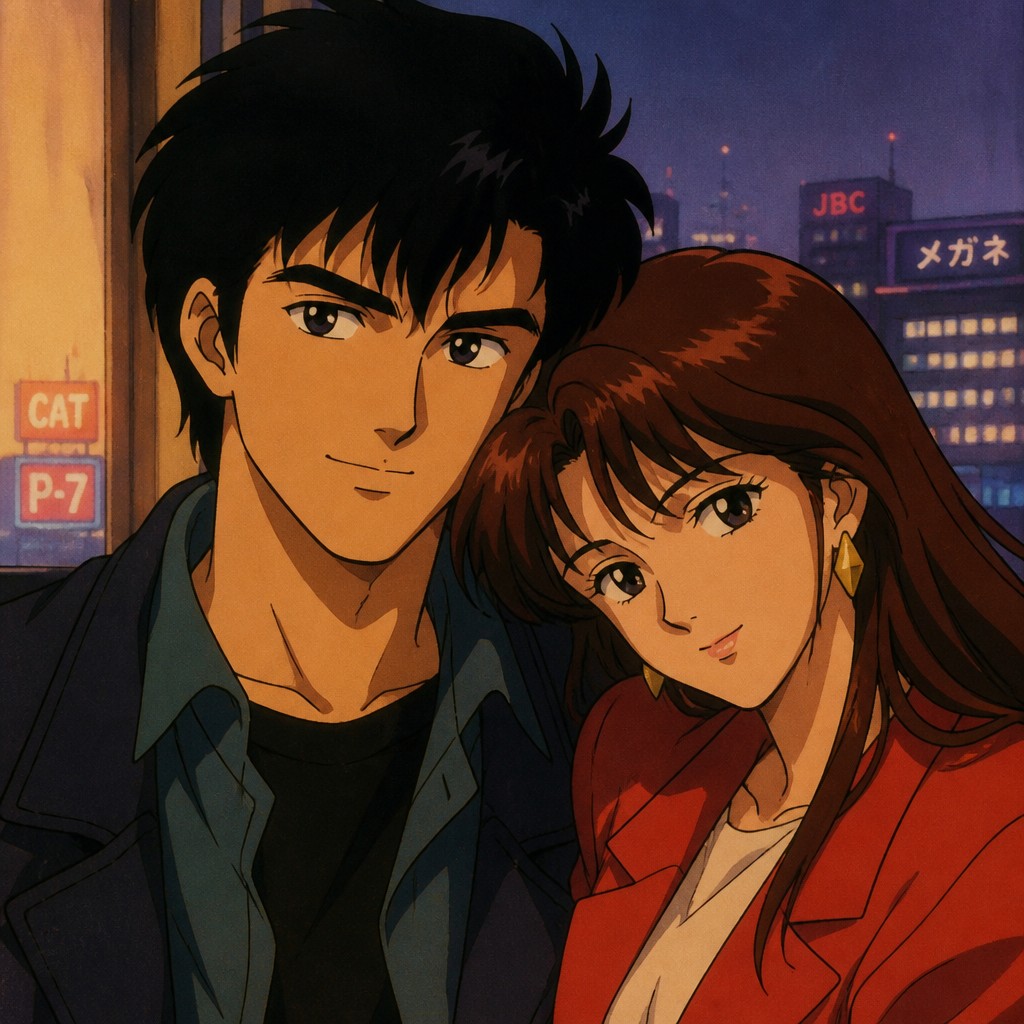
Upload any photo and convert it into 90s Anime Cell Animation Still — drag the sliders to compare before and after.

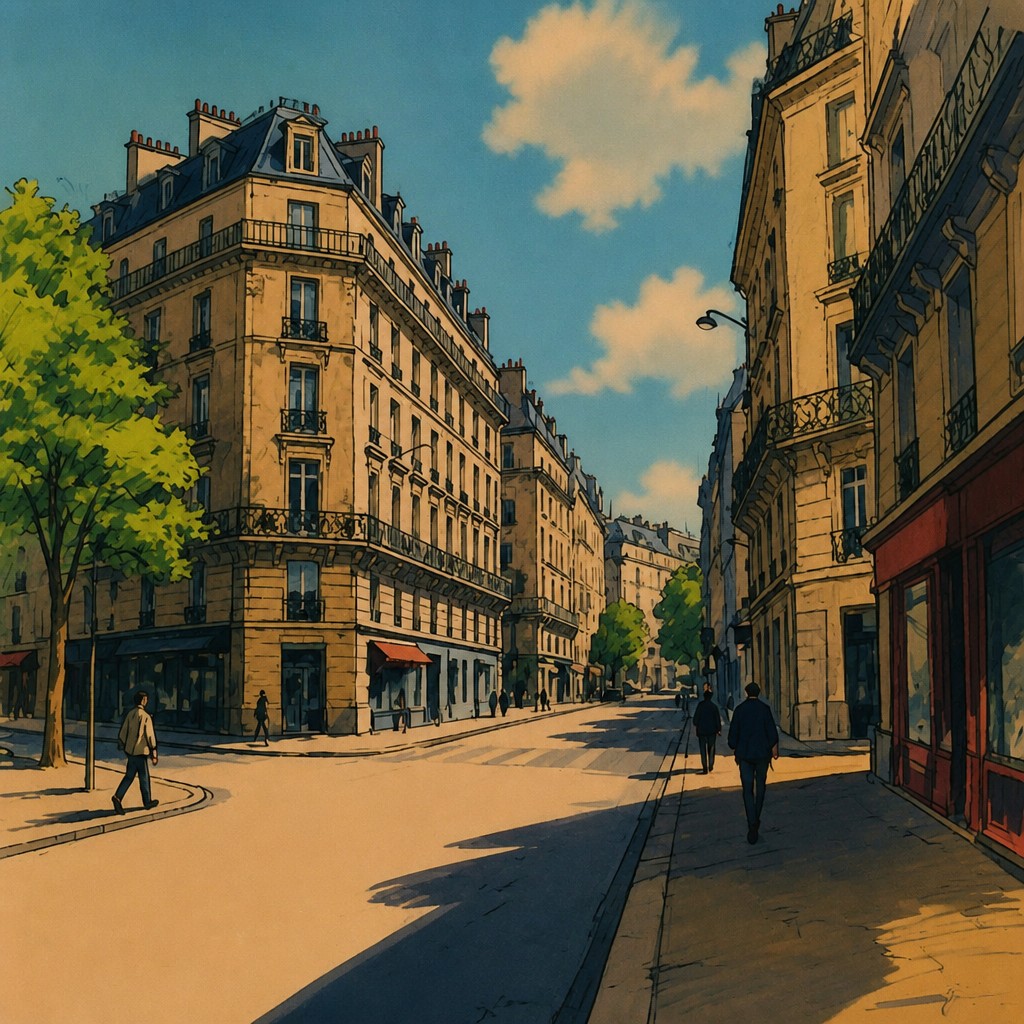

What Defines 90s Anime Cell Animation Still
The signature details, up close
Hand-painted cel surfaces
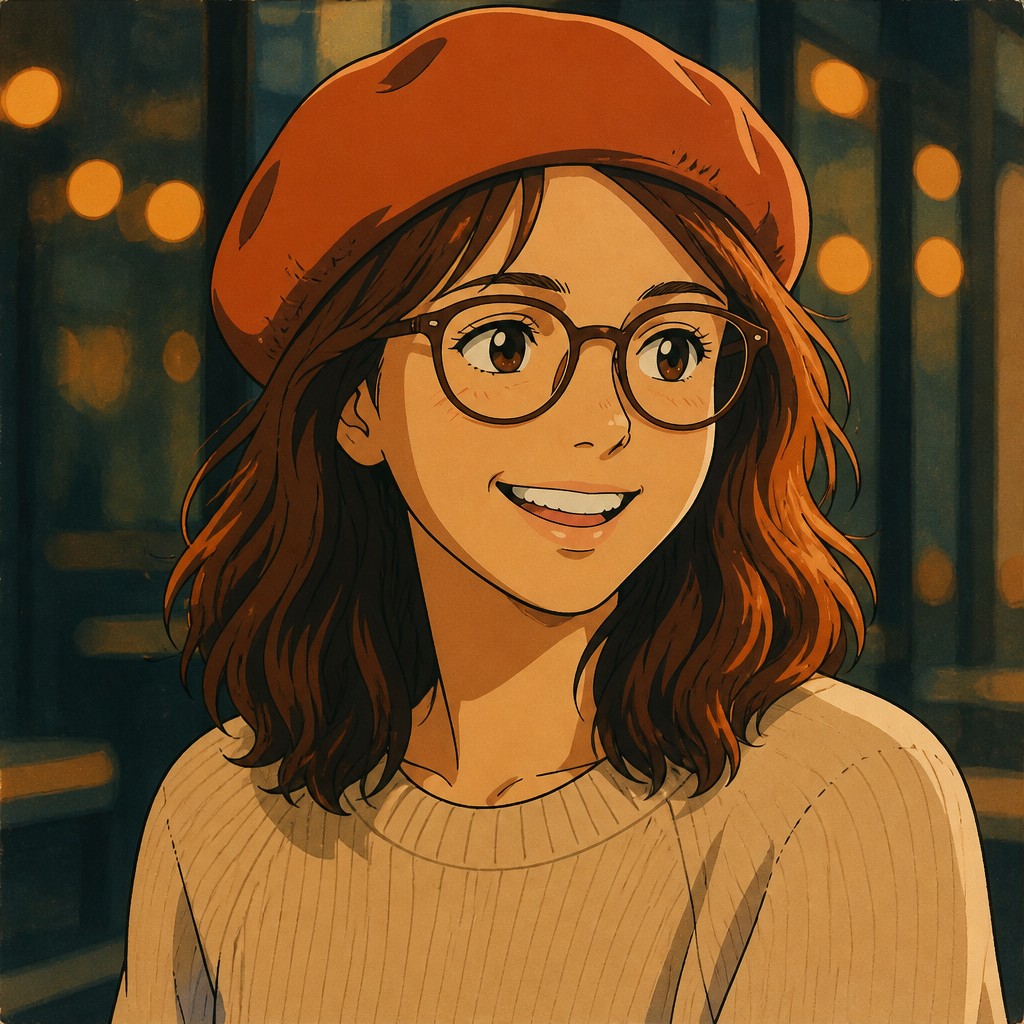
Color areas look painted onto acetate rather than digitally filled, often with slight streaks, buildup, or pooling near edges. The effect suggests real pigment sitting on a transparent sheet.
Bold linework
Outlines are clean and decisive, with varying thickness that helps separate foreground from background and emphasize facial features, hair, and motion. The linework often remains visible as a structural element rather than being softened away.
Flat fills and cel shadows
Shading is typically made of one or two hard-edged shadow shapes rather than smooth gradients. This gives forms a graphic, layered appearance that reads clearly at animation scale.
Muted 90s palette
Colors tend to be warm, slightly desaturated, and production-minded, with restrained highlights and atmospheric tonal harmony. Neon accents may appear, but usually against a grounded overall palette.
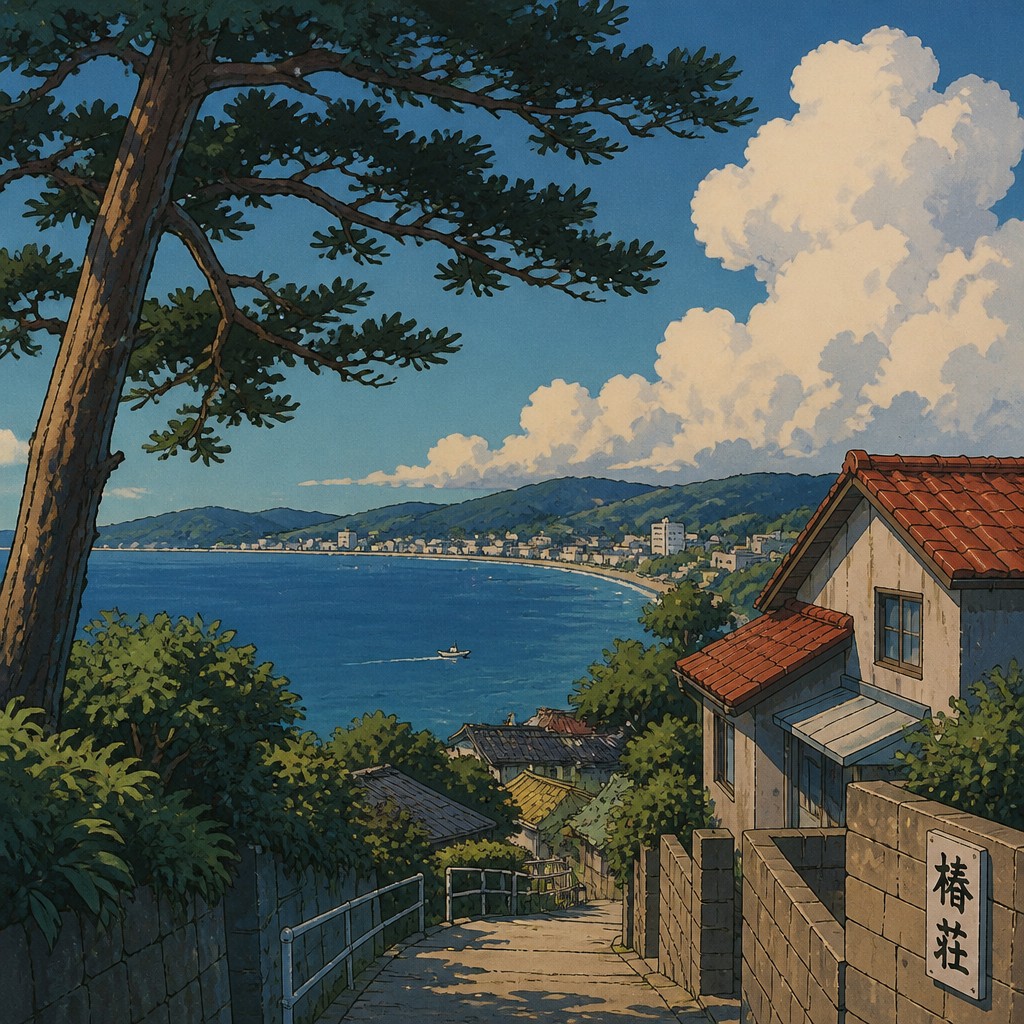
Analog color bleed and film warmth
Edges may show mild bleed, registration softness, or a faint glow from photographic reproduction and aging. A subtle film-grain texture reinforces the sense of a frame captured from broadcast or print film.
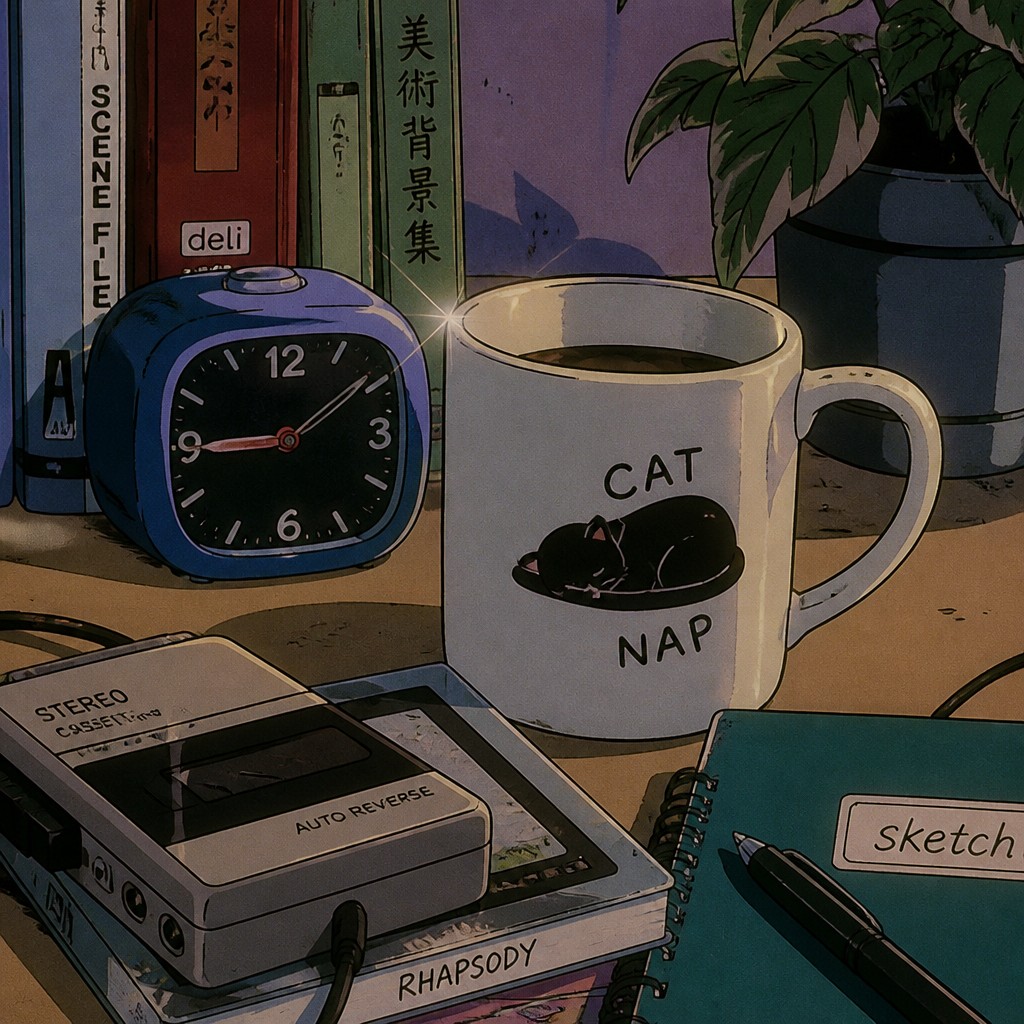
Soft highlight effects
Airbrushed glows, rim light, and gentle bloom are often used for magical, emotional, or nighttime scenes. These effects stay restrained and sit on top of the cel structure rather than replacing it.
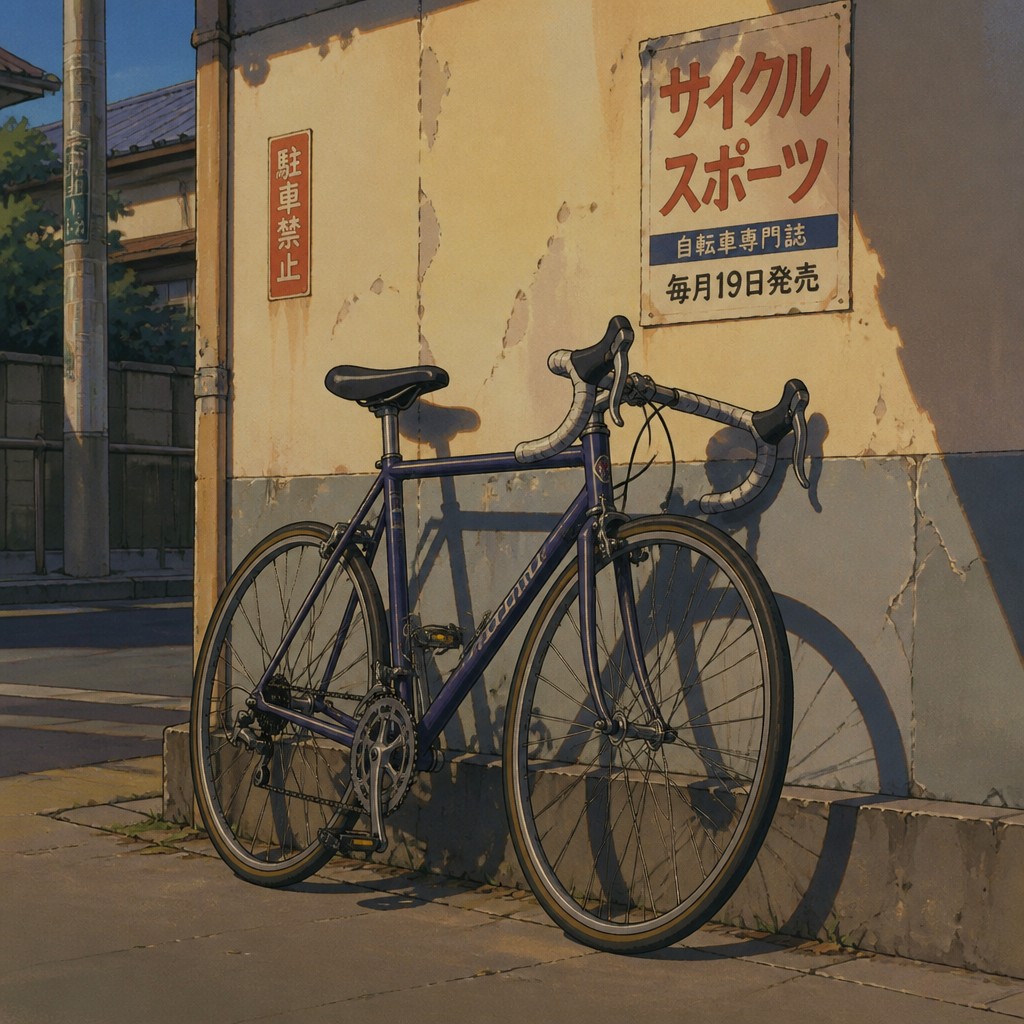
Paused-frame composition
The image often feels like a still extracted from an animated sequence, with clear staging, expressive poses, and readable silhouettes. Motion is implied through the pose, timing, and composition rather than through blur or heavy realism.
Try It
Create Videos in 90s Anime Cell Animation Still
Styles aren't just for stills — describe a scene or animate an image and get a short video rendered in 90s Anime Cell Animation Still. Press play to see this pond come to life.
Make a Video90s Anime Cell Animation Still Prompt Ideas
Start from an idea — each one opens the generator with the style ready to go. See all 40 90s Anime Cell Animation Still prompts →
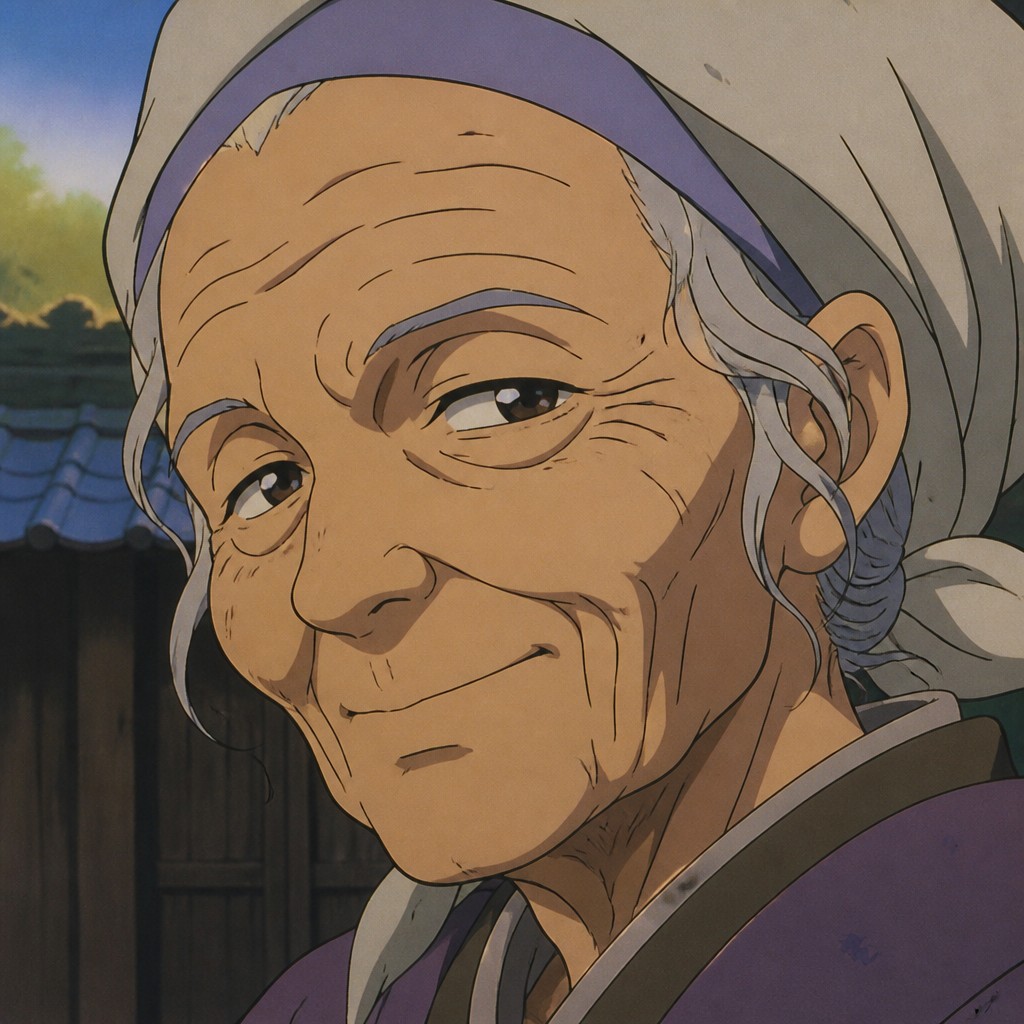
“close-up portrait of an elderly person with expressive weathered features”
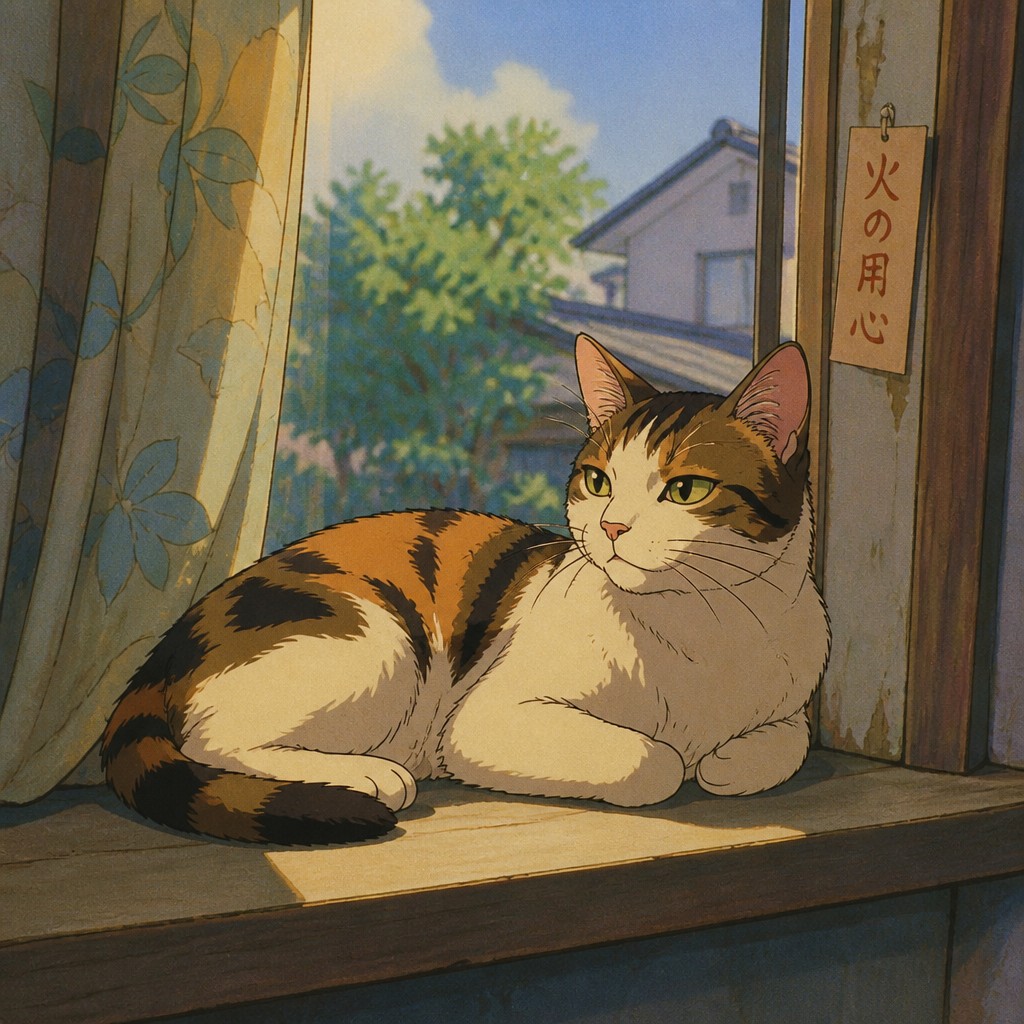
“a cat lounging in a sunlit window”
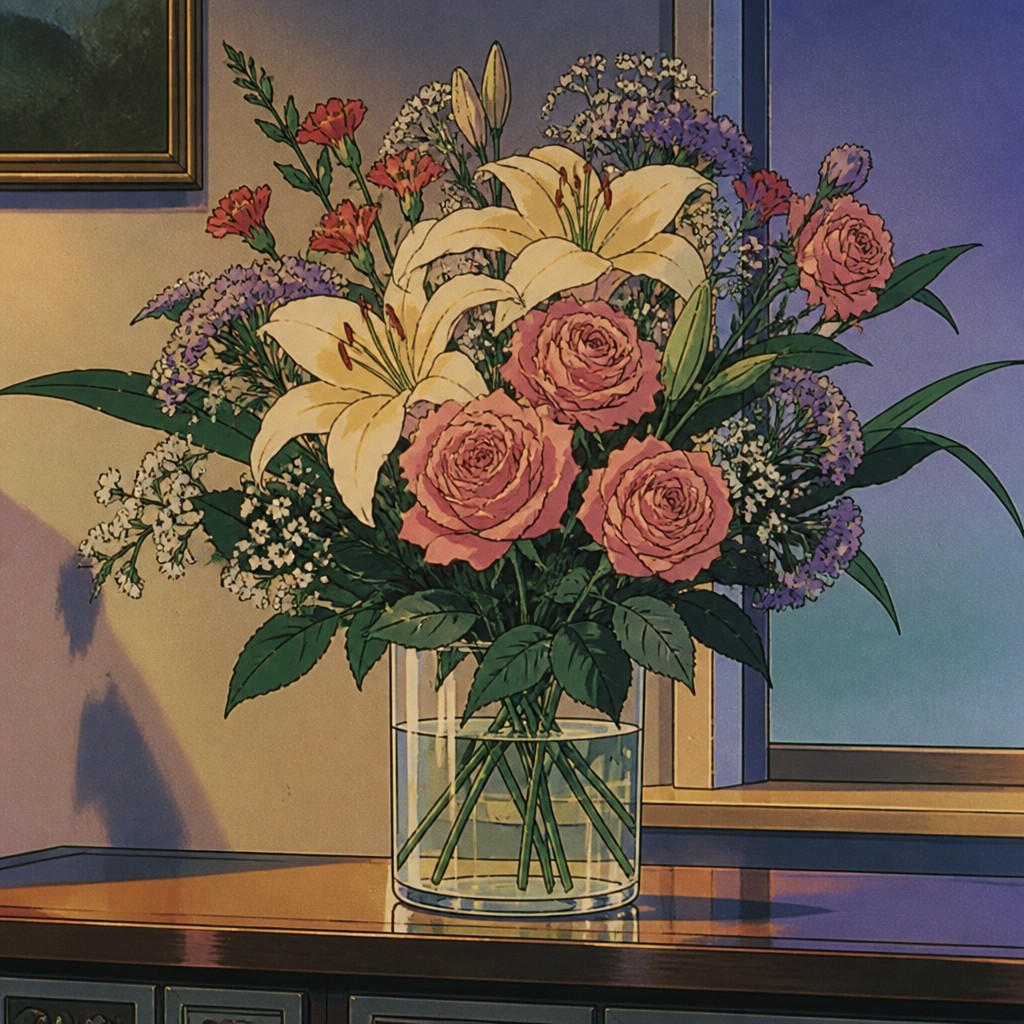
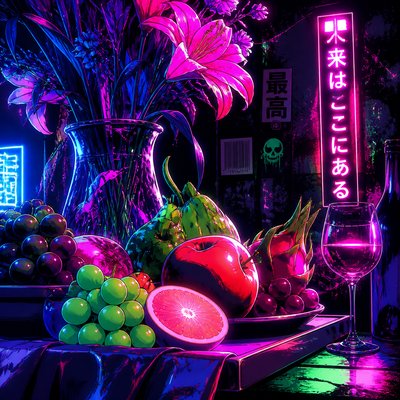
“bouquet of flowers in a glass vase”
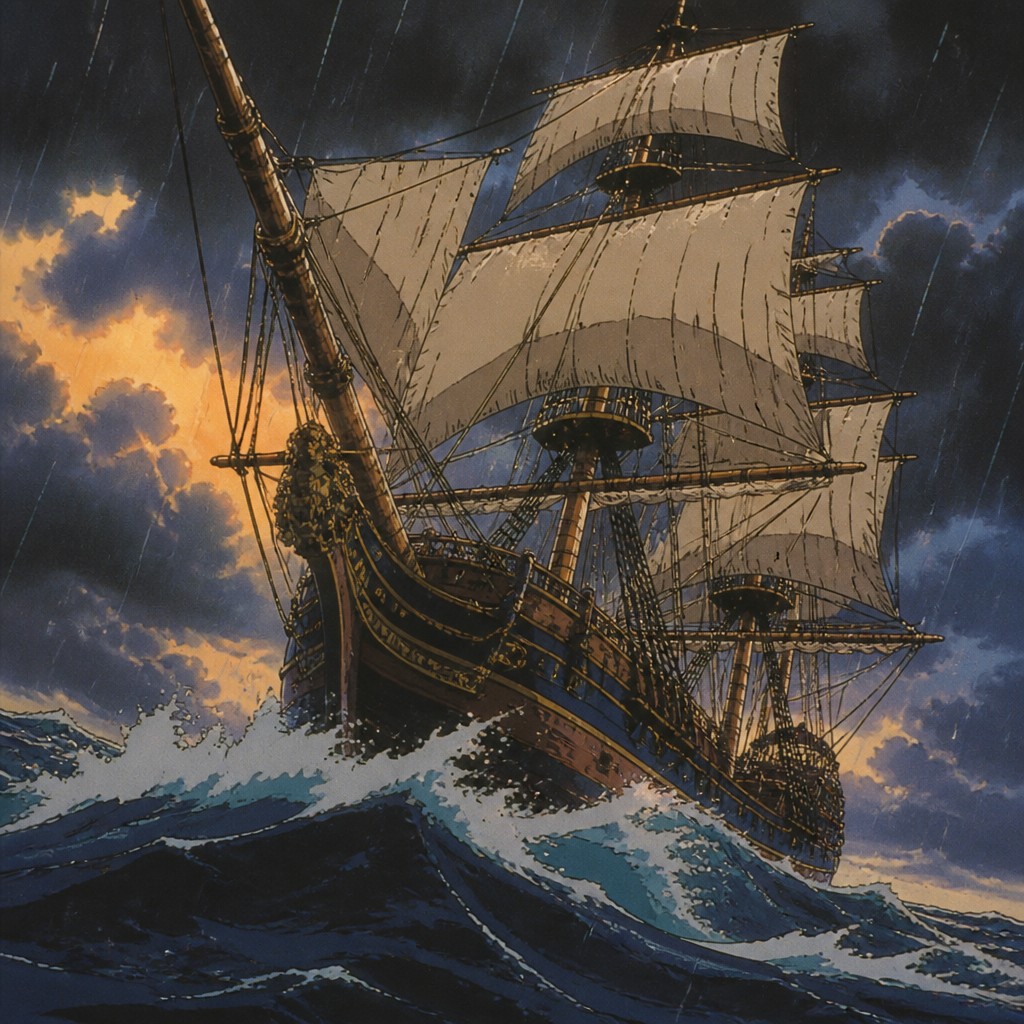
“sailing ship on a stormy sea”
How to Create 90s Anime Cell Animation Still Art
Master the craft step by step — or skip straight to creating. Read the full guide →
- 1
Use clean line art first
Begin with a confident drawing in ink or vector-like linework, varying line weight to separate features and suggest depth. Keep contours crisp, because the style depends on legibility more than texture-heavy rendering.
- 2
Paint in flat color regions
Apply broad, even fills for skin, hair, clothing, and props, then add only a small number of hard-edged shadow shapes. Traditional painters can mimic the effect with gouache on acetate-like surfaces; digital artists should avoid overly blended shading.
- 3
Add subtle hand-painted irregularities
Introduce slight edge buildup, tiny streaks, and imperfect transitions where paint would naturally collect. These details should be restrained so the image still reads as clean animation cels rather than distressed illustration.
- 4
Tune the palette for the era
Favor warm neutrals, softened primaries, and slightly muted saturation, with selective accent colors for energy or mood. Avoid hyper-saturated modern grading unless you want a more stylized homage than a period-accurate look.
- 5
Finish with analog atmosphere
Use gentle bloom, mild color bleed, and a touch of grain to suggest photographic reproduction and broadcast warmth. In prompt-based generation, specify that the image should look like a hand-painted cel animation still with flat fills, crisp shadow layers, and subtle film texture.
- 6
Anchor the scene in animation logic
Choose a subject, pose, and framing that would plausibly appear in a 1990s series frame: clear silhouettes, expressive faces, and readable action beats. Whether working traditionally, digitally, or with prompts, prioritize staged clarity over photoreal detail.

The Story
History & Origins of 90s Anime Cell Animation Still
This look comes from the production methods of Japanese animation in the late 1980s and 1990s, when drawings were inked, painted on acetate cels, and photographed over painted backgrounds. Because each color area had to be separated into clean layers for filming, the style naturally favored bold contours, simplified shapes, and limited shadow design. The visible brush character and slight edge irregularities are not imperfections in the style so much as evidence of the hand-painted process.
Its aesthetic lineage also includes earlier television animation economies, theatrical cel animation, manga character design, and the graphic conventions of limited animation. In the 1990s, many studios developed a recognizable visual language built around warm palettes, atmospheric lighting, and expressive but efficient drawing. Even today, artists and animators imitate this look to reference that period’s production methods and visual mood rather than a single studio or artist.
Influences: This aesthetic draws from Japanese anime cel animation, manga character design, and the practical limitations of pre-digital production. It also overlaps with broader hand-painted cel animation traditions seen in Disney and other studios, though the specific look here is most closely associated with 1990s Japanese television and film animation. Its softness, atmospheric lighting, and compositional clarity echo the work of animators and designers associated with major anime productions of the era, while its graphic line discipline reflects the language of illustration and comic art.

Frequently Asked Questions
What defines a 90s anime cell animation still?
It is defined by hand-drawn-looking linework, flat color fills, hard cel shadows, and the tactile imperfections of painted acetate cels. The overall effect should feel like a paused frame from a 1990s animated series or film, not a polished digital illustration.
How is this different from modern anime art?
Modern anime often uses cleaner digital coloring, smoother gradients, and more uniform line treatment. The 90s cel look is usually warmer, slightly less pristine, and more obviously layered, with analog texture and limited shadow design.
Is this the same as cel shading?
Cel shading is a rendering method that imitates the flat, graphic shadowing of animation, but it does not automatically create the full 90s cel feel. The style here also includes hand-painted texture, muted production colors, analog bleed, and the specific atmosphere of older film and broadcast materials.
What subjects work best in this style?
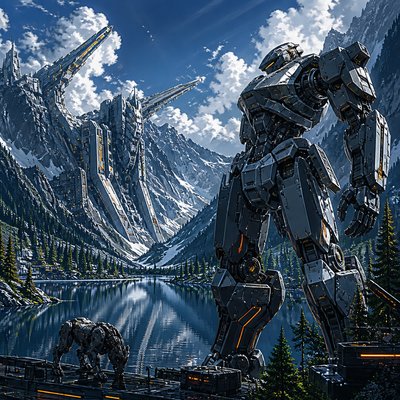
Characters, mecha, magical scenes, school settings, urban nightscapes, and dramatic landscapes all fit well because they match the visual language of 1990s anime. Clear silhouettes and expressive poses are especially effective.
How do I make my own art look like this?
Use strong outlines, flat fills, and a limited number of hard-edged shadows, then add subtle paint irregularities and a warm film-like finish. If working digitally, avoid overly smooth airbrushing except where a soft glow is intentionally part of the scene.
Where is this style commonly used?
It is commonly used in nostalgic fan art, retro-inspired character illustrations, animated title cards, posters, and scene reconstructions. It is also used in visual references for games, music artwork, and media that want to evoke the mood of 1990s Japanese animation.
Create your first 90s Anime Cell Animation Still artwork
Describe anything — or upload a photo — and see it in 90s Anime Cell Animation Still in seconds.
Make Something with 90s Anime Cell Animation Still
Related Styles
Discover similar art styles