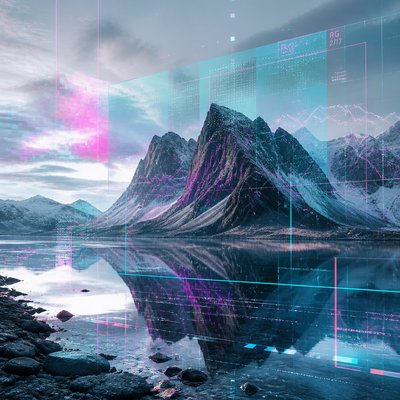
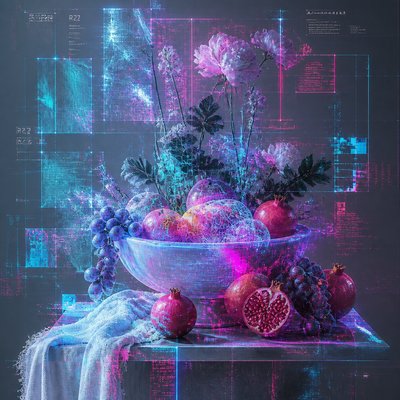
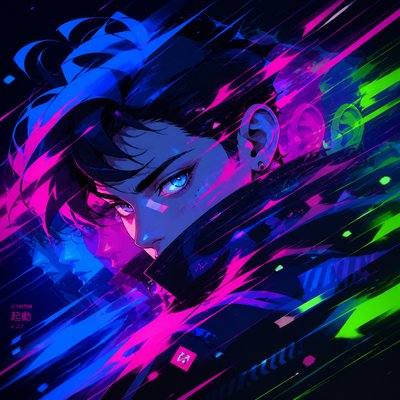
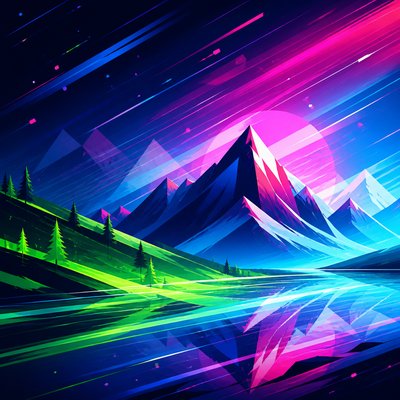
Semi-Realistic Anime Art Style
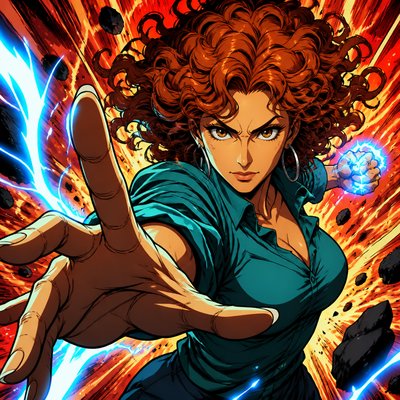
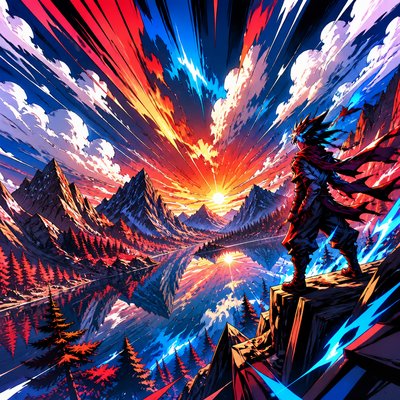
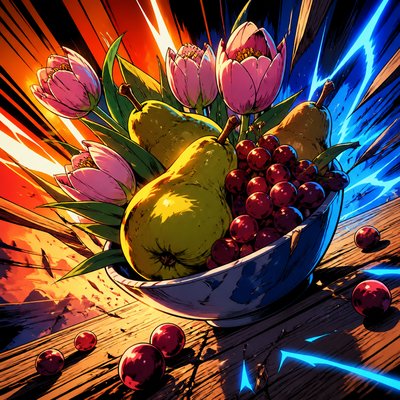
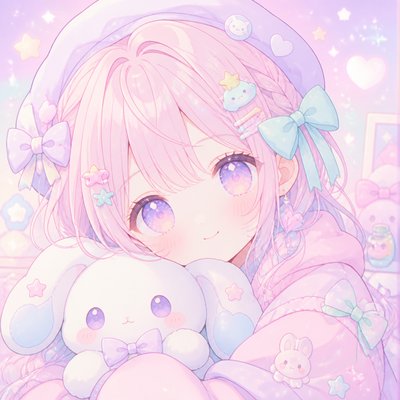
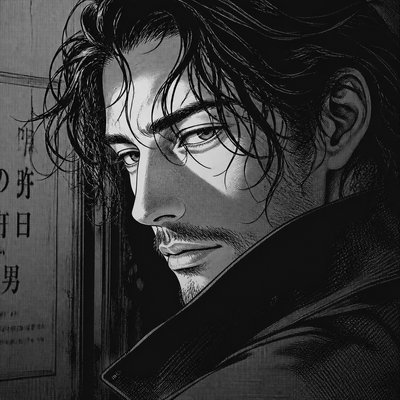
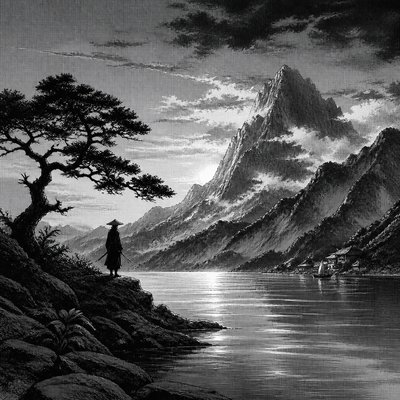
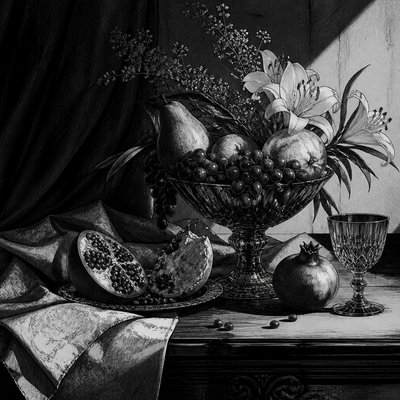
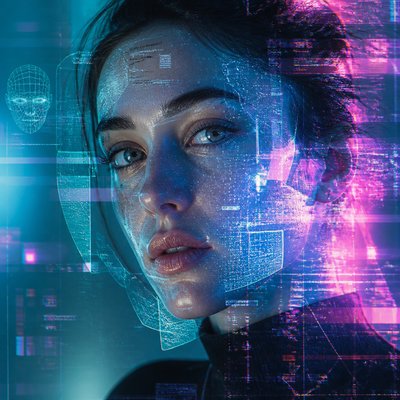
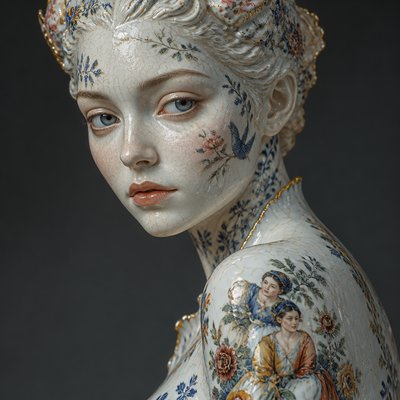
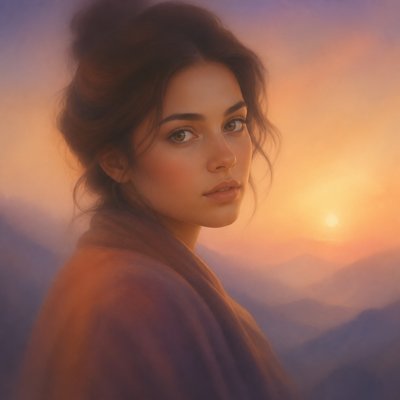
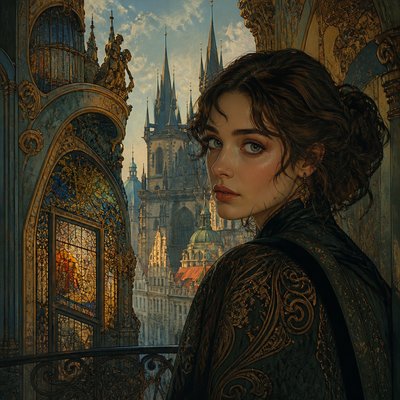
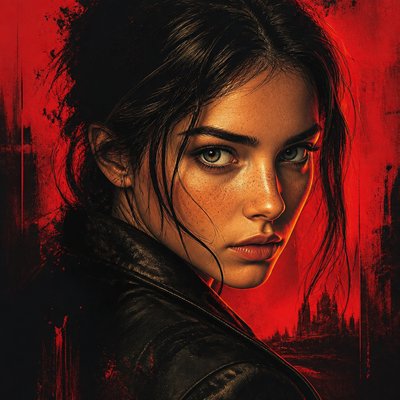
Anime-inspired art with realistic proportions, expressive eyes, stylized hair, and polished lighting for mature illustrations.
Instantly rendered in Semi-Realistic Anime — or transform a photo
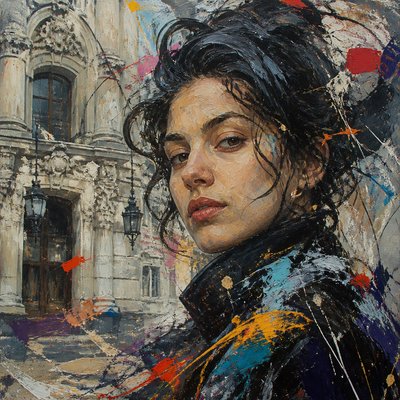
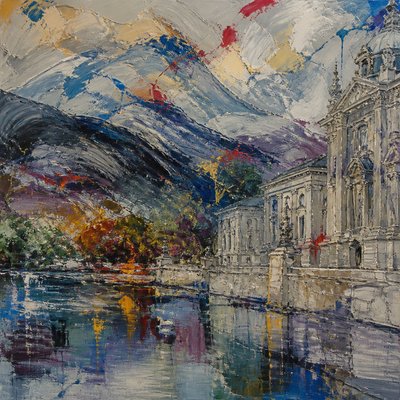
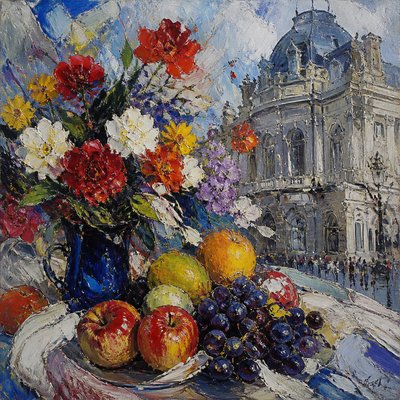
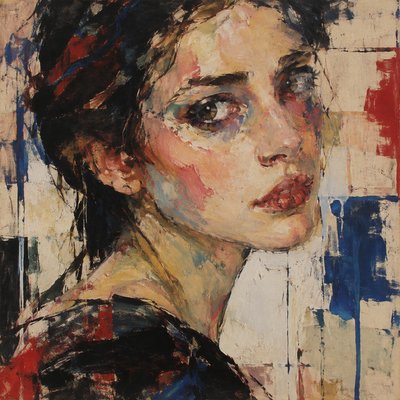
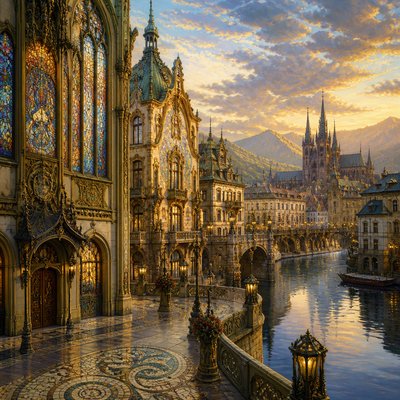
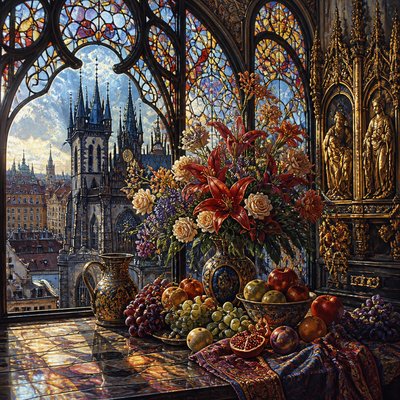
Semi-Realistic Anime Gallery
Tap any artwork to explore it
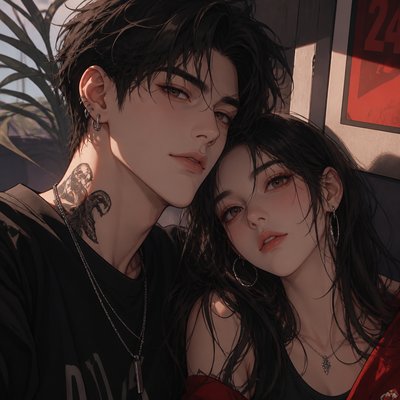
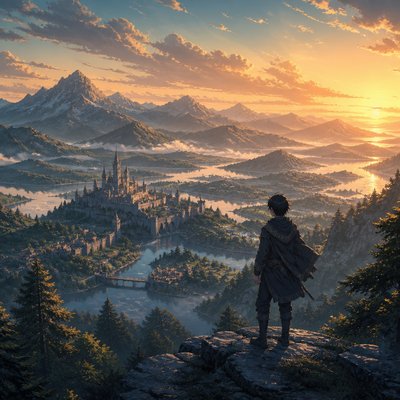
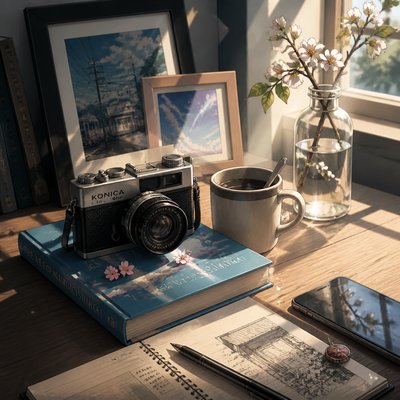
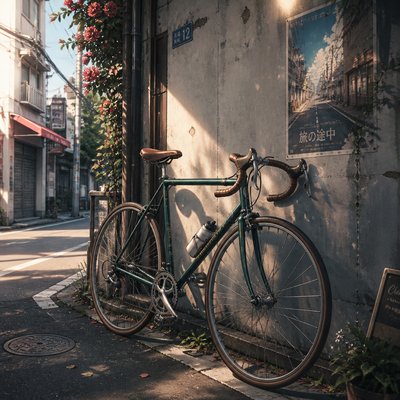
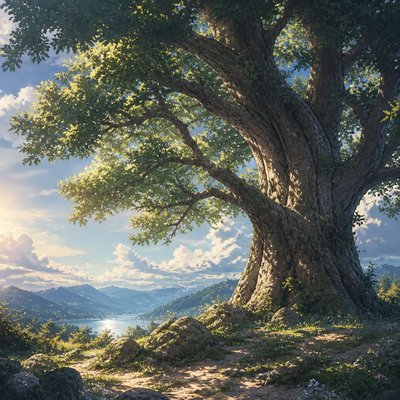
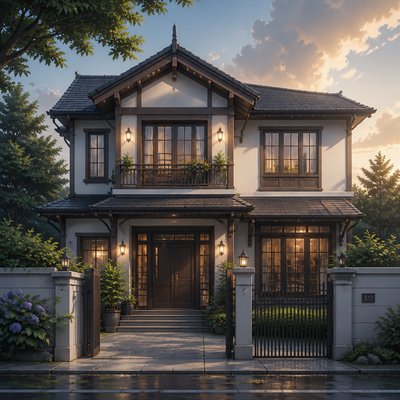
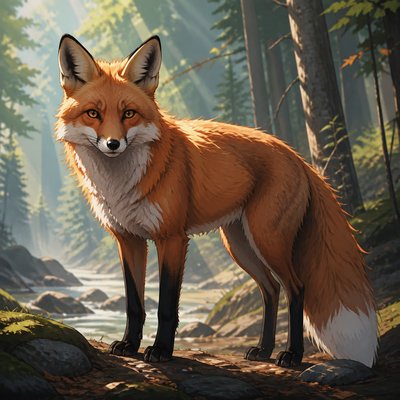
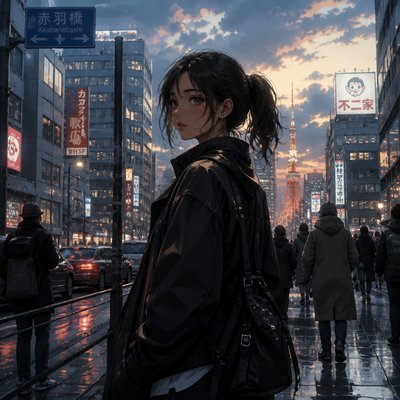
What is Semi-Realistic Anime Art Style?
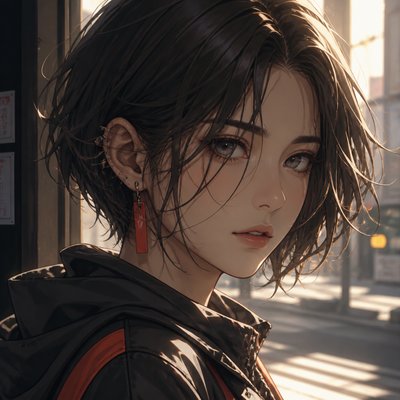
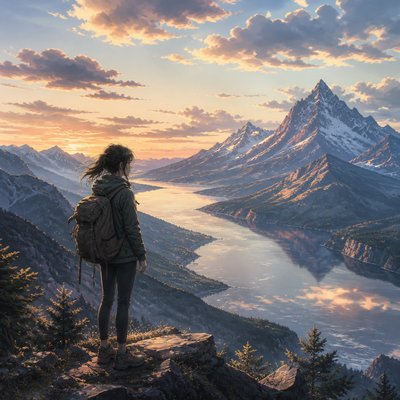
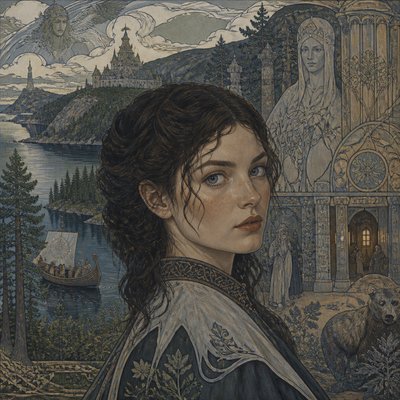
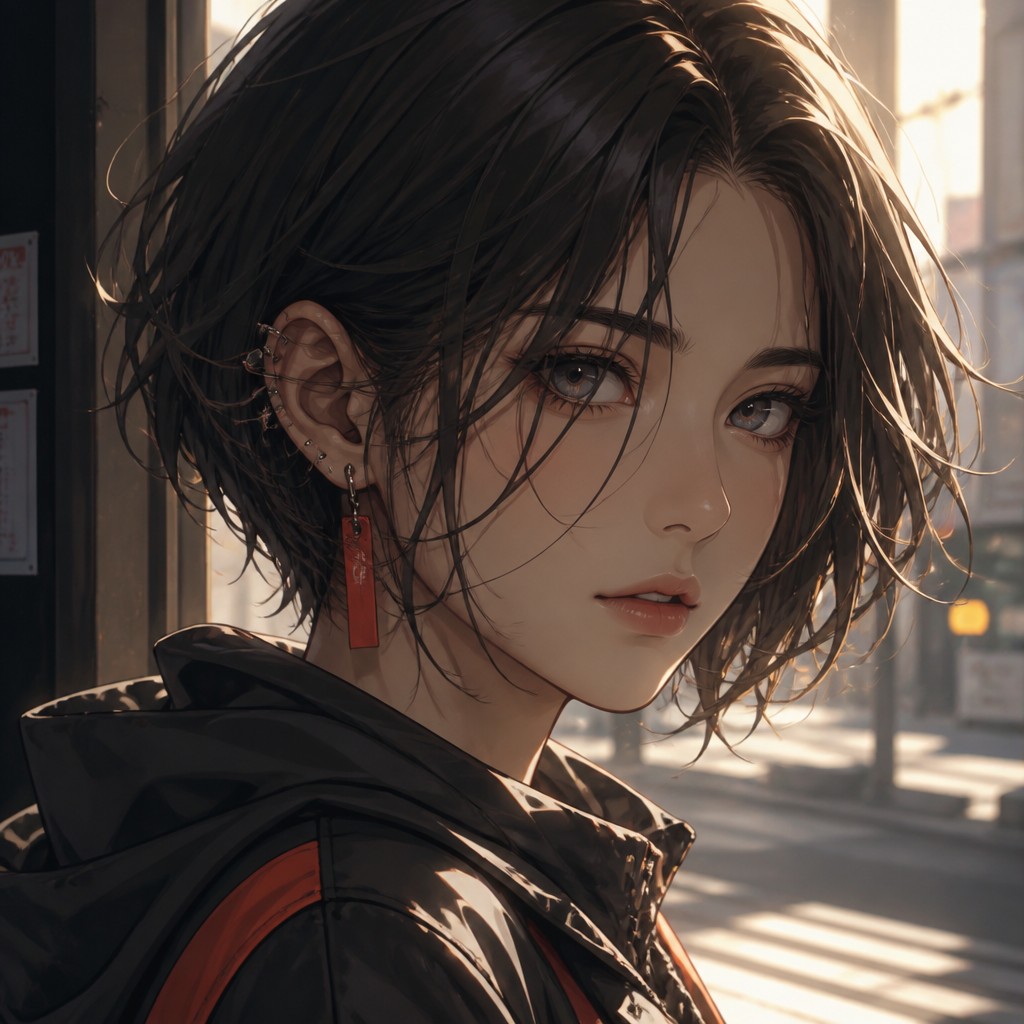
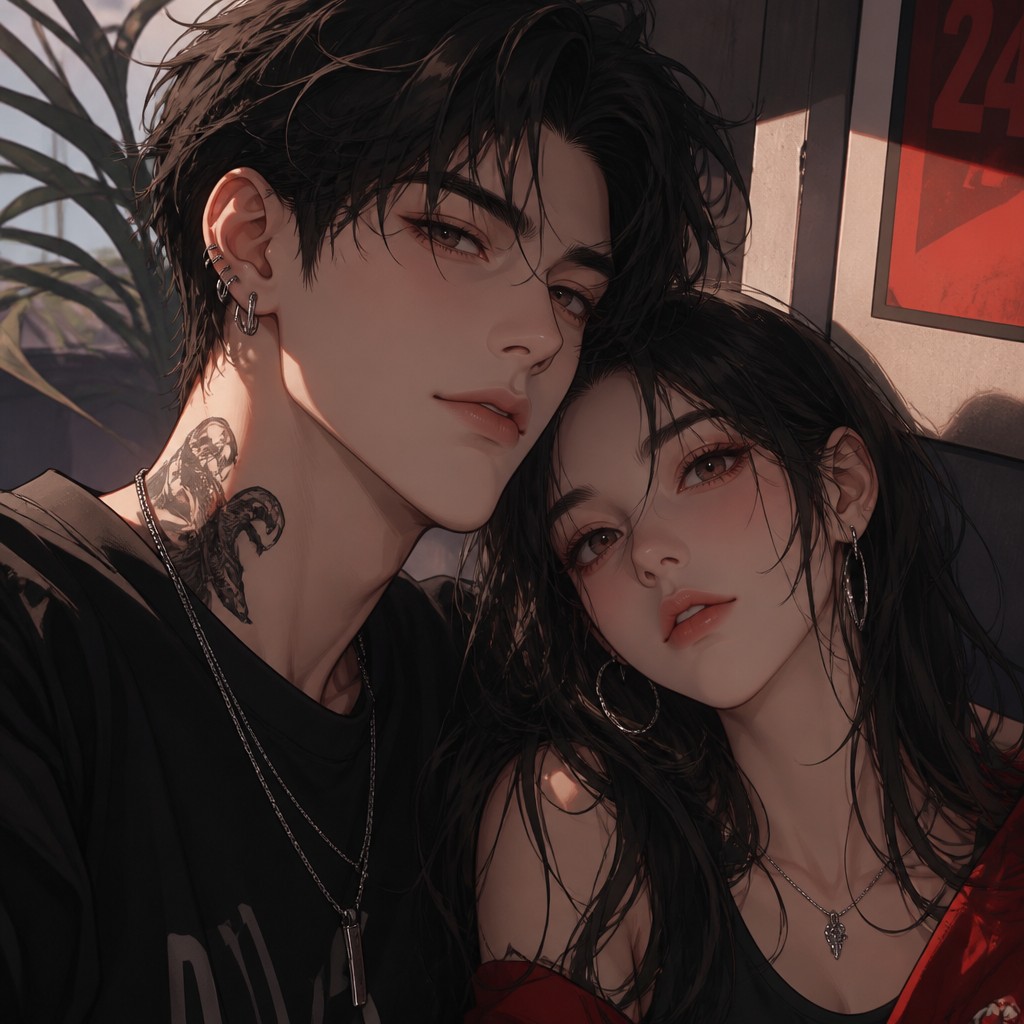
Semi-realistic anime art sits between two visual languages: the heightened expressiveness of anime and manga, and the anatomical credibility of realism. It typically preserves anime’s large, communicative eyes, clean silhouettes, and stylized hair while adjusting the body, face, and pose to feel more physically grounded. The result is a hybrid look that reads as contemporary, polished, and emotionally direct.
Its visual identity is shaped by contrast. Artists often use accurate proportions, believable lighting, and naturalistic skin rendering, but keep selective simplifications in the linework, facial features, and color design. This balance makes the style especially effective for character art, key visuals, romance and fantasy illustration, editorial imagery, and any subject that benefits from both realism and anime’s expressive clarity.
Try It On Your Photos
Upload any photo and convert it into Semi-Realistic Anime Art Style — drag the sliders to compare before and after.


What Defines Semi-Realistic Anime Art Style
The signature details, up close
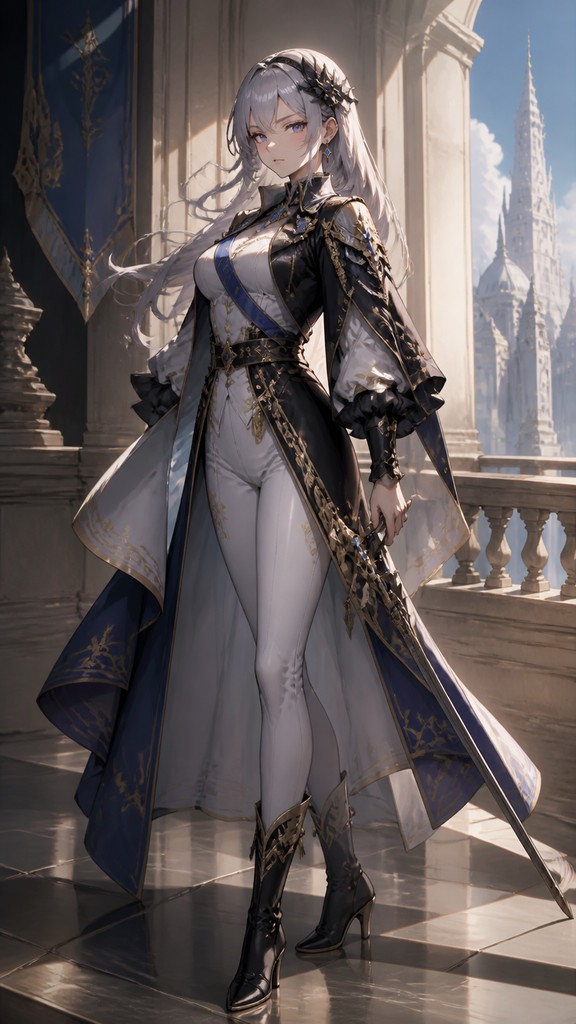
Anatomically grounded figures
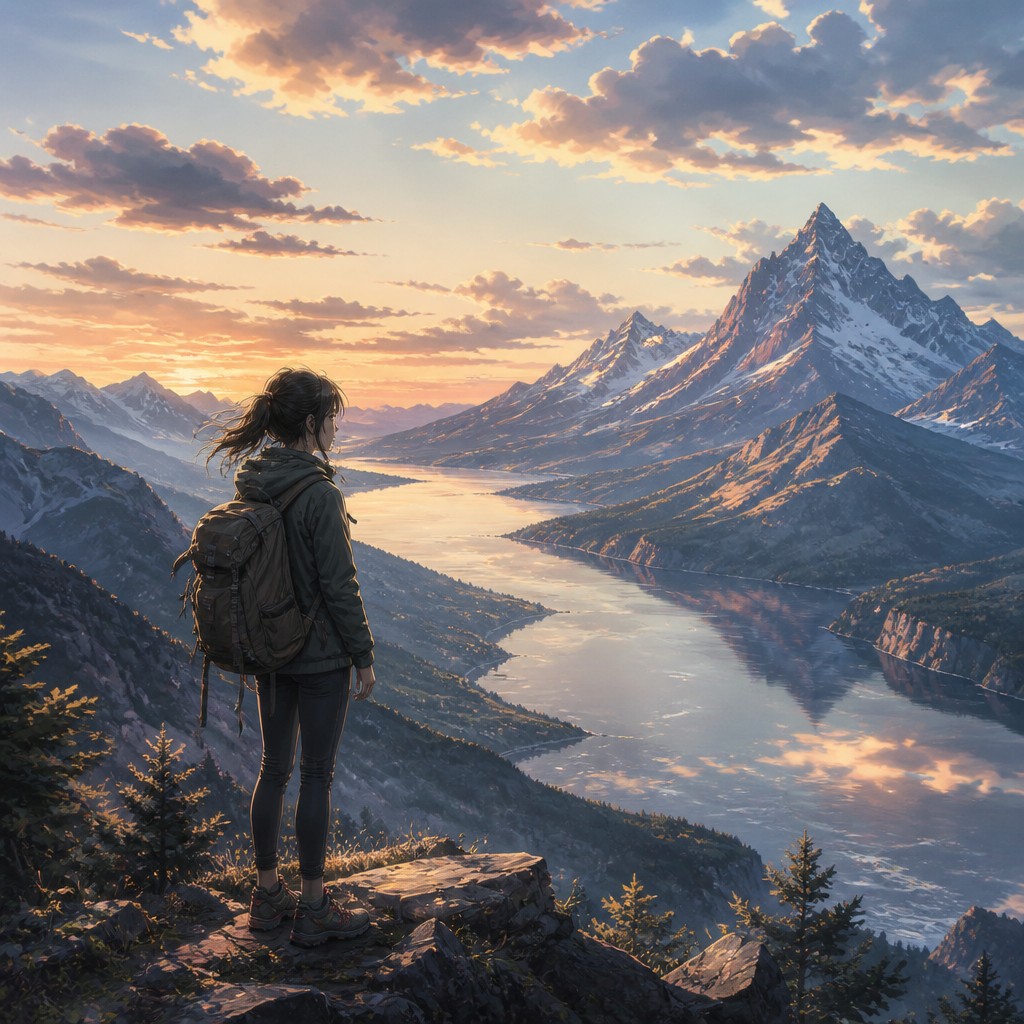
Bodies are usually drawn with believable proportions, joint placement, and posture rather than the exaggerated limbs or simplified torsos common in more cartooned anime. Even when the pose is stylized, the figure should still feel weight-bearing and physically plausible.
Expressive anime facial design
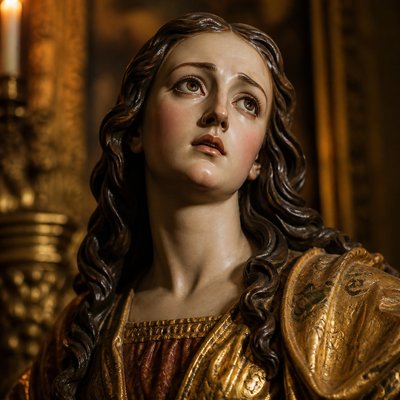
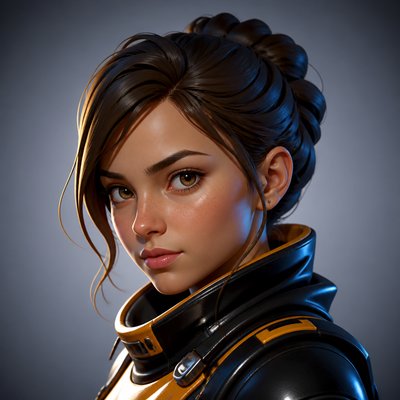
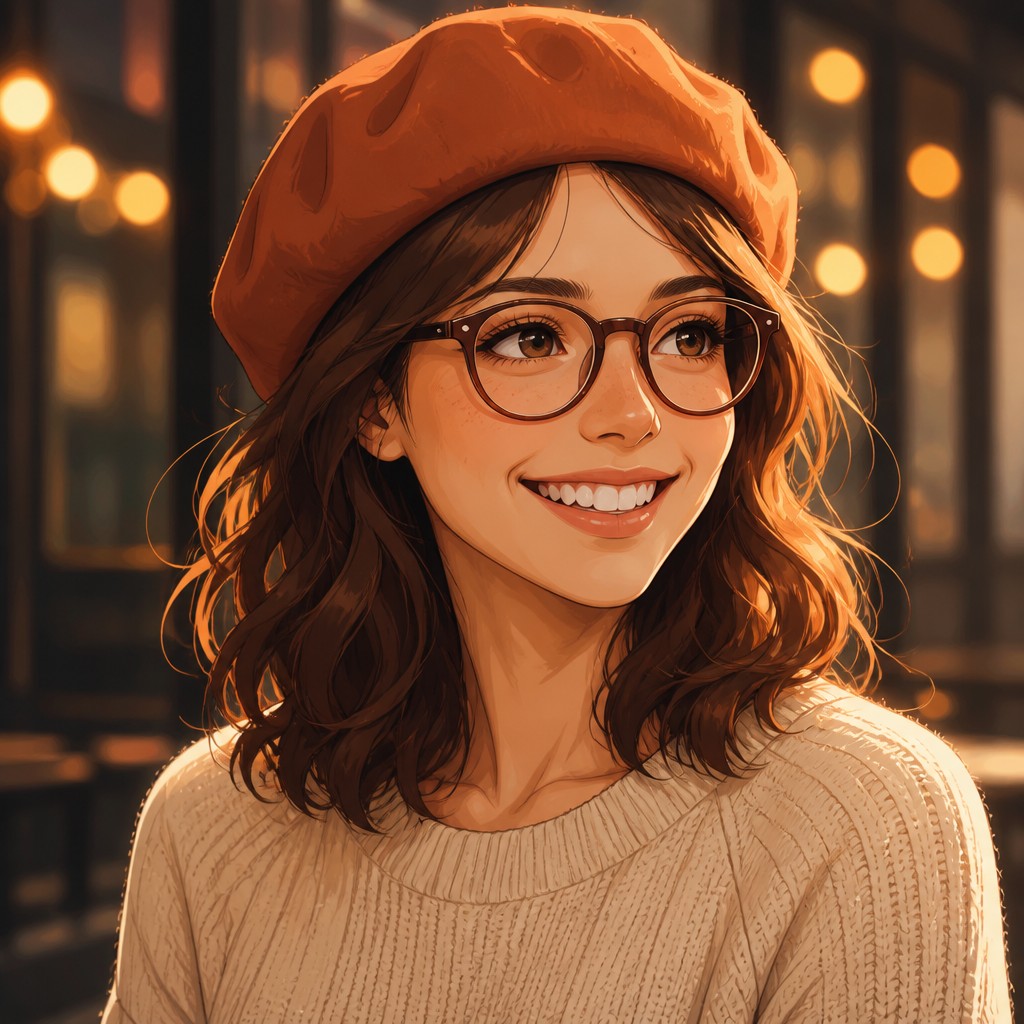
Eyes tend to be large, luminous, and highly communicative, with eyebrows and mouth shapes used to heighten emotion. The face may still be simplified relative to realism, but it is often rendered with enough structure to suggest bone, nose bridge, and cheek planes.
Stylized hair with controlled realism
Hair is usually one of the most graphic elements: flowing shapes, separated clumps, and deliberate highlights create anime identity. At the same time, the hair often follows believable growth patterns, volume, and light behavior.
Refined hybrid rendering
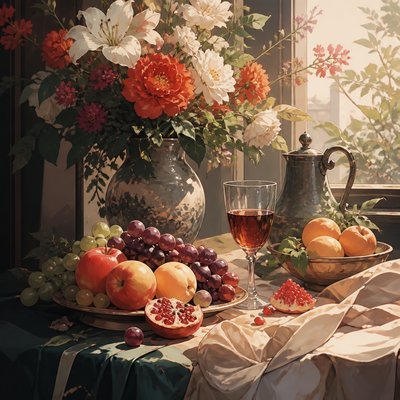
Artists commonly combine clean linework with soft shading, or cel shading with painterly blending. This allows edges to stay crisp and readable while surfaces such as skin, fabric, and hair retain depth and subtlety.
Muted palettes with accent color
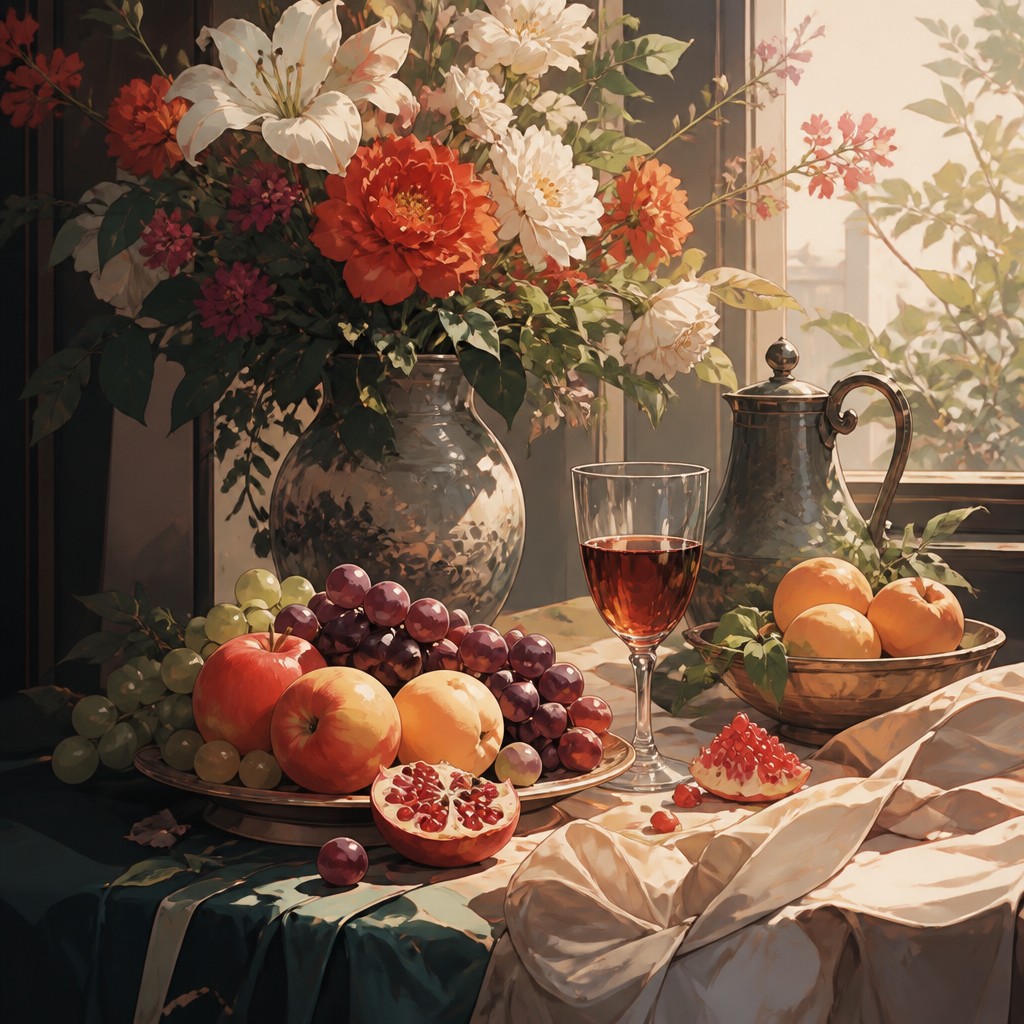
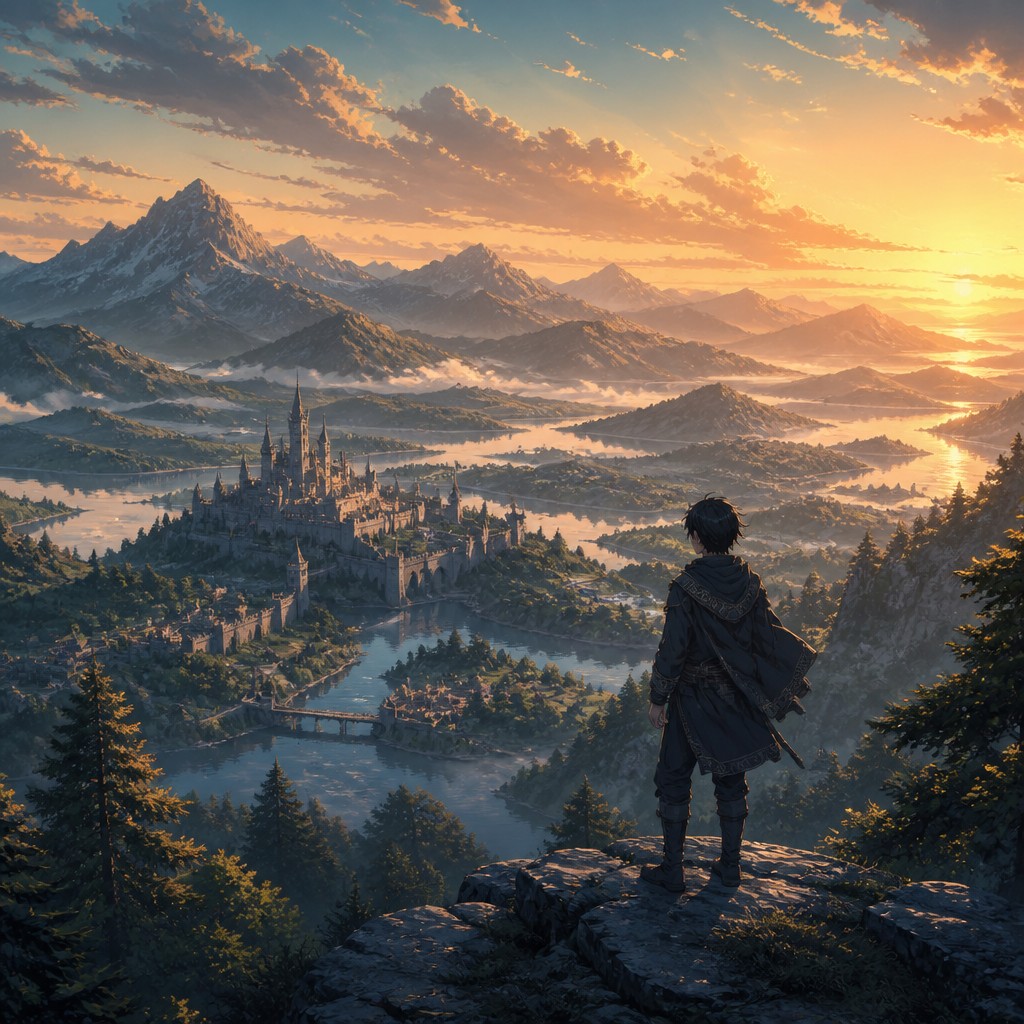
Color schemes are often restrained, using softer neutrals, desaturated tones, or atmospheric colors. Selective vivid accents—such as eye color, neon light, jewelry, or a strong garment detail—provide focus and visual rhythm.
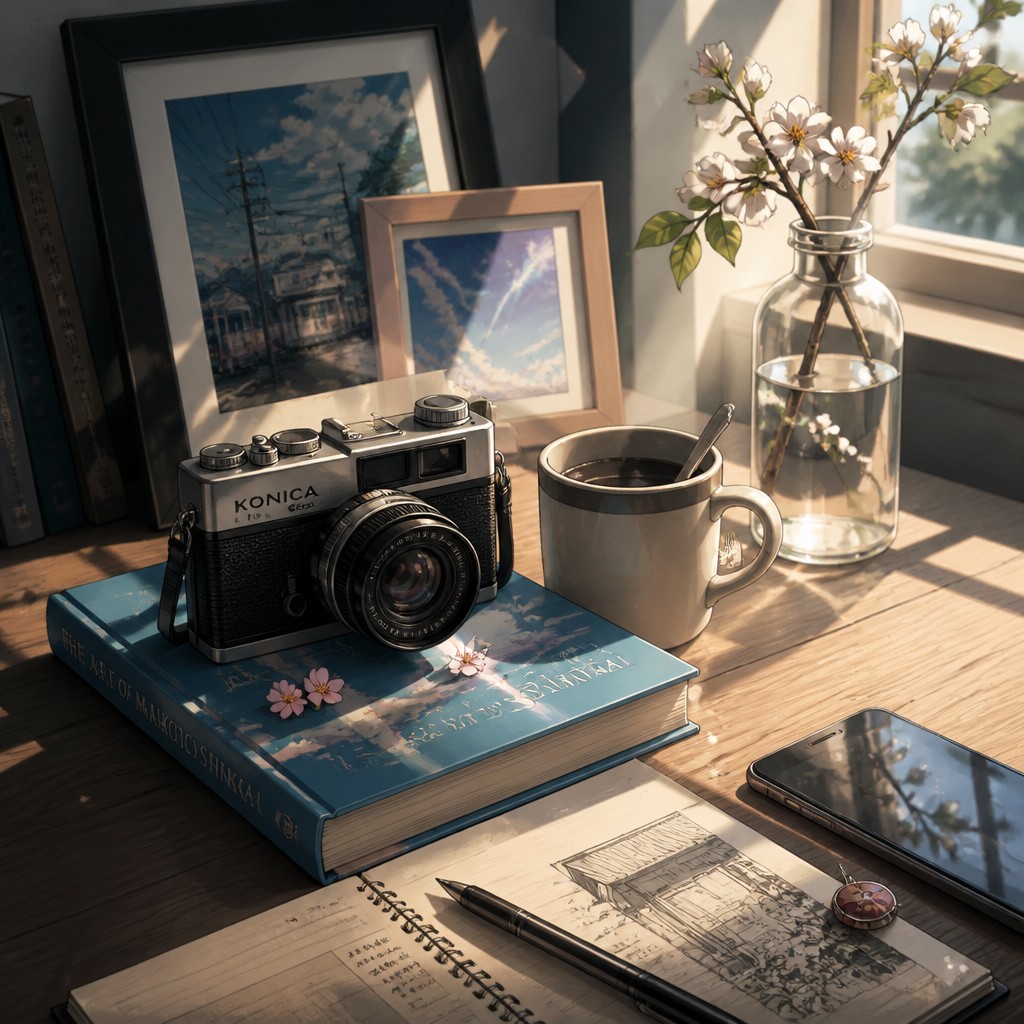
Cinematic lighting and atmosphere
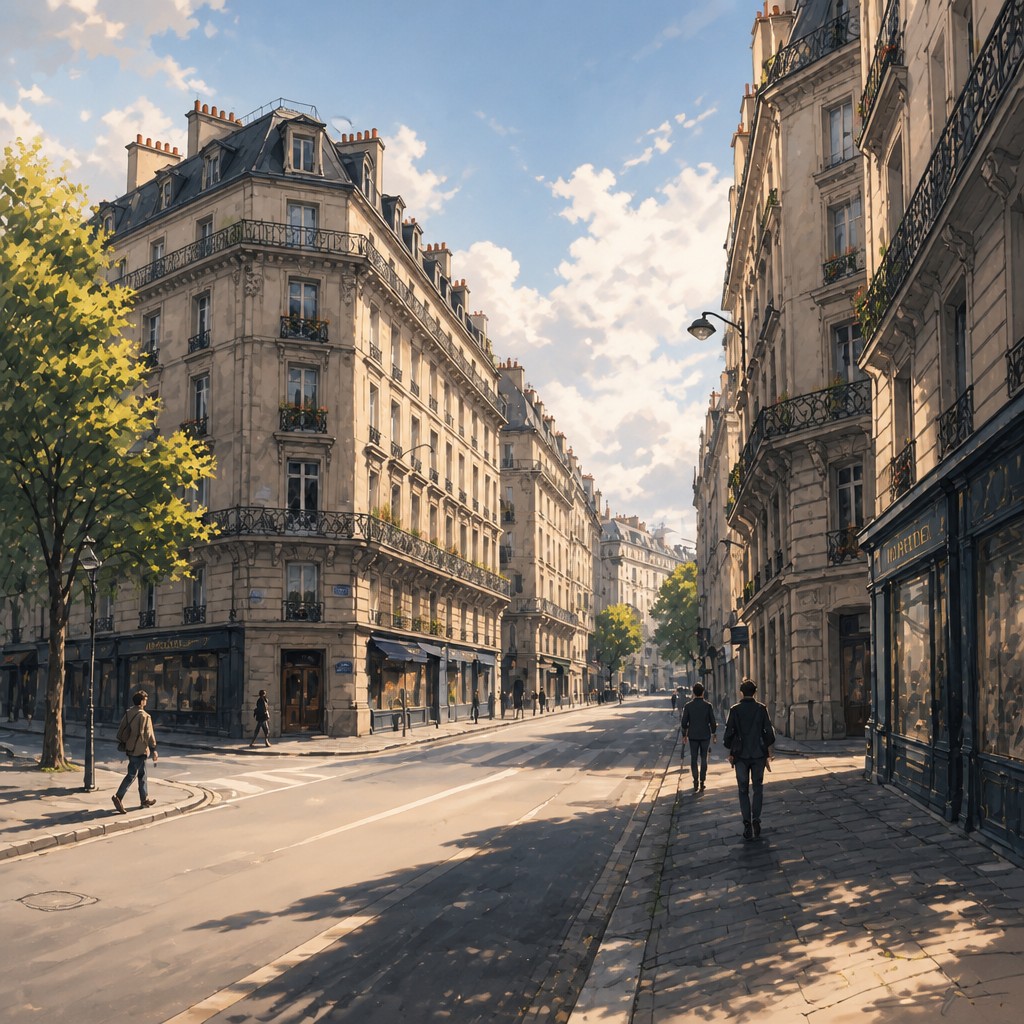
Rather than flat comic-style lighting, the style often uses multi-source illumination, rim light, glow, shadow gradation, and ambient occlusion. This gives characters a more dimensional, polished presence.
Try It
Create Videos in Semi-Realistic Anime Art Style
Styles aren't just for stills — describe a scene or animate an image and get a short video rendered in Semi-Realistic Anime. Press play to see this pond come to life.
Make a VideoSemi-Realistic Anime Prompt Ideas
Start from an idea — each one opens the generator with the style ready to go. See all 40 Semi-Realistic Anime prompts →
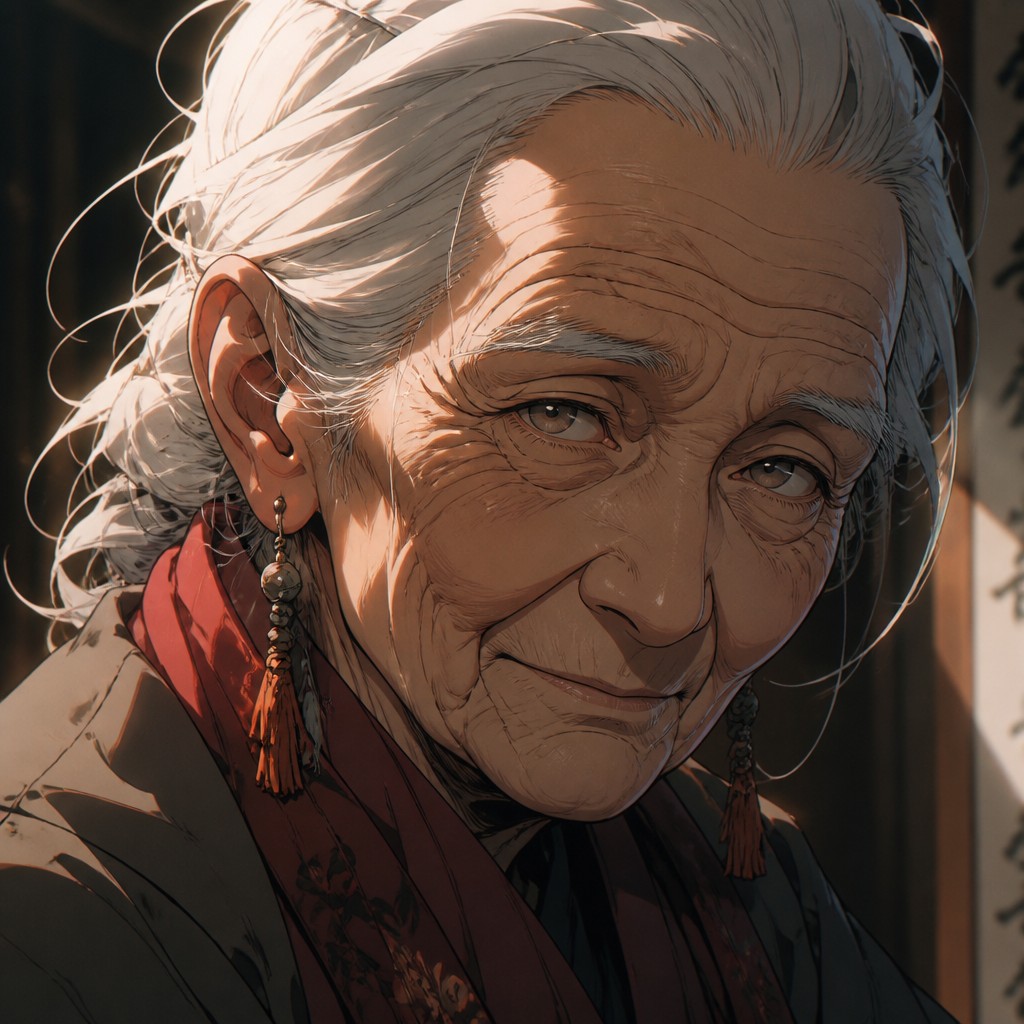
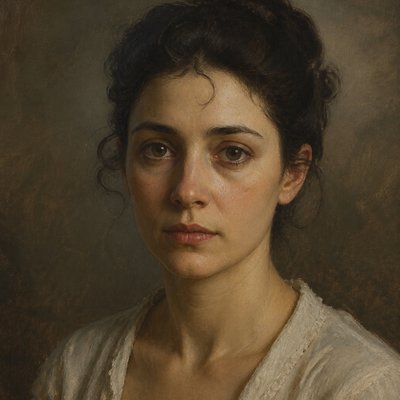
“close-up portrait of an elderly person with expressive weathered features”
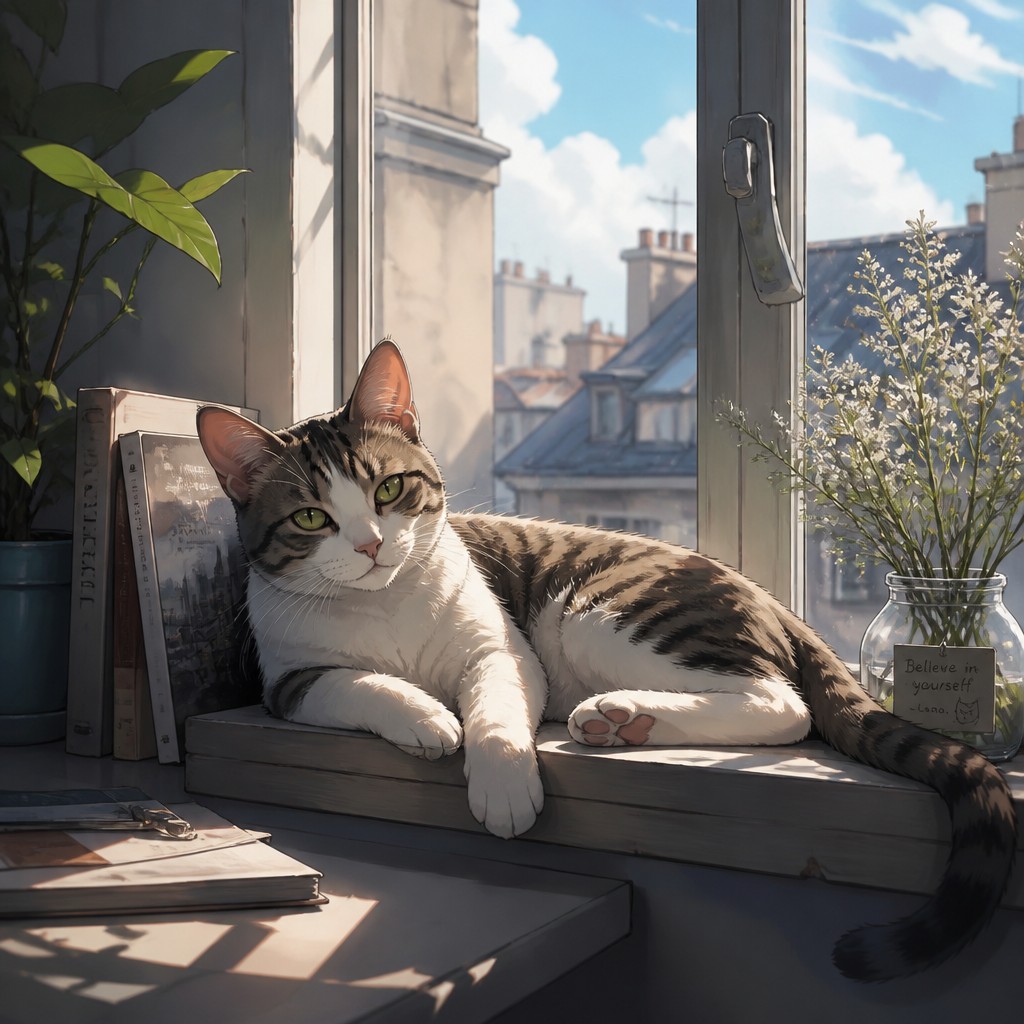
“a cat lounging in a sunlit window”
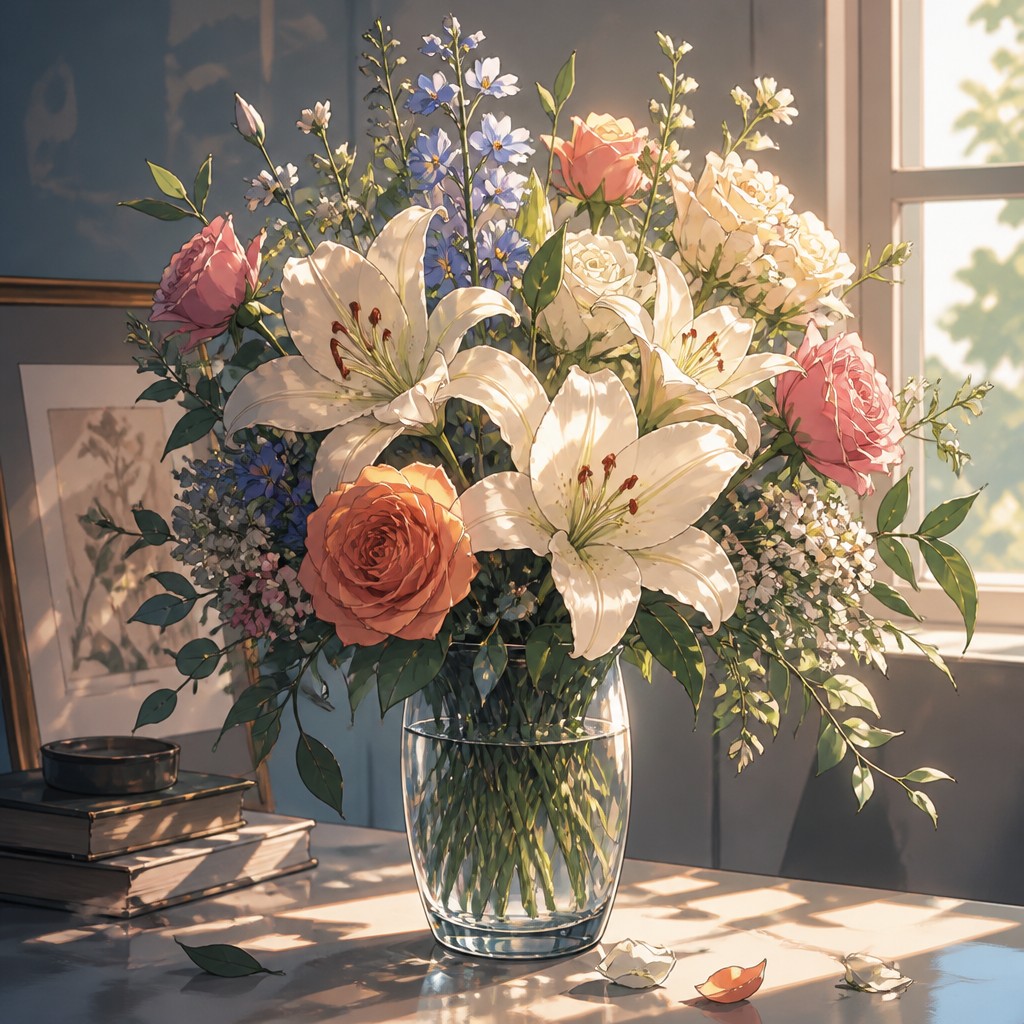
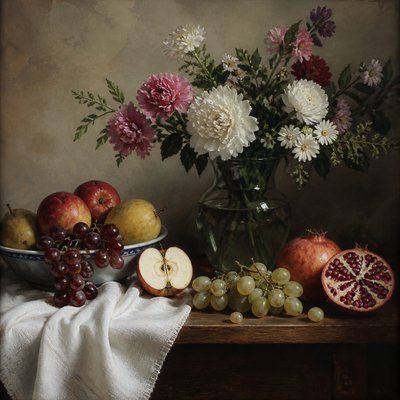
“bouquet of flowers in a glass vase”
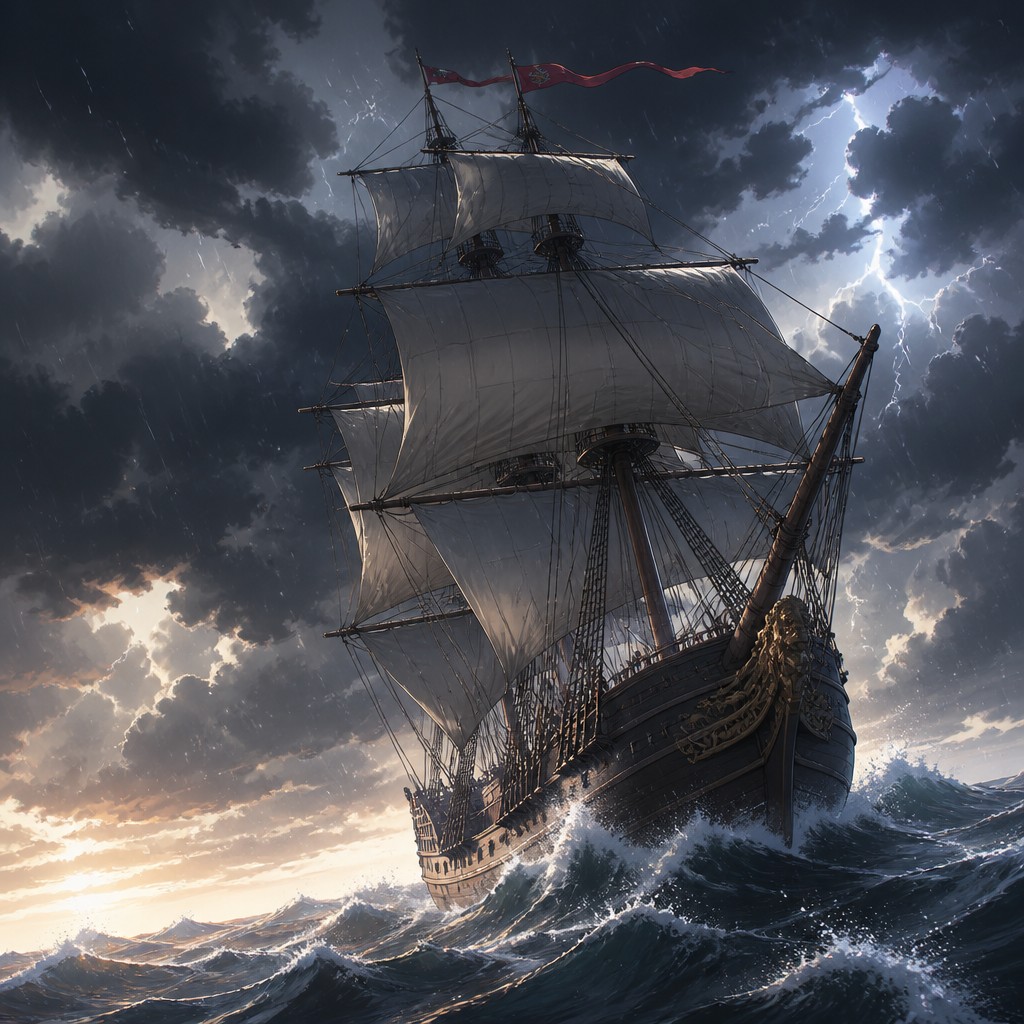
“sailing ship on a stormy sea”
How to Create Semi-Realistic Anime Art
Master the craft step by step — or skip straight to creating. Read the full guide →
- 1
Start with realistic anatomy, then simplify selectively
Build the figure from solid proportion, perspective, and gesture first. Once the structure works, simplify the features that should read as anime—especially the eyes, hair clumps, and line economy—without flattening the body.
- 2
Use linework to separate structure from texture
Keep outer contours confident and clean, then use finer internal lines for eyelids, nose, lips, folds, and hair strands. In digital work, vary line weight to emphasize silhouette and focal points; in traditional work, use controlled pen or brush pressure to achieve the same effect.
- 3
Blend cel shading with soft transitions
Block in large shadow shapes first, then soften only the areas that need skin-like or fabric-like curvature. This hybrid shading approach preserves readability while adding realism and depth.
- 4
Design lighting for mood, not just visibility
Use key light, fill light, and rim light to define the subject clearly, and let shadows shape the face and clothing. For prompt-based generation, specify luminous highlights, gentle ambient occlusion, and cinematic multi-source lighting to keep the image polished.
- 5
Keep the palette controlled and purposeful
Limit the number of dominant colors, then reserve bright accents for eyes, accessories, effects, or focal garments. This creates the mature, professional feeling often associated with the style.
- 6
Describe the subject with both realism and anime cues
When writing prompts, pair concrete subject details with style descriptors such as expressive stylized features, refined linework, and painterly gradients. Include the pose, setting, clothing, and mood so the image has a clear narrative center.
The Story
History & Origins of Semi-Realistic Anime
Semi-realistic anime is not a historical movement with a single origin; it is a contemporary hybrid aesthetic that developed from the long exchange between Japanese manga-anime design and Western realism-oriented illustration. As anime and manga became globally influential, many artists began combining their graphic shorthand with more natural anatomy, painterly rendering, and cinematic lighting.
Its lineage can be traced to character illustration, game art, light novel covers, and digital painting practices from the late 20th century onward. The style also reflects broader cross-influences from fashion illustration, concept art, and contemporary digital portraiture, where artists seek a more mature, detailed finish without losing the emotional immediacy of anime design.
Influences: This aesthetic draws from Japanese anime and manga character design, particularly the emphasis on expressive eyes, stylized hair, and strong silhouette readability, while borrowing from realism-centered illustration for anatomy, perspective, and lighting. It also overlaps with digital painting, light novel cover art, game key art, and fashion illustration, where influential Japanese anime filmmakers, prominent fantasy illustrators, and other highly polished visual storytellers are often cited for their emotionally expressive visual language, though the style itself is broader than any single creator.

Frequently Asked Questions
What defines semi-realistic anime art?
It combines anime’s expressive facial design and stylized hair with more realistic anatomy, proportions, and lighting. The result is less exaggerated than standard anime and less literal than realism.
How is it different from regular anime art?
Regular anime art often simplifies anatomy and uses more graphic, symbolic rendering. Semi-realistic anime keeps the anime identity but adds more believable body structure, more detailed shading, and a more natural finish.
How is it different from realistic portrait art?
Realistic portrait art aims to match real human appearance closely, while this style preserves anime conventions such as larger eyes, cleaner contours, and stylized hair. It is realistic in structure, but intentionally expressive rather than fully lifelike.
What subjects work best in this style?
Character portraits, fantasy heroes, romance scenes, dramatic still moments, and editorial-style illustrations all work especially well. The style is especially effective when emotion, fashion, or atmosphere matter as much as likeness.
Can this style be made traditionally?
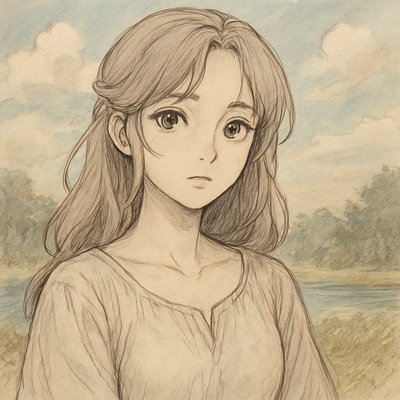
Yes. Many artists create it with pencil, ink, markers, watercolor, gouache, or mixed media, then refine the result with digital coloring. The key is careful anatomy, controlled linework, and a shading approach that balances clarity with softness.
Why is this style popular for mature themes?
Because it can portray adult characters, realistic clothing, and dramatic lighting while retaining anime’s emotional appeal. It feels more grounded and sophisticated than highly simplified anime, which makes it suitable for serious or cinematic subject matter.
Create your first Semi-Realistic Anime artwork
Describe anything — or upload a photo — and see it in Semi-Realistic Anime Art Style in seconds.
Make Something with Semi-Realistic Anime
Compare Semi-Realistic Anime
Related Styles
Discover similar art styles