Anime vs Semi-Realistic Anime: What's the Difference?
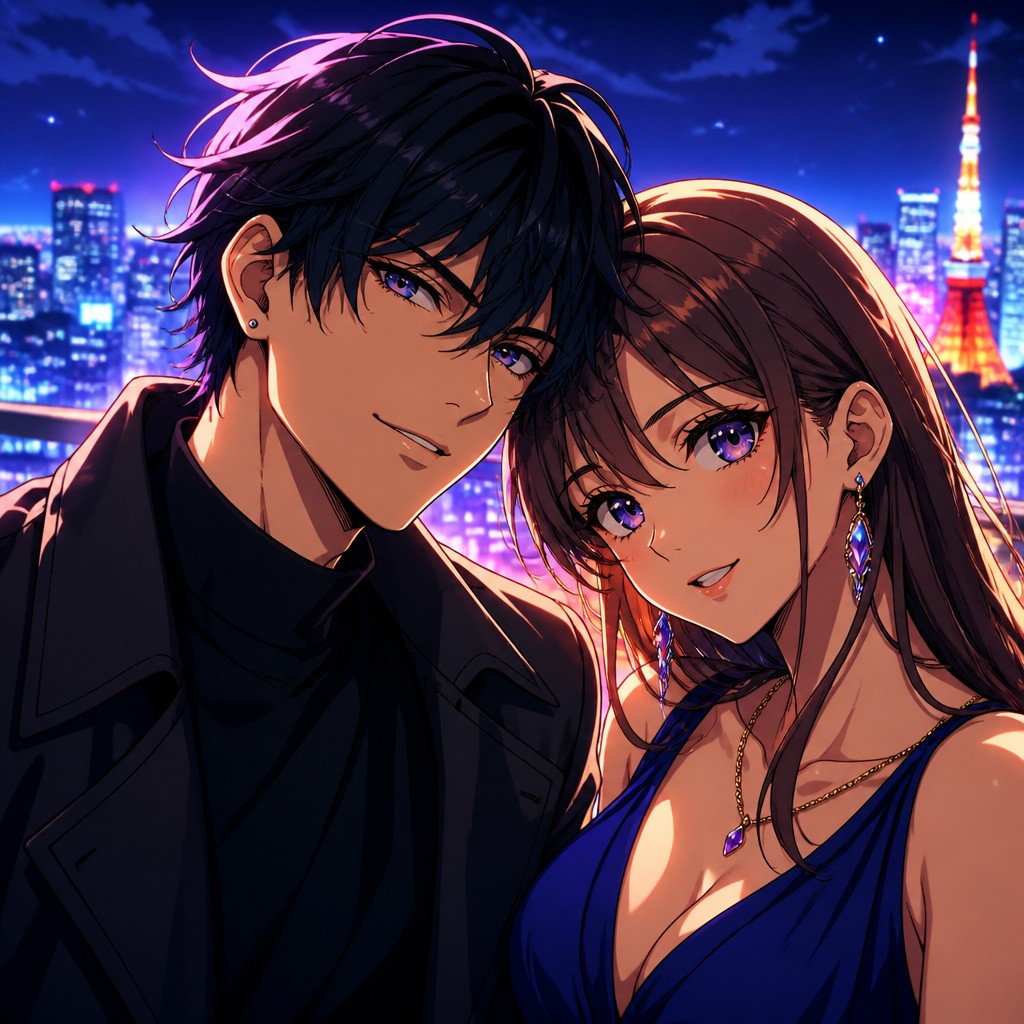
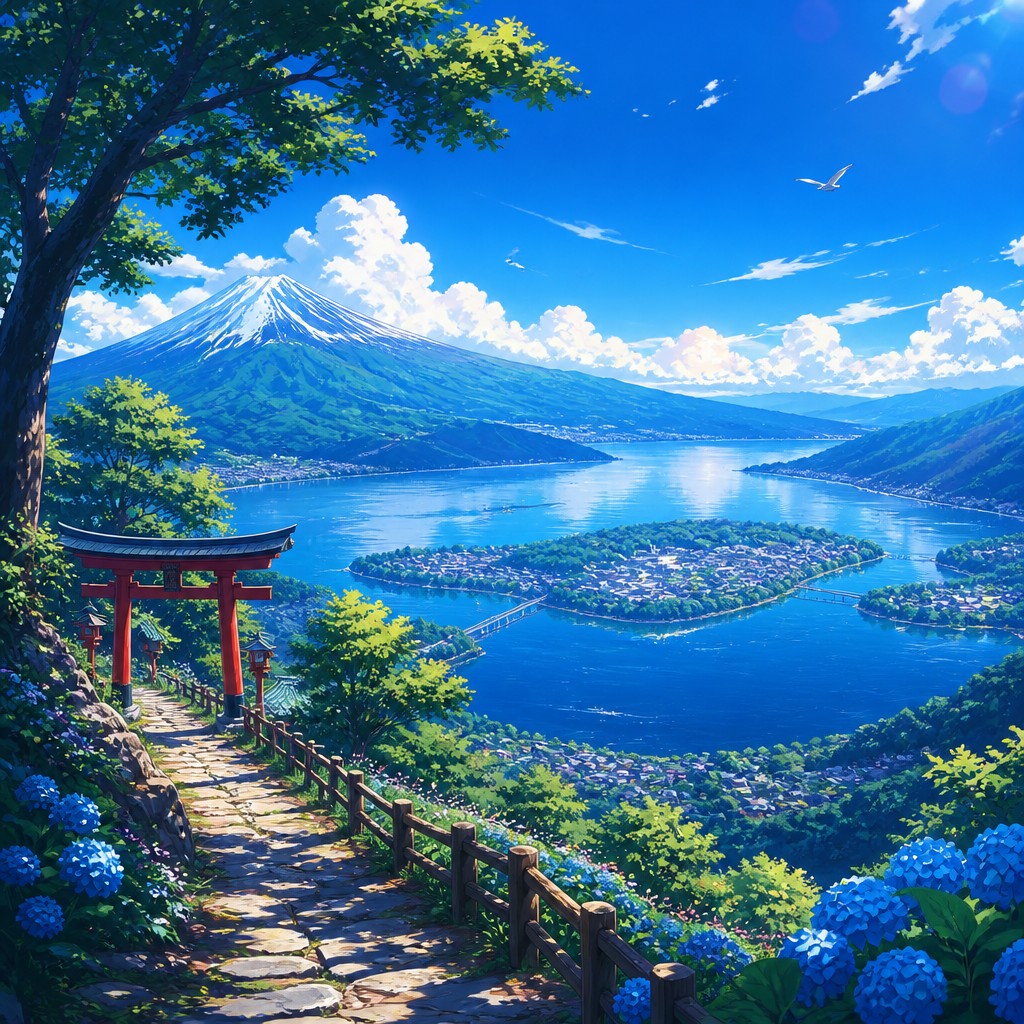
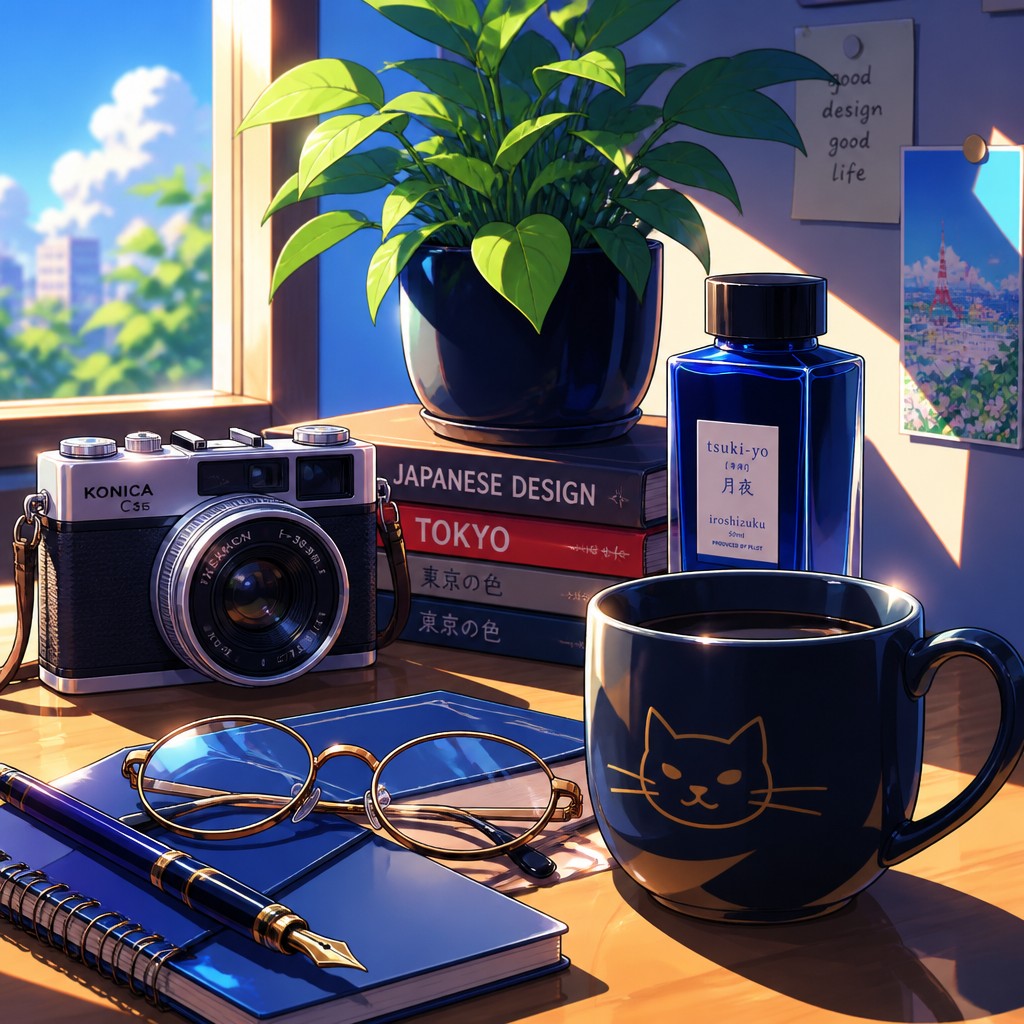
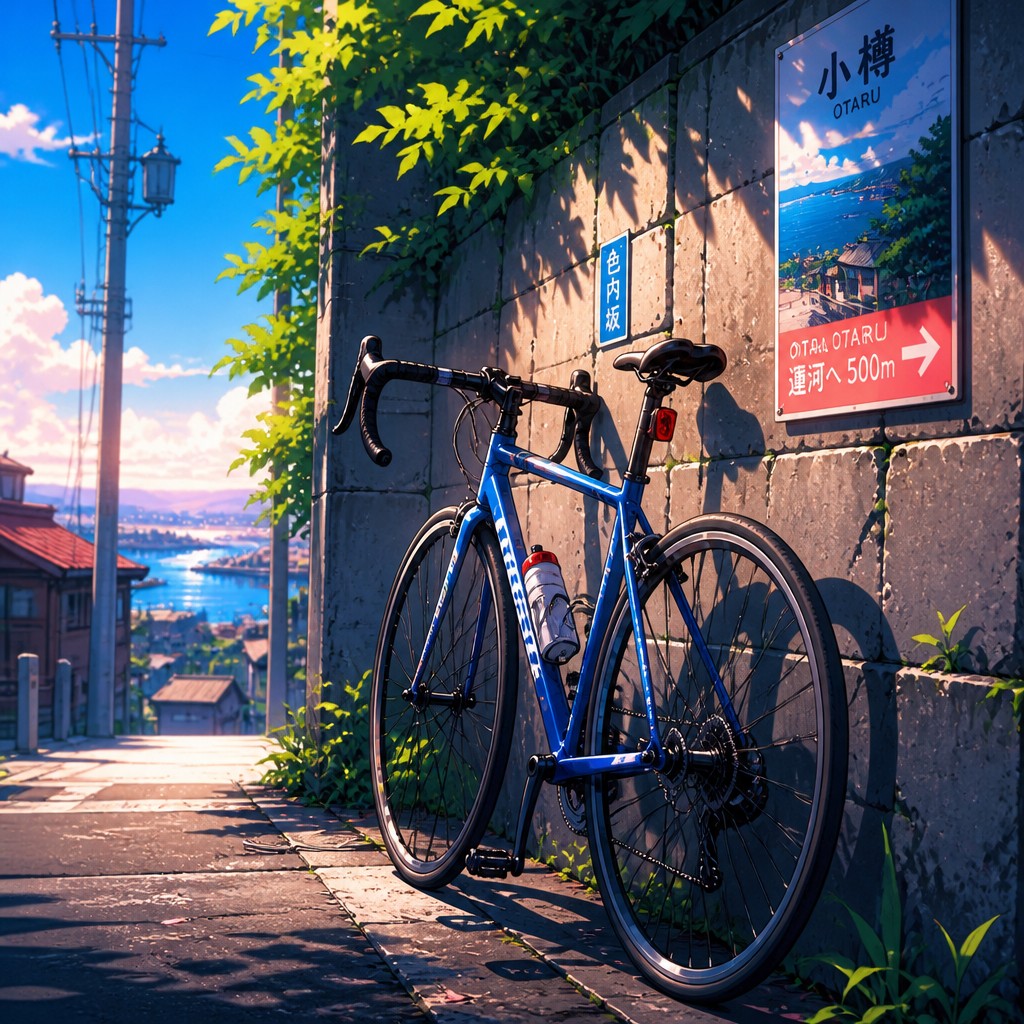
Anime Art Style uses clean linework, cel shading, vivid color, stylized faces, and polished cinematic lighting to create energetic, highly readable imagery. It often prioritizes graphic clarity, strong silhouettes, and expressive design over strict anatomical realism.
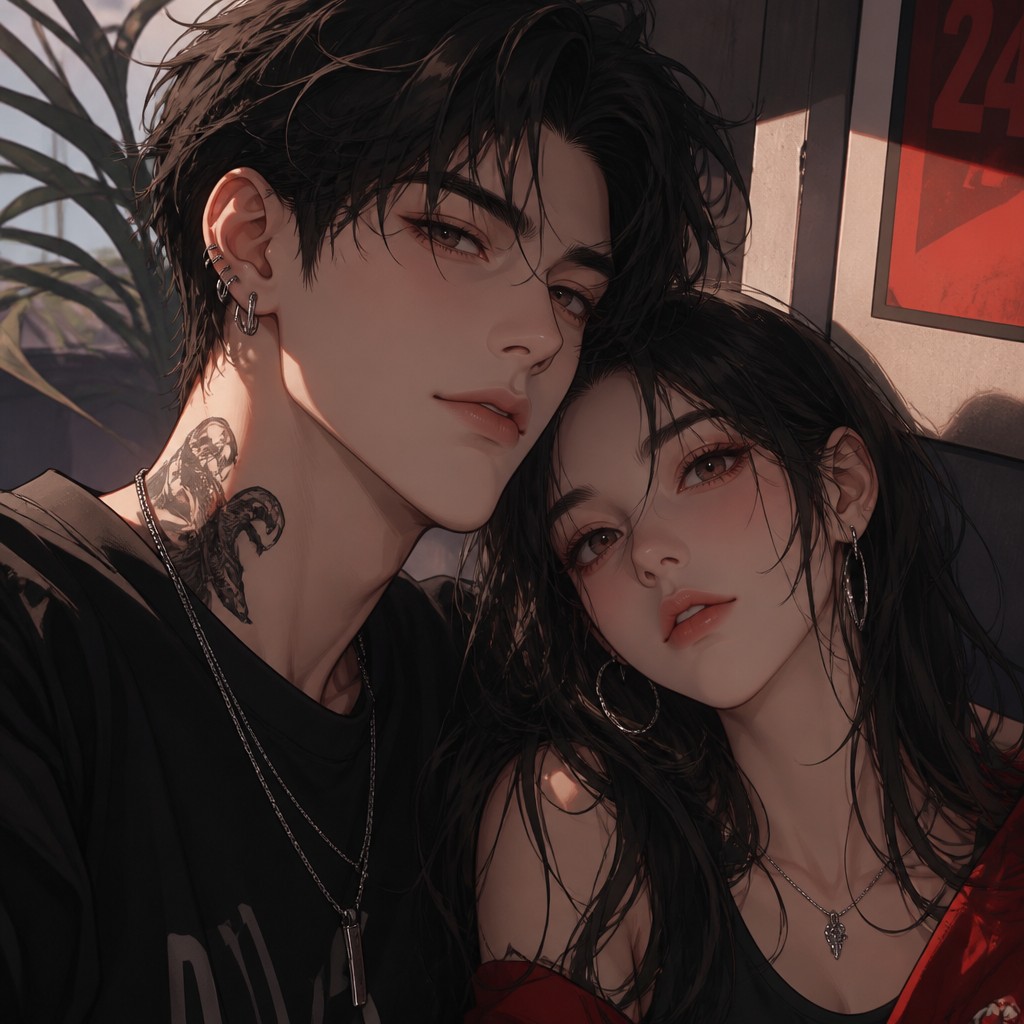
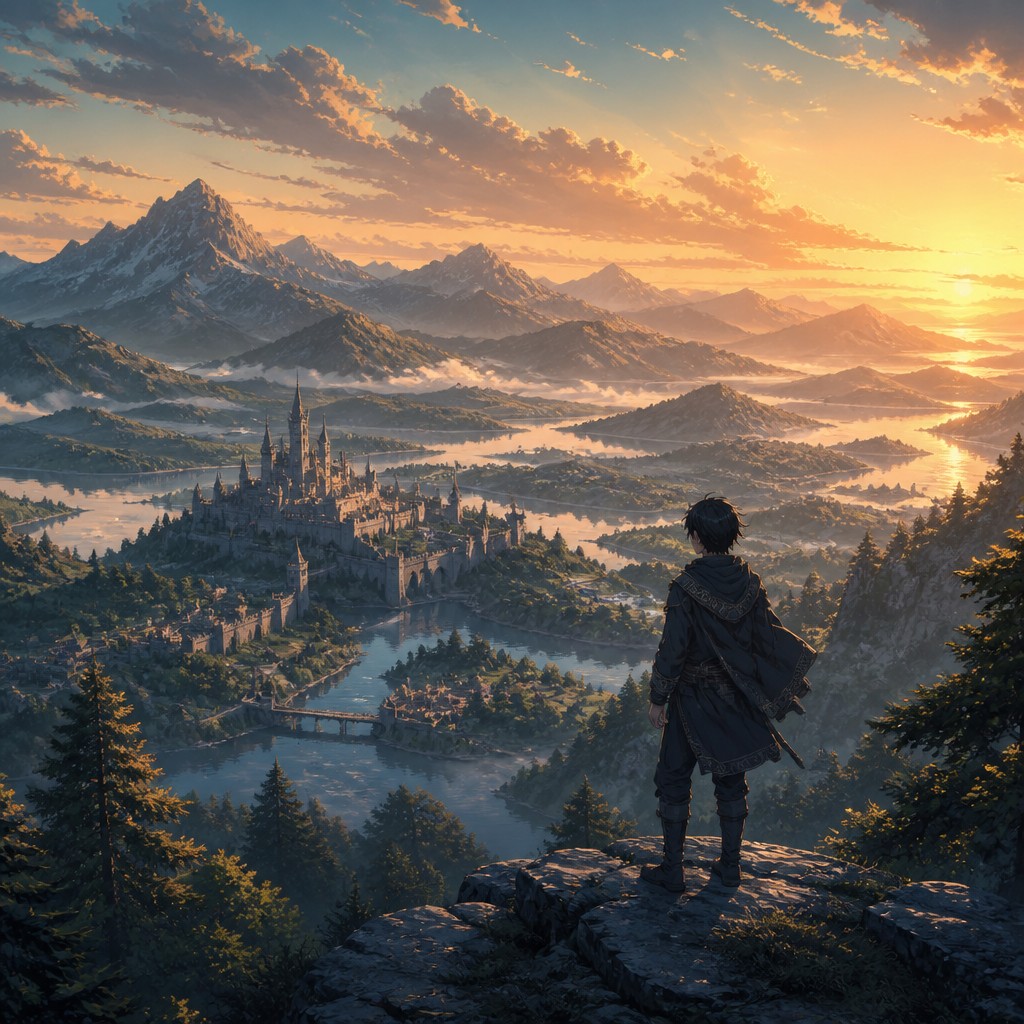
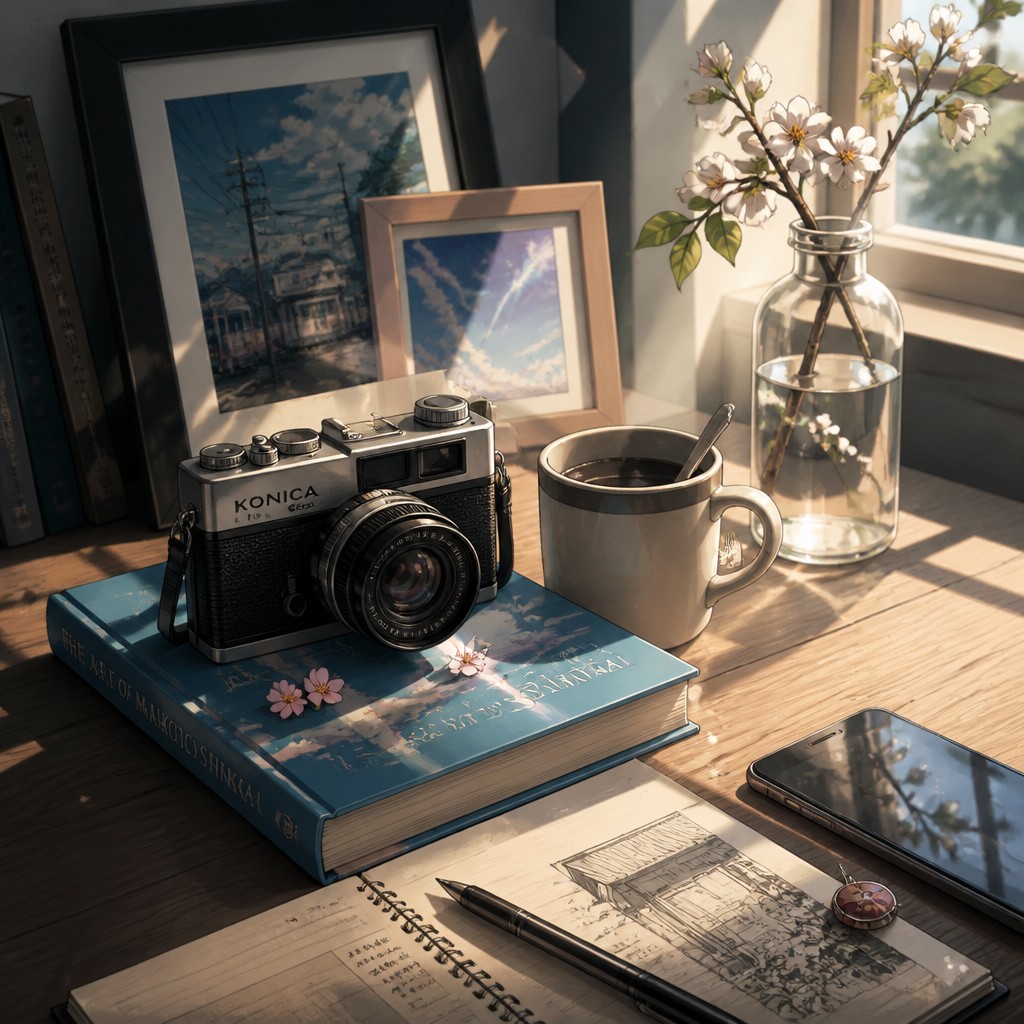
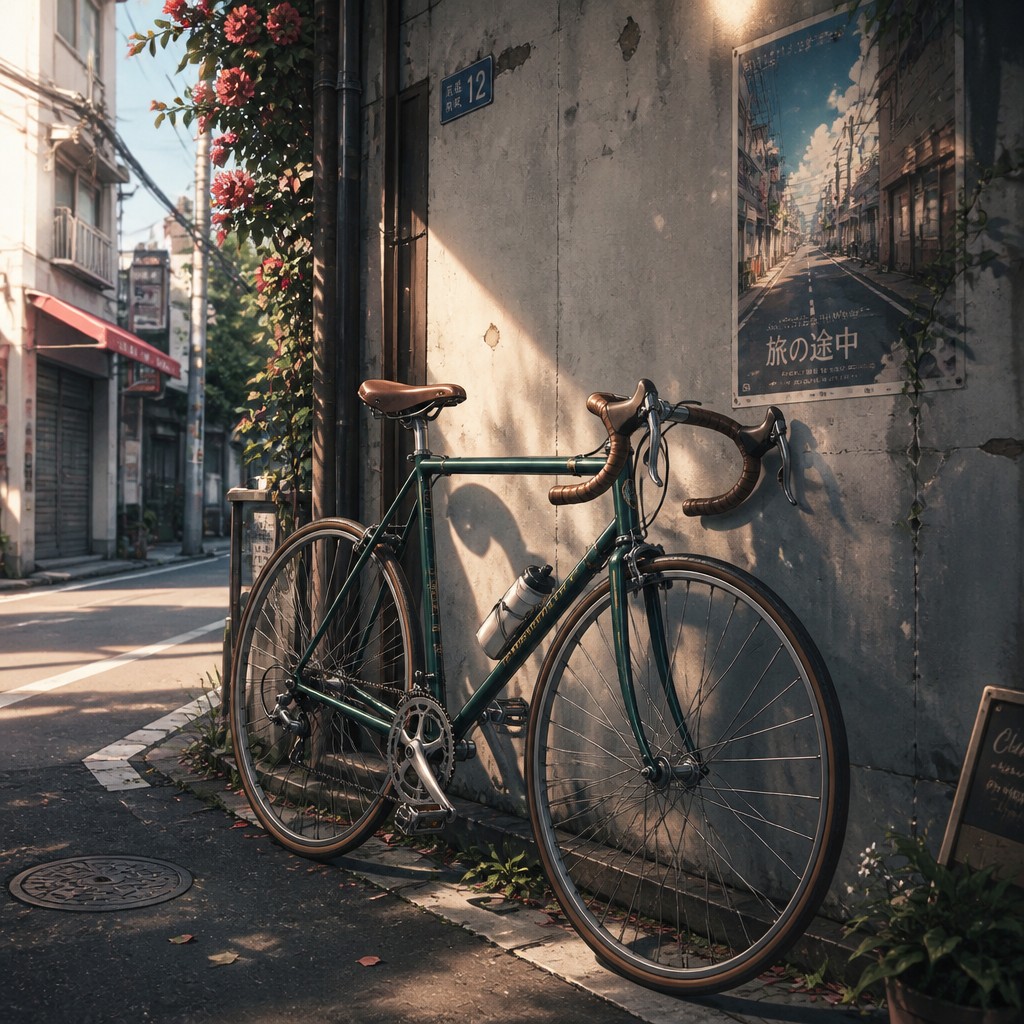
Semi-Realistic Anime Art Style keeps anime-inspired features but adds more realistic proportions, softer stylization, and mature rendering. People compare them because both share anime roots, yet they differ in how much they lean toward graphic simplification versus lifelike detail.
Same Prompt, Both Styles
Each pair below was generated from the identical prompt — only the style changed.
“portrait of two people together”
“wide landscape with natural scenery”
“still life with everyday objects”
“bicyle resting against a wall”
Key Differences
| Anime | Semi-Realistic Anime | |
|---|---|---|
| Line & form | Sharp, clean outlines and simplified shapes. | Cleaner lines with fuller, more natural body structure. |
| Proportions | Highly stylized proportions, often with larger heads and eyes. | Closer to realistic anatomy with anime-inspired facial emphasis. |
| Eyes & face | Faces are simplified and expressive, with iconic eye design. | Eyes remain expressive but sit within more lifelike facial structure. |
| Shading | Crisp cel shading with distinct light and shadow blocks. | Smoother shading with softer transitions and more depth. |
| Color & rendering | Vivid, graphic color that supports strong visual impact. | More nuanced color and rendering for a polished, natural look. |
| Mood | Feels bold, lively, and instantly iconic. | Feels elegant, dramatic, and more mature. |
| Mood | expressive, vivid, playful, dramatic | expressive, polished, dramatic, contemporary |
| Energy | lively | balanced |
| Detail level | detailed | detailed |
| Color | bright, saturated, high-contrast colors | clean, varied, moderately saturated tones |
| Texture | smooth lines, crisp cel-shaded surfaces | smooth shading with crisp edges |
| Origin | Japan, late 20th-century animation | digital-native aesthetic |
| Best for | posters, anime fan art, games, comics, key art, merchandise | character portraits, visual novels, album covers, game key art, editorial illustrations, movie posters |
| Difficulty | moderate | advanced |
Which Should You Choose?
Choose Anime Art Style if you want bold readability, clear visual impact, and a highly stylized look that works well for dynamic characters and vibrant scenes. Choose Semi-Realistic Anime Art Style if you want anime expression with more believable anatomy, softer rendering, and a more mature or cinematic finish.
Frequently Asked Questions
Which style is more beginner-friendly to draw?
Anime Art Style is often easier for beginners because it uses simpler shapes, cleaner lines, and more forgiving proportions. Semi-Realistic Anime Art Style usually requires stronger anatomy, lighting, and rendering control.
Which style looks more realistic?
Semi-Realistic Anime Art Style is more realistic because it keeps anime features while moving closer to natural human proportions. Anime Art Style is intentionally more stylized and graphic.
Can both styles be used for professional illustration?
Yes. Both are widely used for character art, concept art, promotional visuals, and editorial illustration. The best choice depends on the tone, audience, and level of realism you want.
Is semi-realistic anime the same as realism?
No. It is still an anime-inspired style, so facial design, eyes, and hair often remain stylized. It simply uses more realistic proportions, shading, and rendering than standard anime art.