Food Photography Still Life vs Photorealistic Still Life: What's the Difference?
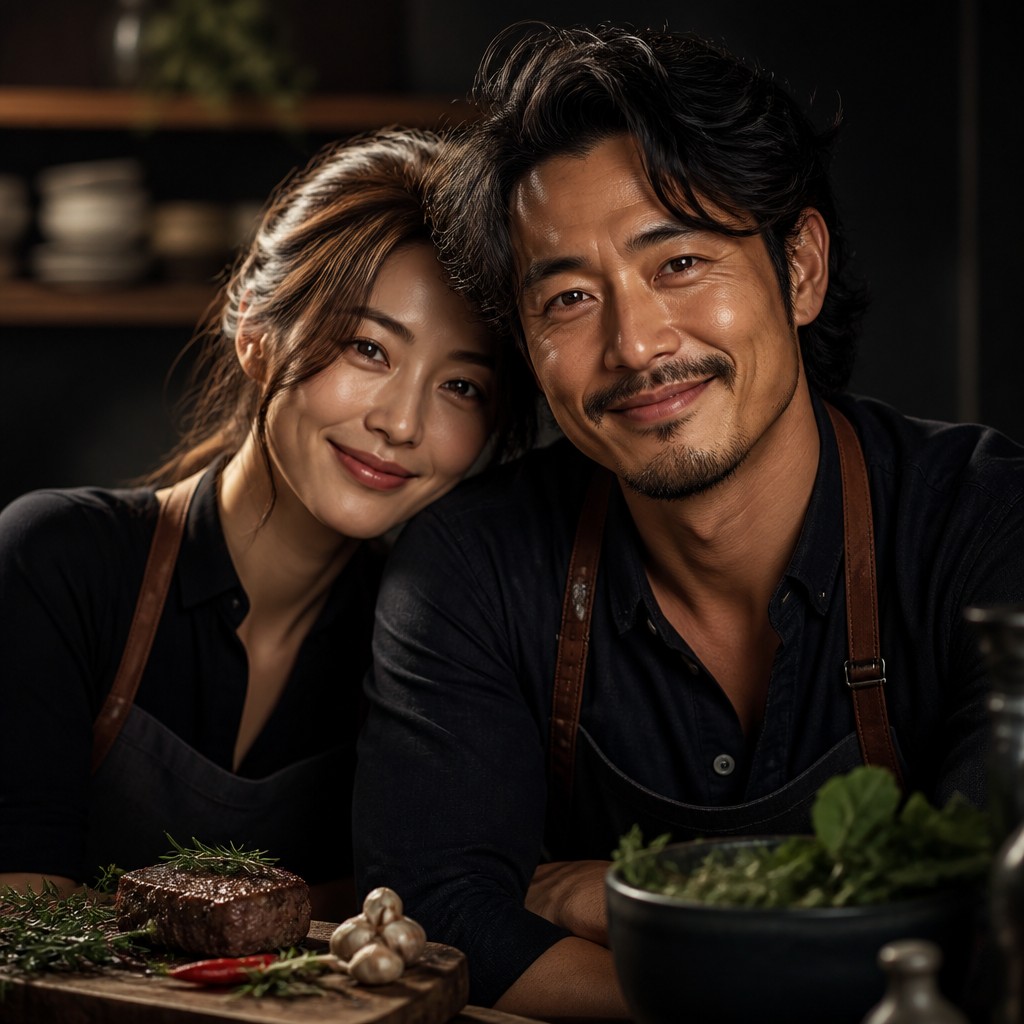
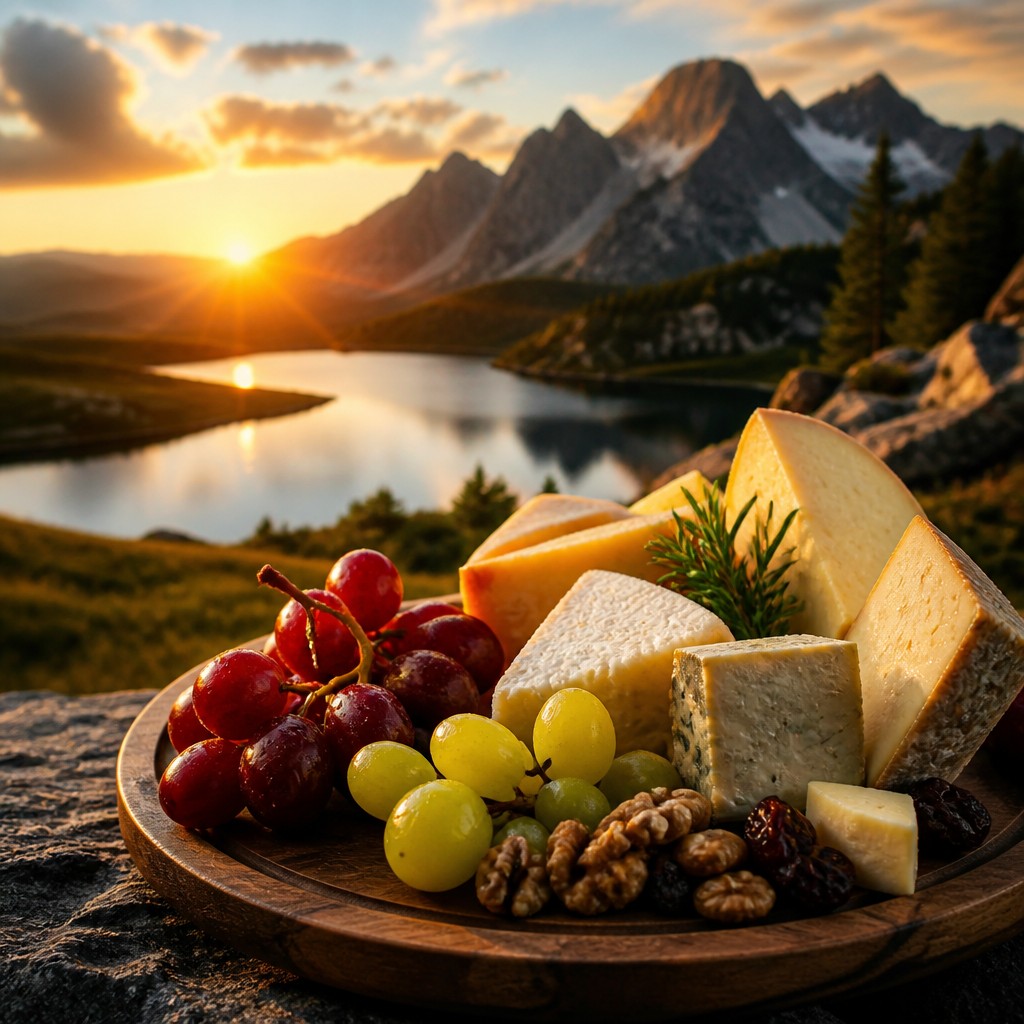
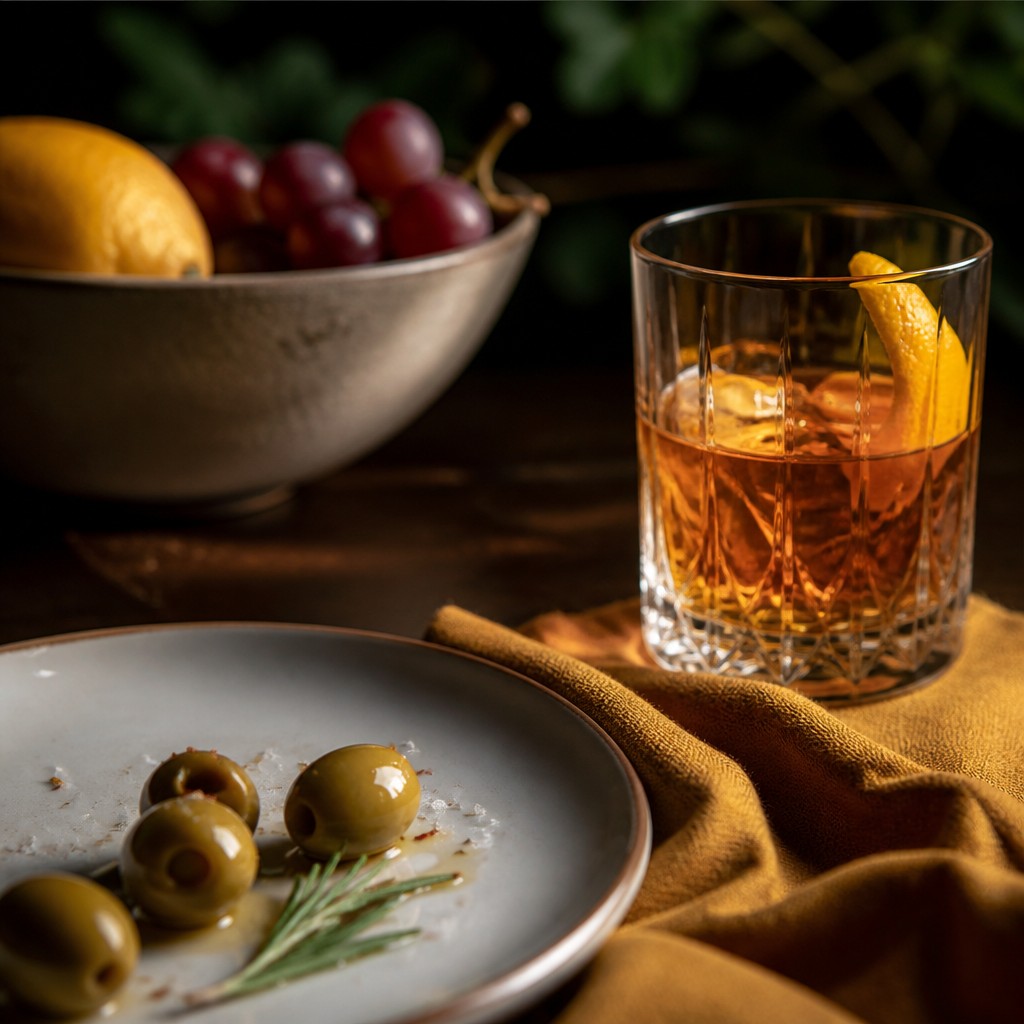
Food Photography Still Life Art Style focuses on making food look fresh, luxurious, and immediately appetizing. It uses polished lighting, rich texture, glossy highlights, and carefully arranged compositions to emphasize flavor, freshness, and visual appeal, often with an editorial or commercial feel.
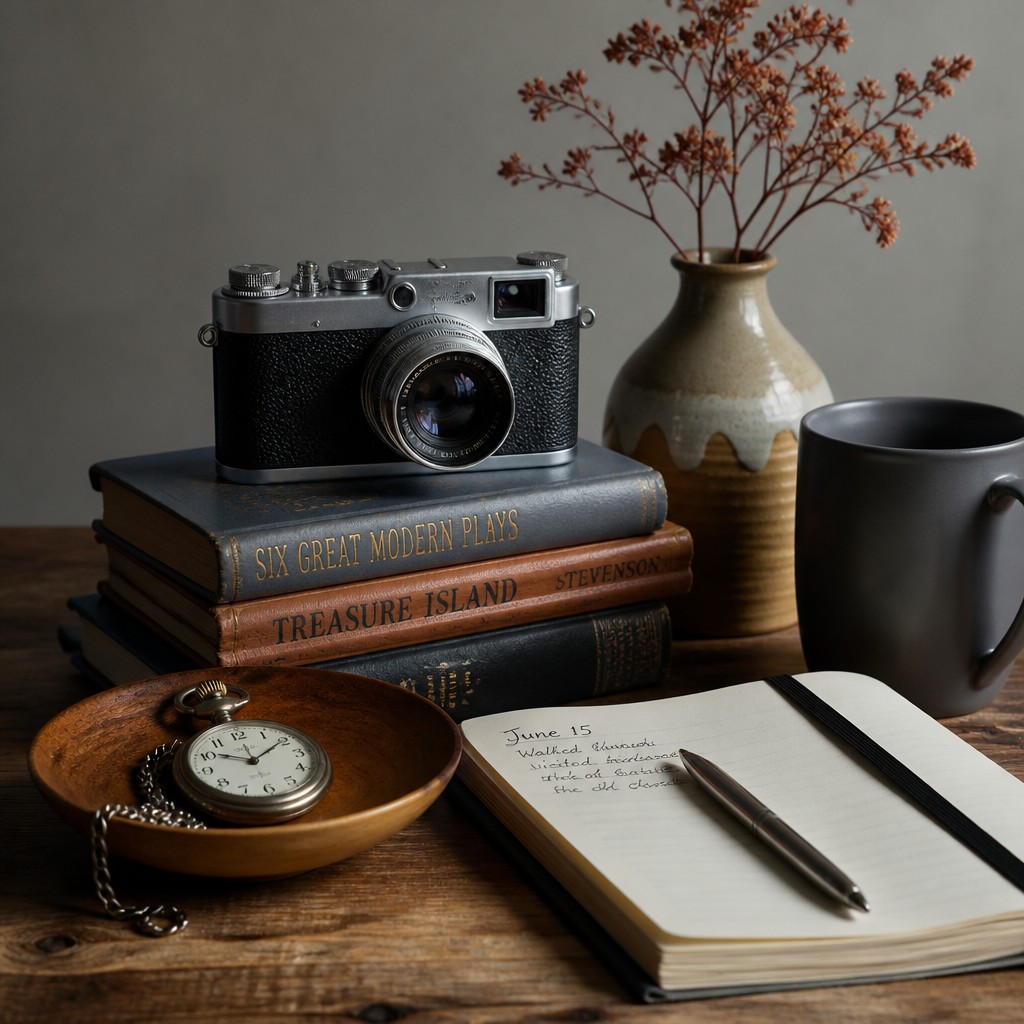
Photorealistic Still Life Art Style aims for exact visual fidelity, presenting objects with camera-like precision, true reflections, rich tonal range, and nearly invisible brushwork. People compare the two because both can look highly realistic and highly detailed, but one prioritizes appetizing presentation while the other prioritizes faithful, lifelike representation.
Same Prompt, Both Styles
Each pair below was generated from the identical prompt — only the style changed.
“portrait of two people together”

“wide landscape with natural scenery”

“still life with everyday objects”
“bicyle resting against a wall”
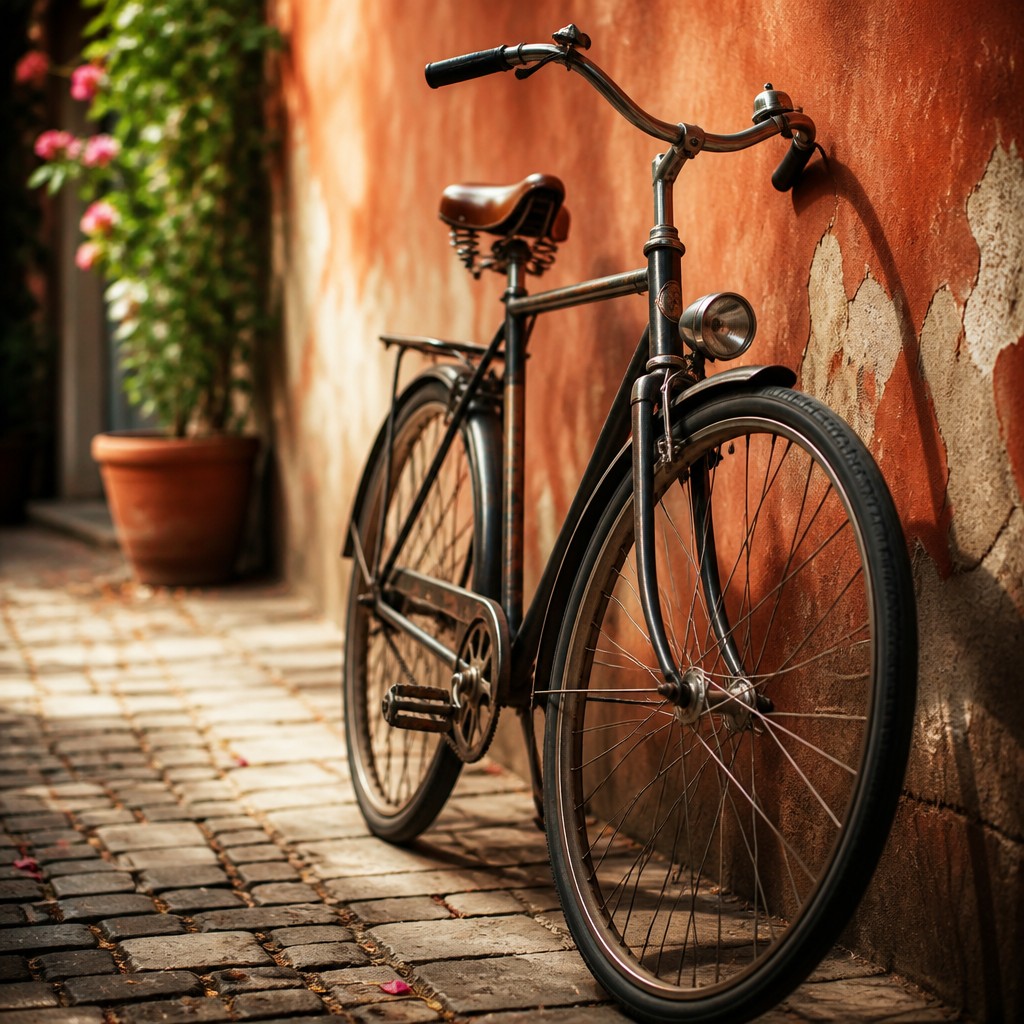
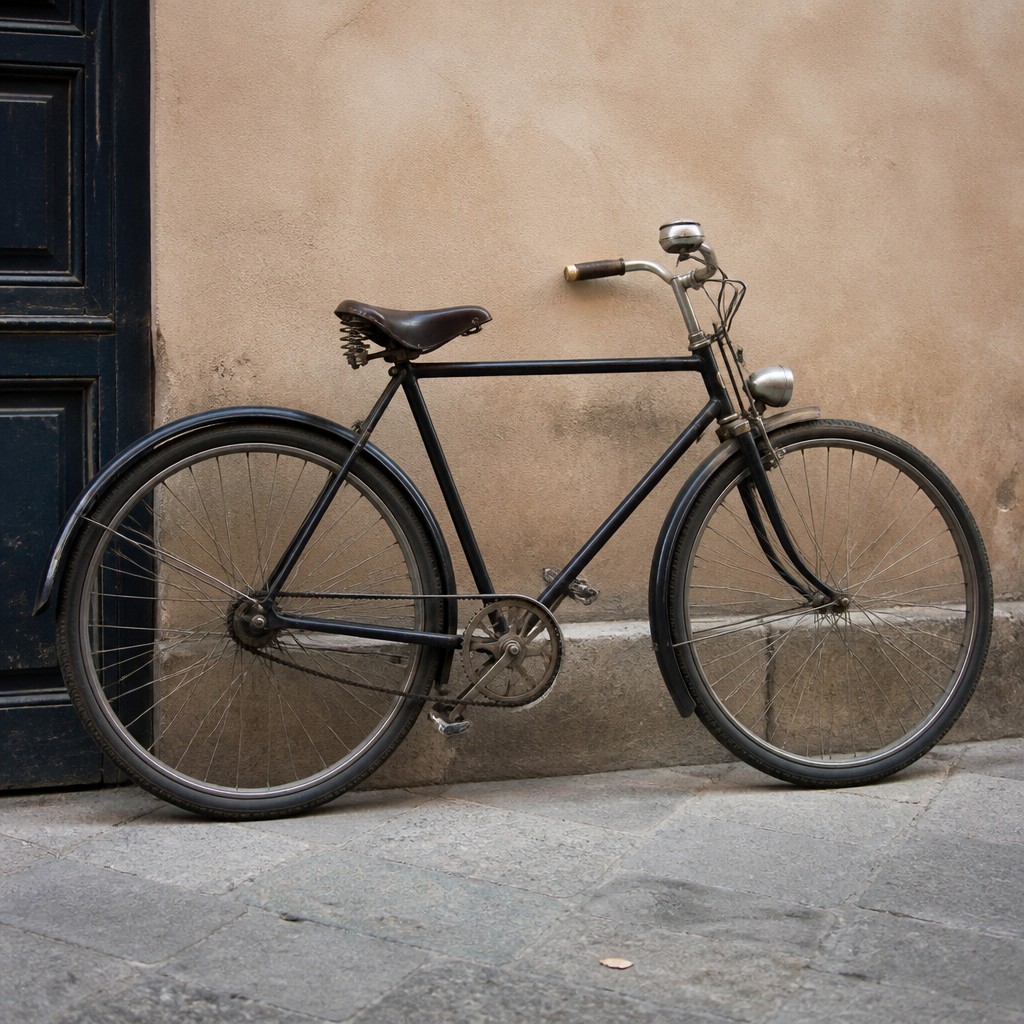
Key Differences
| Food Photography Still Life | Photorealistic Still Life | |
|---|---|---|
| Purpose | Designed to make food look irresistible and market-ready. | Designed to replicate reality with exacting visual accuracy. |
| Lighting | Soft, polished lighting enhances shine, freshness, and contrast. | Lighting follows physical behavior closely, with subtle tonal transitions. |
| Surface detail | Highlights moisture, glaze, steam, and texture that suggest taste. | Shows accurate material surfaces, reflections, and fine object detail. |
| Composition | Editorial arrangement emphasizes beauty, abundance, and focal clarity. | Balanced arrangement emphasizes object truth and spatial accuracy. |
| Color handling | Colors are often enriched to increase appetizing warmth and contrast. | Colors are more naturalistic, matching observed values and subtle shifts. |
| Brushwork look | Can appear highly refined, but may prioritize visual polish over strict realism. | Brushwork is usually hidden to preserve a seamless, photographic effect. |
| Mood | appetizing, polished, fresh, inviting | serene, refined, observant, quiet |
| Energy | calm | calm |
| Detail level | detailed | intricate |
| Color | warm, rich, natural, high-contrast | natural, controlled, neutral-rich tones |
| Texture | glossy, crisp, moist, tactile | smooth, crisp, highly tactile surfaces |
| Origin | digital-native aesthetic | 17th-century Europe, studio painting tradition |
| Best for | cookbooks, menu photography, advertisements, editorial spreads, recipe blogs, packaging | museum prints, luxury packaging, editorial spreads, product advertising, wall art, book covers |
| Difficulty | moderate | advanced |
Which Should You Choose?
Choose Food Photography Still Life Art Style when the goal is to sell, showcase, or celebrate food with maximum visual appeal. Choose Photorealistic Still Life Art Style when you want objects rendered with strict realism, faithful reflections, and a more neutral, observational presence. If you need persuasive appetizing energy, pick A; if you need precise lifelike accuracy, pick B.
Frequently Asked Questions
Which style is better for restaurant menus or food ads?
Food Photography Still Life Art Style is usually better because it emphasizes freshness, richness, and appetite appeal. It is built to make the food look especially desirable. Photorealistic still life can work, but it is less focused on selling the food emotionally.
Are both styles realistic?
Yes, but in different ways. Style A is realistic in a polished, idealized sense, while Style B is realistic in a strict, observational sense. One may enhance presentation, while the other aims to match what a camera would capture.
Which style is more suitable for non-food objects?
Photorealistic Still Life Art Style is generally more versatile for any object because it is not tied to appetite or culinary presentation. Food Photography Still Life can be used more broadly, but its visual language is strongest with edible subjects.
Can these styles overlap in a single artwork?
Yes. A food still life can be rendered with photorealistic accuracy, and a photorealistic still life can include polished editorial lighting. The main difference is whether the image prioritizes appetizing styling or strict visual fidelity.