Digital Painting vs Oil Painting: What's the Difference?
Digital Painting Art Style uses digital tools to create painterly images with visible brushwork, layered color, and controlled blending. It can mimic traditional media while offering fast corrections, flexible workflows, and many surface effects.
Oil Painting Art Style uses physical pigment and oil to build rich layers, luminous color, and tactile brushwork on a real surface. People compare them because both can feel expressive, atmospheric, and deeply handcrafted, even though one is made digitally and the other with traditional materials.
Same Prompt, Both Styles
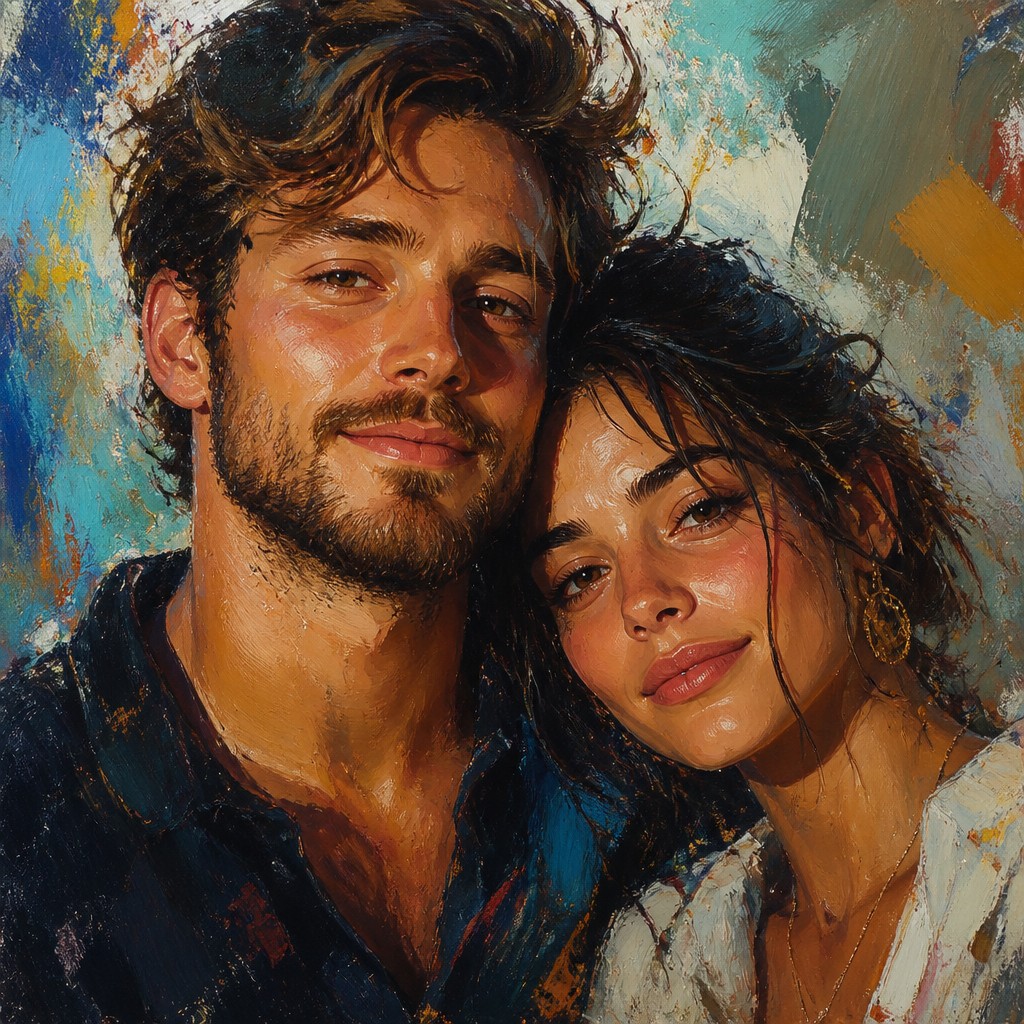
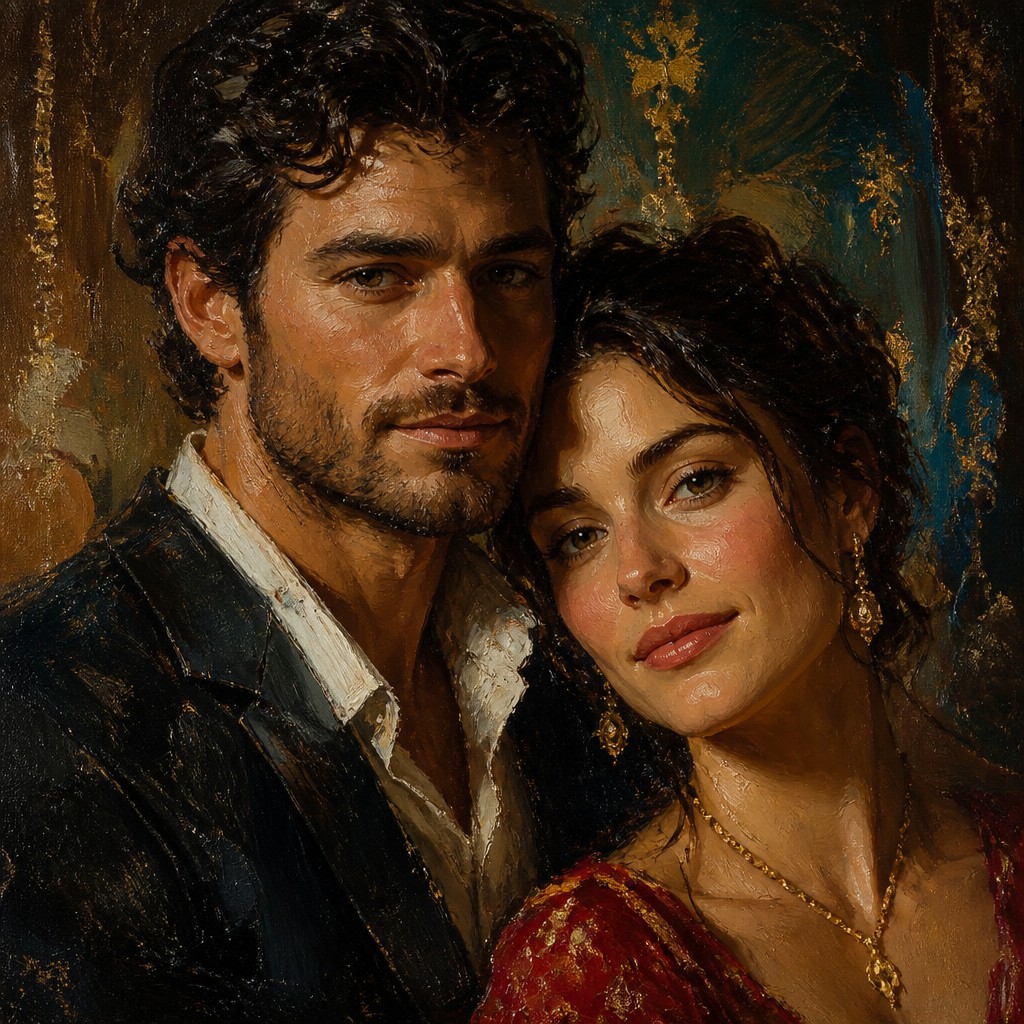
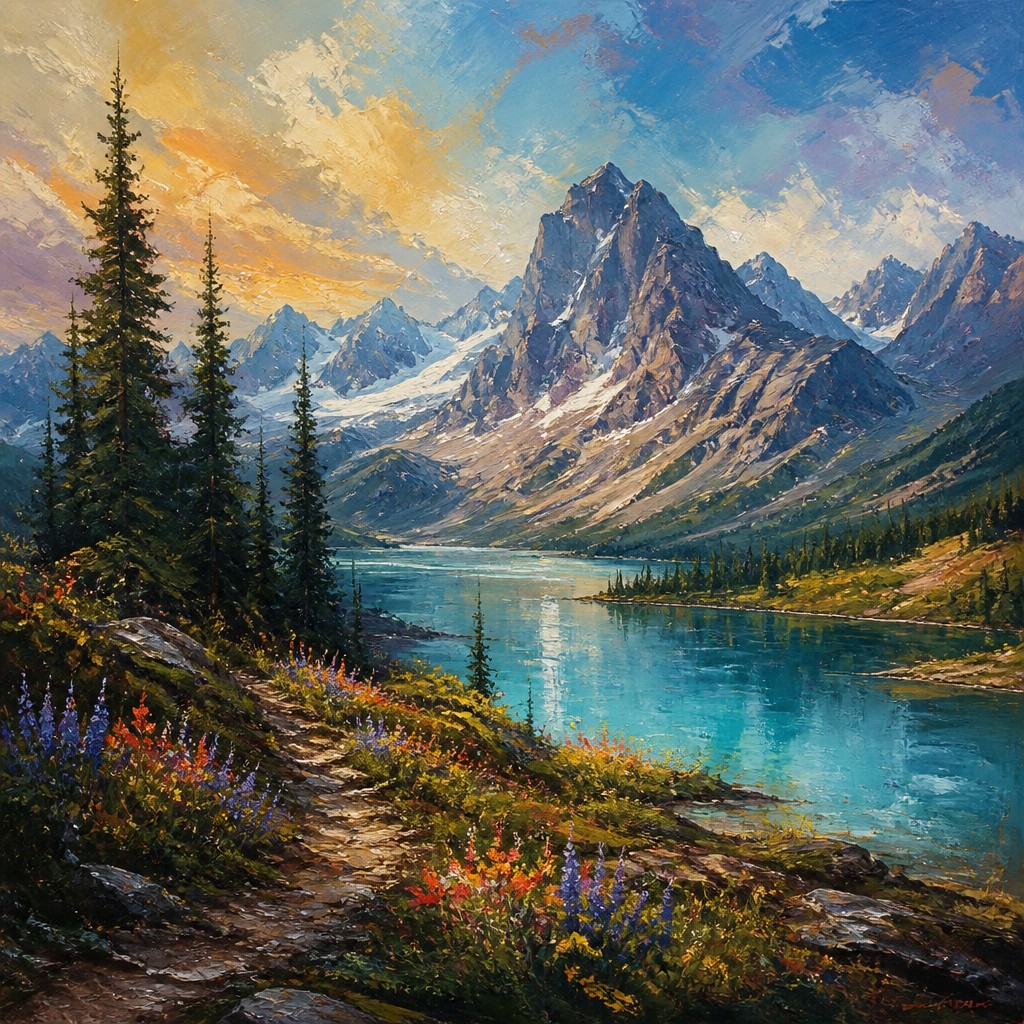
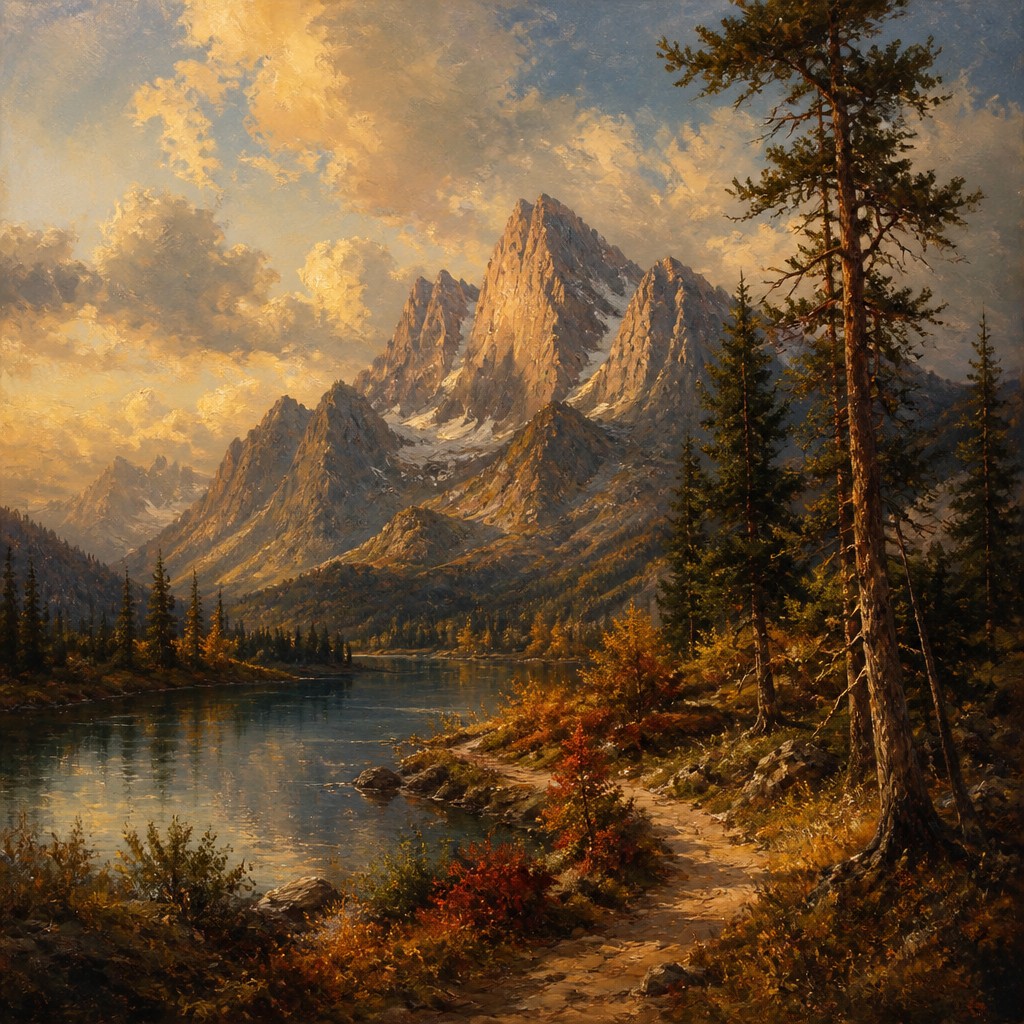
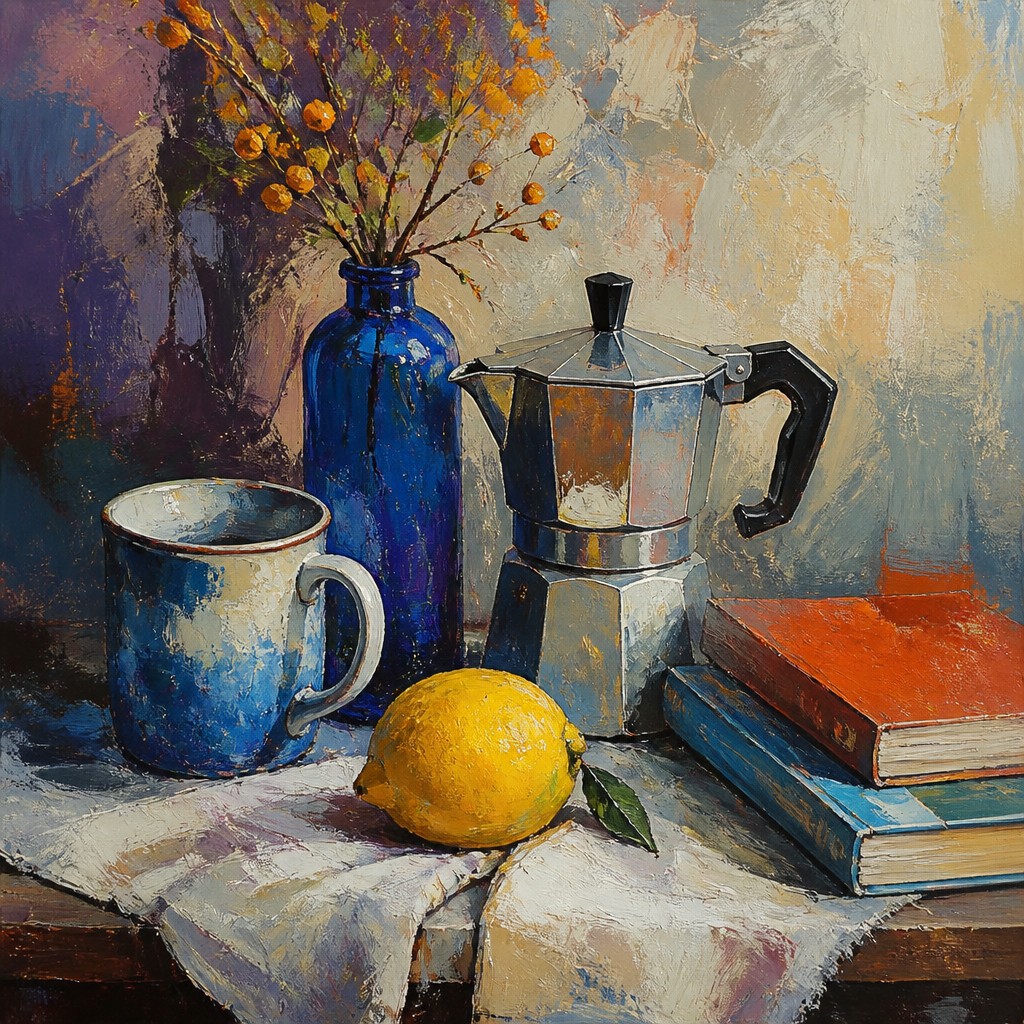
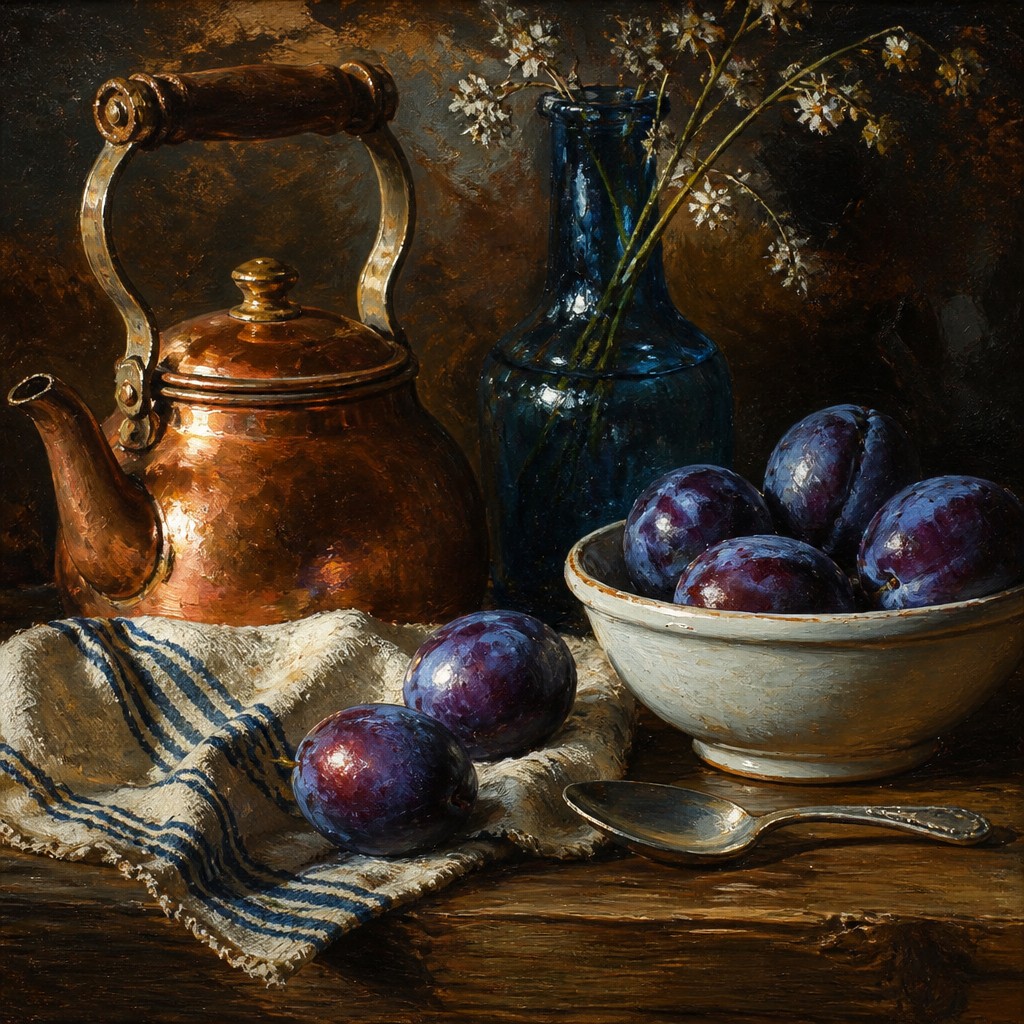
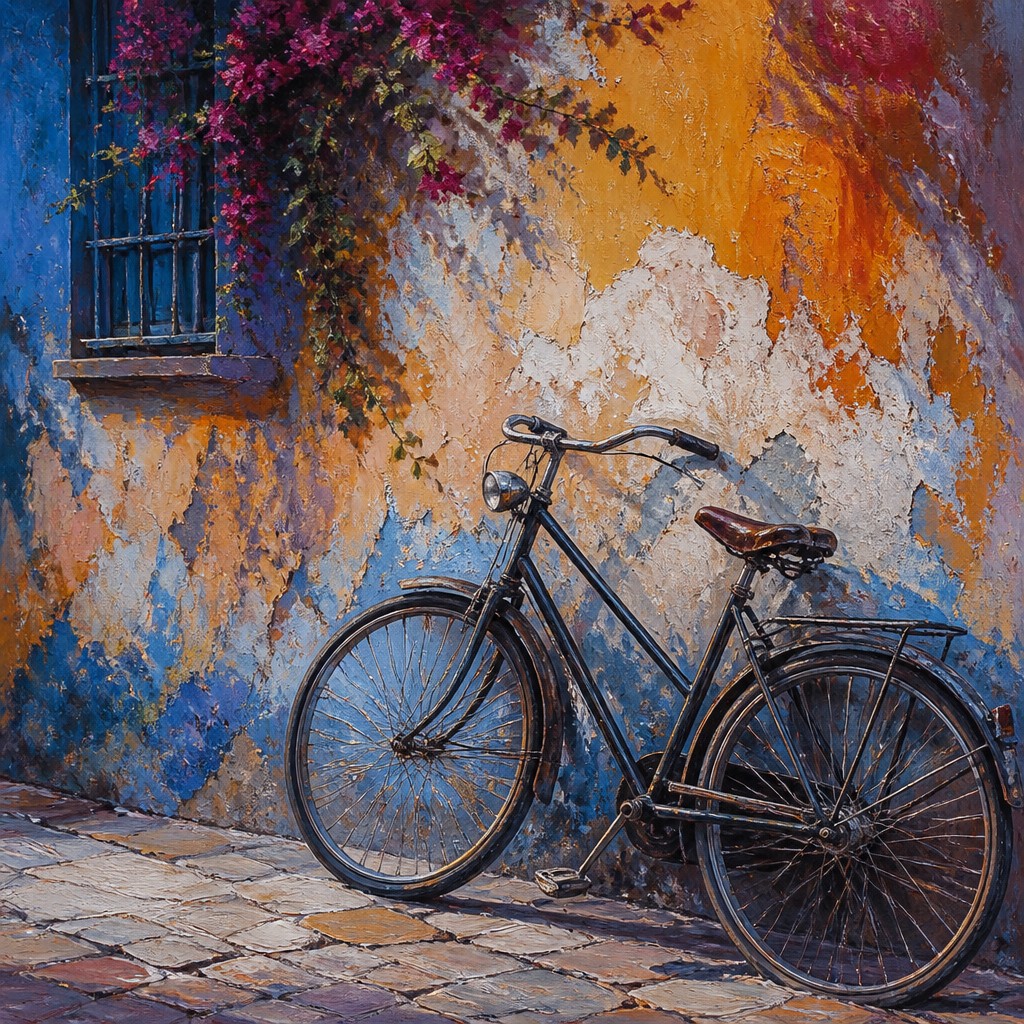
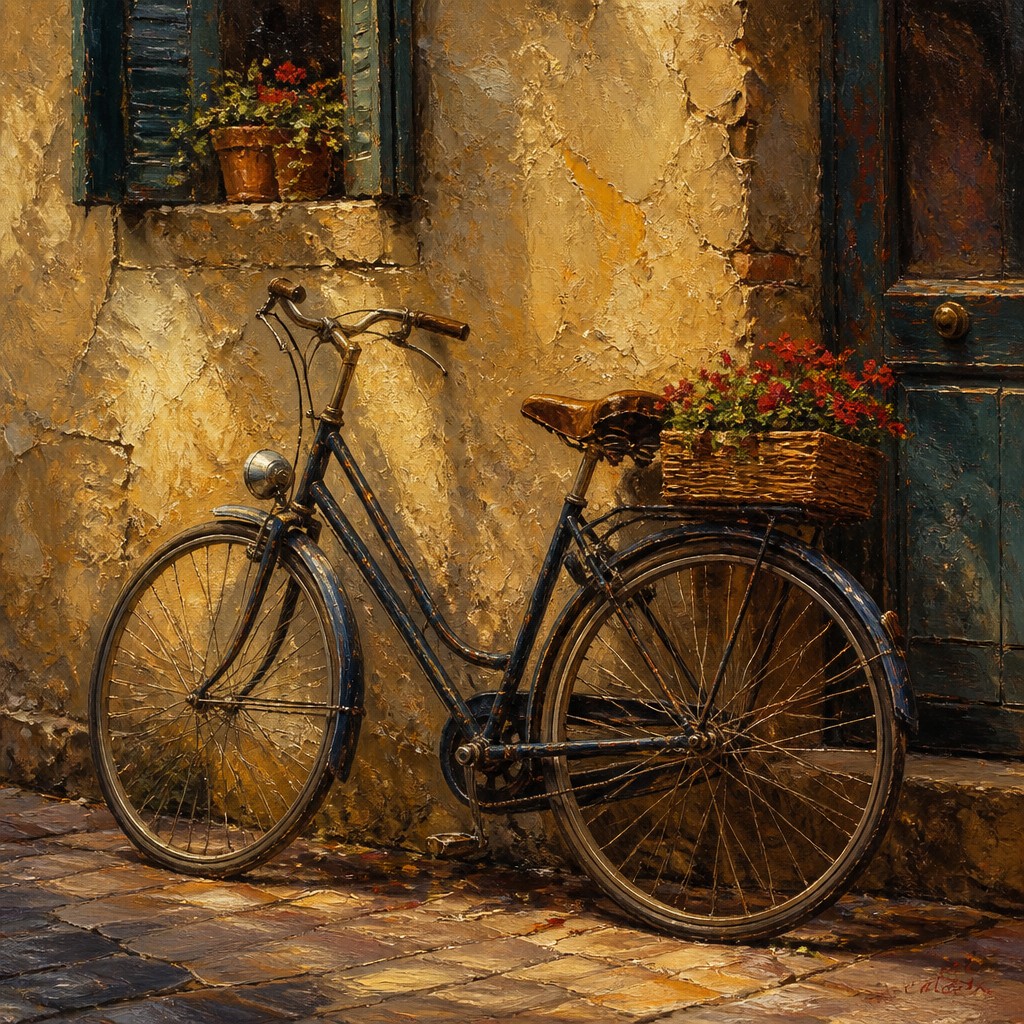
Each pair below was generated from the identical prompt — only the style changed.
“portrait of two people together”
“wide landscape with natural scenery”
“still life with everyday objects”
“bicyle resting against a wall”
Key Differences
| Digital Painting | Oil Painting | |
|---|---|---|
| Medium | Created with digital brushes and editing tools. | Made with pigment, oil, and physical canvas or panel. |
| Brushwork | Brushwork can be simulated and adjusted at any stage. | Brushstrokes are physical, textured, and permanently part of the surface. |
| Color & blending | Offers precise layering, smooth blends, and easy color changes. | Builds luminous layers with natural mixing and drying behavior. |
| Workflow | Fast revisions, undo options, and nondestructive editing. | Slower process that rewards planning, drying time, and restraint. |
| Surface texture | Texture is visual or generated, not physically present. | Paint thickness and canvas texture create real tactile depth. |
| Finish | Can be crisp, polished, or painterly depending on settings. | Often has a softer, more organic finish with visible material presence. |
| Mood | expressive, painterly, versatile, organic | rich, timeless, expressive, warm, sophisticated |
| Energy | balanced | balanced |
| Detail level | detailed | detailed |
| Color | naturalistic to vibrant, broadly varied | deep, saturated, luminous, layered |
| Texture | visible brushwork, blended digital paint | visible brushstrokes, soft impasto, glossy glaze |
| Origin | digital-native aesthetic | Renaissance Europe |
| Best for | concept art, book covers, character art, environment scenes, editorial illustration, posters | portraiture, landscapes, still lifes, fine art prints, editorial illustrations, album covers |
| Difficulty | moderate | advanced |
Which Should You Choose?
Choose Digital Painting Art Style if you want speed, flexibility, easy revisions, or work that may need many versions for concept art, illustration, or web use. Choose Oil Painting Art Style if you want physical texture, traditional materials, and a hand-crafted surface with enduring depth for fine art or collector-focused pieces.
Frequently Asked Questions
Can digital painting look like oil painting?
Yes, digital painting can closely imitate the look of oil paint through brush settings, layered color, and texture overlays. However, the physical thickness, sheen, and surface variation of real oil paint are harder to fully replicate.
Is oil painting always more traditional than digital painting?
Oil painting is a traditional medium, but the style itself can range from classical to contemporary. Digital painting can also use traditional-looking techniques, so style and medium are not always the same thing.
Which style is better for portraits?
Both work well for portraits. Digital painting is useful when you need flexibility and revisions, while oil painting is strong for rich skin tones, texture, and a classic fine-art feel.
Which style is easier for beginners?
Digital painting is often easier to start because mistakes can be undone and tools are widely accessible. Oil painting has a steeper material learning curve because it involves drying times, setup, and paint handling.