Impressionism vs Urban Impressionism: What's the Difference?
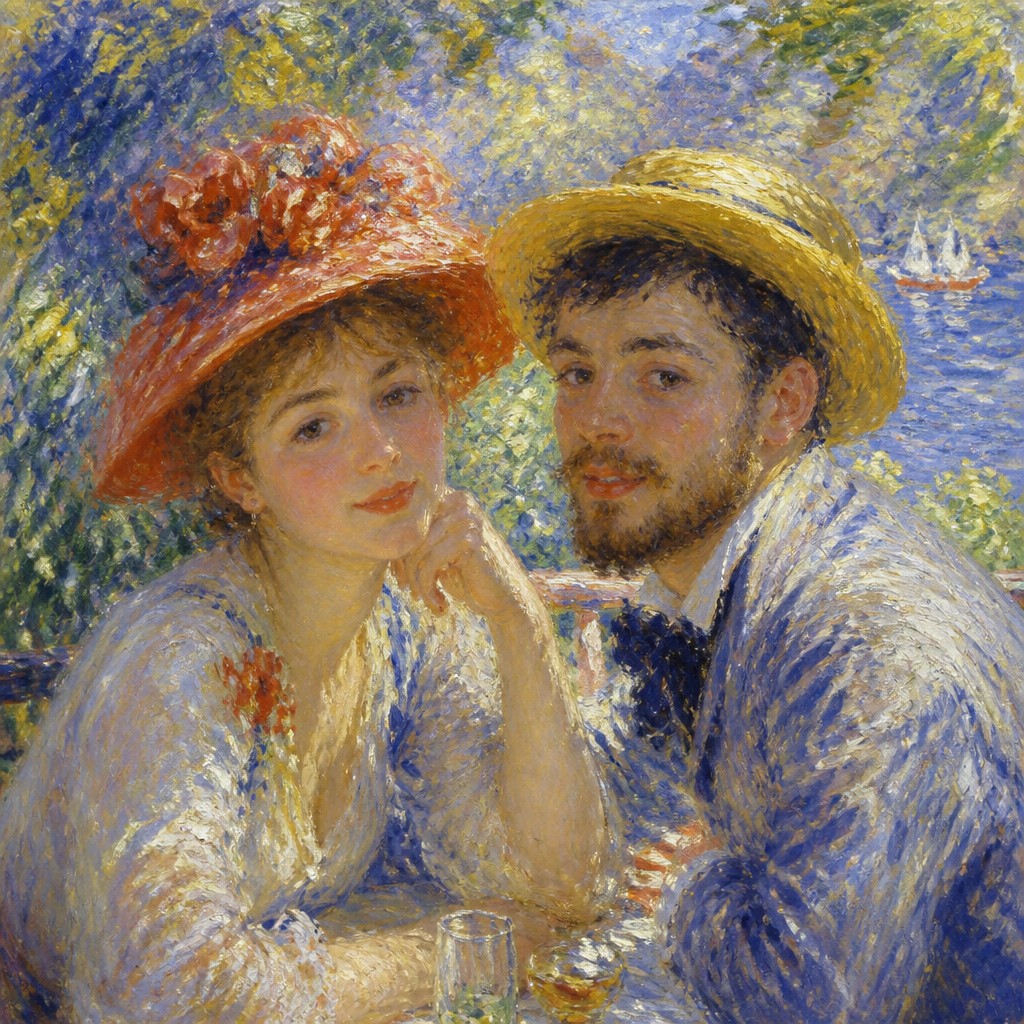
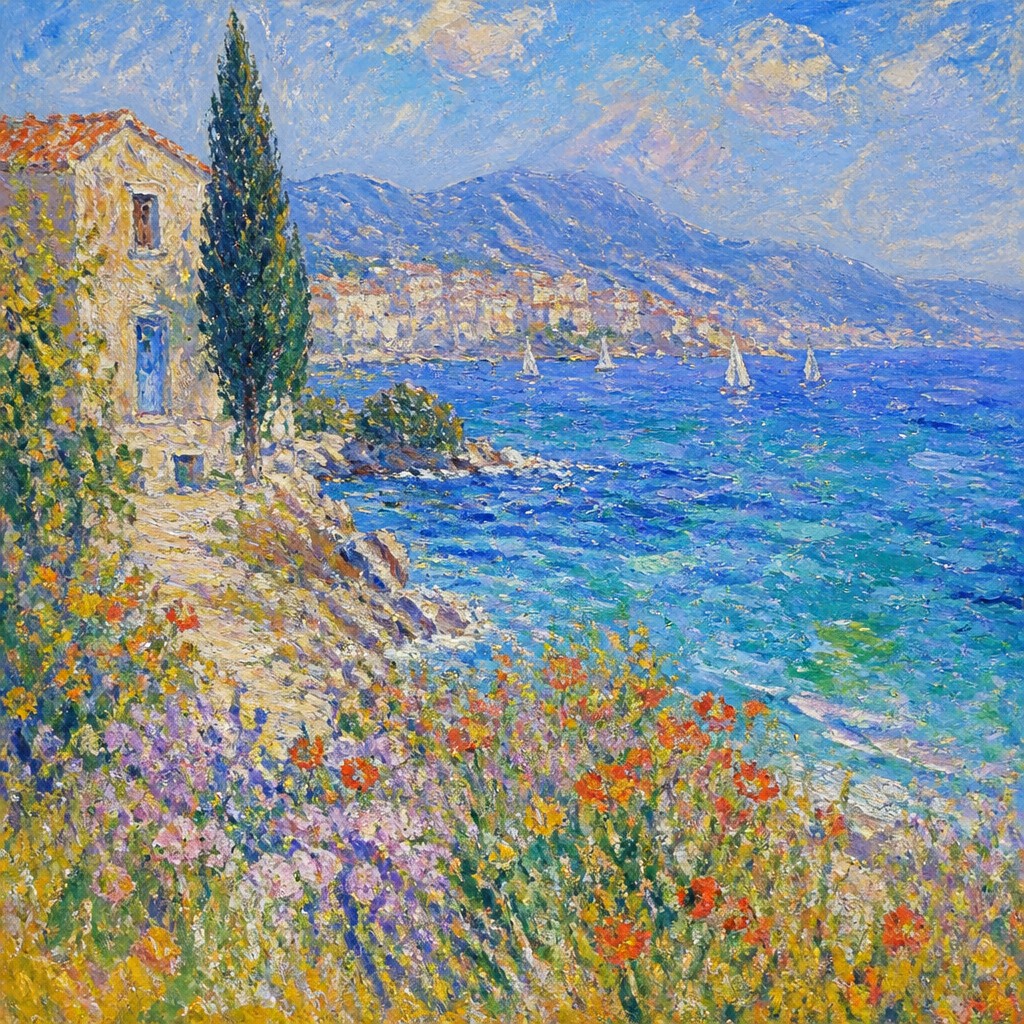
Impressionism is a light-centered painting style that captures fleeting moments through visible brushstrokes, broken color, and softened edges. It often focuses on outdoor scenes, changing weather, and the quick impression of a subject rather than precise detail.
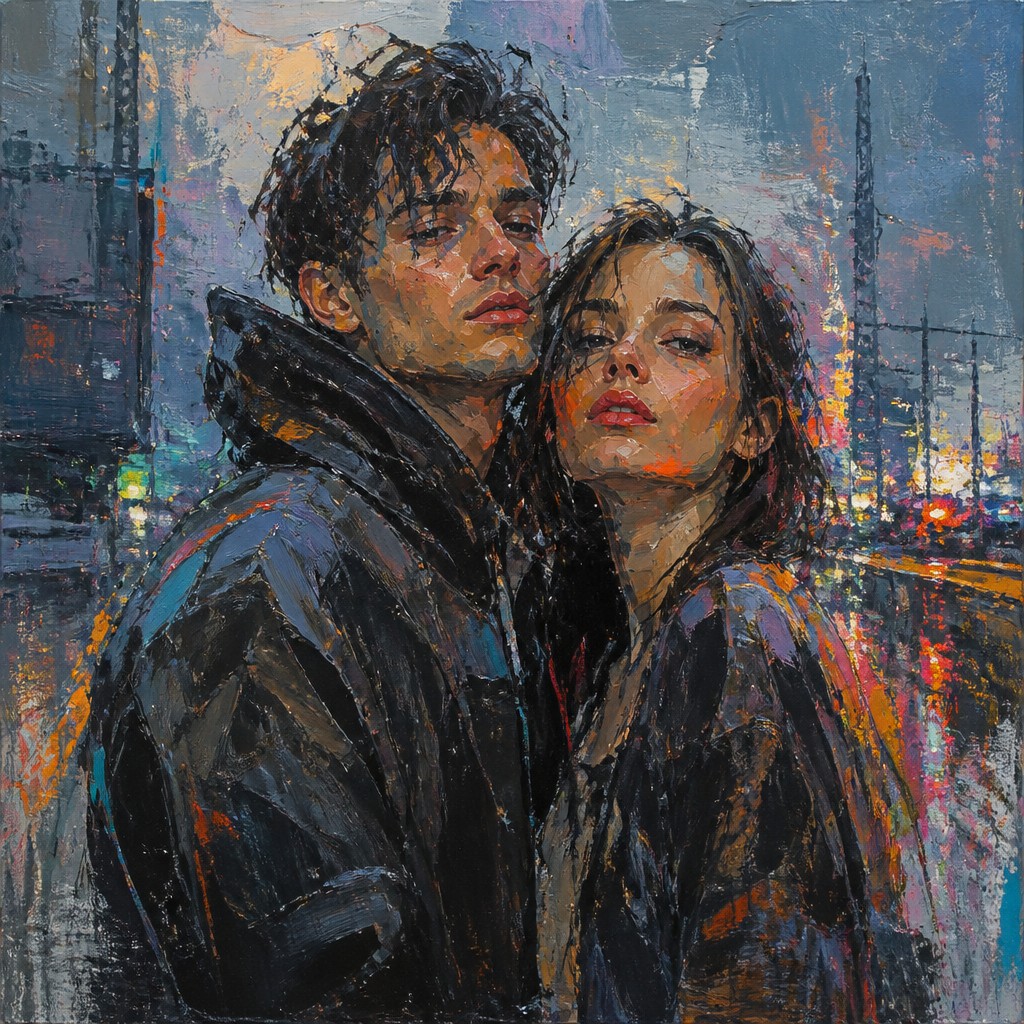
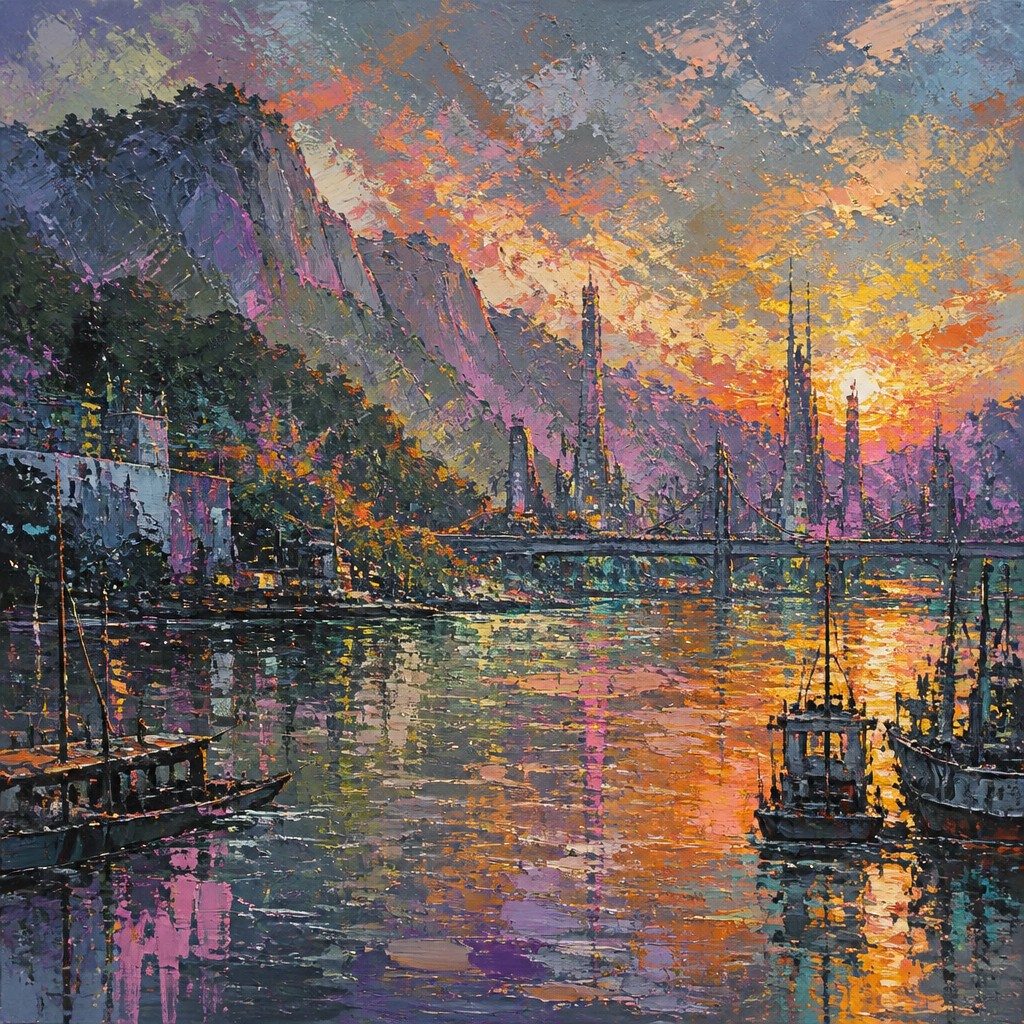
Urban Impressionism adapts that approach to city life, using rapid brushwork, rich texture, and glowing color to suggest streets, buildings, traffic, and neon-lit atmosphere. People compare the two because both prioritize mood, movement, and the feeling of a moment over strict realism, but they differ in subject matter and the visual energy they create.
Same Prompt, Both Styles
Each pair below was generated from the identical prompt — only the style changed.
“portrait of two people together”
“wide landscape with natural scenery”
“still life with everyday objects”
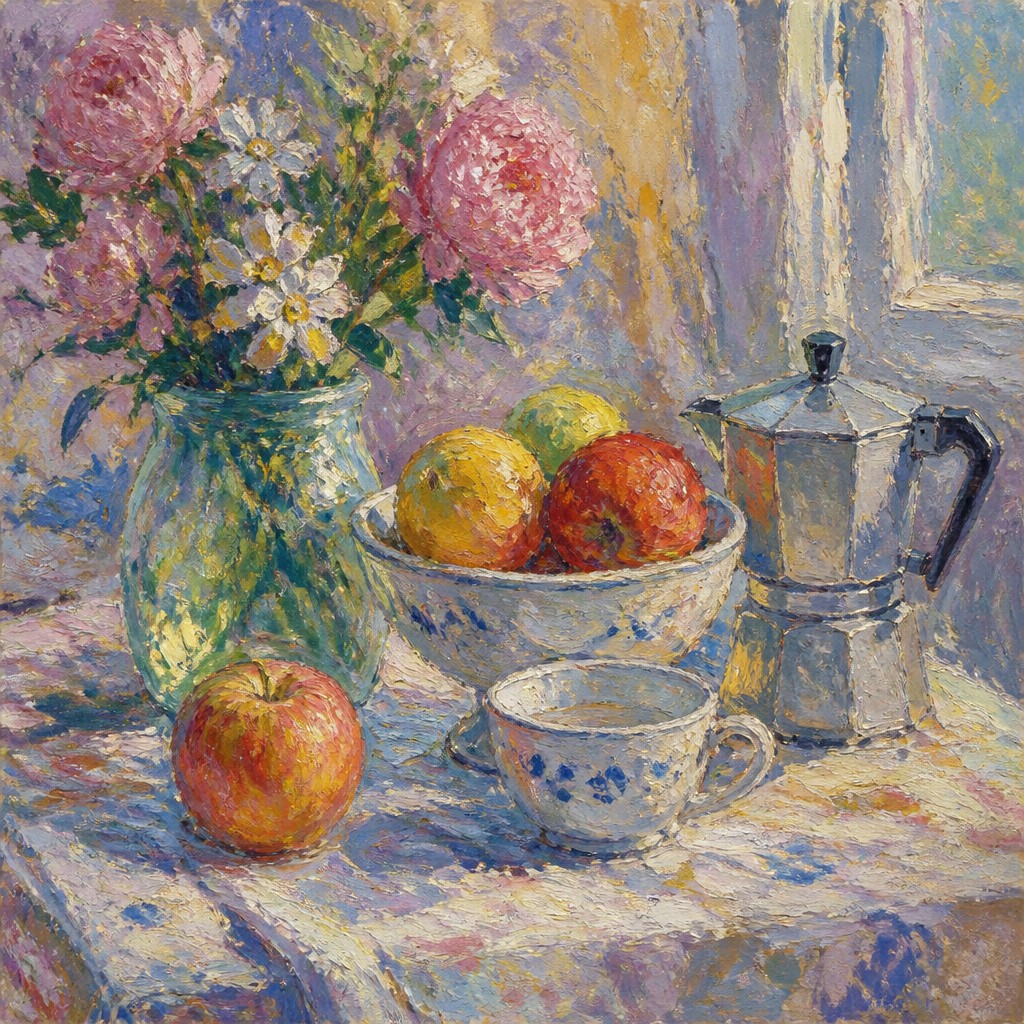
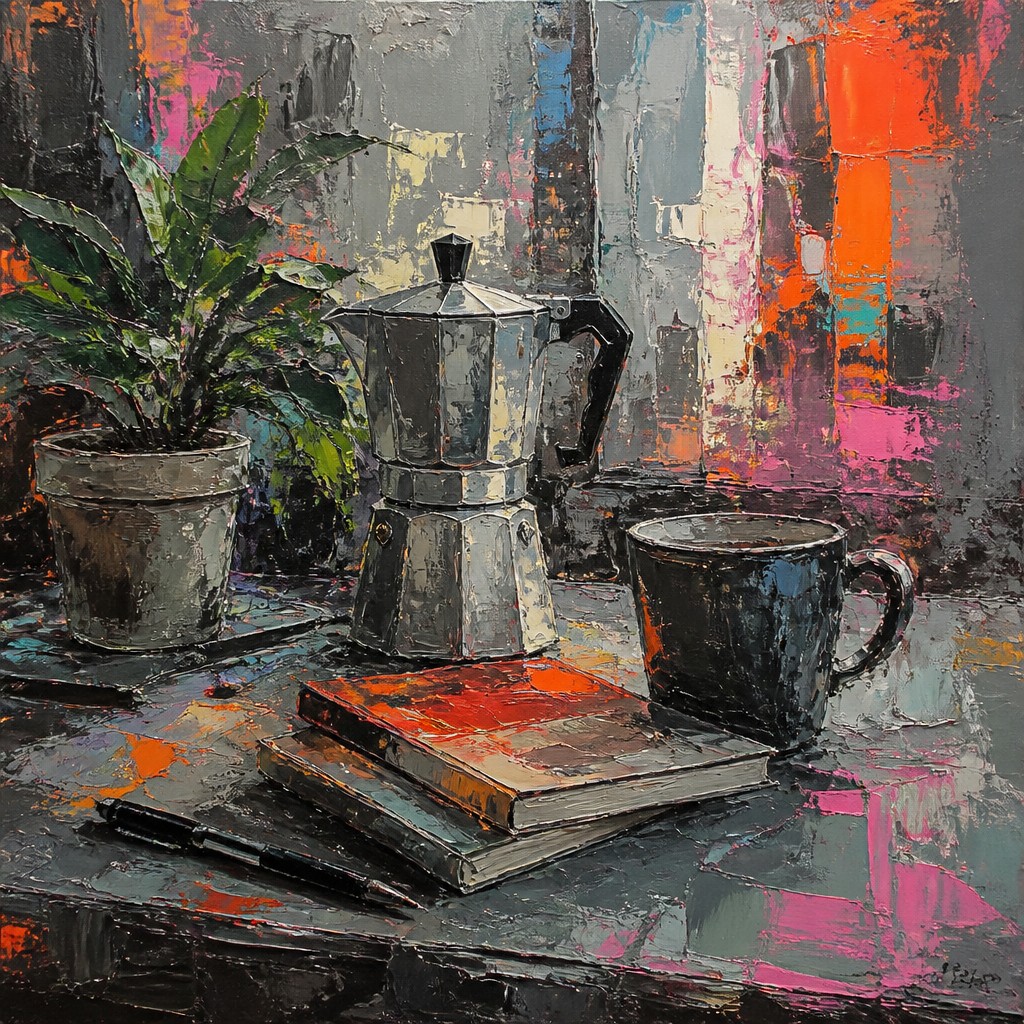
“bicyle resting against a wall”
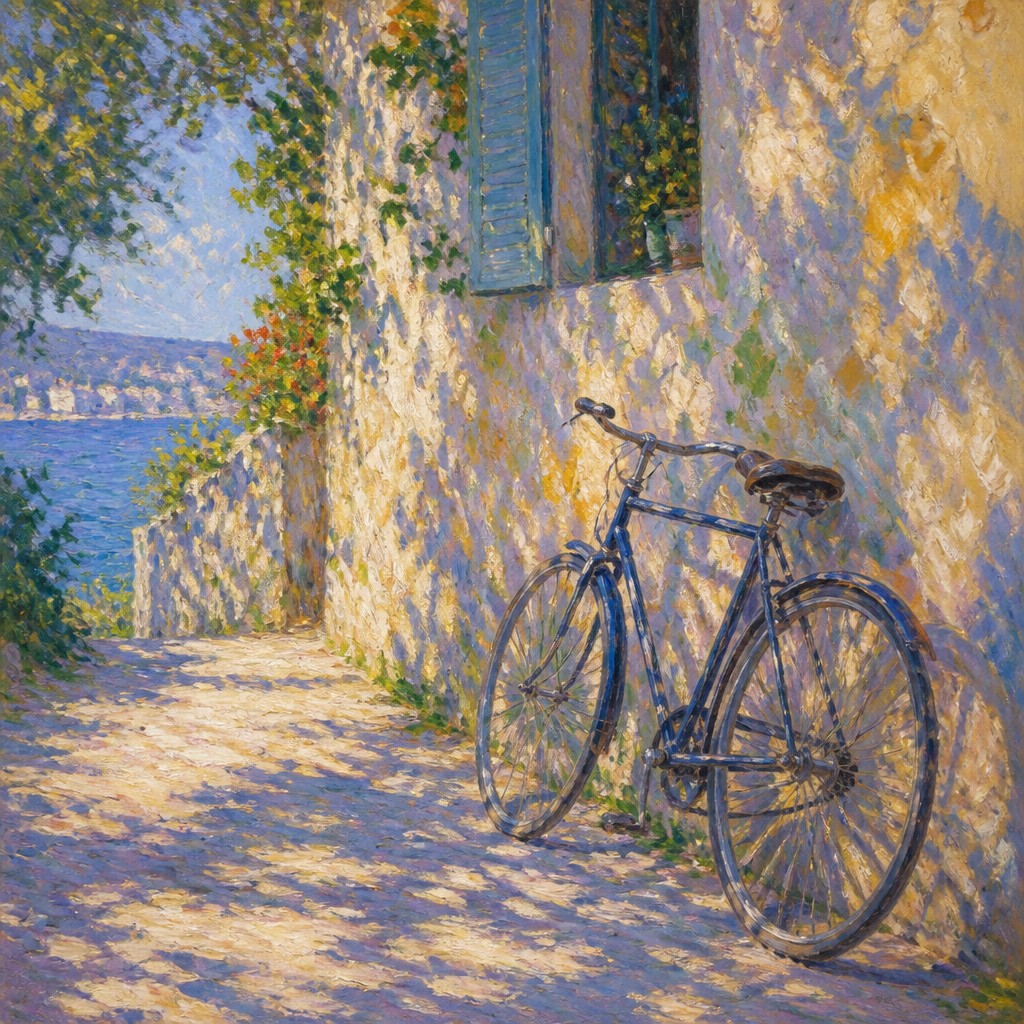
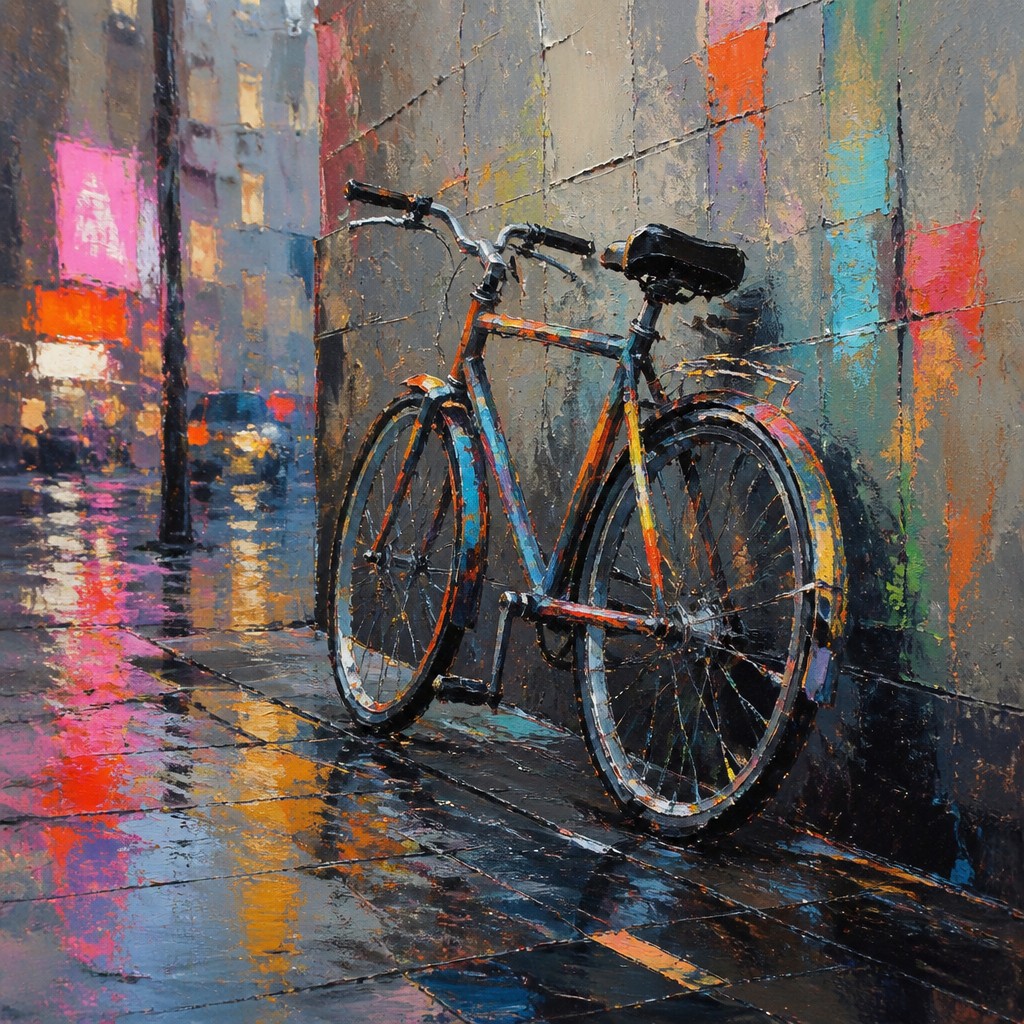
Key Differences
| Impressionism | Urban Impressionism | |
|---|---|---|
| Subject matter | Natural light, landscapes, gardens, and everyday outdoor scenes. | City streets, buildings, crowds, traffic, and urban night views. |
| Light treatment | Captures daylight shifts, reflections, and airy atmospheric effects. | Emphasizes artificial glow, reflections, and neon or streetlight color. |
| Brushwork | Loose, visible strokes that suggest forms and movement. | Faster, more energetic strokes that heighten urban motion. |
| Texture | Usually lighter paint handling with layered color touches. | Often thicker impasto for a more tactile, energetic surface. |
| Mood | Calm, reflective, and momentary. | Dynamic, lively, and electrically atmospheric. |
| Color palette | Broken color, soft contrasts, and natural hues. | Brighter contrasts, saturated highlights, and night-color effects. |
| Typical setting | Open-air scenes shaped by weather and changing light. | Dense built environments shaped by movement and light pollution. |
| Mood | airy, luminous, fleeting, serene, evocative | vibrant, kinetic, atmospheric, modern |
| Energy | lively | lively |
| Detail level | moderate | moderate |
| Color | bright, pure, light-washed, atmospheric | luminous grays, blues, warm accents |
| Texture | visible brushstrokes, painterly, soft-edged | broken brushstrokes, layered painterly texture |
| Origin | 19th-century France | late 20th-century urban painting traditions |
| Best for | landscapes, garden scenes, posters, editorial illustrations, album covers, wall art | city posters, album covers, travel art, editorial illustration, wall decor |
| Difficulty | moderate | advanced |
Which Should You Choose?
Choose Impressionism if you want a style that feels airy, natural, and centered on subtle changes in sunlight and atmosphere. Choose Urban Impressionism if you want the same loose, expressive handling applied to streets and architecture, especially when you want stronger motion, richer texture, and the glow of city lights.
Frequently Asked Questions
Is Urban Impressionism the same as Impressionism?
No. Urban Impressionism is related in technique and mood, but it focuses on modern city subjects and often uses stronger contrasts and denser texture. Impressionism is broader and more closely tied to outdoor light, nature, and everyday scenes.
Do both styles avoid fine detail?
Yes, both styles prioritize the overall sensation of a scene rather than exact outlines and small details. The difference is that Urban Impressionism usually pushes the sense of energy and texture further.
Which style works better for night scenes?
Urban Impressionism is usually better for night scenes because it can emphasize streetlights, reflections, and neon effects. Impressionism can include evening light too, but it is more often associated with daylight and open-air atmospheres.
Can the two styles overlap in the same painting?
Yes. A painting can use impressionistic brushwork and color handling while depicting an urban setting. In that case, it may sit between the two styles rather than belonging fully to only one.