Floating Islands vs Surrealist Landscape: What's the Difference?
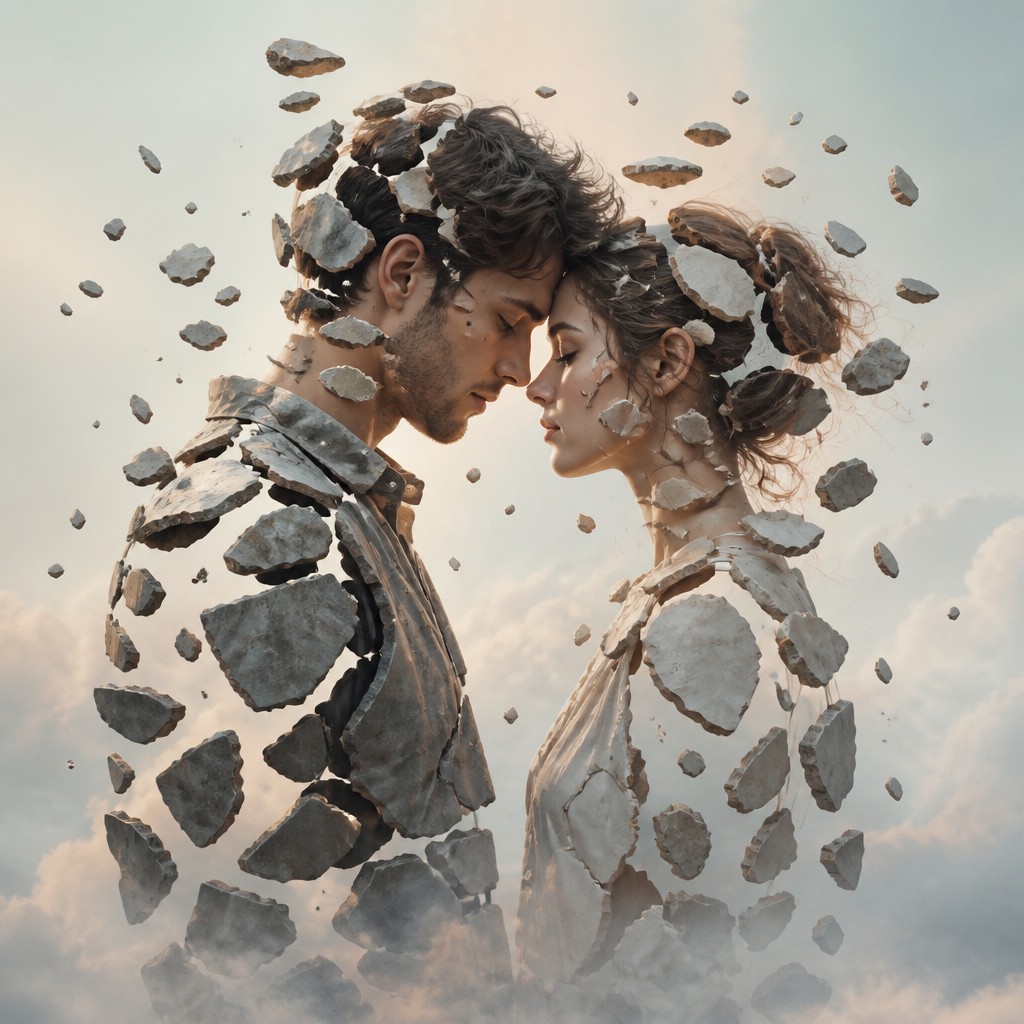
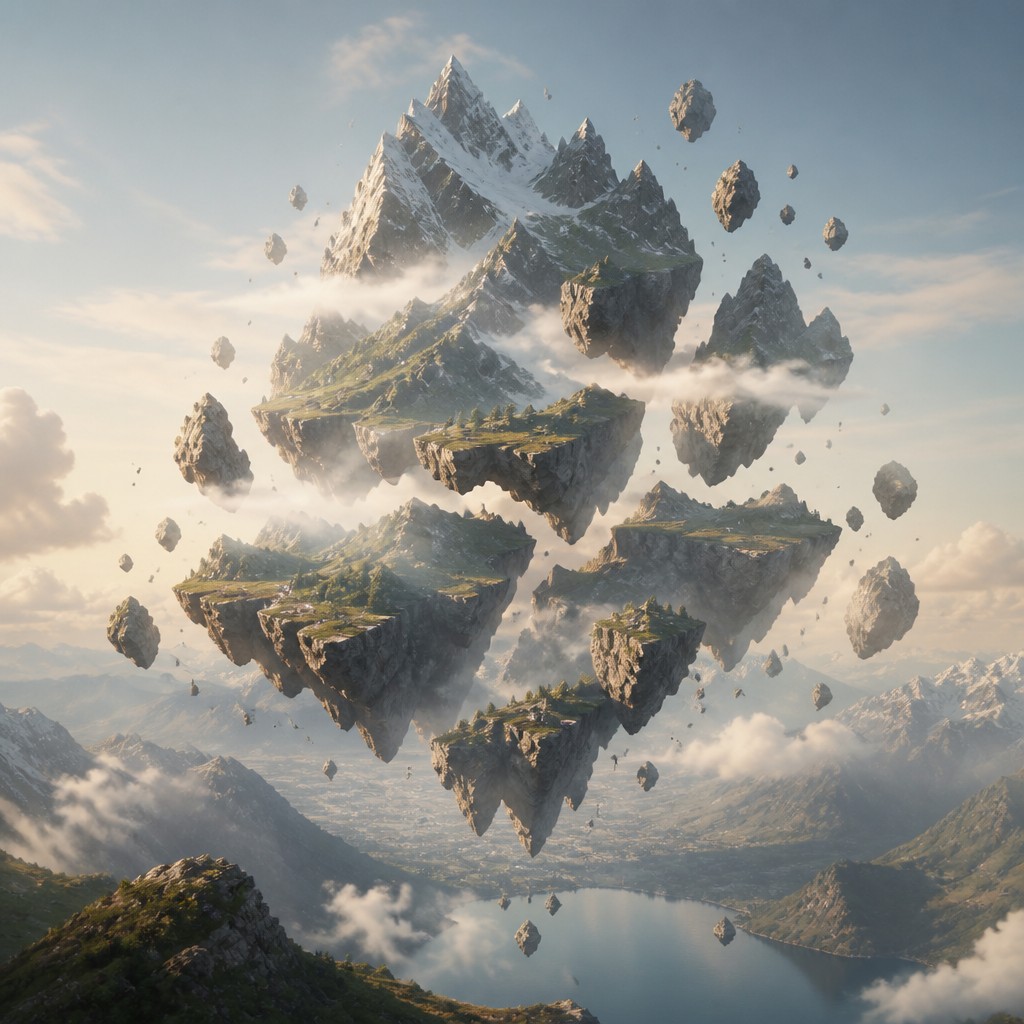
Floating Islands is a figurative, dreamlike style where subjects appear to split into levitating fragments, surrounded by soft haze and weightless negative space. The effect emphasizes anti-gravity, suspension, and visual fragmentation, often making the figure feel as if it is dissolving or drifting apart.
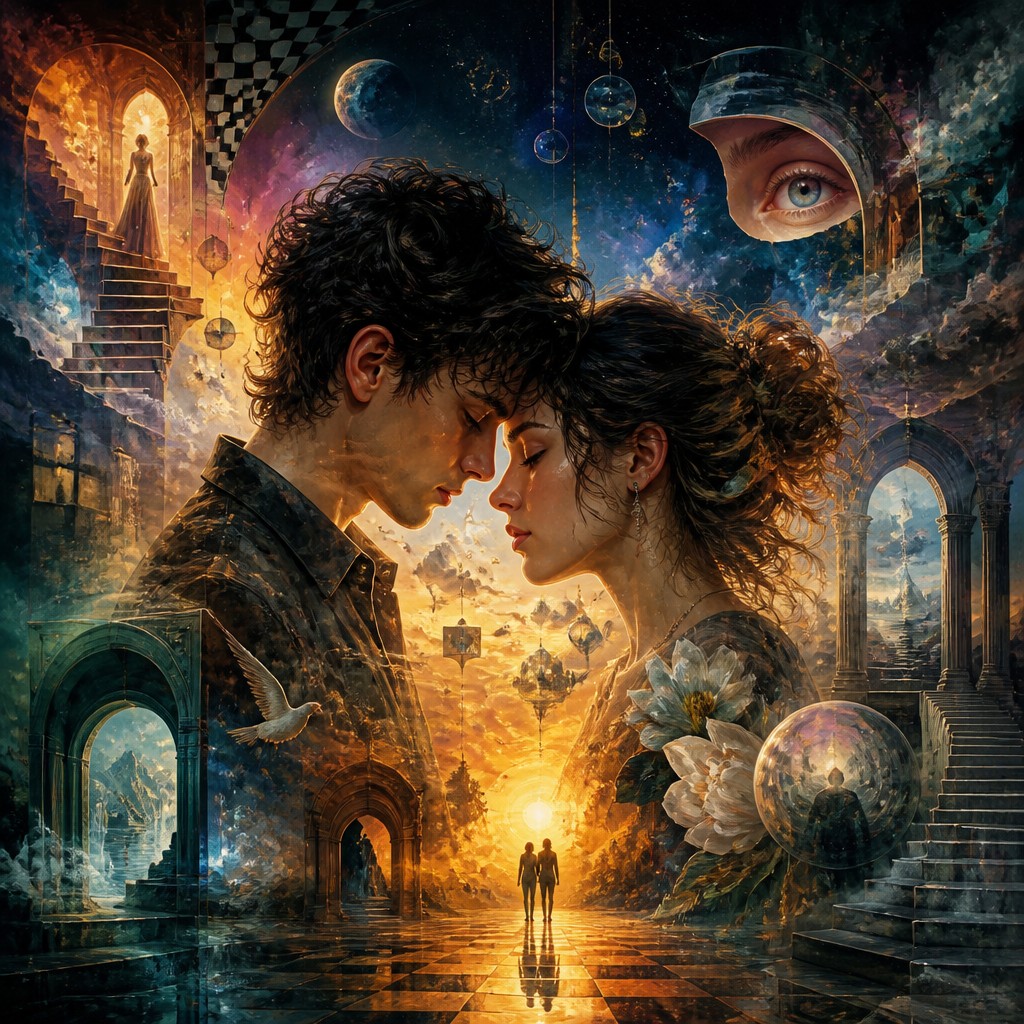
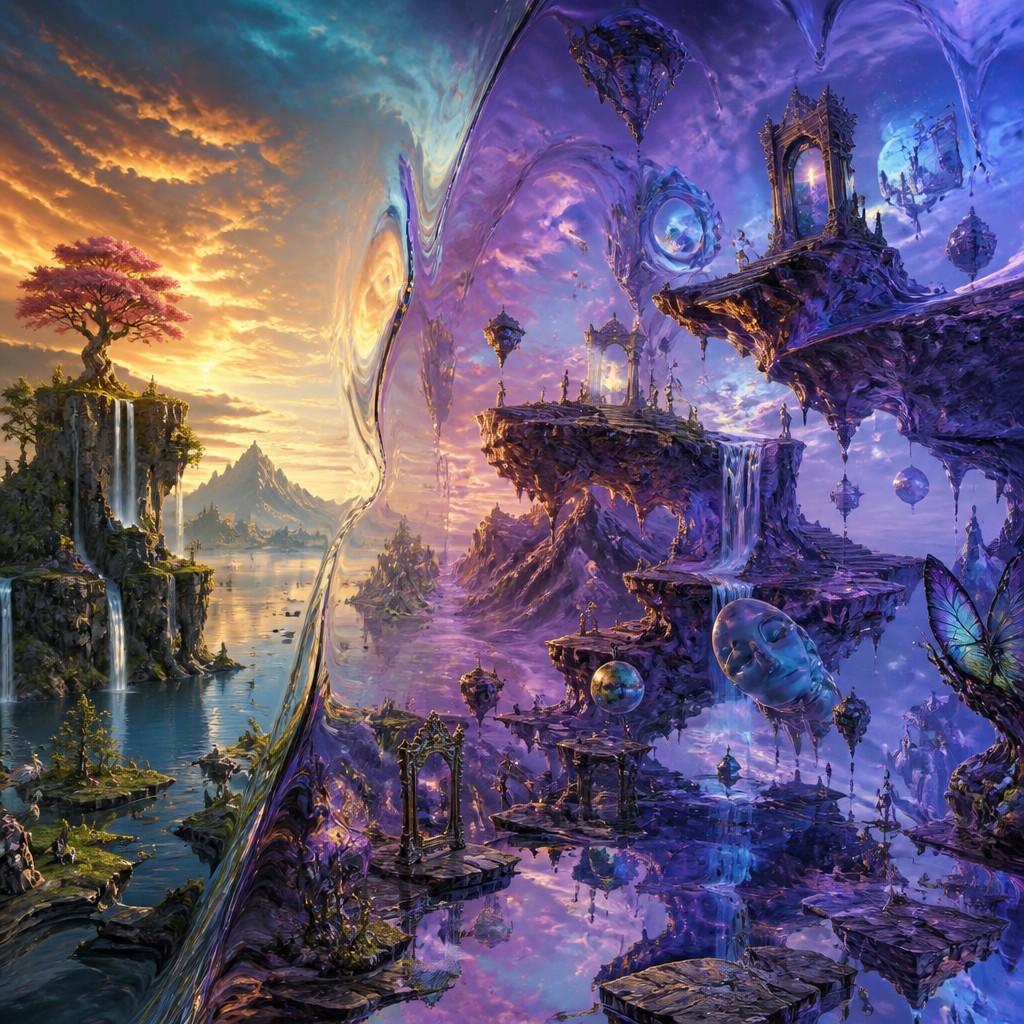
Surrealist Landscape Art Style is a broader landscape-based approach built on impossible perspectives, symbolic forms, and luminous atmospheres. People compare the two because both rely on dream logic, altered reality, and surreal visual tension, but one centers on fragmented figures while the other usually centers on strange environments and symbolic terrain.
Same Prompt, Both Styles
Each pair below was generated from the identical prompt — only the style changed.
“portrait of two people together”
“wide landscape with natural scenery”
“still life with everyday objects”
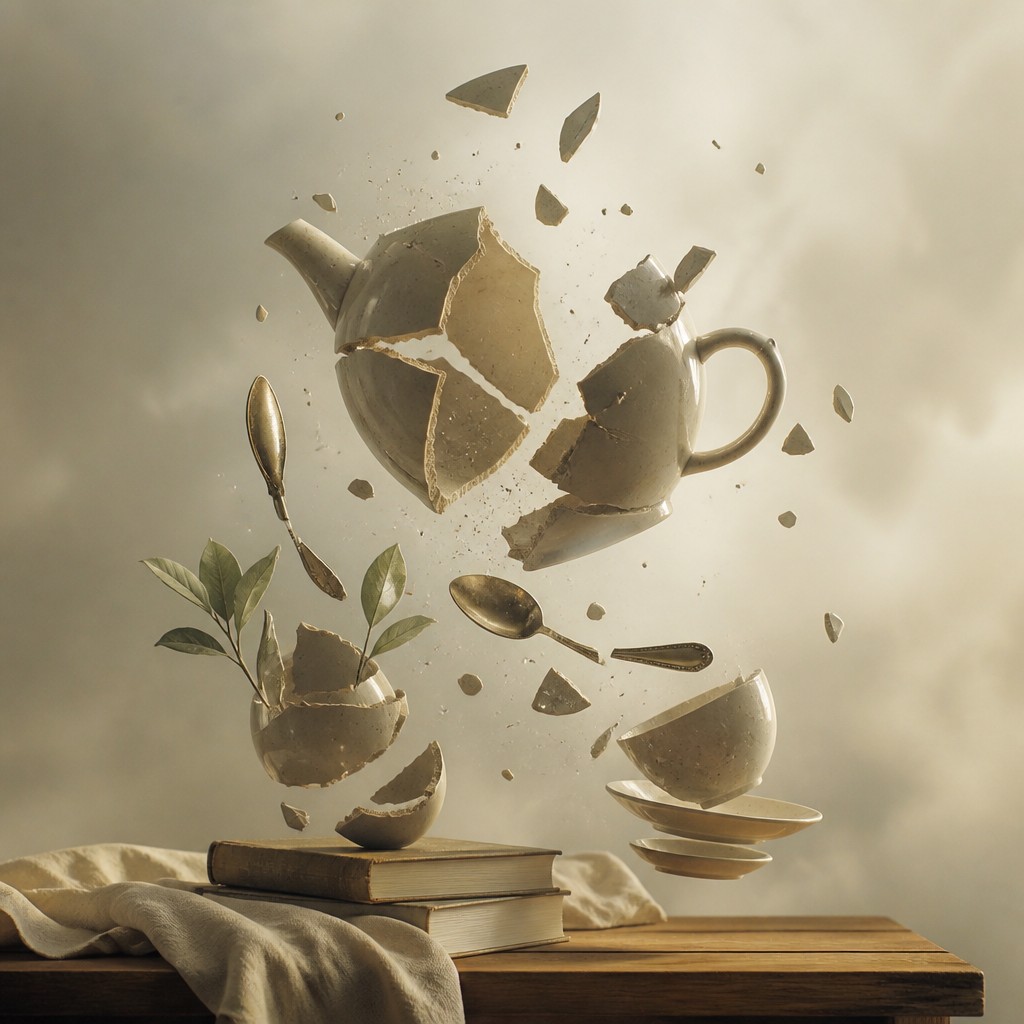
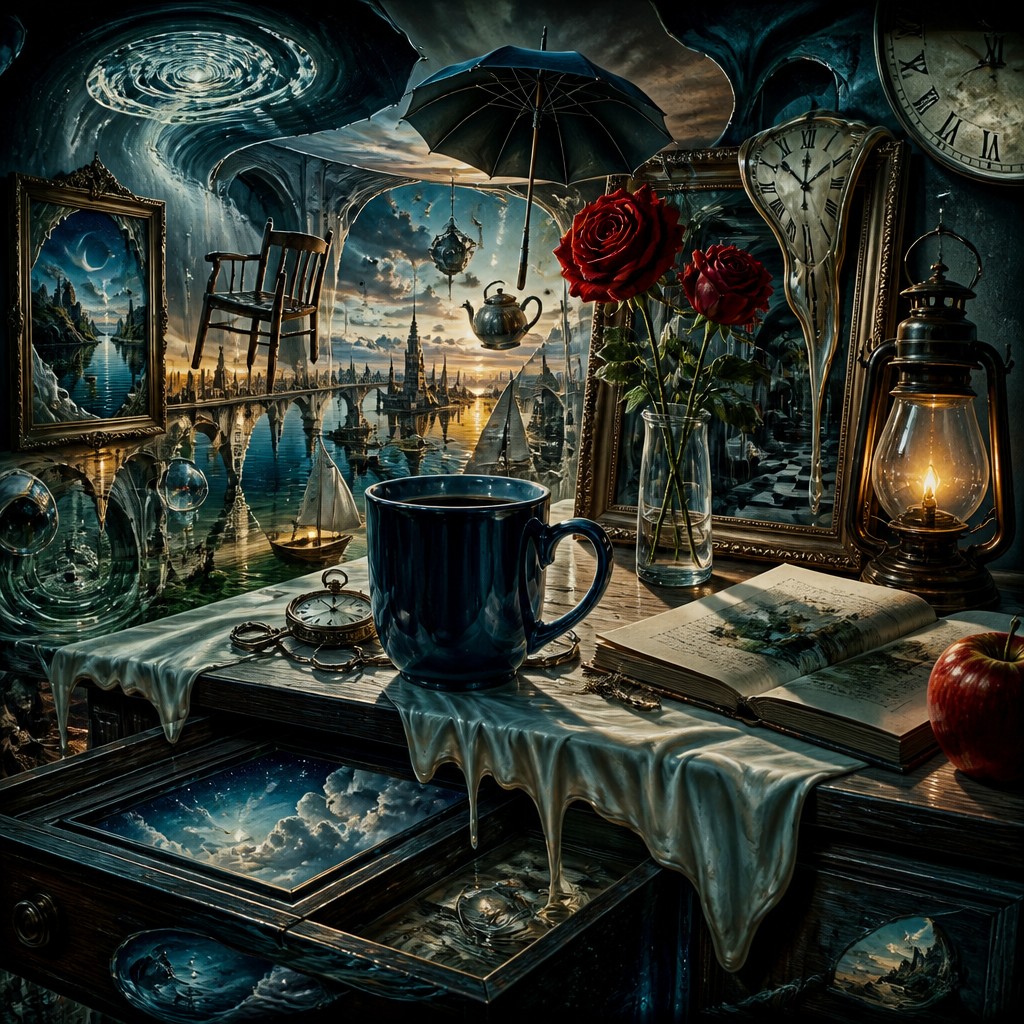
“bicyle resting against a wall”
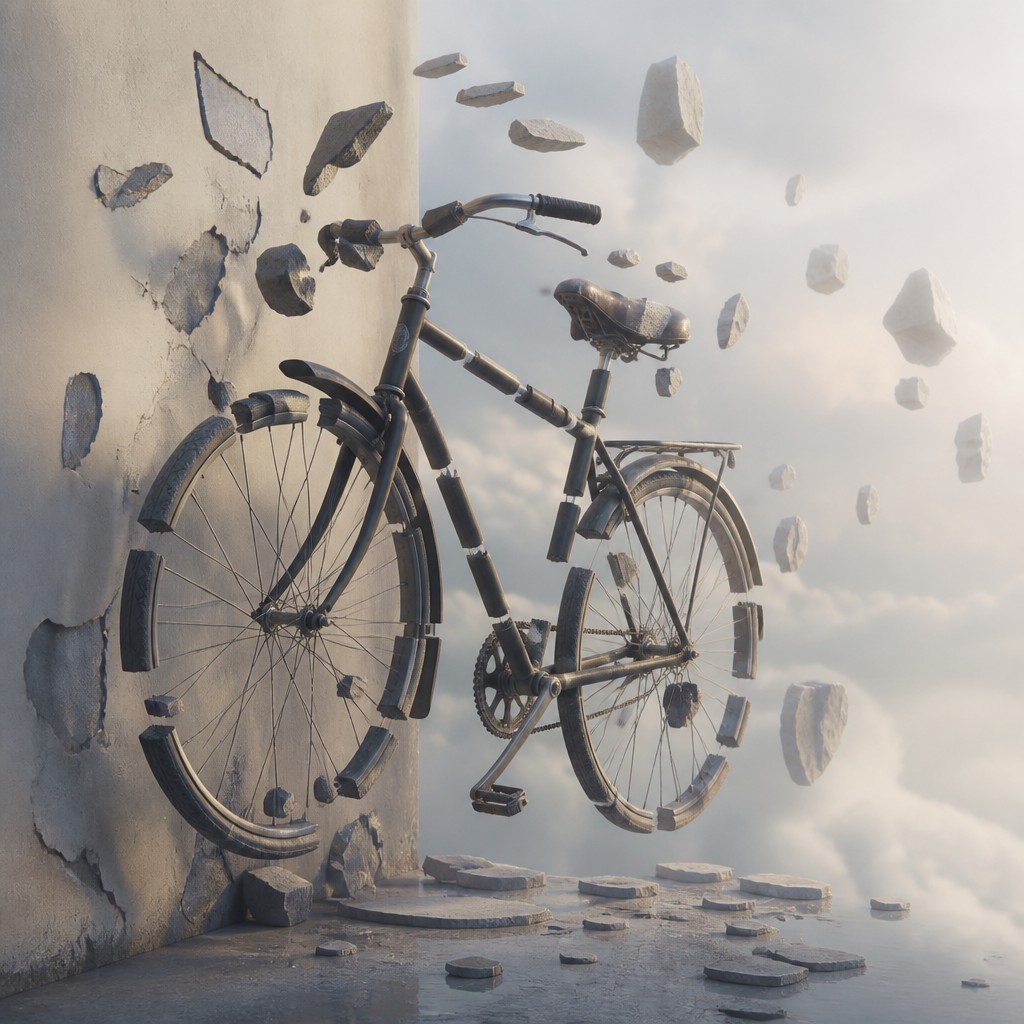
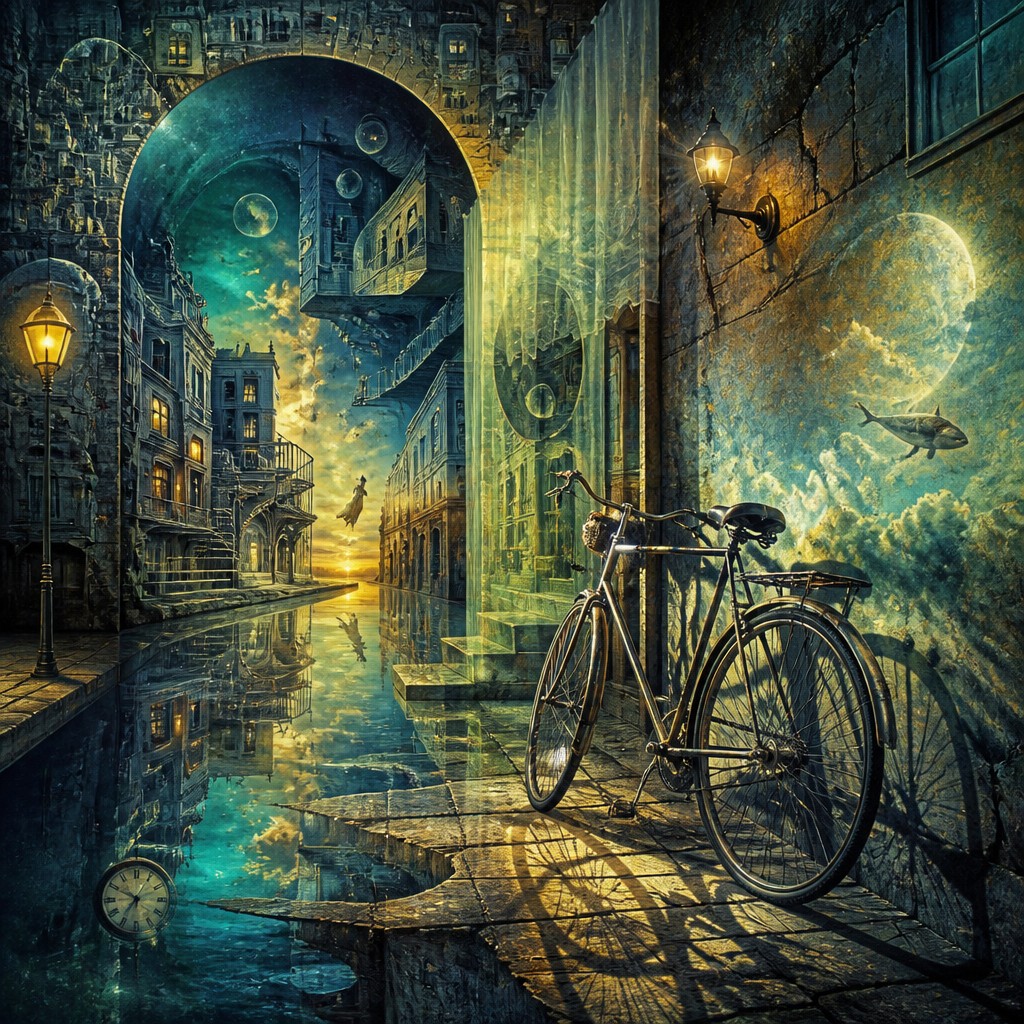
Key Differences
| Floating Islands | Surrealist Landscape | |
|---|---|---|
| Primary subject | Fragmented figures or objects floating apart in space. | Strange landscapes with symbolic terrain and structures. |
| Spatial feeling | Weightless, suspended, and airy with open negative space. | Deep, expansive, and often built on impossible spatial logic. |
| Form treatment | Subjects break into separated pieces or drifting shards. | Forms remain more whole, but their placement may be uncanny. |
| Mood | Ethereal, fragile, and quietly uncanny. | Mystical, symbolic, and psychologically expansive. |
| Visual emphasis | Anti-gravity effects and soft atmospheric haze. | Luminous skies, surreal horizons, and dreamlike vistas. |
| Narrative feel | Focused on transformation, dissociation, or fragmentation. | Focused on metaphor, subconscious meaning, and place. |
| Mood | surreal, dreamlike, calm, ethereal, orderly | dreamlike, uncanny, contemplative, symbolic |
| Energy | calm | calm |
| Detail level | moderate | detailed |
| Color | soft muted tones with airy contrast | muted earth tones with atmospheric contrasts |
| Texture | clean edges, suspended fragments, smooth finish | smooth blends, crisp edges, soft haze |
| Origin | digital-native aesthetic | 20th-century Europe, surrealism movement |
| Best for | album covers, poster art, editorial illustrations, game concept art, surreal branding | album covers, book covers, editorial illustrations, concept art, posters |
| Difficulty | advanced | advanced |
Which Should You Choose?
Choose Floating Islands if you want a more figurative image centered on levitation, fragmentation, and a delicate sense of disintegration. Choose Surrealist Landscape Art Style if you want a broader dreamscape with symbolic scenery, unusual perspective, and a stronger environmental or metaphorical focus. In short, A is better for surreal figure-based compositions, while B is better for surreal world-building and landscape scenes.
Frequently Asked Questions
Are these styles the same thing?
No. They overlap in their dreamlike and surreal qualities, but they emphasize different subjects and effects. Floating Islands is more about fragmented, floating forms, while Surrealist Landscape Art Style is more about impossible environments and symbolic spaces.
Which style is more figurative?
Floating Islands is usually more figurative because it often starts with a recognizable subject that breaks apart or levitates. The landscape style may include figures, but it typically prioritizes environment over anatomy.
Which style feels more atmospheric?
Both can feel atmospheric, but in different ways. Floating Islands uses haze and spacing to create a soft, weightless atmosphere, while Surrealist Landscape Art Style often uses luminous horizons and vast scenes to create a broader dream atmosphere.
Can these styles be combined?
Yes. A composition can place fragmented floating subjects inside an impossible surreal landscape. That combination works well when you want both psychological symbolism and a strong sense of visual transformation.