Baroque Religious Art
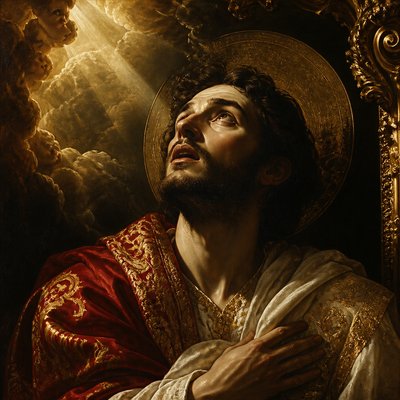
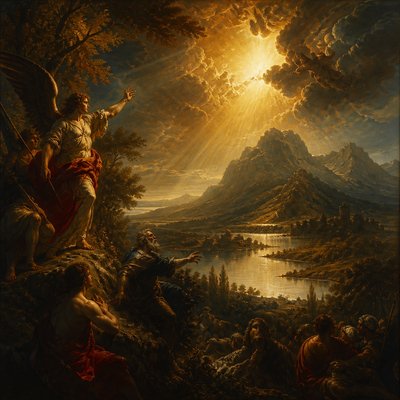
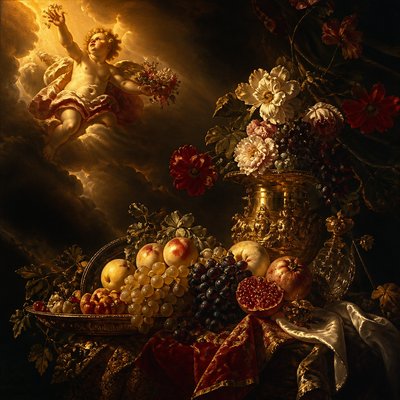
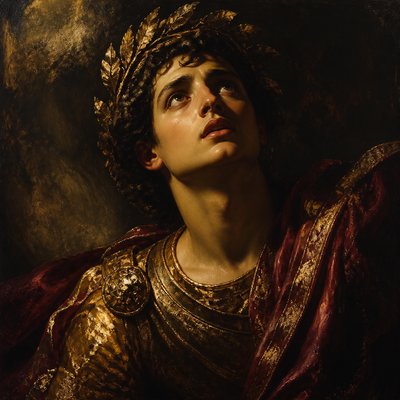
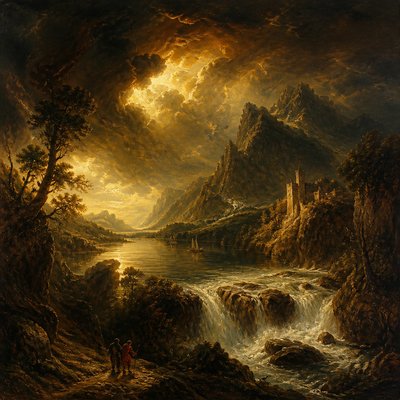
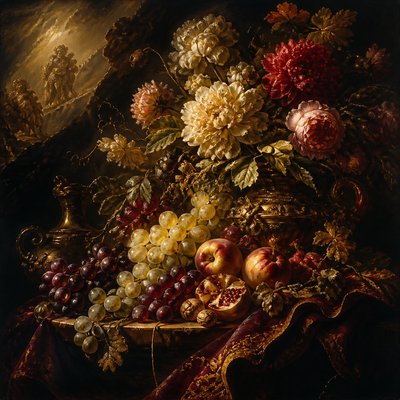
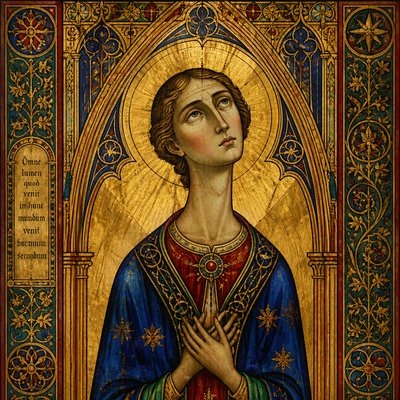
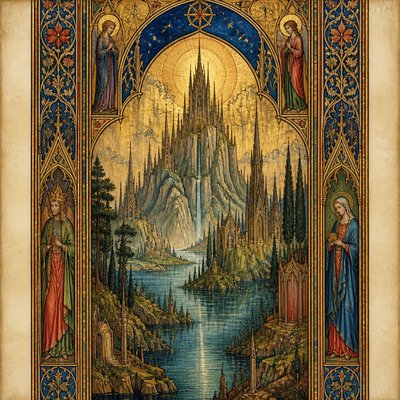
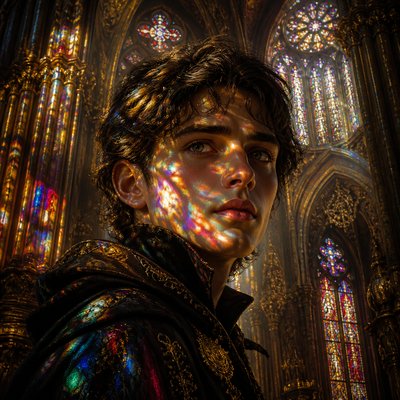
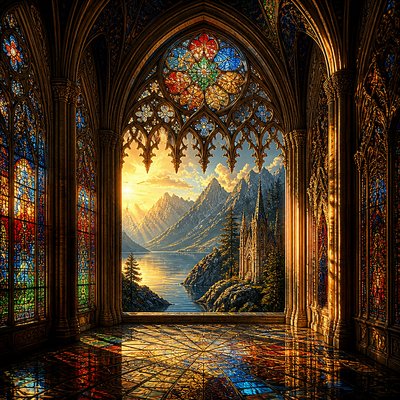
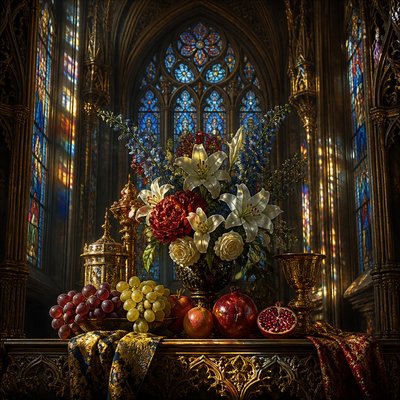
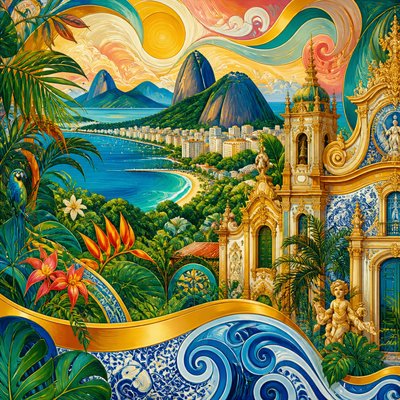
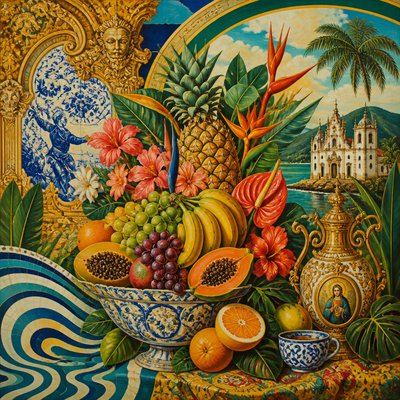
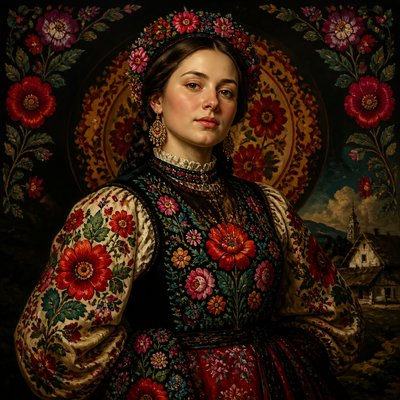
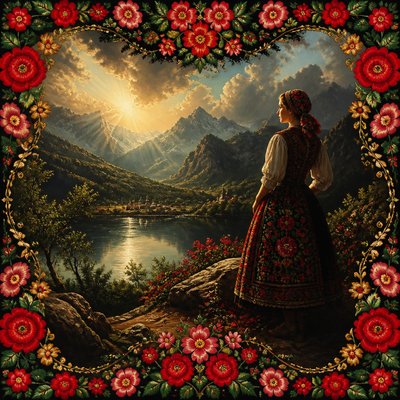
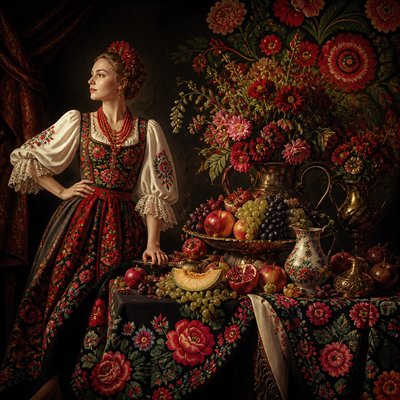
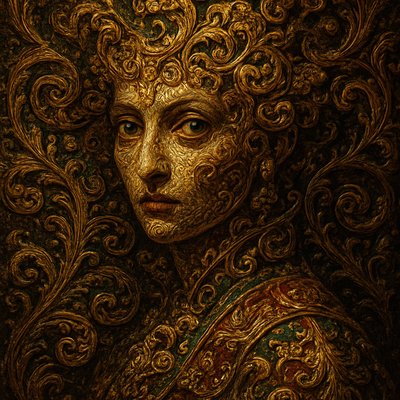
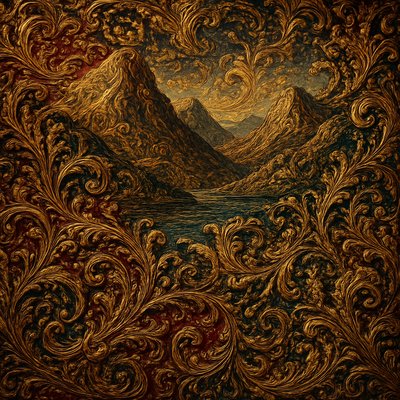
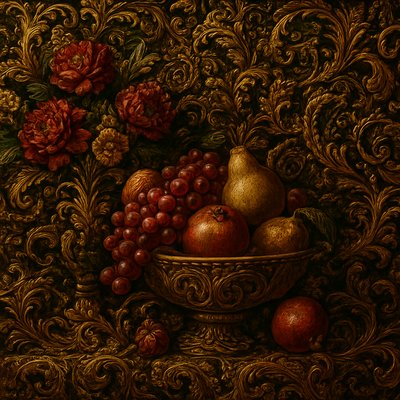
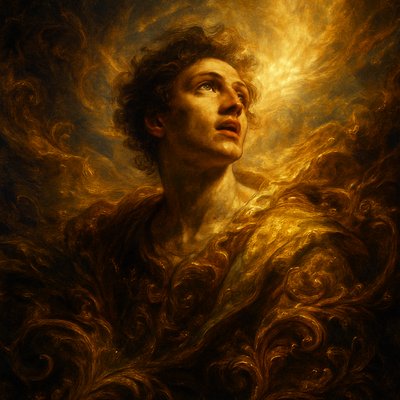
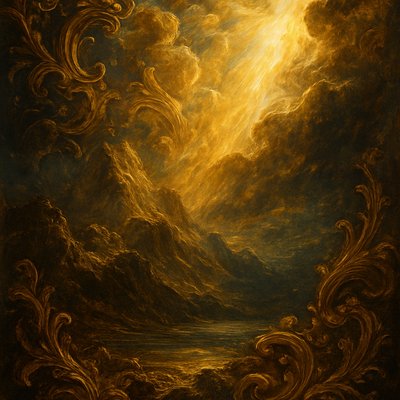
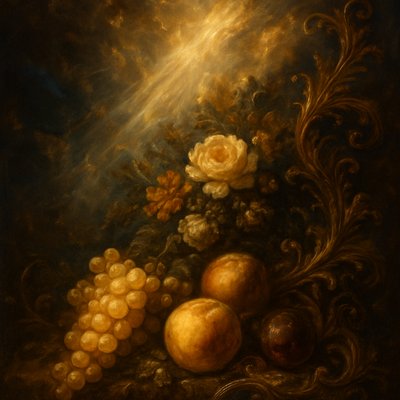
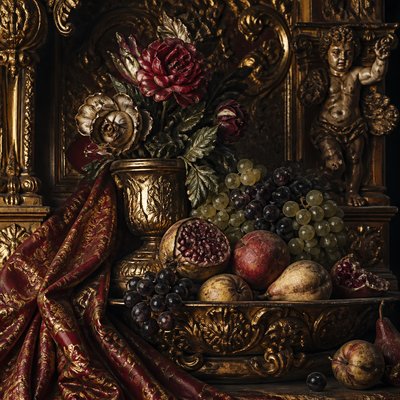
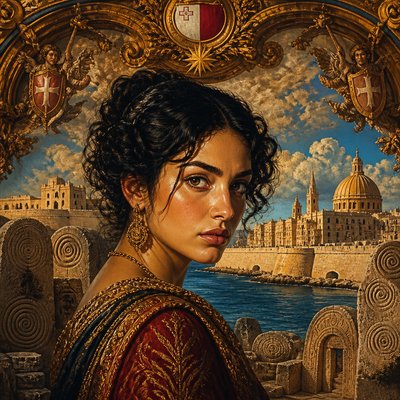
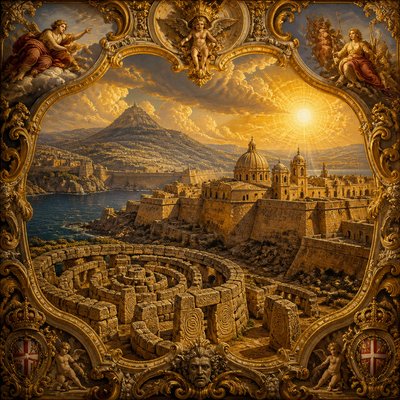
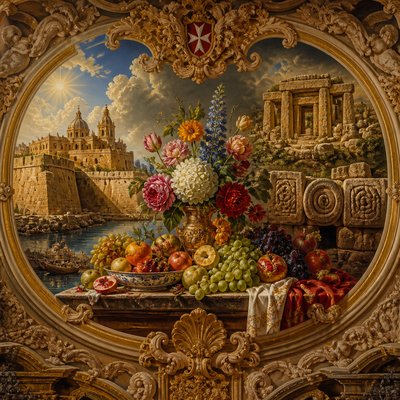
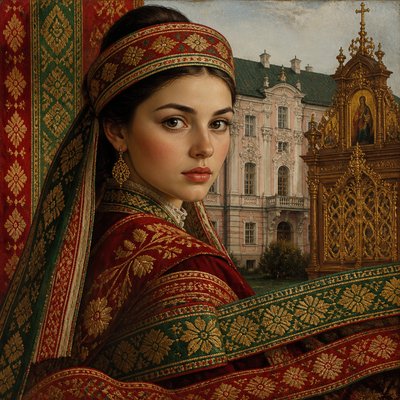
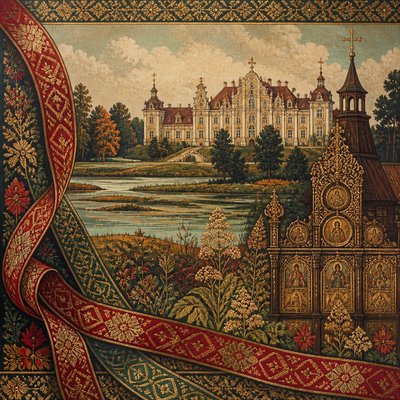
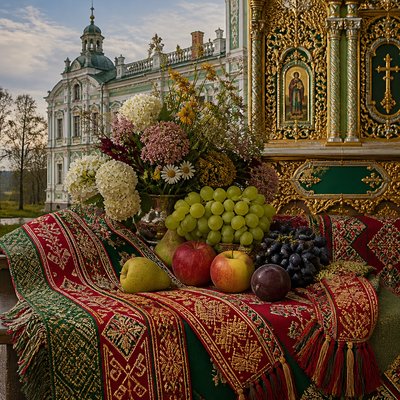
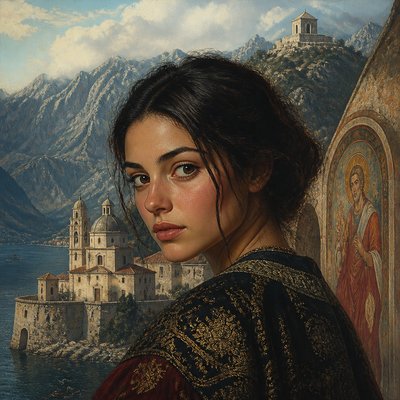
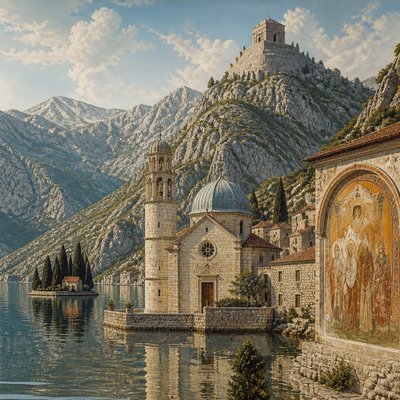
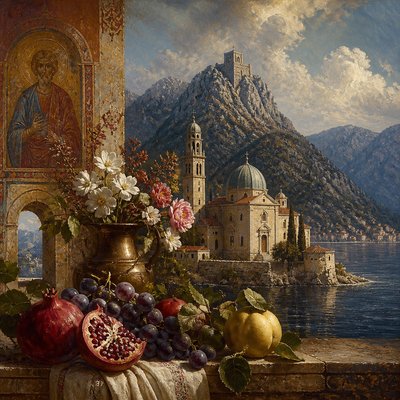
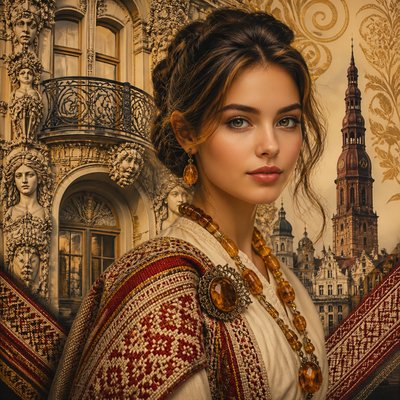
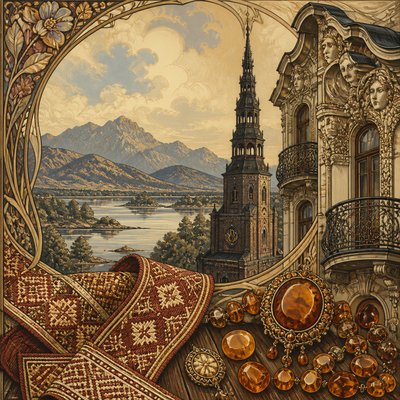
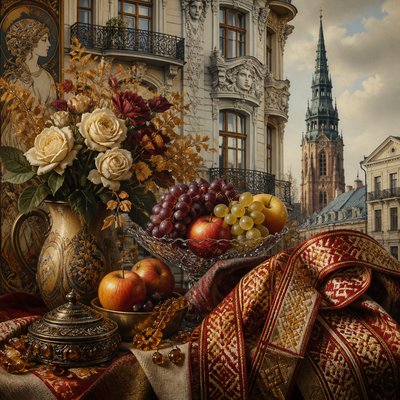
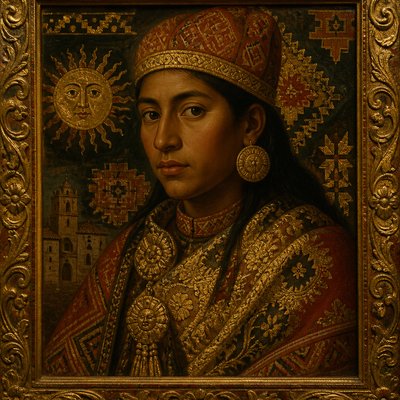
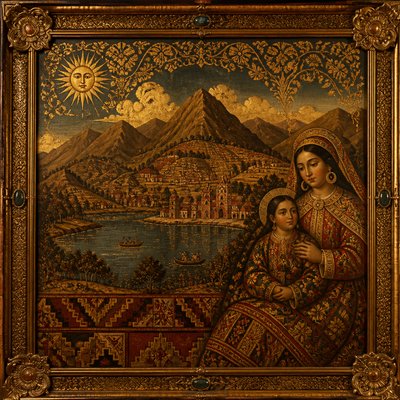
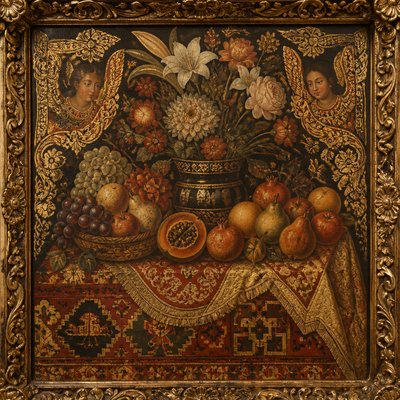
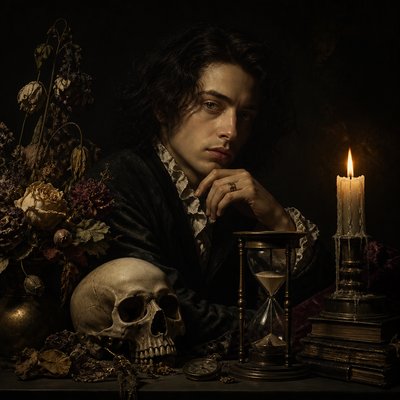
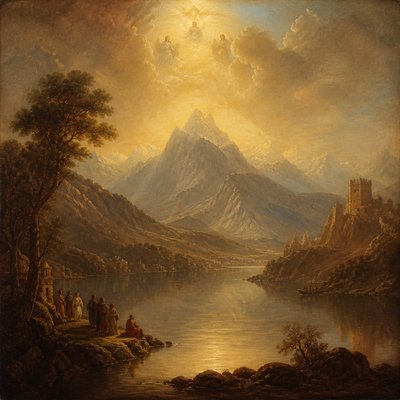
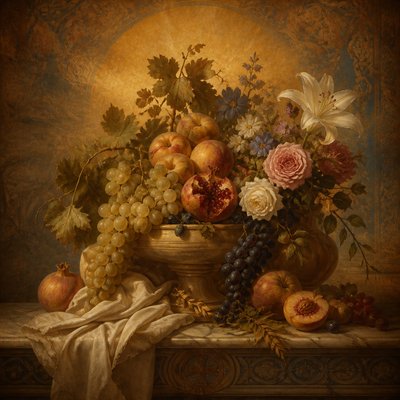
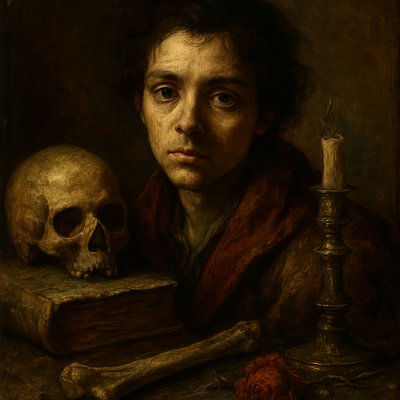
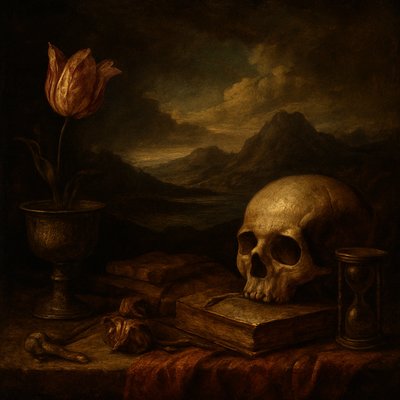
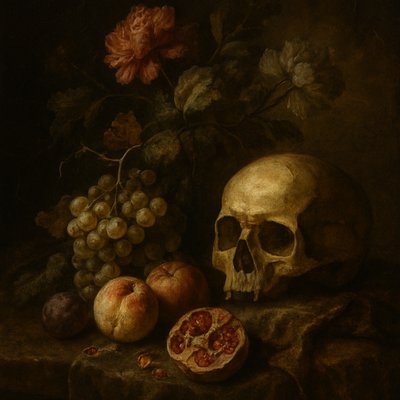
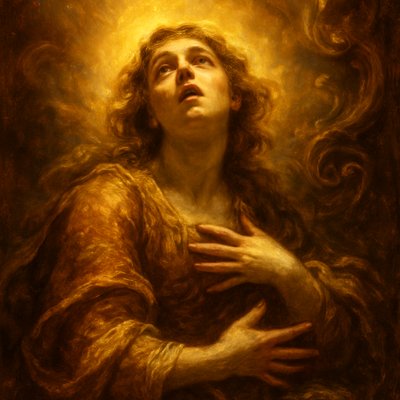
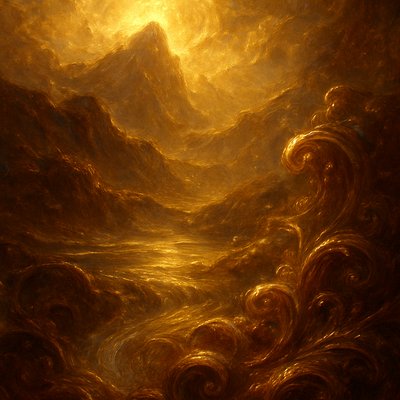
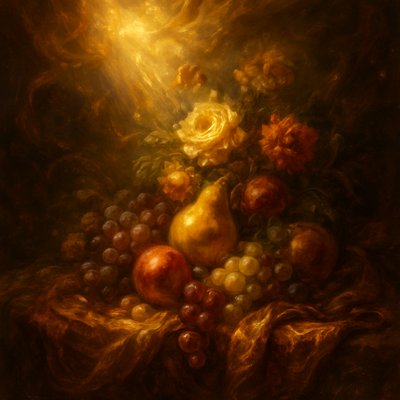
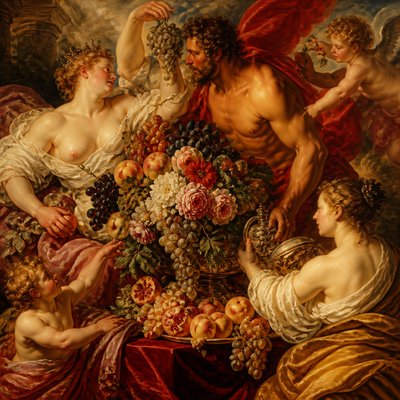
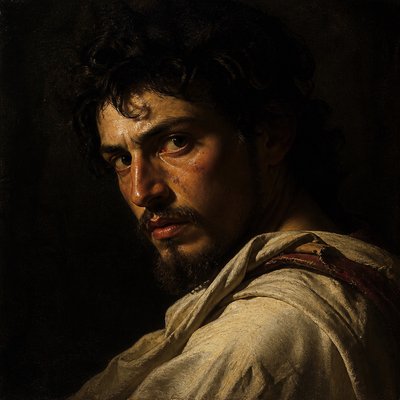
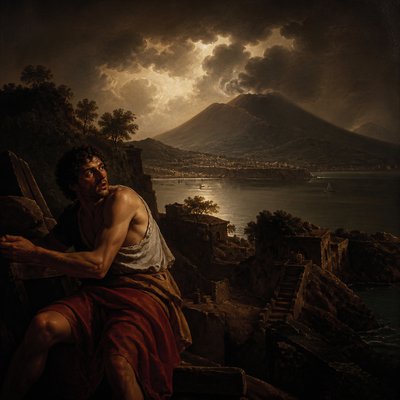
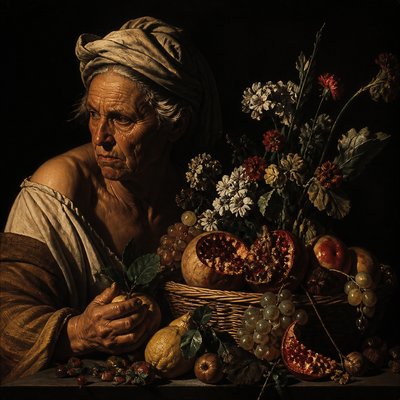
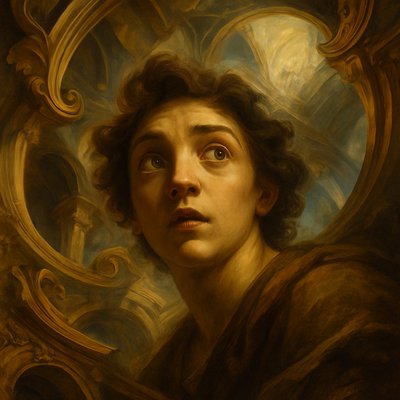
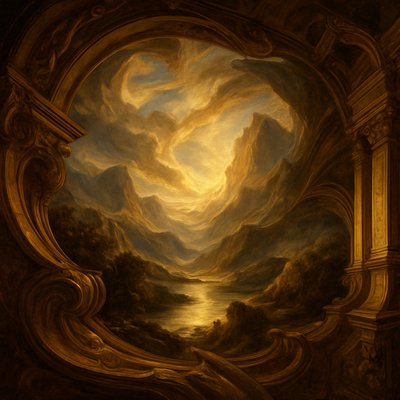
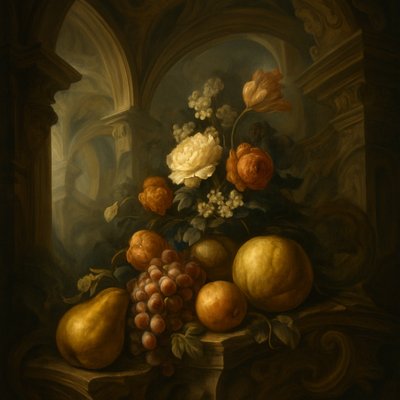
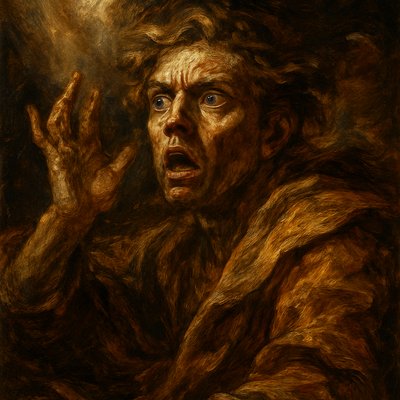
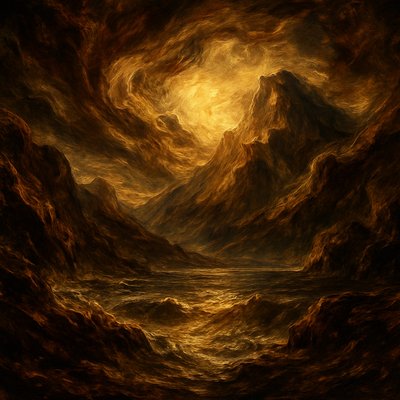
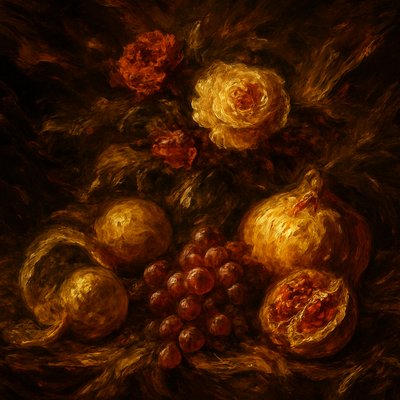
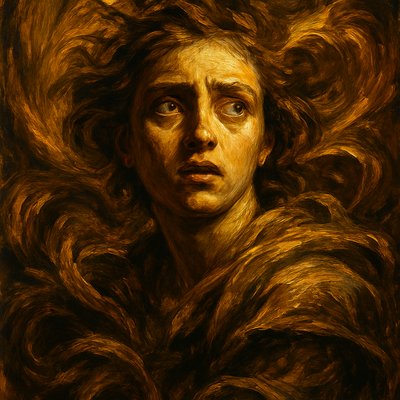
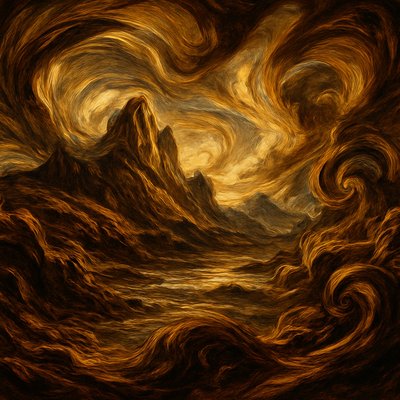
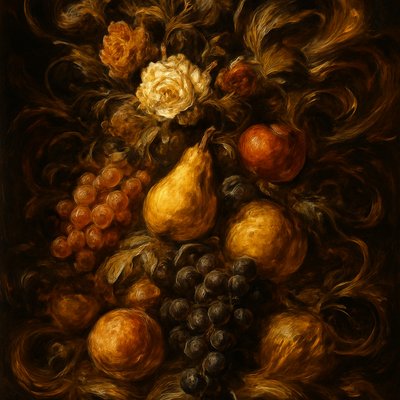
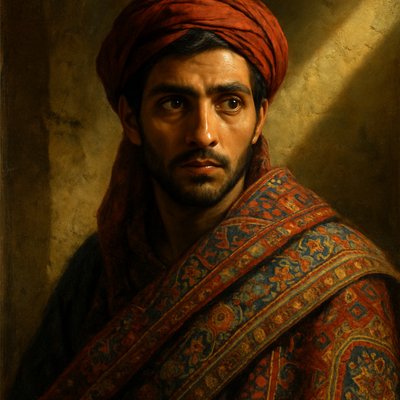
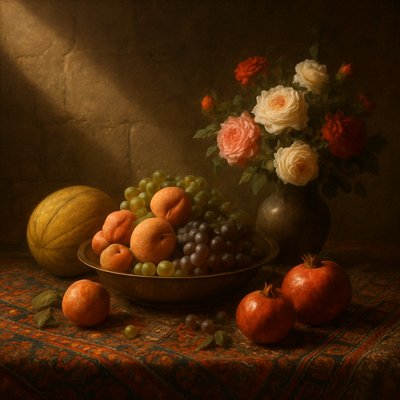
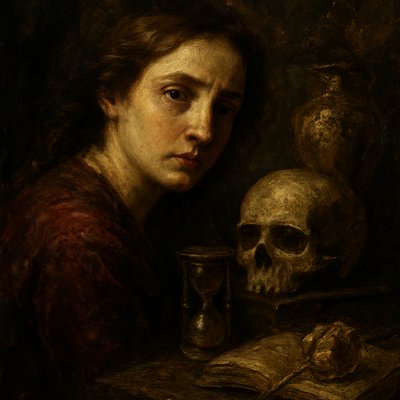
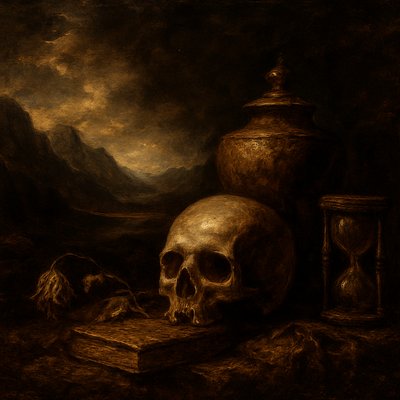
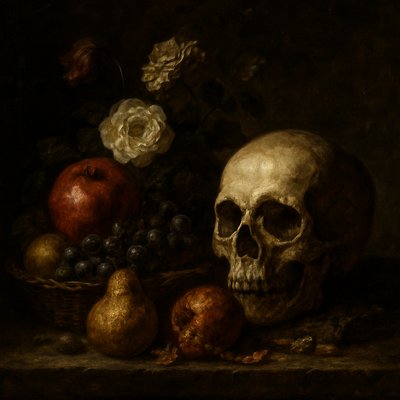
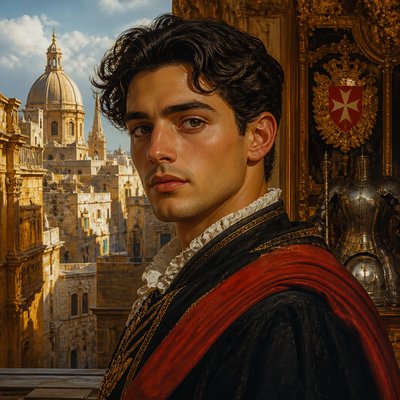
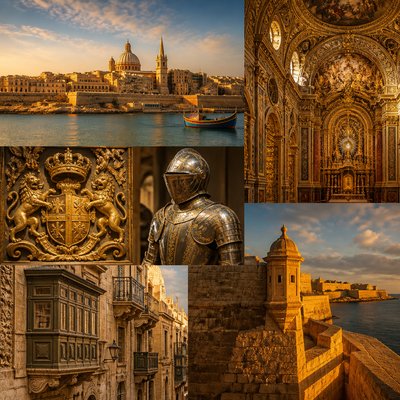
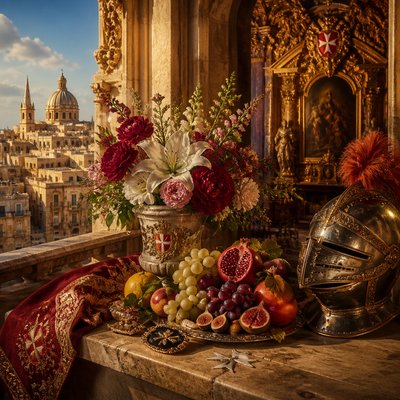
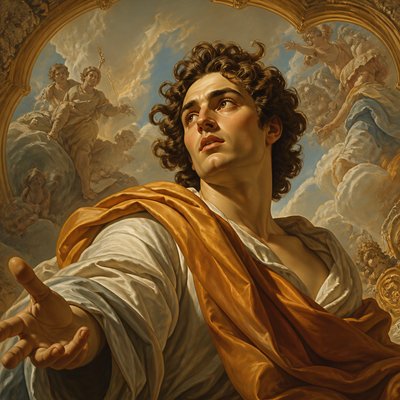
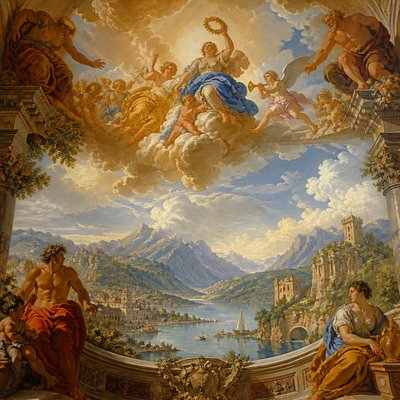
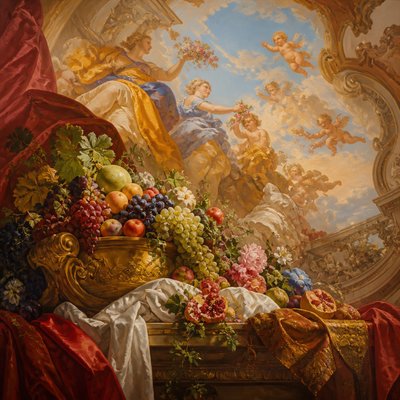
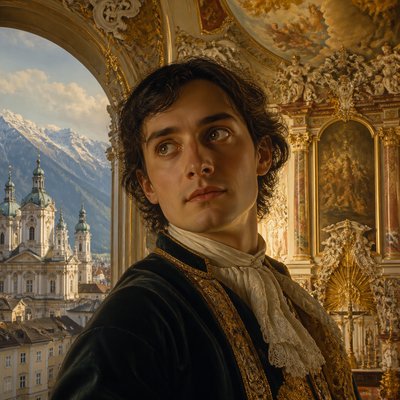
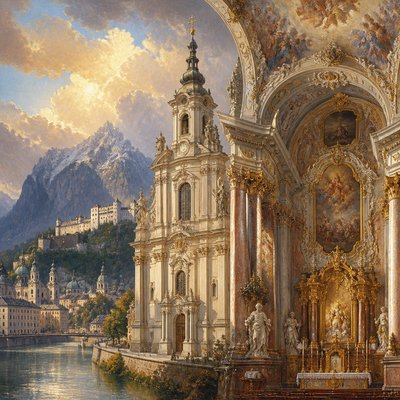
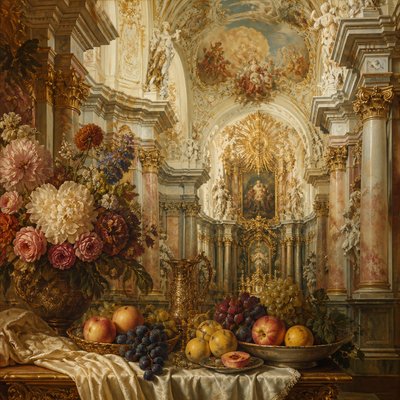
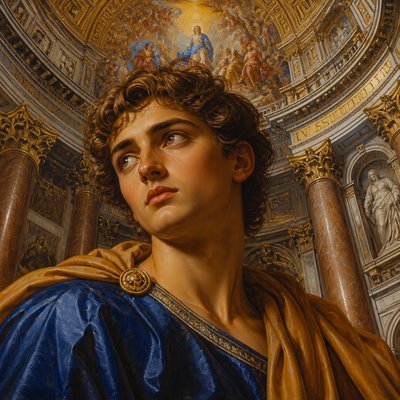
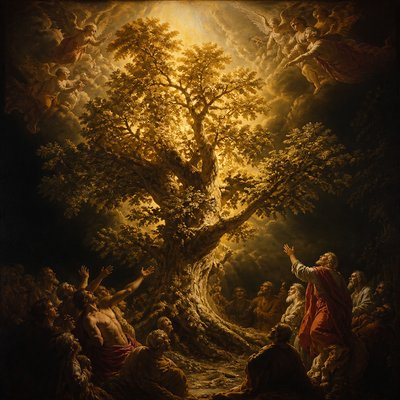
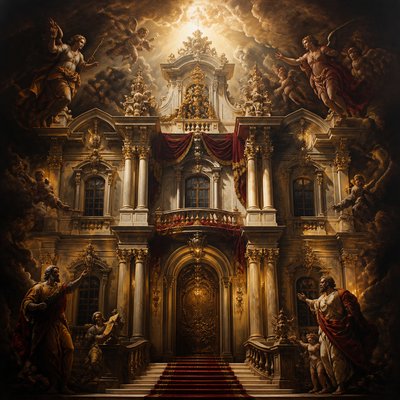
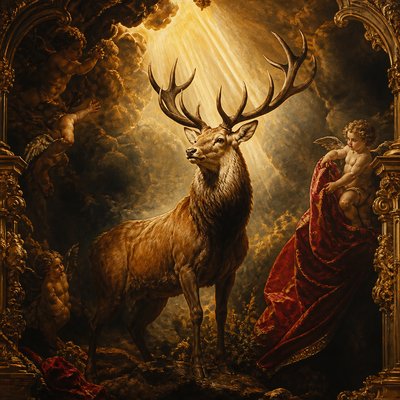
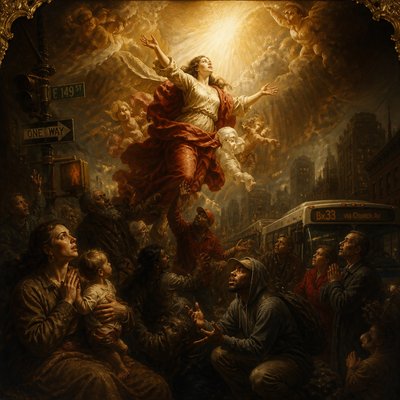
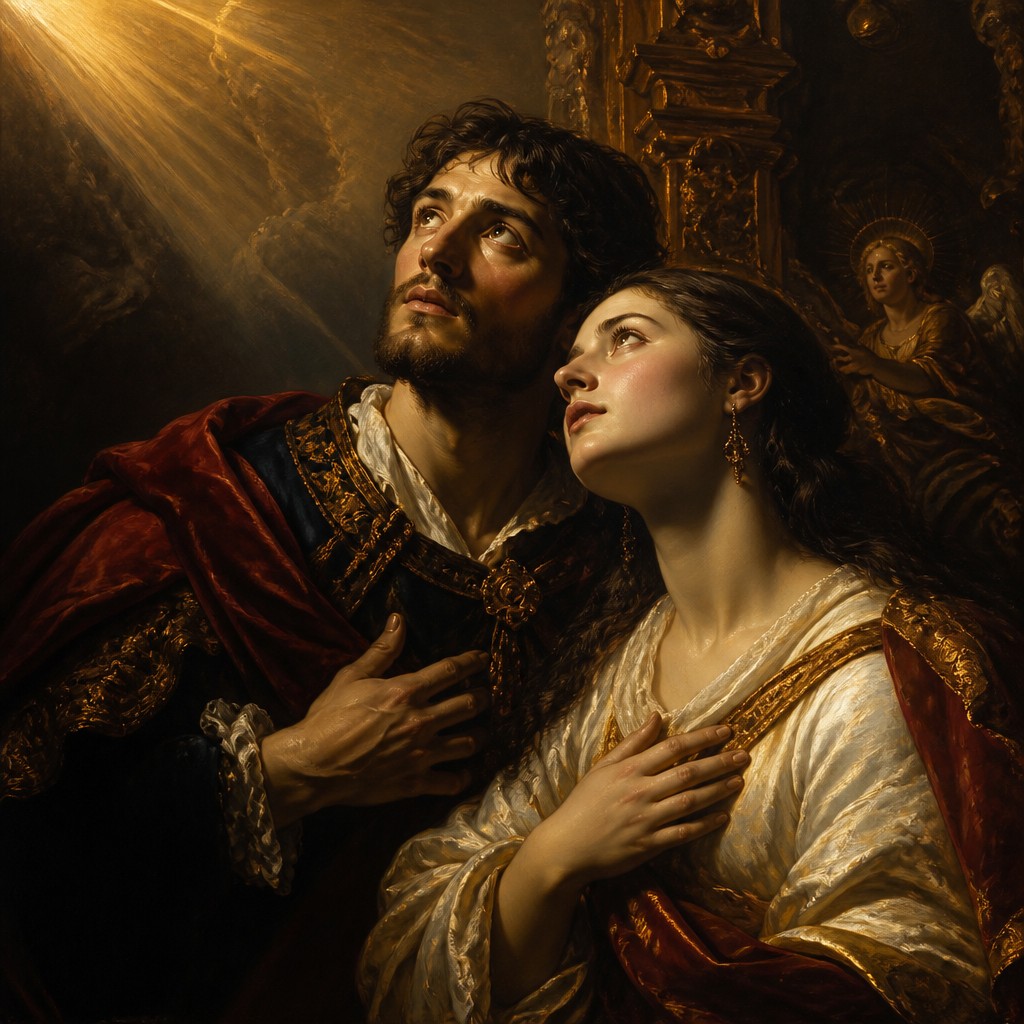
Dramatic Catholic painting with chiaroscuro, emotional intensity, movement, and gilded theatrical lighting inspired by 17th-century altarpieces.
Instantly rendered in Baroque Religious — or transform a photo
Baroque Religious Gallery
Tap any artwork to explore it
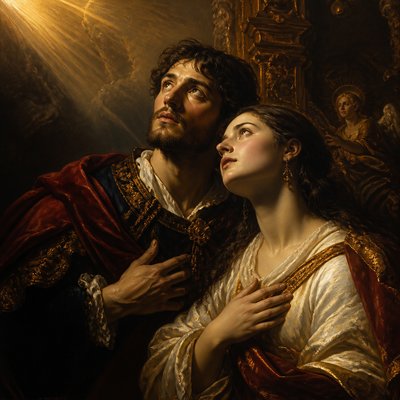
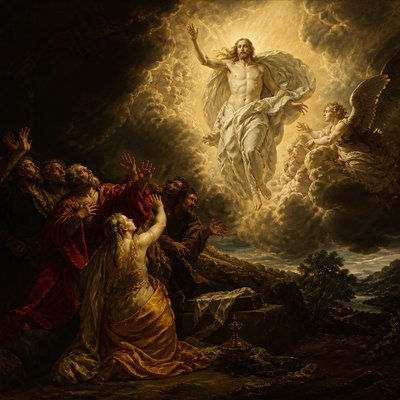
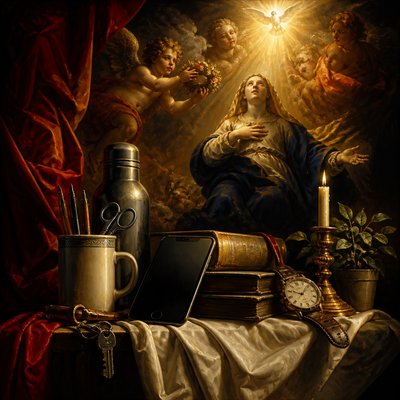
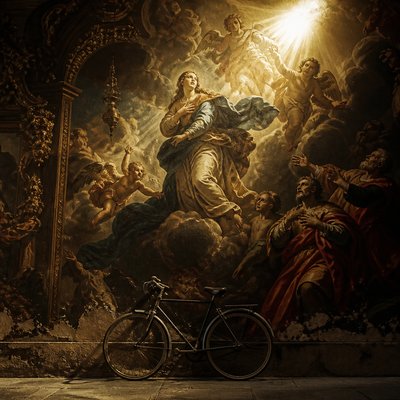
What is Baroque Religious Art?
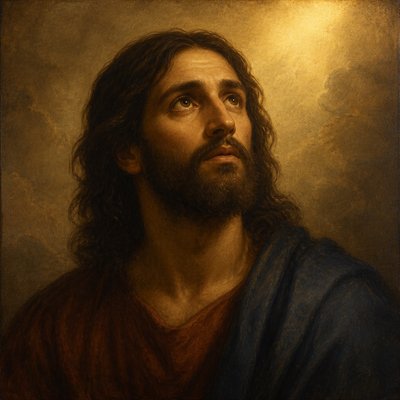
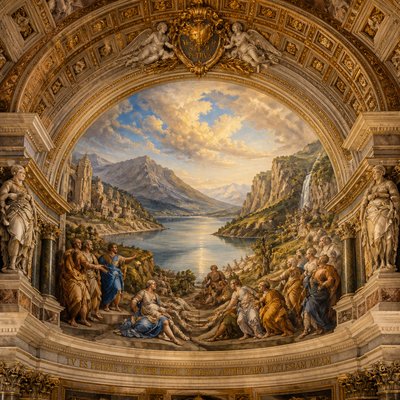
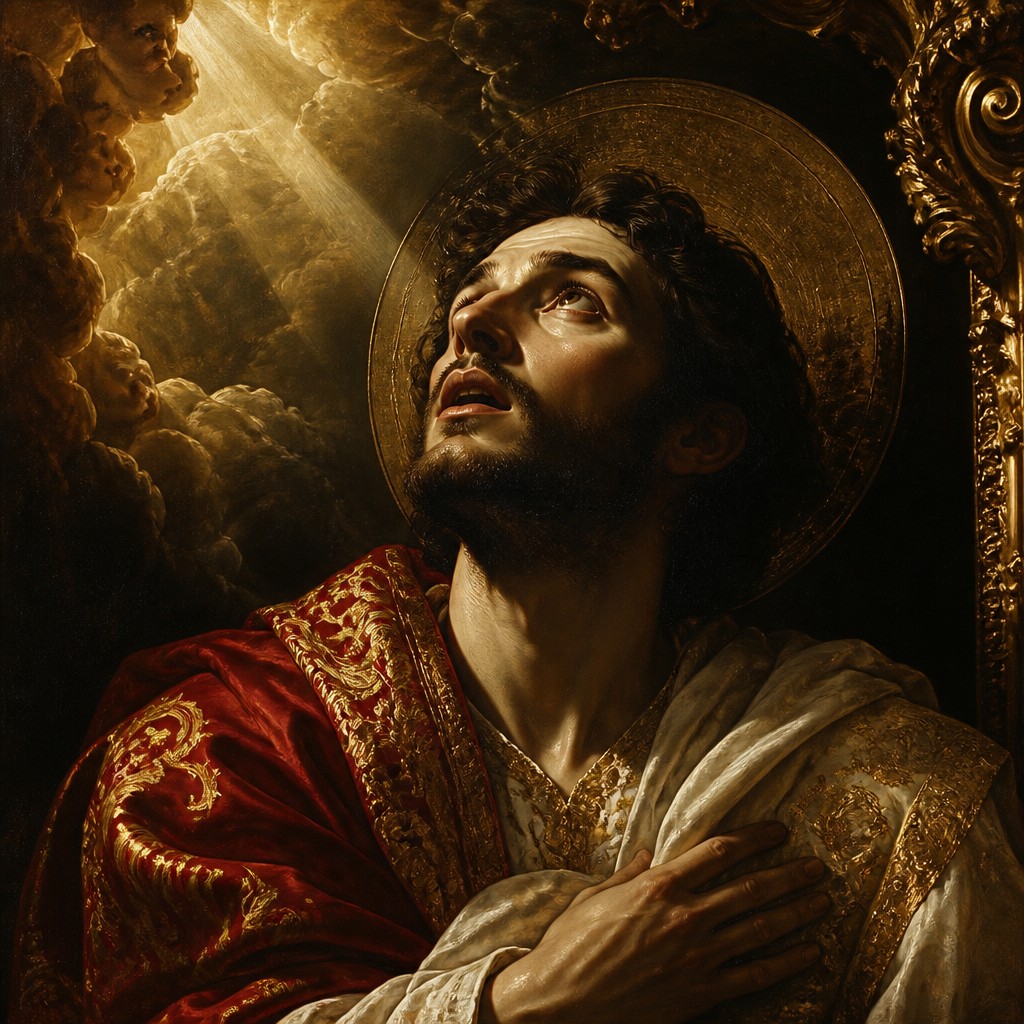
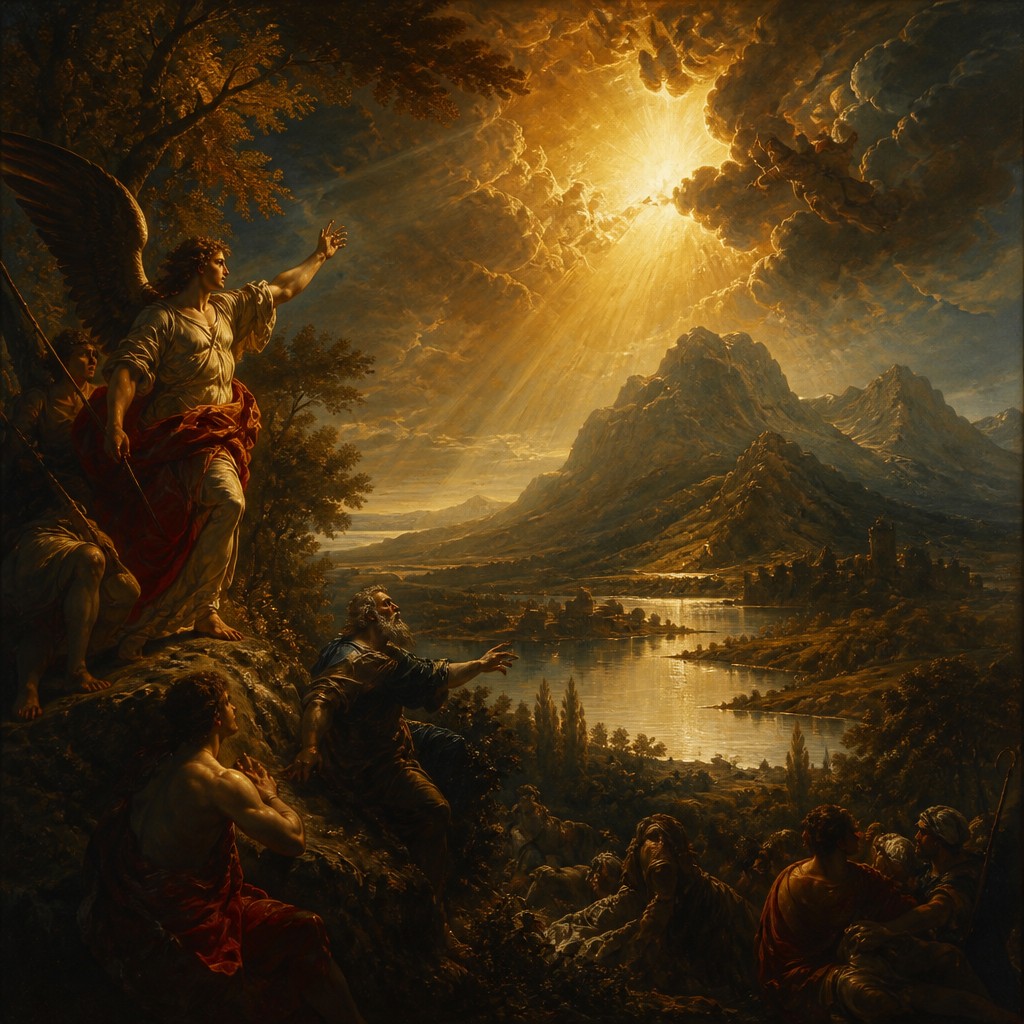
Baroque Religious Art is the devotional painting tradition associated with the Catholic Baroque of the seventeenth and early eighteenth centuries. It is defined by heightened emotion, dynamic compositions, and a strong sense of theatrical revelation: saints, martyrs, angels, and biblical scenes are staged as if caught in a moment of spiritual crisis or divine intervention.
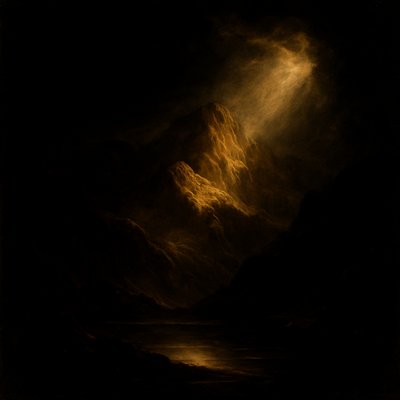
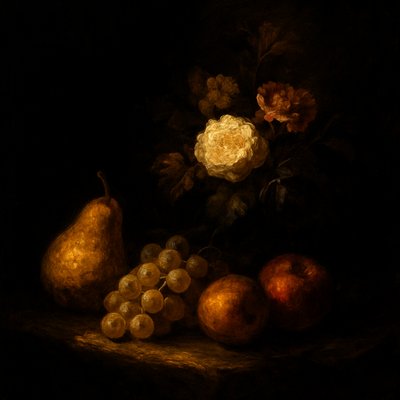
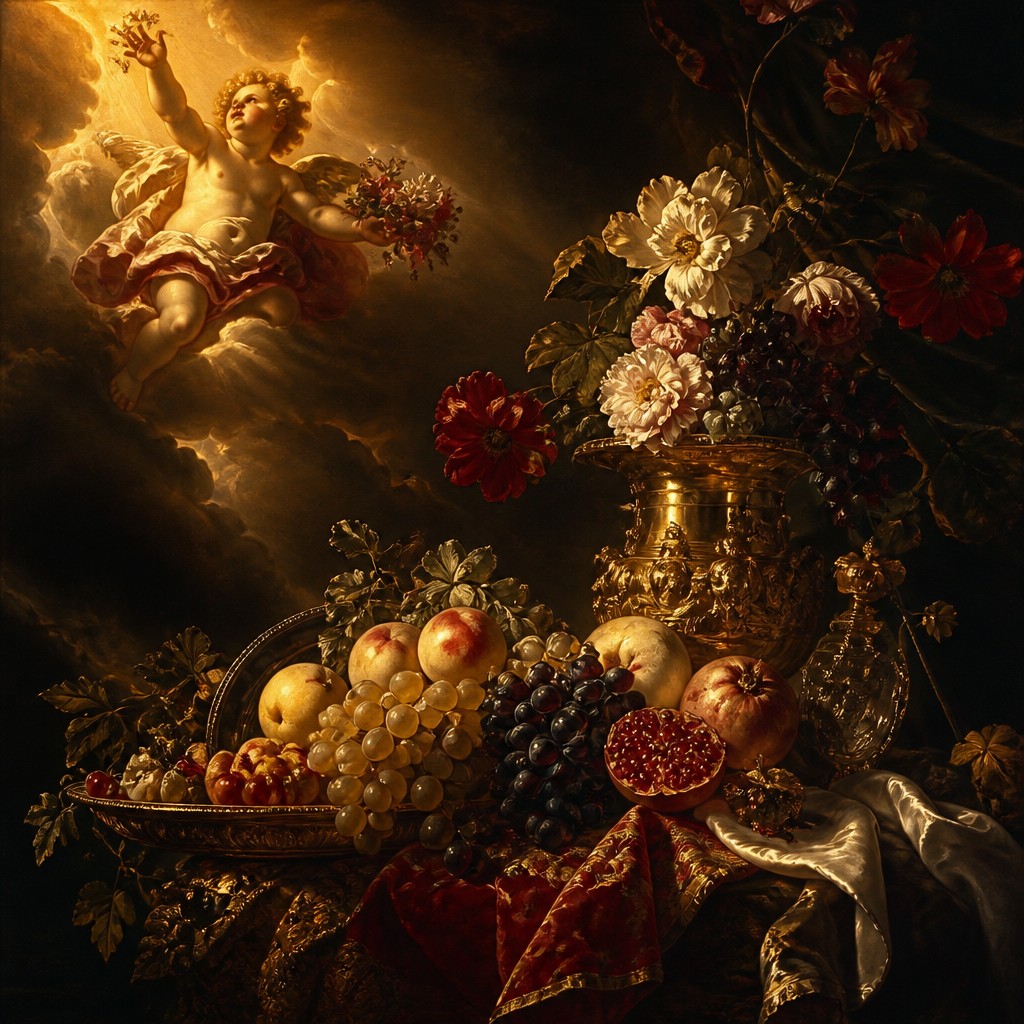
Its visual identity comes from contrast and motion. A single, directional light often breaks through a darkened space to model figures with dramatic chiaroscuro, while diagonals, sweeping gestures, and richly worked fabrics create a sense of physical and emotional intensity. The result is art that feels immediate and persuasive, designed to move the viewer toward devotion, awe, and contemplation.
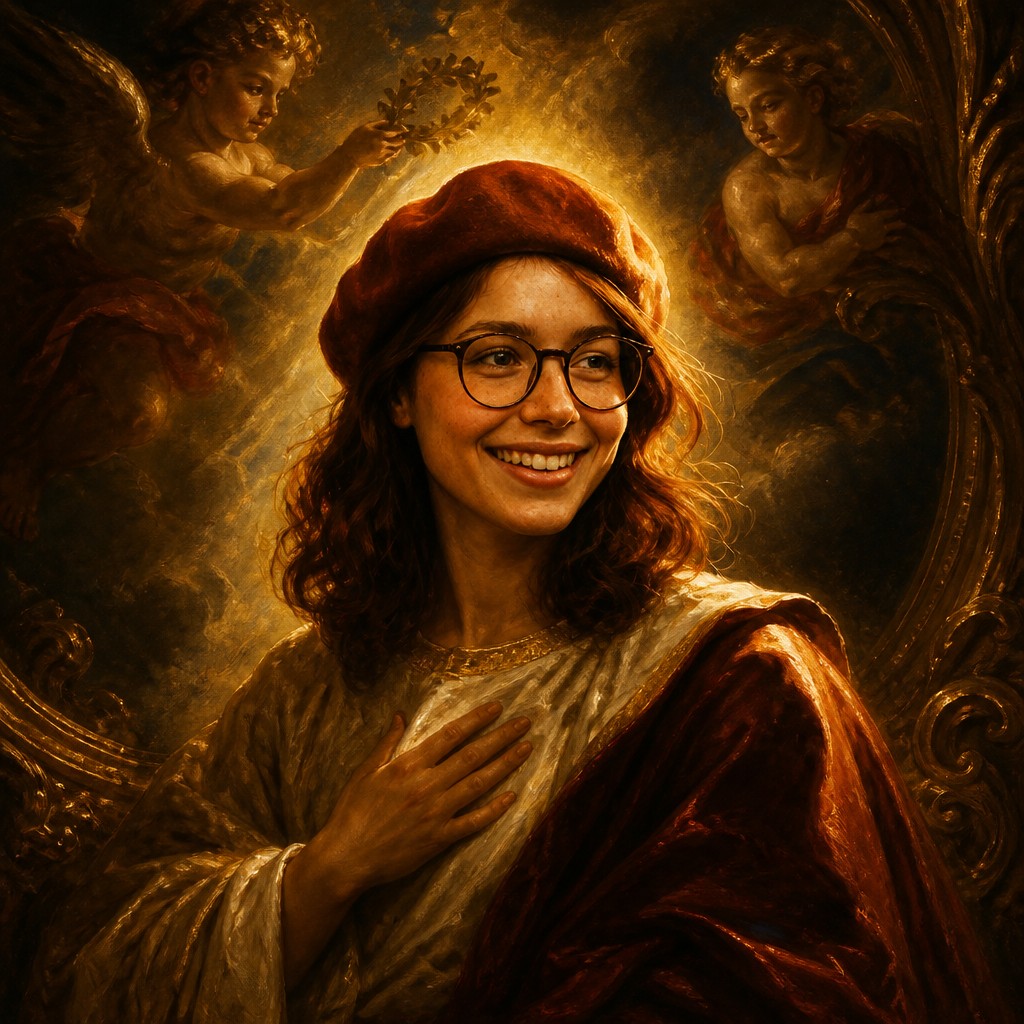
Try It On Your Photos
Upload any photo and convert it into Baroque Religious Art — drag the sliders to compare before and after.

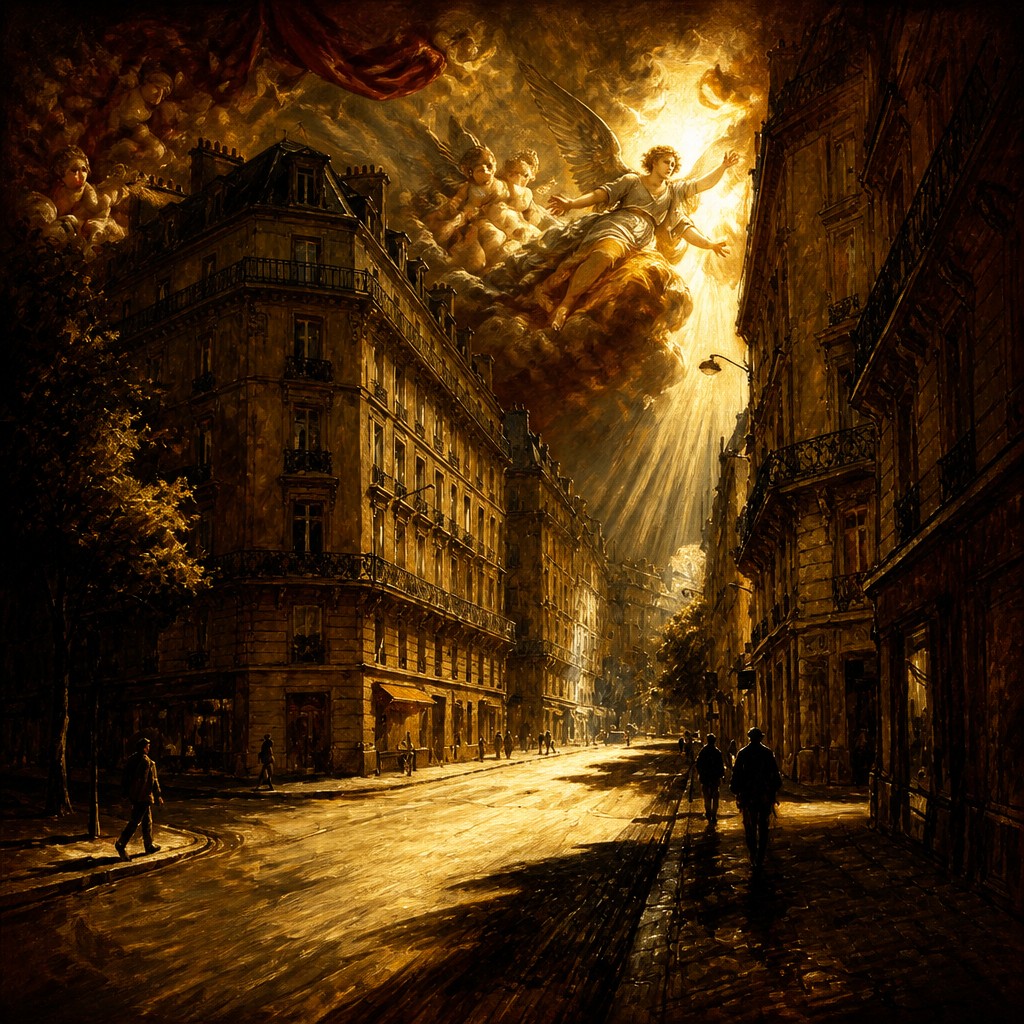

What Defines Baroque Religious Art
The signature details, up close
Chiaroscuro lighting
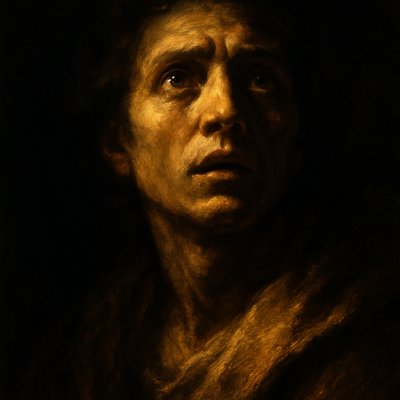
A strong contrast between light and shadow is central to the style. Light often appears to arrive from a supernatural source, isolating figures against a dark background and heightening spiritual drama.
Emotional immediacy
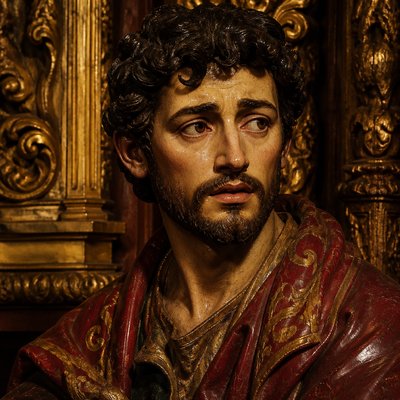
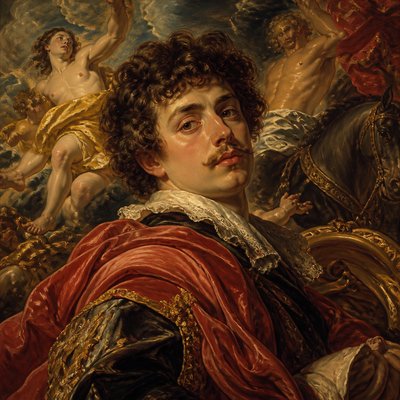
Faces and gestures are expressive, often showing awe, pain, ecstasy, repentance, or revelation. The scene is meant to feel psychologically charged rather than detached or idealized.
Dynamic composition
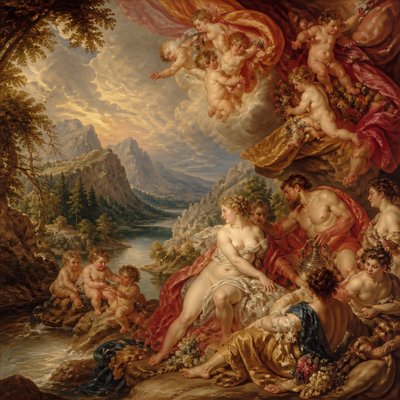
Figures are arranged along diagonals, curves, and intersecting movement paths. This creates a sense that the image is unfolding in real time, pulling the viewer into the action.
Rich, sumptuous color
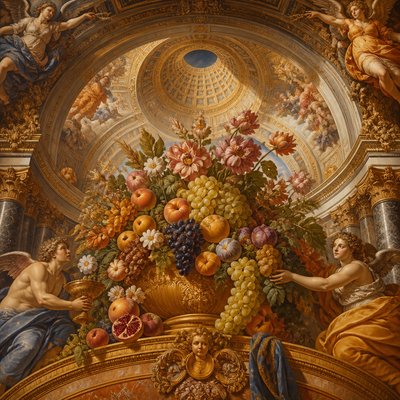
Gold, crimson, ivory, deep brown, and saturated jewel tones are common. The palette supports both opulence and solemnity, especially in ecclesiastical settings.
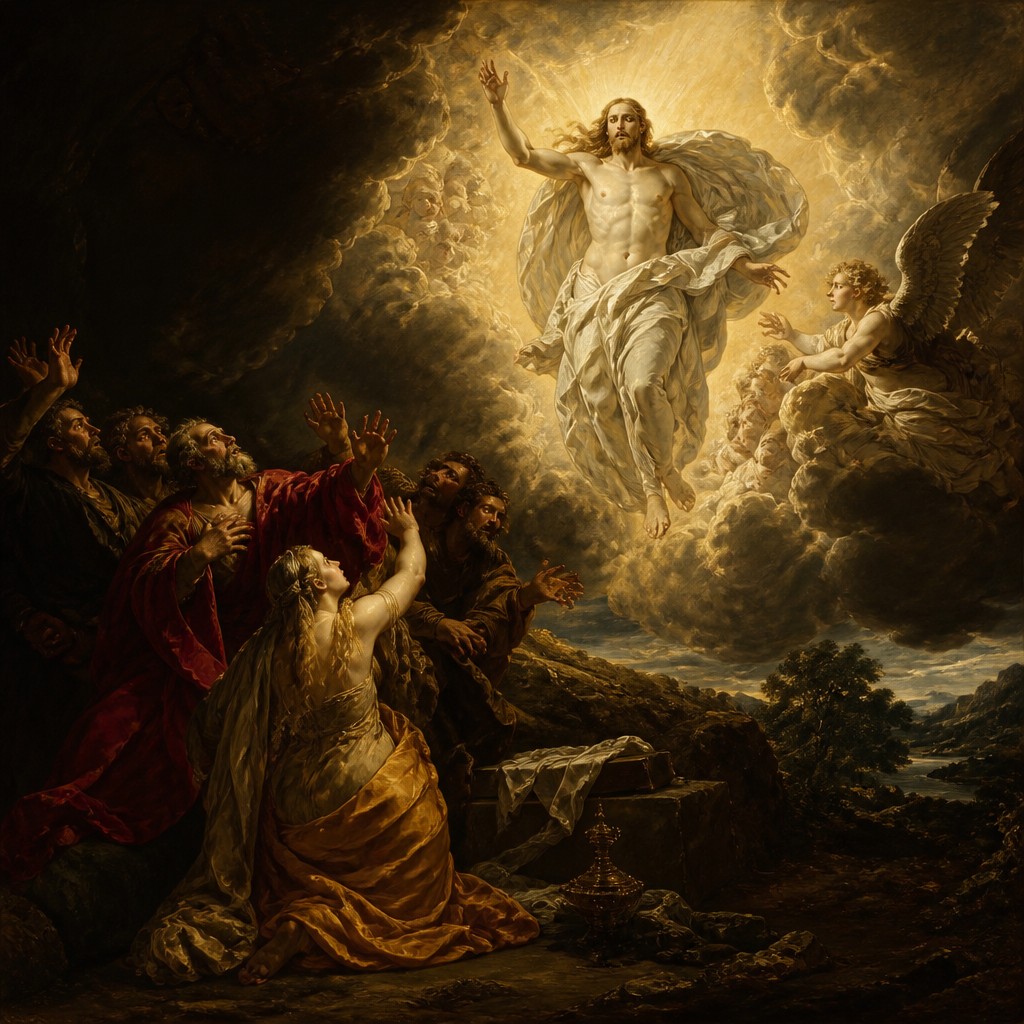
Realistic bodies and textures
Artists often combined idealization with close observation of skin, fabric, metal, stone, and flesh. The material world looks tangible, which makes the sacred event feel present and believable.
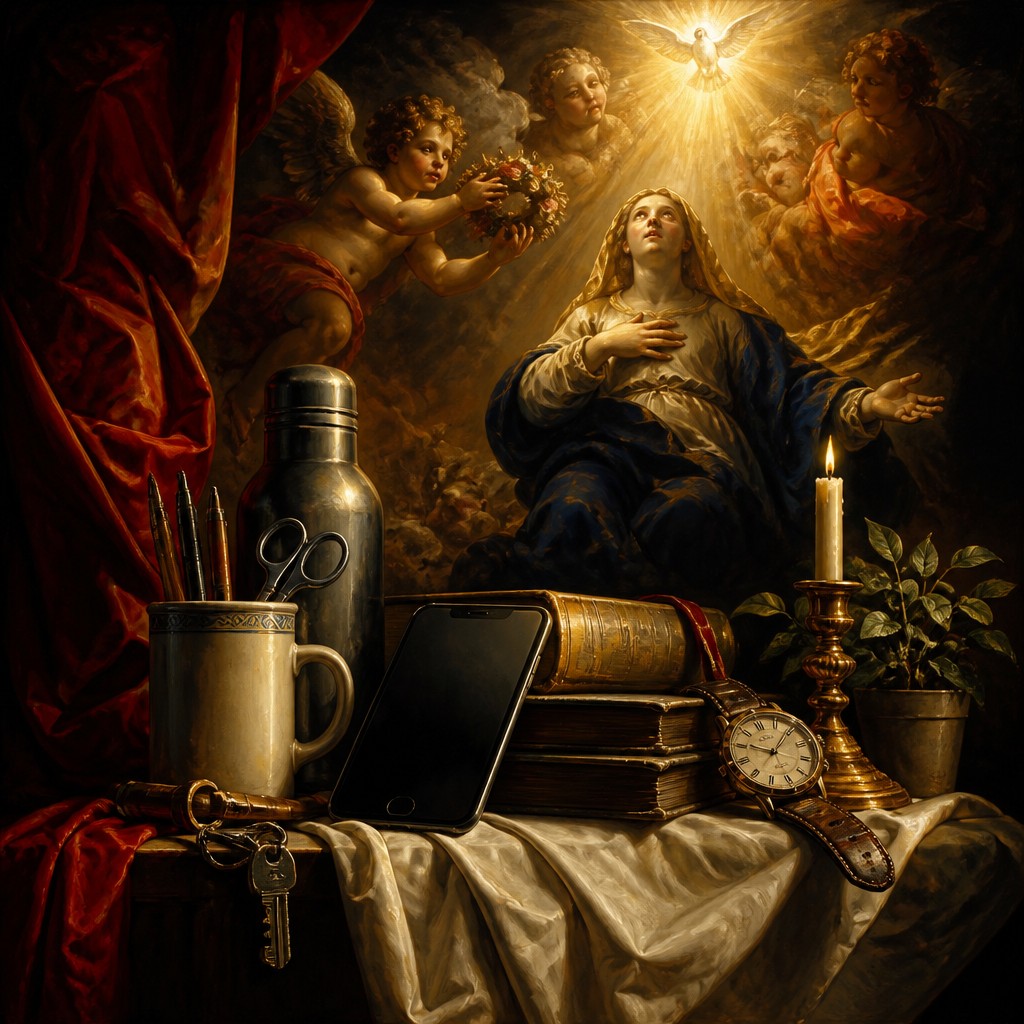
Theatrical sacred space
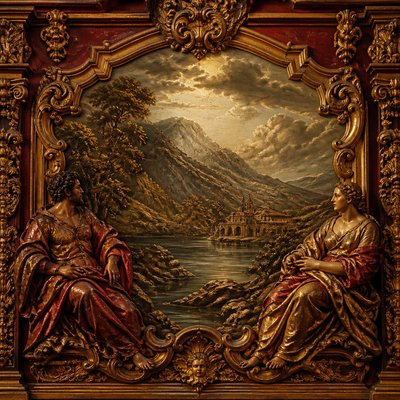
Scenes are frequently staged as if on a proscenium or altar platform. Architecture, drapery, and clouds can frame the figures like actors in a divine drama.
Try It
Create Videos in Baroque Religious Art
Styles aren't just for stills — describe a scene or animate an image and get a short video rendered in Baroque Religious. Press play to see this pond come to life.
Make a VideoBaroque Religious Prompt Ideas
Start from an idea — each one opens the generator with the style ready to go. See all 40 Baroque Religious prompts →
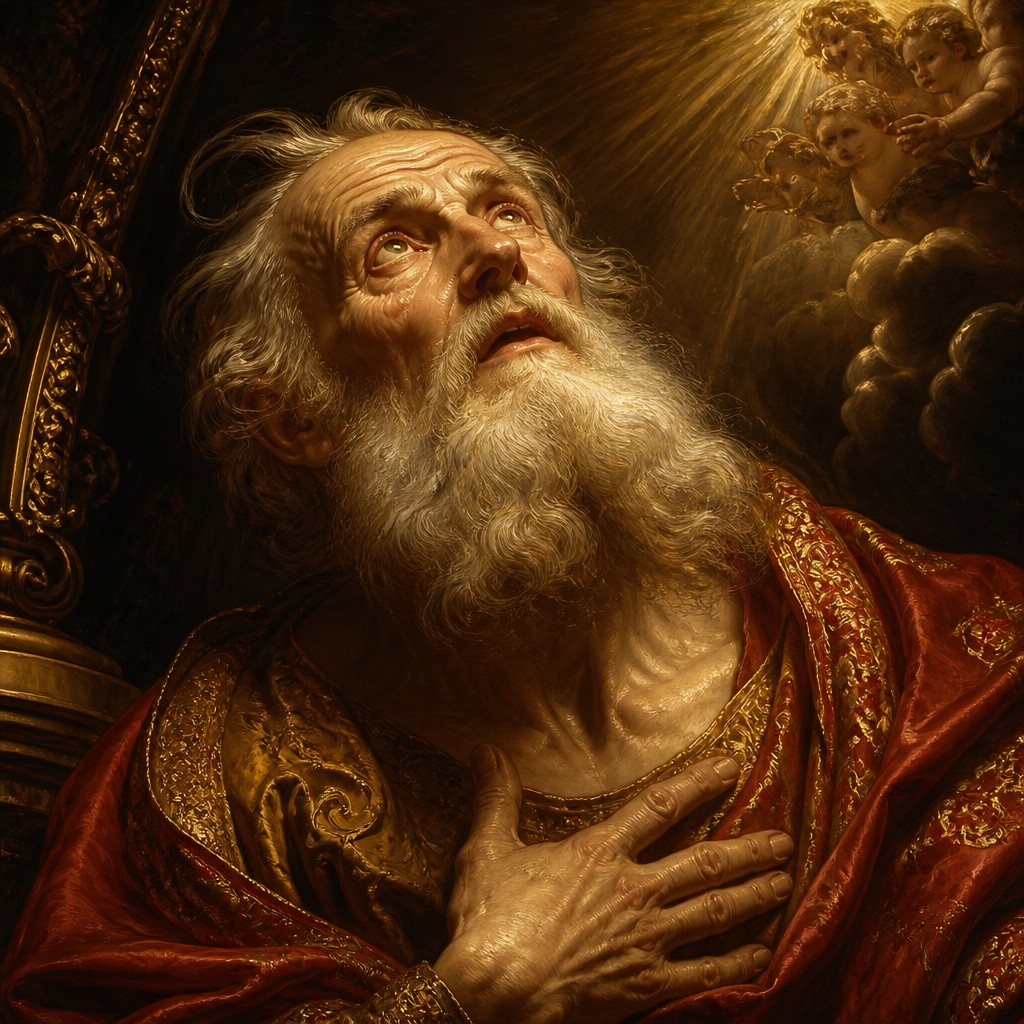
“close-up portrait of an elderly person with expressive weathered features”
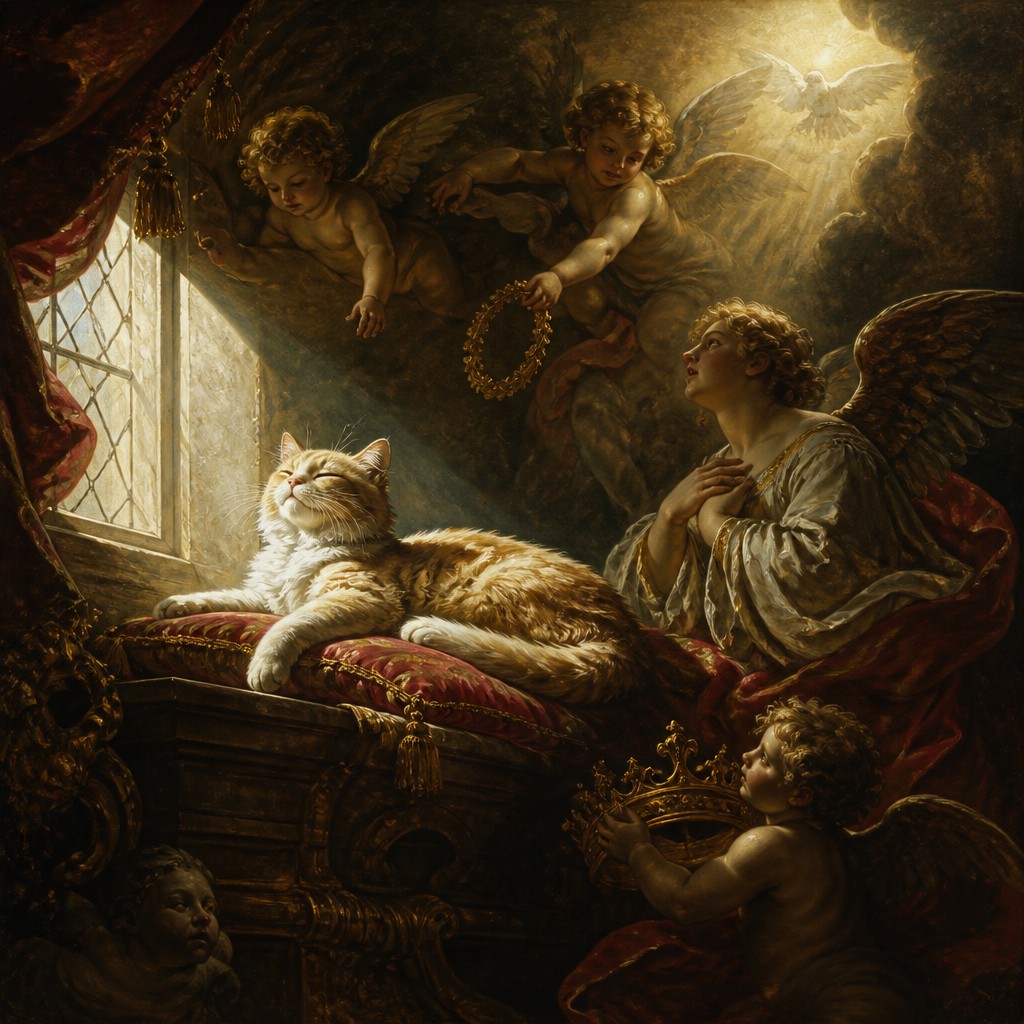
“a cat lounging in a sunlit window”
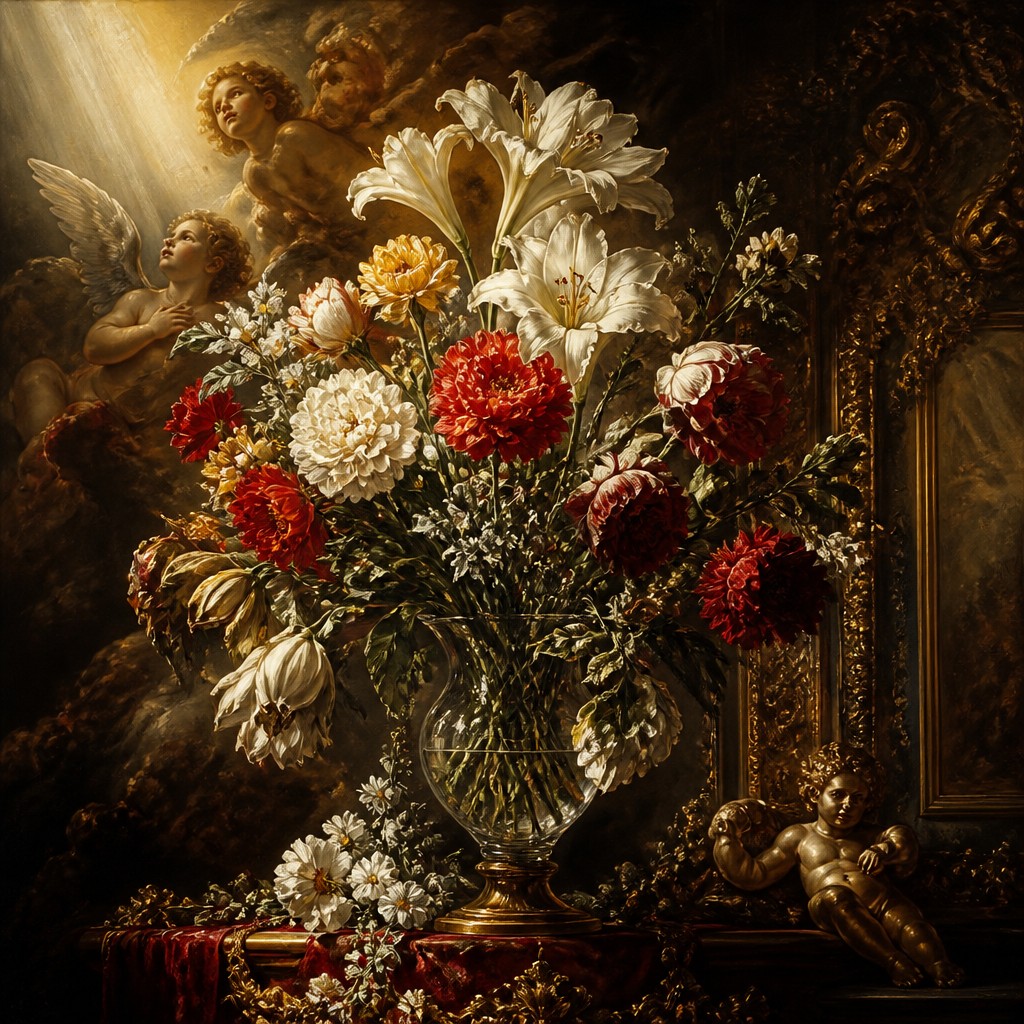
“bouquet of flowers in a glass vase”
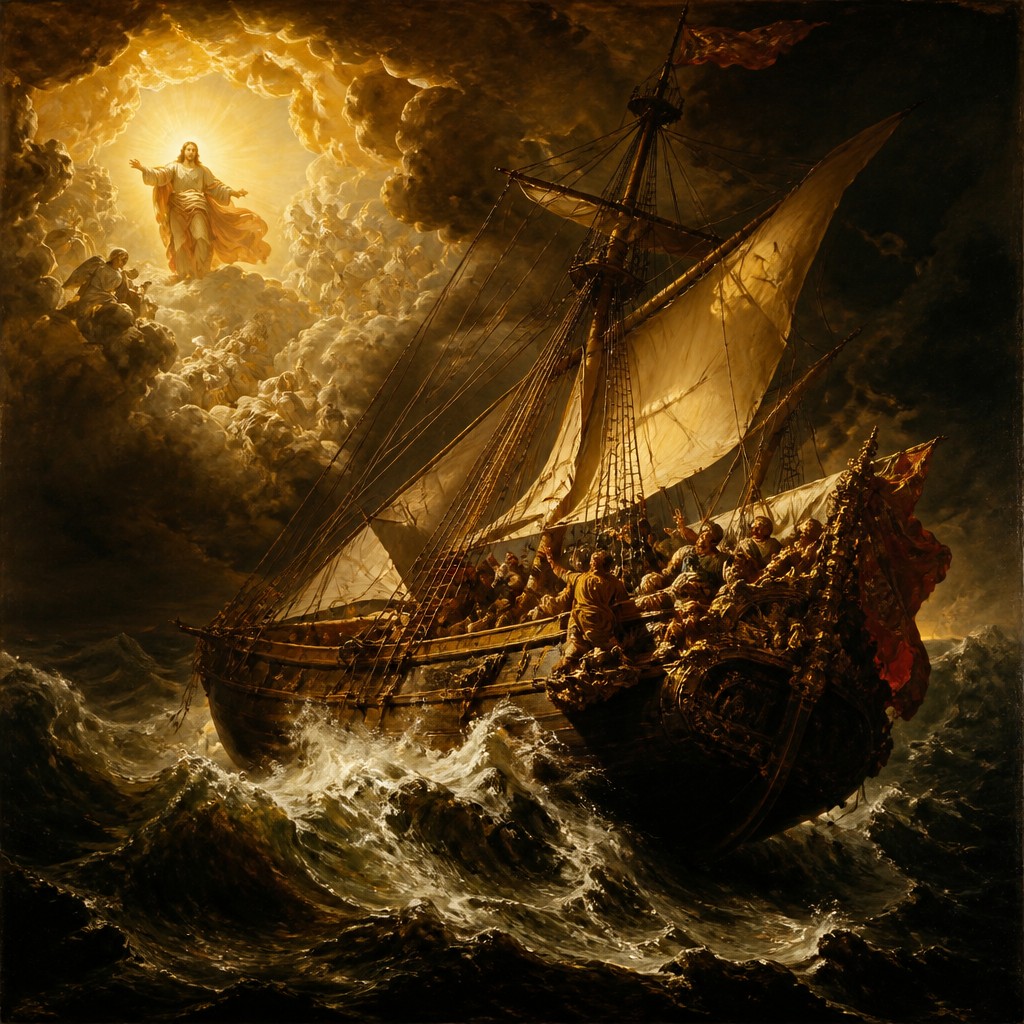
“sailing ship on a stormy sea”
How to Create Baroque Religious Art
Master the craft step by step — or skip straight to creating. Read the full guide →
- 1
Build the composition around a moment of revelation
Choose a scene in which something spiritually decisive is happening: an angelic appearance, martyrdom, conversion, or blessing. Arrange figures on a diagonal or spiral to create momentum and keep the eye moving toward the focal miracle.
- 2
Use a single dominant light source
In traditional painting, block in large shadow masses first, then carve out the illuminated areas with opaque highlights and layered glazes. In digital work, use one directional key light with deep shadows to preserve the Baroque contrast.
- 3
Develop volume through layered color
Start with warm underpainting and build form using thin glazes, then reinforce highlights on skin, cloth, and metal. Keep transitions soft in half-tones so the figures feel sculpted out of darkness rather than outlined.
- 4
Emphasize gesture, fabric, and expression
Hands, eyes, and flowing drapery should carry the emotion of the scene. Exaggerated movement in sleeves, sashes, and cloaks helps generate the theatrical rhythm associated with the style.
- 5
When prompting, specify devotional mood and period cues
Include phrases such as strong chiaroscuro, seventeenth-century altarpiece, gilded church interior, divine radiance, and emotional realism. For image-to-image transformations, preserve the subject but add dark grounds, warm highlights, and ornate sacred atmosphere.

The Story
History & Origins of Baroque Religious
Baroque Religious Art emerged in the late sixteenth century and flourished throughout the seventeenth century, especially in Catholic Europe. It developed in the context of the Counter-Reformation, when the Catholic Church encouraged art that was clear, emotionally direct, and spiritually compelling. In churches, chapels, and altarpieces, painters used dramatic lighting, realistic bodies, and expressive gesture to make biblical stories feel present and urgent.
The style drew on the broader Baroque movement, but its religious branch was shaped by the needs of devotion and doctrine. Among the most important painters associated with this approach are leading early Baroque naturalist painters, a major Flemish Baroque painter, a leading Spanish court and devotional painter, a pioneering woman Baroque painter, a classicizing Bolognese Baroque painter, and a leading Roman Baroque sculptor in sculpture. Across Italy, Spain, the Southern Netherlands, and beyond, these artists helped define a visual language of sacred drama that remained influential well after the Baroque period ended.
Influences: This style is rooted in the Catholic Baroque and draws heavily from Counter-Reformation imagery, Roman church decoration, and the dramatic realism of leading early Baroque naturalist painters. It also connects to Flemish Baroque exuberance in major Antwerp Baroque painters, Spanish devotional intensity in leading court and devotional painters of Spain, and the sculptural theatricality of a leading Roman Baroque sculptor. Its visual language remains close to Renaissance religious painting in subject matter, but its lighting, movement, and emotional urgency are distinctly Baroque.

Frequently Asked Questions
What defines Baroque Religious Art?
It is defined by dramatic lighting, intense emotion, and dynamic composition used to portray sacred subjects. The style aims to make religious scenes feel immediate, vivid, and spiritually persuasive. Strong contrasts, rich color, and theatrical staging are all typical.
How is it different from Renaissance religious art?
Renaissance religious art tends to emphasize balance, proportion, and calm clarity, while Baroque Religious Art favors movement, contrast, and emotional intensity. The Baroque image often feels like a dramatic event happening in the viewer’s space, rather than a serene and ordered scene.
Is a leading early Baroque naturalist painter a Baroque artist?
Yes. One of the key early Baroque naturalist painters is one of the central figures associated with Baroque religious art because of his naturalism and extreme chiaroscuro. His influence shaped many later religious painters in Italy and beyond.
What subjects are common in this style?
Common subjects include the Virgin and Child, saints, martyrs, biblical miracles, the Annunciation, the Crucifixion, and conversion scenes. These subjects are often chosen for their capacity to show revelation, sacrifice, or divine intervention.
How do I make my image look more Baroque and less generic religious?
Focus on strong directional light, deep shadow, and a composition that implies motion or revelation. Add tactile details such as gilded ornament, heavy drapery, candlelight, and expressive hands or faces to create the Baroque effect.
Where is this style commonly used today?
It appears in religious illustration, editorial artwork, historical reconstructions, album and book covers, and dramatic fantasy imagery. It is also popular for anyone wanting a solemn, museum-like, or cathedral-inspired visual mood.

Create your first Baroque Religious artwork
Describe anything — or upload a photo — and see it in Baroque Religious Art in seconds.
Make Something with Baroque Religious
Compare Baroque Religious
Related Styles
Discover similar art styles