Tibetan Religious Art
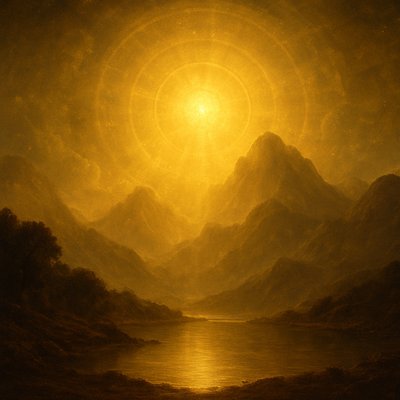
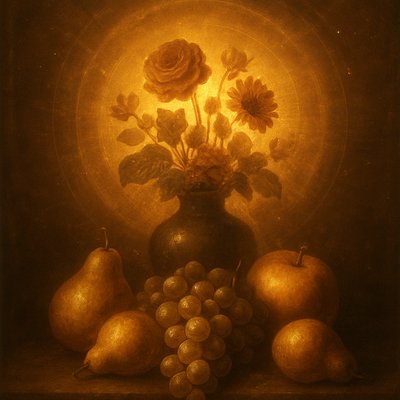
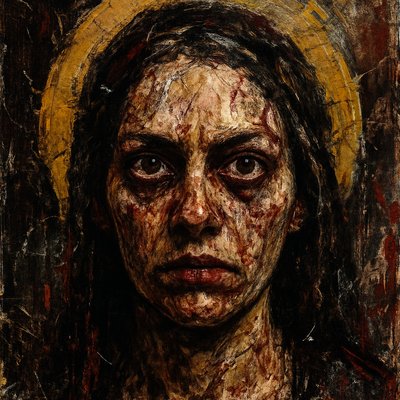
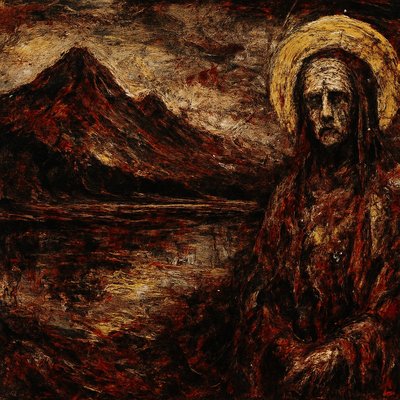
Sacred Tibetan Buddhist painting with thangkas, mandalas, luminous mineral colors, gold accents, and highly symbolic devotional imagery.
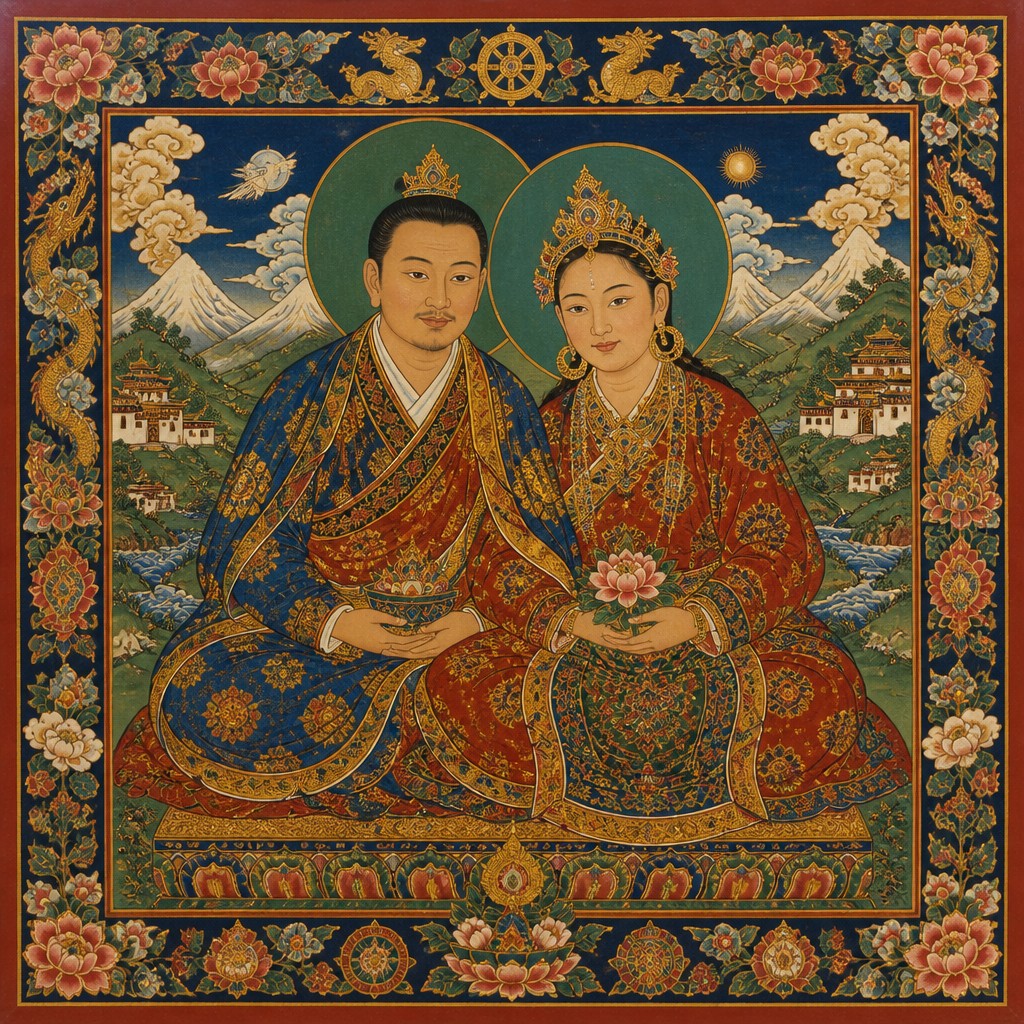
Instantly rendered in Tibetan Religious — or transform a photo
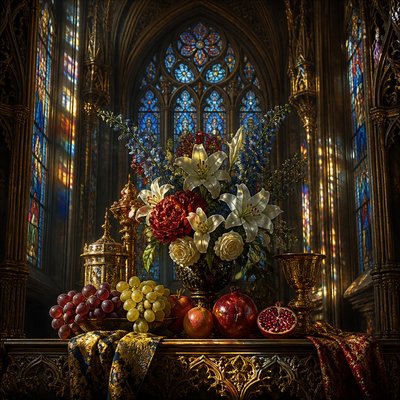
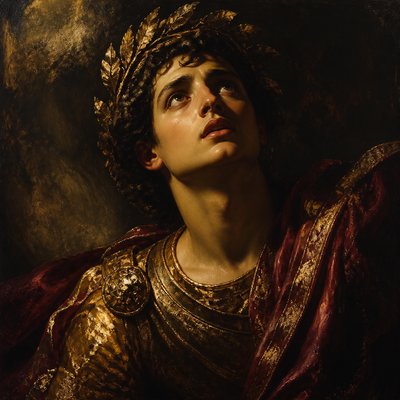
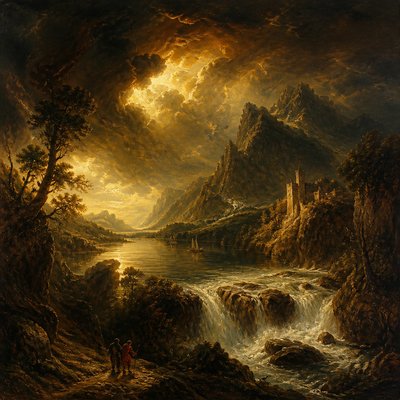
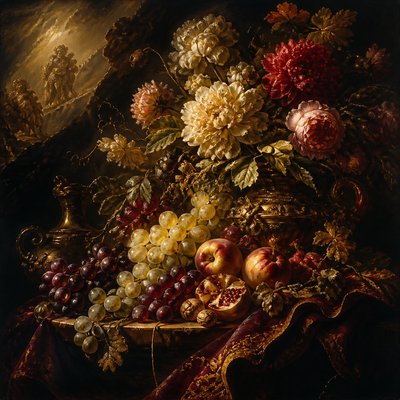
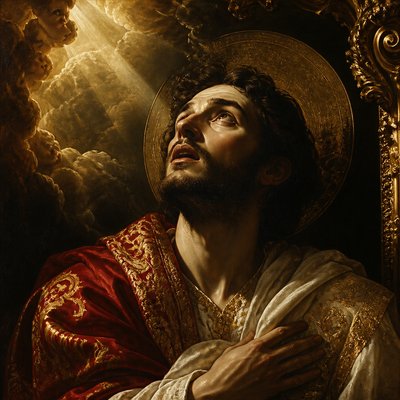
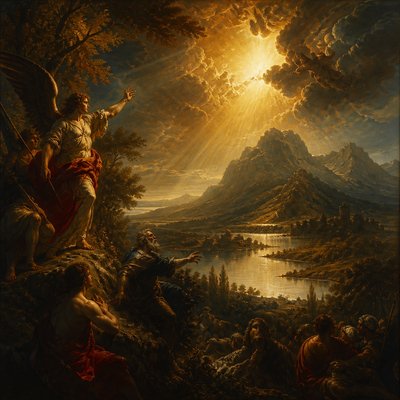
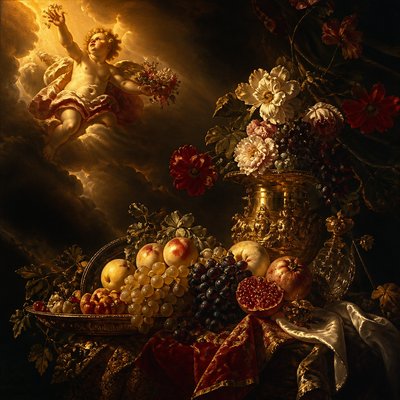
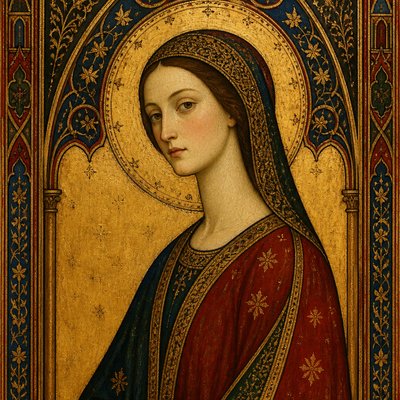
Tibetan Religious Gallery
Tap any artwork to explore it
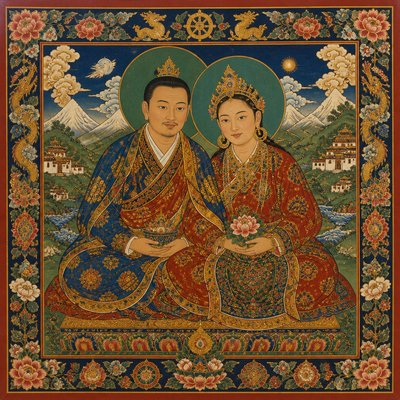
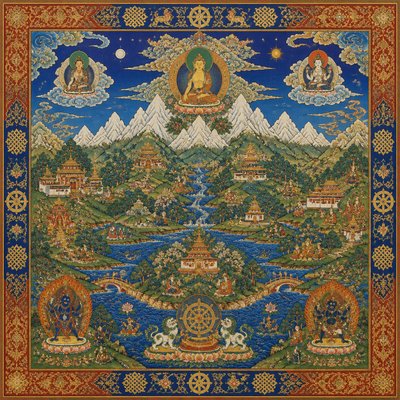
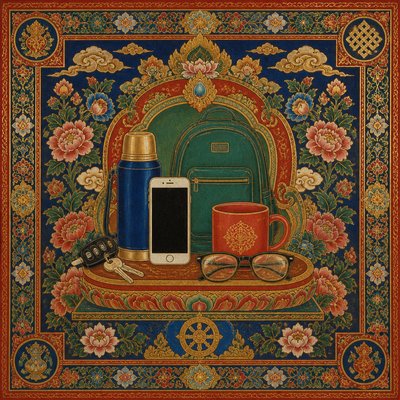
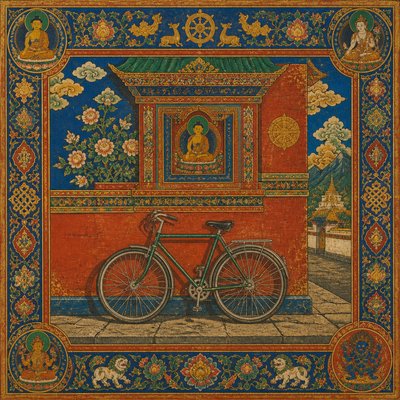
What is Tibetan Religious Art?
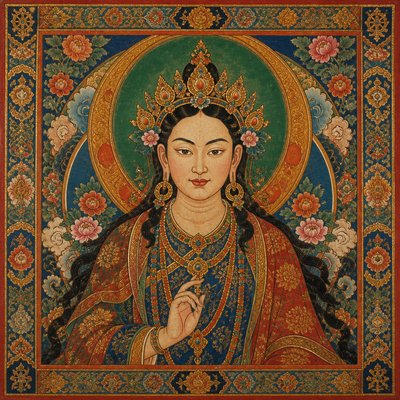
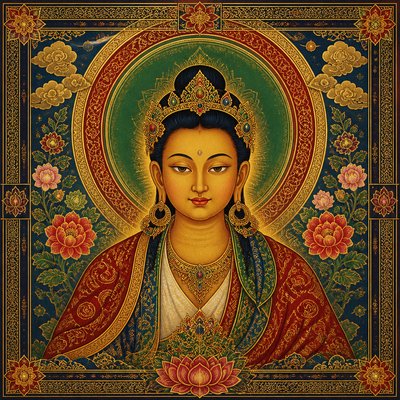
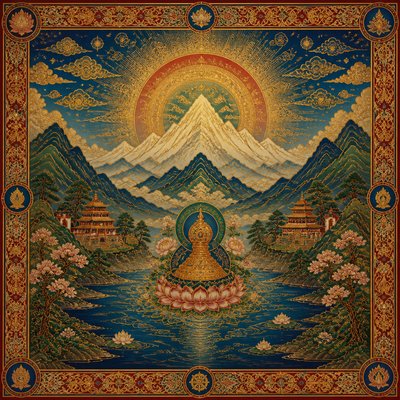
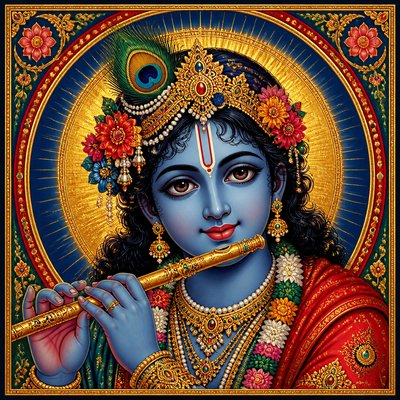
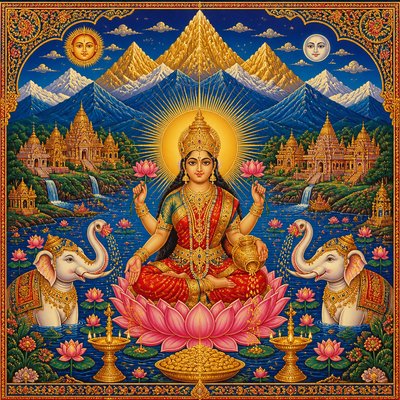
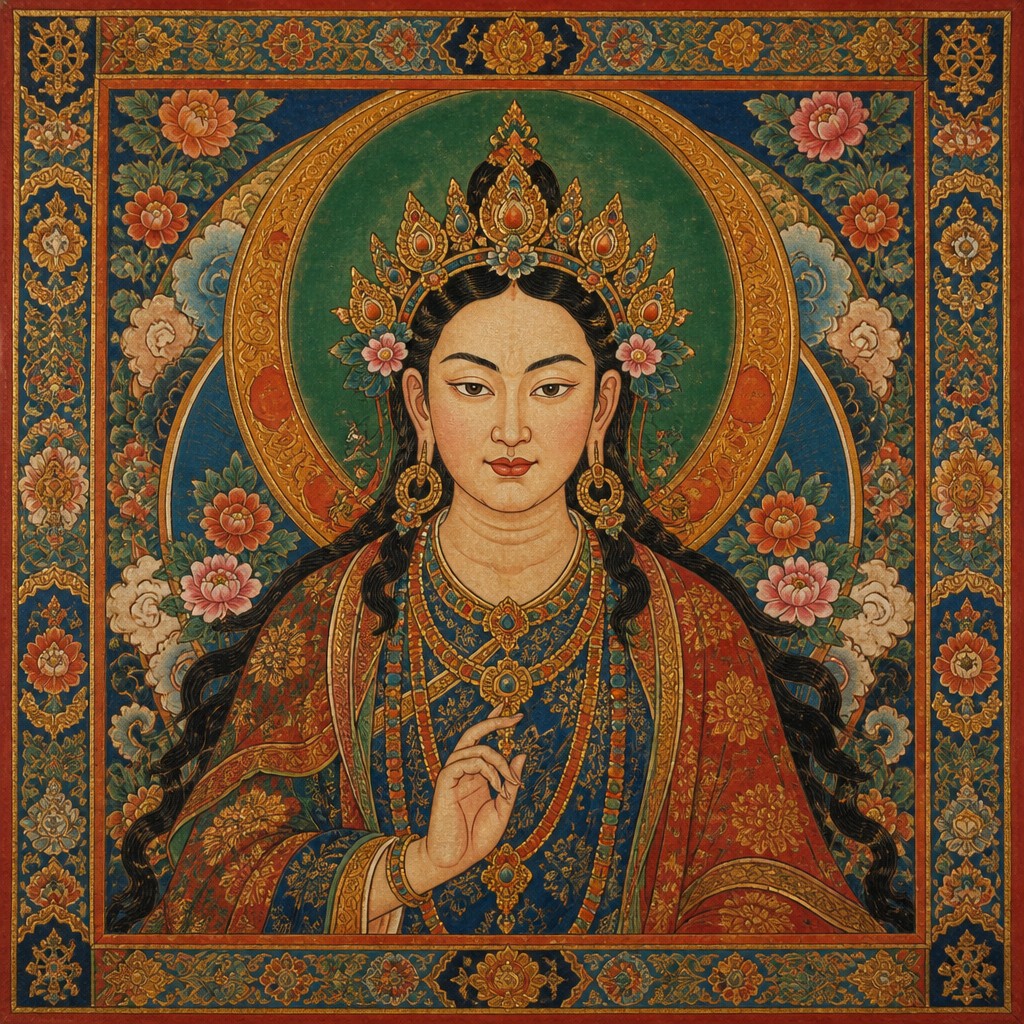
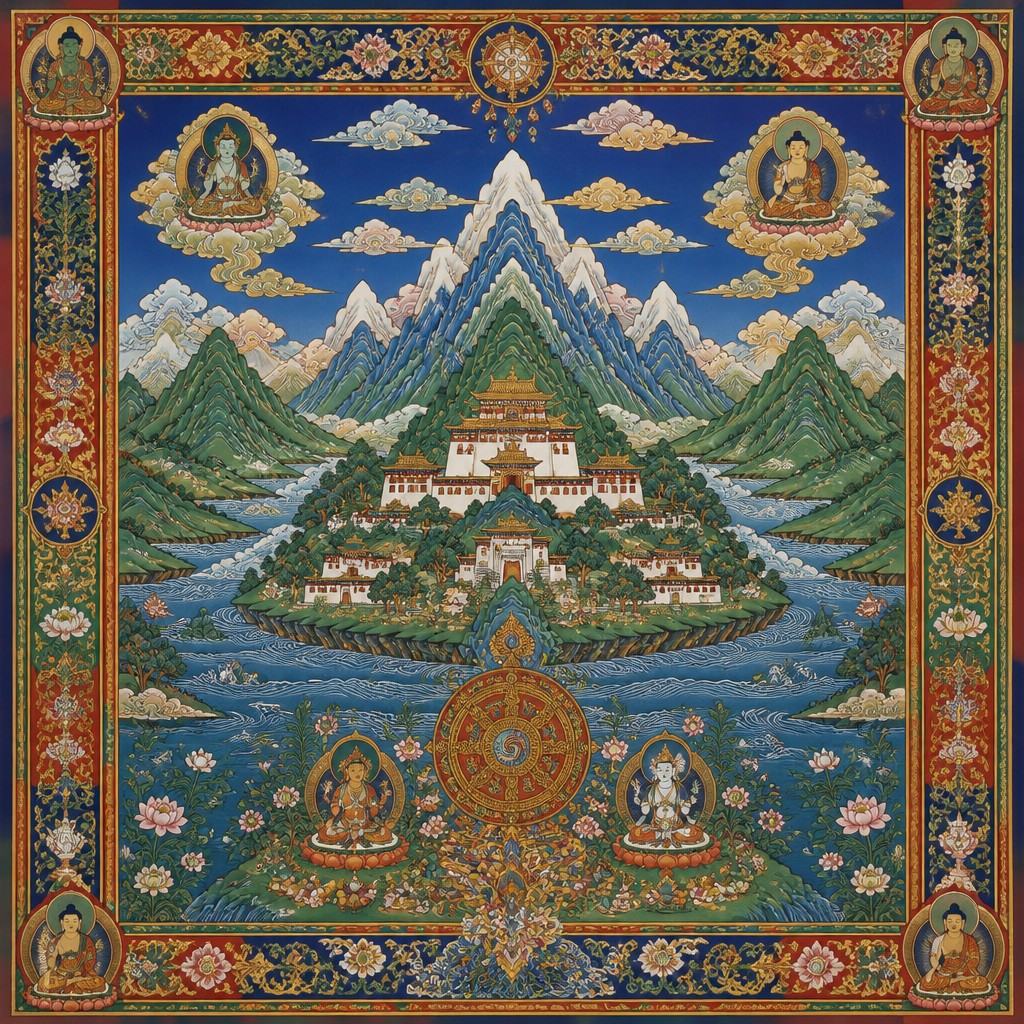
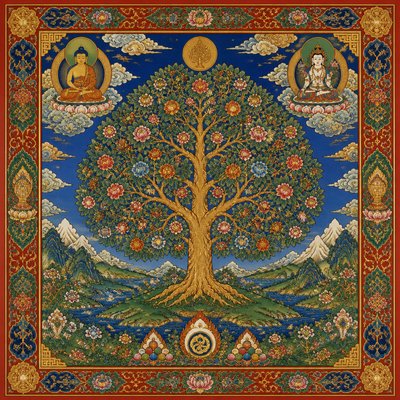
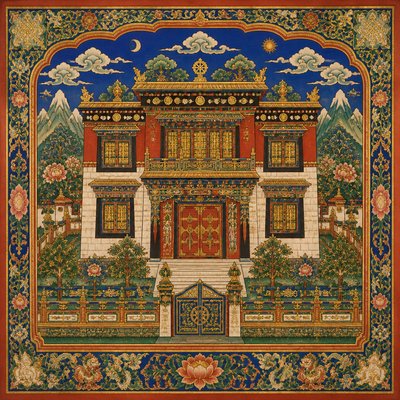
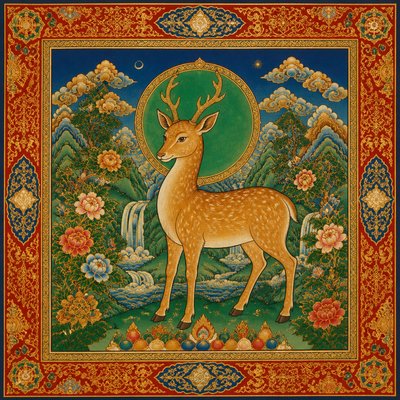
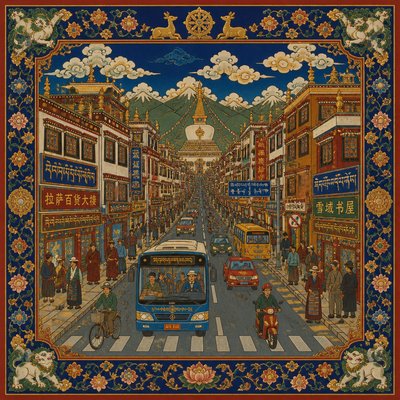
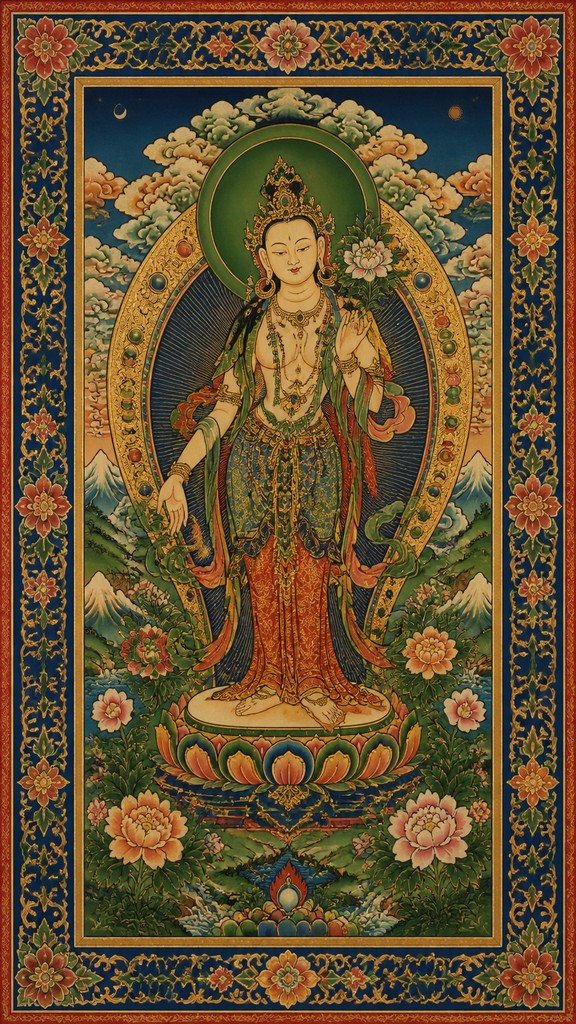
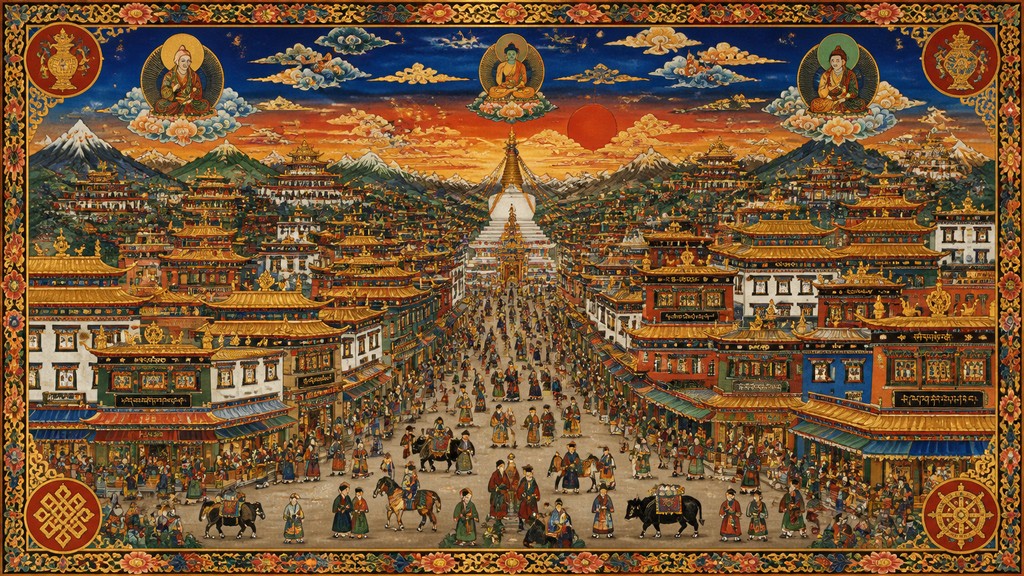
Tibetan Religious Art is the visual culture of Tibetan Buddhism, best known through thangka paintings, mandalas, and iconographic depictions of buddhas, bodhisattvas, tantric deities, lineage masters, and fierce protectors. It is not a single “look” so much as a devotional system of image-making governed by ritual function, textual canon, and precise symbolic conventions. The style is immediately recognizable for its symmetrical compositions, jewel-like color, fine linework, and dense surfaces filled with ornament, flames, halos, lotuses, clouds, and sacred attributes.
Its visual identity is shaped by the purpose of the image. These works are created for meditation, teaching, initiation, protection, merit-making, and liturgical practice, so clarity of iconography matters as much as beauty. Figures are typically rendered frontally with flattened space and a hieratic stillness, while protective deities may appear dynamic and wrathful, surrounded by fire, skull motifs, or serpentine energy. The result is an art of concentrated symbolic intensity, where every color, gesture, posture, object, and border element carries spiritual meaning.
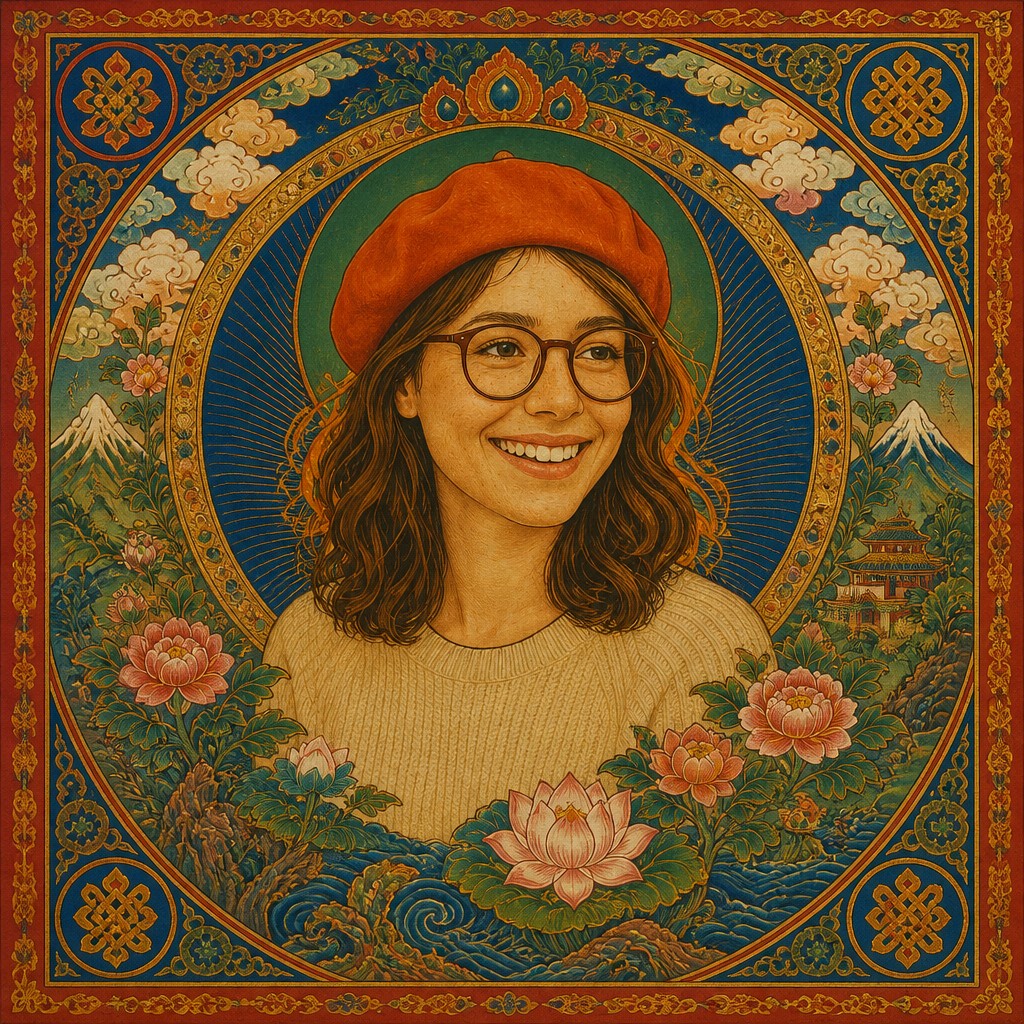
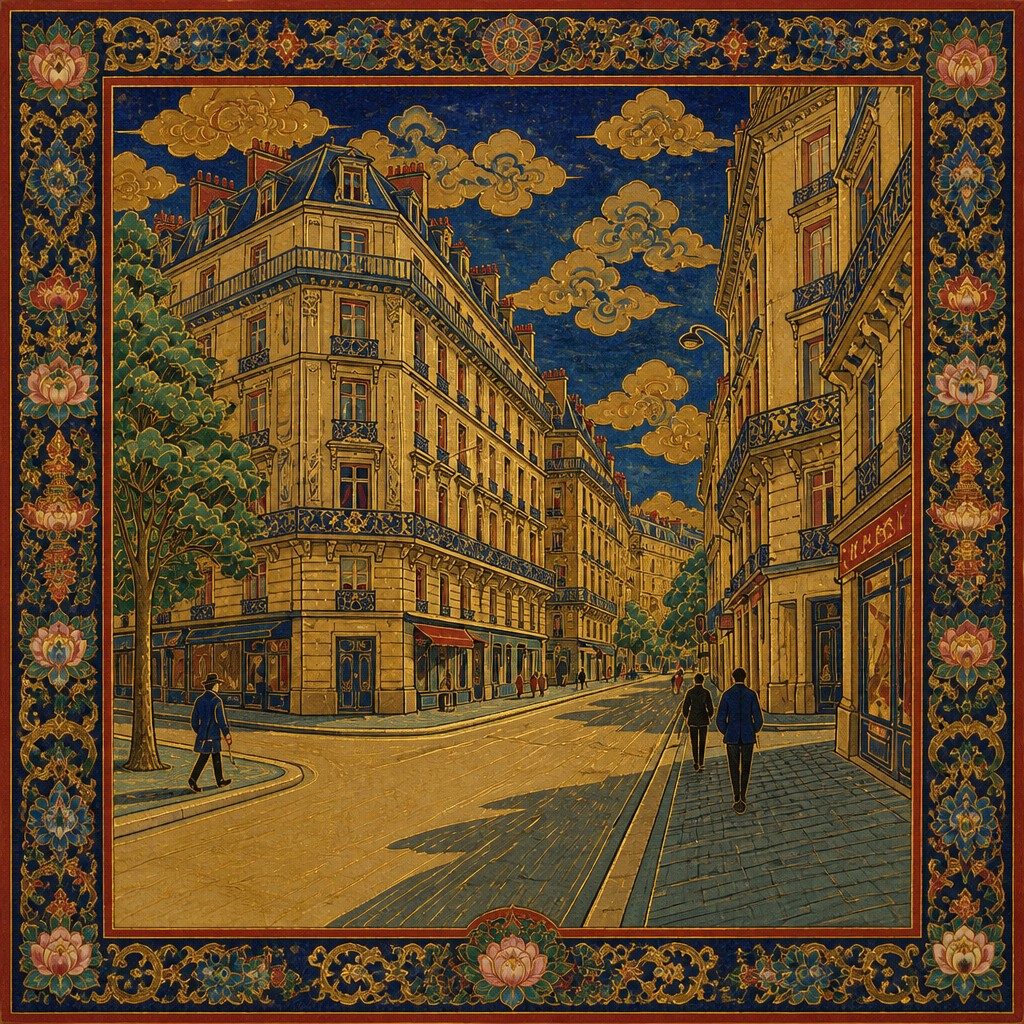
Try It On Your Photos
Upload any photo and convert it into Tibetan Religious Art — drag the sliders to compare before and after.


What Defines Tibetan Religious Art
The signature details, up close
Thangka composition
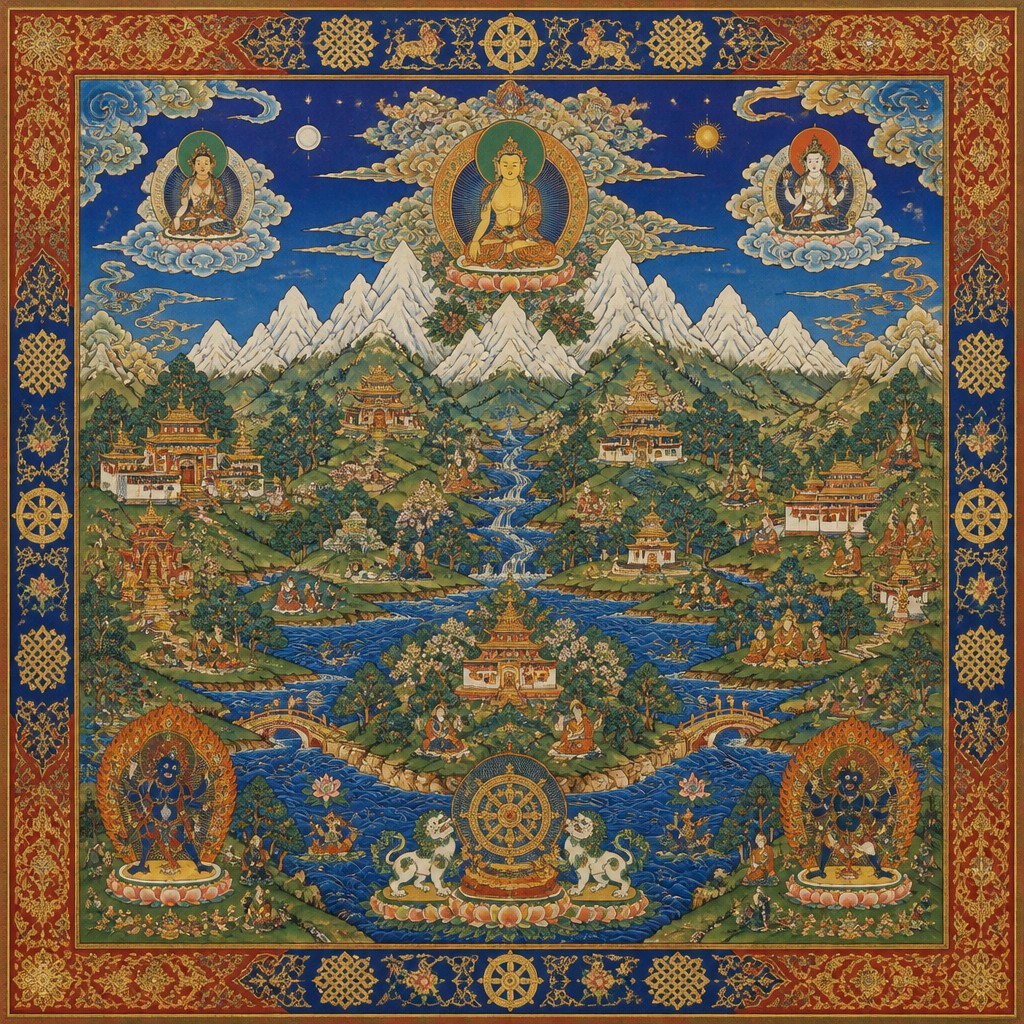
Most works are designed as vertical hanging scroll paintings with a centered sacred figure or mandala. The composition is usually symmetrical and framed by decorative borders, making the image feel like a ritual object rather than a casual scene.
Mineral-pigment palette
Traditional works use luminous mineral and natural pigments, often including deep blues, vermillion reds, malachite greens, ochres, and gold. The color often appears saturated and stable, with a jewel-like depth that reinforces the image's sacred presence.
Flattened sacred space
Perspective is typically compressed or symbolic rather than naturalistic. Figures, halos, altars, and landscape elements are arranged for legibility and ritual clarity, not optical realism.
Meticulous linework
Fine contour lines define faces, hands, garments, flames, jewelry, and decorative details with extraordinary precision. Line is central to the style, giving it both clarity and a meditative, disciplined quality.
Iconographic symbolism
Each figure carries specific attributes, gestures, and postures that identify its spiritual role. Lotuses, ritual thunderbolts, skull cups, swords, wheels, flames, and animal skins are all meaningful signs, not decorative extras.
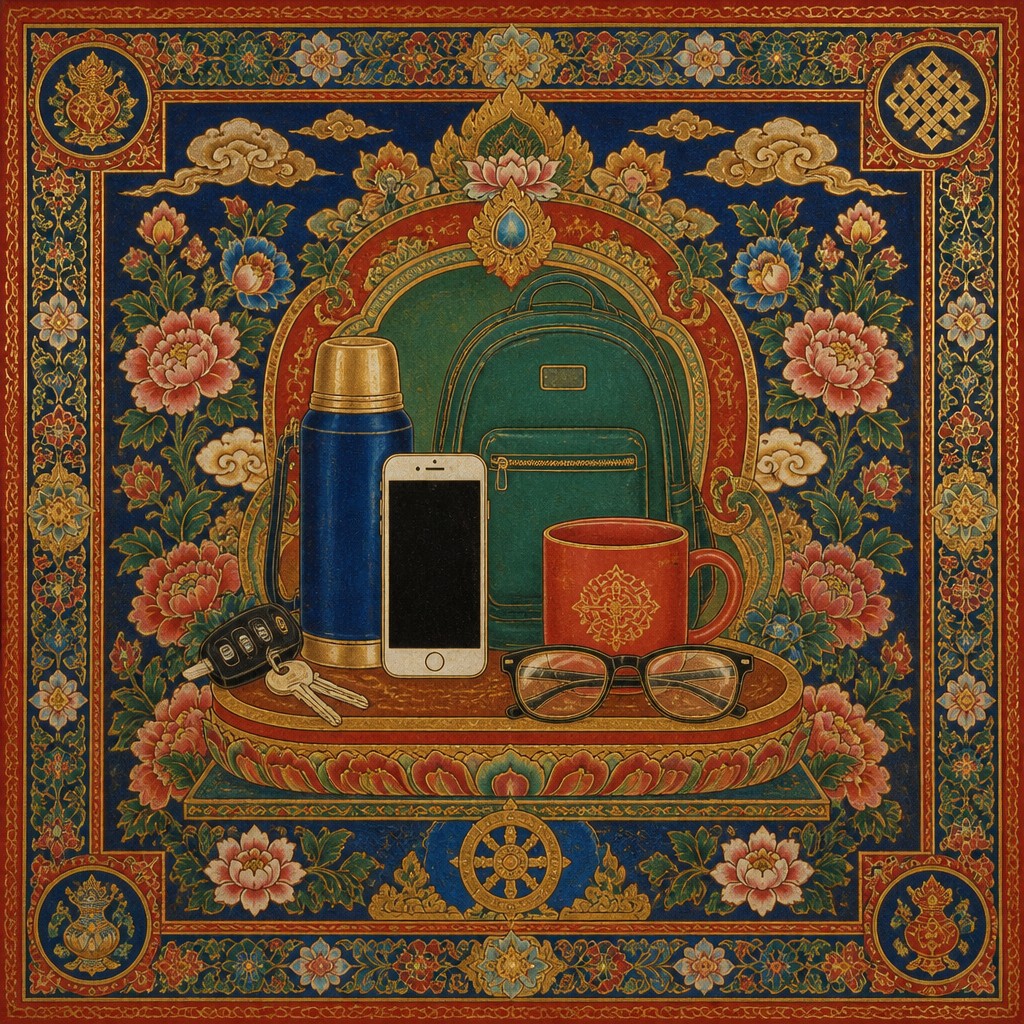
Ornamental density
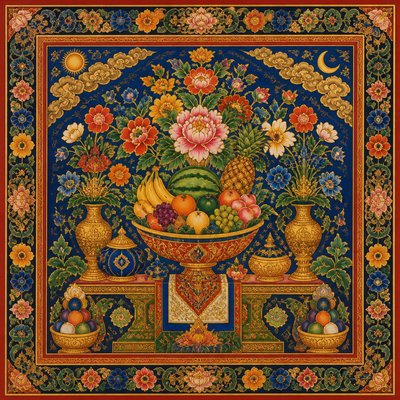
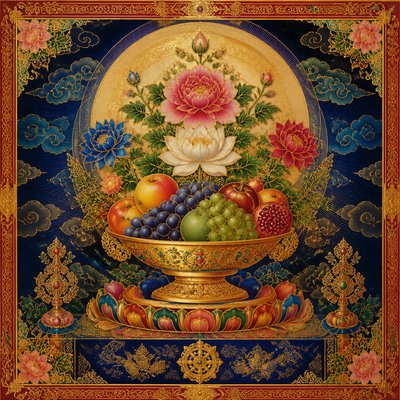
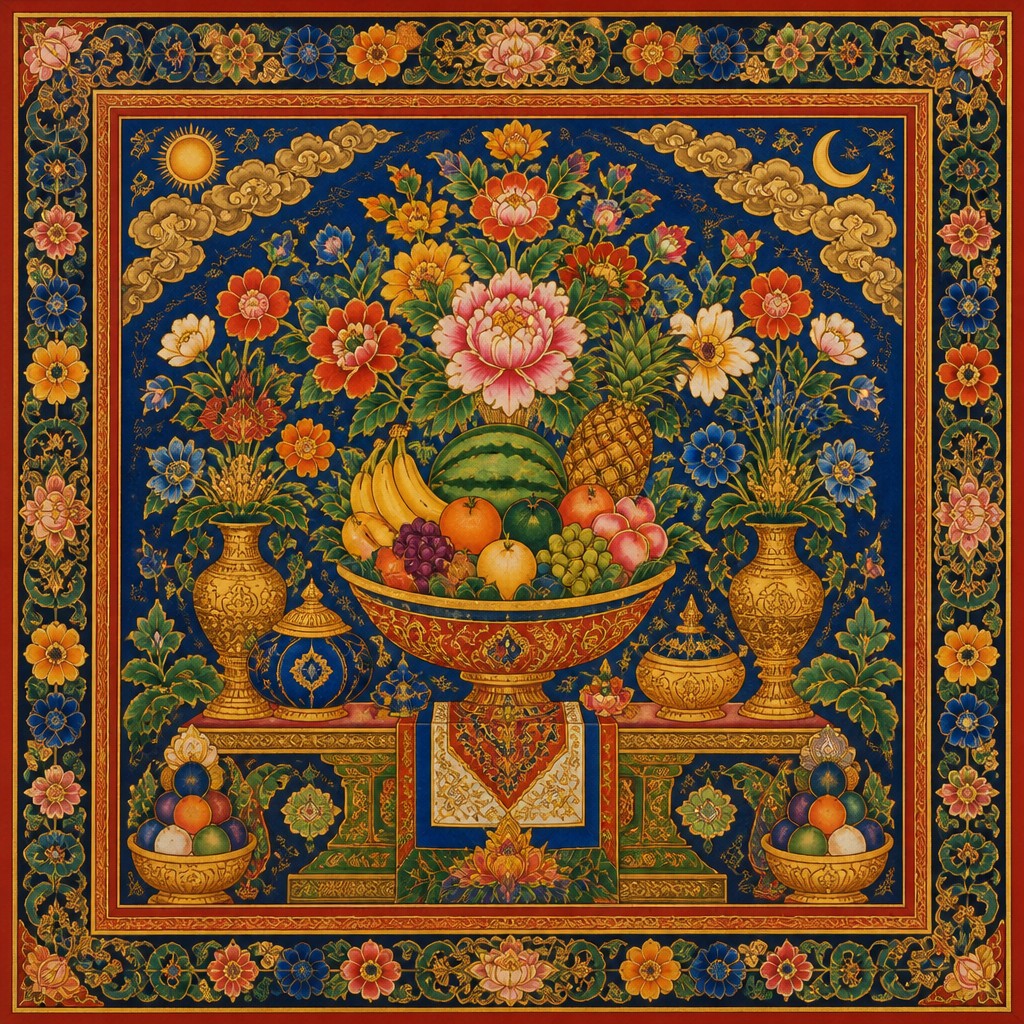
Backgrounds and borders are often filled with repeating patterns, clouds, petals, flames, and textile-like motifs. The surface is intentionally dense, creating a sense of abundance and sacred fullness.
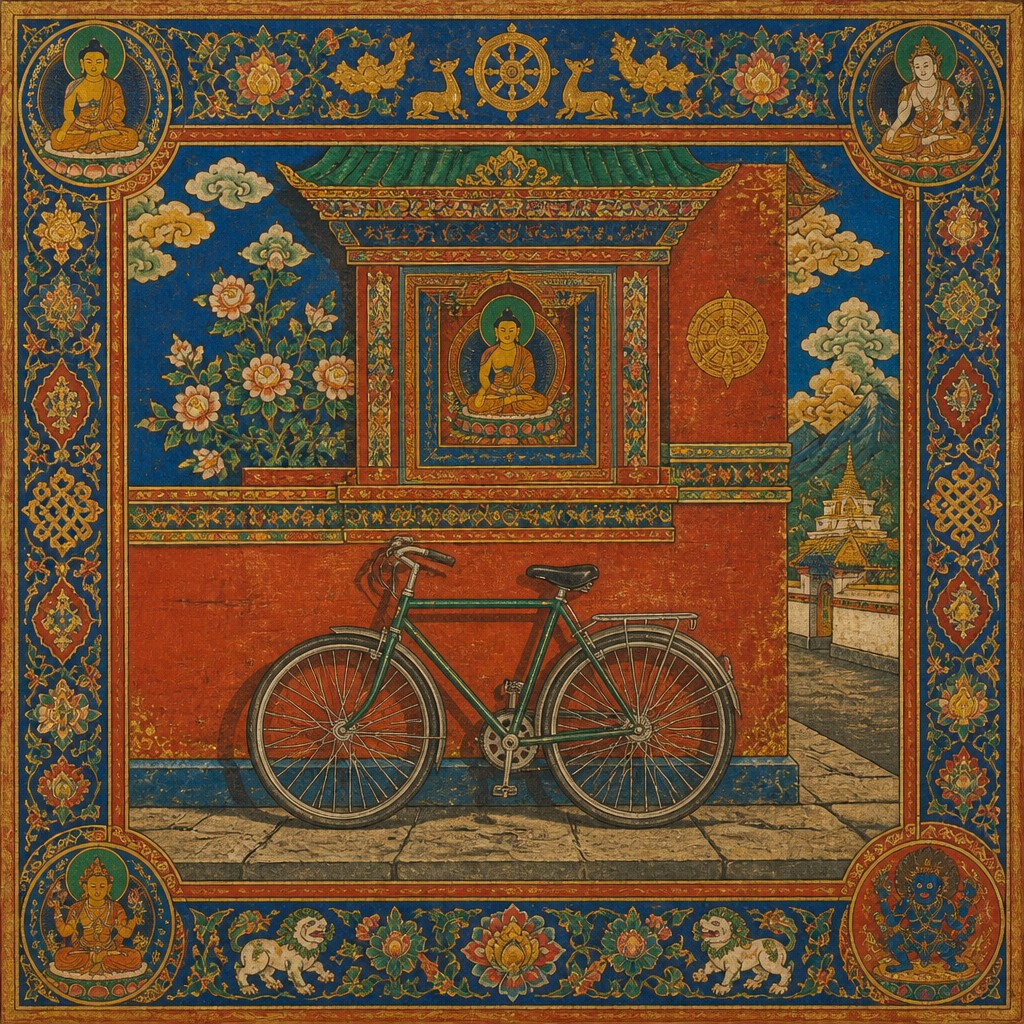
Wrathful and peaceful forms
The tradition includes serene buddhas and bodhisattvas as well as fierce guardians and tantric deities. Wrathful imagery is stylized and symbolic, using flames, bulging eyes, and dynamic poses to express protective power rather than horror.
Try It
Create Videos in Tibetan Religious Art
Styles aren't just for stills — describe a scene or animate an image and get a short video rendered in Tibetan Religious. Press play to see this pond come to life.
Make a VideoTibetan Religious Prompt Ideas
Start from an idea — each one opens the generator with the style ready to go. See all 40 Tibetan Religious prompts →
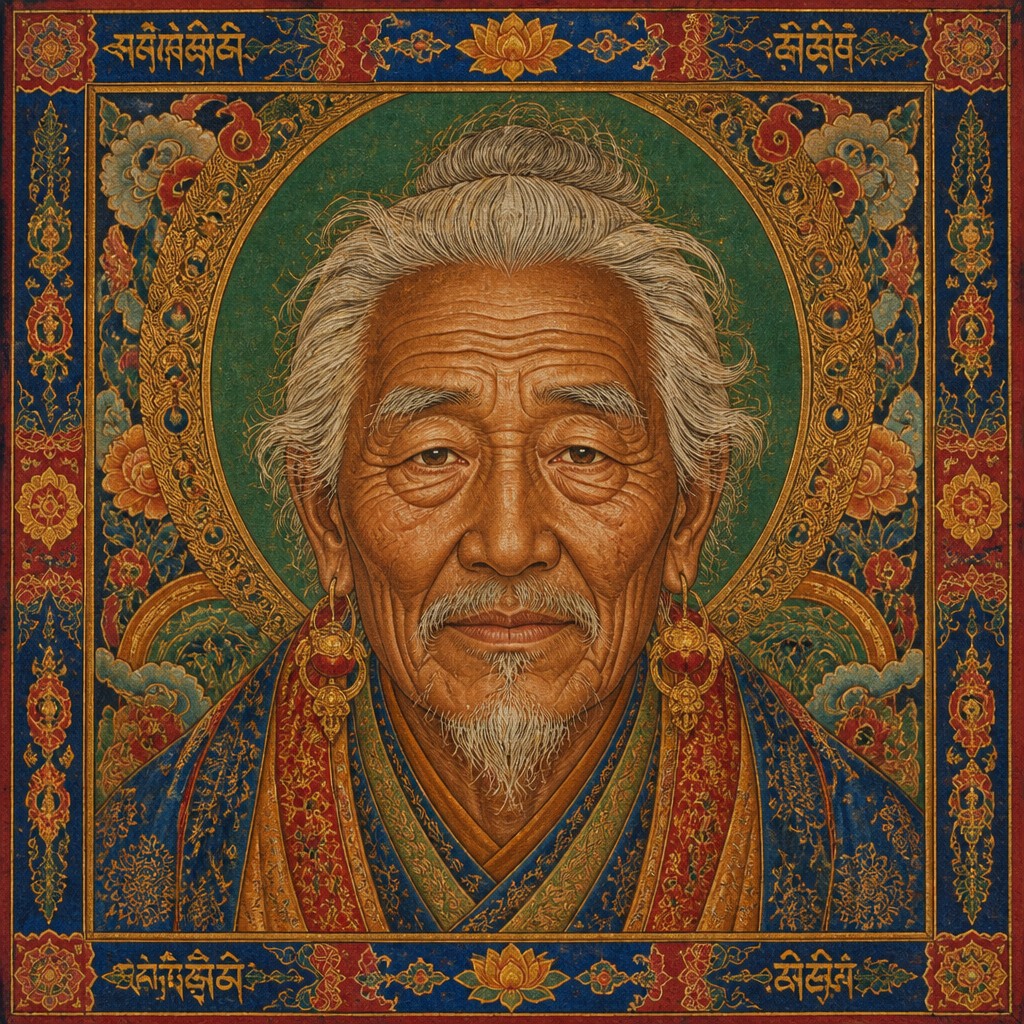
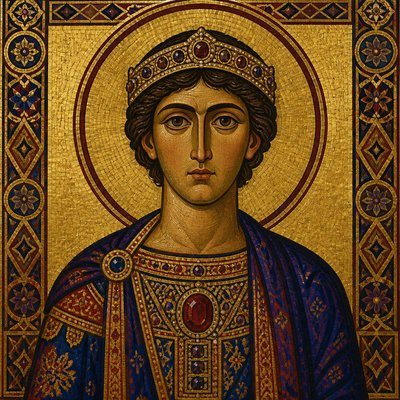
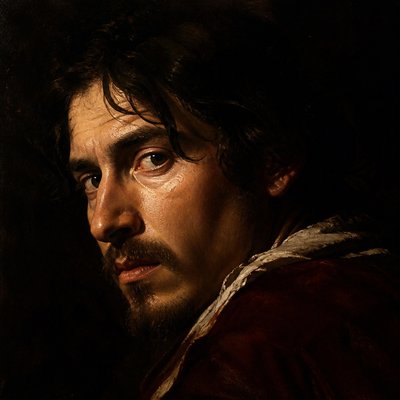
“close-up portrait of an elderly person with expressive weathered features”
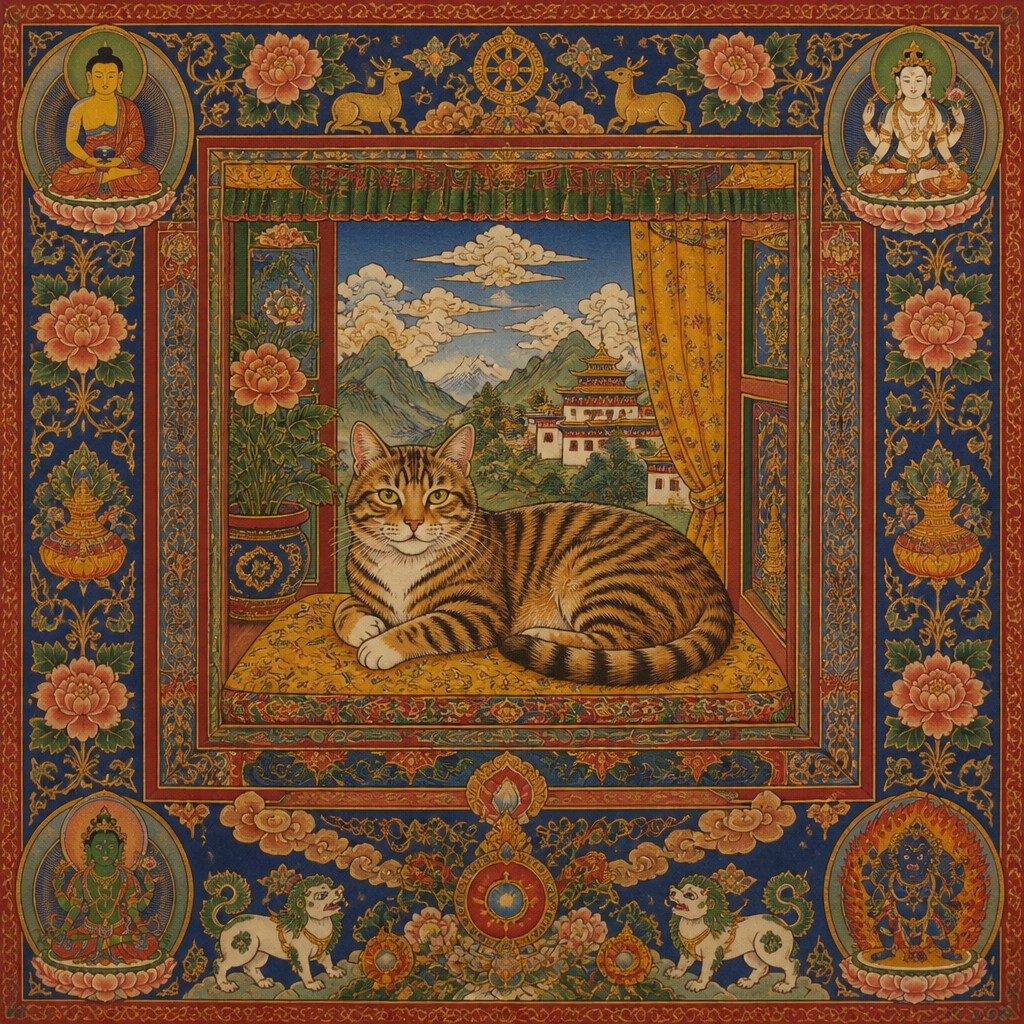
“a cat lounging in a sunlit window”
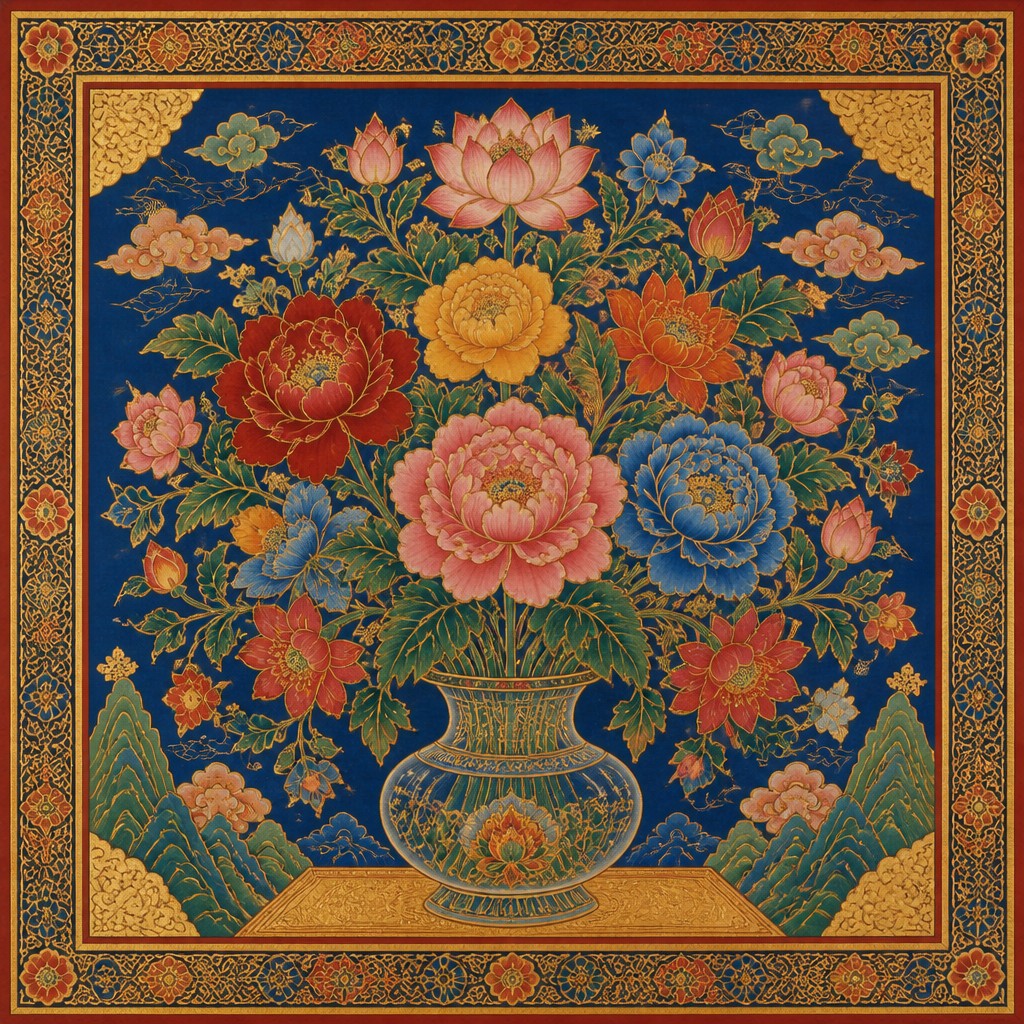
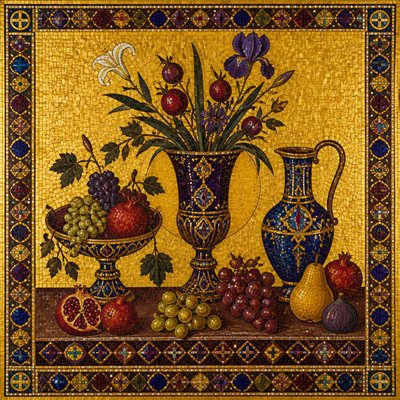
“bouquet of flowers in a glass vase”
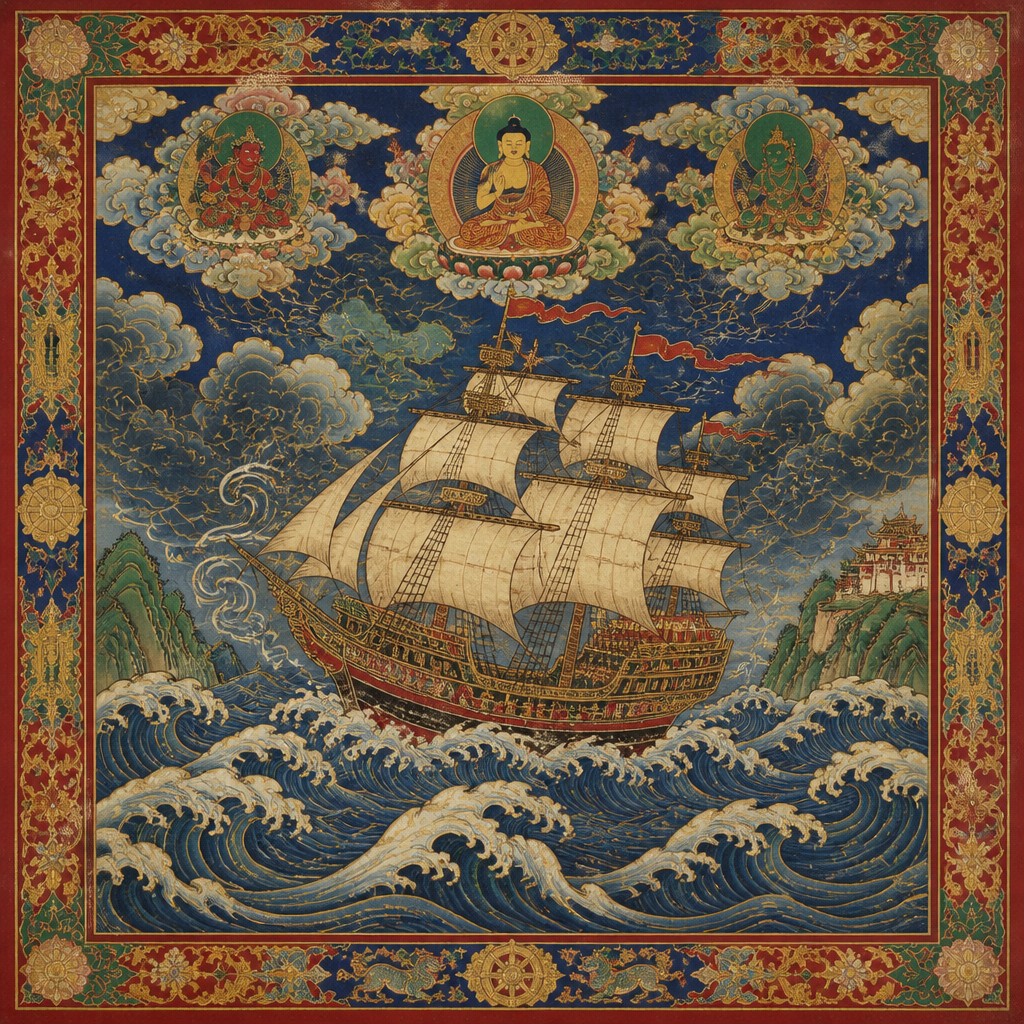
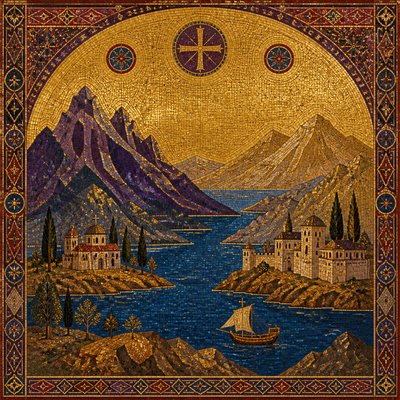
“sailing ship on a stormy sea”
How to Create Tibetan Religious Art
Master the craft step by step — or skip straight to creating. Read the full guide →
- 1
Build the composition around a sacred center
Start with a clearly centered figure or mandala and keep the arrangement balanced and frontal. If painting by hand, lightly grid the layout first; for digital work, block in the iconography before adding ornament and borders.
- 2
Use a rich mineral-inspired palette
Favor lapis blue, vermillion, malachite green, ochres, ivory, and gold accents, with controlled contrast and luminous saturation. Layer color cleanly rather than blending it into soft realism.
- 3
Prioritize fine contour and decorative detail
Define forms with precise outlines, then build textures through repeating motifs, jewelry, flame halos, and textile patterns. In digital work, use crisp brushes and avoid painterly blur; in traditional media, work slowly with steady line control.
- 4
Keep space symbolic, not photographic
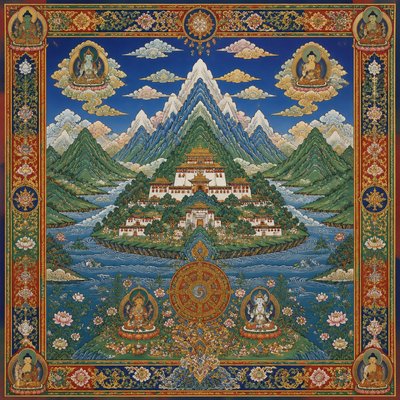
Reduce perspective depth and arrange figures in a clear, legible hierarchy. Mountains, clouds, lotus seats, and radiating halos should read as sacred schema elements rather than a naturalistic environment.
- 5
Add ritual framing and surface abundance
Surround the image with ornate borders or patterned bands to evoke a thangka mounting. For image generation, specify cotton-canvas texture, gold-leaf accents, symmetrical composition, and devotional craftsmanship.
- 6
Match the subject to its iconography
Choose subjects that fit the tradition well: buddhas, bodhisattvas, mandalas, protectors, lineage teachers, and tantric forms. For prompt-based creation, describe attributes precisely so the result feels iconographically coherent rather than generic fantasy.
The Story
History & Origins of Tibetan Religious
Tibetan religious art developed within Himalayan Buddhist culture from the 7th century onward, drawing on Indian Buddhist tantra, Nepalese Newar craftsmanship, and Central Asian and Chinese visual traditions. As Tibetan Buddhism matured, thangka painting became one of its central forms, used to support ritual, meditation, and the transmission of teachings. Monastic workshops and lineage-based painter traditions established strict iconographic rules, preserving continuity across centuries even as local styles varied by region and school.
Historically, the style evolved through major schools of Tibetan painting, including the Menri and Karma Gadri traditions, among others, each emphasizing different approaches to line, color, landscape, and figure placement. Although individual artists are often undocumented or subsumed within workshop lineages, the tradition remained highly sophisticated and conservative in the best sense: innovation was allowed within a framework of ritual accuracy. In modern times, Tibetan religious art continues in monasteries, ateliers, and diaspora communities, while also influencing contemporary art, design, and spiritual illustration.
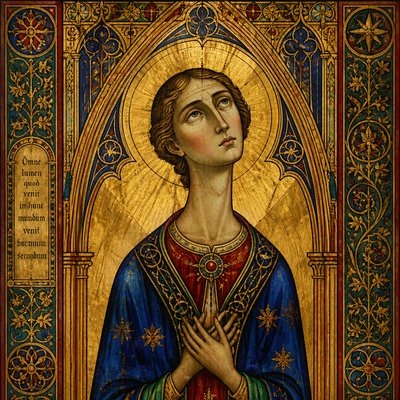
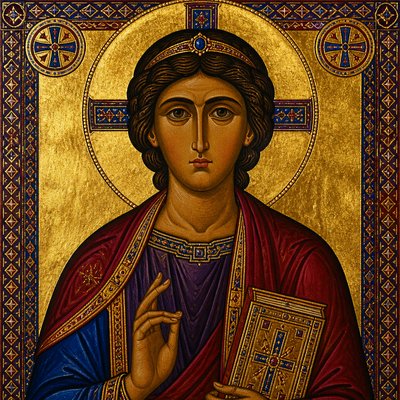
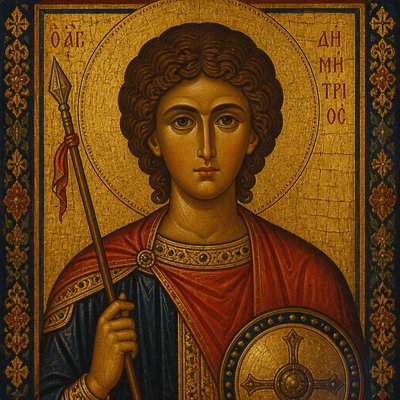
Influences: Tibetan Religious Art is rooted in Indian Buddhist tantra, especially the mandala and deity systems that traveled into the Himalayas through the Pala period and later scholastic lineages. It also reflects Nepalese Newar painting and metalwork, Chinese scroll traditions, and regional Tibetan workshop practices, with stylistic variation across schools such as Menri and Karma Gadri. Unlike Western devotional painting, its emphasis is less on naturalistic illusion and more on precise iconography, a quality it shares in different ways with Byzantine icons and other strict sacred image traditions.
Frequently Asked Questions
What defines Tibetan Religious Art?
It is sacred Buddhist art from Tibet, especially thangka paintings, mandalas, and ritual depictions of buddhas, bodhisattvas, tantric deities, and protectors. The style is defined by iconographic precision, symmetrical composition, mineral-like colors, and dense ornamental detail. Its purpose is devotional and ritual, not merely decorative.
Is Tibetan Religious Art the same as a thangka?
A thangka is one of the main formats used within Tibetan Religious Art, usually a painted scroll mounted in textile borders. Not all Tibetan religious imagery is thangka, but thangka is the best-known and most widely recognized form. The term refers more to the object and format, while the style includes the broader visual tradition.
Why do Tibetan paintings look so flat and symmetrical?
The flattened, frontal look helps preserve iconographic clarity and spiritual focus. These images are designed for meditation and ritual use, so symbolic order is more important than optical realism. Symmetry also reinforces the sense of cosmic balance and sacred structure.
What subjects are most common in this style?
Common subjects include the Buddha, Compassion bodhisattva figures, the green compassionate female bodhisattva, tantric yidam deities, dharmapalas or protectors, lineage masters, and mandalas. Peaceful and wrathful forms both appear, often with specific attributes that identify their spiritual function. Landscapes and animal motifs may appear, but usually in support of the central sacred figure.
How do I make an image in this style without losing authenticity?
Use a centered composition, strong linework, a limited but saturated mineral palette, and clearly identified sacred attributes. Avoid random fantasy elements unless they align with Buddhist symbolism, and keep the surface richly patterned rather than empty. If you are using digital or AI-assisted methods, include thangka-specific terms such as border framing, gold-leaf accents, cotton-canvas ground, and formal symmetry.
Where is Tibetan Religious Art used today?
It is still used in monasteries, temples, ritual practice, private devotion, and teaching. Thangkas also appear in museums, collections, and contemporary art contexts, though their original function is devotional rather than purely aesthetic. In the Tibetan diaspora, the tradition continues through both preservation and adaptation.
Create your first Tibetan Religious artwork
Describe anything — or upload a photo — and see it in Tibetan Religious Art in seconds.
Make Something with Tibetan Religious
Related Styles
Discover similar art styles