Street vs Wheatpaste Poster Street: What's the Difference?
Street Art Style is urban public art that uses bold graphics, spray paint, stencils, drips, and direct social messaging to create immediate visual impact in public spaces. It often feels loud, graphic, and confrontational, with strong contrasts, clear symbols, and a sense of movement or urgency.
Wheatpaste Poster Street Art Style is built from layered paper posters pasted onto walls, then worn by weather, peeling, and tear marks. People compare the two because both belong to street culture and use the city as a canvas, but they differ in material, texture, longevity, and how they communicate their message.
Same Prompt, Both Styles
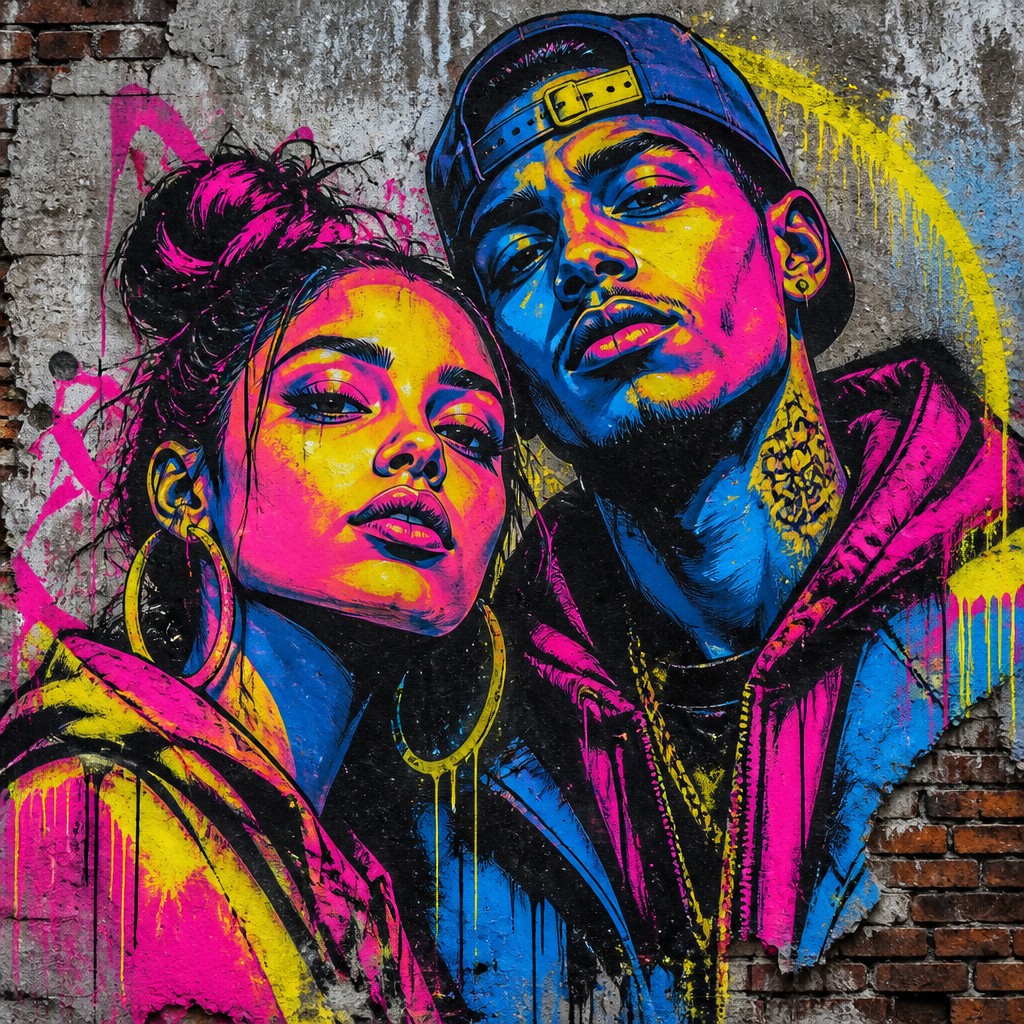
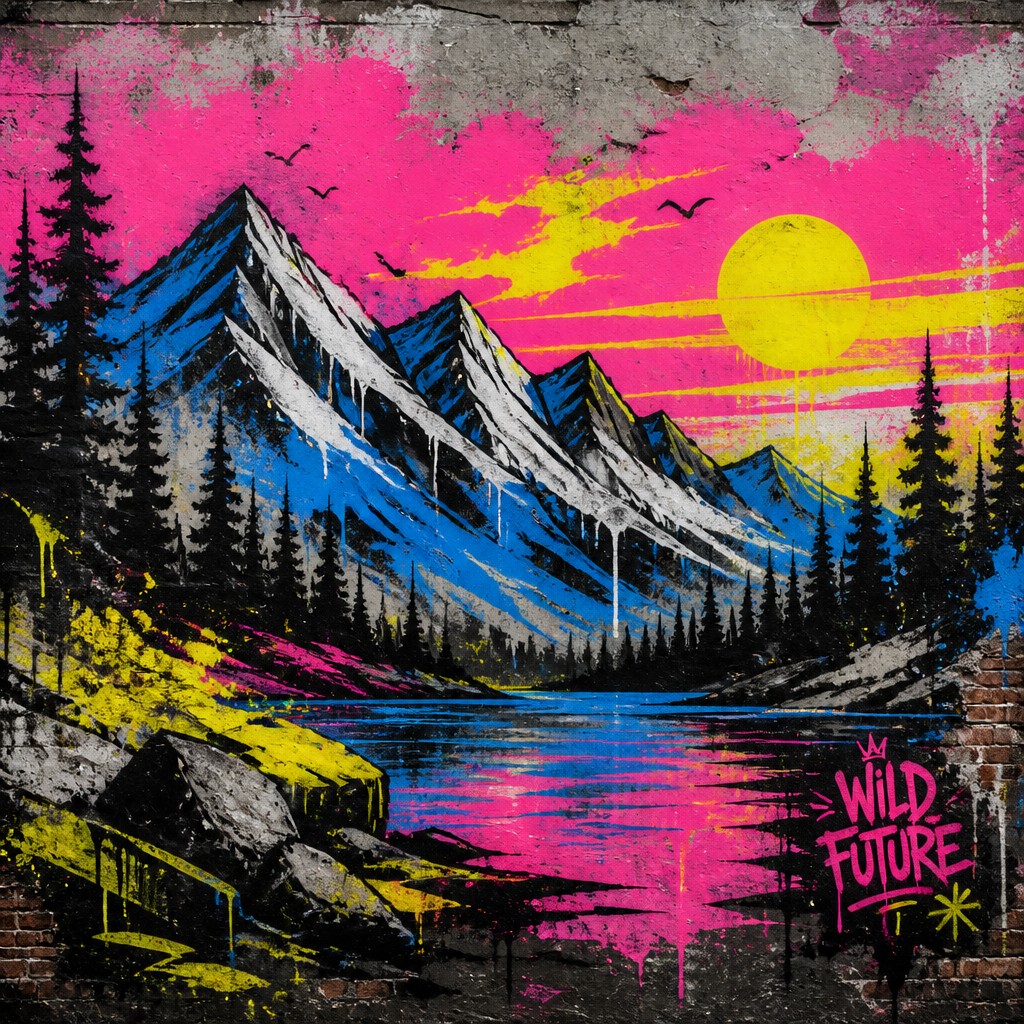
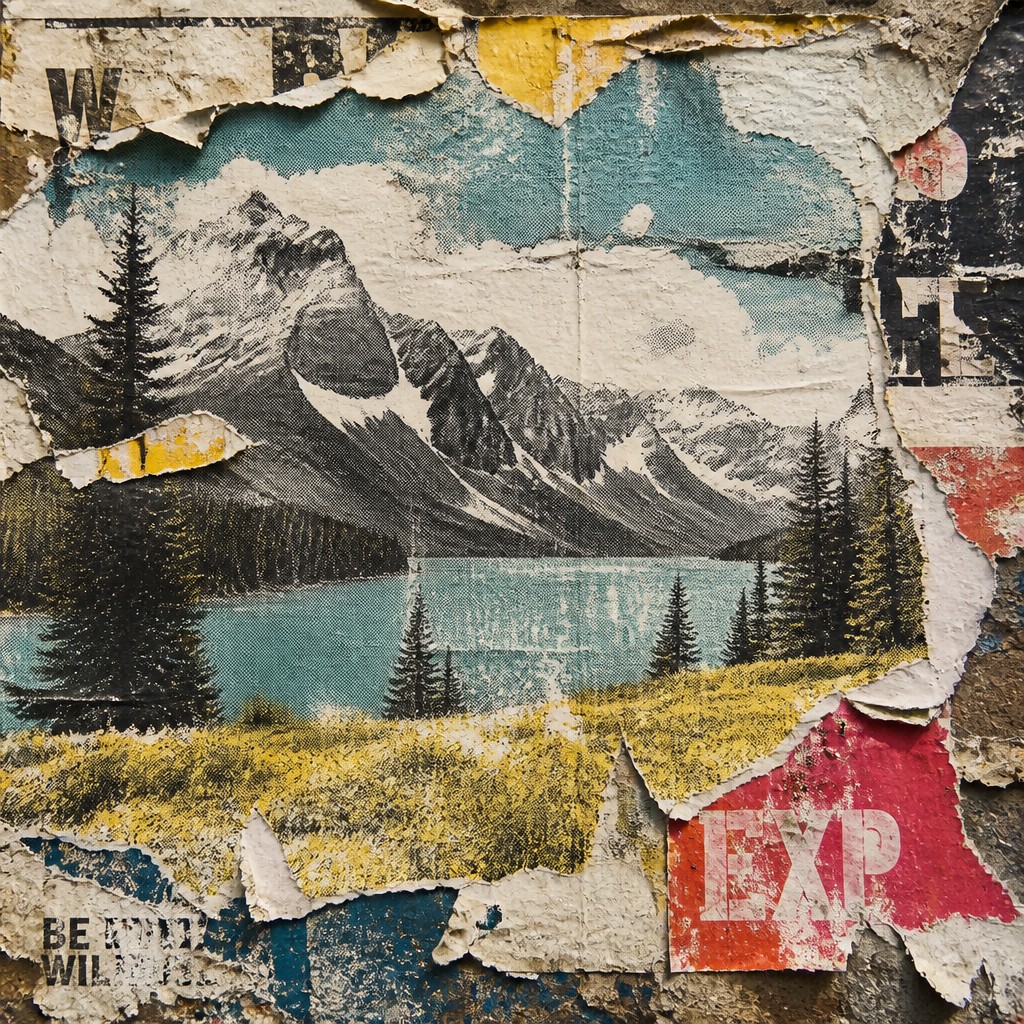
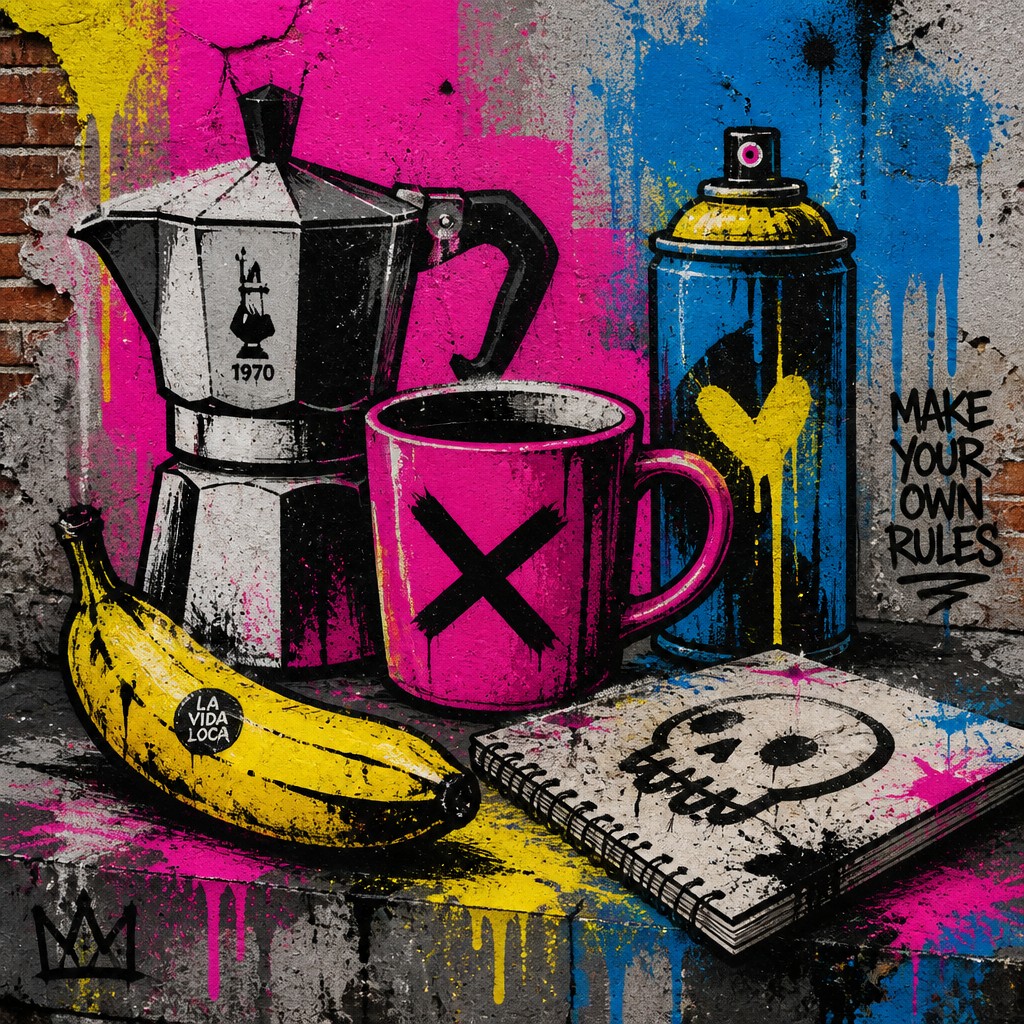
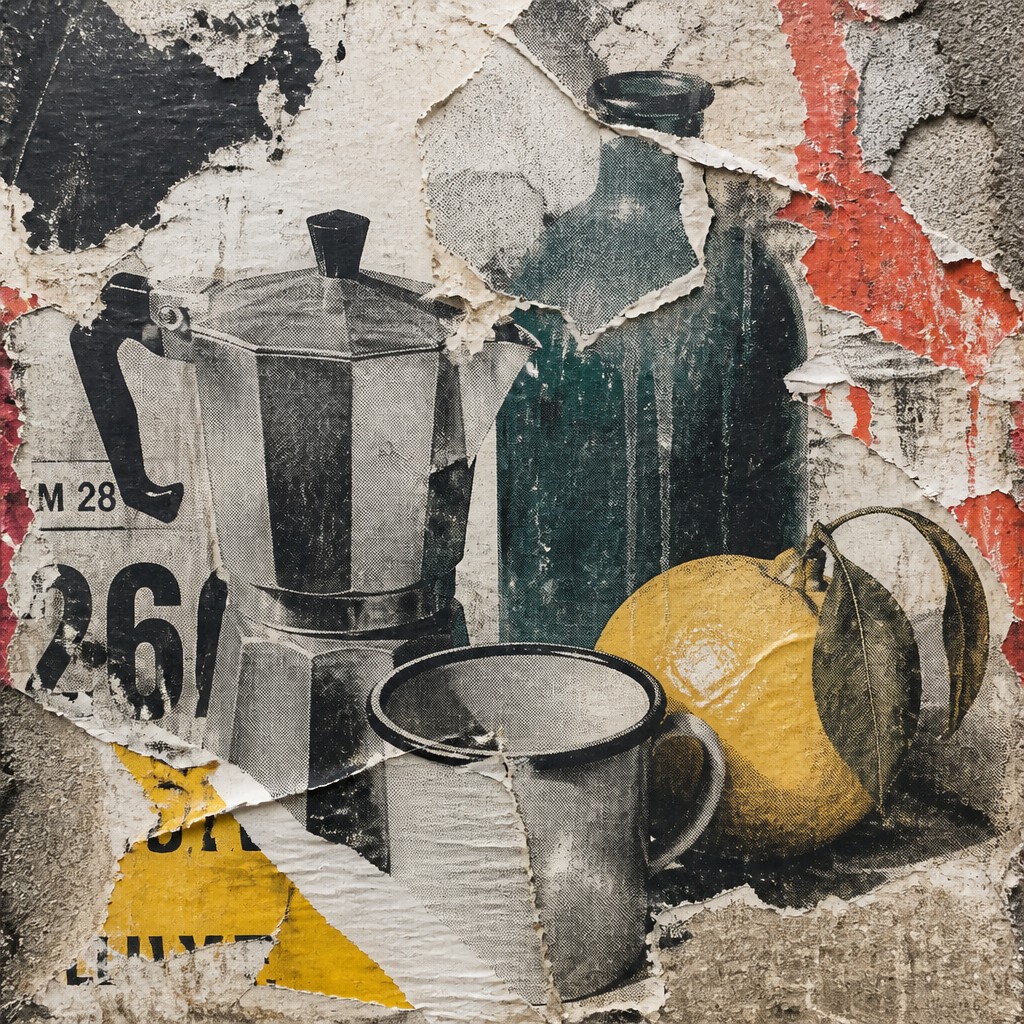
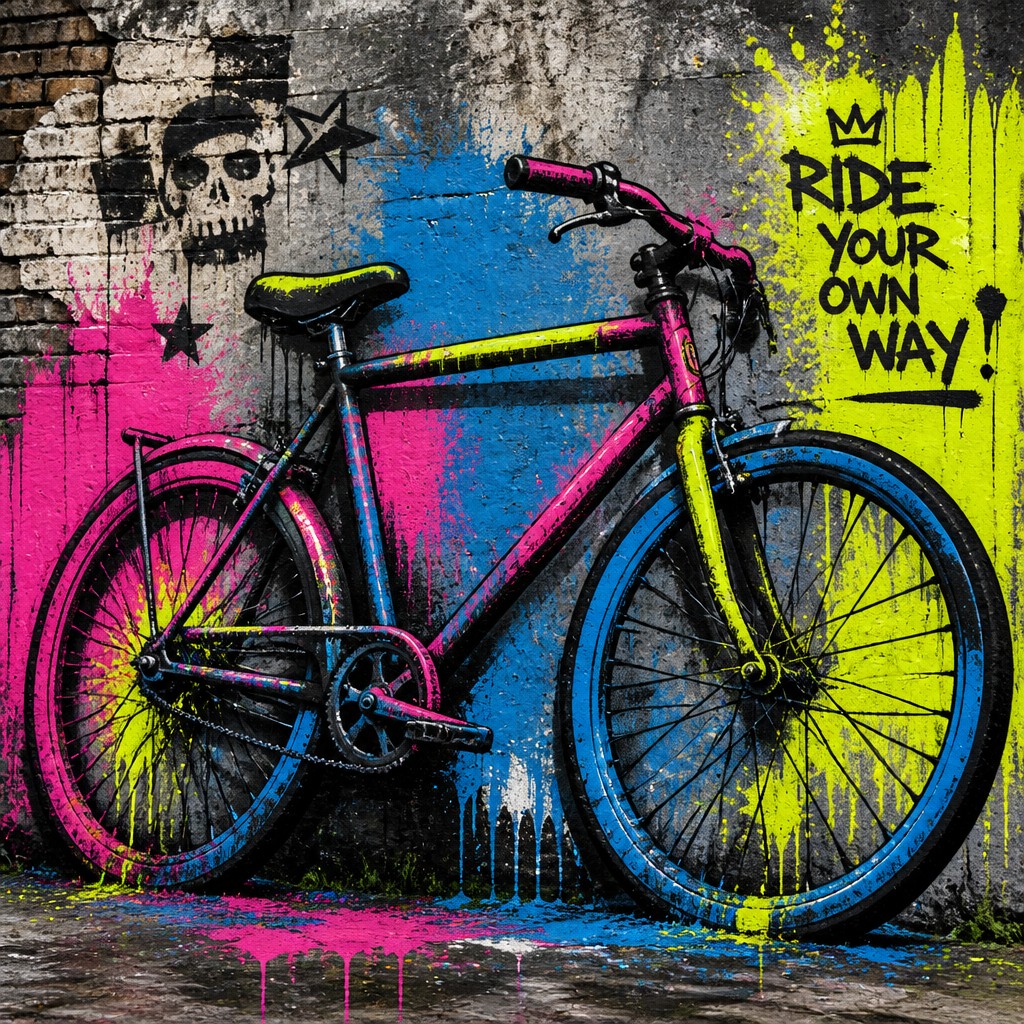
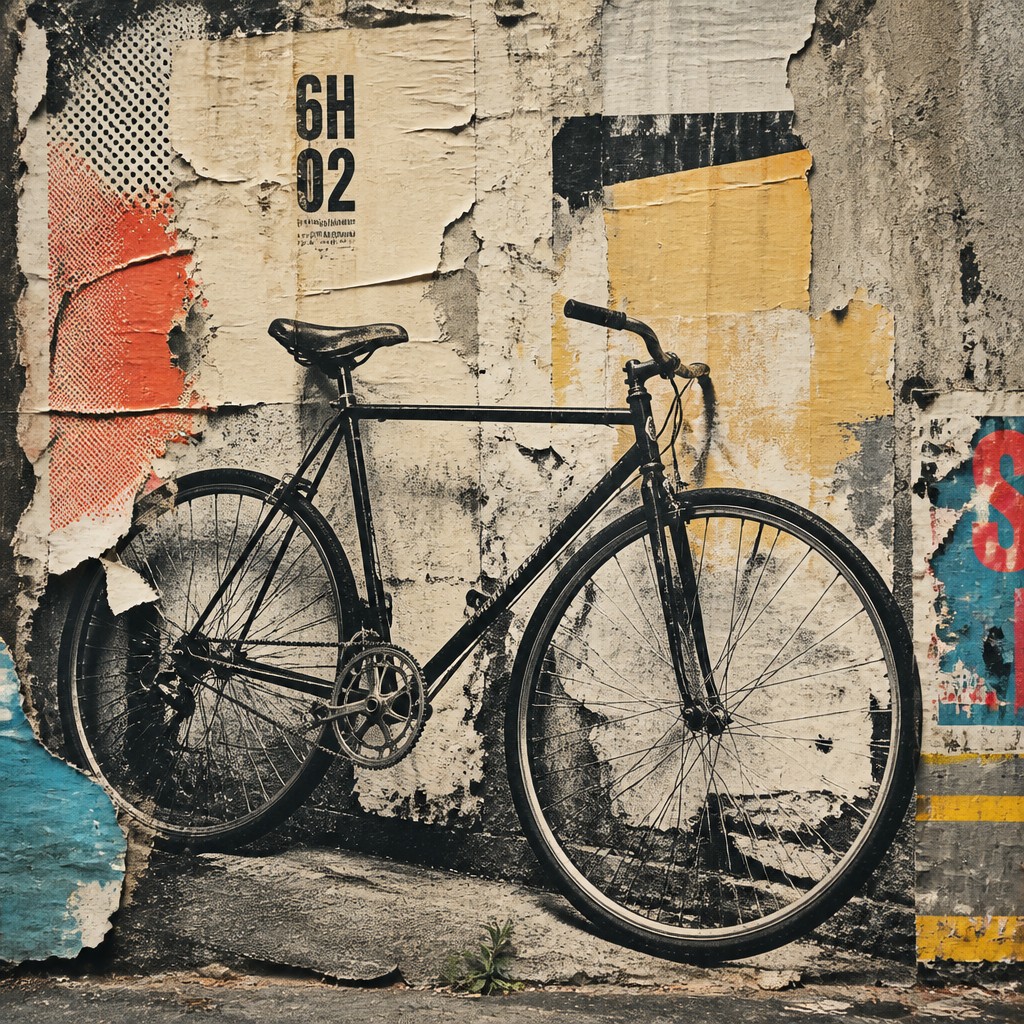
Each pair below was generated from the identical prompt — only the style changed.
“portrait of two people together”

“wide landscape with natural scenery”
“still life with everyday objects”
“bicyle resting against a wall”
Key Differences
| Street | Wheatpaste Poster Street | |
|---|---|---|
| Materials | Paint, spray paint, markers, and stencils create direct, durable imagery. | Printed paper posters are pasted in layers and break down over time. |
| Surface texture | Flat color fields, overspray, drips, and sharp stencil edges dominate. | Peeling corners, paper fibers, wrinkles, and torn seams create texture. |
| Visual language | Bold icons, lettering, and high-contrast graphics read from a distance. | Collage-like fragments, halftones, and overlaid paper bits reward close viewing. |
| Message style | Messages are often immediate, public, and direct. | Messages can feel layered, fragmented, and partly hidden by decay. |
| Weathering | Looks strong and painted onto the wall itself. | Shows visible aging through peeling, fading, and torn edges. |
| Mood | Energetic, confrontational, and high-impact. | Raw, gritty, temporary, and quietly rebellious. |
| Mood | bold, urgent, rebellious, socially engaged | gritty, urban, layered, nostalgic, rebel |
| Energy | intense | intense |
| Detail level | moderate | detailed |
| Color | high-contrast, saturated, graphic palette | muted brights, newsprint neutrals, faded contrasts |
| Texture | spray-paint, postered, weathered surfaces | torn paper, paste residue, weathered layers |
| Origin | 1970s urban public spaces, global | late 20th-century street poster culture |
| Best for | murals, posters, album covers, campaign graphics, apparel graphics, editorial illustrations | concert posters, political posters, album covers, editorial spreads, urban branding, wall murals |
| Difficulty | moderate | advanced |
Which Should You Choose?
Choose Street Art Style if you want a strong, graphic look with immediate readability, bigger shapes, and a clear public message. Choose Wheatpaste Poster Street Art Style if you want layered texture, a more ephemeral feel, and the look of pasted paper weathering naturally on an urban wall.
Frequently Asked Questions
Which style is more readable from far away?
Street Art Style is usually more readable at a distance because it relies on bold shapes, strong contrast, and clear graphic forms. Wheatpaste Poster Street Art Style can be legible too, but its layered paper and weathering often make it more complex.
Which style feels more textured and worn?
Wheatpaste Poster Street Art Style is more textured because the surface includes paper fibers, tears, wrinkles, and peeling edges. Street Art Style can have drips and overspray, but it usually looks smoother and more painted.
Which style is better for social or political messaging?
Both can carry social or political ideas effectively. Street Art Style tends to be more direct and declarative, while Wheatpaste Poster Street Art Style often uses layered imagery and decay to create a subtler message.
Are these styles interchangeable?
Not exactly, because they use different materials and visual effects. They can overlap in urban settings, but Street Art Style emphasizes painted graphics, while Wheatpaste Poster Street Art Style emphasizes pasted paper and surface wear.