Fresco Narrative Renaissance vs Renaissance: What's the Difference?
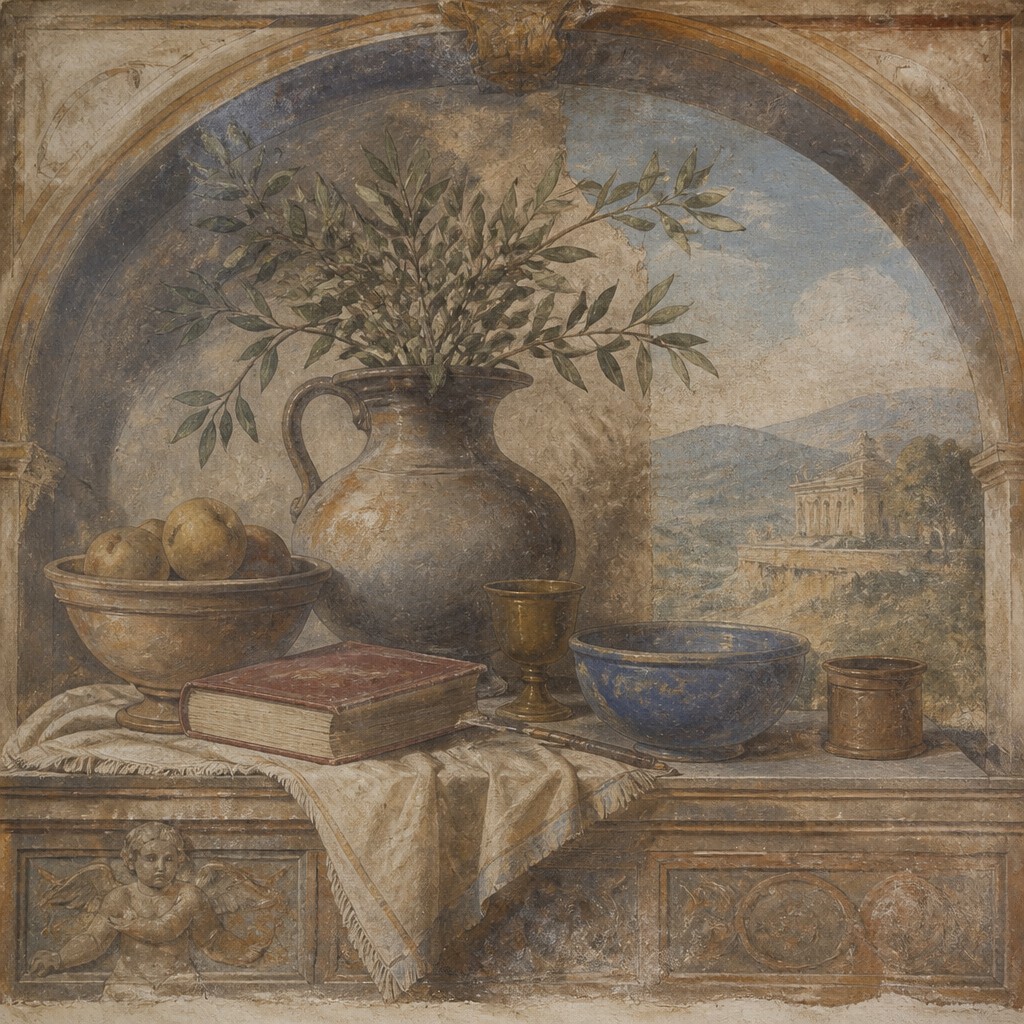
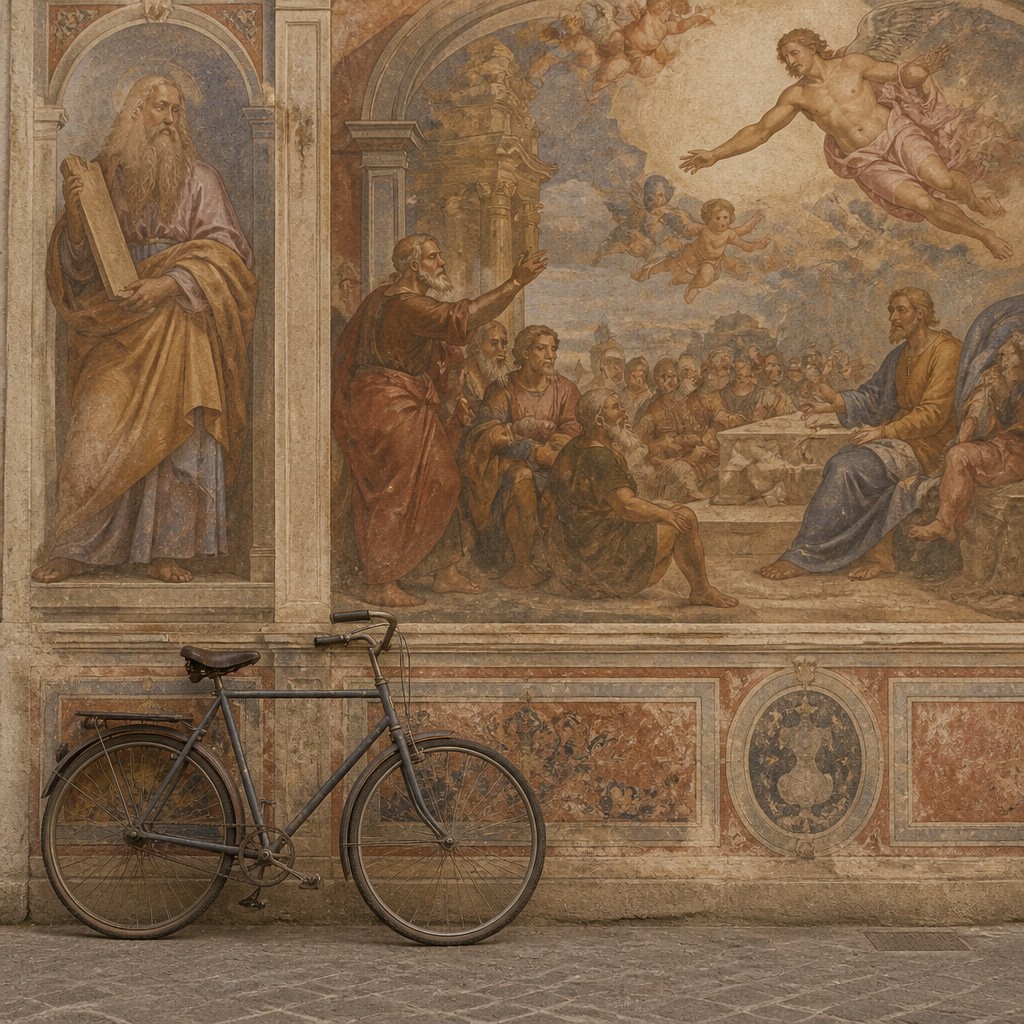
Fresco Narrative Renaissance Art Style is a monumental wall-painting approach built for chapels, palaces, and large civic spaces. It uses fresco textures, architectural framing, dramatic biblical storytelling, classical perspective, and the softened patina of aged plaster to create scenes that feel integrated with the wall and shaped by time.
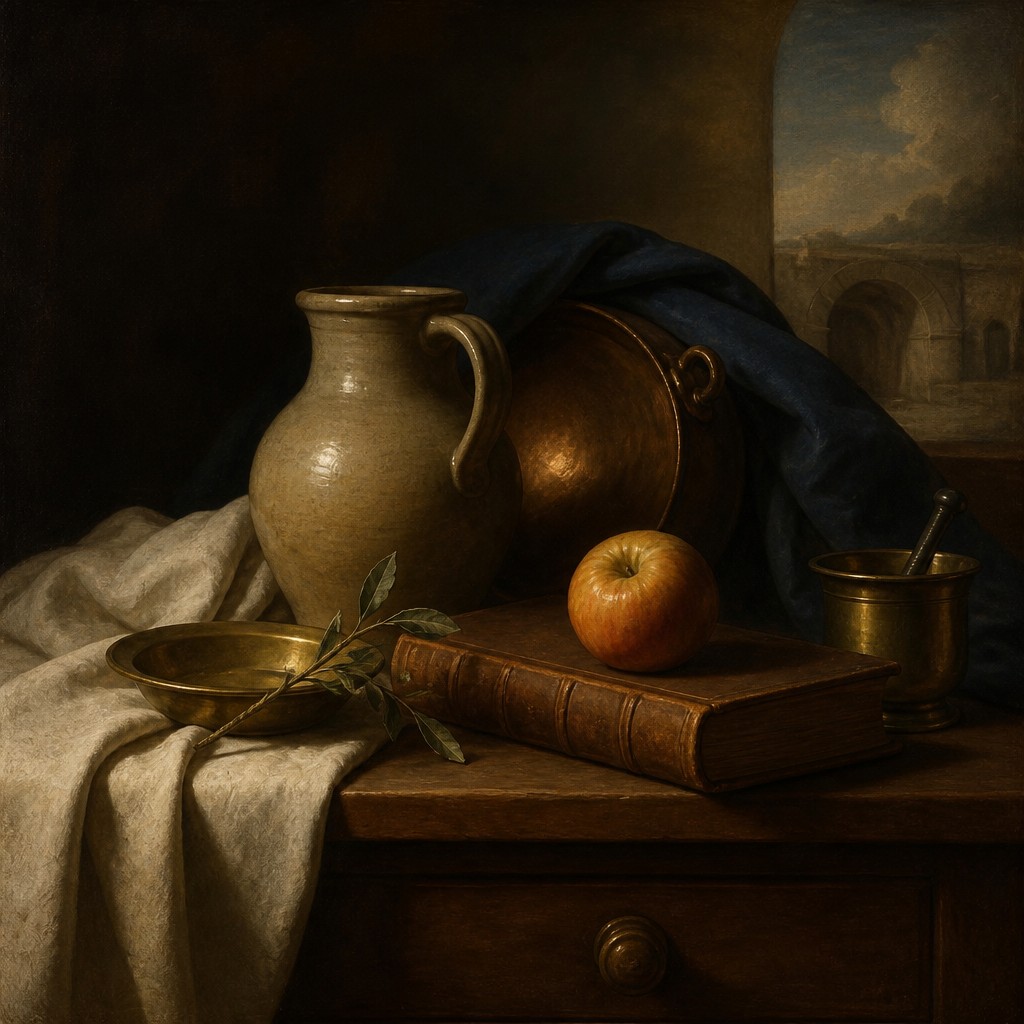
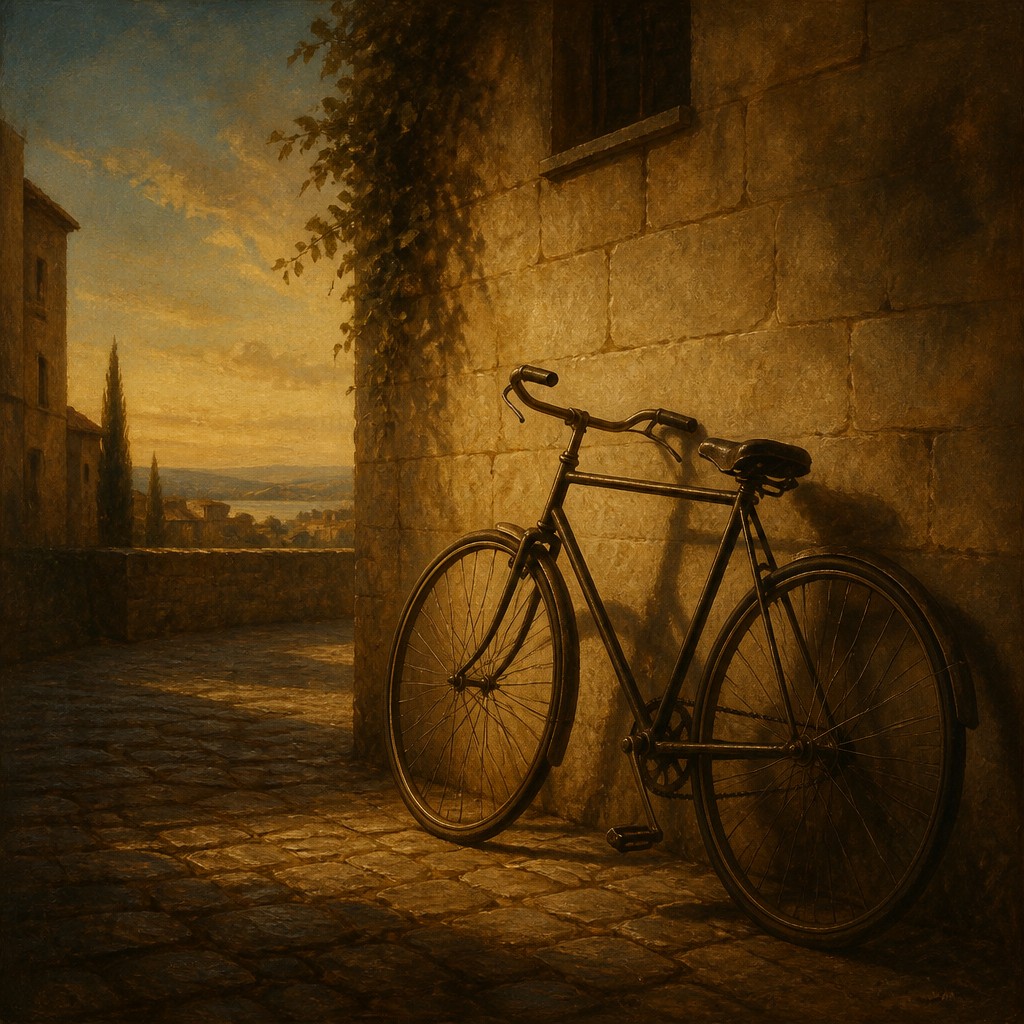
Renaissance Art Style is the broader classical revival tradition that emphasizes idealized human figures, linear perspective, sfumato, chiaroscuro, and balanced proportions. People compare the two because both draw on Renaissance principles of realism and classical order, but one is more specifically tied to fresco narrative cycles and wall-based monumentality while the other is a wider fine-art language used across many subjects and media.
Same Prompt, Both Styles
Each pair below was generated from the identical prompt — only the style changed.
“portrait of two people together”
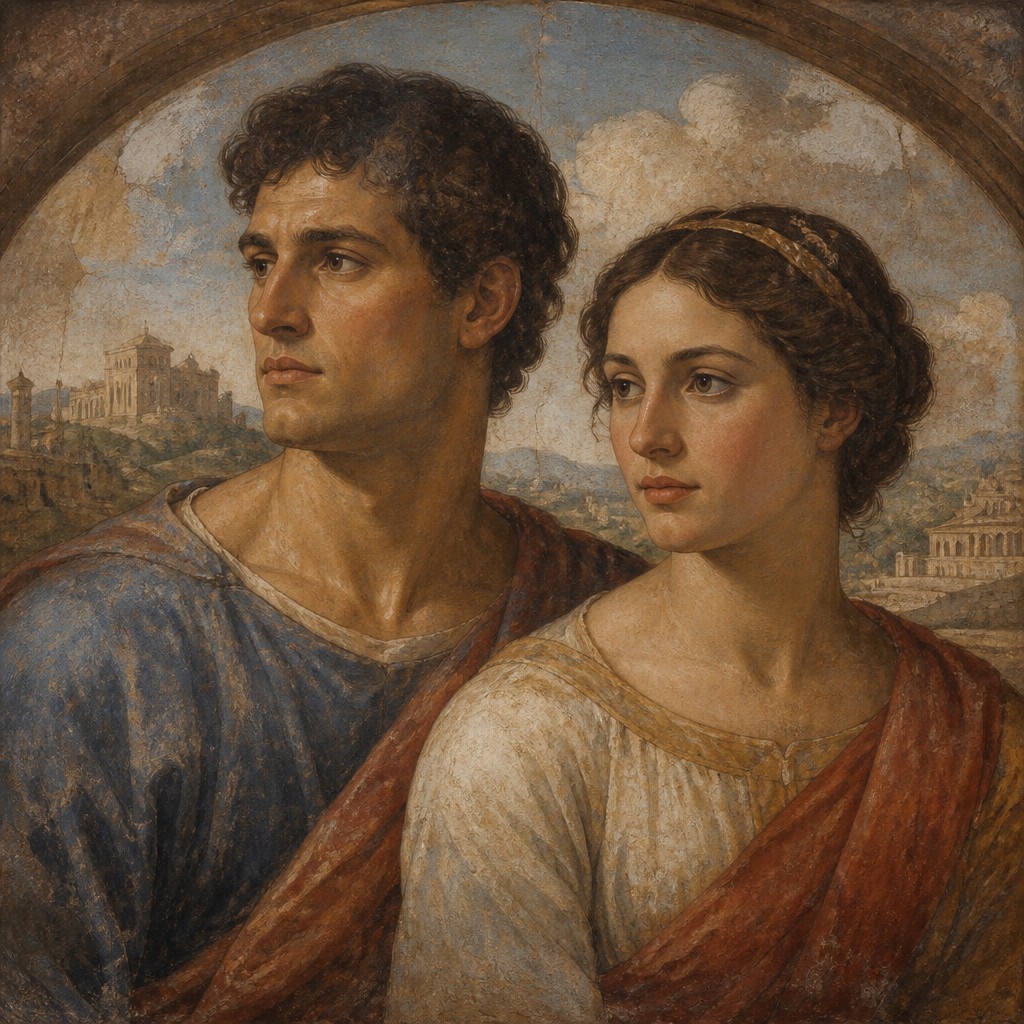
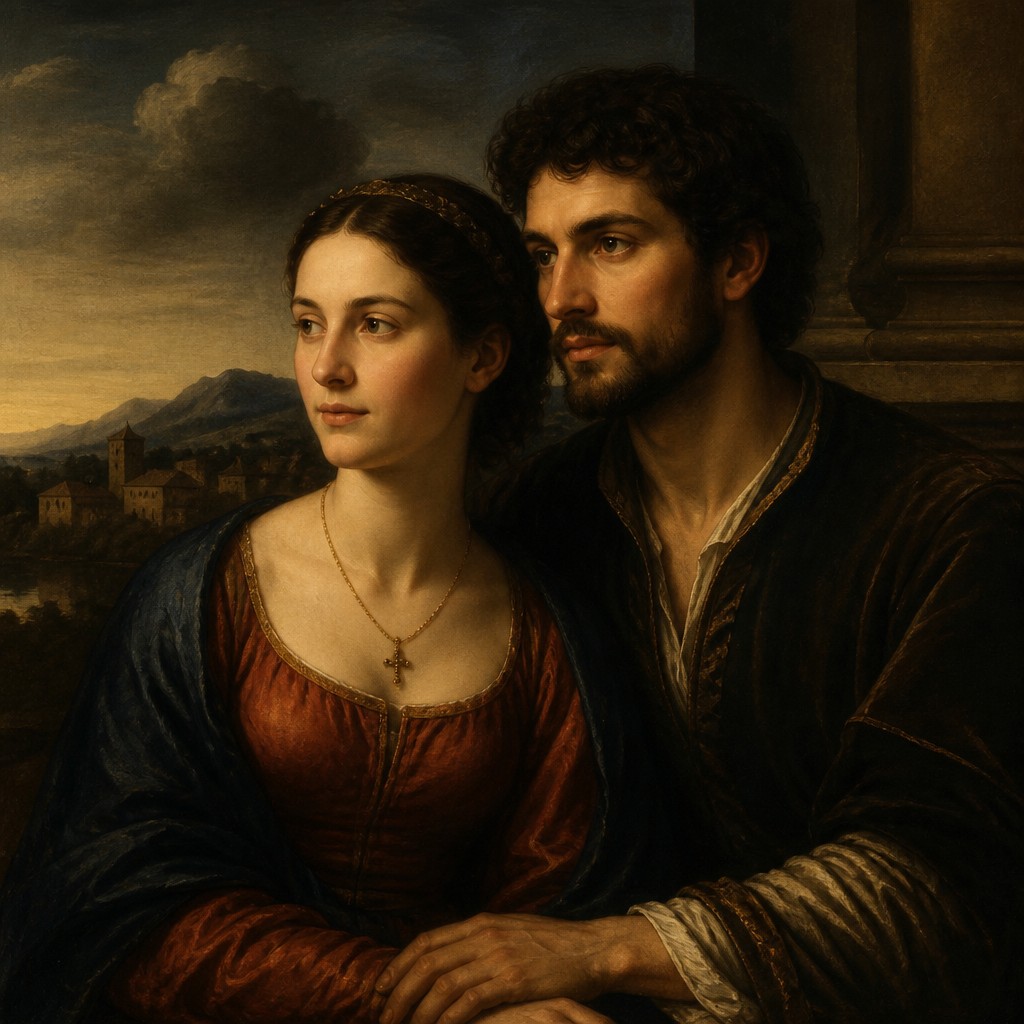
“wide landscape with natural scenery”
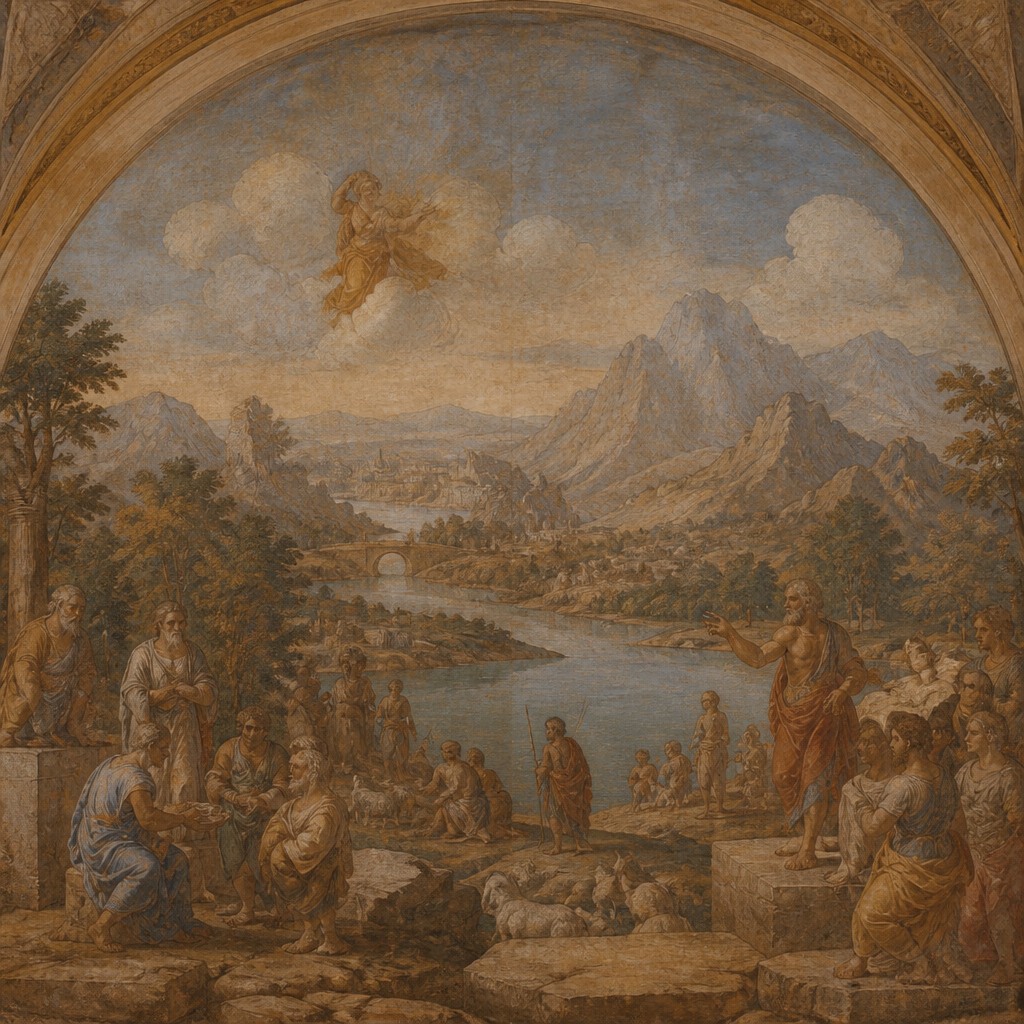
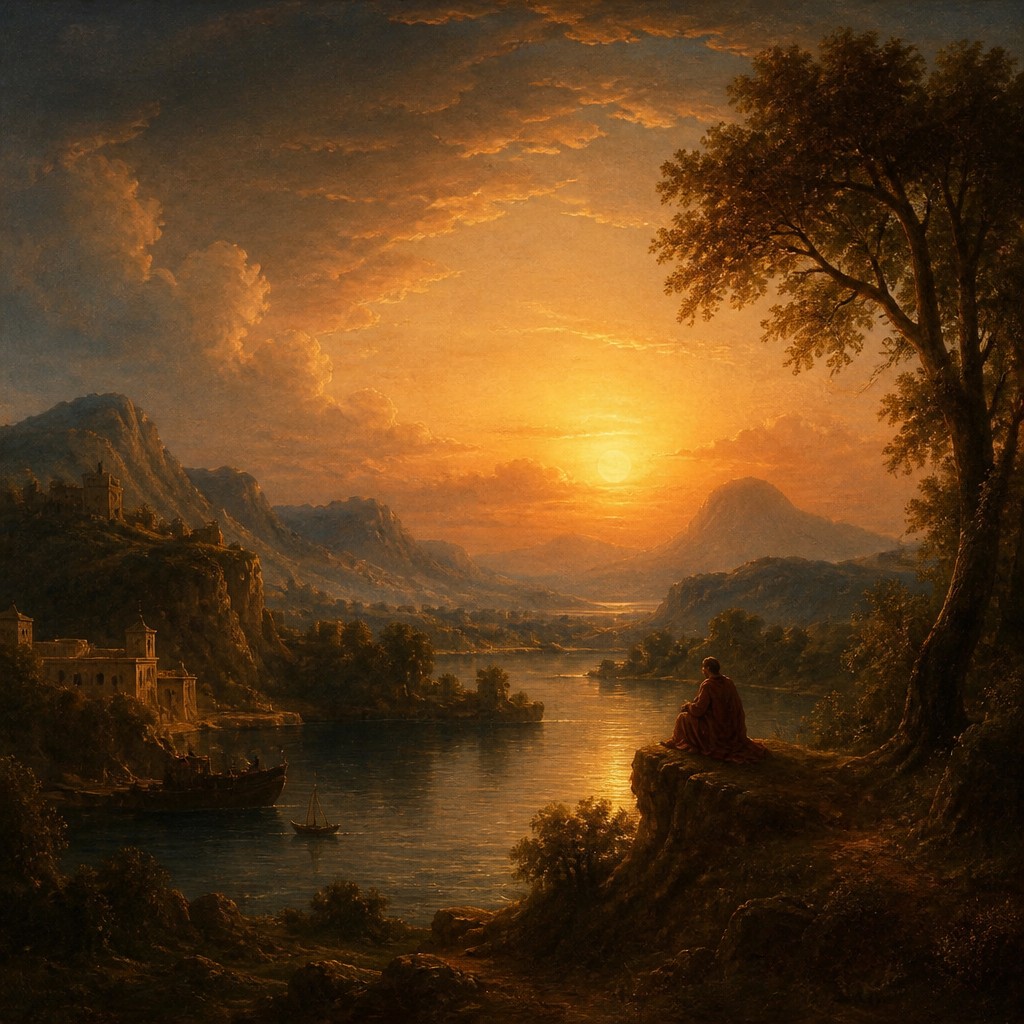
“still life with everyday objects”
“bicyle resting against a wall”
Key Differences
| Fresco Narrative Renaissance | Renaissance | |
|---|---|---|
| Primary purpose | Designed for large narrative cycles on walls and ceilings. | Designed for idealized, balanced compositions in many formats. |
| Surface and texture | Shows fresco grain, plaster absorption, and aged chapel-wall patina. | Often smoother, with paint handling focused on modeled illusion. |
| Narrative emphasis | Strong biblical drama and sequential storytelling. | Can be narrative, portrait, or allegorical, with less wall-cycle focus. |
| Spatial effect | Uses classical perspective to open architectural spaces dramatically. | Uses linear perspective for clear depth and structural harmony. |
| Lighting and modeling | Relies more on broad clarity and monumental readability. | Uses sfumato and chiaroscuro for softer transitions and volume. |
| Figure treatment | Figures are large, weighty, and integrated into the wall composition. | Figures are idealized, proportioned, and more independently composed. |
| Mood | grand, solemn, narrative, harmonious, uplifting | harmonious, graceful, elevated, ordered, contemplative |
| Energy | balanced | balanced |
| Detail level | intricate | detailed |
| Color | warm earth tones, muted jewel accents | rich, warm, earth-toned with luminous highlights |
| Texture | matte plaster with fresco grain | smooth modeling, fine finish, subtle layering |
| Origin | Italian Renaissance wall painting tradition | Italy, 14th-16th century |
| Best for | museum murals, religious scenes, historical storytelling, ceiling decorations, civic commissions | religious scenes, portraiture, historical illustrations, museum posters, book covers, fine art studies |
| Difficulty | advanced | advanced |
Which Should You Choose?
Choose Fresco Narrative Renaissance Art Style when you want a monumental, sacred, site-specific feeling with visible plaster character and strong storytelling across a wall. Choose Renaissance Art Style when you want a broader classical look with polished idealization, atmospheric modeling, and a flexible format that works for portraits, scenes, and compositions beyond fresco.
Frequently Asked Questions
Is Fresco Narrative Renaissance Art Style a subset of Renaissance Art Style?
It can be understood that way in practice, since it belongs to the Renaissance visual tradition. The difference is that it emphasizes fresco technique, wall integration, and large narrative cycles more strongly.
Which style feels more monumental?
Fresco Narrative Renaissance Art Style usually feels more monumental because it is designed for large architectural surfaces. Its scale, wall texture, and dramatic storytelling reinforce that effect.
Which style is more flexible for different subjects?
Renaissance Art Style is more flexible overall. It can support portraits, religious scenes, mythological subjects, and studies of the human figure in many formats.
Do both styles use perspective?
Yes, both value perspective, especially linear and classical spatial construction. The fresco narrative version often uses it to enhance theatrical wall-space, while the broader Renaissance style uses it for balanced, convincing depth.