Gothic Religious vs Byzantine Religious: What's the Difference?
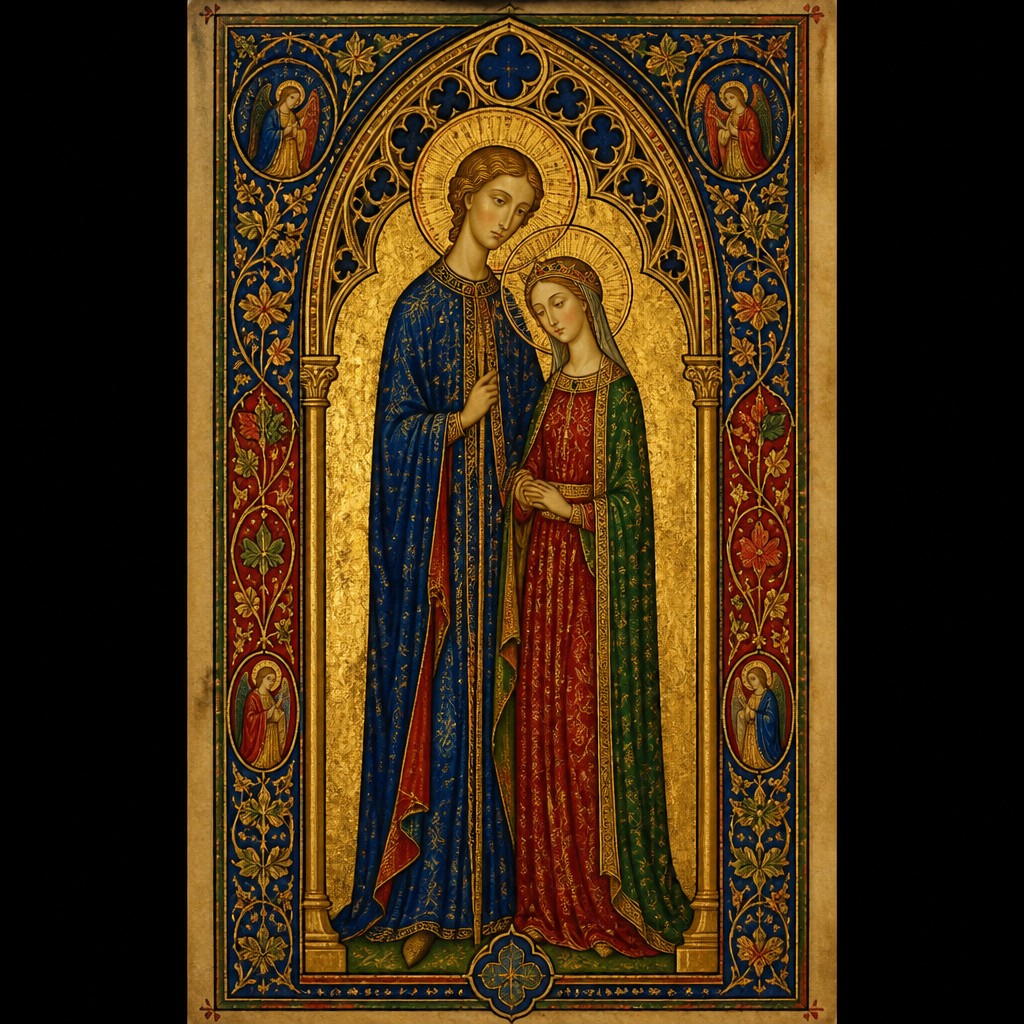
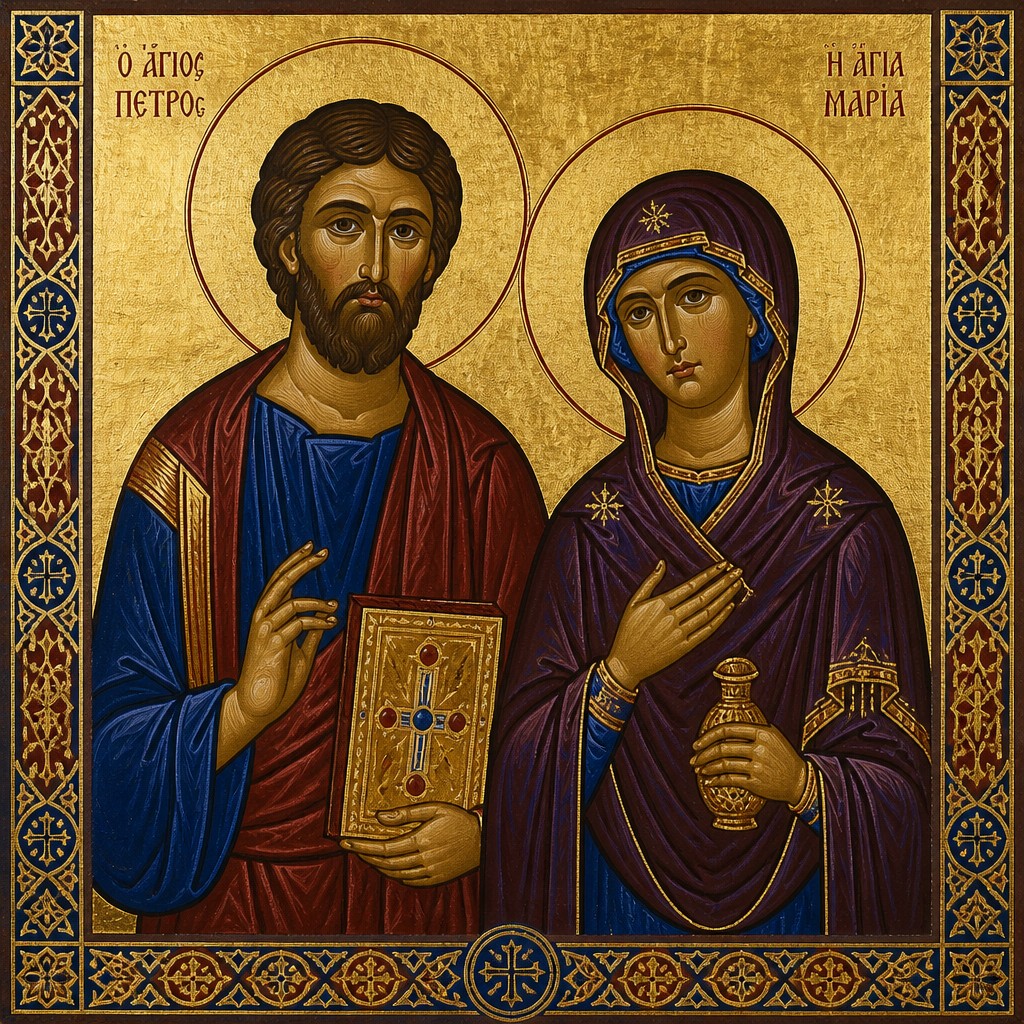
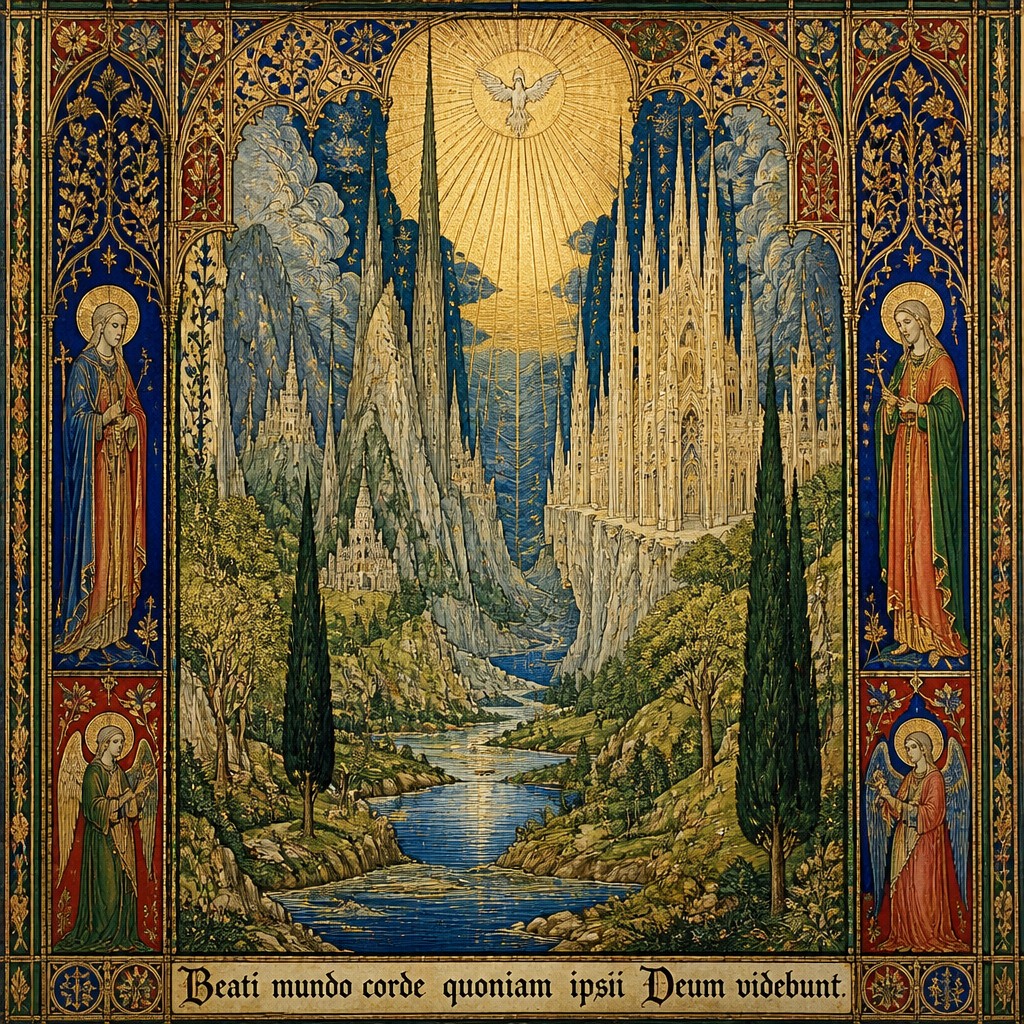
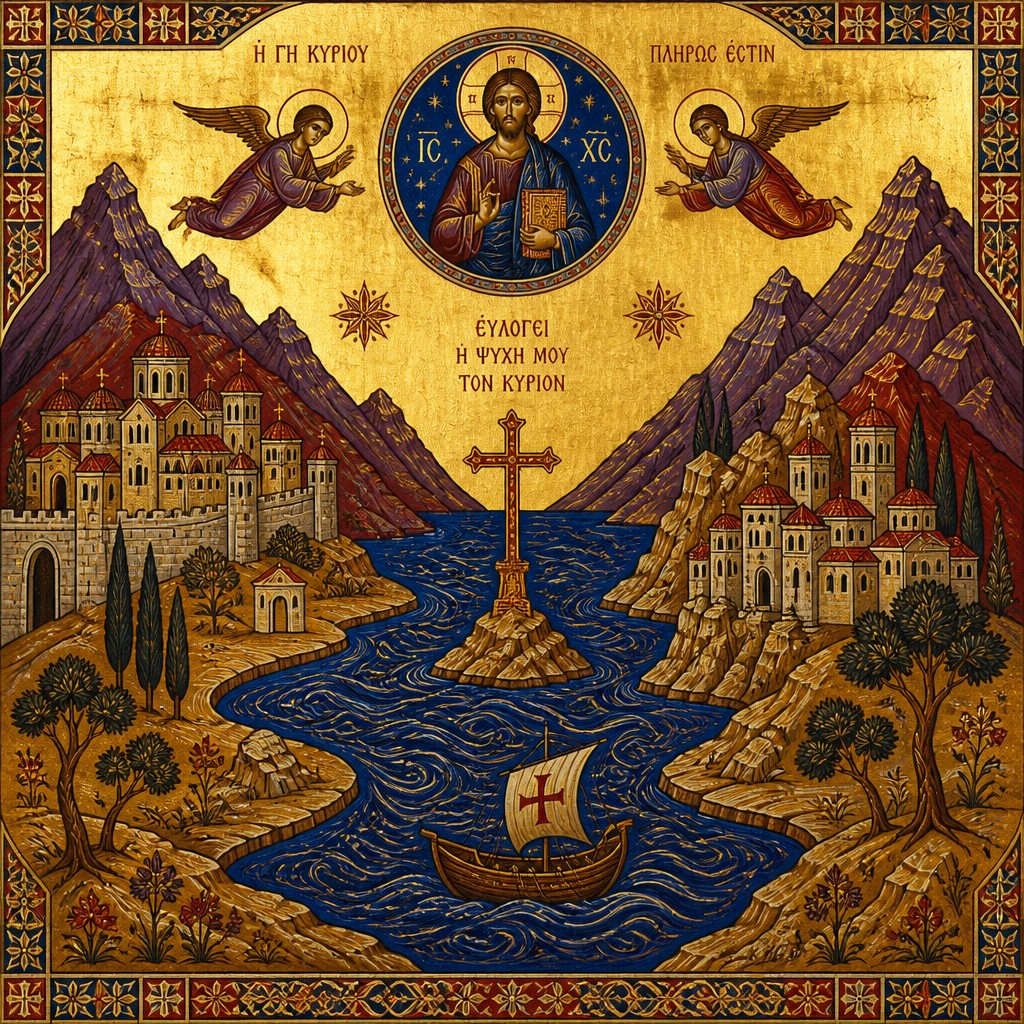
Gothic Religious Art and Byzantine Religious Art are two major Christian devotional styles that used image, light, and symbolism to support worship. Gothic art, developed in medieval Western Europe, often features elongated figures, tall compositions, stained-glass color, and dramatic spiritual emotion. Byzantine art, rooted in the Eastern Christian world, emphasizes gold grounds, frontal figures, flattened space, and a timeless, sacred presence.
People compare them because both were created for religious settings and both aim to communicate spiritual truth rather than naturalistic reality. They share sacred themes, hierarchical composition, and rich surface decoration, but they differ in how they present the divine: Gothic art often feels more narrative and emotionally expressive, while Byzantine art tends to feel more iconic, formal, and transcendent.
Same Prompt, Both Styles
Each pair below was generated from the identical prompt — only the style changed.
“portrait of two people together”
“wide landscape with natural scenery”
“still life with everyday objects”
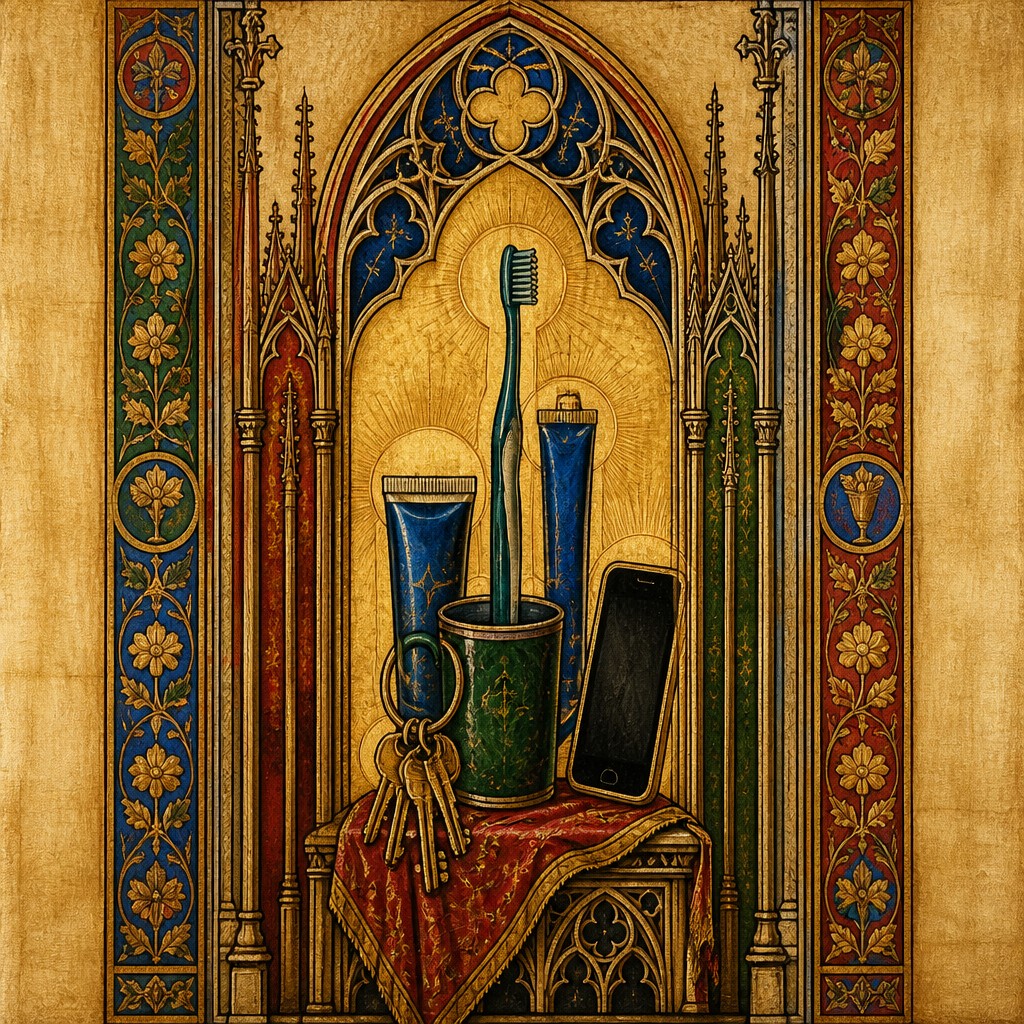
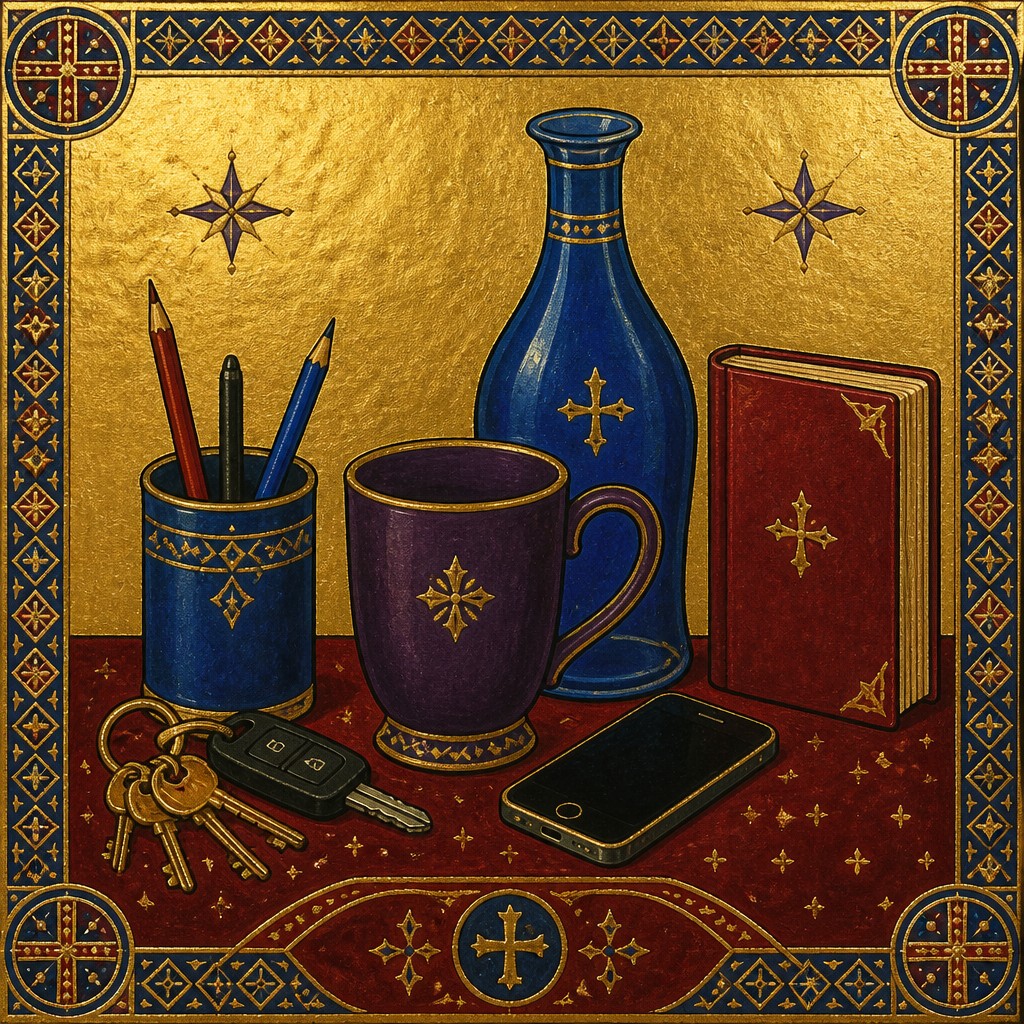
“bicyle resting against a wall”
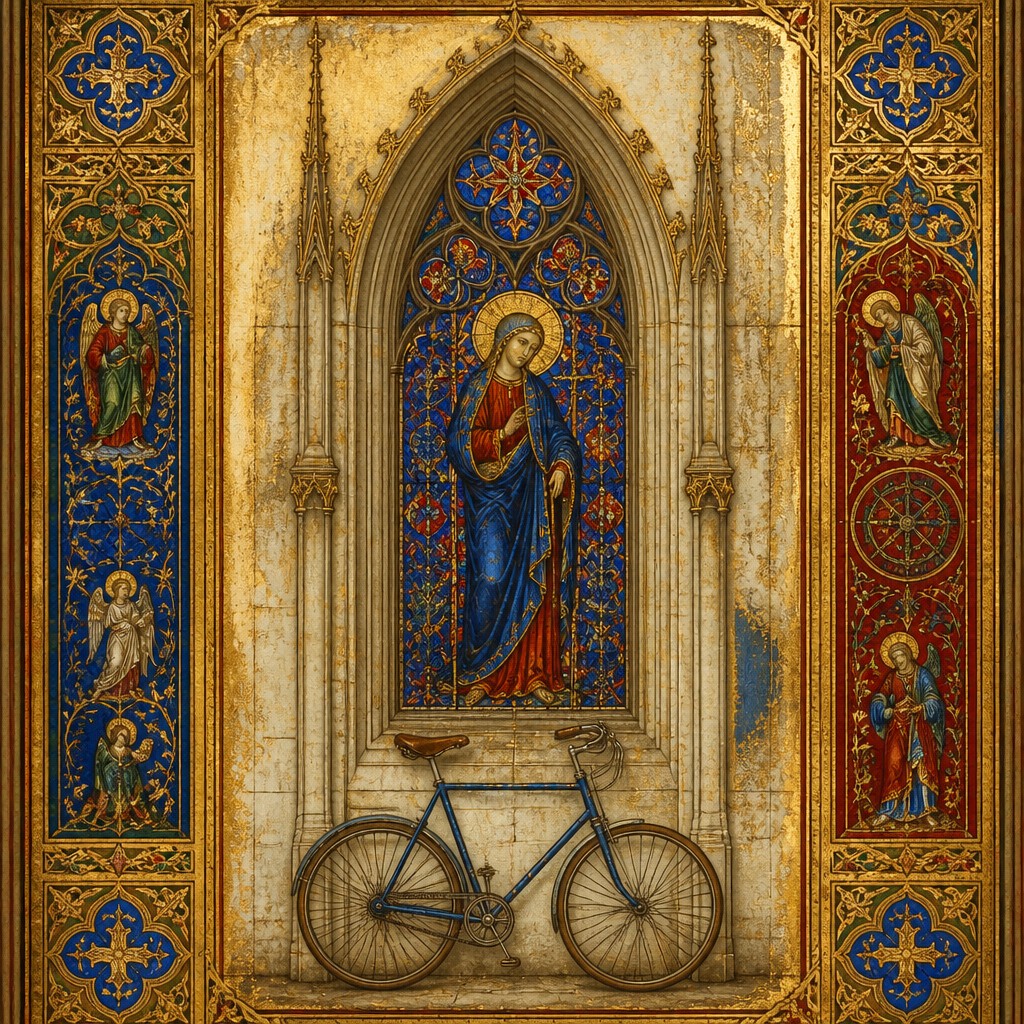
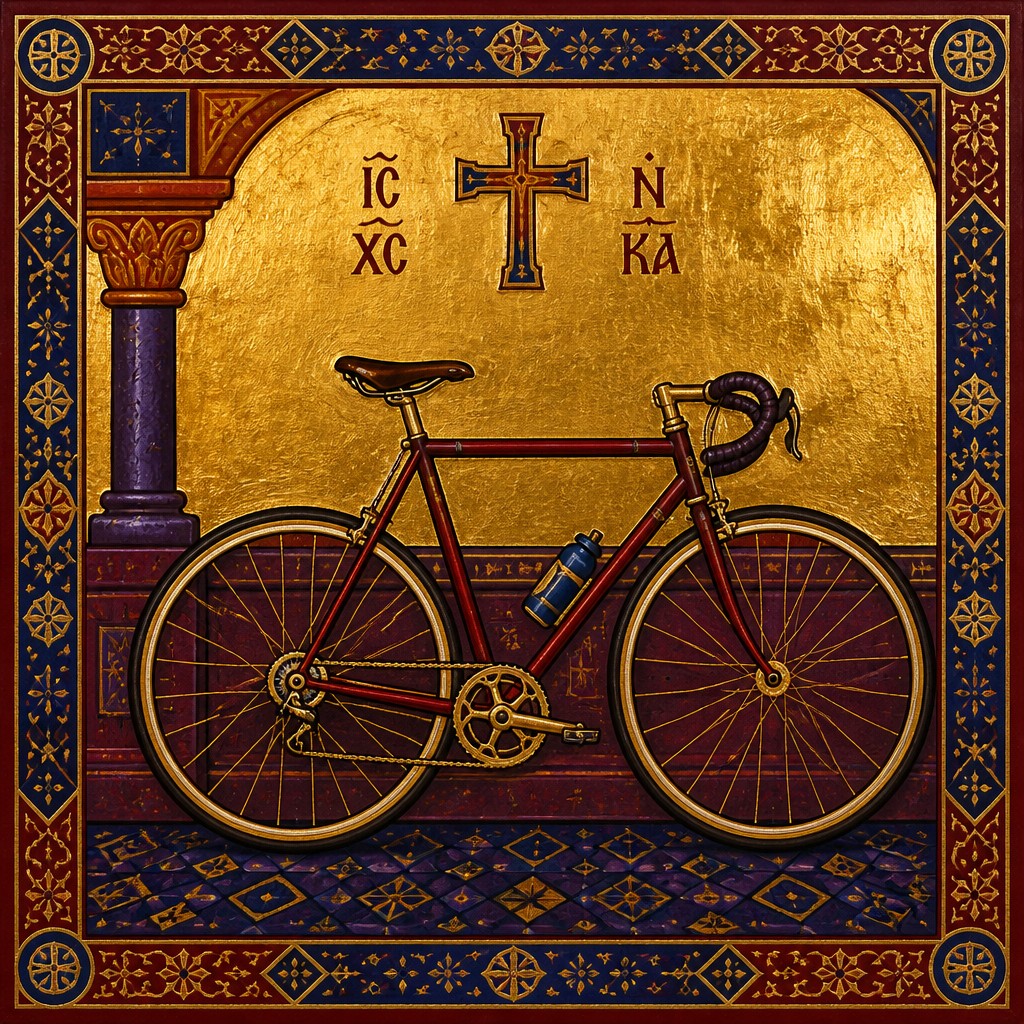
Key Differences
| Gothic Religious | Byzantine Religious | |
|---|---|---|
| Figure style | Figures are elongated, graceful, and often more expressive in body language. | Figures are frontal, rigidly posed, and stylized for spiritual presence. |
| Space and depth | Space may suggest depth, though backgrounds often remain simplified or symbolic. | Space is flattened, with little illusion of depth or realistic setting. |
| Color and light | Uses stained-glass color and glowing highlights to create emotional radiance. | Uses gold grounds and luminous color to suggest divine light and holiness. |
| Composition | Often vertical and architectural, guiding the eye upward in devotion. | Usually centered and stable, arranged for direct contemplation. |
| Emotional effect | Feels dramatic, heartfelt, and narrative-driven. | Feels solemn, timeless, and meditative. |
| Purpose and viewing | Supports public worship and storytelling through altarpieces, murals, and stained glass. | Supports prayerful veneration through icons, mosaics, and church decoration. |
| Mood | reverent, solemn, elevated, mystical | reverent, solemn, timeless, spiritual |
| Energy | calm | calm |
| Detail level | intricate | detailed |
| Color | rich jewel tones with gold accents | gold, deep jewel tones, muted earth colors |
| Texture | flat, luminous, decorative surfaces | flat, luminous, icon-like surfaces |
| Origin | medieval Europe, 12th-15th centuries | Byzantine Empire, Eastern Mediterranean |
| Best for | religious posters, museum exhibits, storybook pages, cathedral-themed graphics, liturgical programs | religious icons, mural decoration, altar imagery, museum reproductions, devotional prints |
| Difficulty | advanced | advanced |
Which Should You Choose?
Choose Gothic Religious Art if you want a style that feels tall, dramatic, and emotionally expressive, especially for scenes that benefit from narrative movement and architectural height. Choose Byzantine Religious Art if you want a more formal, iconic, and spiritually timeless look, especially when the goal is solemn devotion, symbolic clarity, and a strong sense of sacred presence.
Frequently Asked Questions
Which style is more realistic?
Gothic art is generally more naturalistic than Byzantine art, especially in body movement, drapery, and spatial suggestion. Byzantine art deliberately avoids realism in favor of symbolic and spiritual clarity.
Do both styles use gold?
Yes, but in different ways. Gothic art may use gold leaf for brilliance and decorative emphasis, while Byzantine art relies on gold grounds as a defining feature of sacred space.
Which style is better for icons?
Byzantine Religious Art is the traditional icon style and is best known for that purpose. Gothic art uses religious images too, but usually in altarpieces, murals, and stained glass rather than the same iconic format.
Why do both styles avoid ordinary everyday scenes?
Both styles were made to serve devotion, so they prioritize sacred meaning over daily life. Even when they include narrative details, the goal is to guide prayer and religious understanding.