Porcelain Glaze
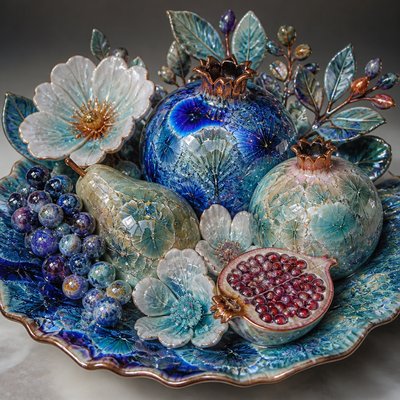
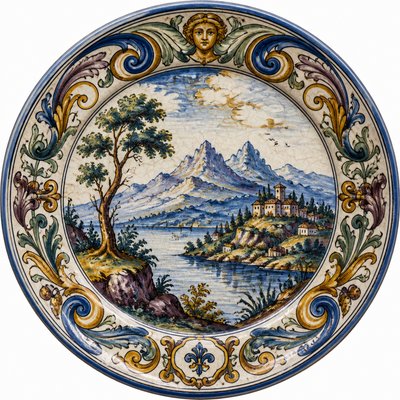
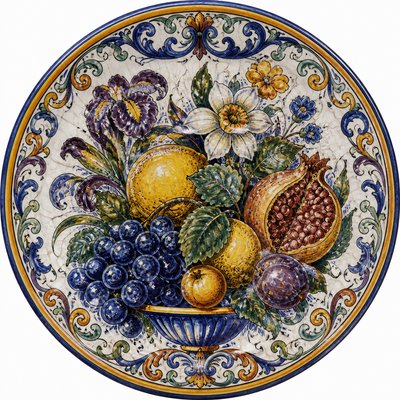
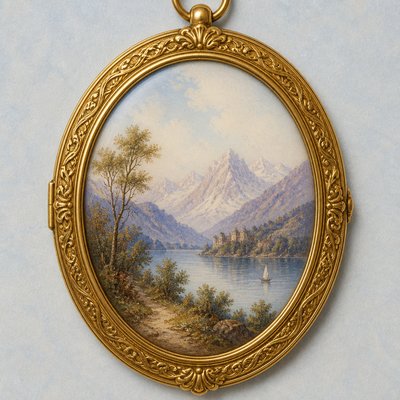
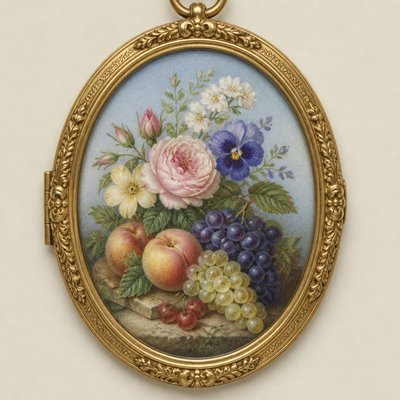
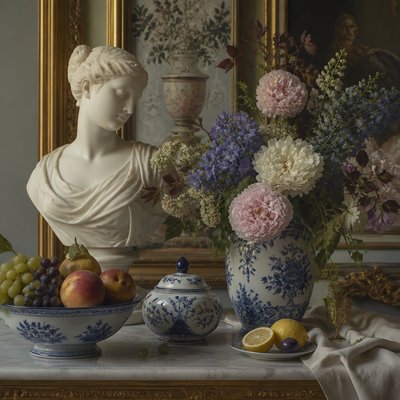
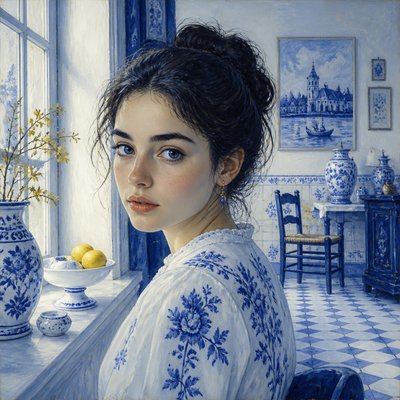
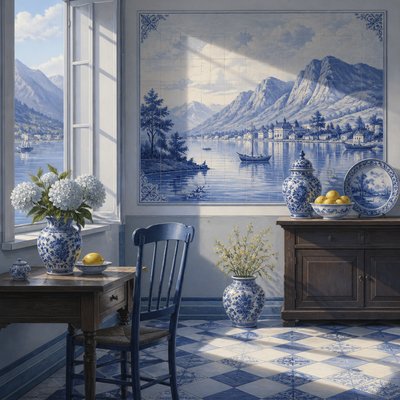
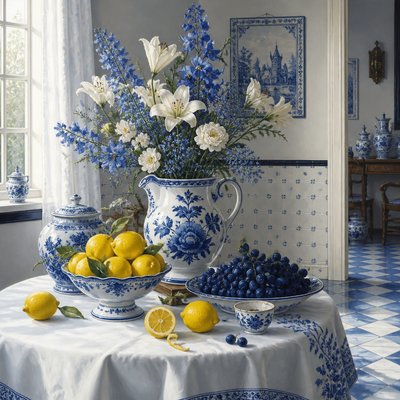
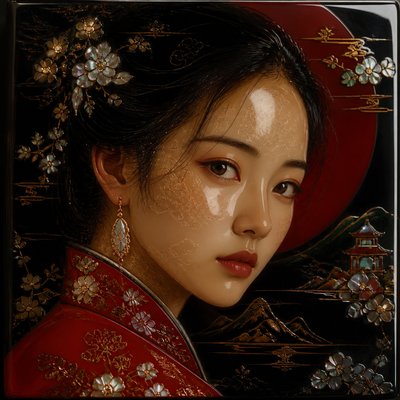
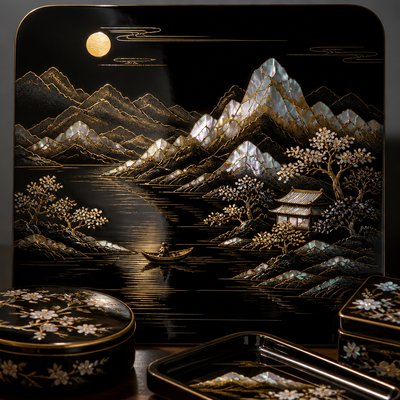
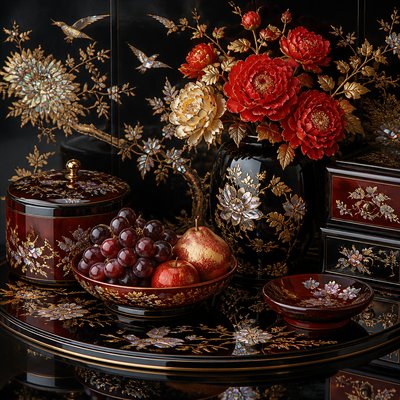
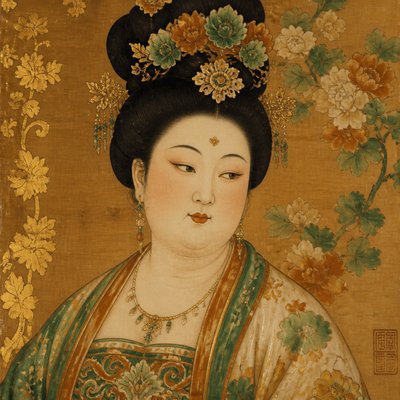
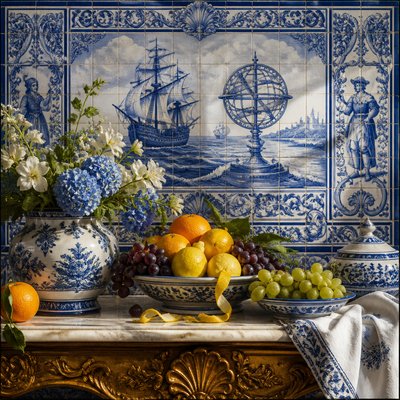
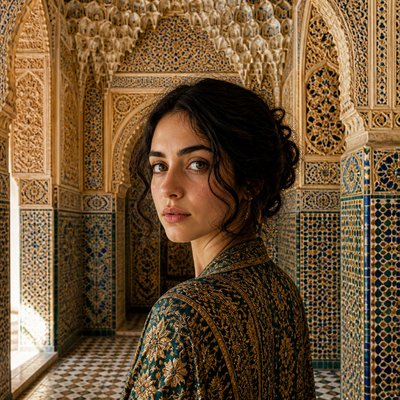
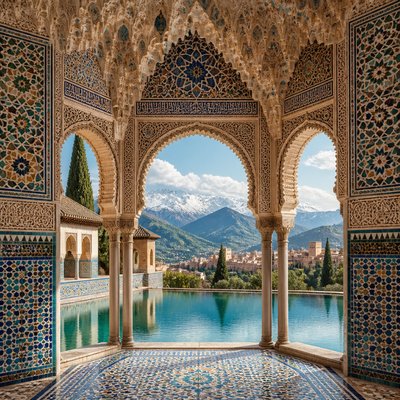
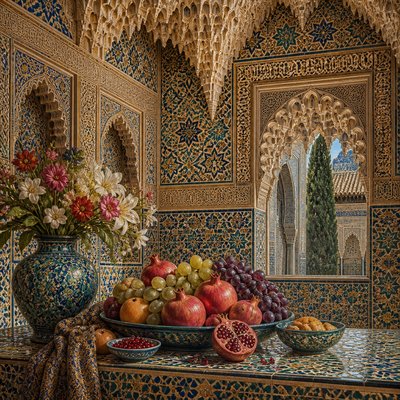
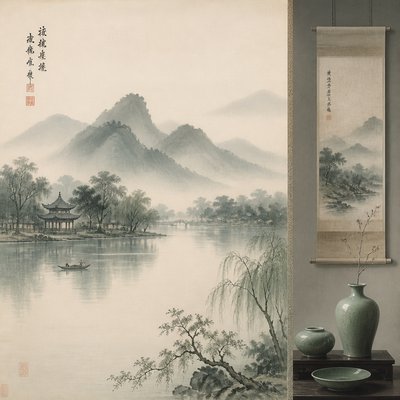
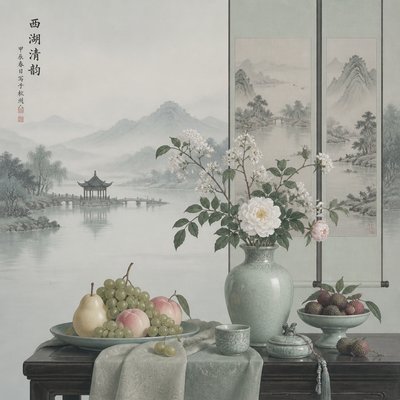
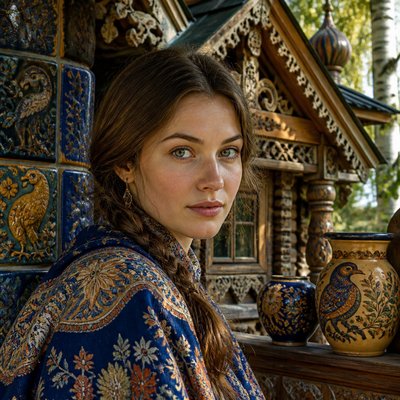
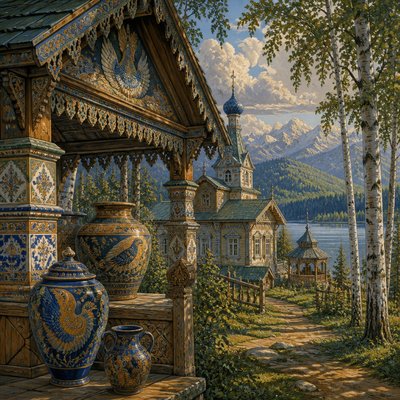
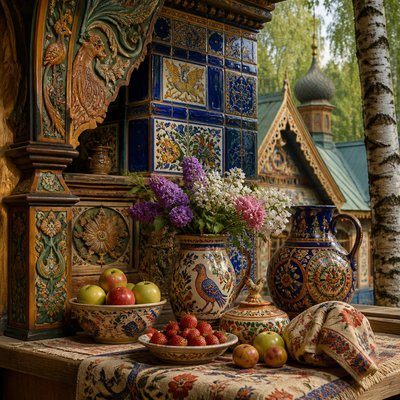
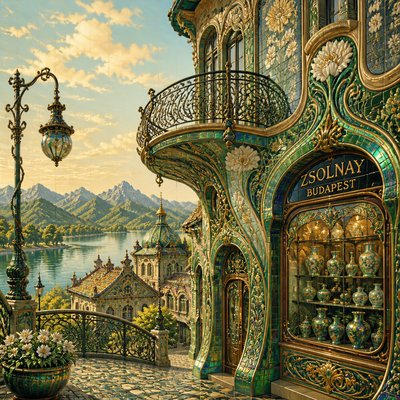
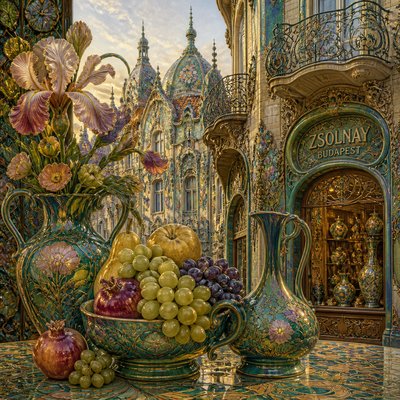
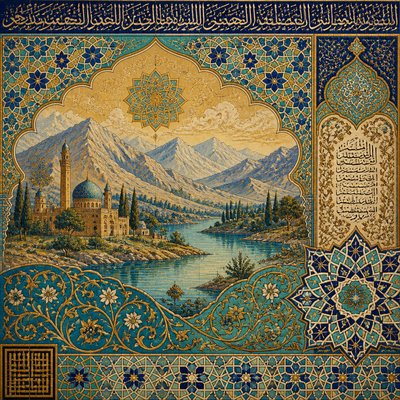
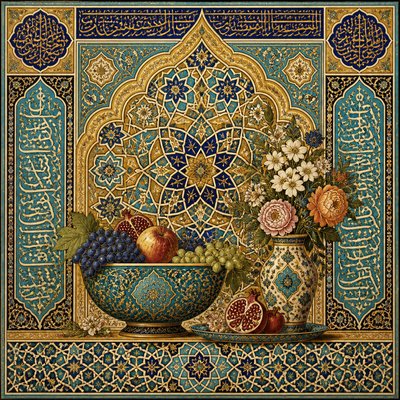
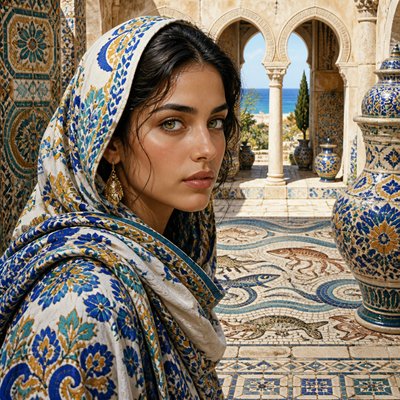
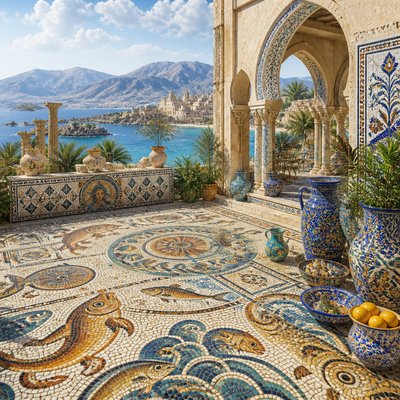
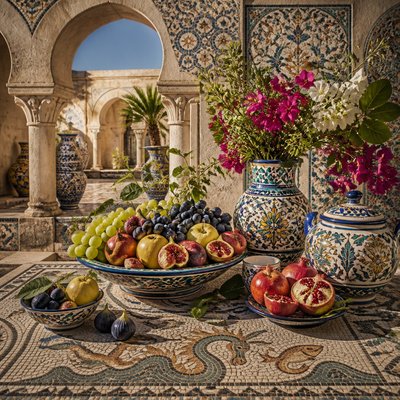
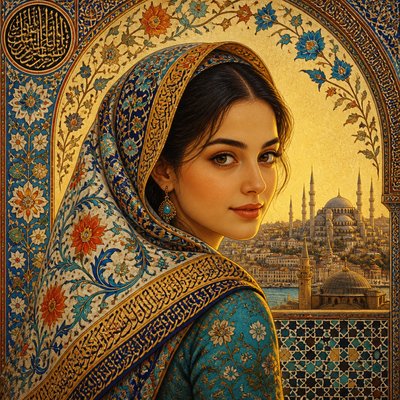
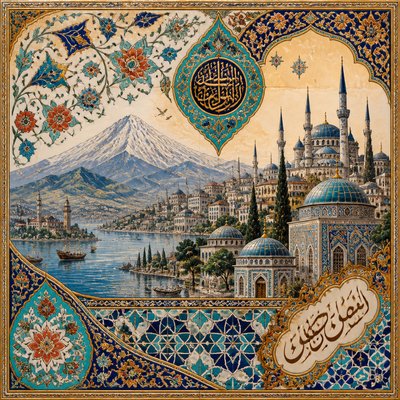
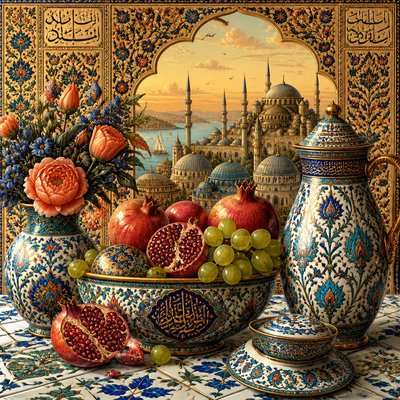
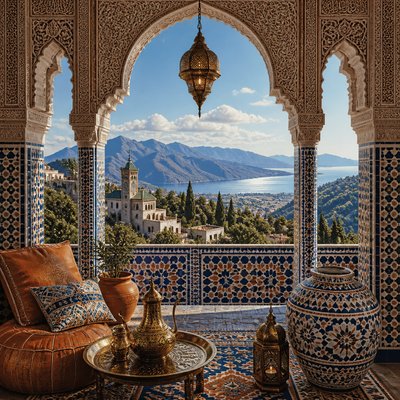
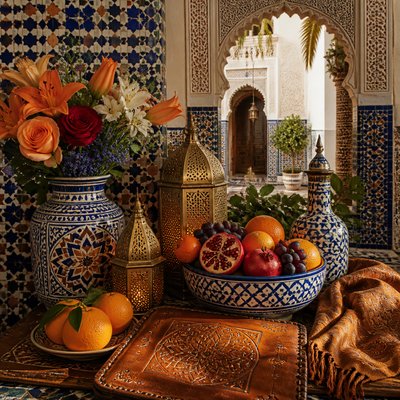
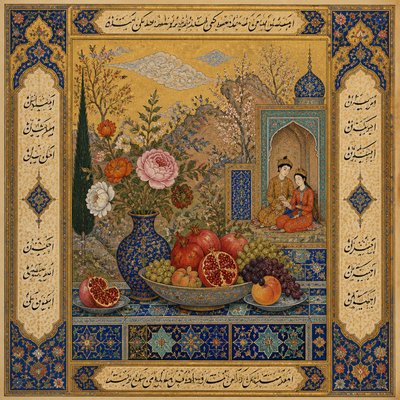
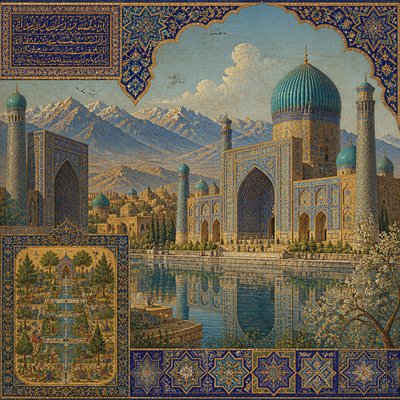
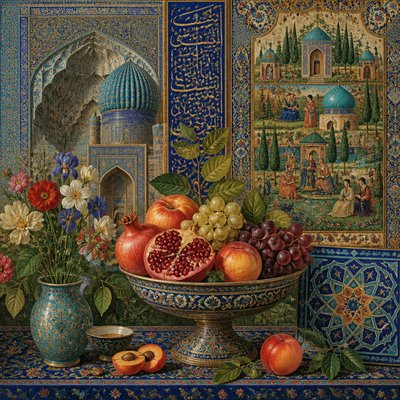
Smooth ceramic surfaces with translucent glaze, soft highlights, and fine crackle detail for a porcelain-like visual finish.
Instantly rendered in Porcelain Glaze — or transform a photo
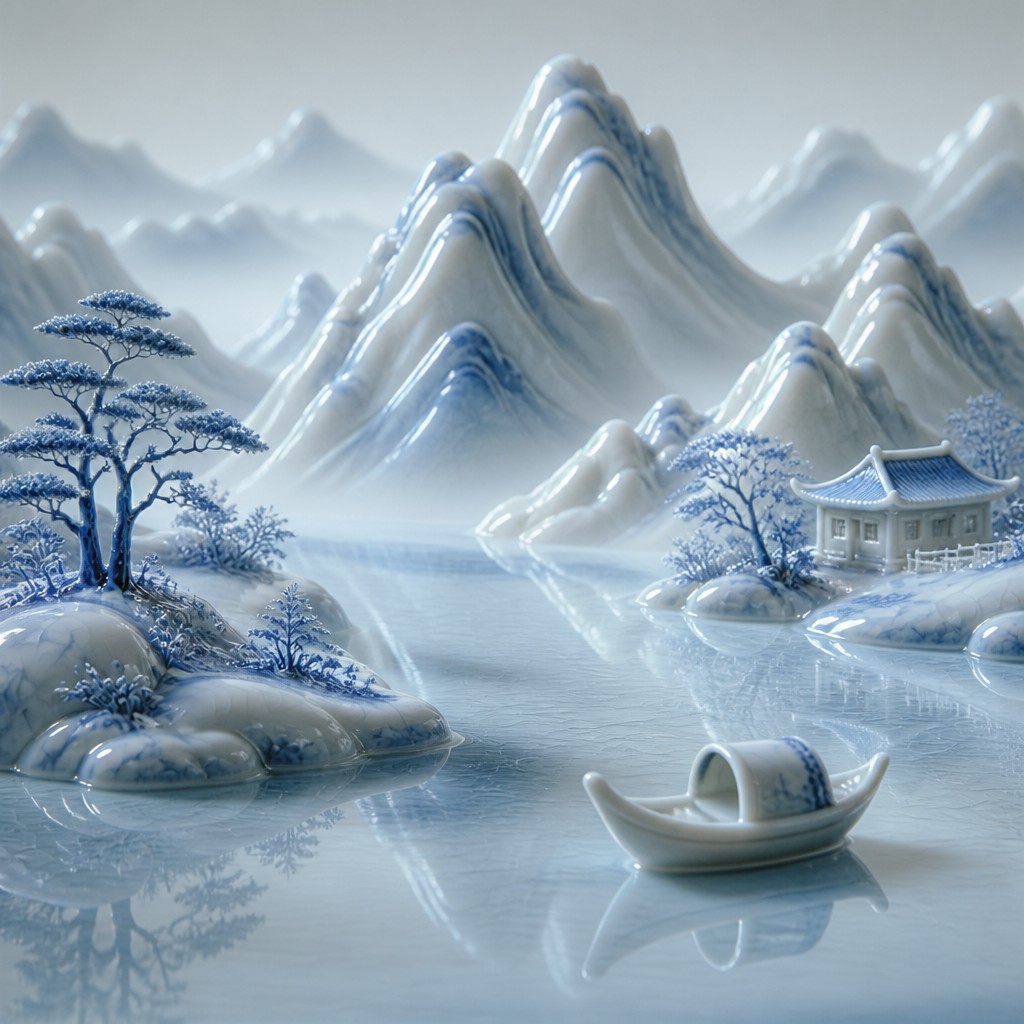
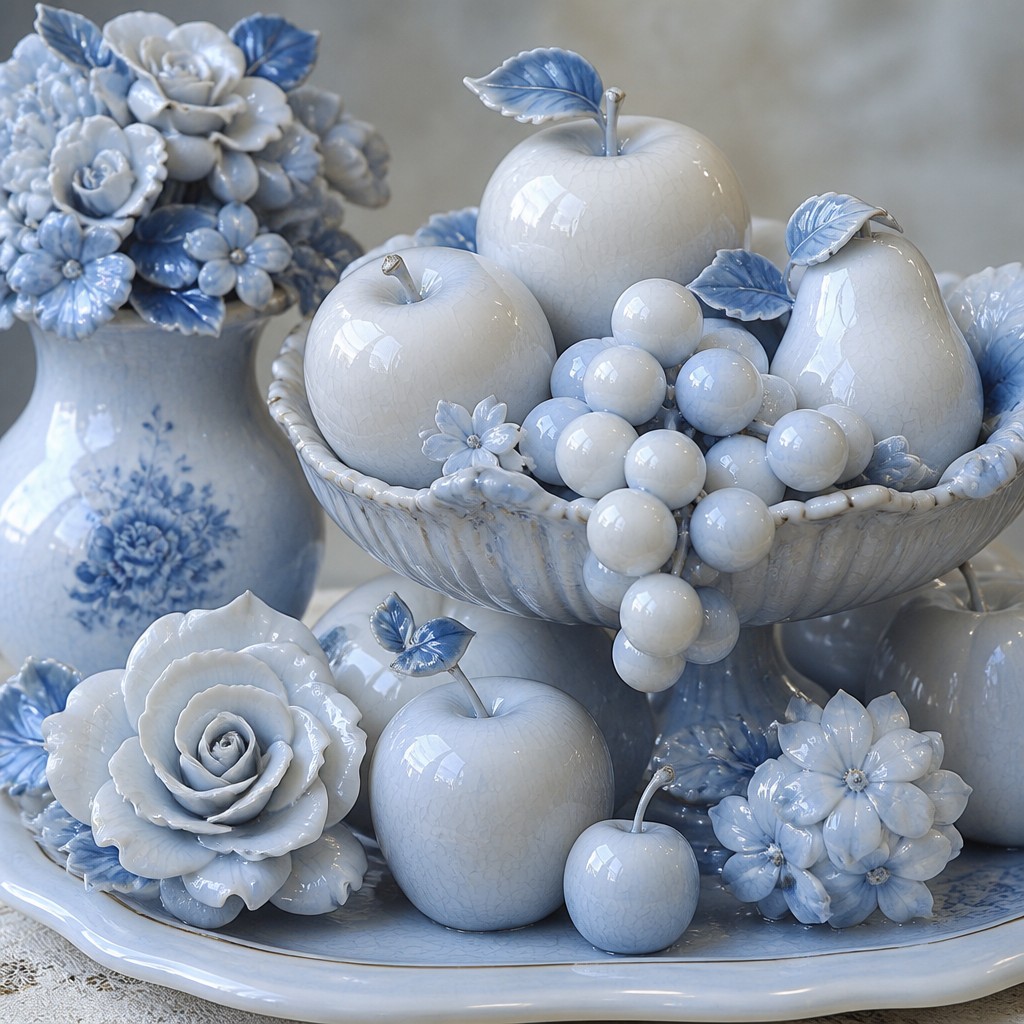
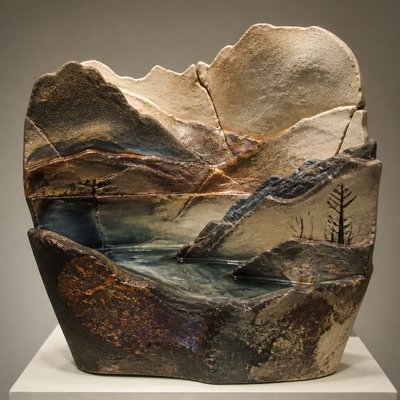
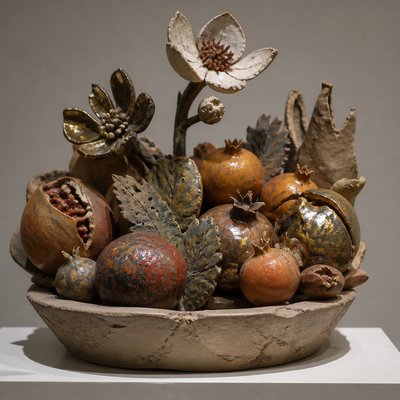
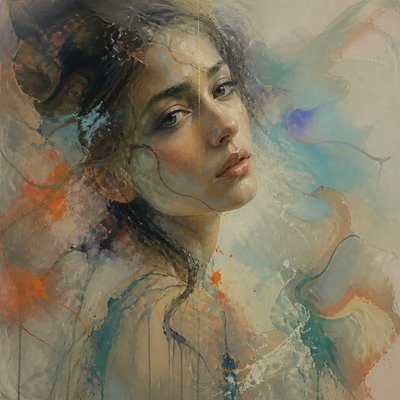
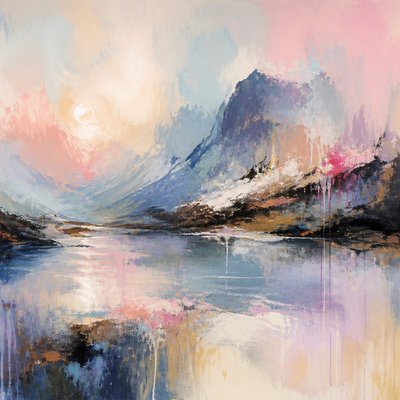
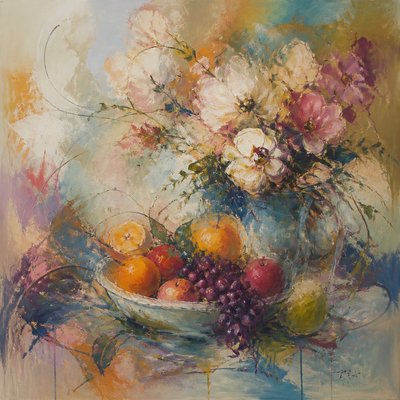
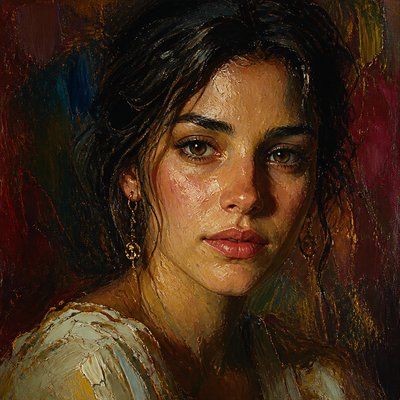
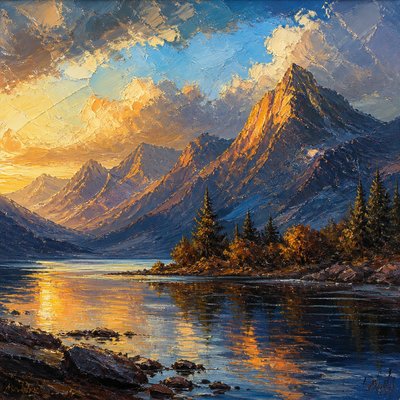
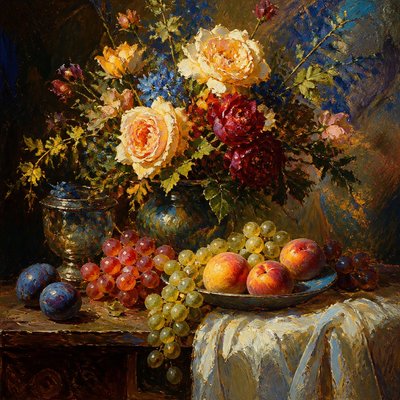
Porcelain Glaze Gallery
Tap any artwork to explore it
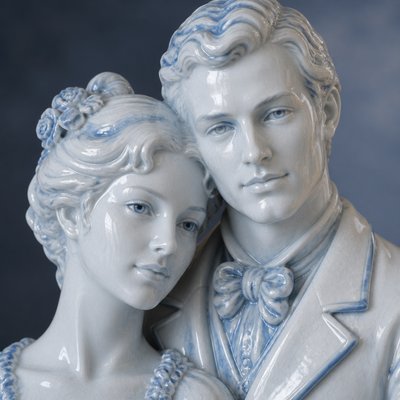
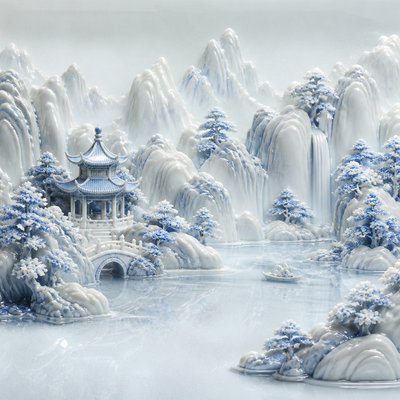
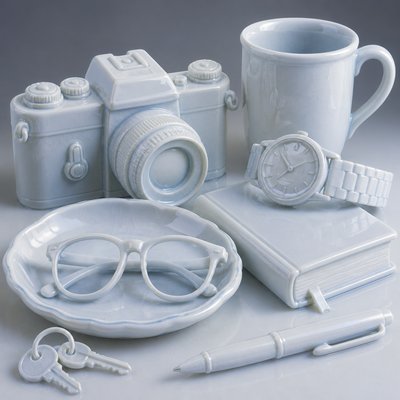
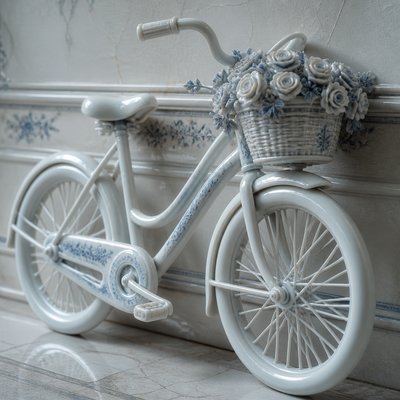

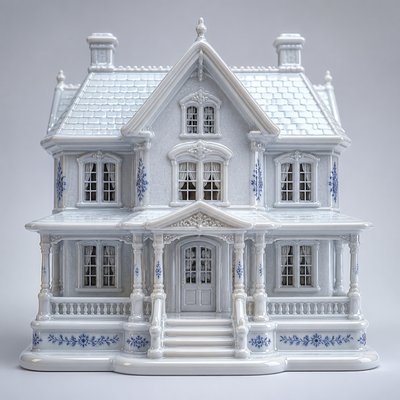
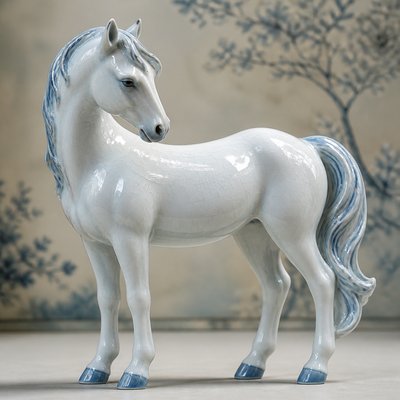
What is Porcelain Glaze?
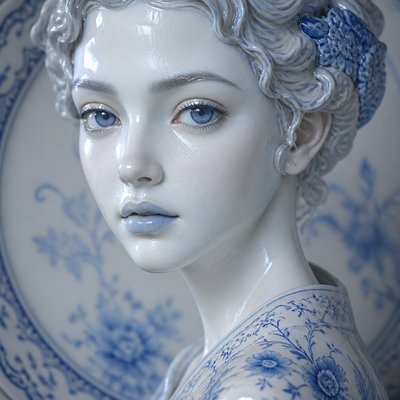
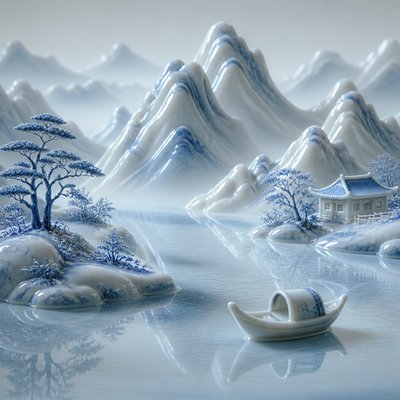
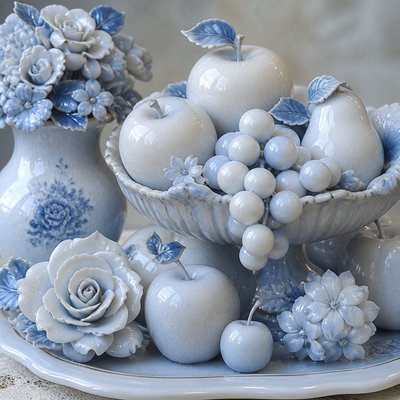
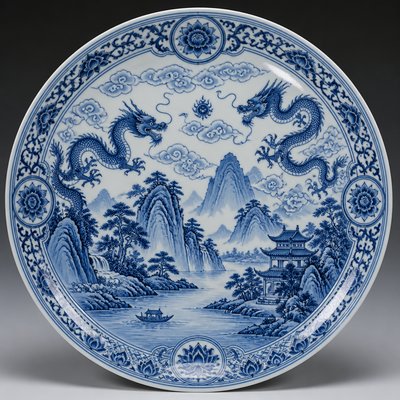
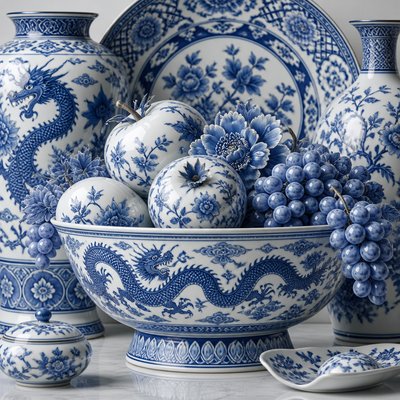
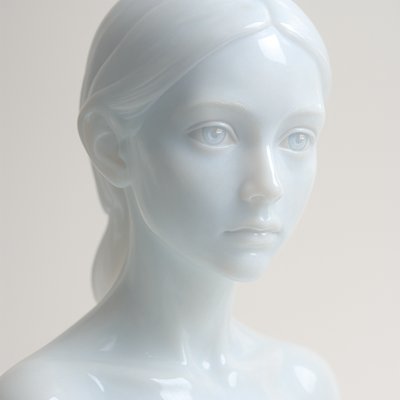
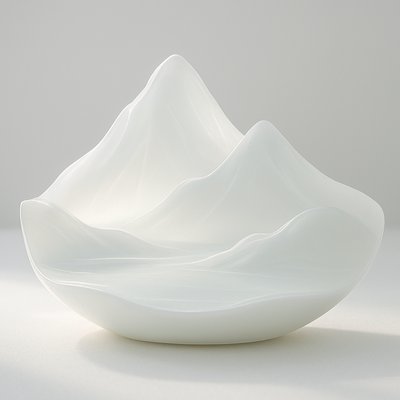
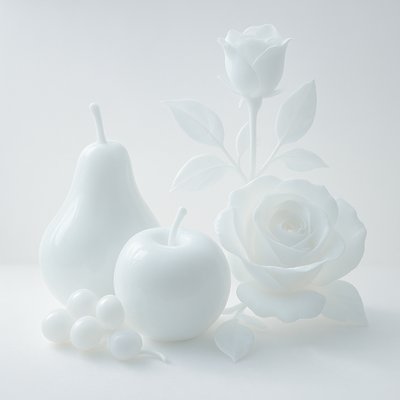
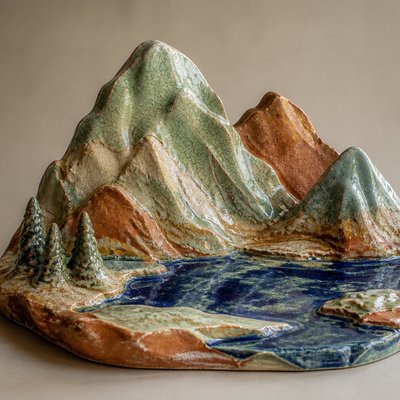
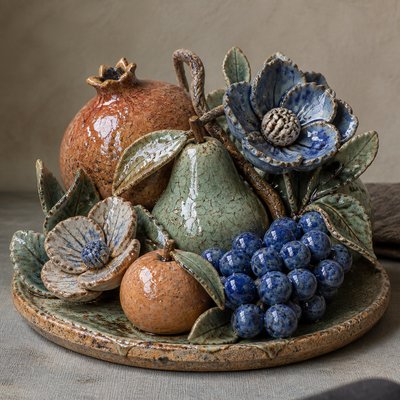
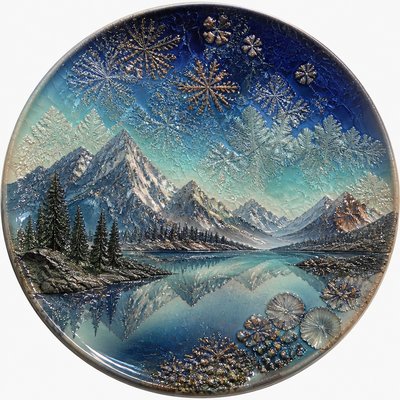
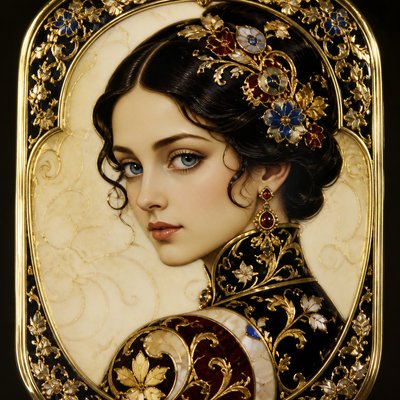
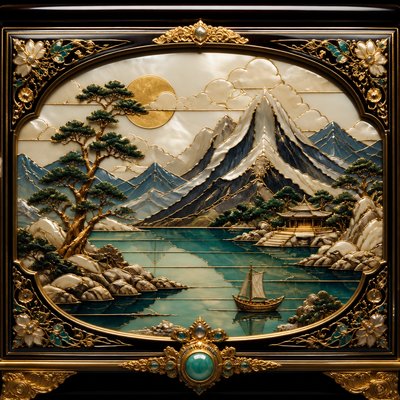
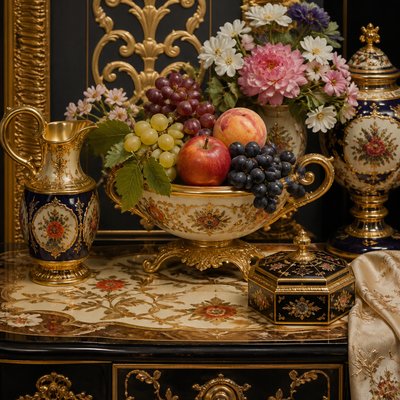
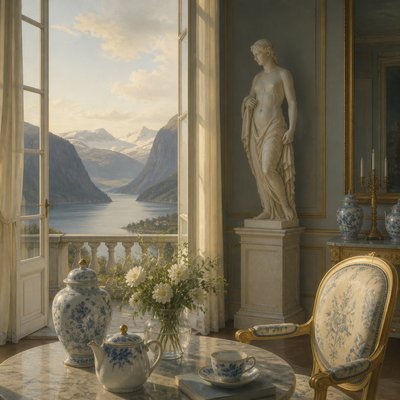
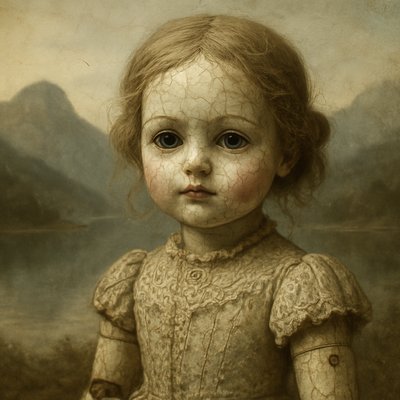
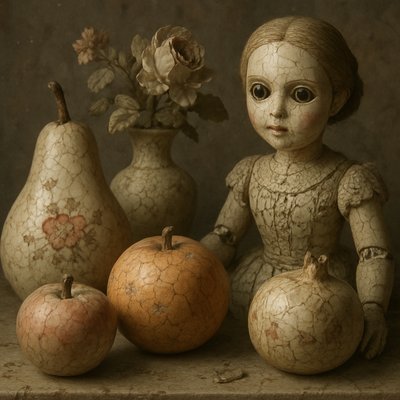
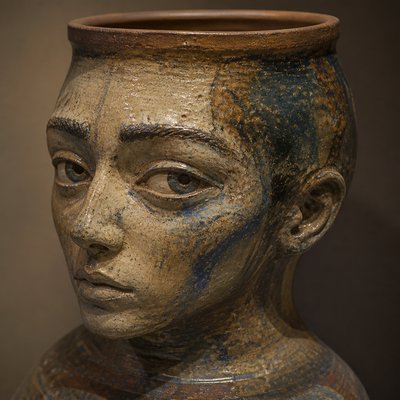
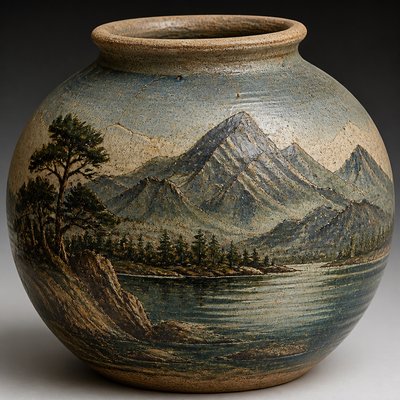
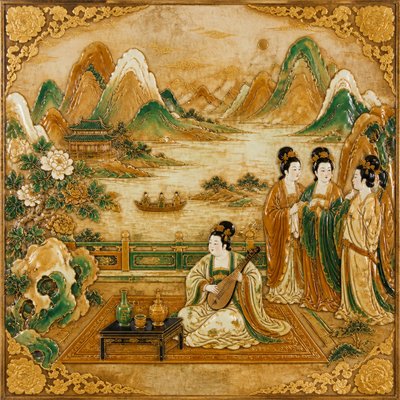
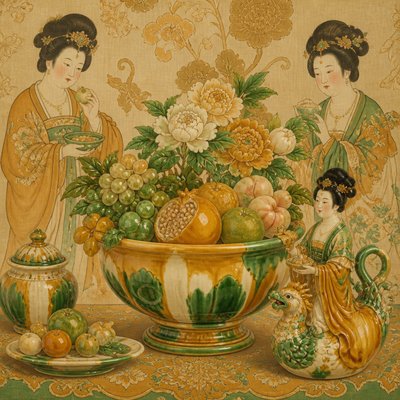
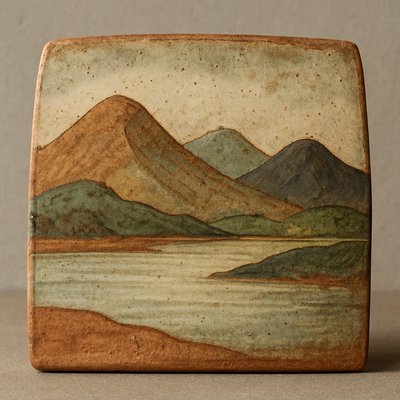
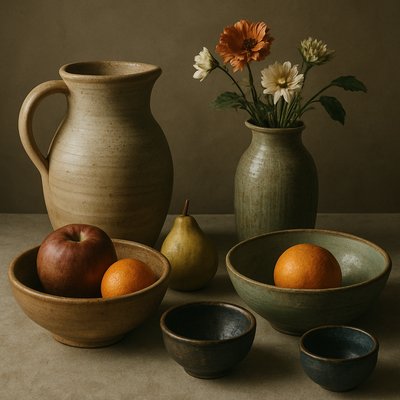
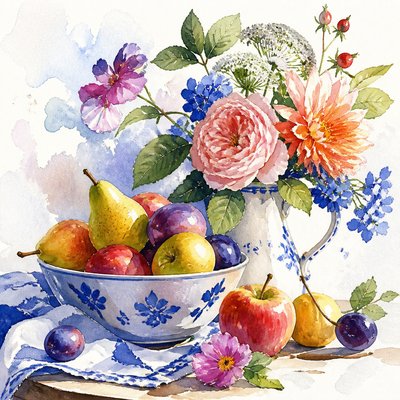
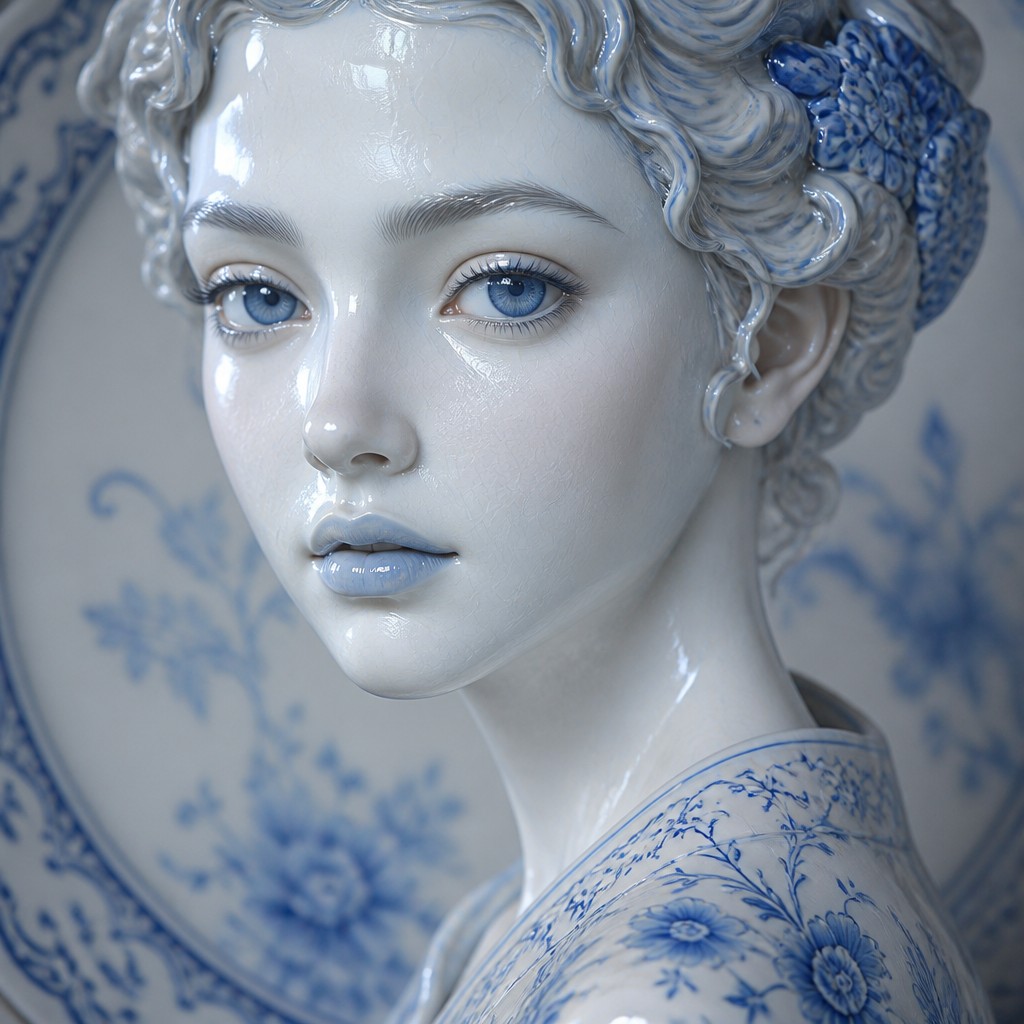
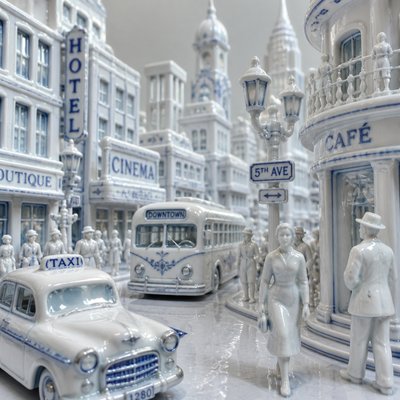
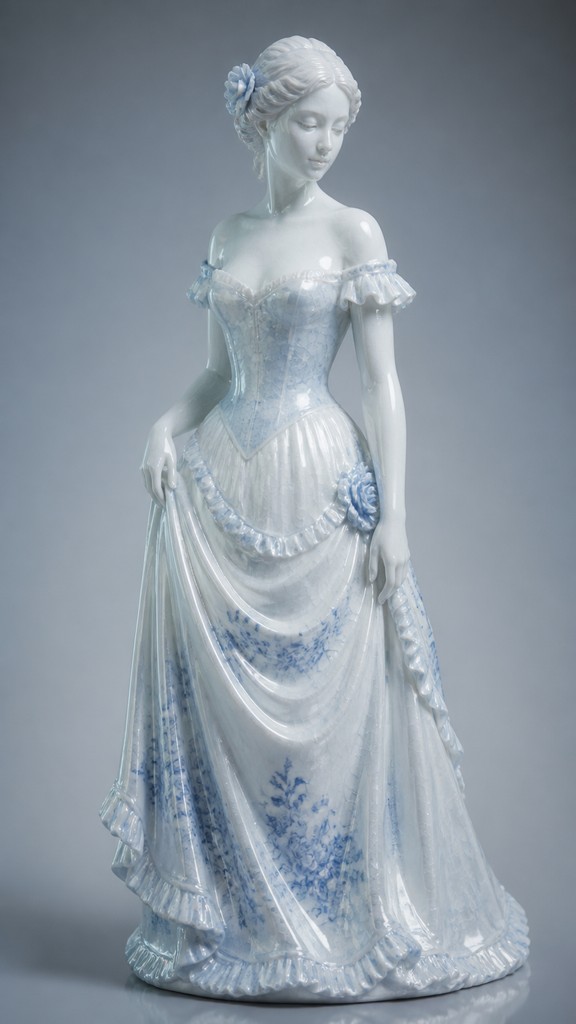
Porcelain Glaze is a contemporary visual style defined by the look of fine ceramic fired to a smooth, luminous finish. Forms appear as though they have been shaped in porcelain rather than rendered in flesh, cloth, metal, or stone: surfaces are polished to a near-perfect smoothness, edges are softened, and the whole image carries the refined coolness of glazed china.
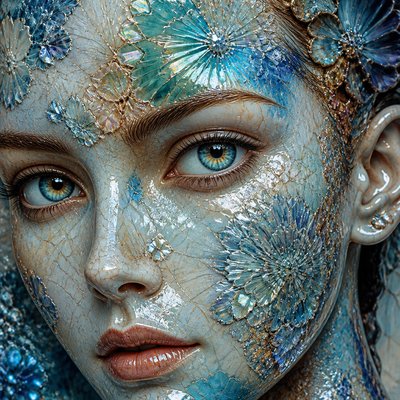
Its identity comes from the interplay of material illusion and lighting. A milky white body with faint blue undertones, soft specular highlights, and gentle translucency creates the impression that light is sitting in and on the surface at the same time. Fine crackle lines, when present, are quiet and decorative rather than damaged, reinforcing the association with vintage porcelain, ceramic figurines, and ornamental tableware.
Try It On Your Photos
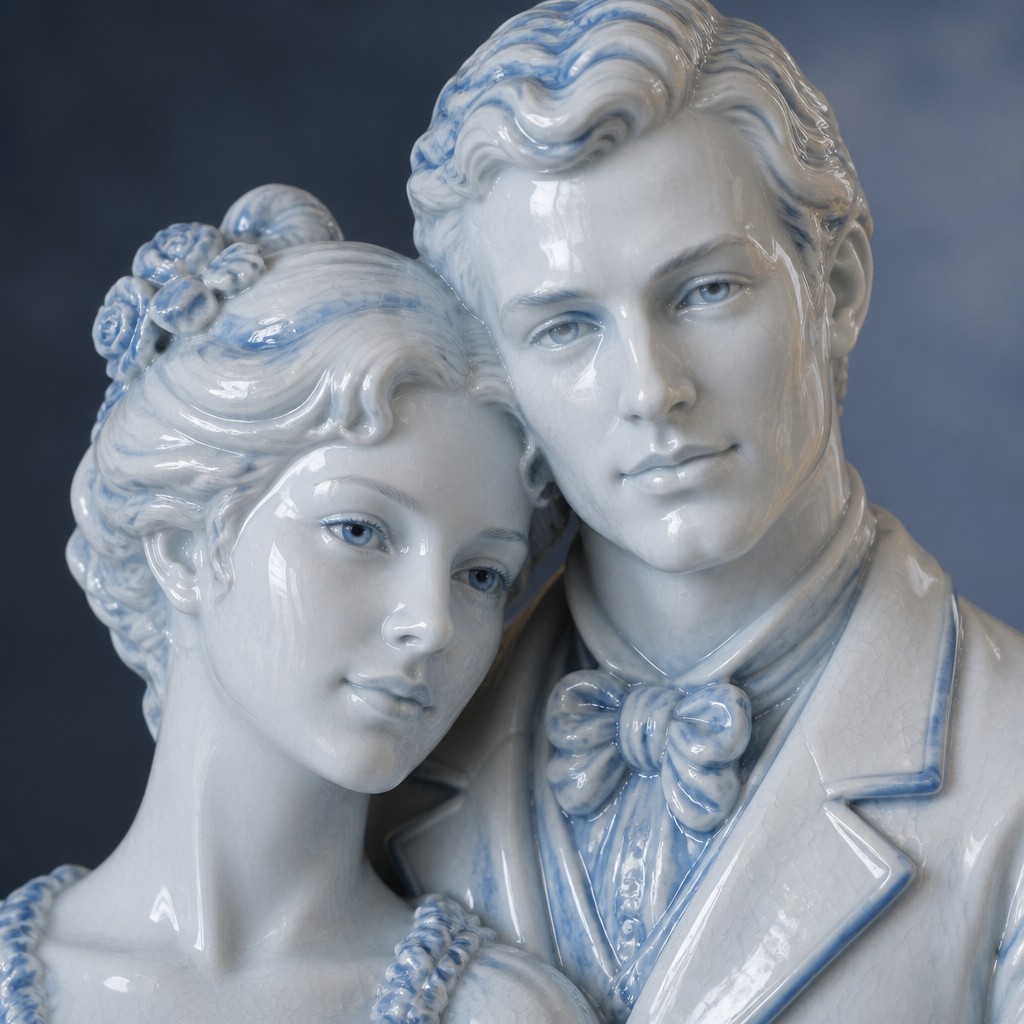
Upload any photo and convert it into Porcelain Glaze — drag the sliders to compare before and after.


What Defines Porcelain Glaze
The signature details, up close
Glazed ceramic surface
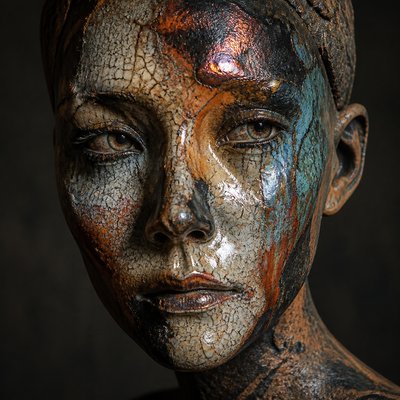
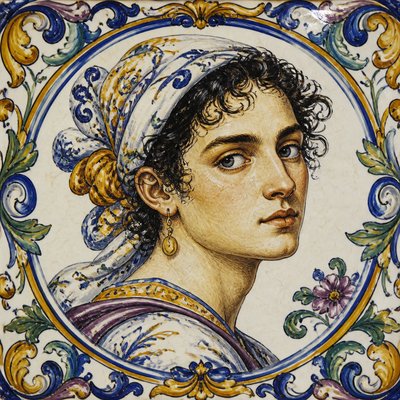
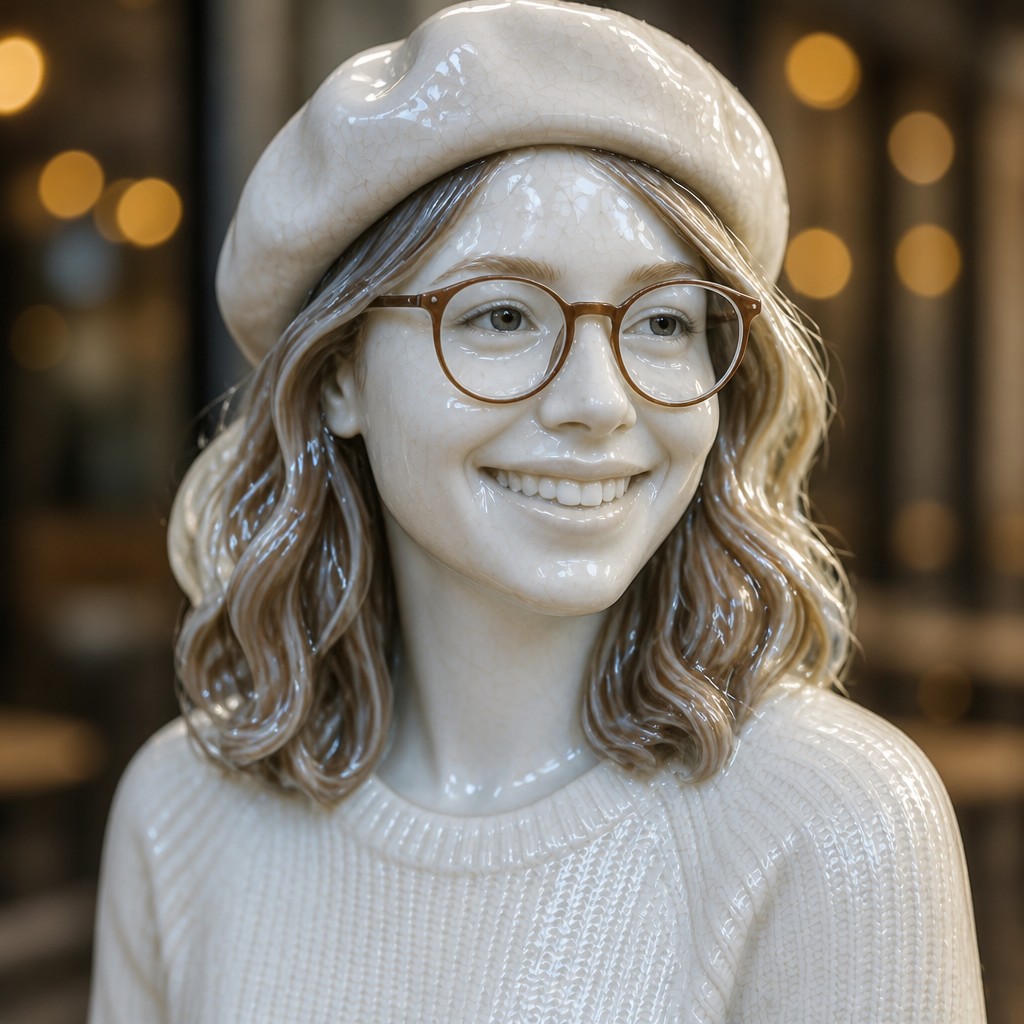
The most defining trait is a uniformly smooth finish that makes every subject look molded from fine porcelain. Texture is minimized so the image reads as polished, hard, and carefully fired.
Milky white body with cool undertones
Color is usually dominated by soft whites, creams, and pale blue-gray shadows. The palette suggests bone china or glazed earthenware rather than matte plaster or painted plastic.
Soft specular highlights
Light catches on curves in small, controlled reflections rather than harsh shine. These highlights help the object feel glossy and refined without becoming mirror-like.
Subtle translucency and luminosity
The surface often seems to glow from within, especially along thin edges, rounded cheeks, petals, or other curved forms. This gives the style its delicate, precious quality.
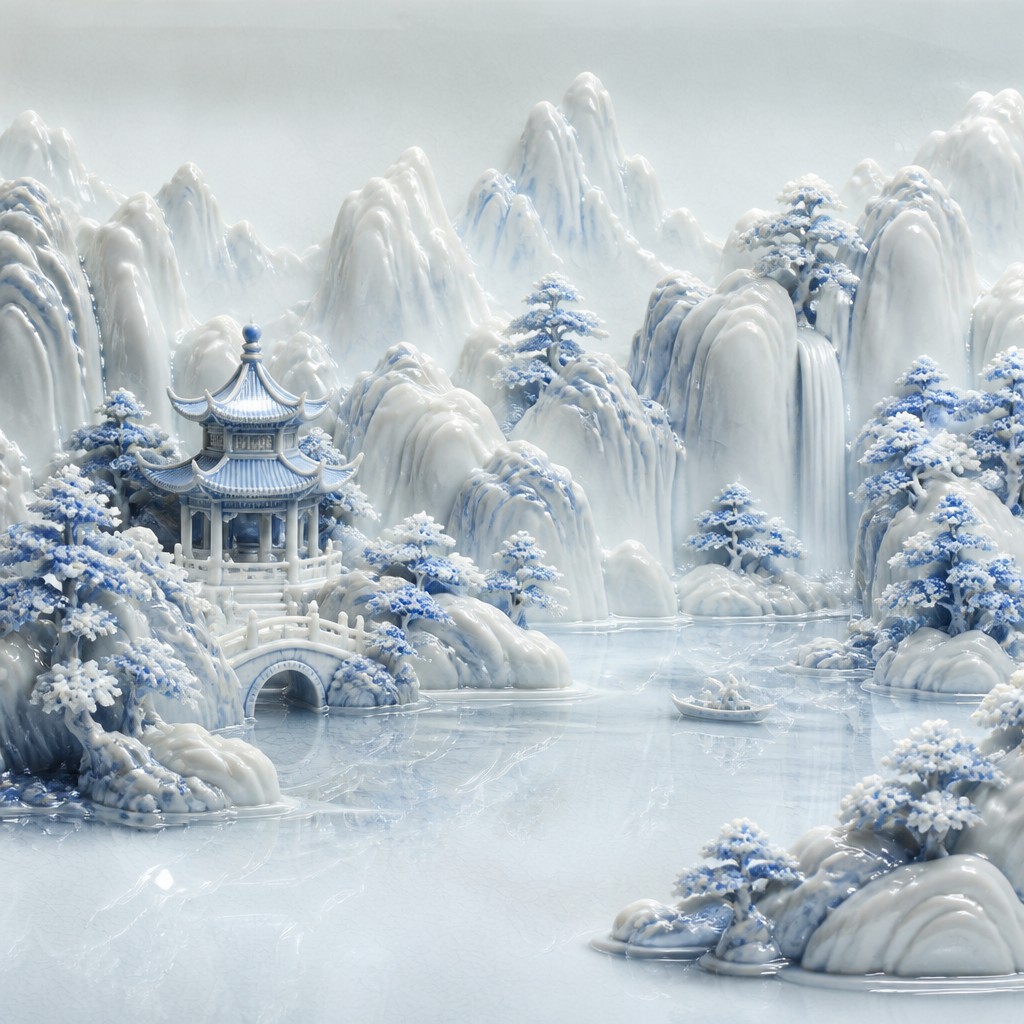
Fine crackle detailing
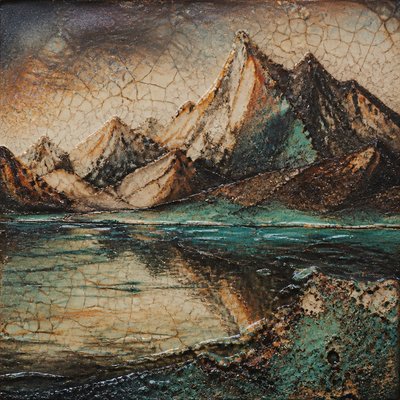
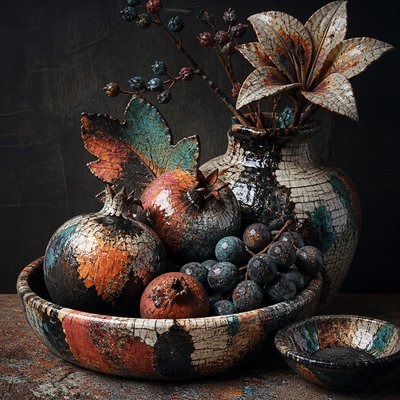
Very slight crackle-glaze lines may appear in calm areas of the image. They function as an authentic ceramic cue and should remain understated, never dominating the design.
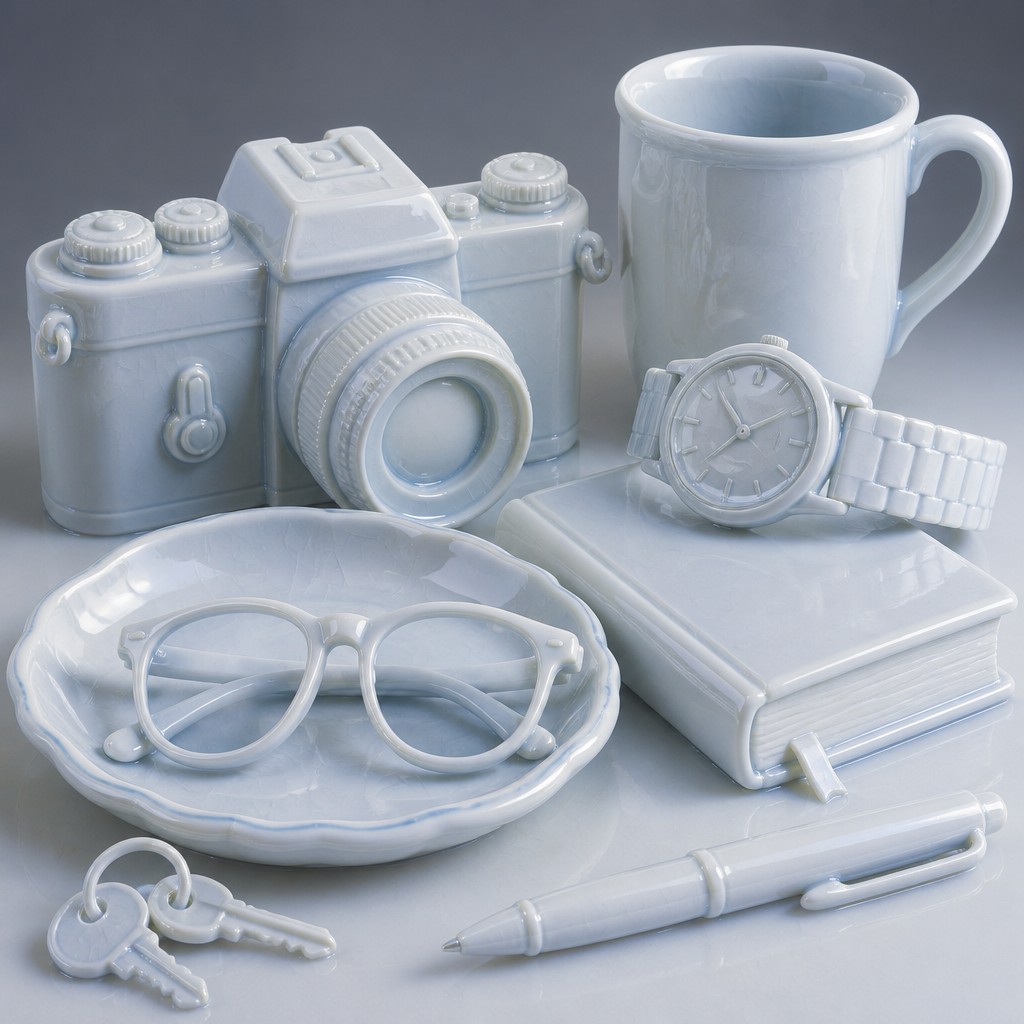
Smoothed form language
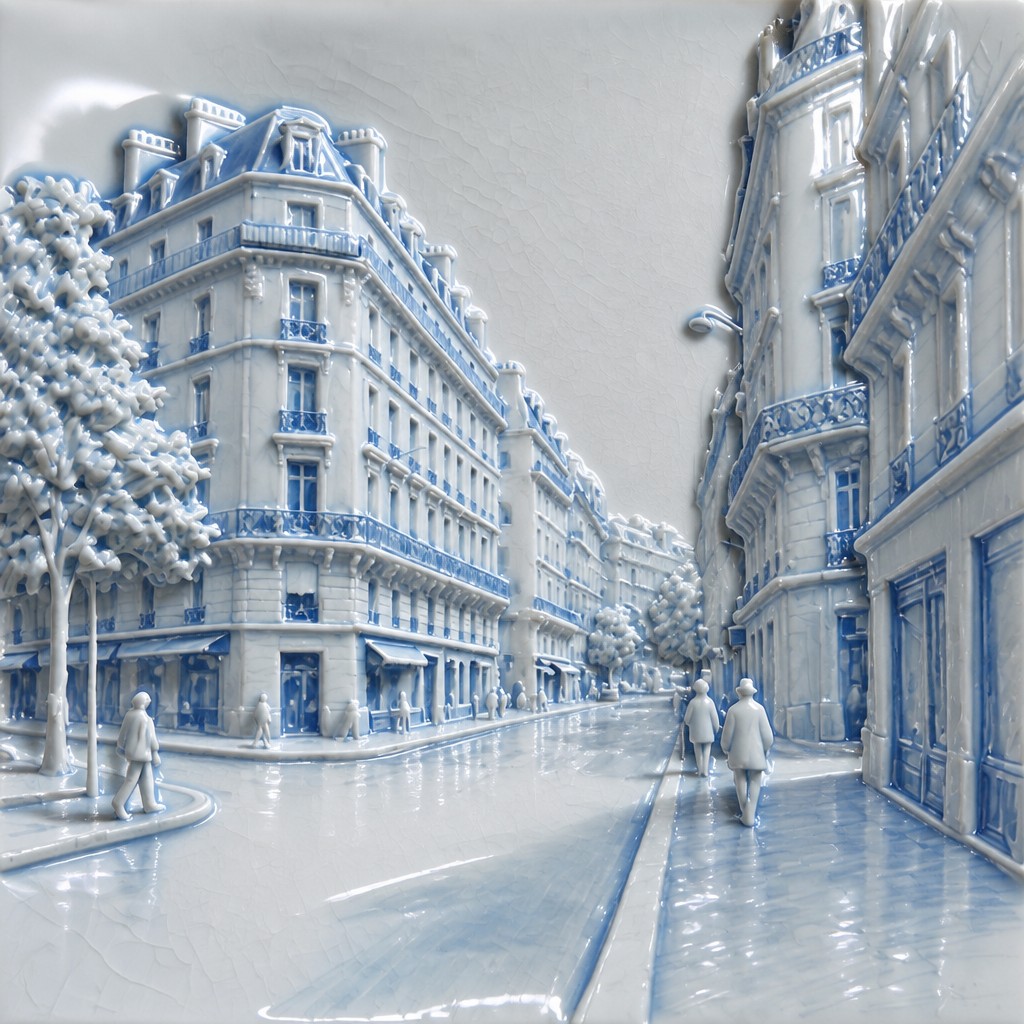
Contours are gently simplified, with softened transitions between planes. The result resembles sculpted china, where anatomy, drapery, or architecture are reduced to elegant ceramic volumes.
Try It
Create Videos in Porcelain Glaze
Styles aren't just for stills — describe a scene or animate an image and get a short video rendered in Porcelain Glaze. Press play to see this pond come to life.
Make a VideoPorcelain Glaze Prompt Ideas
Start from an idea — each one opens the generator with the style ready to go. See all 40 Porcelain Glaze prompts →
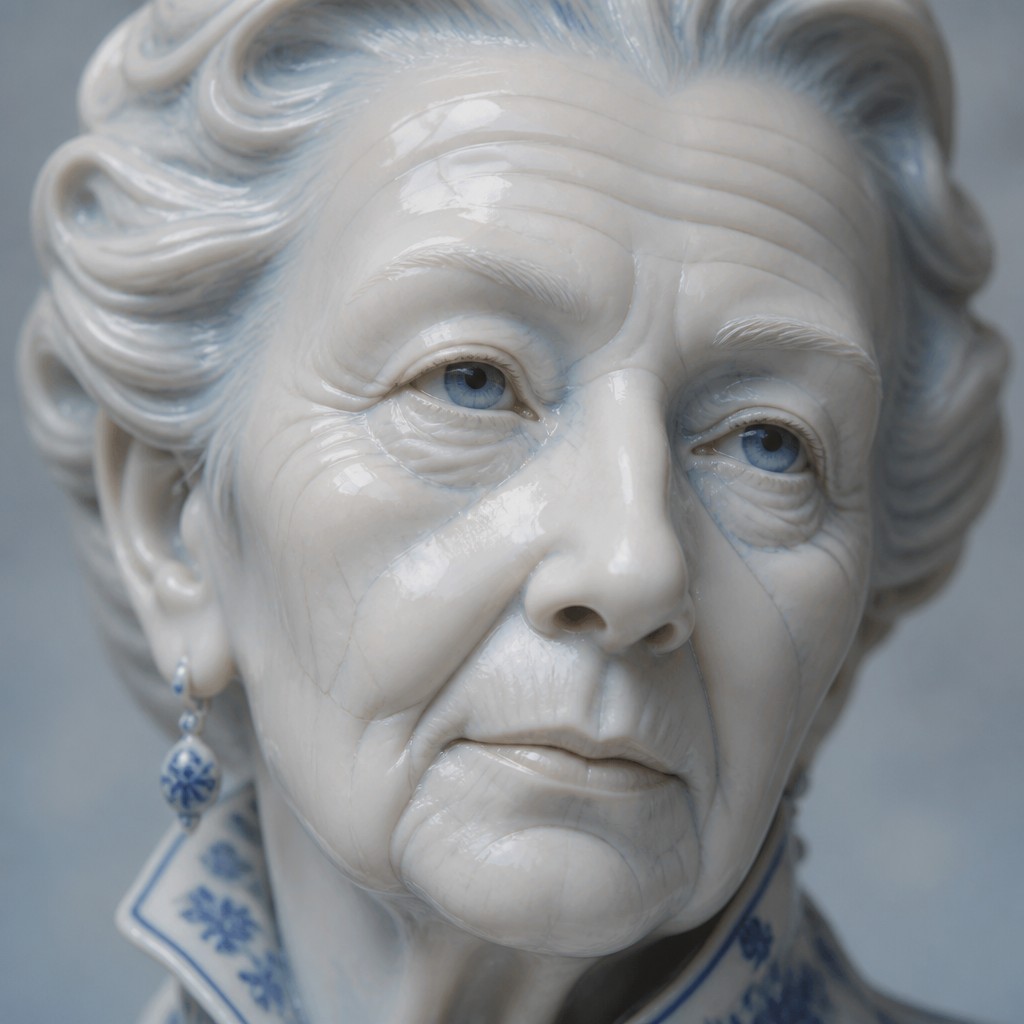
“close-up portrait of an elderly person with expressive weathered features”
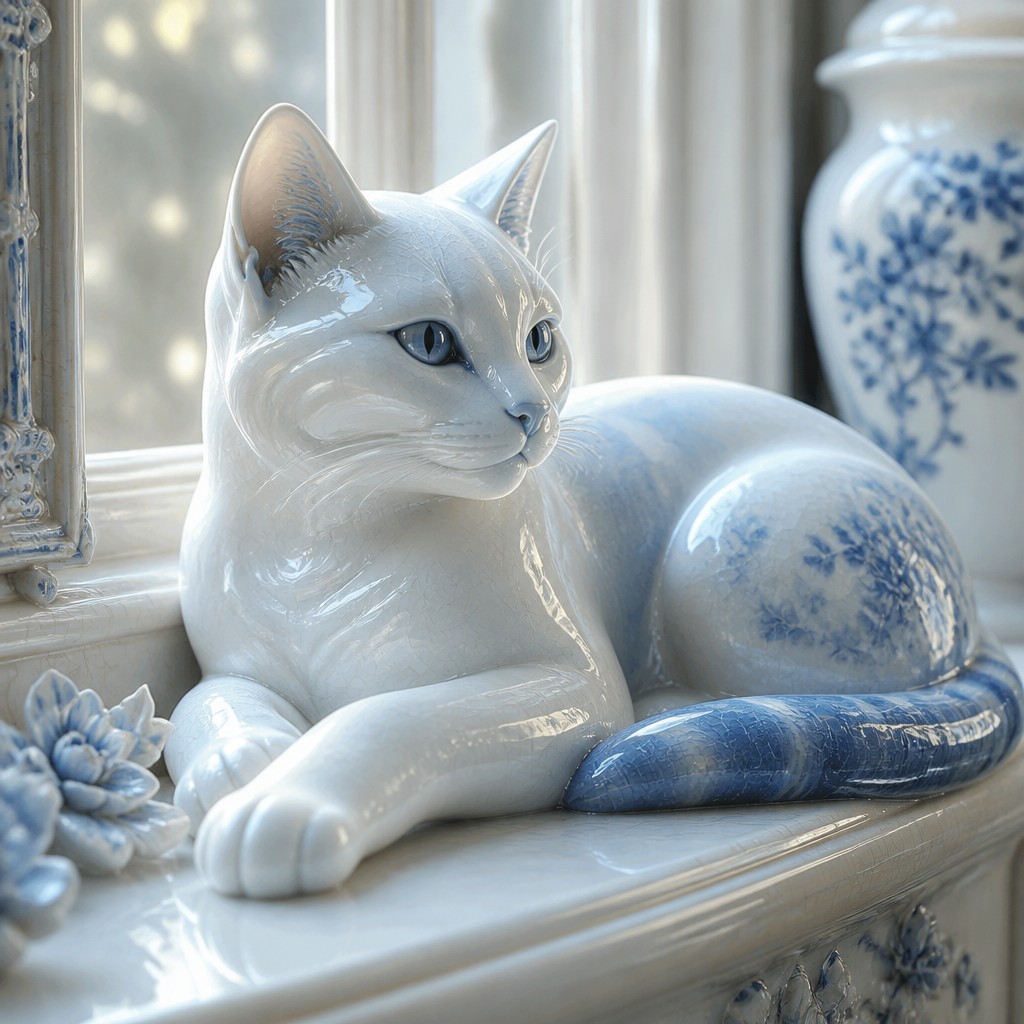
“a cat lounging in a sunlit window”
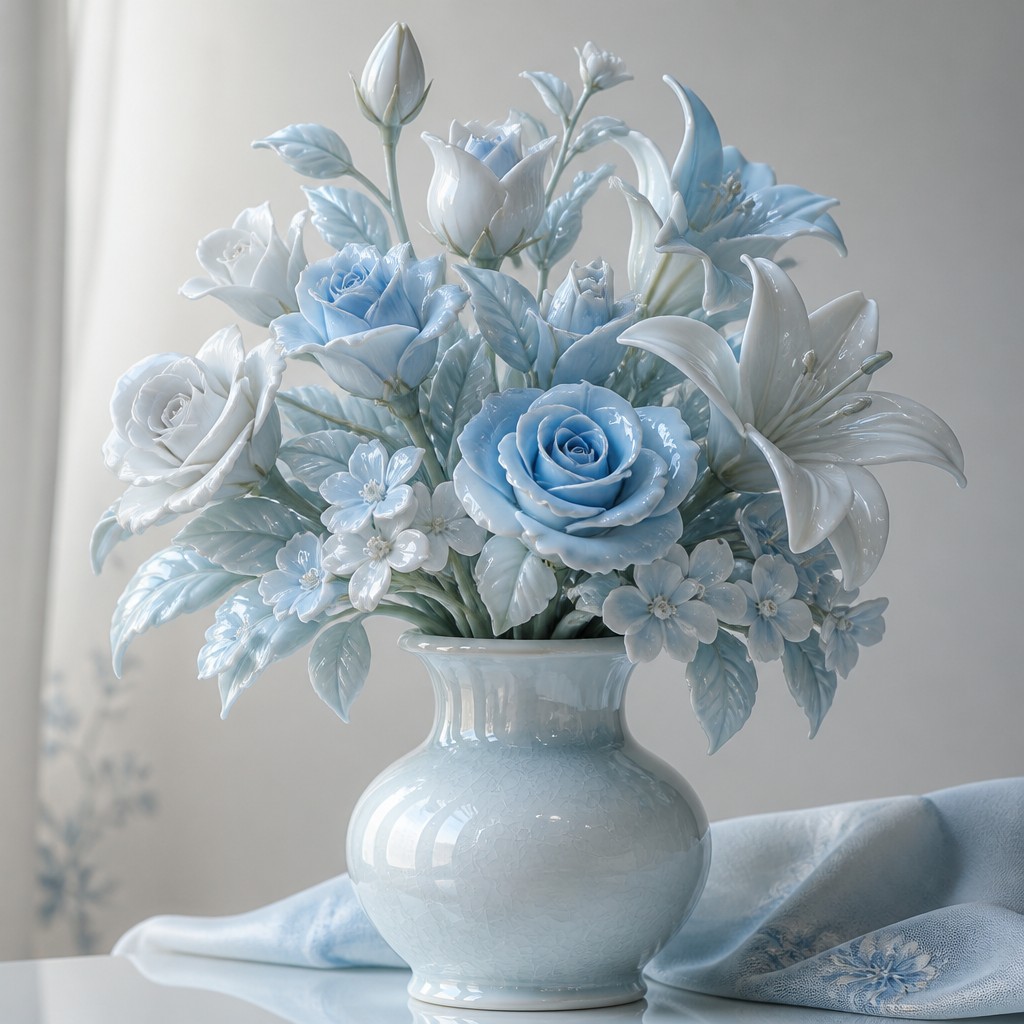
“bouquet of flowers in a glass vase”
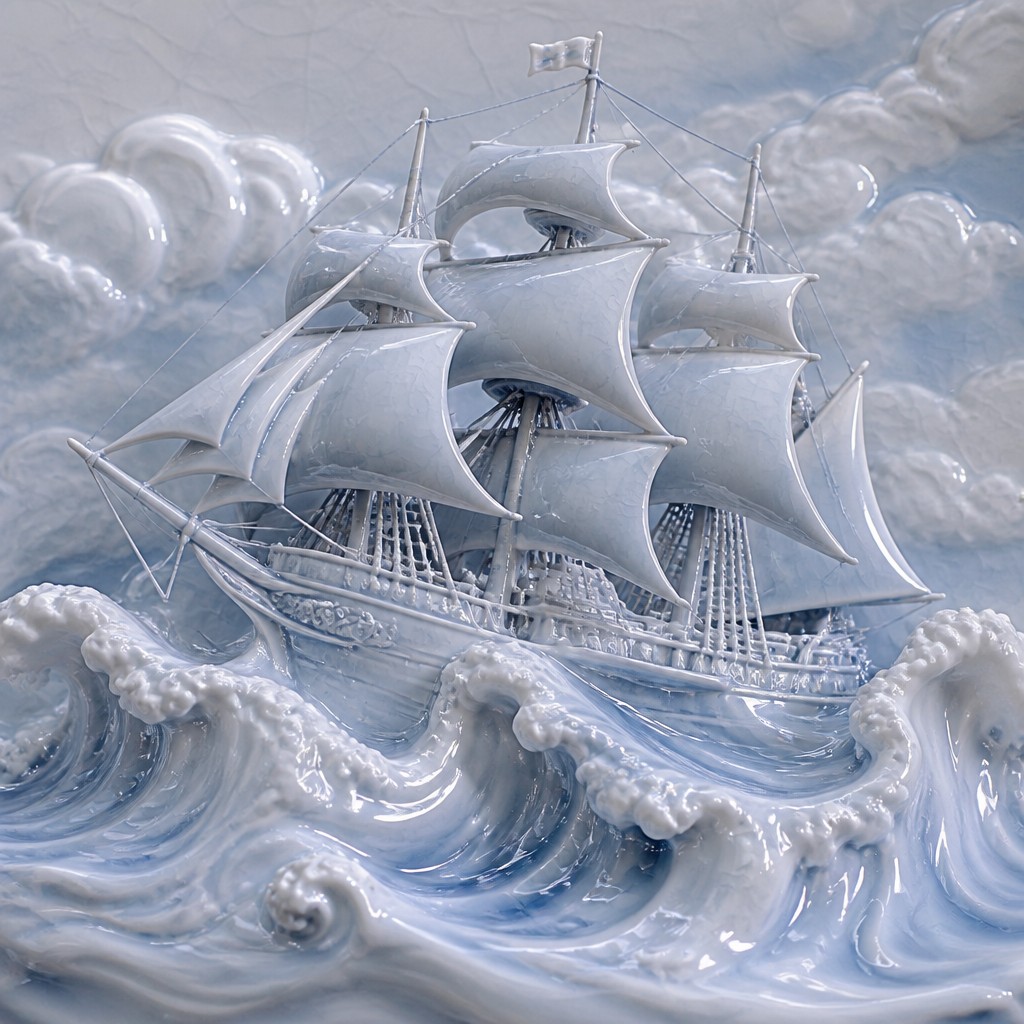
“sailing ship on a stormy sea”
How to Create Porcelain Glaze Art
Master the craft step by step — or skip straight to creating. Read the full guide →
- 1
Simplify the form before adding shine
Whether working by hand or digitally, begin with clean, rounded shapes and remove excessive surface noise. The style depends on smooth silhouette and controlled curvature more than on heavy texture or sharp detail.
- 2
Use a porcelain-inspired palette
Favor milky whites, pale celadons, cool blues, and faint gray shadows, with occasional delicate accents. Keep saturation restrained so the finish reads as elegant ceramic rather than glossy plastic.
- 3
Place highlights as if from a soft studio setup
Use diffused lighting and small specular accents along the highest curves. Avoid hard contrast; the goal is a luminous, museum-lit object with a gently reflective glaze.
- 4
Add ceramic cues sparingly
If you include crackle lines, glaze pooling, or slight edge translucency, keep them subtle and localized. Too much distress will shift the image away from porcelain refinement and toward weathered pottery.
- 5
For digital painting or 3D rendering, prioritize material realism
Use a smooth shader, soft ambient occlusion, and restrained subsurface-like glow to mimic fired glaze. In image prompts, specify porcelain, glazed ceramic, translucent gloss, soft specular highlights, and fine crackle lines for the most reliable result.
- 6
Balance object identity with material transformation
The subject can be anything—portrait, animal, architecture, or still life—but the ceramic treatment should unify it into one coherent material language. When prompting, describe the subject first and the porcelain finish second, so the scene remains readable.
The Story
History & Origins of Porcelain Glaze
Porcelain Glaze is not a historical movement but an aesthetic lineage drawn from ceramic arts, porcelain figurines, decorative china, and the visual language of glaze itself. Its look also reflects modern digital rendering habits: polished surfaces, controlled highlights, and simplified forms that borrow from product visualization, character sculpting, and stylized 3D illustration.
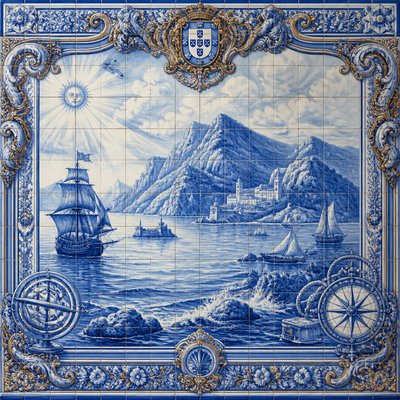
The style sits at the intersection of traditional ceramic craftsmanship and contemporary fantasy image-making. It echoes the refinement of East Asian and European porcelain traditions, especially the prized whiteness and translucency associated with high-fired wares, while translating those qualities into images, characters, and objects that are often entirely non-ceramic in subject but ceramic in appearance.
Influences: Porcelain Glaze draws most directly from the traditions of porcelain and ceramic art, including Chinese blue-and-white wares, qingbai and celadon aesthetics, and European bone china and figurine making. Its visual logic also overlaps with modern product rendering, stylized 3D sculpture, and the polished material treatment seen in contemporary decorative illustration, but its core reference remains the refined surface language of fired glaze rather than any single painter or school.

Frequently Asked Questions
What defines Porcelain Glaze as a style?
It is defined by a smooth, ceramic-like surface, translucent glossy finish, and a cool, milky palette. The look makes the subject appear sculpted from fine porcelain rather than painted or naturally textured.
Is Porcelain Glaze a historical art movement?
No. It is an invented contemporary aesthetic that borrows from real ceramic traditions. Its lineage comes from porcelain, glazed pottery, decorative china, and polished digital material rendering.
How is this different from glassmorphism or chrome art?
Glassmorphism emphasizes transparency and refractive layering, while chrome art focuses on metallic reflection. Porcelain Glaze is more opaque and milky, with soft shine, gentle luminosity, and a fired ceramic feel instead of a reflective or glasslike one.
Can any subject be made in this style?
Yes. Portraits, animals, objects, fantasy scenes, and even architecture can all be translated into this material language. The key is that the entire subject should feel molded, glazed, and softly luminous.
How do I make art in this style traditionally?
Use smooth modeling, restrained texture, and a glaze-like finish in paint or sculpture. In physical media, ceramic slip, porcelain, or carefully layered paints can help suggest the same polished, delicate surface.
Where is this style commonly used?
It is often used for decorative portraits, collectible character art, fantasy imagery, product-inspired illustration, and ornamental still lifes. The style works well anywhere a refined, precious, and materially unified look is desired.

Create your first Porcelain Glaze artwork
Describe anything — or upload a photo — and see it in Porcelain Glaze in seconds.
Make Something with Porcelain Glaze
Related Styles
Discover similar art styles