Symbolism Art Style
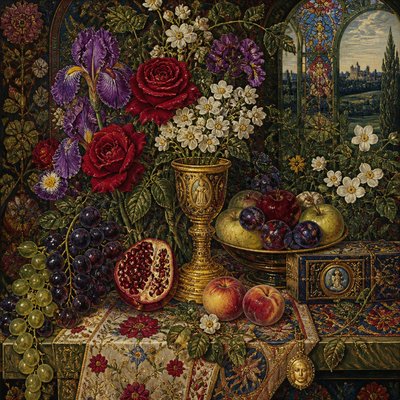
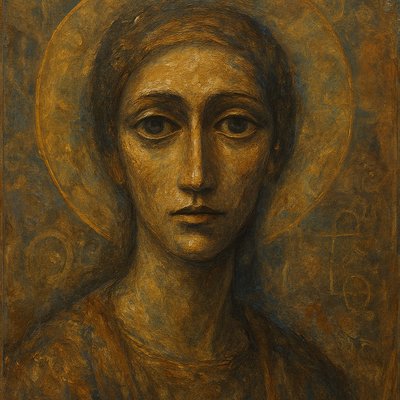
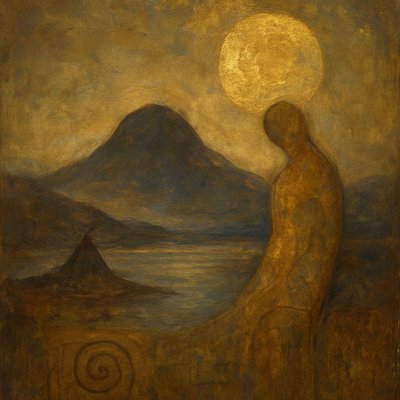
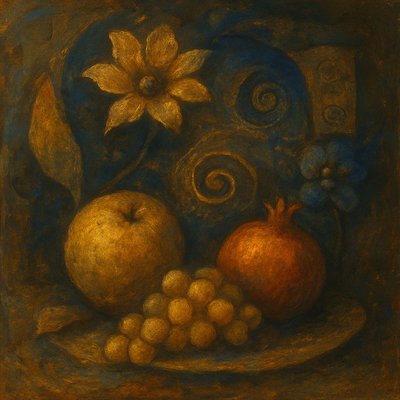
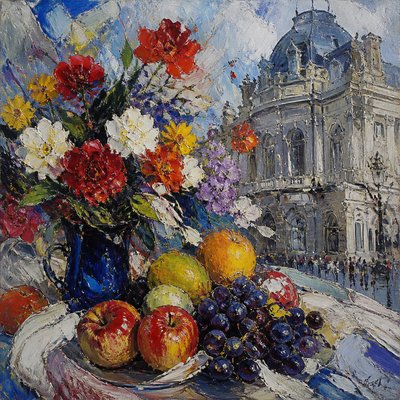
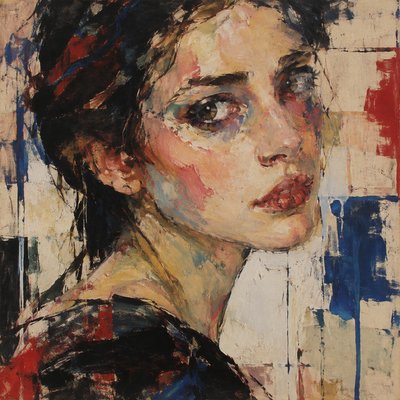
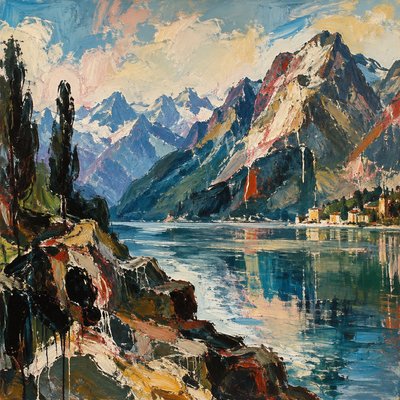
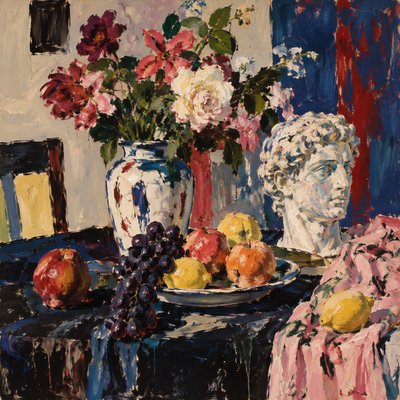
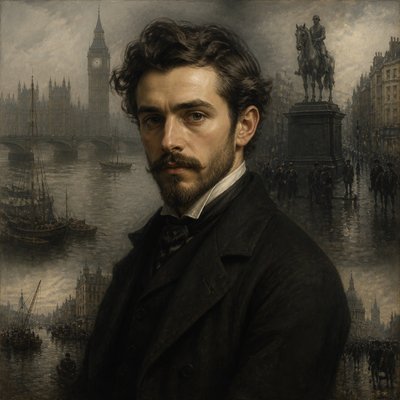
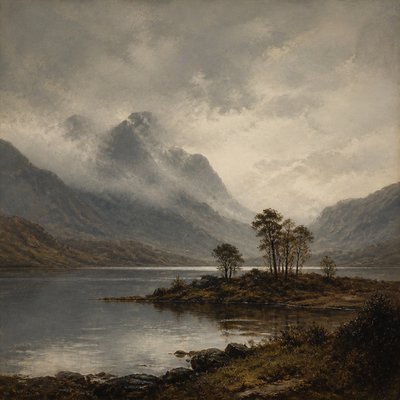
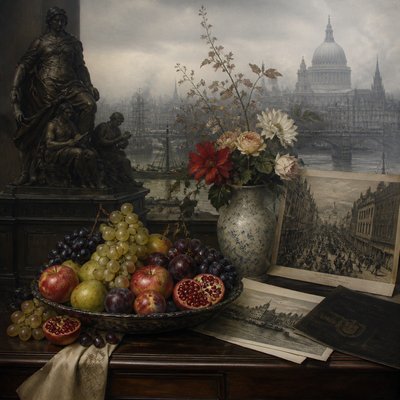
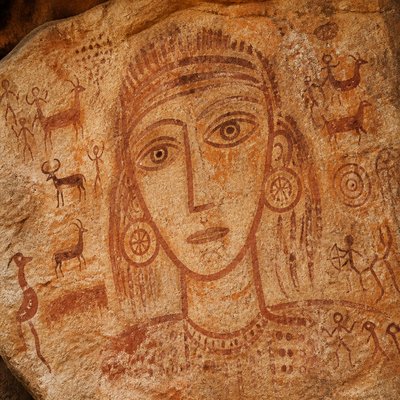
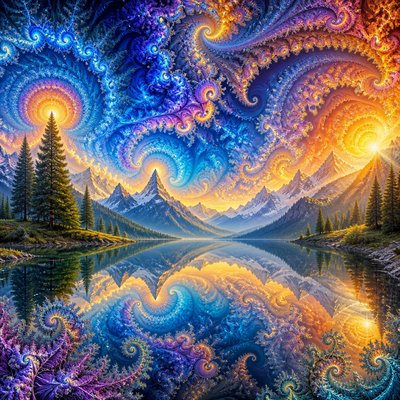
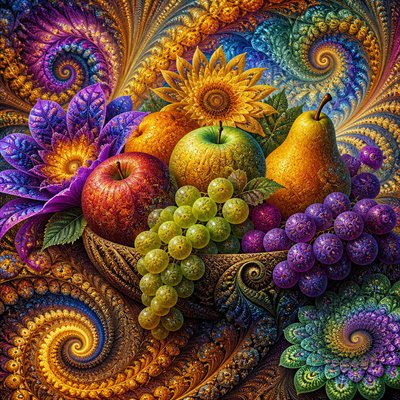
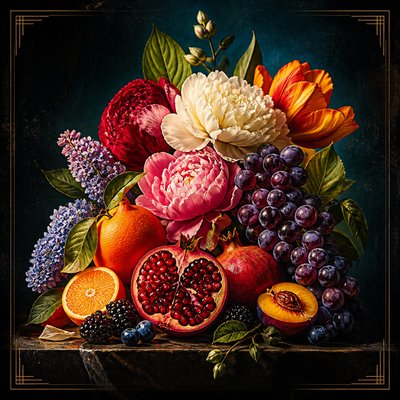
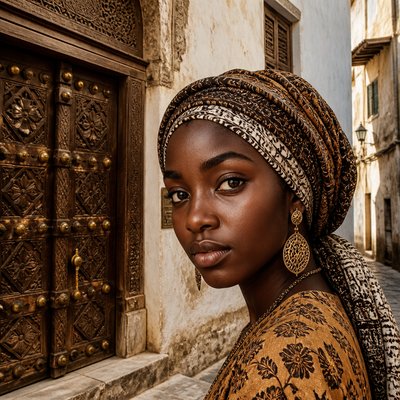
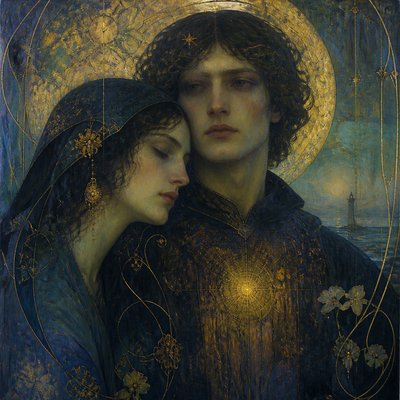
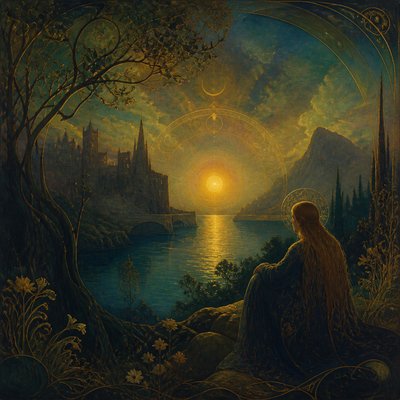
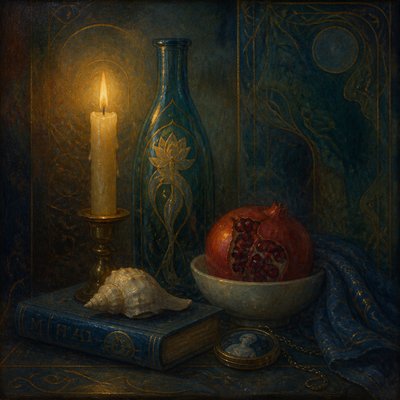
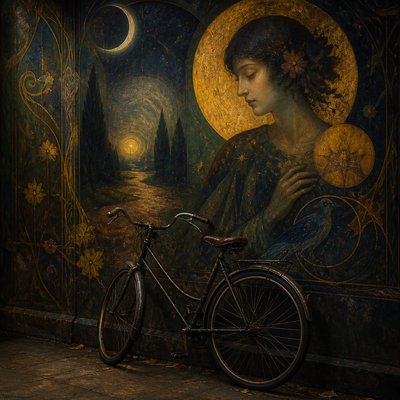
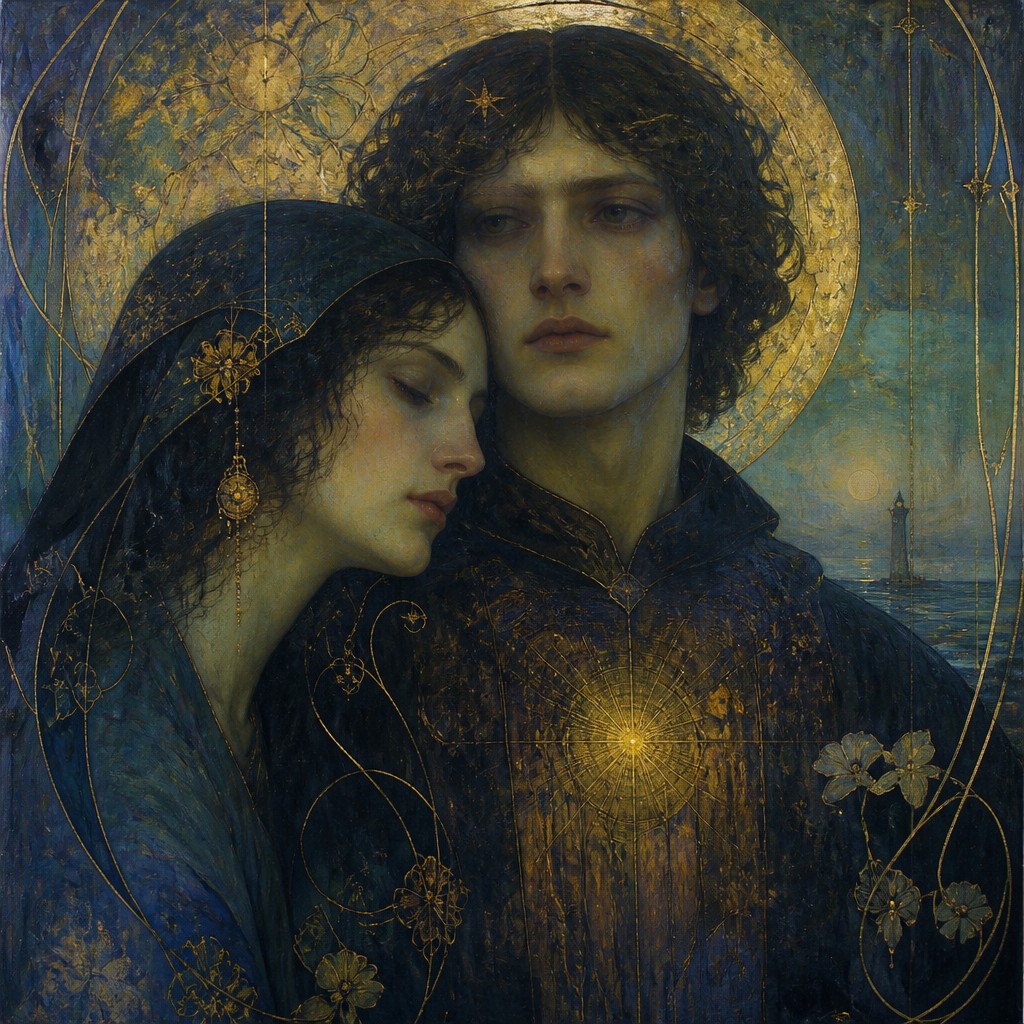
Symbolist art uses dreams, myth, and symbols to evoke hidden emotion through luminous color, atmosphere, and metaphysical imagery.
Instantly rendered in Symbolism — or transform a photo
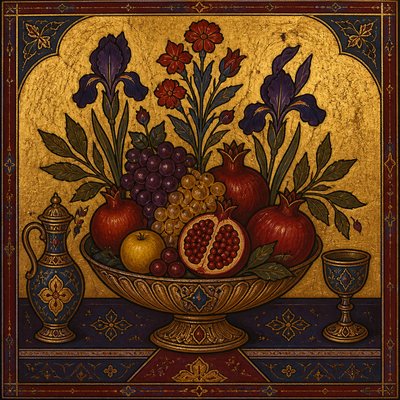
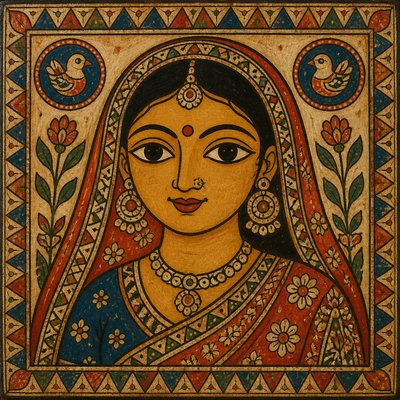
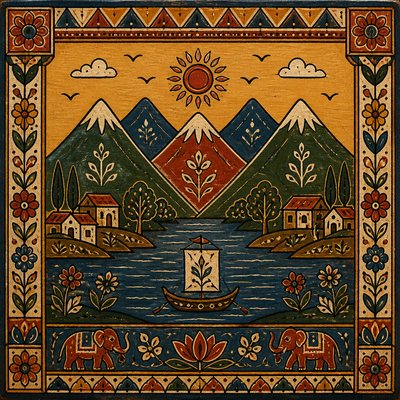
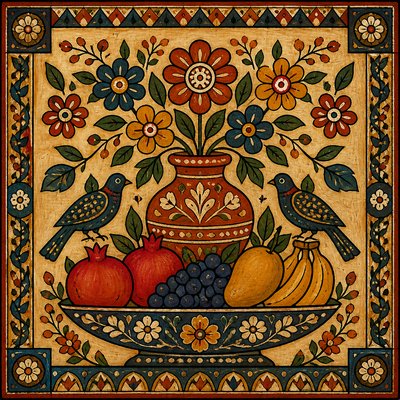
Symbolism Gallery
Tap any artwork to explore it
What is Symbolism Art Style?
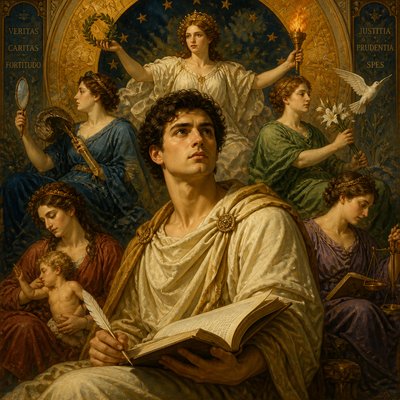
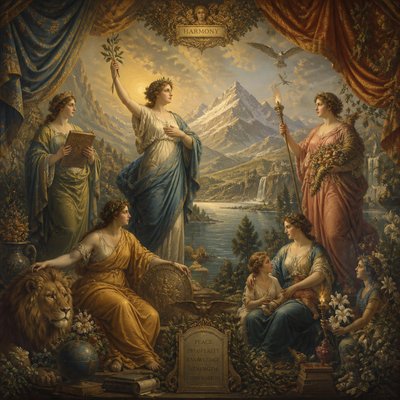
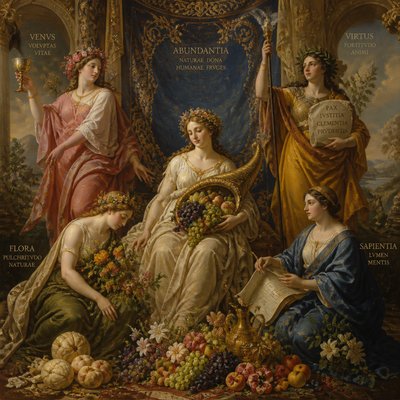
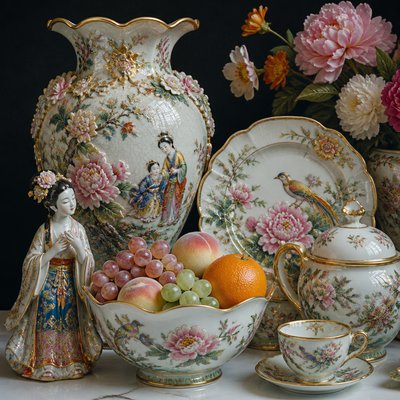
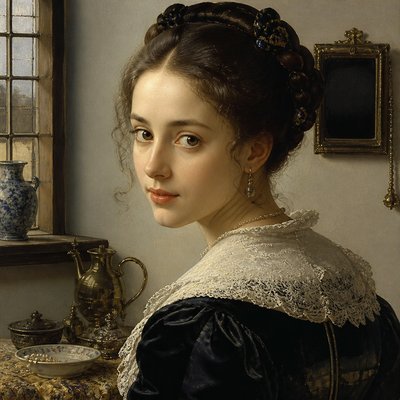
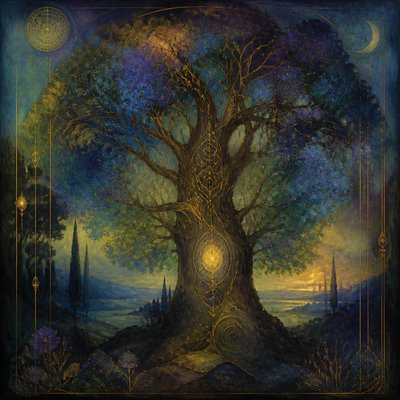
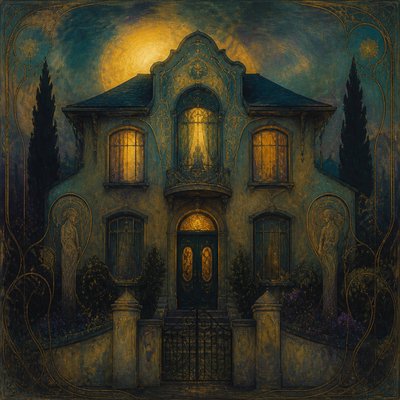
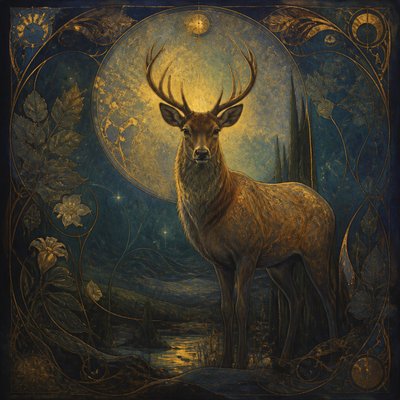
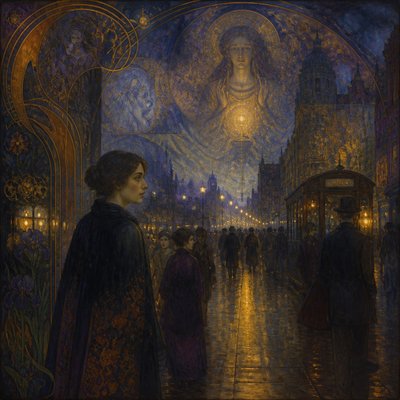
Symbolism is an art style devoted to suggestion rather than direct description. Instead of recording the visible world exactly, Symbolist artists use myths, dreams, allegories, and personal emblems to express inner states such as desire, fear, mourning, ecstasy, and spiritual longing. The result is often haunting and contemplative: figures may appear frozen in ritual poses, landscapes may feel unreal or prophetic, and ordinary objects become charged with hidden meaning.
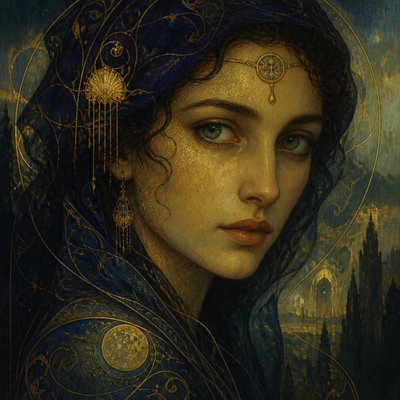
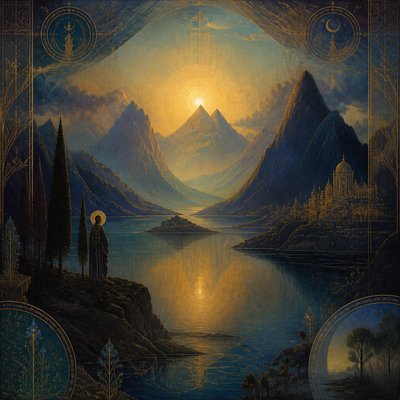
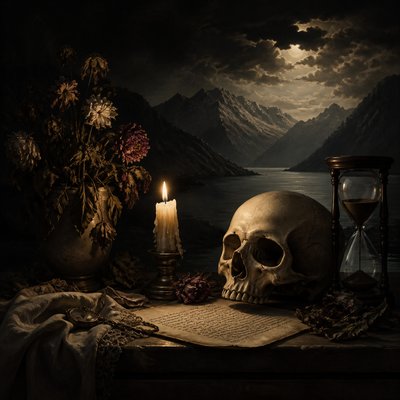
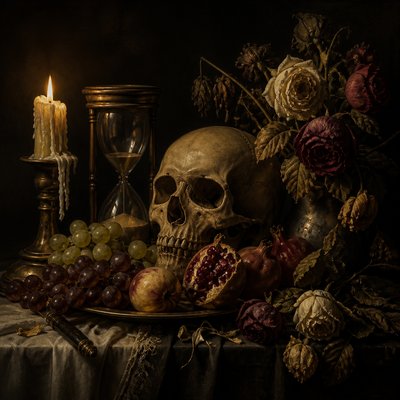
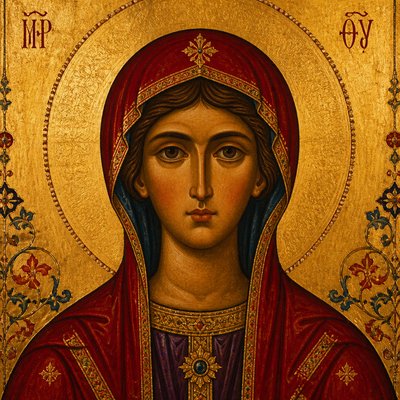
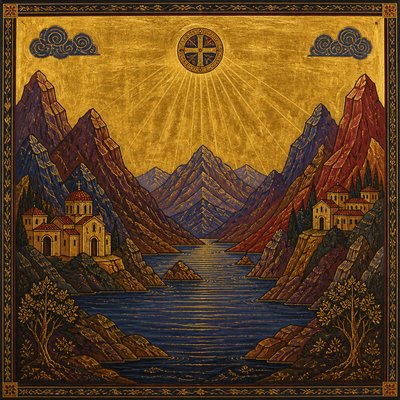
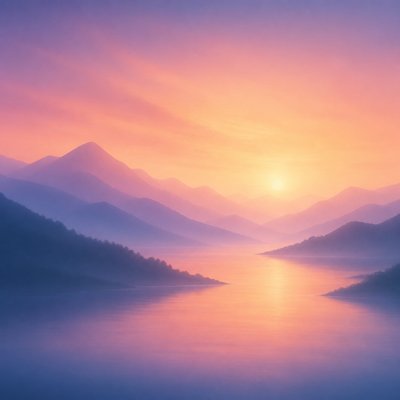
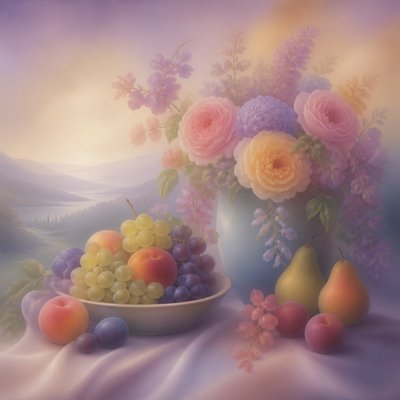
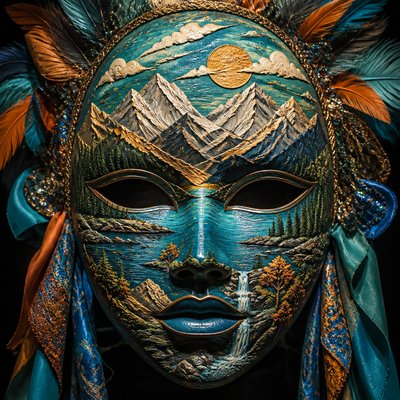
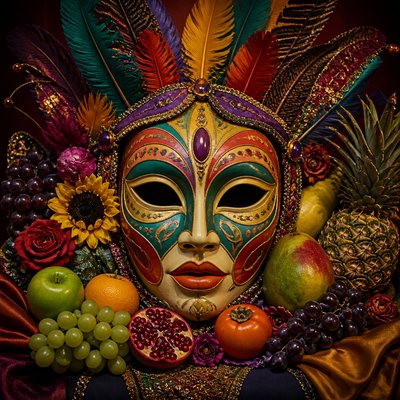
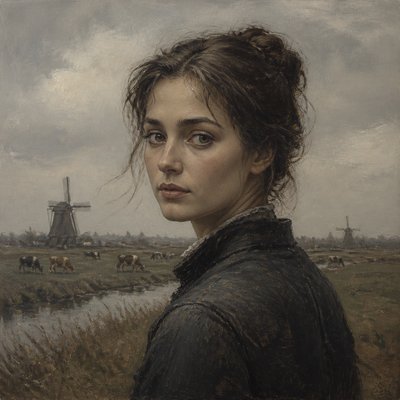
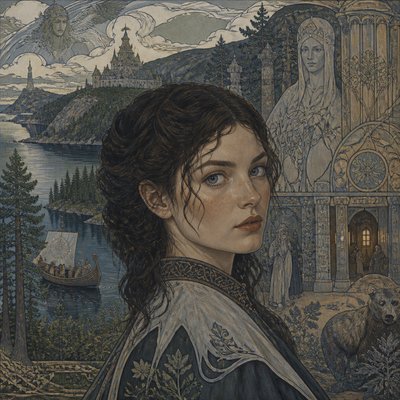
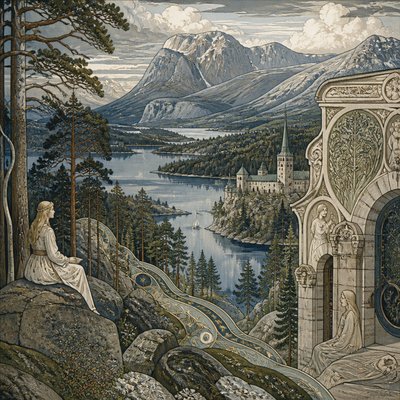
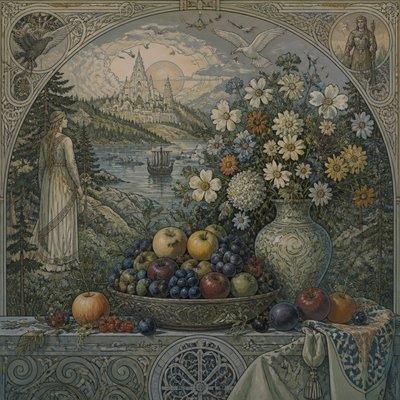
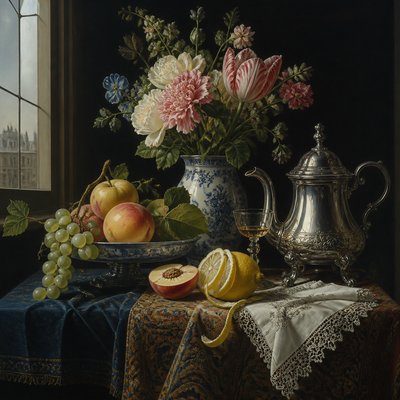
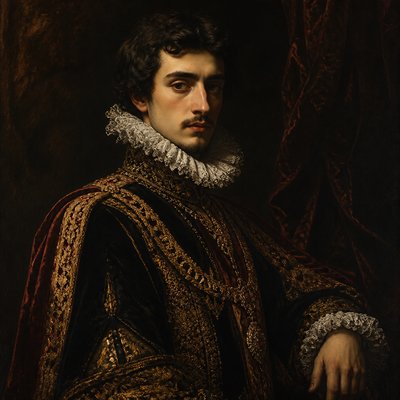
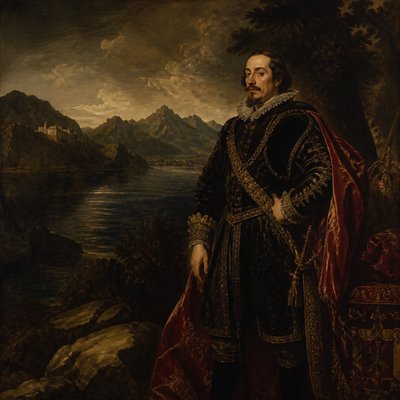
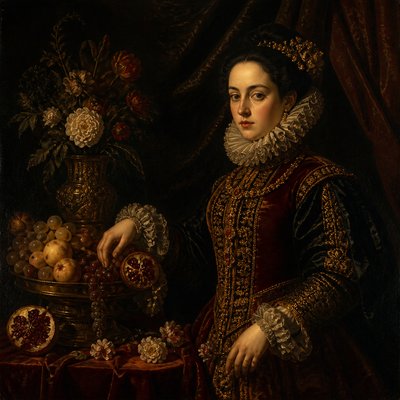
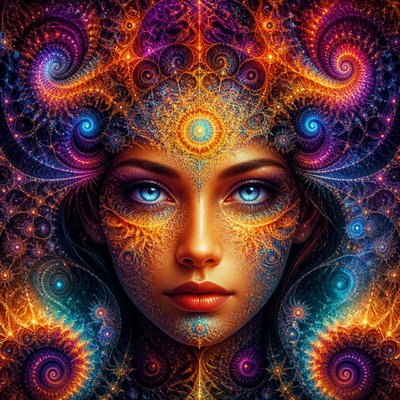
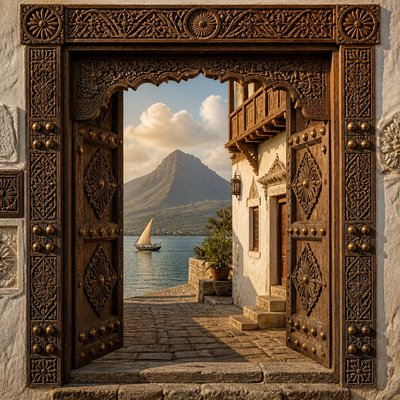
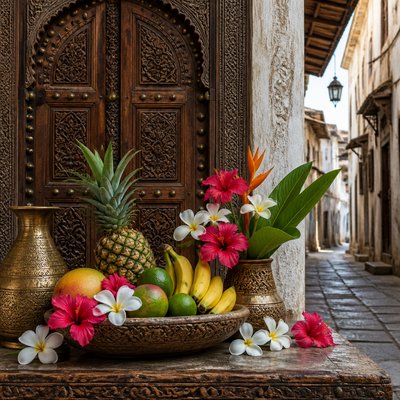
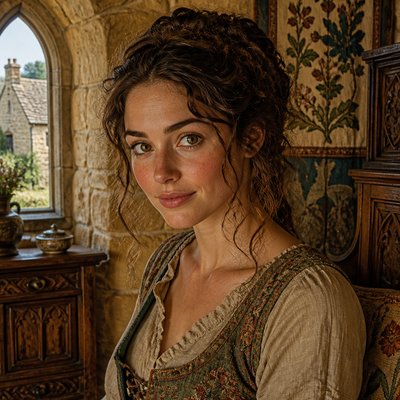
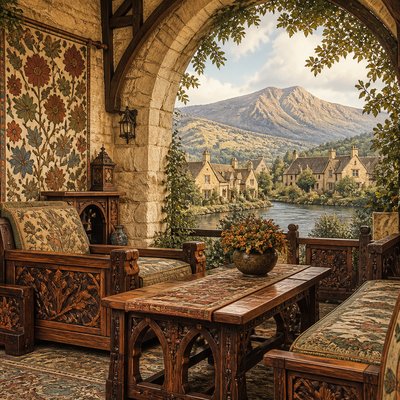
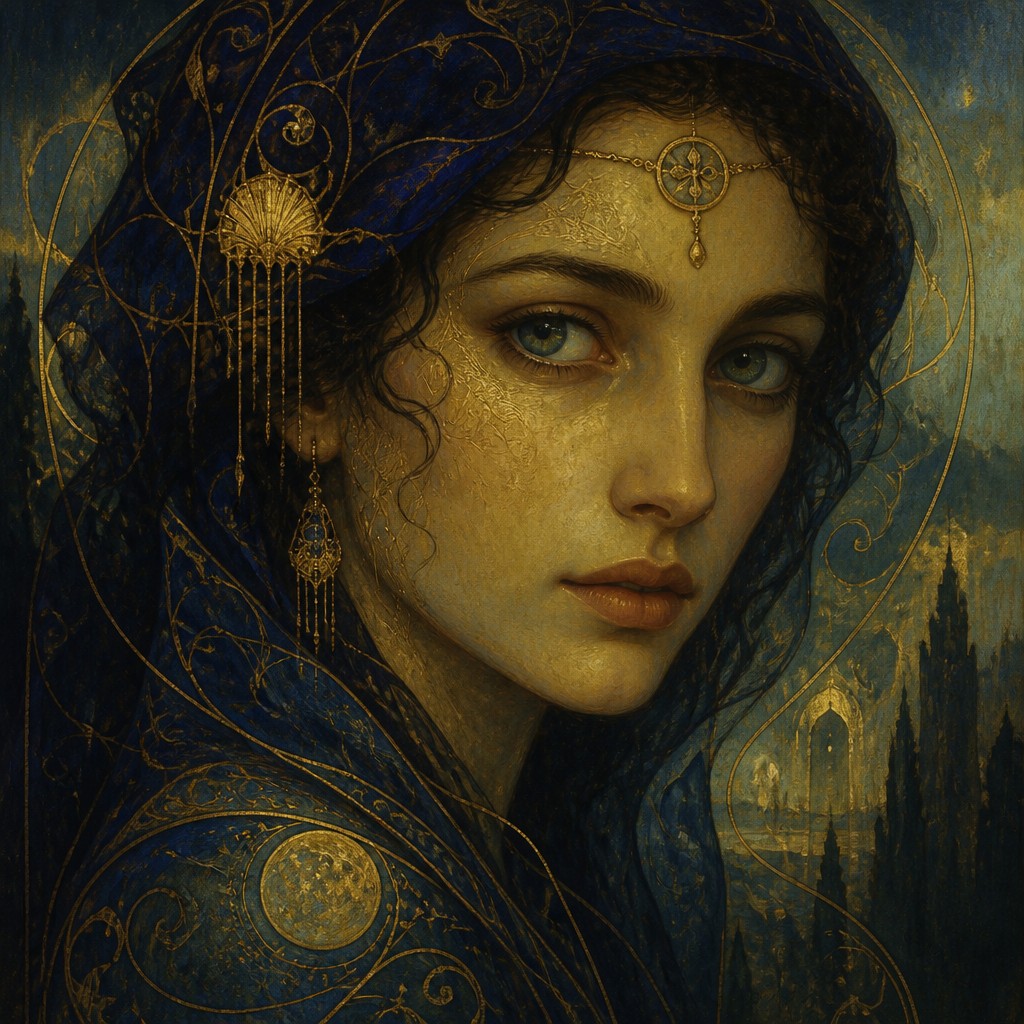
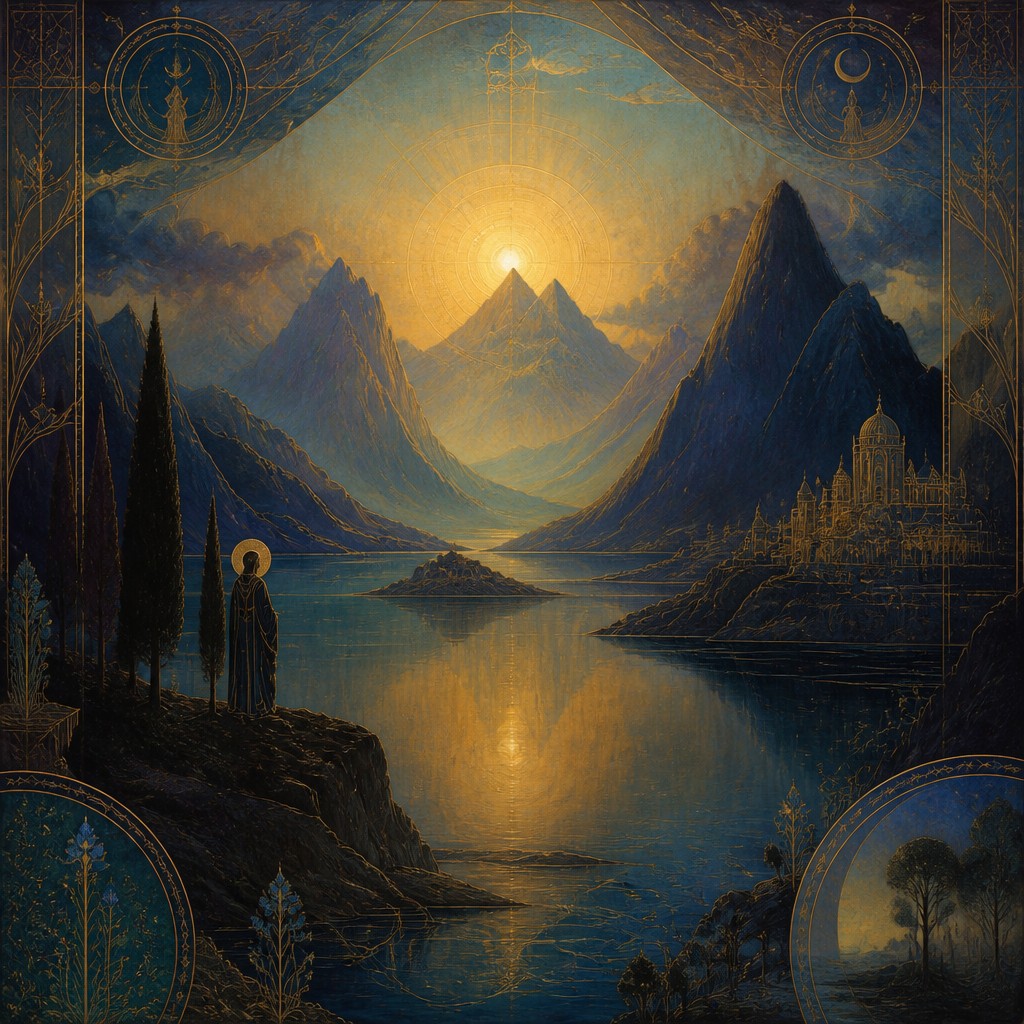
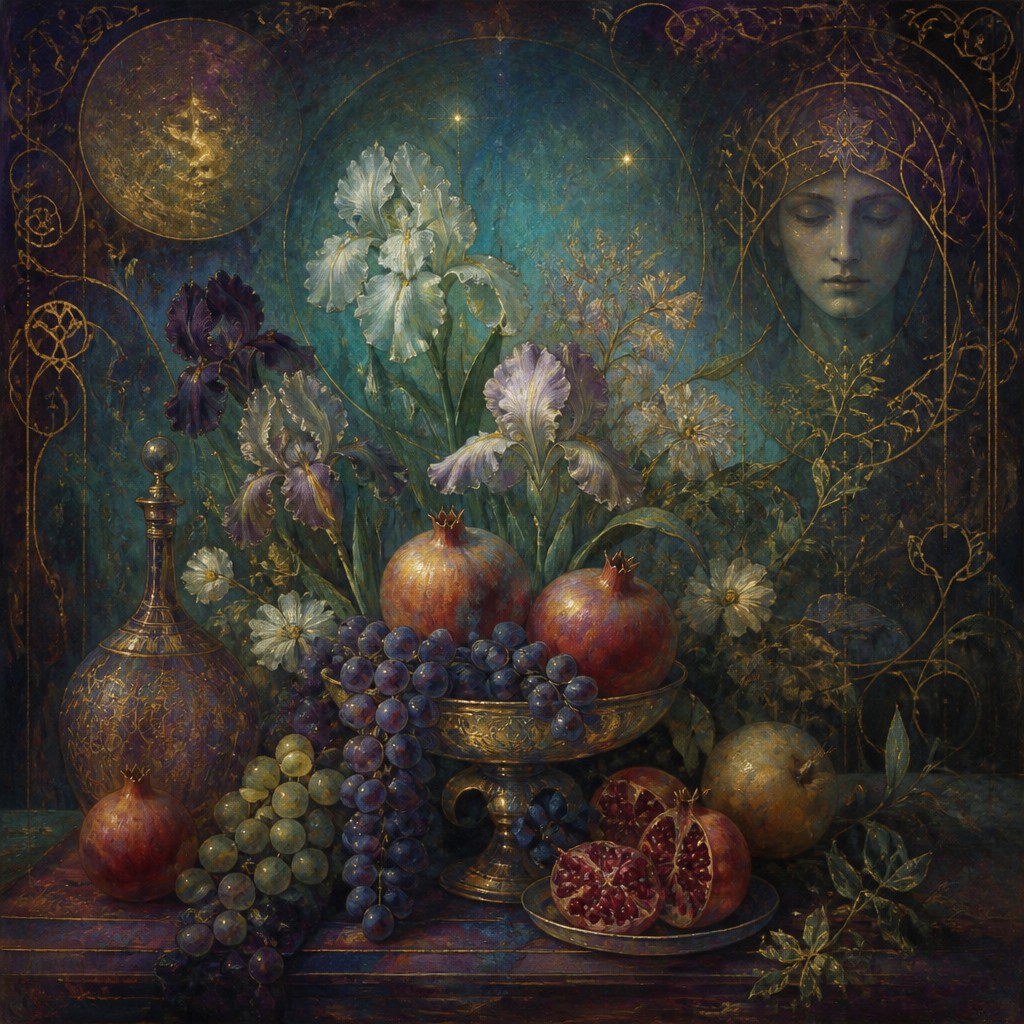
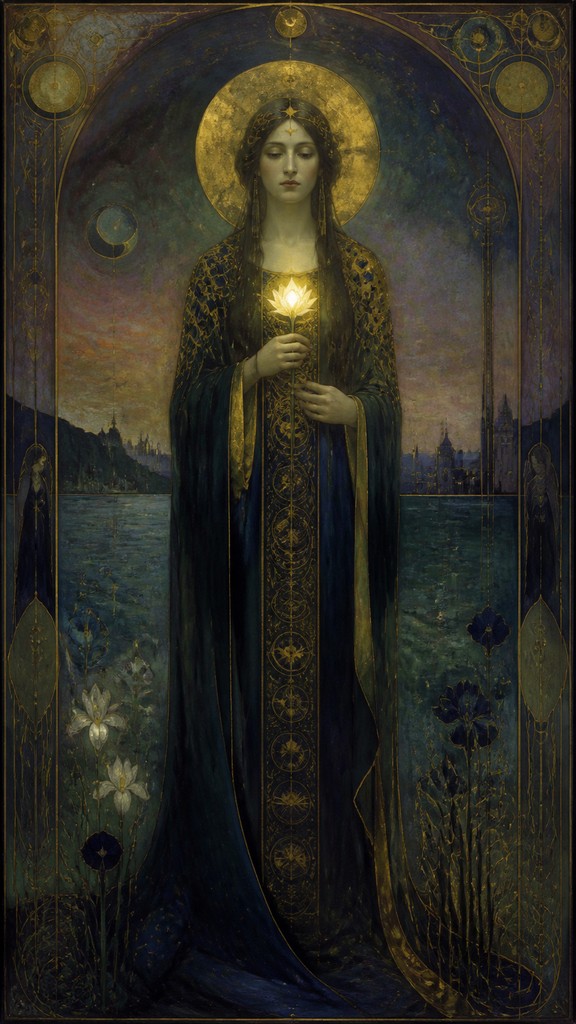
Visually, Symbolism is identified by its atmospheric beauty and its sense of unreality. Many works use saturated jewel tones, veiled glazes, dark recesses, and glowing focal points to create a dreamlike depth. Contour lines may be decorative and refined, sometimes borrowing from Art Nouveau, while modeling is softened with sfumato-like transitions and diffuse light. The style looks the way it does because its purpose is not simply to depict a scene, but to create an image that feels symbolic, psychological, and beyond the surface of everyday life.
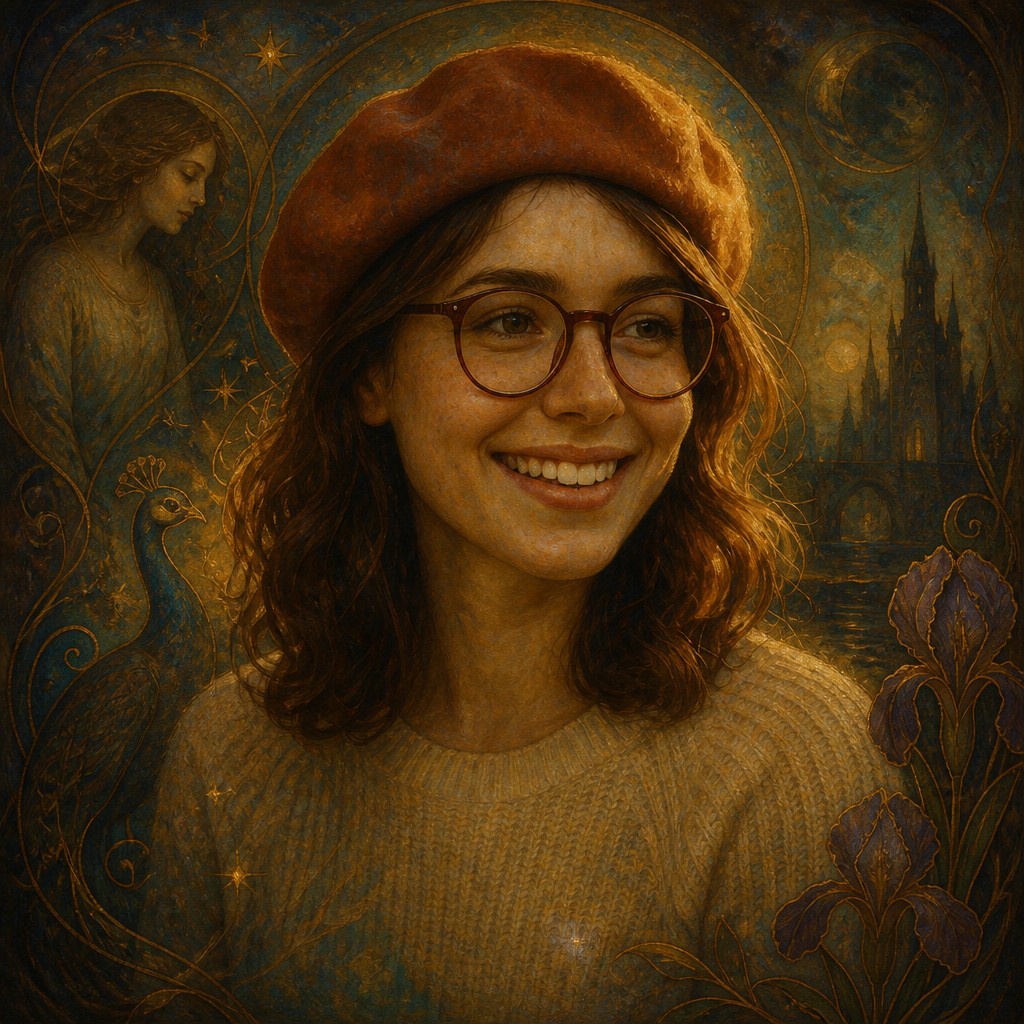
Try It On Your Photos
Upload any photo and convert it into Symbolism Art Style — drag the sliders to compare before and after.

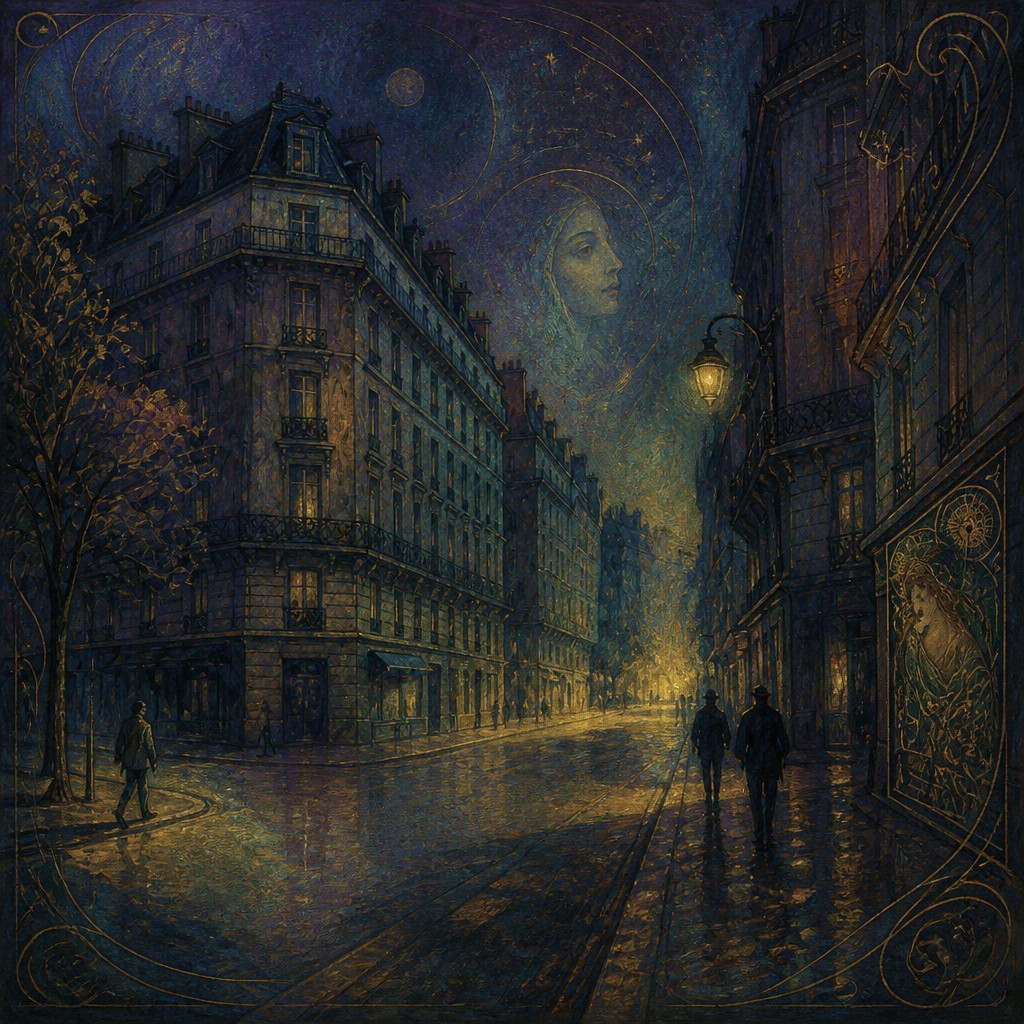

What Defines Symbolism Art Style
The signature details, up close
Mythic and allegorical imagery
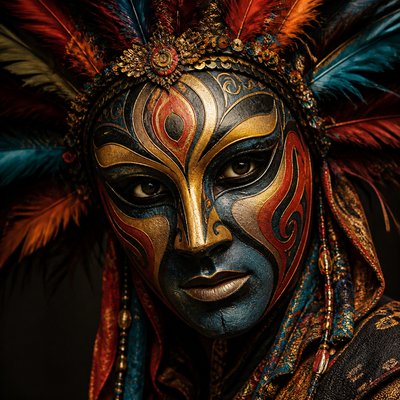
Symbolist works often feature figures from myth, religion, literature, or dream logic. These images are rarely illustrative in a straightforward way; instead, they operate as emblems of emotional or philosophical states.
Luminous, veiled color
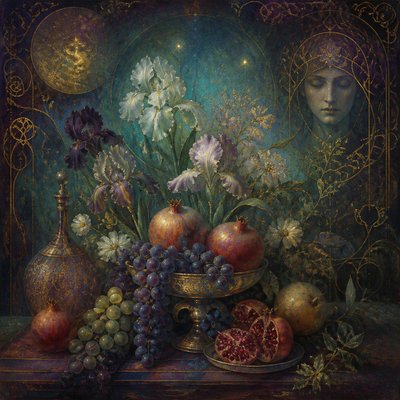
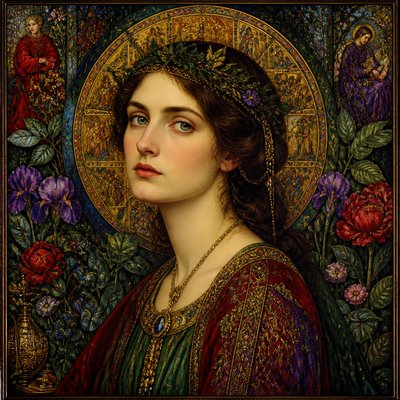
Color is often rich but softened through translucent layering, producing jewel-like reds, blues, greens, and golds. The surface may feel glazed or misted, as if the scene is seen through memory or trance.
Atmospheric diffusion
Edges are frequently softened and forms bathed in haze, halo, or low-contrast light. This creates an otherworldly space that feels psychologically charged rather than physically grounded.
Decorative contour and ornament
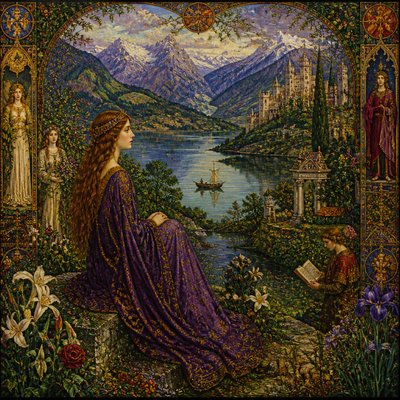
Linear drawing can be elegant and deliberate, with sinuous outlines and ornamental details. This decorative impulse connects Symbolism to Art Nouveau, especially in borders, hair, drapery, flora, and symbolic patterning.
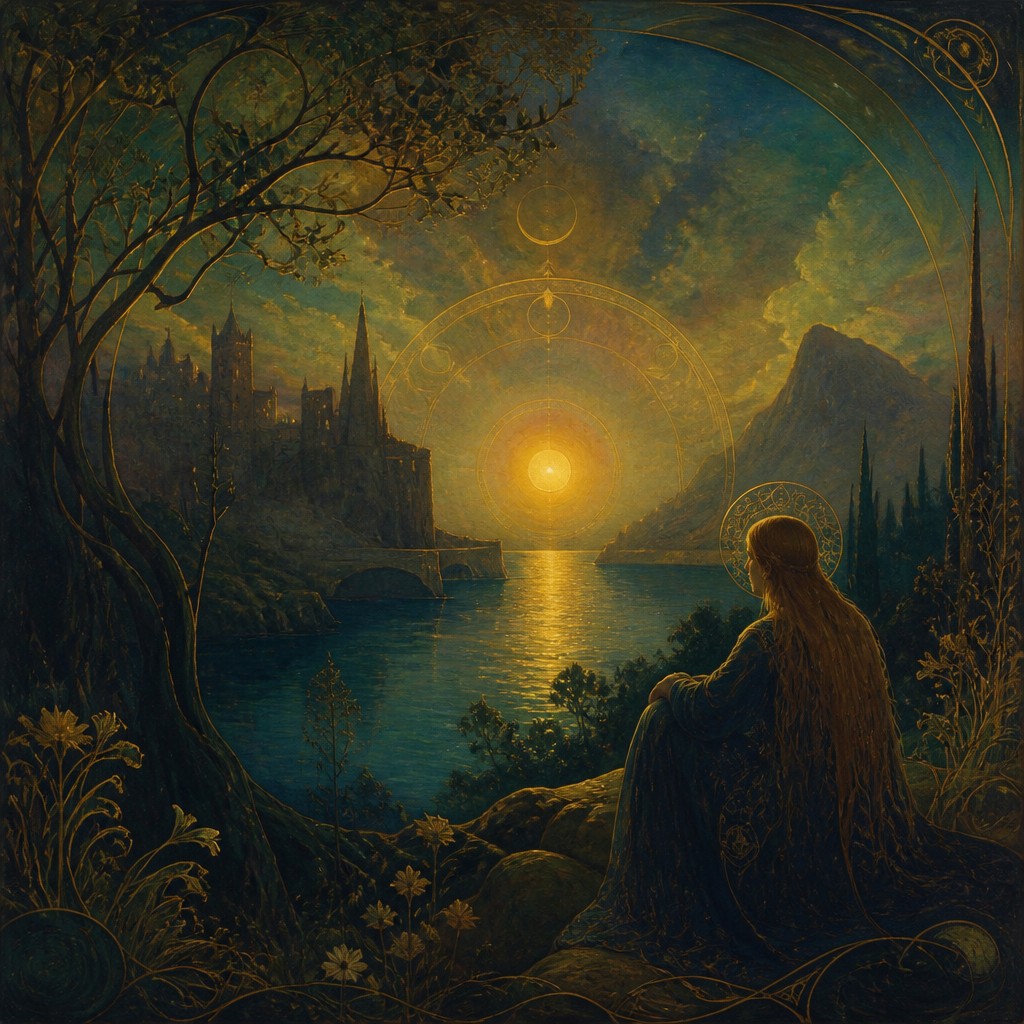
Psychological stillness
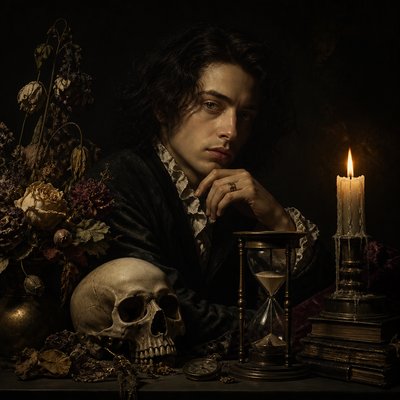
Rather than action, Symbolist scenes often emphasize pause, ritual, or inwardness. Figures may appear absorbed, distant, mournful, or ecstatic, as though caught in a private vision.
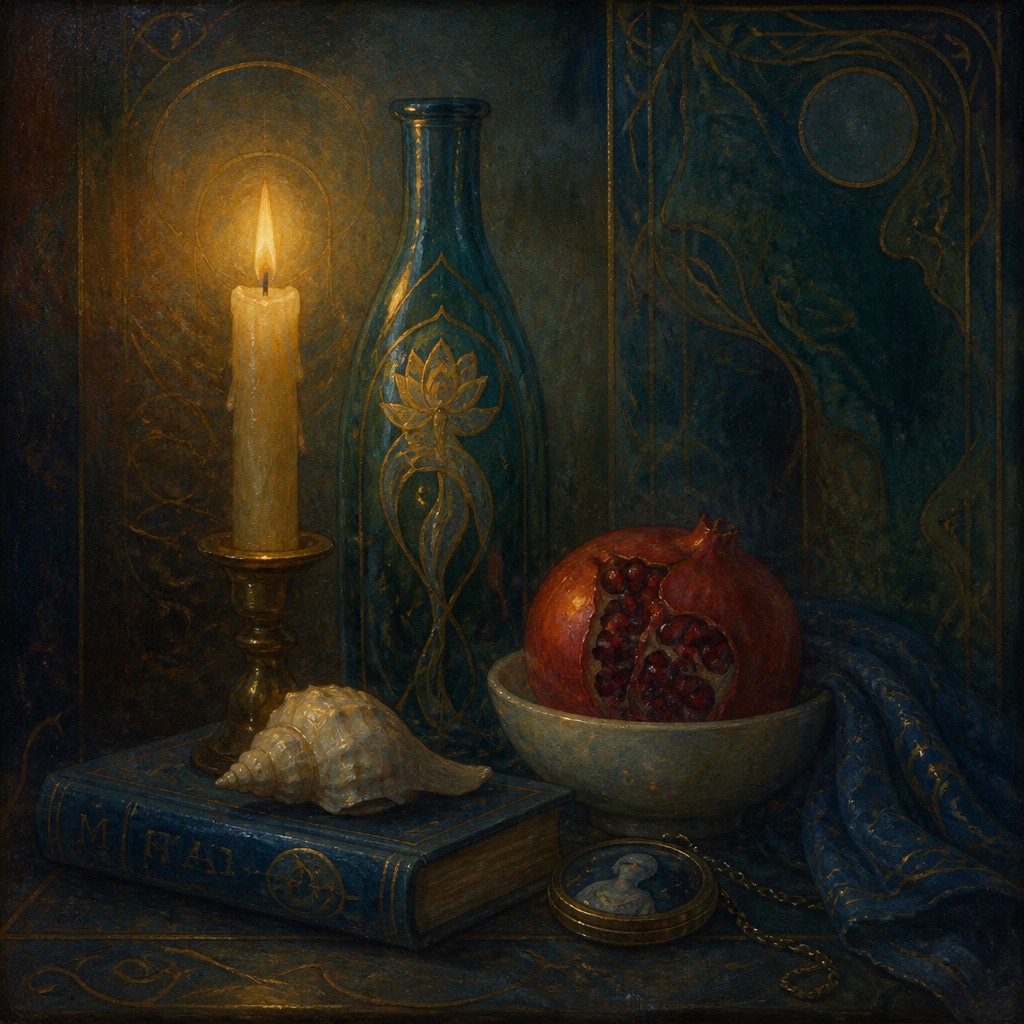
Shadowed interiors and hidden spaces
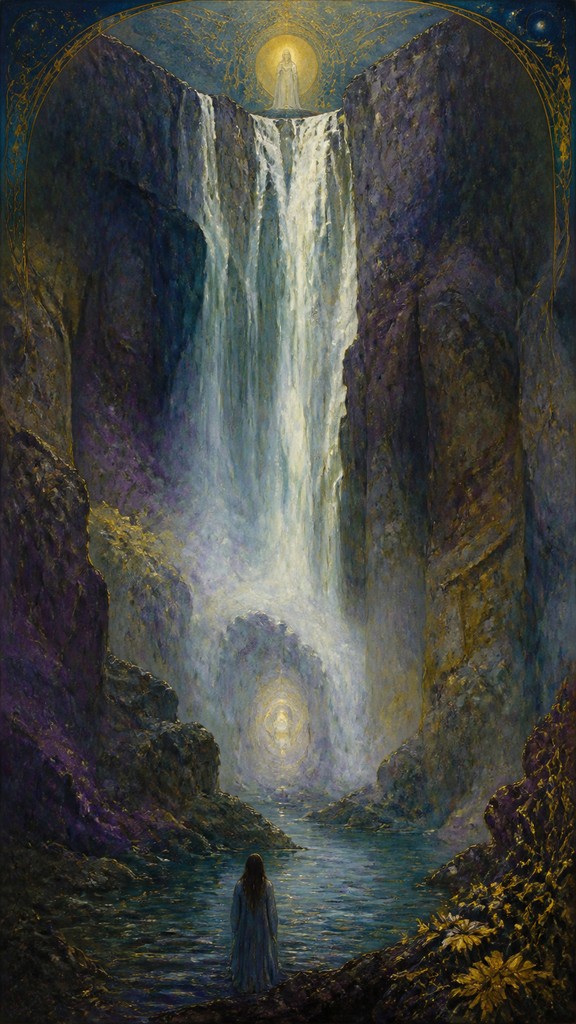
Deep shadows, enclosed rooms, nocturnal landscapes, and vague horizons are common. These settings suggest concealment, mystery, and meanings that resist immediate explanation.
Try It
Create Videos in Symbolism Art Style
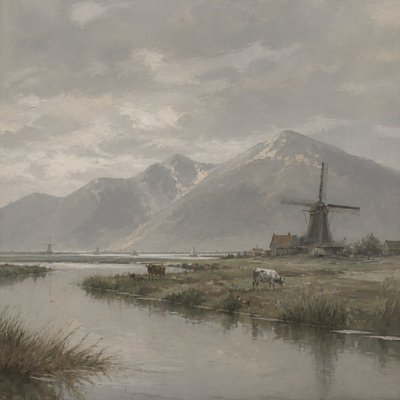
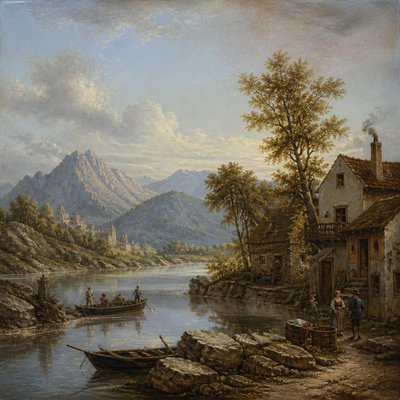
Styles aren't just for stills — describe a scene or animate an image and get a short video rendered in Symbolism. Press play to see this pond come to life.
Make a VideoSymbolism Prompt Ideas
Start from an idea — each one opens the generator with the style ready to go. See all 40 Symbolism prompts →
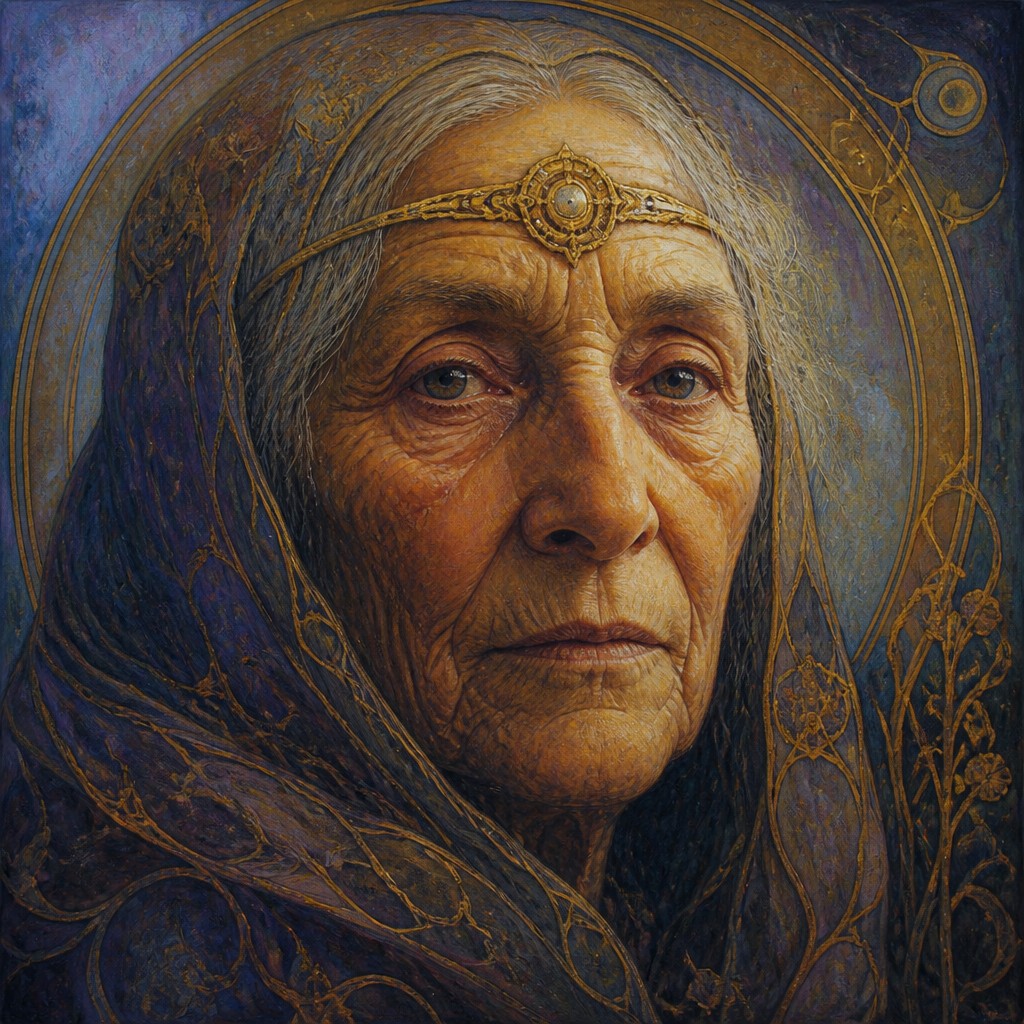
“close-up portrait of an elderly person with expressive weathered features”
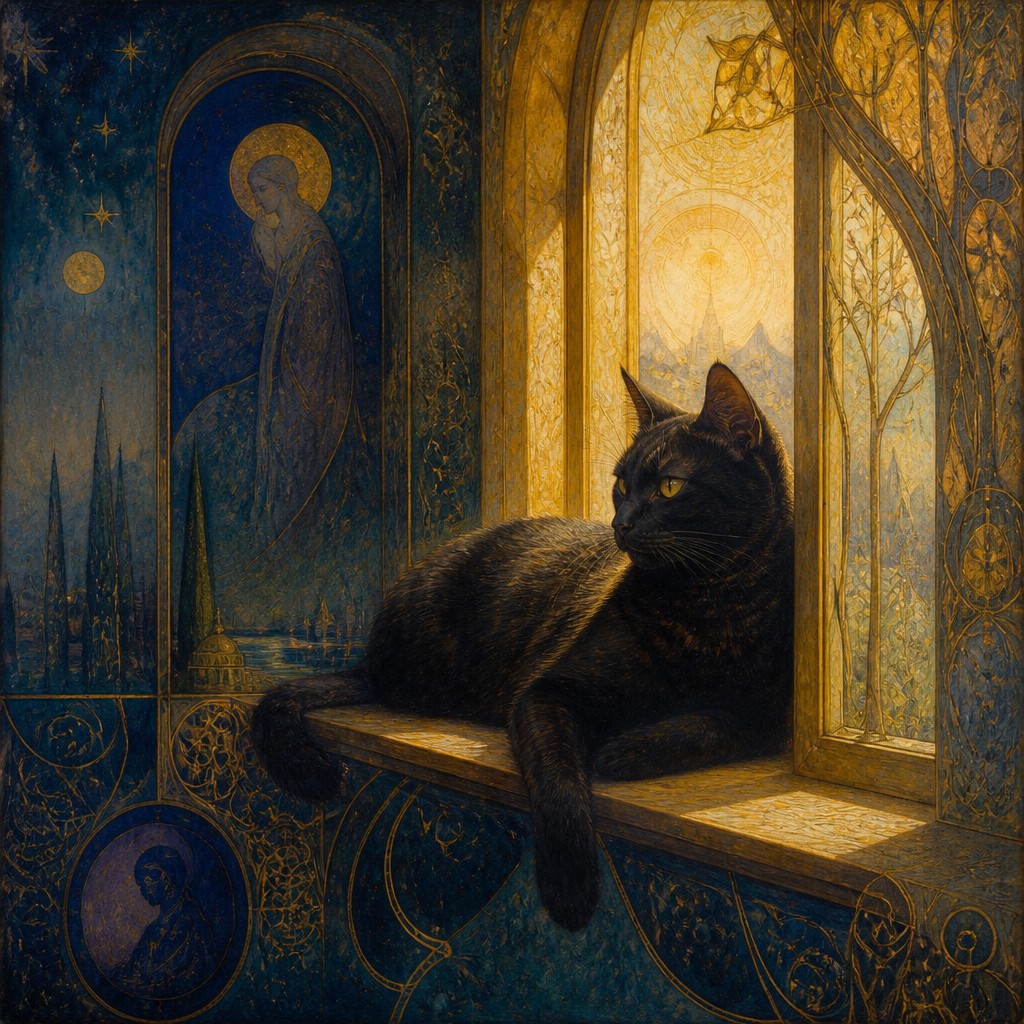
“a cat lounging in a sunlit window”
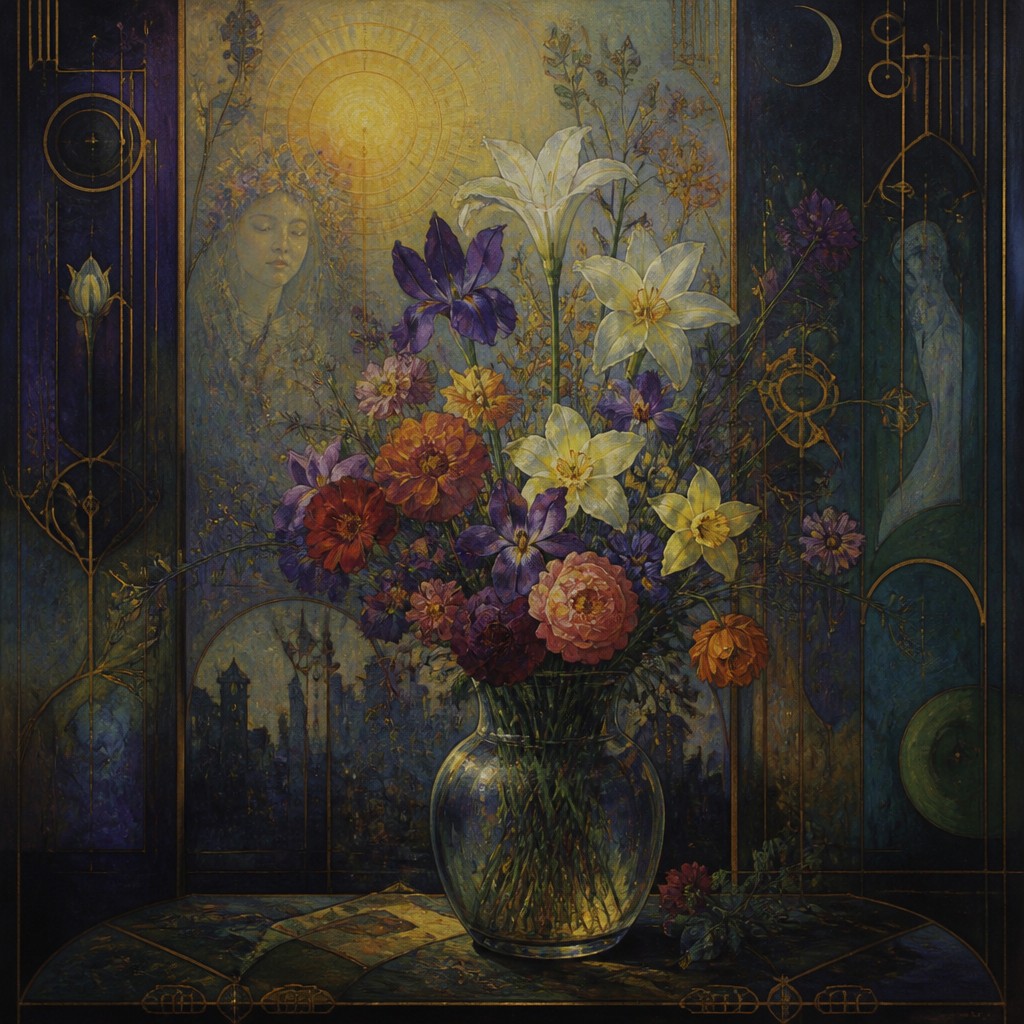
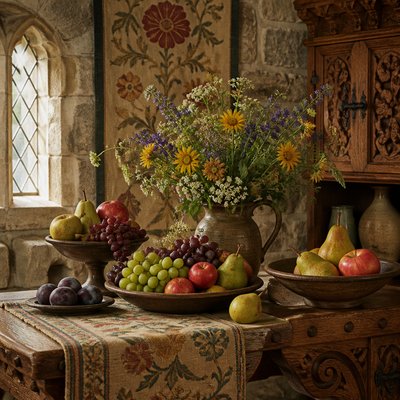
“bouquet of flowers in a glass vase”
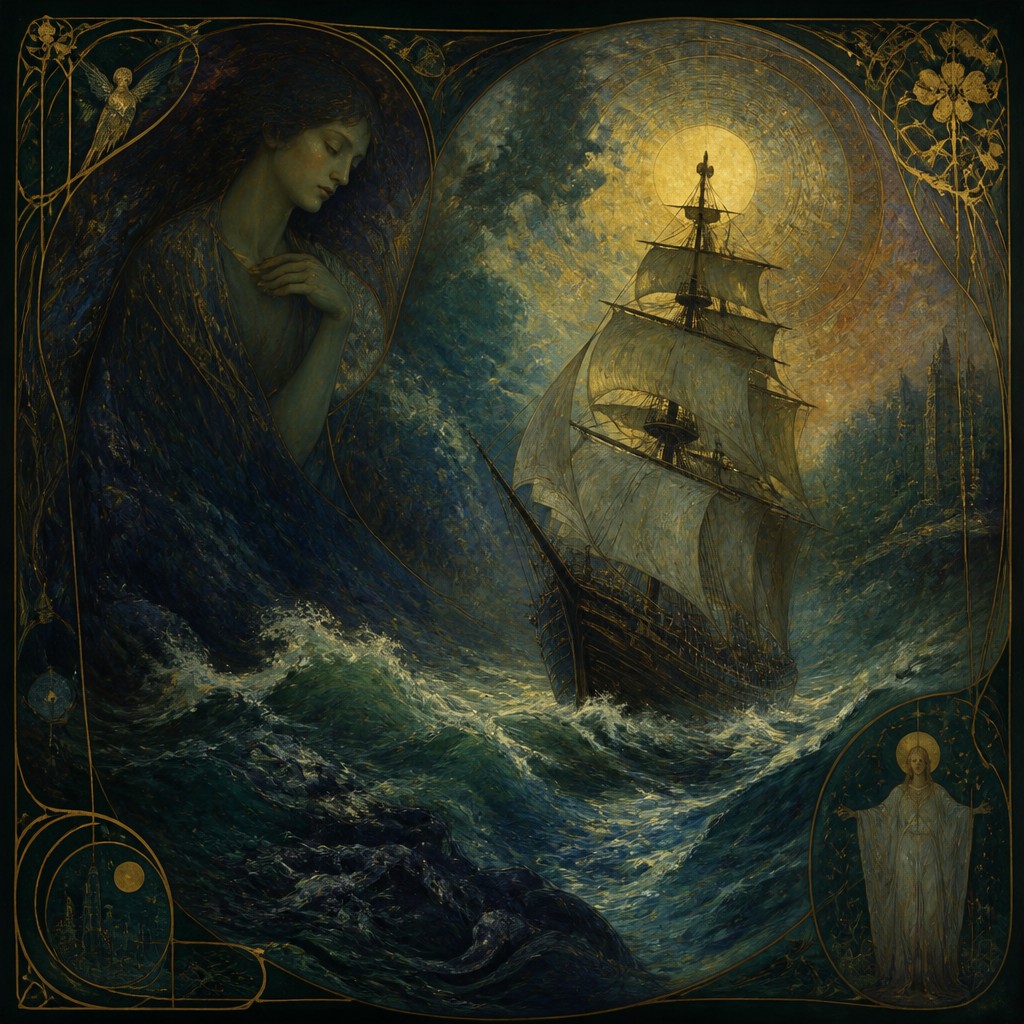
“sailing ship on a stormy sea”
How to Create Symbolism Art
Master the craft step by step — or skip straight to creating. Read the full guide →
- 1
Build the image around a symbol, not just a subject
Choose an object, figure, or scene that can carry a second meaning: a flower, mirror, swan, mask, moon, or sleeping figure. In Symbolist composition, the literal scene should feel like a vehicle for emotion, myth, or metaphysical idea.
- 2
Use layered color and softened edges
Traditional painters can achieve the look with thin glazes over a controlled underpainting, then soften transitions with scumbling or delicate blending. In digital work, use translucent layers, low-opacity brushes, and subtle bloom or diffusion to create a veiled glow.
- 3
Favor atmospheric light over sharp realism
Let the light seem internal, lunar, or ceremonial rather than naturalistic. A strong focal glow surrounded by deep shadow often works better than evenly lit realism because it reinforces the sense of revelation or dream.
- 4
Incorporate ornamental line and deliberate composition
Use flowing contour lines, patterned textiles, botanical motifs, or frames that echo Art Nouveau. Compose figures with stillness and symmetry, or arrange them in a way that feels emblematic rather than spontaneous.
- 5
Keep the mood ambiguous and contemplative
Avoid overexplaining the scene with obvious action or literal storytelling. Prompting works well when you specify emotional tone, mythic references, and visual devices such as halos, mist, gold accents, and dreamlike darkness.
- 6
Prompt for image generation with symbolic language
Describe the subject plus its emotional and mythic atmosphere, for example: 'a grieving queen beside a black swan, moonlit, translucent glazes, ornamental linework, haloed shadows, metaphysical mood.' Include materials, lighting, and mood cues to steer the result toward the style.
The Story
History & Origins of Symbolism
Symbolism emerged in the late 19th century, especially in France and Belgium, as a reaction against Naturalism, academic realism, and the belief that art should primarily describe the external world. It was closely linked to Symbolist literature and poetry, where suggestion, metaphor, and private vision were valued over literal narrative. In painting and related media, artists sought forms capable of expressing spirituality, eroticism, mortality, and mystery, often drawing on mythology, religion, medieval legend, and dream imagery.
Rather than a single school with a fixed manifesto, Symbolism developed as a broad international tendency from roughly the 1880s into the early 20th century. It overlaps with Decadence, the Pre-Raphaelites, Aestheticism, and aspects of Art Nouveau, and it helped prepare the ground for later modernist explorations of subjectivity and the unconscious. Canonical Symbolist artists include leading French Symbolist painters, a major French Symbolist draughtsman and painter, a key French Symbolist painter associated with allegorical and poetic themes, several important Belgian Symbolist painters, and, in a related northern vein, an influential Scandinavian Symbolist painter.
Influences: Symbolism is closely related to Symbolist literature, Decadence, Aestheticism, and Art Nouveau, and it shares with the Pre-Raphaelites a love of legend, medievalism, and saturated color. Its major historical painters include leading French Symbolist painters, notable Belgian Symbolist painters, a prominent northern European Symbolist painter, and a related early modernist painter from the Scandinavian region, each of whom explored myth, dream, spirituality, or psychological intensity in different ways. It also anticipates aspects of Surrealism through its interest in the irrational and the interior image.
Frequently Asked Questions
What defines Symbolist art?
Symbolist art uses images as carriers of emotion, myth, and inner meaning rather than as straightforward descriptions of the visible world. It often includes dreams, allegory, religious or literary references, and an atmosphere of mystery. The style is as much about suggestion as about depiction.
How is Symbolism different from Surrealism?
Both styles can feel dreamlike, but Symbolism is usually more poetic, allegorical, and consciously composed around emblematic meaning. Surrealism, by contrast, is more directly tied to the unconscious, irrational juxtaposition, and automatic processes. Symbolism often feels ceremonial or literary; Surrealism often feels disjunctive and uncanny.
How does Symbolism differ from Art Nouveau?
Symbolism is primarily a subject-and-meaning driven movement, while Art Nouveau is mainly a decorative style defined by sinuous line, botanical ornament, and design unity. The two overlap visually, especially in contour and ornament, but Symbolism tends to emphasize myth, psyche, and metaphysical atmosphere more strongly. Many works use both qualities together.
What subjects work best in Symbolist style?
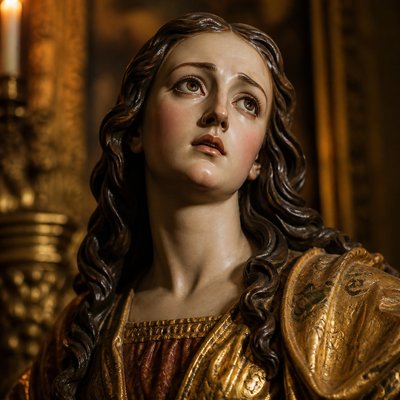
Subjects with emotional or mythic resonance work especially well: sleeping figures, angels, saints, witches, queens, mirrors, moons, flowers, masks, and symbolic animals. Landscapes can also work if they feel charged with memory, ritual, or foreboding rather than ordinary scenery. The key is that the subject should suggest something beyond itself.
How do I make a Symbolist image look authentic?
Focus on mood, layered color, softened edges, and symbolic detail rather than crisp realism. Use deep shadows, glowing focal points, and a restrained but meaningful palette, often with jewel tones and gold accents. Compositional stillness and ambiguity matter as much as technique.
Where is Symbolism used today?
It appears in fine art, illustration, album art, fashion imagery, book covers, game art, and fantasy-based visual design. Contemporary creators often borrow its dream logic, ornamental line, and mythic atmosphere to give images a timeless, introspective quality.
Create your first Symbolism artwork
Describe anything — or upload a photo — and see it in Symbolism Art Style in seconds.
Make Something with Symbolism
Compare Symbolism
Related Styles
Discover similar art styles