Neoclassicism Art Style
Austere classical art with noble restraint, balanced composition, muted tones, and archaeological precision inspired by ancient Greece and Rome.
Instantly rendered in Neoclassicism — or transform a photo
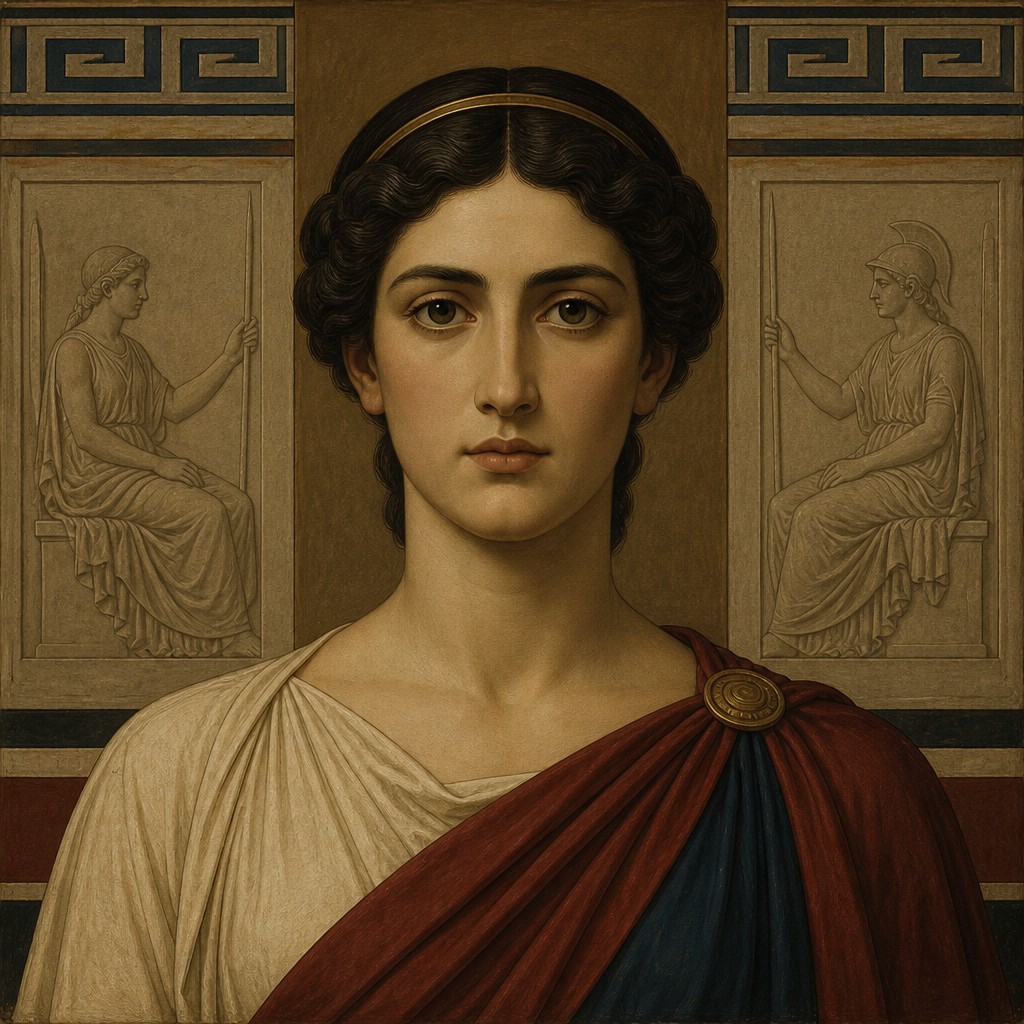
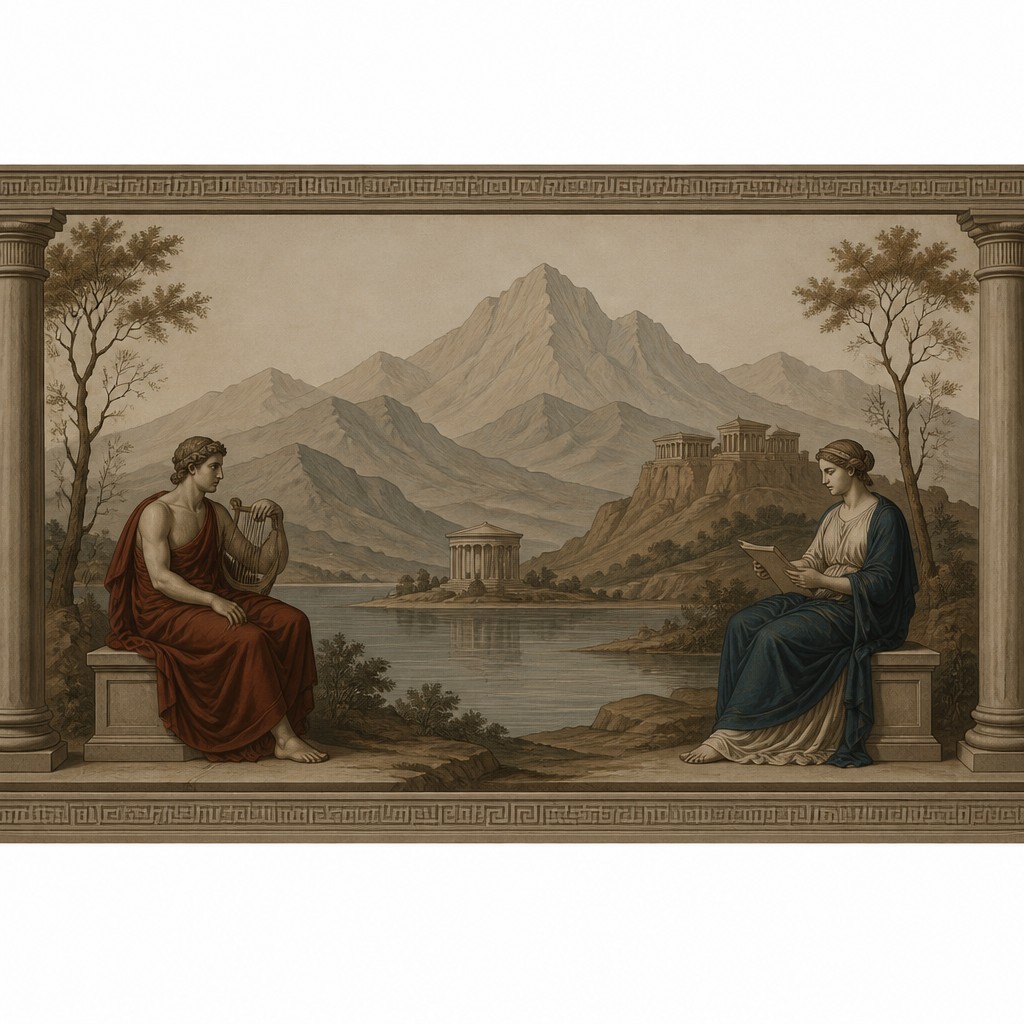
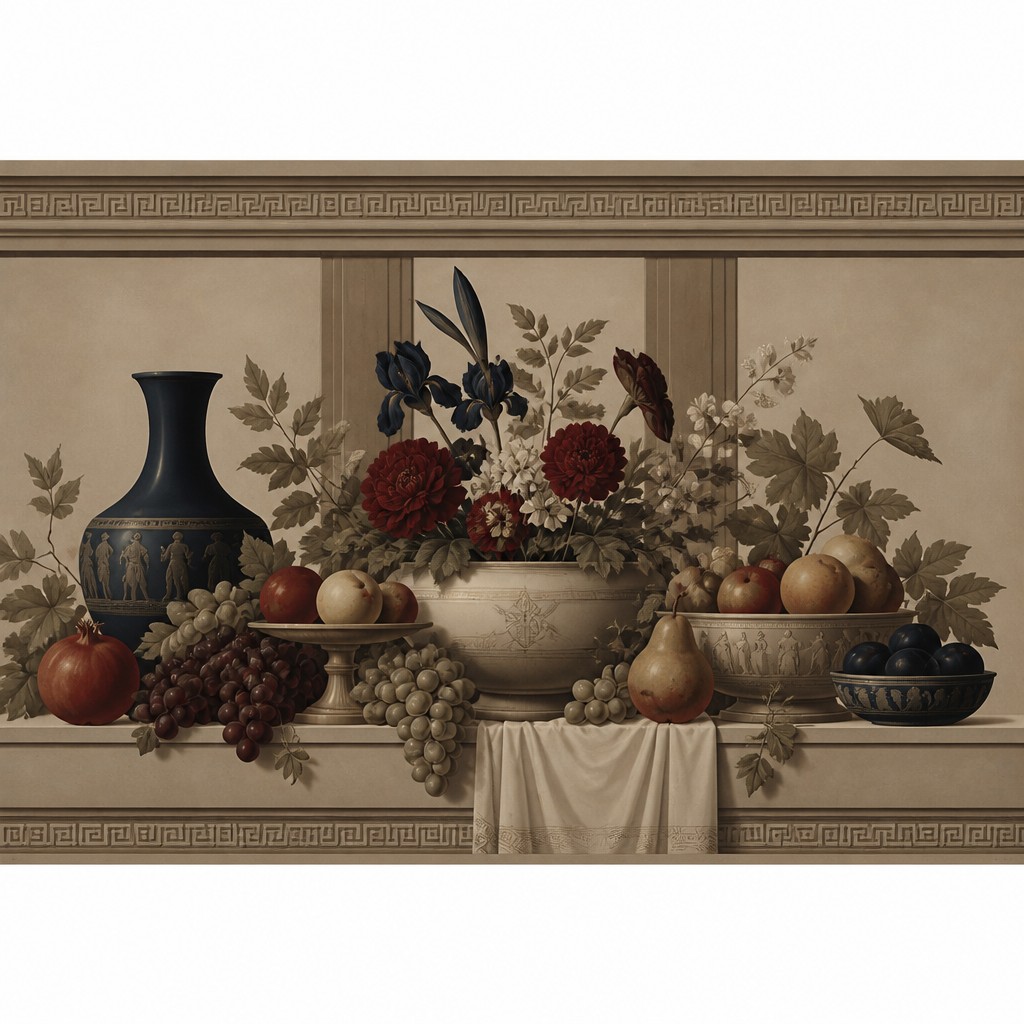
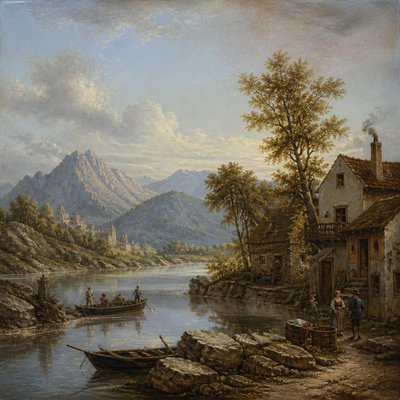
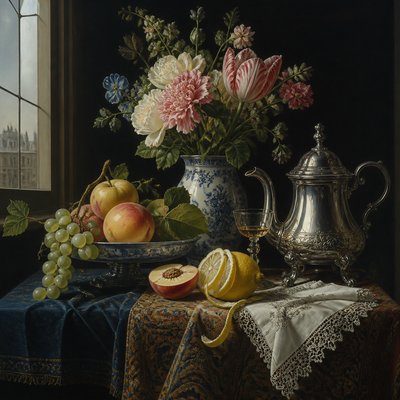
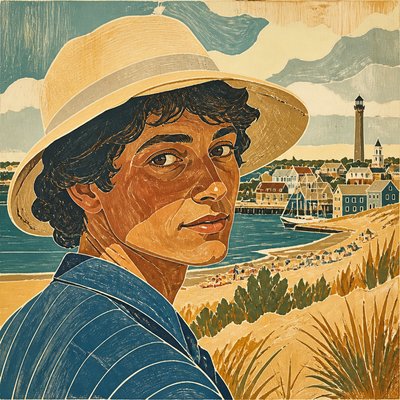
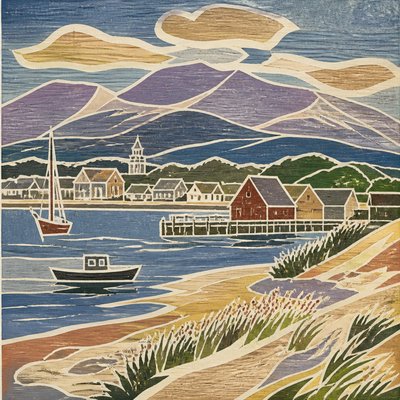
Neoclassicism Gallery
Tap any artwork to explore it
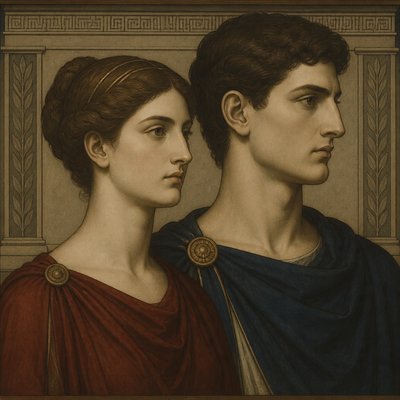
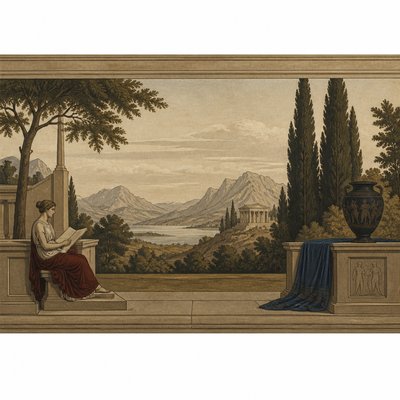
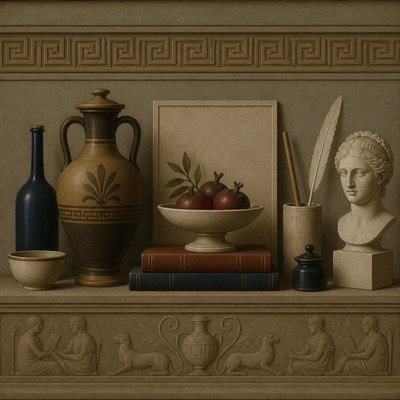
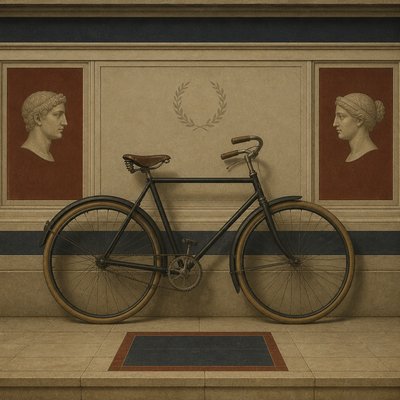
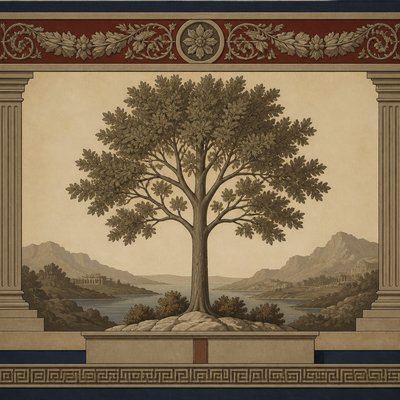
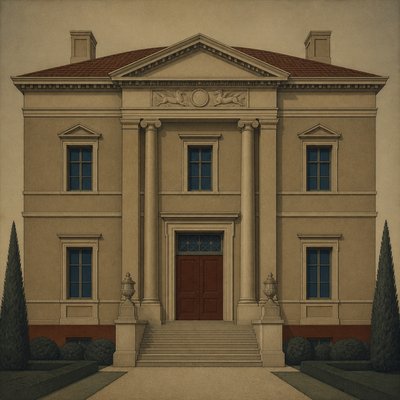

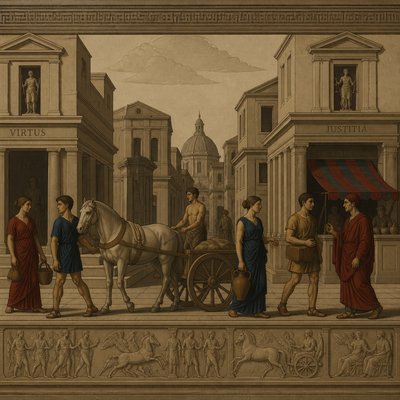
What is Neoclassicism Art Style?
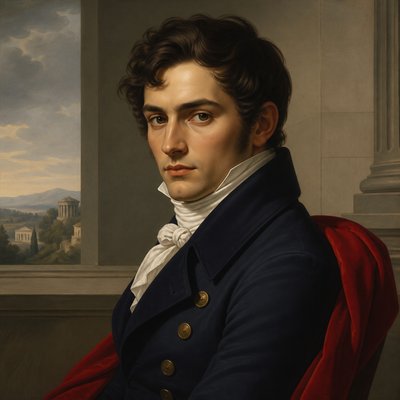
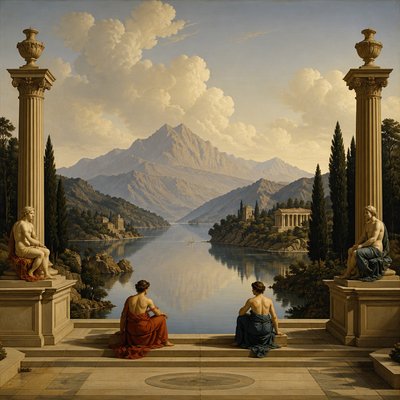
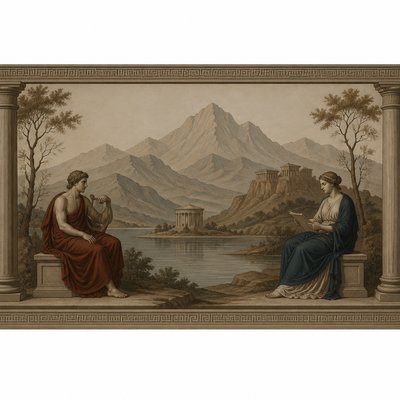
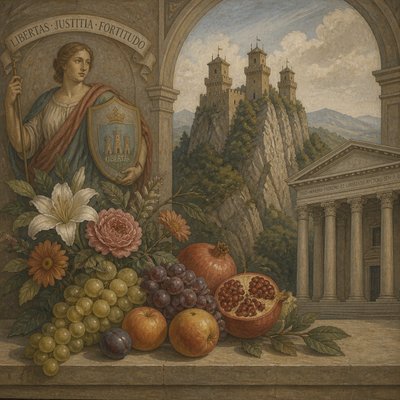
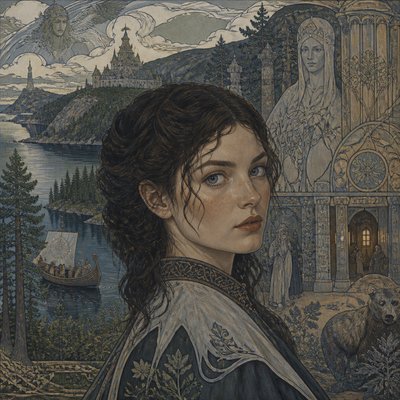
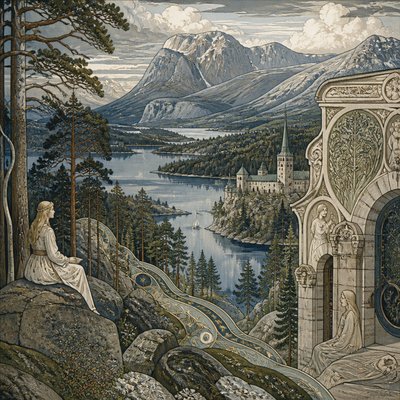
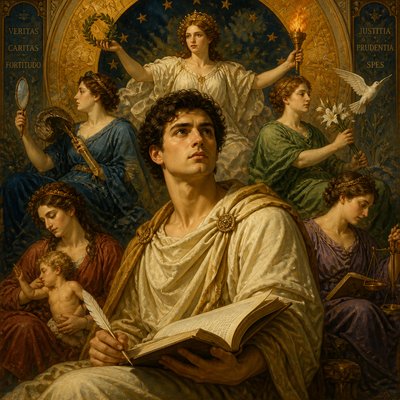
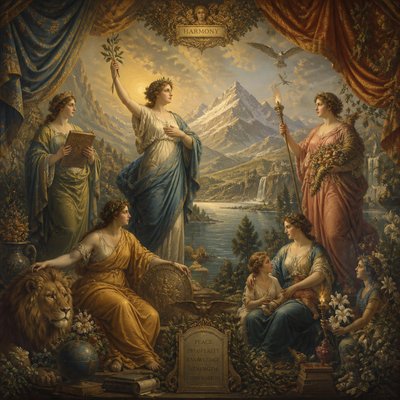
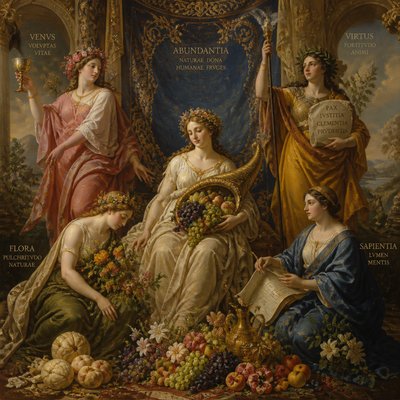
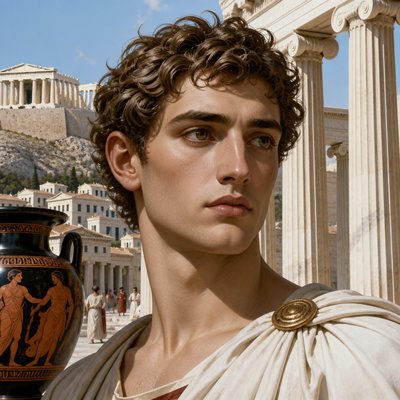
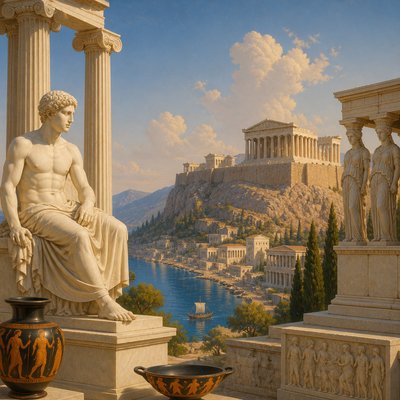
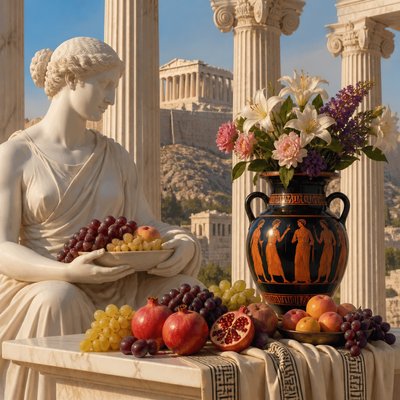
Neoclassicism is an art style that revives the visual ideals of antiquity: clarity of line, controlled composition, moral seriousness, and a dignified sense of restraint. It favors figures that read like sculptural forms, arranged with balance and order, often in shallow spatial settings that recall relief sculpture, history painting, and Roman frescoes.
The style looks the way it does because it was built in opposition to the excess, theatricality, and ornament associated with Rococo art. Neoclassical artists sought intellectual discipline and archaeological fidelity, so they emphasized precise contour, smooth surfaces, calm gestures, and costumes, architecture, and objects drawn from ancient Greece and Rome. The result is a polished, solemn, and idealized visual language that feels measured rather than spontaneous.
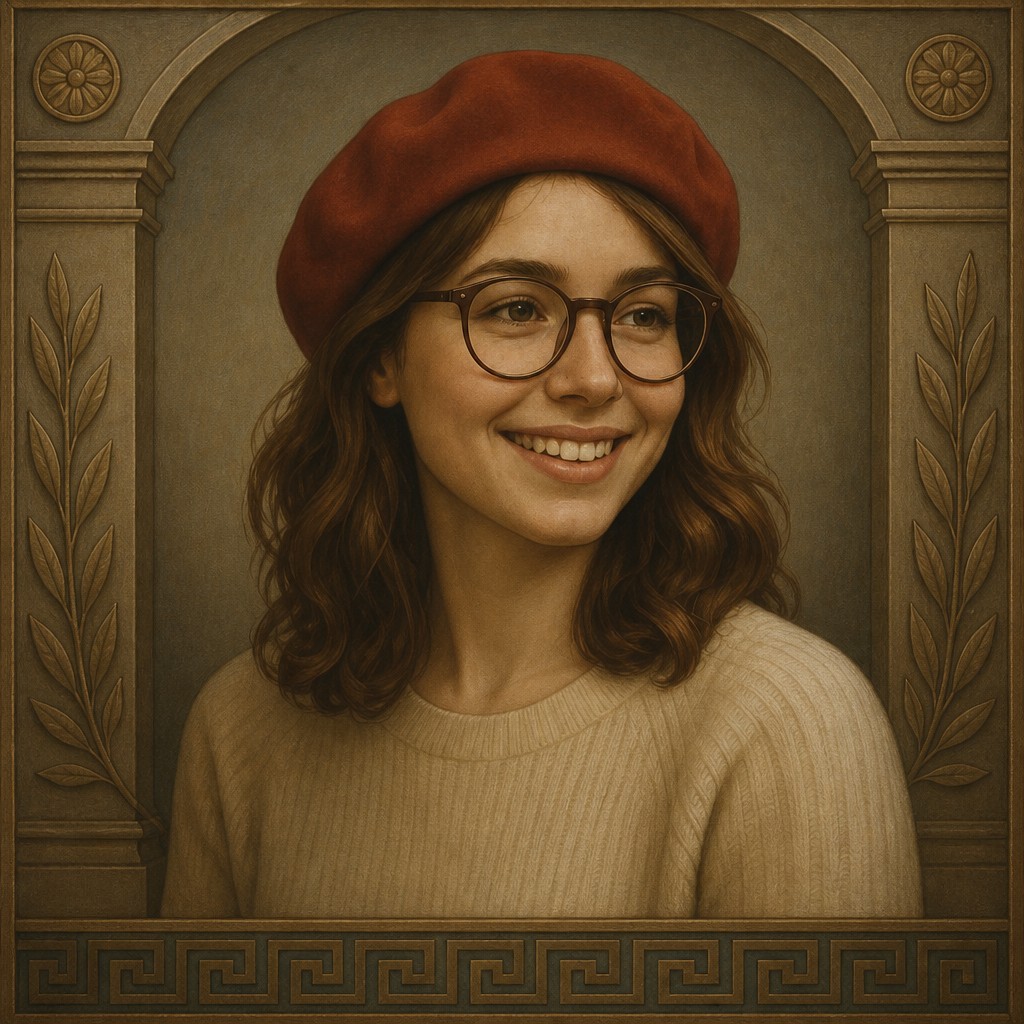
Try It On Your Photos
Upload any photo and convert it into Neoclassicism Art Style — drag the sliders to compare before and after.

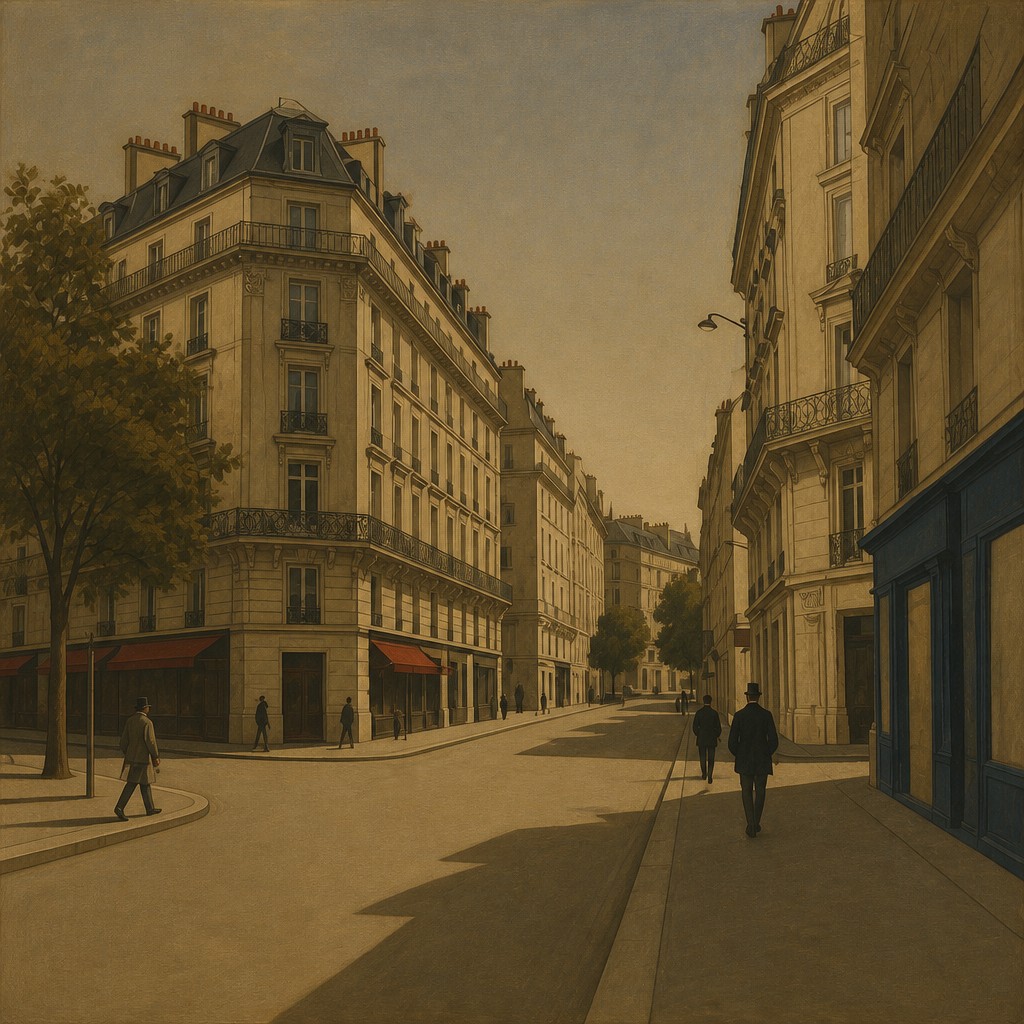

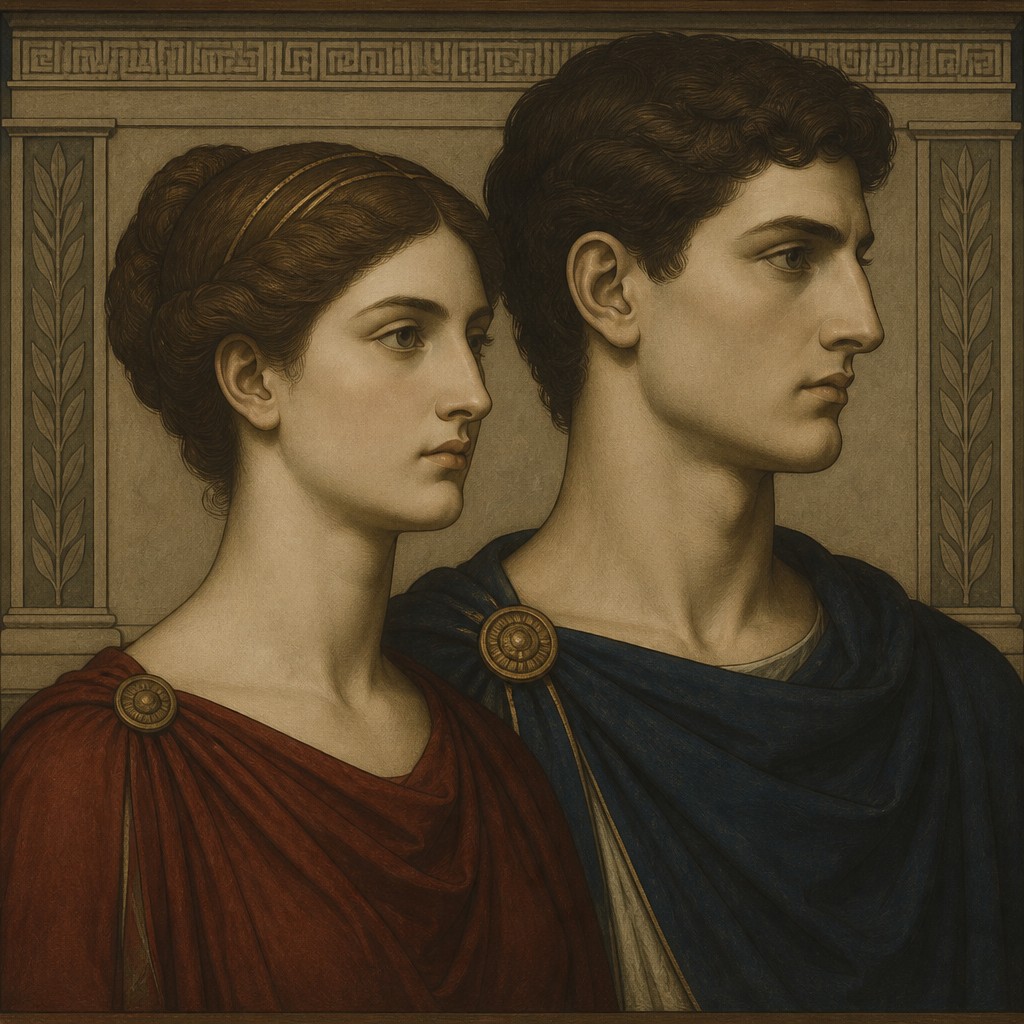
What Defines Neoclassicism Art Style
The signature details, up close
Linear precision
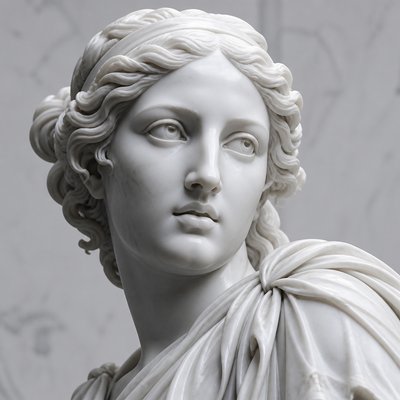
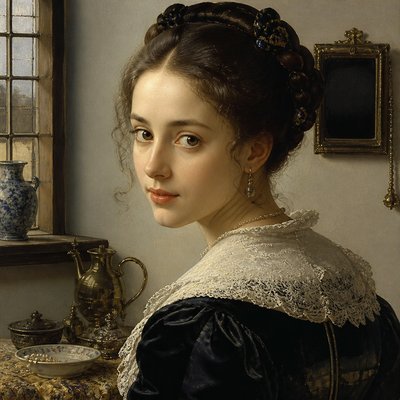
Contours are crisp and carefully drawn, with line given priority over painterly color. Forms are described with disciplined edges that make figures feel sculptural and intellectually ordered.
Classical proportion
Bodies, architecture, and objects are arranged according to balanced, idealized proportions. The composition often feels symmetrical or near-symmetrical, creating a sense of stability and control.
Muted antique palette
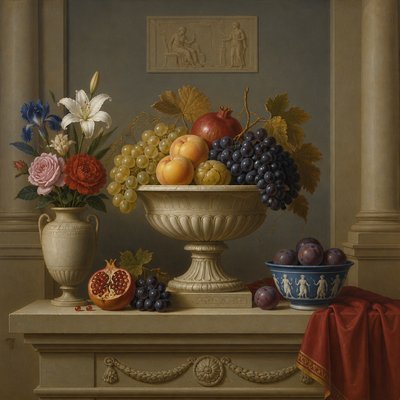
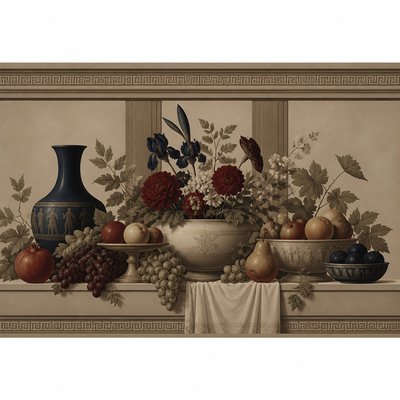
Colors are usually restrained: ochres, umbers, stone grays, warm creams, and subdued blues or crimson accents. The palette supports solemnity and material realism rather than decorative brilliance.
Smooth finished surfaces
Brushwork is minimized so that the image appears polished and seamless. Skin, drapery, and marble-like surfaces are rendered with a porcelain finish that suppresses visible technique.
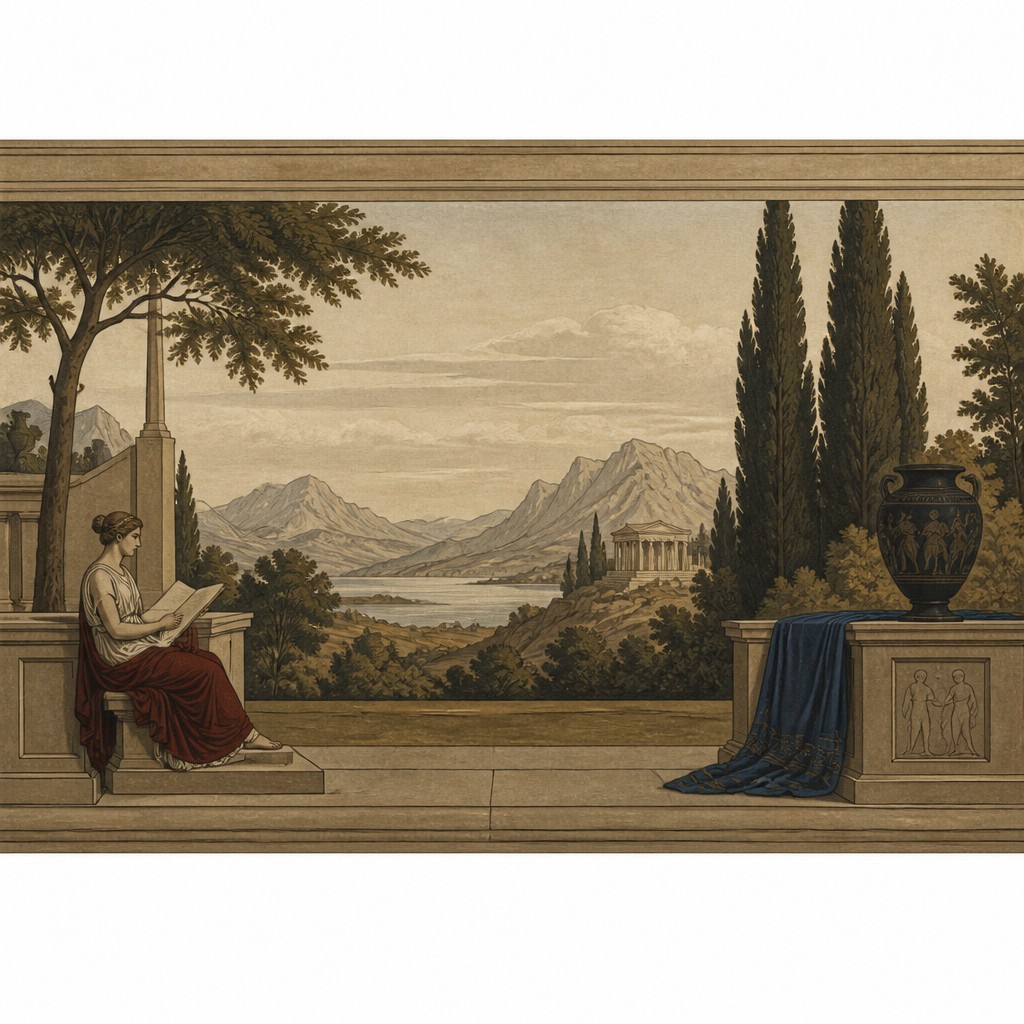
Frieze-like staging
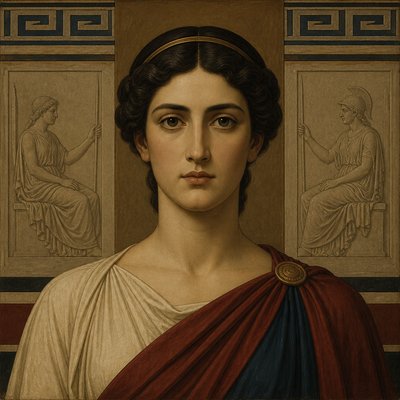
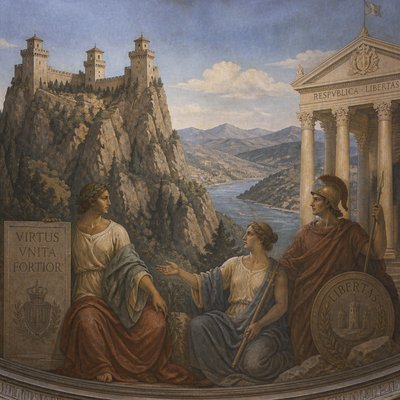
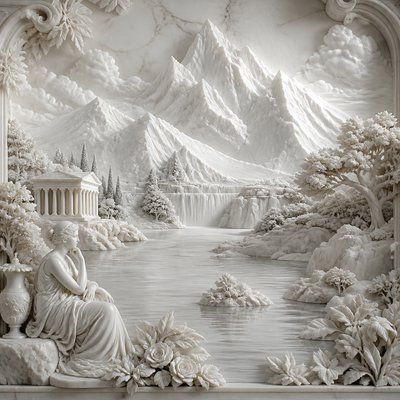
Figures are often arranged in shallow parallel planes, as if set in a relief or historical tableau. This reduces deep perspective and encourages a readable, ceremonial presentation.
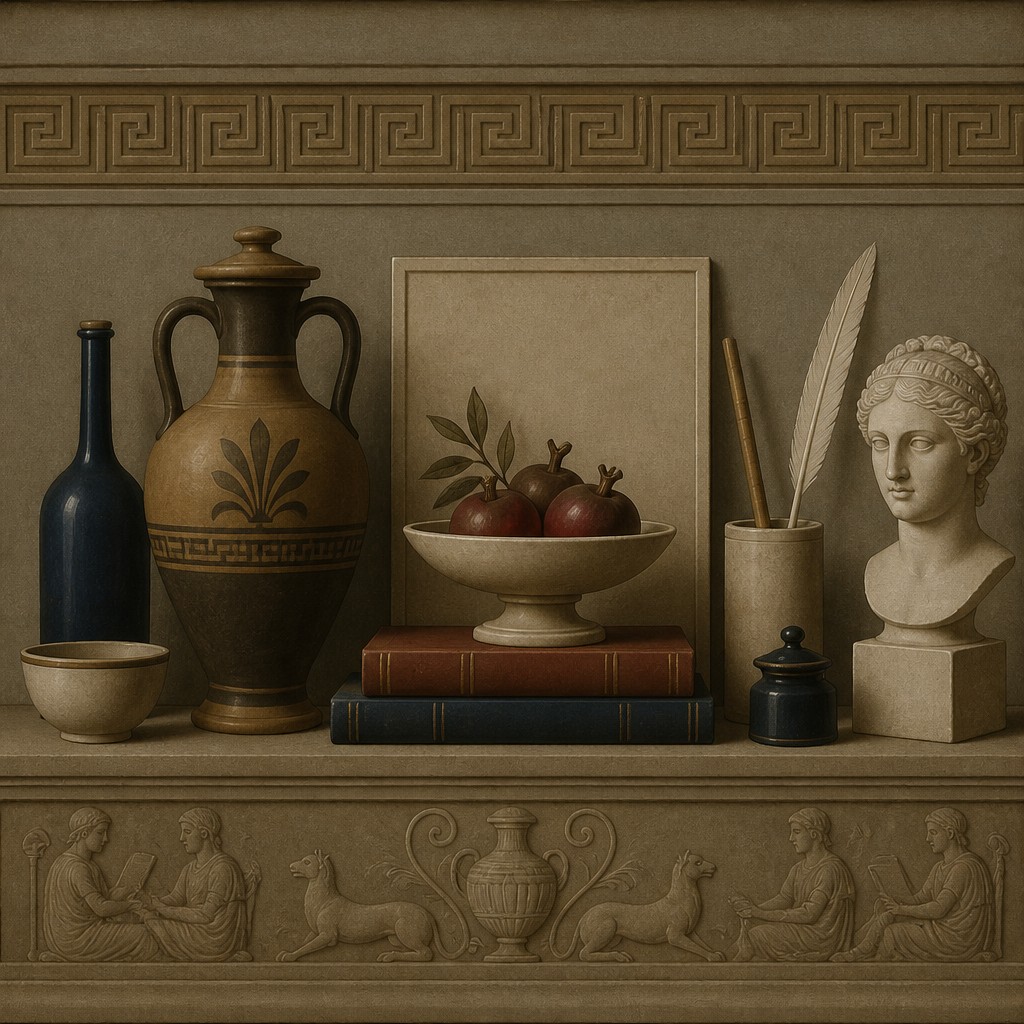
Stoic expression
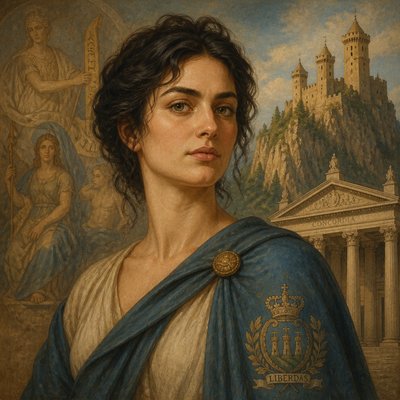
Faces and gestures tend to be composed, grave, and emotionally restrained. Even dramatic scenes are filtered through dignity, clarity, and moral seriousness.
Try It
Create Videos in Neoclassicism Art Style
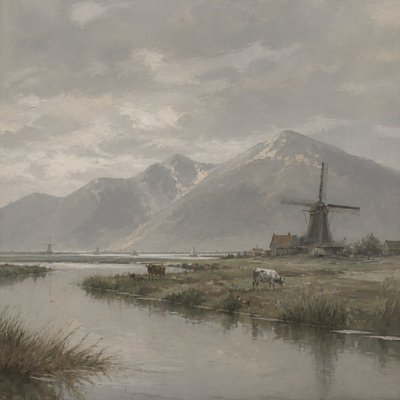
Styles aren't just for stills — describe a scene or animate an image and get a short video rendered in Neoclassicism. Press play to see this pond come to life.
Make a VideoNeoclassicism Prompt Ideas
Start from an idea — each one opens the generator with the style ready to go. See all 40 Neoclassicism prompts →
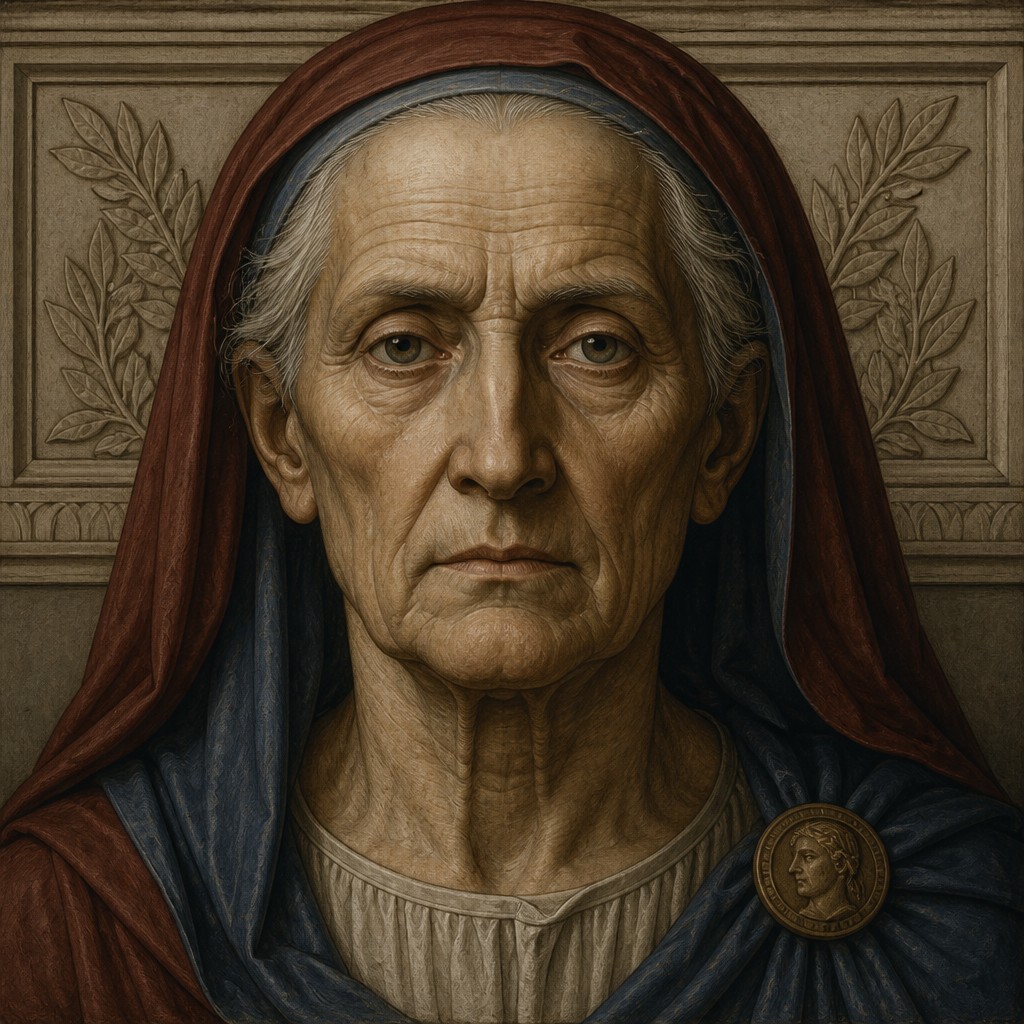
“close-up portrait of an elderly person with expressive weathered features”
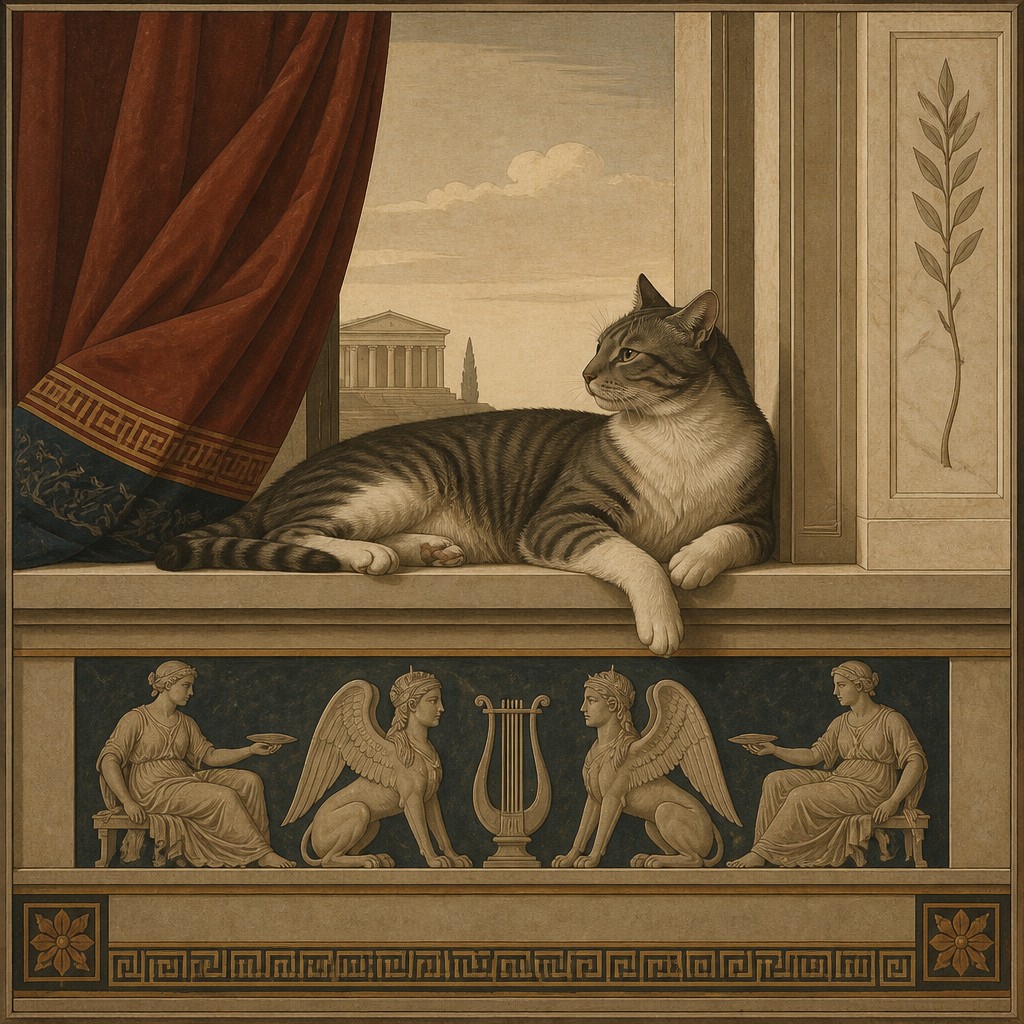
“a cat lounging in a sunlit window”
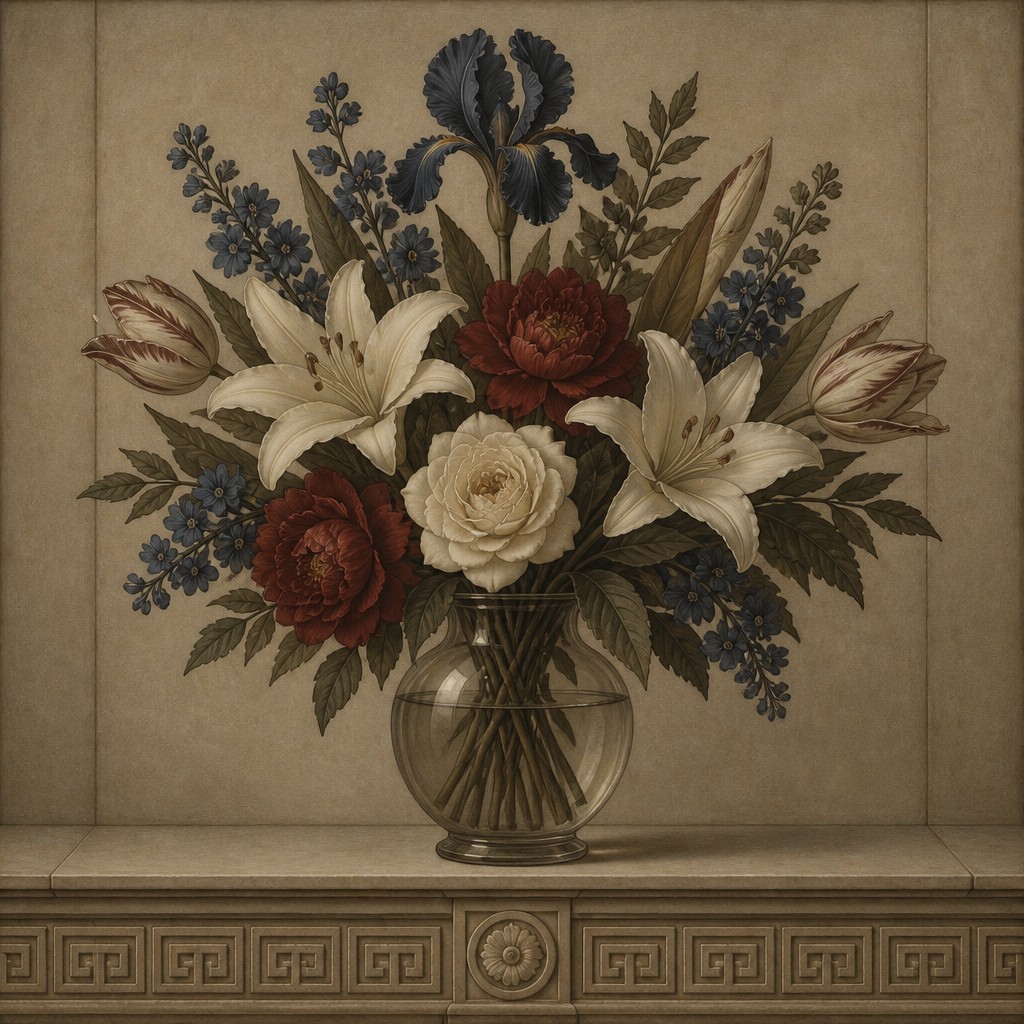
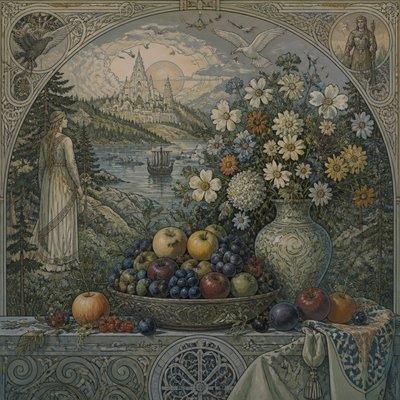
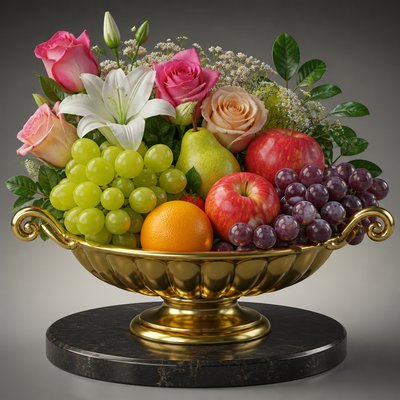
“bouquet of flowers in a glass vase”

“sailing ship on a stormy sea”
How to Create Neoclassicism Art
Master the craft step by step — or skip straight to creating. Read the full guide →
- 1
Build the image from drawing
Start with accurate anatomy, strong contours, and a clear compositional scaffold before adding tone or color. In traditional media, use careful underdrawing and thin, controlled layers; in digital work, separate line refinement from shading so the structure stays authoritative.
- 2
Use classical references
Study ancient sculpture, Roman reliefs, temple architecture, and late-18th-century history painting for pose, drapery, and composition. Archaeological details—armor, sandals, columns, laurel wreaths, and antique interiors—help anchor the work in the style's historical logic.
- 3
Restrict the palette and texture
Favor earthy neutrals with a few disciplined accents of deep red or dark blue. Keep transitions smooth, with controlled chiaroscuro and minimal visible brushwork, so the image feels carved and finished rather than expressive or sketchy.
- 4
Compose like a history painting
Arrange figures with symmetry, hierarchy, and readable gestures, often in a shallow stage-like space. Even when the subject is modern, present it with the gravity and clarity of an antique moral scene.
- 5
Write prompts with formal discipline
When generating digitally, specify line priority, balanced composition, antique architecture, muted pigments, and polished surfaces. Prompting works best when you describe subject matter first, then add the classical visual rules that control the rendering.

The Story
History & Origins of Neoclassicism
Neoclassicism emerged in the mid-18th century and flourished through the early 19th century, especially in Europe and the Atlantic world. Its rise was shaped by Enlightenment ideas, Grand Tour collecting, and major archaeological discoveries at Herculaneum and Pompeii, which gave artists and patrons direct access to ancient forms and visual evidence. The movement became a dominant language for history painting, portraiture, state imagery, and public monuments, where classical precedent was used to express virtue, civic duty, and rational order.
Among the most important painters associated with the style are major Neoclassical painters, leading academic portrait painters, and other influential court painters. In sculpture, the defining Neoclassical sculptor established the polished, idealized neoclassical body. The movement gradually gave way to Romanticism in the 19th century, but its classical authority continued to influence academic art, official portraiture, and later revivals in architecture and design.
Influences: Neoclassicism draws most directly from ancient Greek and Roman sculpture, reliefs, temples, and painted antiquity as rediscovered through archaeology. It is also closely related to the academic traditions that shaped European history painting and sculpture, with major Neoclassical painters, leading academic portrait painters, and other influential court painters as major artists, and the defining Neoclassical sculptor as the sculptural reference point. In later centuries, classical revival currents in architecture, decorative arts, and official portraiture continued to reuse its language of order, moral gravity, and ideal form.
Frequently Asked Questions
What defines Neoclassicism in art?
Neoclassicism is defined by classical subject matter, balanced composition, clear drawing, and a restrained, polished finish. It often presents figures with calm dignity and uses ancient Greece and Rome as both visual and moral models.
How is Neoclassicism different from Rococo?
Rococo is decorative, playful, and fluid, while Neoclassicism is austere, structured, and morally serious. Neoclassical works reduce ornament, tighten composition, and favor clarity and restraint over whimsy and sensual elaboration.
How is Neoclassicism different from Romanticism?
Romanticism tends to emphasize emotion, movement, atmosphere, and individual experience, whereas Neoclassicism stresses order, rational form, and public virtue. The two movements often overlap historically, but their visual priorities are sharply different.
What subjects are common in Neoclassical art?
Common subjects include classical mythology, Roman history, civic virtue, patriotic sacrifice, portraiture, and idealized figures in antique settings. Even modern themes are often treated as if they were scenes from antiquity.
What colors and textures work best in this style?
Muted earth tones, stone grays, creams, and restrained accents of deep red or blue are especially characteristic. Surfaces should feel smooth and finished, with little visible brushwork and controlled lighting that models form clearly.
Can Neoclassicism be used for digital art or photo transformation?
Yes. In digital or image-to-image work, the key is to simplify the lighting, sharpen contours, reduce saturation, and recompose the subject with classical balance. For photo transformation, portraits and architectural scenes adapt especially well because the style depends on legible structure and calm pose.
Create your first Neoclassicism artwork
Describe anything — or upload a photo — and see it in Neoclassicism Art Style in seconds.
Make Something with Neoclassicism
Compare Neoclassicism
Related Styles
Discover similar art styles