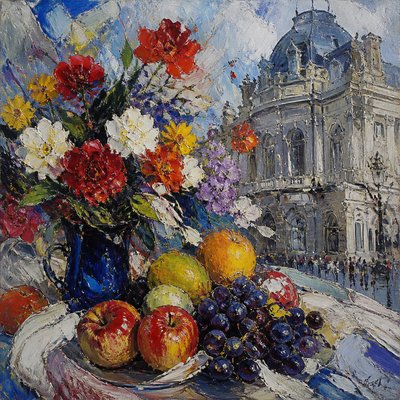
Magical Realism Art Style
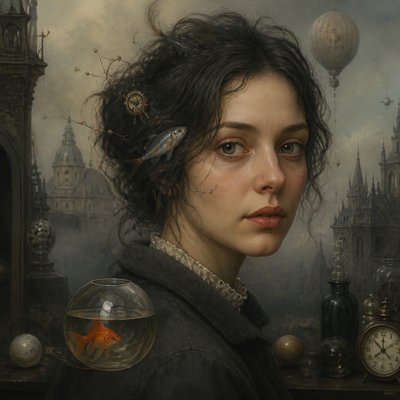
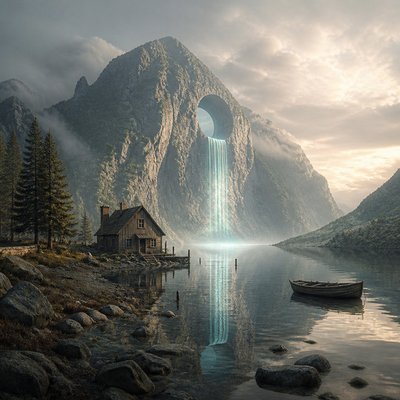
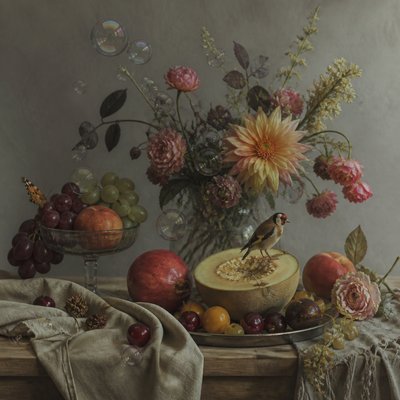
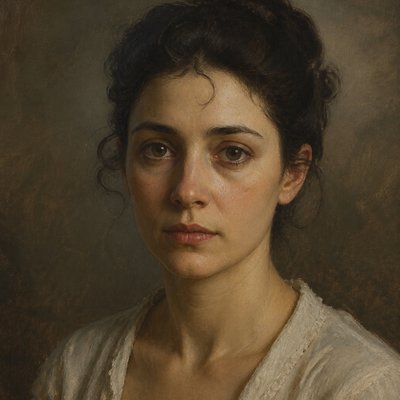
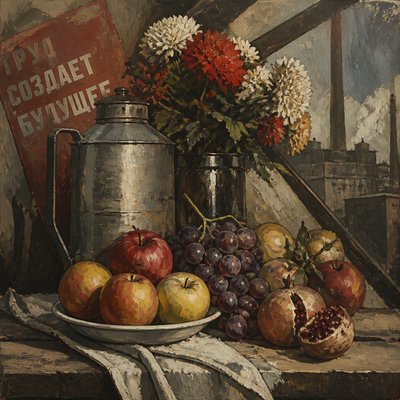
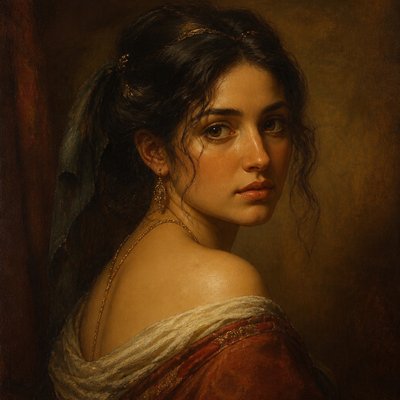
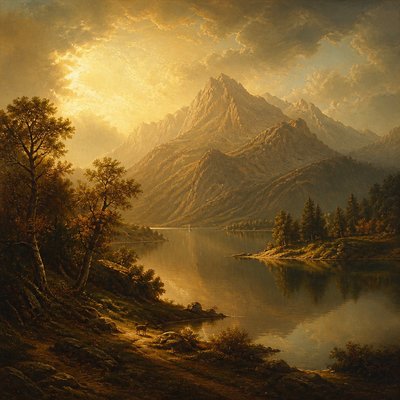
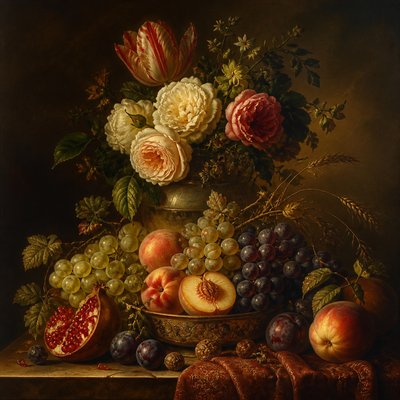
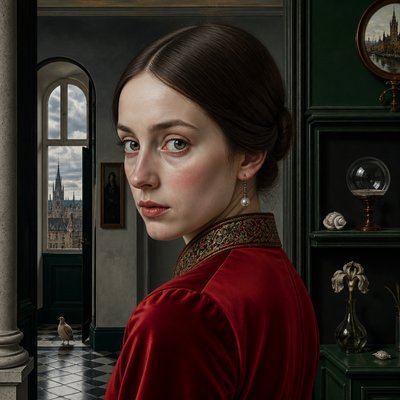
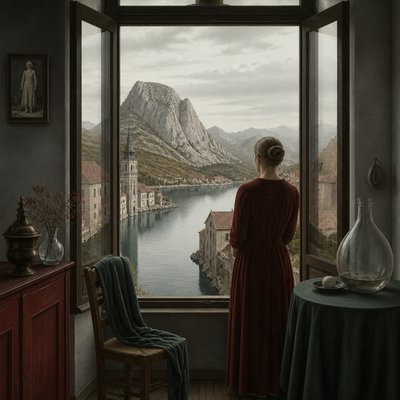
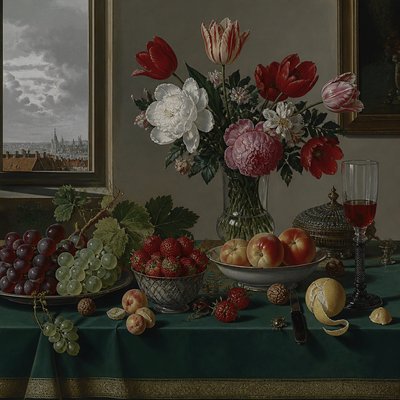
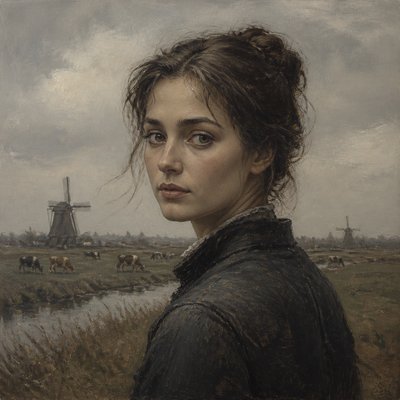
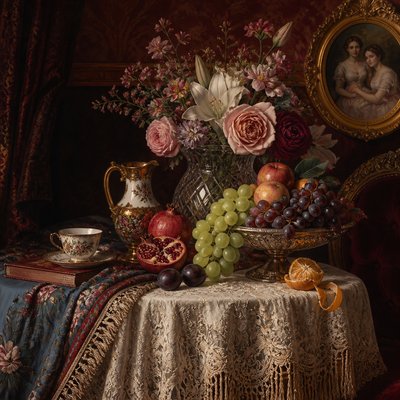
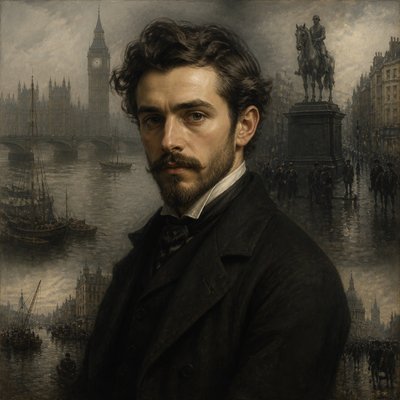
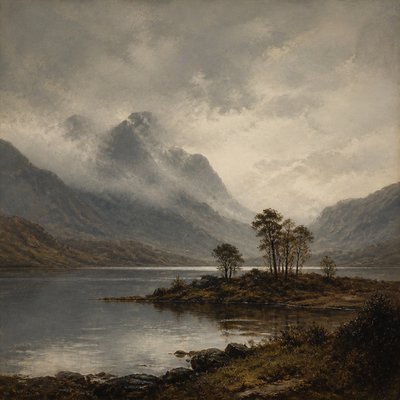
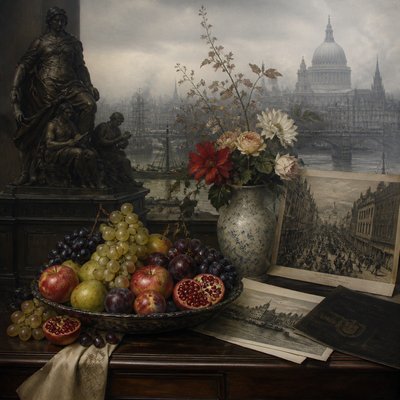
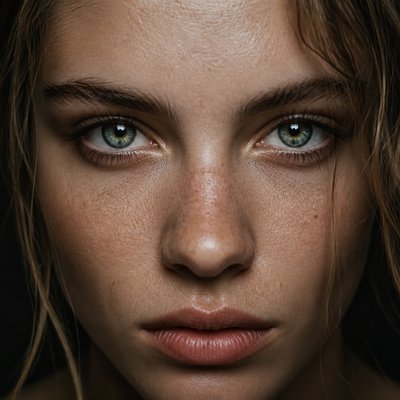
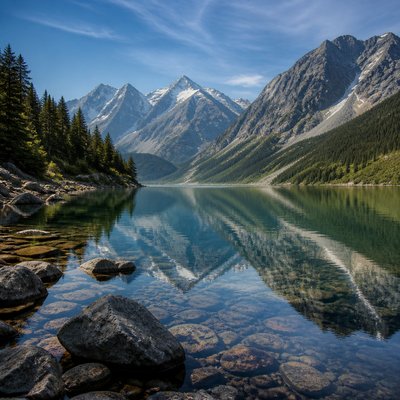
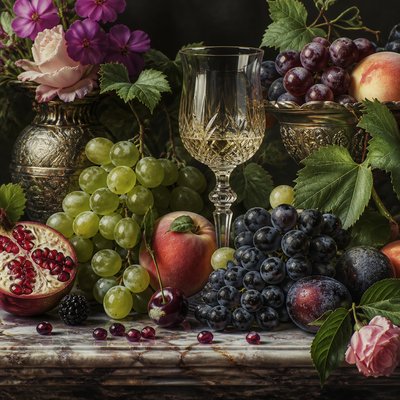
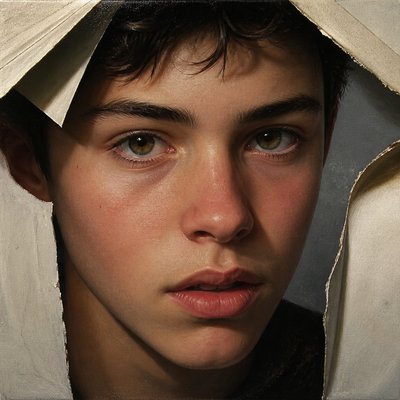
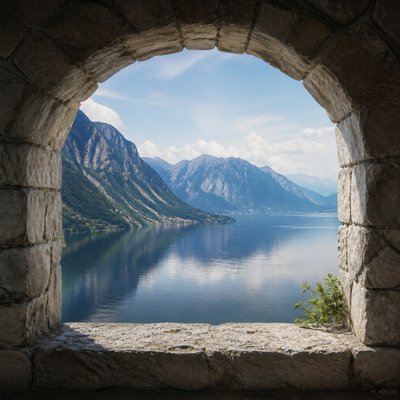
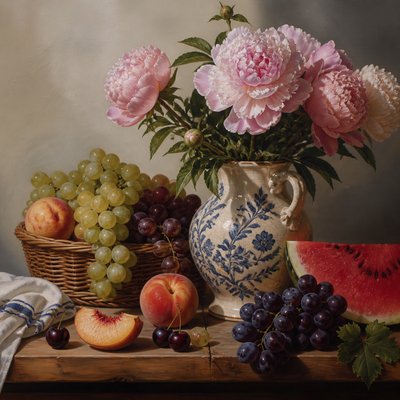
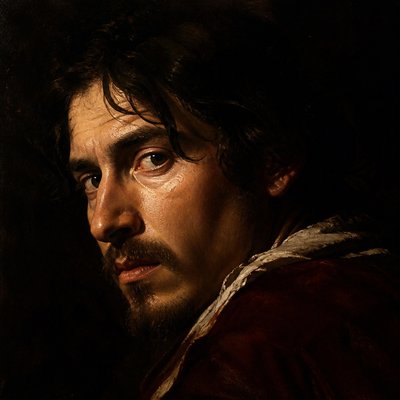
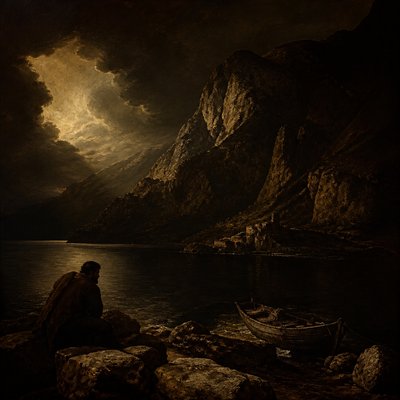
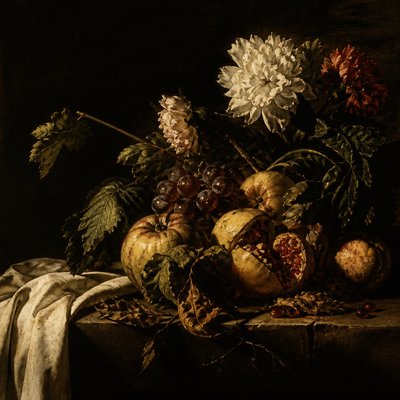
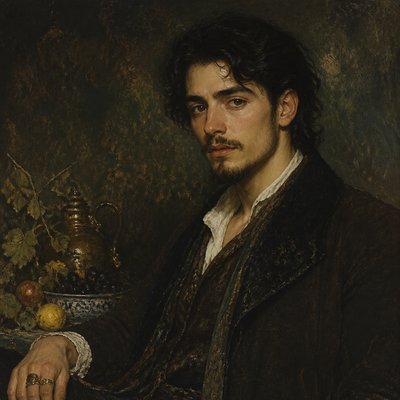
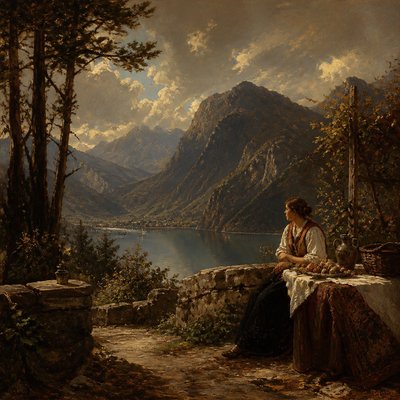
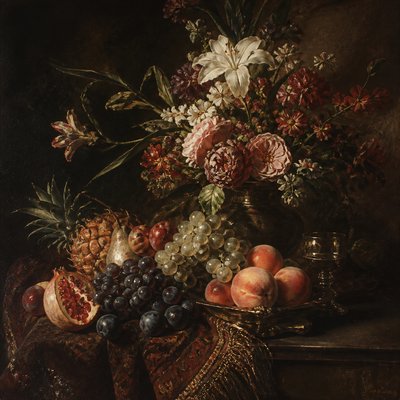
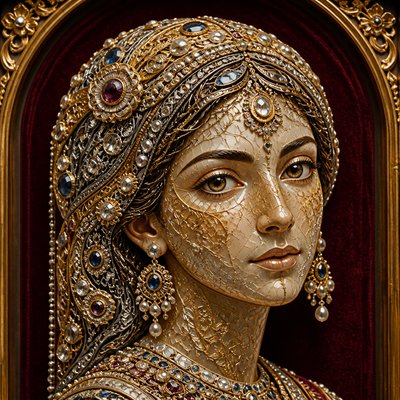
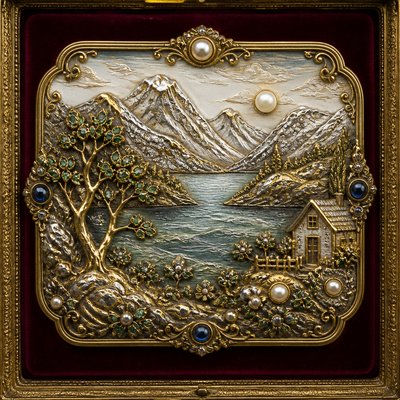
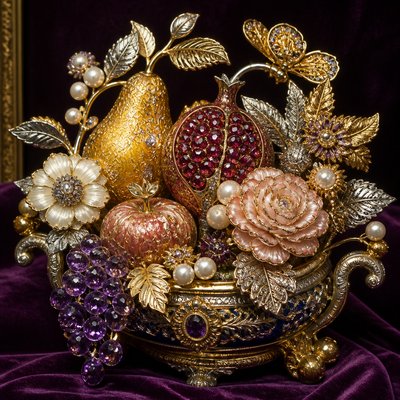
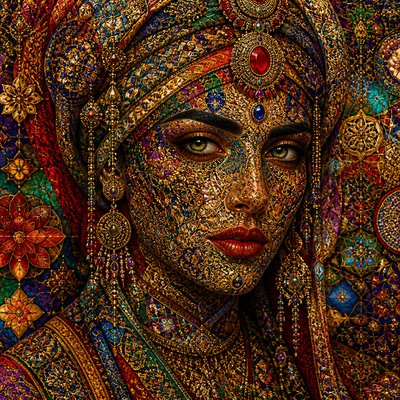
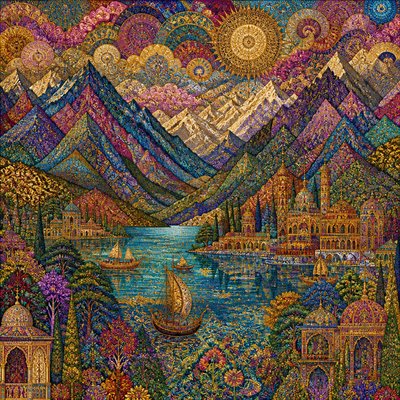
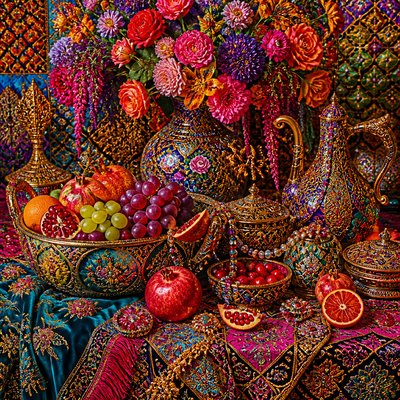
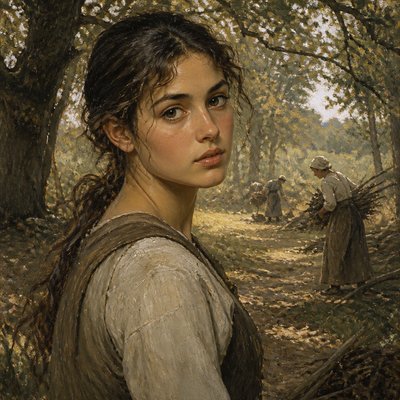
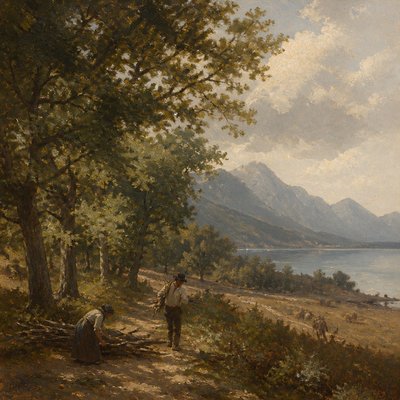
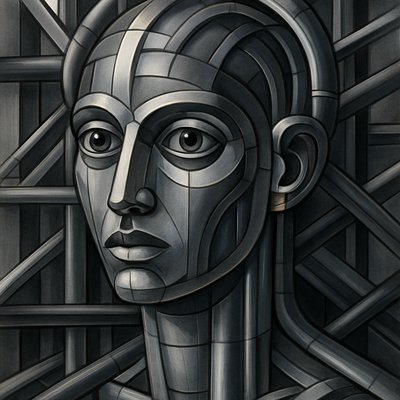
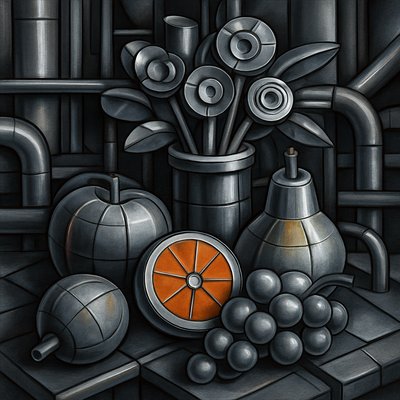
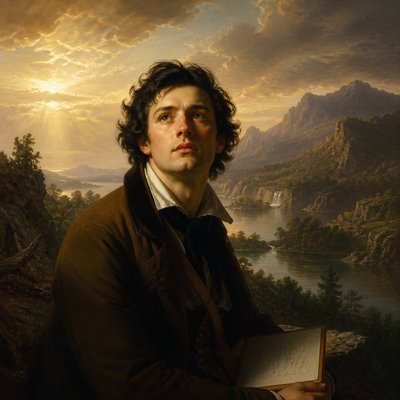
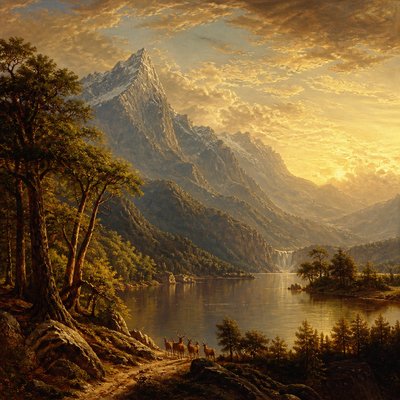
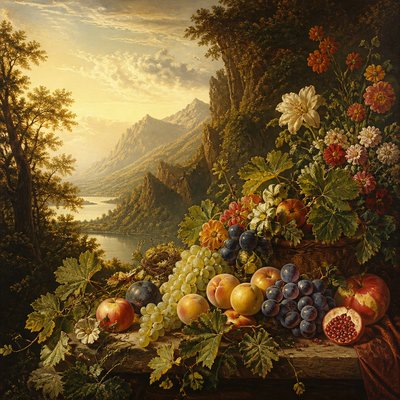
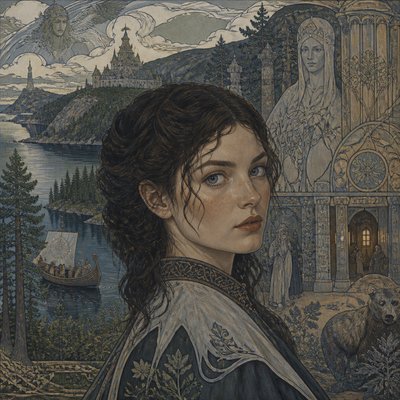
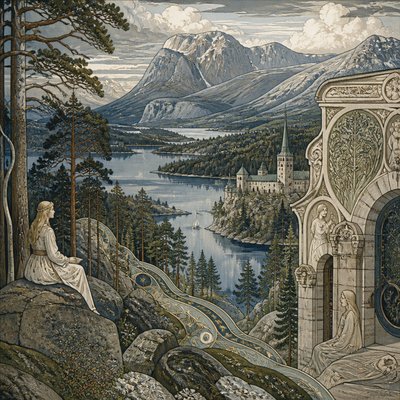
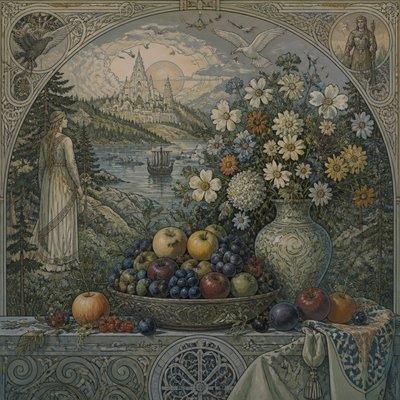
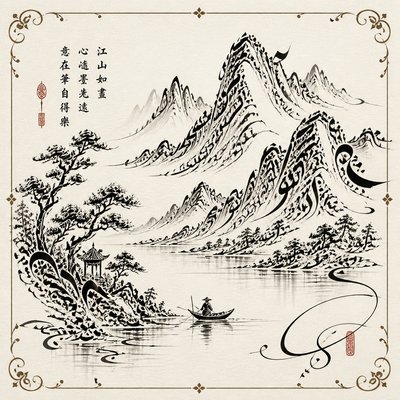
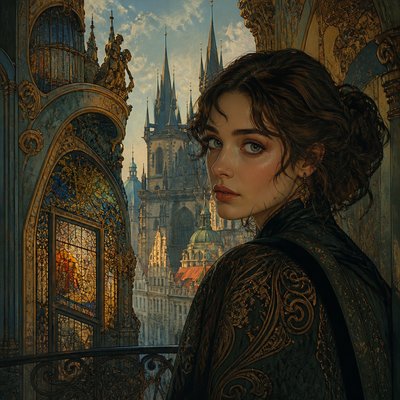
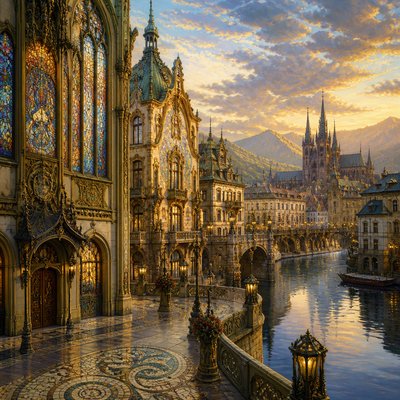
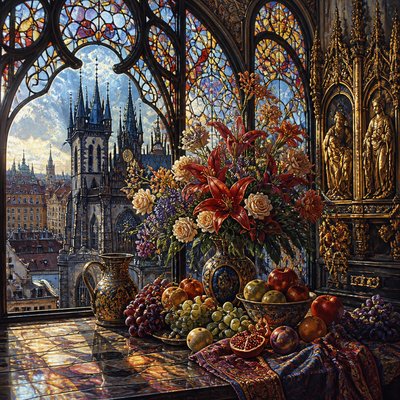
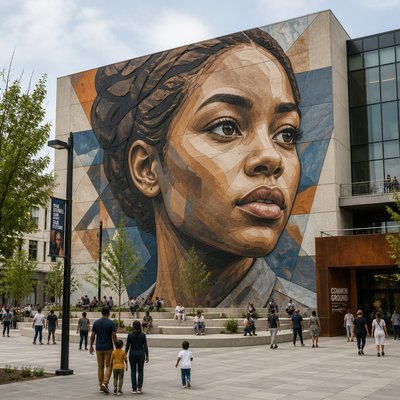
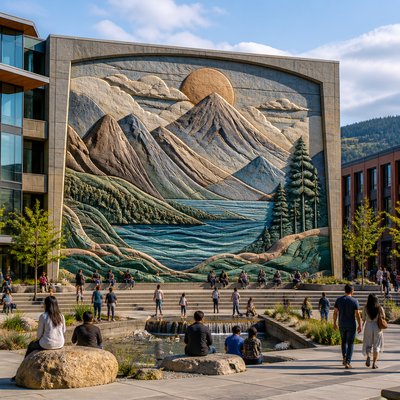
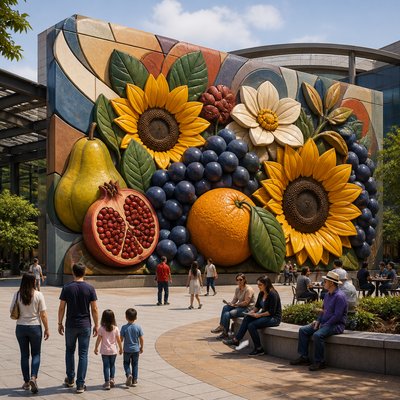
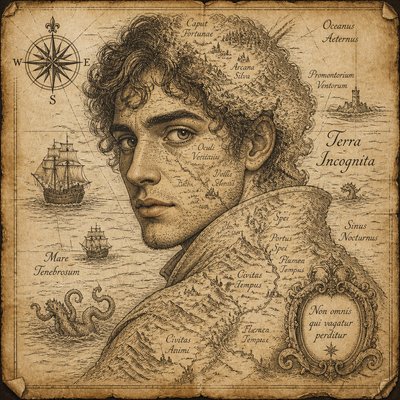
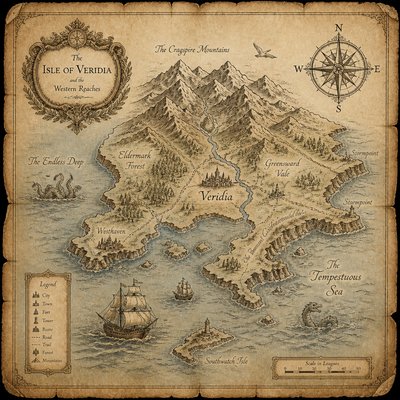
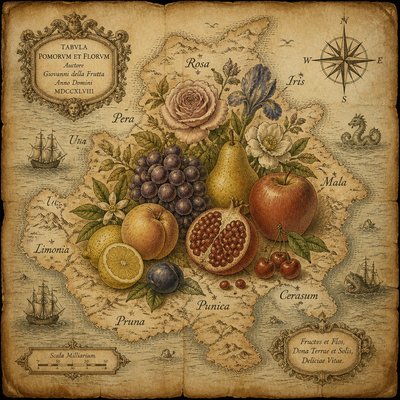
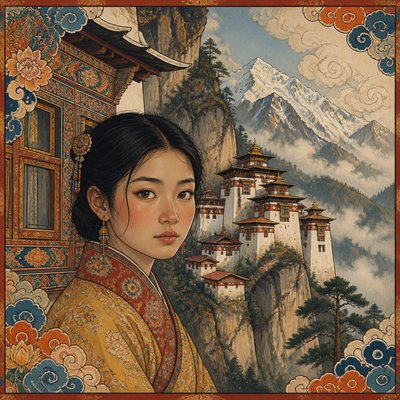
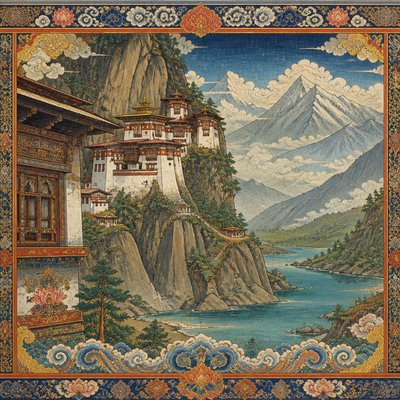
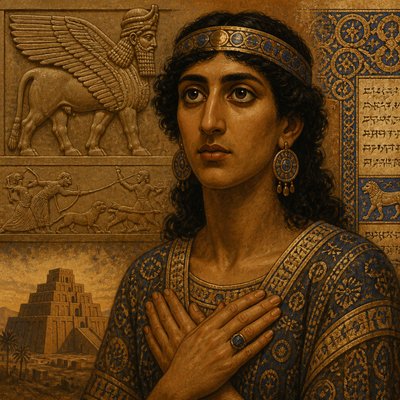
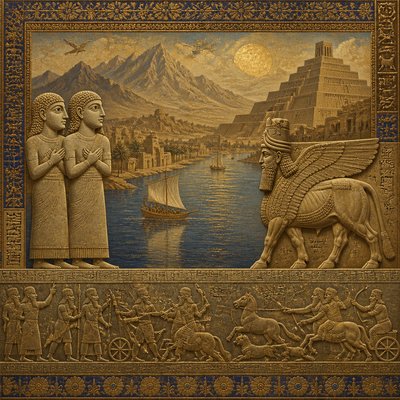
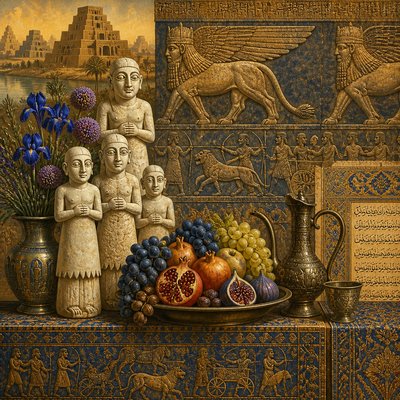
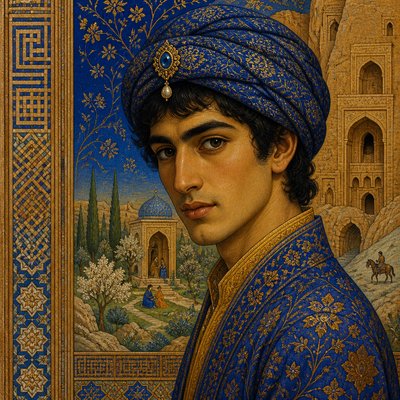
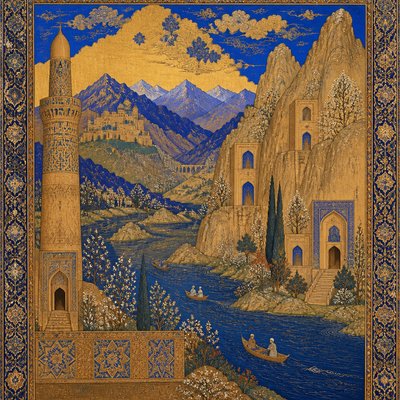
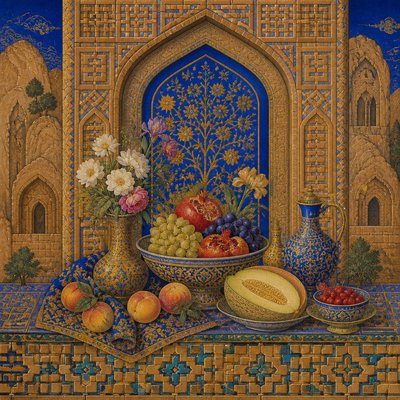
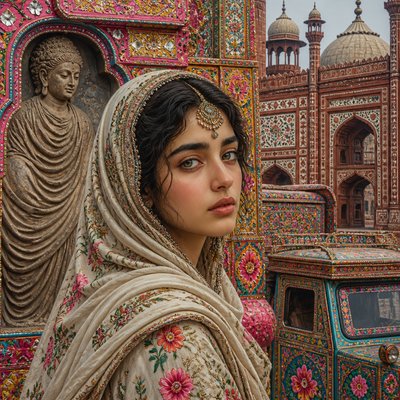
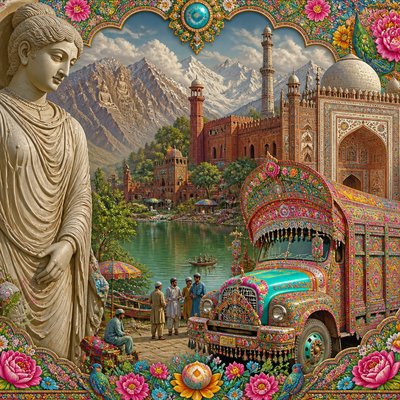
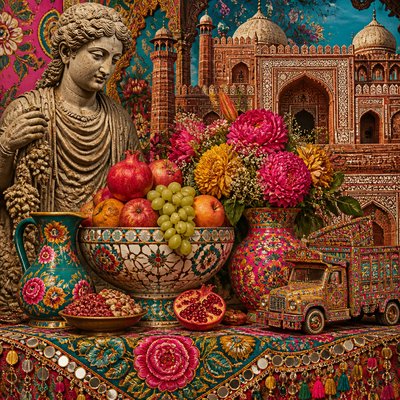
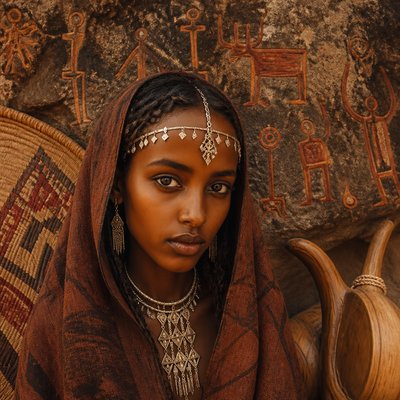
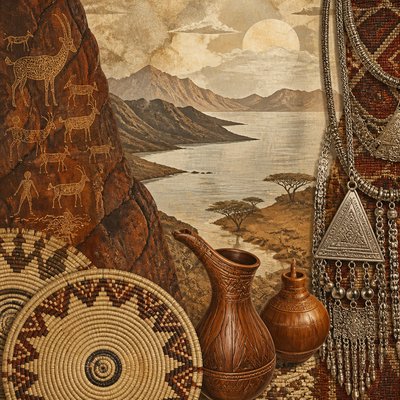
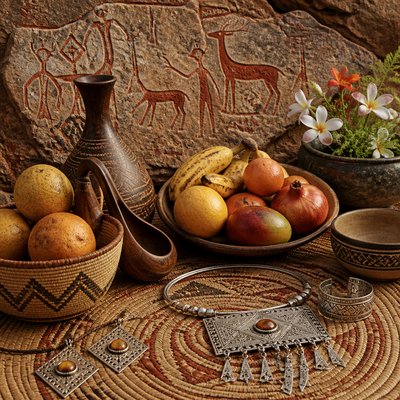
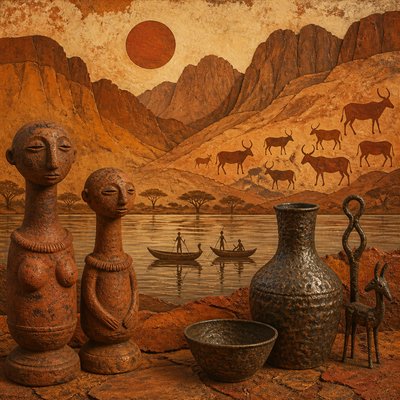
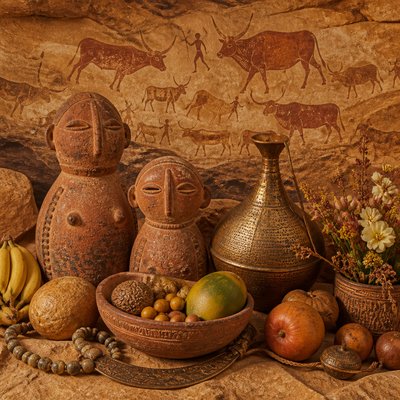
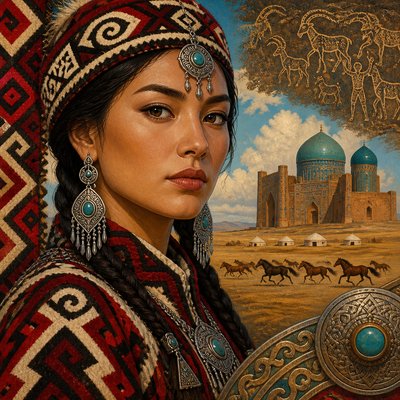
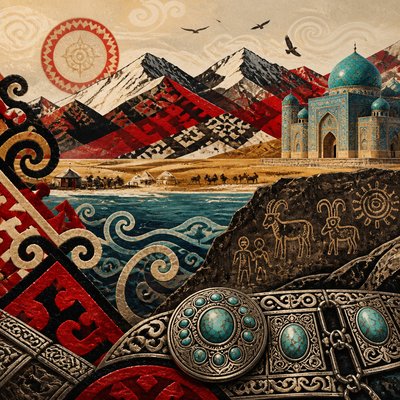
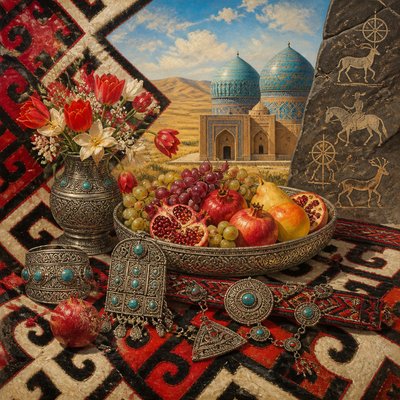
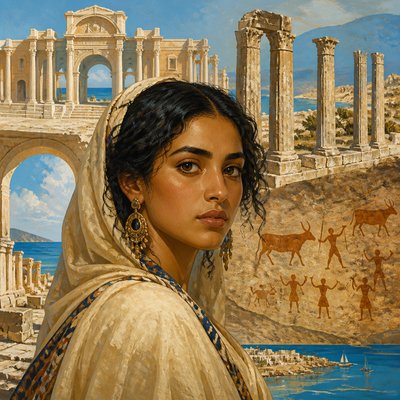
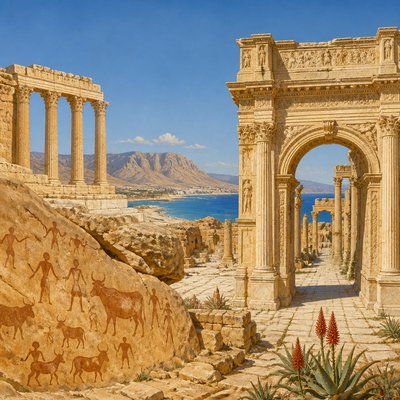
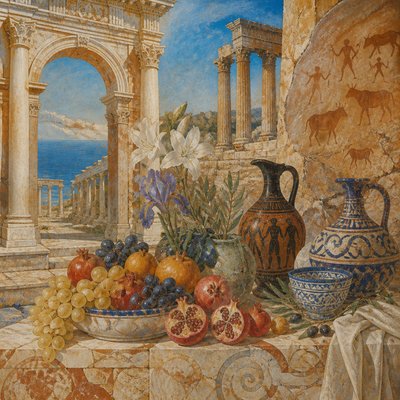
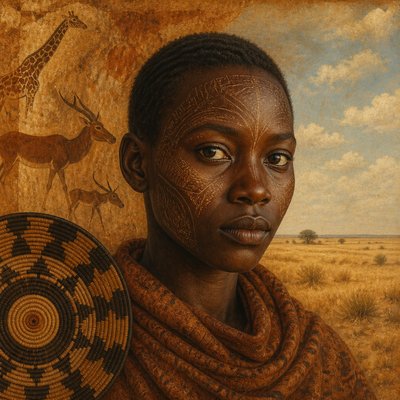
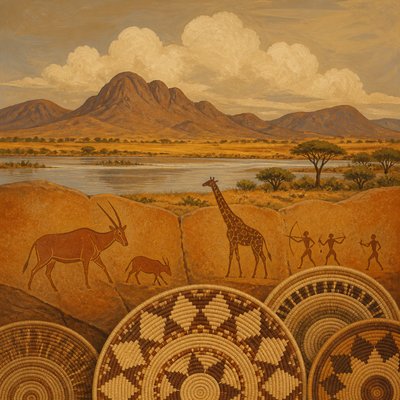
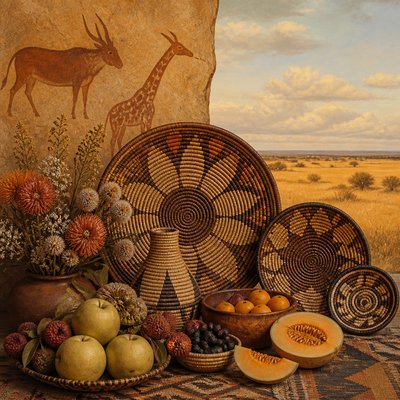
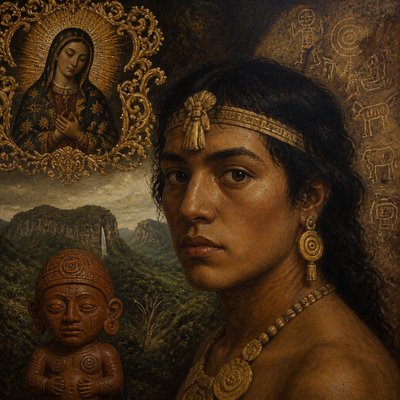
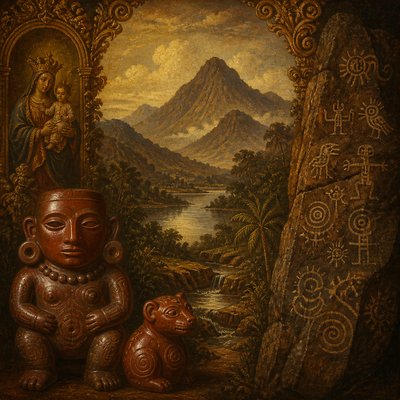
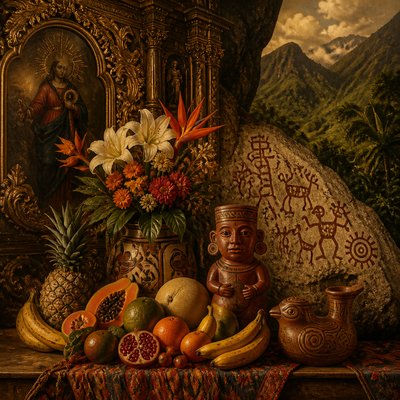
Magical realism blends convincing realism with subtle impossibilities, making the extraordinary feel ordinary through calm, detailed imagery.
Instantly rendered in Magical Realism — or transform a photo
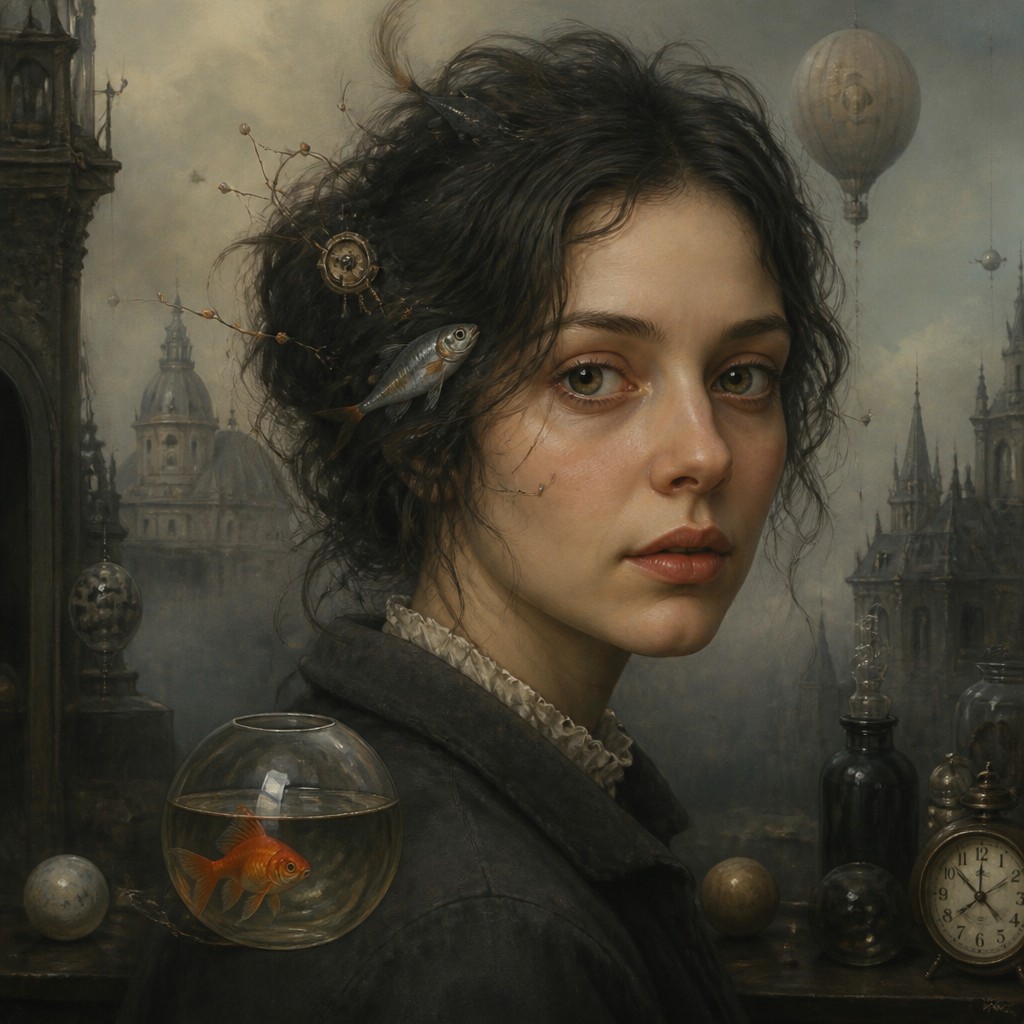
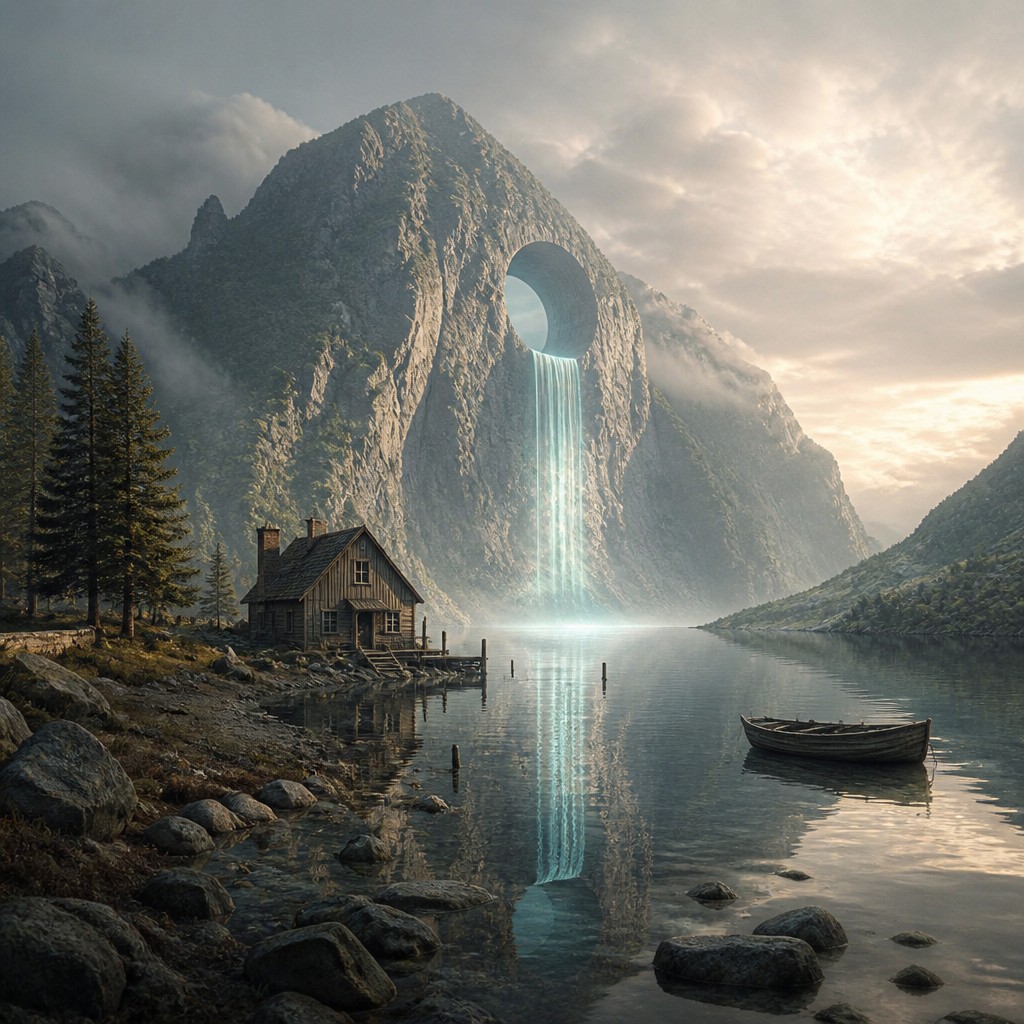
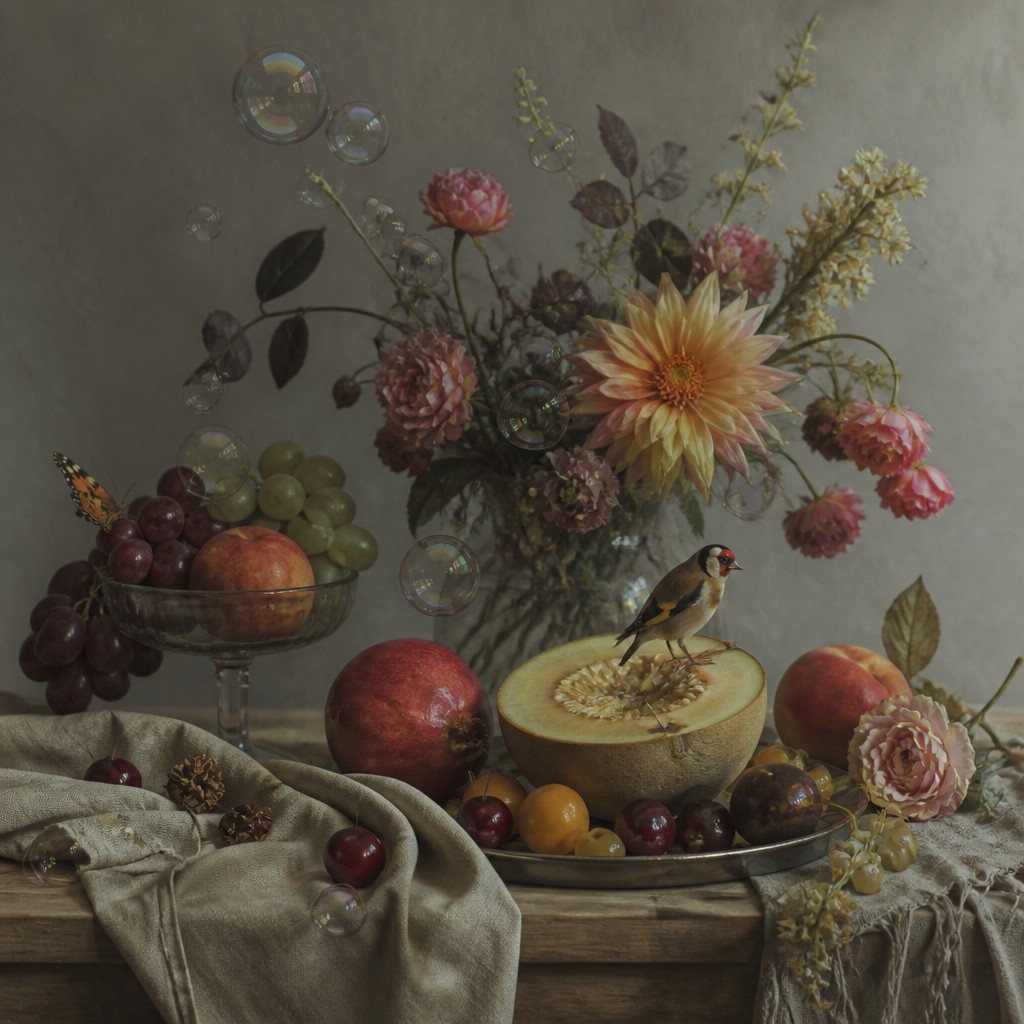
Magical Realism Gallery
Tap any artwork to explore it
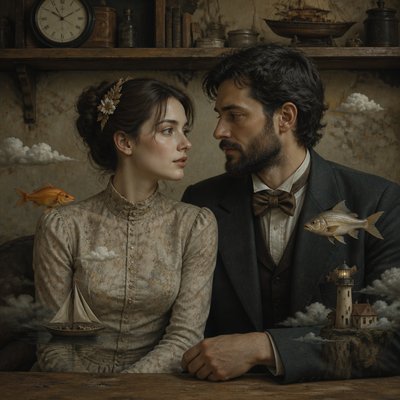
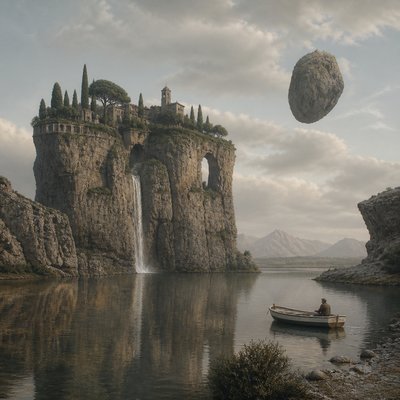
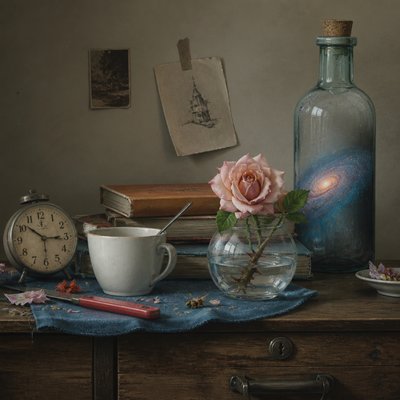
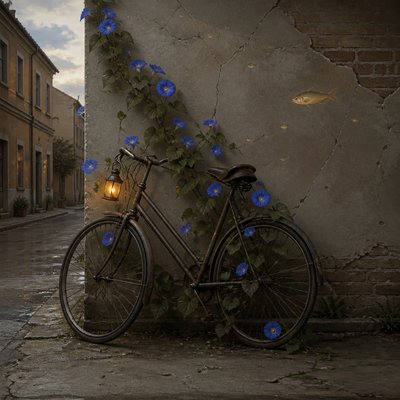
What is Magical Realism Art Style?
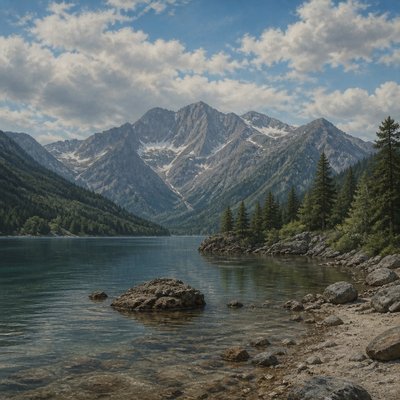
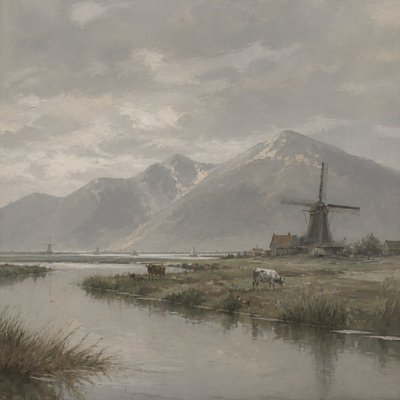
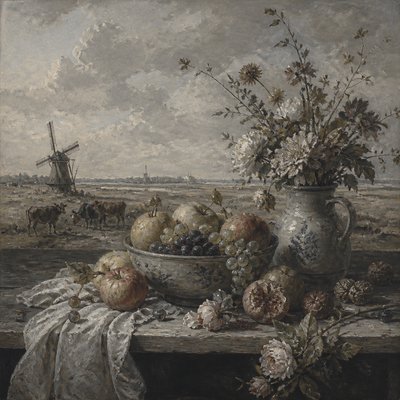
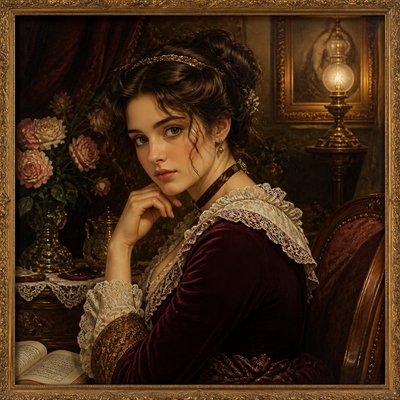
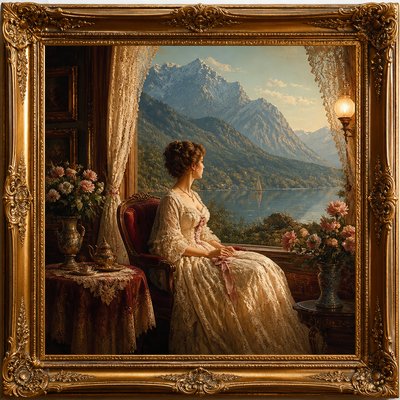
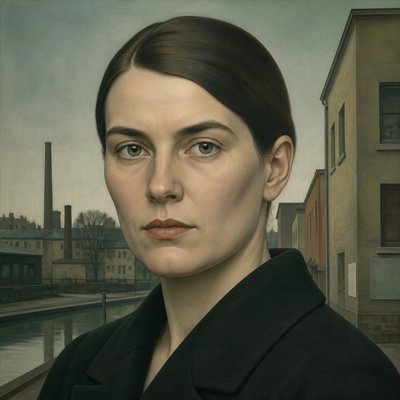
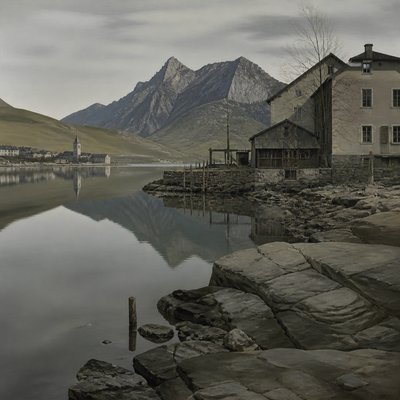
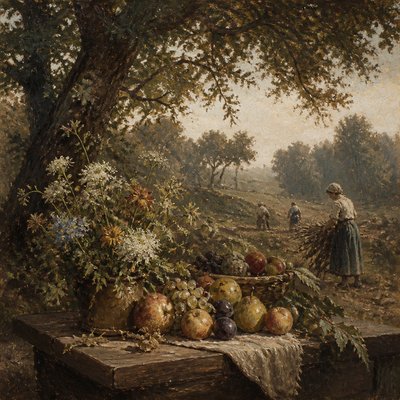
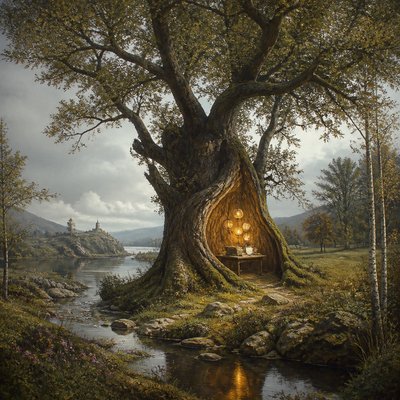
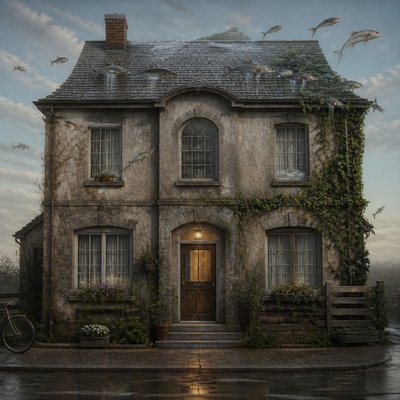
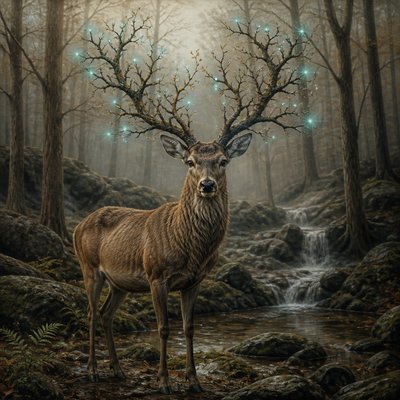
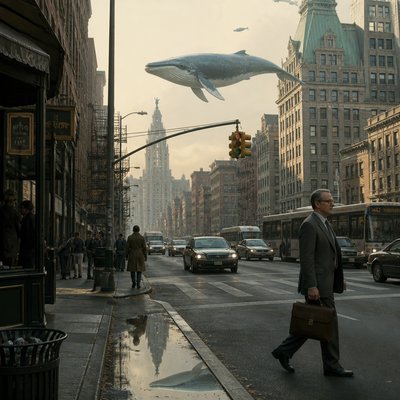
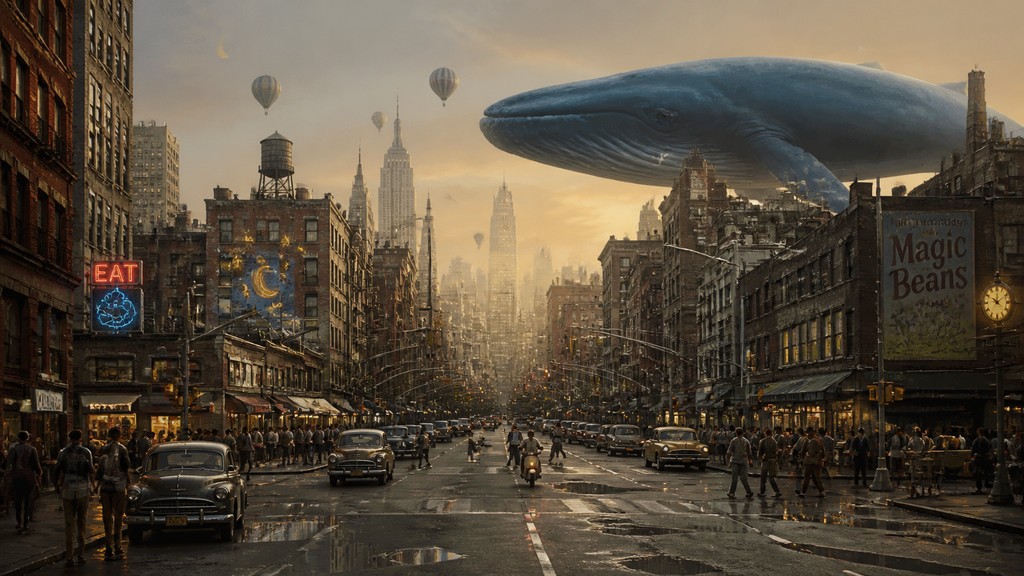
Magical realism is a visual style that presents fantastical or uncanny elements with the same restraint, detail, and physical credibility as the ordinary world. Rather than announcing itself as dreamlike or overtly surreal, it relies on calm composition, careful lighting, and exacting realism so that a levitating object, impossible weather, or a strangely altered landscape appears matter-of-fact.
Its visual identity comes from the tension between two things: a believable observed world and a quiet breach in that world’s rules. The effect depends on understatement. Surfaces are rendered convincingly, shadows behave naturally, and the atmosphere is often muted and grounded, which makes the slight distortion or mystery feel integrated rather than spectacular.
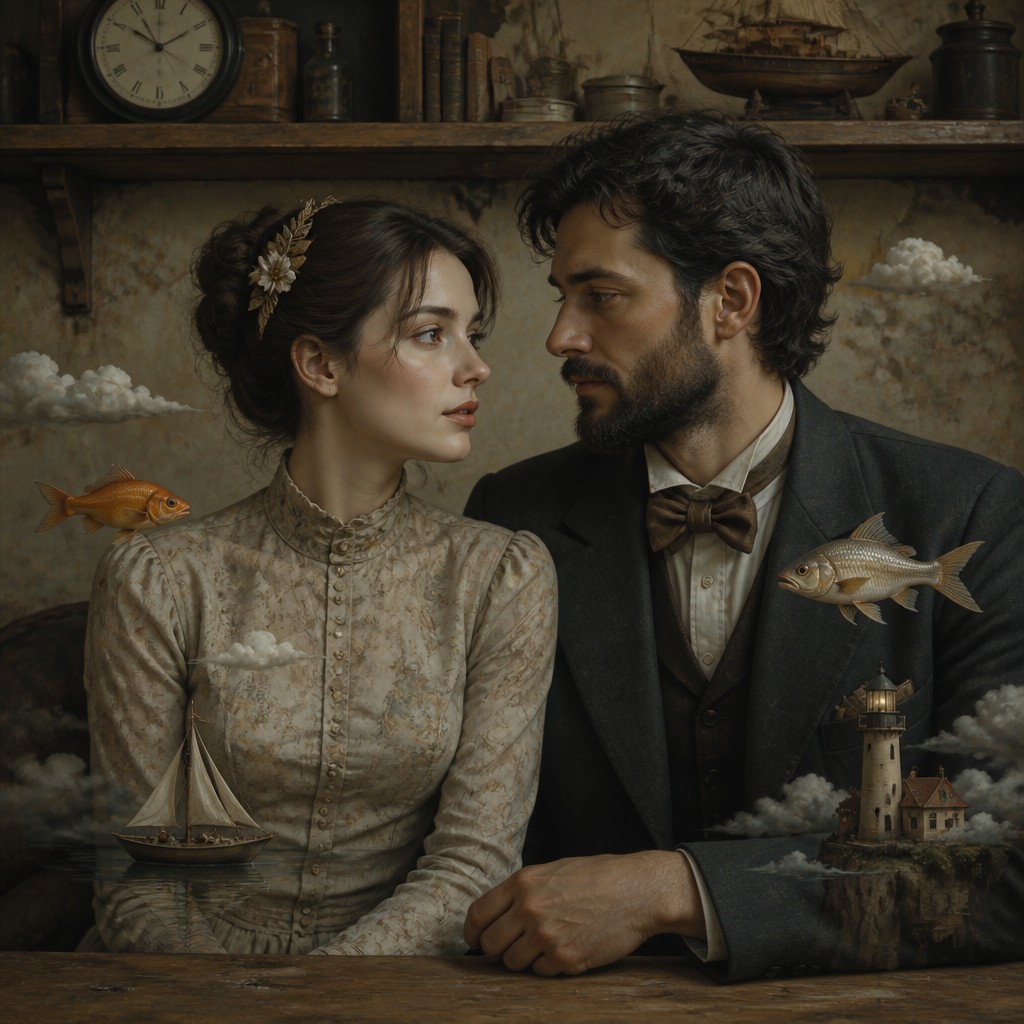
Try It On Your Photos
Upload any photo and convert it into Magical Realism Art Style — drag the sliders to compare before and after.


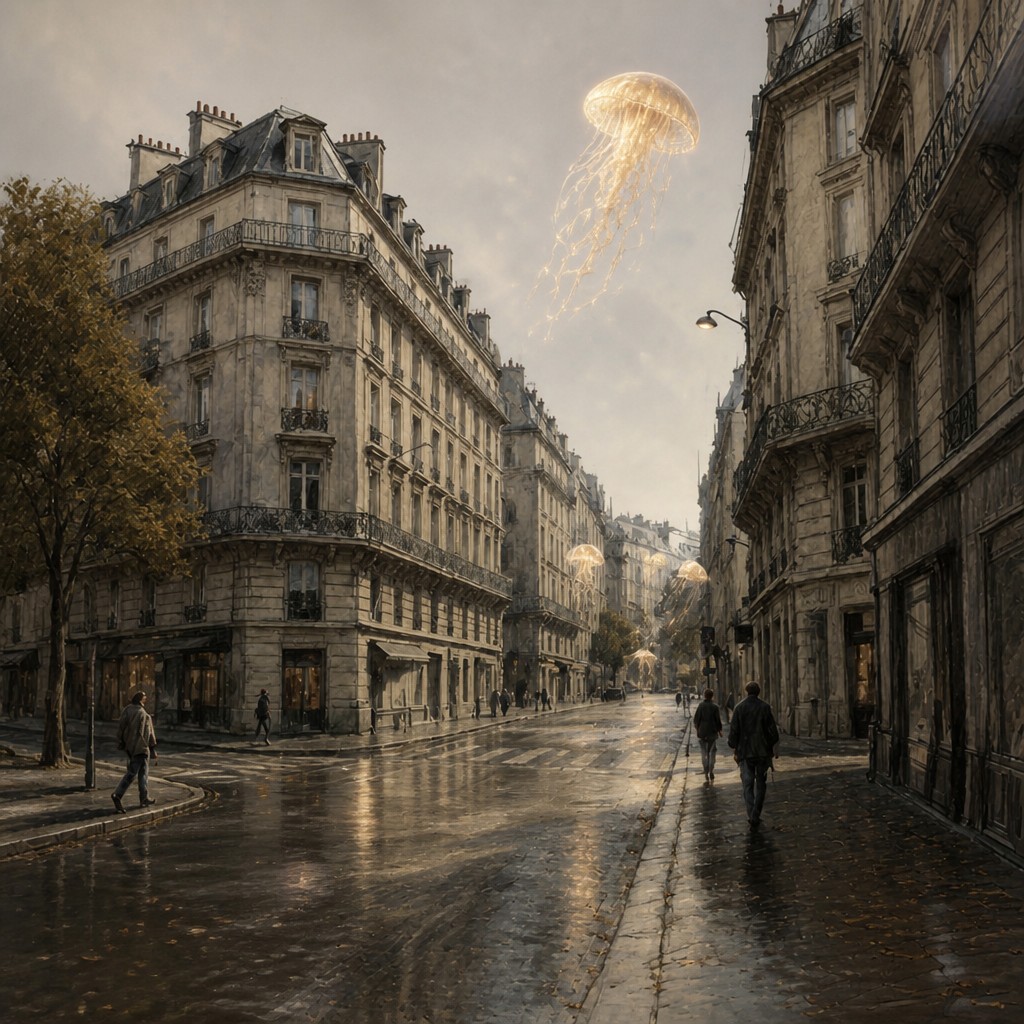

What Defines Magical Realism Art Style
The signature details, up close
Convincing realism
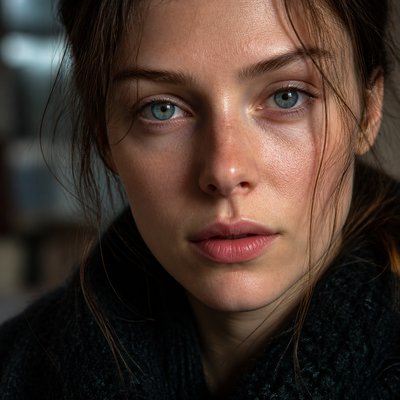
Forms, textures, and anatomy are rendered with careful attention to light, perspective, and material detail. The style depends on believable draftsmanship so the impossible can sit naturally inside the image.
Subtle supernatural intrusion
The fantastical element is usually understated: an object may float, a shadow may behave strangely, or a landscape may contain an impossible detail. The effect is quietly uncanny rather than openly surreal.
Calm, matter-of-fact tone
Compositions often feel composed and observational instead of dramatic or chaotic. Even extraordinary events are treated as if they belong in an ordinary scene.
Muted naturalistic palette
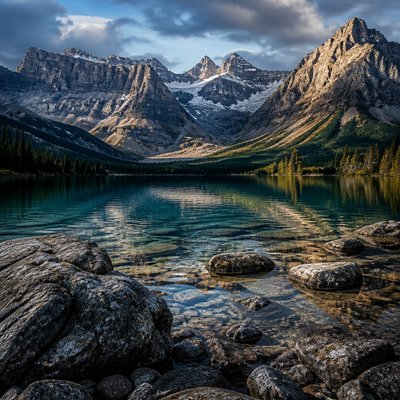
Earth tones, softened neutrals, and controlled color harmonies are common, sometimes punctuated by a single luminous or unnatural accent. This keeps the world grounded while highlighting the anomaly.
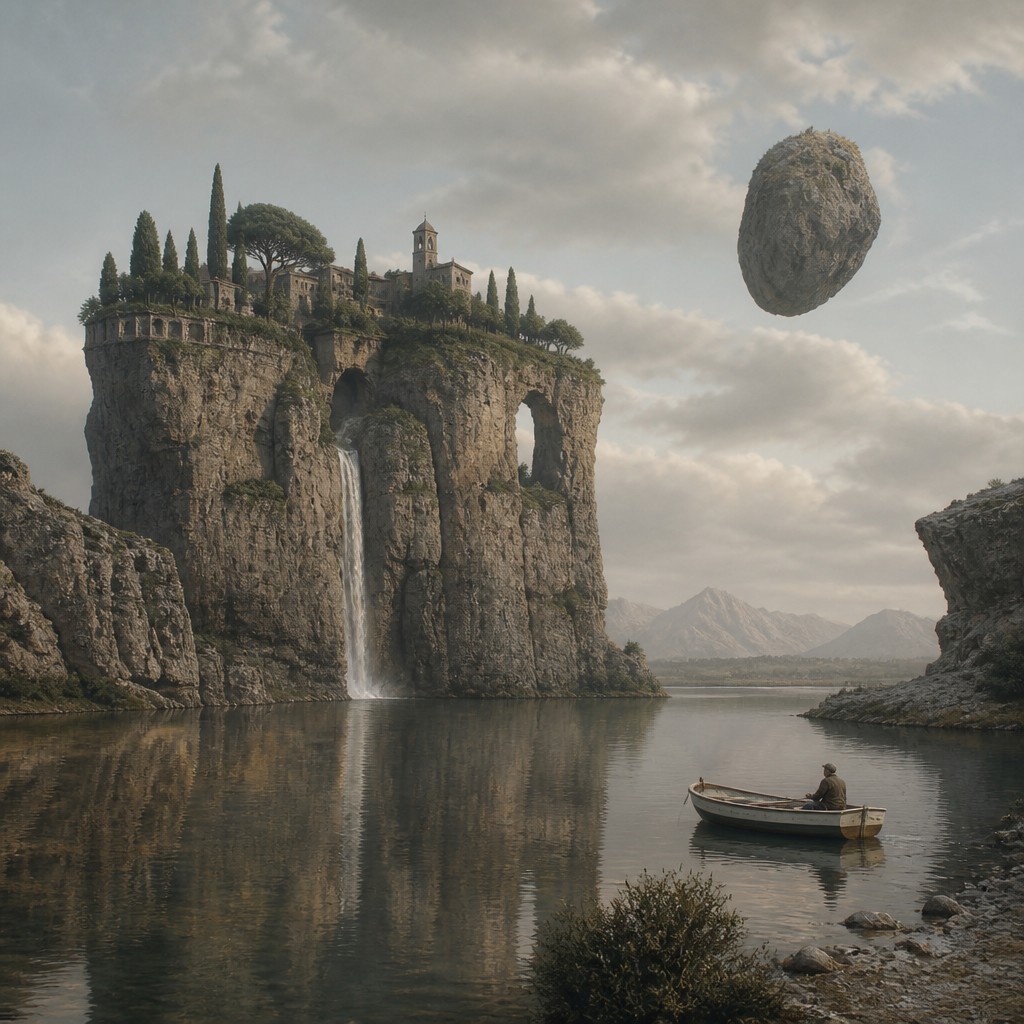
Unified atmospheric space
Light, haze, and shadow are used to place ordinary and impossible elements in the same believable environment. Nothing looks pasted in or artificially separate.
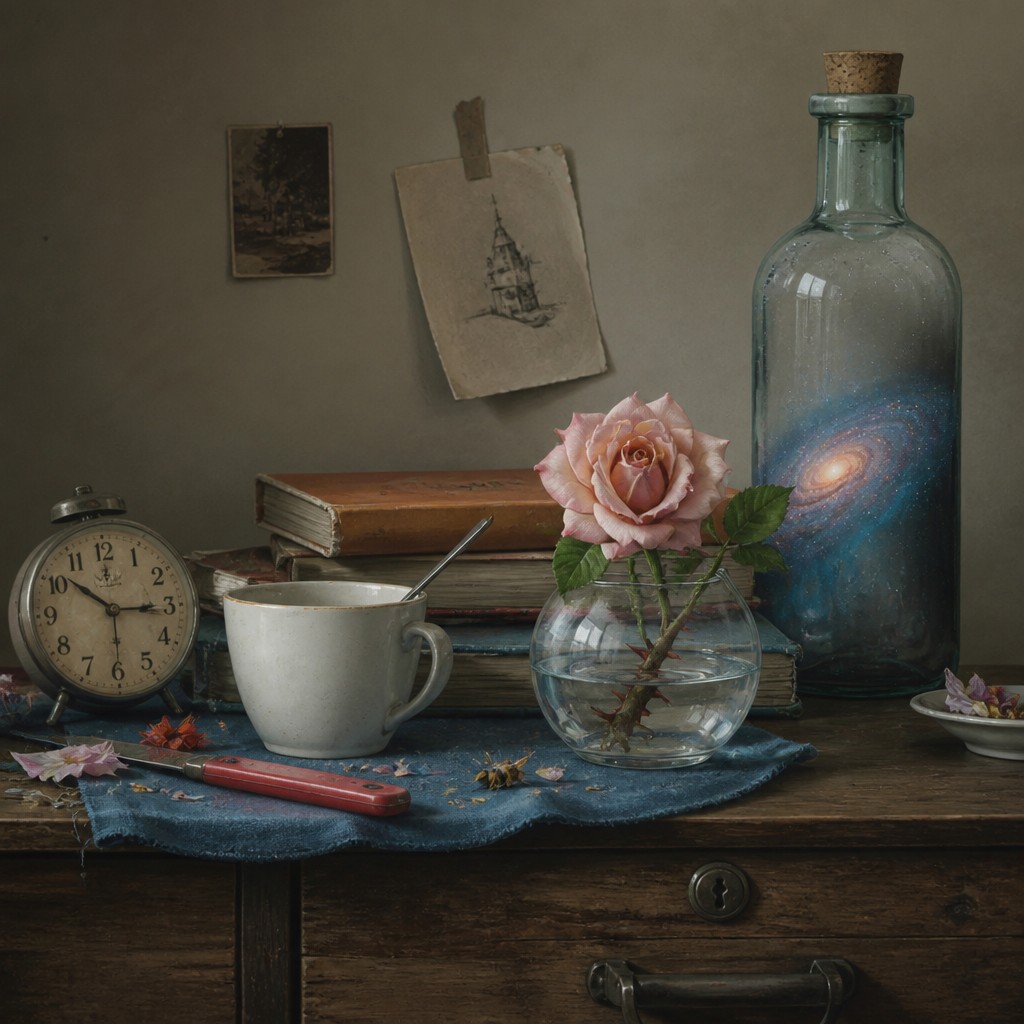
Gentle distortions of scale or physics
Size, weight, distance, or gravity may be slightly altered, but not enough to break the scene’s credibility. The viewer senses the rule-breaking before fully identifying it.
Try It
Create Videos in Magical Realism Art Style
Styles aren't just for stills — describe a scene or animate an image and get a short video rendered in Magical Realism. Press play to see this pond come to life.
Make a VideoMagical Realism Prompt Ideas
Start from an idea — each one opens the generator with the style ready to go. See all 40 Magical Realism prompts →
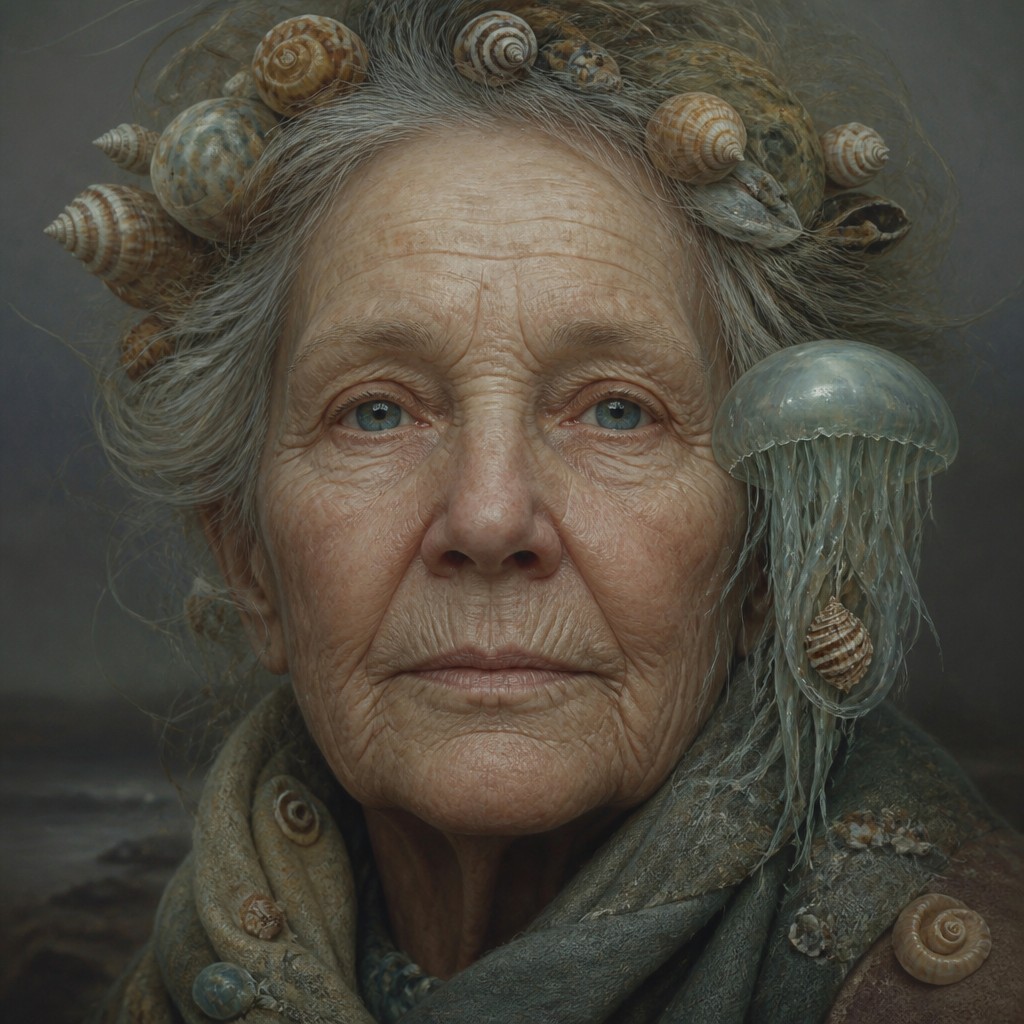
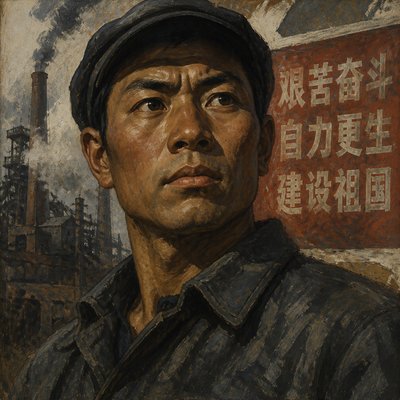
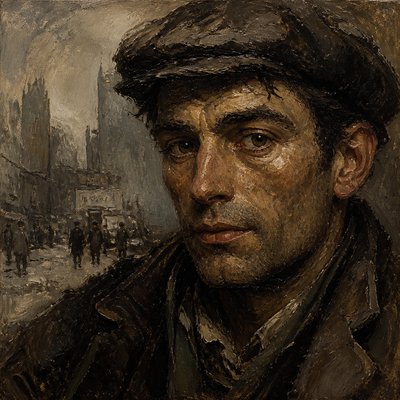
“close-up portrait of an elderly person with expressive weathered features”
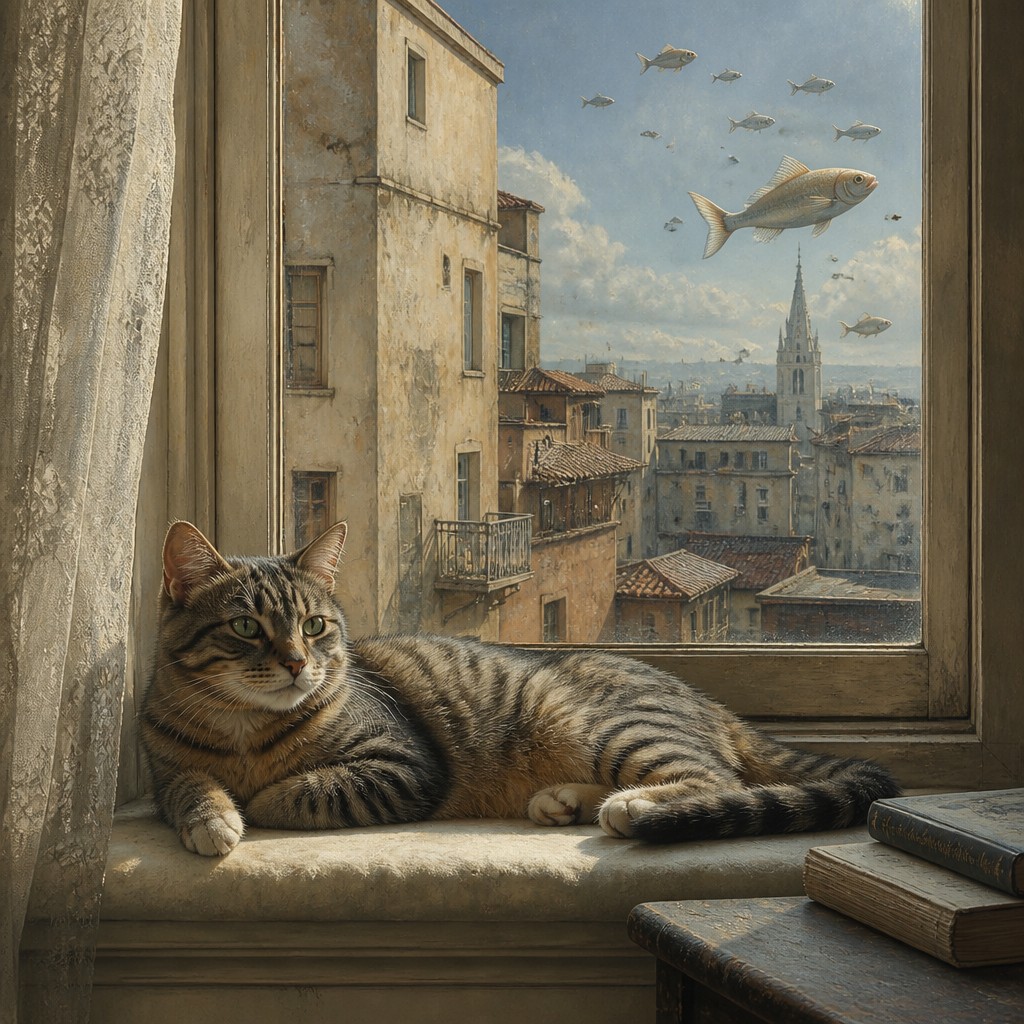
“a cat lounging in a sunlit window”
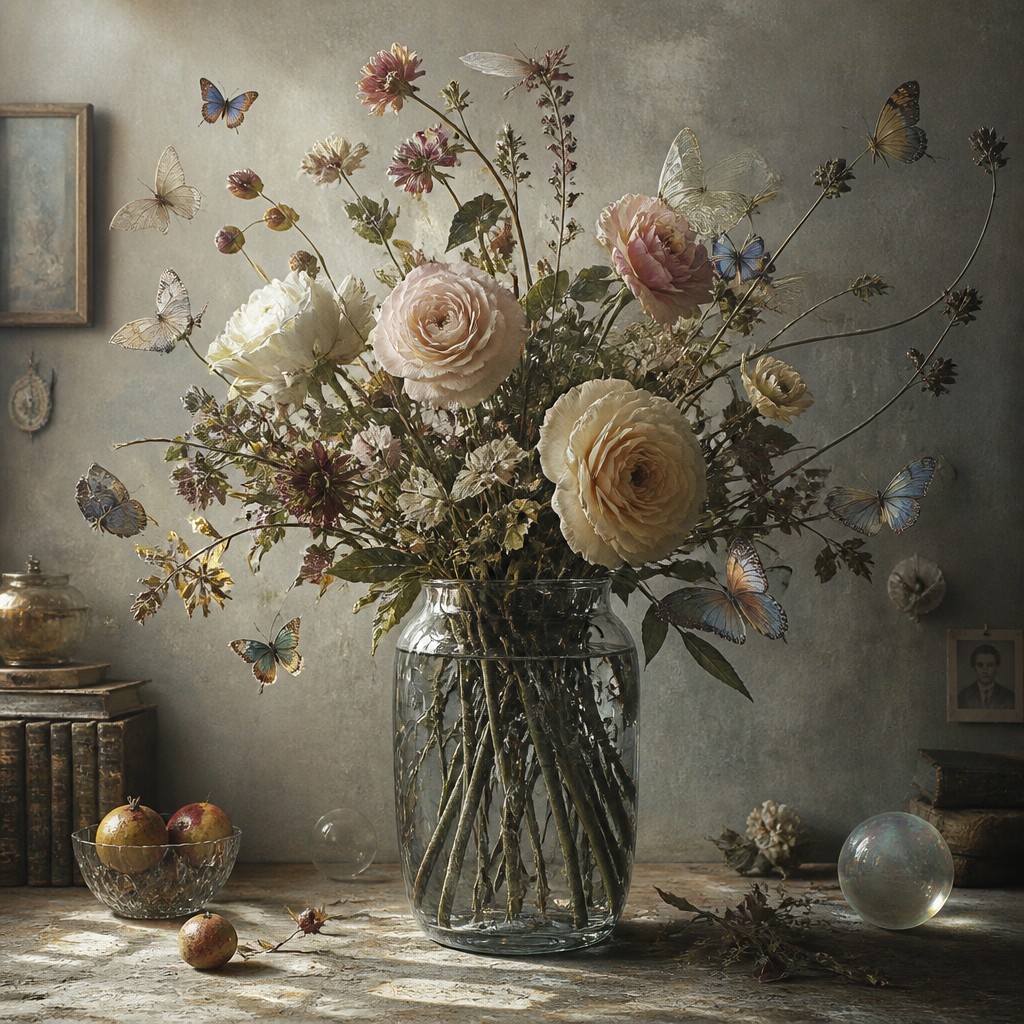
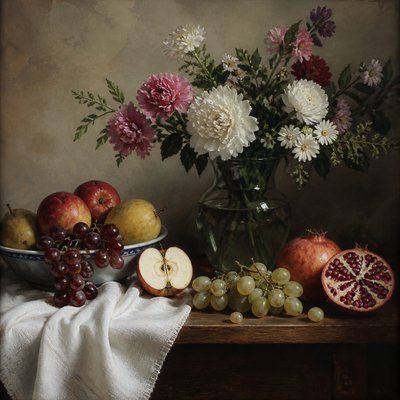
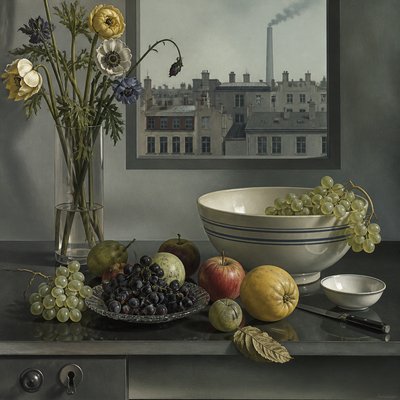
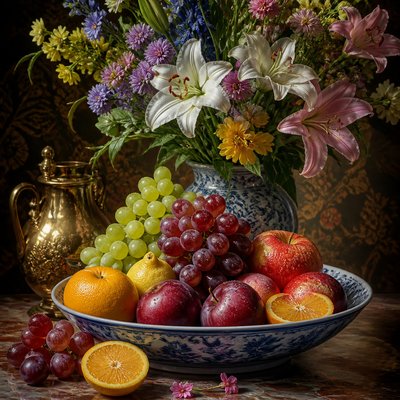
“bouquet of flowers in a glass vase”
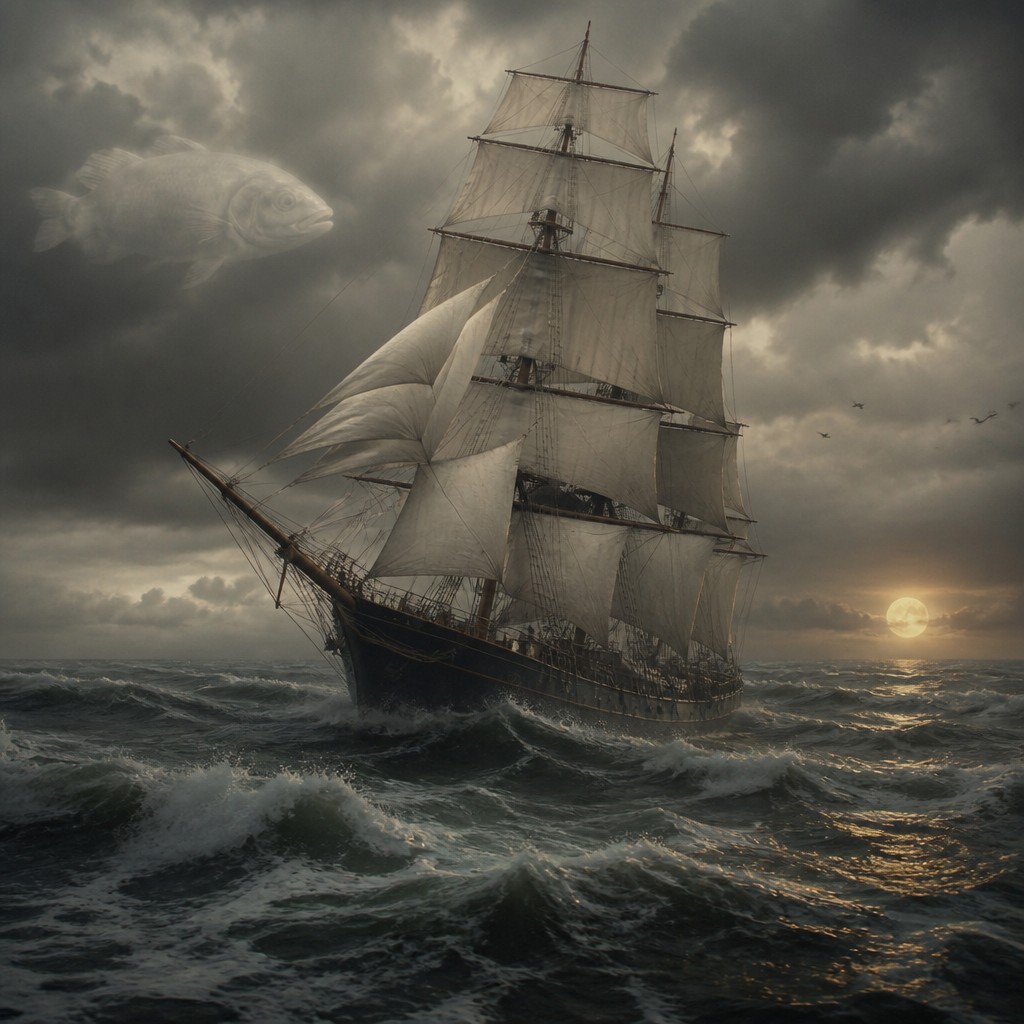
“sailing ship on a stormy sea”
How to Create Magical Realism Art
Master the craft step by step — or skip straight to creating. Read the full guide →
- 1
Build the world as if it were a documentary
Start with solid perspective, realistic anatomy, and convincing materials before introducing any impossibility. The more ordinary elements are observed accurately, the more persuasive the magical element will feel.
- 2
Keep the anomaly understated
Choose one primary impossibility and let it remain quiet: a small levitation, an unnatural glow, or an unlikely coexistence of objects. Avoid stacking too many surreal effects, or the work begins to read as fantasy illustration instead of magical realism.
- 3
Use restrained lighting and color
Soft diffused light, balanced shadows, and a limited palette help fuse the scene into one believable space. Reserve brighter or more unnatural color for a single focal detail so it feels discovered rather than announced.
- 4
Render textures with equal care
Paint clothing, skin, stone, glass, foliage, and the magical element with the same level of finish. If the supernatural object is under-rendered, it will look decorative rather than physically present.
- 5
Compose for quiet ambiguity
Use ordinary settings such as interiors, streets, fields, and domestic scenes, then introduce an impossible detail without dramatic framing. In digital or AI-based workflows, prompt for realism, subtle unreality, and a grounded atmosphere rather than fantasy spectacle.
The Story
History & Origins of Magical Realism
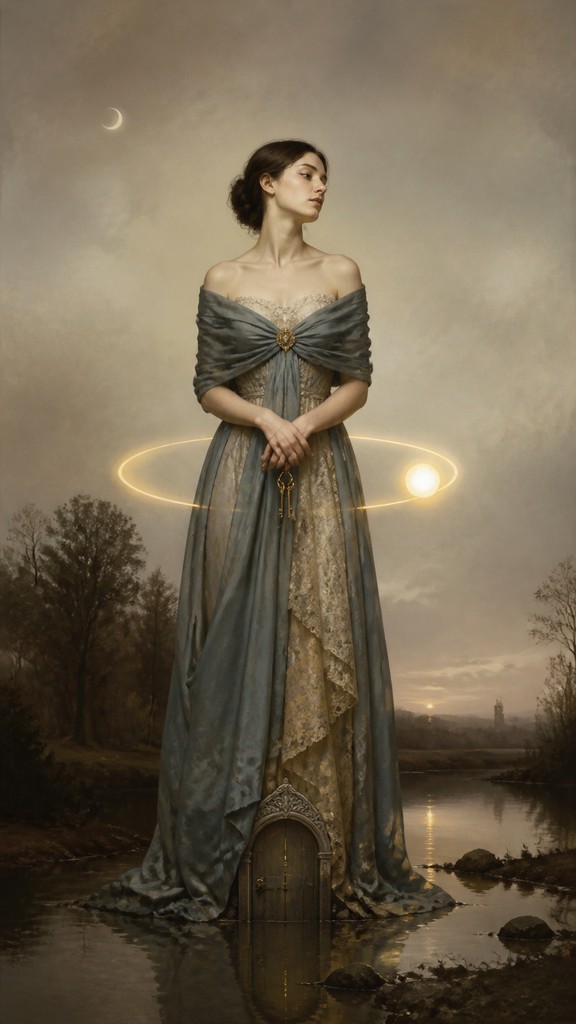
The term magical realism originated in early 20th-century art criticism, especially in relation to post-Expressionist painting, and later became widely associated with literature in Latin America. In visual art, it does not describe a single unified historical movement so much as a recurring approach: artists use realistic representation to hold together scenes in which reality contains unexplained or enchanted elements.
Its aesthetic lineage includes European realism, Symbolism, Post-Impressionism, Surrealism, and later narrative and figurative painting. In contemporary practice, it often overlaps with cinematic realism, fantasy illustration, and conceptual art, but differs from each by keeping the impossible visually ordinary rather than theatrically emphasized.
Influences: Magical realism draws from realist painting traditions, Symbolism, and the uncanny aspects of Surrealism, but it is less about dream logic than about visual credibility. In historical painting, leading early 20th-century metaphysical painters and other precise, enigmatic modern figurative artists helped establish the visual vocabulary of calm, precise estrangement, while later figurative painters extended the approach into more narrative, emotionally restrained scenes.

Frequently Asked Questions
What defines magical realism in visual art?
It combines realistic rendering with one or more impossible or uncanny elements that are presented without drama. The key is that the scene still feels physically plausible, as if the extraordinary is part of everyday life.
How is magical realism different from surrealism?
Surrealism often aims for dream logic, psychological disjunction, and deliberate strangeness. Magical realism is usually quieter and more observational, keeping the scene coherent while introducing something impossible in a restrained way.
Is magical realism the same as fantasy art?
Not exactly. Fantasy art typically emphasizes imaginative worlds, creatures, or epic spectacle, while magical realism usually stays close to familiar settings and treats its anomalies as ordinary. It is more understated and grounded.
What subjects work well in magical realism?
Everyday subjects work best: interiors, portraits, streets, landscapes, still lifes, and domestic moments. These ordinary contexts create contrast and make the supernatural detail feel more believable.
How do I make a magical realism image look convincing?
Pay close attention to light, shadow, perspective, and texture so the entire scene shares the same physical logic. Introduce only one or two subtle impossibilities and avoid exaggerated effects that would break the calm realism.
Where is magical realism commonly used?
It appears in fine art, editorial illustration, book covers, conceptual imagery, and cinematic visual development. It is especially effective when a scene needs to feel both grounded and mysterious.
Create your first Magical Realism artwork
Describe anything — or upload a photo — and see it in Magical Realism Art Style in seconds.
Make Something with Magical Realism
Compare Magical Realism
Related Styles
Discover similar art styles