Surrealism vs Magical Realism: What's the Difference?
Surrealism is a dreamlike art style built from impossible juxtapositions, uncanny scenes, and imagery that feels drawn from the unconscious. It often combines sharply rendered details with irrational combinations, using visual logic that resembles a dream, a memory, or a psychological symbol rather than everyday reality.
Magical realism blends convincing realism with subtle impossibilities, so the extraordinary appears calm and ordinary. People compare the two because both place unreal elements in believable worlds, but they differ in emphasis: surrealism aims for disorientation and the irrational, while magical realism preserves a grounded, matter-of-fact atmosphere.
Same Prompt, Both Styles
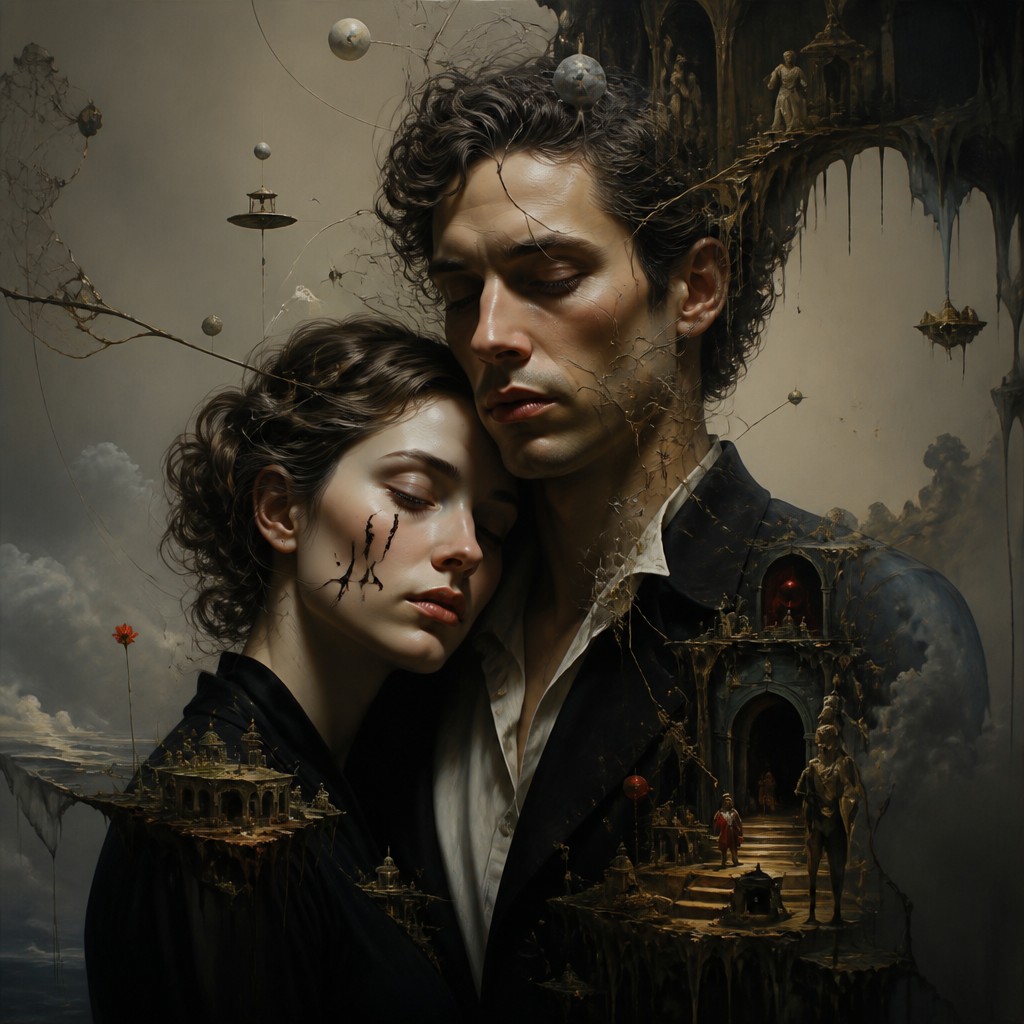
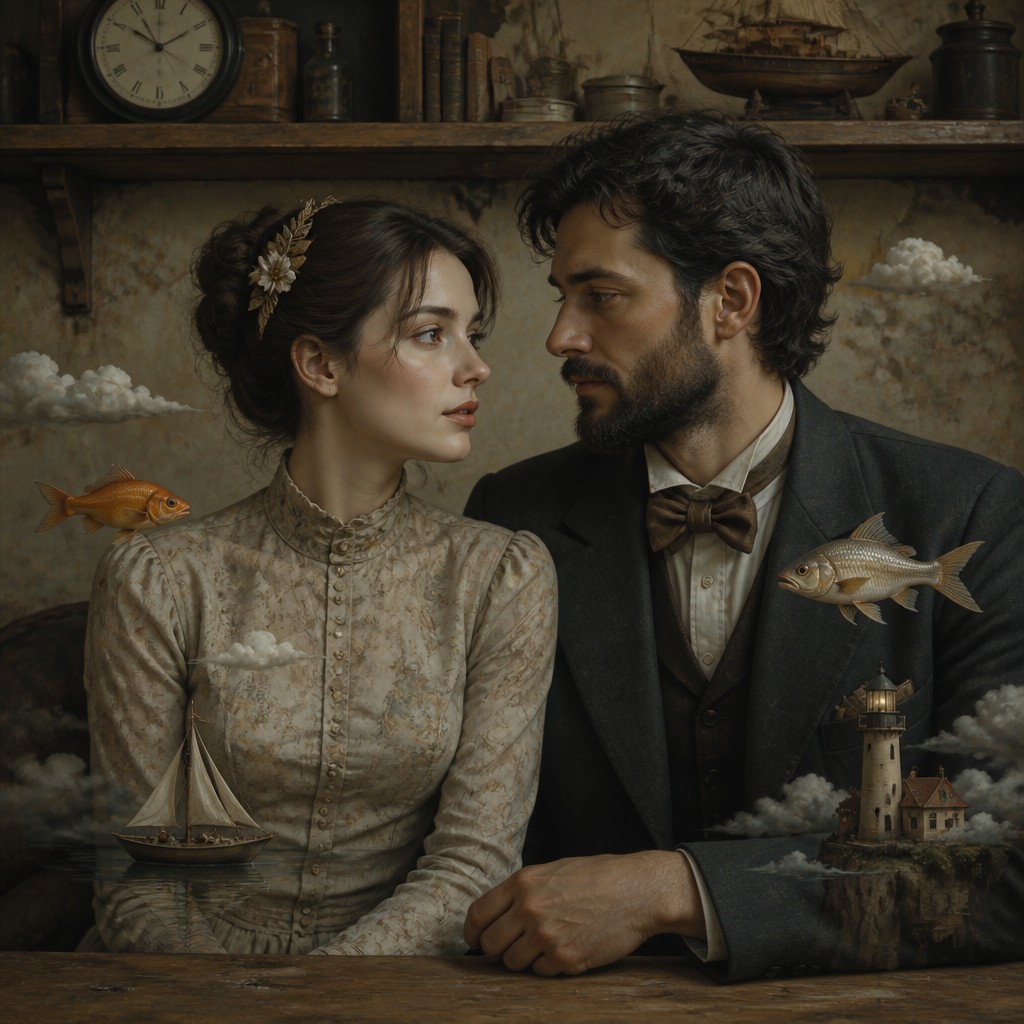
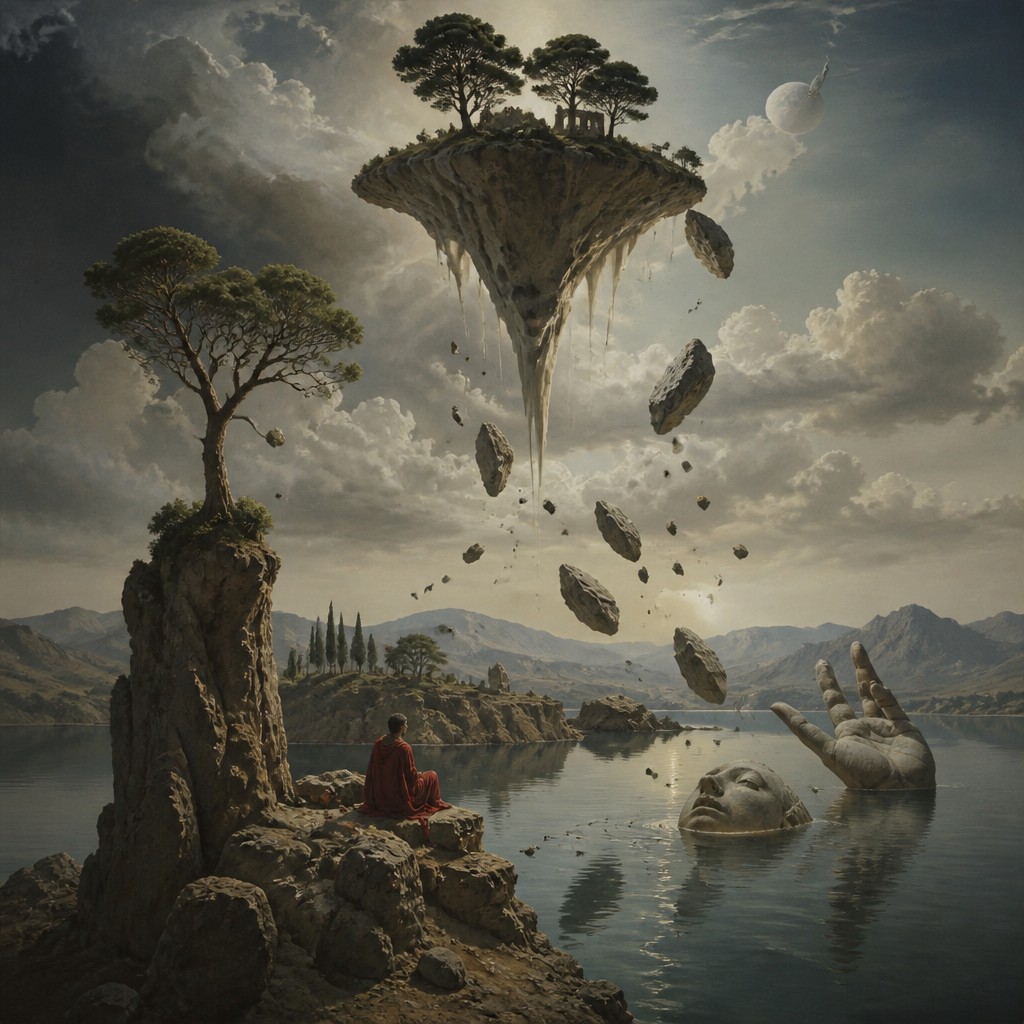
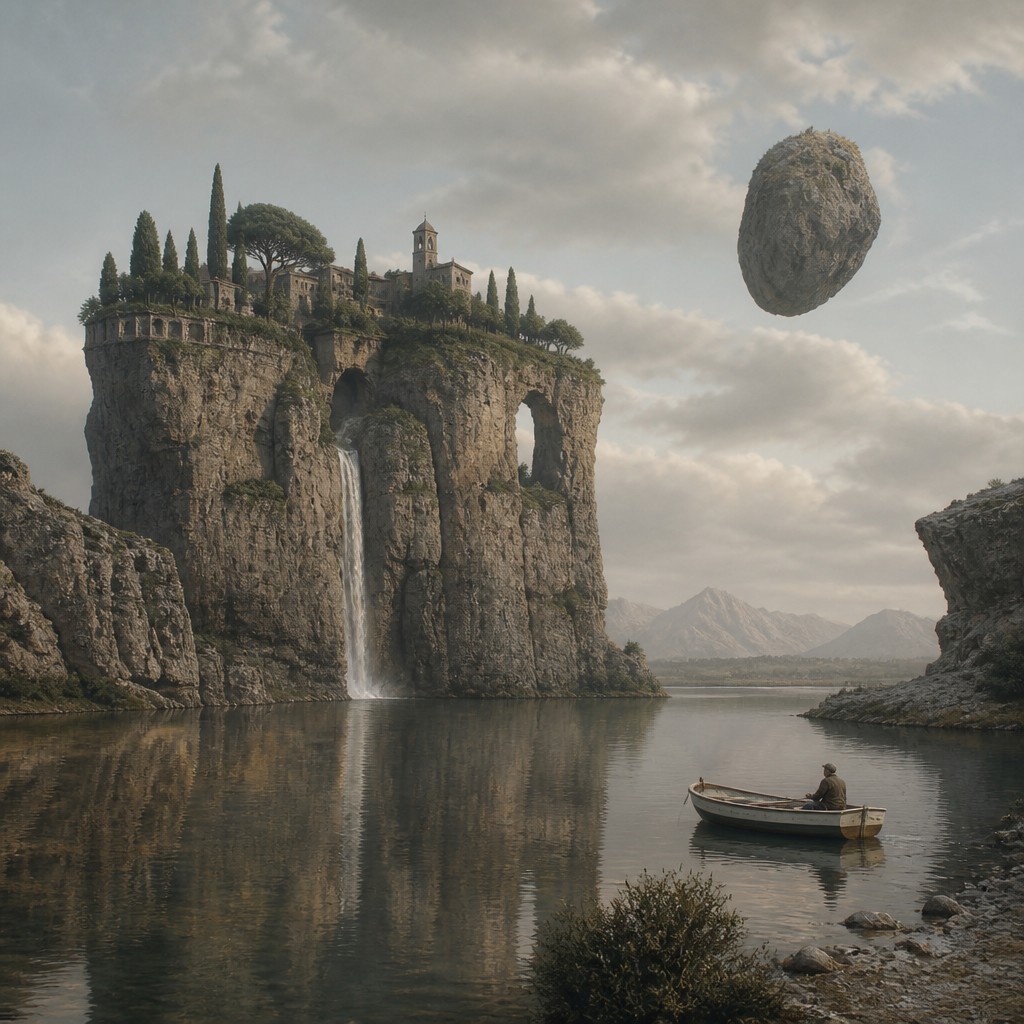
Each pair below was generated from the identical prompt — only the style changed.
“portrait of two people together”
“wide landscape with natural scenery”
“still life with everyday objects”
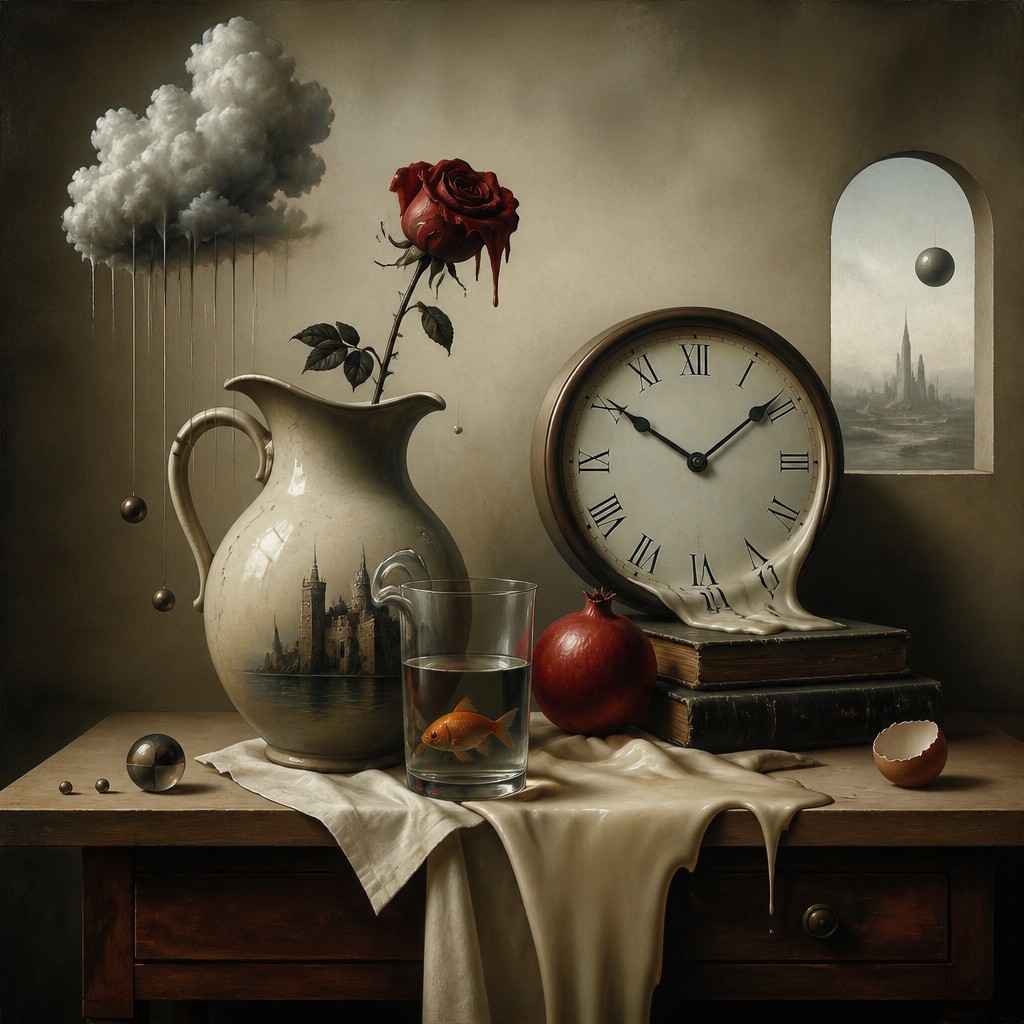
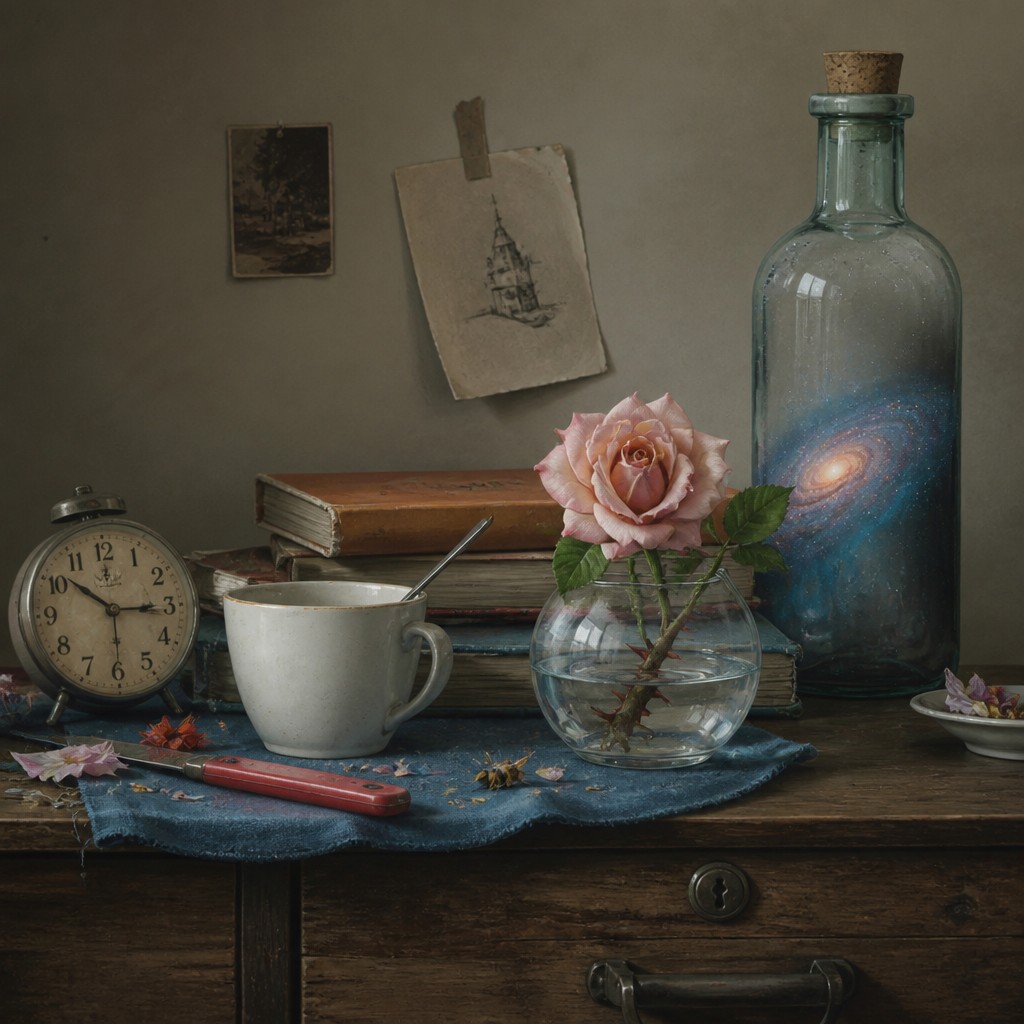
“bicyle resting against a wall”
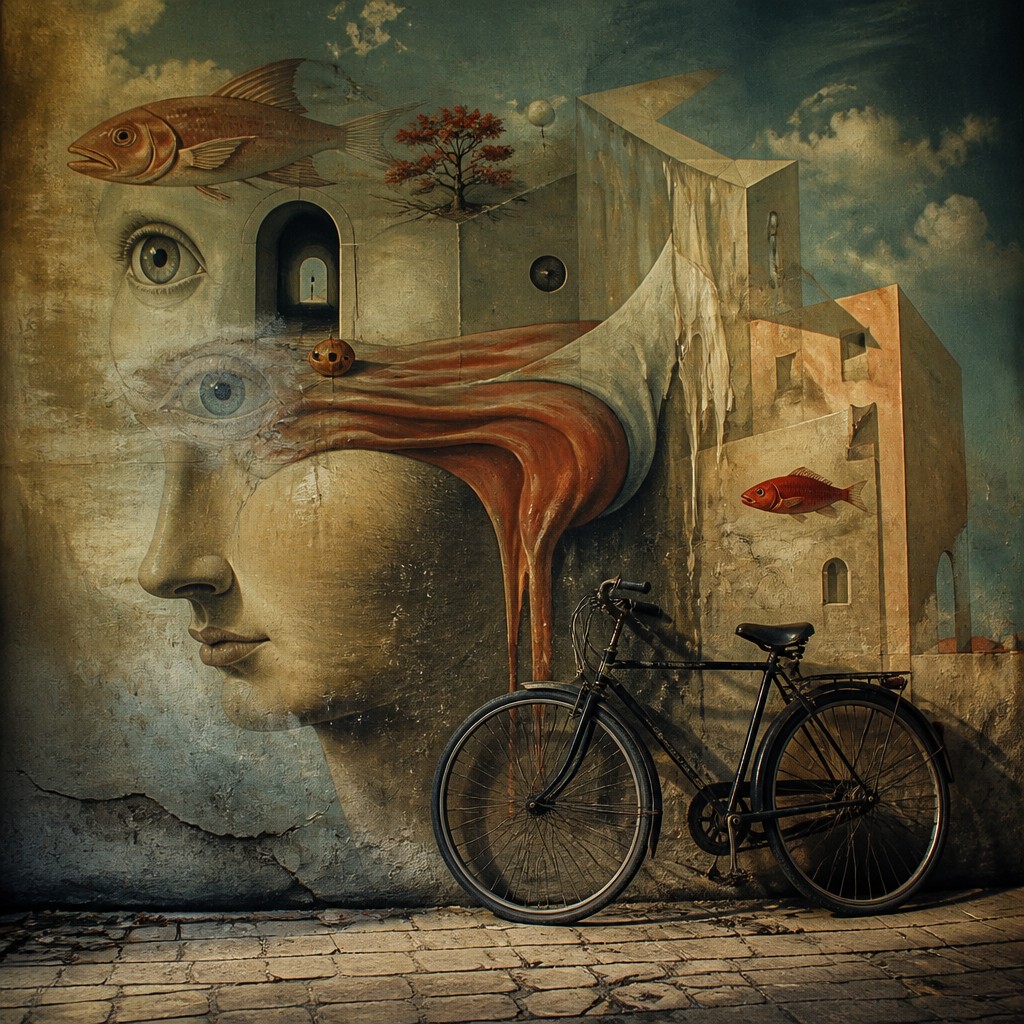
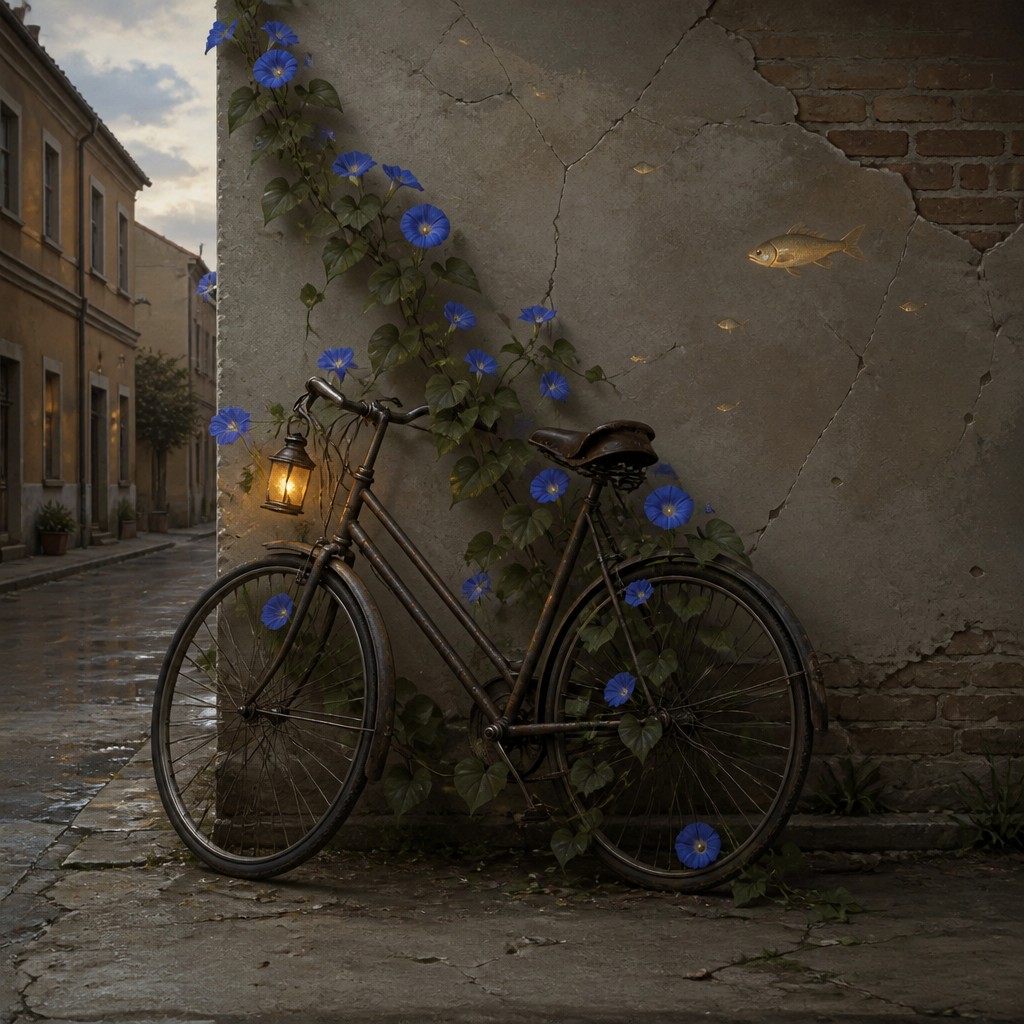
Key Differences
| Surrealism | Magical Realism | |
|---|---|---|
| Core effect | Disrupts reality to feel strange, symbolic, and dreamlike. | Keeps reality steady while adding quiet wonder. |
| Treatment of the impossible | Impossible elements are blatant and often unsettling. | Impossible elements are subtle and accepted as normal. |
| Mood | Uncanny, mysterious, and psychologically charged. | Calm, reflective, and gently enchanted. |
| Visual logic | Uses dream logic and unexpected combinations. | Uses everyday logic with one soft exception. |
| Detail and realism | May appear photoreal yet still feel unreal. | Usually realistic and naturalistic throughout. |
| Viewer response | Invites interpretation and unease. | Invites acceptance and quiet curiosity. |
| Mood | dreamlike, uncanny, enigmatic, subconscious, disorienting | contemplative, enigmatic, serene, grounded, wonder-filled |
| Energy | balanced | calm |
| Detail level | detailed | detailed |
| Color | naturalistic tones with eerie contrasts | natural tones with subtle luminous accents |
| Texture | smooth realism with paradoxical surfaces | smooth realism, crisp believable surfaces |
| Origin | 1920s Europe, especially Paris | 20th-century Latin American literary-rooted aesthetic |
| Best for | album covers, editorial art, poster design, book covers, concept art | editorial illustrations, book covers, fine art prints, film posters, album covers |
| Difficulty | advanced | advanced |
Which Should You Choose?
Choose surrealism when you want bold visual contradictions, psychological tension, or a scene that feels like a dream or subconscious vision. Choose magical realism when you want a believable world with a touch of wonder, where the impossible feels gentle, integrated, and emotionally grounded.
Frequently Asked Questions
Are surrealism and magical realism the same thing?
No. They both include unreal elements, but surrealism emphasizes irrational, dreamlike disruption, while magical realism keeps a realistic setting and treats the extraordinary as ordinary.
Which style is more unsettling?
Surrealism is usually more unsettling because it often breaks logic in obvious, uncanny ways. Magical realism tends to feel calmer and more approachable.
Can both styles use realistic detail?
Yes. Surrealism often uses crisp, realistic rendering to make impossible scenes feel sharper and stranger. Magical realism also uses realistic detail, but usually to support a grounded, everyday atmosphere.
Which style is better for storytelling?
It depends on the story tone. Surrealism works well for themes of dreams, memory, identity, or psychological ambiguity, while magical realism suits stories about wonder, quiet transformation, and the extraordinary within ordinary life.