Cubism vs Analytical Cubism: What's the Difference?
Cubism and Analytical Cubism are closely related art styles that break subjects into geometric facets and show multiple viewpoints at once. Both reduce natural forms into structured planes, flatten space, and often use muted color to emphasize form, structure, and shifting perspective over realistic detail.
People compare them because Analytical Cubism is essentially a more specific, more extreme phase within the broader Cubist approach. The first style can include a wider range of shapes, color handling, and compositional freedom, while the second pushes fragmentation, tonal restraint, and close analysis of objects much further.
Same Prompt, Both Styles
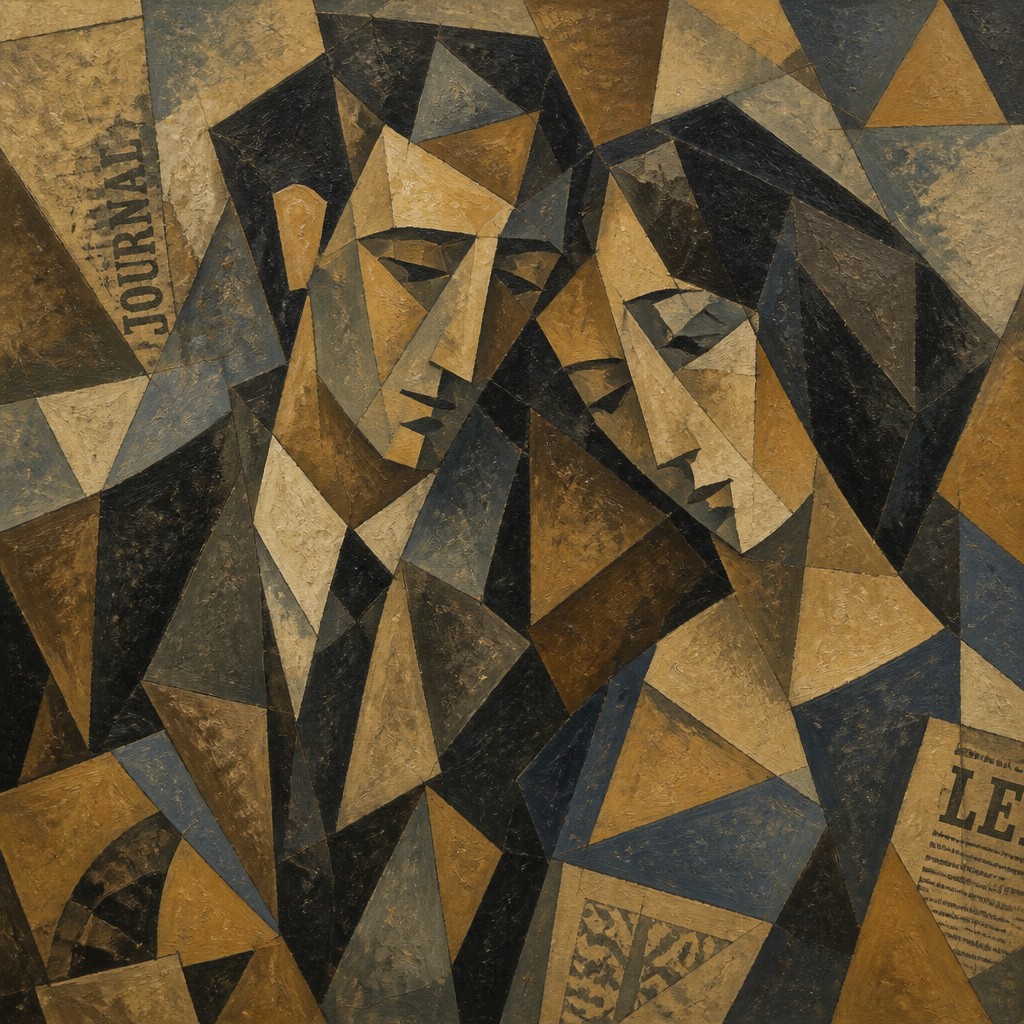
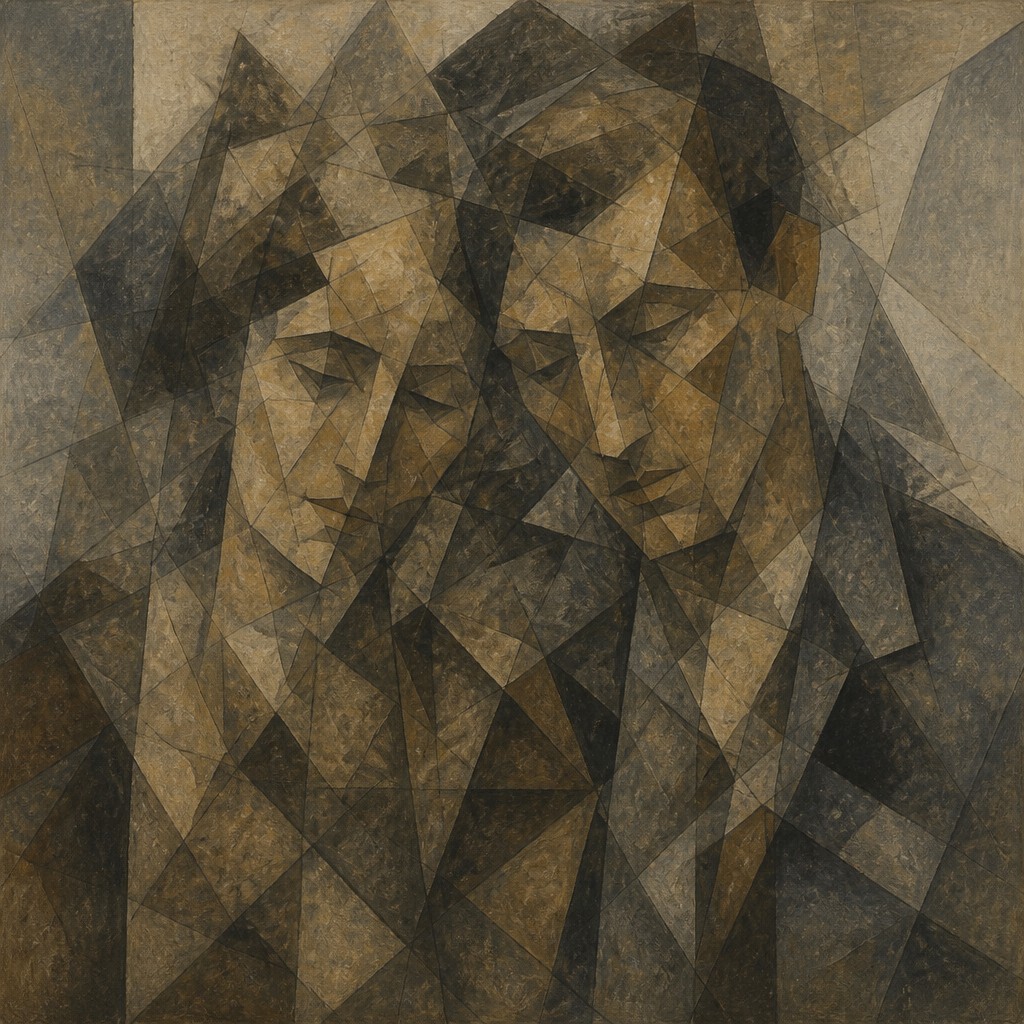
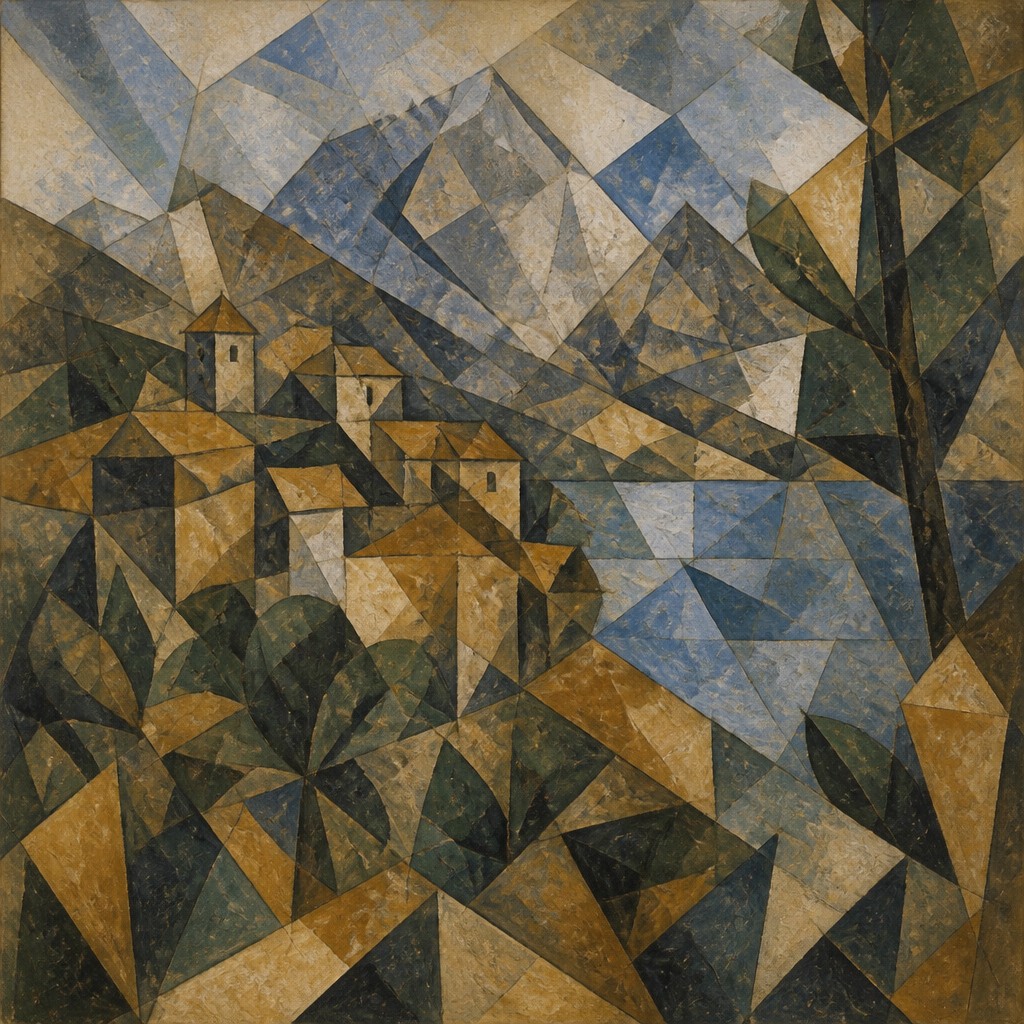
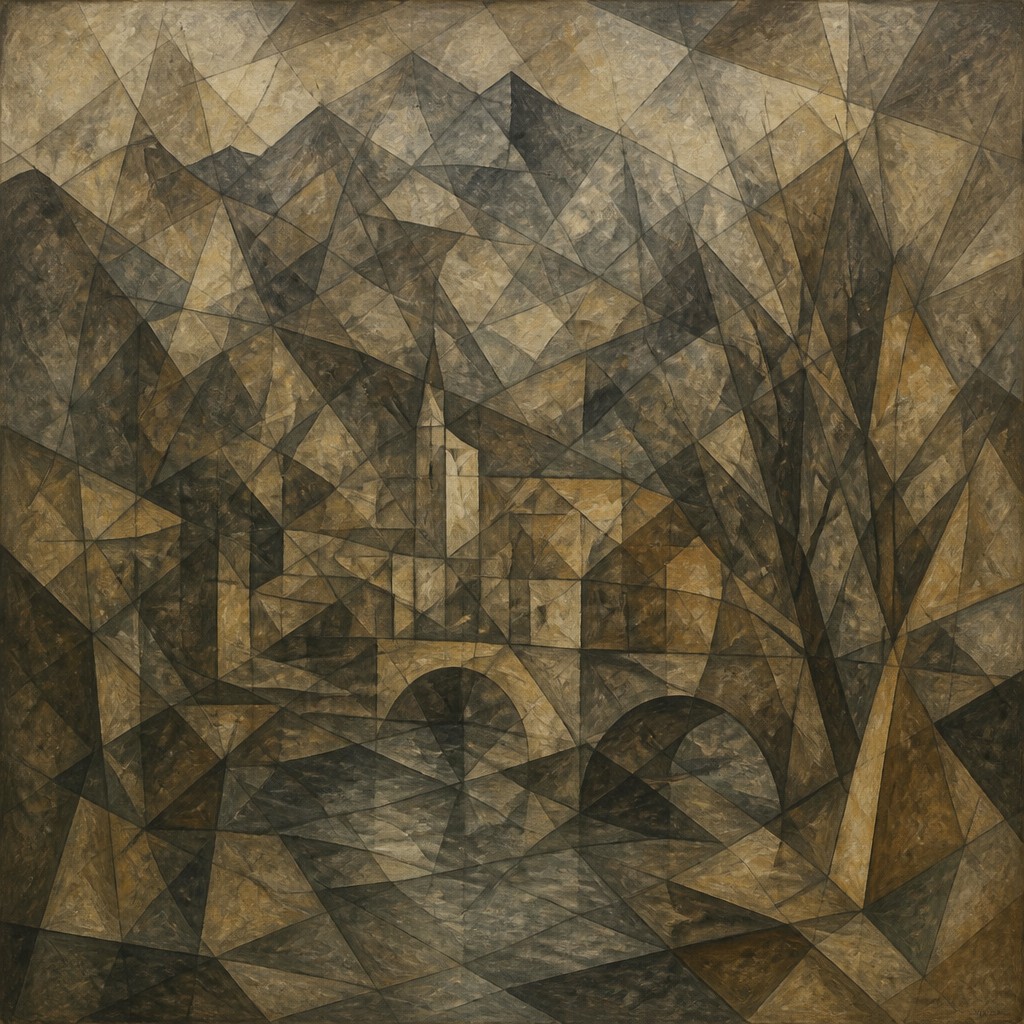
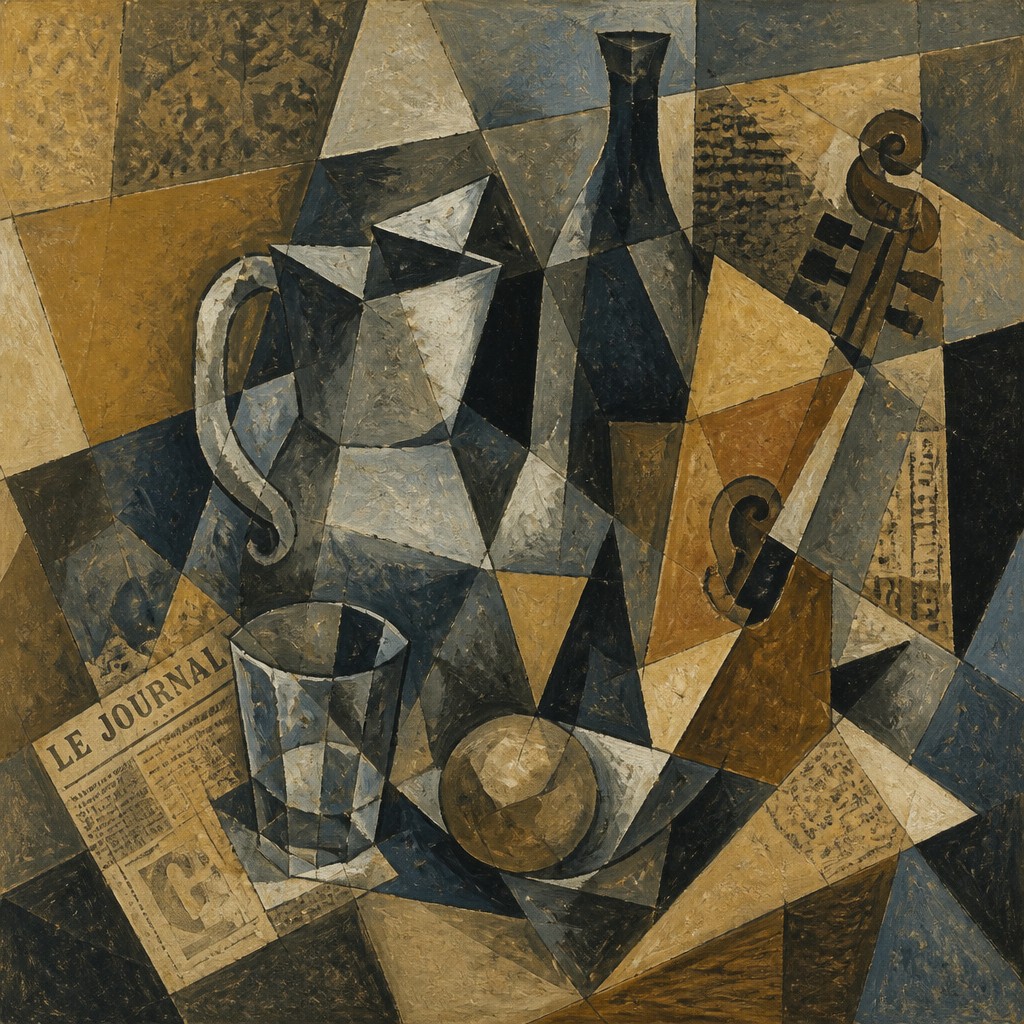
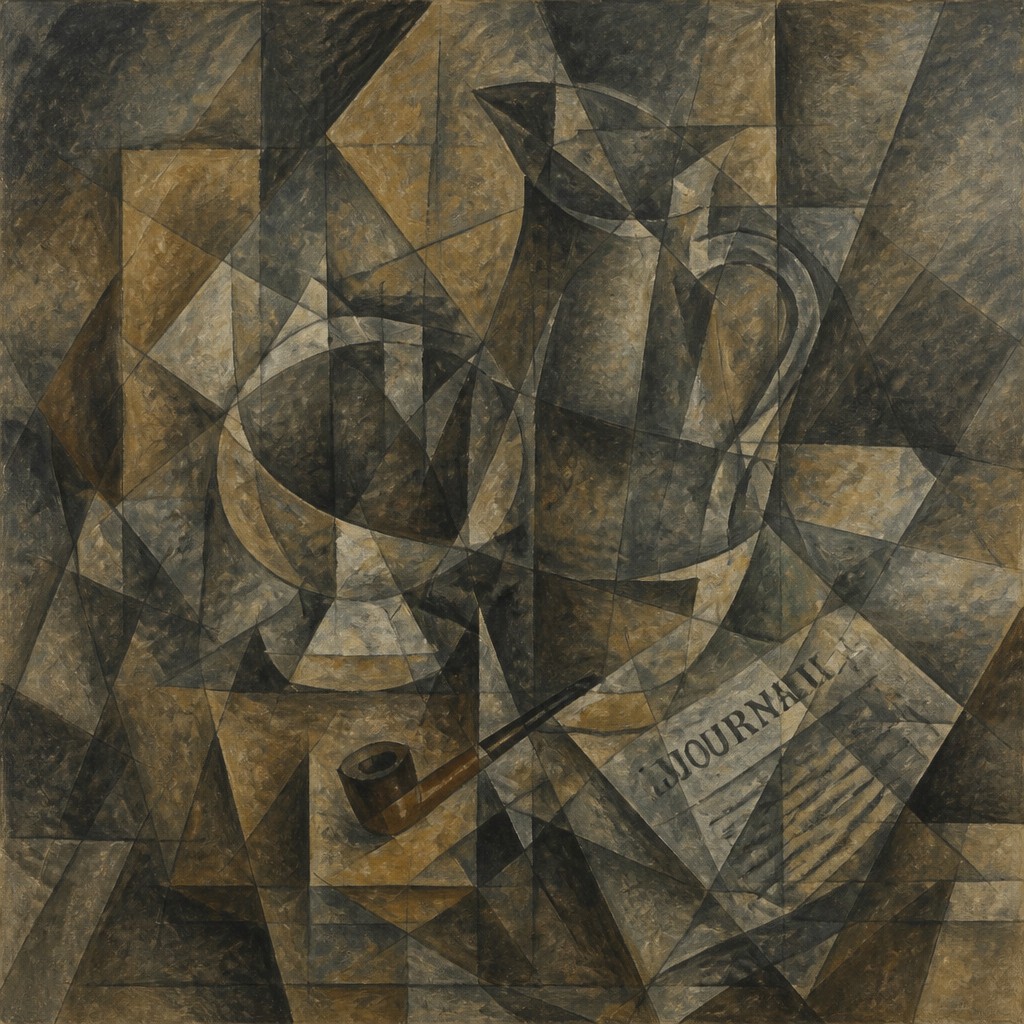
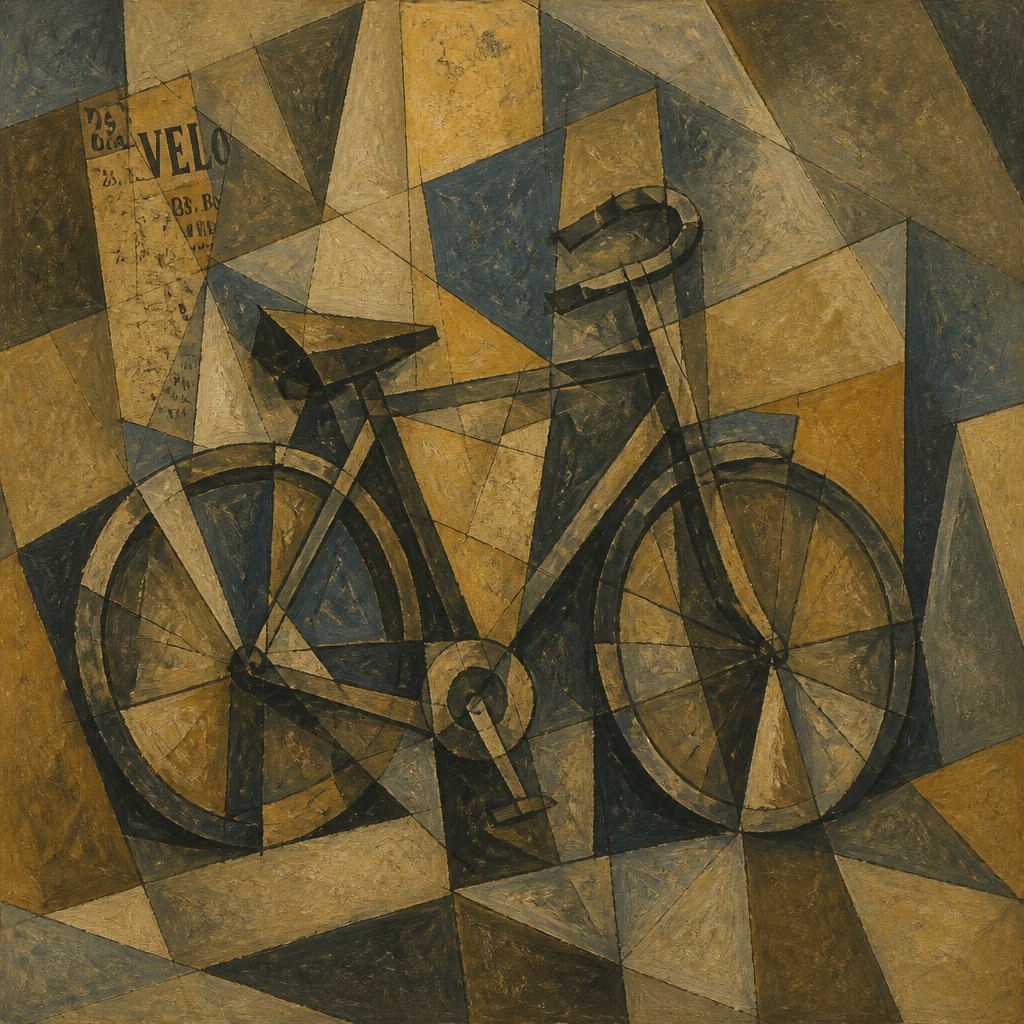
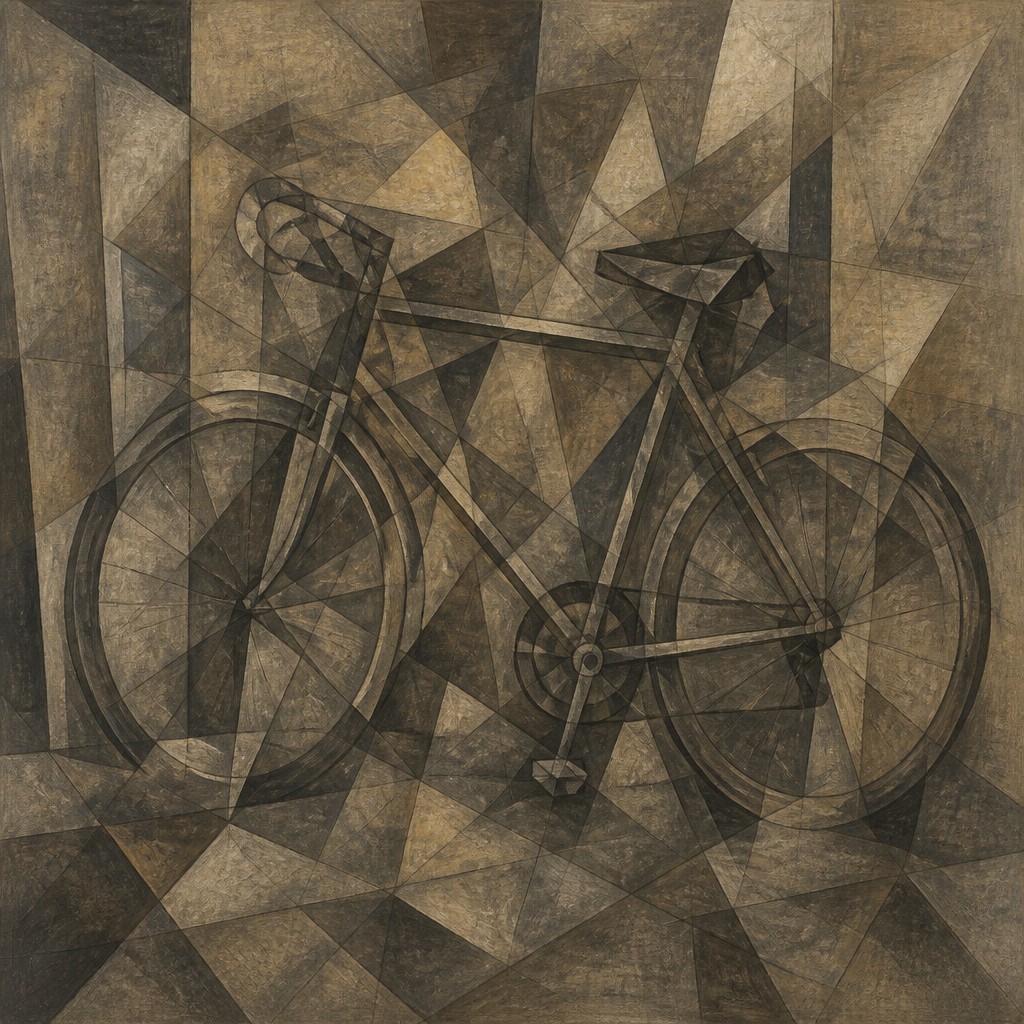
Each pair below was generated from the identical prompt — only the style changed.
“portrait of two people together”
“wide landscape with natural scenery”
“still life with everyday objects”
“bicyle resting against a wall”
Key Differences
| Cubism | Analytical Cubism | |
|---|---|---|
| Scope | Broader Cubist approach with varied treatments of form and color. | More narrowly focused on intense fragmentation and analysis of form. |
| Line & form | Geometric simplification with facets, but forms may remain more readable. | Highly faceted forms that often become difficult to identify quickly. |
| Color | Often muted, but may allow slightly broader color variation. | Usually very restrained, favoring browns, grays, and ochres. |
| Spatial effect | Creates fractured space with some room for visual clarity. | Compresses space into a dense, layered, and highly ambiguous surface. |
| Viewer experience | Balances abstraction with enough cues to recognize the subject. | Feels more intellectual, demanding slower reading of the image. |
| Composition | Can be rhythmic and dynamic with flexible arrangement of planes. | Often tightly structured, with intricate interlocking planes. |
| Mood | analytical, fractured, dynamic, experimental, abstract | intellectual, fragmented, restrained, contemplative |
| Energy | intense | balanced |
| Detail level | detailed | intricate |
| Color | muted earth tones, grays, ochres | muted monochrome earth tones |
| Texture | hard-edged, faceted, layered | flat matte planes, faceted overlaps |
| Origin | early 20th-century Paris, France | early 20th-century Paris, France |
| Best for | posters, album covers, editorial illustration, museum graphics, abstract branding | fine art prints, editorial illustration, album covers, museum graphics, abstract portraits |
| Difficulty | advanced | advanced |
Which Should You Choose?
Choose Cubism if you want a broader, more flexible style that still leaves room for stronger color, clearer subject recognition, and a slightly more open composition. Choose Analytical Cubism if you want a more rigorous, fragmented look with muted tones, dense faceting, and a strongly cerebral sense of analysis rather than depiction.
Frequently Asked Questions
Is Analytical Cubism a type of Cubism?
Yes. It is commonly understood as a specific phase or mode within the wider Cubist movement. It takes Cubist ideas about fractured form and multiple viewpoints and applies them more systematically.
Which style is easier to recognize?
General Cubism is usually easier to recognize because it can preserve more visual variety and clearer subject cues. Analytical Cubism often pushes abstraction further, making objects harder to identify at first glance.
Do both styles use muted colors?
Often, yes, but Analytical Cubism is typically more restrained. Broader Cubism may use slightly more variation, while Analytical Cubism tends to stay within a narrow, subdued palette.
Why do both styles show multiple viewpoints?
Both styles try to represent an object as more than a single snapshot in space. Showing multiple viewpoints helps fragment form and reveal different aspects of the subject at once.