Cubism vs Synthetic Cubism: What's the Difference?
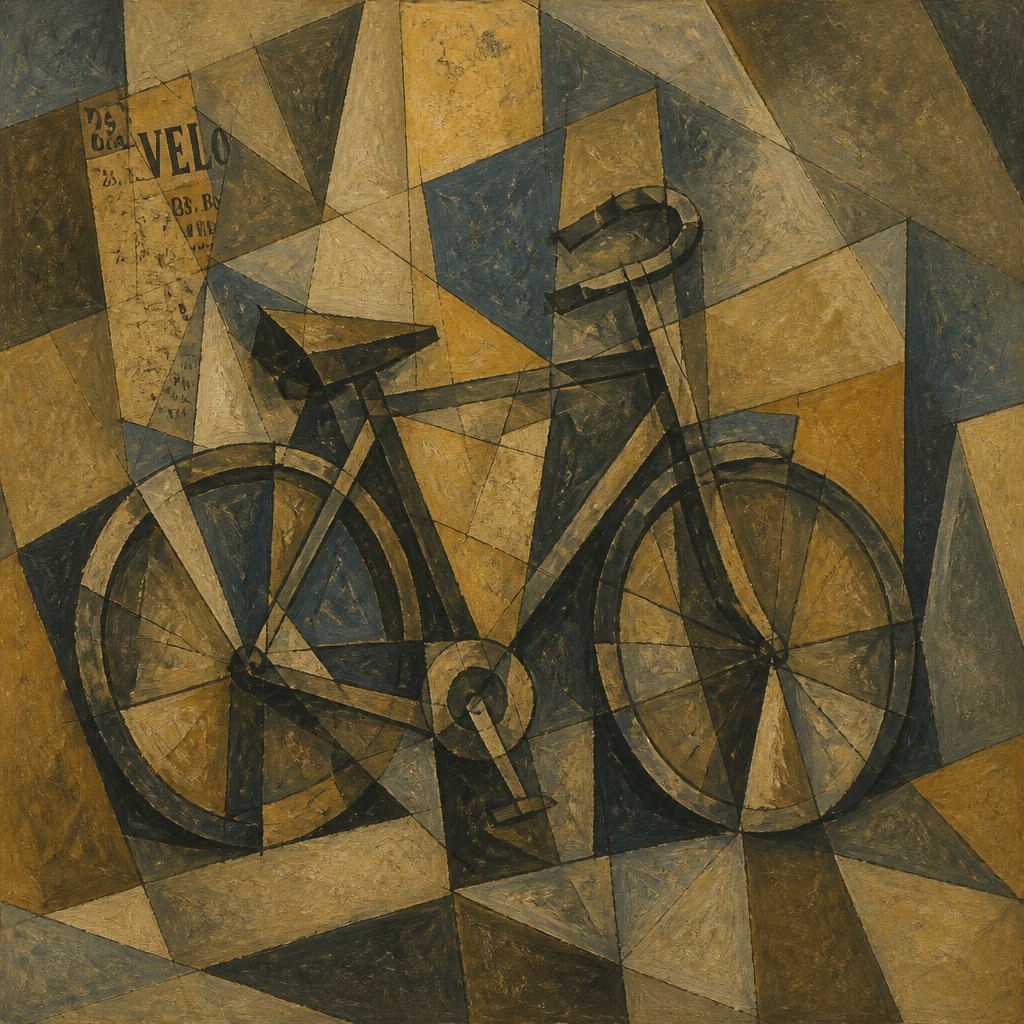
Cubism breaks visible reality into angular facets, shifting viewpoints, and overlapping planes. It often favors muted color, simplified forms, and a sense that the subject is being seen from several angles at once.
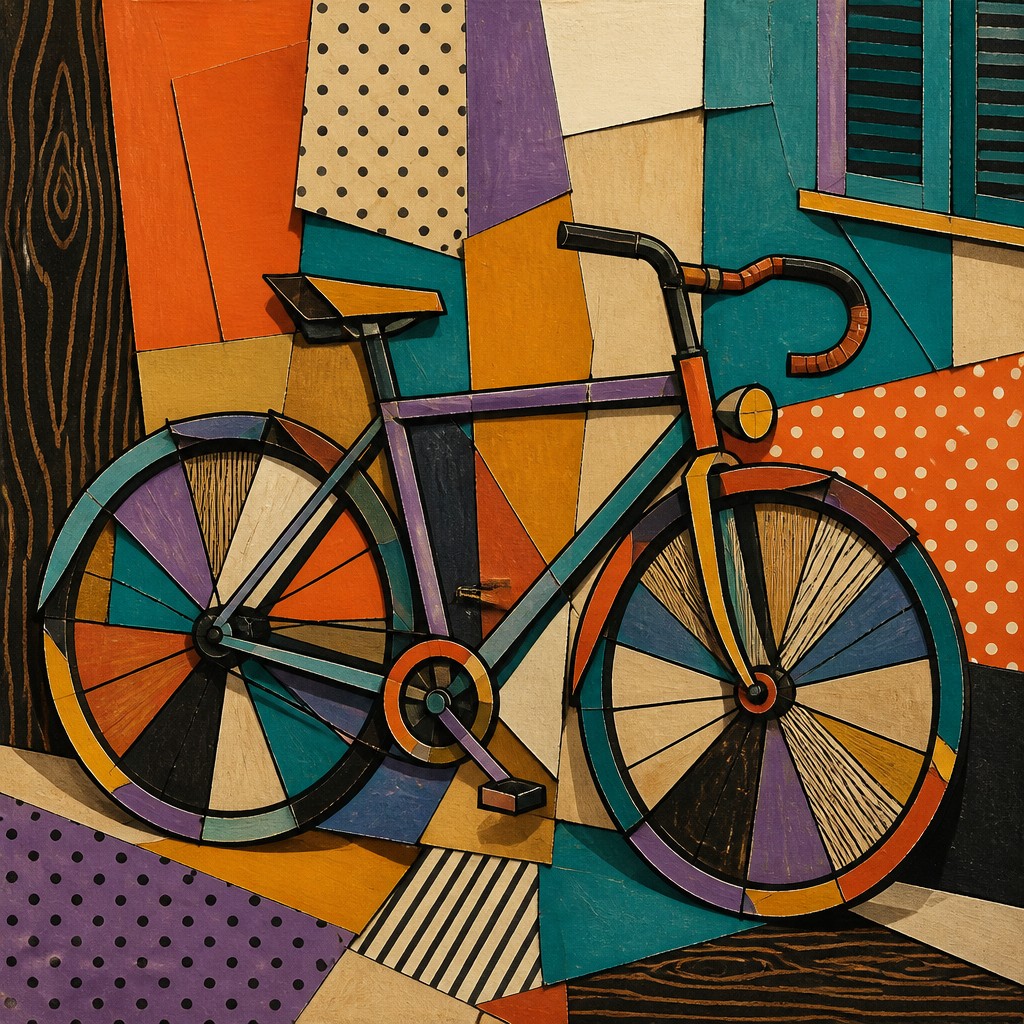
Synthetic Cubism grows from that approach but rebuilds images with flatter shapes, stronger color, and collage-like texture. People compare them because both reject traditional single-point perspective, yet they differ in how they construct the image: one fragments, the other assembles.
Same Prompt, Both Styles
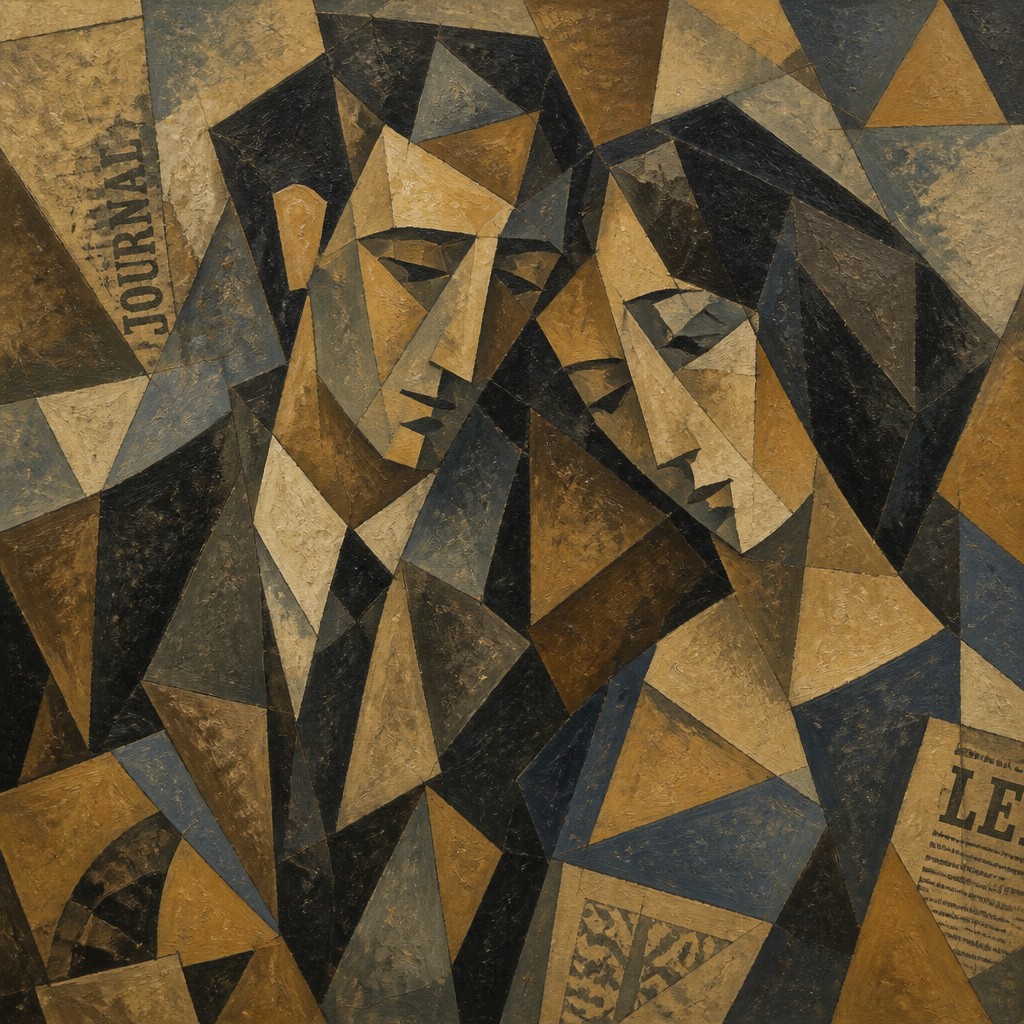
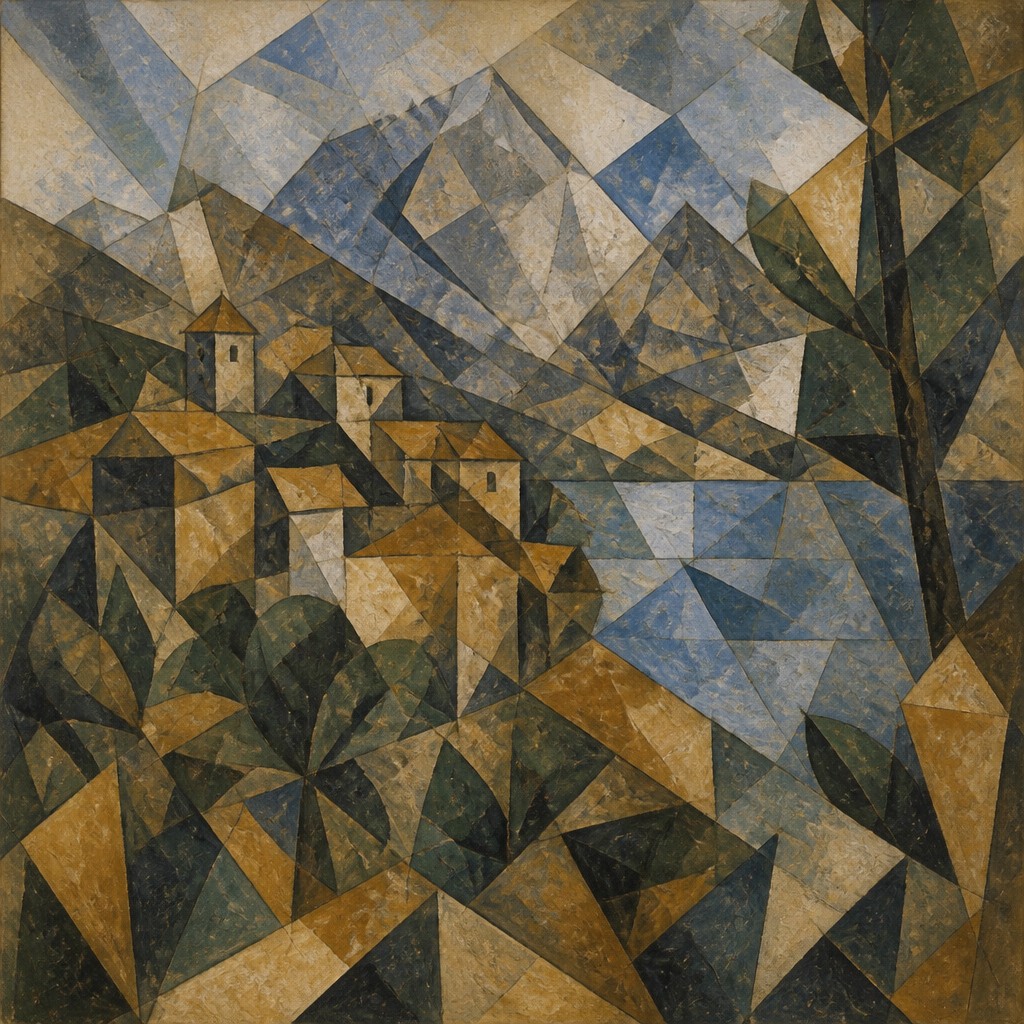
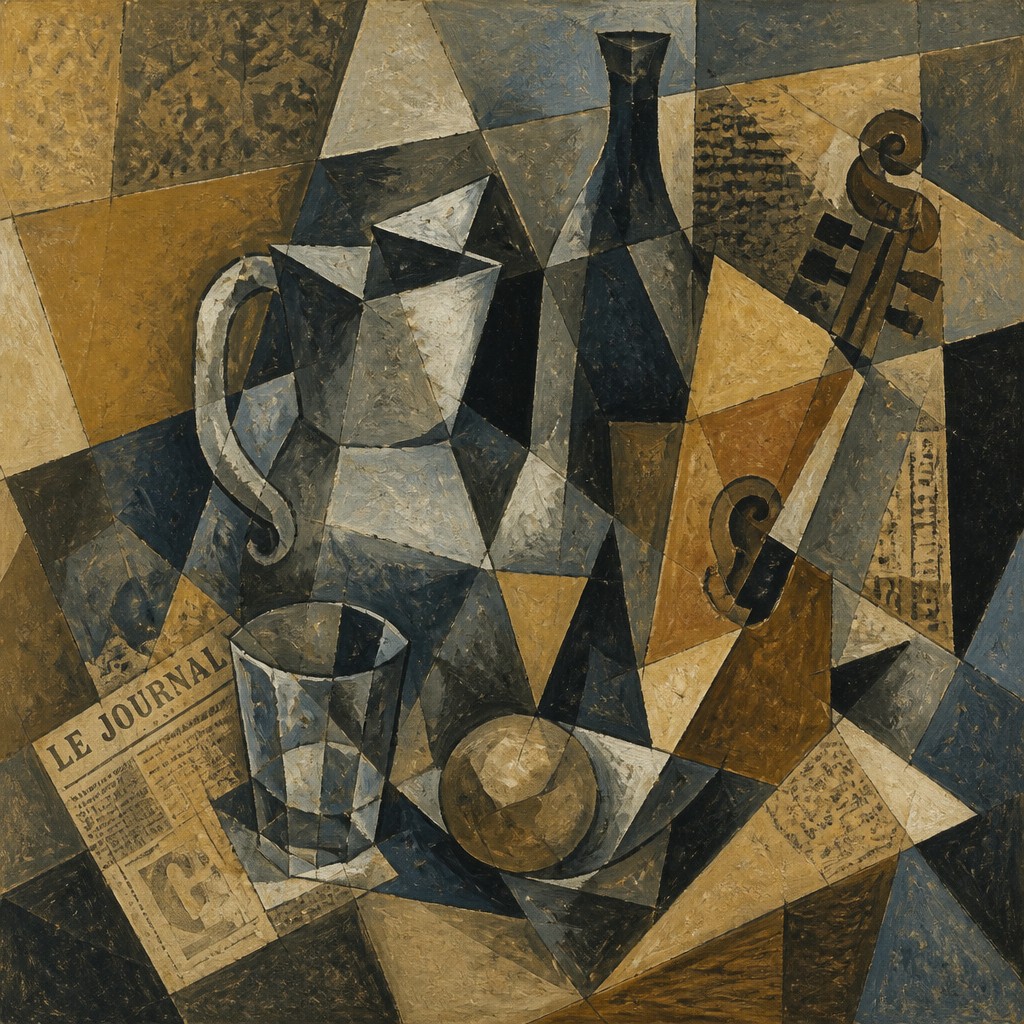
Each pair below was generated from the identical prompt — only the style changed.
“portrait of two people together”

“wide landscape with natural scenery”
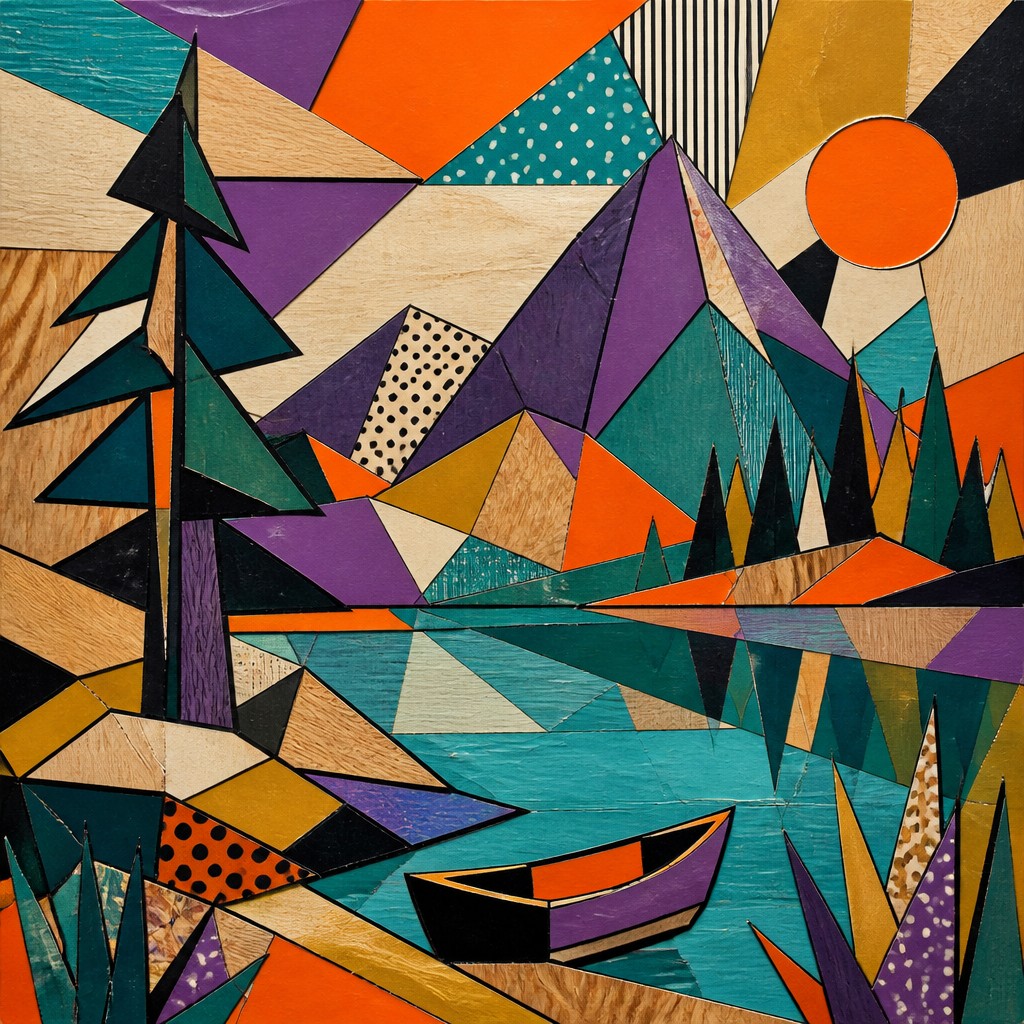
“still life with everyday objects”

“bicyle resting against a wall”
Key Differences
| Cubism | Synthetic Cubism | |
|---|---|---|
| Form treatment | Subjects are fractured into faceted geometric planes. | Subjects are rebuilt from simplified, cut-out shapes. |
| Viewpoint | Multiple angles are shown at once. | A more assembled, flattened viewpoint dominates. |
| Color | Often uses muted, restrained color. | Often uses bolder, brighter color. |
| Surface quality | Focuses on interlocking planes and structure. | Emphasizes mixed textures and collage effects. |
| Depth | Creates layered space through fragmentation. | Creates shallow, flat space through layering. |
| Visual effect | Feels analytical and broken apart. | Feels constructed and decorative. |
| Mood | analytical, fractured, dynamic, experimental, abstract | playful, graphic, inventive, decorative |
| Energy | intense | balanced |
| Detail level | detailed | detailed |
| Color | muted earth tones, grays, ochres | bright, varied, and patterned |
| Texture | hard-edged, faceted, layered | flat collage-like layered surfaces |
| Origin | early 20th-century Paris, France | early 20th-century Paris, France |
| Best for | posters, album covers, editorial illustration, museum graphics, abstract branding | posters, album covers, editorial illustrations, book jackets, packaging design |
| Difficulty | advanced | advanced |
Which Should You Choose?
Choose Cubism if you want a more analytical look that breaks form into facets, emphasizes shifting viewpoints, and uses subdued color to explore structure. Choose Synthetic Cubism if you want a flatter, more graphic result with bold color, collage-like textures, and a sense of images being assembled from parts.
Frequently Asked Questions
Is Synthetic Cubism just a later version of Cubism?
It is generally considered a later development within the Cubist movement. It keeps the core idea of challenging realism, but it shifts from breaking forms apart to rebuilding them from simplified, layered elements.
Which style is more abstract?
Both are abstract, but Cubism often looks more fragmented and analytical. Synthetic Cubism is usually easier to read as an assembled image because it uses flatter shapes and clearer color contrasts.
Do both styles use collage?
Collage is especially associated with Synthetic Cubism. Cubism can include collage-like thinking, but its main emphasis is on fractured planes and multiple viewpoints rather than pasted-in materials or effects.
How can I tell them apart quickly?
Look for fragmentation versus construction. If the image feels broken into angular facets with muted tones, it is closer to Cubism; if it feels built from bold, flat, layered shapes with texture, it is closer to Synthetic Cubism.