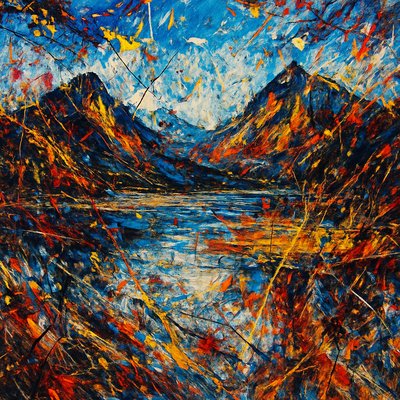
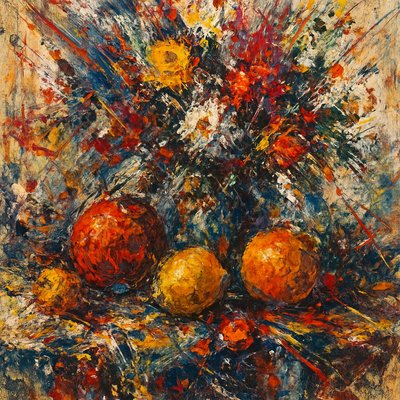
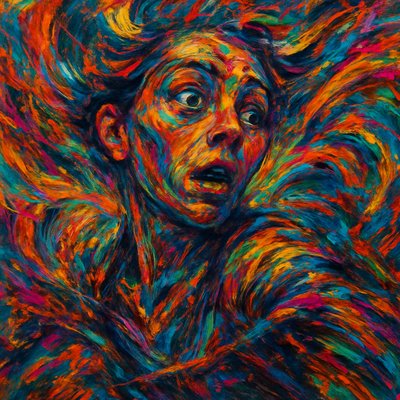
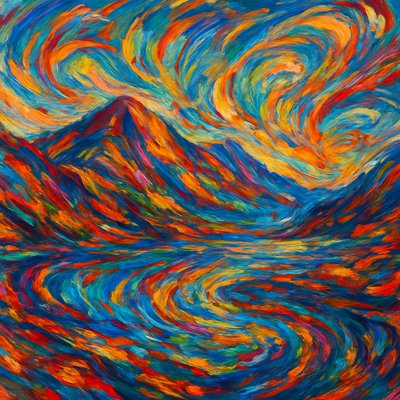
Visual Rhythm Art Style
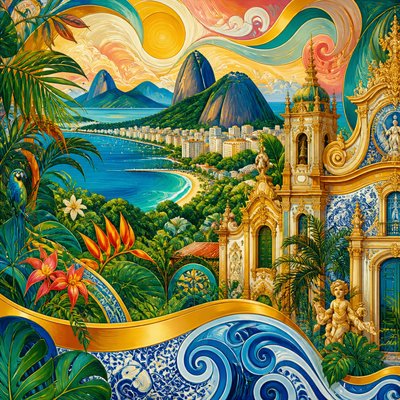
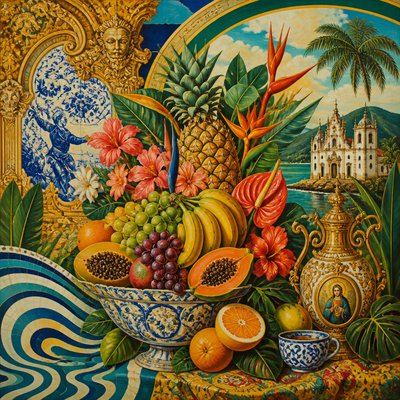
Explore Visual Rhythm Art: an abstract style of repeating waves, arches and strokes that creates tempo, movement and pulsing color.
Instantly rendered in Visual Rhythm — or transform a photo
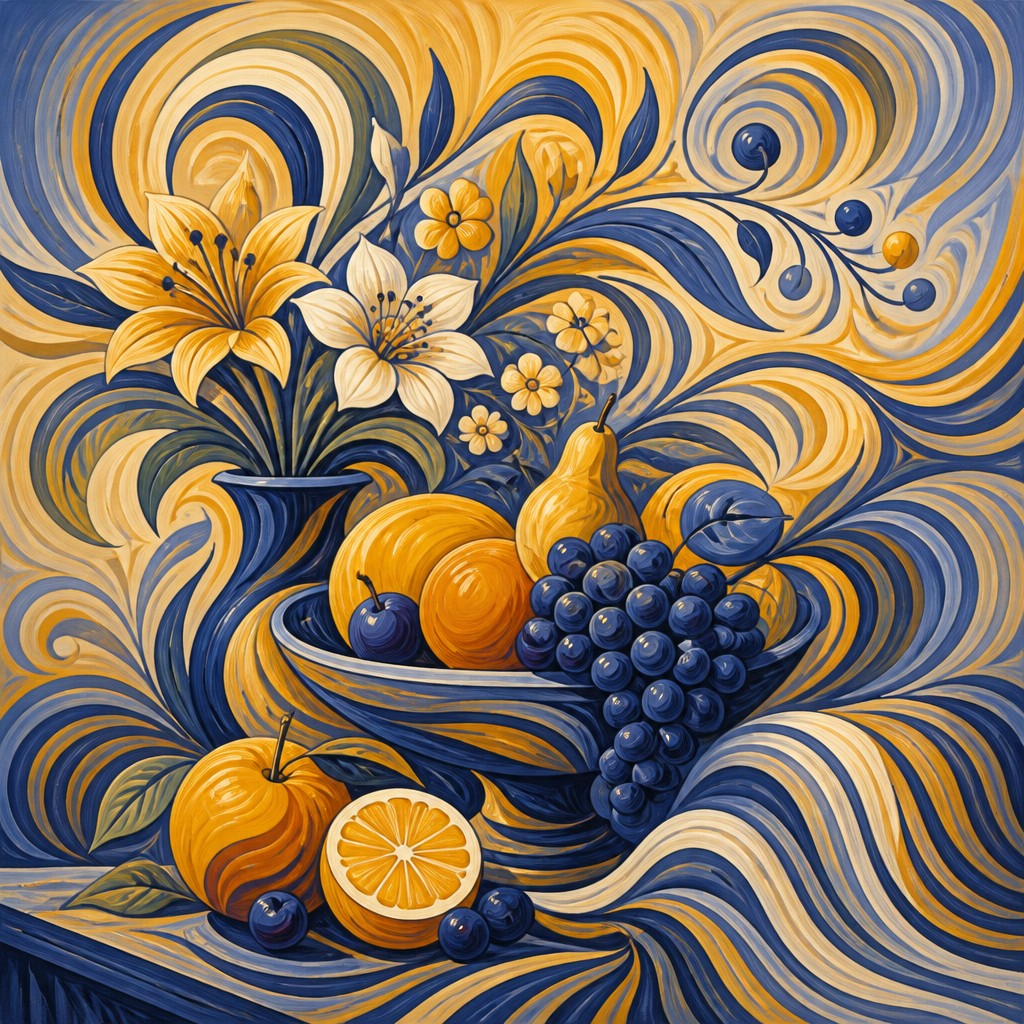
Visual Rhythm Gallery
Tap any artwork to explore it
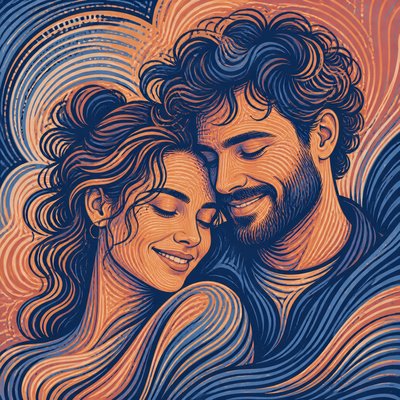
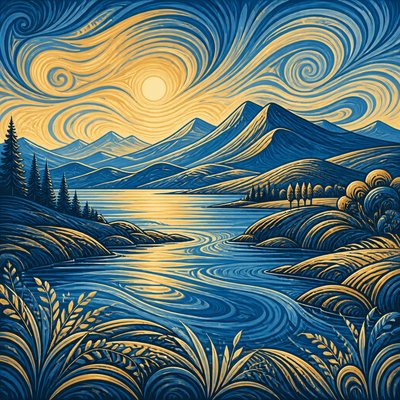
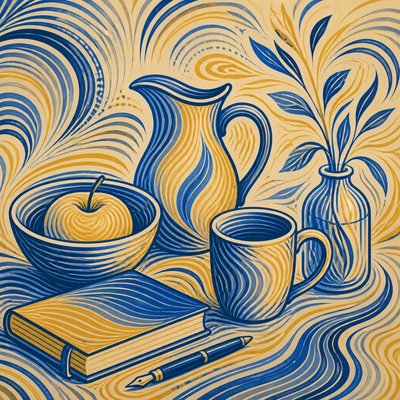
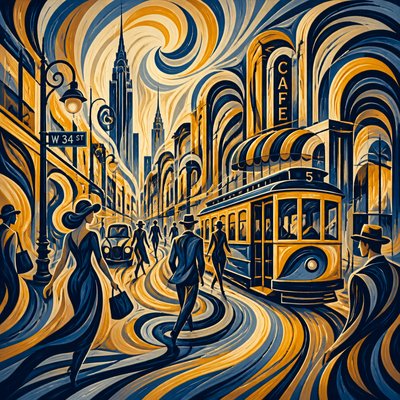
What is Visual Rhythm Art Style?
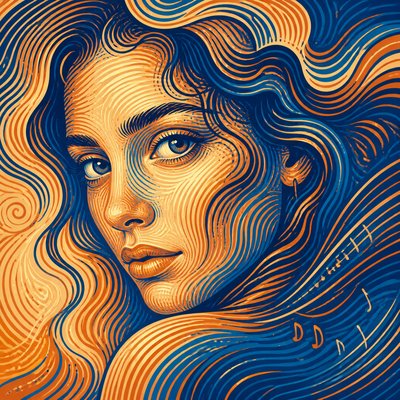
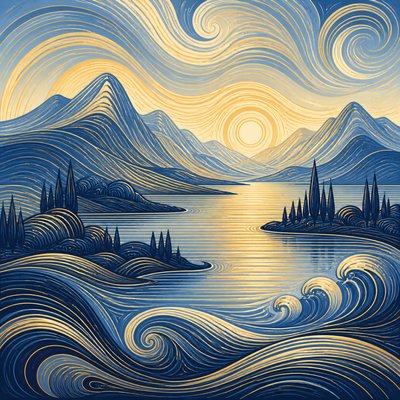
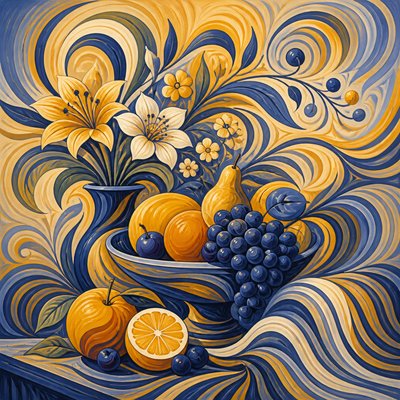
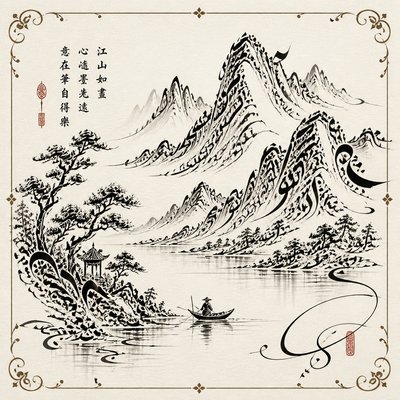
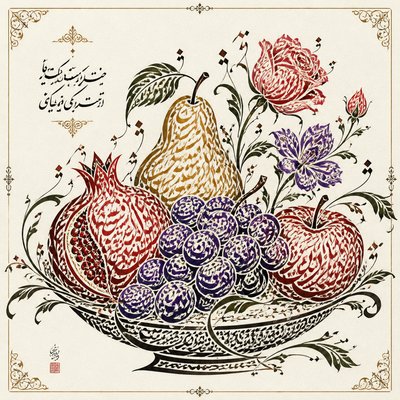
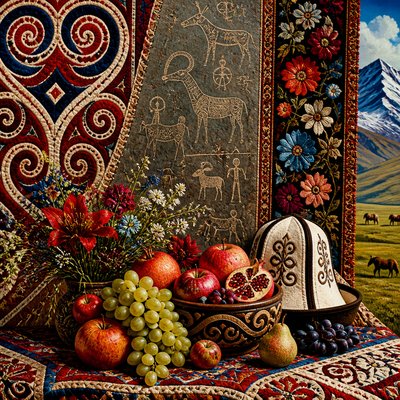
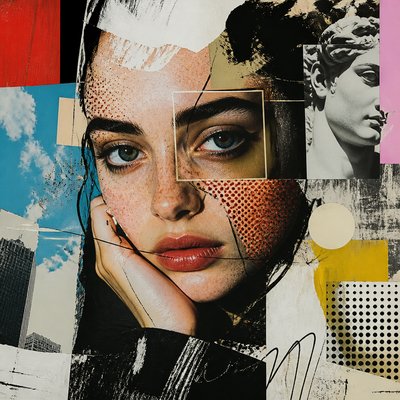
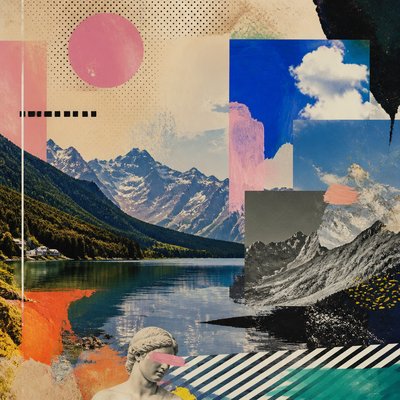
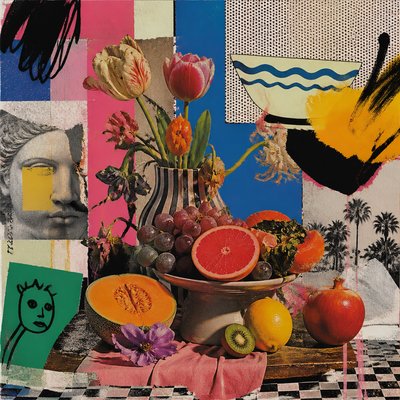
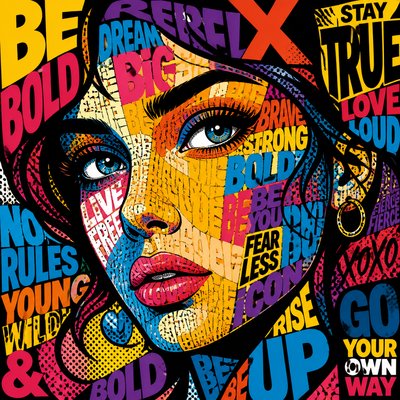
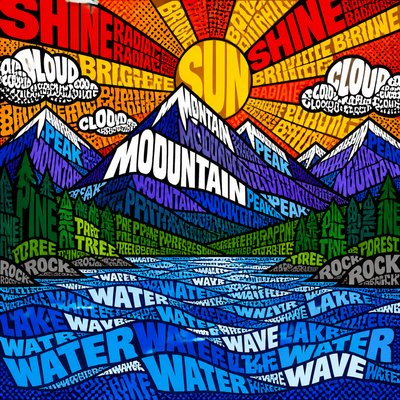
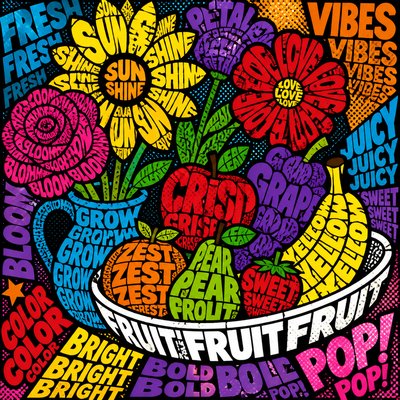
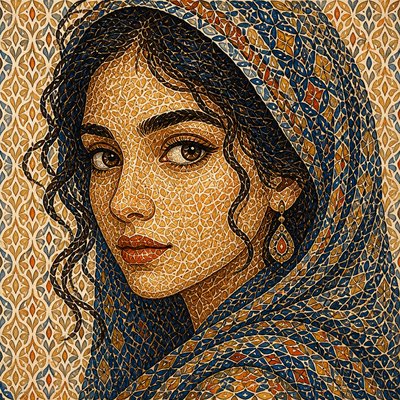
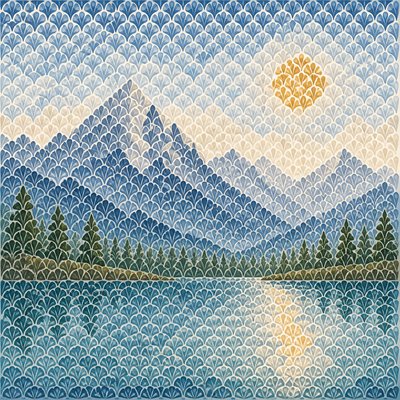
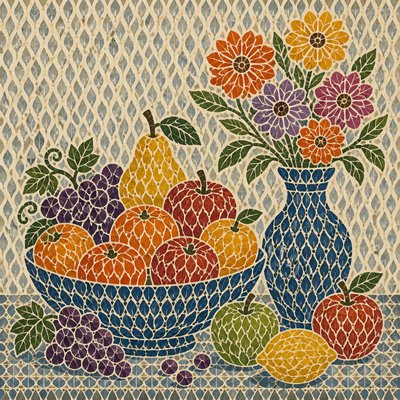
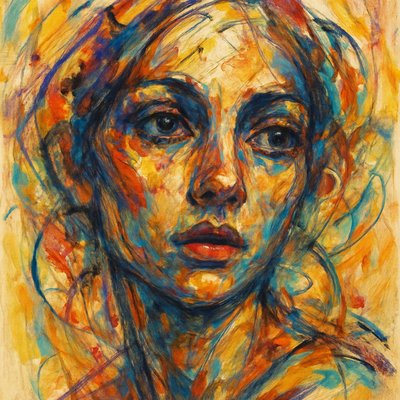
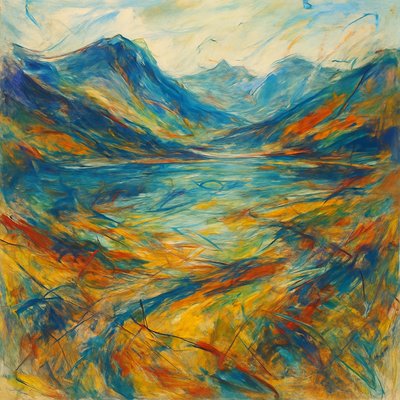
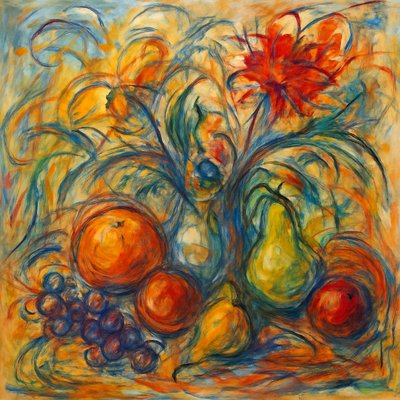
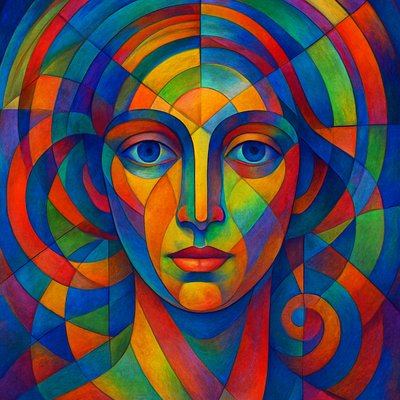
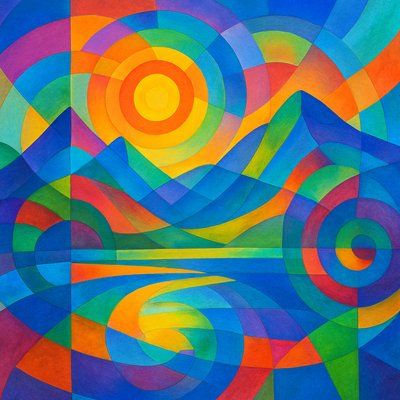
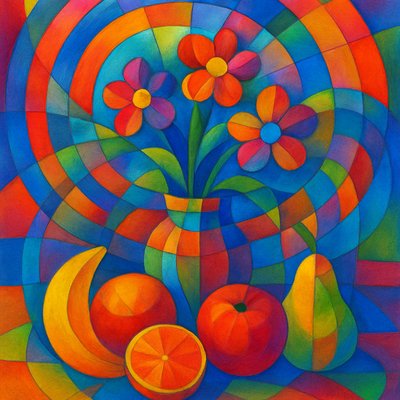
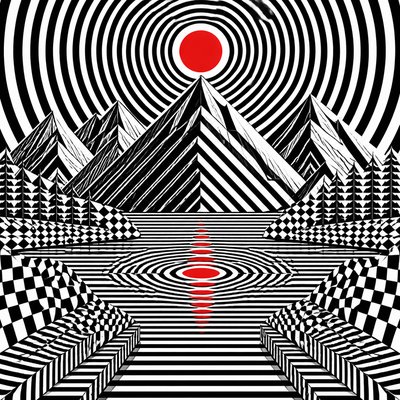
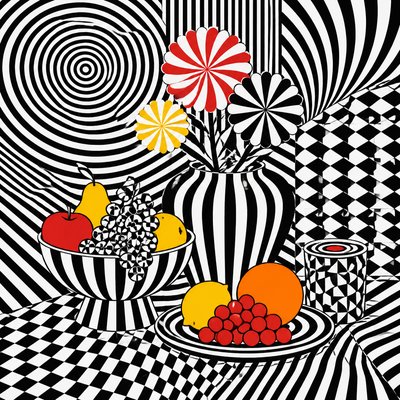
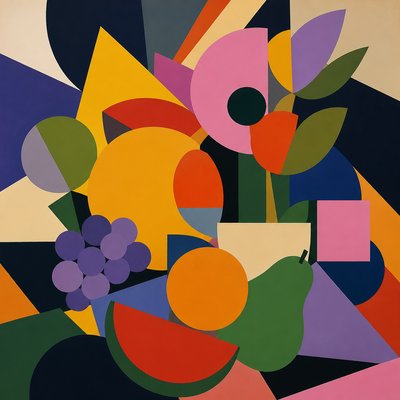
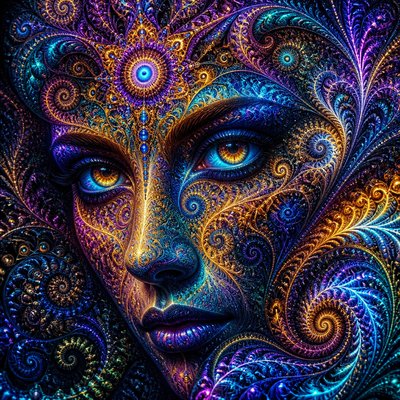
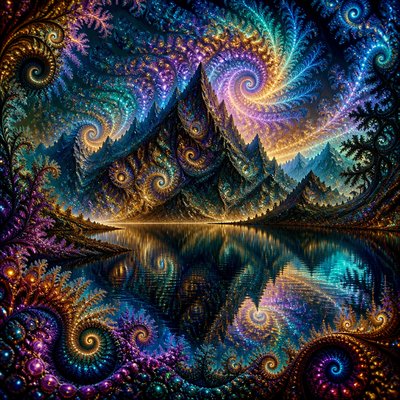
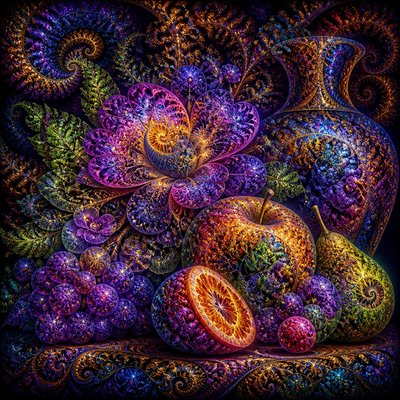
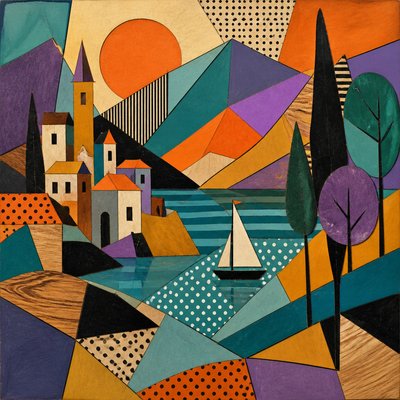
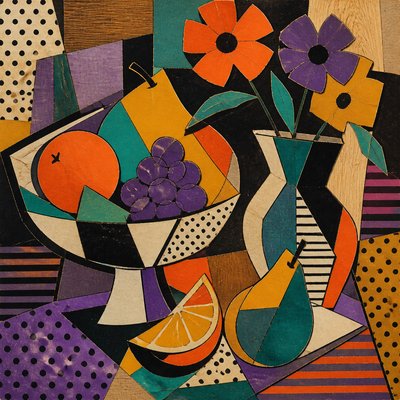
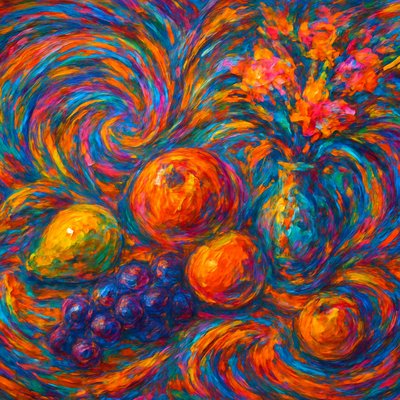
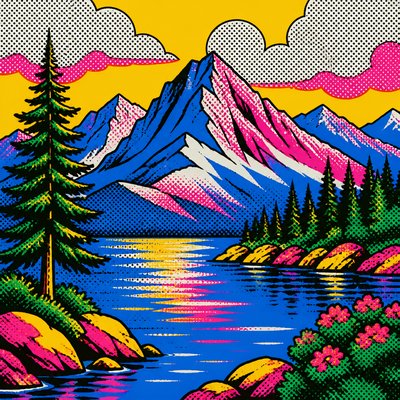
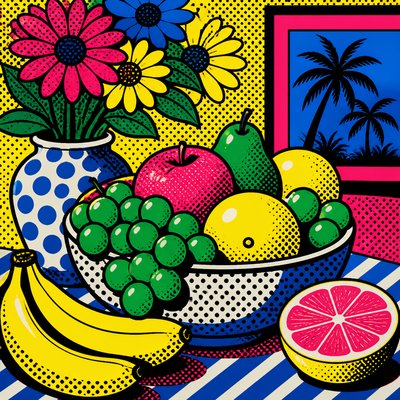
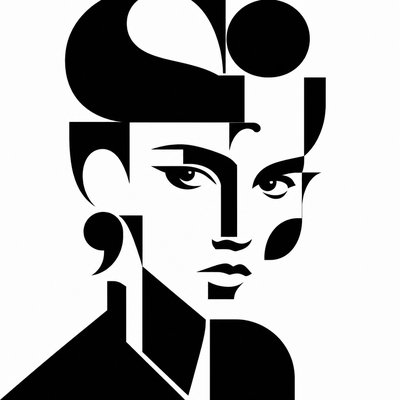
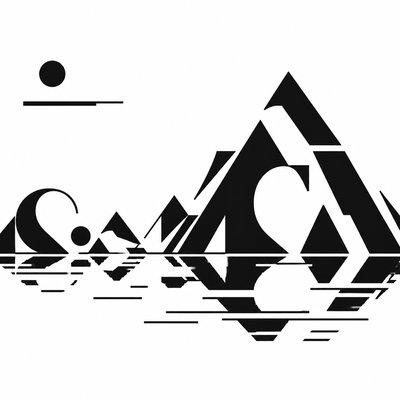
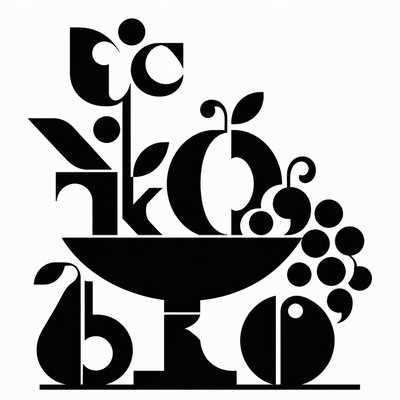
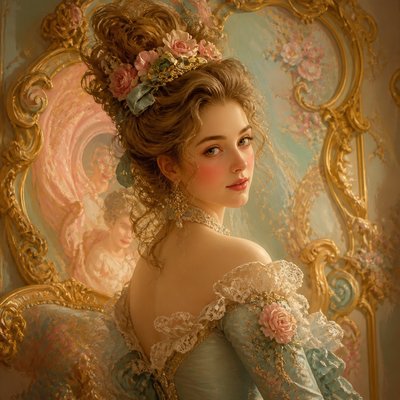
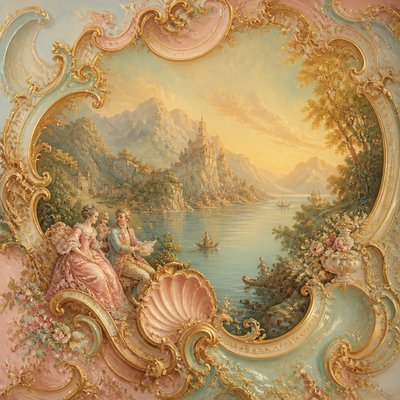
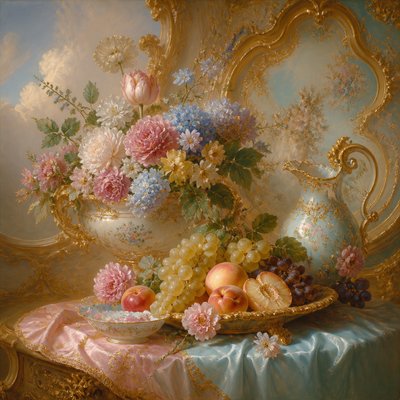
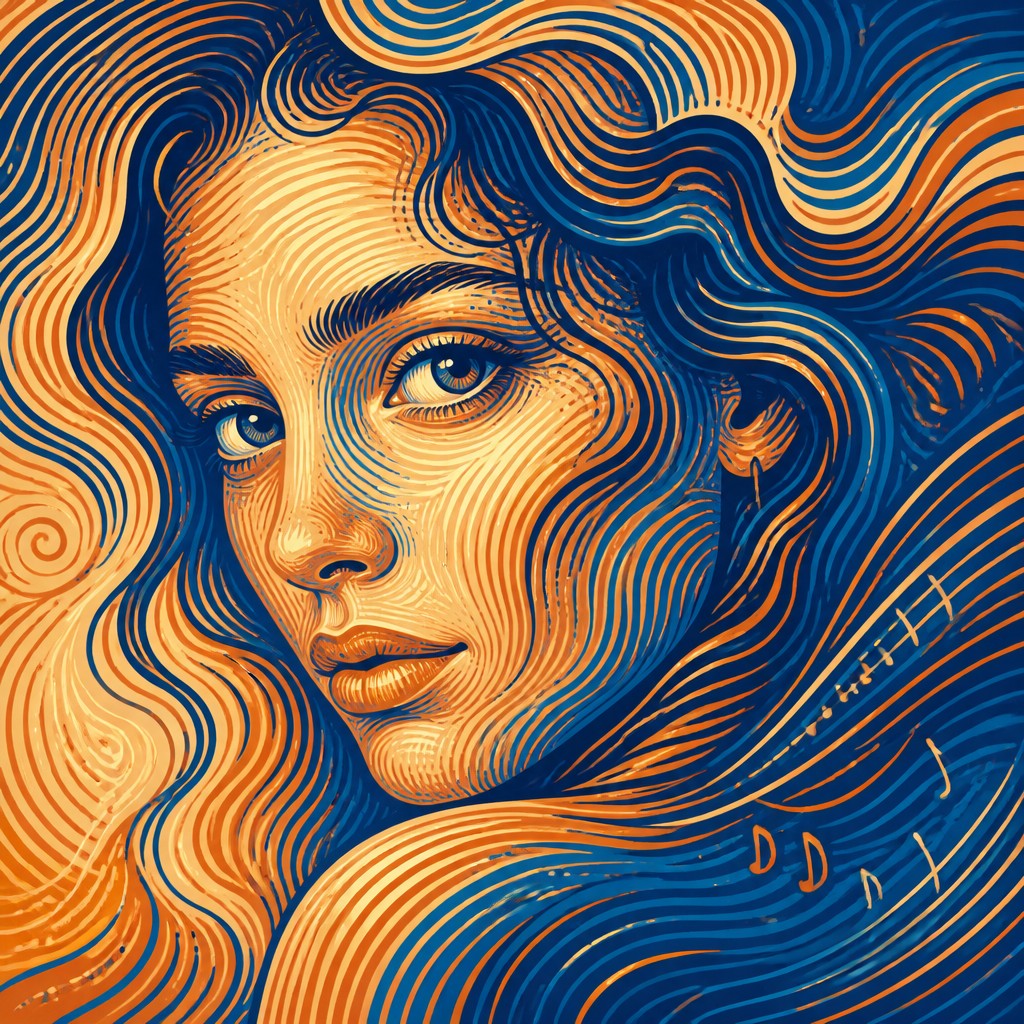
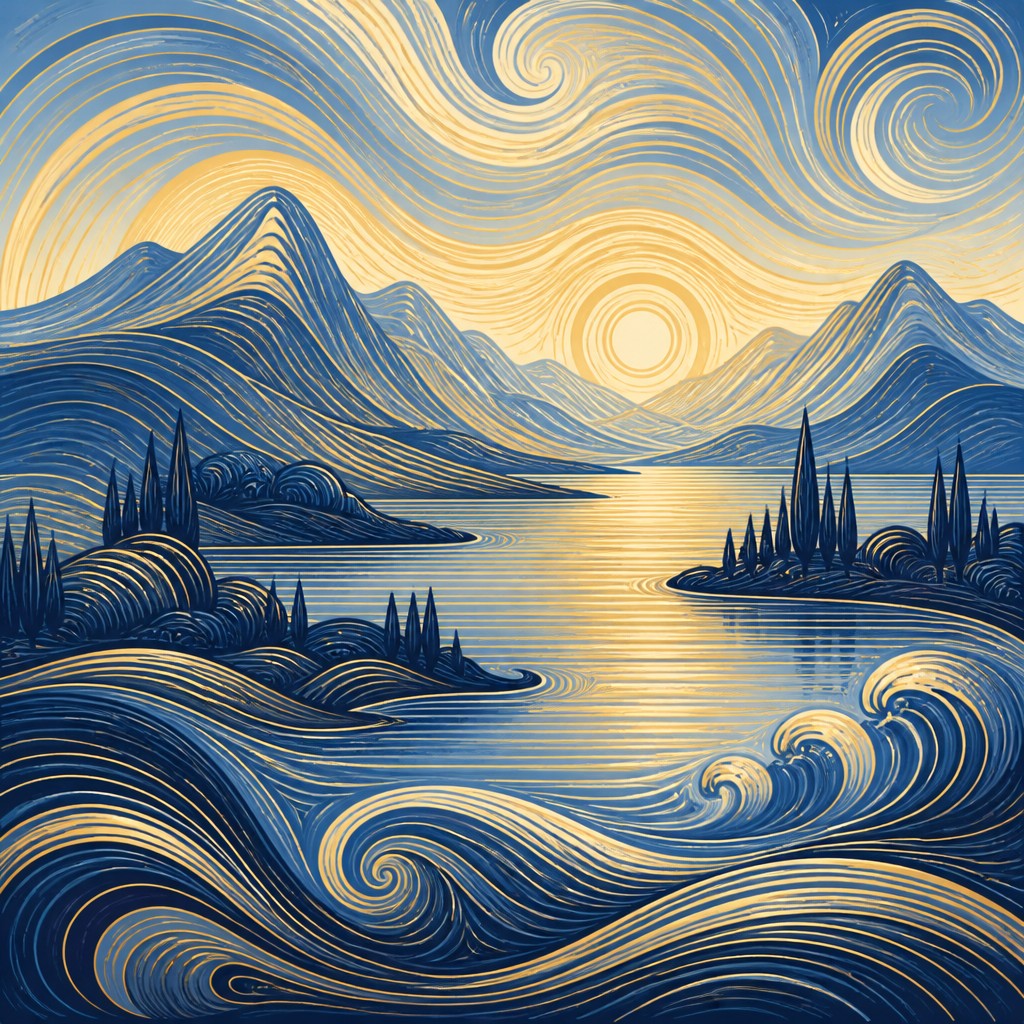
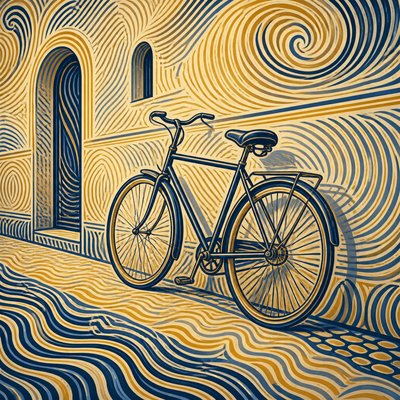
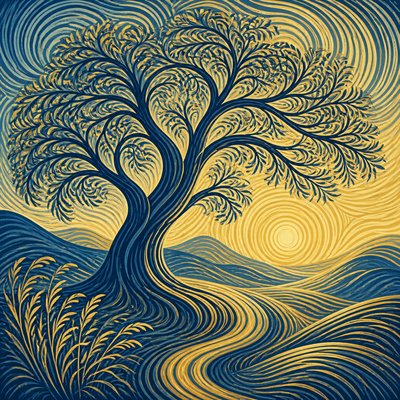
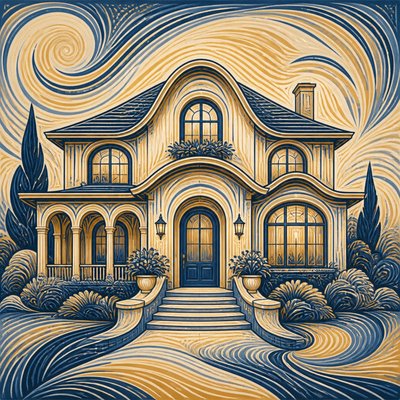
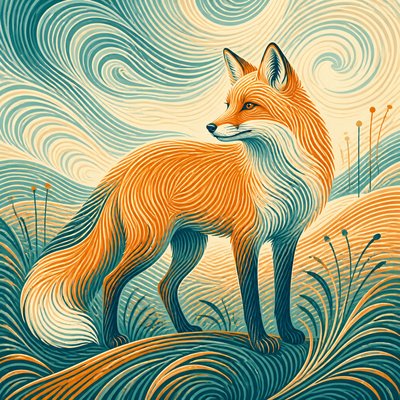
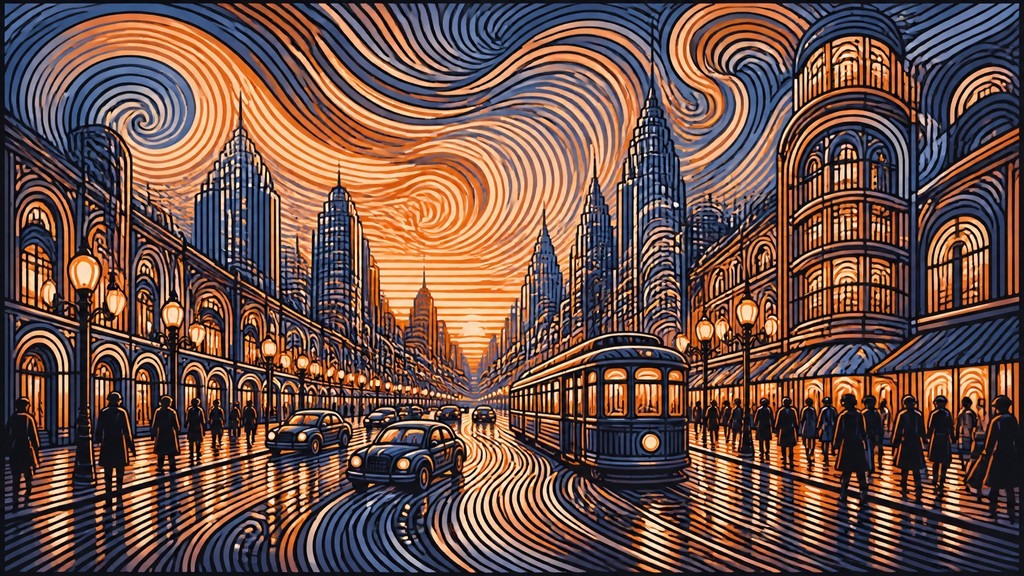
Visual Rhythm Art is an abstract image-making style organized around repetition, interval and visual tempo. Curves, arches, waves and directional strokes recur across the composition like beats in music, creating a sense of acceleration, suspension or calm without relying on literal narrative. The subject may remain recognizable, but its forms are interpreted through patterned movement and rhythmic linework.
Its visual identity comes from the controlled alternation of similar marks, changing scales, and harmonized color fields. Repeated contours guide the eye through the image, while variations in spacing and stroke density prevent the pattern from becoming static. A limited palette—often pulsing between two dominant hues—reinforces the impression that the entire composition is vibrating or unfolding over time.
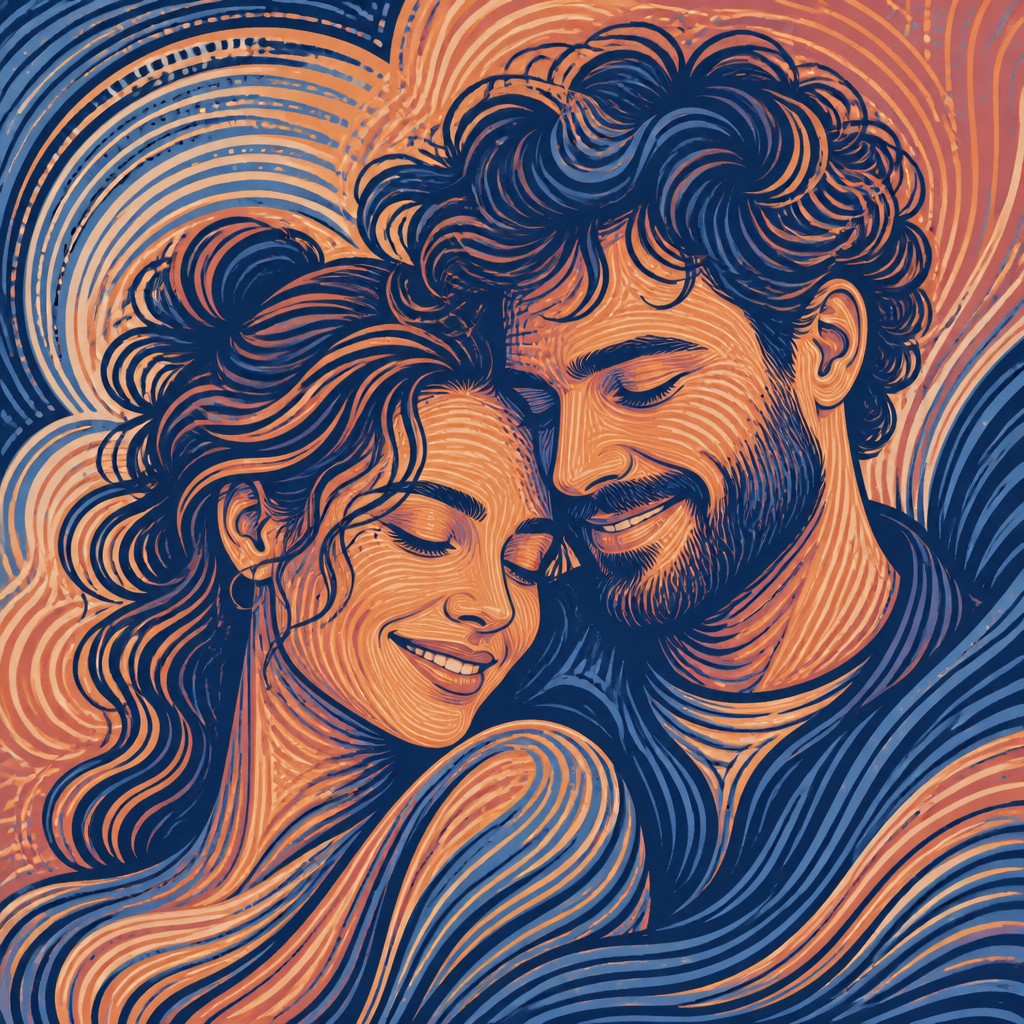
Try It On Your Photos
Upload any photo and convert it into Visual Rhythm Art Style — drag the sliders to compare before and after.
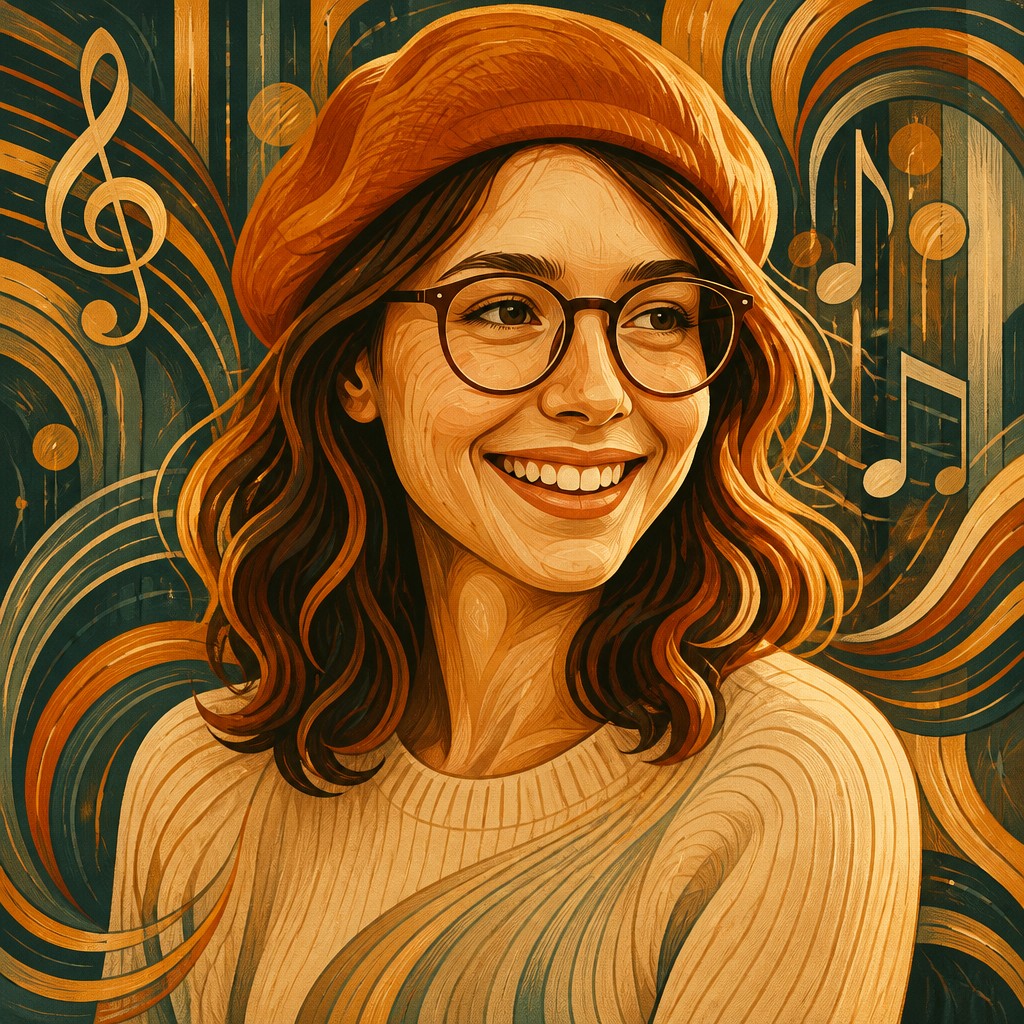

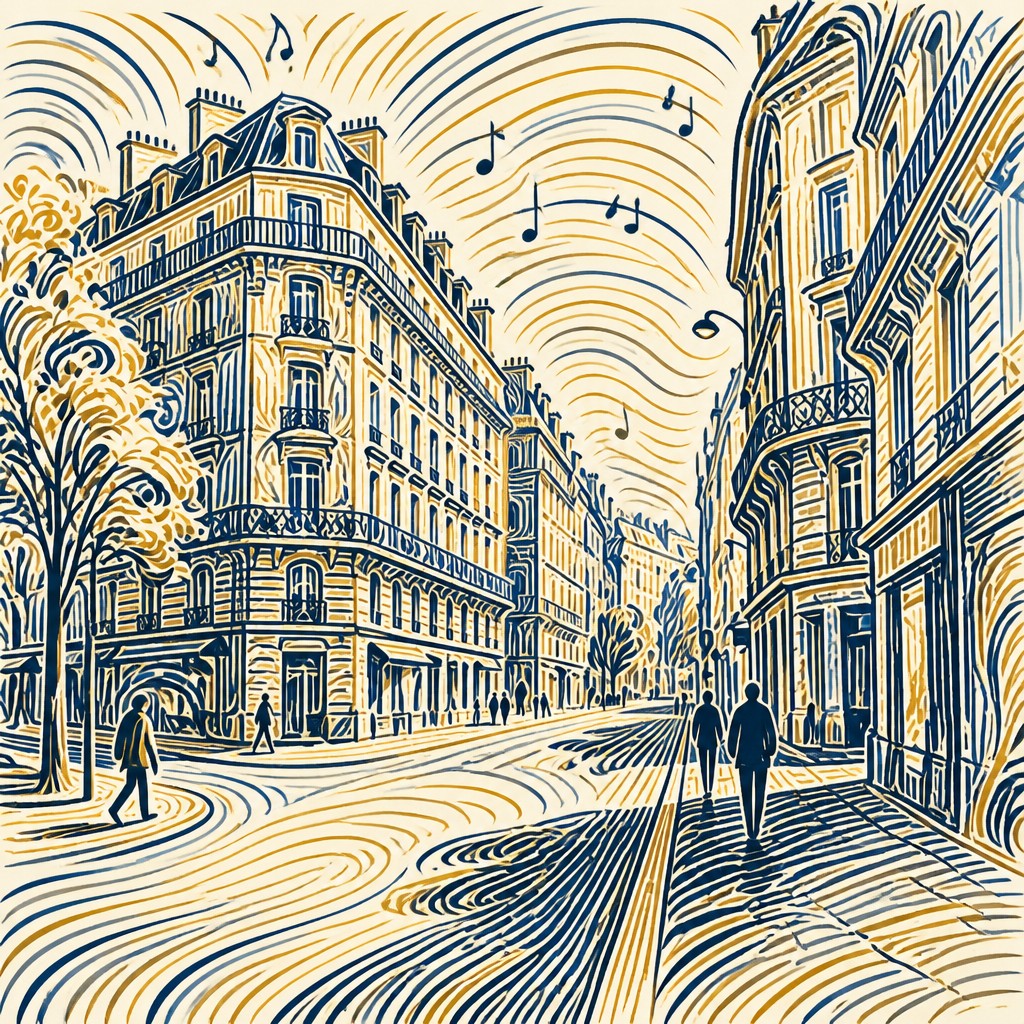

What Defines Visual Rhythm Art Style
The signature details, up close
Repeating wave structures
Curving lines and undulating bands recur across the image in related shapes. Their repetition establishes a visual pulse and gives the composition a sense of continuous motion.
Arches and looping contours
Arches, semicircles, spirals and nested curves create secondary rhythms within the larger pattern. They may frame a subject, echo its silhouette or form an entirely abstract field.
Variable tempo
Spacing, scale and stroke density change across the composition to suggest speeding up, slowing down or pausing. Tightly packed marks create intensity, while wider intervals create visual breathing room.
Directional linework
Strokes are arranged to lead the eye along sweeping paths rather than being distributed randomly. Parallel, concentric or cascading marks can produce flow, vibration and depth.
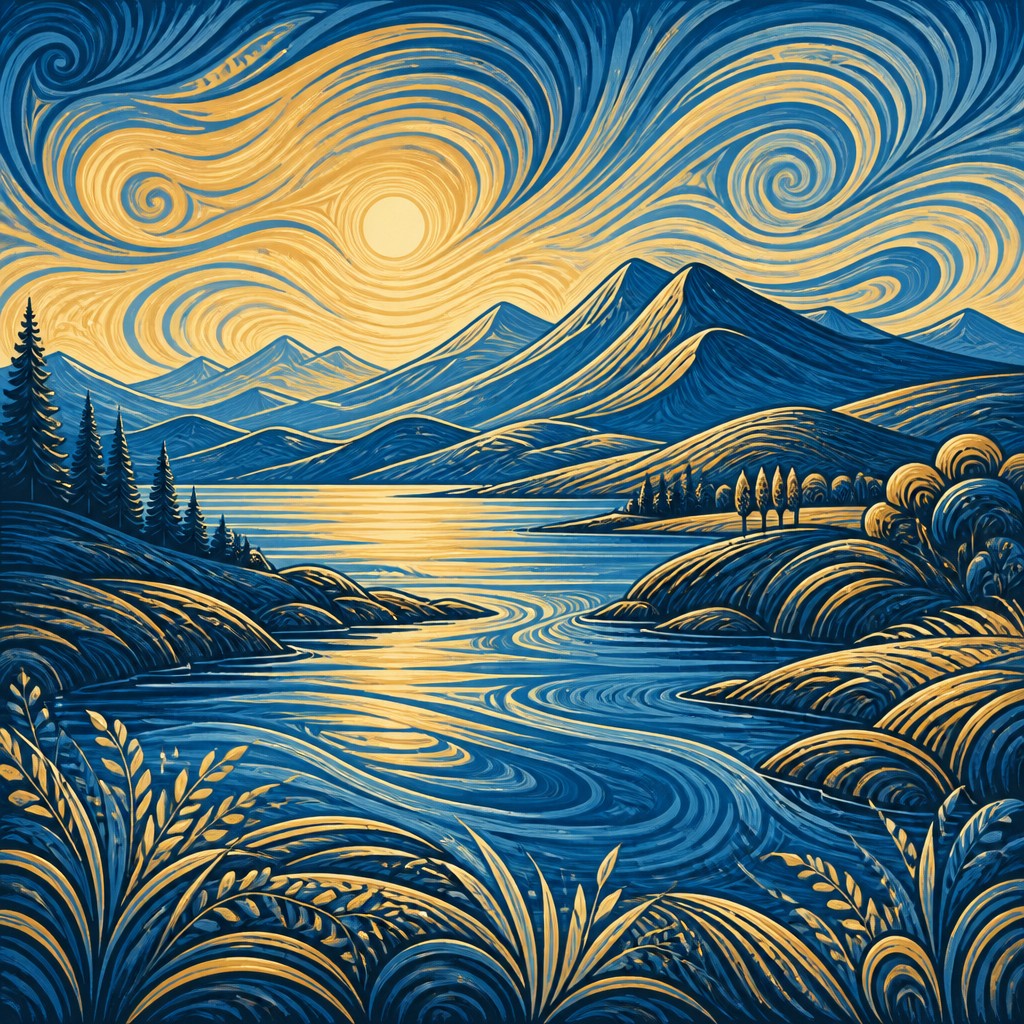
Harmonized two-color palettes
The style often centers on two dominant hues that alternate, overlap or pulse against one another. Supporting neutrals and restrained tonal shifts help preserve the clarity of the rhythmic structure.
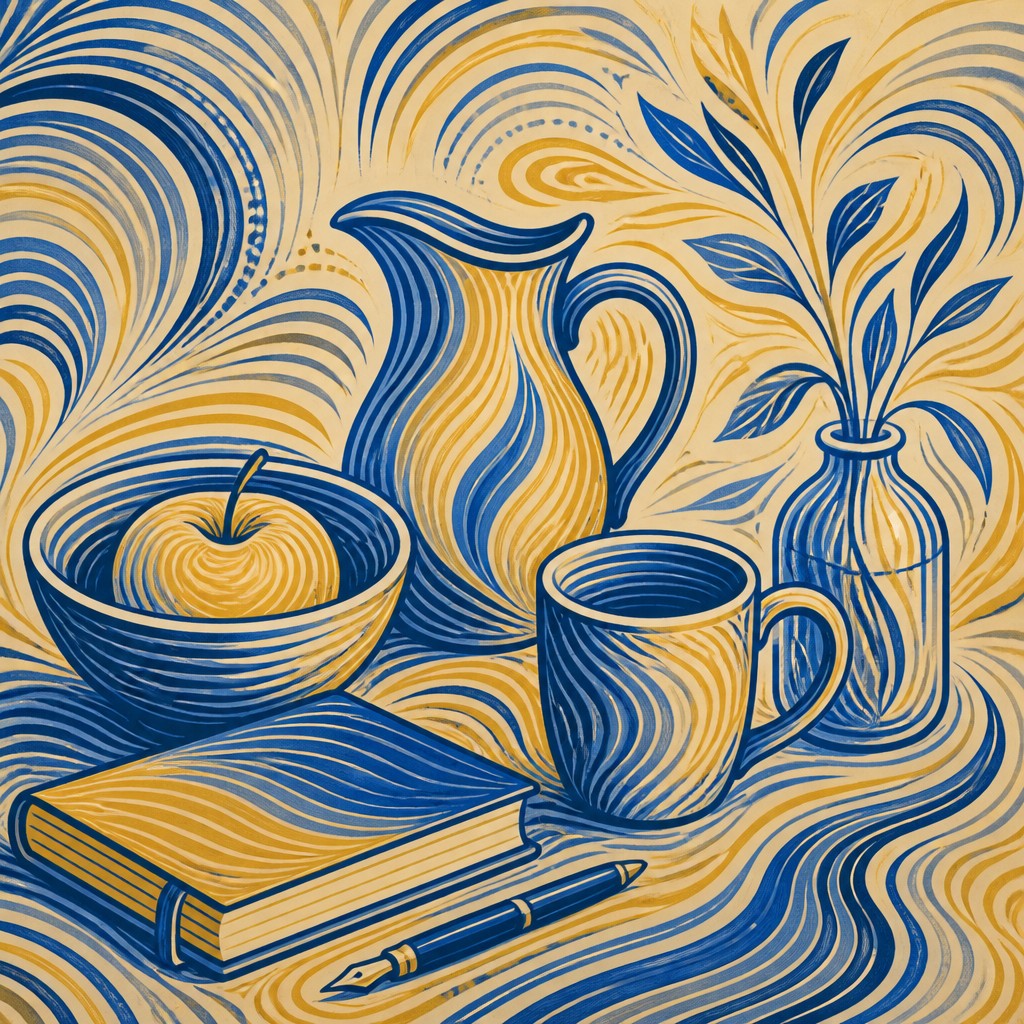
Layered repetition
Transparent or opaque bands may overlap to create interference patterns, visual echoes and changing tonal densities. Layering adds complexity while maintaining a coherent underlying beat.
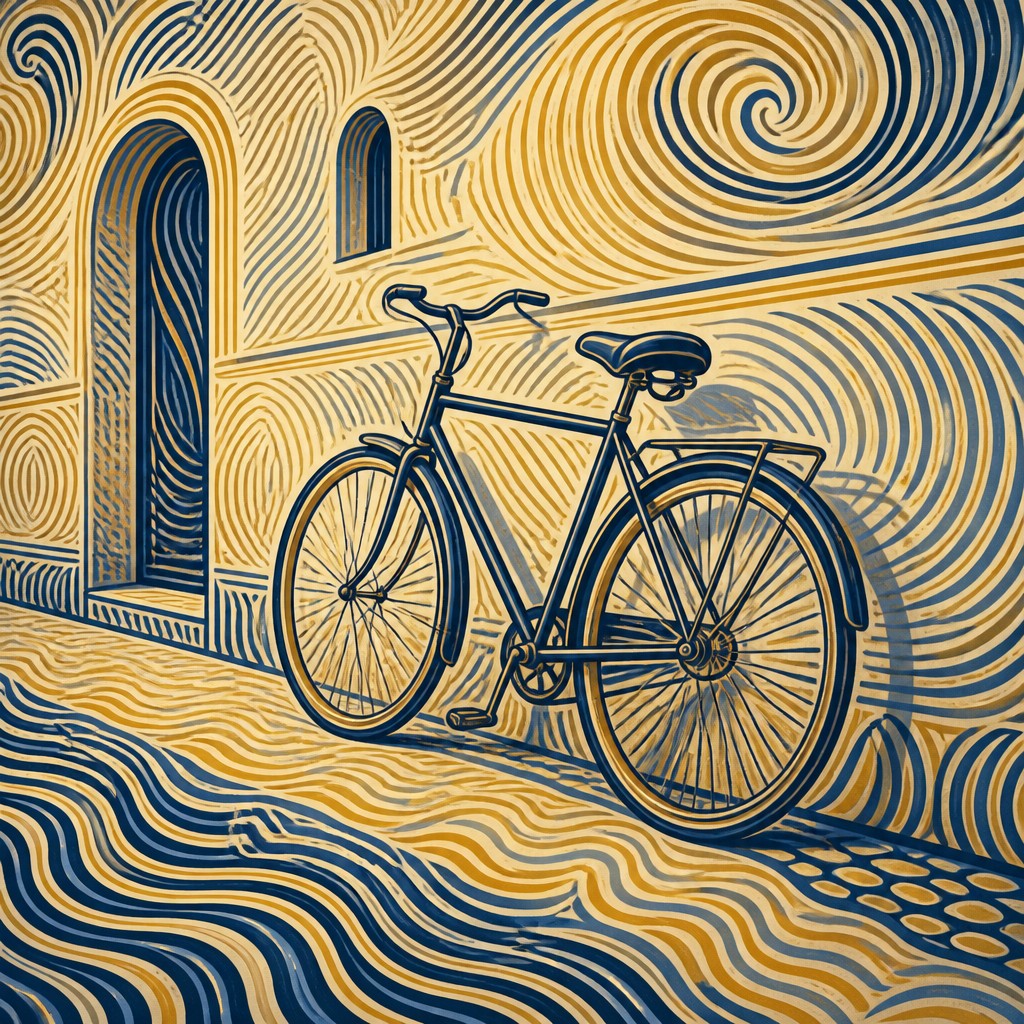
Stylized subject integration
Figures, landscapes and objects are commonly reshaped by the surrounding rhythm rather than isolated from it. Contours can dissolve into waves, while repeated marks can describe volume, atmosphere or motion.
Try It
Create Videos in Visual Rhythm Art Style
Styles aren't just for stills — describe a scene or animate an image and get a short video rendered in Visual Rhythm. Press play to see this pond come to life.
Make a VideoVisual Rhythm Prompt Ideas
Start from an idea — each one opens the generator with the style ready to go. See all 40 Visual Rhythm prompts →
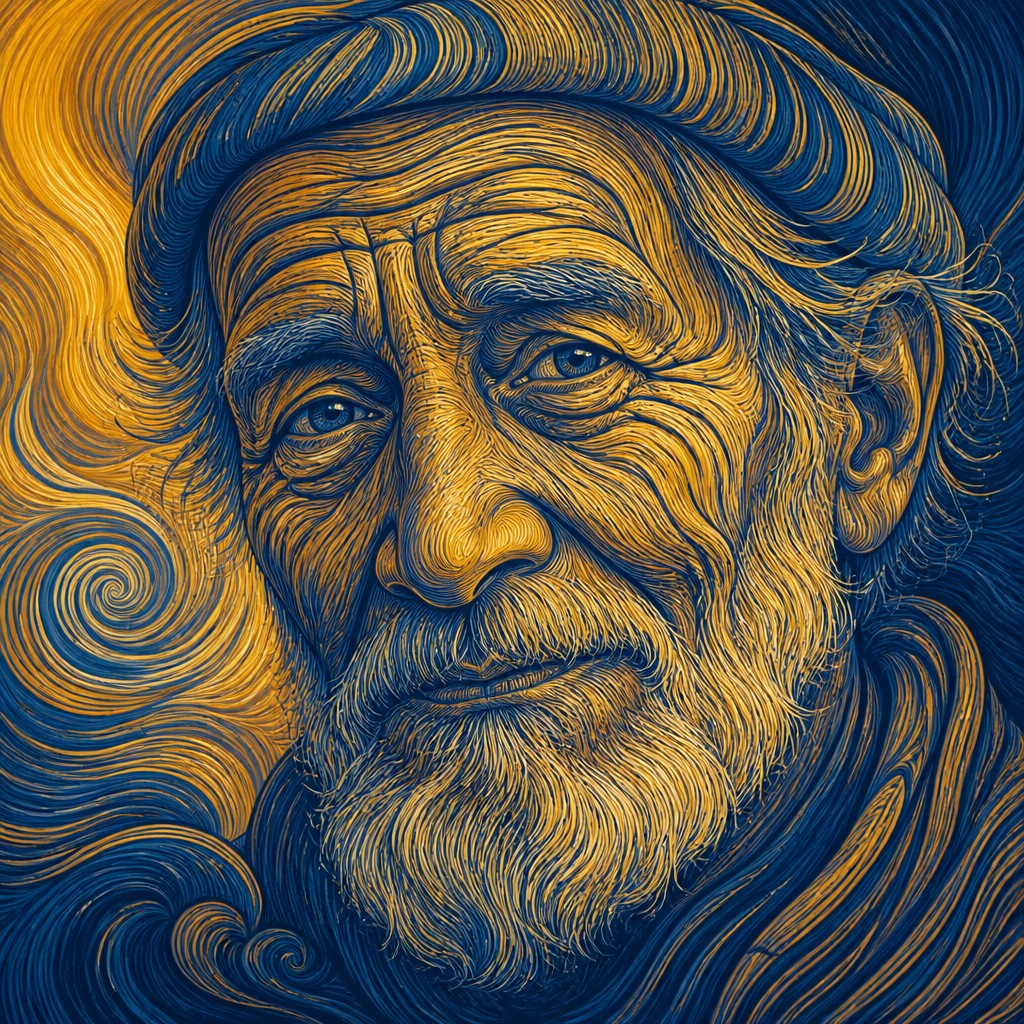
“close-up portrait of an elderly person with expressive weathered features”
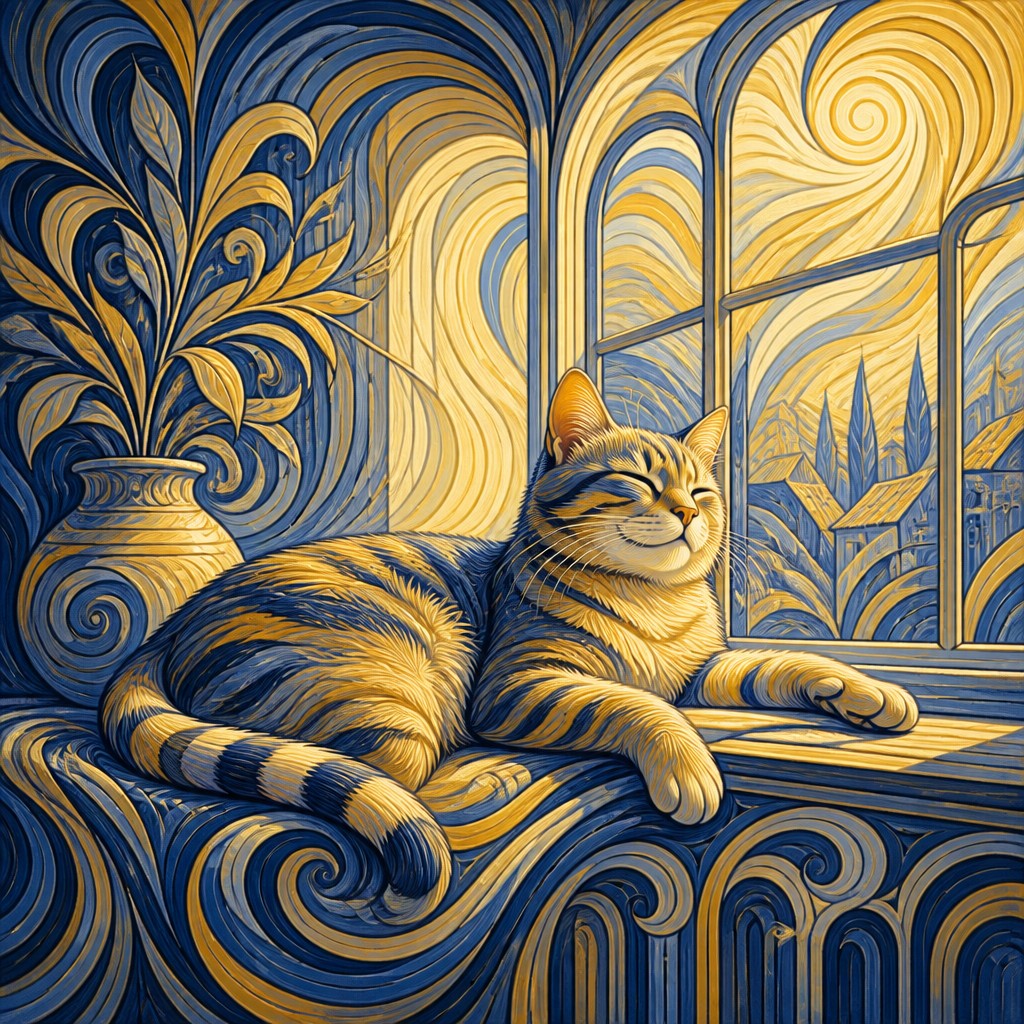
“a cat lounging in a sunlit window”
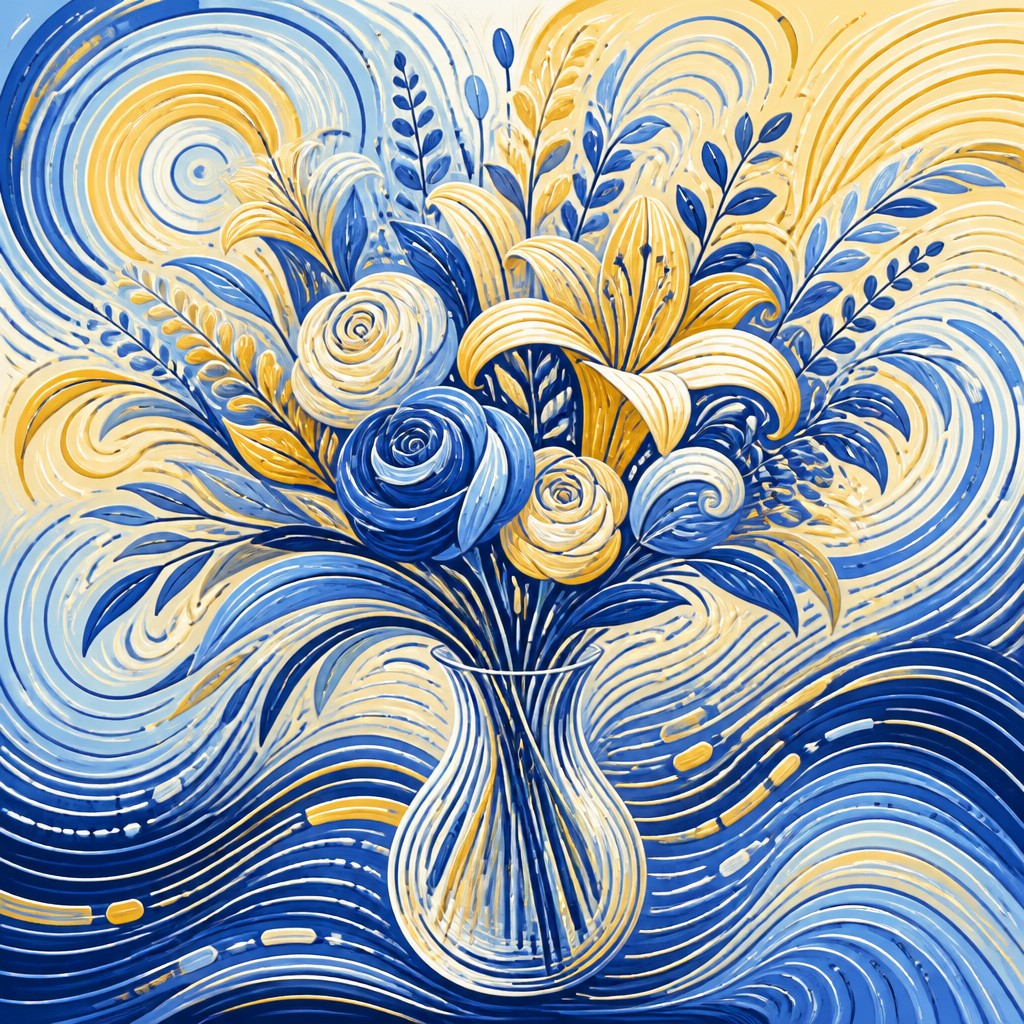
“bouquet of flowers in a glass vase”
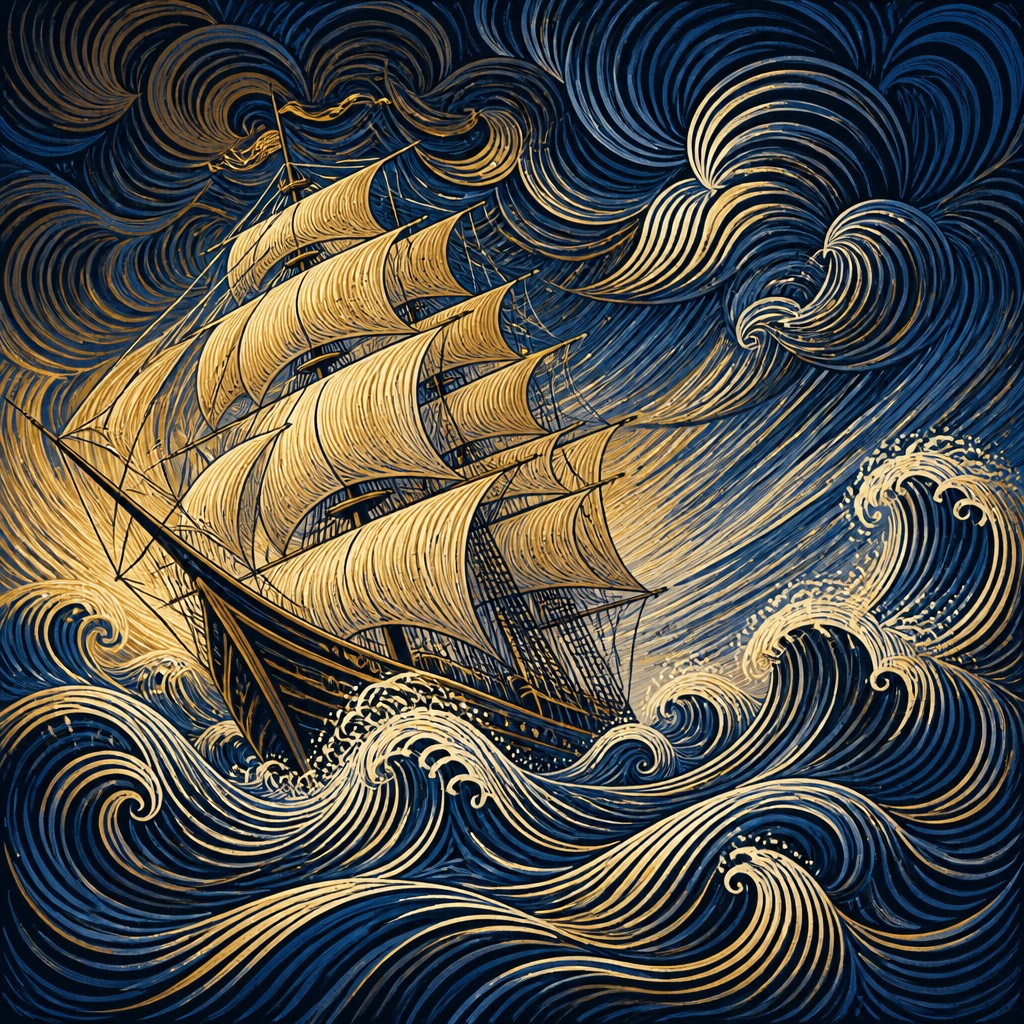
“sailing ship on a stormy sea”
How to Create Visual Rhythm Art
Master the craft step by step — or skip straight to creating. Read the full guide →
- 1
Establish a rhythmic grid
Begin with a loose sequence of beats, intervals or directional paths, then place repeated curves along them. Vary the spacing gradually instead of making every interval identical.
- 2
Build from a limited palette
Choose two dominant hues with a clear relationship, such as complementary, analogous or warm-versus-cool. Reserve neutrals and tonal variations for separation, depth and emphasis.
- 3
Control variation in the marks
Repeat a basic stroke while changing its width, curvature, length or transparency. These controlled deviations create tempo and prevent the image from looking like a mechanical wallpaper pattern.
- 4
Integrate the subject with the flow
Use contour-following waves to describe the volume or movement of a subject, rather than placing a realistic object over an unrelated pattern. Let selected edges merge with the surrounding lines.
- 5
Use layered digital construction
Work with separate layers for broad waves, fine strokes, color fields and accents, using masks or blend modes to create overlaps. In a prompt-based workflow, specify the subject, repeating forms, changing intervals, directional flow and two-color palette explicitly.

The Story
History & Origins of Visual Rhythm
Visual Rhythm Art is a contemporary, descriptive style rather than a formally established historical movement with a single point of origin. Its aesthetic lineage draws on abstraction, especially traditions that treat line, color and geometric organization as independent visual forces rather than as tools for realistic representation.
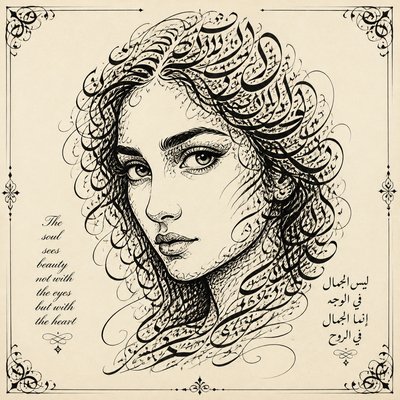
It also connects to Op Art, rhythmic abstract painting, calligraphic mark-making, textile pattern, Art Nouveau linework and the sequential logic of animation and sound visualization. Digital drawing and generative image-making have made it easier to build dense repetitions, gradual transitions and precisely controlled variations, helping the style develop as an AI-native and screen-oriented visual language.
Influences: The style is related to geometric and lyrical abstraction, Op Art, Art Nouveau’s sinuous contours, decorative pattern traditions, calligraphic drawing and the repeated bands of textile design. It also shares methods with animation layout, music visualization and sequential composition, where repetition and variation communicate movement across a surface. Its limited palettes and pulsating structures can overlap with contemporary digital minimalism and generative design.
Frequently Asked Questions
What defines Visual Rhythm Art?
It is defined by repeated curves, arches and strokes arranged with a deliberate sense of tempo. Variation in spacing, scale and density creates movement, while a harmonized palette—often based on two dominant hues—unifies the image.
Is Visual Rhythm Art a historical art movement?
No. The term describes a contemporary aesthetic rather than a recognized historical movement with a fixed manifesto or founding period. It combines elements from abstraction, Op Art, decorative pattern, calligraphic linework and digital visual culture.
How does it differ from Op Art?
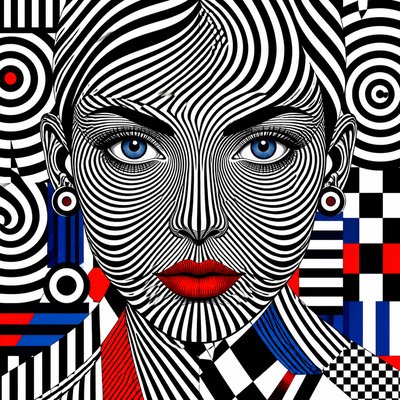
Both styles use repetition and can produce optical vibration, but Op Art typically emphasizes perceptual effects through precise geometric systems and high-contrast arrangements. Visual Rhythm Art is broader and often more fluid, allowing expressive curves, uneven intervals, atmospheric layers and recognizable subjects.
Can recognizable subjects be used in this style?
Yes. Portraits, animals, architecture, landscapes and still lifes can all be adapted to its visual language. The subject is usually reshaped by directional waves and repeated contours so that it participates in the composition’s rhythm.
How can I make this style by hand?
Start with a thumbnail that maps the major flow of the composition, then repeat a small vocabulary of curves or arches across the surface. Use a limited palette and introduce gradual changes in spacing, thickness and overlap to create a sense of tempo.
Where is Visual Rhythm Art commonly used?
Its adaptable pattern language suits posters, album or event graphics, editorial illustration, motion backgrounds, murals, textiles, packaging and decorative interiors. It is also effective for digital wallpapers and visualizations that need to suggest movement without literal animation.
Create your first Visual Rhythm artwork
Describe anything — or upload a photo — and see it in Visual Rhythm Art Style in seconds.
Related Styles
Discover similar art styles