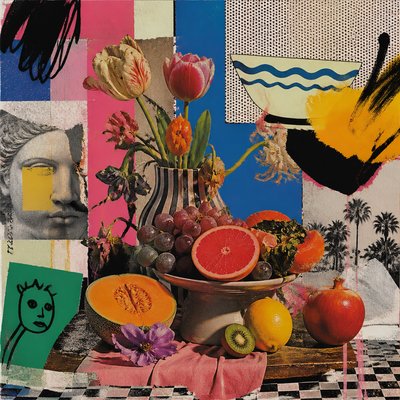
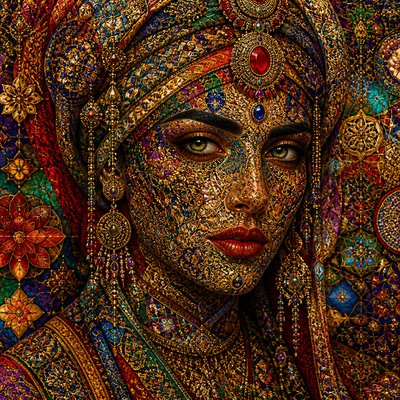
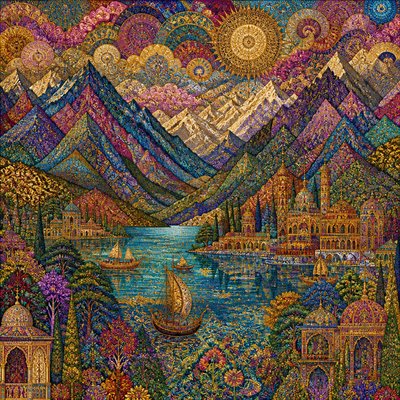
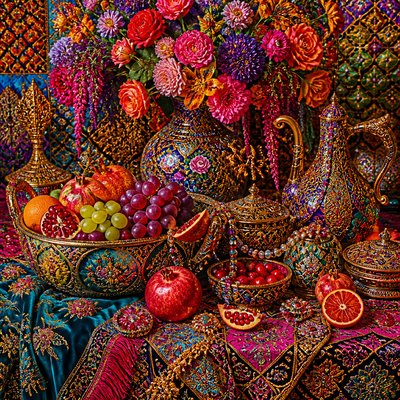
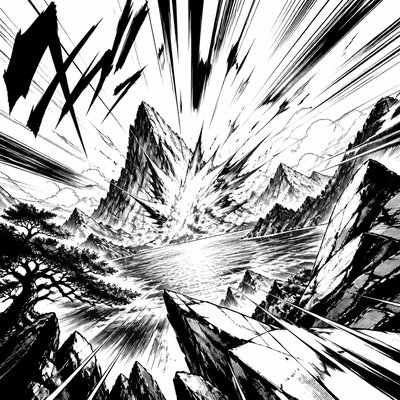
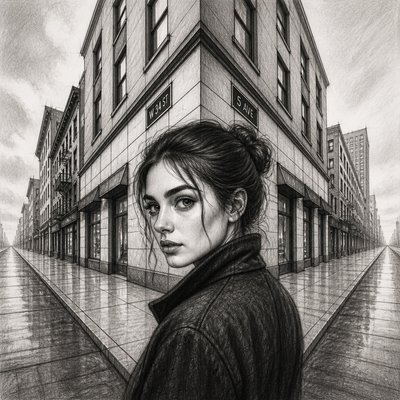
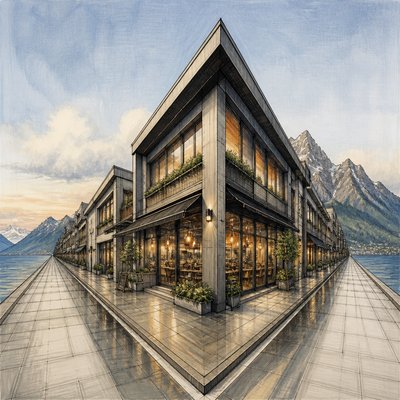
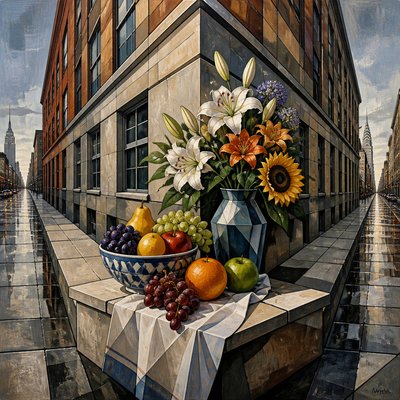
Single Focal Point Art Style
Explore Single Focal Point Art: compositions shaped by converging lines, directed light, visual hierarchy, and one unmistakable point of attention.
Instantly rendered in Single Focal Point — or transform a photo
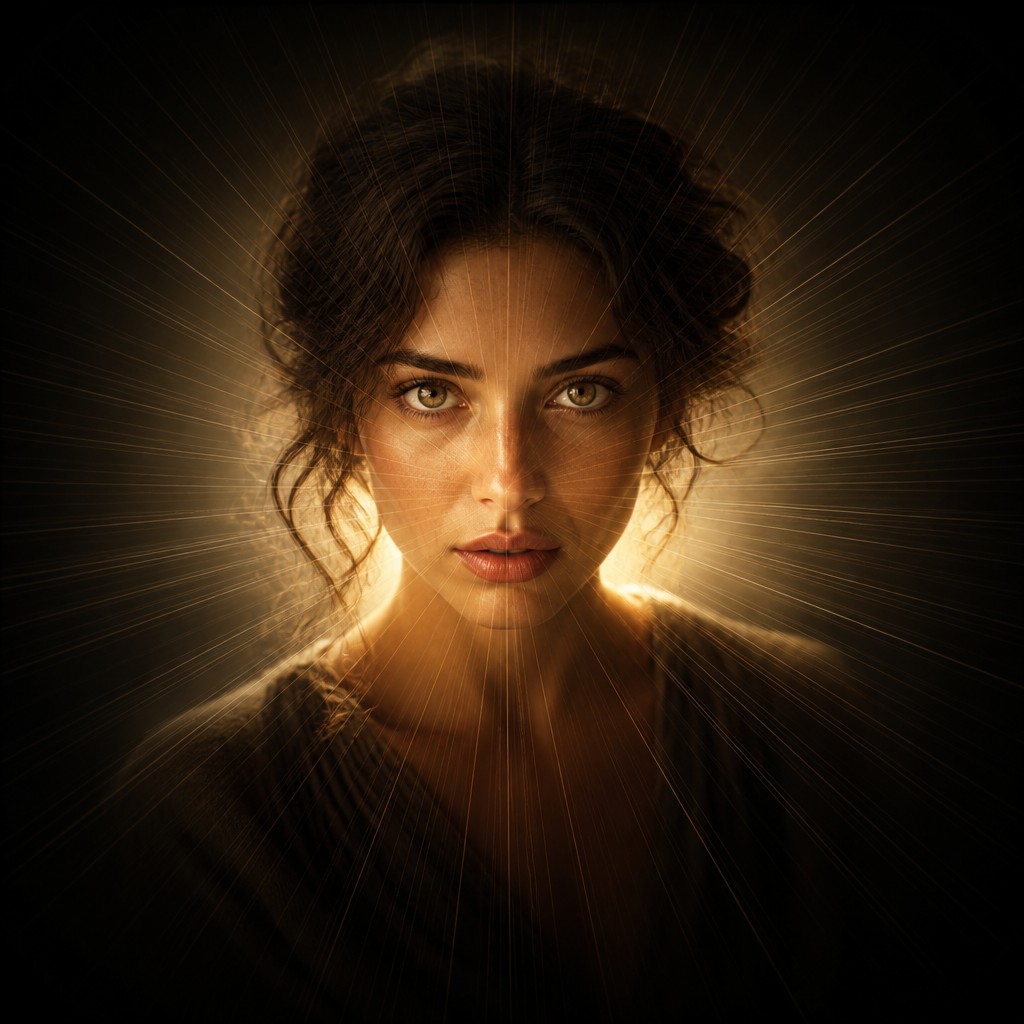
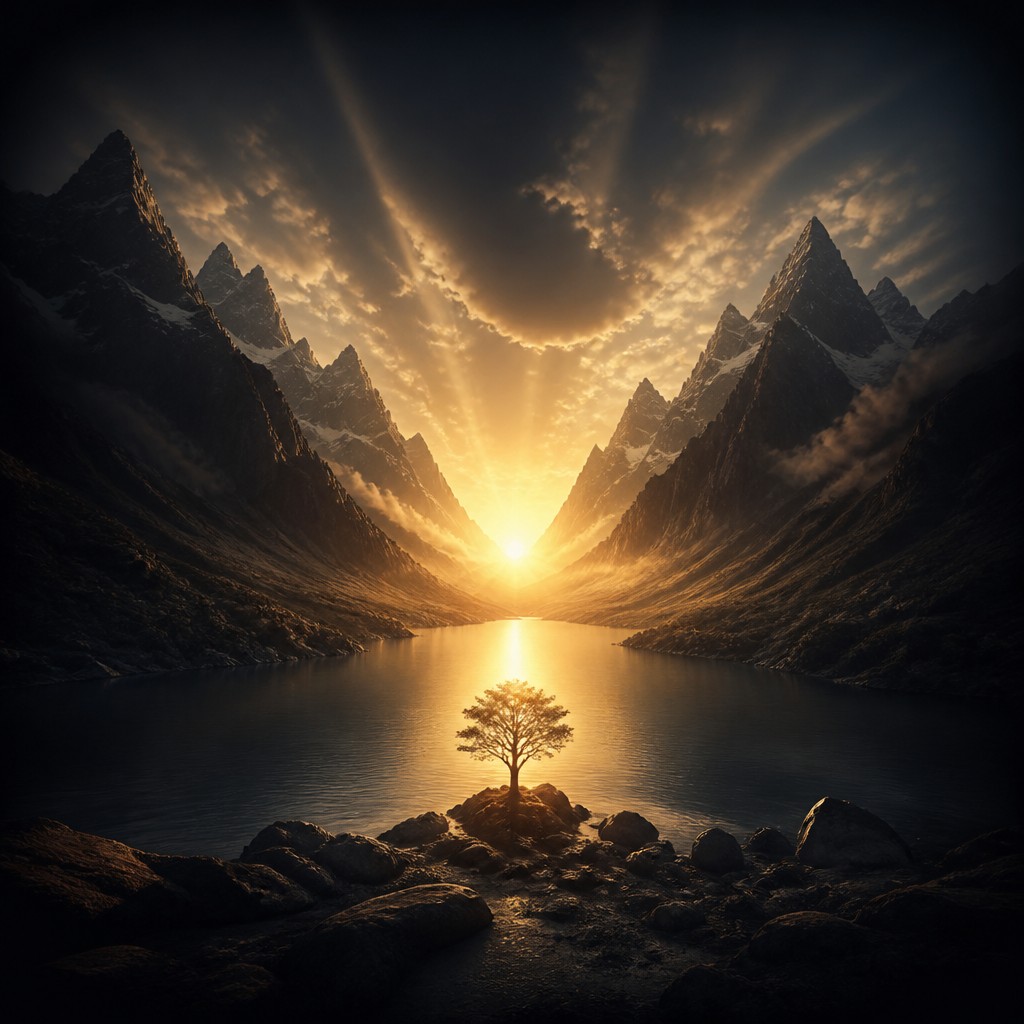

Single Focal Point Gallery
Tap any artwork to explore it

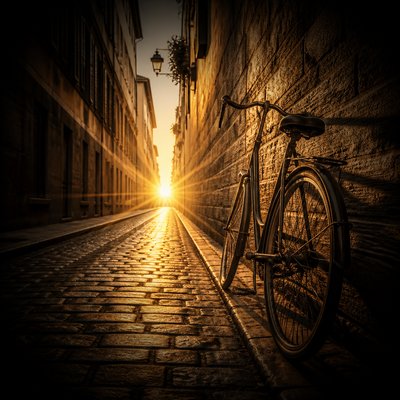
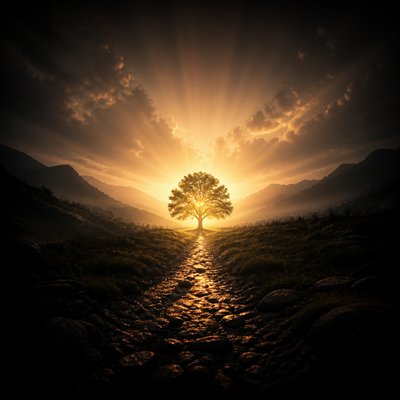
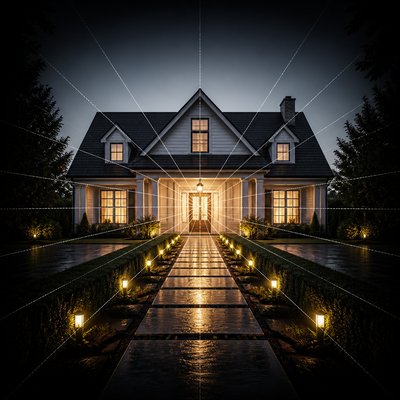
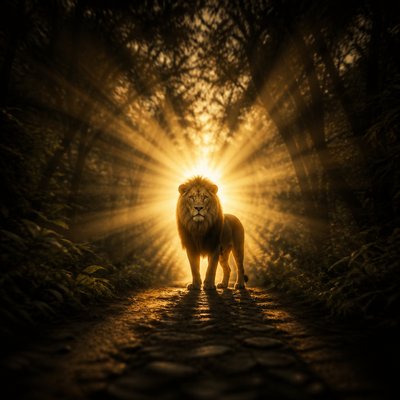
What is Single Focal Point Art Style?
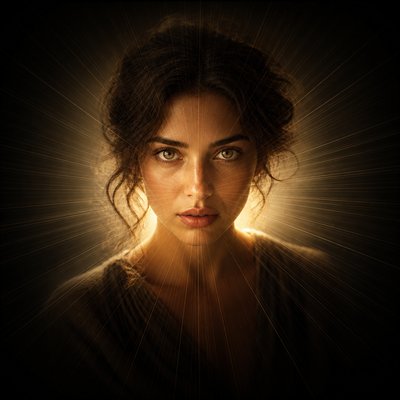
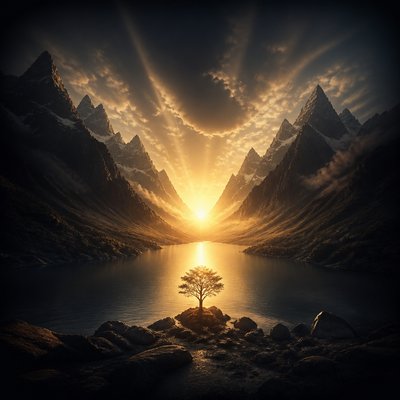
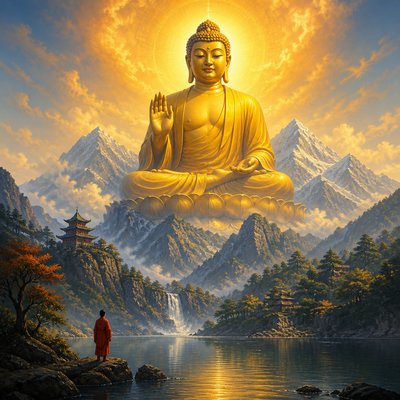
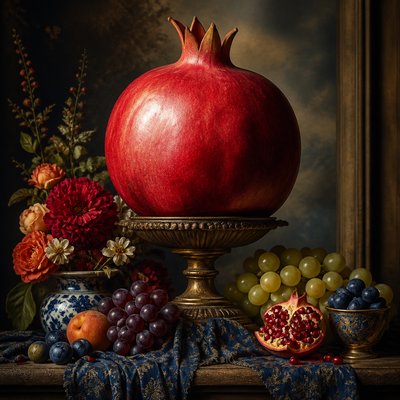
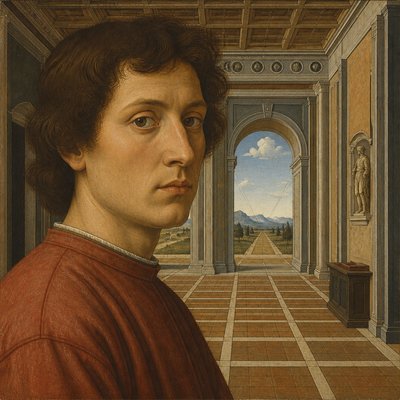
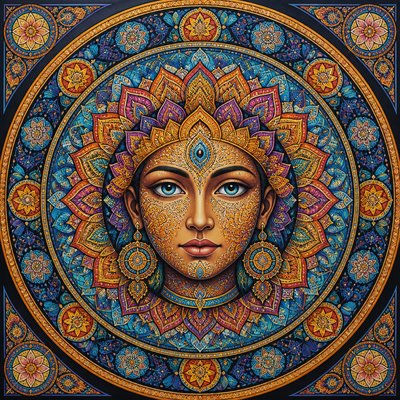
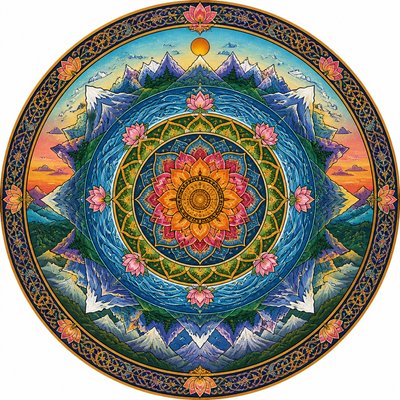
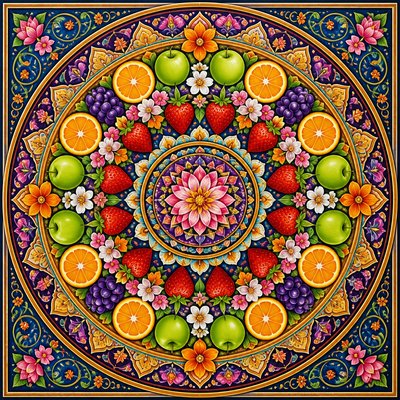
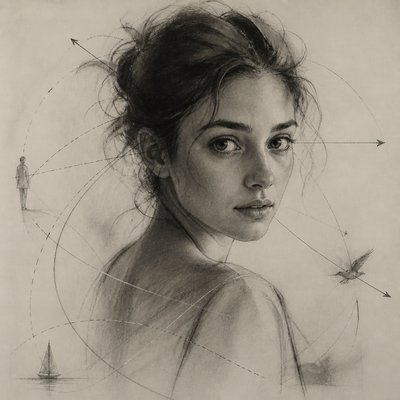
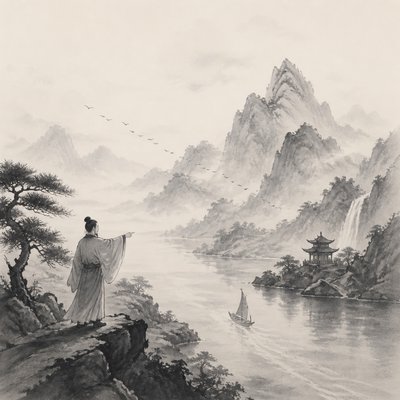
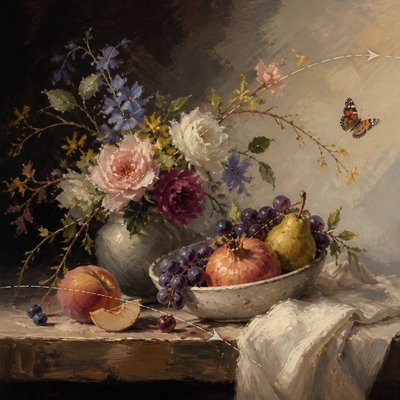
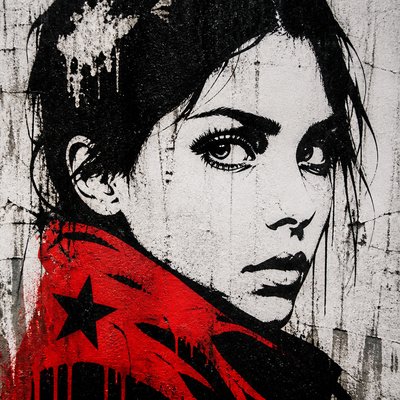
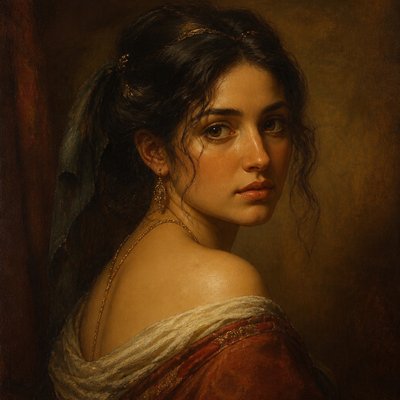
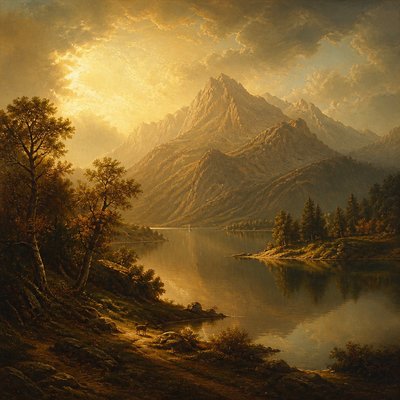
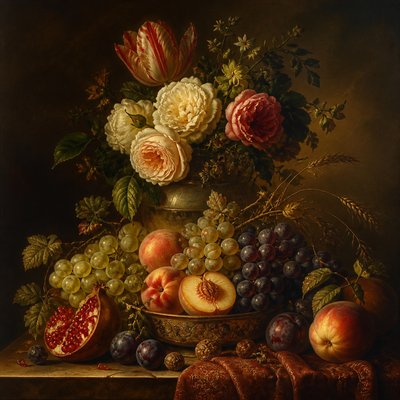
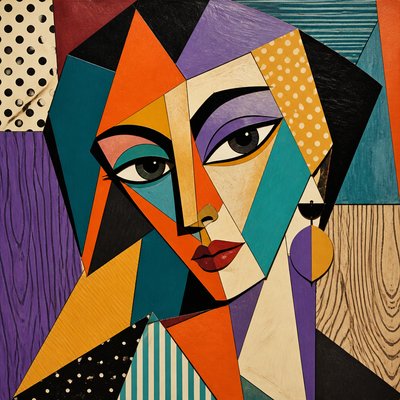
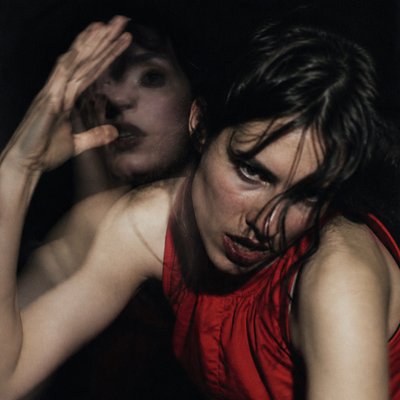
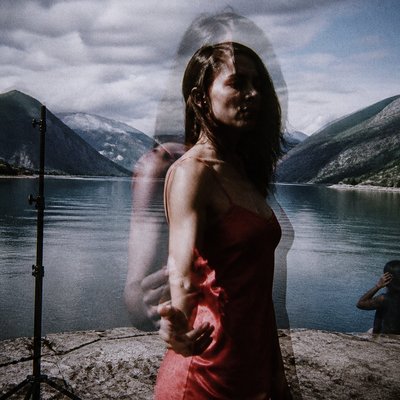
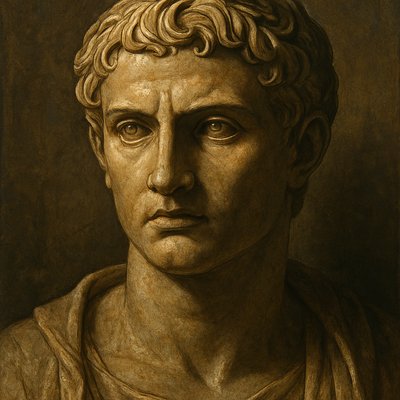
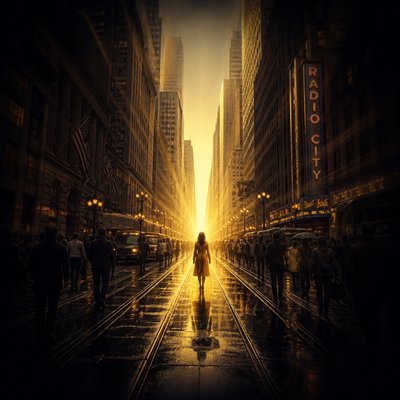
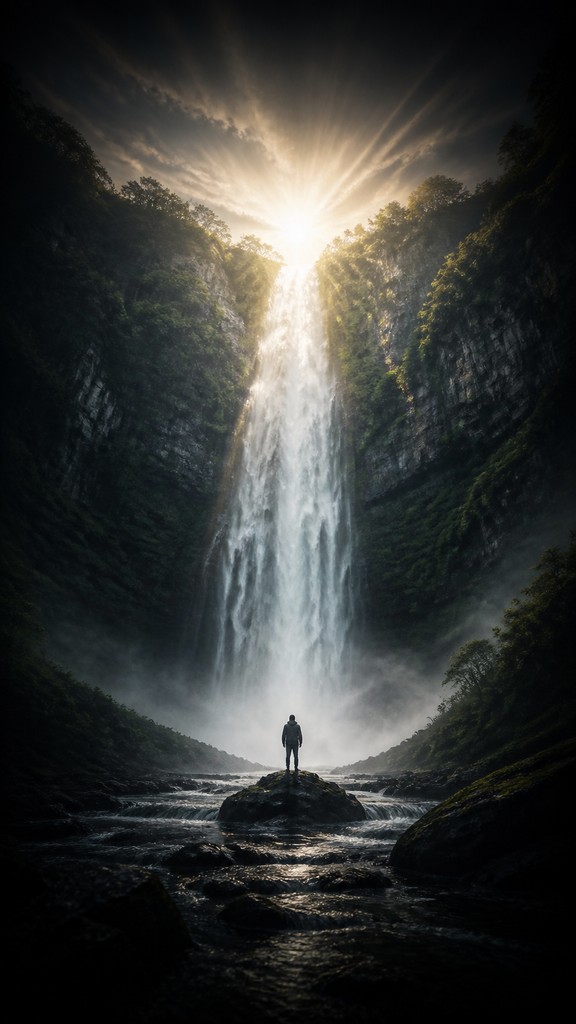
Single Focal Point Art is a compositional style in which every major visual element directs attention toward one primary destination. Lines, architectural planes, figures, gestures, gazes, shadows, and highlights are arranged to create a clear hierarchy, making the focal subject immediately legible even in a complex scene.
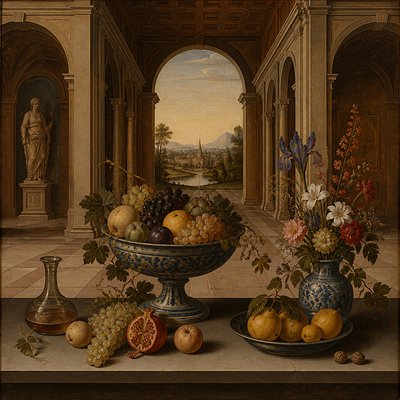
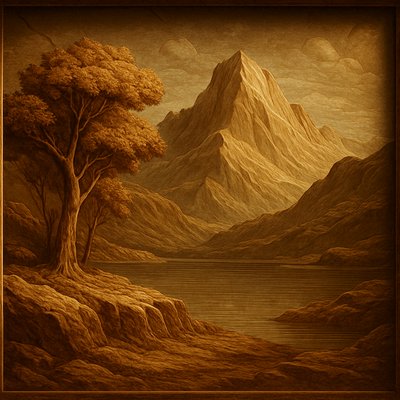
The style is defined less by a particular medium or surface treatment than by controlled visual direction. Perspective guides radiate toward the focal area, peripheral details become quieter or darker, and concentrated illumination gives the destination added weight. The result can be dramatic, theatrical, minimalist, cinematic, or contemplative, depending on the subject and palette.
Try It On Your Photos
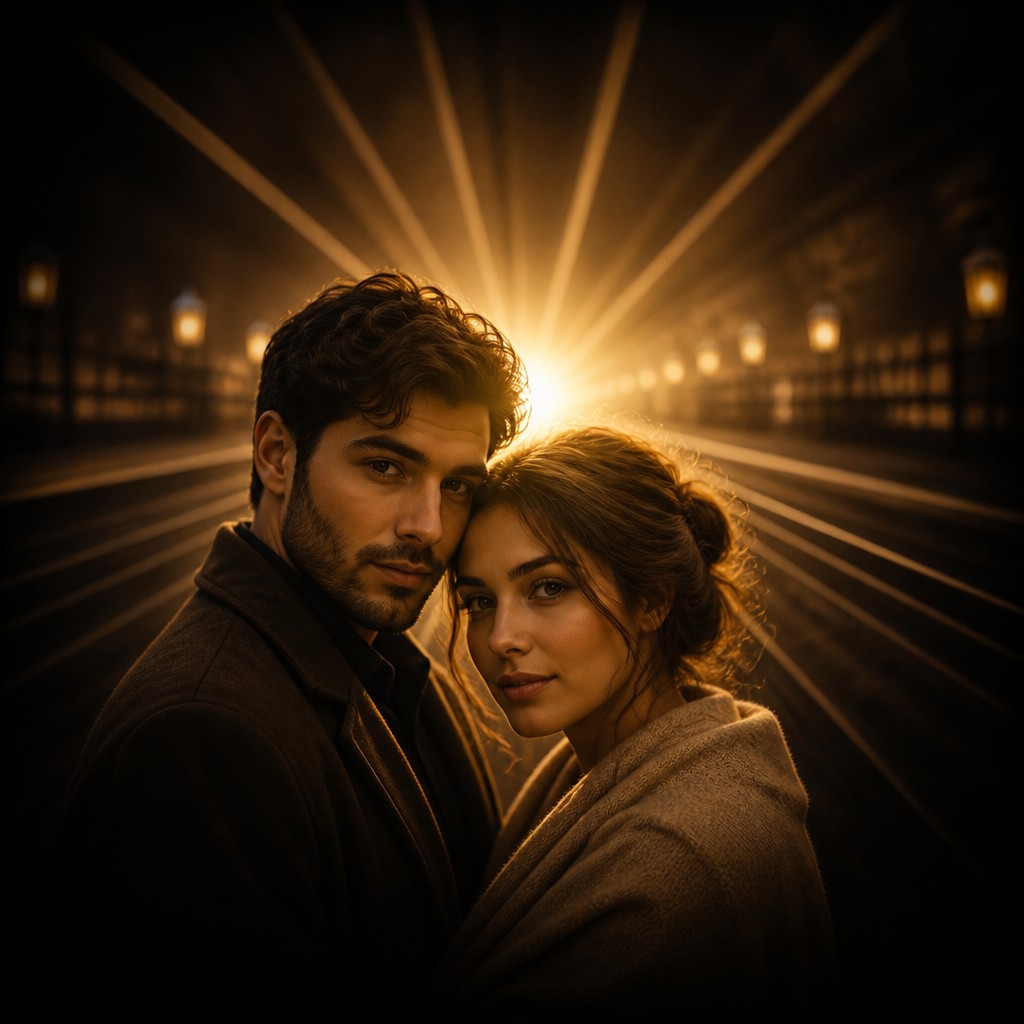
Upload any photo and convert it into Single Focal Point Art Style — drag the sliders to compare before and after.



What Defines Single Focal Point Art Style
The signature details, up close
One dominant destination
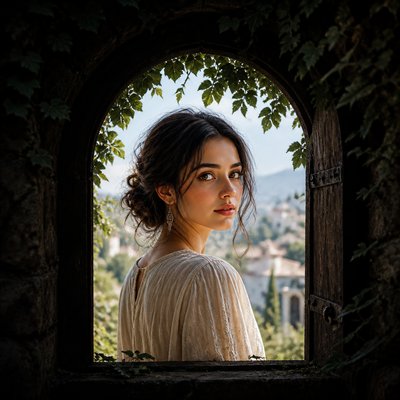
The composition establishes a single primary focal subject or point, while secondary elements support rather than compete with it. This destination may be a face, object, doorway, light source, or point in the landscape.
Converging perspective
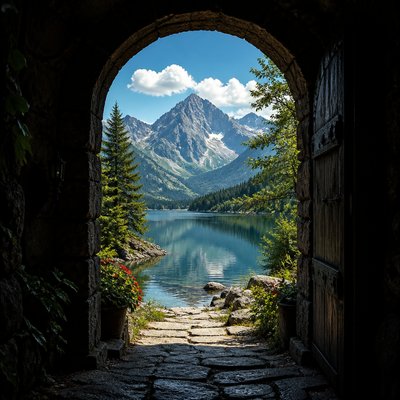
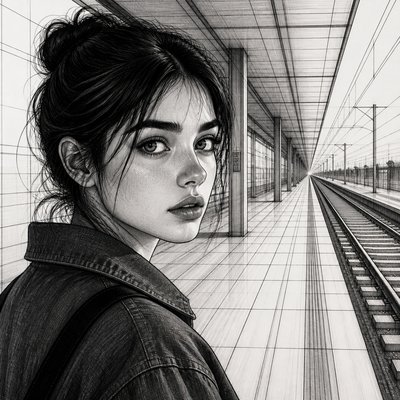
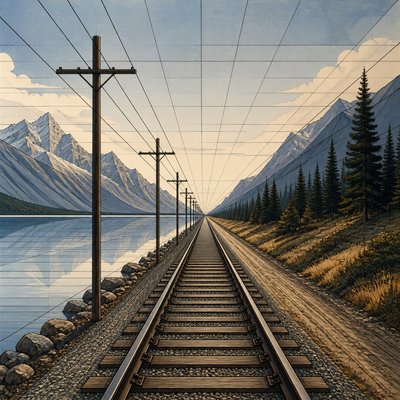
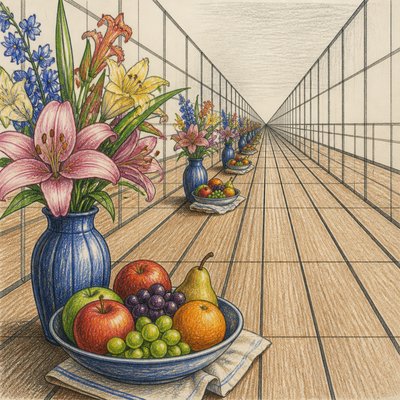
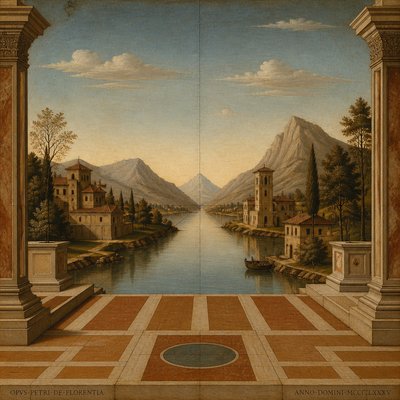
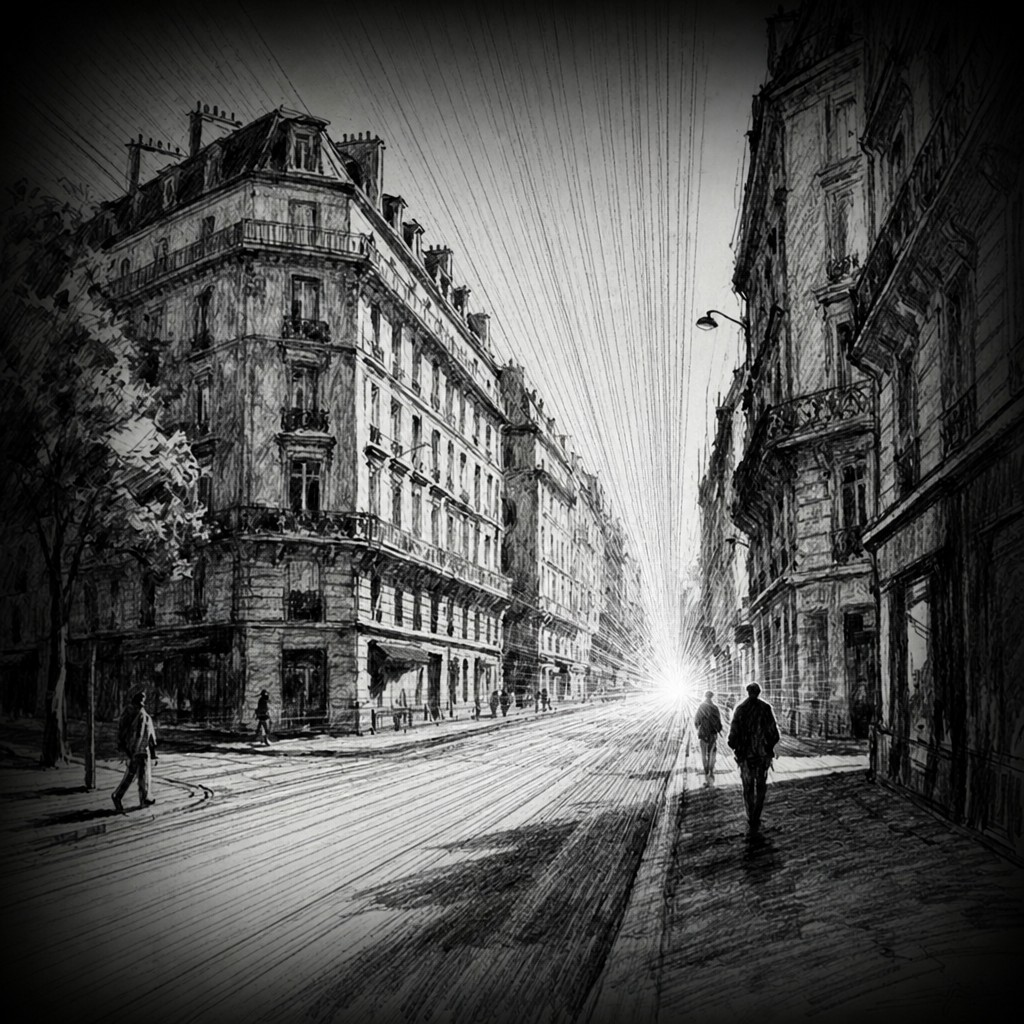
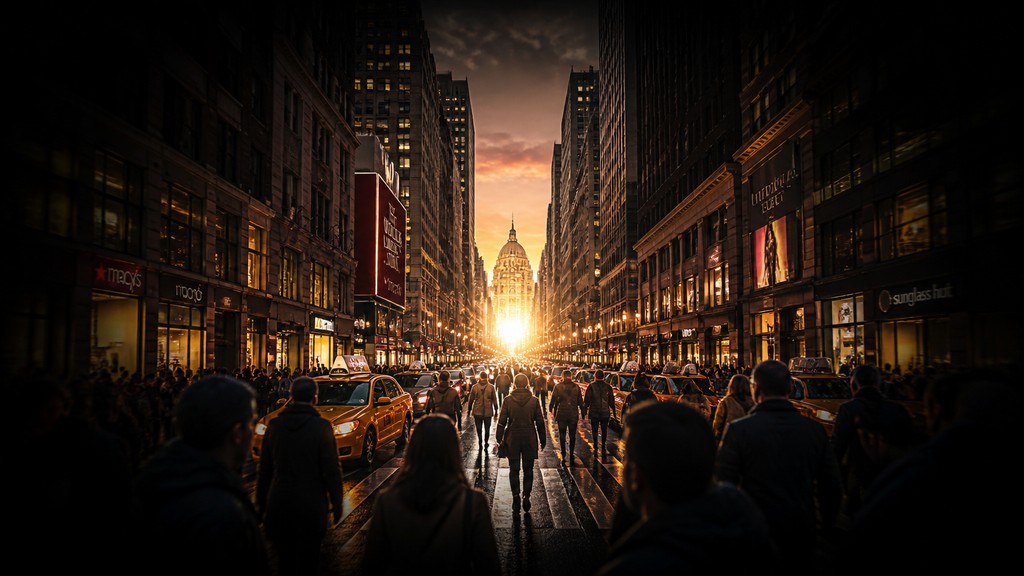
Roads, corridors, architectural edges, shadows, branches, and other directional forms act as guides toward the focal area. Radiating lines create both depth and a strong sense of visual inevitability.
Directed gazes and gestures
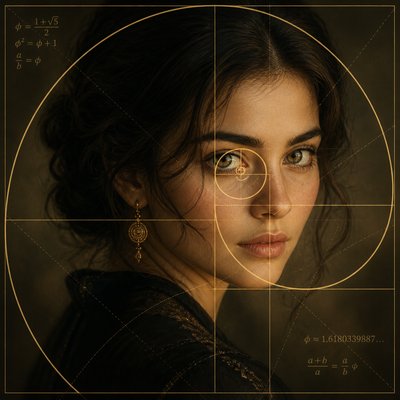
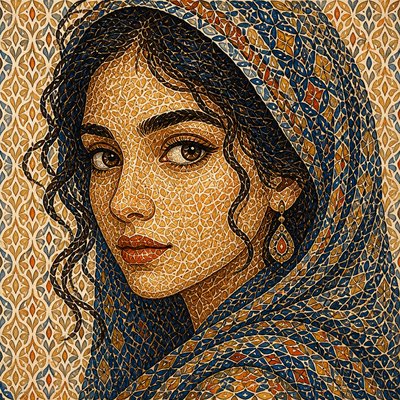
Figures, animals, vehicles, and symbolic forms are posed so that their eyes, faces, hands, or movement point toward the same destination. These human or organic cues reinforce the geometric structure.
Focal illumination
The subject at the convergence often receives the strongest light, brightest color, or highest contrast. A glow or controlled highlight can separate it from surrounding forms without requiring a literal light source.
Peripheral suppression
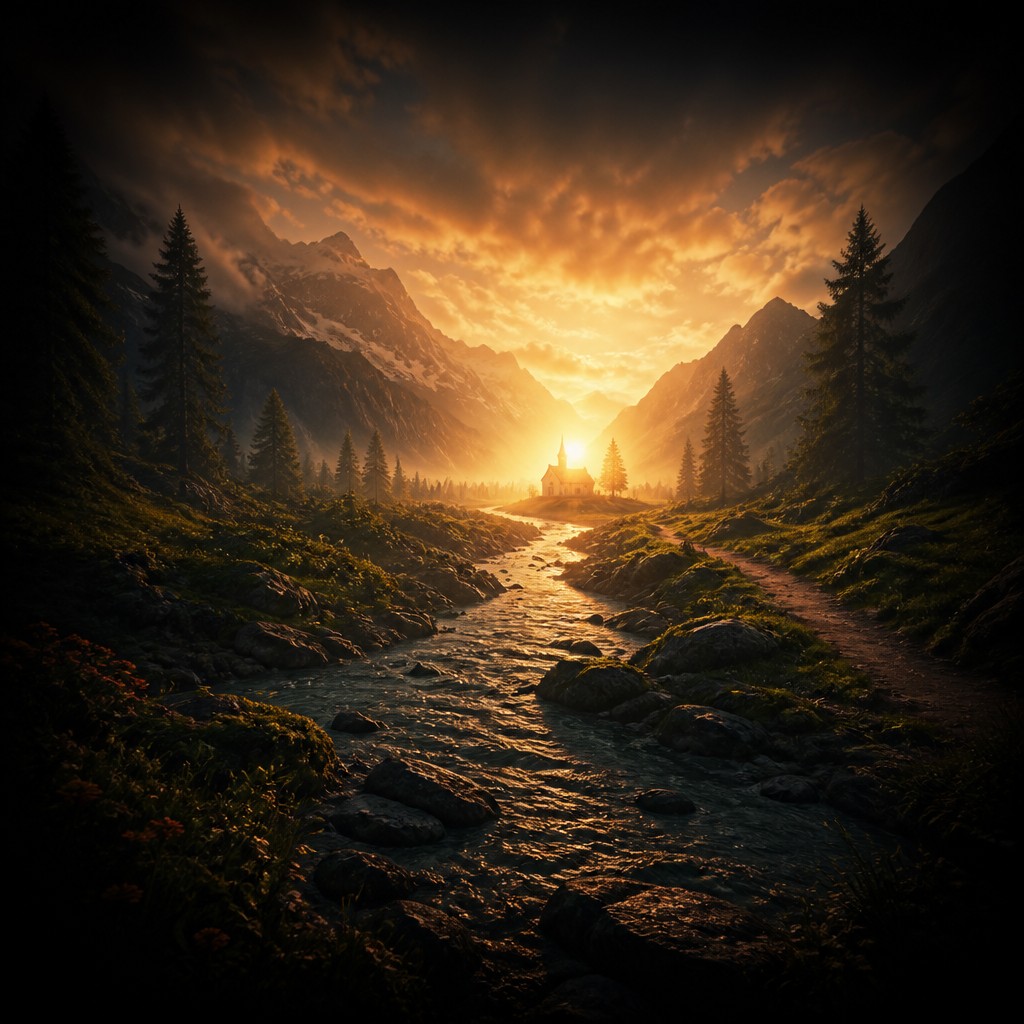
Edges and background areas are simplified, softened, desaturated, shadowed, or vignetted to reduce competing points of interest. Detail is concentrated near the intended destination.

Hierarchical contrast
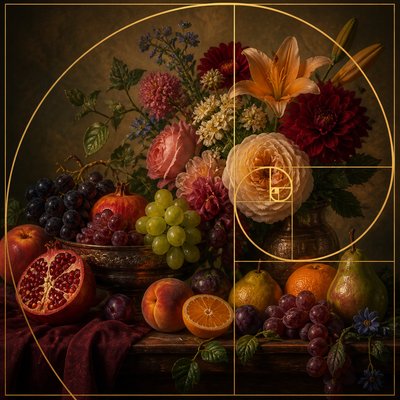
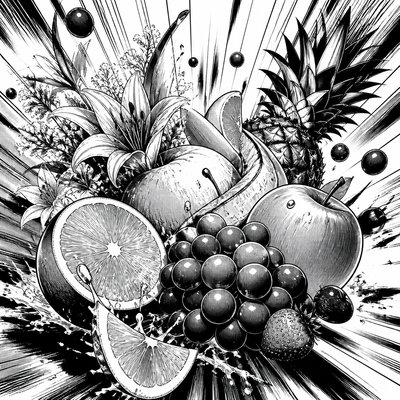
Differences in scale, sharpness, value, saturation, and texture establish a clear order of attention. The focal area usually combines several of these contrasts rather than relying on brightness alone.
Try It
Create Videos in Single Focal Point Art Style
Styles aren't just for stills — describe a scene or animate an image and get a short video rendered in Single Focal Point. Press play to see this pond come to life.
Make a VideoSingle Focal Point Prompt Ideas
Start from an idea — each one opens the generator with the style ready to go. See all 40 Single Focal Point prompts →
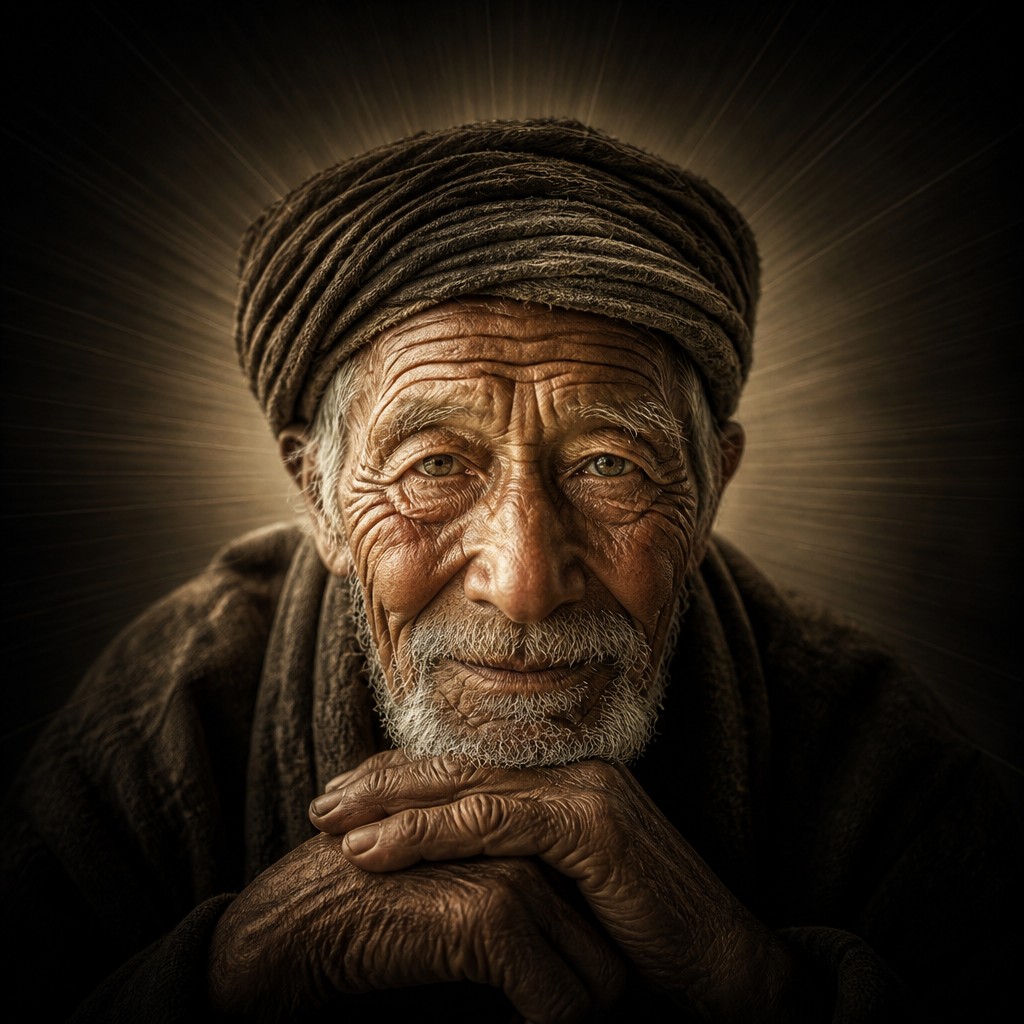
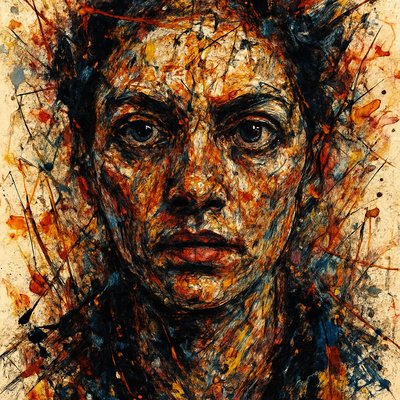
“close-up portrait of an elderly person with expressive weathered features”
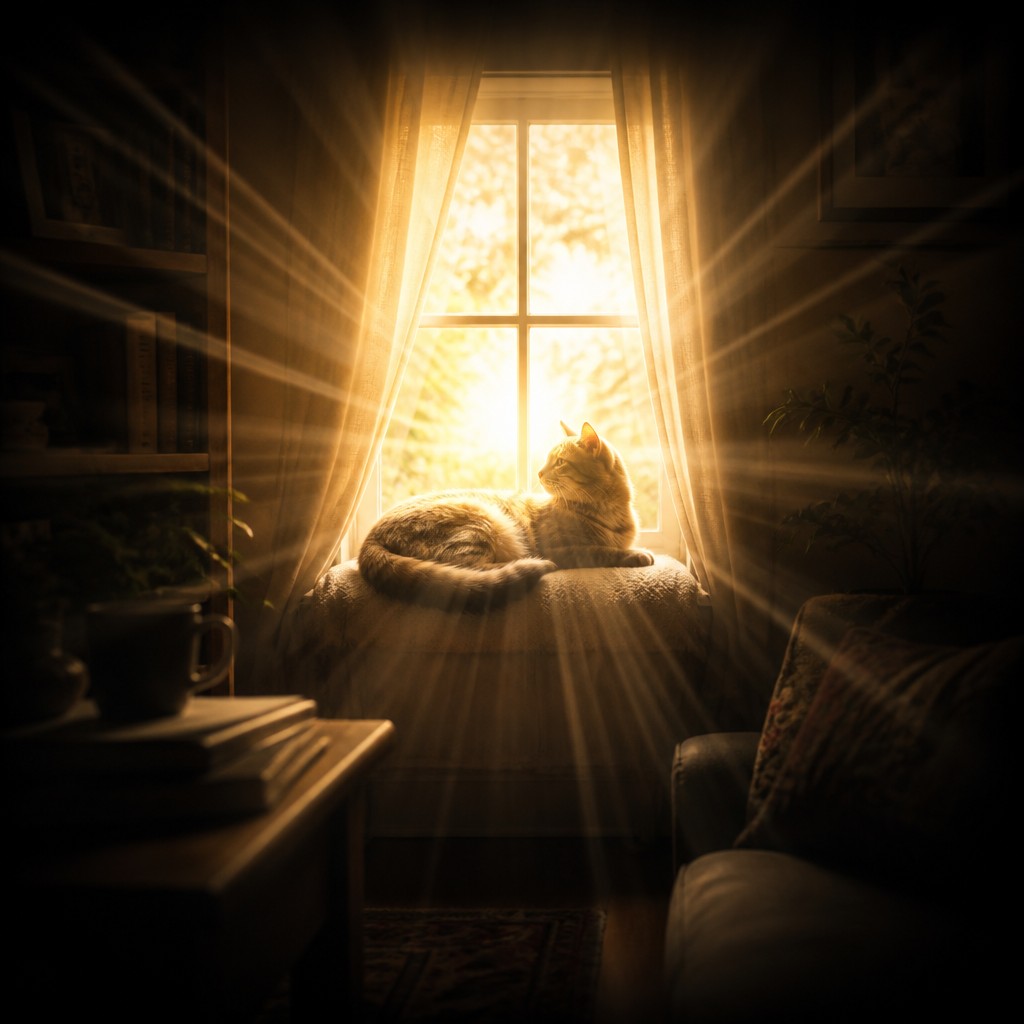
“a cat lounging in a sunlit window”

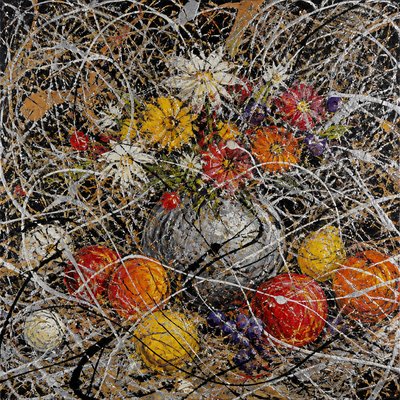
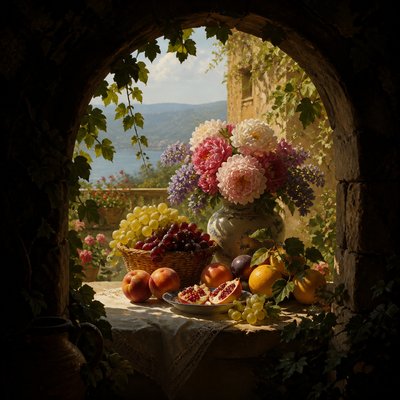
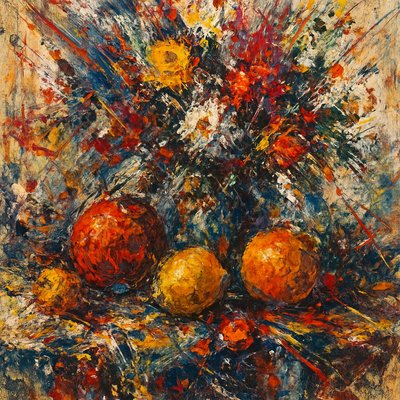
“bouquet of flowers in a glass vase”
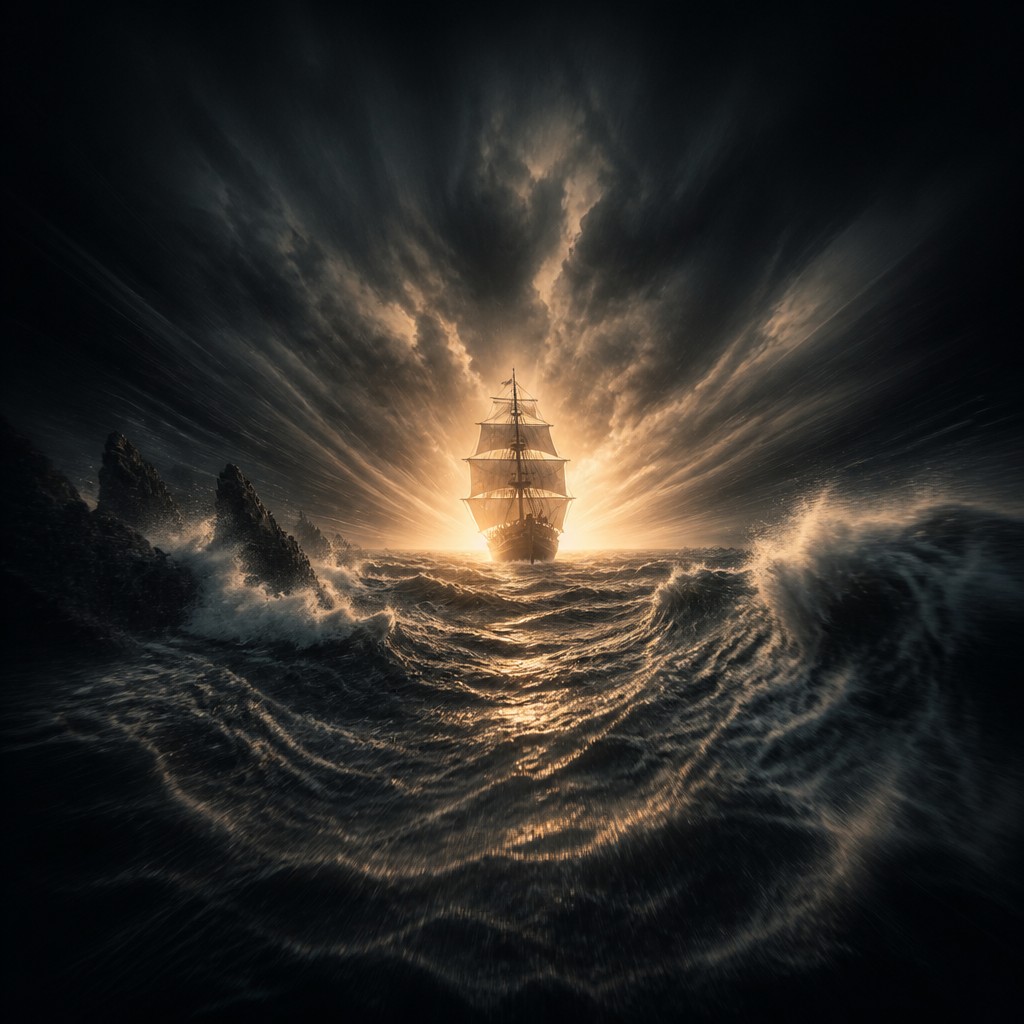
“sailing ship on a stormy sea”
How to Create Single Focal Point Art
Master the craft step by step — or skip straight to creating. Read the full guide →
- 1
Plan the destination first
Mark the exact focal point before arranging the scene, then place major forms so their edges, direction, or movement lead toward it. Avoid introducing a second subject with equal scale, contrast, or saturation.
- 2
Build a perspective framework
Use a vanishing point, radial sketch, or thumbnail overlay to align roads, walls, shadows, limbs, and architectural features. In digital work, perspective guides and layer-based line construction make convergence easier to control.
- 3
Shape light and value
Reserve the brightest values and strongest local contrast for the destination, while gradually lowering contrast toward the edges. A soft vignette, atmospheric haze, or selective blur can quiet peripheral areas.
- 4
Control color and detail
Use a restrained surrounding palette and introduce the most distinctive hue or texture at the focal subject. Keep secondary forms readable enough to support the narrative, but avoid decorative detail that creates rival centers.
- 5
Use a structured generation prompt
Describe the subject, the exact destination of attention, radiating perspective guides, directed gazes, concentrated illumination, and darker vignetted edges. Specify what should remain subdued so the image model does not distribute emphasis evenly across the frame.
The Story
History & Origins of Single Focal Point
Single Focal Point Art is a modern descriptive and AI-native style label rather than a historically bounded art movement. Its aesthetic lineage reaches back to Renaissance systems of linear perspective, Baroque methods of theatrical lighting and compositional drama, and academic approaches to pictorial hierarchy that organize every element around a principal subject.
It also draws from photographic composition, cinema, poster design, editorial illustration, and digital matte painting. Contemporary image-making tools have made it easier to combine converging perspective, selective illumination, edge vignetting, and controlled depth of field into a deliberately unified visual language.
Influences: The style is related to Renaissance linear perspective, Baroque chiaroscuro and theatrical staging, cinematic establishing shots, photographic leading-line composition, editorial poster design, and graphic-design principles of visual hierarchy. It also shares techniques with minimalist composition, environmental concept art, architectural visualization, and staged portraiture, while applying them with unusually strict concentration on one destination.
Frequently Asked Questions
What defines Single Focal Point Art?
It is defined by a deliberate visual hierarchy centered on one dominant destination. Lines, light, contrast, gestures, perspective, and detail all cooperate to guide attention there, while surrounding areas remain subordinate.
Is this a historical art movement?
No. It is best understood as a contemporary descriptive style or compositional method, not a movement with a fixed period, manifesto, or founding school. Its techniques have clear precedents in older artistic and photographic traditions.
How is it different from ordinary centered composition?
A centered composition may simply place the subject in the middle of the frame. Single Focal Point Art also uses converging structure, directed light, contrast control, and supporting gestures to make the subject the unavoidable destination of the entire image.
Can the focal point be off-center?
Yes. The destination can be placed according to a rule of thirds, a diagonal, or an asymmetrical balance. What matters is that the surrounding forms and visual energy converge there rather than that it occupies the geometric center.
Which subjects work well with this style?
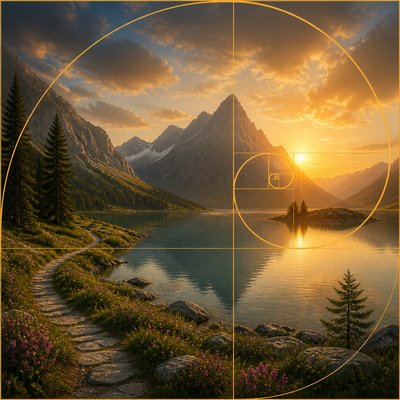
Portraits, doorways, roads, corridors, monuments, vehicles, isolated objects, and illuminated figures are especially effective because they provide strong directional cues. Natural scenes can also work when paths, rivers, branches, clouds, or light beams create a coherent route to the subject.
How can I prevent an image from having too many focal points?
Reduce competing highlights, highly saturated colors, sharp textures, and faces outside the main subject. Darken or simplify the edges, align directional forms toward one destination, and reserve the strongest contrast for that area.
Create your first Single Focal Point artwork
Describe anything — or upload a photo — and see it in Single Focal Point Art Style in seconds.
Related Styles
Discover similar art styles