Provence Light Art Style
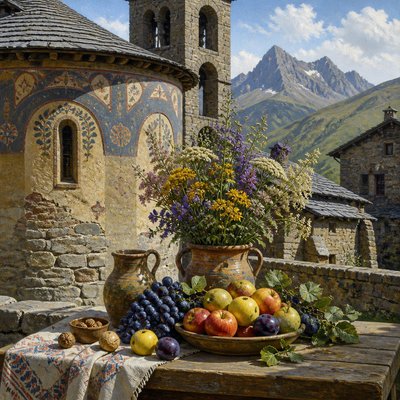
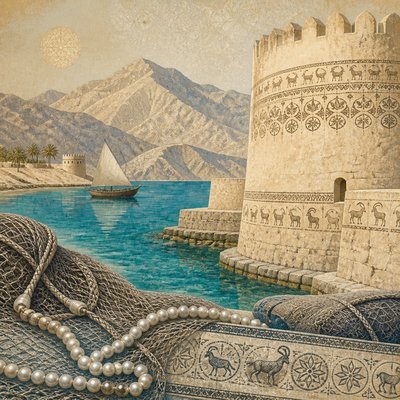
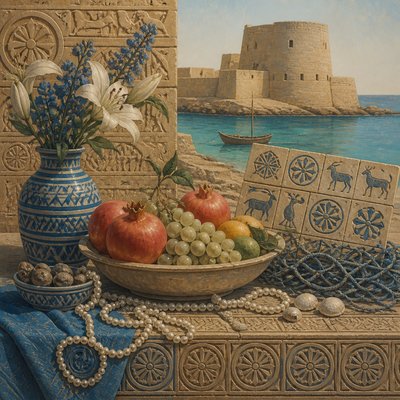
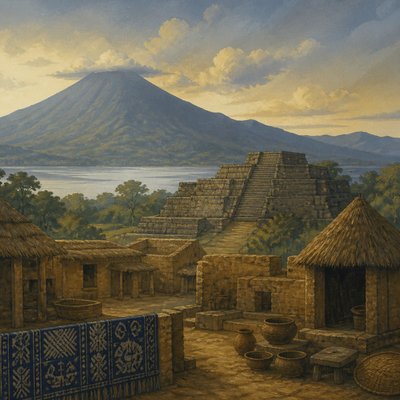
Explore Provence Light: blazing Mediterranean color, lavender fields, ochre walls, cypress silhouettes and urgent, heat-charged brushwork.
Instantly rendered in Provence Light — or transform a photo
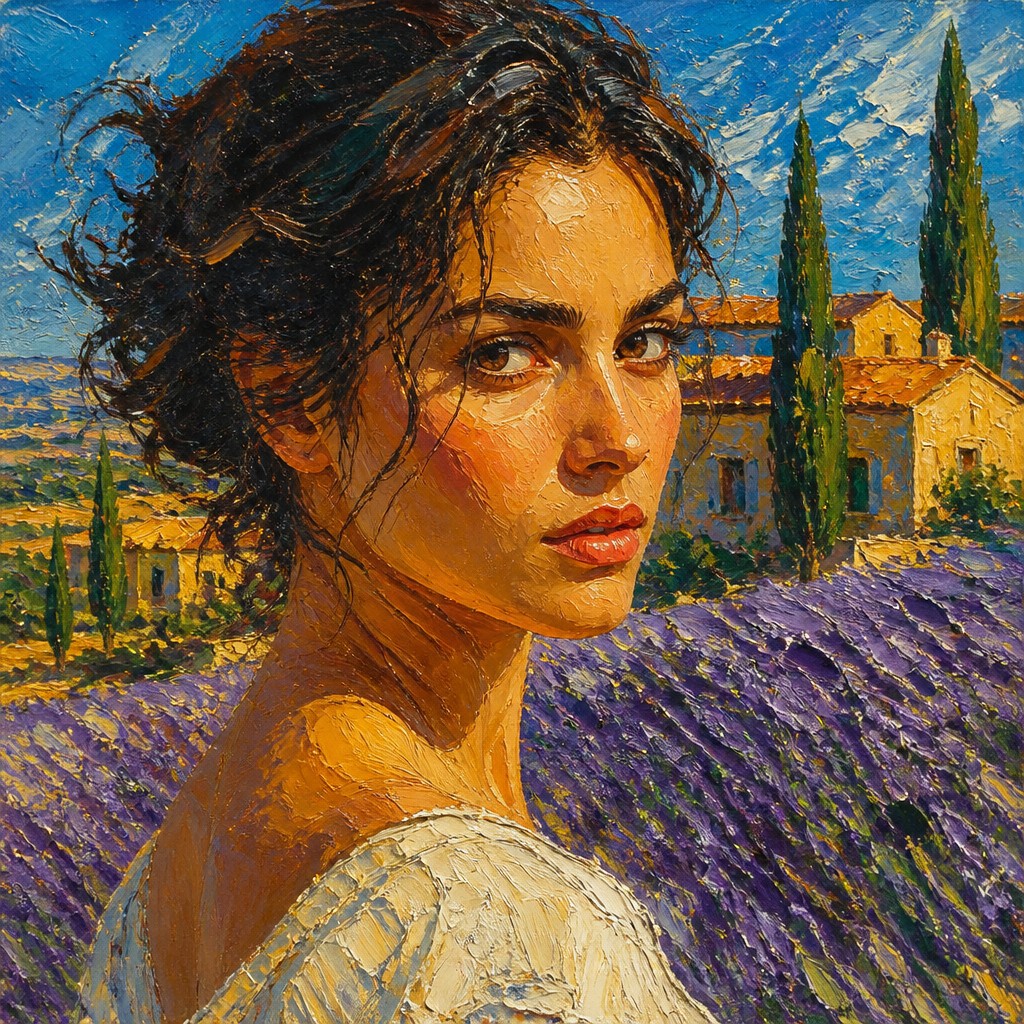
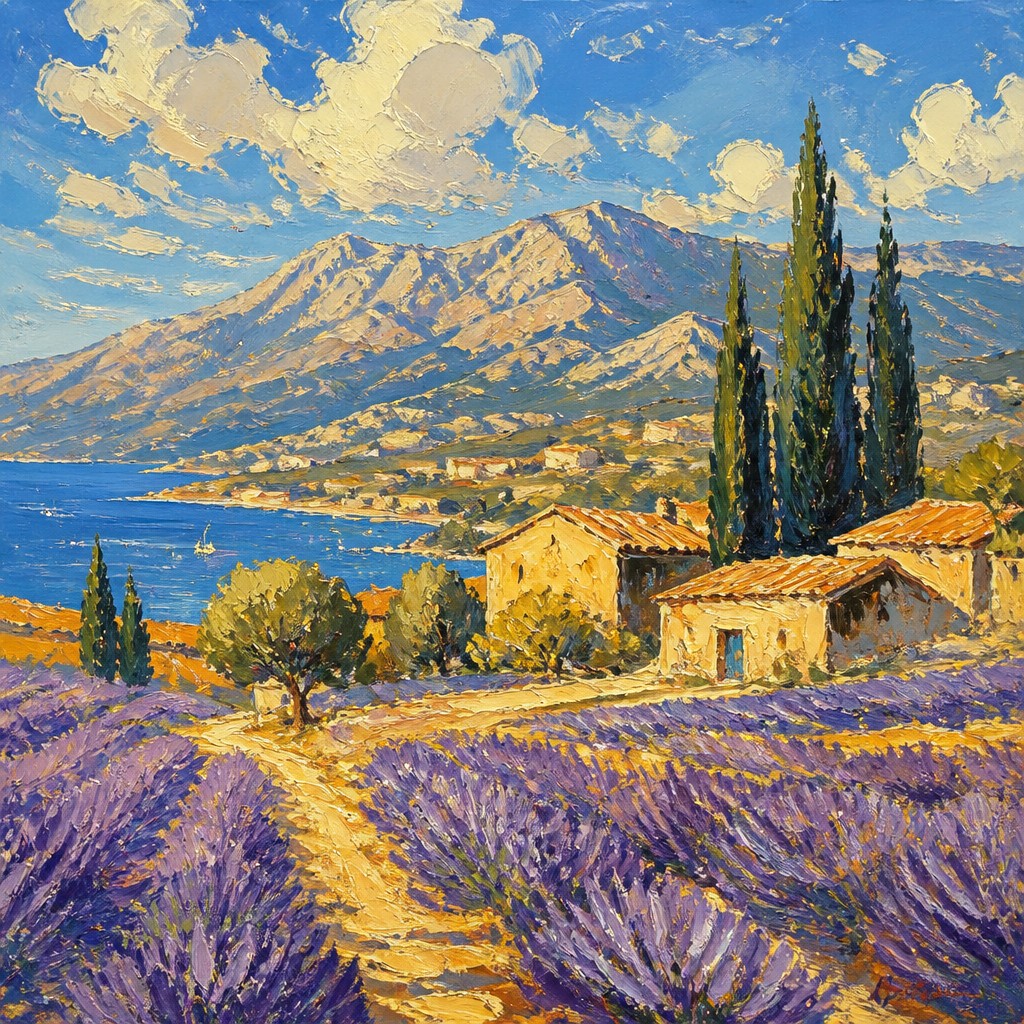
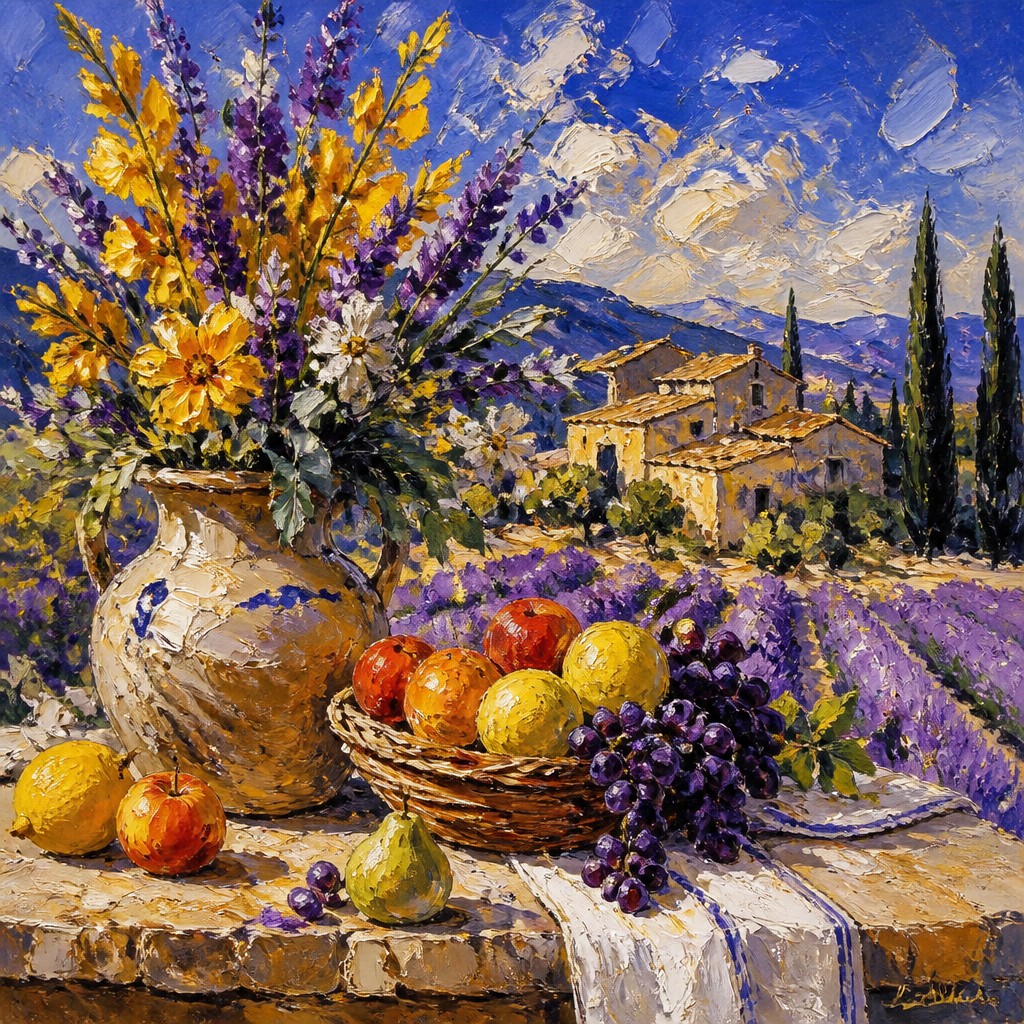
Provence Light Gallery
Tap any artwork to explore it
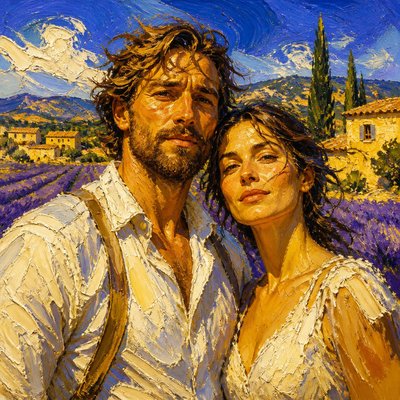
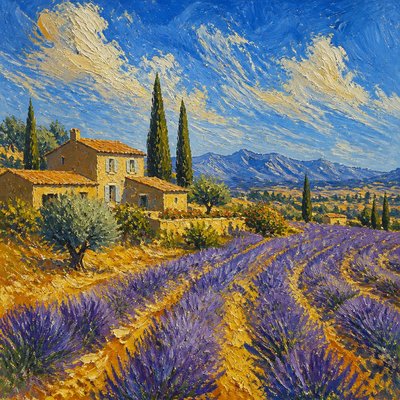
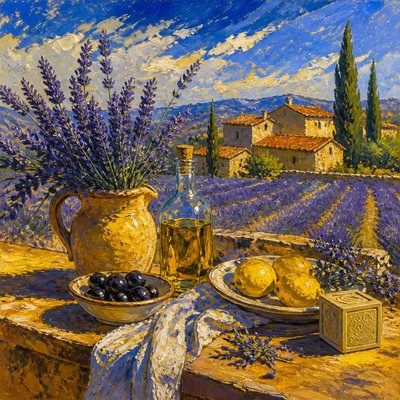
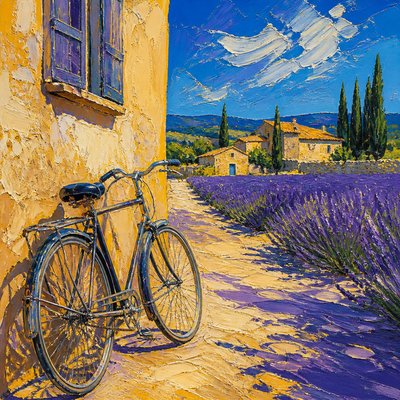
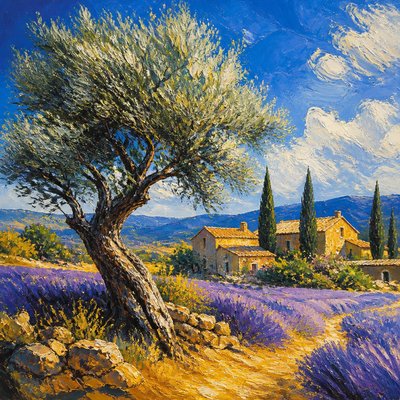
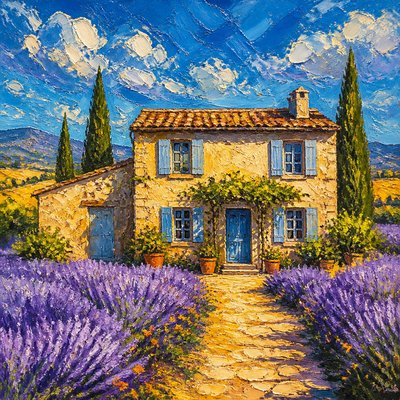
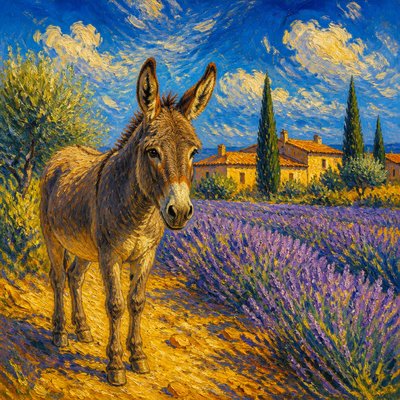
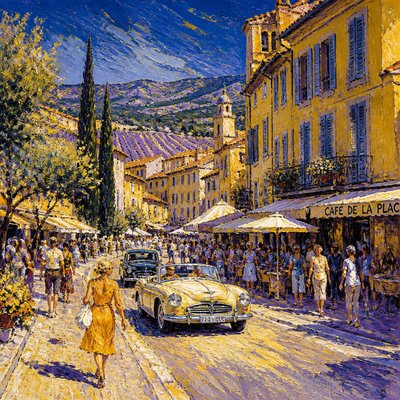
What is Provence Light Art Style?
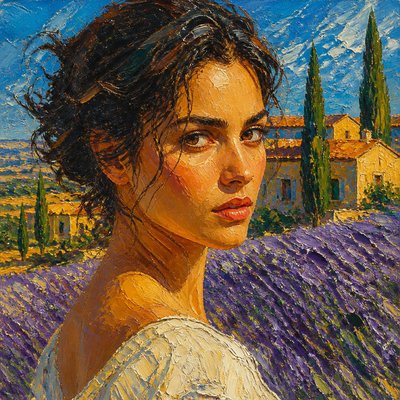
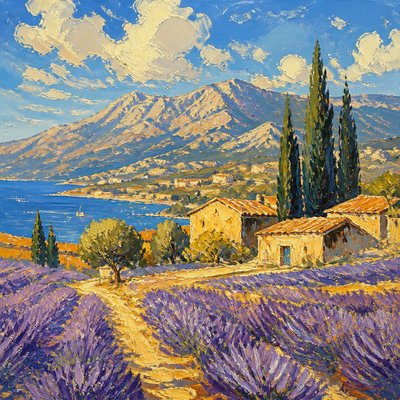
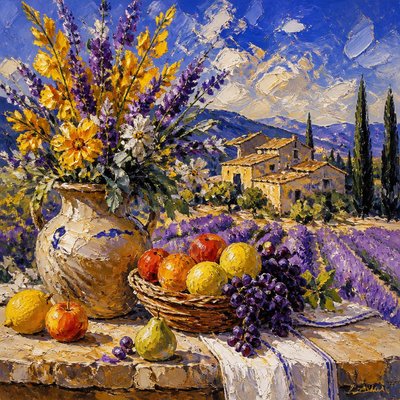
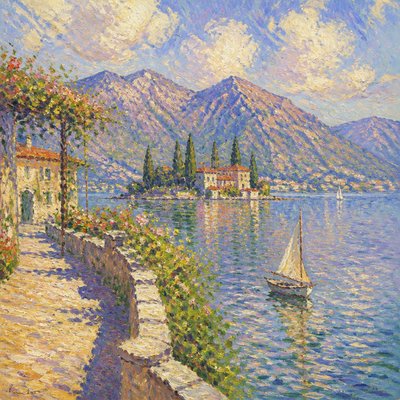
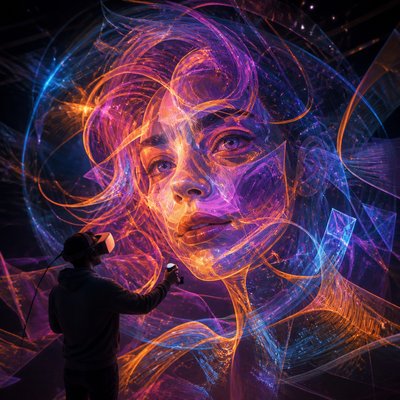
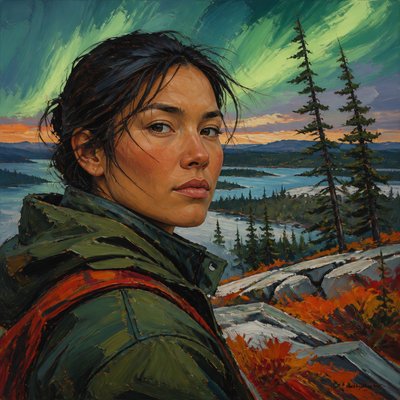
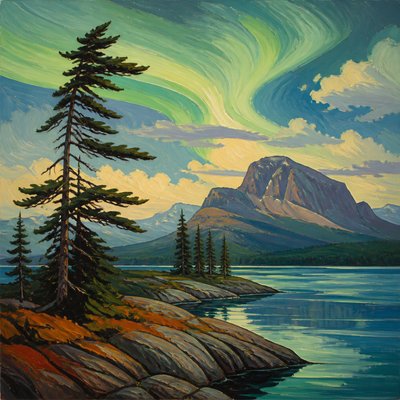
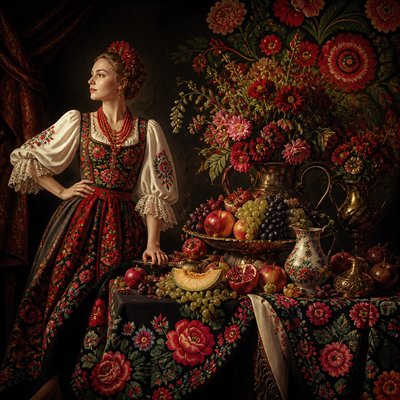
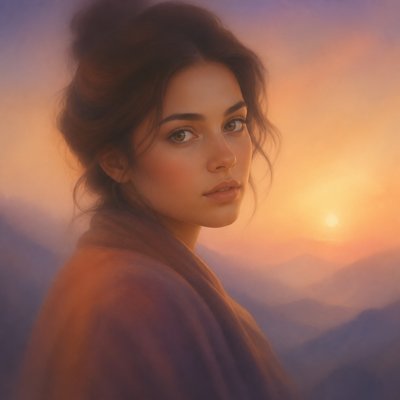
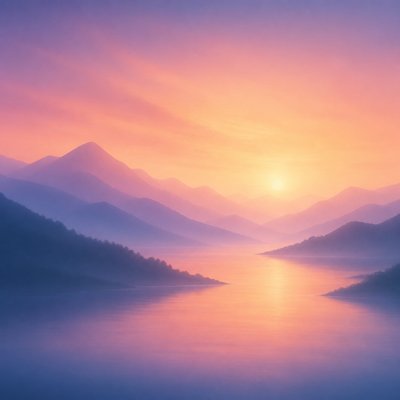
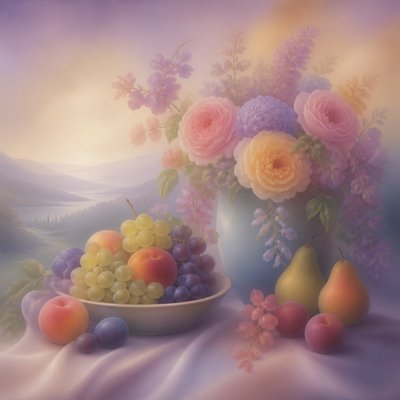
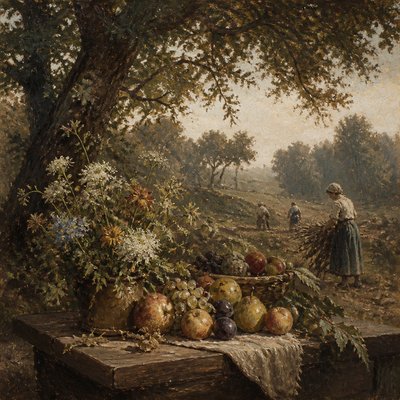
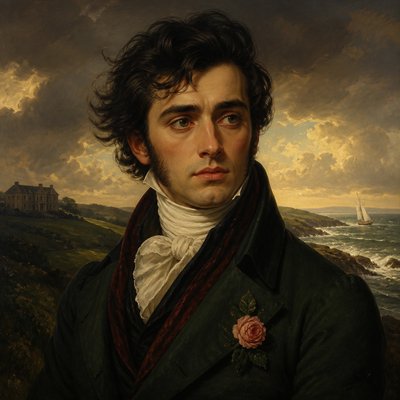
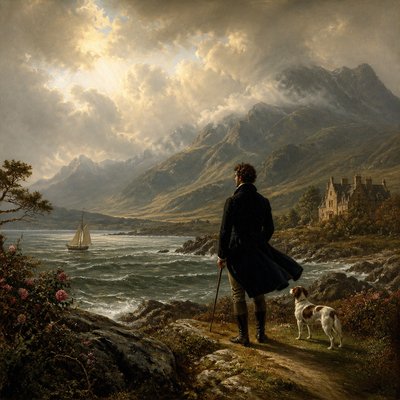
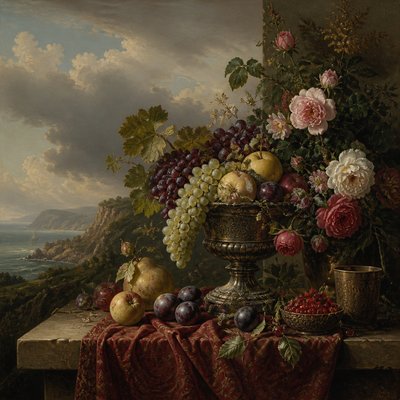
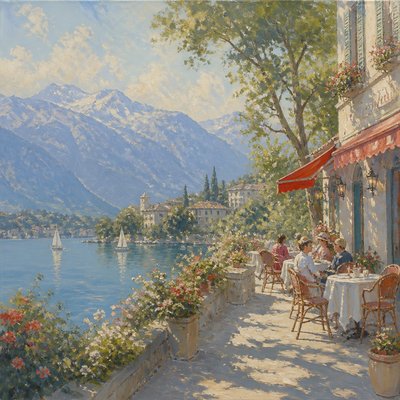
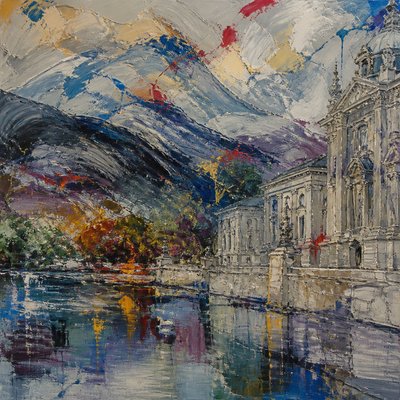
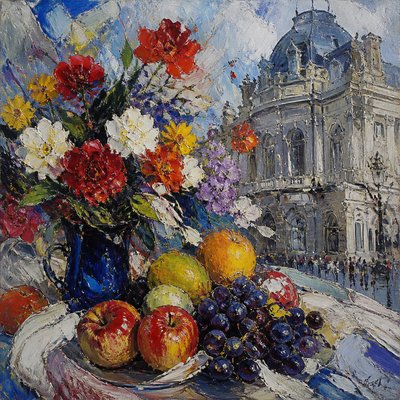
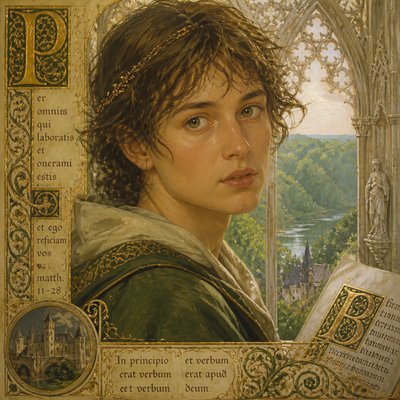
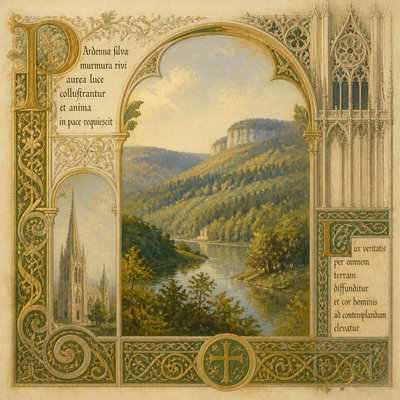
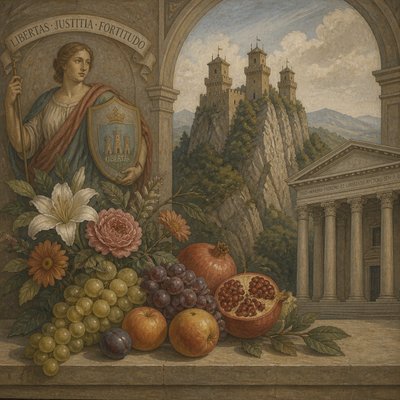
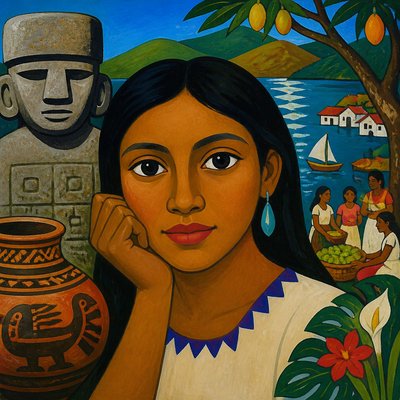
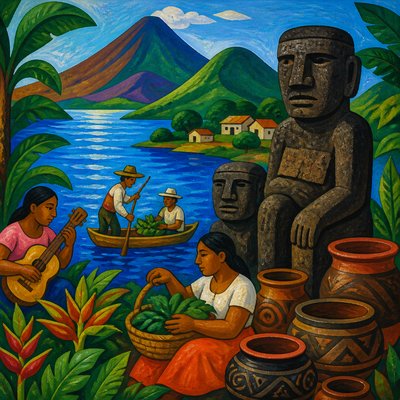
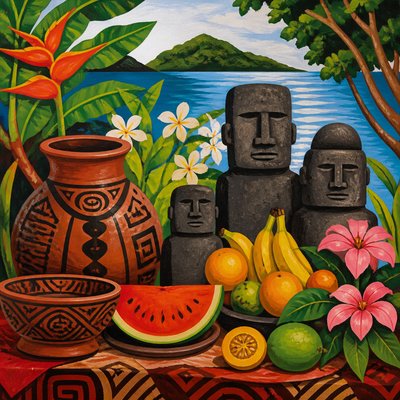
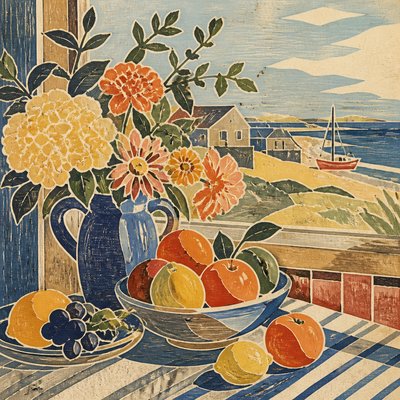
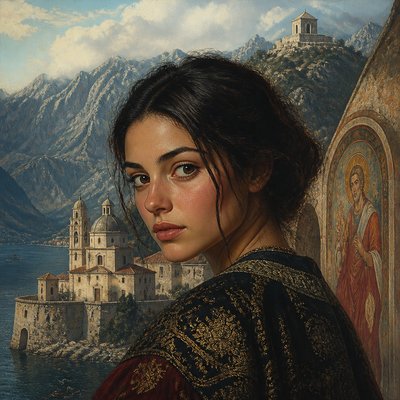
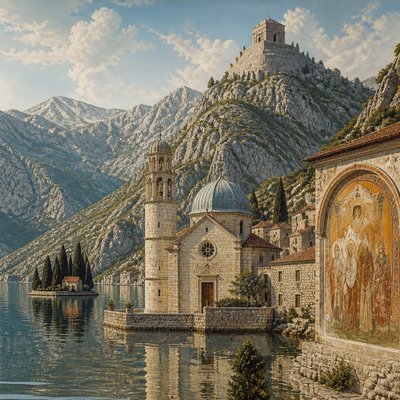
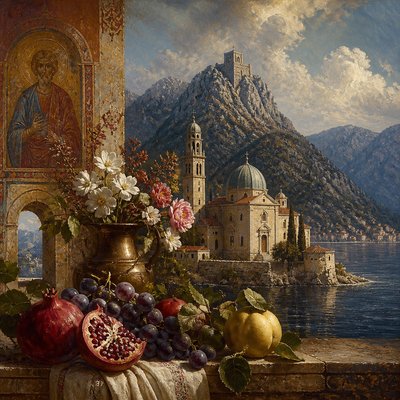
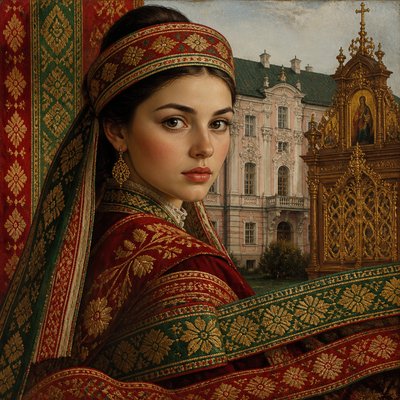
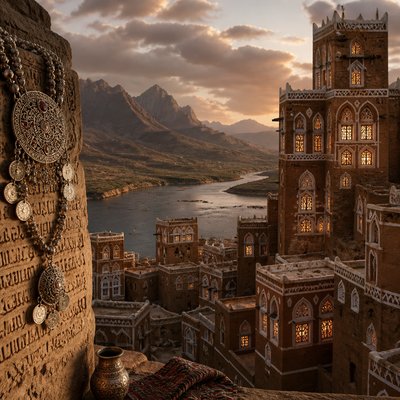
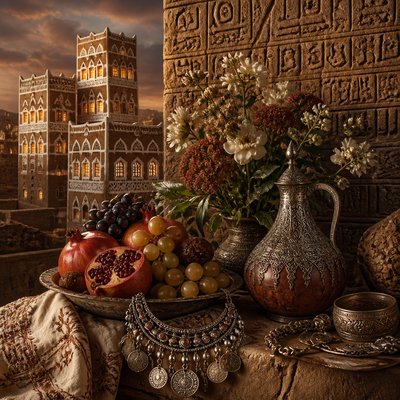
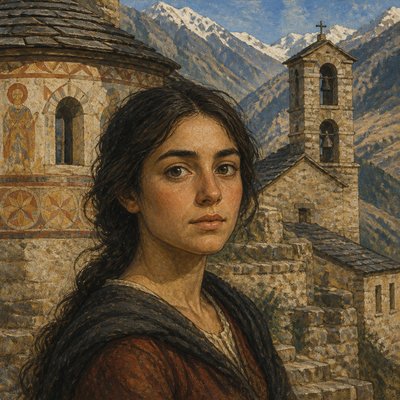
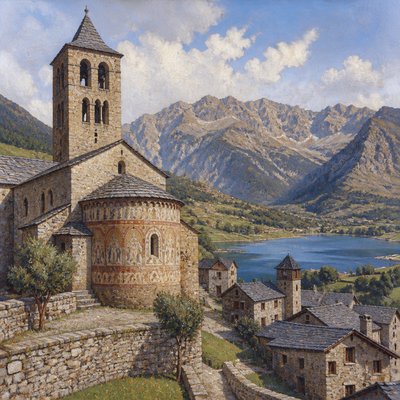
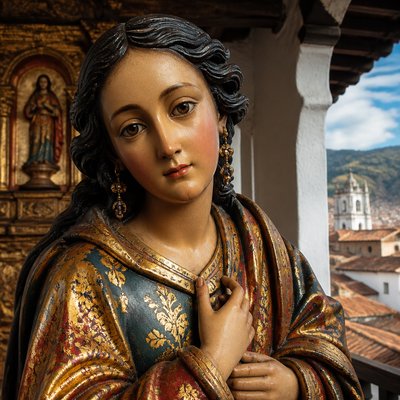
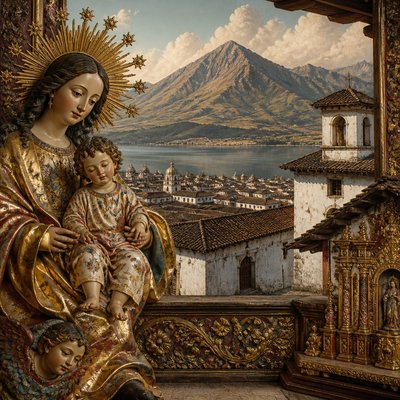
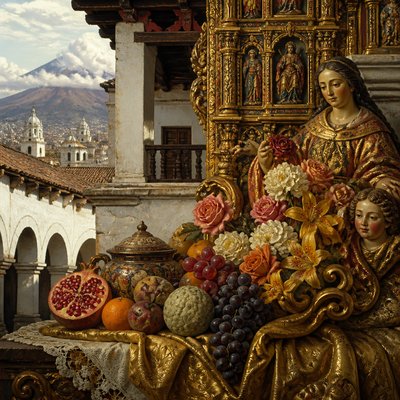
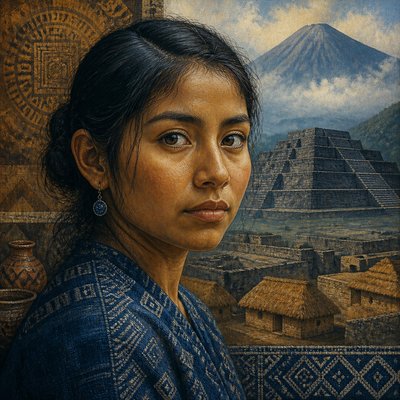
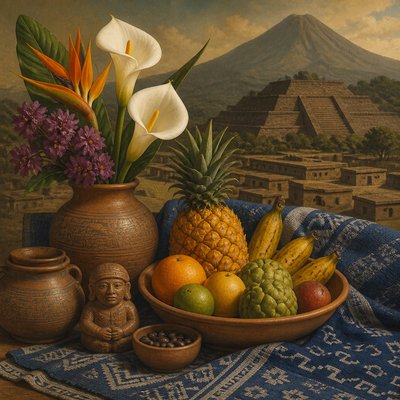
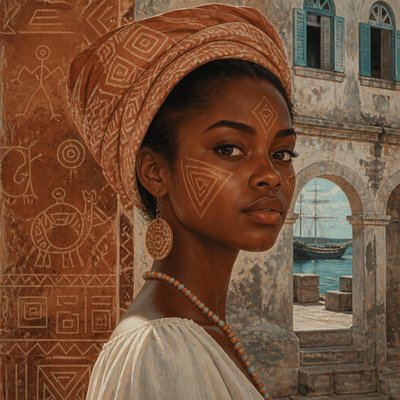
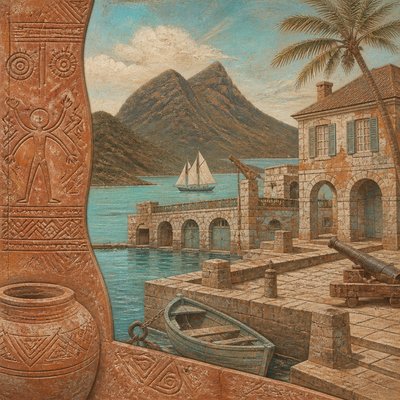
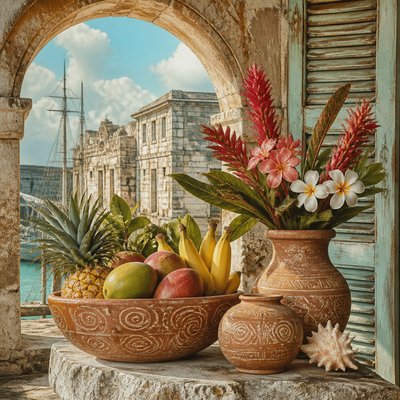
The style is less concerned with literal topography than with the physical sensation of heat, glare and mistral wind. Thick, directional brushwork gives the image a vibrating surface, while simplified forms and high color contrast make the landscape feel immediate, dramatic and almost electrically bright. It can be applied to rural scenes, portraits, still lifes, architecture and digitally constructed environments.
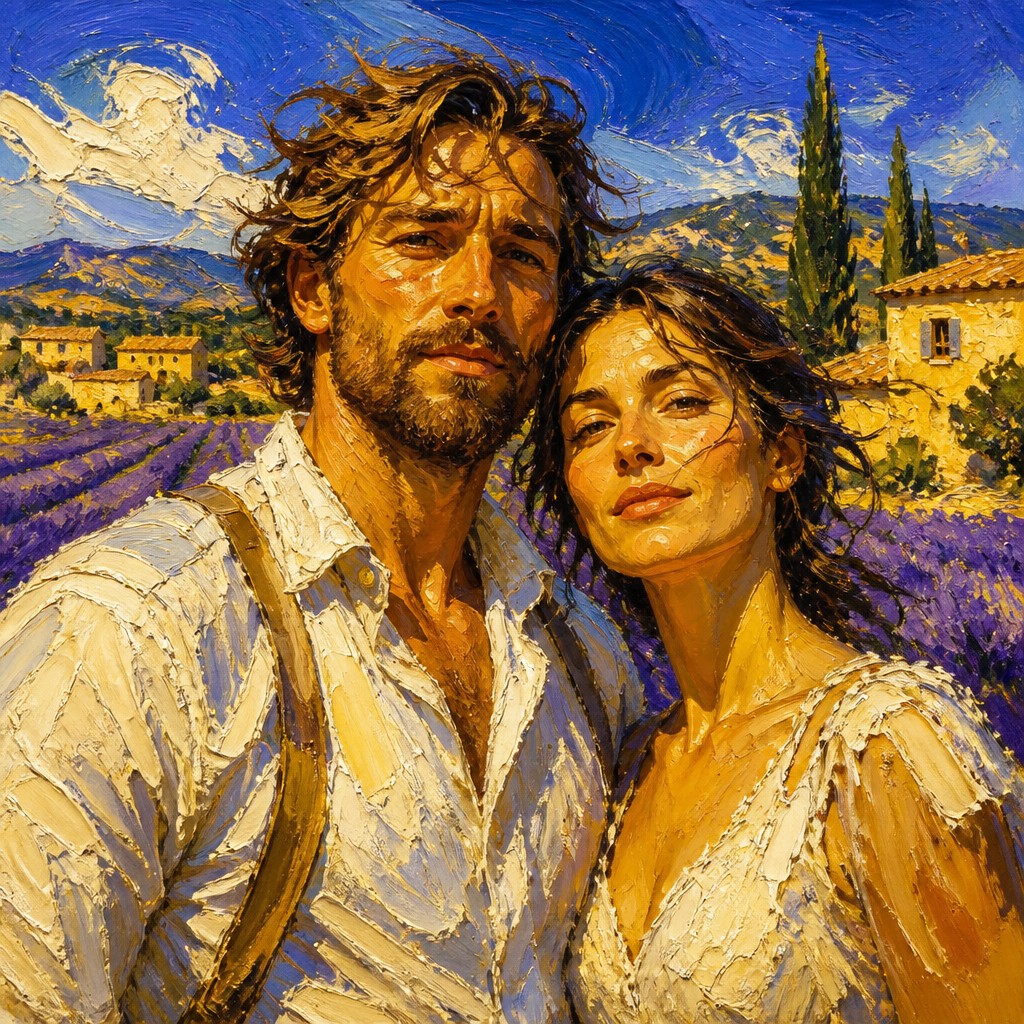
Try It On Your Photos
Upload any photo and convert it into Provence Light Art Style — drag the sliders to compare before and after.
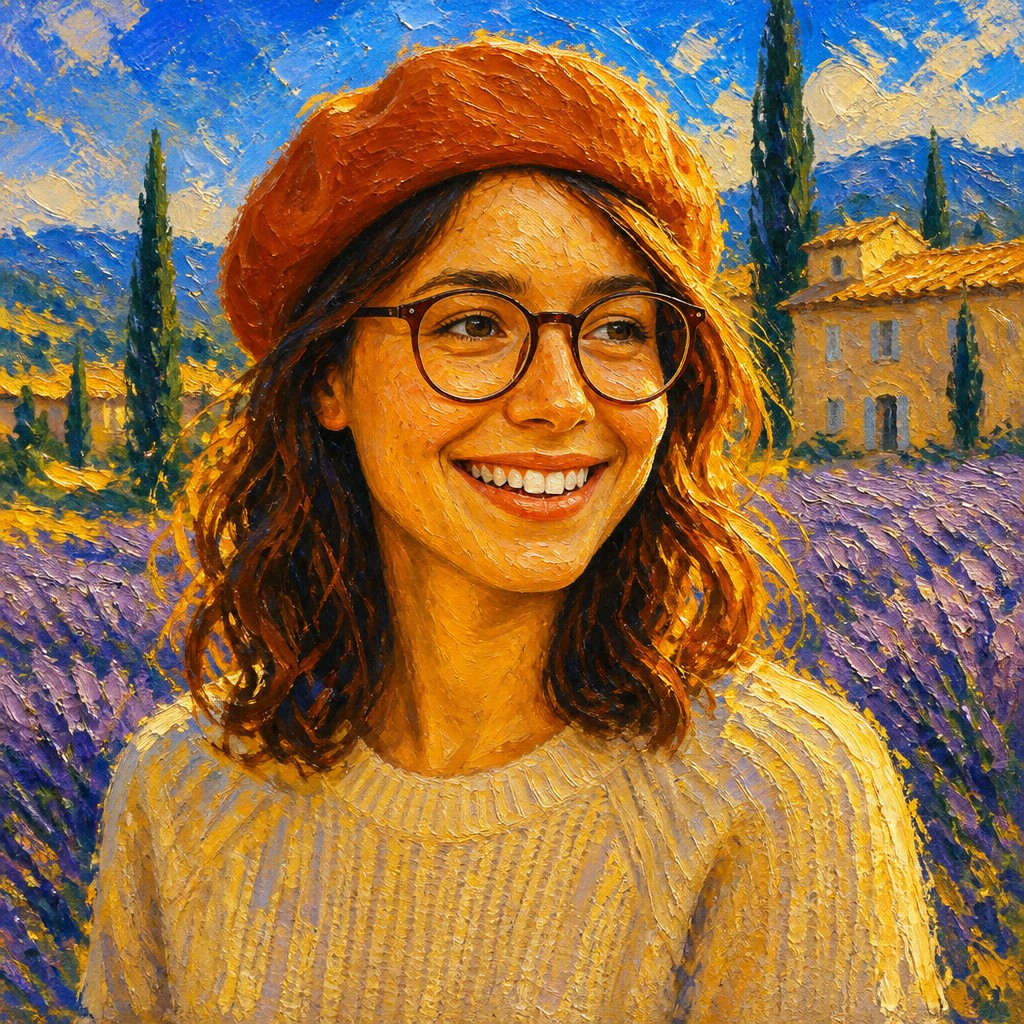

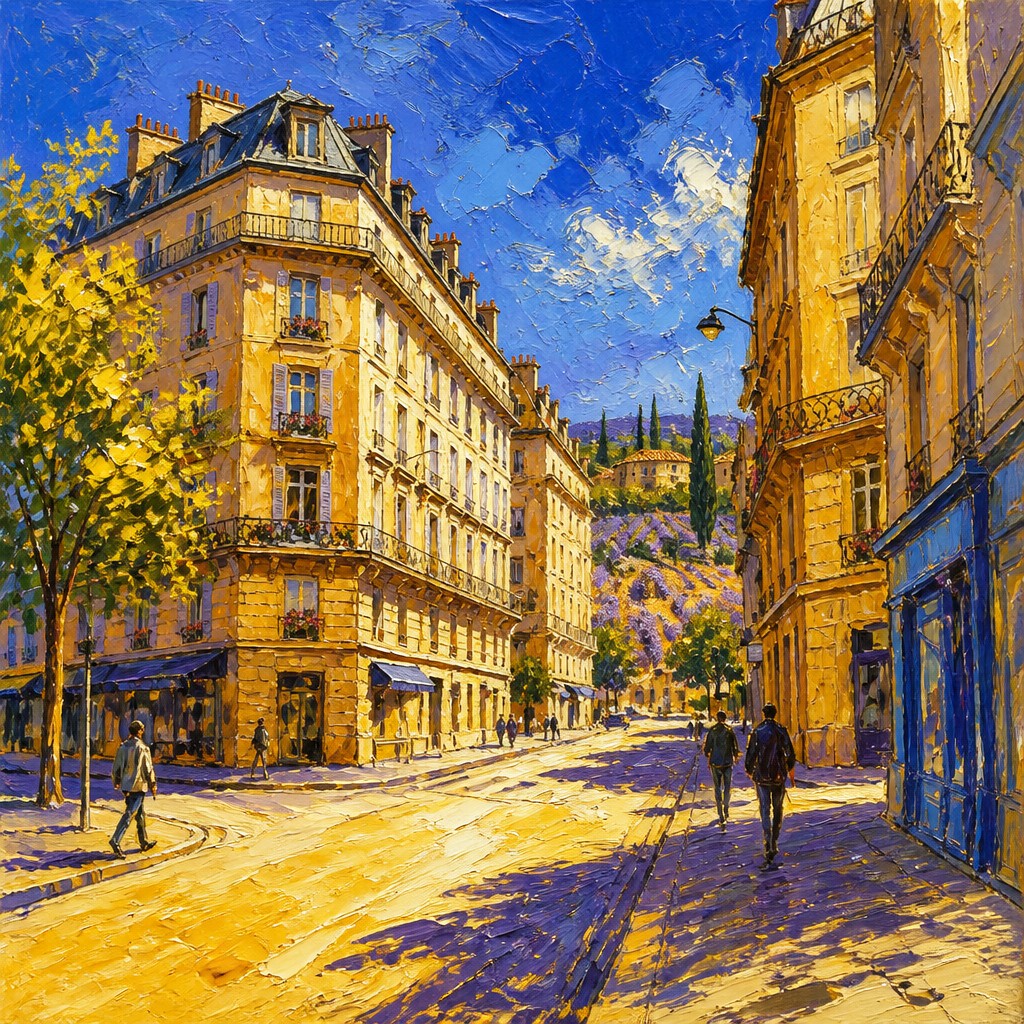

What Defines Provence Light Art Style
The signature details, up close
Blazing southern illumination
Scenes are organized around hard, high-angle sunlight with bright planes, short shadows and pronounced glare. Light behaves as a compositional force rather than a subtle atmospheric effect.
Heat-charged palette
Chrome yellow, sunlit ochre, terracotta and warm cream are contrasted with violet shadow, cobalt blue and deep blue-green. Color is often intensified beyond natural observation to communicate temperature and sensation.
Mistral-driven brushwork
Thick, urgent marks sweep across fields, clouds, grasses and tree crowns. Directional strokes suggest strong wind and create a restless, vibrating surface.
Lavender and cypress motifs
Lavender rows provide rhythmic horizontal or diagonal bands, while narrow cypress forms act as dark vertical accents. These motifs establish both regional identity and strong compositional structure.
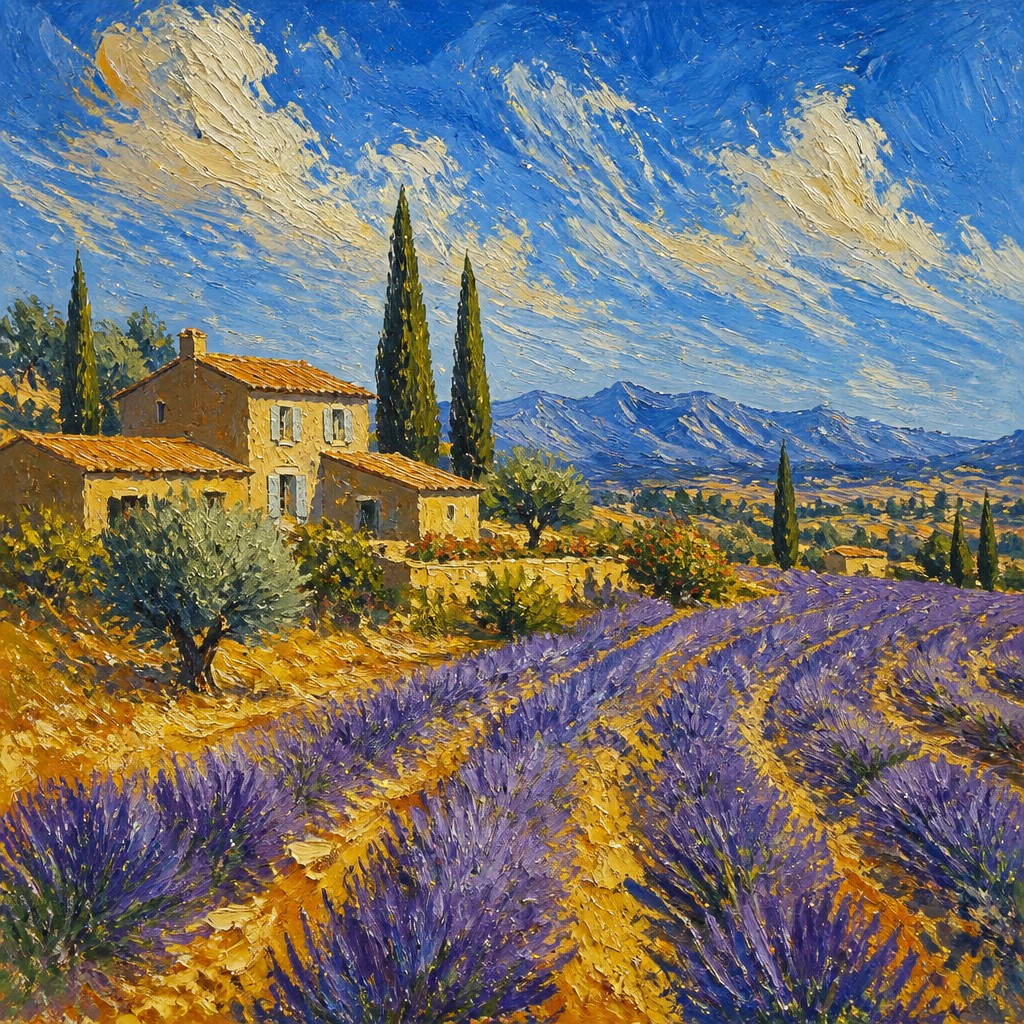
Ochre architecture
Farmhouses, village walls and stone structures are reduced to broad geometric masses in ochre, rust, pale peach and cream. Texture remains visible, but fine architectural detail is subordinated to sunlit planes.
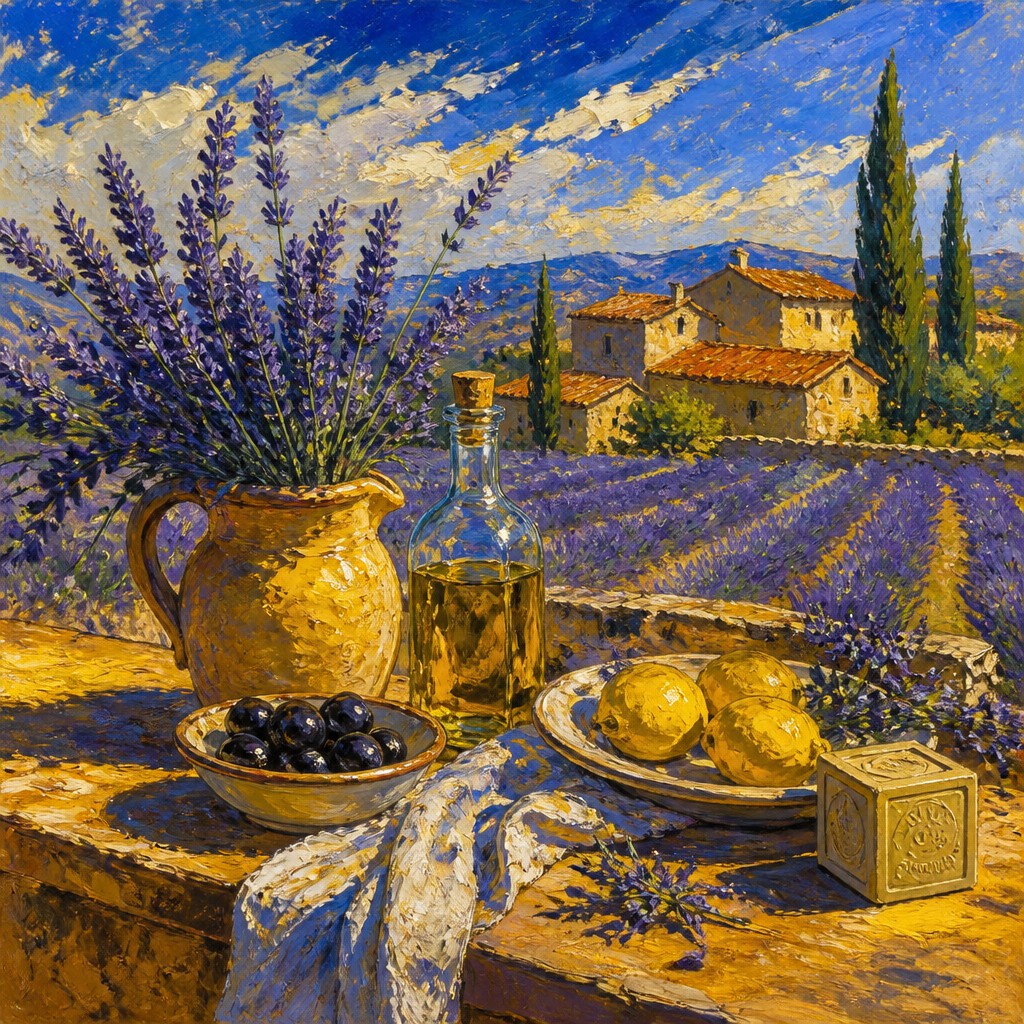
Expressive simplification
Objects retain recognizable silhouettes while unnecessary detail is removed. The result sits between observed landscape, decorative design and emotionally heightened painting.
Try It
Create Videos in Provence Light Art Style
Styles aren't just for stills — describe a scene or animate an image and get a short video rendered in Provence Light. Press play to see this pond come to life.
Make a VideoProvence Light Prompt Ideas
Start from an idea — each one opens the generator with the style ready to go. See all 40 Provence Light prompts →
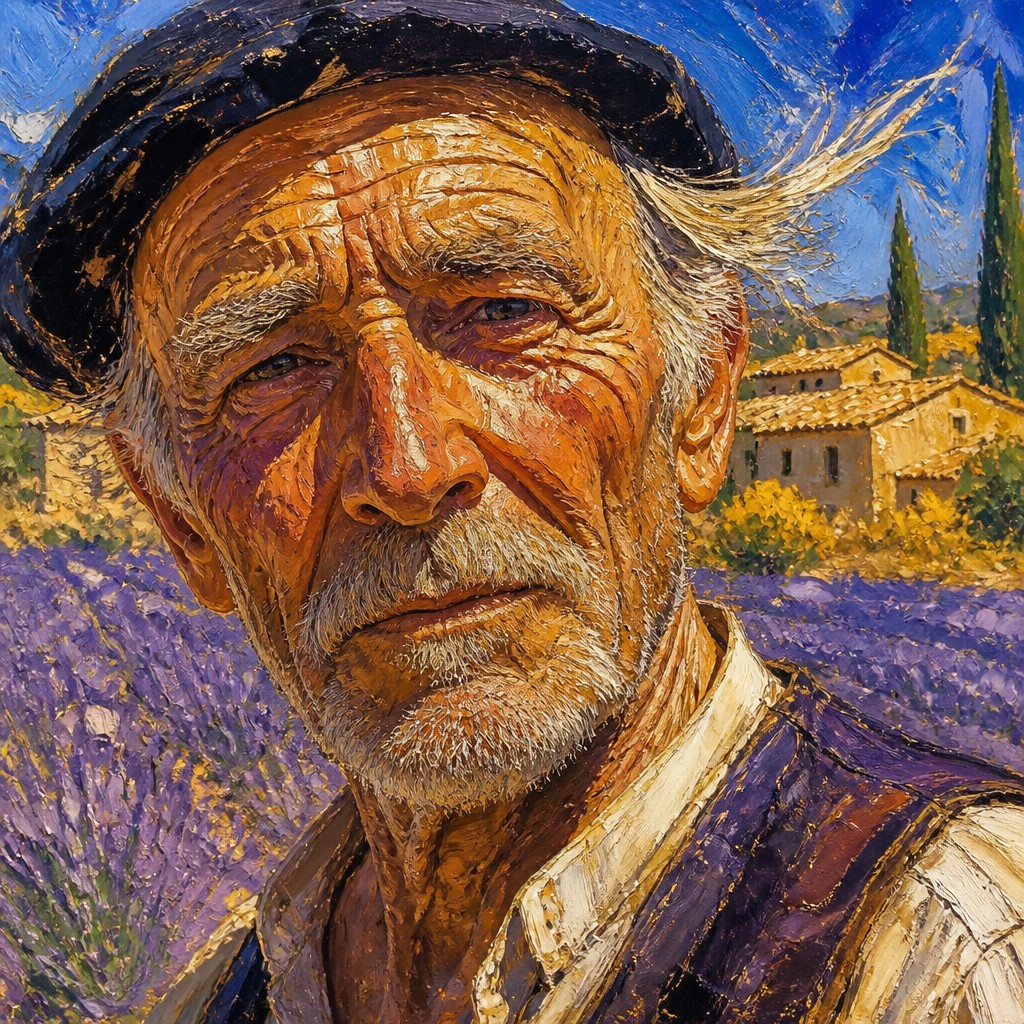
“close-up portrait of an elderly person with expressive weathered features”
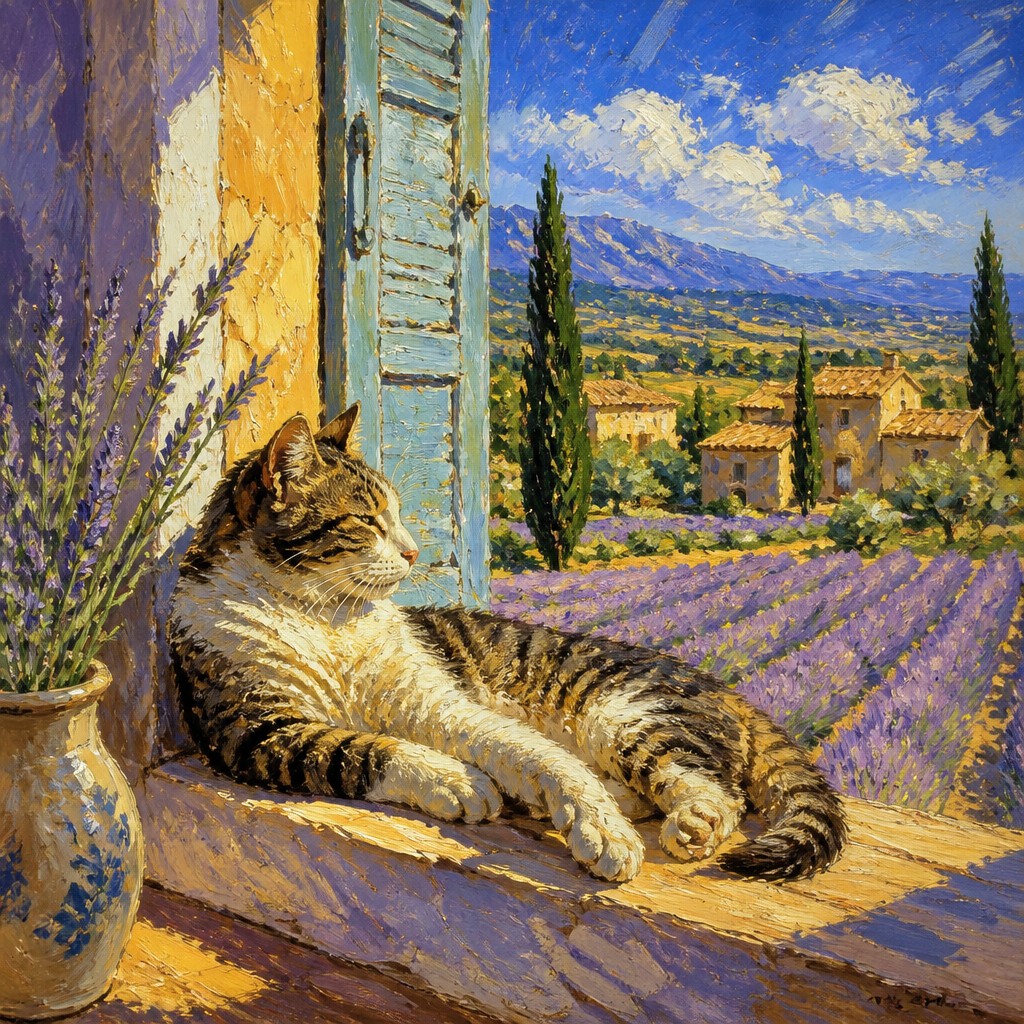
“a cat lounging in a sunlit window”
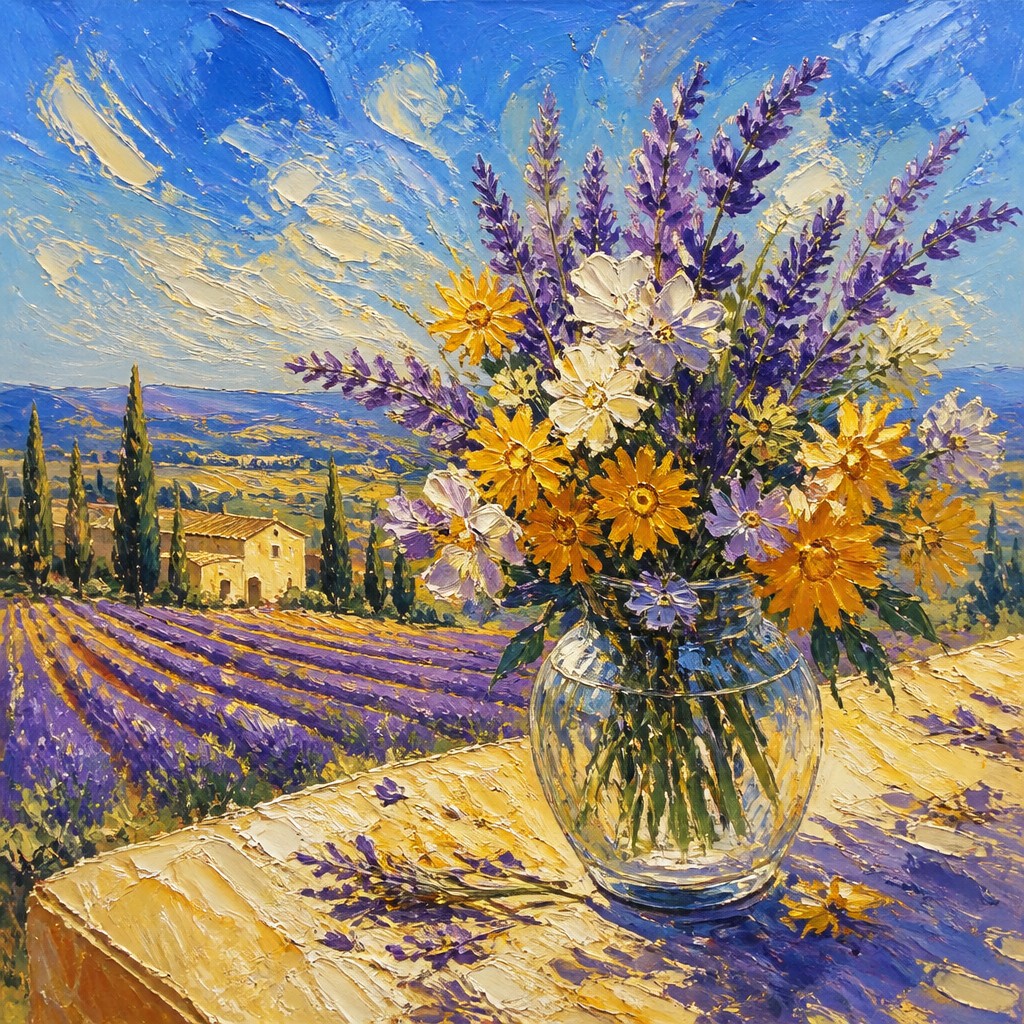
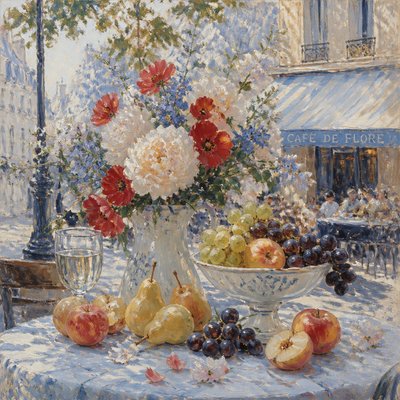
“bouquet of flowers in a glass vase”
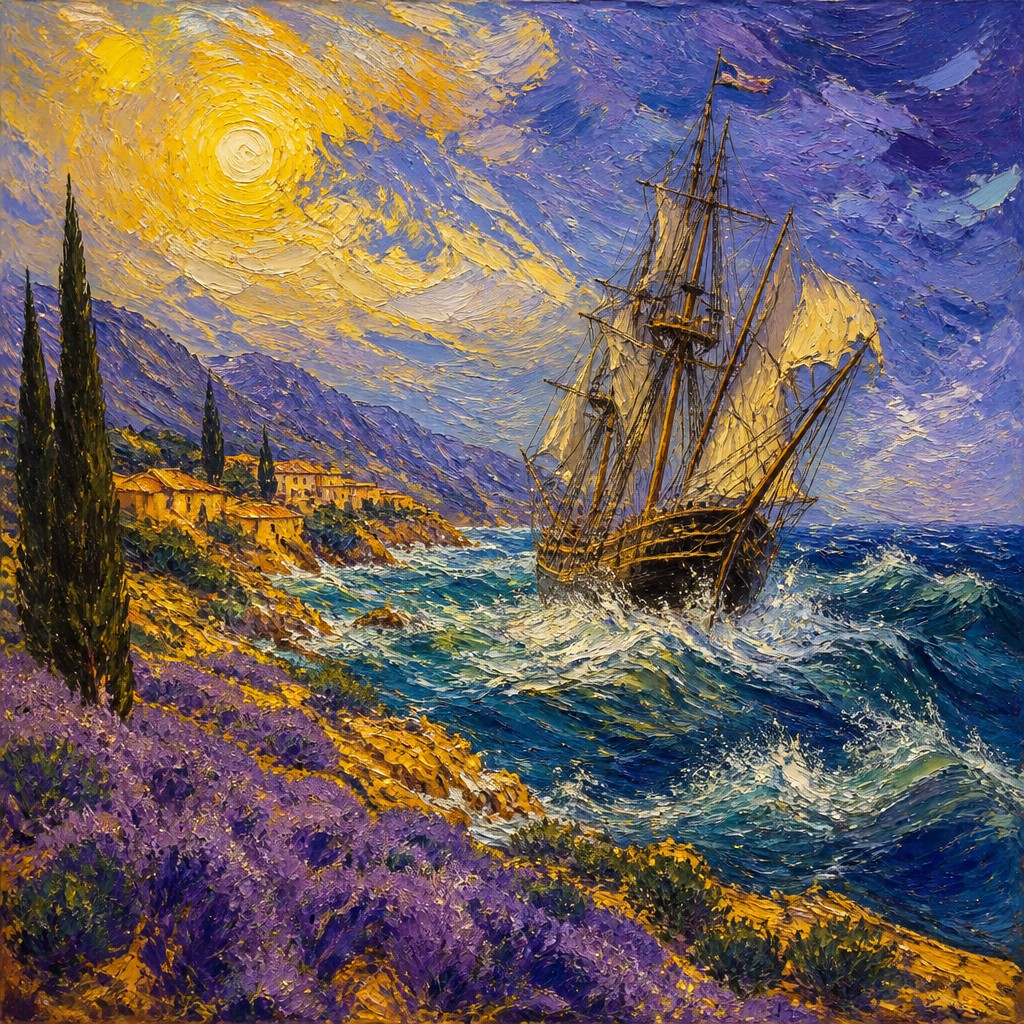
“sailing ship on a stormy sea”
How to Create Provence Light Art
Master the craft step by step — or skip straight to creating. Read the full guide →
- 1
Block in the light first
Begin with large areas for sky, ground and architecture, reserving the brightest values for sun-facing surfaces. Establish the direction of the light before adding texture or small objects.
- 2
Use complementary color tension
Pair warm yellows and ochres with violet or blue-violet shadows instead of mixing every shadow toward gray. Keep cobalt or ultramarine accents in the sky and distant landscape to maintain visual heat.
- 3
Make marks follow the wind
Use horizontal and diagonal strokes for lavender, grasses and clouds, then contrast them with vertical cypress silhouettes and architectural edges. In digital painting, textured brushes with visible opacity variation help preserve this physical rhythm.
- 4
Simplify forms into color planes
Reduce buildings, hills and trees to a few decisive masses before layering impasto-like texture. Avoid evenly distributed detail; concentrate sharper marks around the focal subject.
- 5
Control saturation and value
A highly saturated palette works best when balanced by a few dark violet or blue-green anchors. Keep a clear value hierarchy so the image remains legible beneath its intense color.
- 6
Write prompts for atmosphere and structure
For digital or AI-assisted creation, specify the subject, southern sunlight, ochre architecture, lavender or cypress motifs, complementary shadows and thick directional brushwork. Add composition terms such as low horizon, diagonal field rows or vertical tree accents to guide the image beyond generic landscape results.
The Story
History & Origins of Provence Light
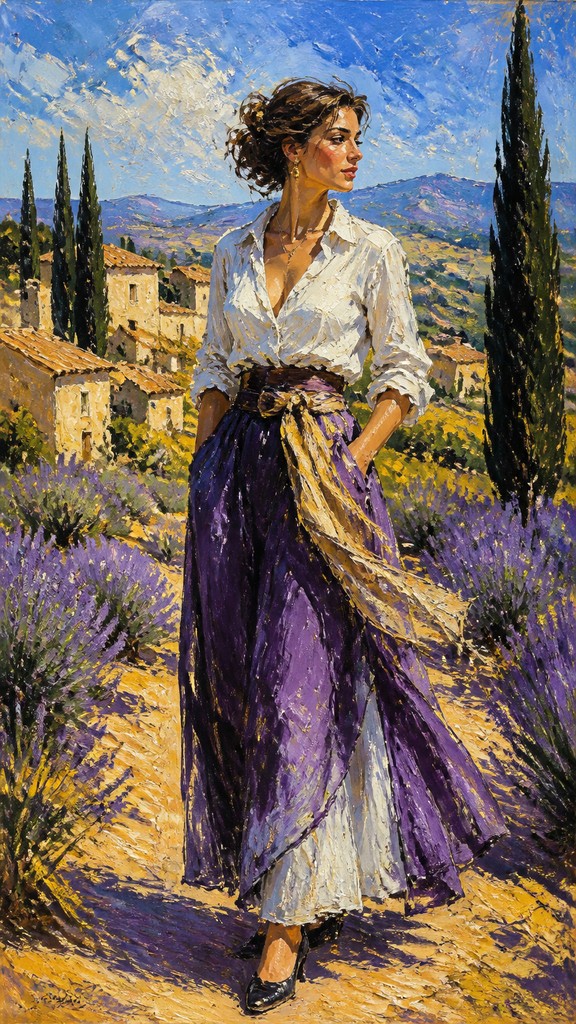
Its visual logic comes from artists working outdoors in strong southern European light, where shadows appear cool and colored rather than neutral and distant forms are shaped by atmospheric haze. Contemporary illustrators, painters and image-makers intensify these observations into a deliberately expressive language of ochre walls, violet shade, cobalt skies and wind-bent vegetation.
Influences: The style is related to Mediterranean landscape painting, plein-air observation, Post-Impressionism, Fauvism, expressionist color, impasto techniques and the graphic simplification of modern illustration. It also draws on the regional visual vocabulary of southern French villages, lavender cultivation, dry-stone construction and mistral-shaped vegetation, translating these elements into a more concentrated contemporary image language.
Frequently Asked Questions
What defines Provence Light as an art style?
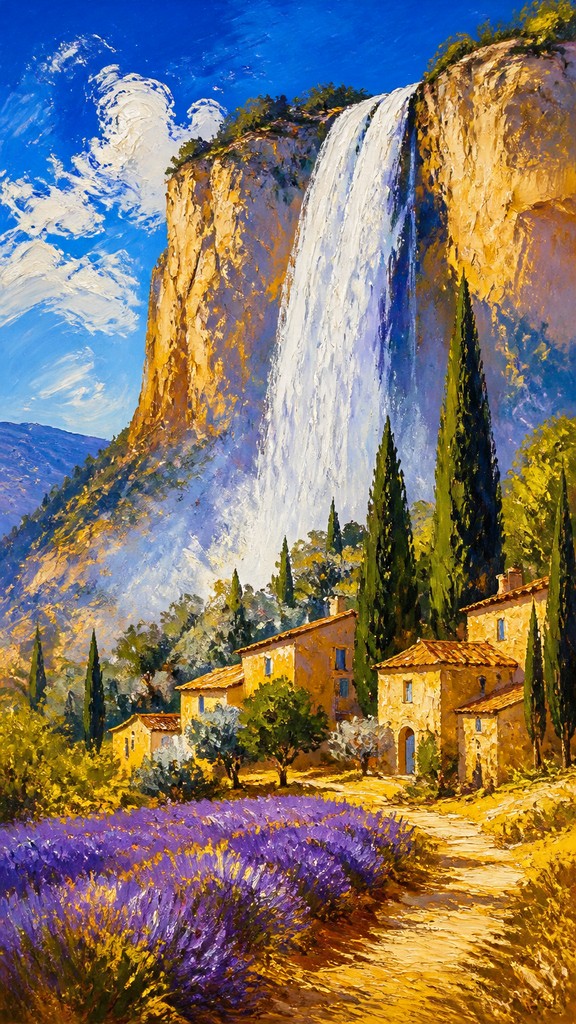
It is defined by intense southern sunlight, a saturated warm-and-cool palette, ochre architecture, lavender fields, cypress silhouettes and thick directional brushwork. The style emphasizes the sensation of heat and wind over neutral, literal representation.
Is Provence Light a historical art movement?
No. It is a contemporary descriptive aesthetic rather than a formally organized historical movement. Its visual language is assembled from established traditions including plein-air painting, Post-Impressionism, Fauvism and Mediterranean landscape art.
How does it differ from Impressionism?
Both styles can observe outdoor light and use broken or visible brushwork, but Provence Light generally pushes color contrast and emotional intensity further. Its shadows are deliberately violet or blue, its forms are more simplified, and its regional motifs are more explicit.
How can I make a painting in this style traditionally?
Start with a limited structure of large color masses, then build warm light against cool complementary shadows. Use a palette knife or loaded brush for assertive texture, and let stroke direction describe wind, field rows and vegetation.
Can portraits and still lifes use this style?
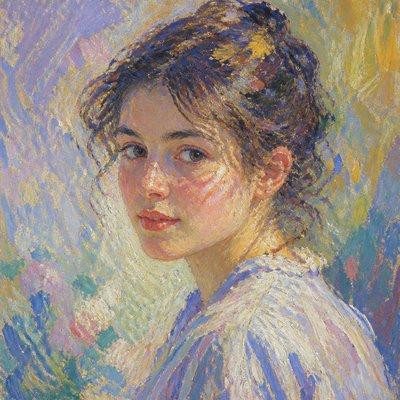
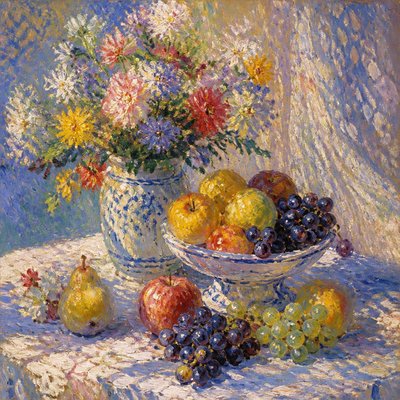
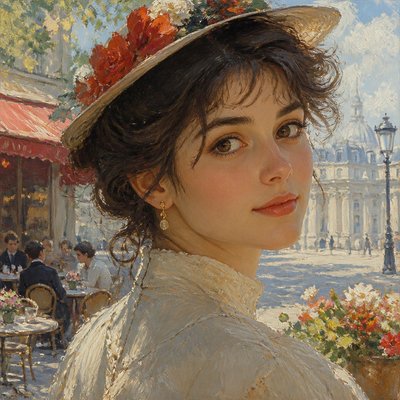
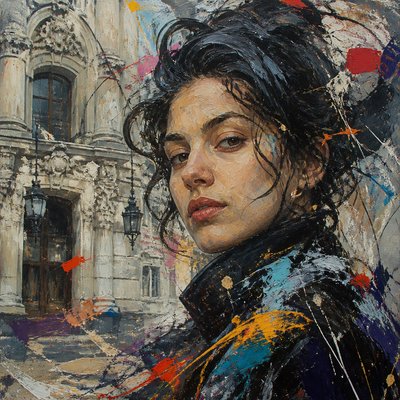
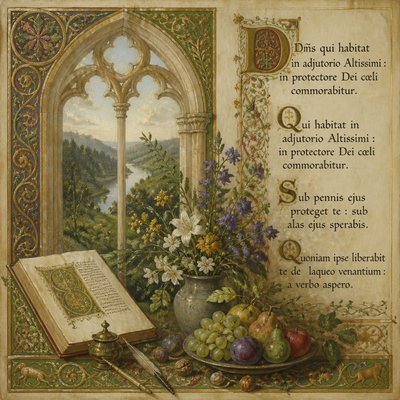
Yes. The defining features are treatment, palette and light rather than subject matter. A portrait, interior or still life can adopt the style by using hard southern illumination, simplified planes, ochre surfaces and violet-blue shadows.
What subjects work best for Provence Light images?
Strongly lit landscapes, village architecture, farmhouses, roads, lavender fields, cypress trees and sunlit still lifes are especially effective. Subjects with clear silhouettes and broad surfaces allow the color contrasts and directional marks to remain visible.
Create your first Provence Light artwork
Describe anything — or upload a photo — and see it in Provence Light Art Style in seconds.
Related Styles
Discover similar art styles