Hard-edge Painting Style
Precise geometric abstraction with flat color, sharp edges, and no blending—learn the history, traits, and techniques of hard-edge painting.
Instantly rendered in Hard-edge Painting — or transform a photo
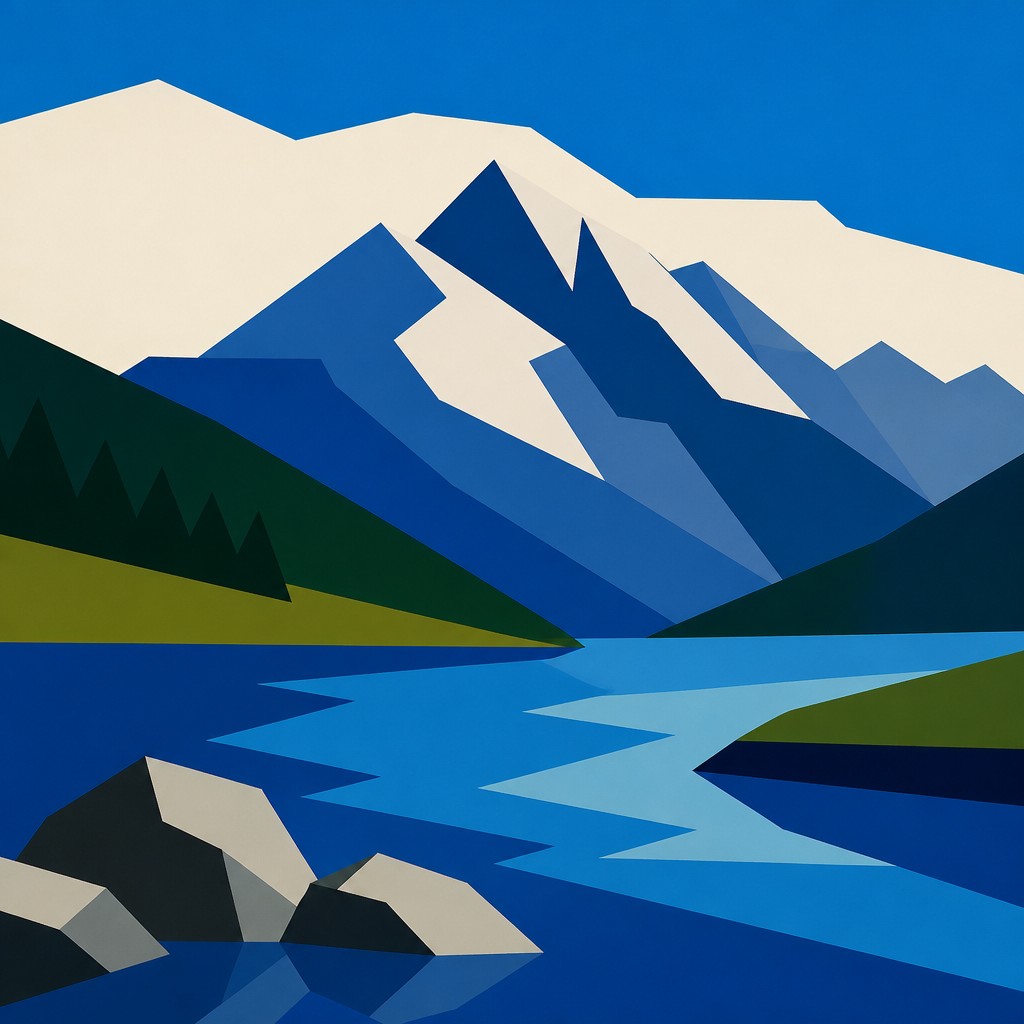
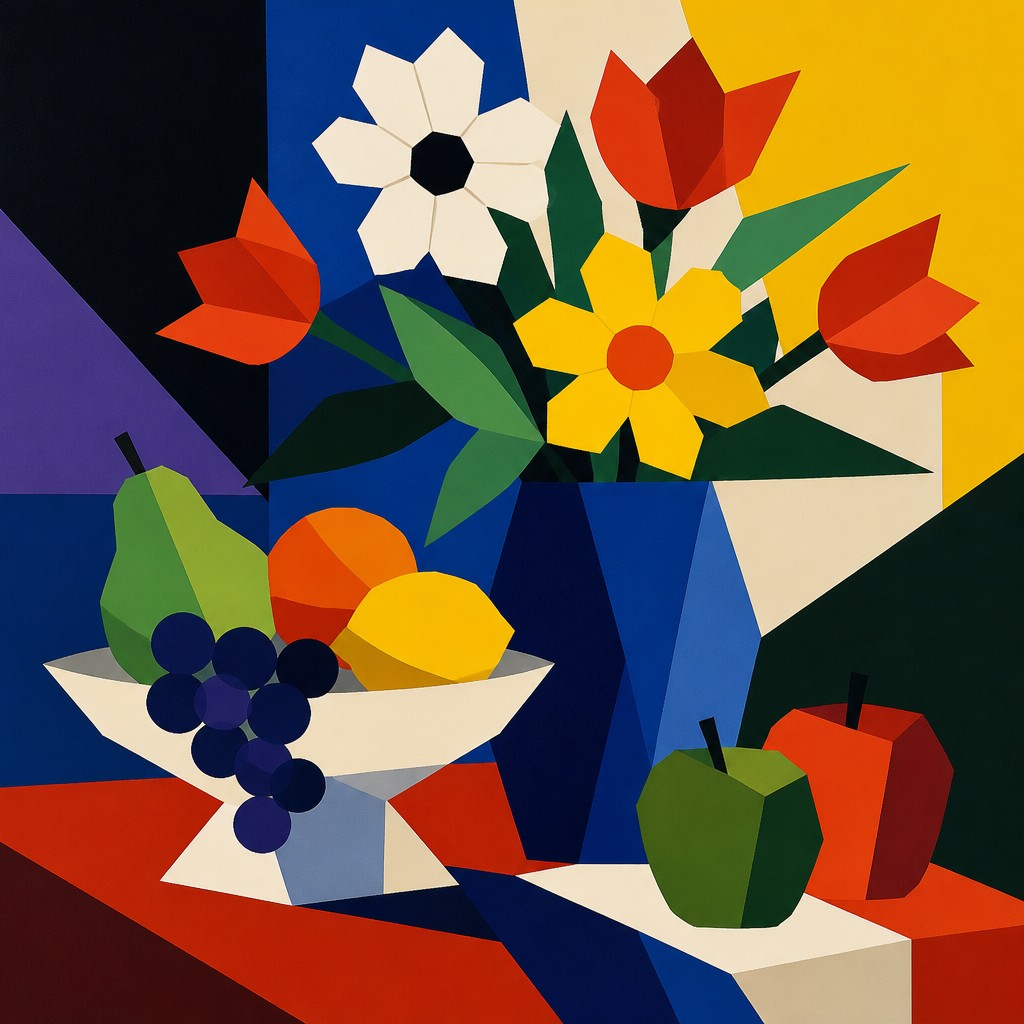
Hard-edge Painting Gallery
Tap any artwork to explore it

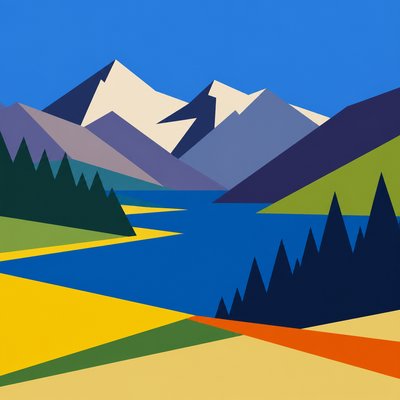
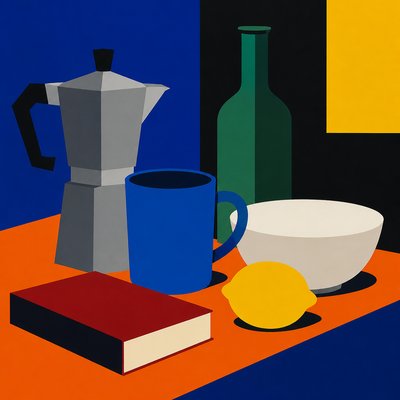
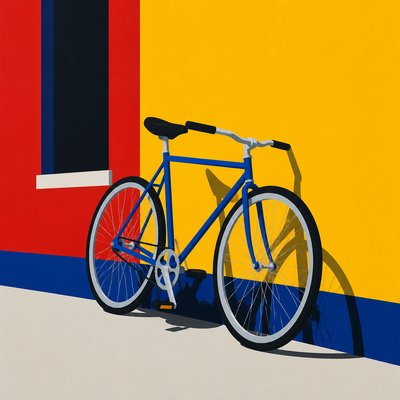
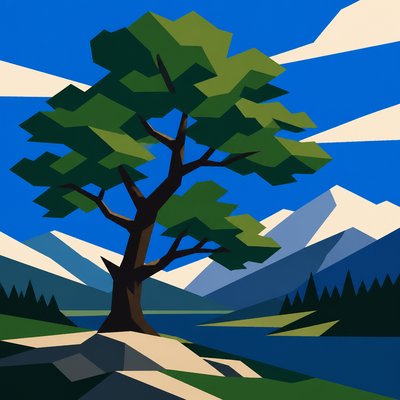
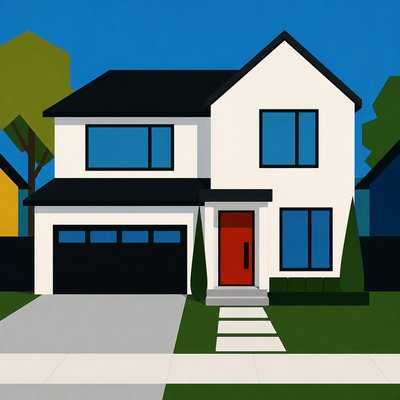

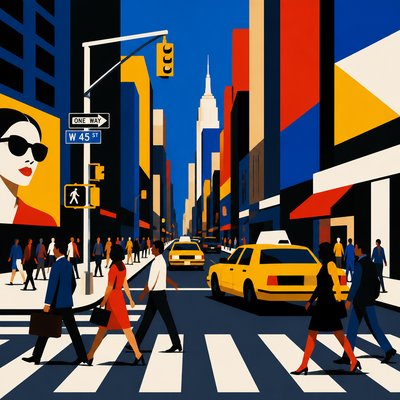
What is Hard-edge Painting Style?
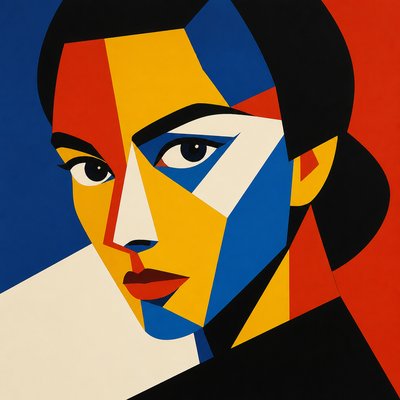
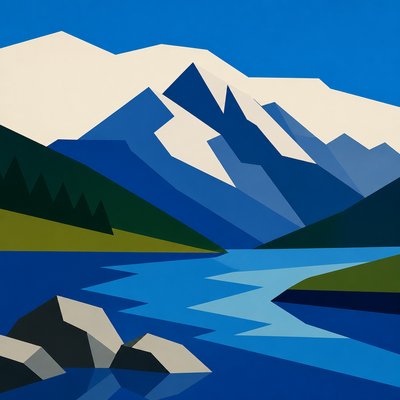
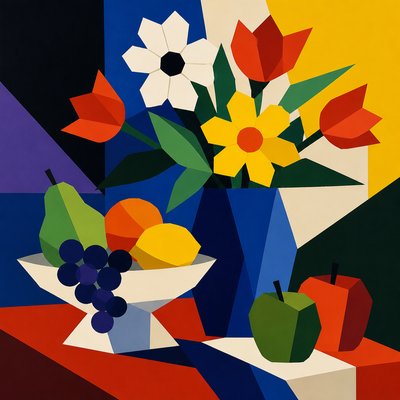
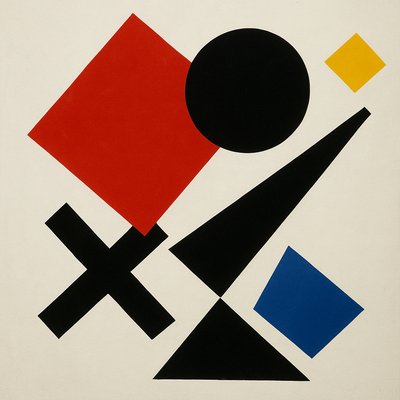
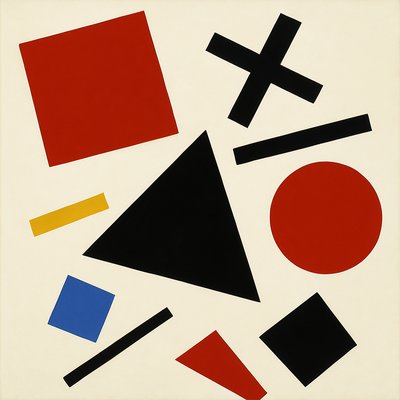
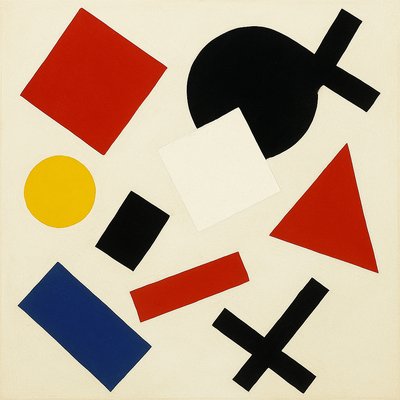
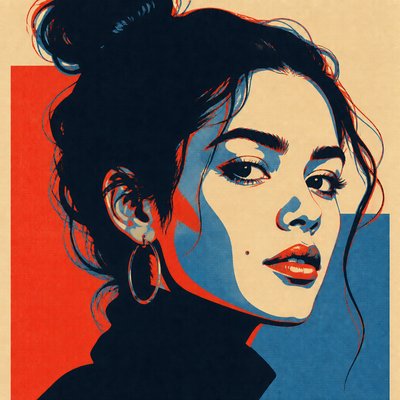
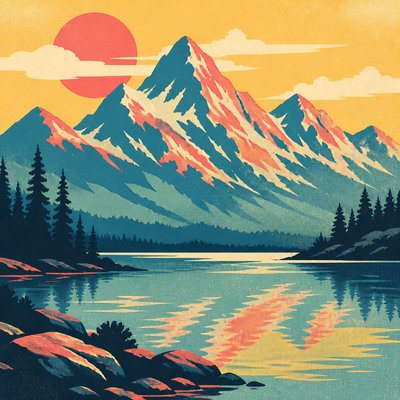
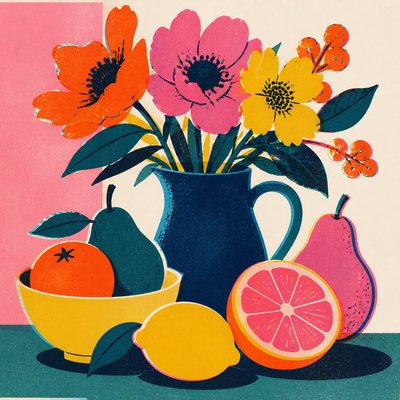
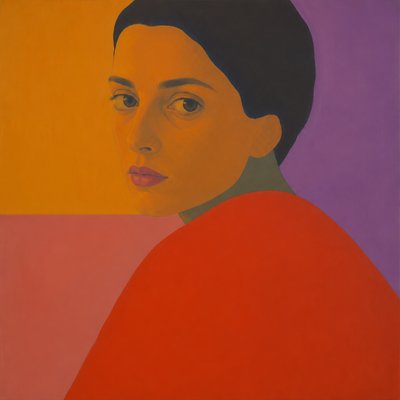
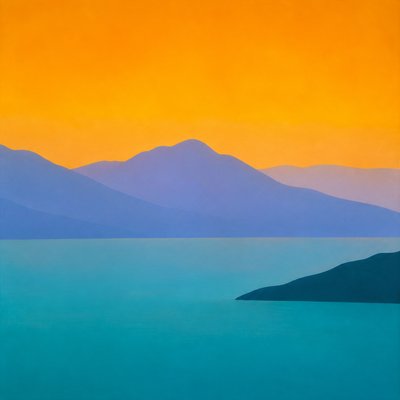
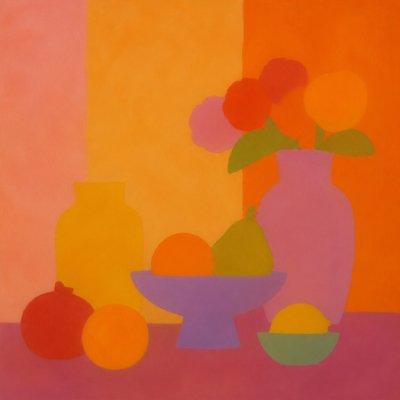
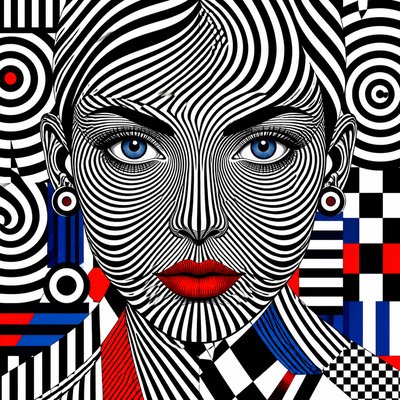
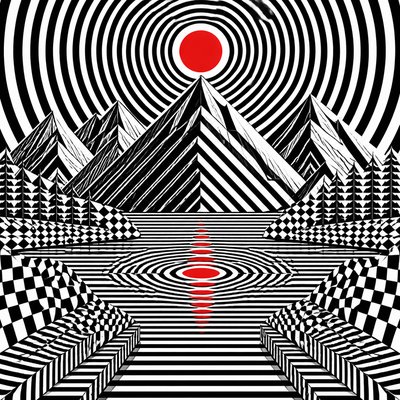
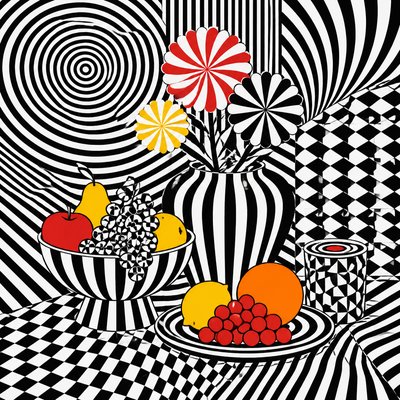
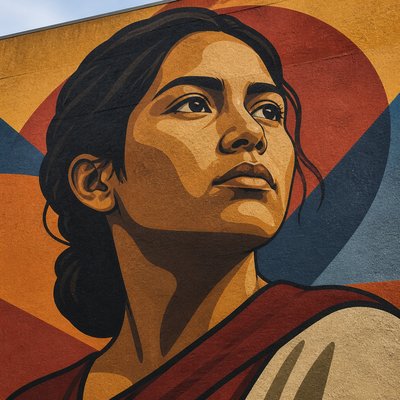
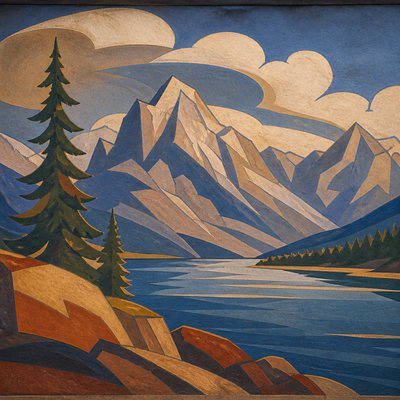
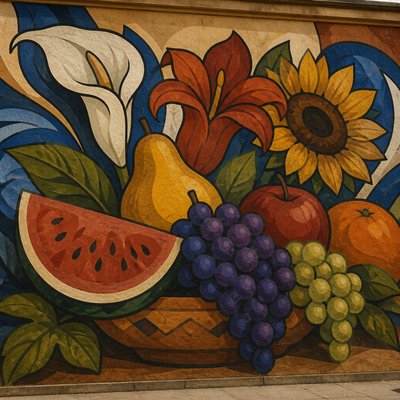
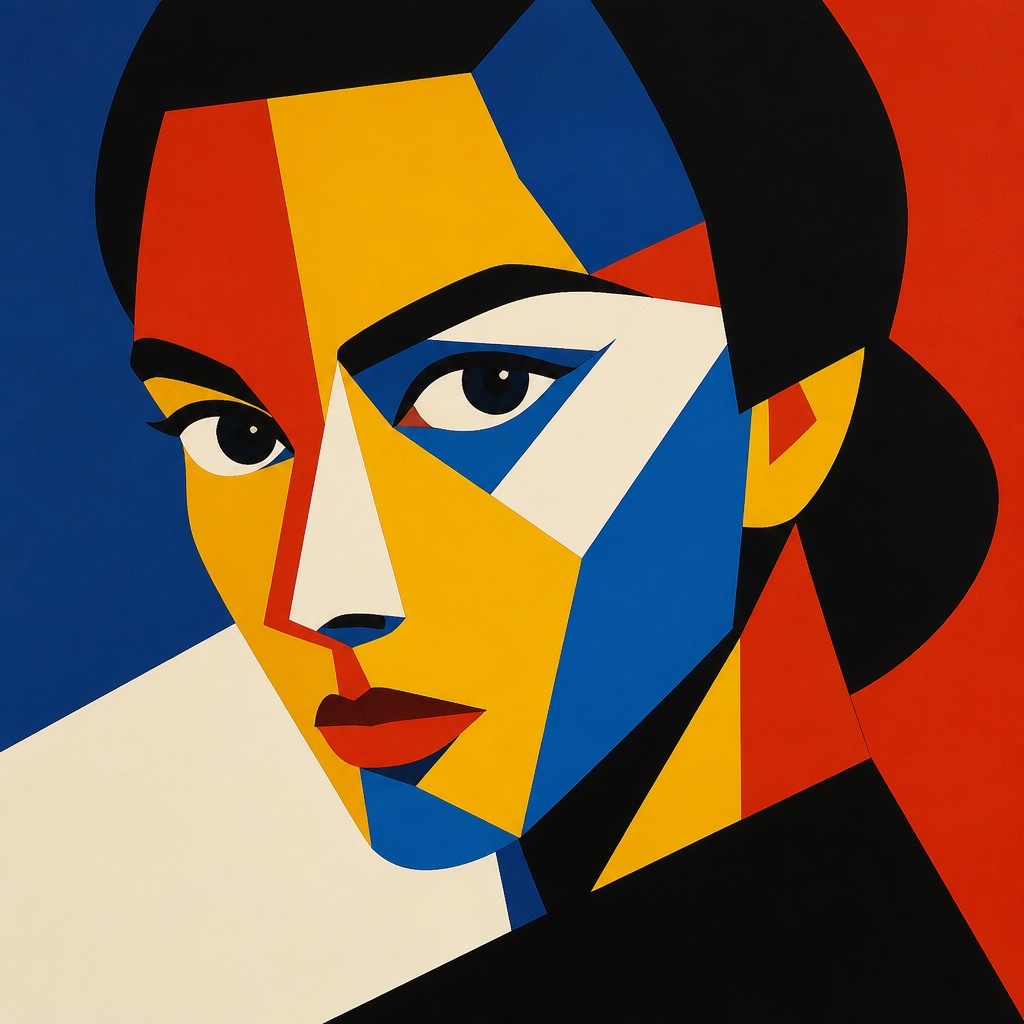
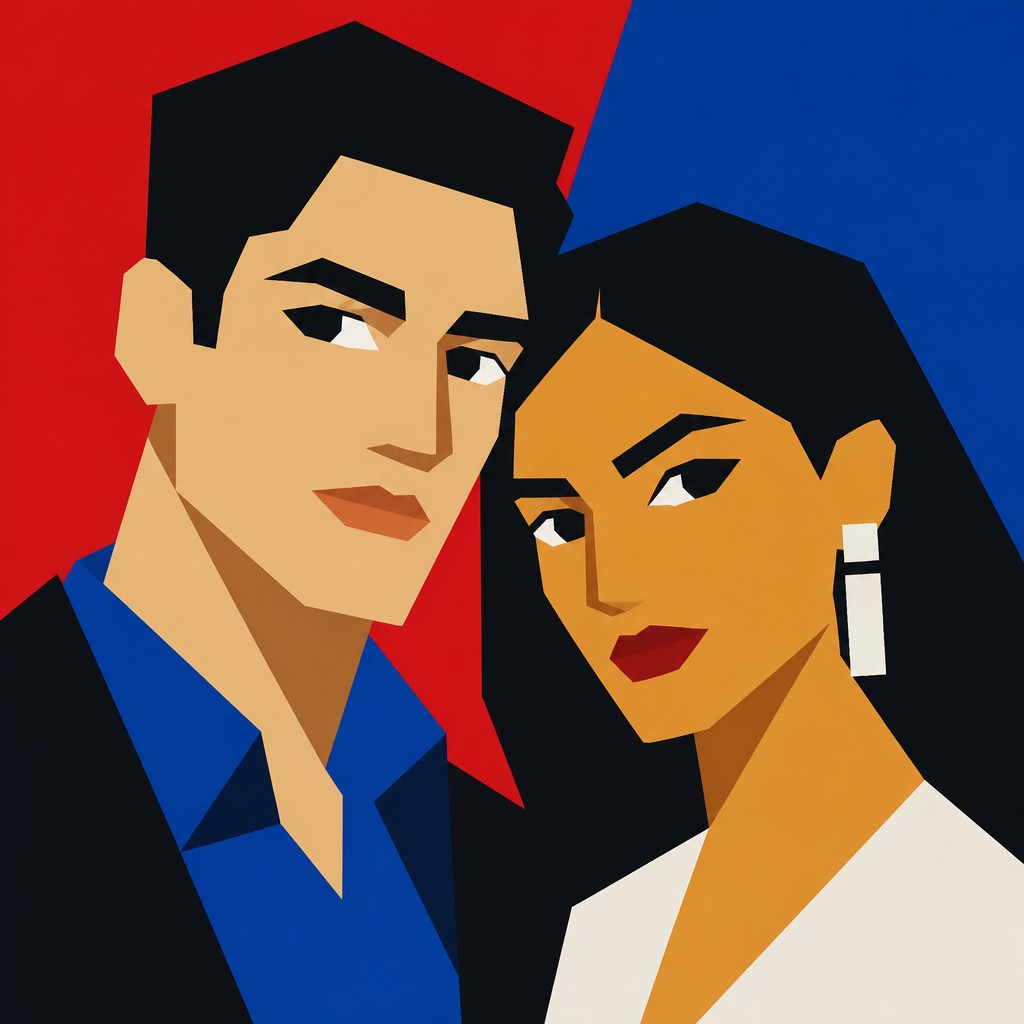
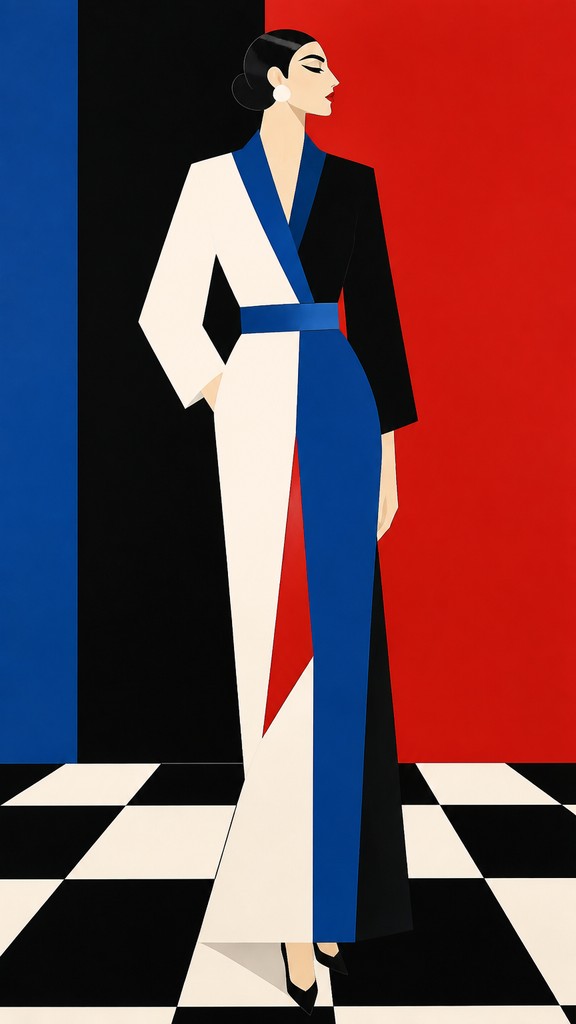
Hard-edge painting is a form of geometric abstraction defined by flat areas of color separated by crisp, exact boundaries. Forms are usually simplified into polygons, rectangles, arcs, or other clearly legible shapes, with no visible brushwork, blending, or tonal modeling. The result is a cool, controlled surface in which color relationships and spatial tension carry the composition.
The style looks the way it does because it rejects painterly gesture in favor of precision and clarity. Edges are decisive, surfaces are uniform, and transitions are abrupt rather than gradual. That mechanical cleanliness can make hard-edge works feel architectural, optical, or diagrammatic, even when they remain fully abstract.
Try It On Your Photos
Upload any photo and convert it into Hard-edge Painting Style — drag the sliders to compare before and after.



What Defines Hard-edge Painting Style
The signature details, up close
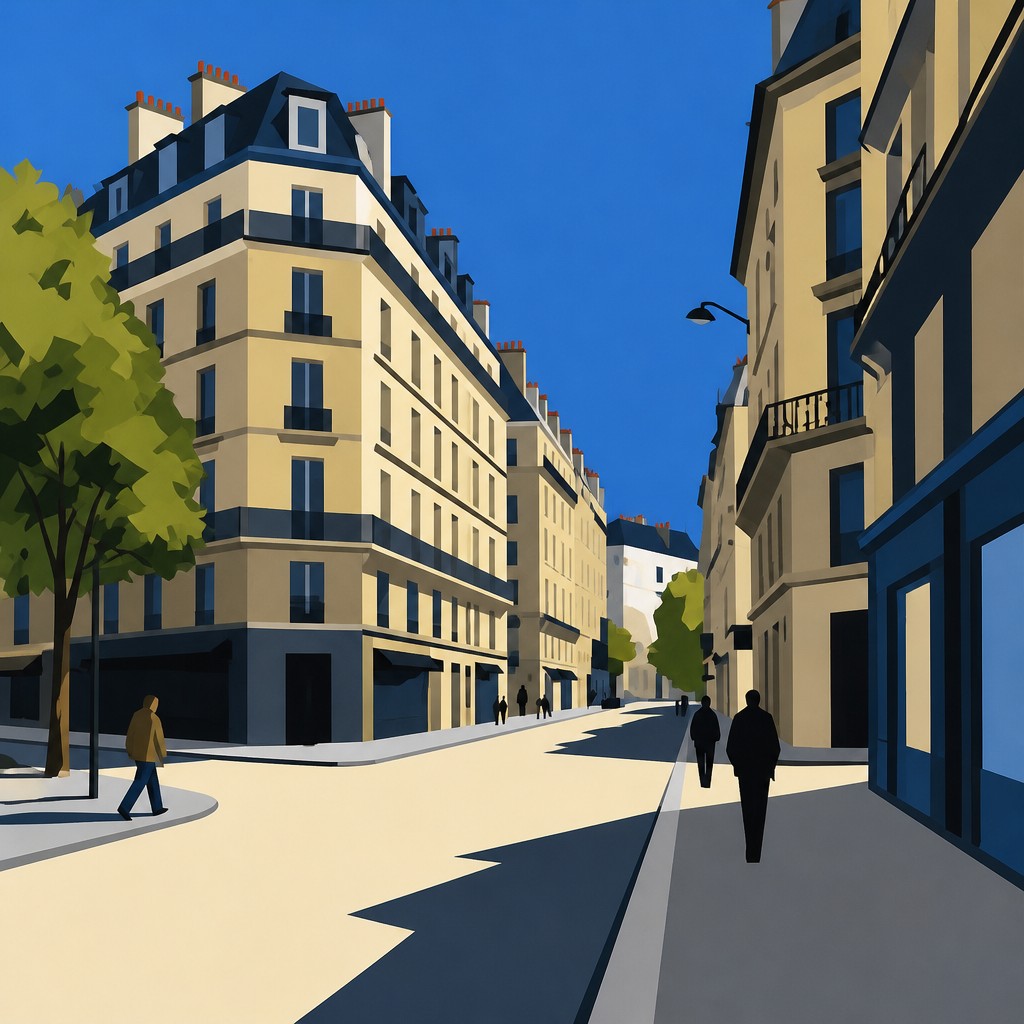
Sharp, unblended edges
Color areas meet in crisp boundaries with no visible feathering or transitional effects. The edge itself is a major part of the composition.
Flat, uniform color
Surfaces are typically matte and even, with little or no tonal variation. Each field reads as a pure block of color rather than as modeled volume.
Geometric simplification
Shapes are reduced to circles, bars, wedges, triangles, grids, and other precise forms. The composition often feels calculated rather than improvised.
High contrast relationships
Bold color pairings and strong value differences create visual tension. The work often depends on the interaction between adjacent fields rather than on internal detail.
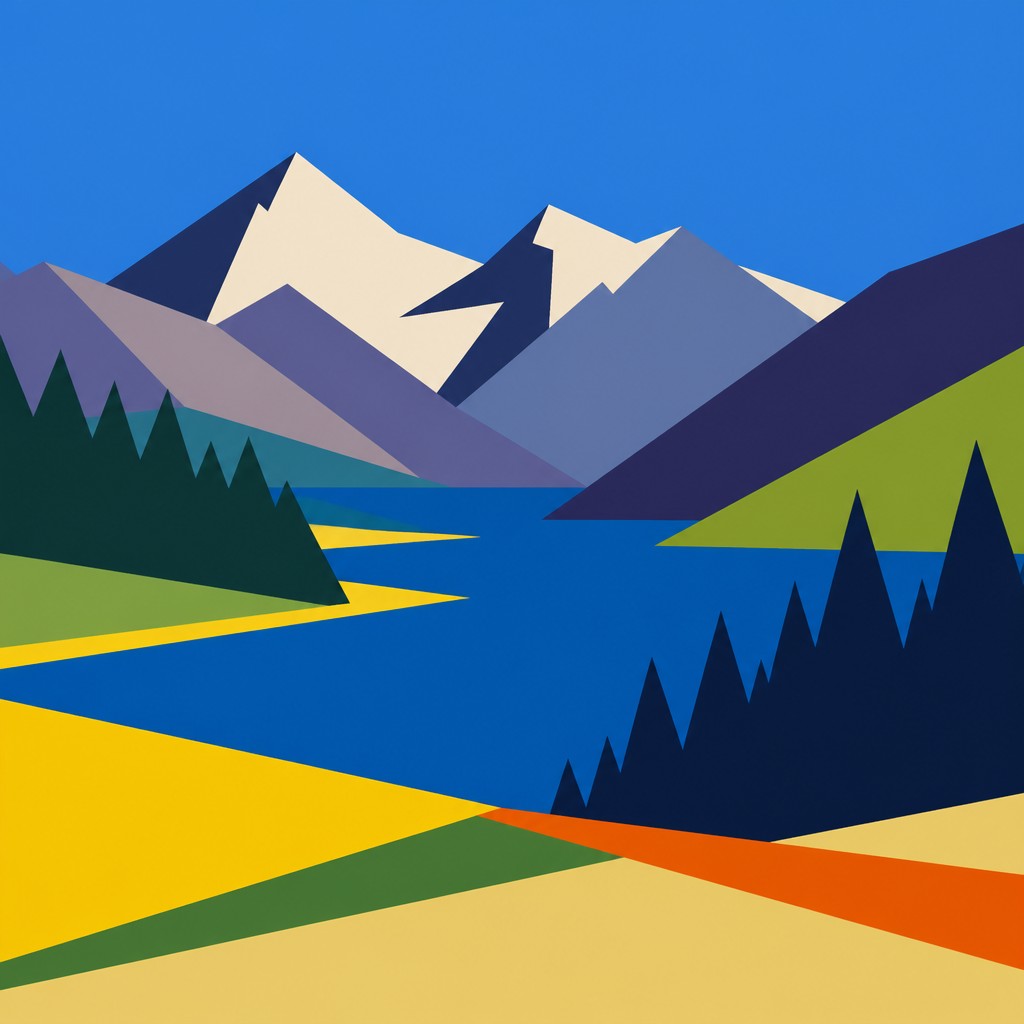
Mechanical visual clarity
The overall effect is clean, exact, and impersonal, as if produced with drafting tools or masking methods. Any irregularity tends to feel deliberate rather than expressive.
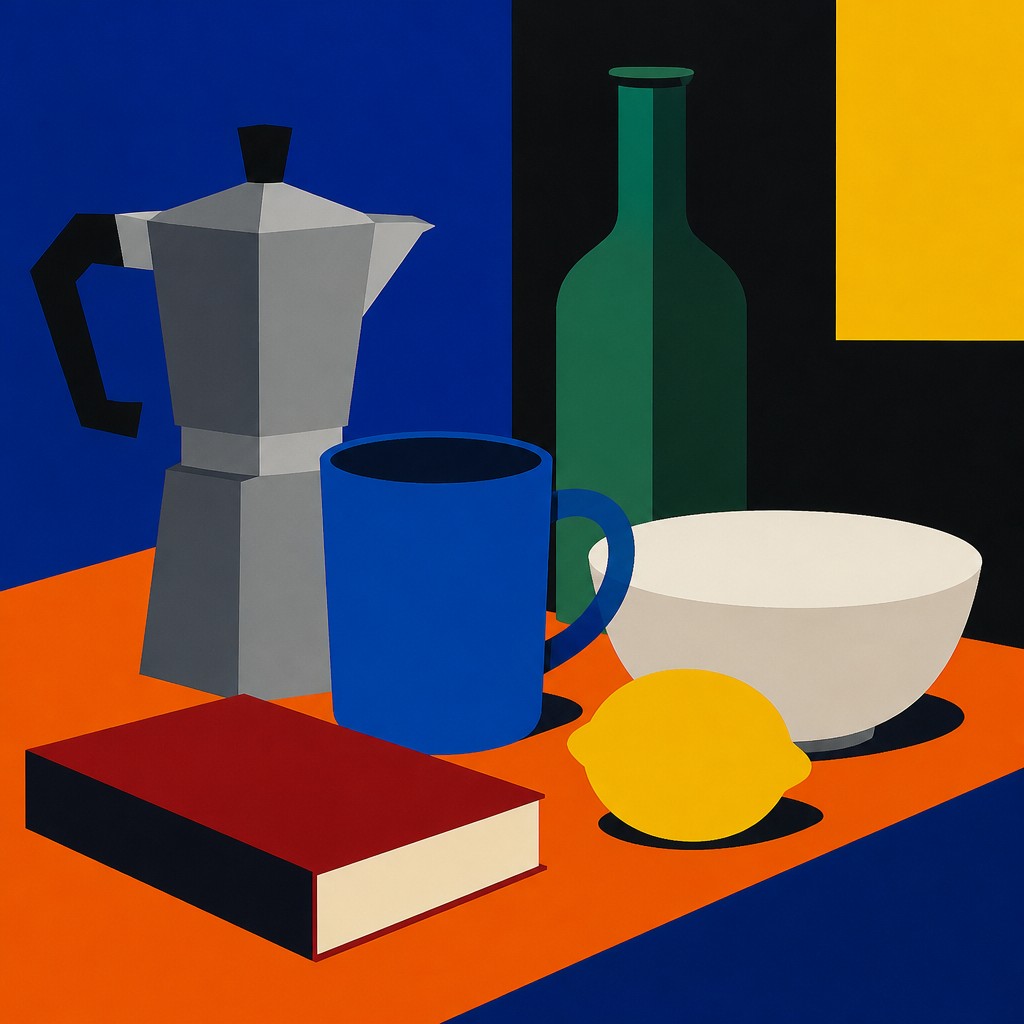
Shallow or ambiguous space
Depth is usually minimized or suppressed, so the image reads as a surface of interacting shapes. If spatial illusion appears, it is often created through edge placement and proportion rather than perspective.
Try It
Create Videos in Hard-edge Painting Style
Styles aren't just for stills — describe a scene or animate an image and get a short video rendered in Hard-edge Painting. Press play to see this pond come to life.
Make a VideoHard-edge Painting Prompt Ideas
Start from an idea — each one opens the generator with the style ready to go. See all 40 Hard-edge Painting prompts →
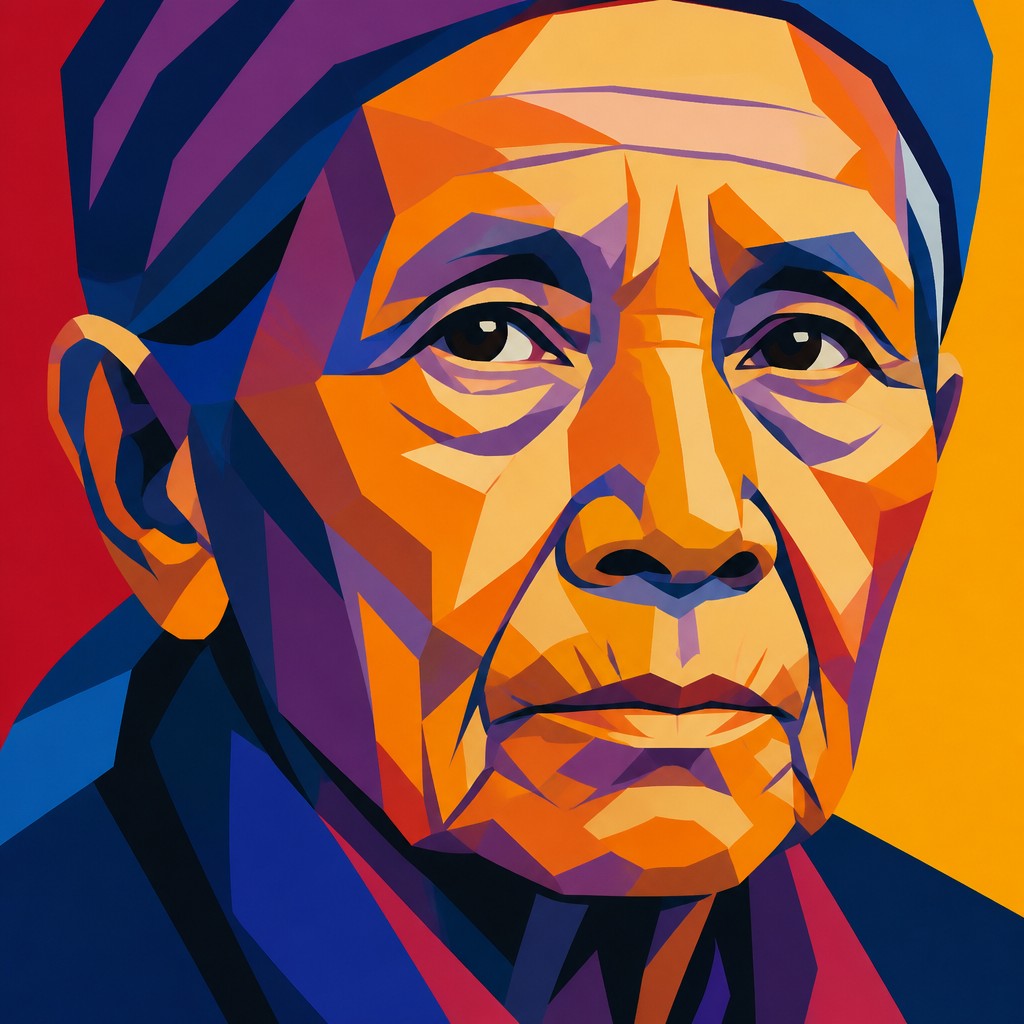
“close-up portrait of an elderly person with expressive weathered features”
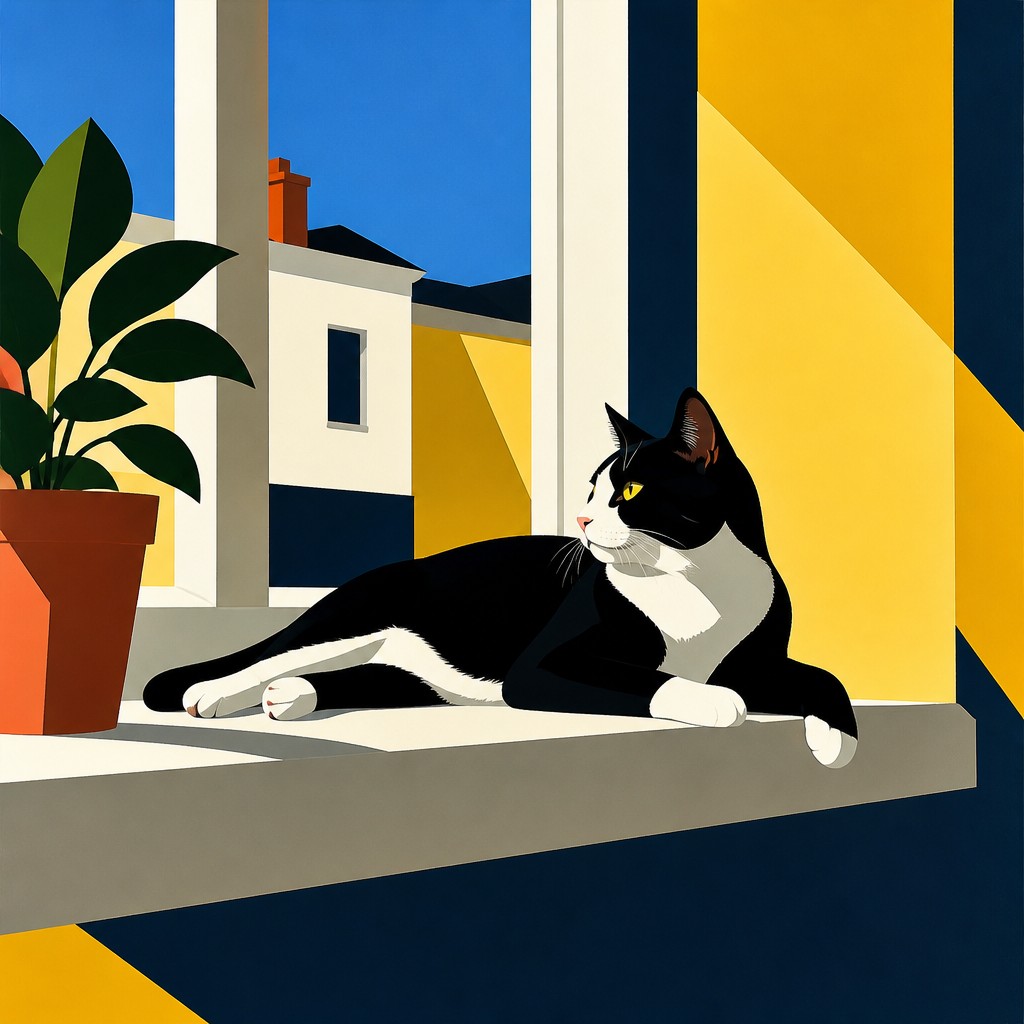
“a cat lounging in a sunlit window”
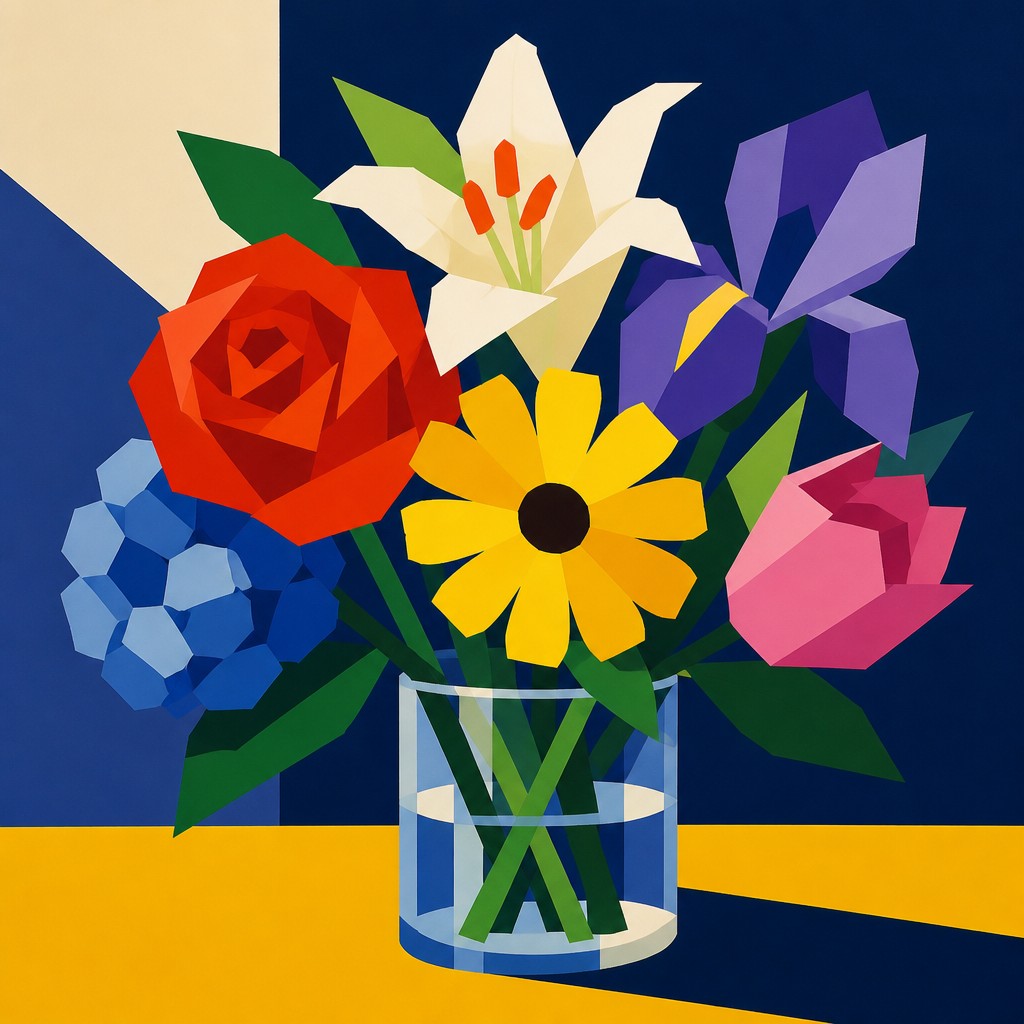
“bouquet of flowers in a glass vase”
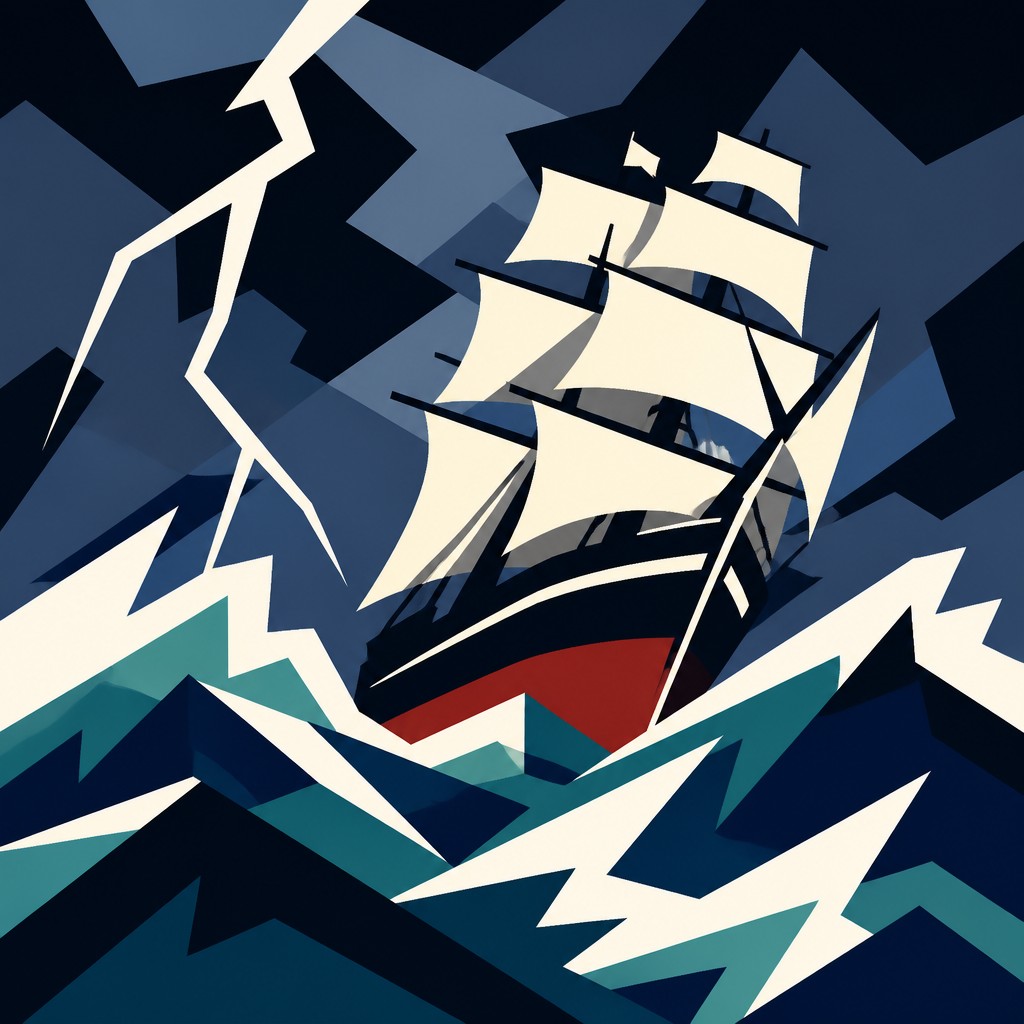
“sailing ship on a stormy sea”
How to Create Hard-edge Painting Art
Master the craft step by step — or skip straight to creating. Read the full guide →
- 1
Start with a reduced composition
Build the image from a small number of large shapes rather than many details. Sketch the layout as rectangles, arcs, wedges, or interlocking polygons so the final image depends on shape relationships.
- 2
Use masking or vector-like precision
In traditional painting, masking tape, stencils, rulers, and careful blocking-in help keep edges crisp. In digital work, use shape layers, clean selections, and hard-edged brushes with no opacity variation.
- 3
Keep color fields flat
Apply paint or fills evenly and avoid blending, glazing, grain, or texture. The effect should come from adjacency and contrast, not from brushstroke variation or shading.
- 4
Control edge hierarchy
Decide which boundaries should dominate and which should recede by adjusting contrast, scale, and placement. The most successful works often treat edges as active compositional elements rather than neutral separators.
- 5
For prompt-based generation, specify precision
Describe the subject, then clearly request flat color, razor-sharp boundaries, geometric simplification, and no gradients or texture. Emphasize matte surfaces, hard-edged forms, and clean mechanical intersections.
The Story
History & Origins of Hard-edge Painting
Hard-edge painting emerged in the United States in the 1950s and 1960s as part of the broader move away from gestural Abstract Expressionism. It was closely related to color field painting and geometric abstraction, but distinguished itself by emphasizing hard boundaries and sharply defined shapes rather than stain-like expanses or expressive brushwork. The term was popularized by a Los Angeles critic in connection with the 1959 exhibition "Four Abstract Classicists," which featured four prominent West Coast abstract painters associated with the style.
The style developed alongside advances in modern design, industrial production, and postwar visual culture, all of which encouraged clean surfaces and standardized precision. Artists associated with hard-edge tendencies include several major postwar geometric and color-focused painters, though their practices are not identical and often overlap with broader geometric abstraction. Hard-edge painting also influenced later minimalism, Op Art, and graphic-based contemporary abstraction.
Influences: Hard-edge painting grew out of geometric abstraction, Bauhaus design principles, Suprematism, Constructivism, and the disciplined color thinking of influential modern abstract painters and color theorists. It shares formal concerns with major postwar hard-edge and geometric painters, and with the broader hard-edged work of the 1950s and 1960s, while also anticipating aspects of Minimalism and Op Art. Its visual logic also overlaps with modern graphic design, where precision, flat color, and exact alignment are central.

Frequently Asked Questions
What defines hard-edge painting?
Its defining feature is the use of sharply delimited areas of flat color with no visible blending or brushwork. The style emphasizes precision, geometry, and clean surface relationships over expressive handling.
How is it different from Color Field painting?
Both styles use large areas of color, but Color Field painting often allows softer edges, staining, or atmospheric transitions. Hard-edge painting is stricter and more mechanical, with crisp outlines and clearly separated forms.
Is hard-edge painting the same as minimalism?
Not exactly. Hard-edge painting can be minimal in appearance, but it is primarily a painting style centered on geometric color relationships, while Minimalism is a broader movement that extends into sculpture, installation, and serial systems.
What tools or methods are best for making it?
Masking tape, rulers, stencils, and carefully planned shape blocks are useful in traditional media. In digital art, use vector shapes, hard-edged selections, and flat fills to keep the edges precise and the surfaces uniform.
Where is this style commonly used?
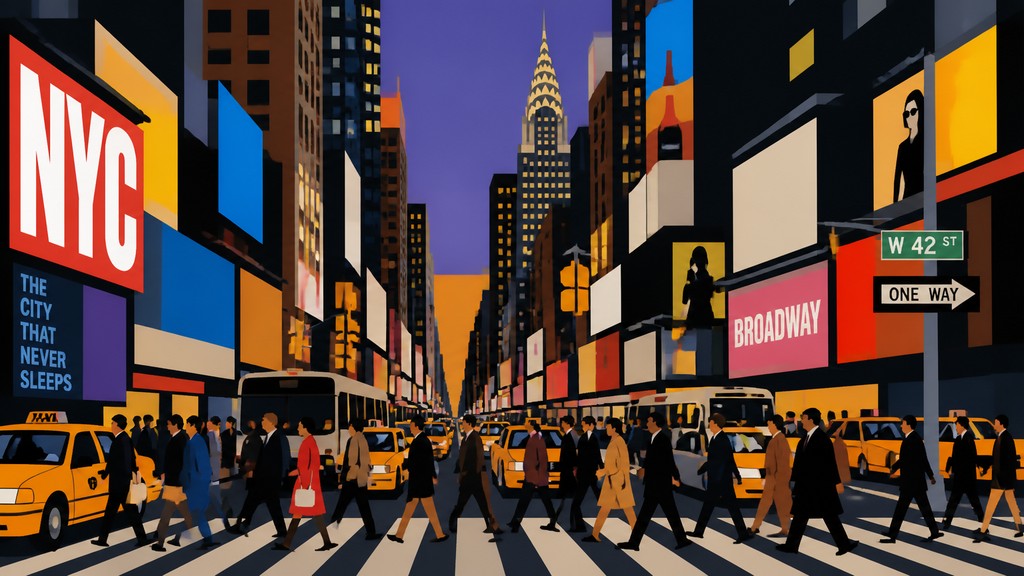
It appears in gallery abstraction, editorial graphics, poster design, album art, architecture-related visuals, and contemporary digital illustration. Its clean geometry also makes it useful for logos and other identity-driven visual systems.
What should I avoid if I want this look?
Avoid gradients, painterly texture, soft-focus effects, and visible brush marks. Even small amounts of blending can weaken the crisp, controlled character that defines the style.
Create your first Hard-edge Painting artwork
Describe anything — or upload a photo — and see it in Hard-edge Painting Style in seconds.
Make Something with Hard-edge Painting
Related Styles
Discover similar art styles