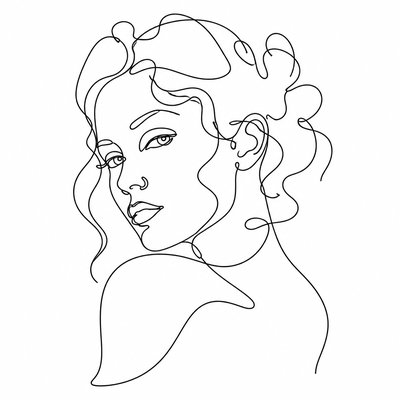
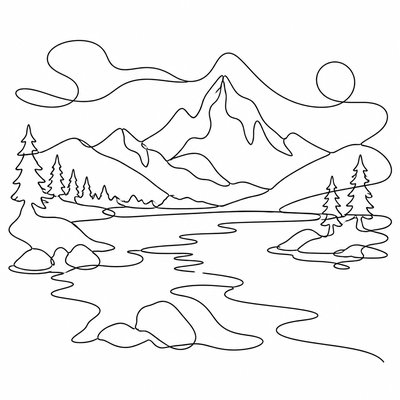
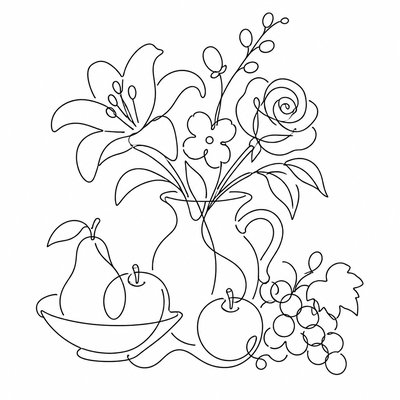
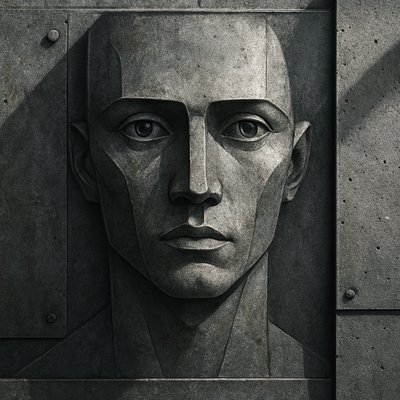
Zen Circle Minimalism Art Style
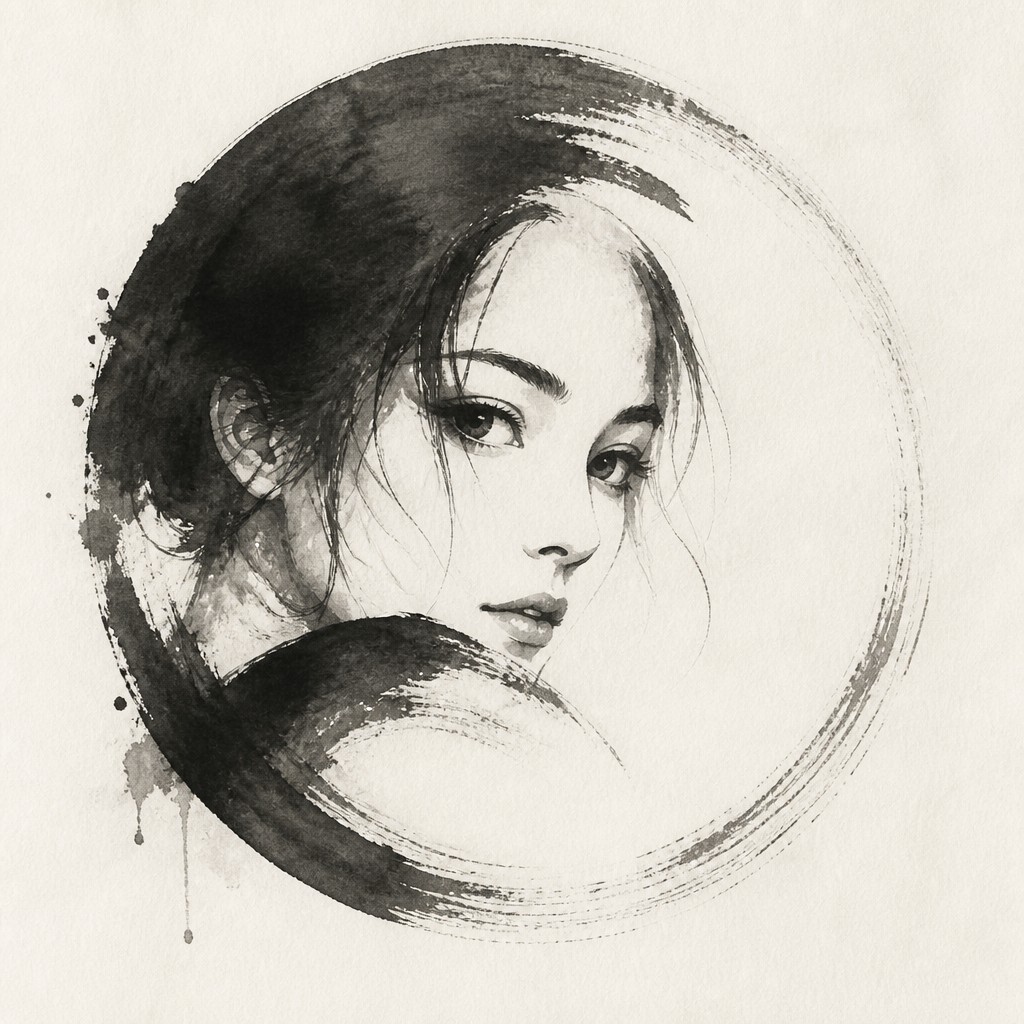
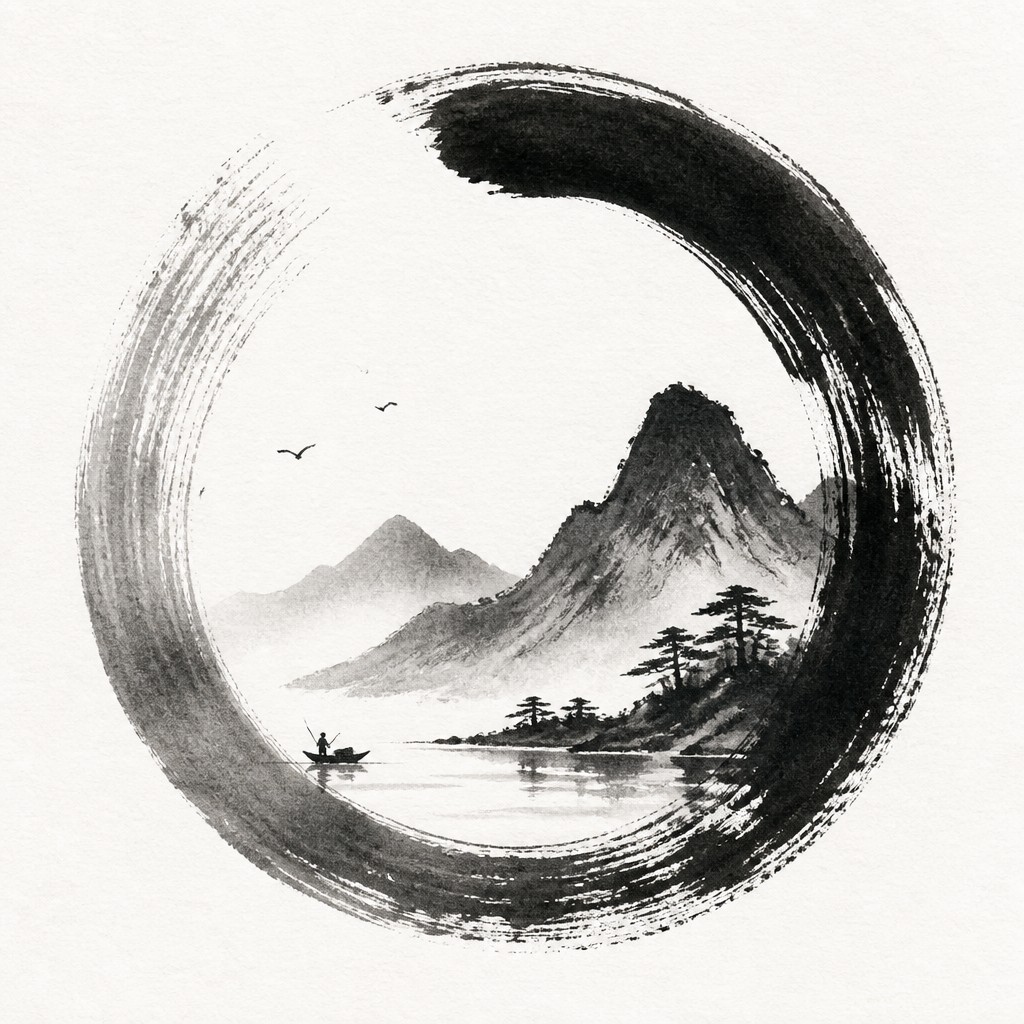
Minimal Zen ensō circle art with ink, white space, dry brush texture, and meditative asymmetry inspired by Japanese calligraphy.
Instantly rendered in Zen Circle Minimalism — or transform a photo
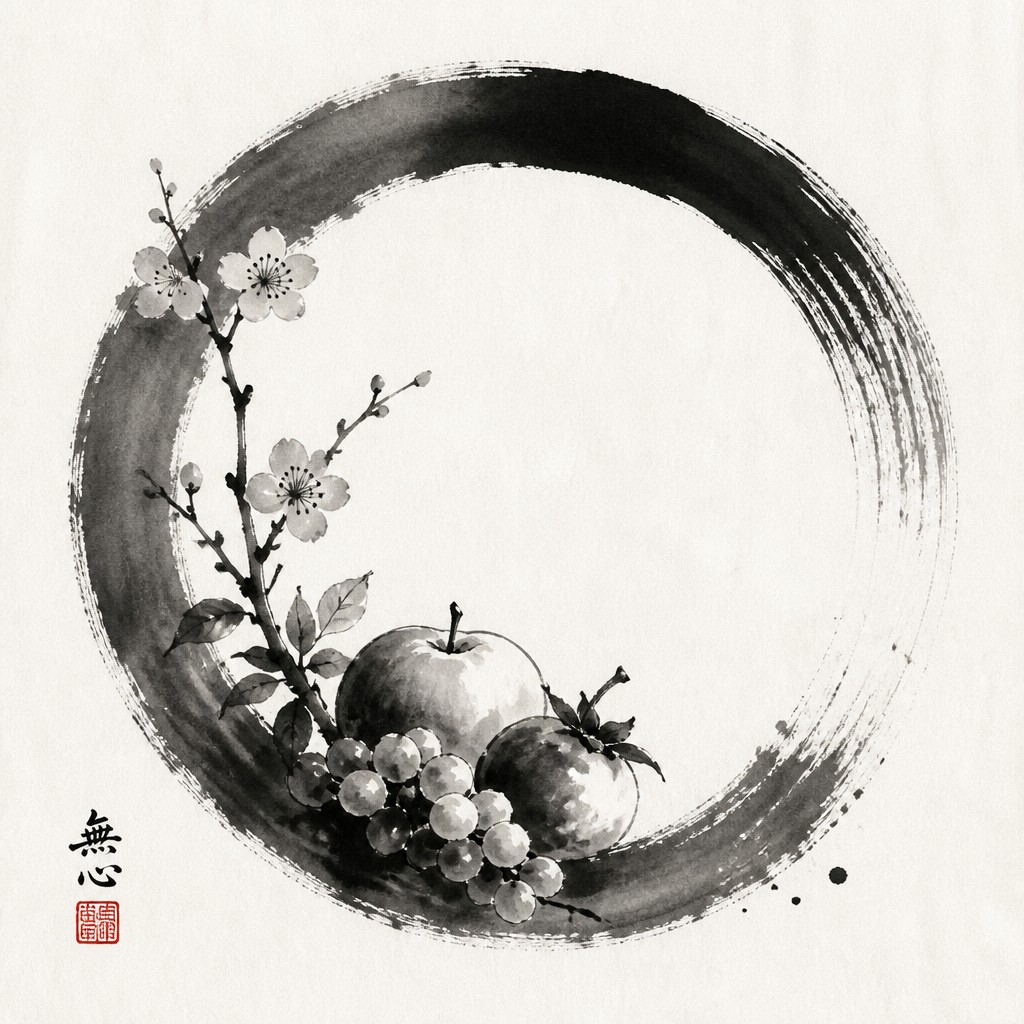
Zen Circle Minimalism Gallery
Tap any artwork to explore it
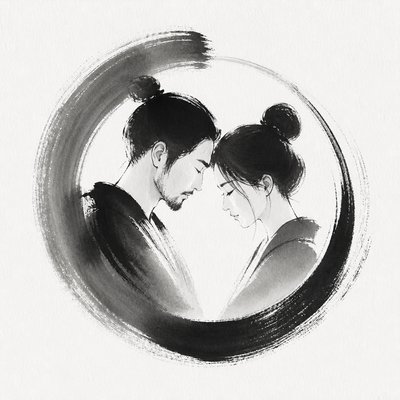
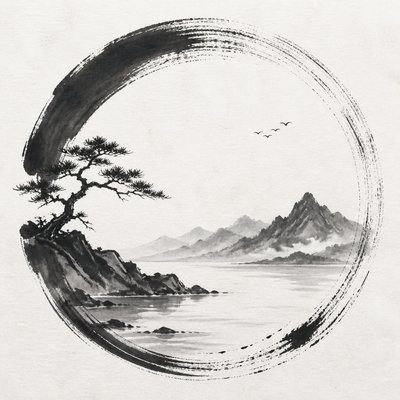
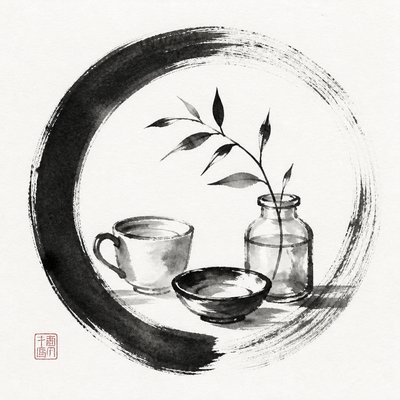
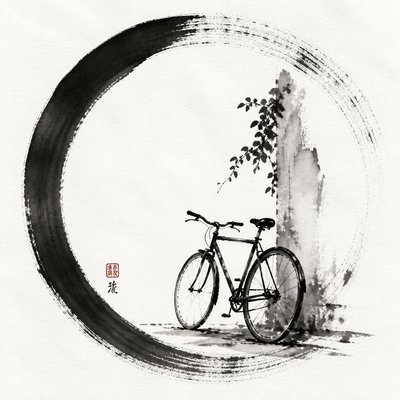
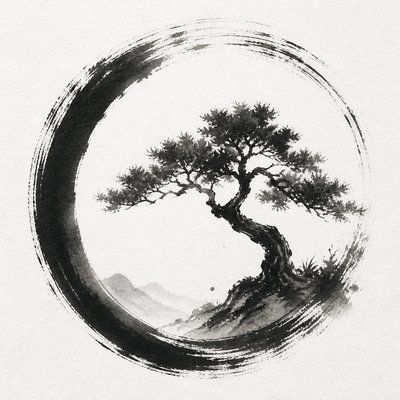
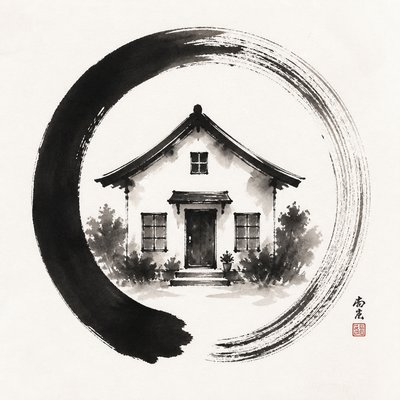
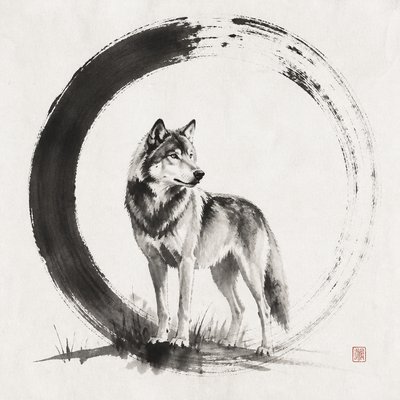
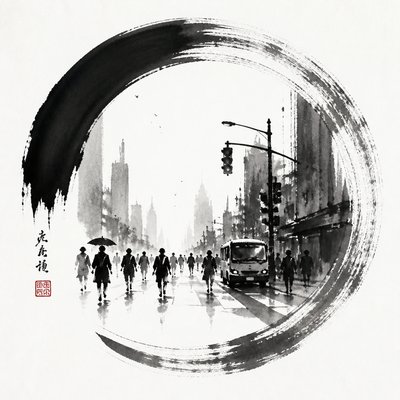
What is Zen Circle Minimalism Art Style?
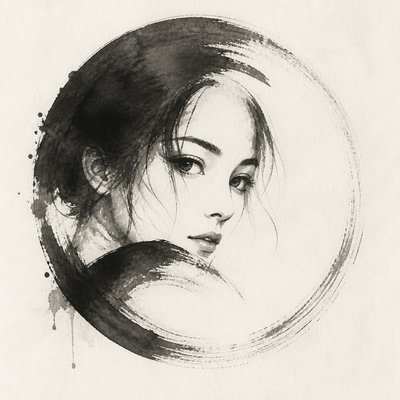
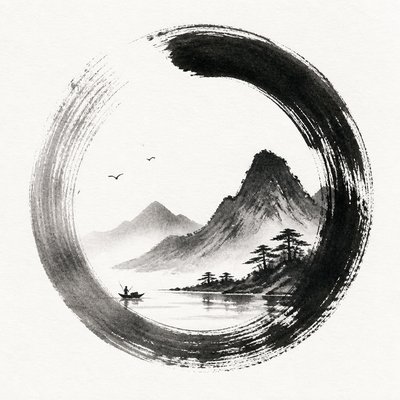
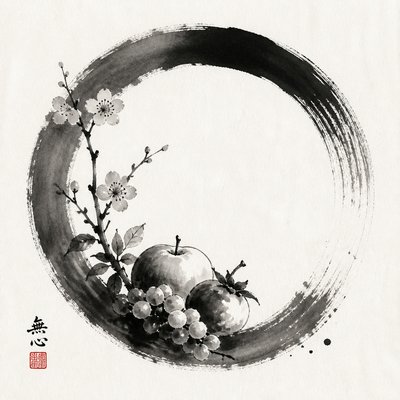
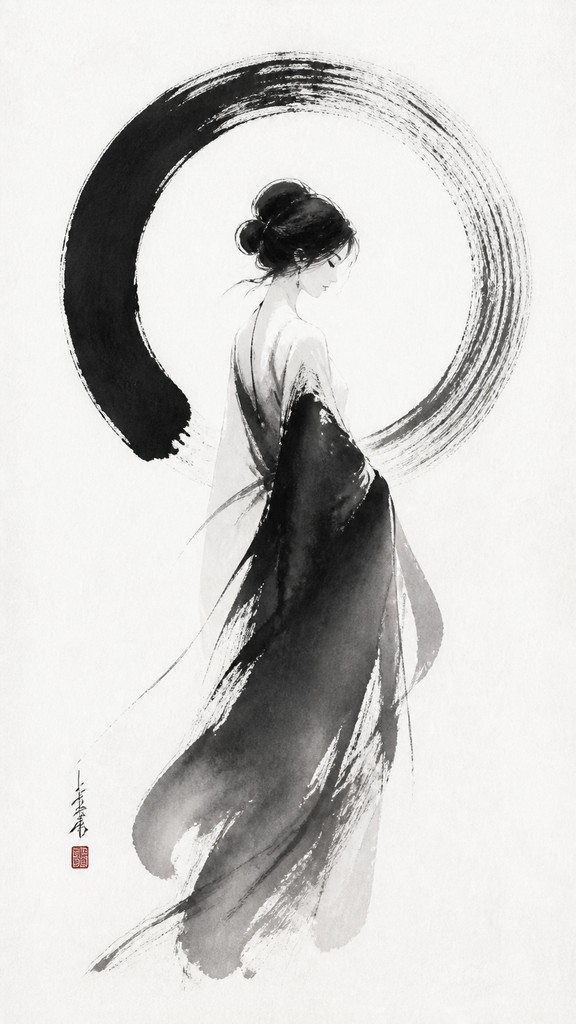
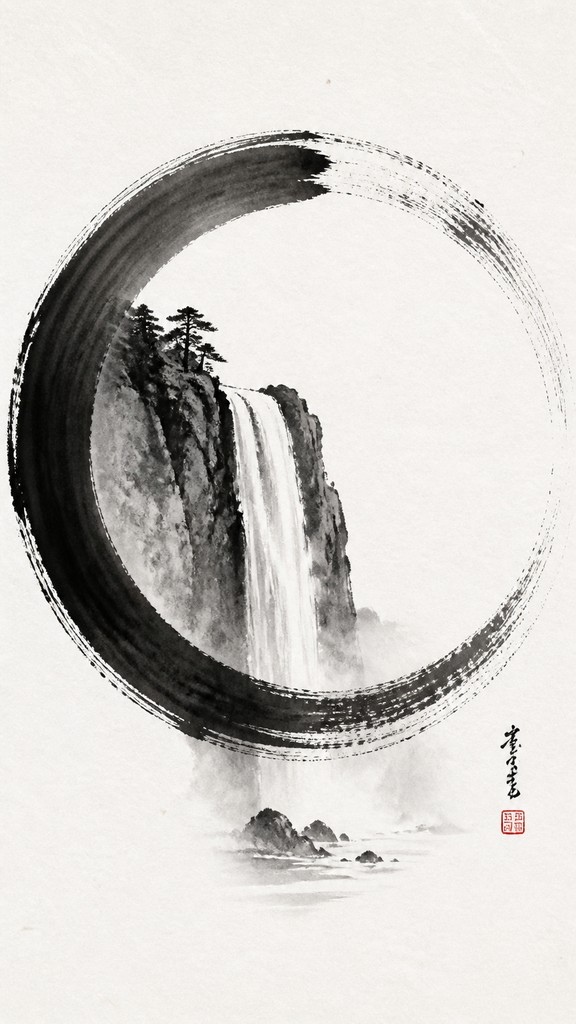
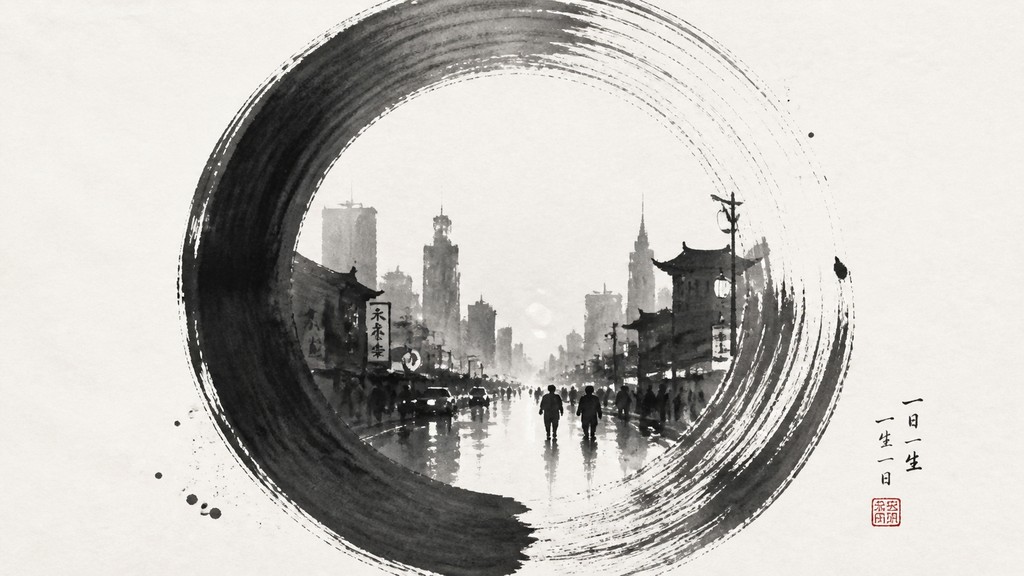
Zen Circle Minimalism Art Style is a highly reduced visual approach built around the ensō, the hand-drawn circle long associated with Zen practice and Japanese calligraphy. Its central idea is that imperfection, incompleteness, and restraint can communicate presence more powerfully than detail. The style typically uses a single gestural mark or a few related marks, placed within expansive blank space so that the empty field becomes part of the image rather than a background.
Visually, the style depends on contrast: black ink against white paper, or a very limited monochrome palette with soft grey washes. The circle is rarely mechanically perfect. Instead, it carries visible brush pressure, dry-brush edges, ink bleed, and slight irregularities that reveal the movement of the hand. The result is calm but not sterile, balanced but not symmetrical, and minimal without feeling cold.
Try It On Your Photos
Upload any photo and convert it into Zen Circle Minimalism Art Style — drag the sliders to compare before and after.
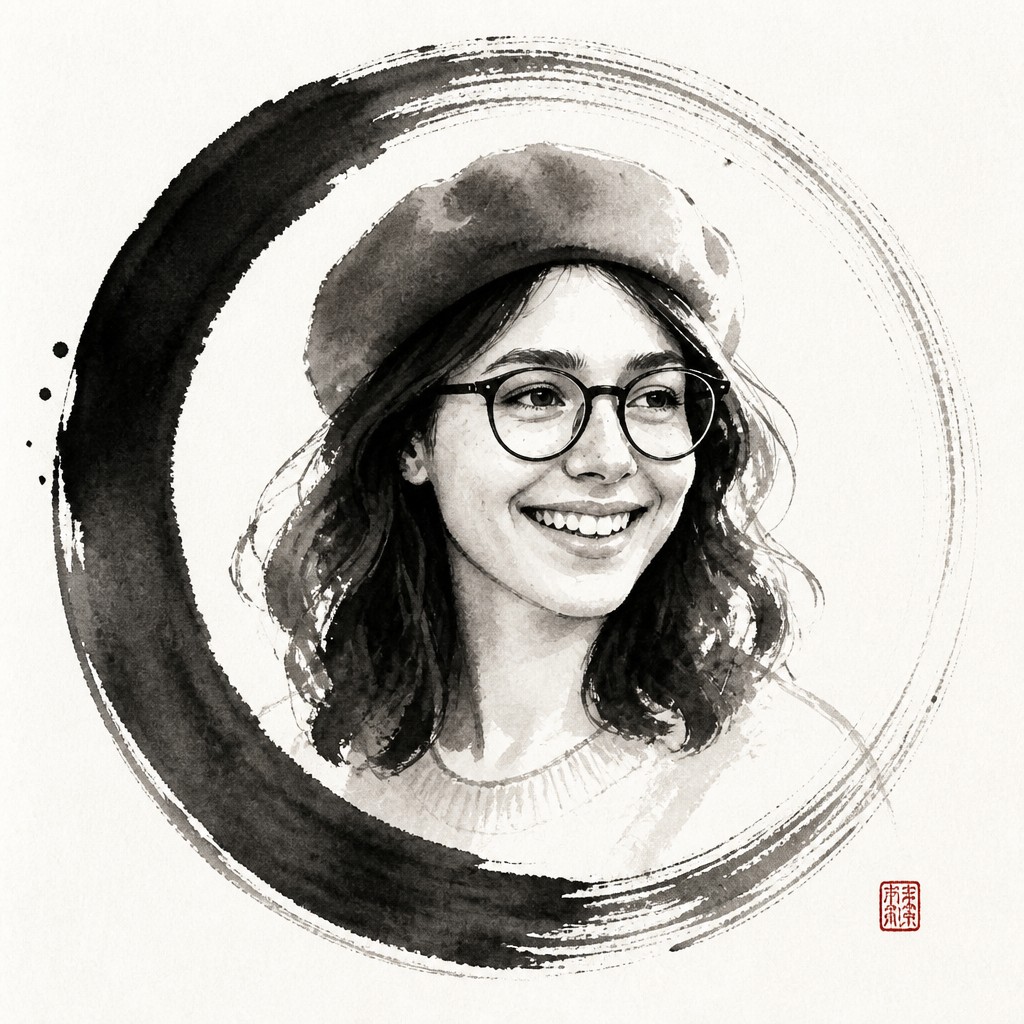

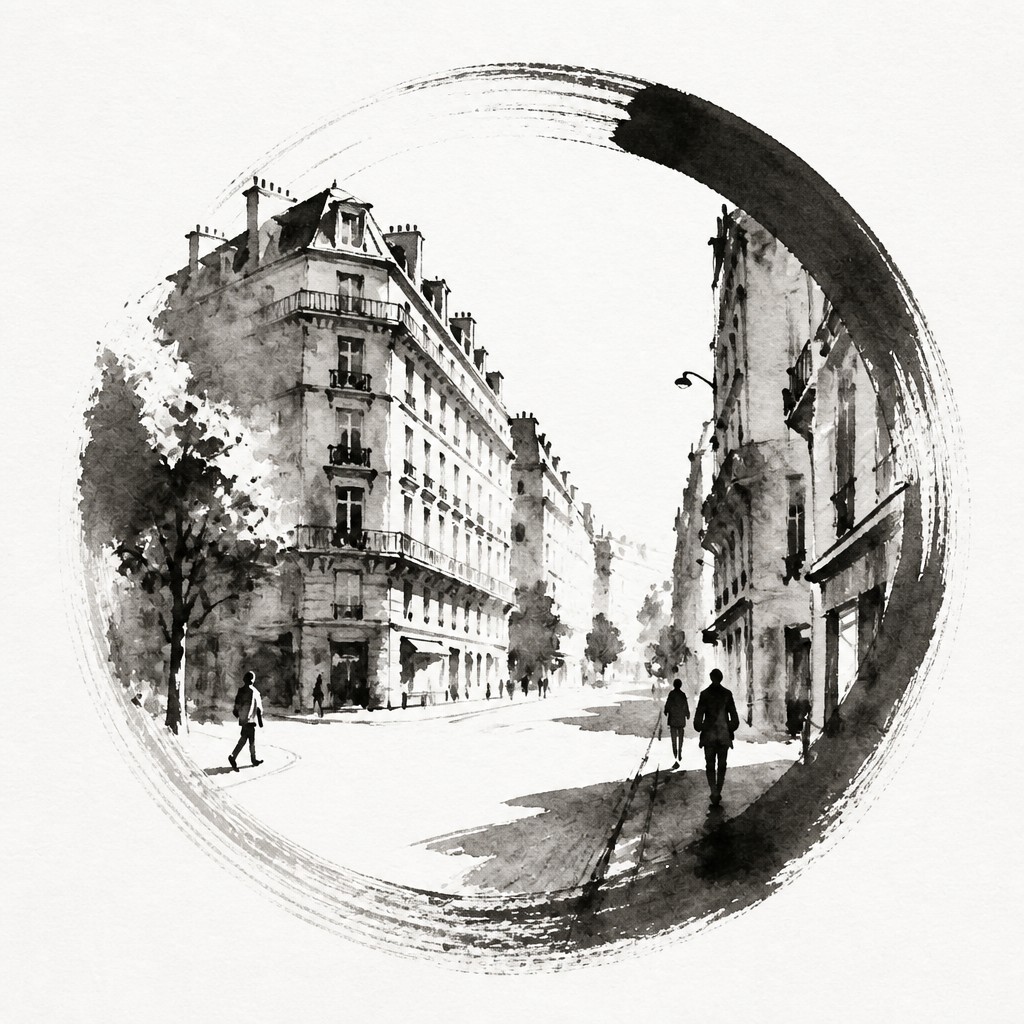

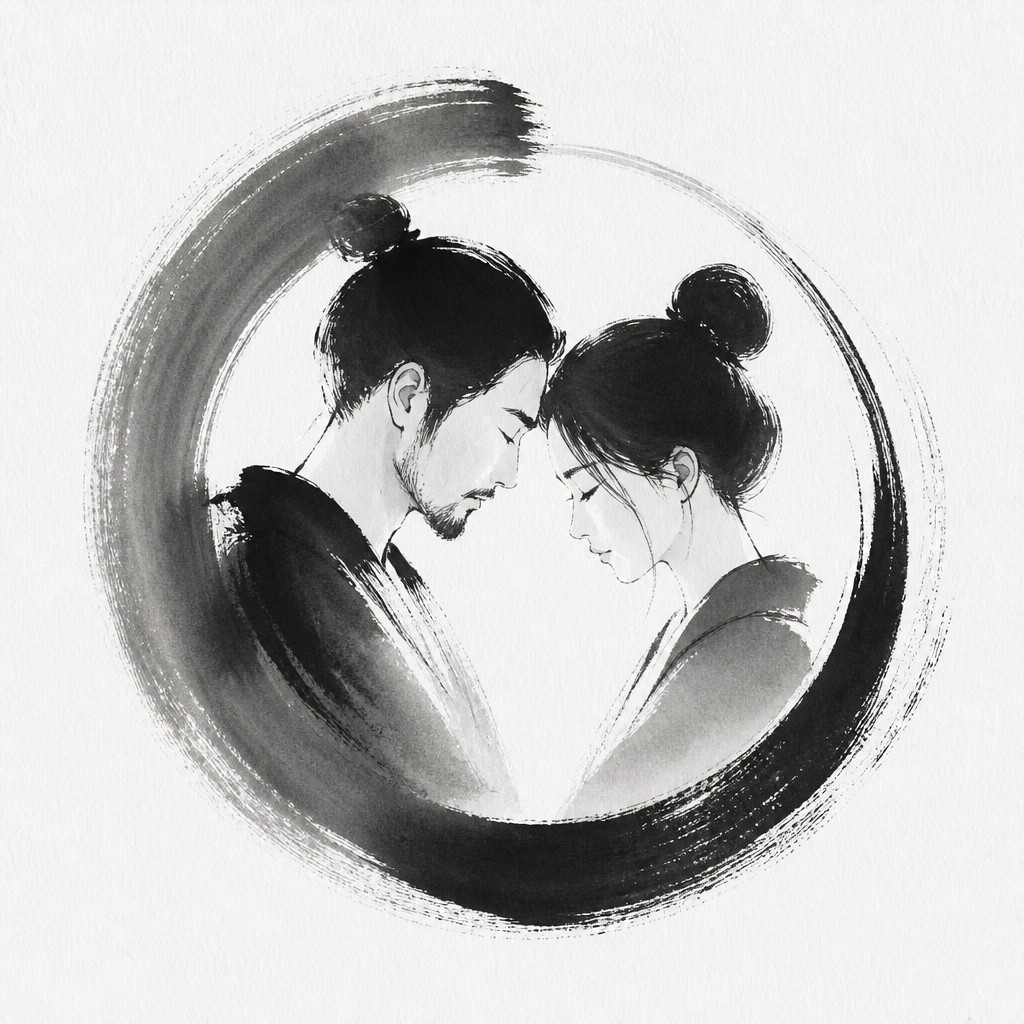
What Defines Zen Circle Minimalism Art Style
The signature details, up close
Ensō-like circular gesture
The circle is the defining motif, usually drawn in one fluid motion or made to look that way. It may be closed, open, uneven, or slightly broken, but it always suggests wholeness through imperfection.
Extreme negative space
Large areas of untouched white or pale space frame the mark and intensify its presence. The emptiness is intentional and structural, not accidental.
Monochrome ink palette
The style usually relies on black ink, charcoal, and diluted greys. Color is rare and, when used, is generally subdued and secondary to the brush form.
Visible brush materiality
Dry-brush streaks, feathered edges, and ink pooling show the physical contact between brush and paper. These marks help the image feel immediate, handmade, and meditative.
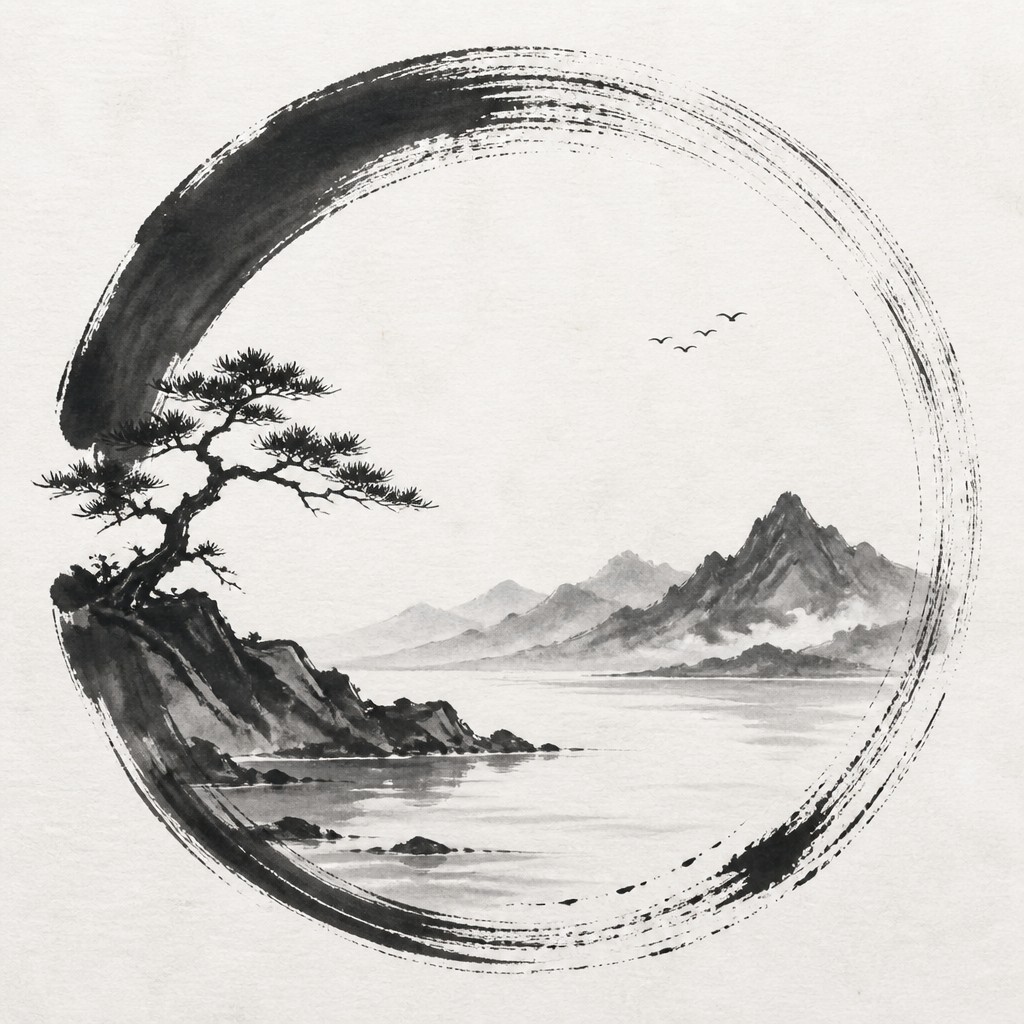
Asymmetrical balance
Composition is arranged through weight and spacing rather than symmetry. A single mark may sit off-center or lean within the frame to create quiet tension and harmony.
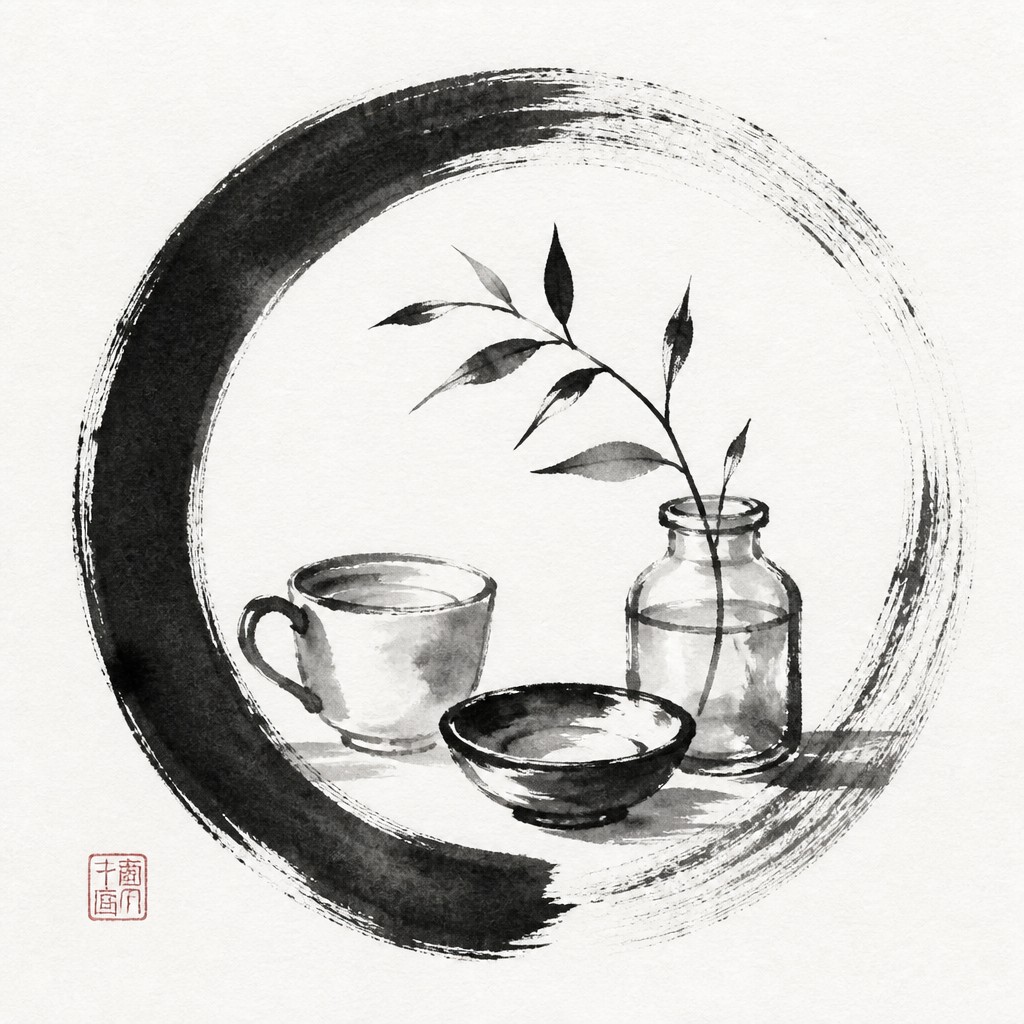
Contemplative restraint
There is little or no narrative detail, decoration, or background context. The emotional effect comes from reduced form, stillness, and the discipline of omission.
Try It
Create Videos in Zen Circle Minimalism Art Style
Styles aren't just for stills — describe a scene or animate an image and get a short video rendered in Zen Circle Minimalism. Press play to see this pond come to life.
Make a VideoZen Circle Minimalism Prompt Ideas
Start from an idea — each one opens the generator with the style ready to go. See all 40 Zen Circle Minimalism prompts →
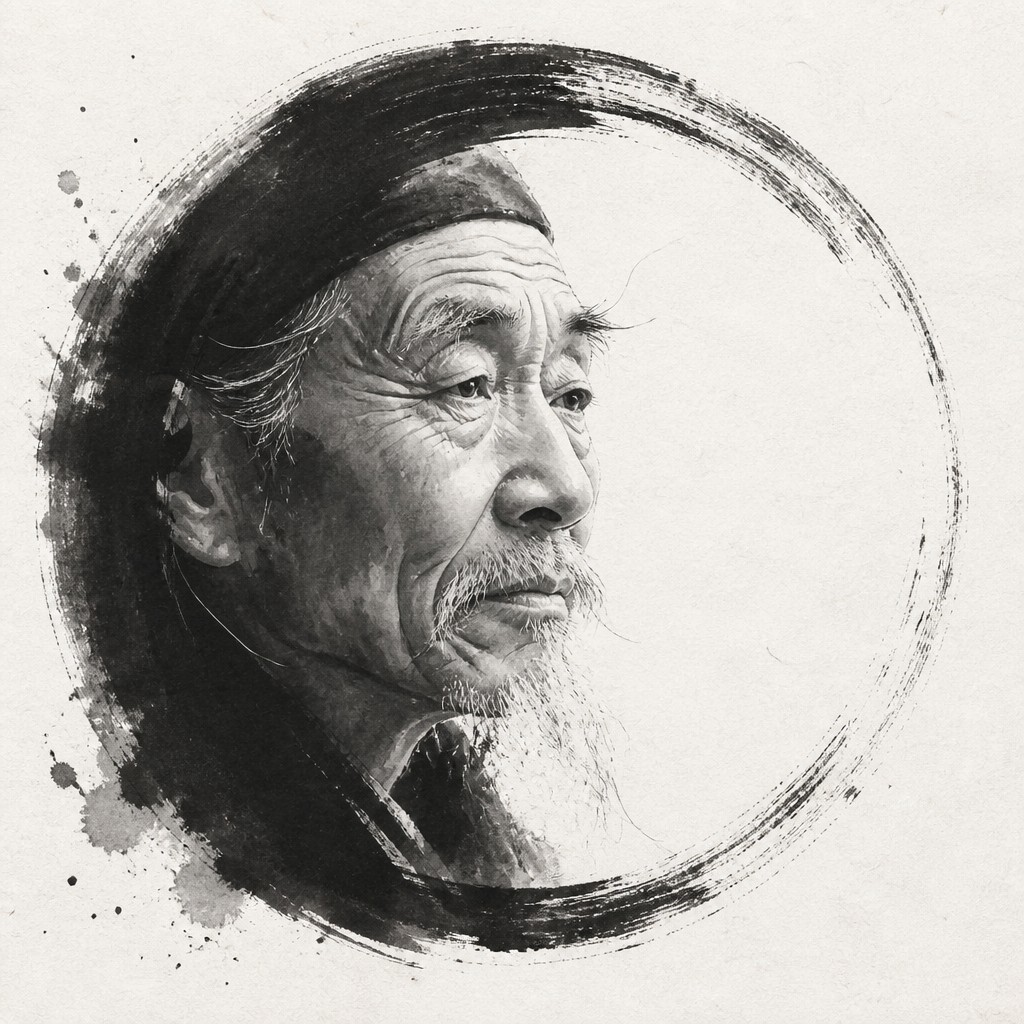
“close-up portrait of an elderly person with expressive weathered features”
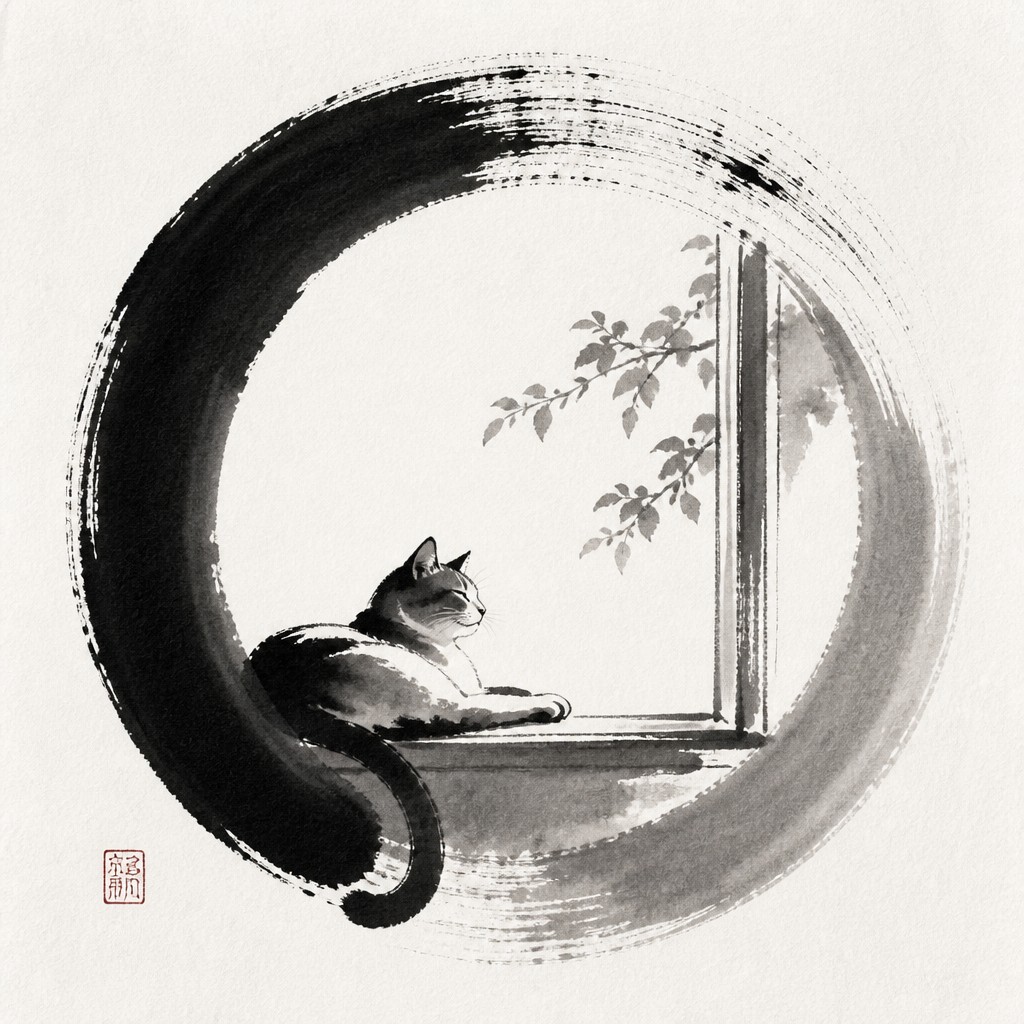
“a cat lounging in a sunlit window”
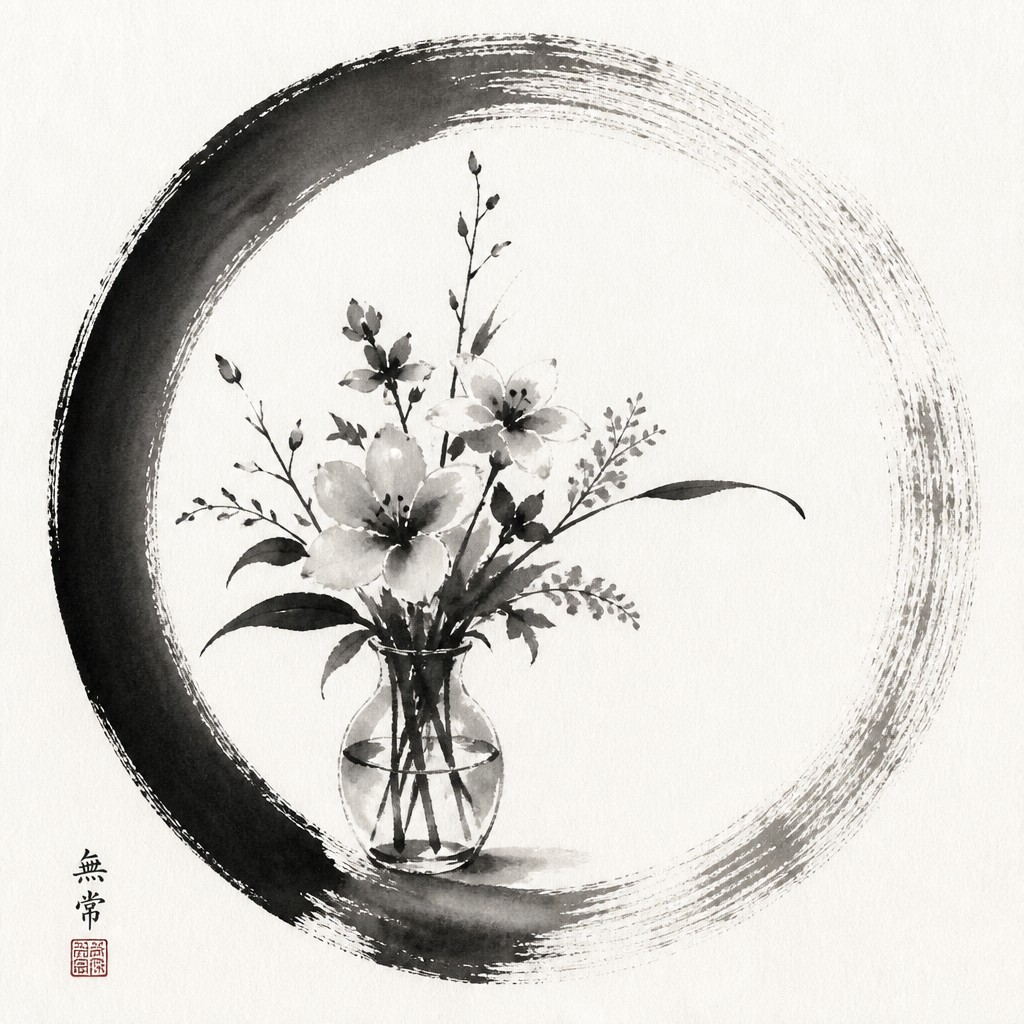
“bouquet of flowers in a glass vase”
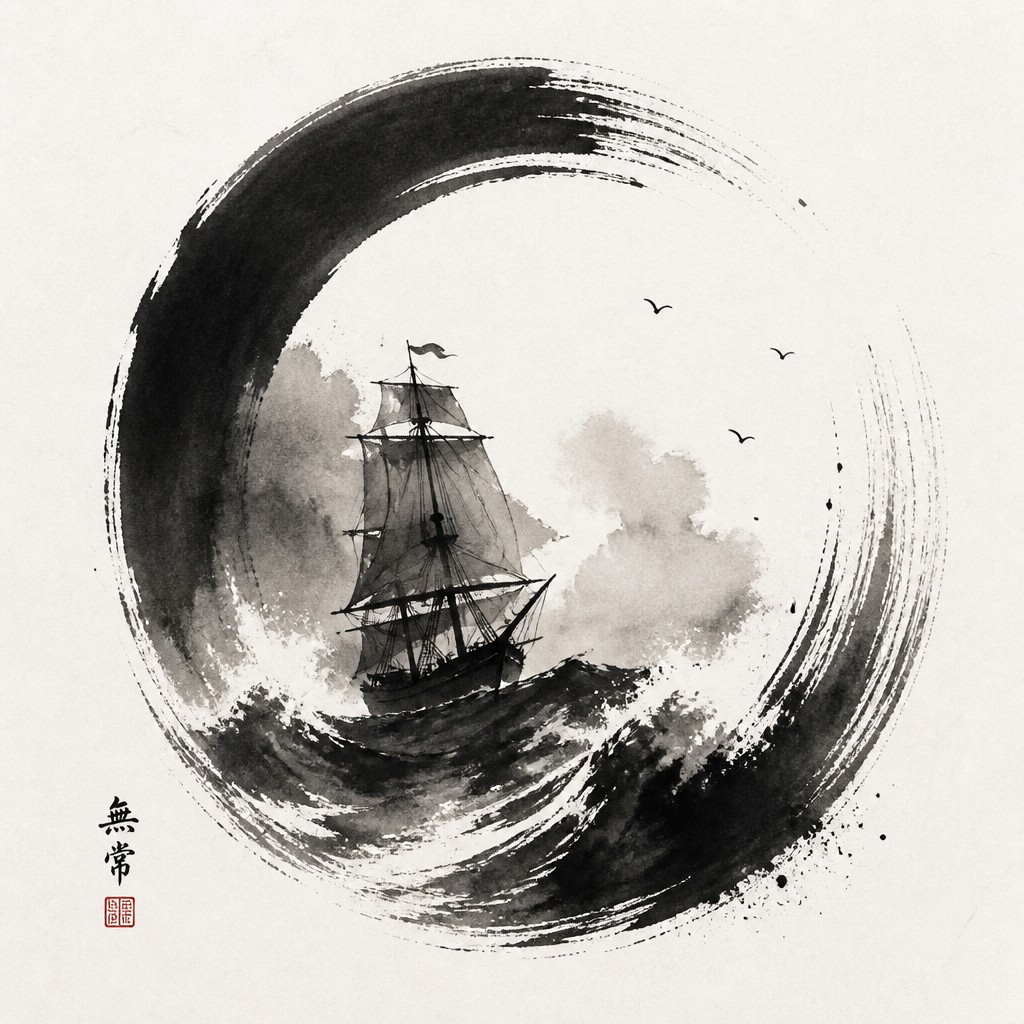
“sailing ship on a stormy sea”
How to Create Zen Circle Minimalism Art
Master the craft step by step — or skip straight to creating. Read the full guide →
- 1
Use a single decisive gesture
For traditional work, load a brush with enough ink to make one continuous stroke and commit to the motion without overworking it. The energy of the line should feel immediate, as if drawn in one breath.
- 2
Respect the emptiness
Compose the image so that blank space has the same importance as the inked form. Avoid filling the frame; leave large areas open to create calm and visual breathing room.
- 3
Choose absorbent surfaces and simple tools
Rice paper, watercolor paper, sumi ink, charcoal, or a soft brush all support the texture this style depends on. Let the medium bleed, break, or fade naturally instead of polishing away irregularities.
- 4
Reduce the palette and forms
Keep colors monochrome or nearly monochrome, and limit the image to one dominant shape or a very small set of marks. If you need texture, use value shifts and ink wash rather than added detail.
- 5
Translate the gesture carefully in digital work
In digital painting, use textured brush presets, pressure variation, and subtle edge erosion to simulate ink on paper. Preserve unevenness and avoid overly smooth vector-like curves.
- 6
Prompt for gesture, space, and medium
When generating images, specify terms such as ink-wash, enso circle, dry-brush texture, rice-paper grain, monochrome, and expansive negative space. Ask for asymmetry and imperfect completeness rather than a perfect geometric circle.
The Story
History & Origins of Zen Circle Minimalism
Zen Circle Minimalism does not refer to a single historical school with a fixed founding date. It is an invented contemporary style that draws from several established traditions: Japanese Zen aesthetics, ensō calligraphy, sumi-e ink painting, and modern minimalist art. The ensō has long served as a meditative form in Zen practice, where the act of drawing the circle can be as important as the finished mark.
Its visual language also reflects broader twentieth-century minimalism, which emphasized reduction, emptiness, and the perception of form through limited means. In modern digital and editorial contexts, this lineage has been reinterpreted into a clean, contemplative image style that preserves the expressive energy of brushwork while using the compositional clarity of graphic design and abstract art.
Influences: This style draws most directly from Japanese Zen calligraphy, ensō practice, and sumi-e ink painting, where spontaneity and disciplined control coexist. It also overlaps with the aesthetics of wabi-sabi, which values impermanence and irregularity, and with modern minimalism and abstract art, where leading midcentury reductive painters and quiet formal abstractionists explored reduction, silence, structure, and the expressive force of limited means. In contemporary visual culture, it is also related to editorial ink illustration and contemplative graphic design.
Frequently Asked Questions
What defines Zen Circle Minimalism Art Style?
It is defined by a sparse composition centered on one or a few hand-drawn circular or gestural ink forms, usually surrounded by abundant negative space. The style emphasizes imperfection, brush texture, and meditative restraint rather than polished precision. Its emotional tone is calm, reflective, and quietly expressive.
Is this the same as Japanese calligraphy or sumi-e?
It is related, but not identical. Zen Circle Minimalism borrows from Japanese calligraphy and sumi-e, especially their use of brushwork, ink, and empty space, but it narrows the visual vocabulary to a particularly reduced, circle-centered aesthetic. In other words, it is a contemporary minimalist interpretation of those traditions.
Why does the circle often look imperfect?
The imperfect circle is intentional and important to the style. In ensō practice, irregularity suggests human presence, spontaneity, and the acceptance of incompletion. A mechanically perfect circle would lose much of the contemplative character that defines the style.
How is this different from general minimalist art?
General minimalist art can use many materials, shapes, and conceptual approaches, while Zen Circle Minimalism is more specific in its reliance on ink, brush gesture, and the ensō tradition. It is less about industrial precision and more about meditative mark-making. The empty space is not just formal restraint; it carries philosophical weight.
How can I make my own image in this style?
Use a limited monochrome palette, choose a textured paper or paper-like surface, and build the composition around one central gesture. Avoid adding extra objects, backgrounds, or decorative detail. In digital or prompt-based creation, ask for ink-wash brushwork, dry-brush texture, subtle bleed, and expansive white space.
Where is this style commonly used?
It appears often in wellness branding, spiritual or contemplative design, album artwork, book covers, tattoo references, and abstract wall art. It is also popular for modern interiors because it reads as calm, uncluttered, and symbolic without becoming visually busy.
Create your first Zen Circle Minimalism artwork
Describe anything — or upload a photo — and see it in Zen Circle Minimalism Art Style in seconds.
Make Something with Zen Circle Minimalism
Related Styles
Discover similar art styles