Abstract vs Minimalism: What's the Difference?
Abstract art and minimalism both move away from realistic depiction, but they do so for different reasons. Abstract art uses color, shape, line, texture, and gesture to express emotion, movement, or ideas without showing recognizable objects. Minimalism, by contrast, strips visual information down to simple geometric forms, limited color, and open space, aiming for clarity, restraint, and visual calm.
People compare these styles because both rely on simplification and can feel non-representational at first glance. However, abstract art often emphasizes expression and ambiguity, while minimalism emphasizes reduction and precision. Looking at them side by side helps reveal how artists can use fewer literal details either to convey intense feeling or to create an orderly, pared-down visual experience.
Same Prompt, Both Styles
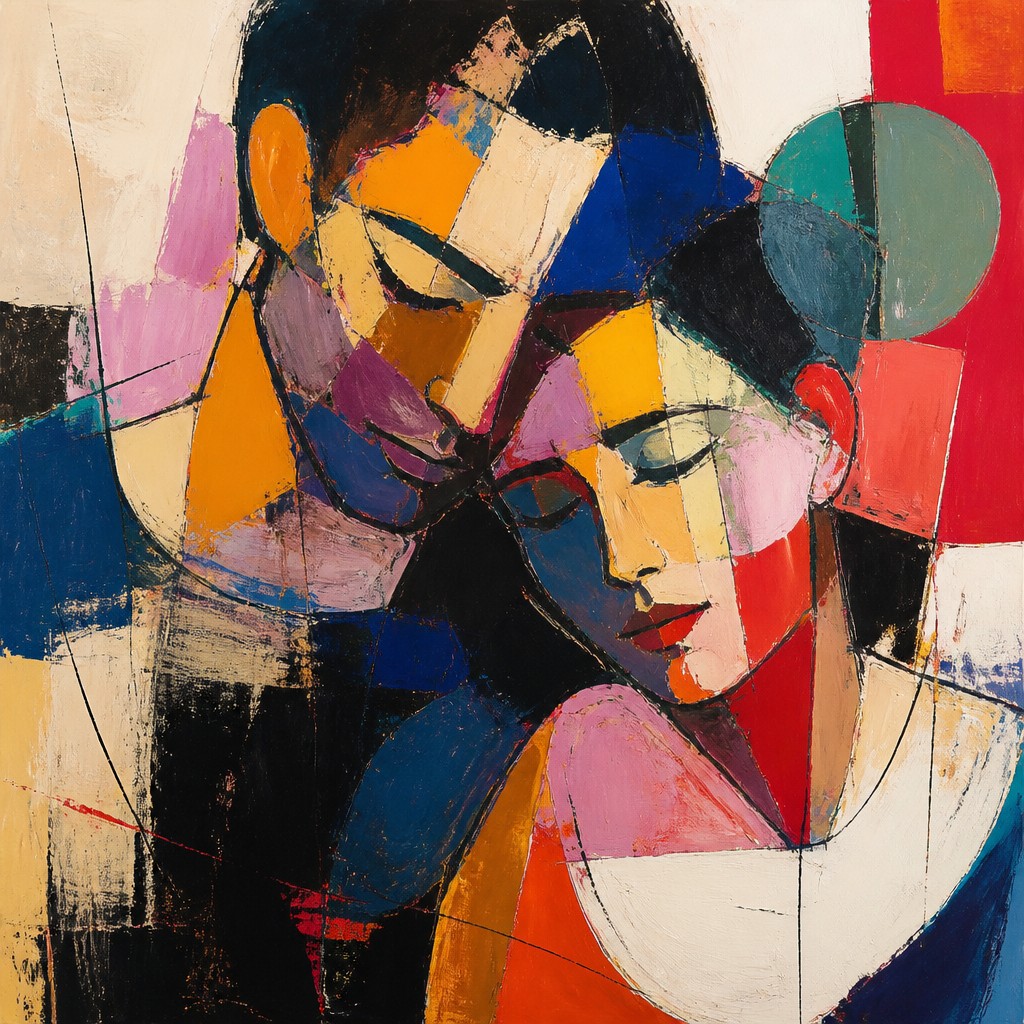
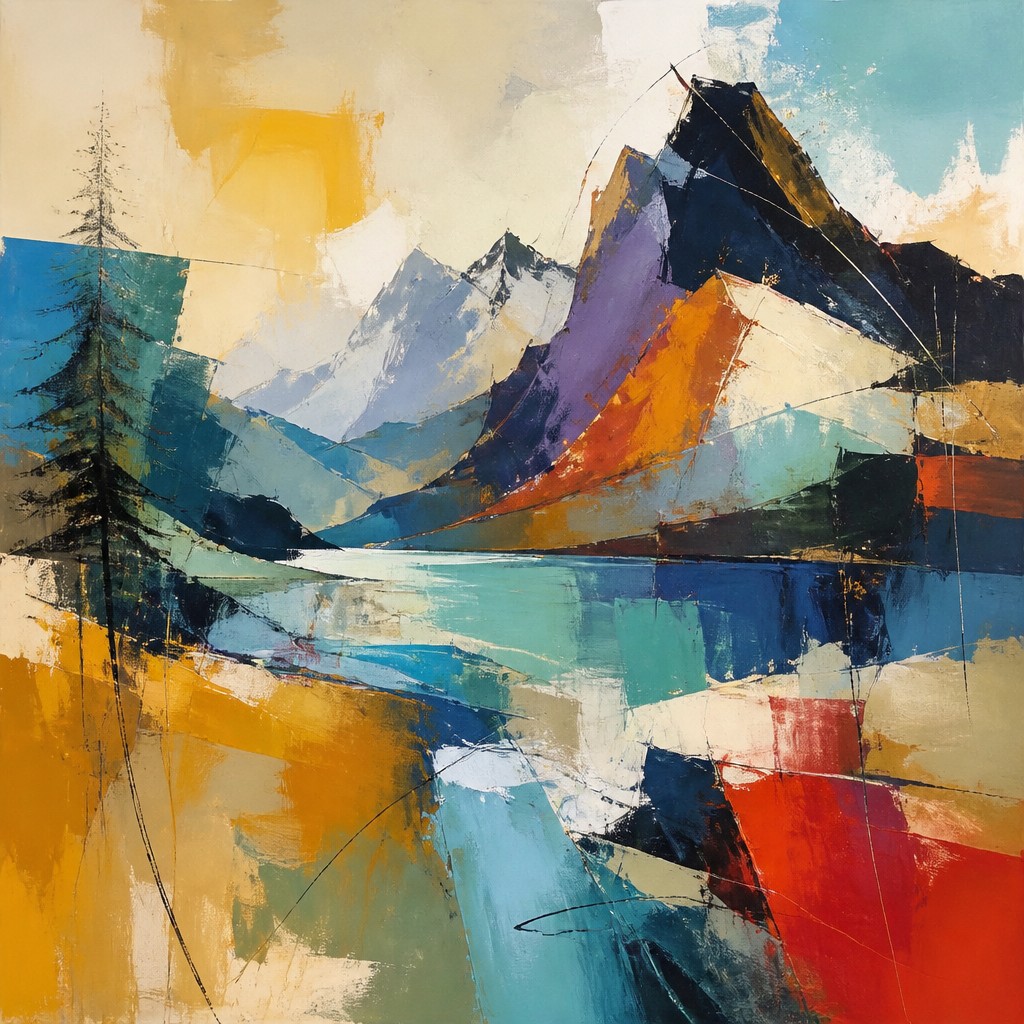
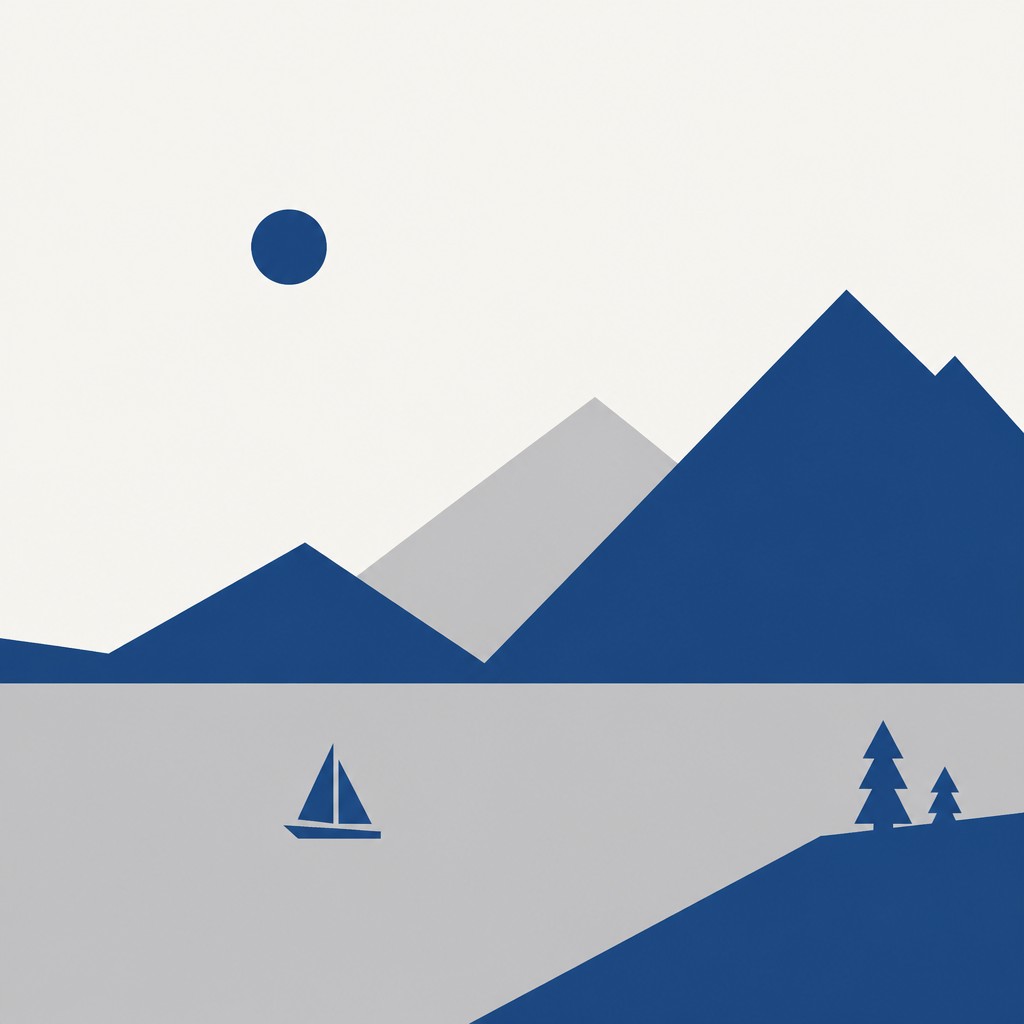
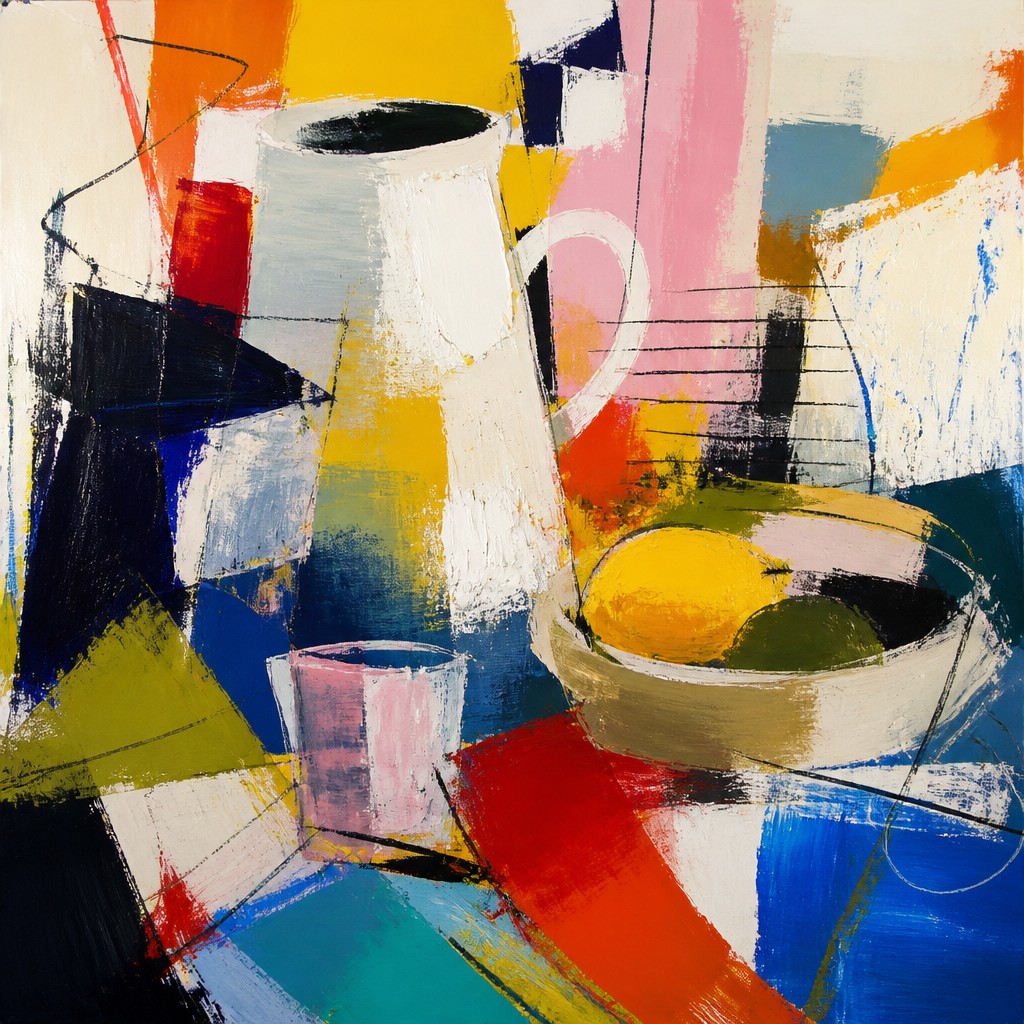
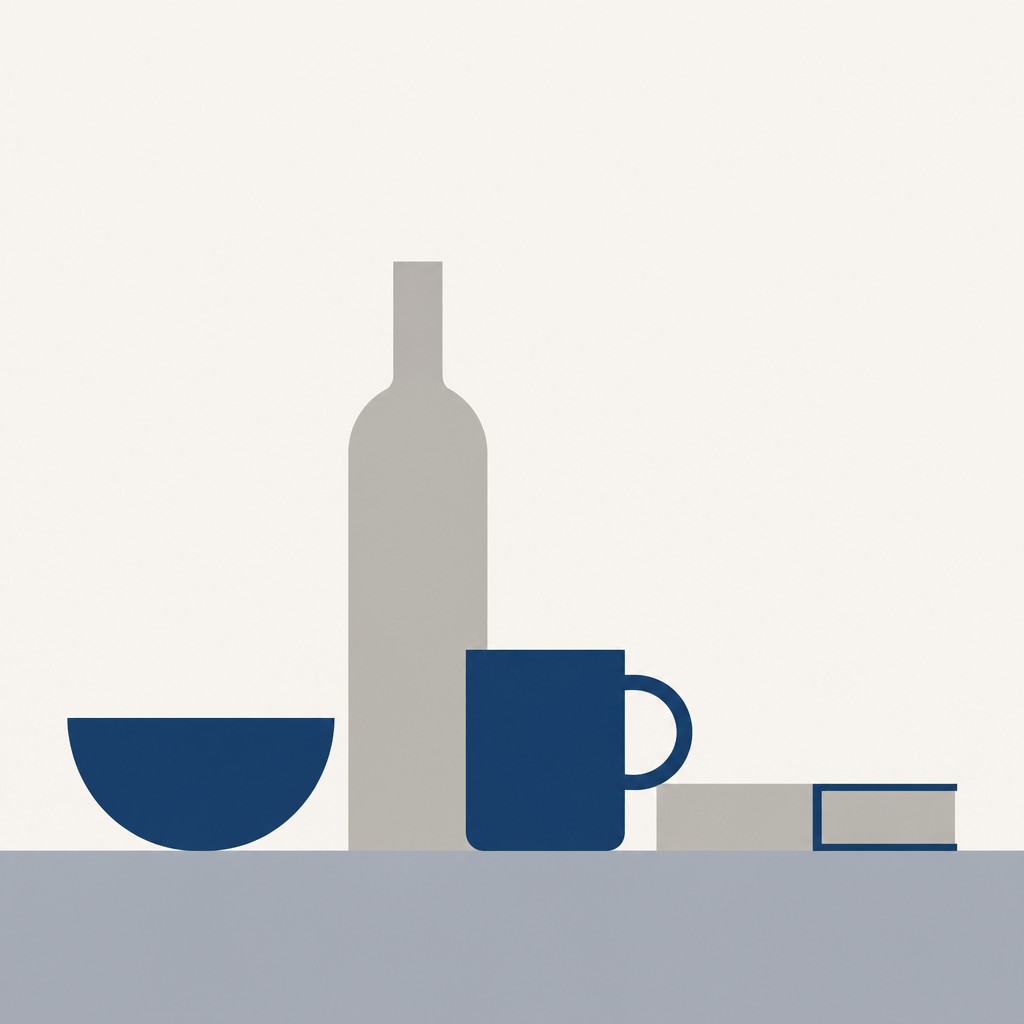
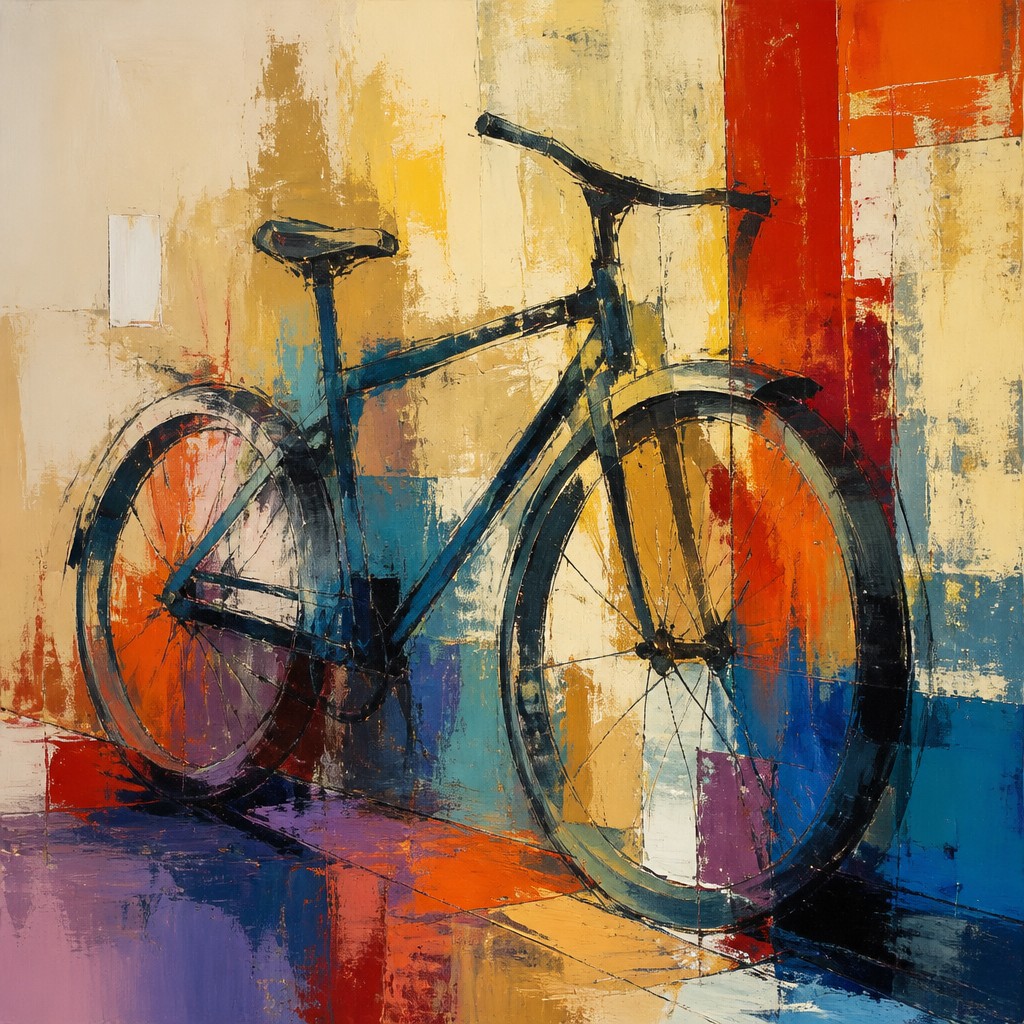
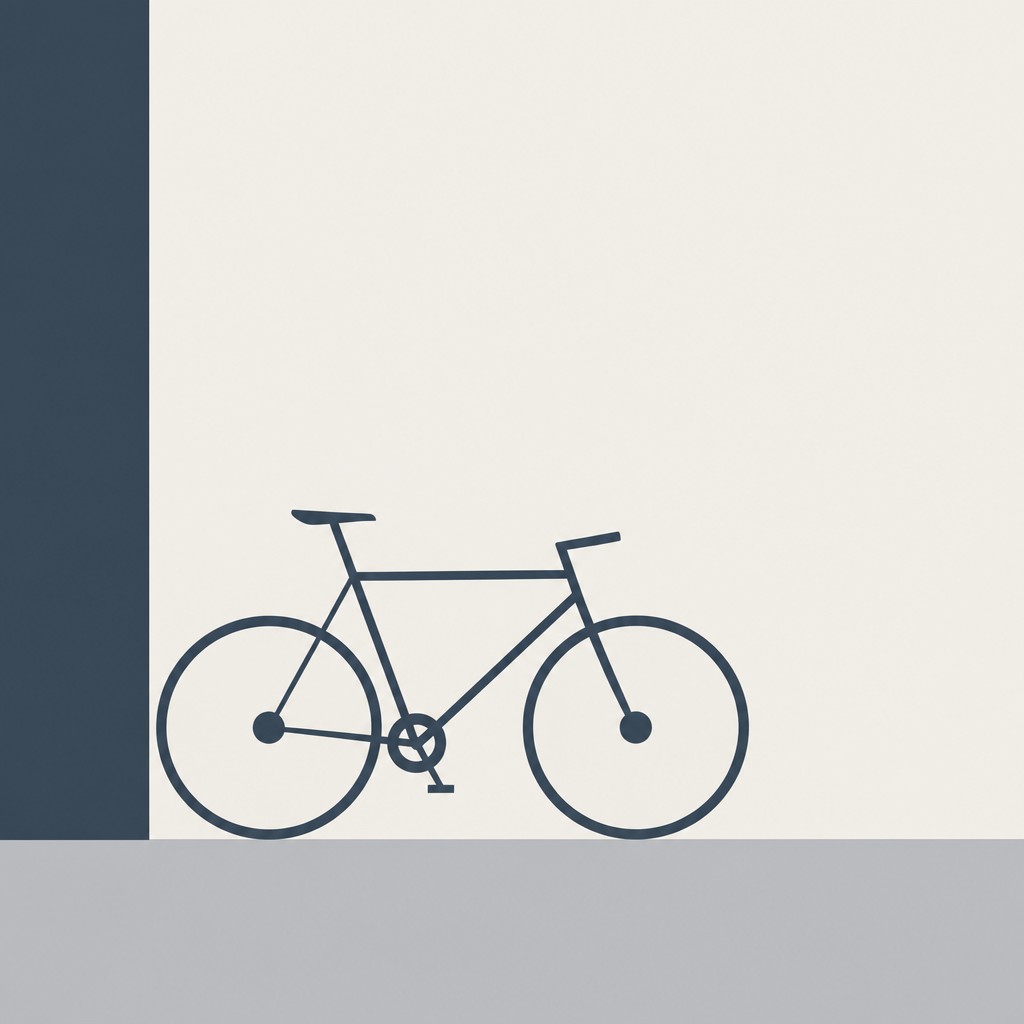
Each pair below was generated from the identical prompt — only the style changed.
“portrait of two people together”

“wide landscape with natural scenery”
“still life with everyday objects”
“bicyle resting against a wall”
Key Differences
| Abstract | Minimalism | |
|---|---|---|
| Purpose | Expresses emotion, energy, or ideas through nonliteral imagery. | Reduces visual elements to essentials for clarity and restraint. |
| Forms | May use irregular shapes, expressive marks, and varied textures. | Usually uses simple geometric forms and clean edges. |
| Color | Can use bold, contrasting, or highly varied color. | Often uses a limited, restrained color palette. |
| Composition | Can feel dynamic, layered, or visually dense. | Relies on open space and balanced arrangement. |
| Viewer experience | Encourages interpretation and emotional response. | Encourages quiet attention to form, proportion, and space. |
| Visual language | Uses gesture and ambiguity to create meaning. | Uses order and repetition to create meaning. |
| Mood | expressive, contemplative, dynamic, ambiguous | calm, restrained, austere, meditative |
| Energy | intense | serene |
| Detail level | moderate | minimal |
| Color | varied, often bold or subdued | limited palette, often monochrome or muted |
| Texture | layered, gestural, tactile | flat, smooth, crisp-edged |
| Origin | early 20th-century Europe | 1960s United States and Europe |
| Best for | posters, album covers, gallery prints, editorial art, book covers | posters, gallery installations, branding, editorial layouts, logos, architectural visuals |
| Difficulty | moderate | beginner-friendly |
Which Should You Choose?
Choose abstract art if you want a piece that feels expressive, open-ended, and emotionally active, especially when you value movement, gesture, and interpretive depth. Choose minimalism if you prefer a cleaner, calmer look with fewer elements, strong structure, and a sense of visual simplicity. Abstract art often makes a statement through intensity, while minimalism often makes a statement through restraint.
Frequently Asked Questions
Is minimalism a type of abstract art?
Often, yes. Minimalism is generally non-representational, so it overlaps with abstract art in that sense. The main difference is that minimalism focuses on reduction and simplicity, while abstract art can be much more expressive and varied.
Which style is more emotional?
Abstract art is usually more overtly emotional because it often uses gesture, color, and irregular forms to suggest feeling. Minimalism can also create emotion, but it tends to do so more quietly through space, balance, and restraint.
Which style is easier to recognize visually?
Minimalism is often easier to identify because it uses very simple forms, limited colors, and lots of negative space. Abstract art is broader and can include many different looks, from chaotic to subtle.
Do both styles avoid realistic subjects?
Yes, both typically move away from realistic depiction. Abstract art does this to explore nonliteral expression, while minimalism does it to reduce images to their simplest essential forms.