Croatian Art Style
Explore Croatian Art Style: Adriatic limestone architecture, Roman colonnades, Gothic cathedrals, terracotta roofs, and fortified coastal light.
Instantly rendered in Croatian — or transform a photo
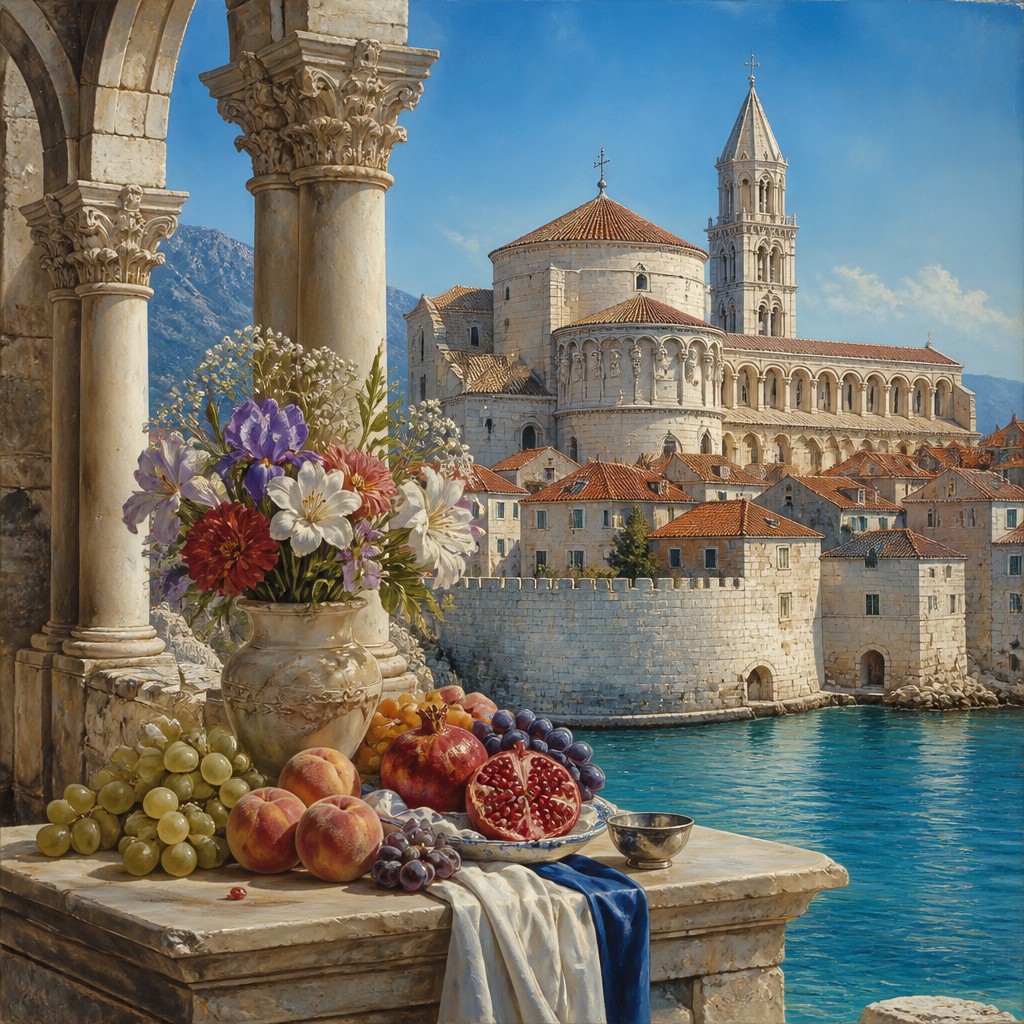
Croatian Gallery
Tap any artwork to explore it
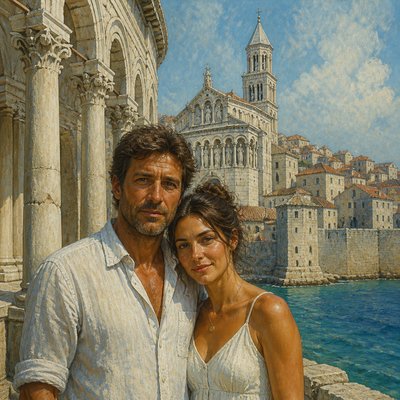
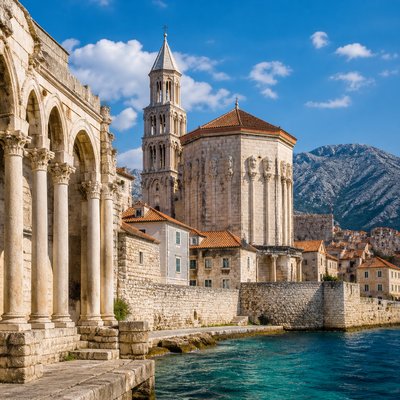
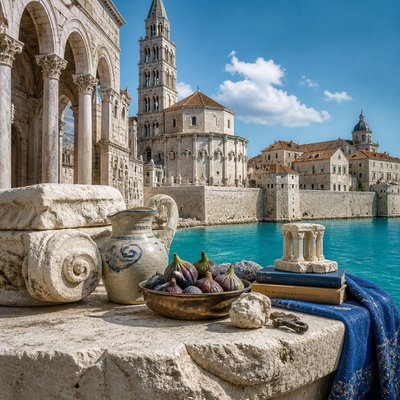
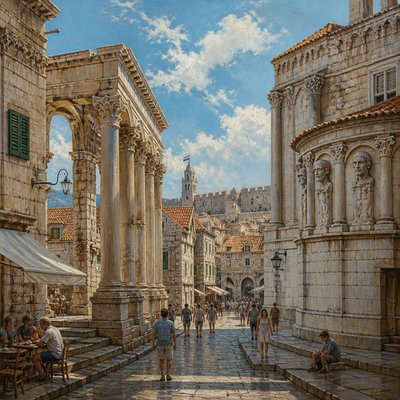
What is Croatian Art Style?
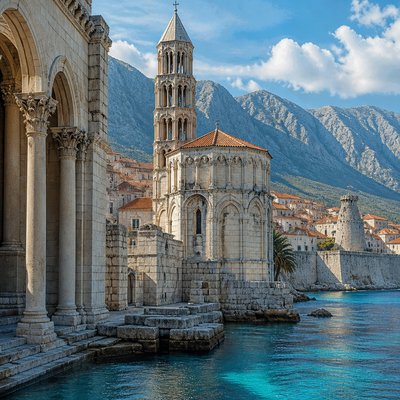
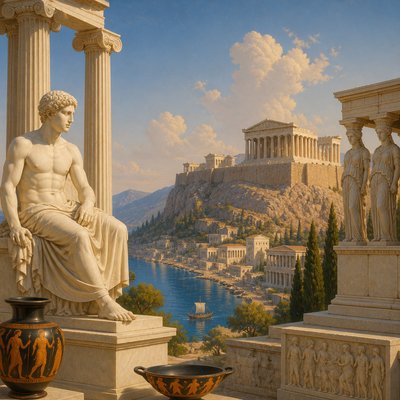
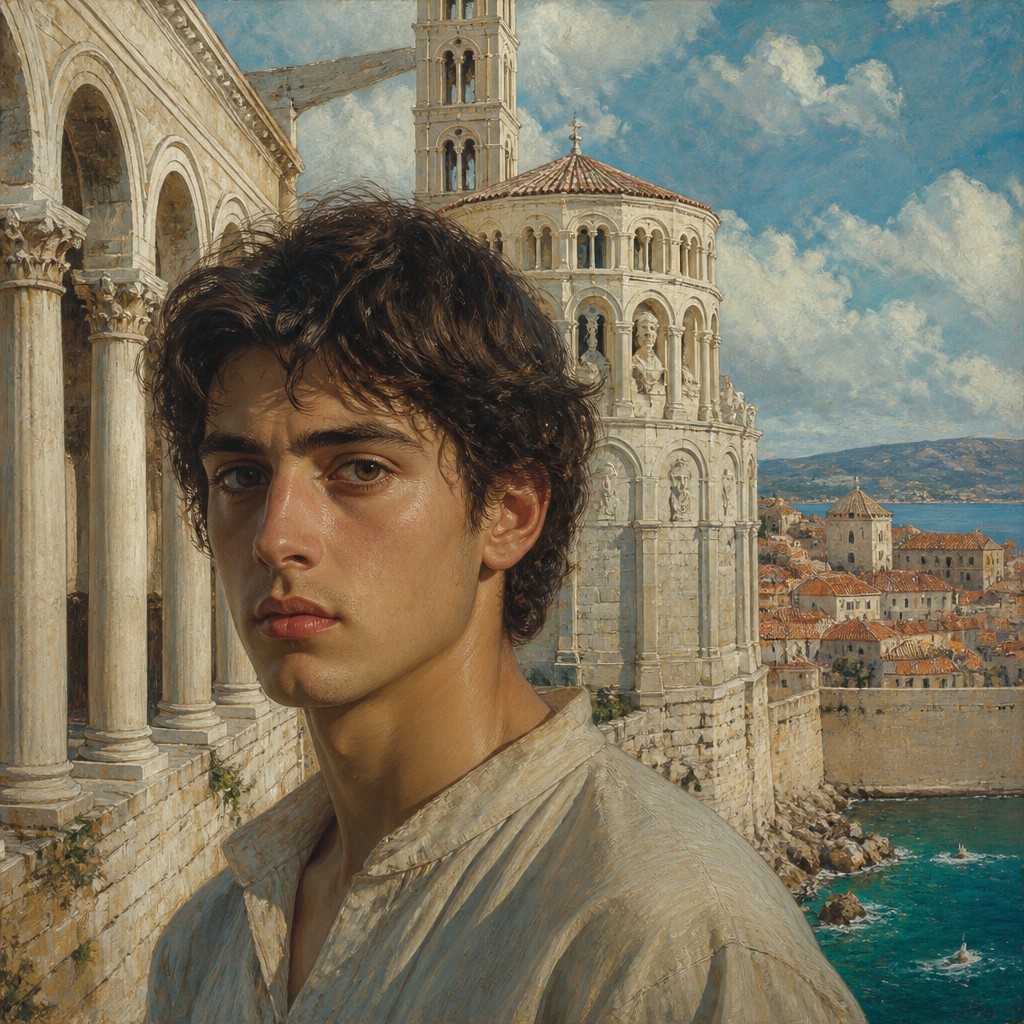
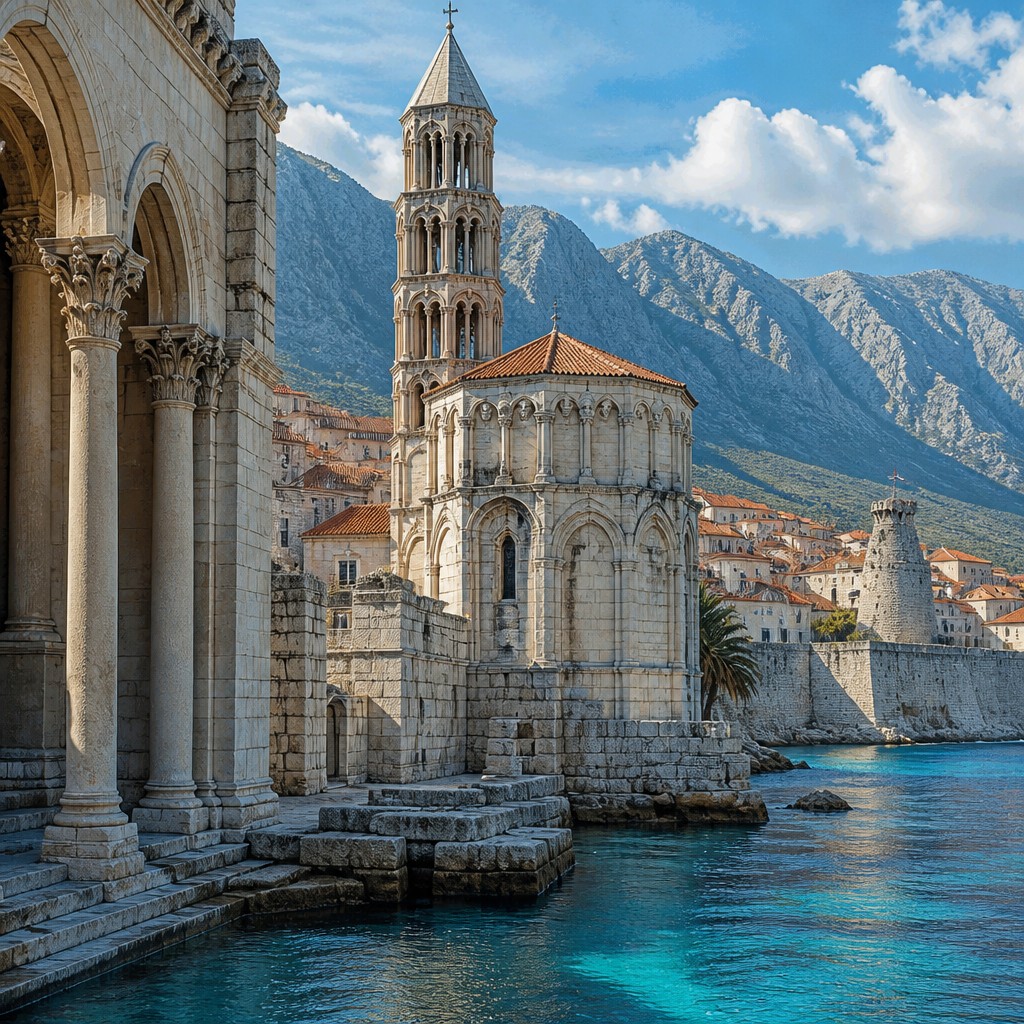
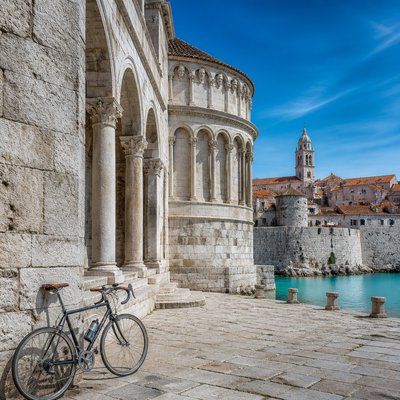
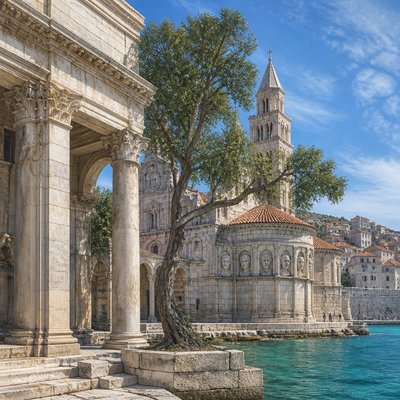
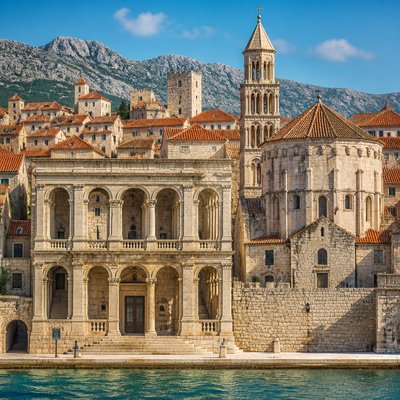
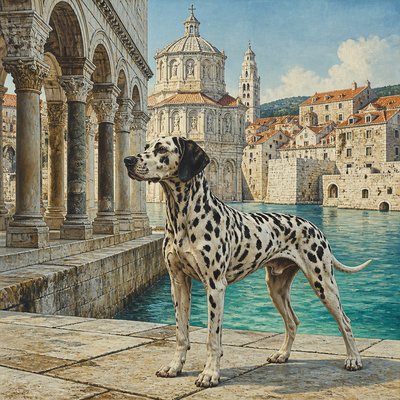
Croatian Art Style is a contemporary descriptive aesthetic rather than a formally recognized historical movement. It draws on the built heritage of Croatia’s Adriatic coast: monumental Roman stonework, medieval and Gothic ecclesiastical architecture, Renaissance fortifications, compact terracotta-roofed towns, and the intense turquoise light of the sea. Its central visual idea is coastal permanence—architecture shaped from pale limestone, weathered by salt, sun, wind, and centuries of use.
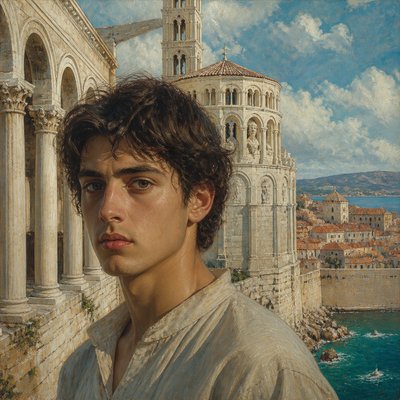
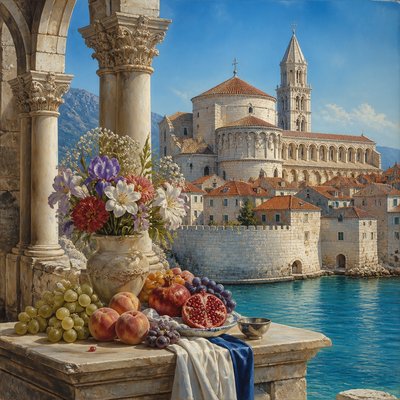
The style favors solid mass, rhythmic arcades, carved architectural detail, and a close relationship between defensive walls and the water. Roman colonnades may appear beside all-stone cathedrals, while fortified townscapes rise behind bastions and sea walls. Images typically combine archaeological grandeur with lived Mediterranean atmosphere, using strong sunlight, restrained natural colors, deep masonry shadows, and the contrast between brilliant Adriatic blue and warm stone.
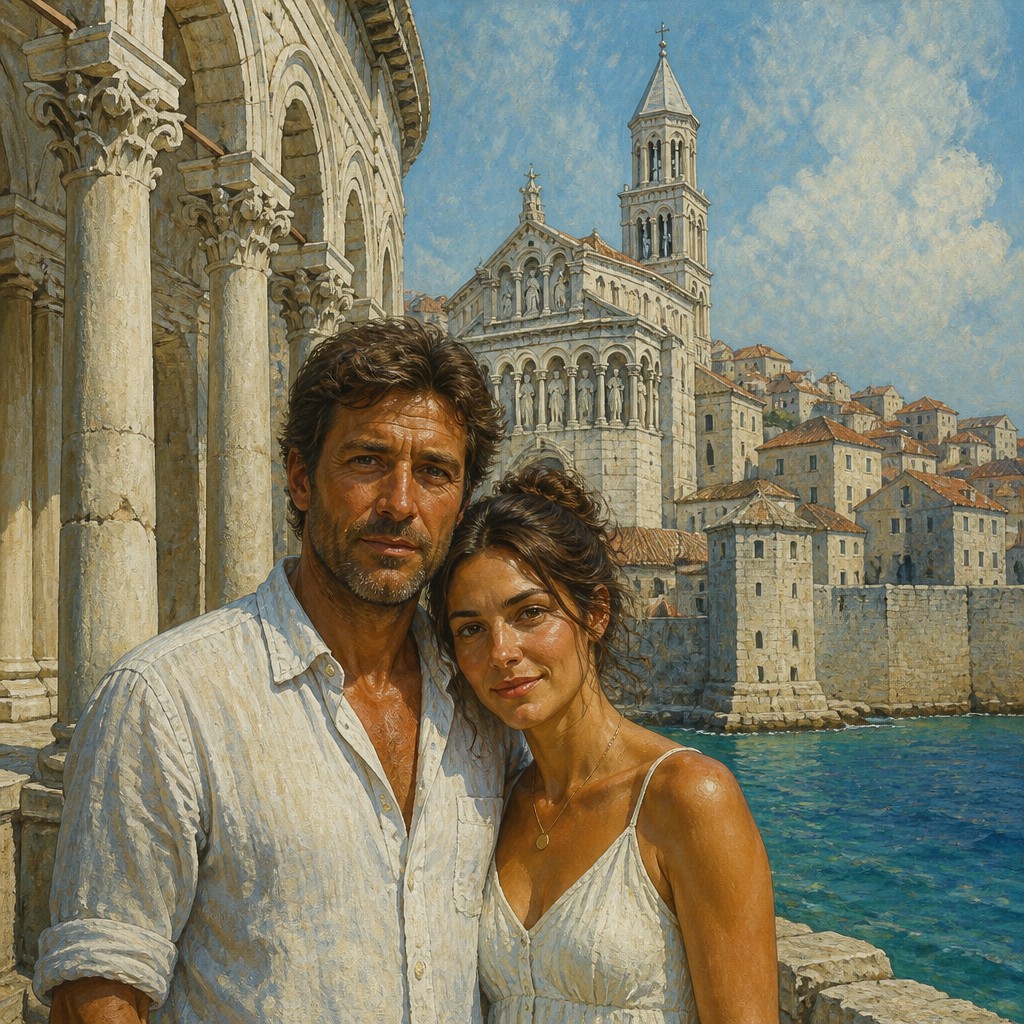
Try It On Your Photos
Upload any photo and convert it into Croatian Art Style — drag the sliders to compare before and after.
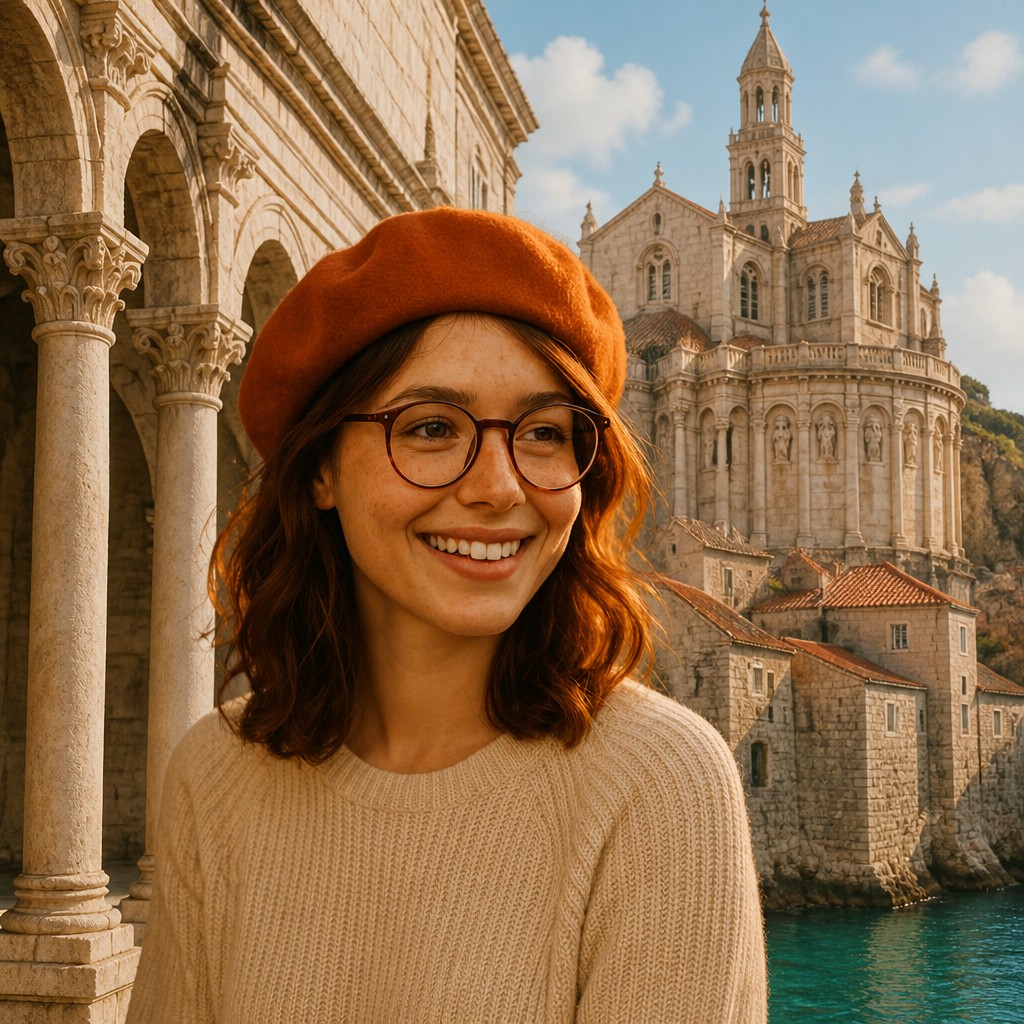

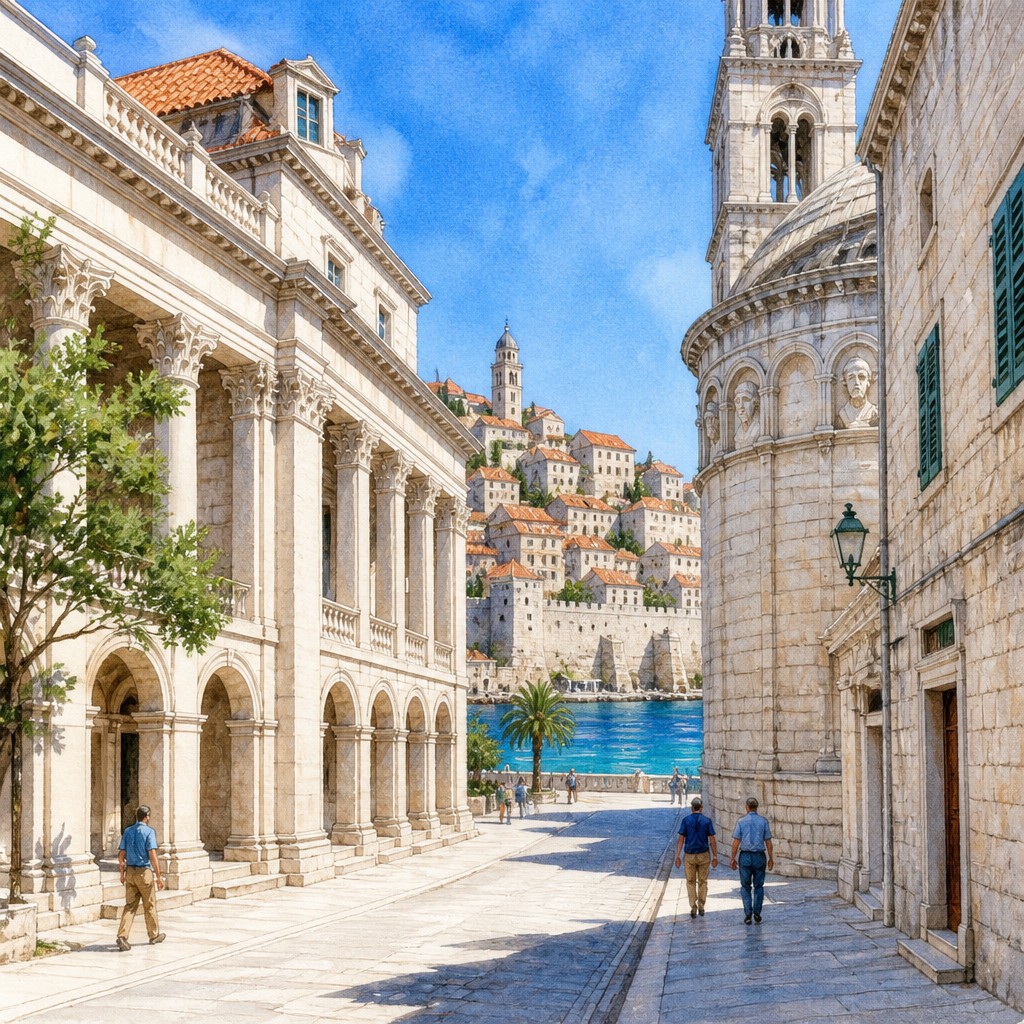

What Defines Croatian Art Style
The signature details, up close
Weathered white limestone
Pale limestone is the dominant material, shown with chiseled blocks, worn edges, salt staining, fissures, and subtle tonal variation. Its age is communicated through surface erosion rather than heavy decoration.
Roman colonnades and arcades
Rows of columns, arcaded courtyards, entablatures, and monumental gateways provide a strong structural rhythm. These elements evoke late Roman imperial architecture while remaining integrated into a broader coastal townscape.
Gothic-Renaissance stone carving
Cathedrals and civic buildings may feature pointed arches, tracery, sculpted capitals, portals, and portrait heads carved directly into the architectural fabric. The detail is ornamental but remains subordinate to the mass and geometry of the stone.
Fortified Adriatic townscapes
Sea walls, bastions, harbor towers, narrow lanes, and compact masonry buildings create a layered defensive silhouette. Terracotta roofs add warmth and a distinctly Mediterranean counterpoint to the pale fortifications.
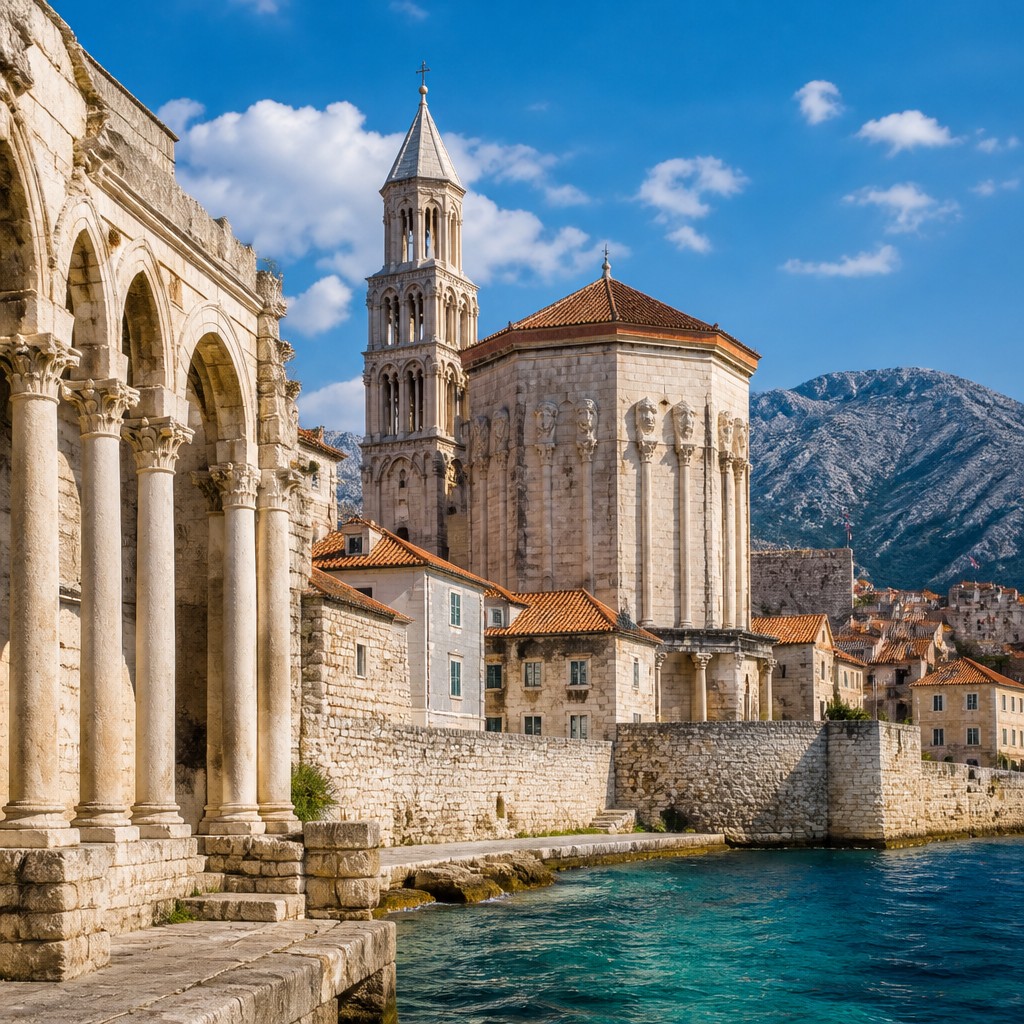
Brilliant coastal illumination
Hard sunlight, clear skies, and luminous turquoise water define the palette and atmosphere. Strong directional light produces crisp shadows beneath arcades and along battlements.
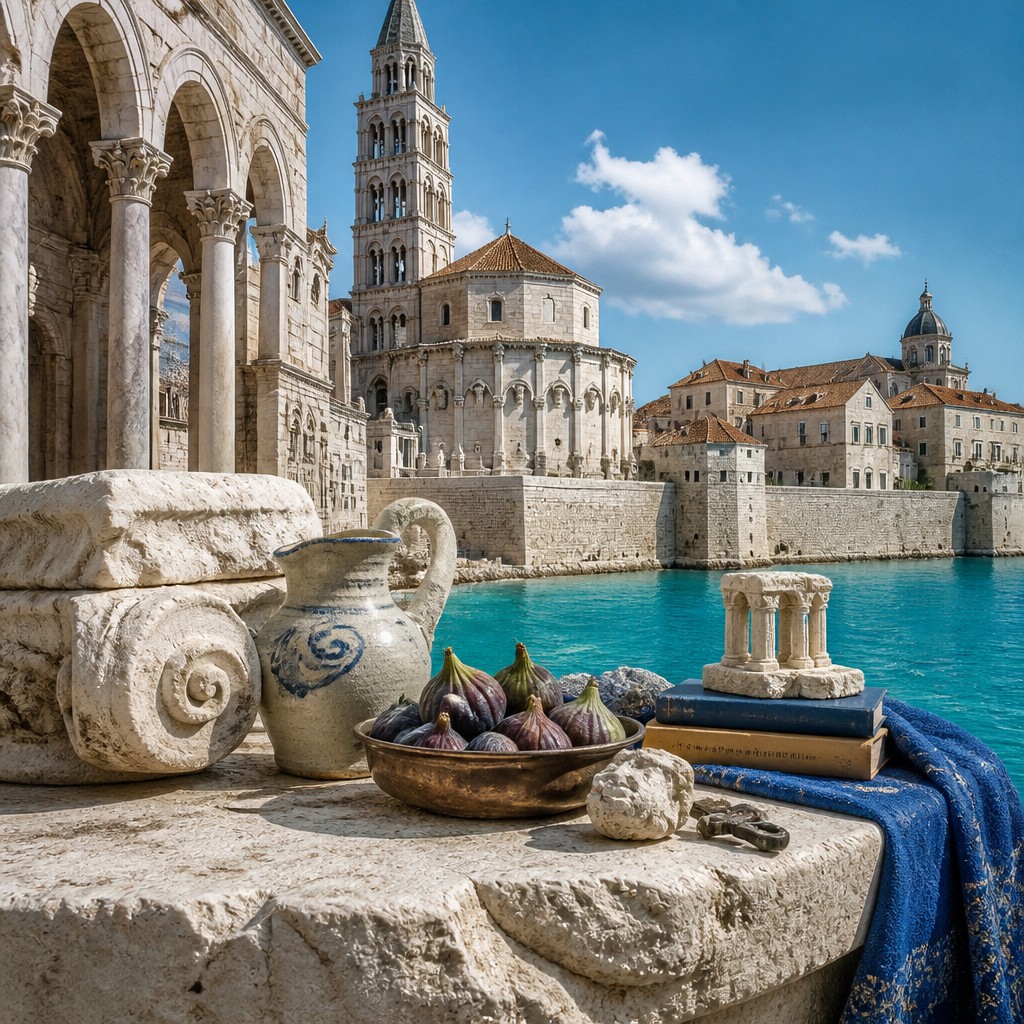
Material permanence
The composition emphasizes weight, endurance, and continuity through monumental framing, low viewpoints, broad masonry planes, and carefully rendered joints between stone blocks. Vegetation and people are usually secondary to the architecture.
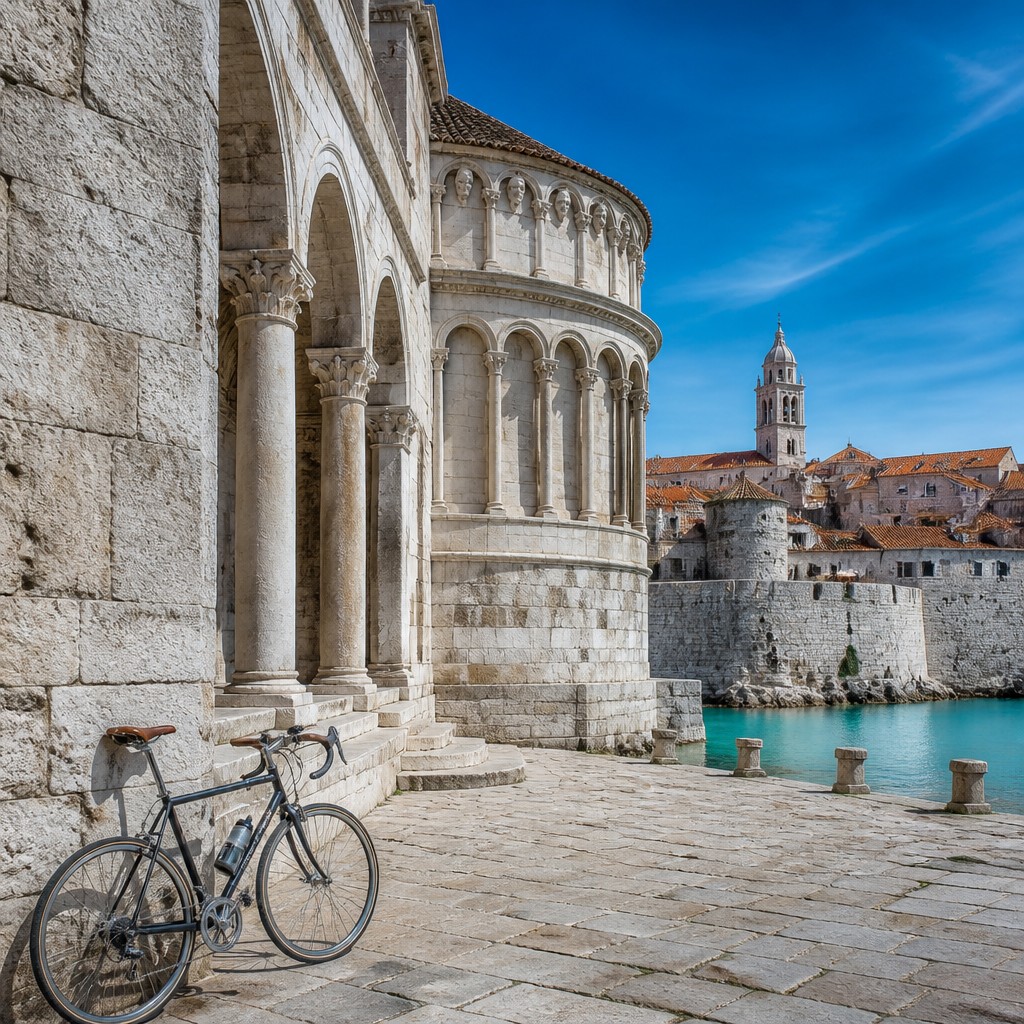
Archaeological layering
Ancient fragments, medieval churches, Renaissance defenses, and later domestic structures can coexist in one scene. The result suggests a long, accumulated history rather than a single moment of construction.
Croatian Prompt Ideas
Start from an idea — each one opens the generator with the style ready to go. See all 40 Croatian prompts →
How to Create Croatian Art
Master the craft step by step — or skip straight to creating. Read the full guide →
- 1
Build the structure first
Begin with a clear perspective drawing of walls, columns, arcades, and rooflines before adding decorative detail. Use strong horizontal sea-wall forms and vertical towers to create a stable, monumental composition.
- 2
Render limestone selectively
In traditional media, layer warm gray, ivory, and muted ochre rather than using flat white; add broken edges, joints, pores, and weather stains with controlled marks. Digitally, use textured stone brushes or displacement maps while preserving large readable planes.
- 3
Control the Mediterranean palette
Pair pale limestone with terracotta, muted green vegetation, deep shadow, and saturated Adriatic turquoise. Reserve the brightest values for sunlit stone and the clearest blue-green for open water.
- 4
Combine periods without visual confusion
Choose one dominant architectural anchor, such as a Roman colonnade or fortified cathedral, then add secondary Gothic, Renaissance, or vernacular elements. This creates historical layering without turning the image into an indiscriminate collage.
- 5
Use a precise generation prompt
Specify the subject, coastal setting, limestone material, architectural period references, light direction, roof color, and camera angle. Add terms such as weathered ashlar, sea wall, sculpted stone, turquoise Adriatic water, and hard midday shadows to reinforce the visual identity.
- 6
Adapt photographs carefully
For image-to-image work, preserve the original perspective and major silhouettes while directing the transformation toward pale limestone, terracotta roofs, carved masonry, and coastal illumination. Lower overly modern details or replace them selectively rather than flattening the entire image into a generic ruin.
The Story
History & Origins of Croatian
Croatian Art Style has no single historical origin or recognized school; it is an aesthetic synthesis of several periods of Croatian coastal architecture. Its principal lineage includes late Roman imperial construction, medieval Dalmatian church architecture, Gothic and Renaissance stone carving, Venetian-influenced urban forms, and the defensive architecture of Adriatic port cities. Roman palace complexes established the importance of monumental colonnades and durable ashlar masonry, while later towns adapted the same local stone to churches, civic buildings, homes, towers, and fortifications.
The contemporary style abstracts these layers into a coherent visual language. It does not reproduce one city or period exactly, but combines archaeological ruins, cathedral sculpture, sea-facing walls, and terracotta roofs into an atmospheric image of Croatia’s coastal heritage. Digital illustration and text-to-image practices have further encouraged this synthesis, emphasizing recognizable materials, silhouettes, and light rather than strict historical reconstruction.
Influences: The style is related to late Roman imperial architecture, Dalmatian medieval and Gothic church building, Renaissance military architecture, Venetian Adriatic urbanism, Mediterranean vernacular construction, and archaeological landscape painting. It also shares visual concerns with architectural photography, historical environment design, plein-air coastal painting, and contemporary digital matte painting. Its distinctive synthesis comes from treating local limestone, defensive infrastructure, and intense maritime light as equally important subjects.
Frequently Asked Questions
Is Croatian Art Style a recognized historical art movement?
No. The term describes a contemporary, cohesive aesthetic rather than a documented movement with a founding date, manifesto, or unified group of artists. It is best understood as a visual synthesis of Croatian Adriatic architectural and cultural traditions.
What defines Croatian Art Style visually?
Its defining features are pale weathered limestone, Roman colonnades, Gothic or Renaissance stone carving, fortified coastal towns, terracotta roofs, and brilliant turquoise maritime light. The style emphasizes architectural permanence and historical layering.
How is it different from generic Mediterranean architecture?
Generic Mediterranean imagery often focuses on sunlight, stucco, vegetation, and colorful village facades. Croatian Art Style places greater emphasis on monumental ashlar masonry, Roman and medieval stone structures, sea defenses, carved architectural sculpture, and the austere strength of coastal fortifications.
Can this style depict modern subjects?
Yes, although the setting and material language should remain central. A modern boat, portrait, hotel, or street scene can be integrated with limestone walls, arcades, terracotta roofs, and Adriatic light to create continuity between contemporary life and historic surroundings.
What materials and techniques work well for making it traditionally?
Watercolor, gouache, oil, acrylic, ink, and architectural drawing are all suitable. Use a limited stone-based palette, disciplined perspective, hard-edged sunlight, and layered texture to distinguish carved masonry from water, tile, vegetation, and shadow.
Where is Croatian Art Style most commonly used?
It is especially effective for architectural illustration, travel imagery, historical environment design, cultural heritage interpretation, editorial artwork, concept art, and atmospheric landscape scenes. It can also guide photographic color grading and digital transformations of coastal buildings.
Create your first Croatian artwork
Describe anything — or upload a photo — and see it in Croatian Art Style in seconds.
Related Styles
Discover similar art styles