Slovak Art Style
Explore Slovak Art Style: Gothic limewood carving, wooden churches, Tatra light, and vivid red-black-white folk embroidery.
Instantly rendered in Slovak — or transform a photo
Slovak Gallery
Tap any artwork to explore it
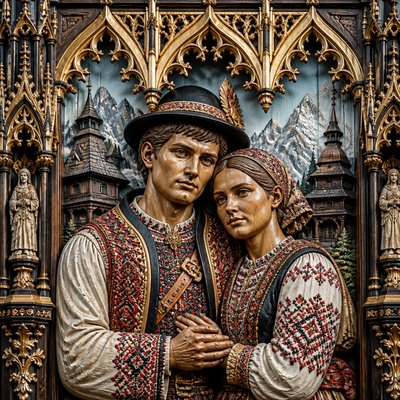
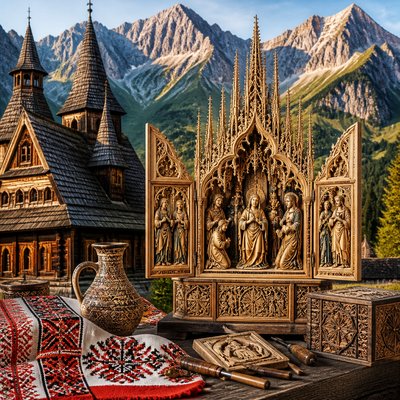
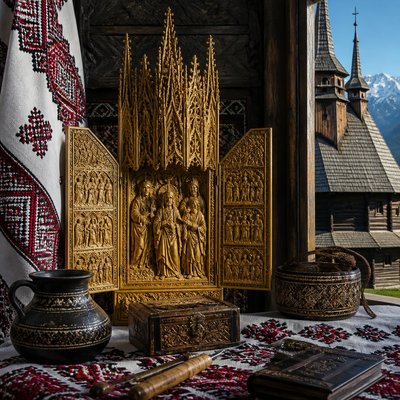
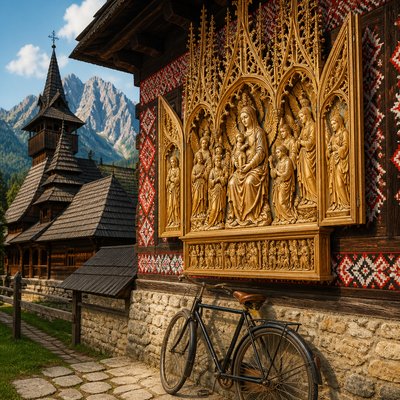
What is Slovak Art Style?
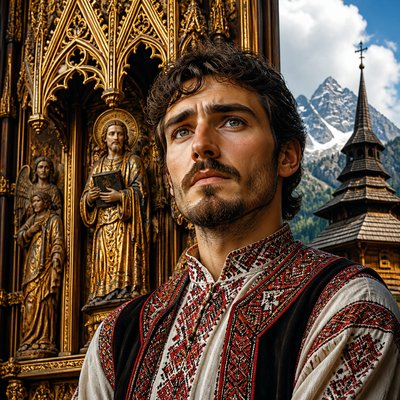
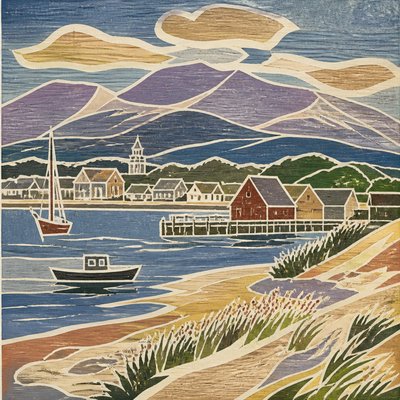
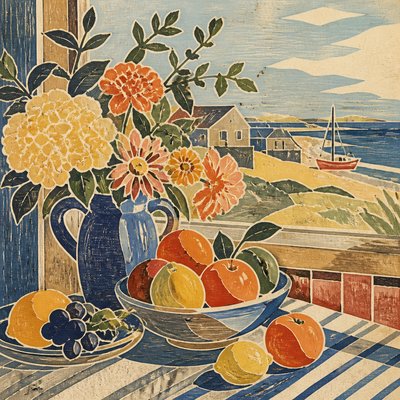
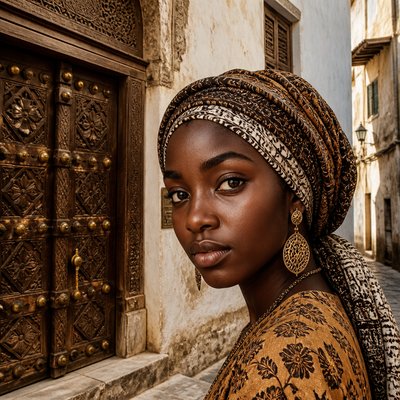
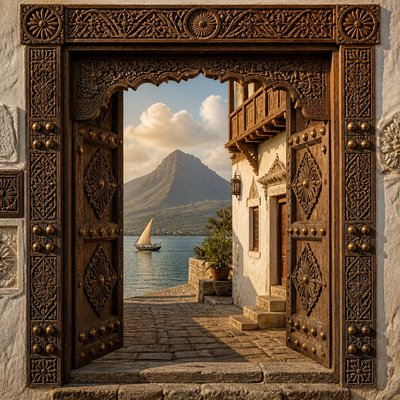
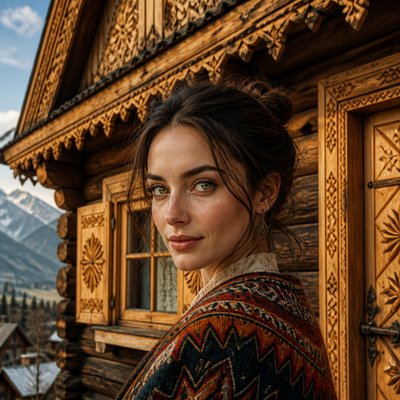
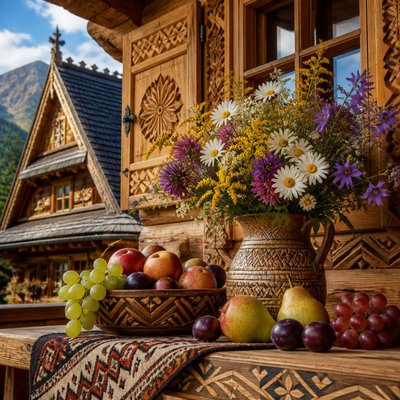
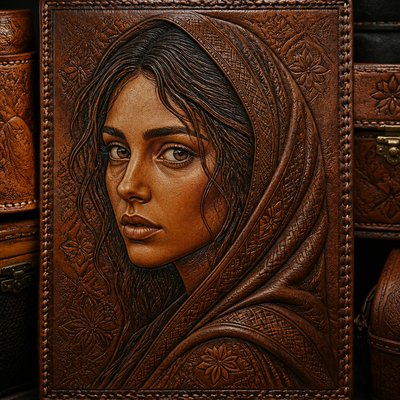
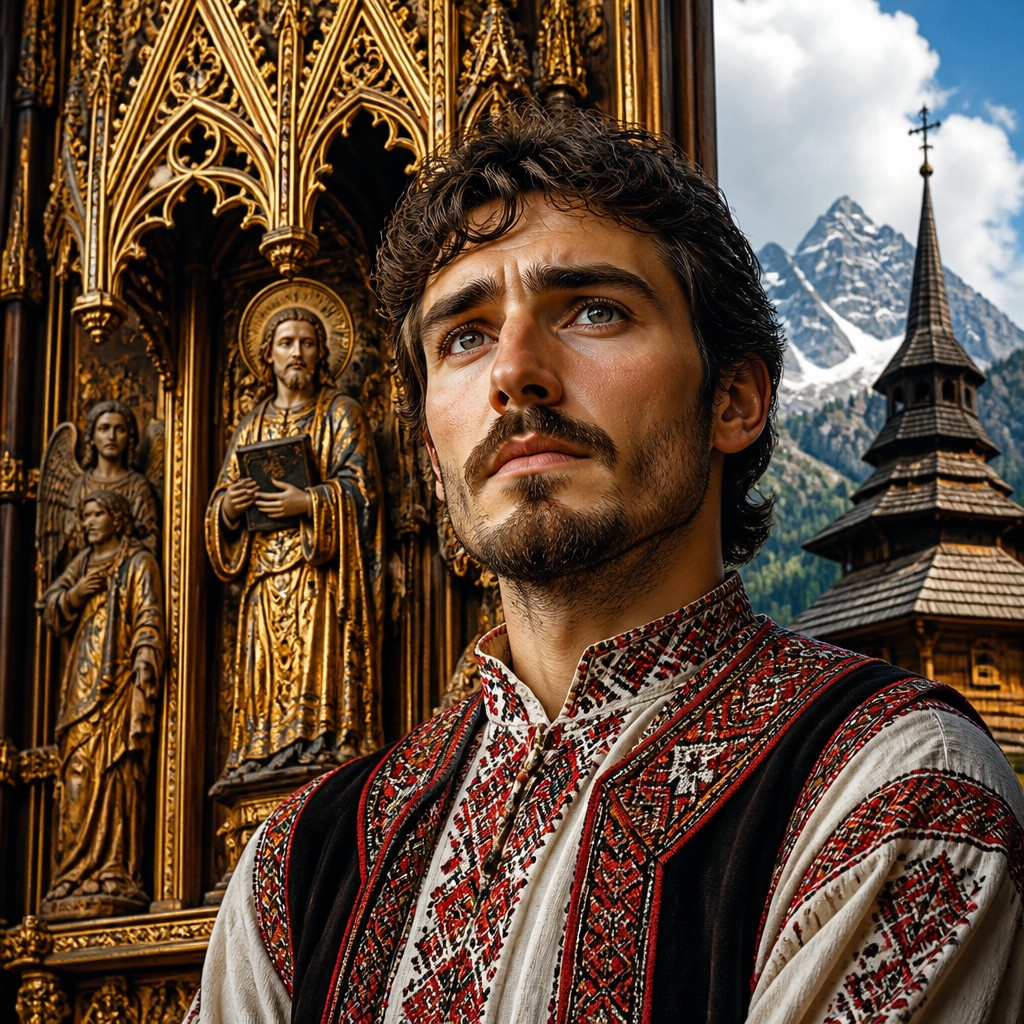
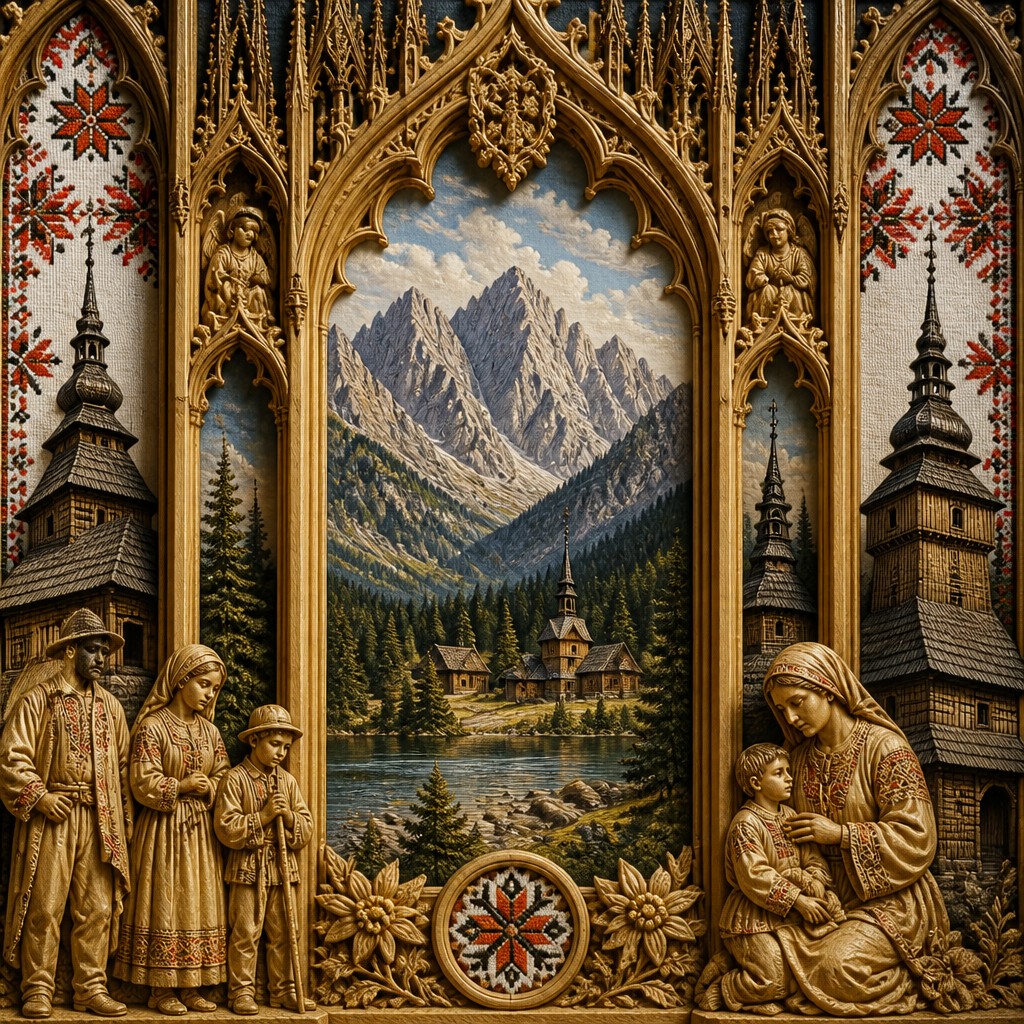
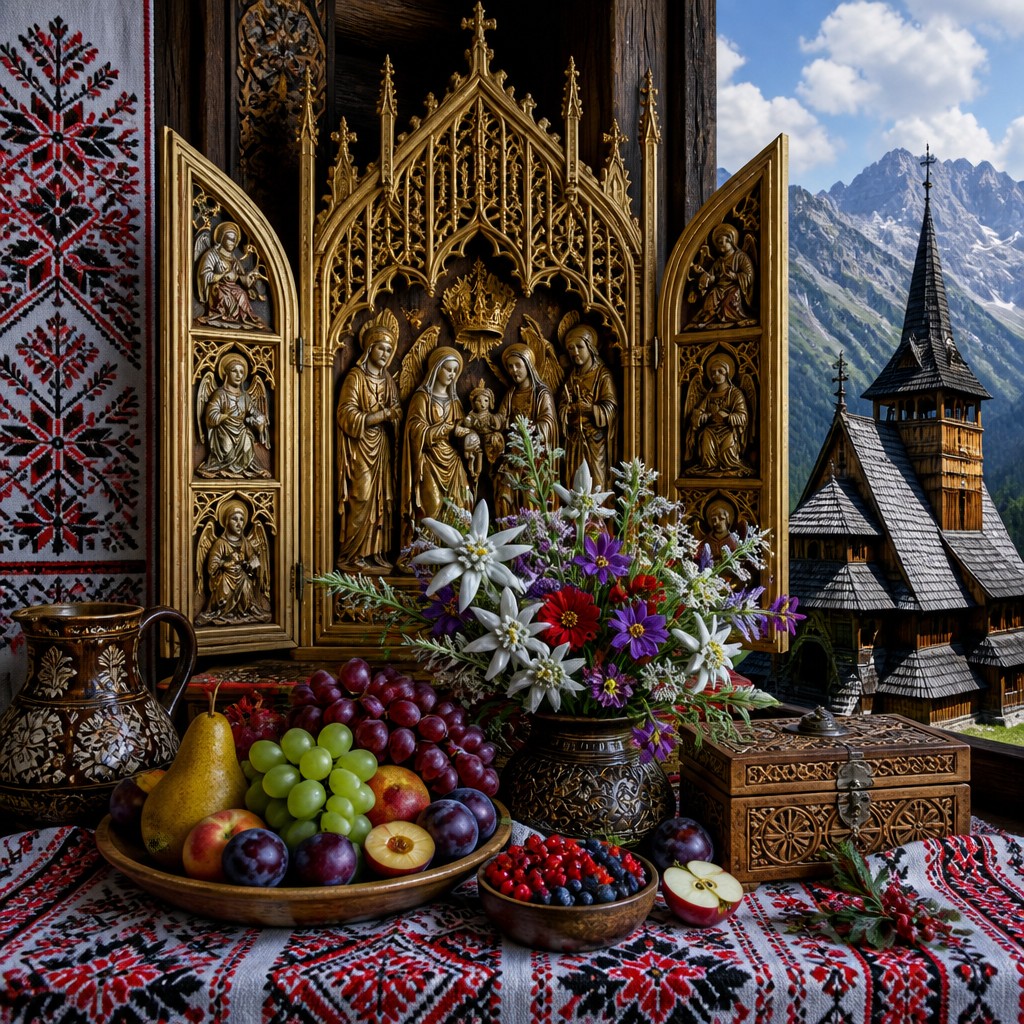
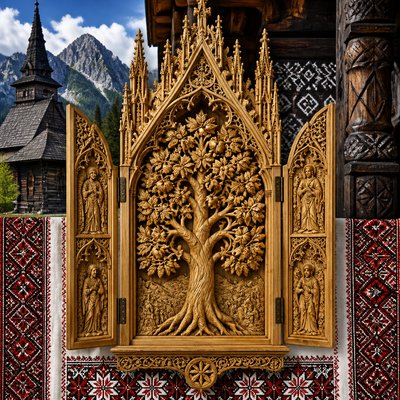
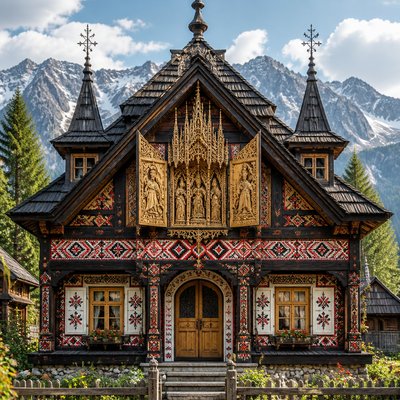
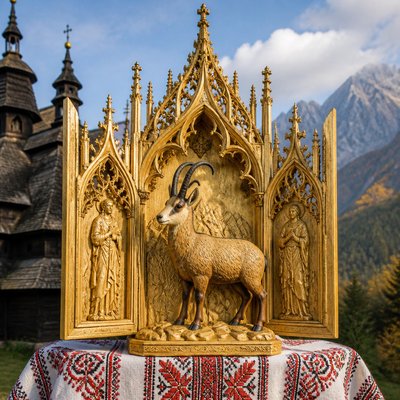
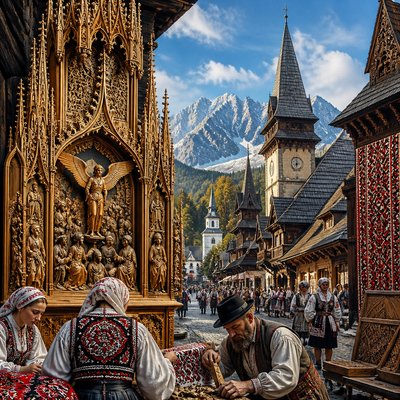
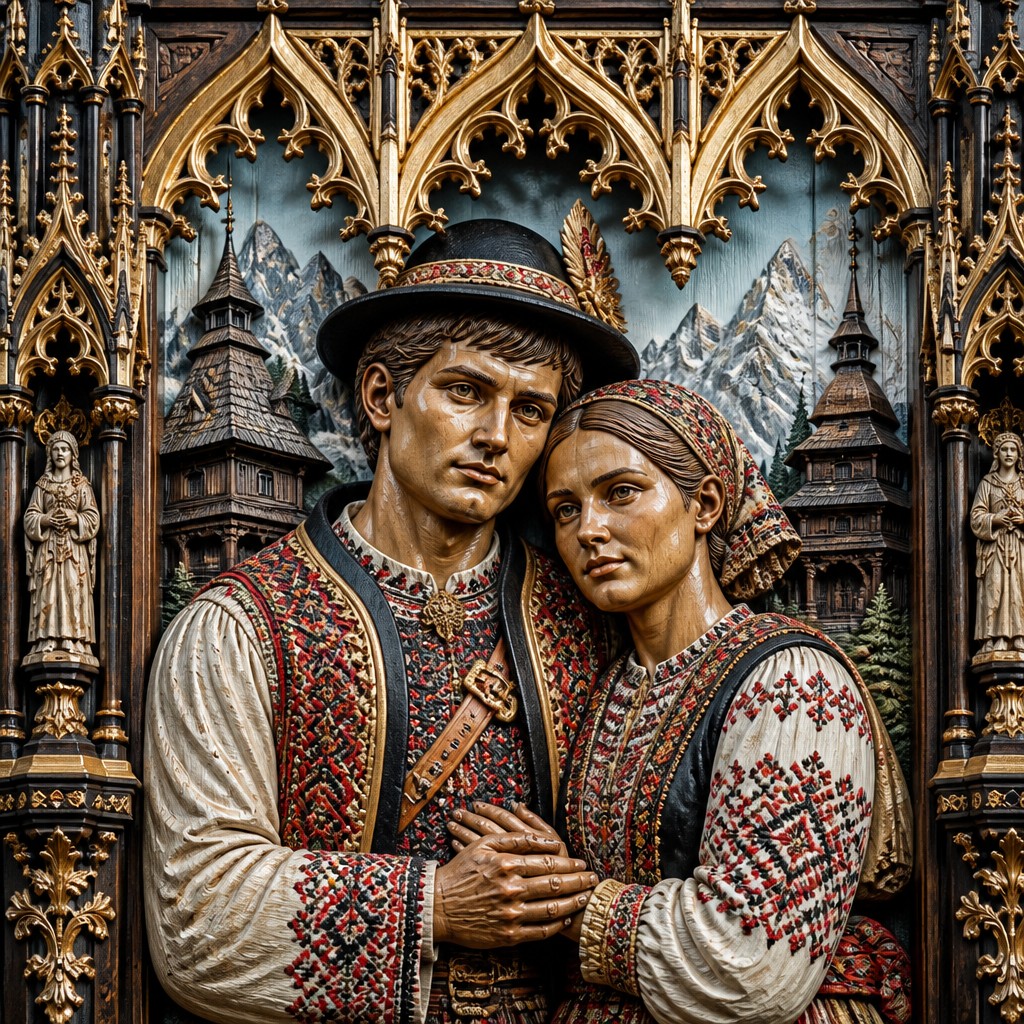
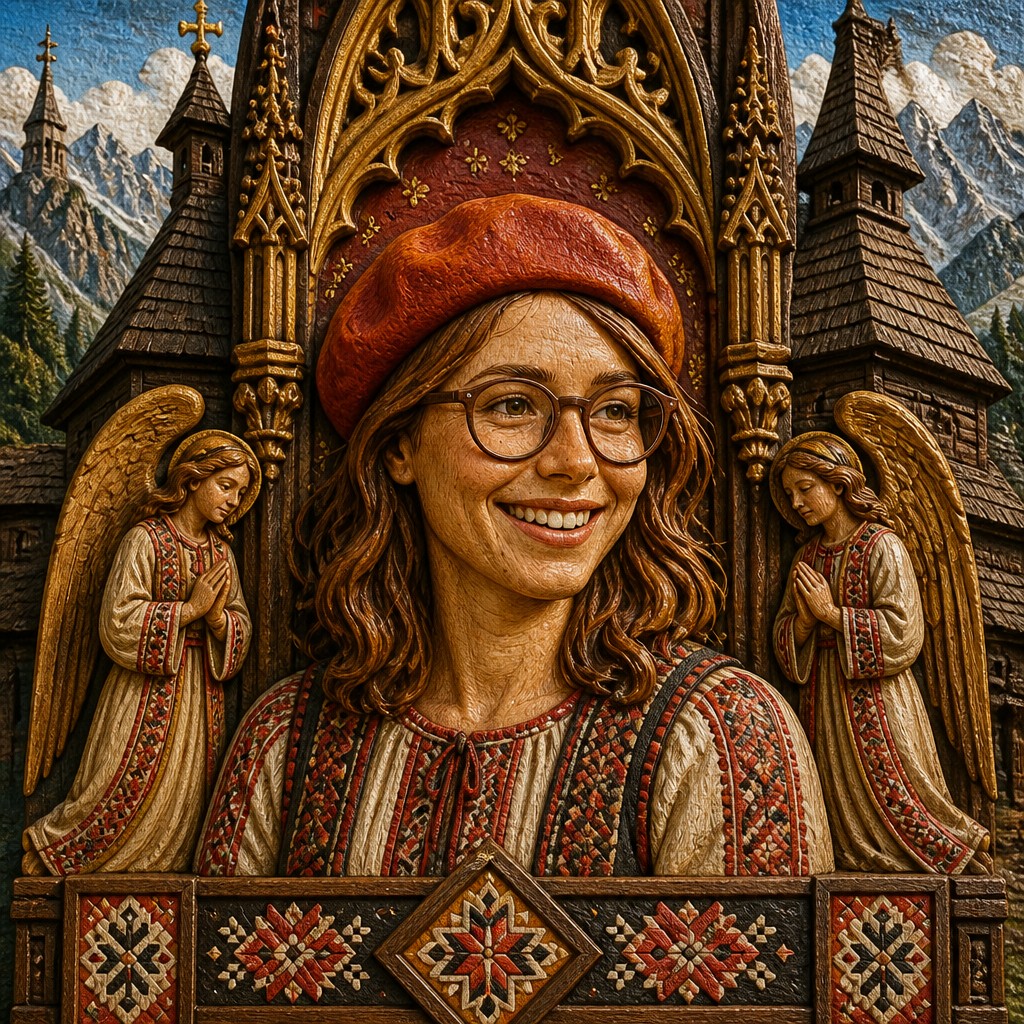
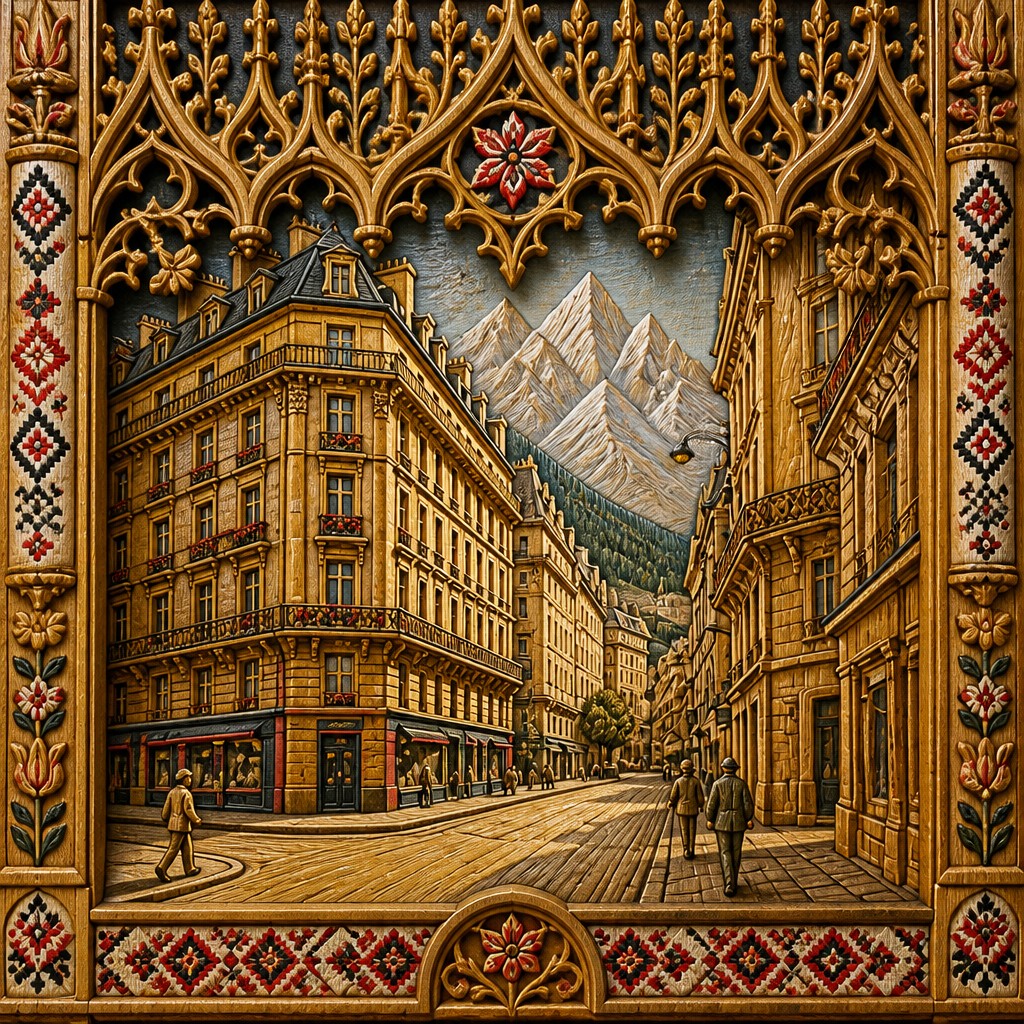
The style looks tactile, devotional, and highly structured. Pointed arches, canopy tracery, folded drapery, floral ornament, and repeated stitch patterns create a dense ornamental surface, while clear alpine light and restrained earthy timber provide contrast. It can depict sacred subjects, village life, landscapes, objects, or contemporary scenes treated as carefully made cultural artifacts.
Try It On Your Photos
Upload any photo and convert it into Slovak Art Style — drag the sliders to compare before and after.


What Defines Slovak Art Style
The signature details, up close
Gothic winged retables
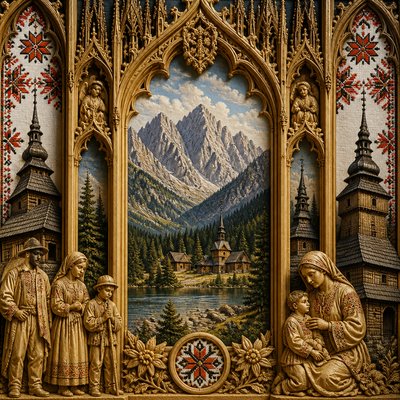
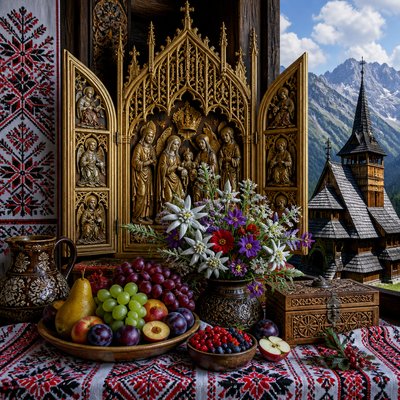
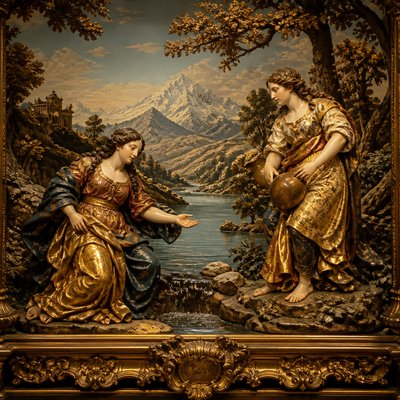
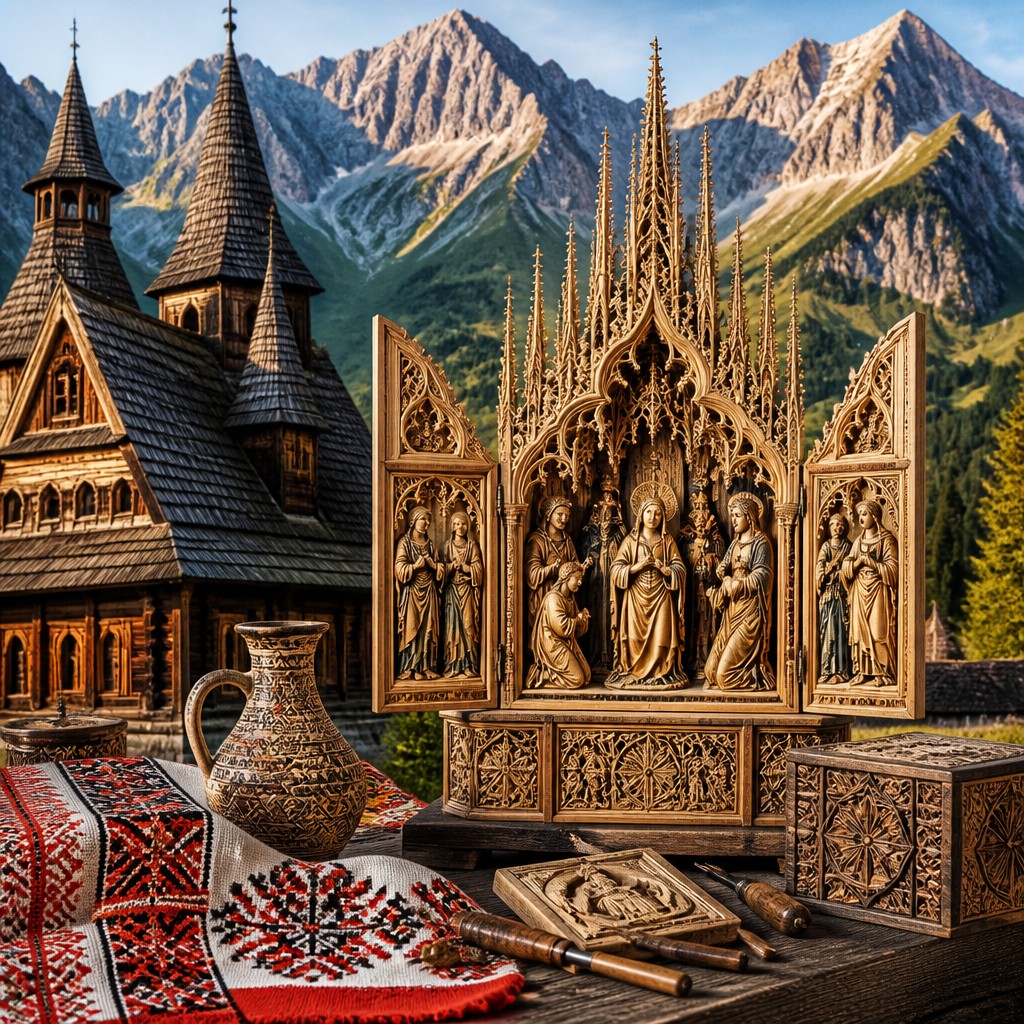
Compositions often resemble a carved altarpiece, with a central devotional or narrative scene framed by hinged wings, pointed arches, niches, and layered architectural compartments.
Gilded limewood carving
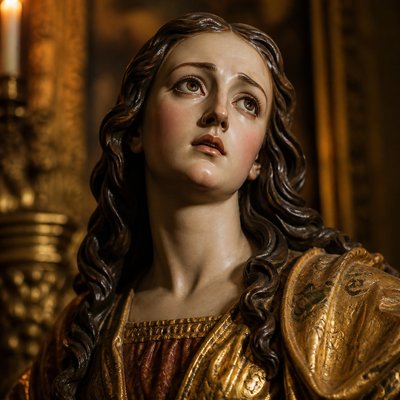
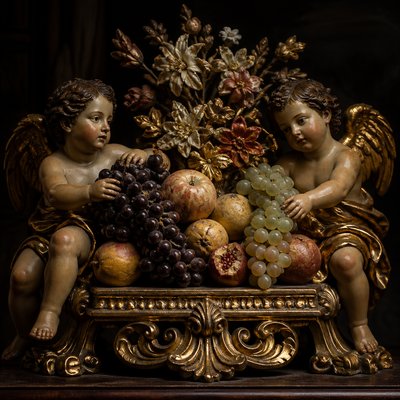
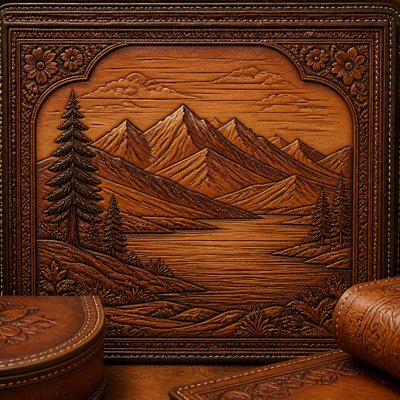
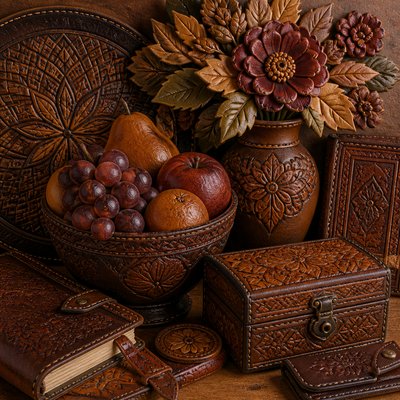
Warm pale wood, crisp relief, gold leaf, and selective polychrome suggest the material richness of medieval ecclesiastical sculpture. Surface detail should feel hand-cut rather than mechanically smooth.
Canopy tracery and vertical rhythm
Delicate pinnacles, crockets, ribbed arches, and openwork canopies draw the eye upward. Repeated verticals give figures, buildings, and even landscapes a solemn, processional character.
Dark timber architecture
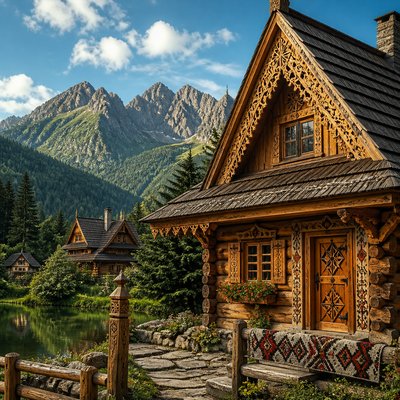
Black-brown beams, plank walls, steep roofs, and shingled spires evoke Carpathian wooden churches and mountain villages. The deep timber palette makes gilding, textiles, and snow-bright light more prominent.
Geometric folk embroidery
Red, black, and white stitched motifs appear as borders, garments, banners, cushions, or decorative framing. Diamonds, stepped forms, stars, crosses, and stylized flowers provide a clear textile rhythm.
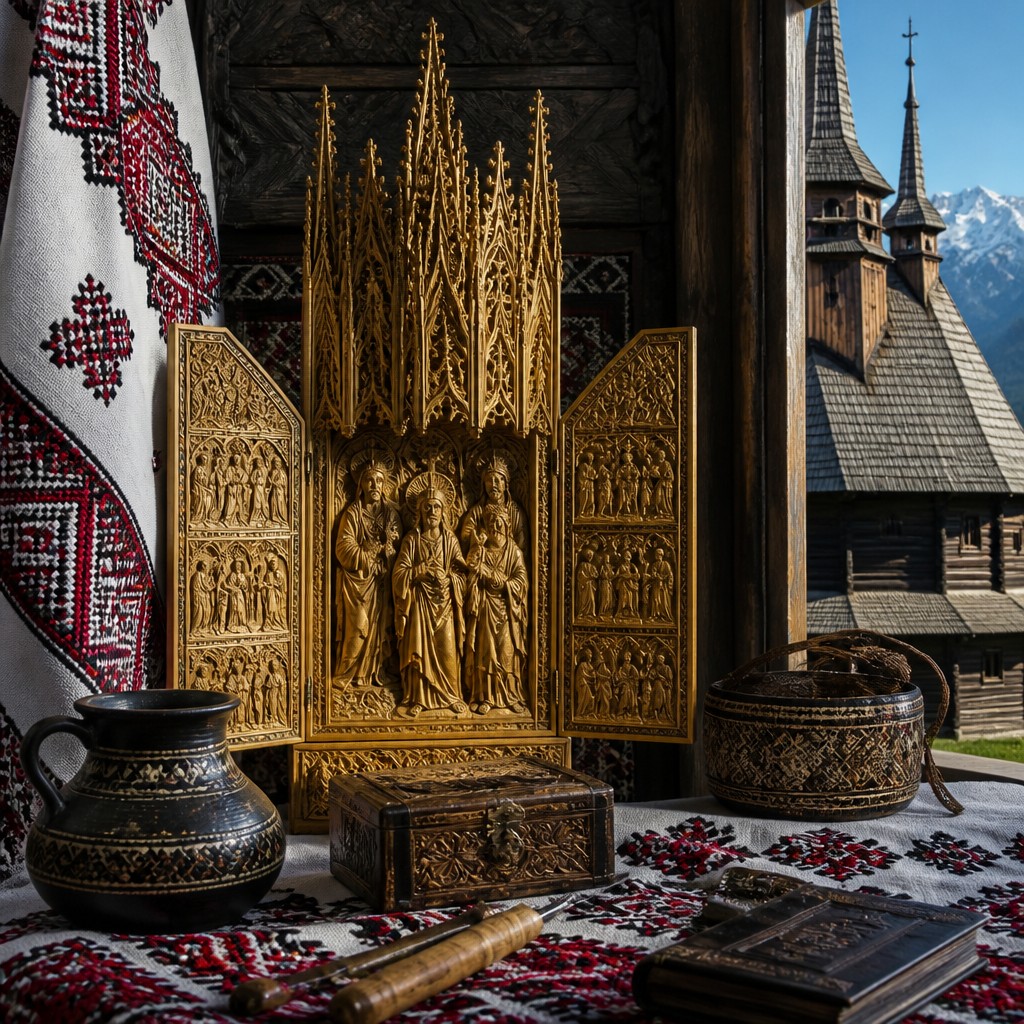
Tatra mountain illumination
Crisp highland daylight, cool shadows, distant ridges, and clean winter air establish a spacious natural setting. Light is generally sharp and transparent rather than hazy or urban.
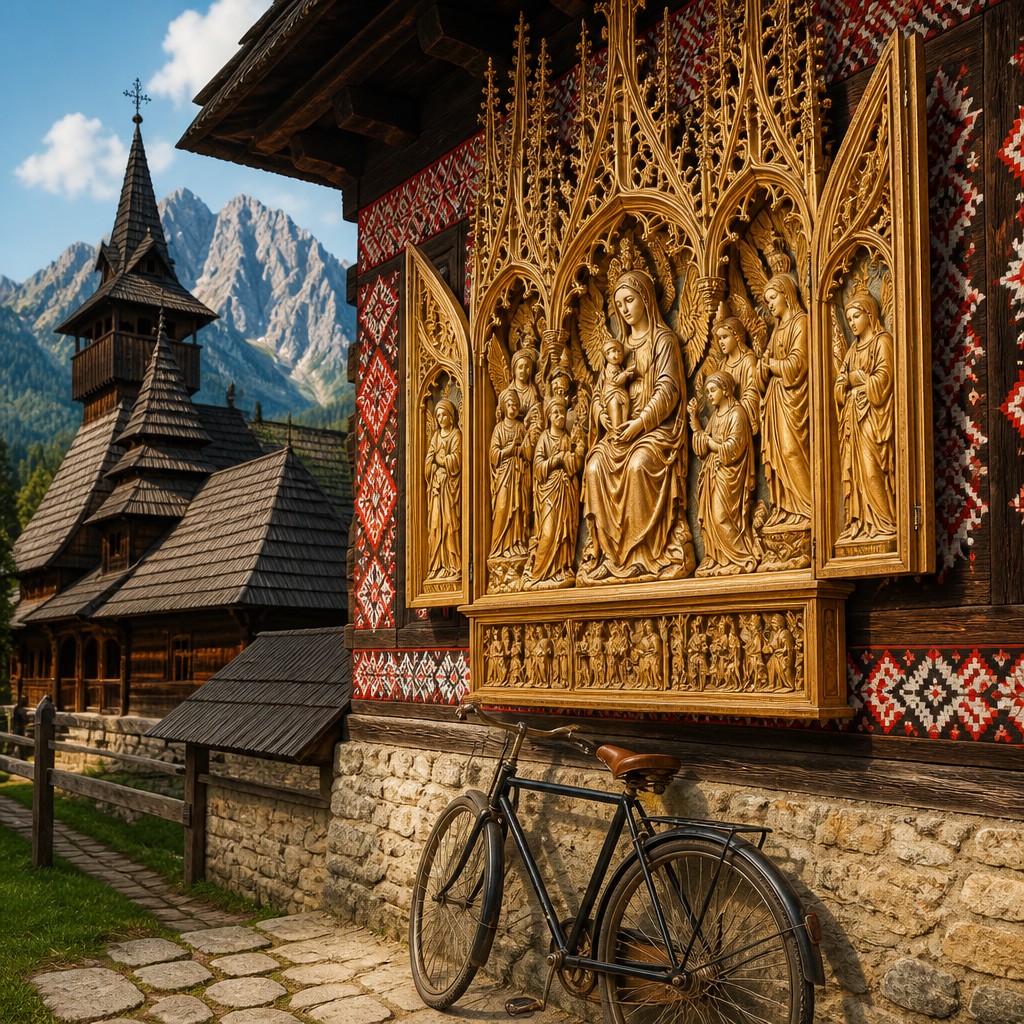
Devotional craft precision
Whether the subject is sacred or secular, details are arranged with patience and symbolic care. The style favors legibility, balanced ornament, and the visible dignity of skilled making.
Slovak Prompt Ideas
Start from an idea — each one opens the generator with the style ready to go. See all 40 Slovak prompts →
How to Create Slovak Art
Master the craft step by step — or skip straight to creating. Read the full guide →
- 1
Build an altarpiece-like structure
Start with a central figure or scene, then add symmetrical wings, pointed niches, pinnacles, and a carved canopy. Use layered relief and clear compartments instead of a loose, painterly composition.
- 2
Choose convincing materials
For traditional work, consider limewood carving, gesso, bole, gold leaf, tempera, and restrained polychrome. In digital work, specify wood grain, tool marks, shallow relief, gilded edges, and slightly irregular handmade surfaces.
- 3
Use embroidery as a design system
Limit textile accents to a coherent palette such as vermilion red, charcoal black, ivory, and muted natural colors. Repeat a small vocabulary of diamonds, stepped bands, crosses, and stylized flowers across clothing and borders.
- 4
Frame the subject with Carpathian architecture
Add dark timber walls, pegged beams, shingle roofs, steep spires, and mountain-village scale. Keep construction believable and let the architecture support rather than overwhelm the carved focal subject.
- 5
Control light and color
Use cool, crisp mountain daylight against warm gold, red thread, and dark wood. Avoid excessive neon color, glossy plastic surfaces, or soft cinematic haze, which weaken the craft-based character.
- 6
Write a precise generation prompt
Describe the subject first, then request carved Gothic limewood, gilded relief, canopy tracery, timber church forms, geometric embroidery, and clear Tatra light. Add terms such as hand-tooled, polychrome, symmetrical, devotional, and museum-quality woodcraft when useful.
The Story
History & Origins of Slovak
Its other major source is the diverse folk culture of Slovakia's mountain and rural regions, including timber churches, shingled construction, woven textiles, embroidery, carved household objects, and regional costume. The resulting visual language combines medieval verticality and sacred craftsmanship with the geometric rhythm, high contrast, and practical material intelligence of later highland traditions rather than representing a historically unified school.
Influences: The style relates to Central European Gothic sculpture, late medieval and early Renaissance wooden retables, Carpathian timber architecture, Slovak and wider Central European folk embroidery, rural textile design, devotional craft, and vernacular woodcarving. It also shares the frontal clarity and ornamental repetition of icon traditions, while its material emphasis connects it to contemporary craft illustration, museum reconstruction imagery, and digitally simulated carved relief.
Frequently Asked Questions
What defines Slovak Art Style?
It is defined by the combination of Gothic carved-wood imagery, gilded limewood surfaces, dark Carpathian timber architecture, and vivid geometric folk embroidery. Crisp mountain light and careful handmade detail unify these elements.
Is Slovak Art Style a historical art movement?
No. The term is best understood as a contemporary aesthetic category rather than the name of a documented historical school. It combines several real Slovak, Central European, medieval, and Carpathian traditions into one visual language.
How does it differ from general folk art?
General folk art may refer to many regions and media, whereas this style specifically emphasizes Slovak and Carpathian references alongside Gothic ecclesiastical carving. Its signature contrast is the pairing of vertically monumental altarpiece structure with small-scale embroidered geometry.
What materials are associated with the style?
The strongest material references are limewood, gesso, gold leaf, tempera or polychrome paint, carved timber, shingles, woven cloth, and embroidery thread. Digital artwork can reproduce these through visible grain, relief, tool marks, stitched edges, and controlled irregularity.
Can modern or secular subjects use this style?
Yes. Portraits, landscapes, family scenes, still lifes, and imaginative subjects work well when organized like a retable or carved tableau. Embroidery, timber architecture, symbolic framing, and devotional craft precision can preserve the visual identity without requiring a religious subject.
How can I get a convincing result in a text prompt?
Name the subject first, then specify gilded Gothic limewood carving, winged altarpiece structure, canopy tracery, dark timber architecture, geometric red-black-white embroidery, and crisp highland light. Material terms such as hand-tooled, polychrome, shallow relief, and visible wood grain help prevent a generic medieval or fantasy result.
Create your first Slovak artwork
Describe anything — or upload a photo — and see it in Slovak Art Style in seconds.
Related Styles
Discover similar art styles