Cologne Art Style
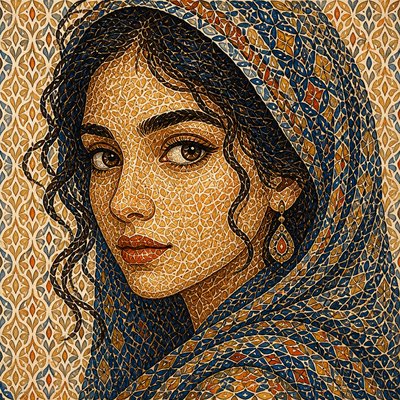
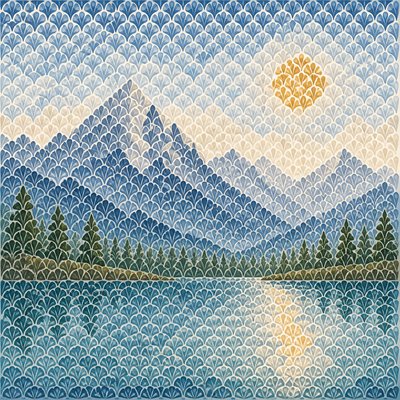
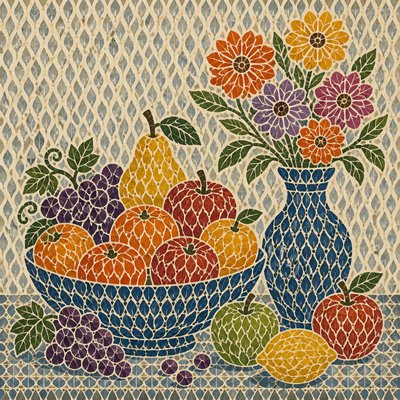
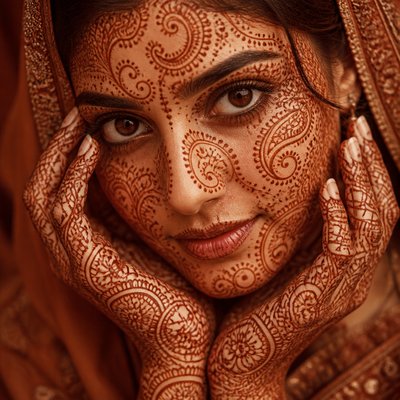
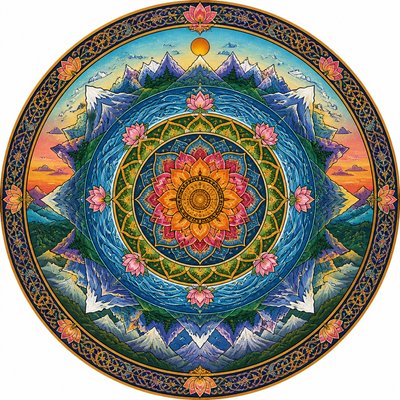
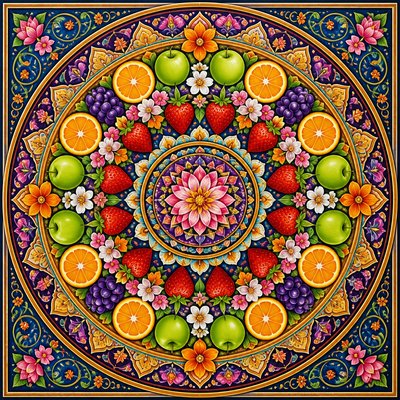
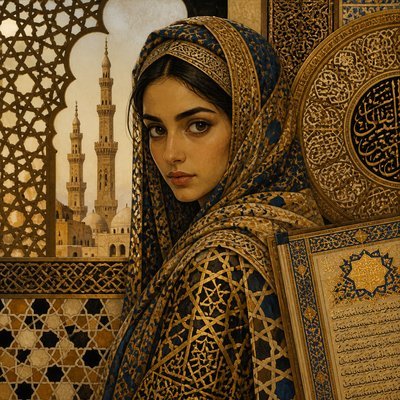
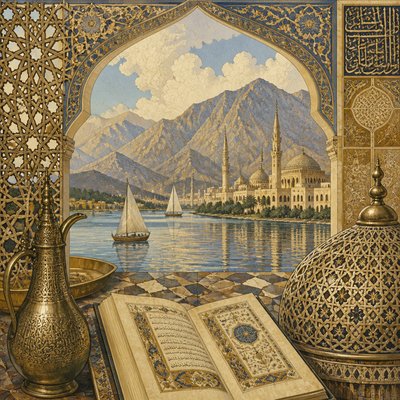
Explore Cologne Art Style: luminous Gothic gold grounds, tender figures, flowing robes, devotional calm, and richly detailed tempera ornament.
Instantly rendered in Cologne — or transform a photo
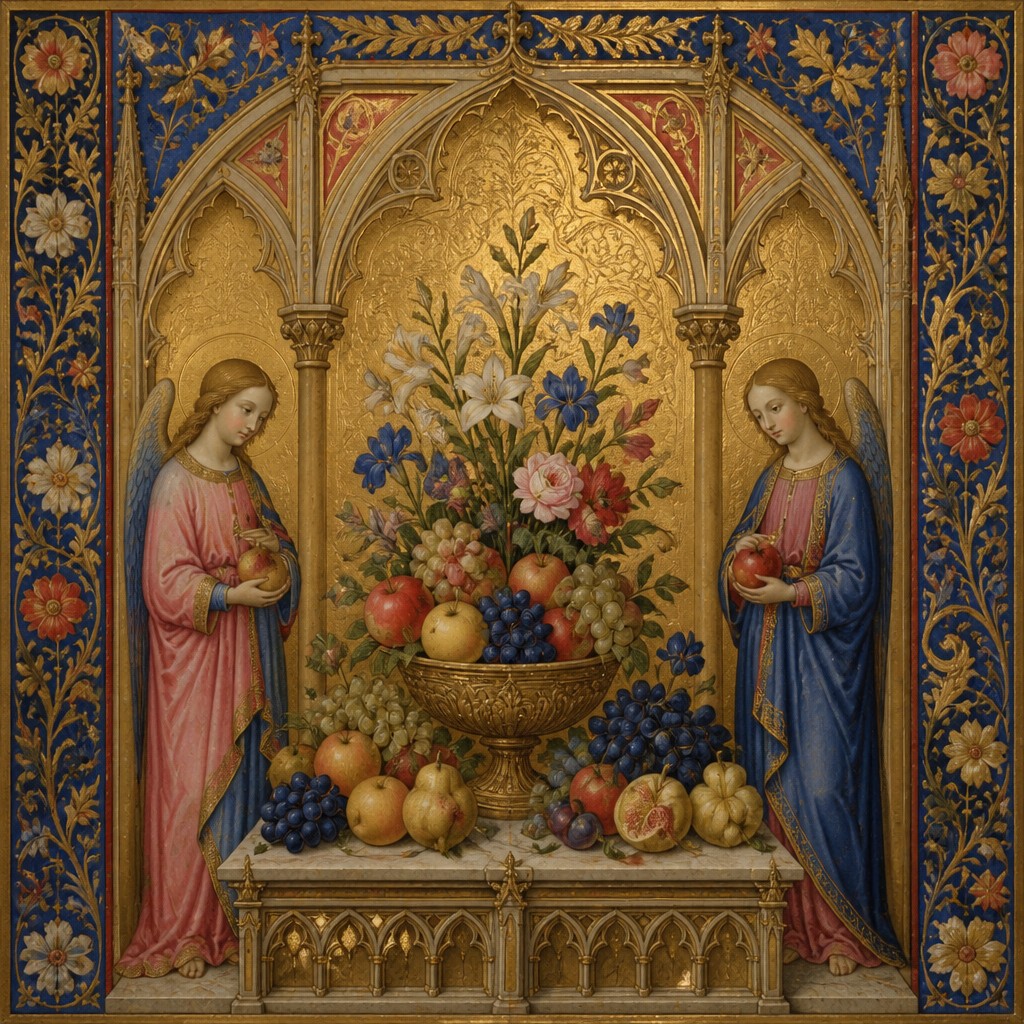
Cologne Gallery
Tap any artwork to explore it
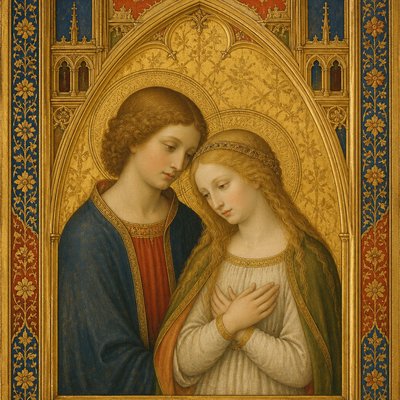
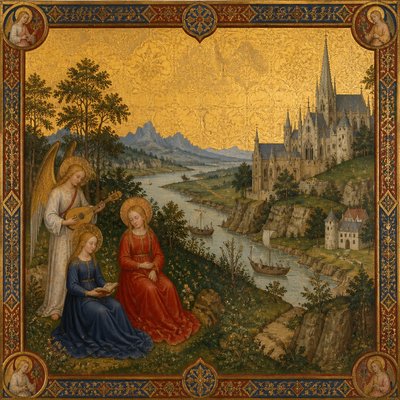
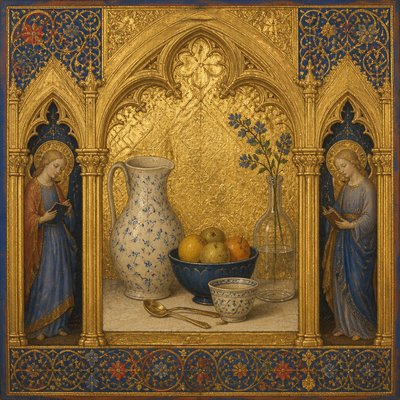
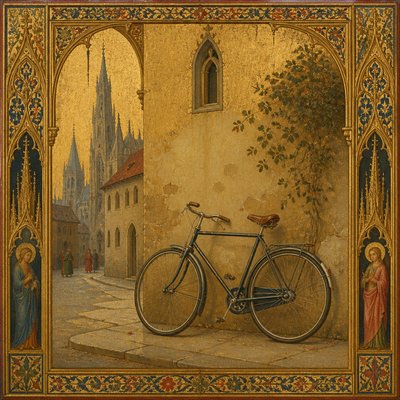
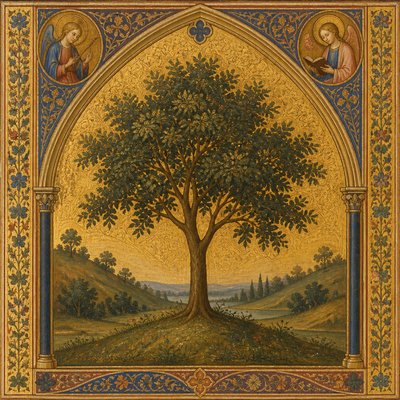
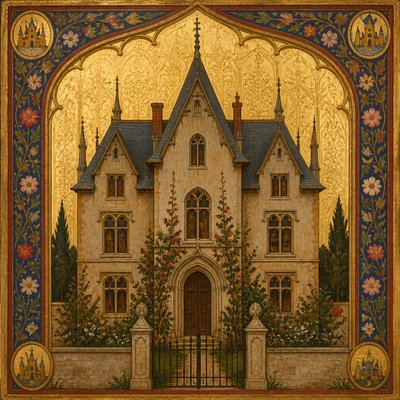
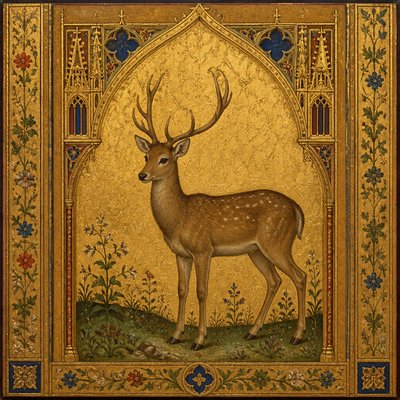
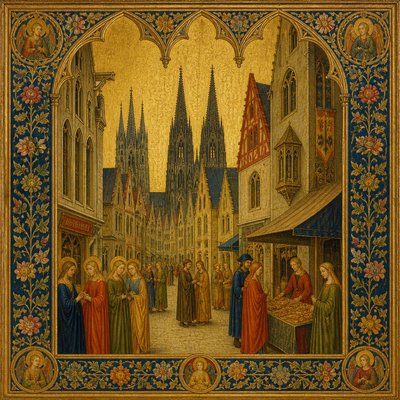
What is Cologne Art Style?
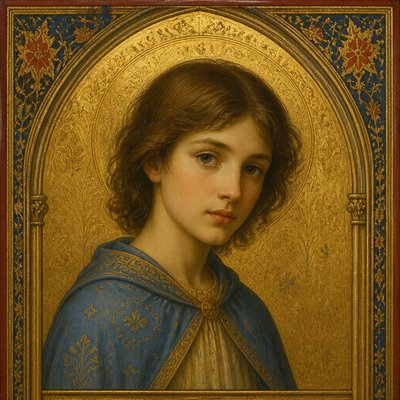
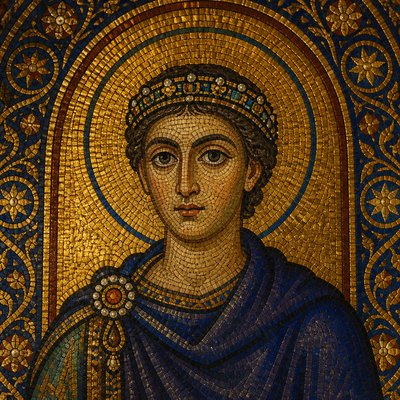
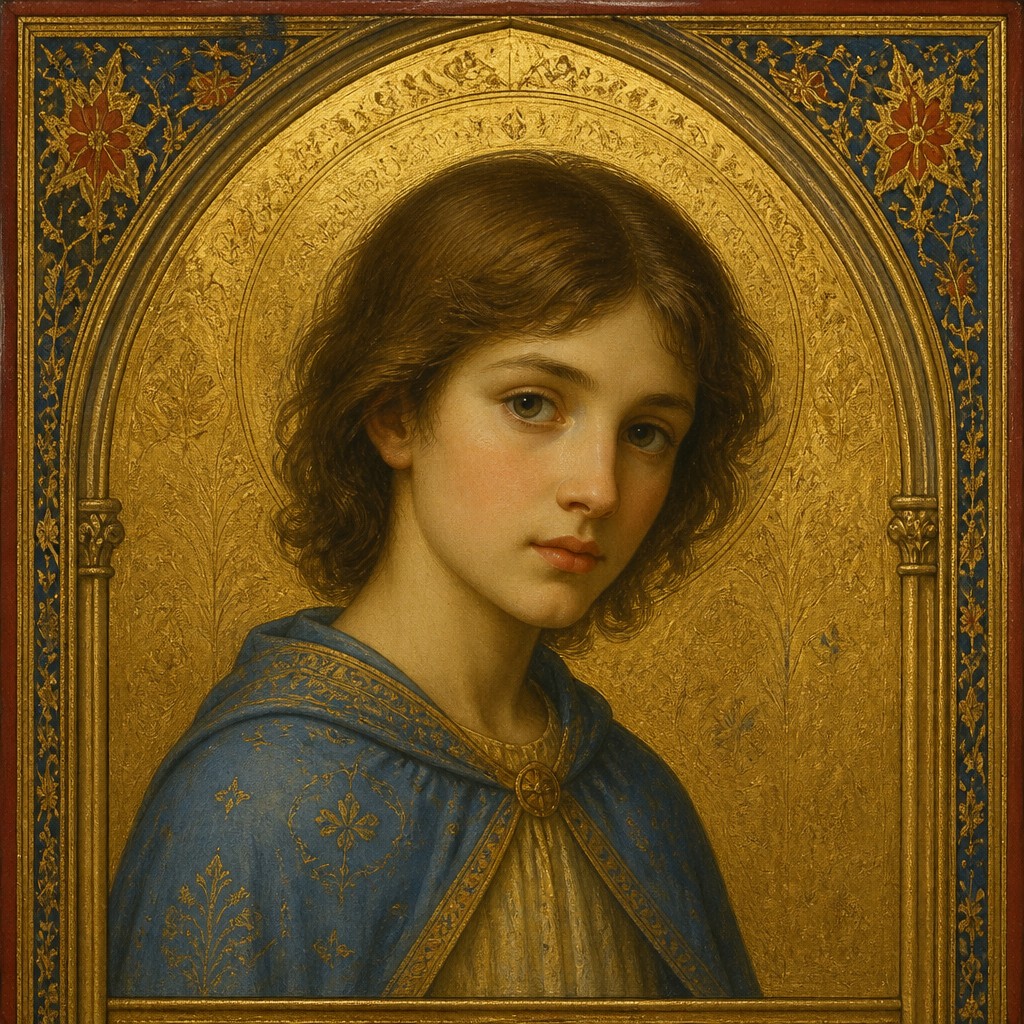
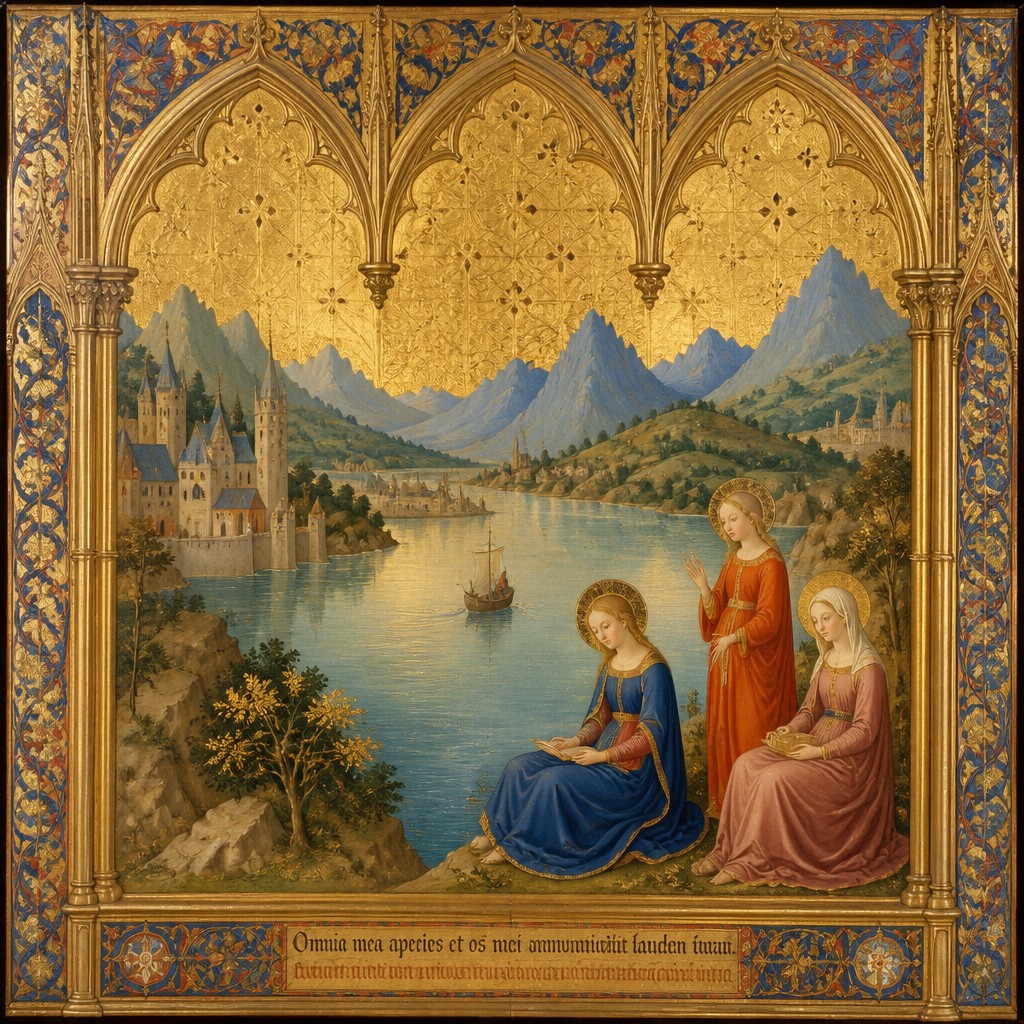
Cologne Art Style refers to the refined late Gothic painting tradition associated with Cologne and the wider Rhineland, particularly its luminous devotional panels and altarpieces. Its visual identity rests on radiant gold grounds, slender architectural settings, quiet sacred narratives, and figures whose rounded faces, lowered gazes, and elegant gestures convey tenderness rather than dramatic force.
The style looks both intimate and precious because it combines the physical richness of medieval materials with a highly controlled, idealized figure language. Mineral and organic pigments, egg tempera, burnished gold leaf, punched ornament, patterned textiles, and elaborate borders create a jewel-like surface, while elongated proportions and flowing drapery give the scenes a serene, otherworldly rhythm.
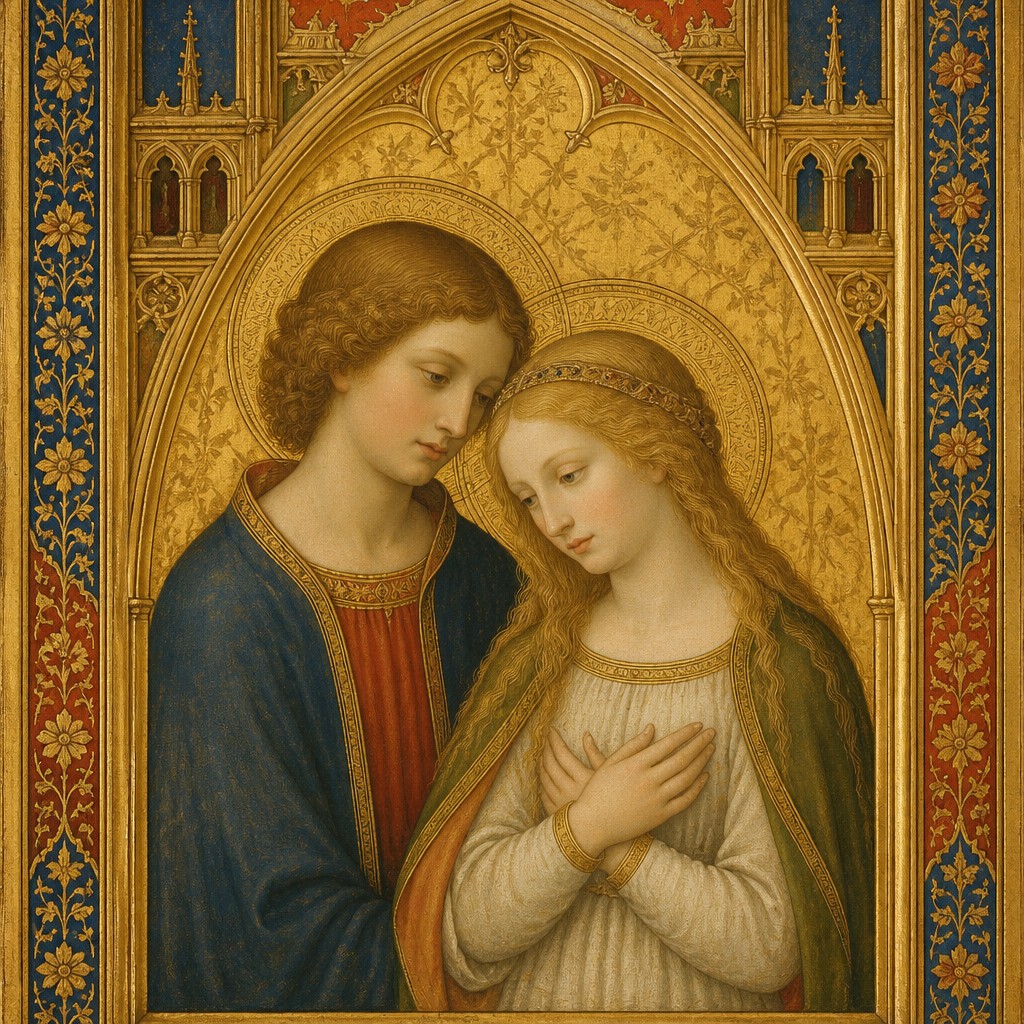
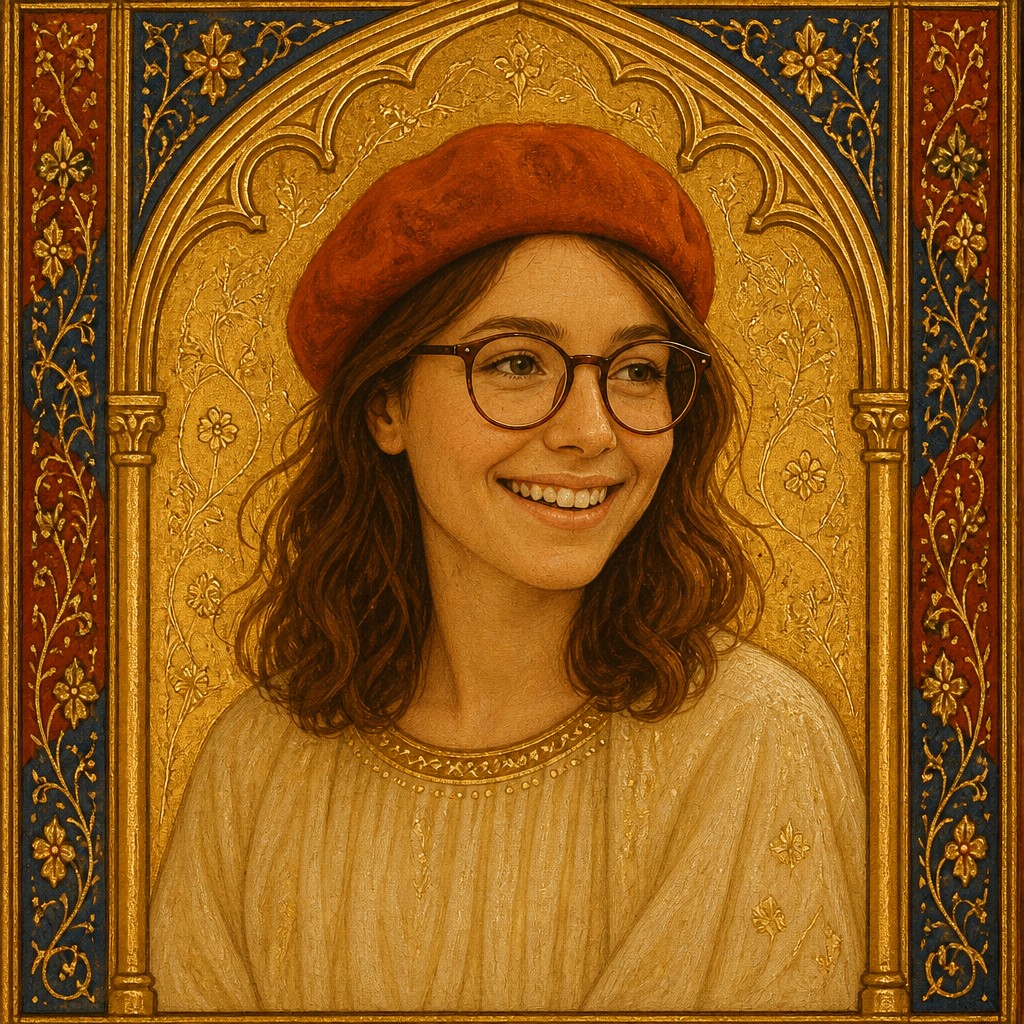
Try It On Your Photos
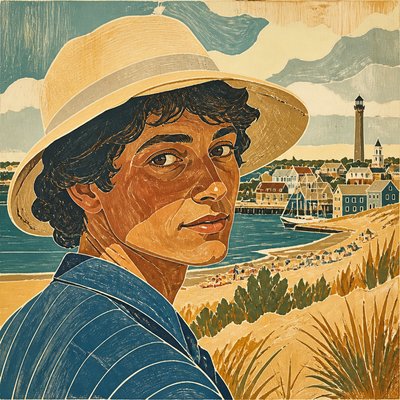
Upload any photo and convert it into Cologne Art Style — drag the sliders to compare before and after.

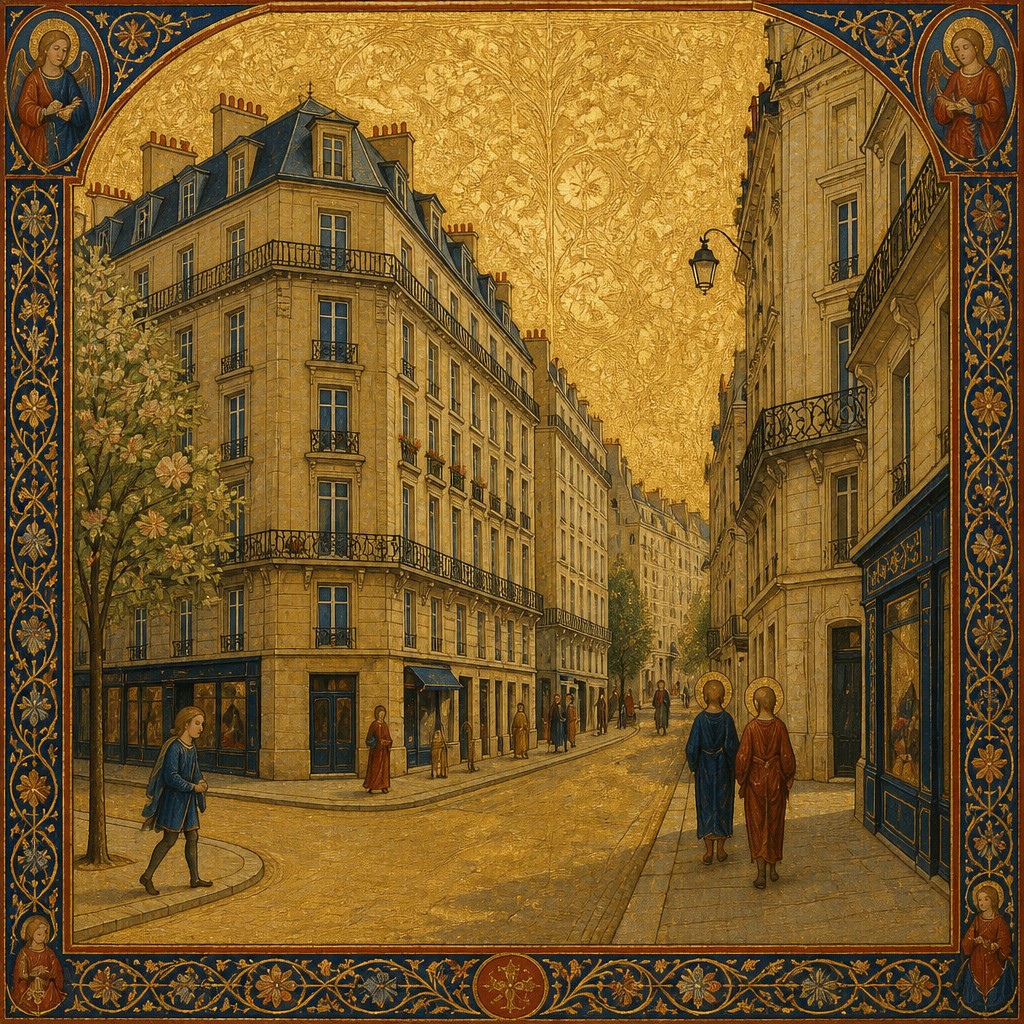

What Defines Cologne Art Style
The signature details, up close
Radiant gold grounds
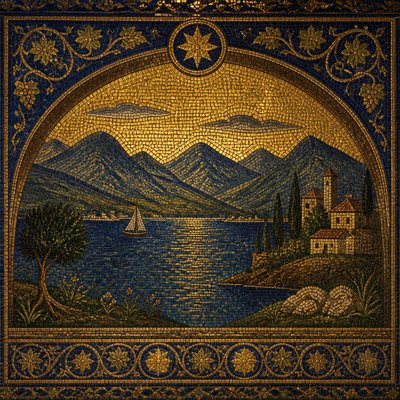
Backgrounds are covered with gold leaf or simulated gold, often burnished to a reflective glow. Tooled, punched, or patterned motifs add tactile richness without creating deep atmospheric space.
Tender idealized figures
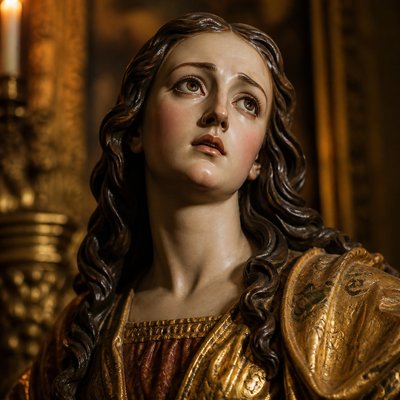
Figures tend to have rounded, gentle faces, small mouths, lowered or serene gazes, and restrained expressions. Their emotional register is devotional, compassionate, and quietly contemplative.
Elongated proportions and flowing robes
Bodies are gracefully extended, with narrow waists and elegant vertical lines. Layered garments fall in rhythmic folds that guide the eye through the composition.
Luminous tempera color
Egg tempera produces precise contours and a finely matte yet jewel-like color surface. Saturated reds, blues, greens, and white highlights are balanced against gold and carefully controlled shadows.
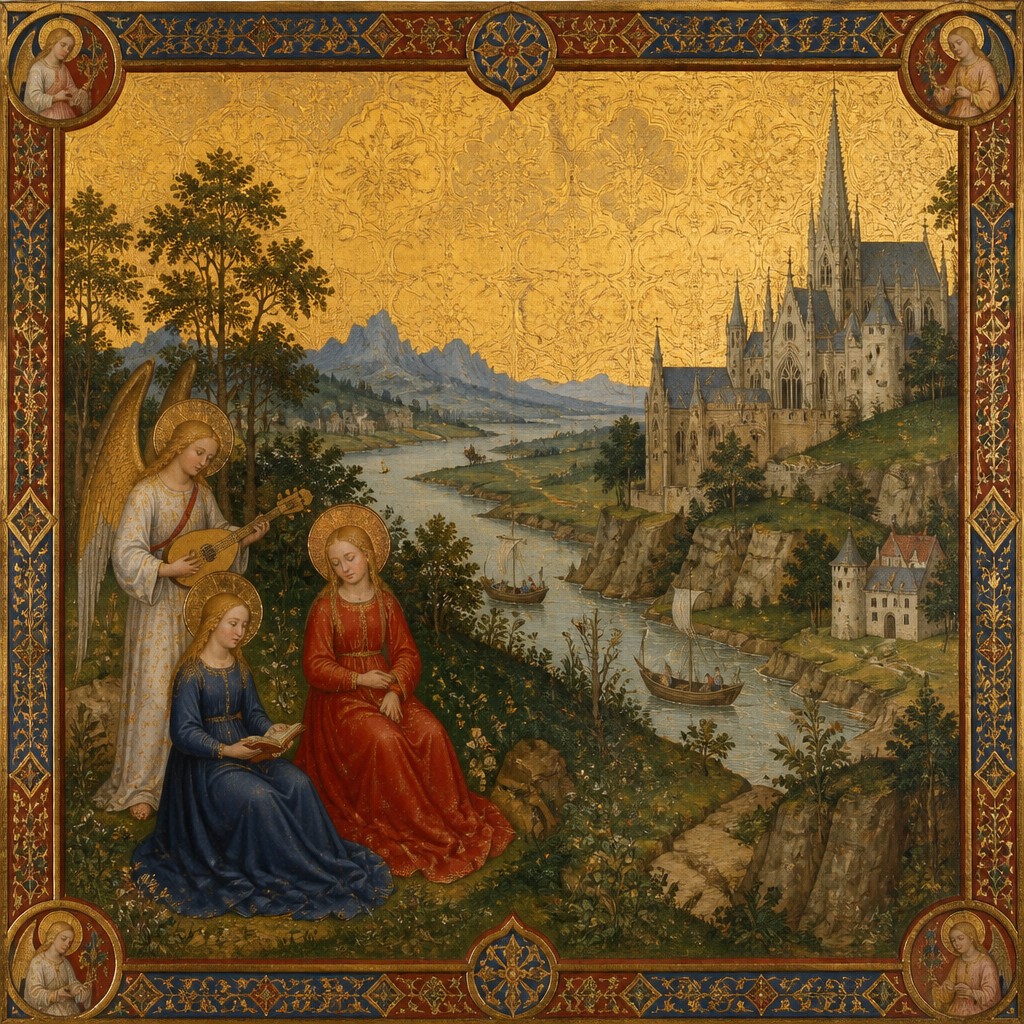
Decorative architecture
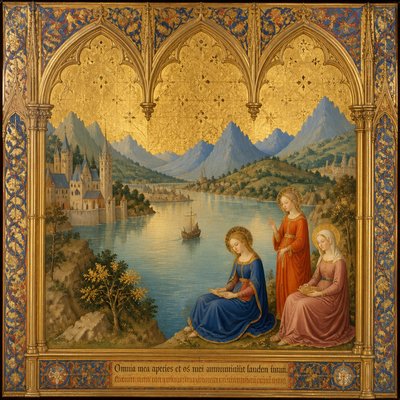
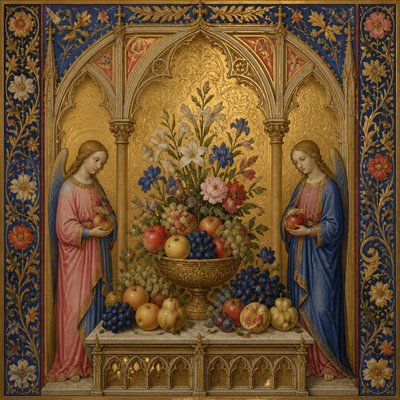
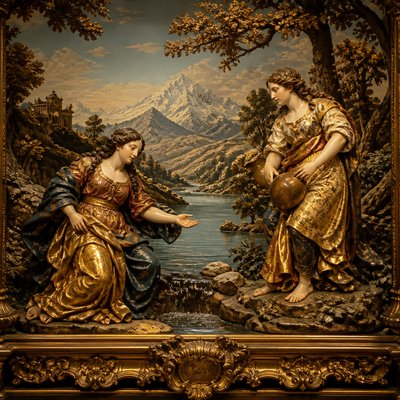
Slender Gothic arches, pinnacles, tracery, canopies, and stylized interiors frame the figures. Architecture often functions as an ornamental structure rather than a fully measured architectural space.
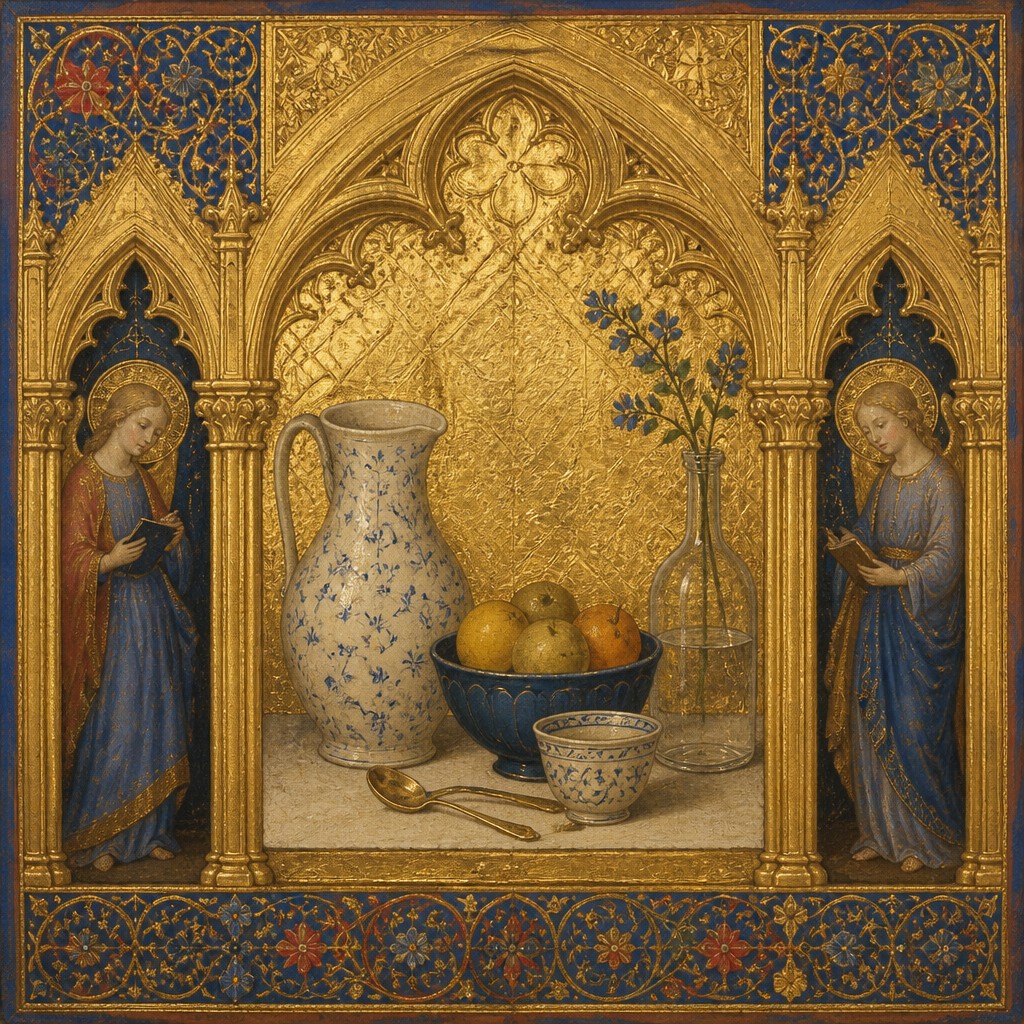
Manuscript-like detail
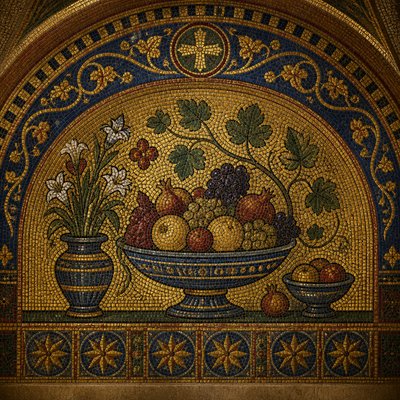
Borders, textiles, halos, foliage, flowers, and small symbolic objects receive meticulous attention. Repeated patterns and ornamental accents give the image the delicacy of an illuminated manuscript.
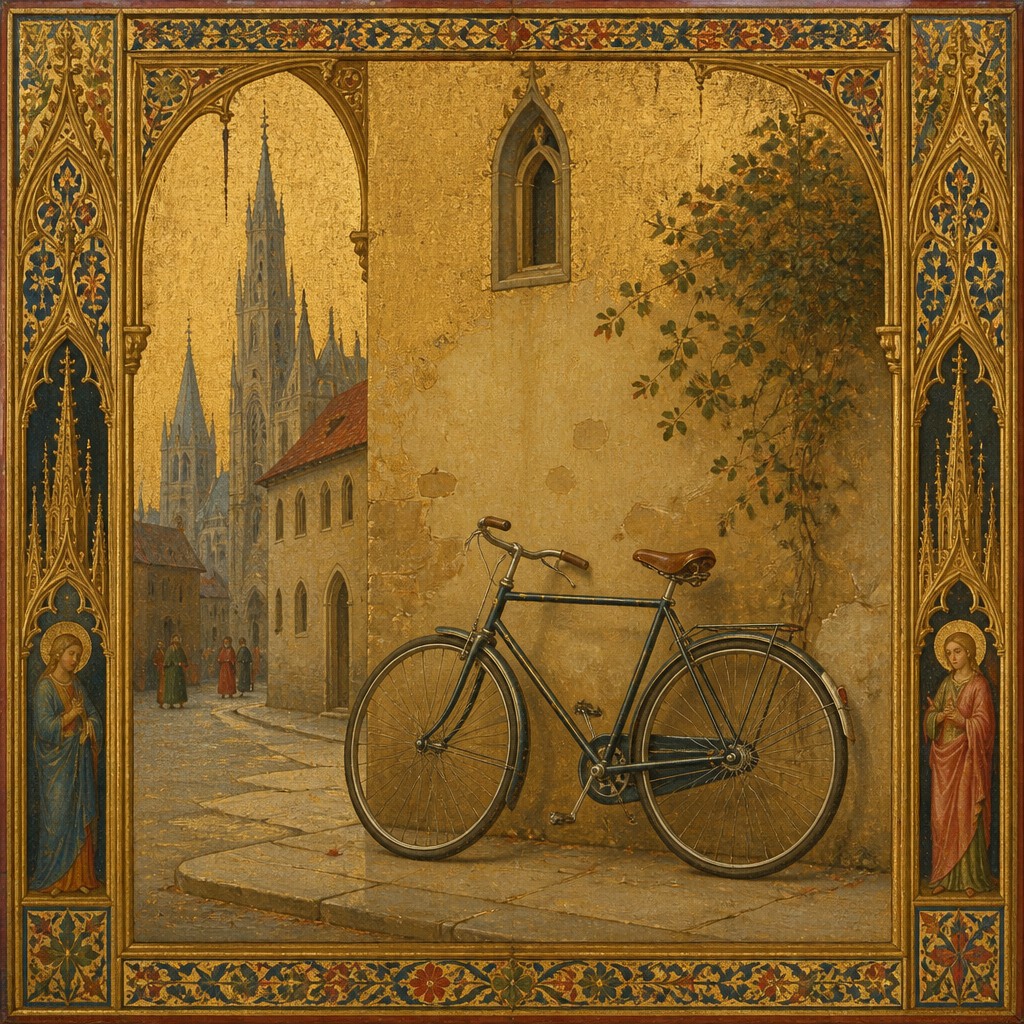
Serene devotional composition
Scenes are arranged for contemplation, with balanced groupings, limited movement, and clear symbolic emphasis. Narrative action is subordinated to grace, presence, and sacred atmosphere.
Cologne Prompt Ideas
Start from an idea — each one opens the generator with the style ready to go. See all 40 Cologne prompts →
How to Create Cologne Art
Master the craft step by step — or skip straight to creating. Read the full guide →
- 1
Build the ground first
For a traditional approach, prepare a smooth gessoed panel and apply bole beneath gold leaf, then burnish the surface and add punched patterns with small tools. Digitally, establish a warm metallic background layer before adding figures and architecture.
- 2
Use tempera-like edges and color
Choose opaque, luminous colors with clean contours rather than soft photographic blending. Layer thin digital brushstrokes or traditional egg-tempera applications, reserving bright highlights for faces, folds, halos, and metalwork.
- 3
Design a graceful figure language
Give figures gently elongated bodies, rounded faces, quiet gestures, and robes that form long, looping folds. Avoid exaggerated anatomy, aggressive poses, and strongly individualized modern expressions.
- 4
Frame the scene ornamentally
Surround the subject with pointed arches, delicate tracery, patterned textiles, halos, foliage, and narrow decorative borders. Keep perspective shallow and let the architecture organize the image like an altarpiece.
- 5
Prompt for material and structure
In a text prompt, specify gold-leaf patterning, luminous tempera, devotional stillness, elongated Gothic framing, rounded gentle faces, and manuscript-level detail. For image transformation, preserve the subject's pose while simplifying the background and replacing photographic texture with a painted panel surface.
The Story
History & Origins of Cologne
The historical lineage of this style lies in the Cologne School of painting, a regional tradition that developed in the Rhineland from the late thirteenth and fourteenth centuries and continued through the late Gothic period into the early sixteenth century. Cologne was an important religious, commercial, and artistic center, and its workshops produced panel paintings, altarpieces, manuscript illumination, and devotional images for churches, religious communities, and private worship.
Cologne painters absorbed elements of French courtly Gothic, International Gothic elegance, Byzantine-derived sacred imagery, and local German devotional practice. Over time, the emphasis on gold-ground idealism and delicate linear beauty was joined by greater spatial observation, naturalistic detail, and early Renaissance influences, although the luminous, contemplative character remained central to the tradition.
Influences: The style is closely related to the Cologne School and wider late Gothic panel painting, while also drawing on International Gothic courtliness, Rhineland devotional art, medieval manuscript illumination, Byzantine icon traditions, and the ornamental language of Gothic architecture. Its gold grounds and symbolic stillness connect it to medieval sacred imagery, whereas its graceful silhouettes, luxurious textiles, and botanical detail reflect the courtly and naturalistic tendencies that circulated across Europe.
Frequently Asked Questions
What defines the Cologne Art Style?
It is defined by luminous gold grounds, delicate late Gothic figures, flowing robes, serene devotional compositions, and highly detailed ornament. The combination of reflective surface, elegant linear design, and tender facial expression is especially characteristic.
Is Cologne Art Style the same as Gothic art?
It is a regional expression within the broader Gothic and late Gothic traditions, not a synonym for all Gothic art. Its strongest associations are with Cologne and the Rhineland, where gold-ground panel painting and refined devotional imagery developed distinctive local qualities.
How does it differ from Byzantine icon painting?
Both traditions may use gold backgrounds, frontal sacred figures, and symbolic rather than naturalistic space. Cologne painting generally introduces more courtly elegance, softer faces, flowing Gothic drapery, intricate architectural framing, and a greater interest in ornamental narrative detail.
What materials were traditionally used?
Artists commonly worked on prepared wooden panels using egg tempera, mineral and organic pigments, and gold leaf applied over a bole ground. Incised or punched patterns, raised details, and careful burnishing gave the surfaces their distinctive richness.
Can secular subjects be made in this style?
Yes, although the historical tradition is strongly associated with Christian devotional art. Portraits, gardens, legends, family scenes, and fantasy subjects can adopt its gold grounds, Gothic framing, elongated figures, and manuscript-like ornament while retaining the style's contemplative mood.
How can I create a convincing digital version?
Start with a flat, balanced composition and add a warm gold background, precise contours, jewel-toned opaque colors, delicate robes, and patterned architectural framing. Avoid photographic lighting, deep cinematic perspective, rough brushwork, and overly realistic anatomy; the surface should feel like a carefully finished tempera panel.
Create your first Cologne artwork
Describe anything — or upload a photo — and see it in Cologne Art Style in seconds.
Related Styles
Discover similar art styles