St Ives Art Style
Explore the St Ives art style: luminous Cornish coastal abstraction shaped by sea light, simplified forms, chalky color and tactile modernist surfaces.
Instantly rendered in St Ives — or transform a photo
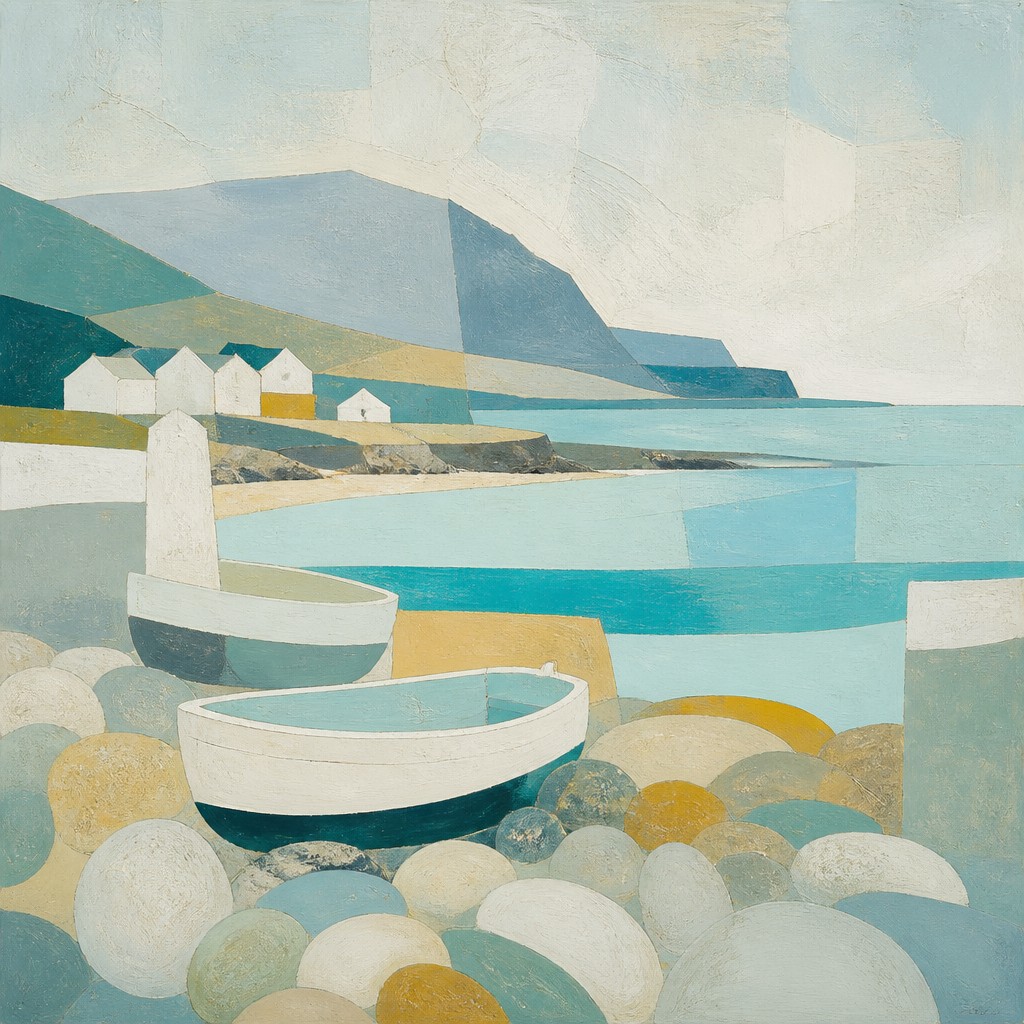
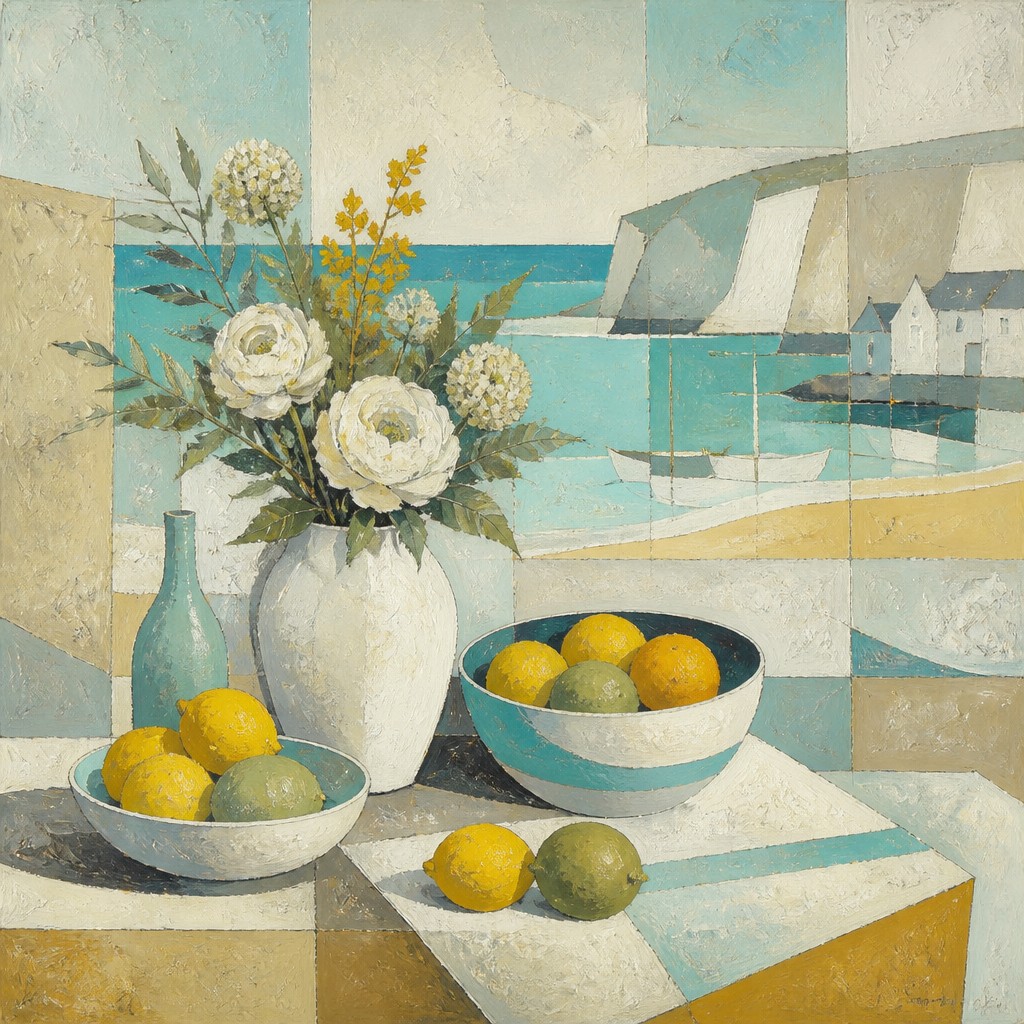
St Ives Gallery
Tap any artwork to explore it
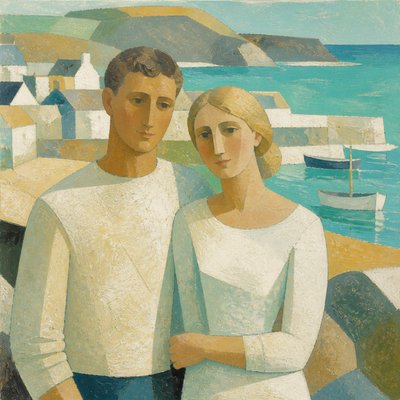
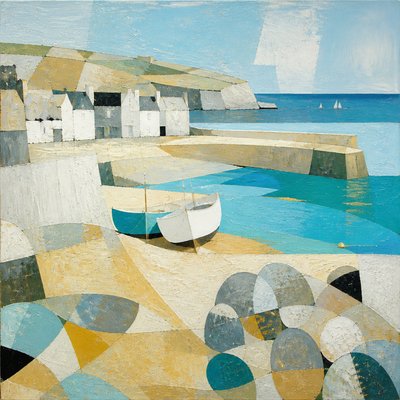
What is St Ives Art Style?
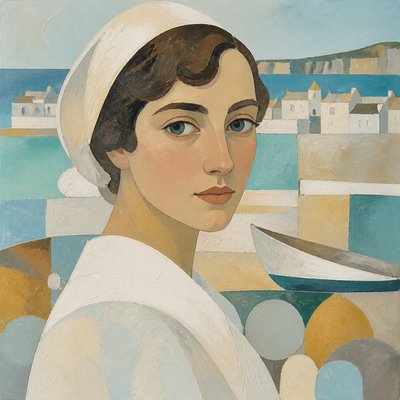
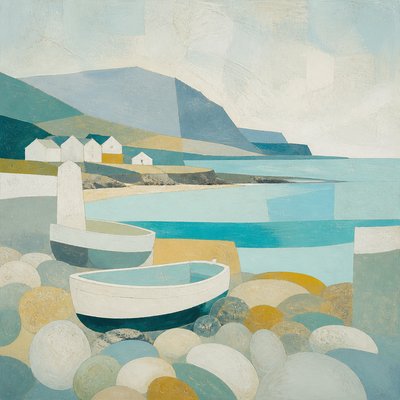
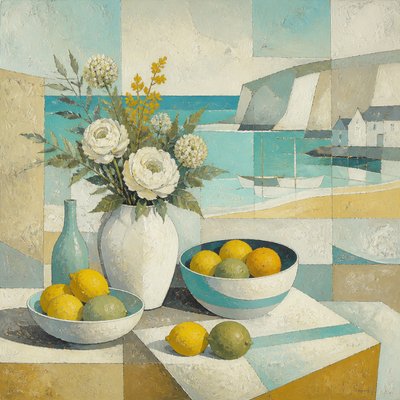
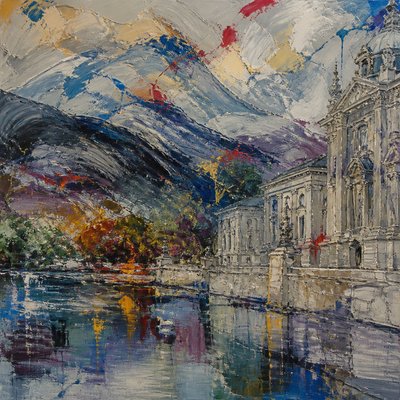
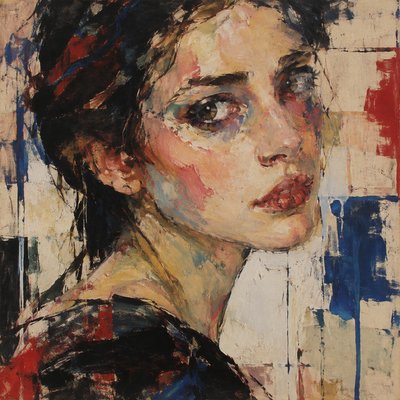
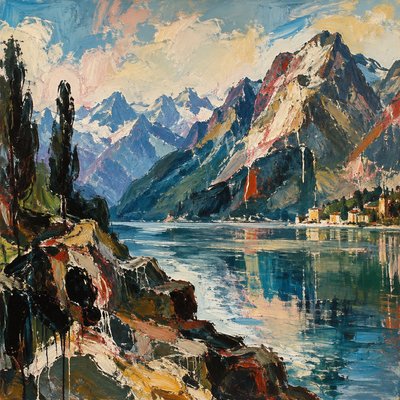
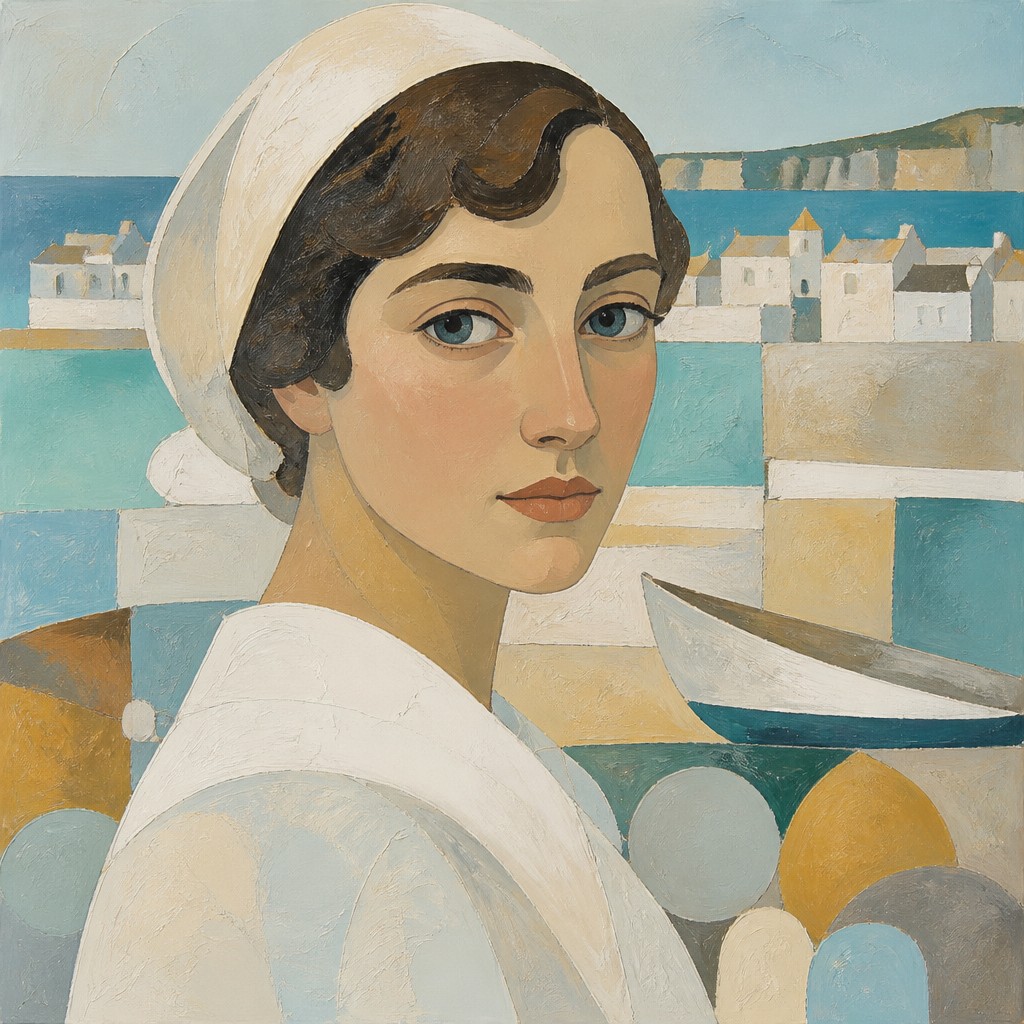
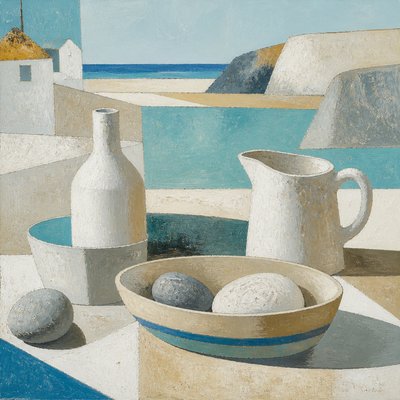
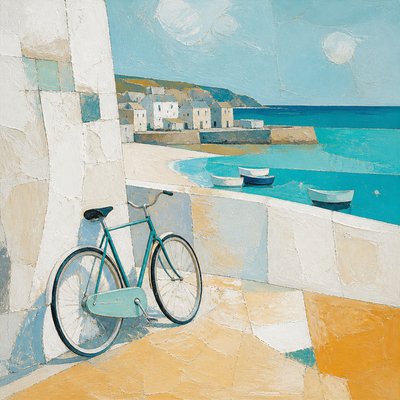
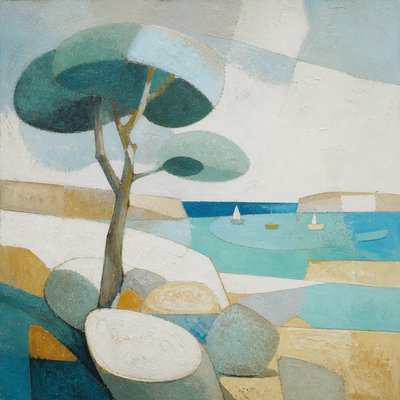
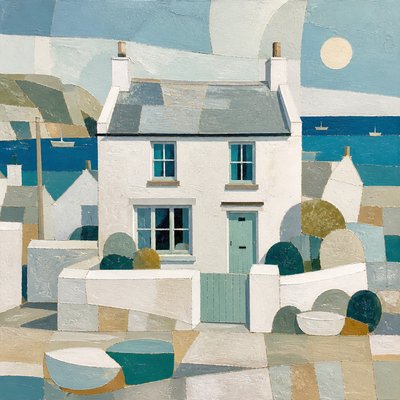
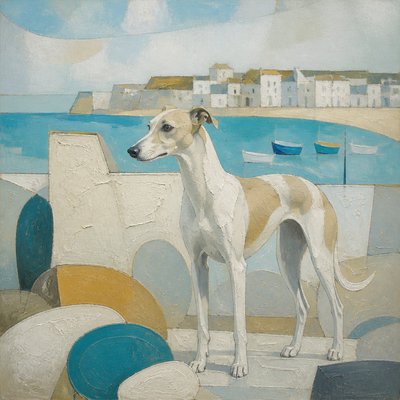
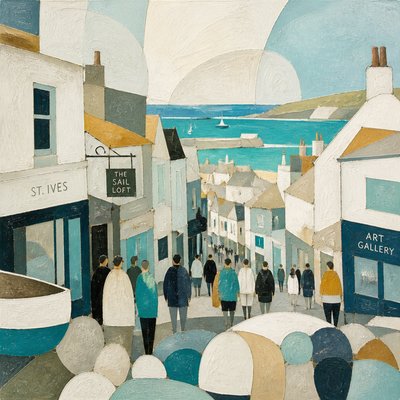
The St Ives art style is a form of British modernist abstraction associated with the coastal town of St Ives in Cornwall. It transforms cliffs, harbors, beaches, boats and the sea into simplified arrangements of color, shape and texture rather than depicting them literally. Its characteristic palette includes chalky white, sea green, aqua, blue, sand, ochre and muted gray, often animated by the intense light of the Cornish coast.
The style balances recognizable landscape references with geometric and organic abstraction. Rounded forms may suggest pebbles, shells, boat hulls or human figures, while flattened planes evoke cliffs, horizons and harbor walls. Thick paint, scraped surfaces and visible material texture give the work a physical presence, making light feel embedded in the painted surface rather than merely represented.
Try It On Your Photos
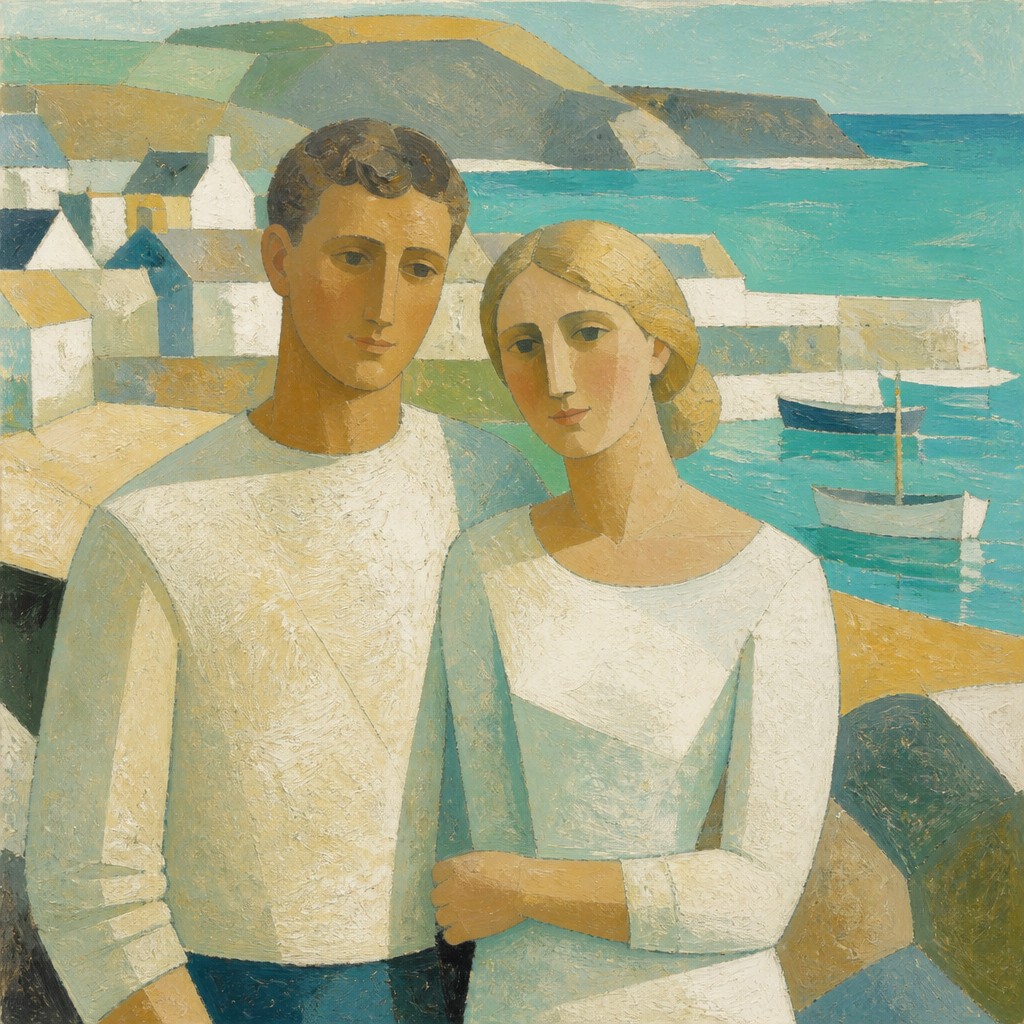
Upload any photo and convert it into St Ives Art Style — drag the sliders to compare before and after.

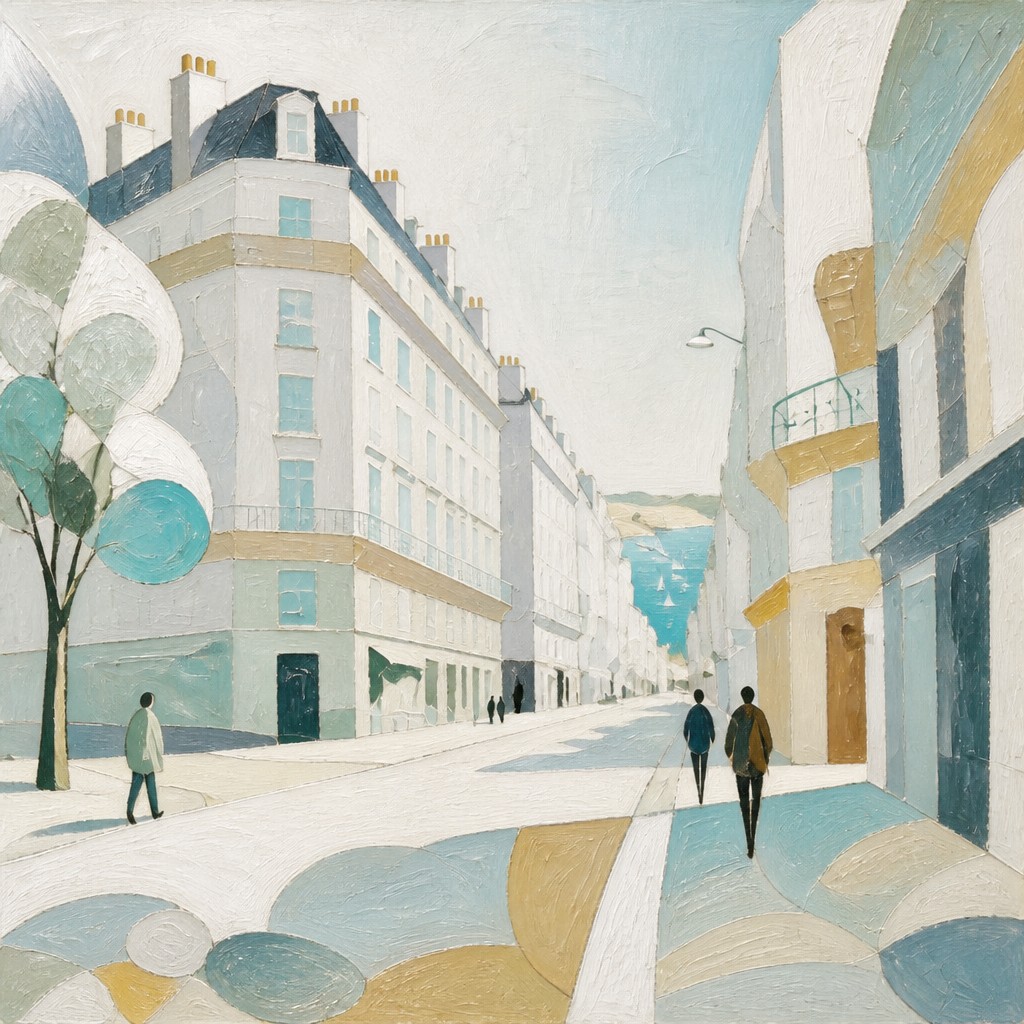

What Defines St Ives Art Style
The signature details, up close
Luminous coastal palette
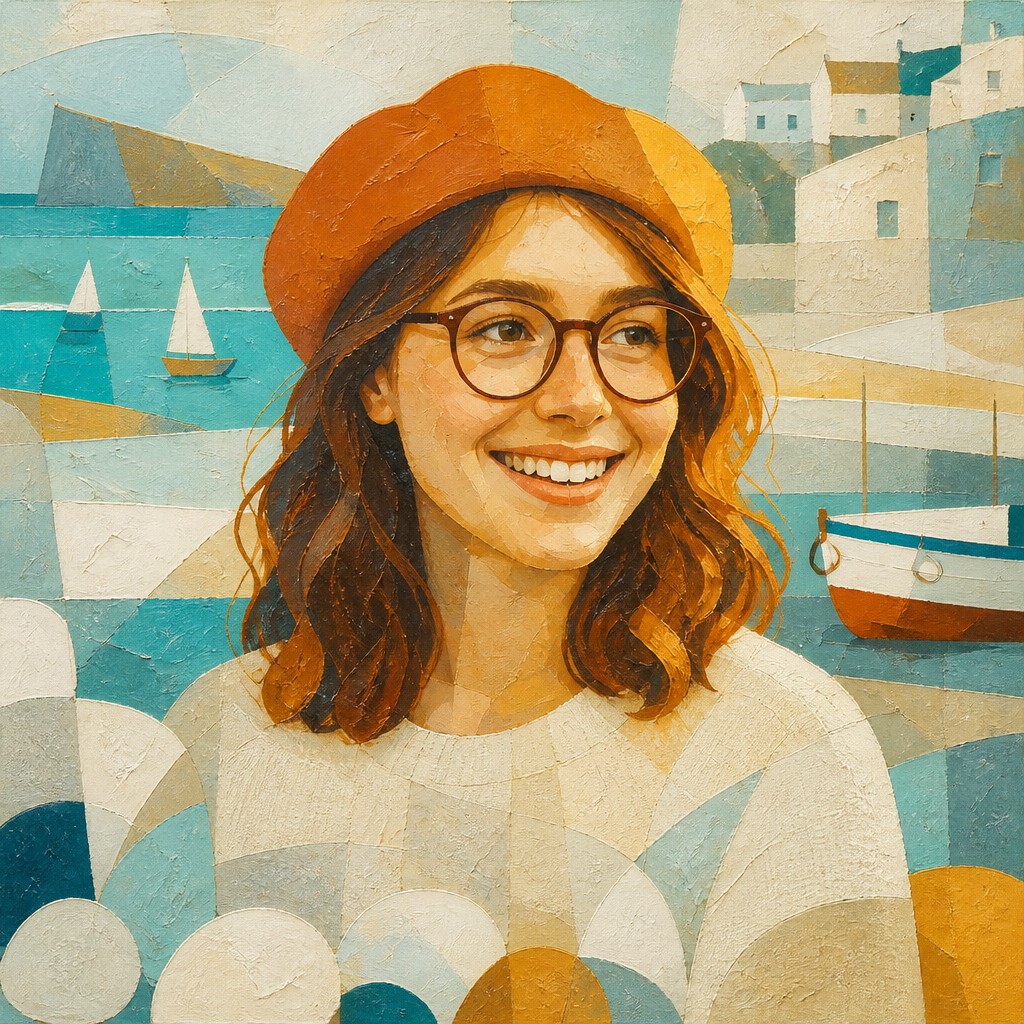
Colors are drawn from Cornish shorelines: chalk white, aqua, marine blue, sandy ochre, pale gray and weathered stone. High-key contrasts suggest strong Atlantic daylight without requiring realistic modeling.
Abstracted seascape structure
Horizons, cliffs, beaches and harbor walls are reduced to broad horizontal or angular fields. The subject remains perceptible through suggestion rather than detailed description.
Rounded organic forms
Pebbles, shells, boat hulls, figures and rock formations may appear as smooth, simplified shapes. These forms soften the geometry and create a tactile, almost sculptural rhythm.
Flattened modernist composition
Depth is compressed into overlapping blocks, bands and planes instead of conventional perspective. A shallow spatial arrangement keeps attention on color relationships and overall balance.
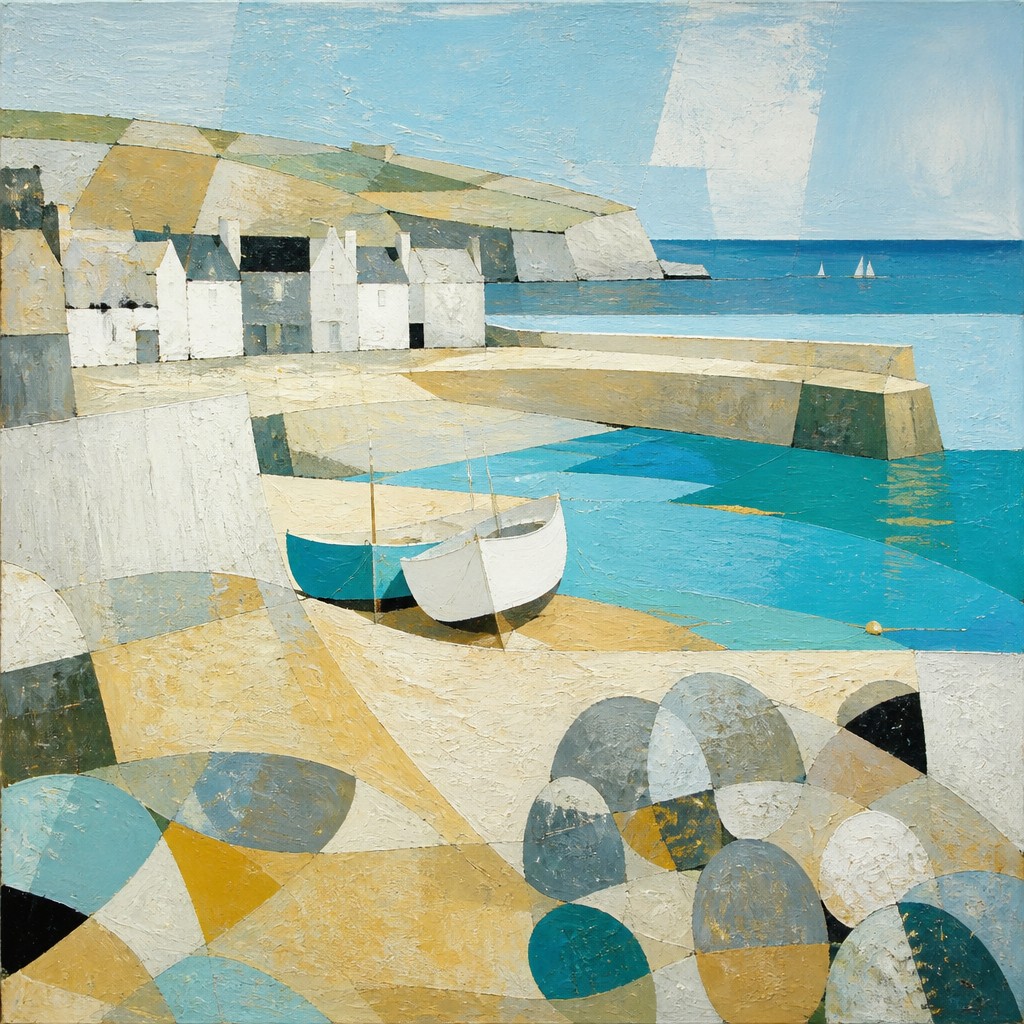
Textured impasto surface
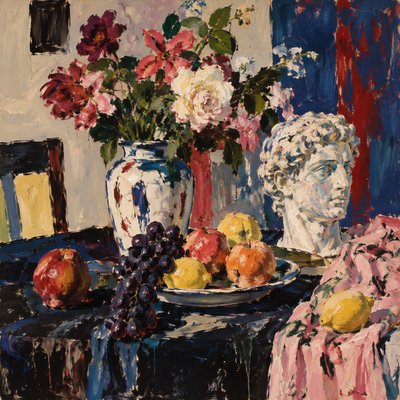
Thick brushwork, scraped paint and granular marks evoke weathered stone, sea spray and harbor walls. Surface variation allows light to shift across the image as it would across a physical object.
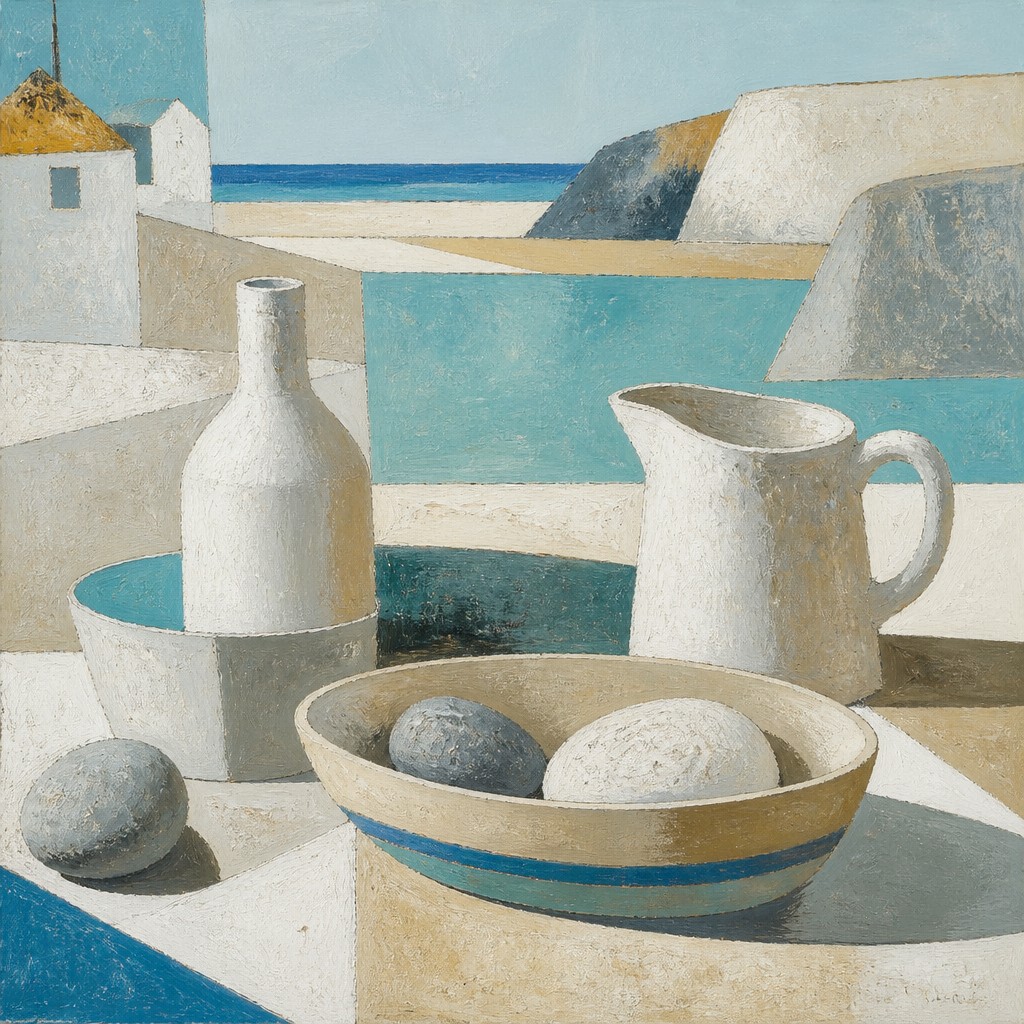
Poetic environmental reference
The work often recalls a specific coastal atmosphere without functioning as topographical illustration. Memory, sensation and place are combined into an image that is both grounded and open-ended.
St Ives Prompt Ideas
Start from an idea — each one opens the generator with the style ready to go. See all 40 St Ives prompts →
How to Create St Ives Art
Master the craft step by step — or skip straight to creating. Read the full guide →
- 1
Reduce the scene to essential planes
Begin with a photograph or observation of a coast, harbor or rocky beach, then identify only the dominant horizon, landmass and foreground shapes. Remove small details and organize the subject into a few balanced fields.
- 2
Build a restrained coastal palette
Mix off-white, pale aqua, desaturated blue, warm sand and ochre rather than using highly saturated color everywhere. Reserve the strongest light or darkest accent for focal areas such as a boat, rock or horizon.
- 3
Use material contrast
In traditional painting, combine broad opaque strokes with scraping, dry brush, palette-knife ridges or sand-like granular texture. Digitally, layer rough brushes, subtle noise and matte overlays while preserving clearly designed shapes.
- 4
Flatten perspective deliberately
Avoid excessive atmospheric depth and photorealistic shading. Overlap simplified shapes, vary their scale, and let the composition read as a designed arrangement of planes.
- 5
Keep recognizable anchors
Include one or two cues such as a curved hull, a breakwater, a lighthouse silhouette or a band of sea. These anchors prevent the abstraction from becoming visually generic while allowing the surrounding forms to remain ambiguous.
- 6
Write prompts around light and form
For digital or AI-assisted creation, specify the subject, simplified coastal geometry, chalky palette, flattened composition and tactile paint surface. Ask for reduced detail and material variation rather than simply requesting a generic abstract seascape.
The Story
History & Origins of St Ives
St Ives developed as an important center of British modernism during the mid-20th century, particularly from the 1940s through the 1960s. Its growth was connected to the town's fishing harbor, distinctive coastal light and expanding community of painters, sculptors and ceramicists. The local environment encouraged artists to combine direct observation of landscape with ideas derived from European abstraction, Cubism and constructivist design.
There was never a single fixed St Ives formula. Some practitioners retained poetic references to sea, land and boats, while others pursued nearly pure arrangements of planes, lines and volumes. The movement's legacy lies in this synthesis of place-based observation, modernist simplification and an emphasis on surface, material and light.
Influences: The style draws on British modernism, European Cubism, constructivist abstraction and the simplified visual language of modern sculpture. It also retains links to plein-air landscape observation, maritime painting, ceramic form and the tactile surfaces of coastal architecture. Its distinctive character comes from combining these international modernist ideas with the particular light, geology and working harbor environment of Cornwall.
Frequently Asked Questions
What defines the St Ives art style?
It is defined by the combination of coastal subject matter, modernist simplification and luminous, restrained color. Sea, cliffs, boats and harbor structures are reduced to flattened planes and rounded forms, often with a strongly textured painted surface.
Is St Ives art abstract or representational?
It can be either, but much of the style occupies a space between representation and abstraction. A viewer may recognize a shoreline or boat while the image prioritizes rhythm, color, shape and material over literal accuracy.
How is it different from general seascape painting?
Traditional seascape painting often emphasizes realistic perspective, atmospheric effects and detailed observation. St Ives abstraction compresses space, simplifies forms and treats the sea and coastline as a vocabulary of geometric and organic shapes.
Which colors work best for this style?
A useful foundation is chalk white, pale aqua, muted marine blue, sandy ochre, warm gray and stone beige. Small accents of deeper blue, charcoal or rust can add structure without disrupting the quiet coastal luminosity.
Can this style be made with photography or digital tools?
Yes. A coastal photograph can be simplified by posterizing its tonal structure, flattening perspective and applying a restrained palette with textured overlays. Digital painting and prompt-based image creation can also reproduce the broad forms and impasto-like surface, provided the image retains clear coastal references.
Where is St Ives-inspired art commonly used?
It is suited to paintings, prints, editorial illustration, posters, book covers, textiles and calm interior artwork. Its simplified shapes and light palette also adapt well to murals and decorative designs, although excessive pattern or saturation can weaken its contemplative character.
Create your first St Ives artwork
Describe anything — or upload a photo — and see it in St Ives Art Style in seconds.
Related Styles
Discover similar art styles