Gutai Art Style
Explore Gutai art: postwar Japanese action painting defined by explosive gestures, raw materials, performance, and physical traces.
Instantly rendered in Gutai — or transform a photo
Gutai Gallery
Tap any artwork to explore it
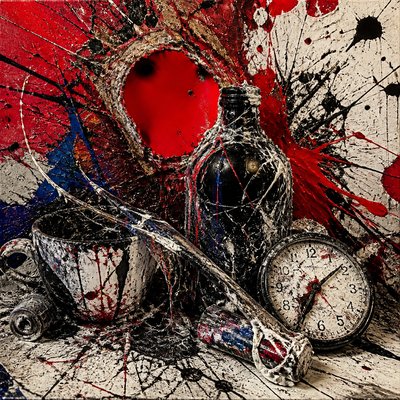
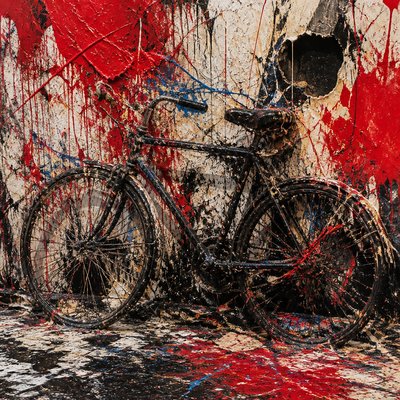
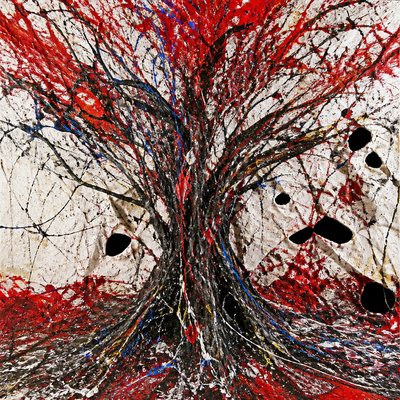
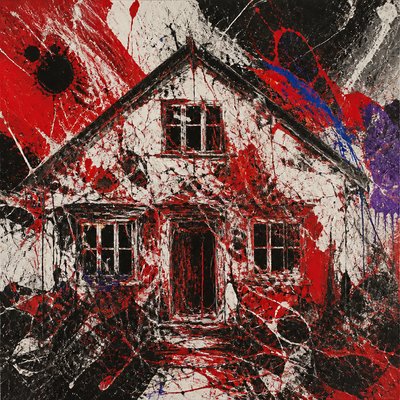
What is Gutai Art Style?
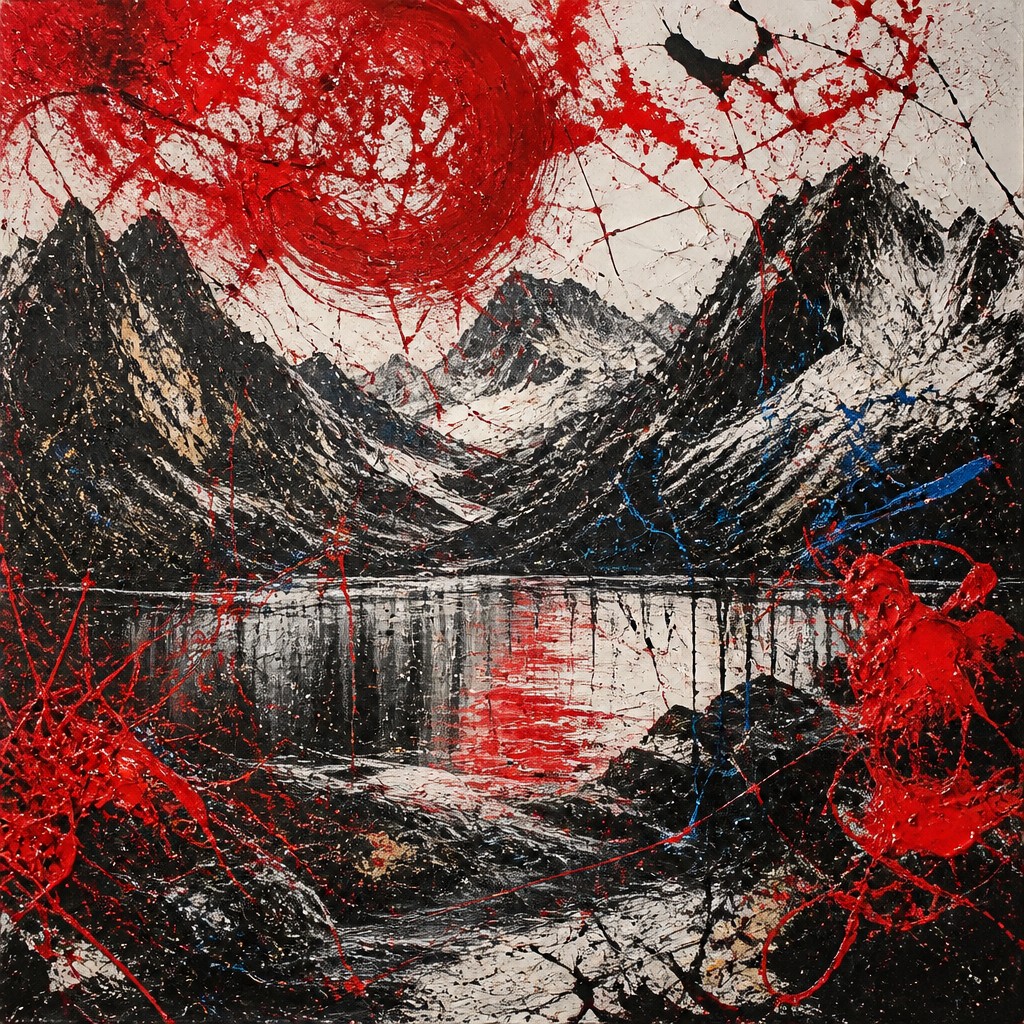
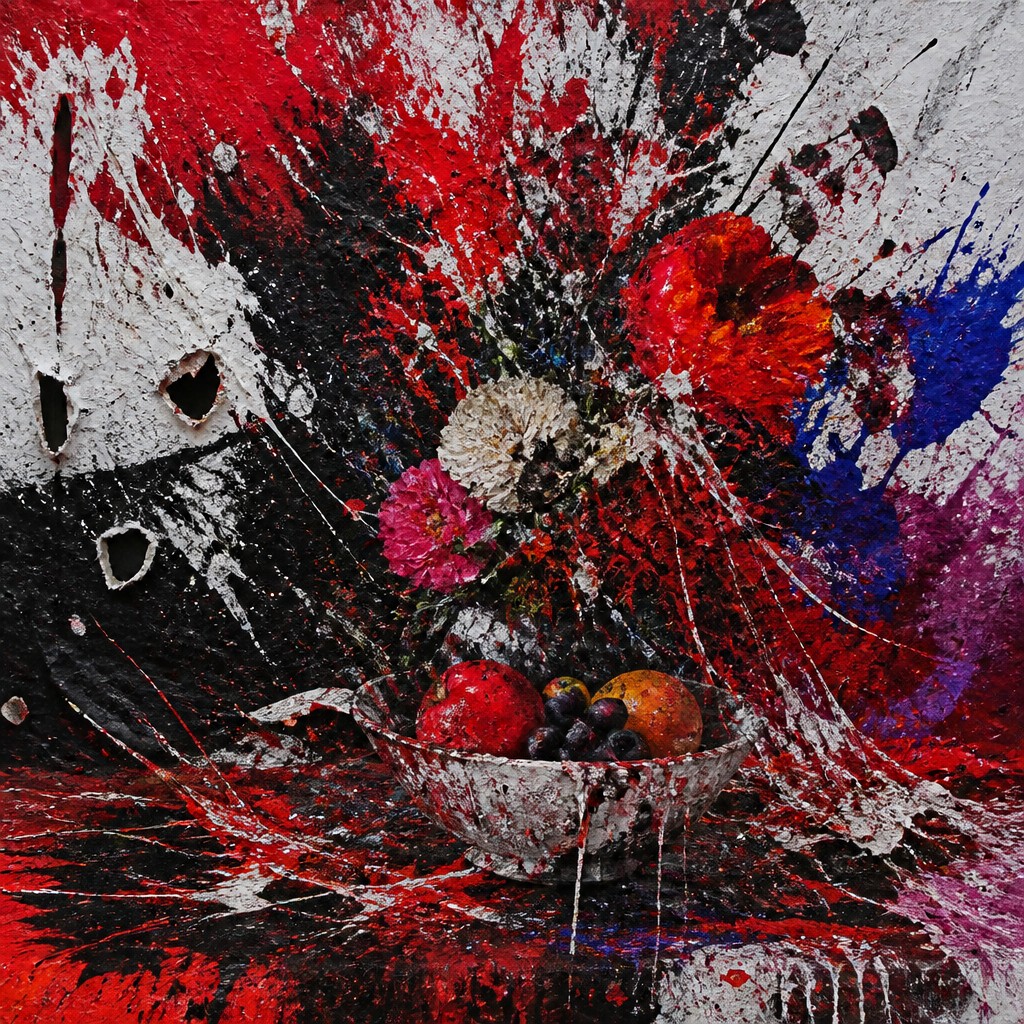
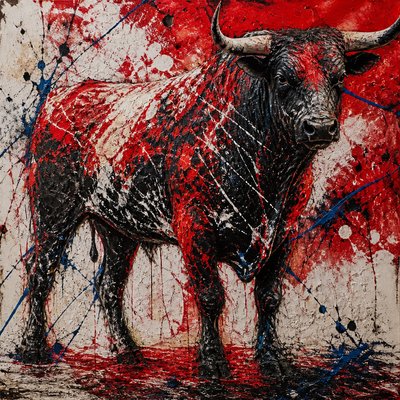
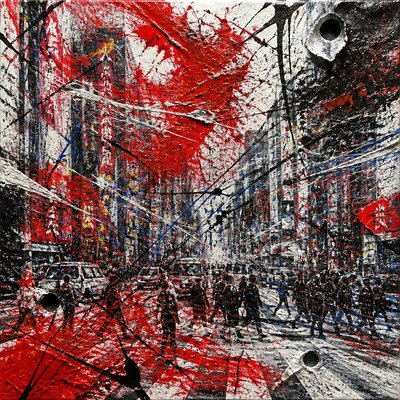
Gutai is a postwar Japanese avant-garde movement centered on direct, physical encounters with materials. Its artists treated paint, mud, paper, wood, water, plastic, and other substances as active participants rather than passive means of representation. The resulting works often preserve evidence of throwing, pouring, tearing, puncturing, dragging, stomping, or otherwise testing matter under force.
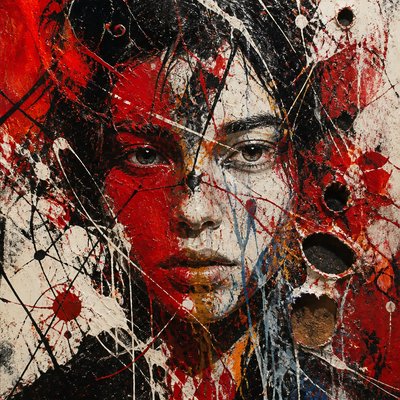
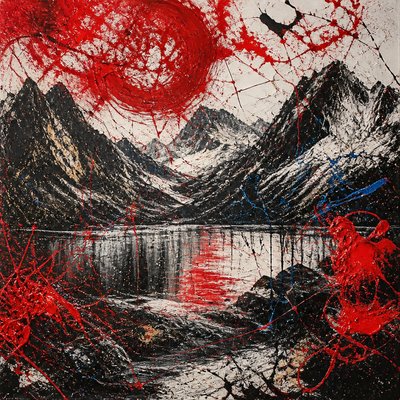
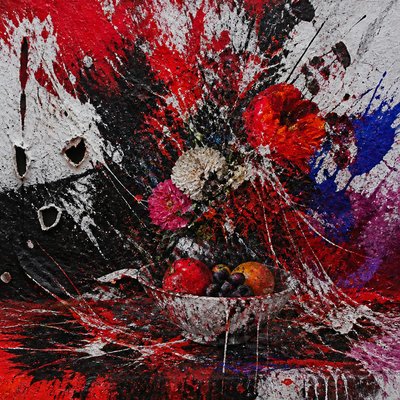
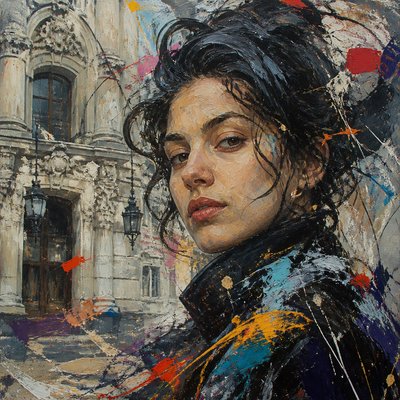
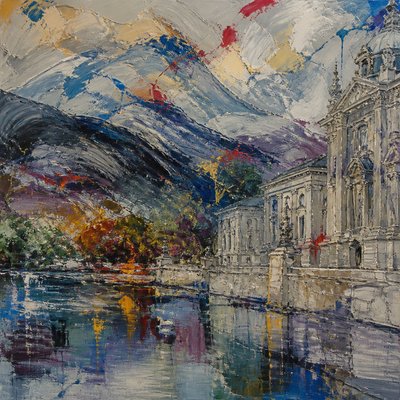
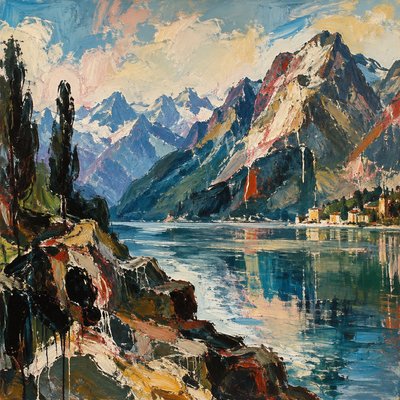
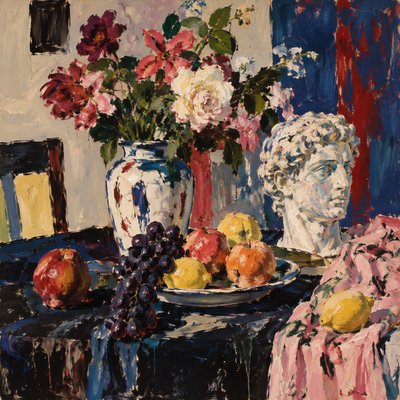
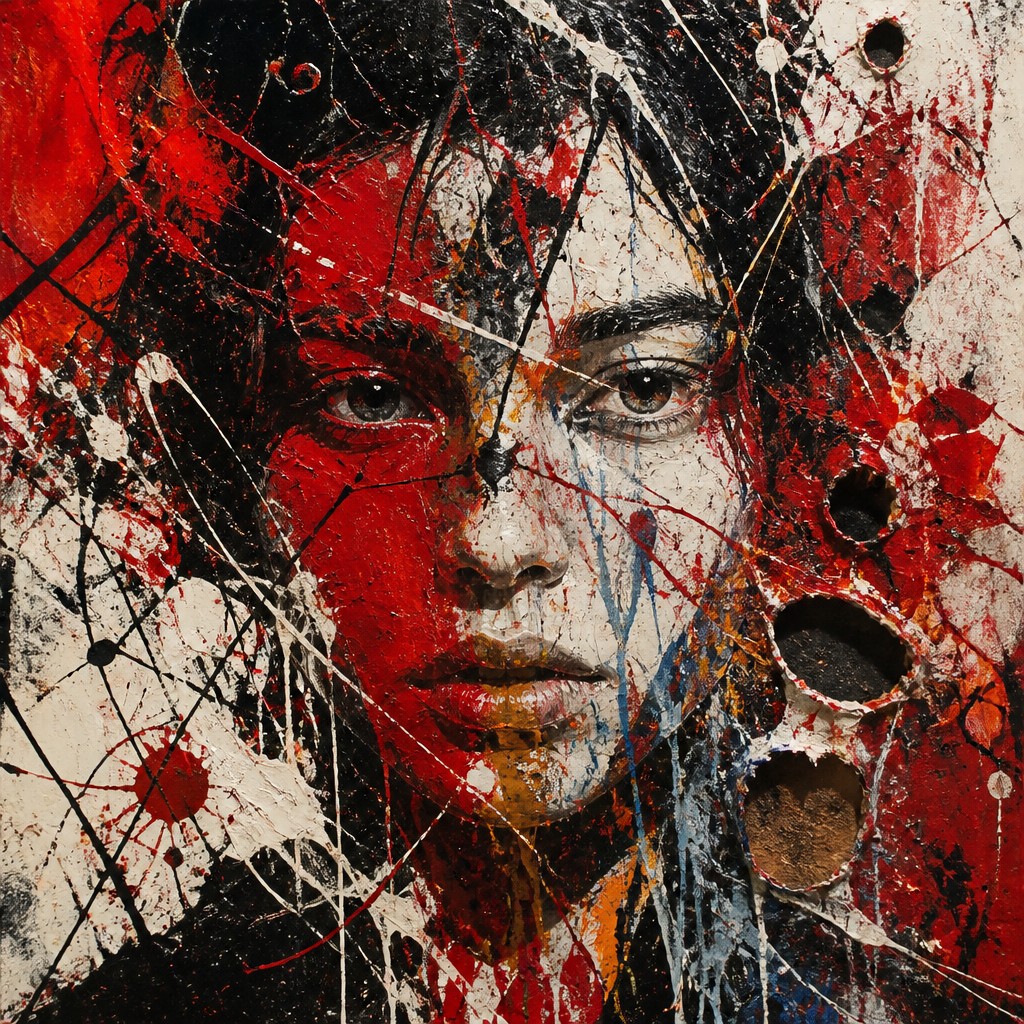
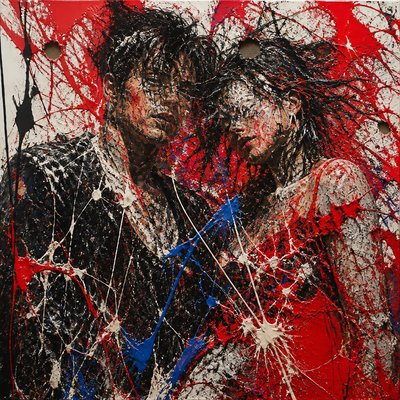
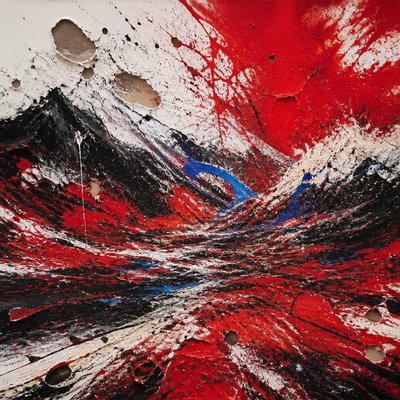
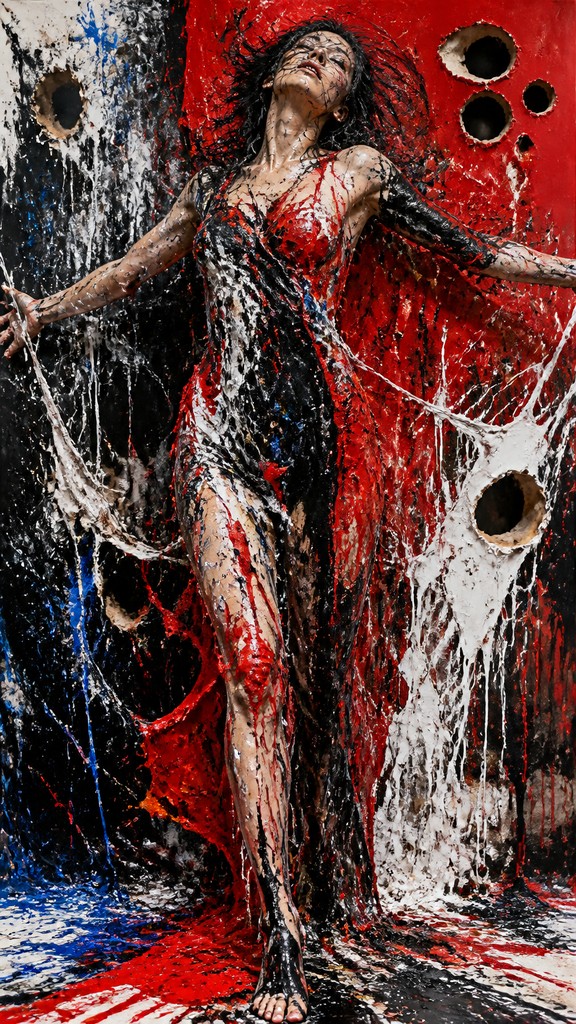
The style is recognized by its visible process: irregular splashes, thick ridges, scraped passages, ruptured surfaces, suspended or pooled pigment, and compositions that seem to record a performance in progress. Although Gutai includes both abstract paintings and expanded, event-based practices, its common visual identity is raw material physicality, bodily energy, chance, and the transformation of an ordinary surface through action.
Try It On Your Photos
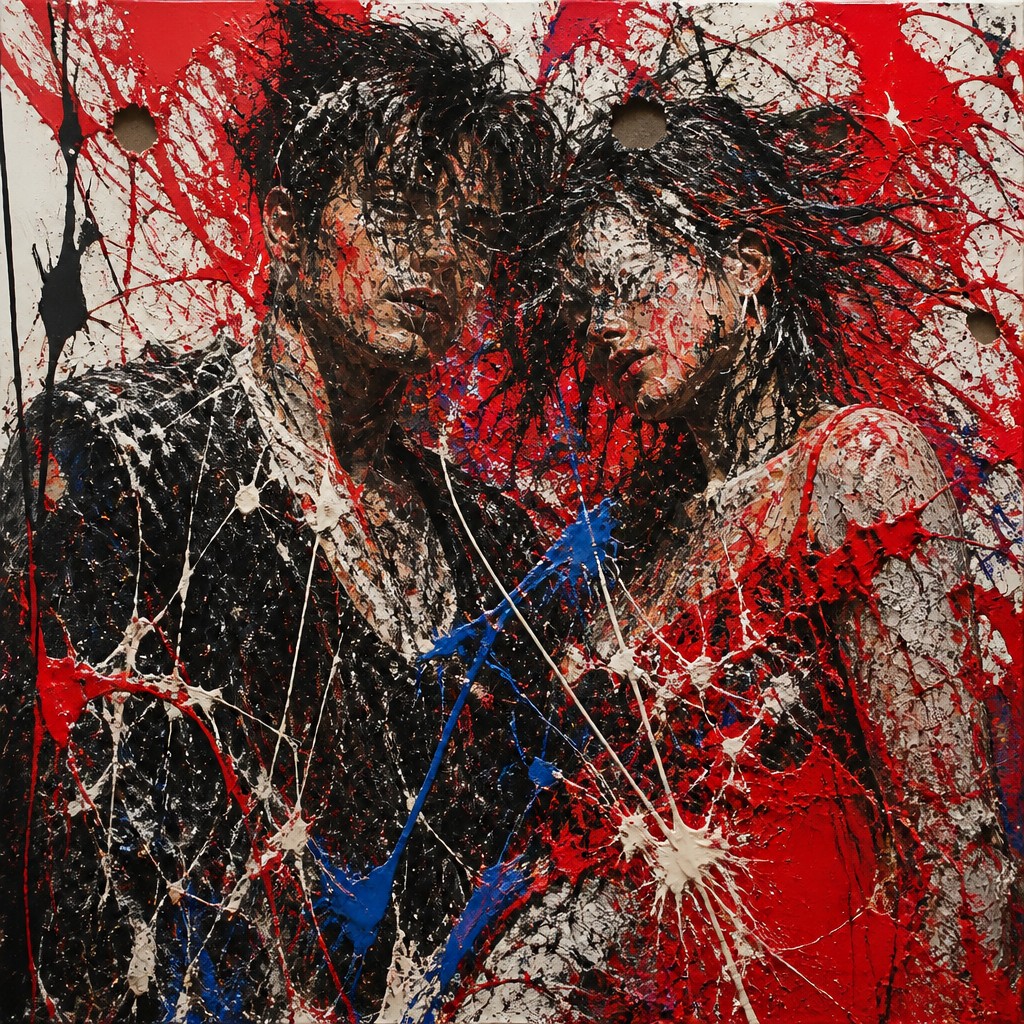
Upload any photo and convert it into Gutai Art Style — drag the sliders to compare before and after.

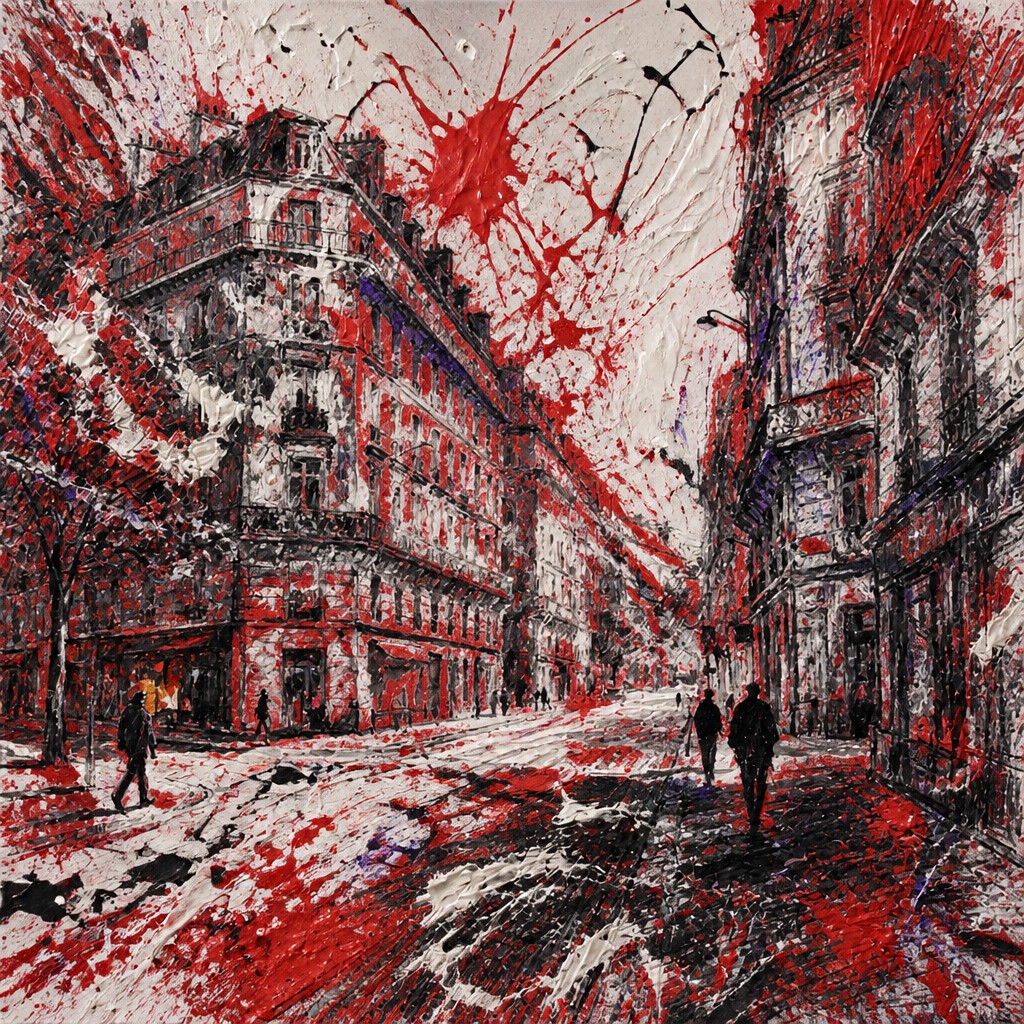

What Defines Gutai Art Style
The signature details, up close
Action-based mark making
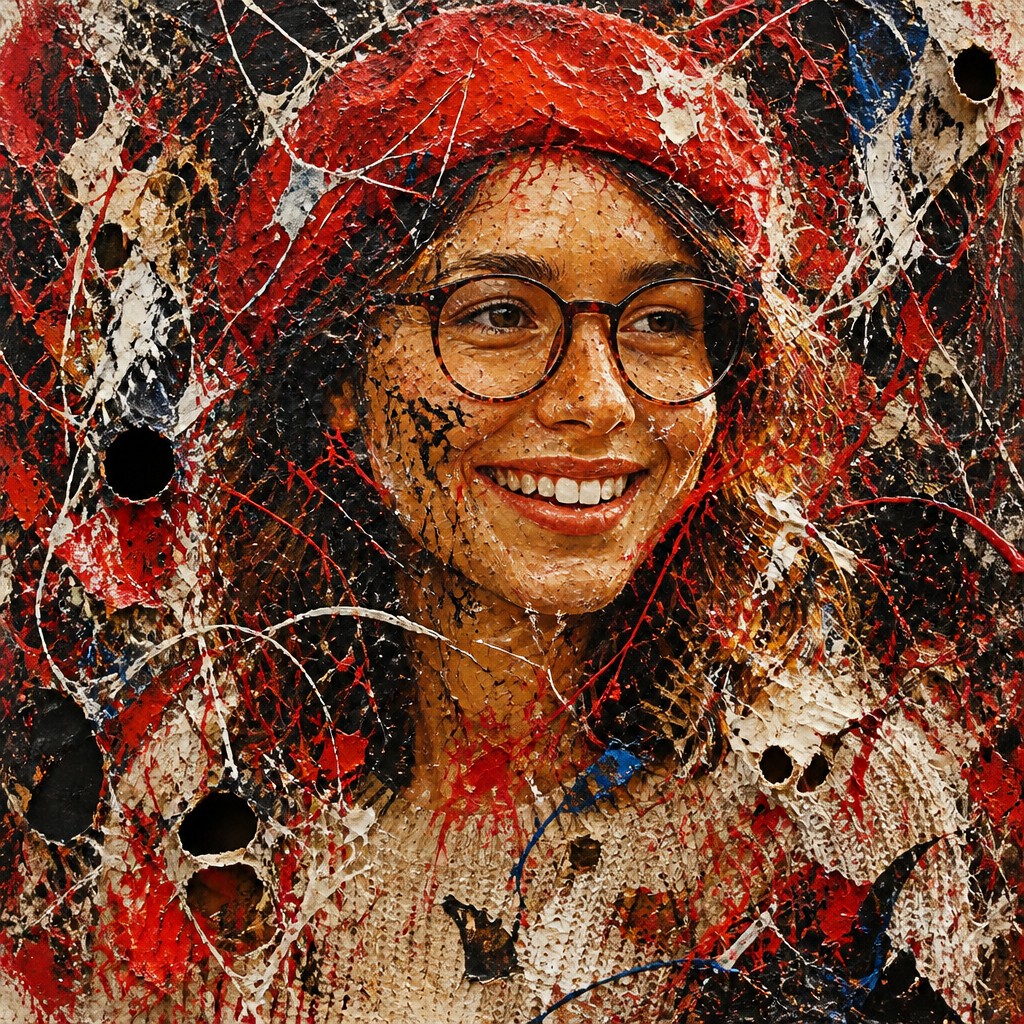
Marks appear to result from throwing, flinging, pouring, smearing, dragging, or striking rather than careful brushwork alone. The gesture and its force remain legible in the finished image.
Material as subject
Paint and support are treated as active physical substances with weight, viscosity, resistance, and unpredictability. The work emphasizes what materials do when pushed beyond ordinary use.
Explosive abstraction
Bursting splashes, radiating streaks, tangled skeins, and abrupt collisions create a sense of impact and motion. Compositions may be dense and chaotic or organized around a single dramatic event.
Tactile surfaces
Impasto, crusted pigment, scraped layers, punctures, tears, drips, and exposed ground make the surface feel almost sculptural. Physical damage and repair can become part of the image.
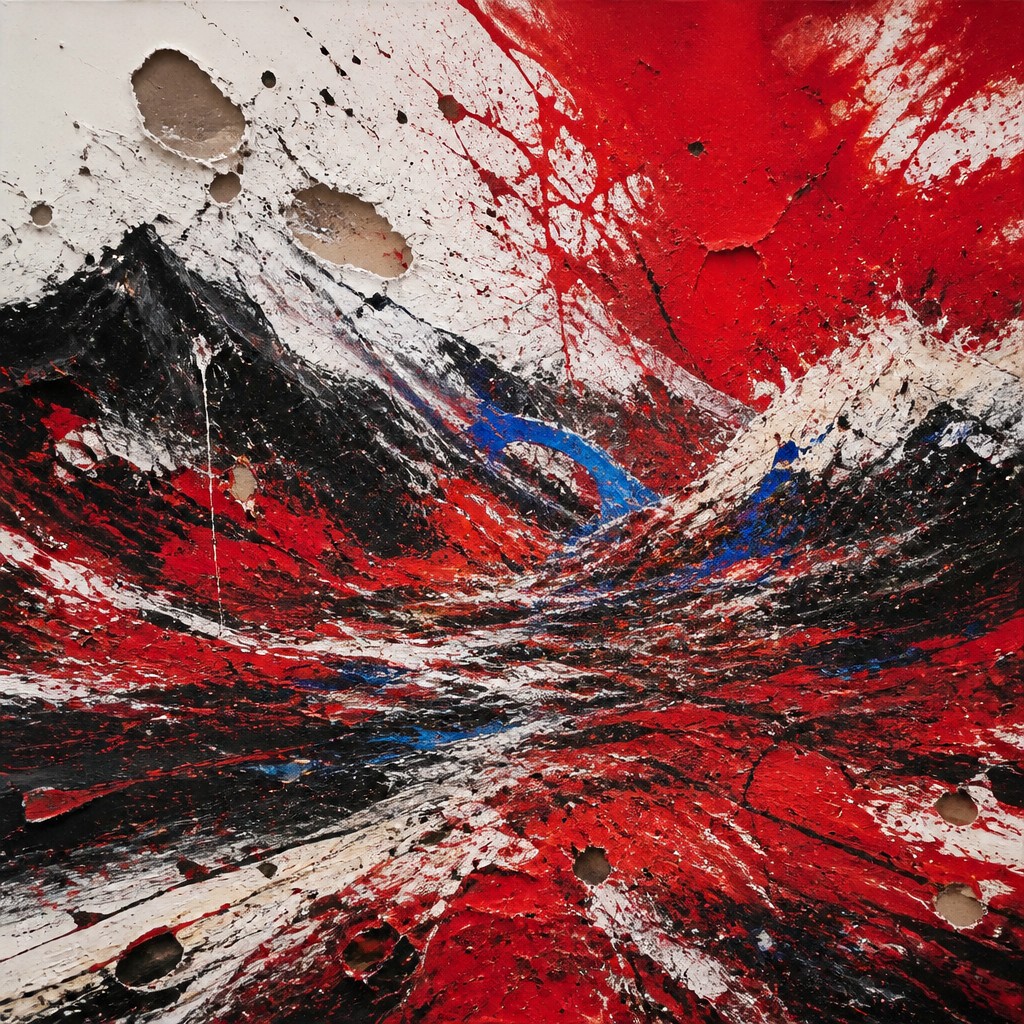
Chance within structure
Uncontrolled spills, splatters, and accidents are often balanced by placement, repetition, framing, or a deliberate field of color. The tension between intention and contingency is central to the aesthetic.
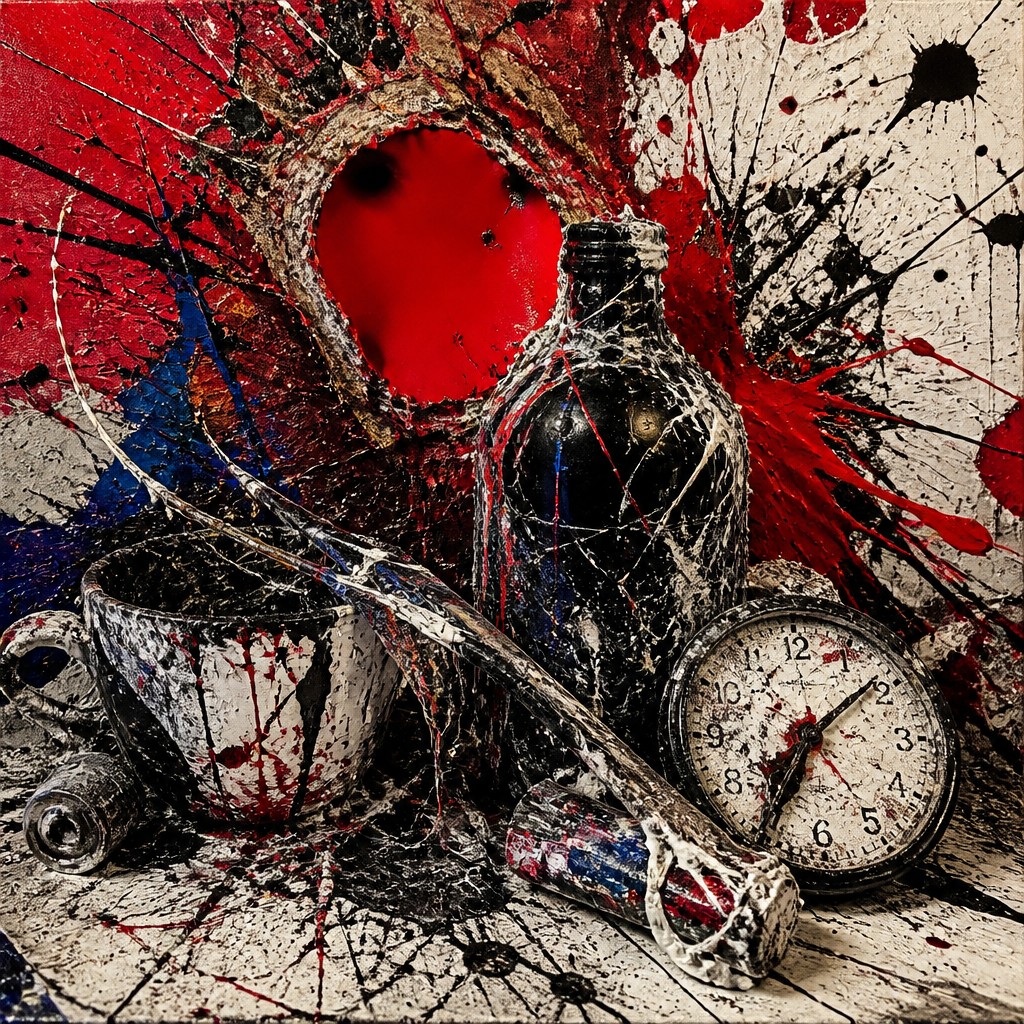
Performance residue
The finished work can read as a frozen document of a bodily event. Even without showing a performer, the marks suggest duration, effort, speed, gravity, and contact.
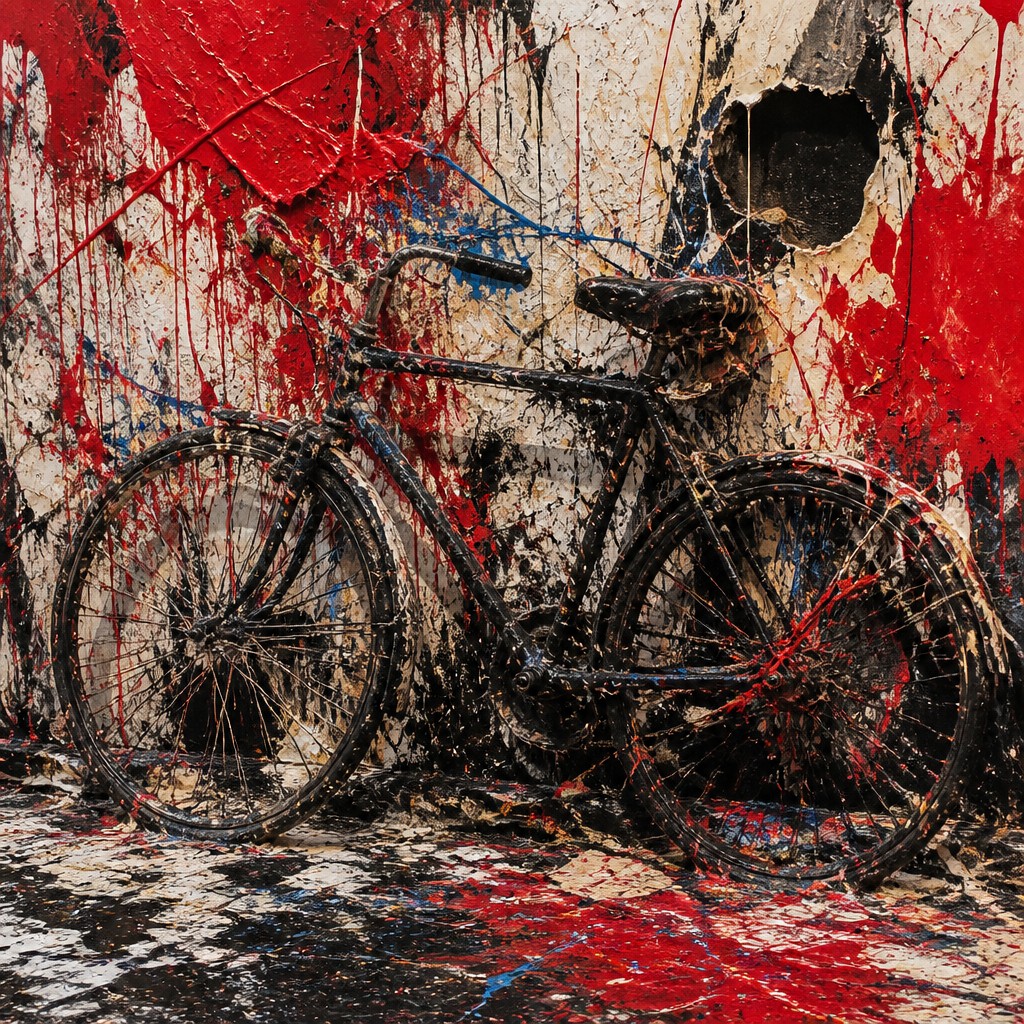
High-contrast color
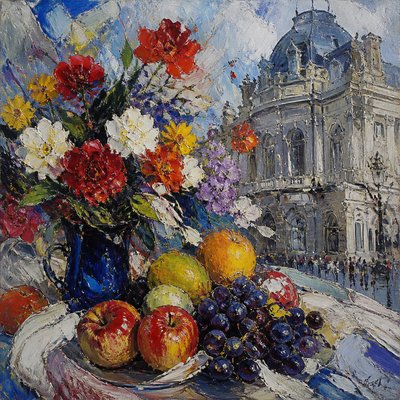
Gutai-related imagery often benefits from forceful contrasts such as crimson, black, white, and saturated electric accents. Color may function as impact, density, or material mass rather than naturalistic description.
Try It
Create Videos in Gutai Art Style
Styles aren't just for stills — describe a scene or animate an image and get a short video rendered in Gutai. Press play to see this pond come to life.
Make a VideoGutai Prompt Ideas
Start from an idea — each one opens the generator with the style ready to go. See all 40 Gutai prompts →
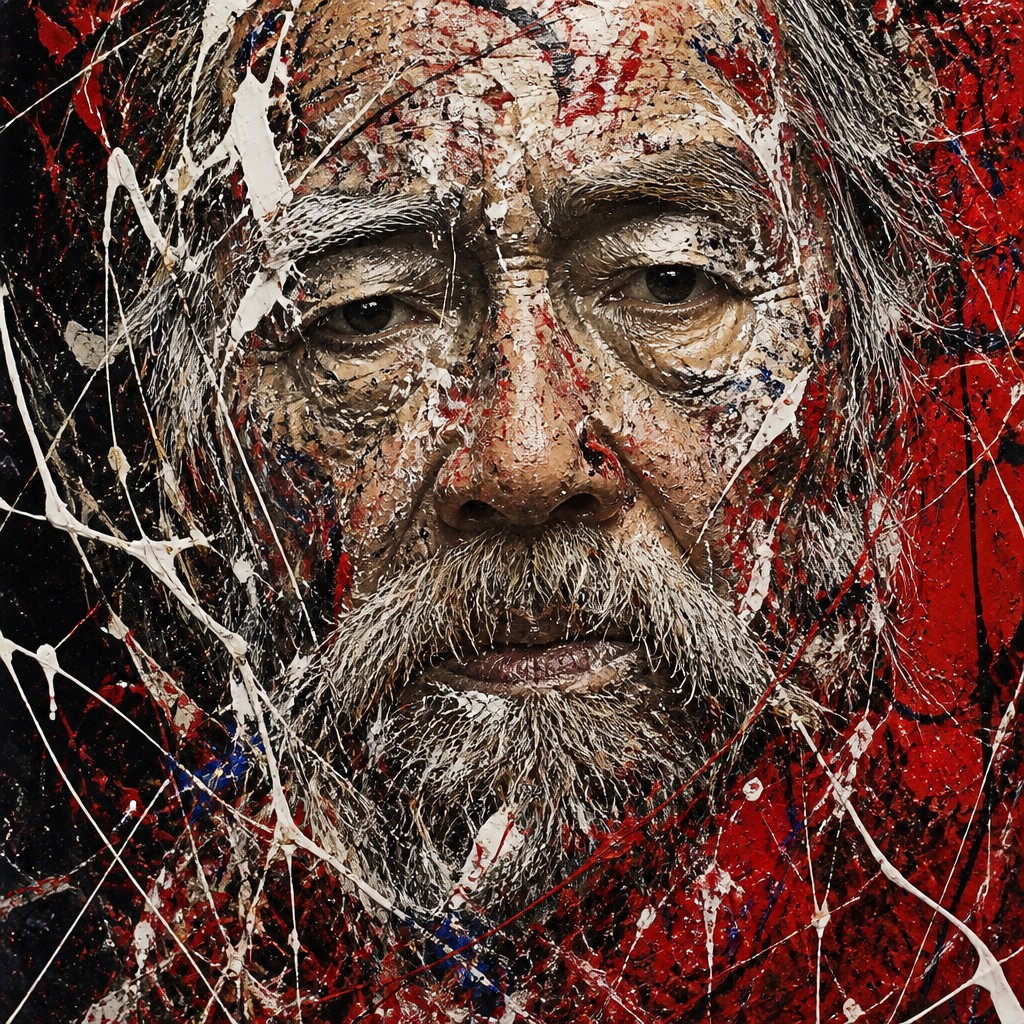
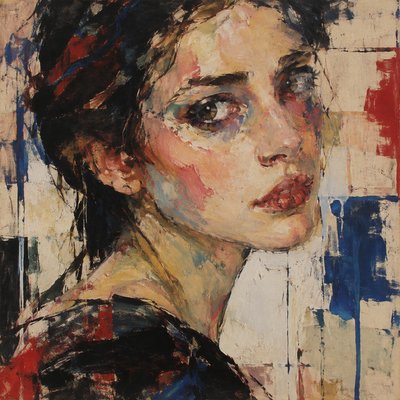
“close-up portrait of an elderly person with expressive weathered features”
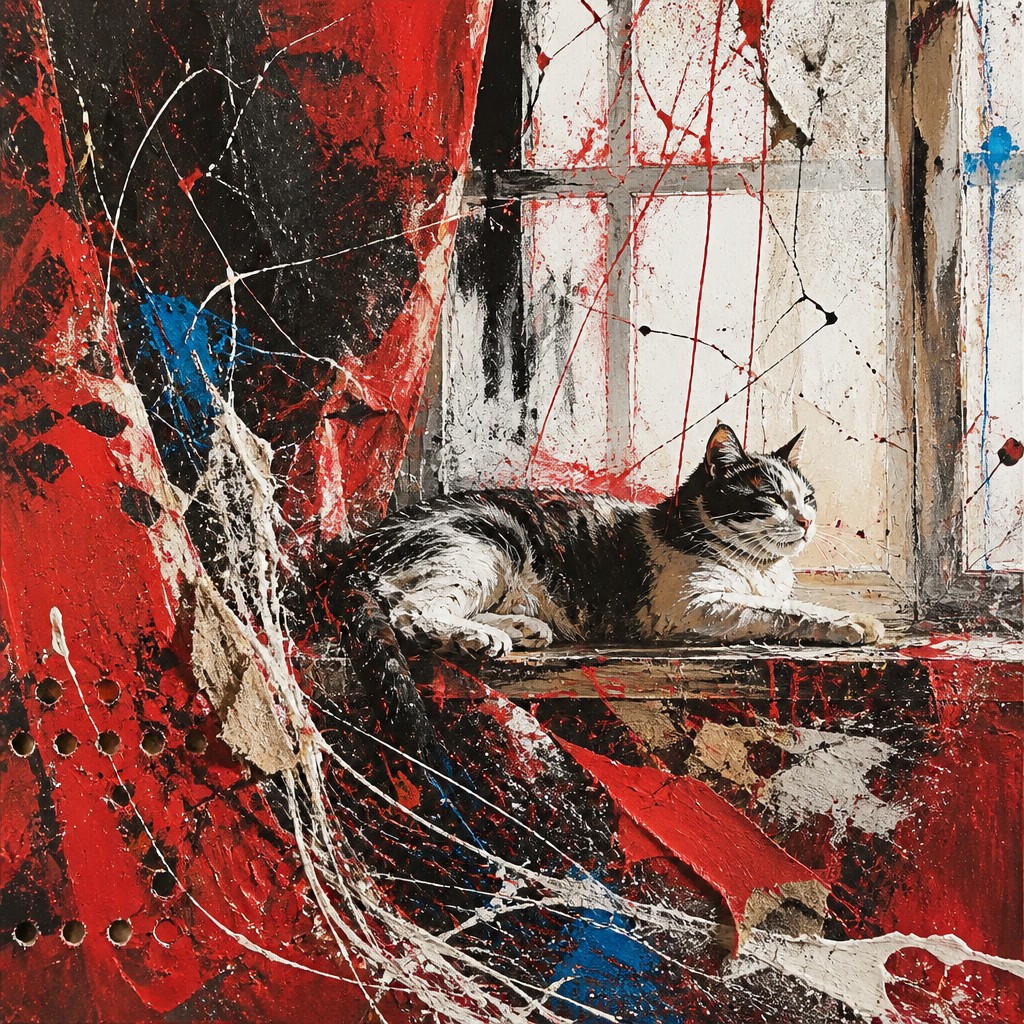
“a cat lounging in a sunlit window”
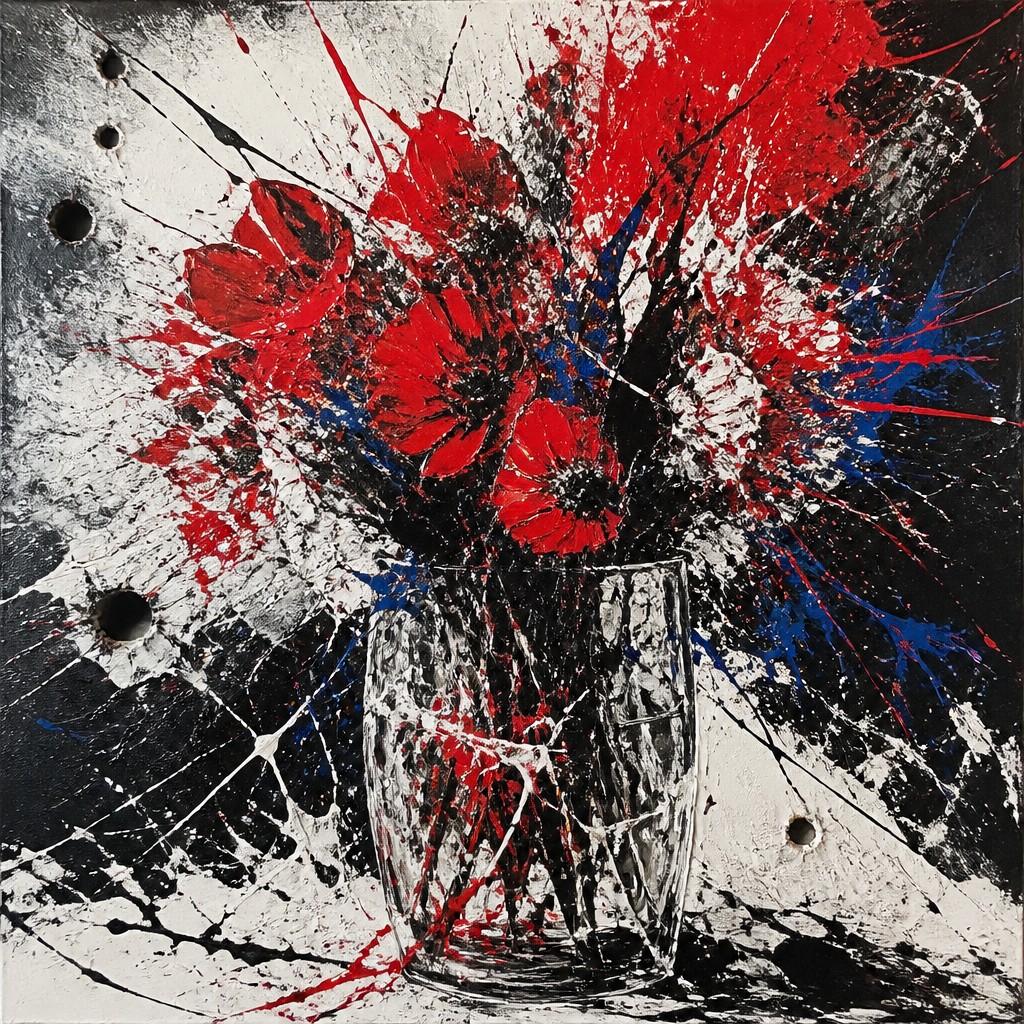
“bouquet of flowers in a glass vase”
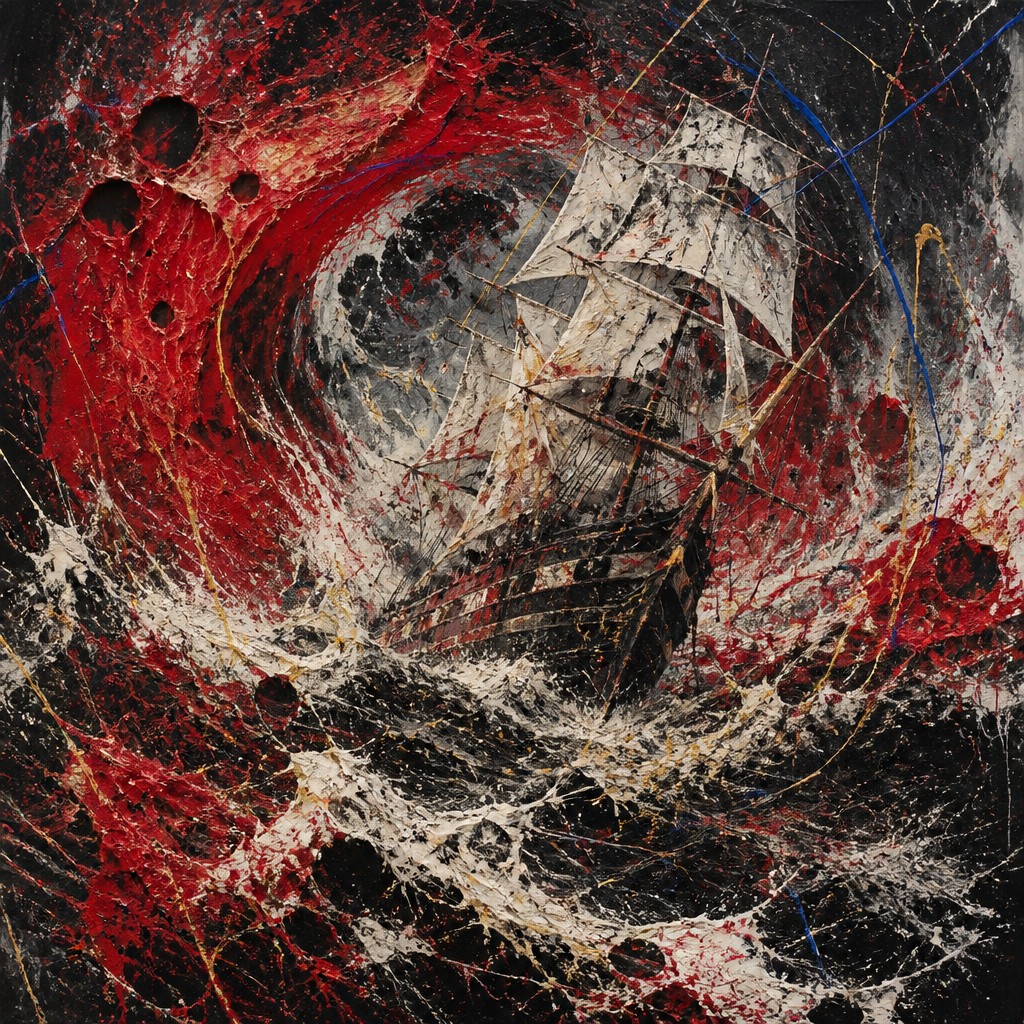
“sailing ship on a stormy sea”
How to Create Gutai Art
Master the craft step by step — or skip straight to creating. Read the full guide →
- 1
Work through physical action
Use large brushes, squeeze bottles, sponges, sticks, or your hands to throw, pour, drag, and scrape paint across a broad surface. Vary distance, speed, viscosity, and pressure so the marks retain different kinds of energy.
- 2
Let the support participate
Paint on paper, canvas, cardboard, fabric, or a rough panel, then crease, puncture, tear, sand, or stain the support. Preserve some exposed ground and avoid smoothing every irregularity.
- 3
Build layered material contrast
Combine thin stains with thick impasto, dry scratches with wet pools, and sharp splatters with tangled lines. Allow selected layers to partially obscure one another while keeping traces of earlier actions visible.
- 4
Control chance selectively
Begin with an open-ended physical experiment, then edit through cropping, overpainting, color limitation, or strategic pauses. A strong result usually balances unpredictable marks with a clear distribution of weight and empty space.
- 5
Translate the process digitally
In digital painting, layer scanned splashes, torn-paper textures, impasto brushes, displacement effects, and masks rather than relying on a perfectly clean vector finish. For prompt-based generation, describe the action, material behavior, surface damage, palette, and frozen performance trace.
- 6
Preserve the subject beneath the action
For image-to-image work, keep the underlying silhouette or composition readable while allowing pigment to interrupt and engulf it. Adjust transformation strength so the physical marks become dominant without completely erasing the source.
The Story
History & Origins of Gutai
Gutai emerged in Japan in 1954 around an artist-led association based in the Kansai region and remained active through the 1950s, 1960s, and into the early 1970s. Formed in the aftermath of the Second World War, the movement sought new forms of expression that would move beyond established artistic conventions and emphasize individual freedom, experimentation, and direct engagement with contemporary life.
Its development connected painting with performance, installation, outdoor intervention, and experimental uses of industrial and everyday materials. Early exhibitions and events presented works that could be walked through, activated, destroyed, or altered, while later practices incorporated more structured environments and new technologies. Gutai was related to international postwar abstraction but retained a distinctive emphasis on the artist's physical encounter with matter and the visible record of that encounter.
Influences: Gutai draws on postwar abstract painting, action painting, informalist material experimentation, performance art, assemblage, installation, and Japanese traditions of disciplined yet embodied practice. It also relates to chance-based composition, process art, experimental theater, and the use of industrial or everyday materials in avant-garde art. Unlike purely gestural abstraction, however, Gutai places unusual emphasis on the independent behavior of matter and on the event that produces the mark.

Frequently Asked Questions
What defines the Gutai art style?
Gutai is defined by direct physical engagement with materials, visible evidence of action, and an openness to chance. Flung, poured, scraped, torn, punctured, and heavily layered surfaces are common, but the movement also includes performances, installations, and works made from unconventional materials.
Is Gutai the same as action painting?
The two approaches share an interest in gesture, movement, and the record of bodily action. Gutai developed independently in postwar Japan and placed particularly strong emphasis on material autonomy, experimental events, expanded environments, and the transformation of ordinary substances.
What colors are typical of Gutai art?
There is no single official Gutai palette. Strong contrasts are common, including black, white, red, yellow, blue, and exposed ground, while the most important feature is the physical behavior of the materials rather than a fixed color scheme.
How can I make a Gutai-inspired painting at home?
Work on a large, durable surface and use low-cost tools such as squeeze bottles, sticks, sponges, or wide brushes. Pour, fling, drag, scrape, and layer paint, then let selected accidents remain visible instead of correcting every irregularity. Protect the surrounding area and use non-toxic materials with appropriate ventilation.
Can Gutai art include recognizable subjects?
Yes. Although much Gutai work is abstract, a recognizable figure, animal, landscape, or object can serve as a structure for energetic material intervention. The subject should remain partly legible while the paint action changes, obscures, or physically challenges it.
Where is the Gutai style used today?
Its ideas continue to inform abstract painting, performance, installation, mixed media, photography of artistic actions, digital collage, and image-based experimental design. Contemporary creators often adapt its emphasis on process and material evidence to virtual tools, scanned textures, and generated imagery.

Create your first Gutai artwork
Describe anything — or upload a photo — and see it in Gutai Art Style in seconds.
Related Styles
Discover similar art styles