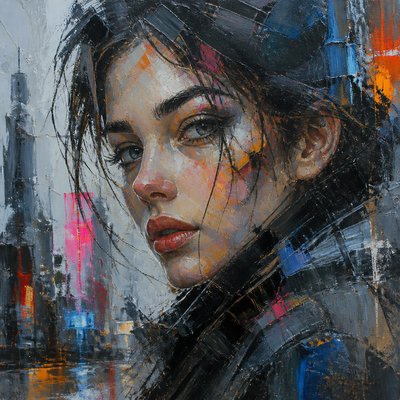
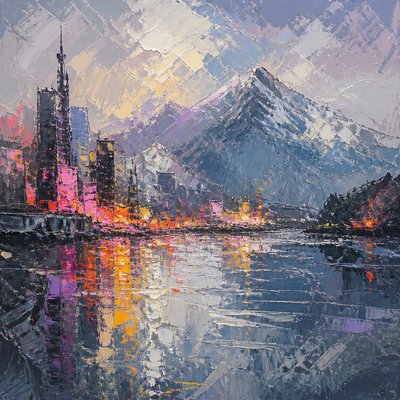
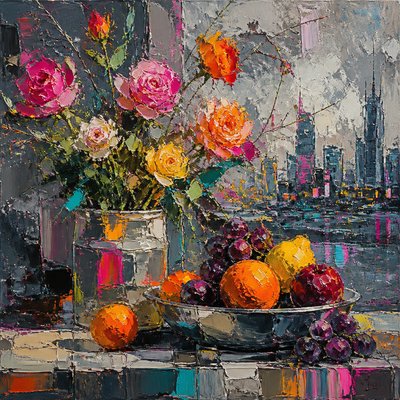
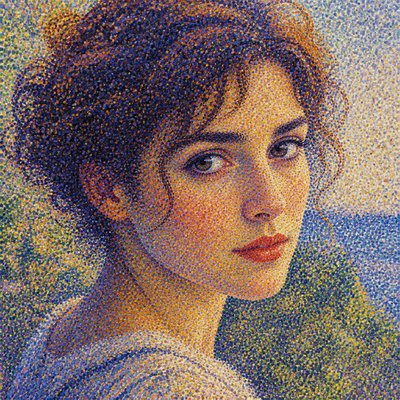
Color Splash
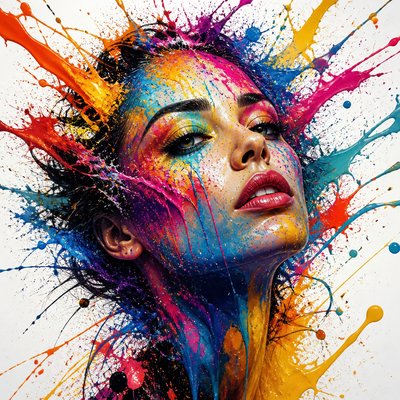
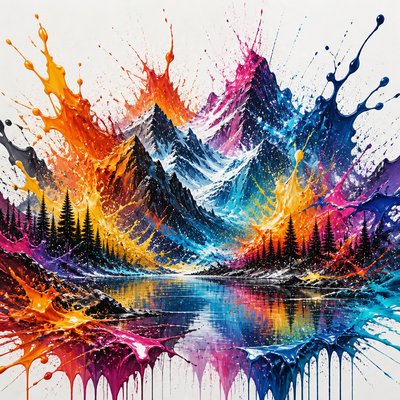
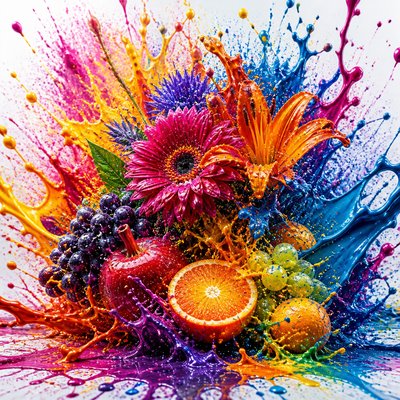
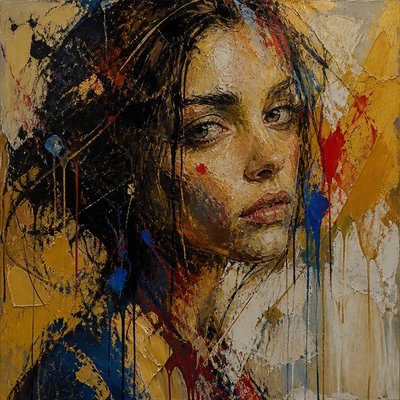
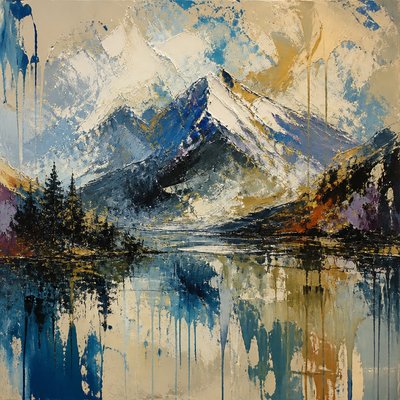
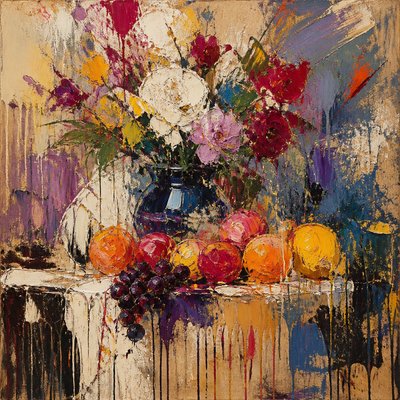
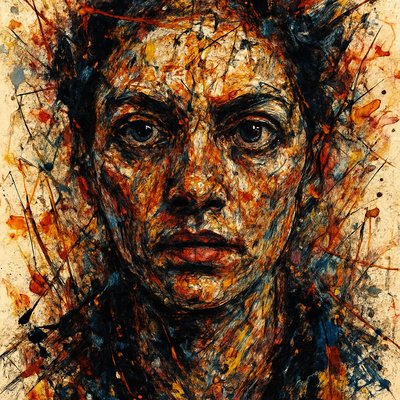
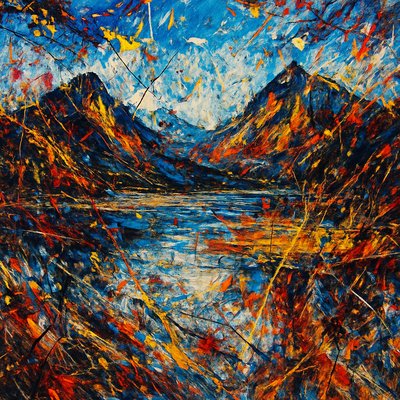
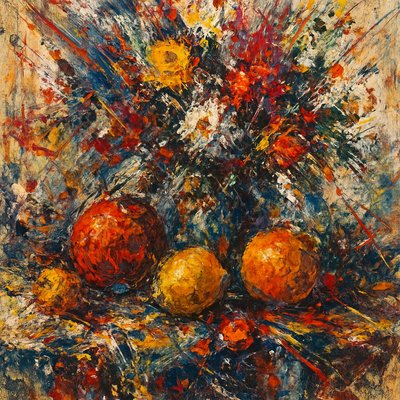
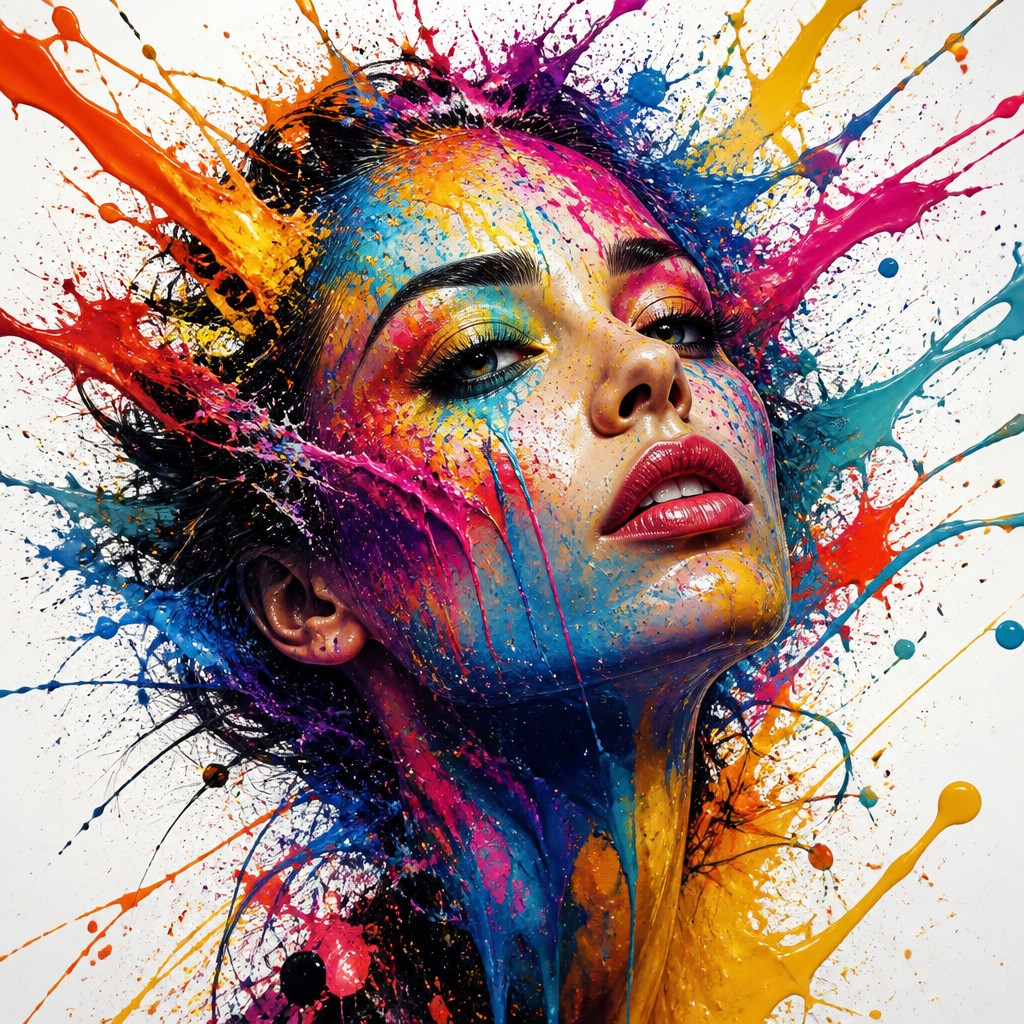
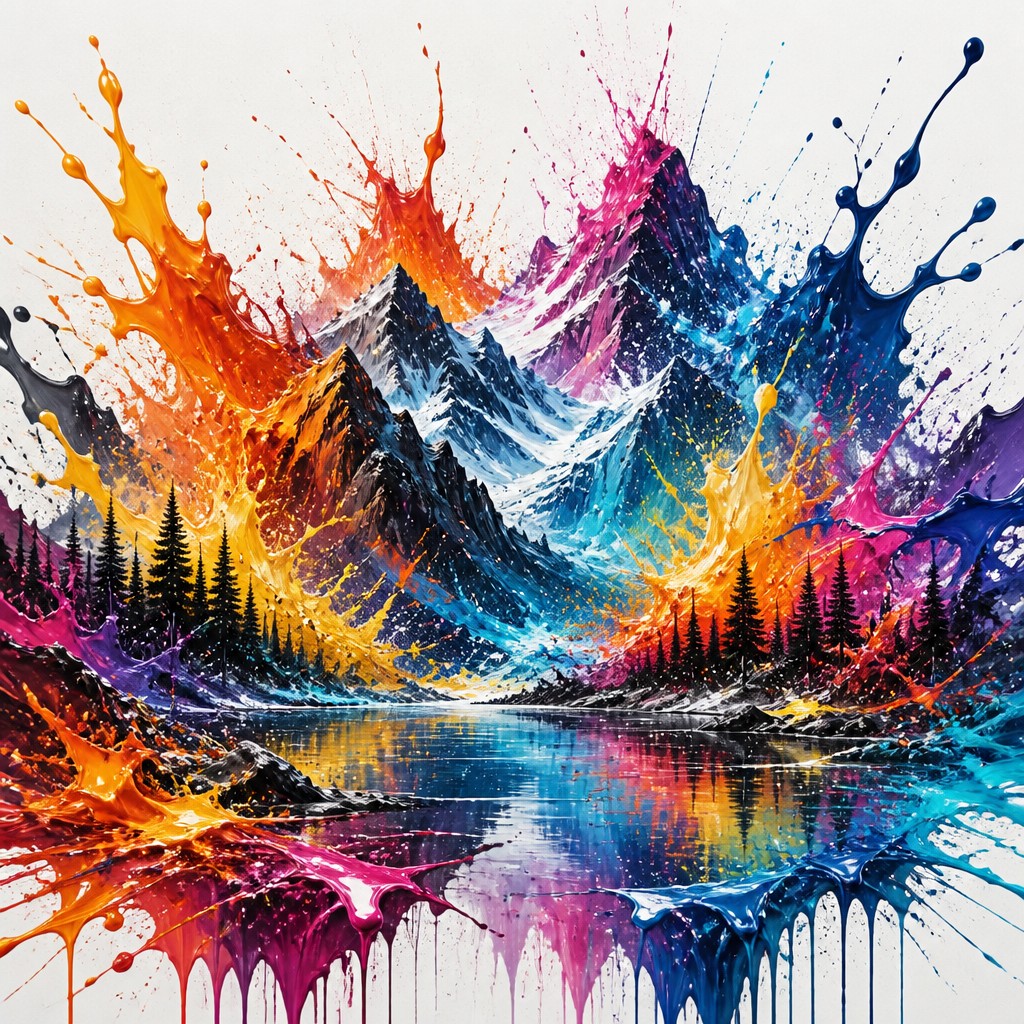
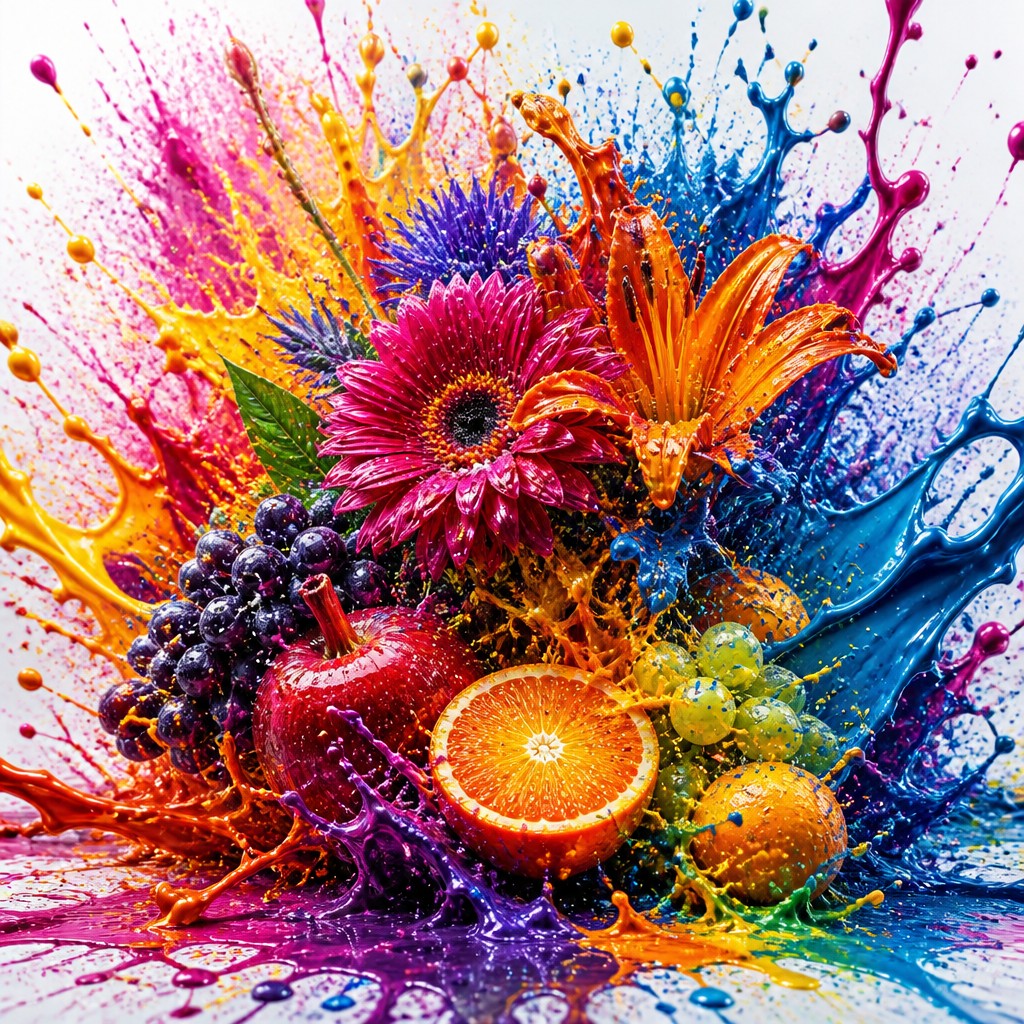
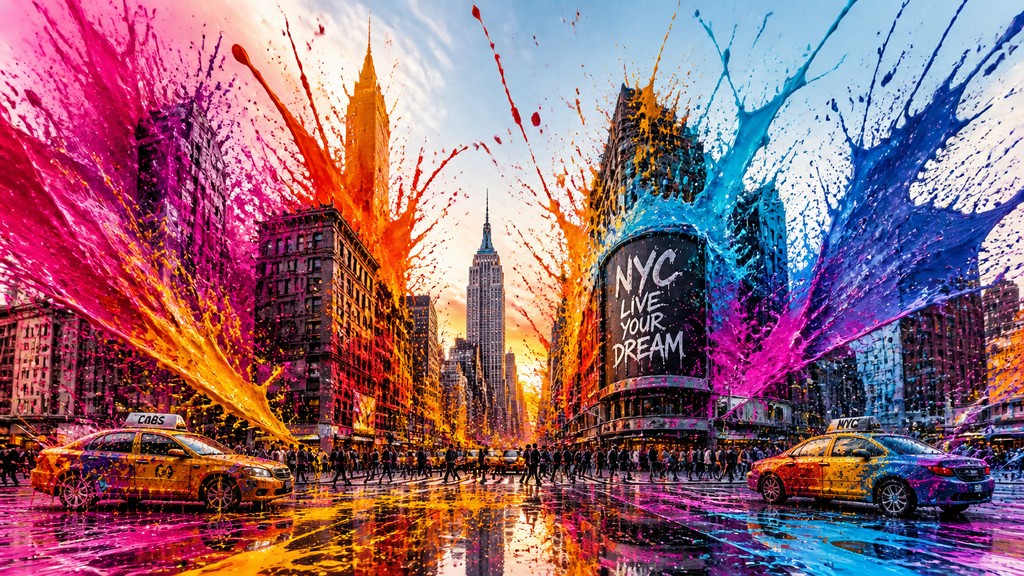
Explosive multicolor paint splashes, drips, and spray collide around a subject for a kinetic, high-impact look.
Instantly rendered in Color Splash — or transform a photo
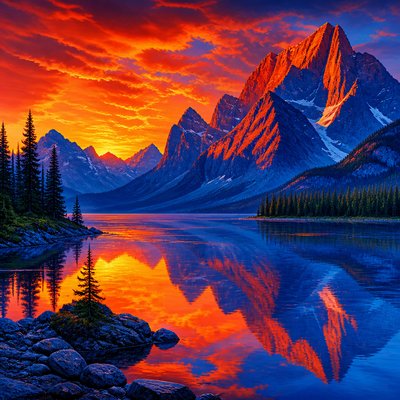
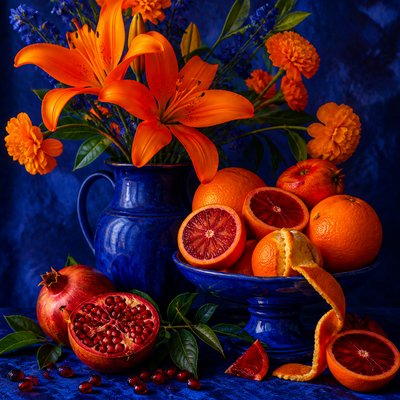
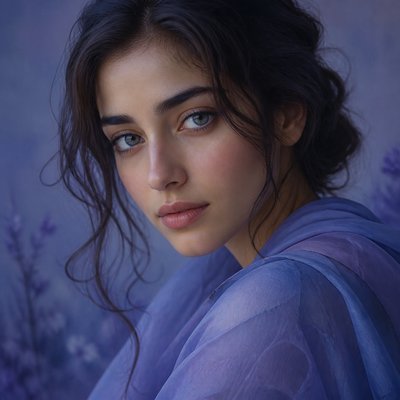
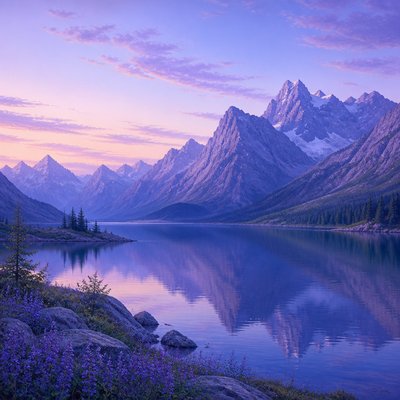
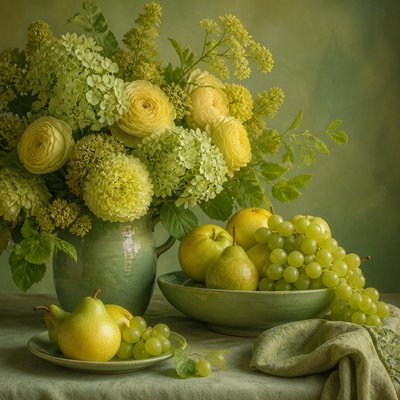
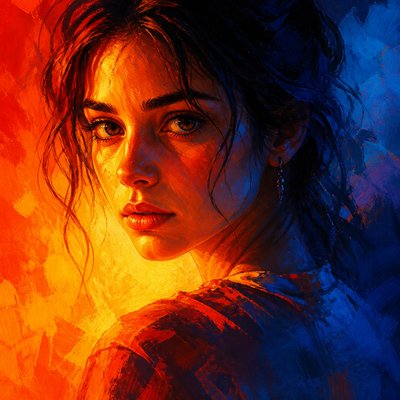
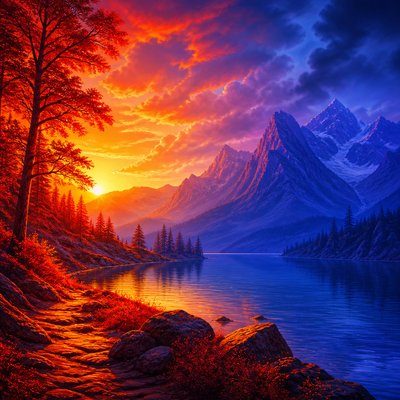
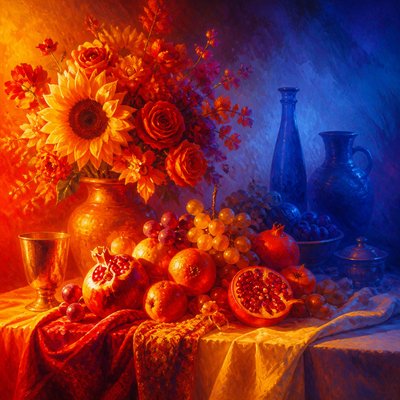
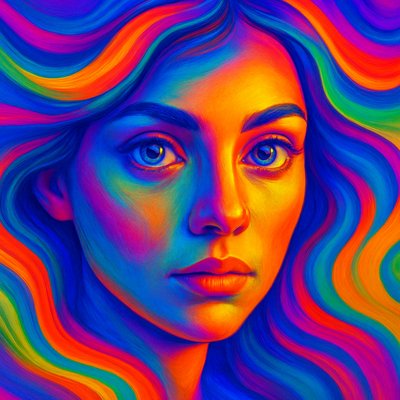
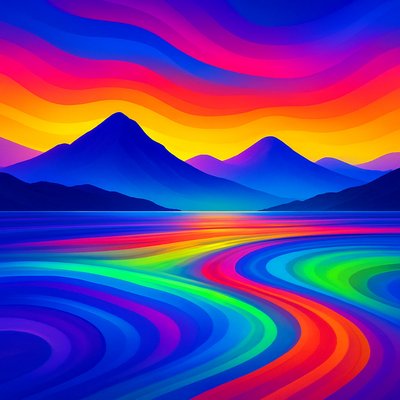
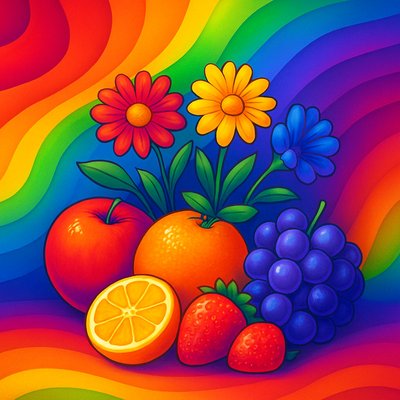
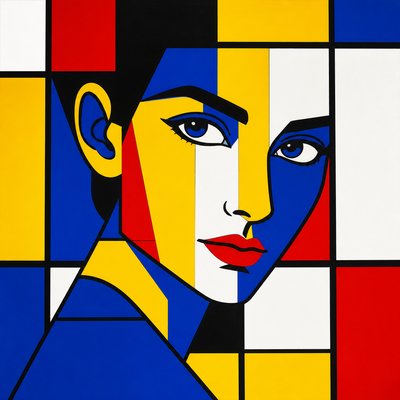
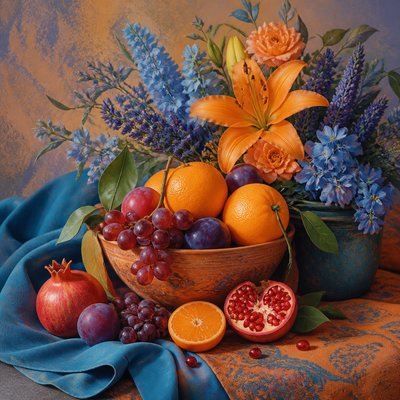
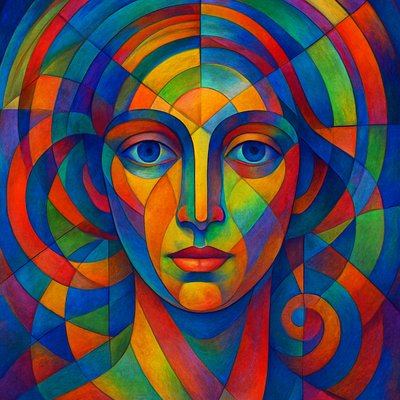
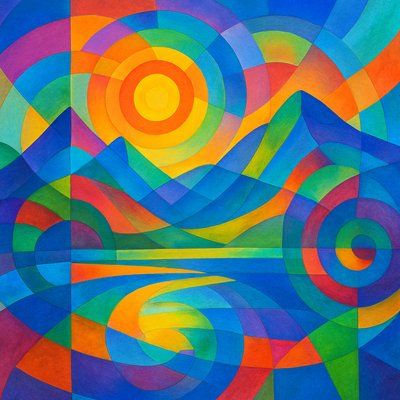
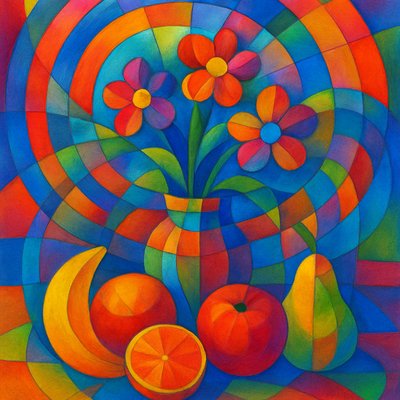
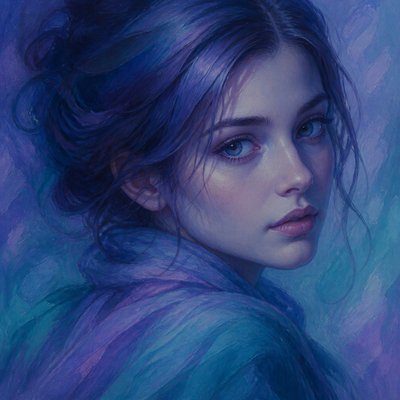
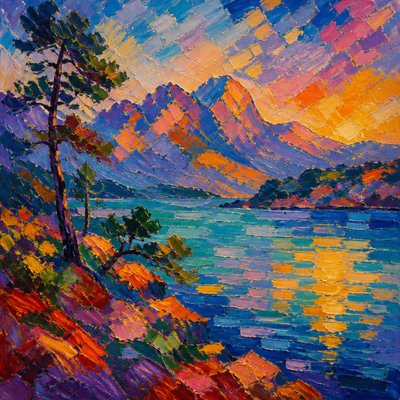
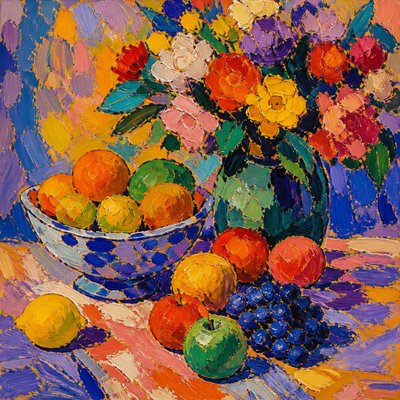
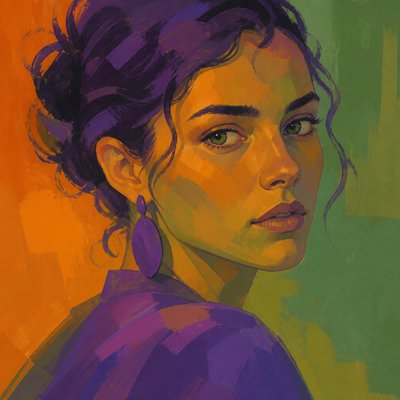
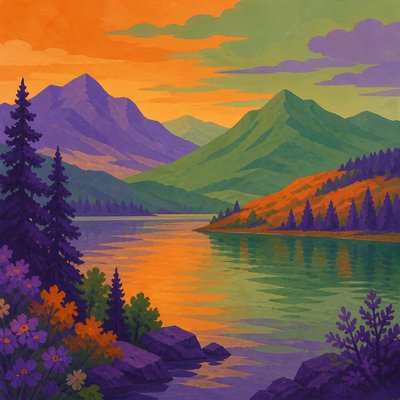
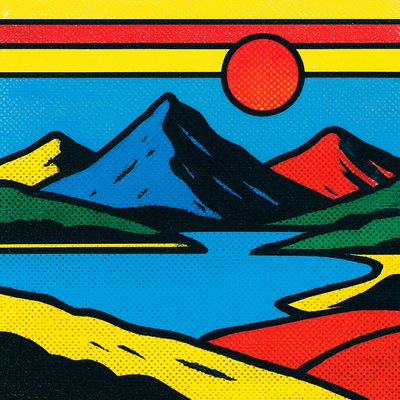
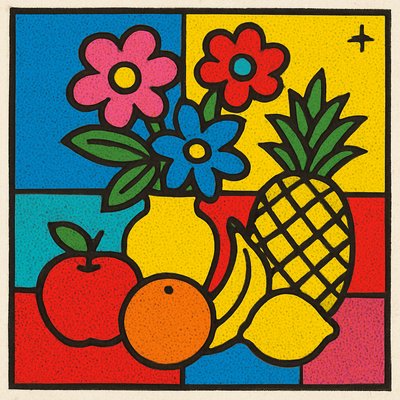
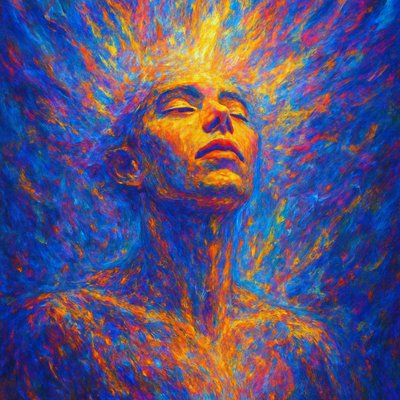
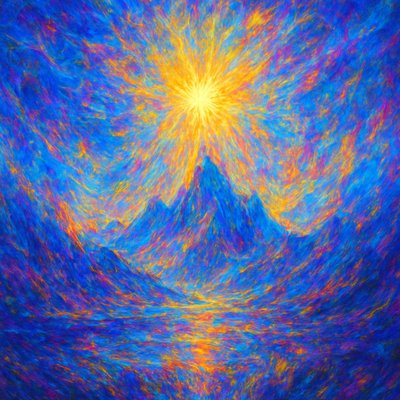
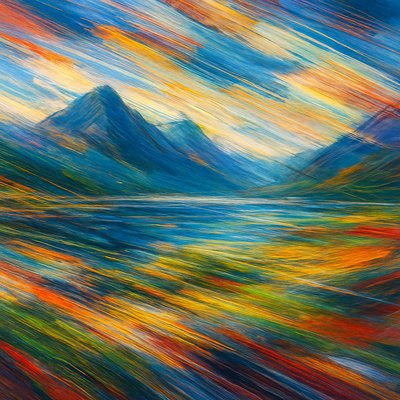
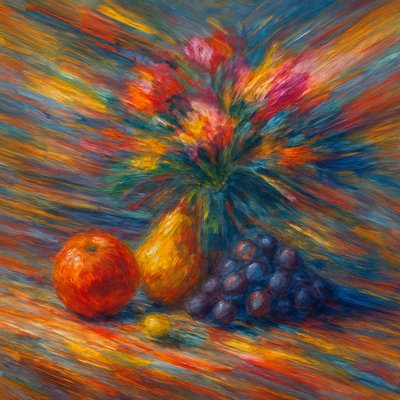
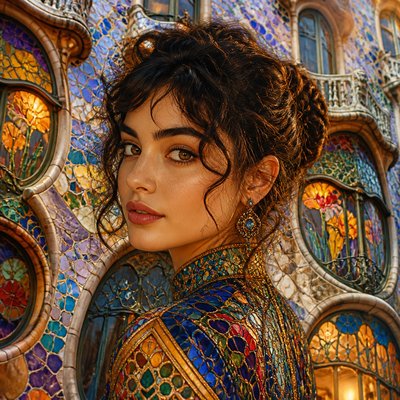
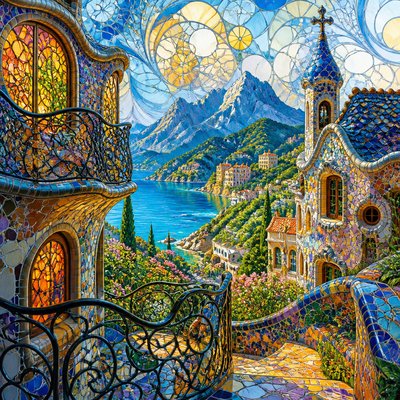
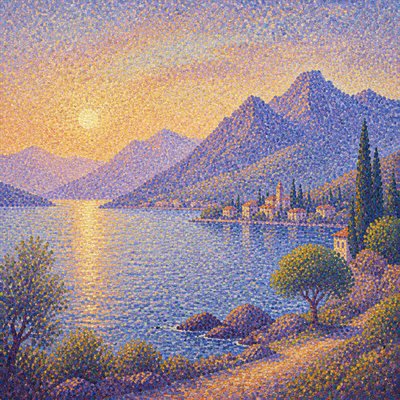
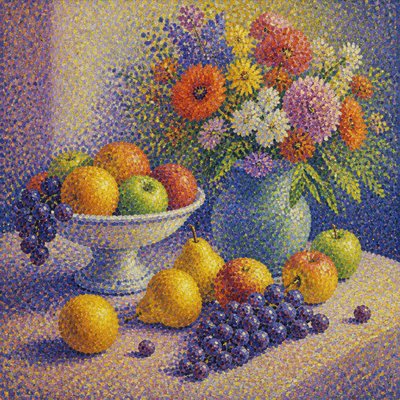
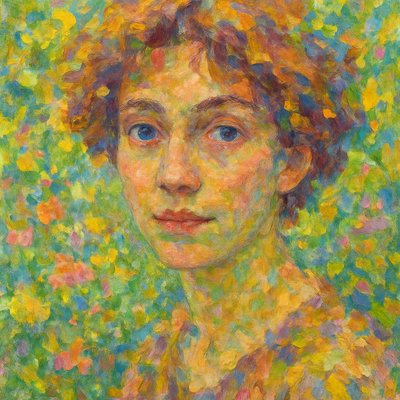
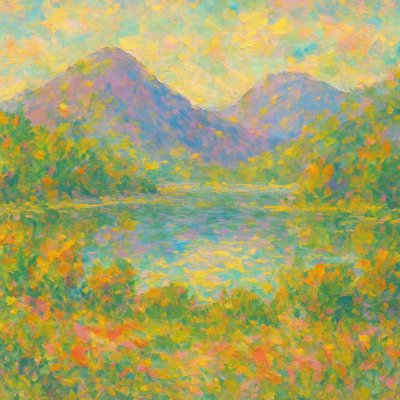
Color Splash Gallery
Tap any artwork to explore it
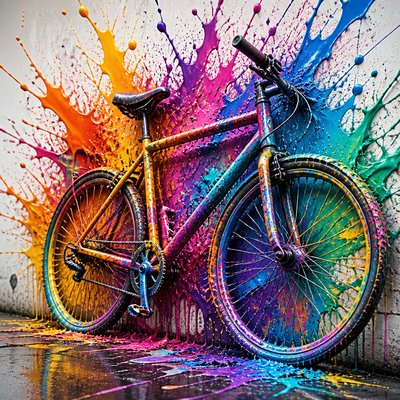
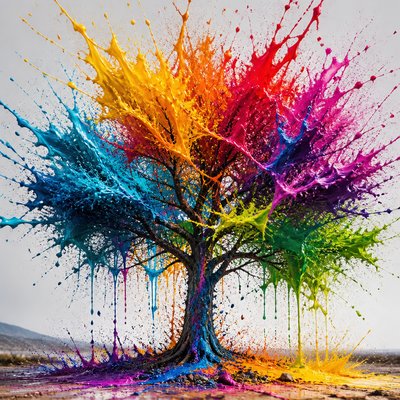
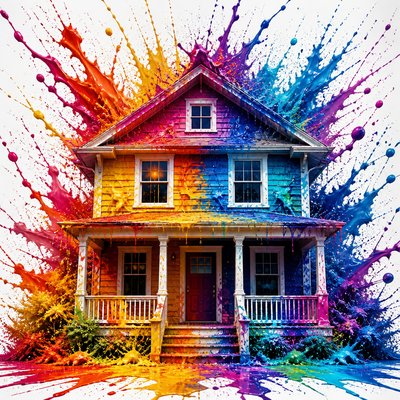
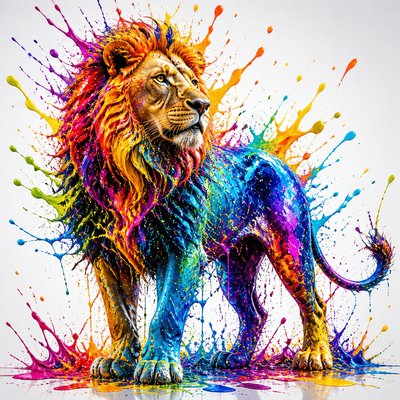
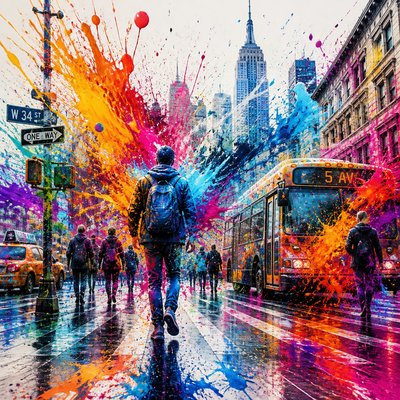
What is Color Splash?
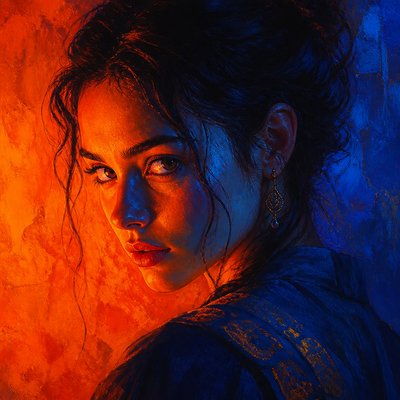
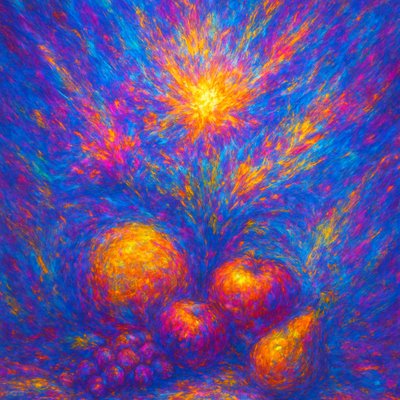
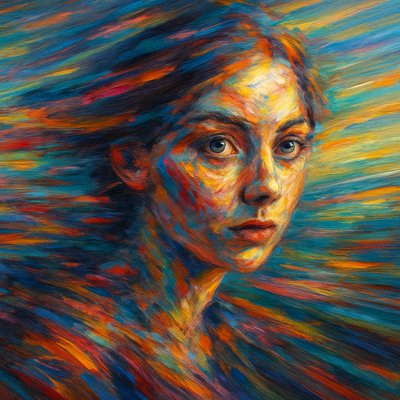
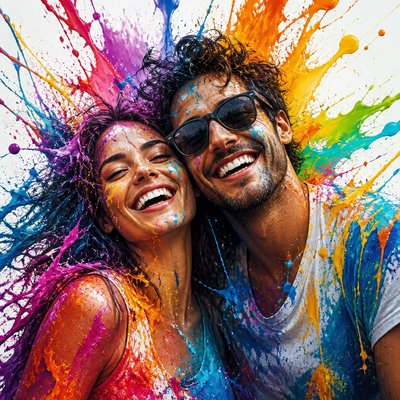
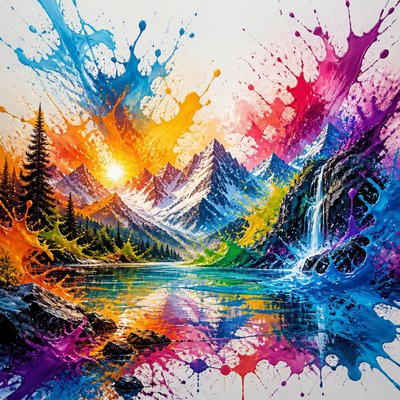
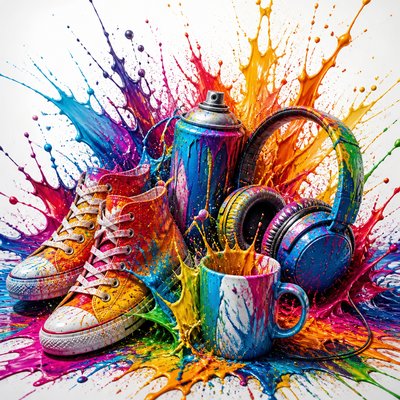
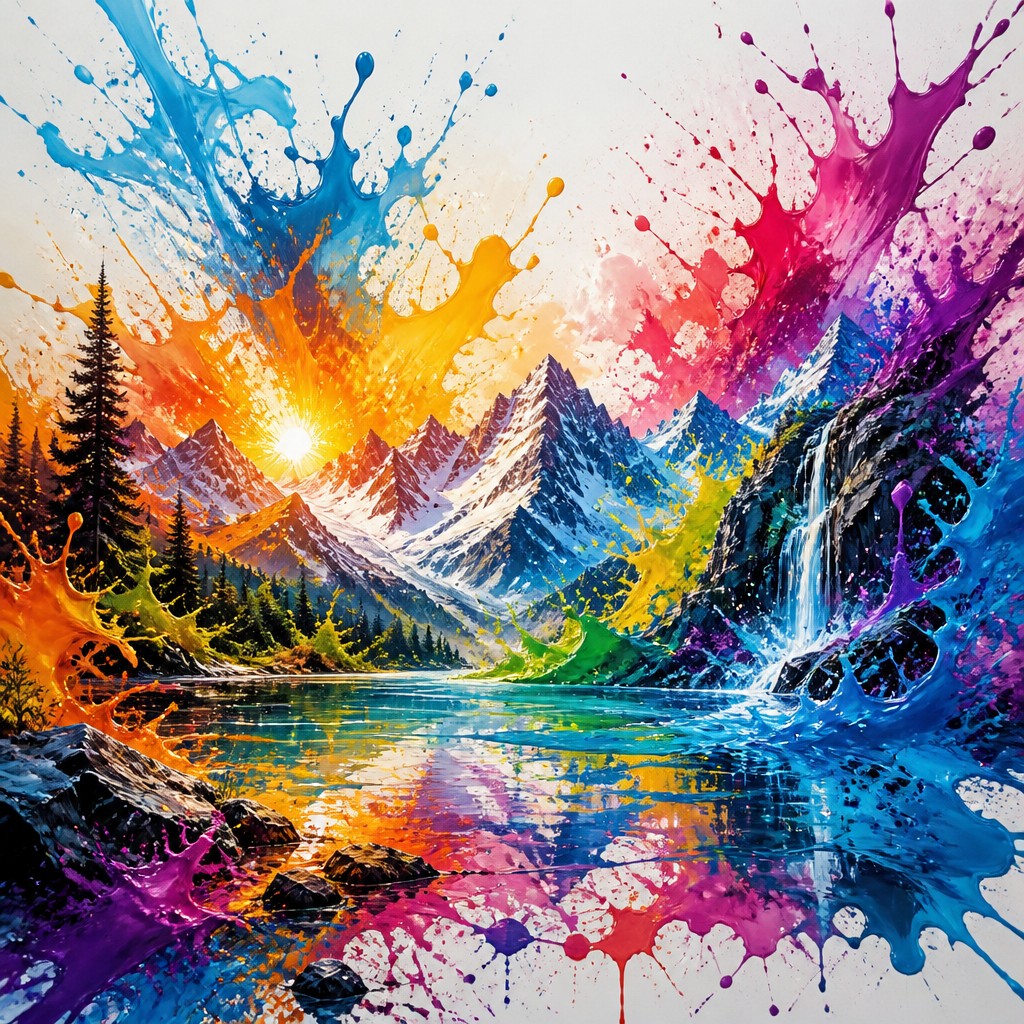
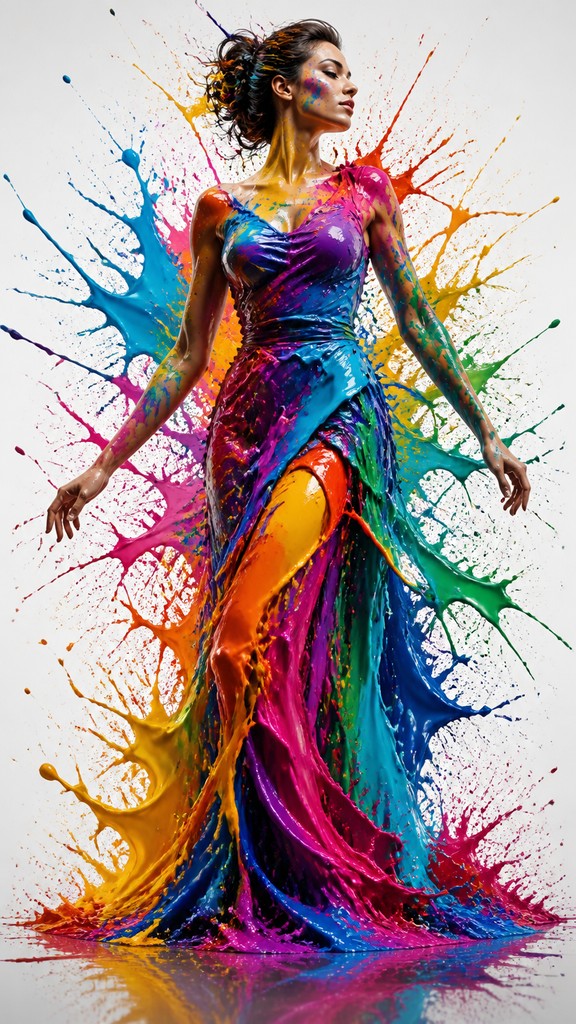
Color Splash is a high-energy visual style built from explosive paint splatters, flung drips, mist, and colliding bursts of saturated color. Rather than describing form with smooth modeling or linework, it lets liquid pigment do the work: edges break apart into spray, contours are traced by streaks and droplets, and the image feels as though it is still in motion. The result is vivid, glossy, and often dramatic, with strong contrast between the dense color activity and a cleaner background.
The style reads as both painterly and kinetic. It borrows the physical drama of thrown paint, the spontaneity of action painting, and the visual punch of street art and graphic illustration. Because the splashes appear to radiate from the subject or cross through it, Color Splash creates an impression of energy, impact, and unstable motion, as if the image were frozen at the instant of a pigment burst.
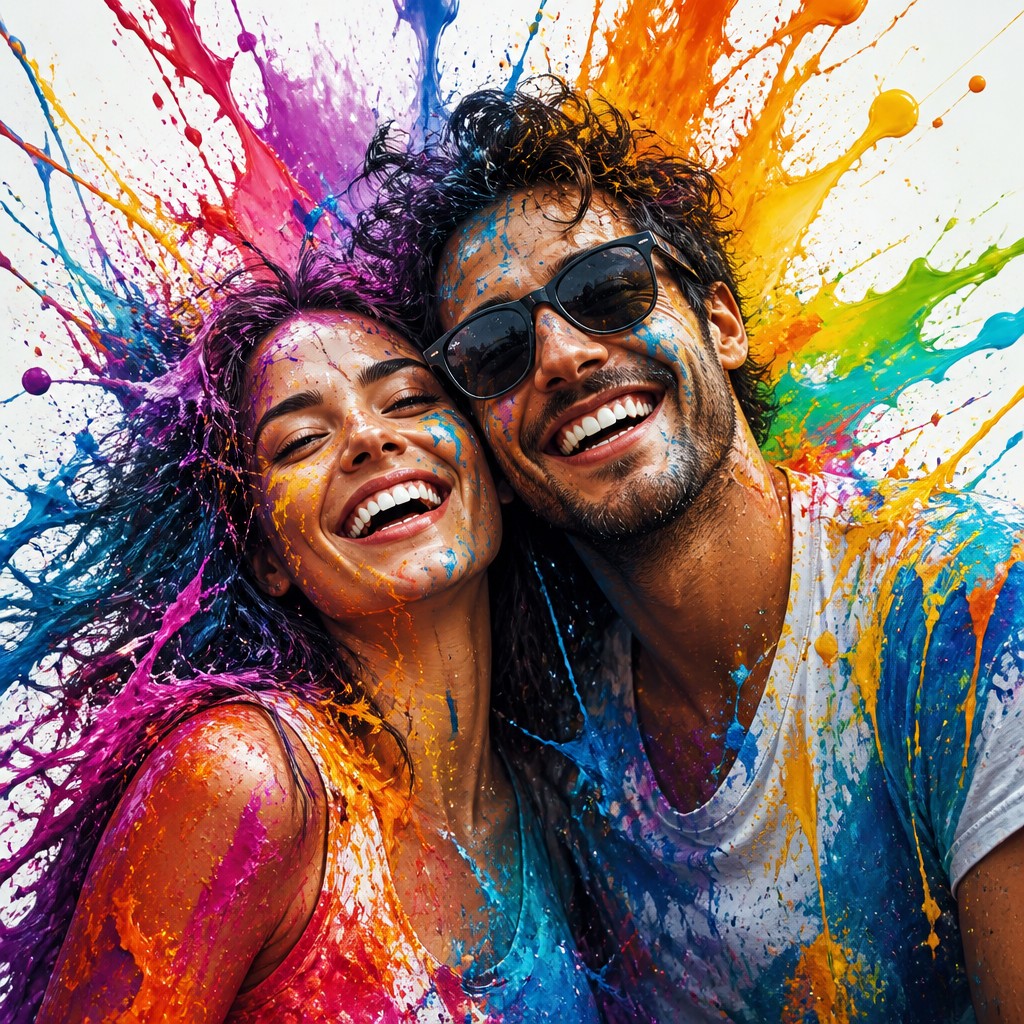
Try It On Your Photos
Upload any photo and convert it into Color Splash — drag the sliders to compare before and after.
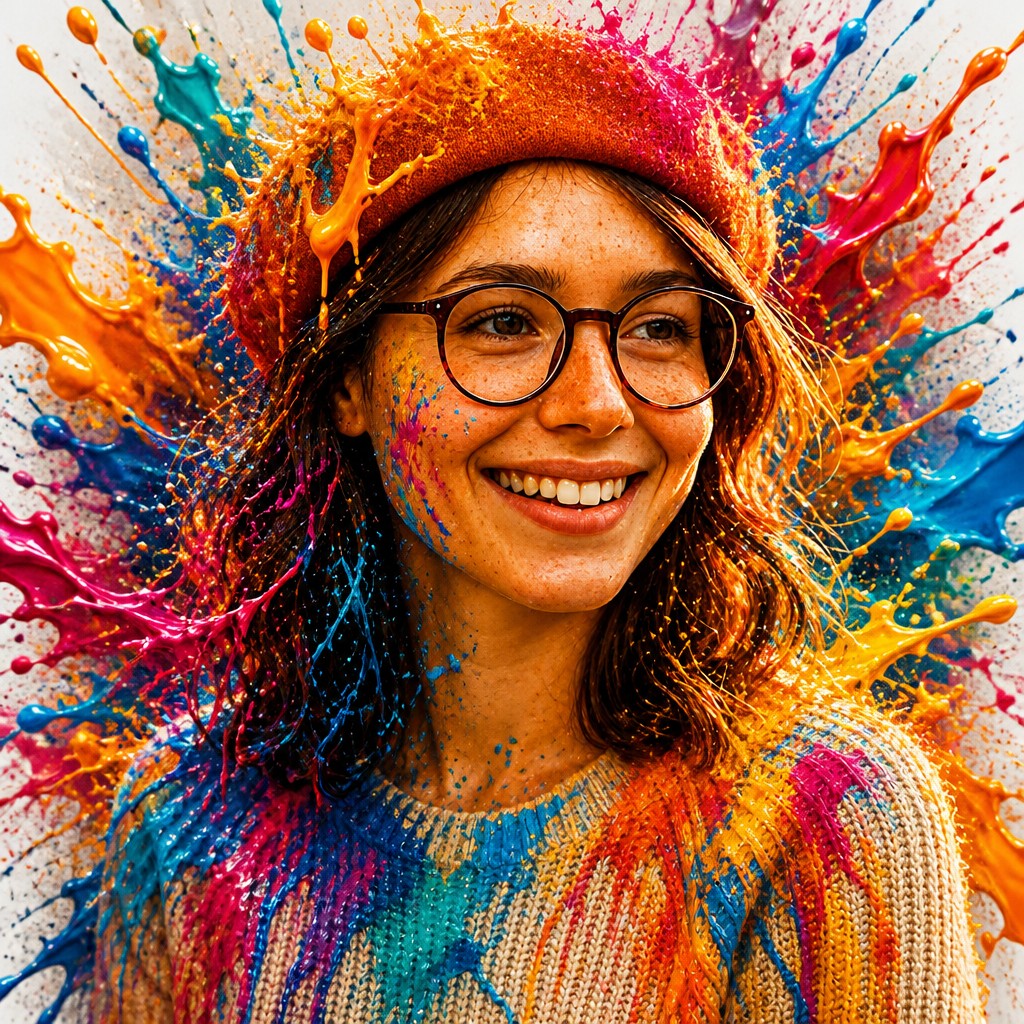

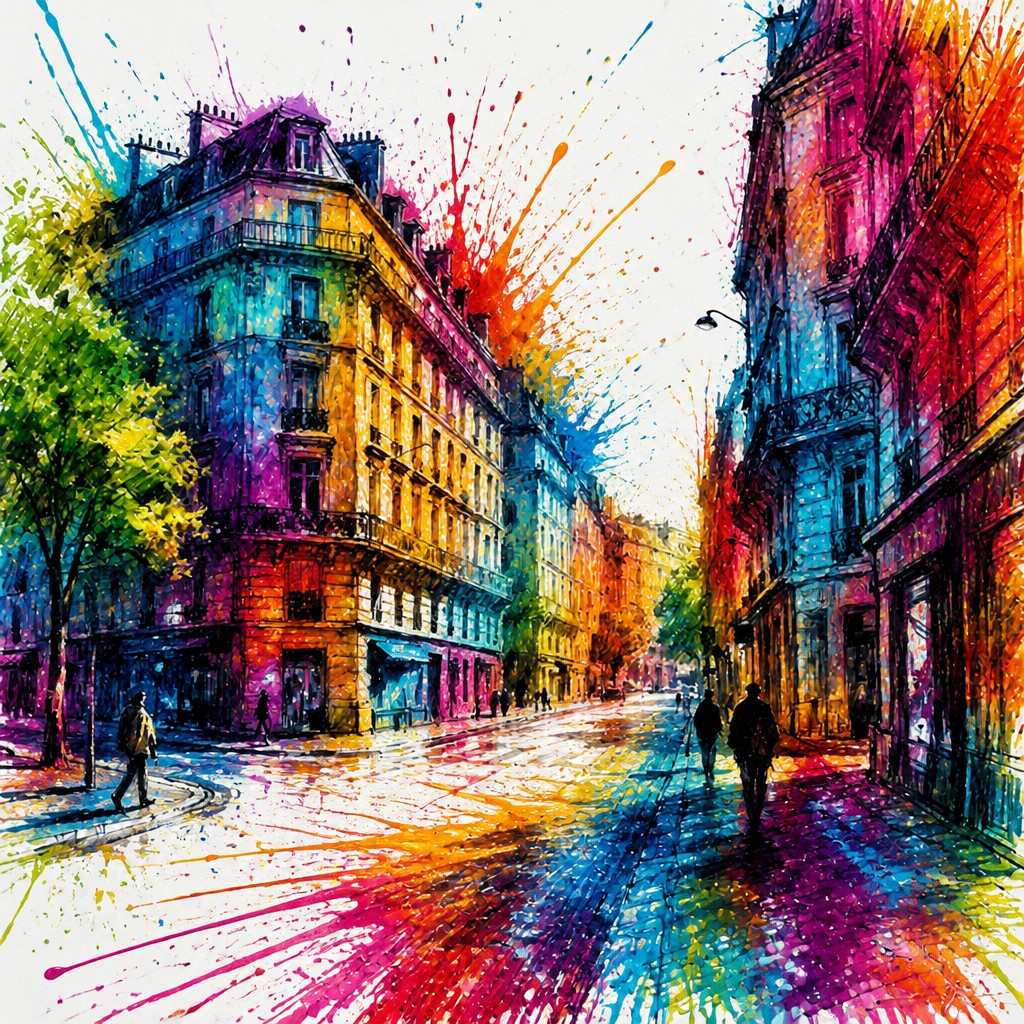

What Defines Color Splash
The signature details, up close
Explosive paint motion
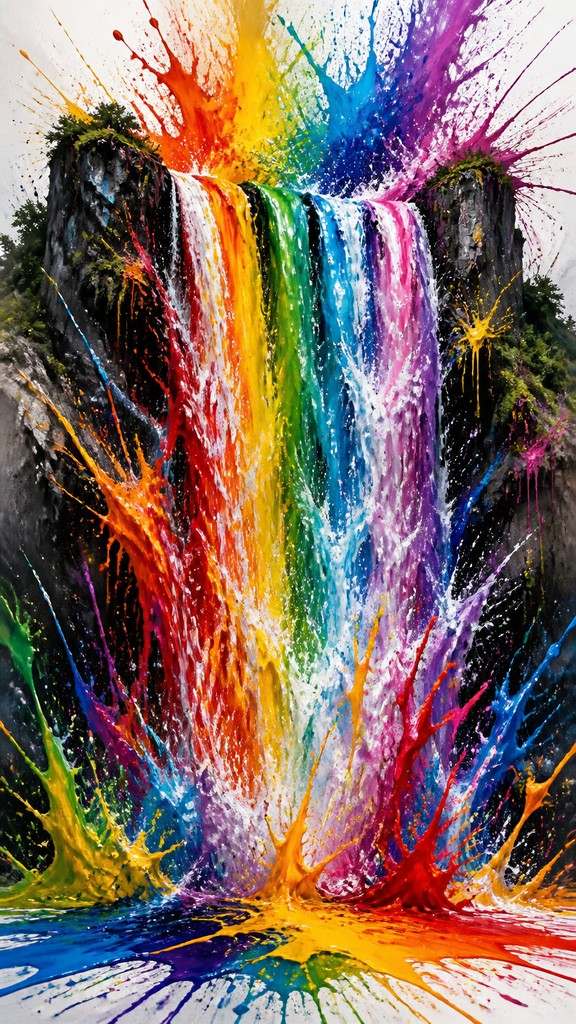
The defining feature is the sense that pigment has been thrown, burst, or scattered outward. Splatters, drips, and radial streaks create a frozen-in-time effect.
Multiple vivid hues
Bright, saturated colors collide and mix in the same composition rather than staying in a single palette. The contrast between hues is central to the style's energy.
Wet, glossy texture
Paint often appears fresh and fluid, with shine, thickness, and transparent edges. Fine spray and mist add realism to the liquid effect.
Kinetic composition
Lines of movement guide the eye around the image as if the paint were still traveling. The composition feels dynamic even when the subject is static.
Clean-to-chaotic contrast
A relatively plain background or simplified subject often increases the impact of the splashes. The style depends on the tension between readable form and energetic disruption.
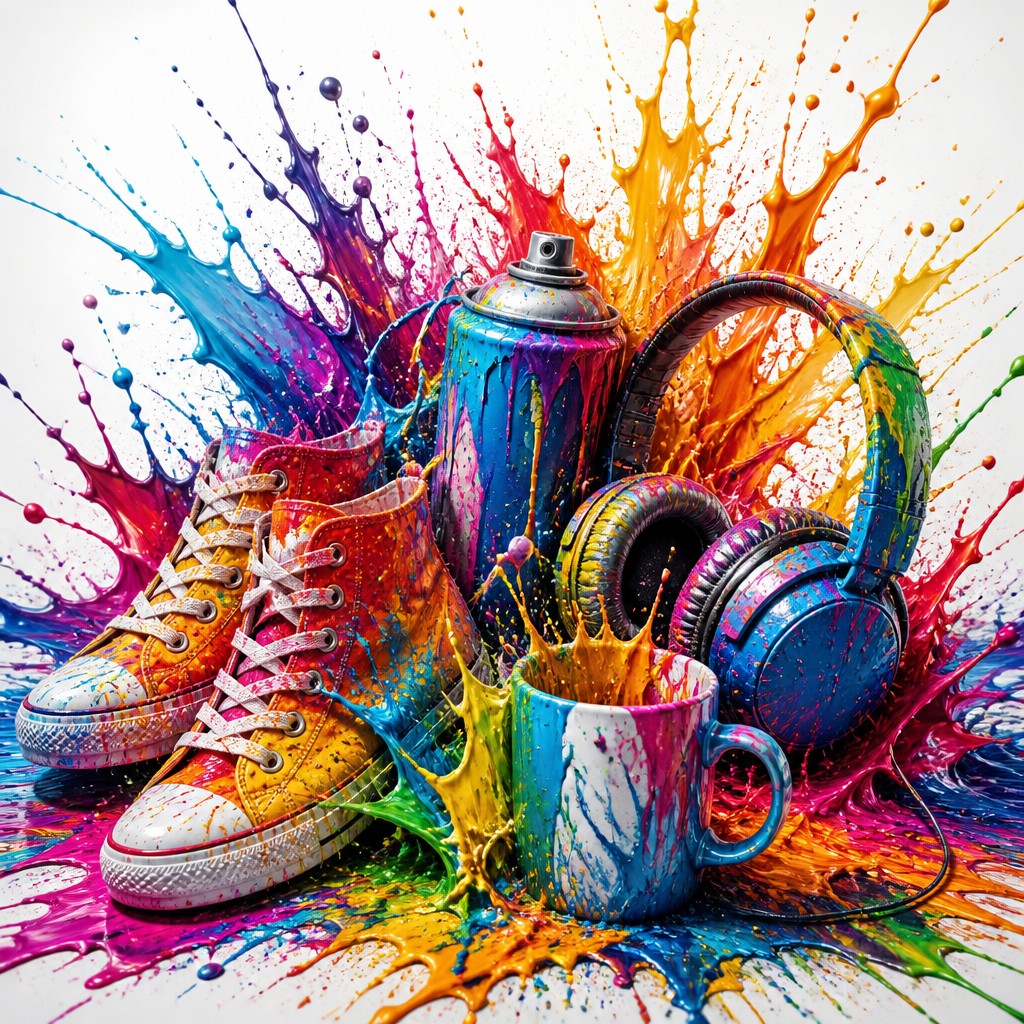
Street-art attitude
The look frequently echoes graffiti, mural paint, and urban poster aesthetics. It can feel rebellious, loud, and physically immediate.
Try It
Create Videos in Color Splash
Styles aren't just for stills — describe a scene or animate an image and get a short video rendered in Color Splash. Press play to see this pond come to life.
Make a VideoColor Splash Prompt Ideas
Start from an idea — each one opens the generator with the style ready to go. See all 40 Color Splash prompts →
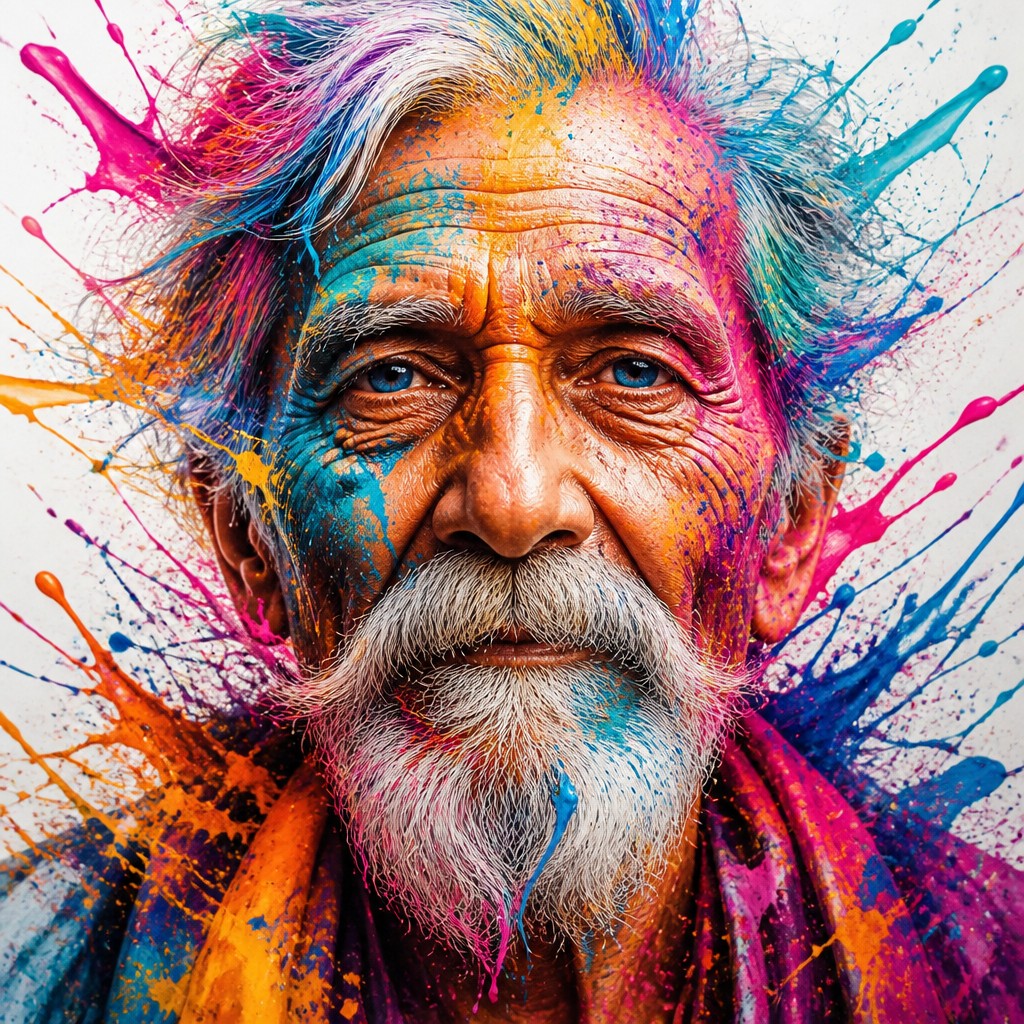
“close-up portrait of an elderly person with expressive weathered features”
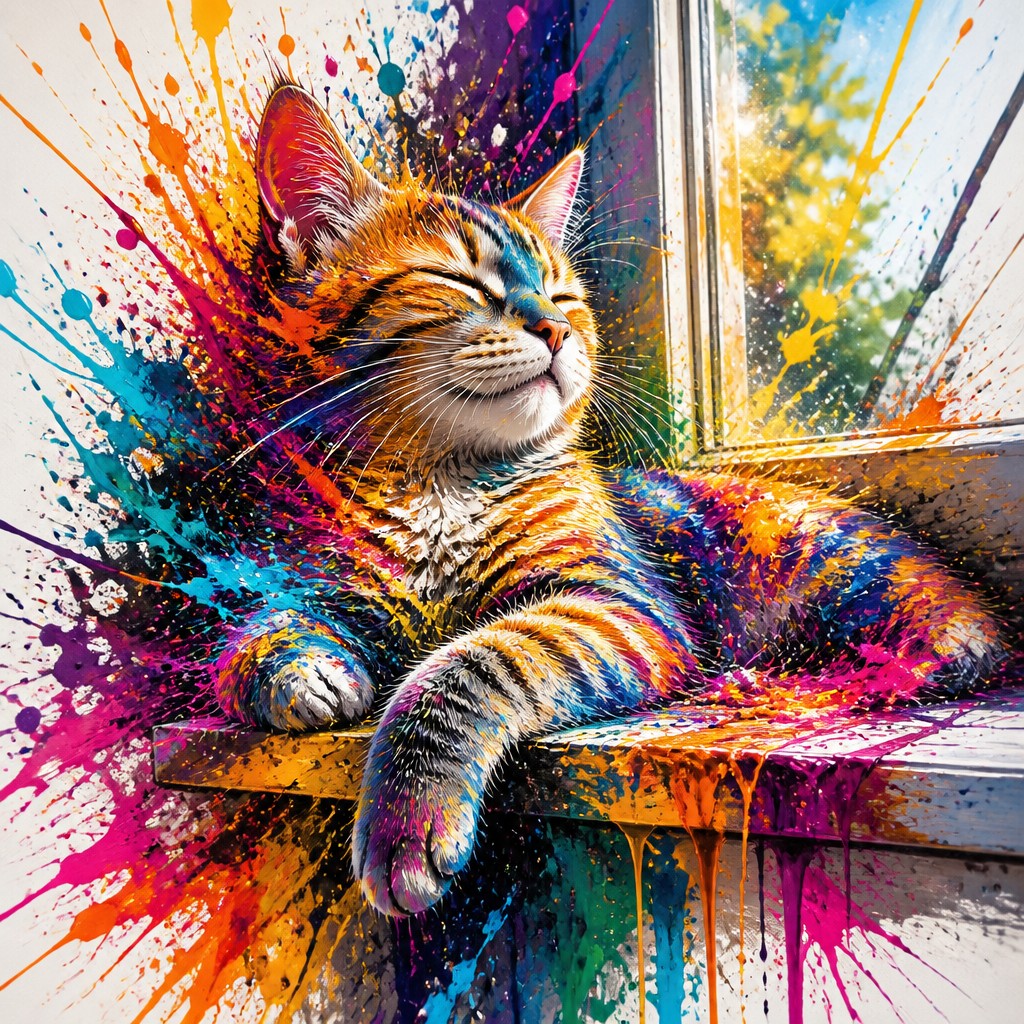
“a cat lounging in a sunlit window”
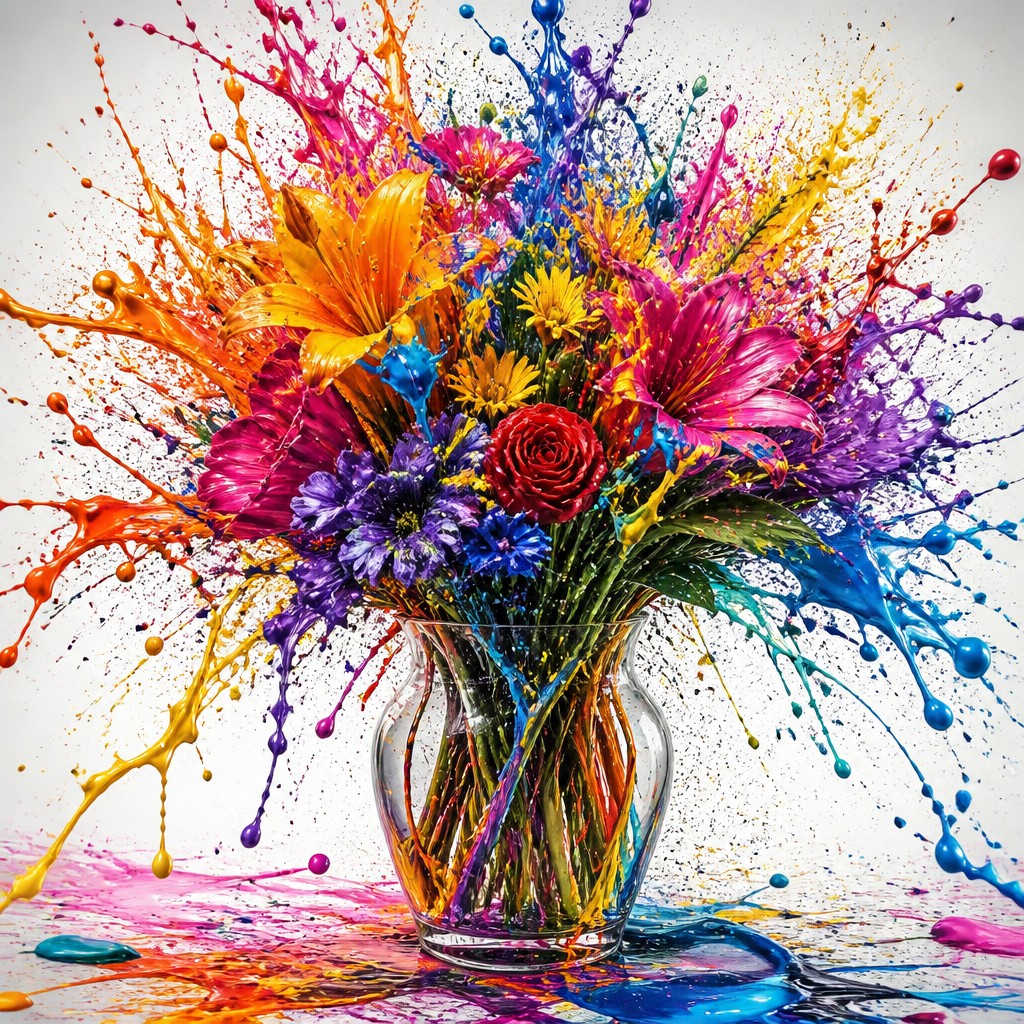
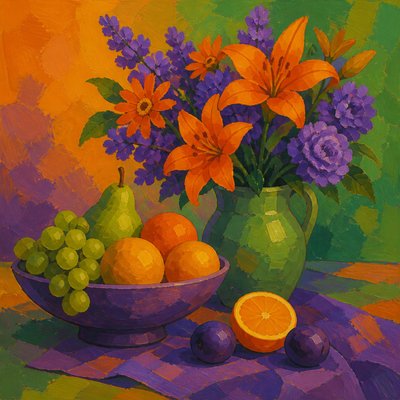
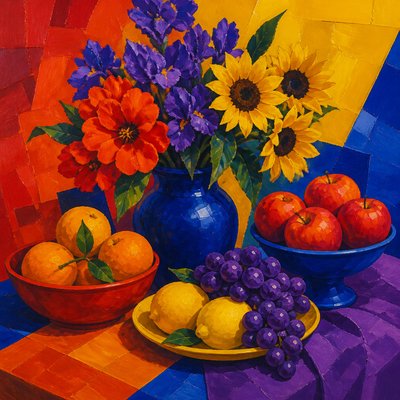
“bouquet of flowers in a glass vase”
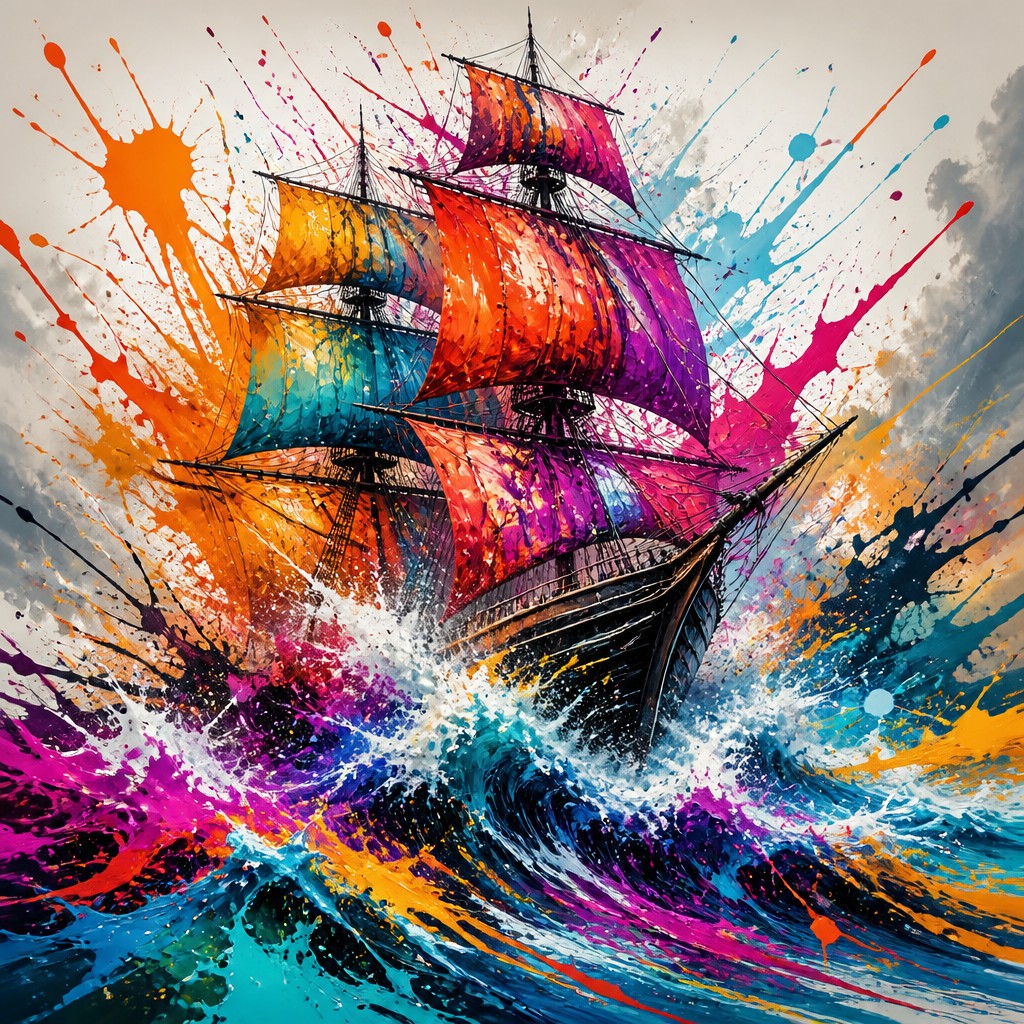
“sailing ship on a stormy sea”
How to Create Color Splash Art
Master the craft step by step — or skip straight to creating. Read the full guide →
- 1
Start with a clear subject silhouette
Whether painting by hand or composing digitally, begin with a readable central form so the splashes enhance rather than obscure it. Strong silhouettes make the eruptive paint effect more legible.
- 2
Layer liquid marks with controlled chaos
Use splatter brushes, flicked paint, drips, masking, and spray textures to build motion around the subject. Keep some areas dense and others sparse so the composition has rhythm.
- 3
Use saturated color contrast
Choose a bold palette with neighboring warm and cool tones that can collide visually. High contrast makes the splashes feel more explosive and helps the subject stand out.
- 4
Preserve wet-paint realism
Add highlights, translucent edges, and gravity-driven drips so the effect reads as actual liquid medium. Even stylized versions benefit from believable paint physics.
- 5
Balance abstraction and legibility
If the subject becomes too covered, the image loses its focal point. Leave key facial features, contours, or object edges partially clear so the composition remains recognizable.
- 6
Prompt for motion and medium together
In text-to-image workflows, specify both the subject and the material behavior, such as splatters, flung drips, burst trajectories, wet gloss, and spray. Phrases about frozen motion and colliding hues help produce the signature look.
The Story
History & Origins of Color Splash
Color Splash is not a single historical movement, but a contemporary aesthetic that draws from several real traditions. Its closest ancestors include Abstract Expressionism, especially the gesture and bodily action associated with major postwar action painters, as well as later street art, graffiti, and graphic design approaches that use high-saturation color and impact-driven composition. The visual language also overlaps with liquid ink illustration, paint throwing, and poster-like digital effects developed for modern advertising, music imagery, and editorial graphics.
In digital culture, the style became more common as image editing tools made it easy to simulate splatter, spray, and wet-paint textures while preserving a clean subject silhouette. Contemporary versions often combine photographic realism with abstract paint motion, producing a hybrid look that sits between illustration, mixed media, and digital compositing. As a result, Color Splash is best understood as an aesthetic lineage rather than a historically bounded school.
Influences: Color Splash draws on Abstract Expressionism, especially the gestural paint handling of major postwar action painters, while also borrowing from graffiti, street art, and mural painting traditions that favor bold color and direct impact. In digital illustration it overlaps with mixed-media collage, splash-screen graphics, and poster art that emphasize dynamic contrast over refined detail. Its closest relatives are therefore not a single school, but a cluster of practices centered on gesture, liquidity, and visual force.
Frequently Asked Questions
What defines the Color Splash style?
It is defined by explosive paint splatters, flung drips, and colliding vibrant colors that seem to erupt around a subject. The key idea is motion: the image looks like wet paint was thrown, sprayed, or burst in mid-air.
Is Color Splash a real historical art movement?
No. It is a contemporary aesthetic rather than a formal historical movement. Its look is derived from Abstract Expressionism, street art, and modern digital compositing.
How is Color Splash different from paint splatter or abstract expressionism?
Paint splatter is a technique, while Color Splash is a broader visual style that uses splatter effects in a more polished, subject-driven way. Compared with pure Abstract Expressionism, it is often cleaner, more graphic, and more focused on a central image.
What kinds of subjects work best in this style?
Portraits, animals, athletes, cars, musical performers, and simple iconic objects all work well because they provide a strong focal shape. The style is especially effective when the subject has a clear outline that can interact with the splashes.
Can this style be made traditionally as well as digitally?
Yes. Traditional versions can be made with acrylics, ink, watercolor, or mixed media using flicking, pouring, and masking techniques. Digital versions use brush libraries, texture overlays, and compositing to simulate the same wet, explosive effect.
Where is this style commonly used?
It is often used in posters, album art, sports graphics, fashion imagery, and dramatic portrait treatments. The style works well anywhere a bold, energetic, attention-grabbing image is needed.
Create your first Color Splash artwork
Describe anything — or upload a photo — and see it in Color Splash in seconds.
Make Something with Color Splash
Related Styles
Discover similar art styles