Ink in Water
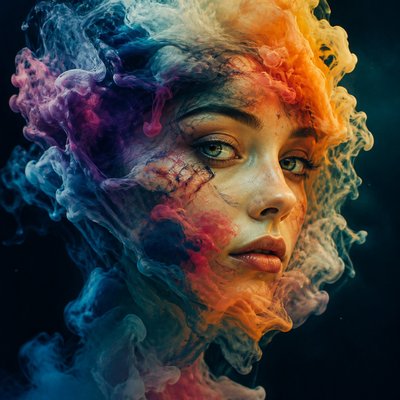
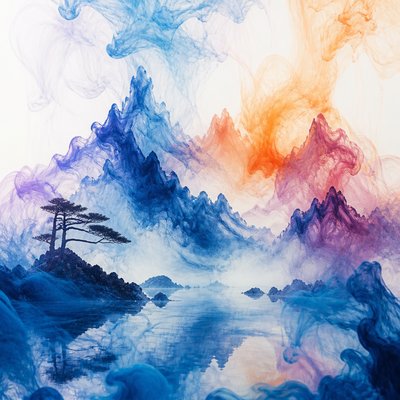
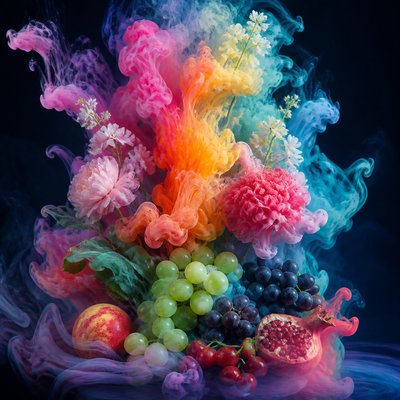
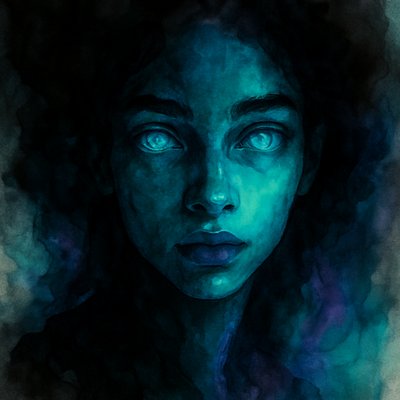
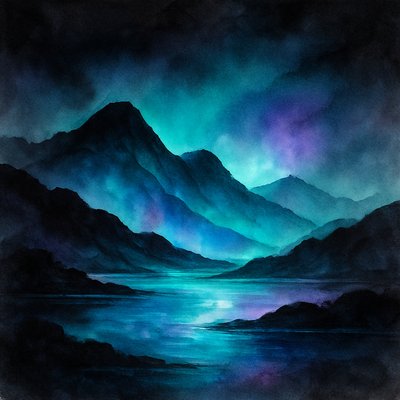
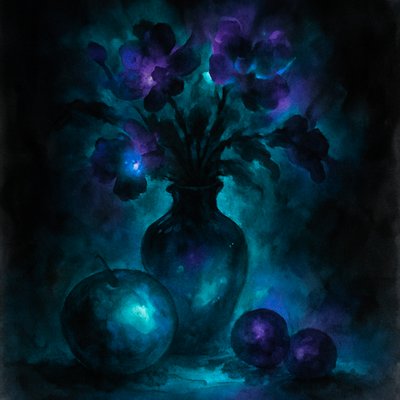
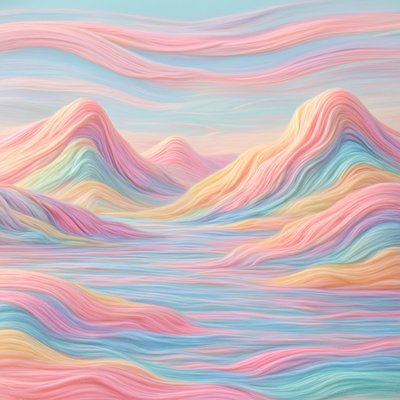
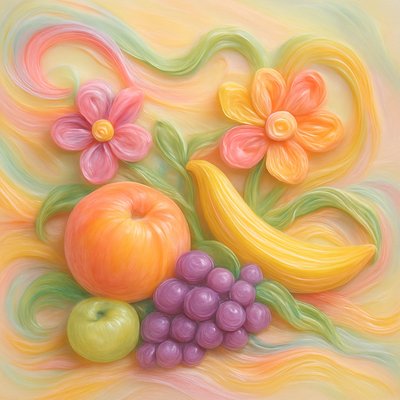
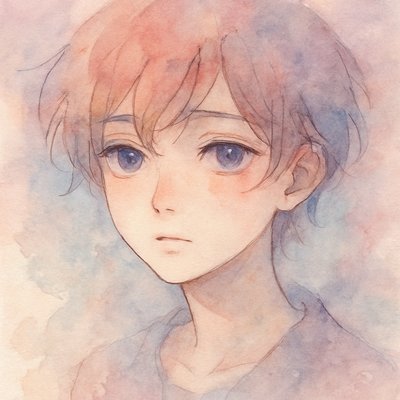
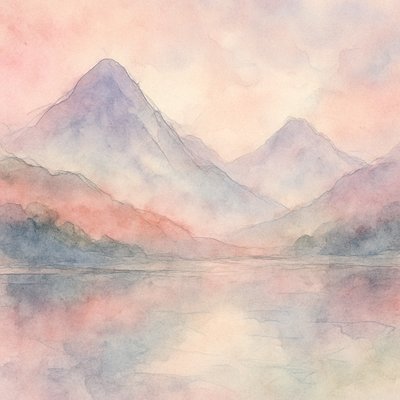
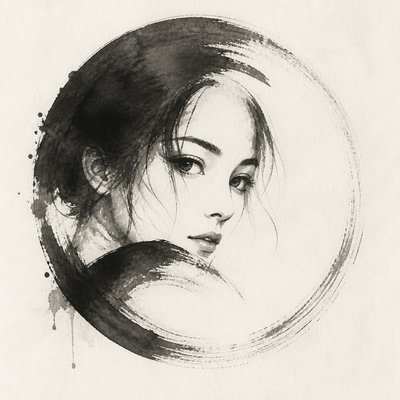
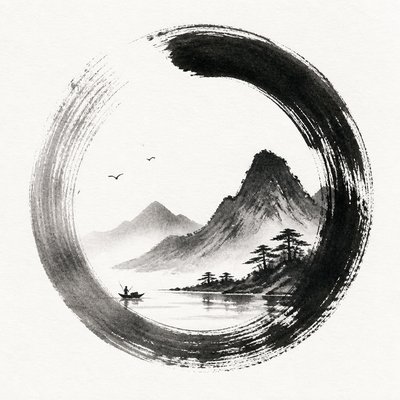
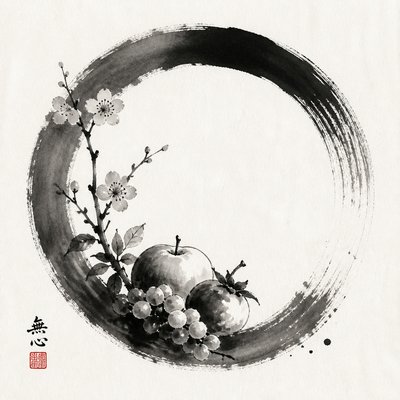
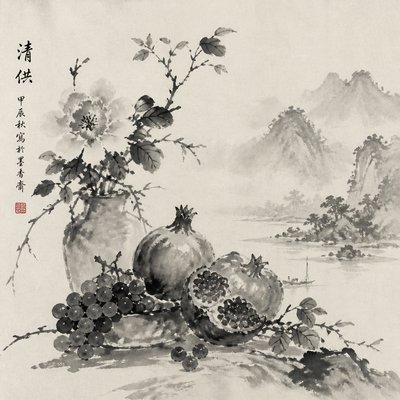
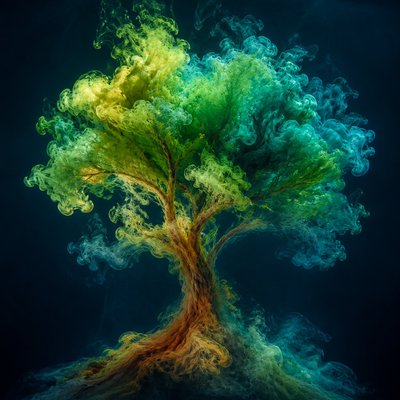
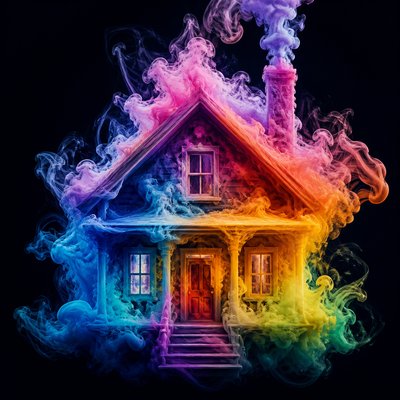
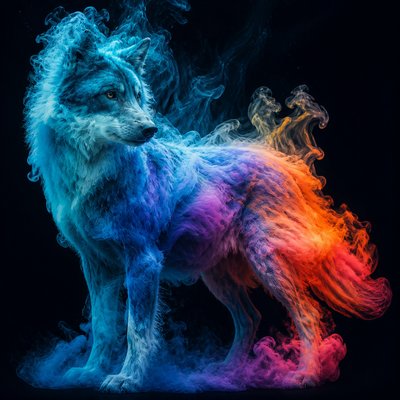
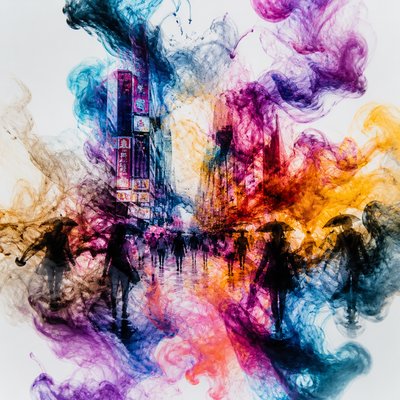
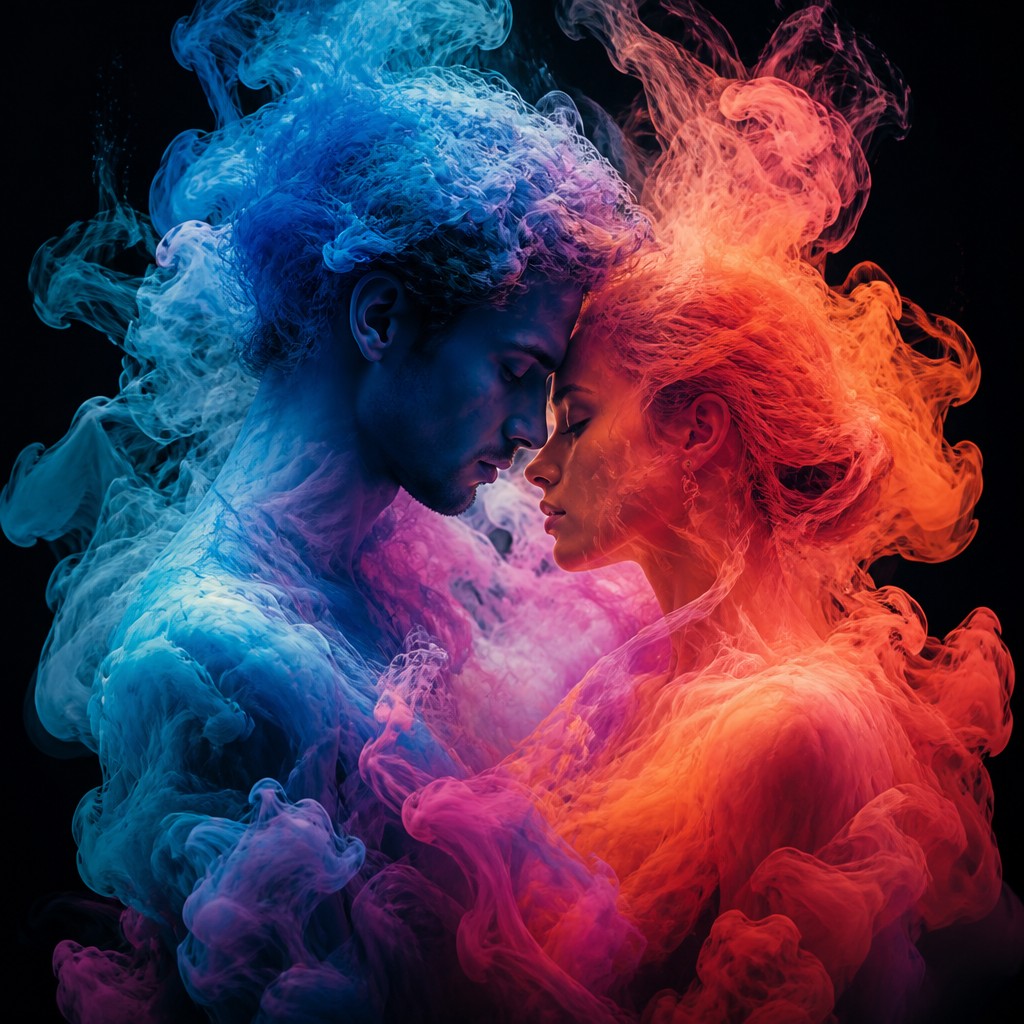
Fluid color clouds diffusing in water-like space, with soft blooming edges, luminous swirls, and dreamlike translucent movement.
Instantly rendered in Ink in Water — or transform a photo
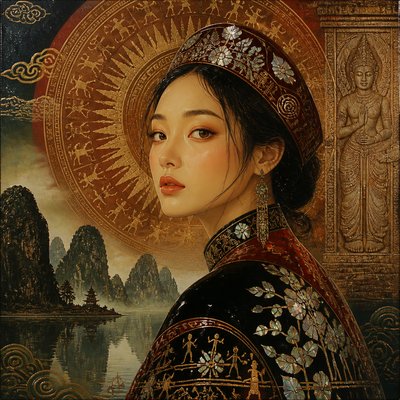
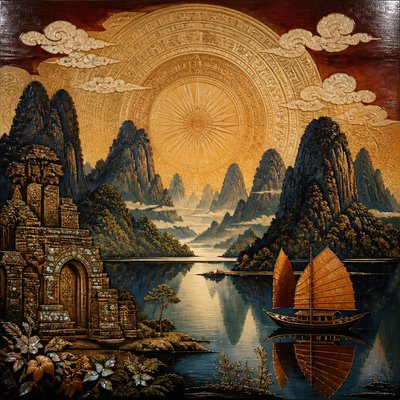
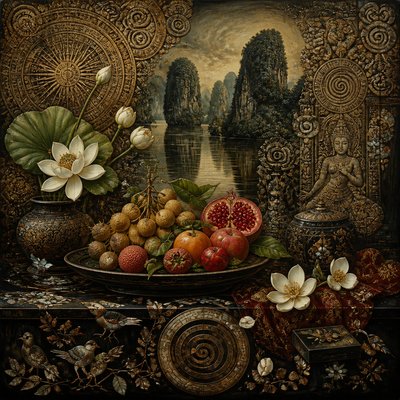
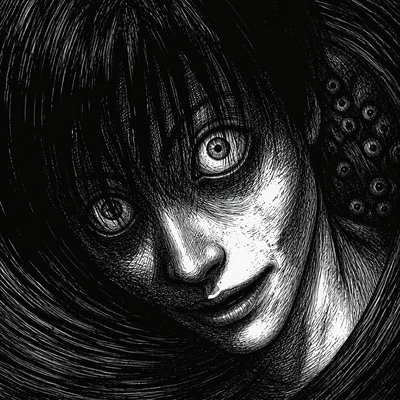
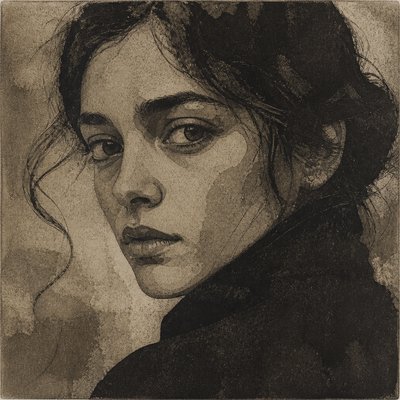
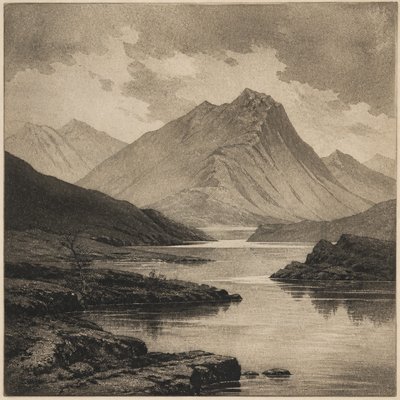
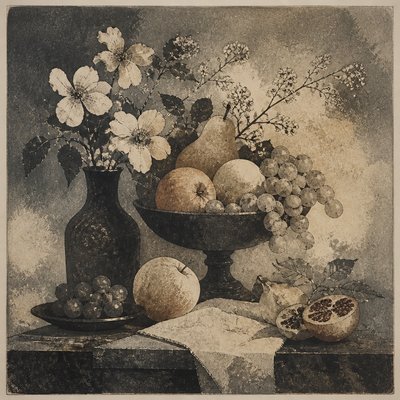
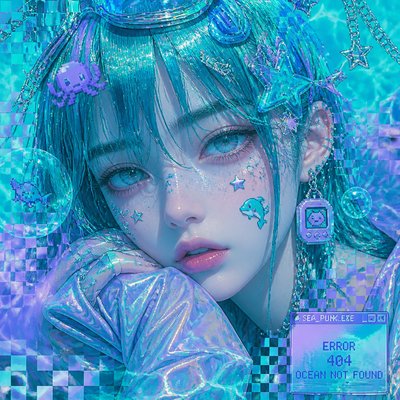
Ink in Water Gallery
Tap any artwork to explore it
What is Ink in Water?
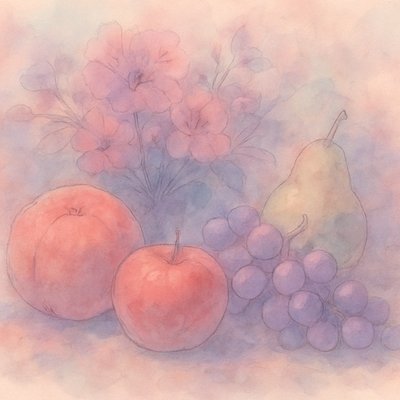
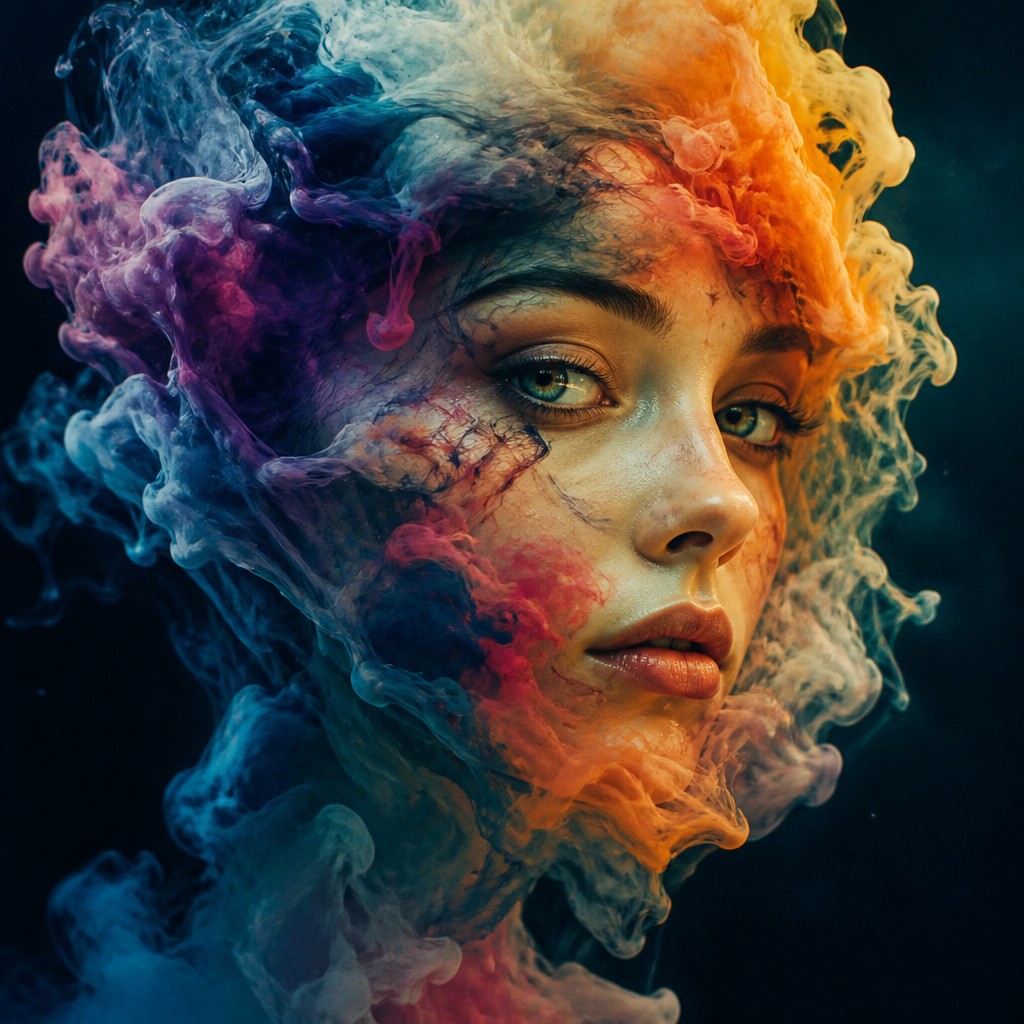
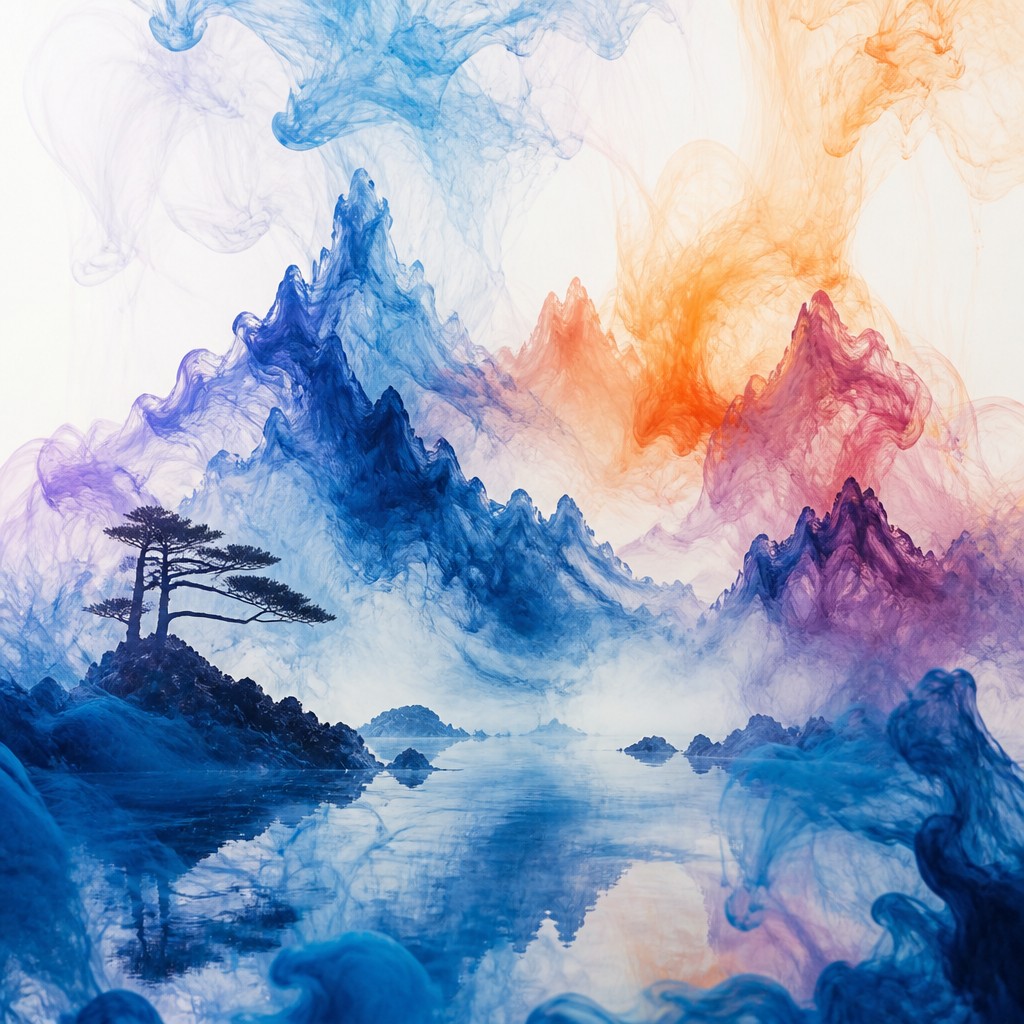
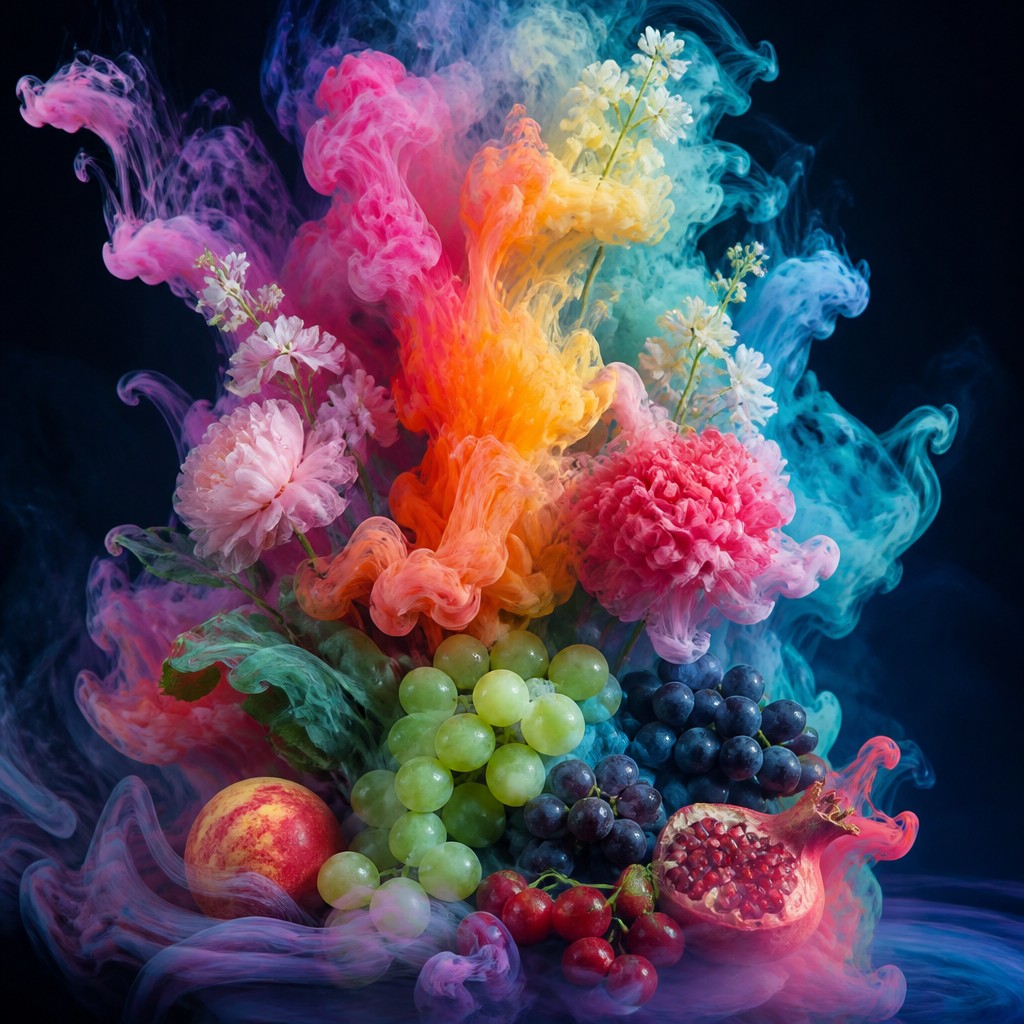
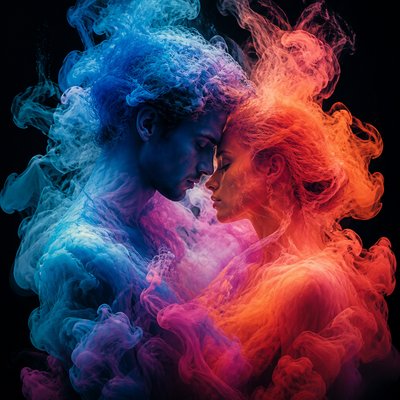
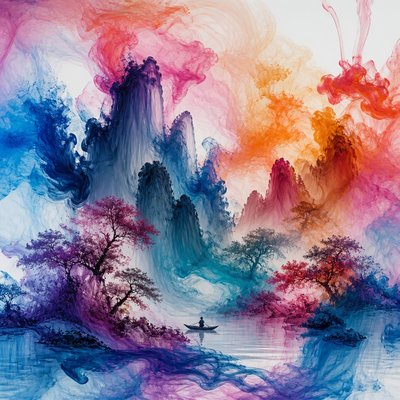
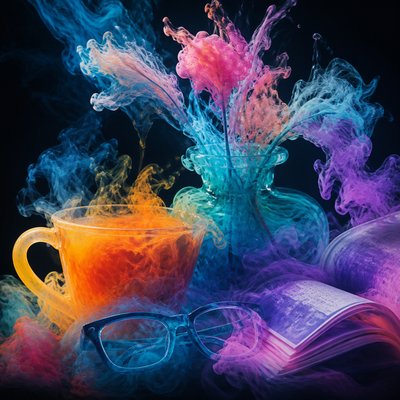
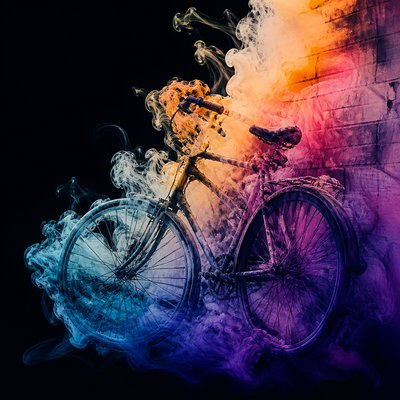
Ink in Water is an abstract visual style built around the behavior of pigment suspended in liquid. Forms appear as drifting clouds, blooming stains, and branching tendrils that expand outward from a source, then soften into translucent veils. The result is a composition that feels both controlled and unstable: recognizable shapes may be suggested, but they are dissolved by diffusion, turbulence, and fluid motion.
Its visual identity comes from the interplay of saturation and dispersion. Dense cores of color radiate into feathered edges, while adjacent hues bleed into one another to create gradients that seem to move even when frozen in place. Clear or dark negative space is essential, because it gives the drifting pigment room to read as weightless and spatially deep. The style feels dreamlike because it captures a moment of transition rather than a fixed object.
Try It On Your Photos
Upload any photo and convert it into Ink in Water — drag the sliders to compare before and after.


What Defines Ink in Water
The signature details, up close
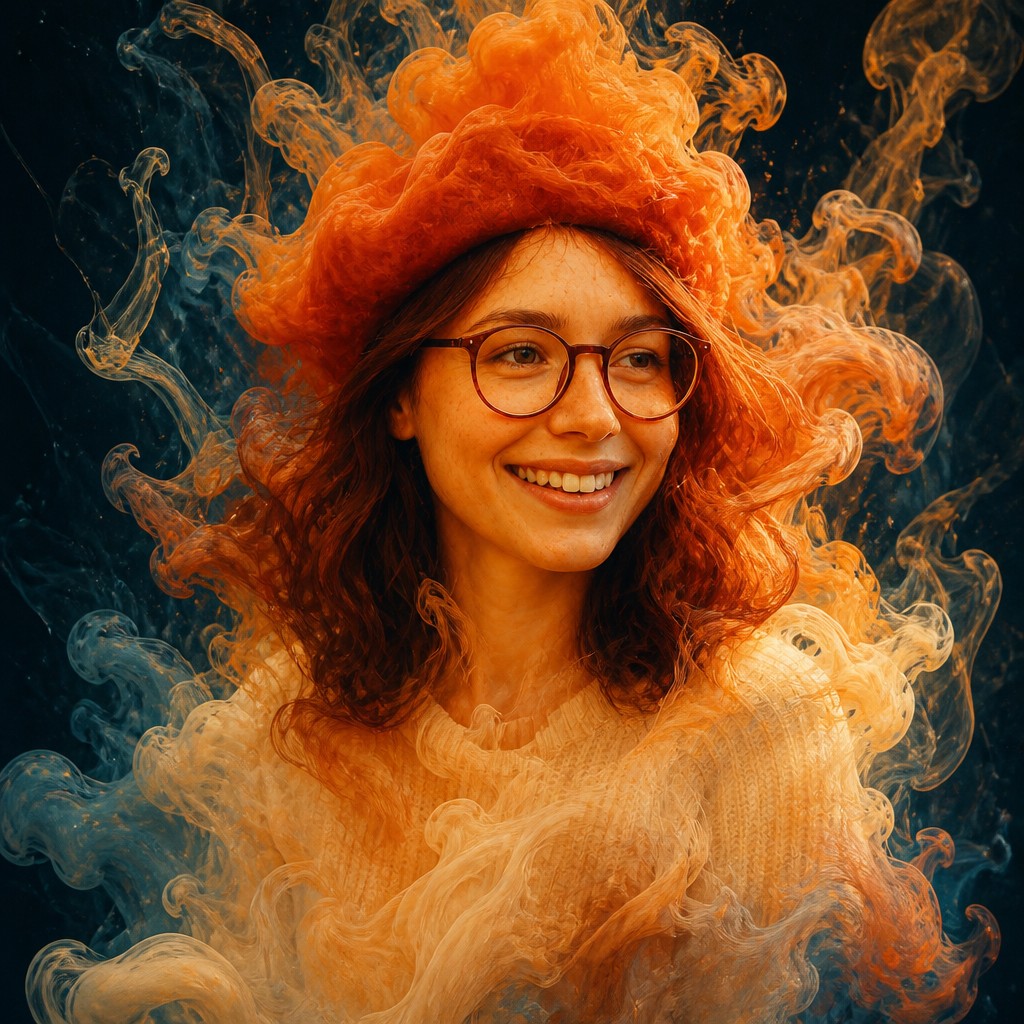
Diffused pigment clouds
The central forms look like ink or dye dispersing in water, with soft, expanding masses rather than hard edges. Their boundaries break into misty gradients and drifting particulate textures.
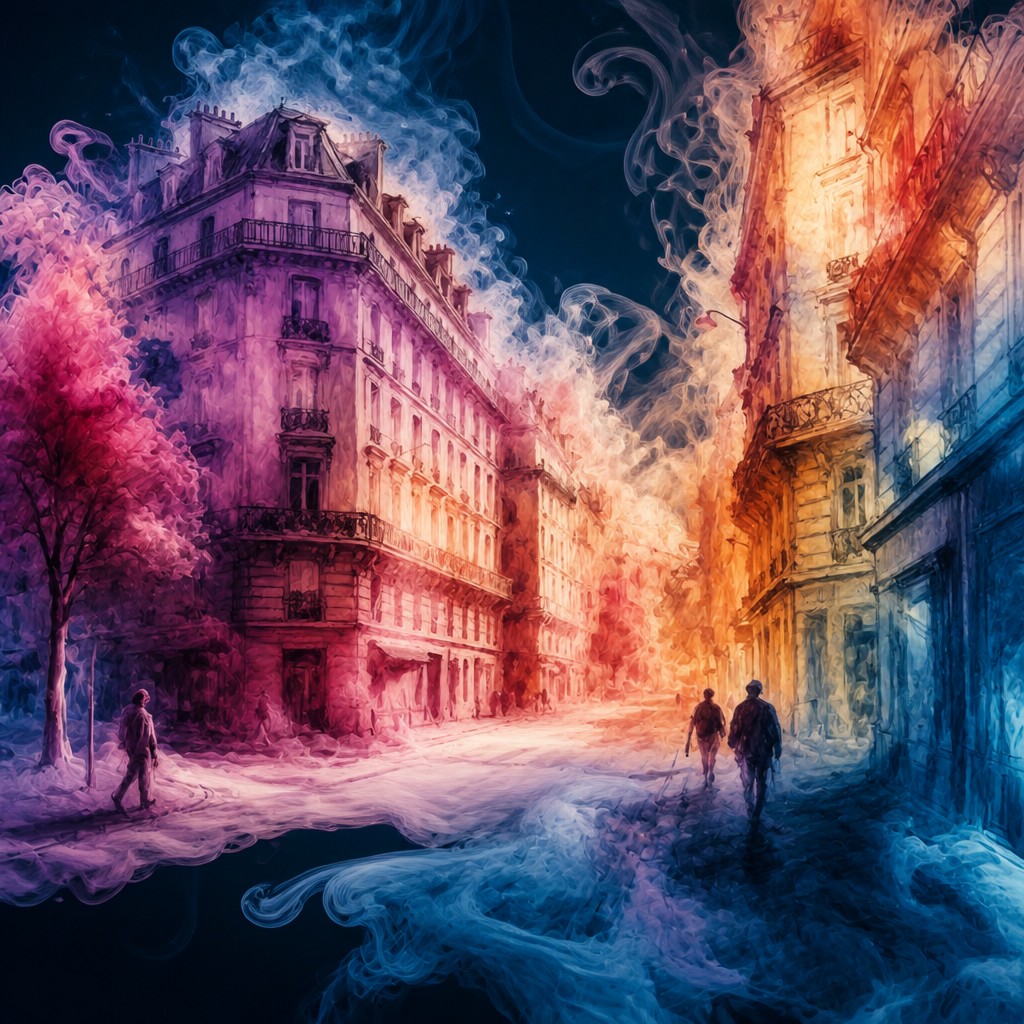
Wisping tendrils and plumes
Fine filaments curl outward from denser areas, creating a sense of underwater or atmospheric motion. These tendrils help the image feel dynamic even when the composition is static.
Luminous color bleeding
Colors overlap and blend through transparent layers, producing glowing transitions and saturated blooms. The palette often moves from intense cores to delicate washes at the edges.
Soft organic geometry
Forms are irregular, cellular, and cloudlike rather than rigid or angular. Even when the subject is figurative, it is often dissolved into fluid, natural-looking shapes.
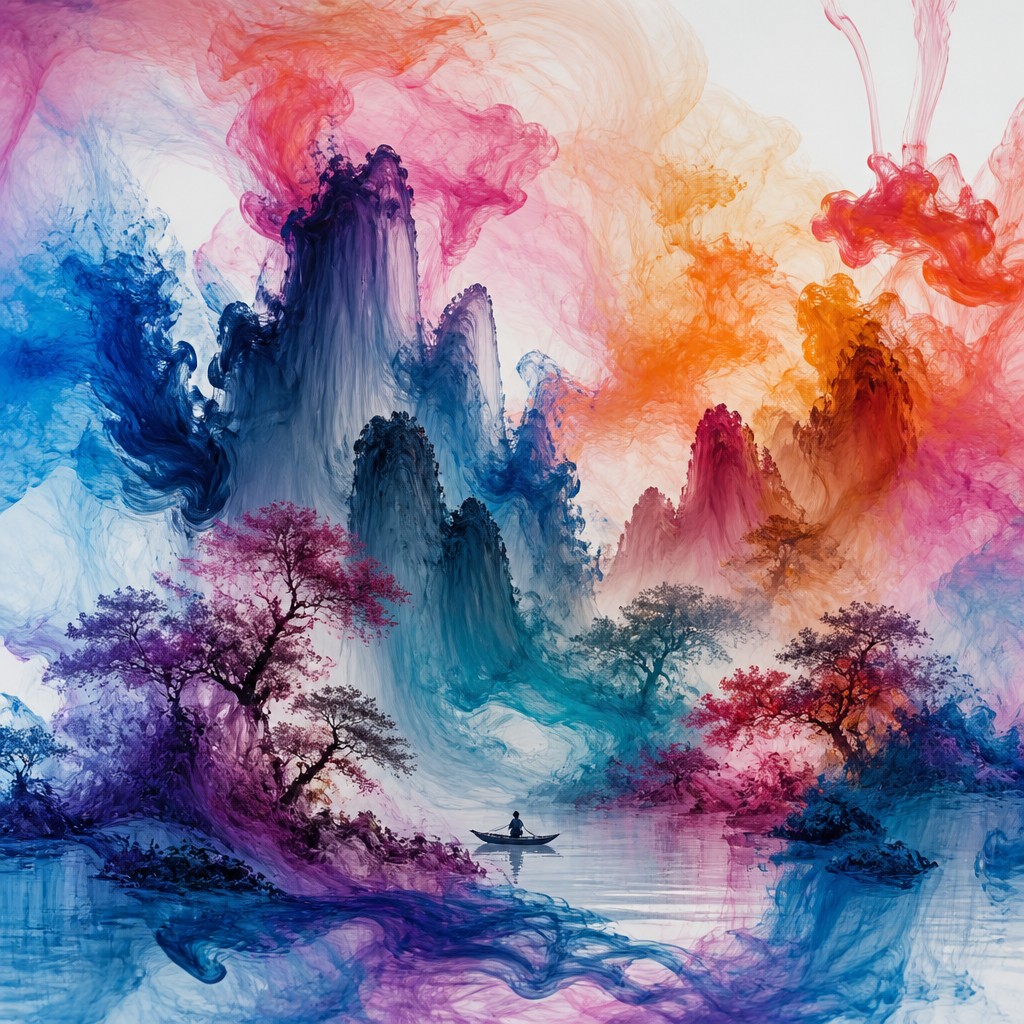
Suspended motion
The style captures a frozen instant of movement, as if the pigment is still unfolding. This suspended quality creates tension between stillness and transformation.
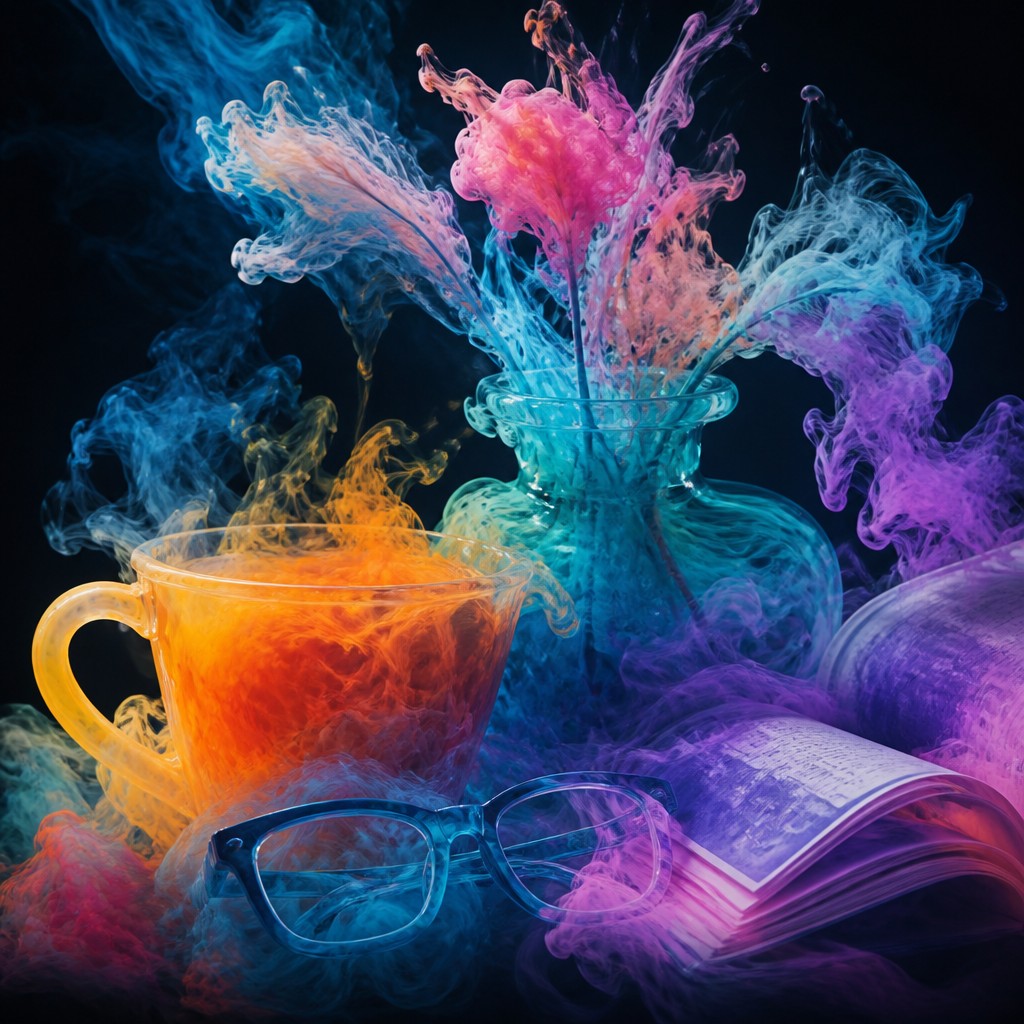
Clean negative space
A clear background isolates the drifting color and reinforces the sense of depth. The emptiness around the forms makes the composition feel airy, minimal, and immersive.
Try It
Create Videos in Ink in Water
Styles aren't just for stills — describe a scene or animate an image and get a short video rendered in Ink in Water. Press play to see this pond come to life.
Make a VideoInk in Water Prompt Ideas
Start from an idea — each one opens the generator with the style ready to go. See all 40 Ink in Water prompts →
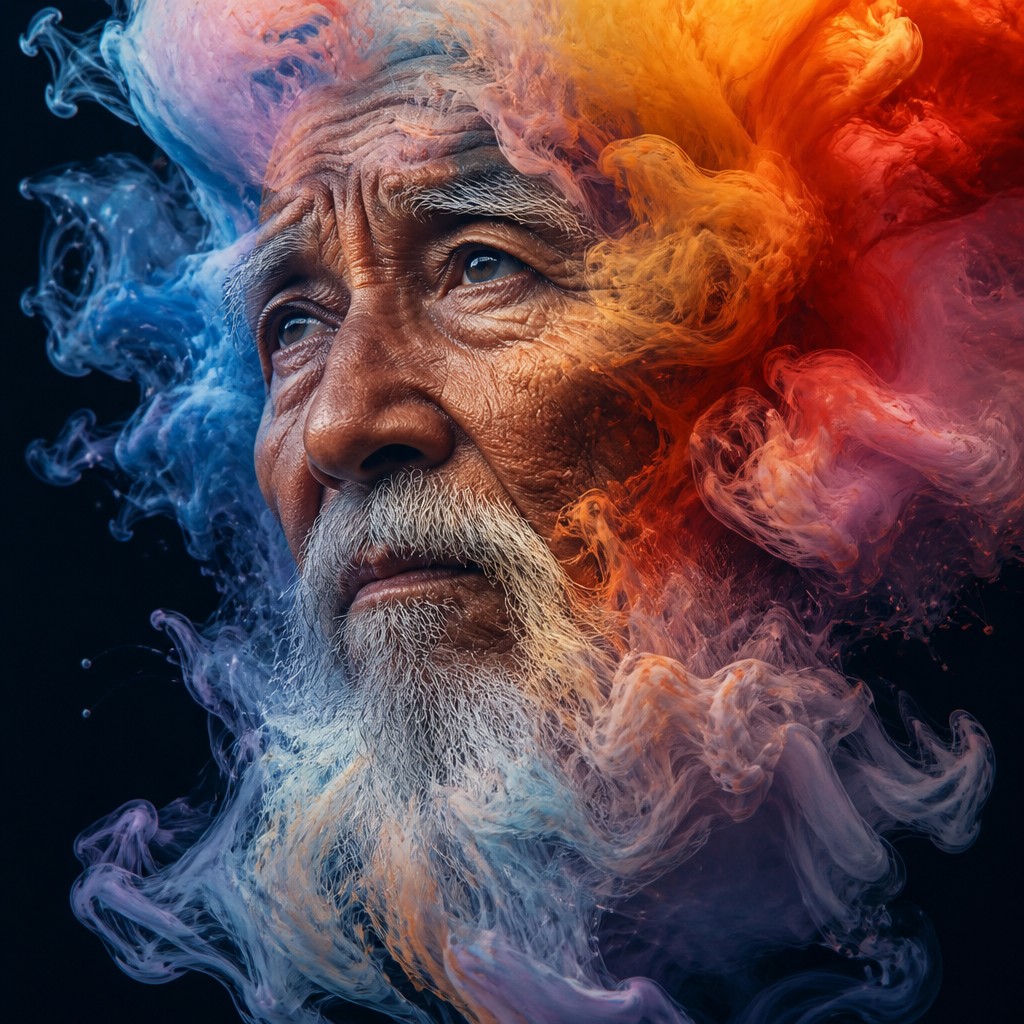
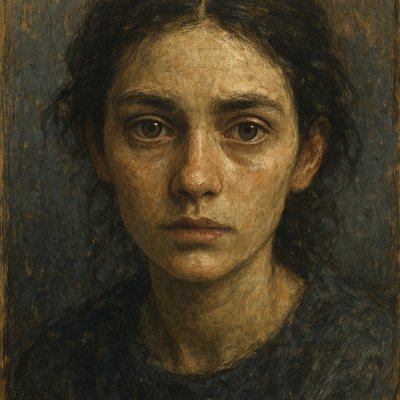
“close-up portrait of an elderly person with expressive weathered features”
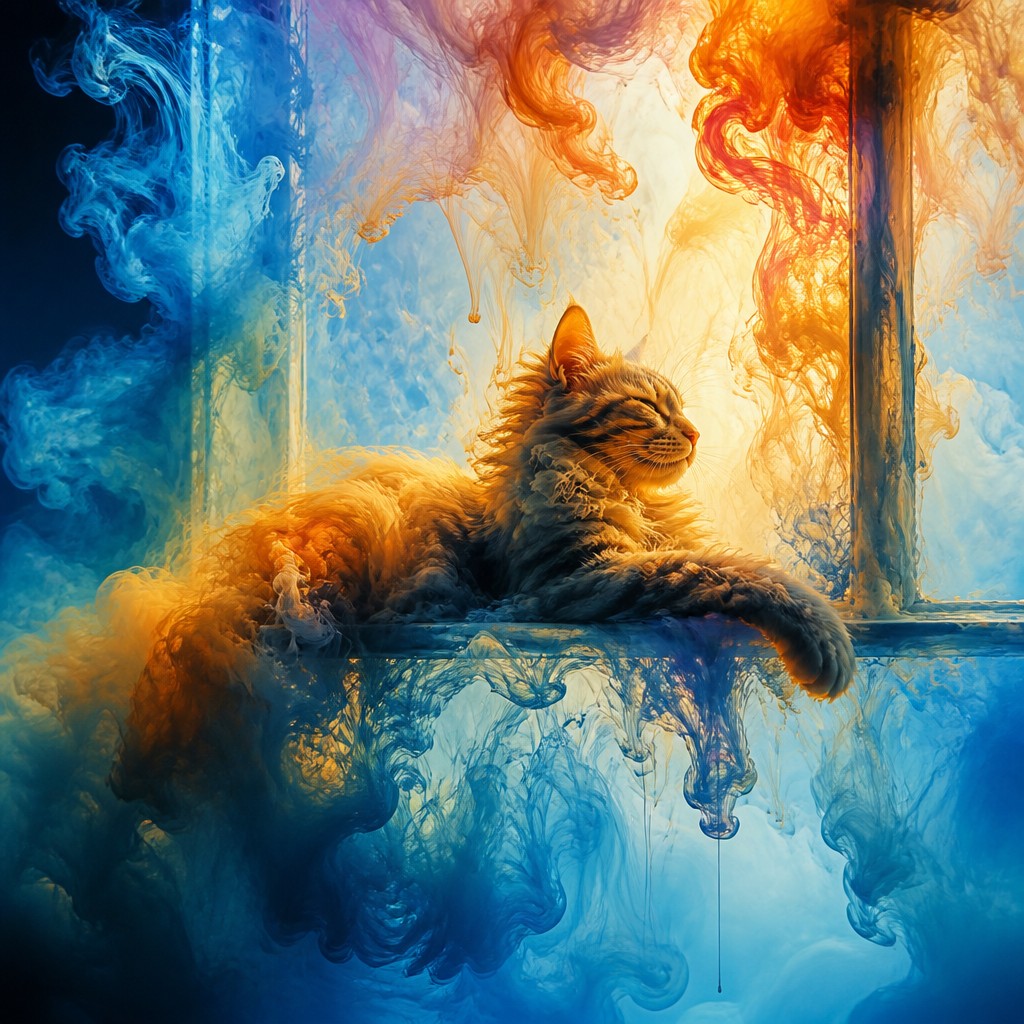
“a cat lounging in a sunlit window”
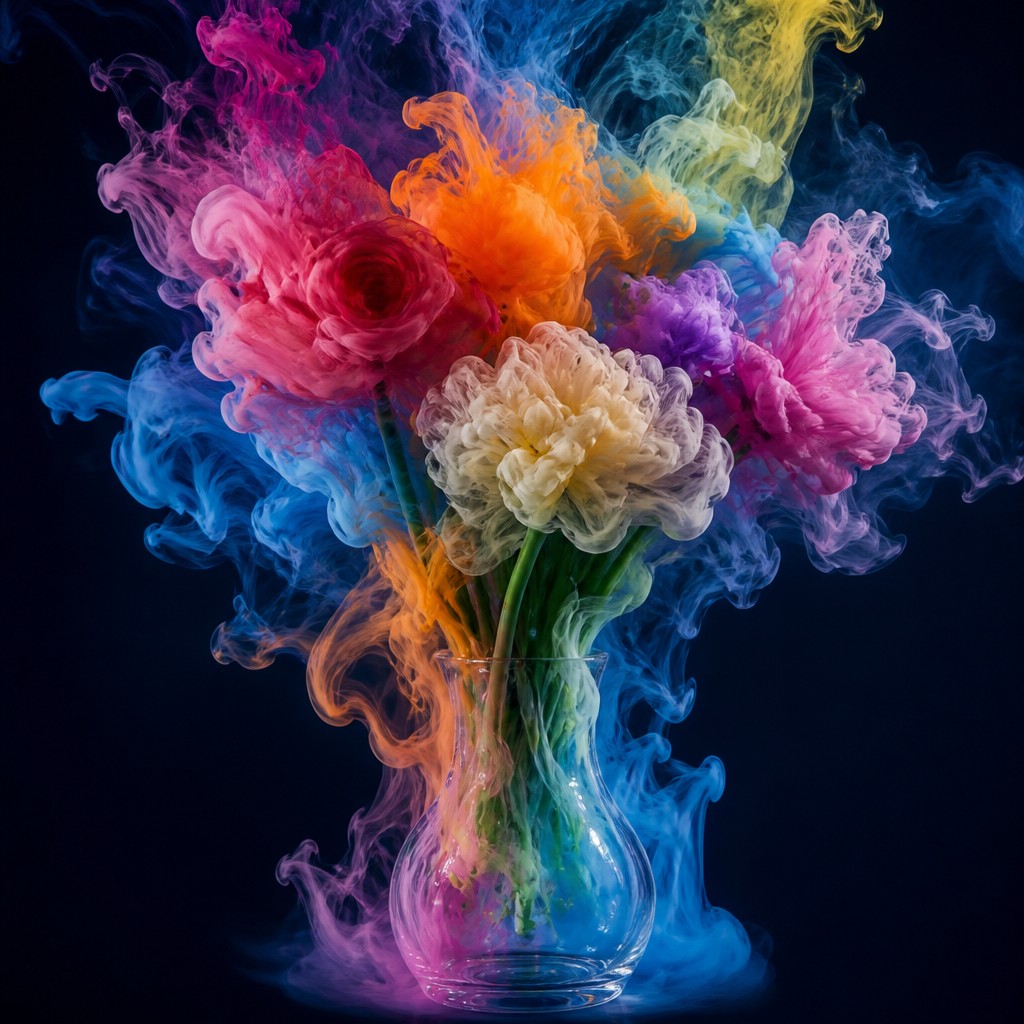
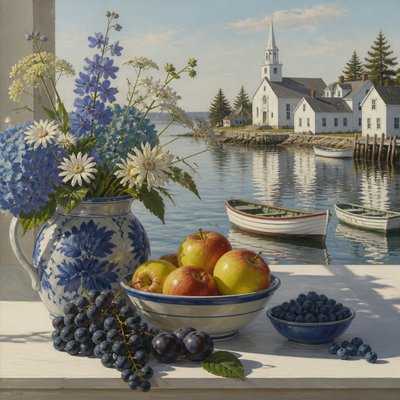
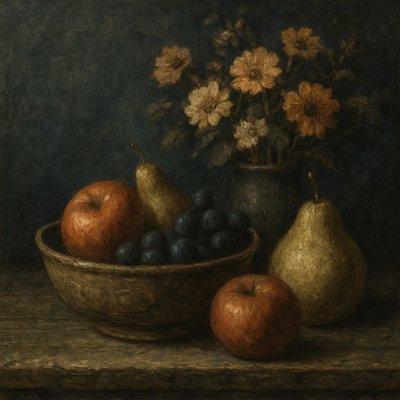
“bouquet of flowers in a glass vase”
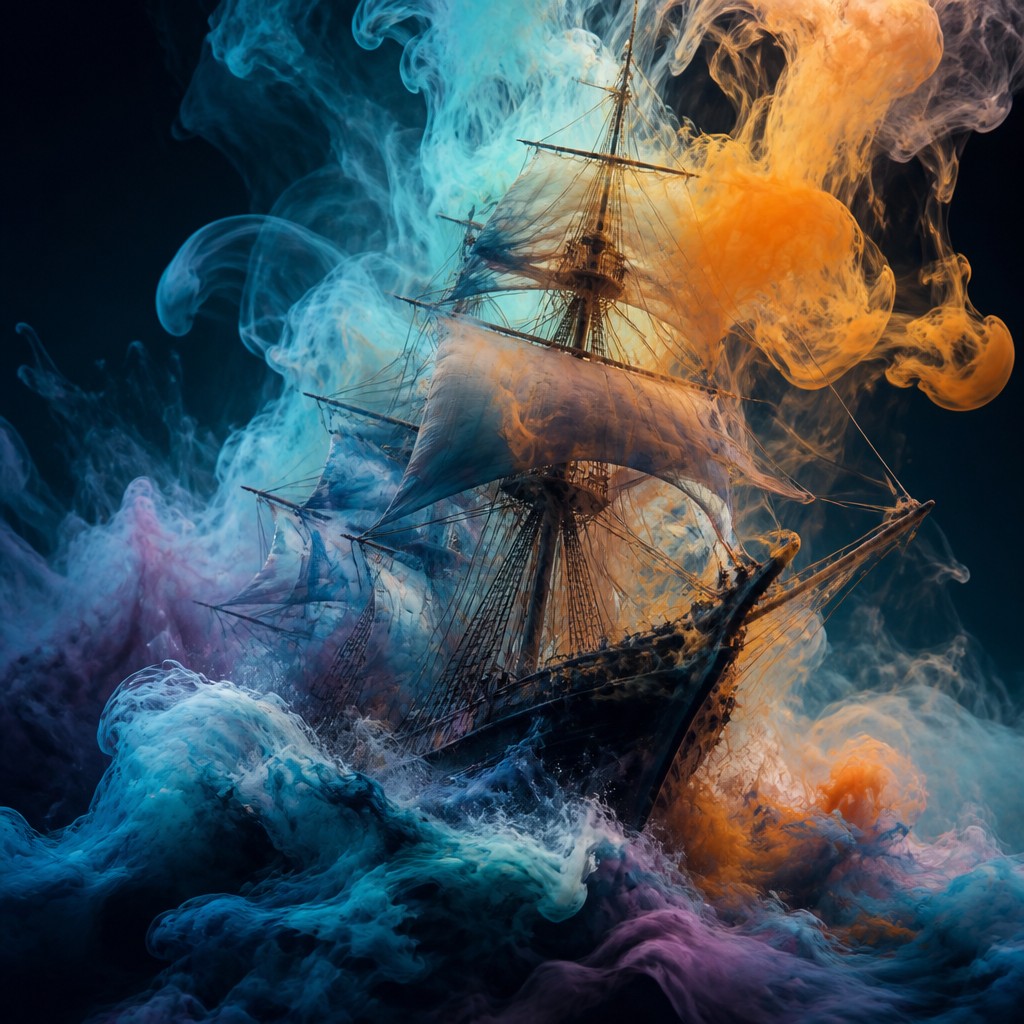
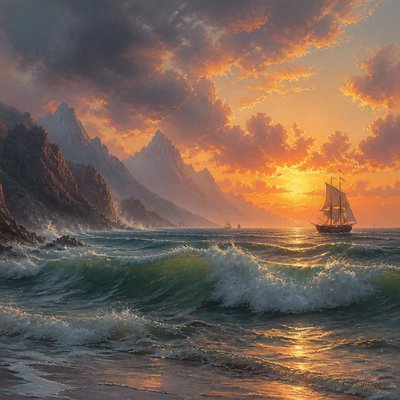
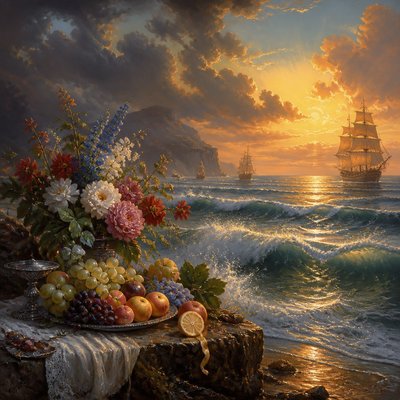
“sailing ship on a stormy sea”
How to Create Ink in Water Art
Master the craft step by step — or skip straight to creating. Read the full guide →
- 1
Use fluid media behavior as the model
For traditional work, start with wet-on-wet watercolor, alcohol ink, or diluted acrylic ink on absorbent paper or a sealed surface. Introduce pigment into water or wet washes and let capillary action create blooms, feathering, and branching edges.
- 2
Build contrast between dense cores and transparent edges
Keep the center of each form more saturated, then thin the pigment outward so it fades naturally. This contrast is what makes the image read as liquid diffusion rather than flat color blocking.
- 3
Preserve open space
Leave portions of the background clean so the forms appear to float instead of filling the frame. In digital work, separate the colored mass from the backdrop with subtle atmospheric falloff or a smooth gradient.
- 4
Shape motion with curls, plumes, and branching filaments
Add spiraling tendrils, wisps, and small turbulence marks where the pigment would stretch and break apart. These details give the composition a believable fluid physics and a more elegant rhythm.
- 5
Control diffusion in digital or AI workflows
When creating digitally, use soft brushes, blur, blending modes, liquify tools, or simulated fluid dynamics to mimic pigment spread. For prompt-based generation, describe a subject as rendered through diffusing ink, with billowing clouds, feathered edges, luminous saturation, and a deep clean background.

The Story
History & Origins of Ink in Water
Ink in Water is best understood as an aesthetic lineage rather than a single historical movement. It draws from traditional ink wash painting, watercolor blooms, marbling, and the long visual history of pigment dispersing in liquid. It also overlaps with laboratory imagery, cloud photography, and abstract fluid painting, all of which emphasize chance, flow, and the physical properties of color in motion.
In contemporary visual culture, the look has been widely adopted in digital illustration, album art, motion graphics, and conceptual imagery because it can suggest emotion, atmosphere, or metamorphosis without relying on literal depiction. Its modern form often translates the behavior of ink or dye into high-contrast, polished compositions, but its underlying logic remains rooted in traditional media: fluid, translucent color, and the expressive accident of diffusion.
Influences: The style is closely related to ink wash painting, watercolor diffusion, and alcohol ink techniques, as well as the aesthetics of marbling and fluid abstraction. It also echoes the atmospheric softness of cloud studies and the expressive edge control seen in traditional East Asian brush-and-ink traditions, while sharing with modern abstract art a focus on process, spontaneity, and the physical behavior of color. In real historical contexts, influential Romantic landscape painters, major nonobjective artists, and postwar stained-color abstraction painters are relevant touchpoints for atmosphere, abstraction, and stained color fields, though the style itself is a contemporary synthesis rather than a direct historical school.
Frequently Asked Questions
What defines the Ink in Water style?
It is defined by pigment-like forms that diffuse, bloom, and feather through a liquid-looking space. The key visual effect is soft dispersion: colors bleed into one another while retaining a sense of suspended motion.
Is this style the same as watercolor?
Not exactly. Watercolor is a medium, while Ink in Water is an aesthetic that can be achieved with watercolor, ink, digital tools, or AI generation. The style emphasizes the behavior of color in fluid space more than any one material.
What kinds of subjects work best in this style?
Subjects with clear silhouettes or emotional resonance work especially well, such as faces, animals, flowers, landscapes, and celestial forms. The subject is often partially dissolved, so strong shape design helps it remain readable through the diffusion.
How is it different from smoke or nebula art?
Smoke and nebula styles often emphasize vapor, gas, or cosmic atmospherics, while Ink in Water specifically suggests liquid pigment dispersing in water. It usually has softer, more translucent blooms and more obvious color bleeding at the edges.
Can this style be used for logos or branding?
Yes, but it works best when the design can tolerate softness and organic variation. Because the style relies on diffusion and irregular edges, it is often more effective for posters, covers, editorial imagery, and expressive branding than for strict geometric logo marks.
How do I make it look more realistic?
Use believable fluid behavior: dense pigment cores, translucent washes, feathered edges, branching tendrils, and a clean surrounding space. Avoid making every edge equally soft; real diffusion has variation, with some areas blooming strongly and others remaining compact.

Create your first Ink in Water artwork
Describe anything — or upload a photo — and see it in Ink in Water in seconds.
Make Something with Ink in Water
Related Styles
Discover similar art styles