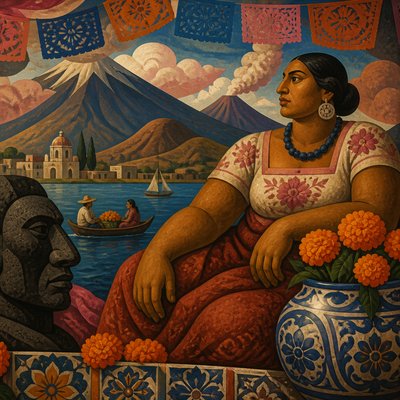
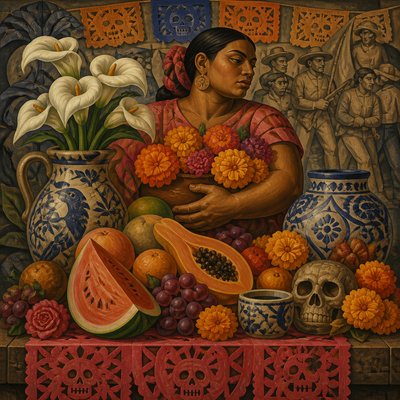
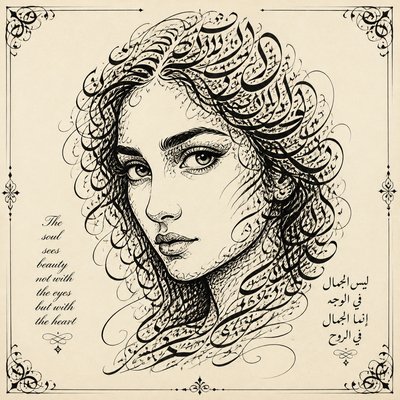
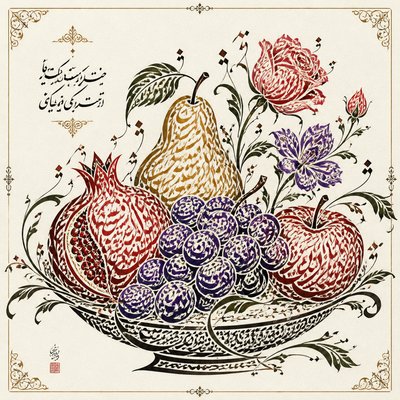
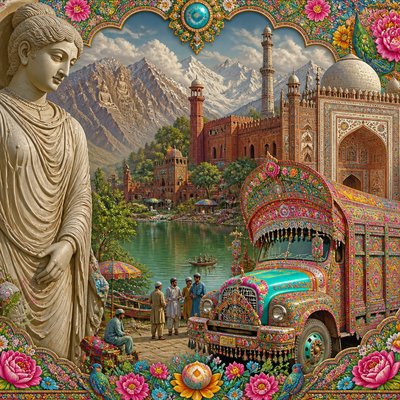
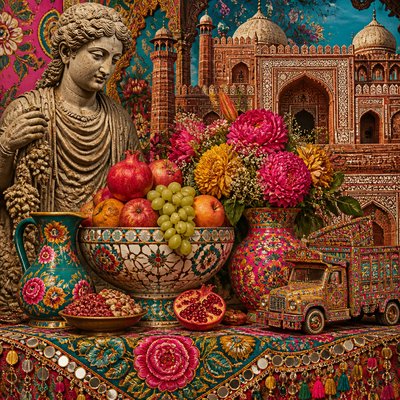
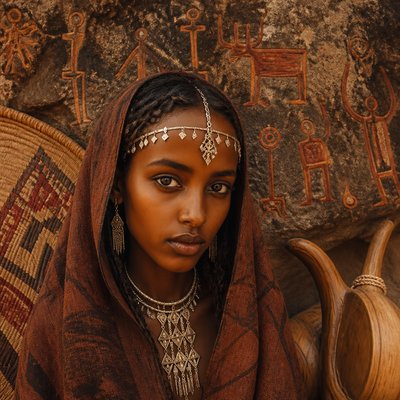
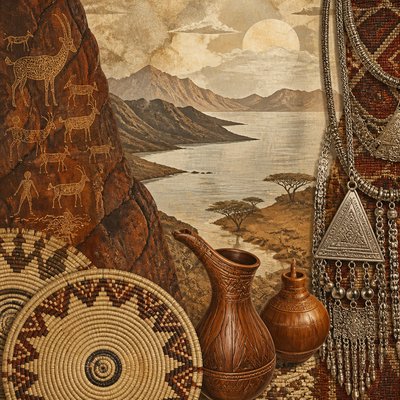
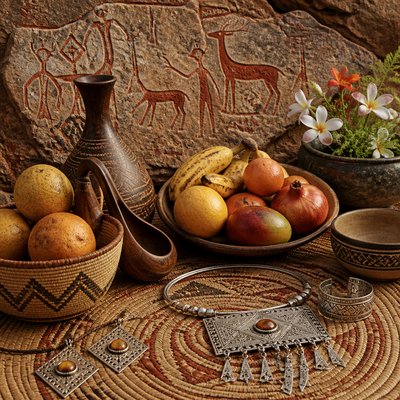
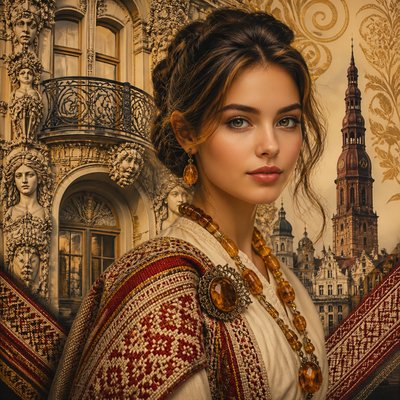
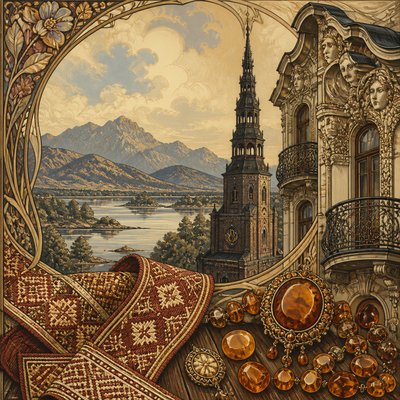
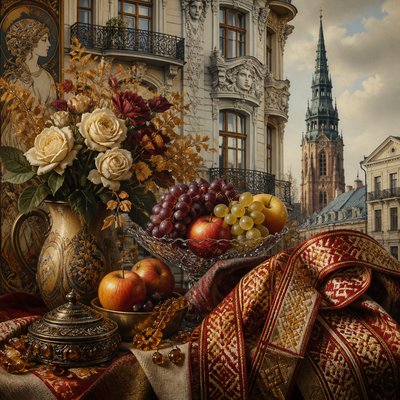
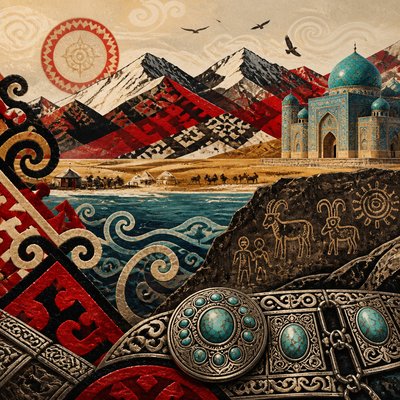
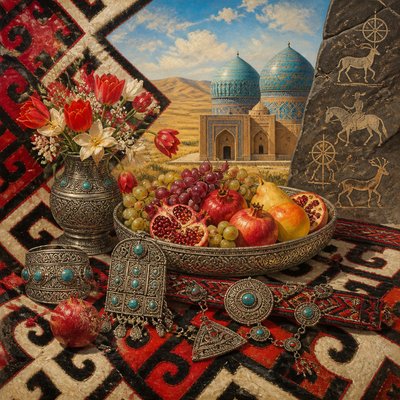
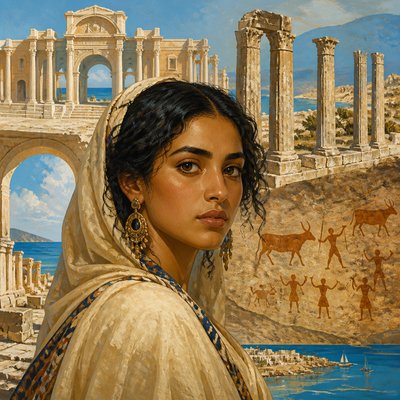
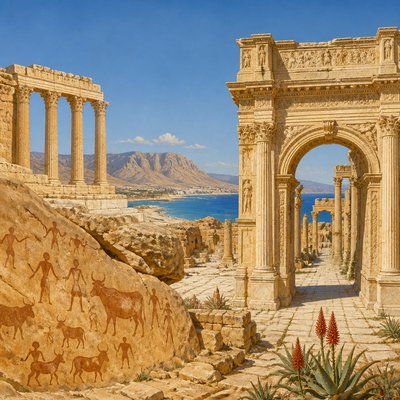
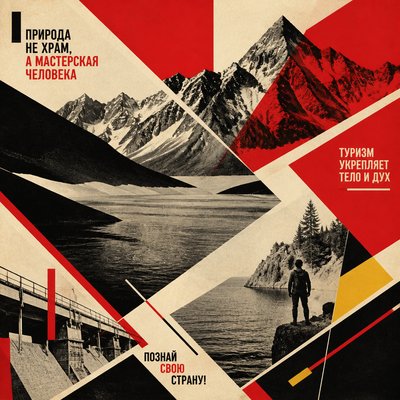
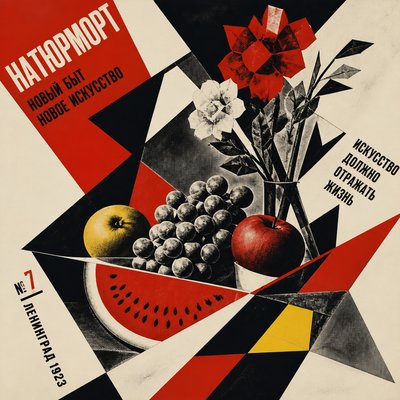
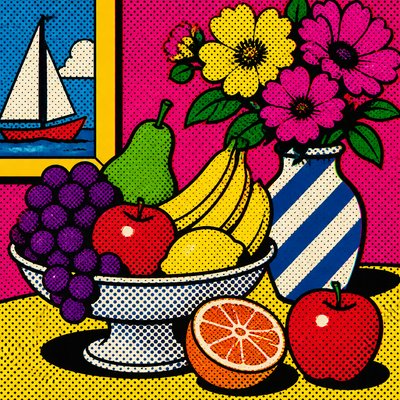
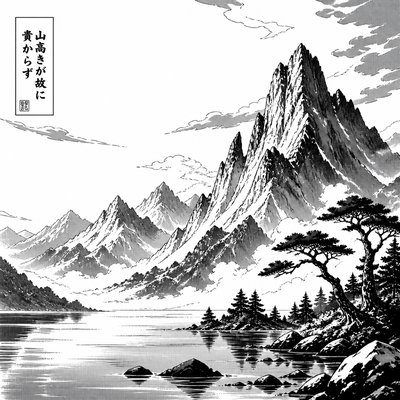
Arte Povera Art Style
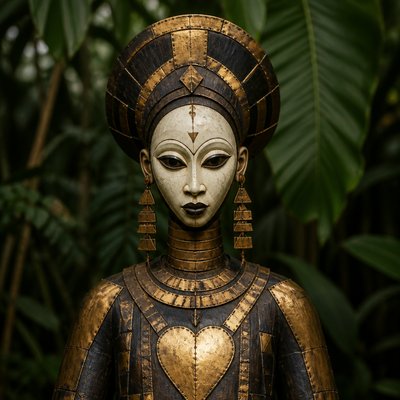
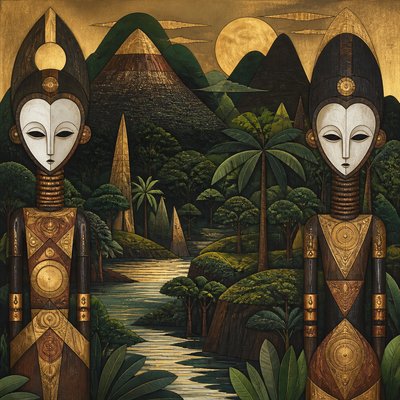
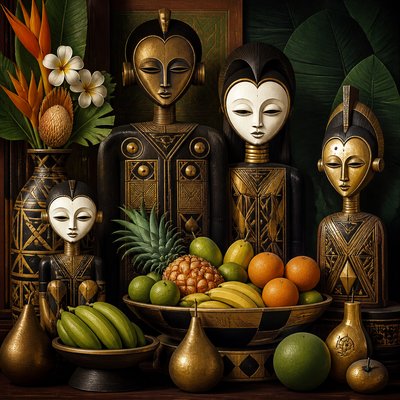
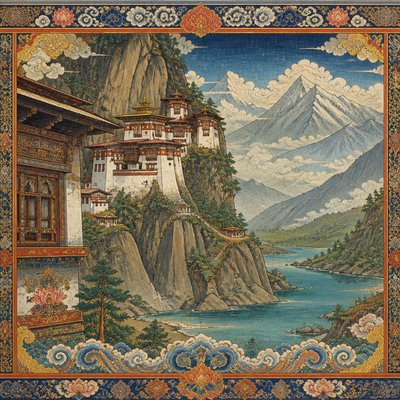
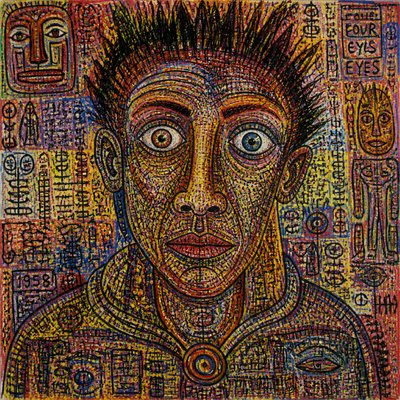
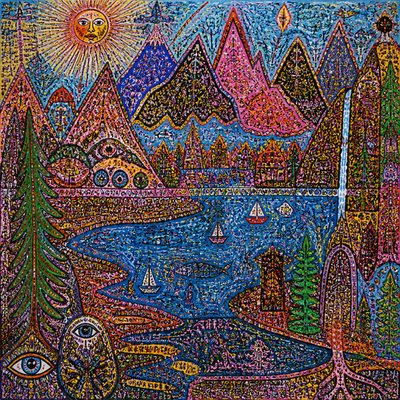
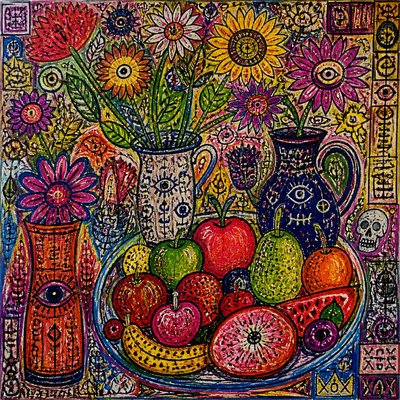
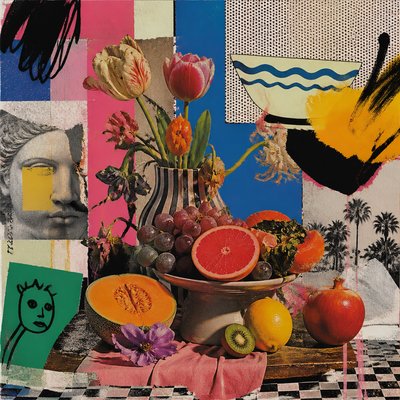
Arte Povera: an Italian art movement using humble materials, rough textures, and raw assemblage to challenge art-market values.
Instantly rendered in Arte Povera — or transform a photo
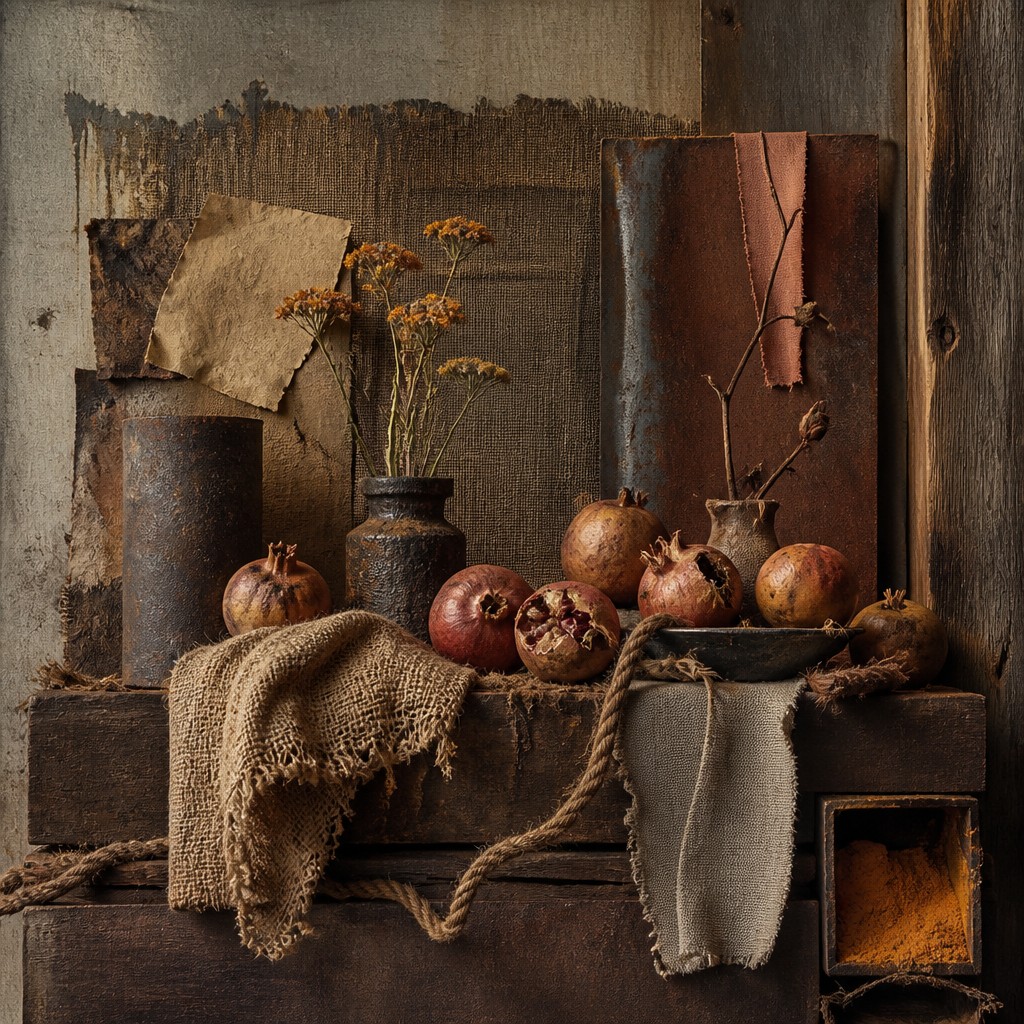
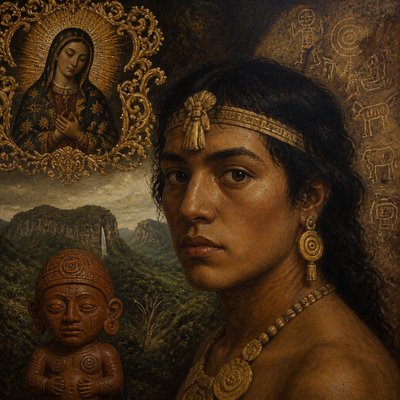
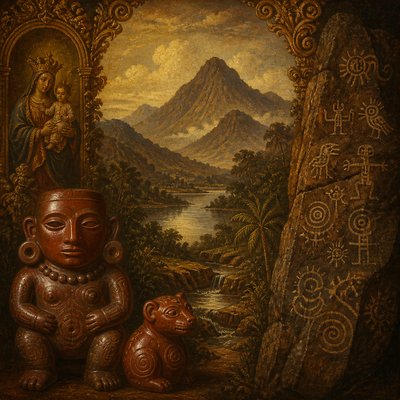
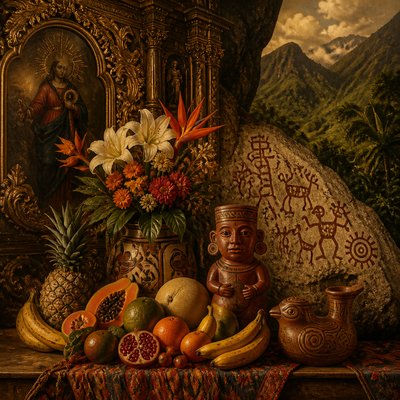
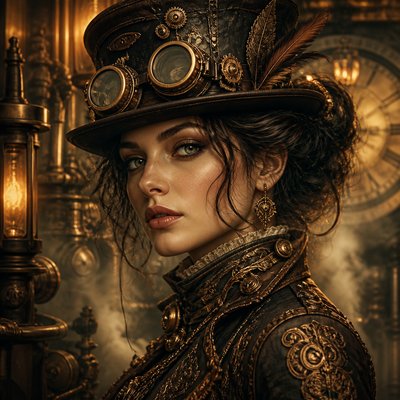
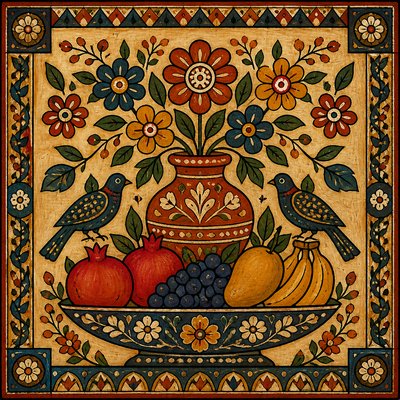
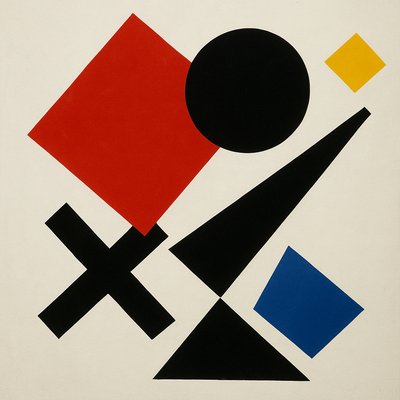
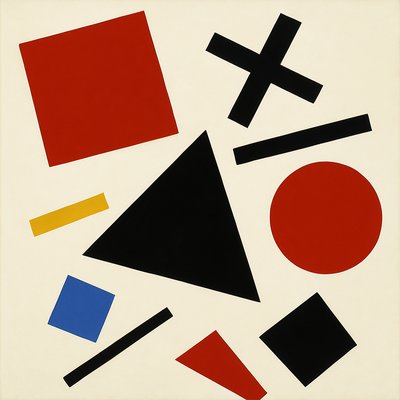
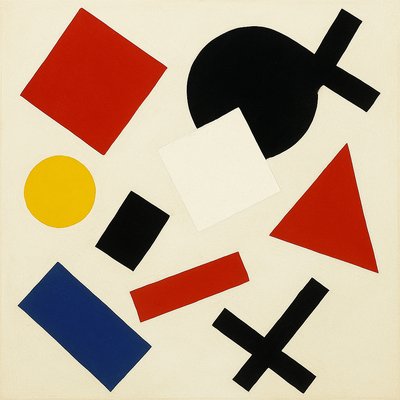
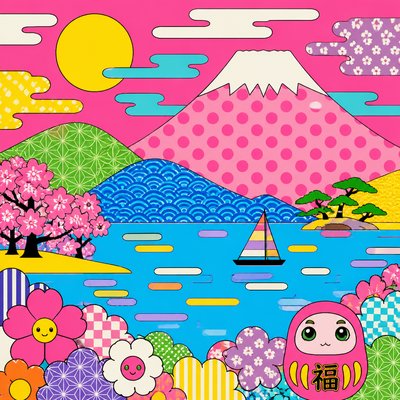
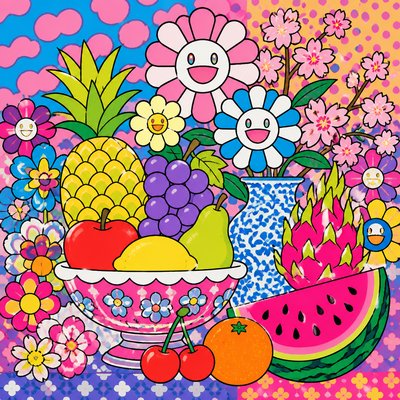
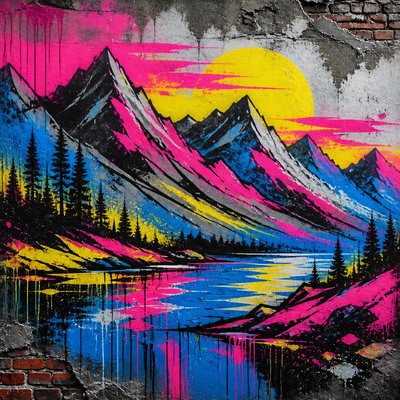
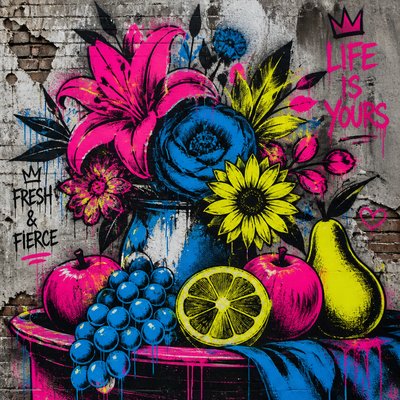
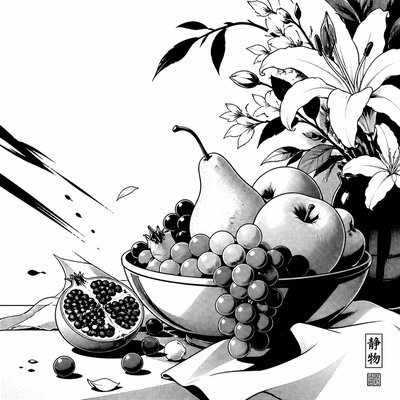
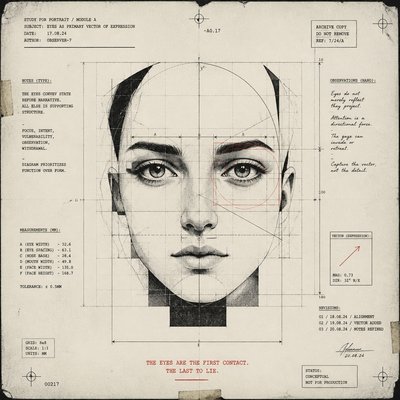
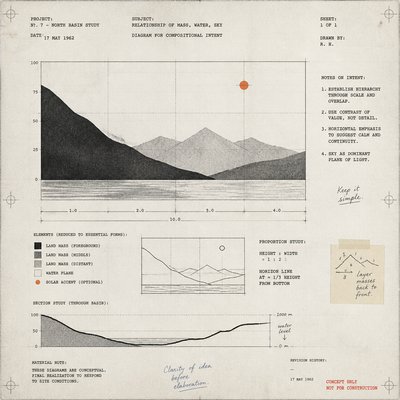
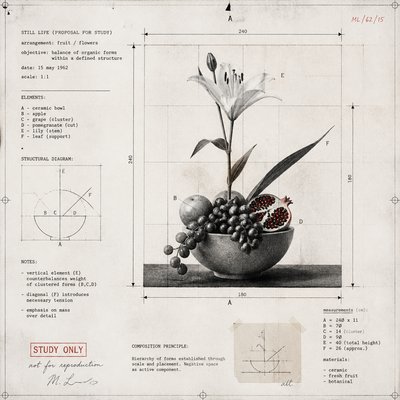
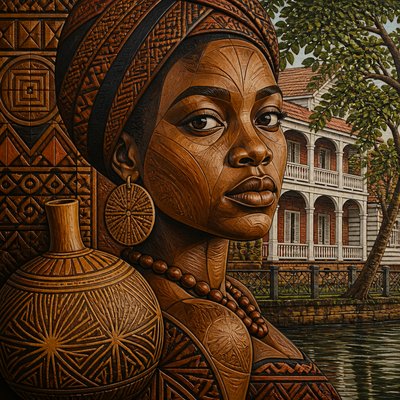
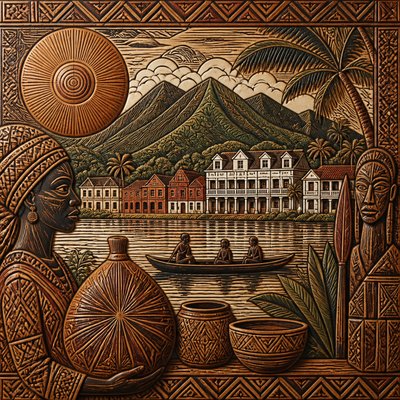
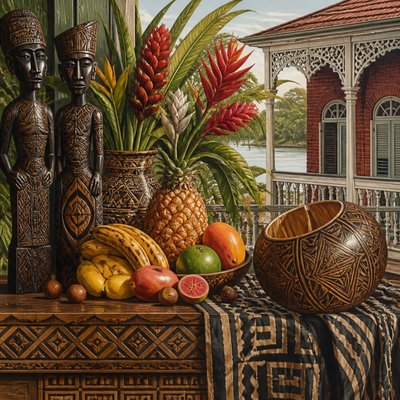
Arte Povera Gallery
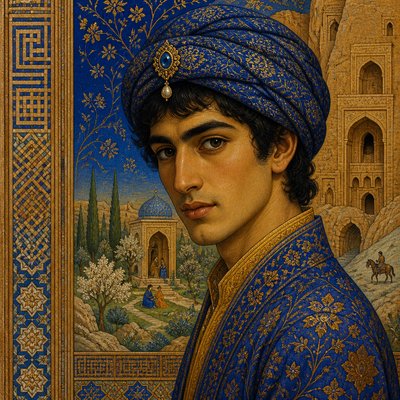
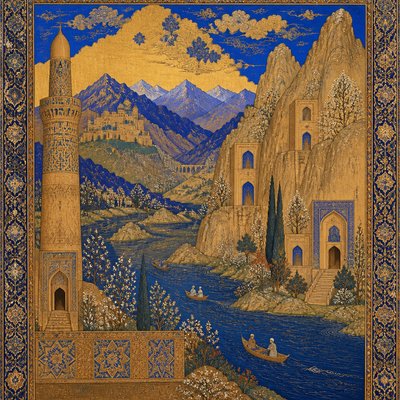
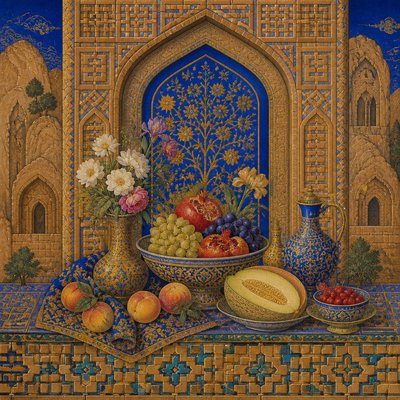
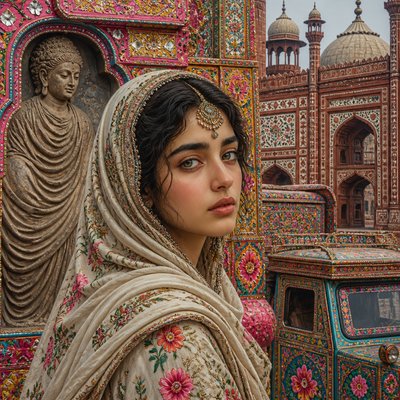
Tap any artwork to explore it
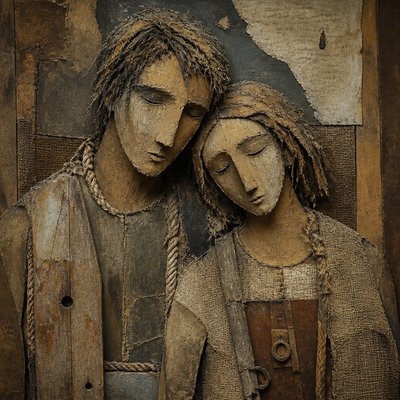
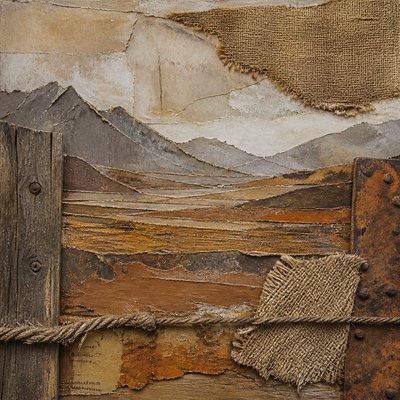
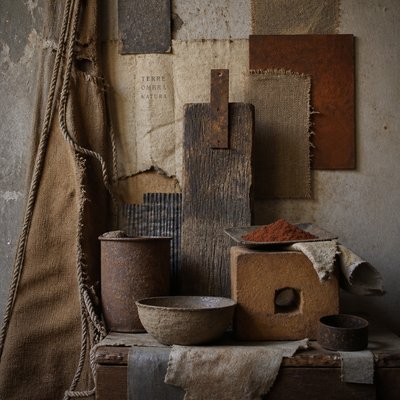
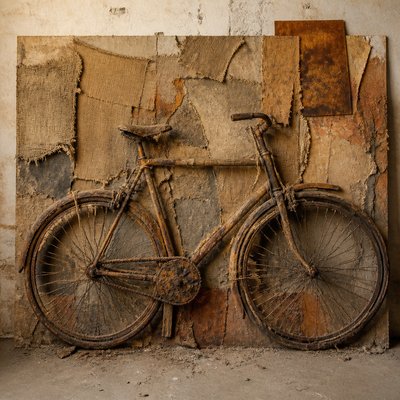
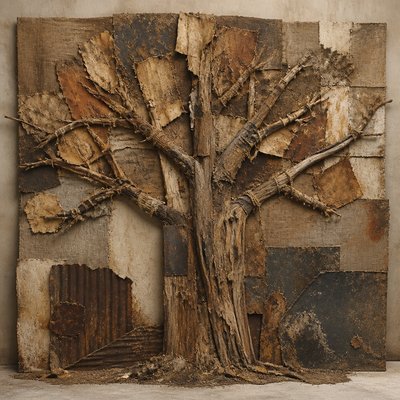
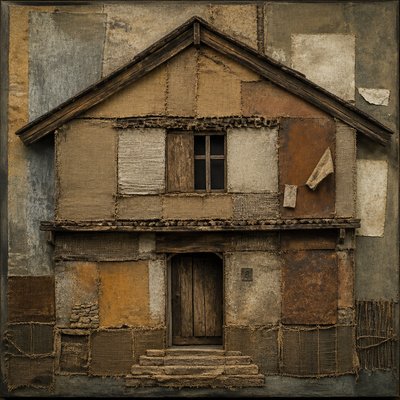
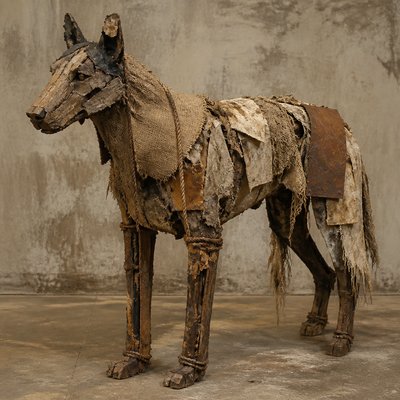
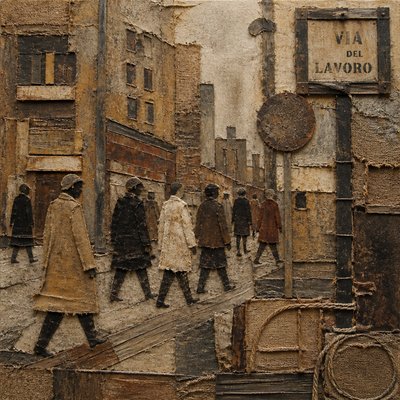
What is Arte Povera Art Style?
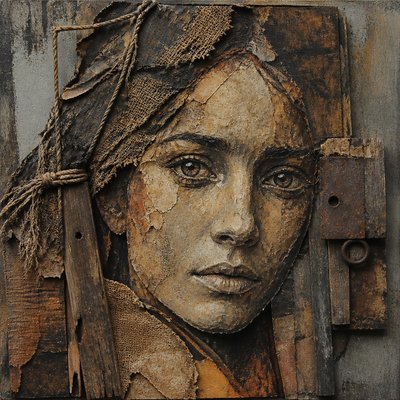
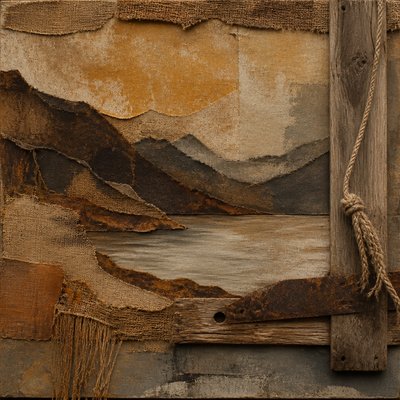
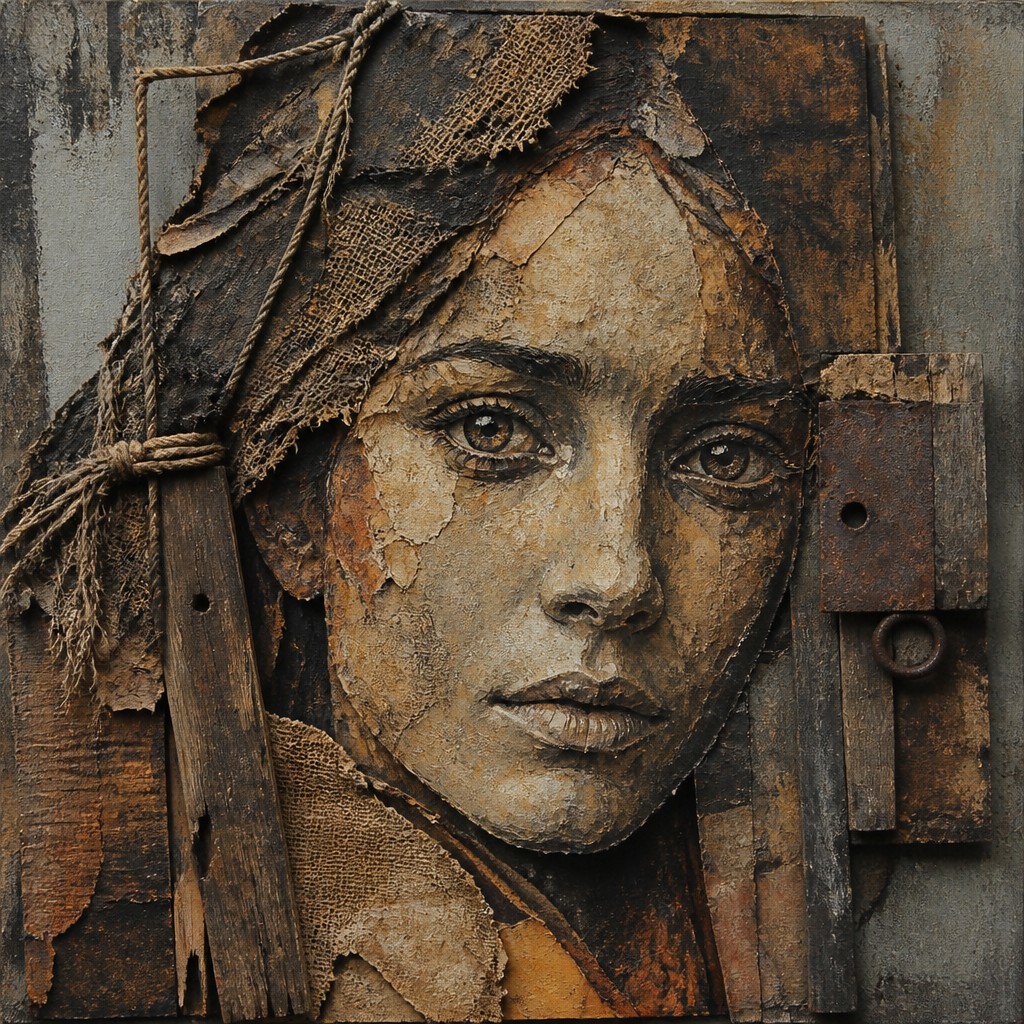
Arte Povera, literally “poor art,” is an Italian postwar art movement that emerged in the late 1960s. It is defined by the use of humble, everyday, and often impermanent materials—earth, rags, wood, rope, glass, stone, wax, felt, plants, and scrap metal—arranged in ways that emphasize process, matter, and physical presence rather than finish or spectacle.
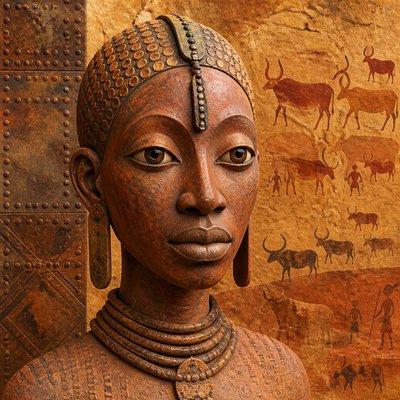
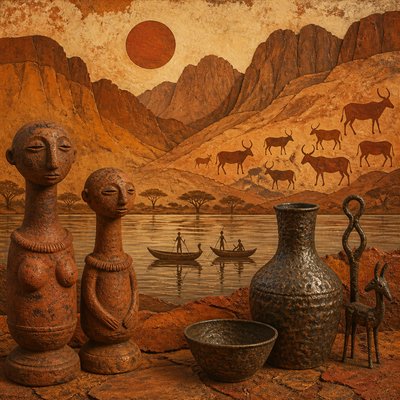
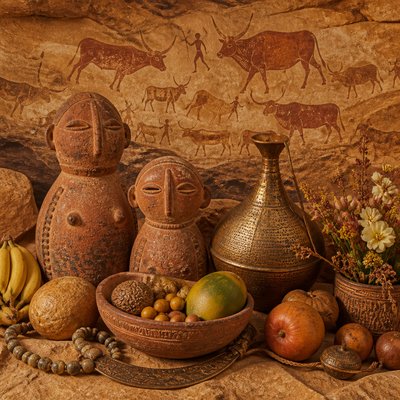
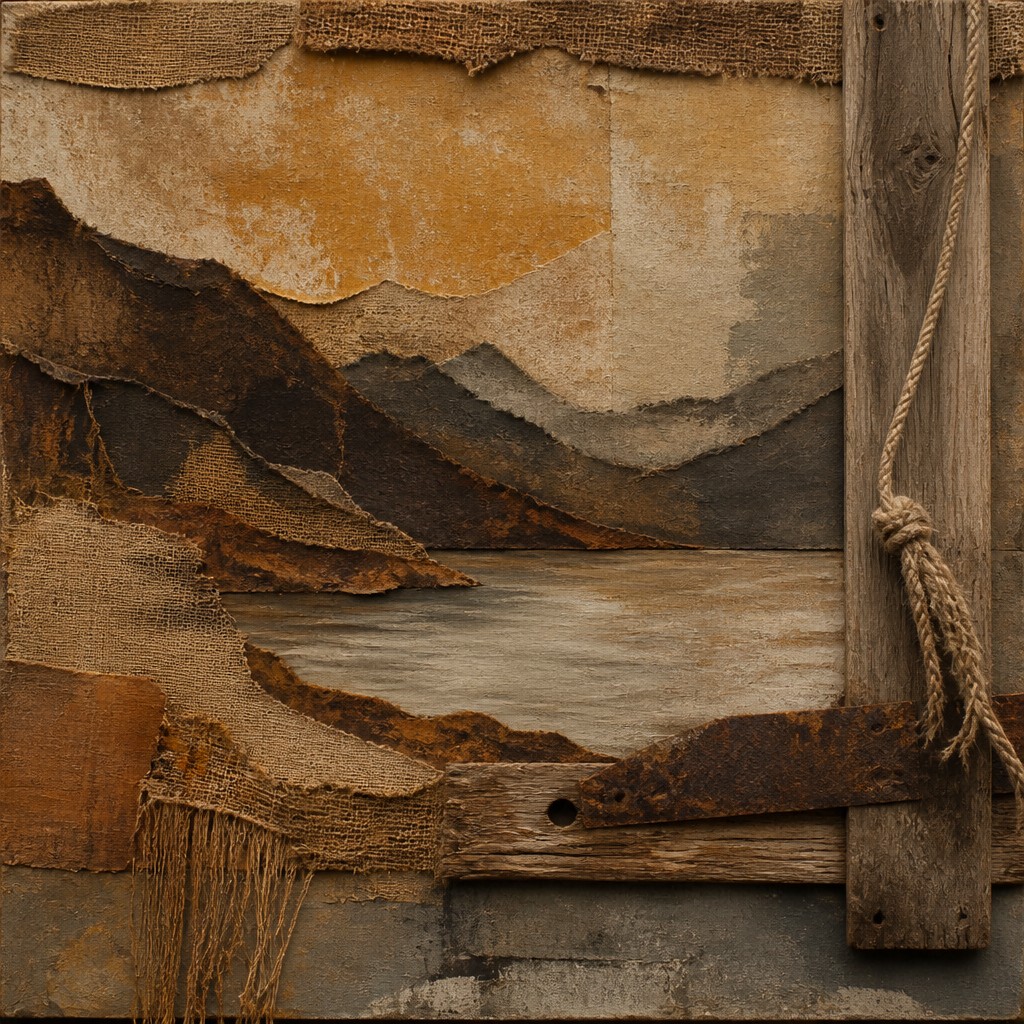
Its visual identity is austere, tactile, and deliberately unpolished. Works often feel provisional, weathered, and handmade, with exposed joins, frayed edges, natural decay, and a restrained palette of ochre, rust, umber, ash gray, and other earth tones. The style looks this way because its artists rejected polished modernist objecthood and commercial luxury, favoring material “poverty” as a poetic and conceptual stance against consumer culture, institutional taste, and artistic commodification.
Try It On Your Photos
Upload any photo and convert it into Arte Povera Art Style — drag the sliders to compare before and after.
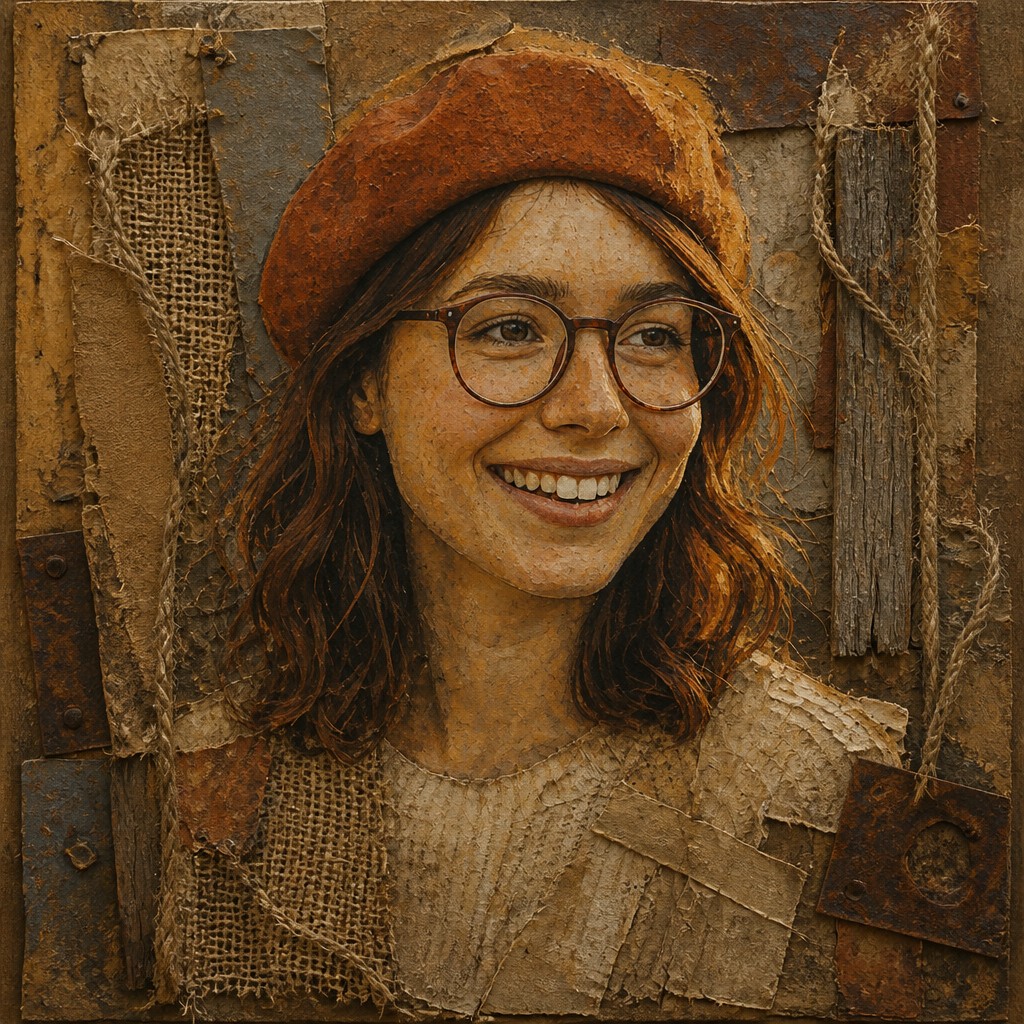

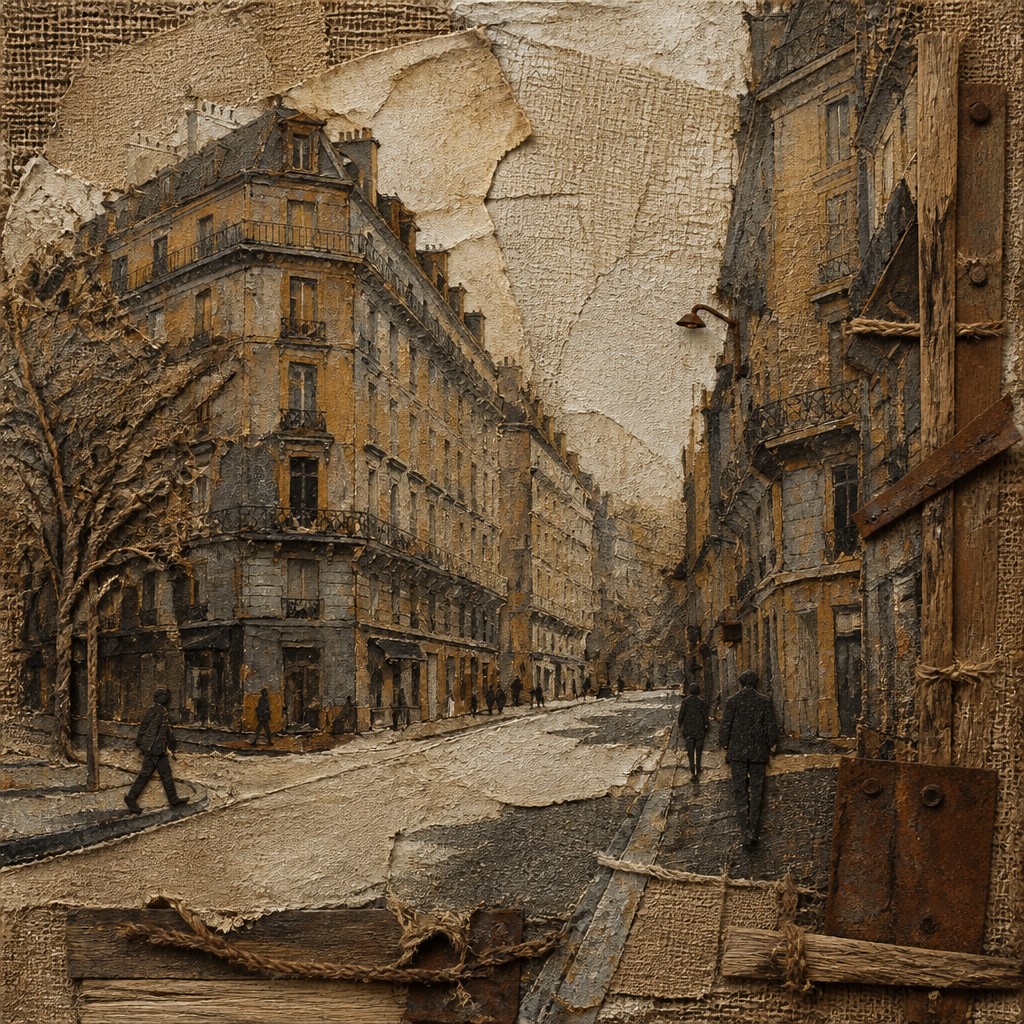

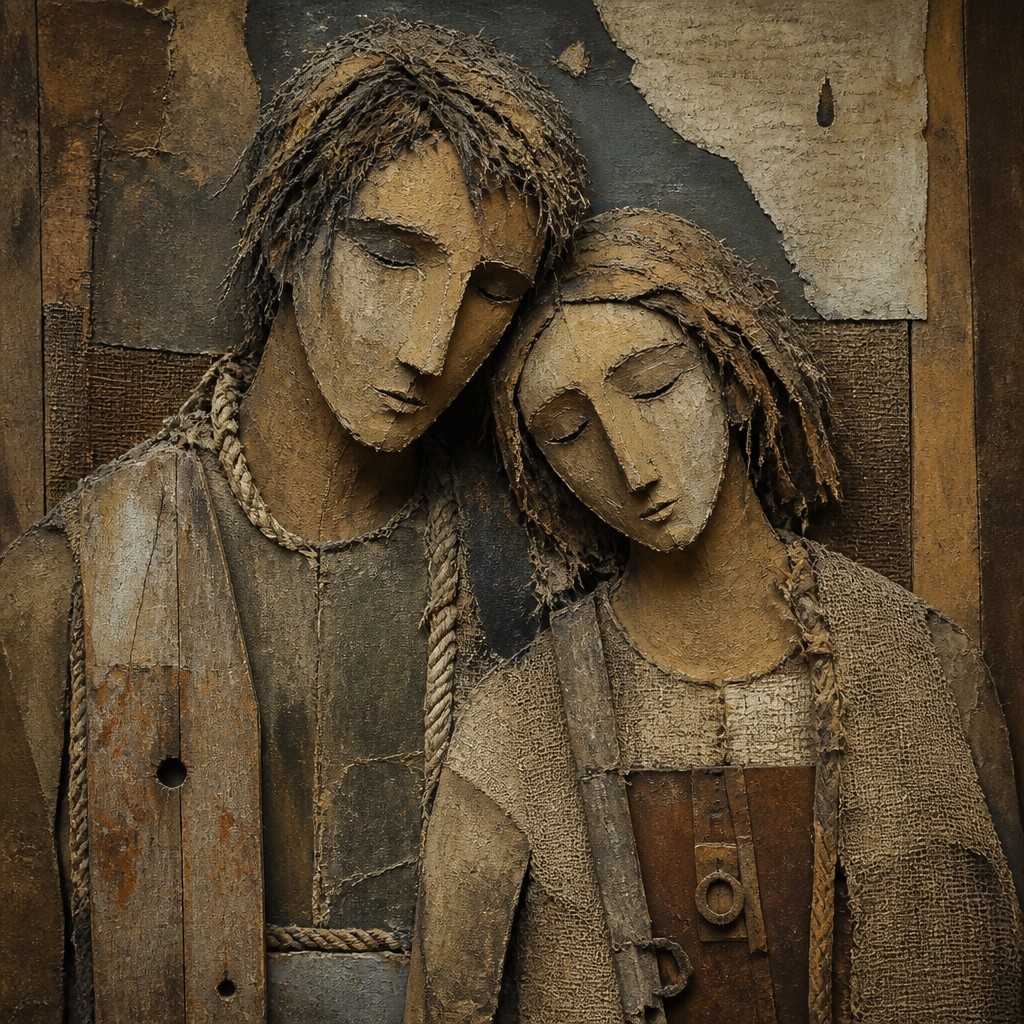
What Defines Arte Povera Art Style
The signature details, up close
Humble raw materials
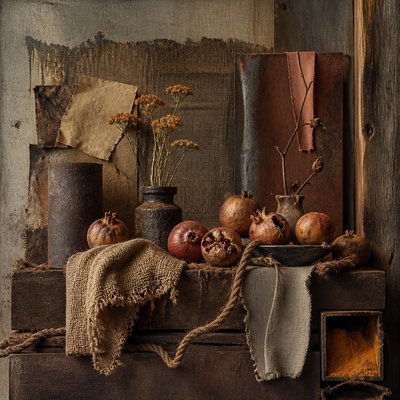
Common materials such as earth, burlap, rope, wood, wax, felt, and scrap metal are central. Their ordinary status is part of the meaning, not a limitation.
Austere earth palette
Color is often subdued and natural: ochre, umber, rust, ash gray, charcoal, and muted greens. Bright color is usually absent or used sparingly.
Visible making and joins
Construction is intentionally exposed, with knots, seams, nails, bindings, and support structures left visible. The work often foregrounds how it was assembled.
Texture and decay
Surfaces are rough, fibrous, weathered, or corroded. Aging, erosion, and fragility are embraced as expressive qualities rather than concealed.
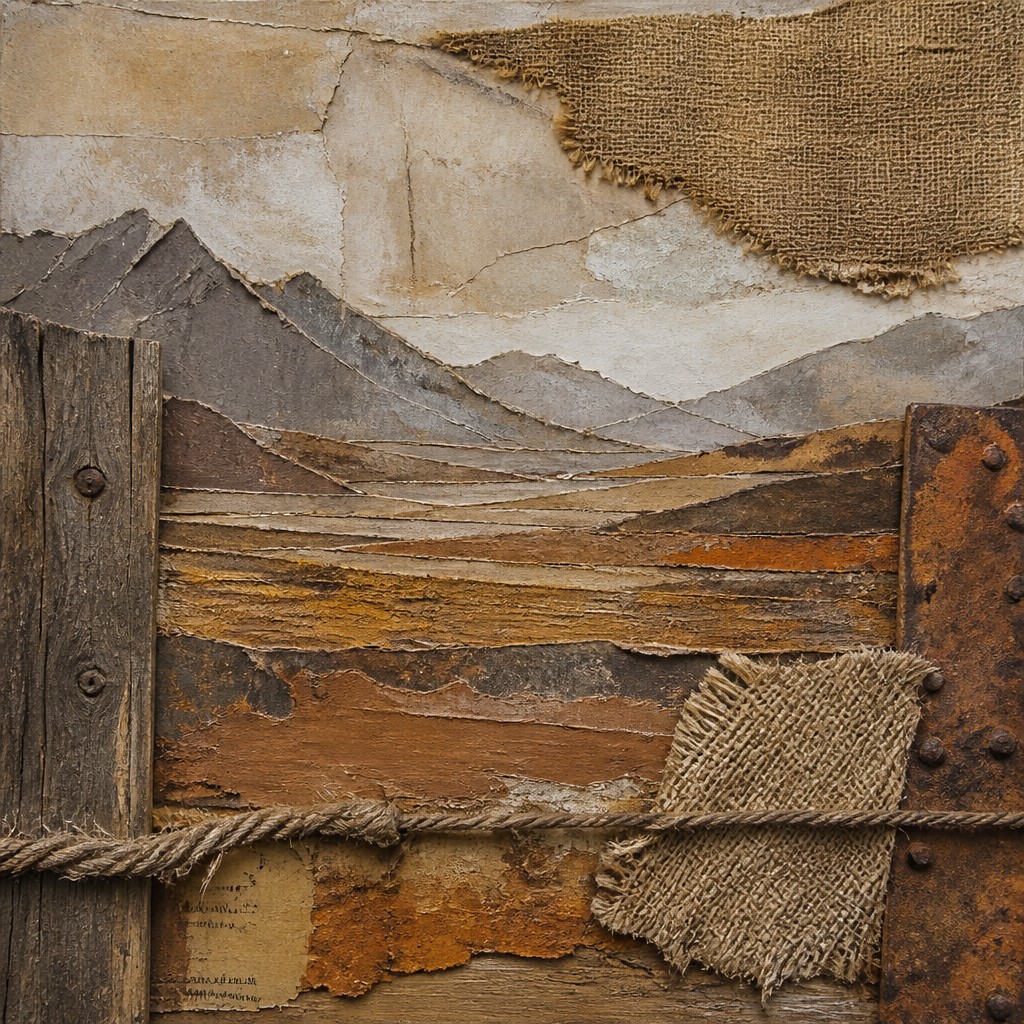
Assemblage and installation form
Works often combine disparate objects or materials into spatial arrangements. The viewer experiences them as physical environments or sculptural situations rather than self-contained images.
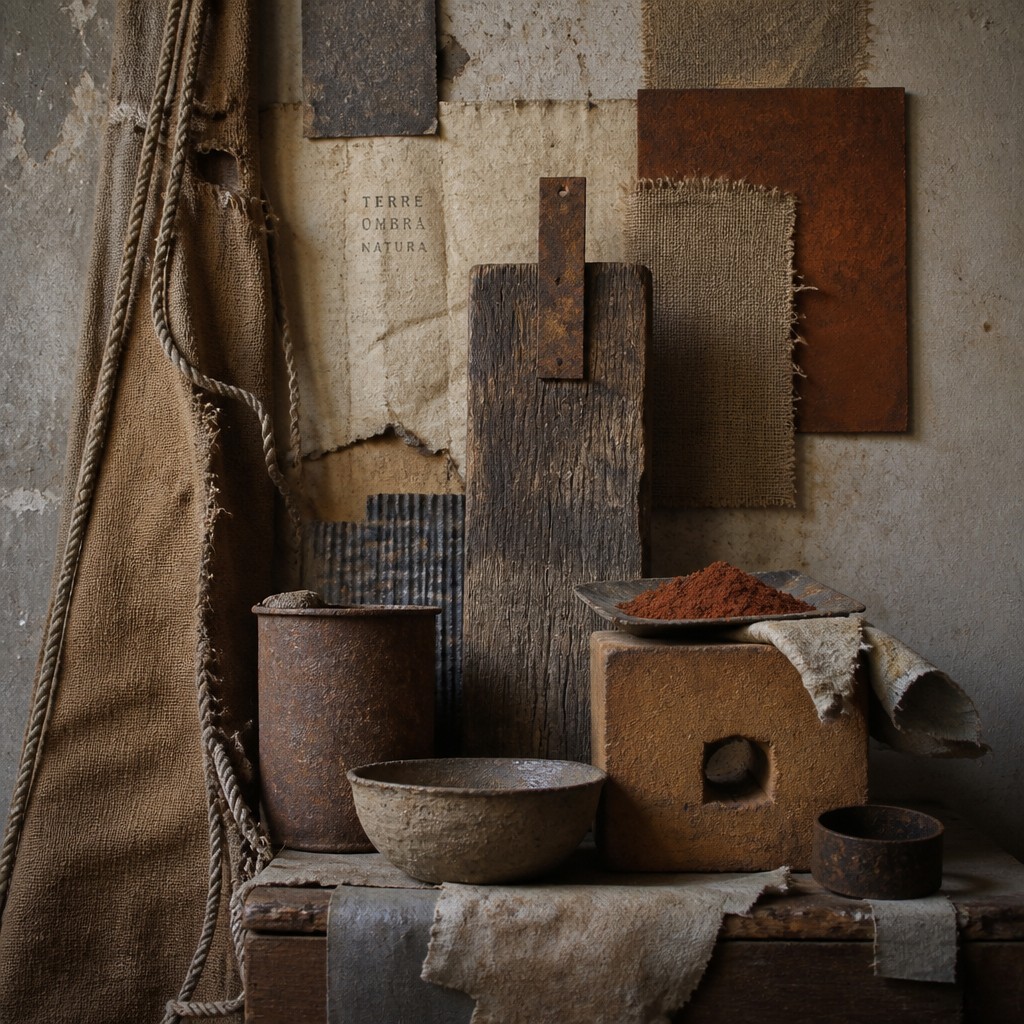
Poetic anti-commercialism
The style resists preciousness and polish, making material scarcity and everydayness feel conceptually charged. Its restraint often creates a quiet, reflective atmosphere.
Try It
Create Videos in Arte Povera Art Style
Styles aren't just for stills — describe a scene or animate an image and get a short video rendered in Arte Povera. Press play to see this pond come to life.
Make a VideoArte Povera Prompt Ideas
Start from an idea — each one opens the generator with the style ready to go. See all 40 Arte Povera prompts →
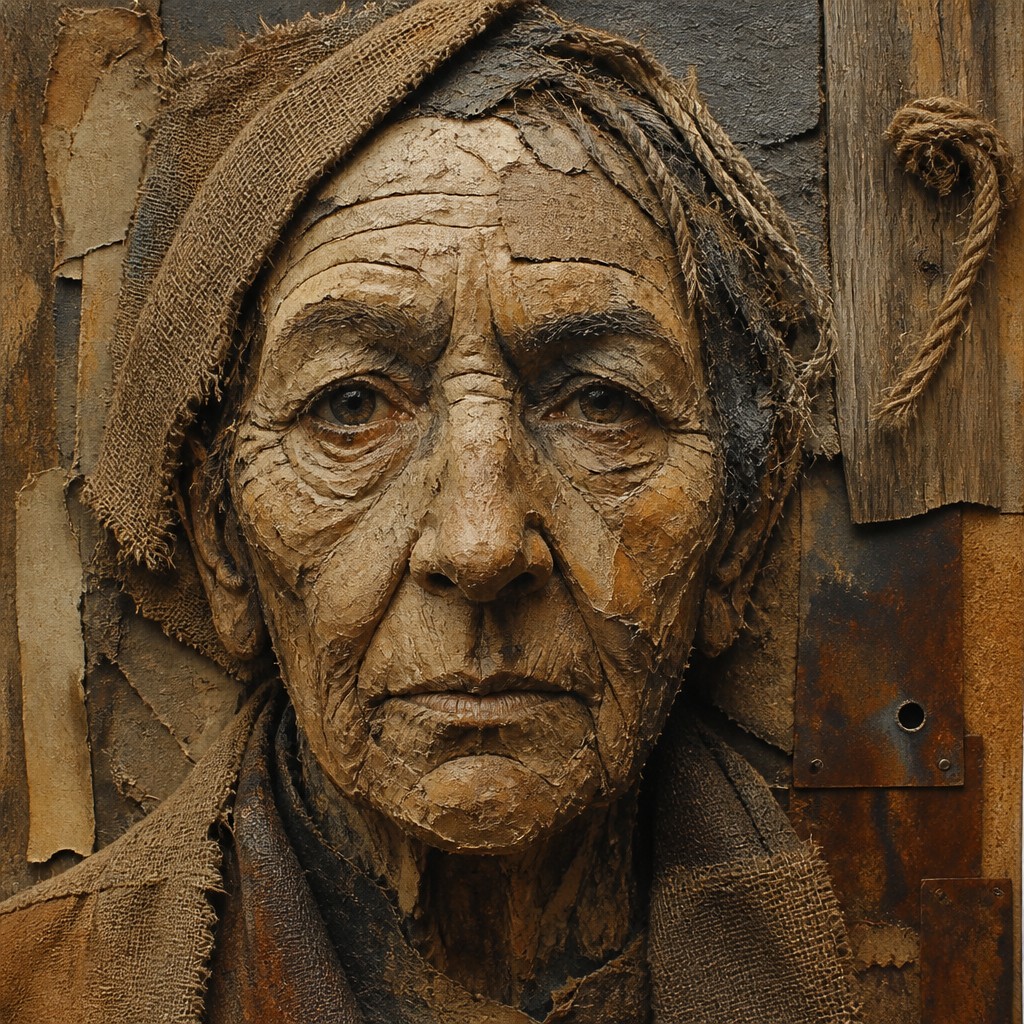
“close-up portrait of an elderly person with expressive weathered features”
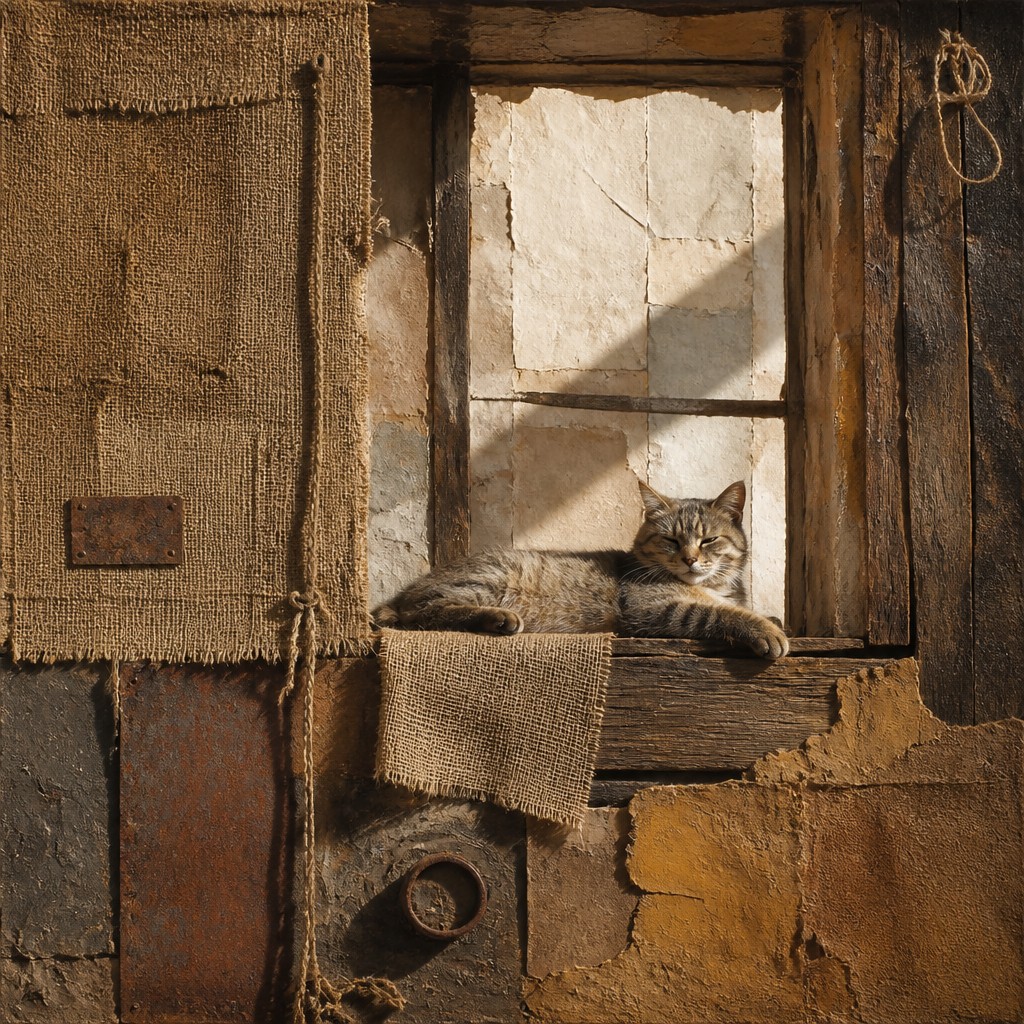
“a cat lounging in a sunlit window”
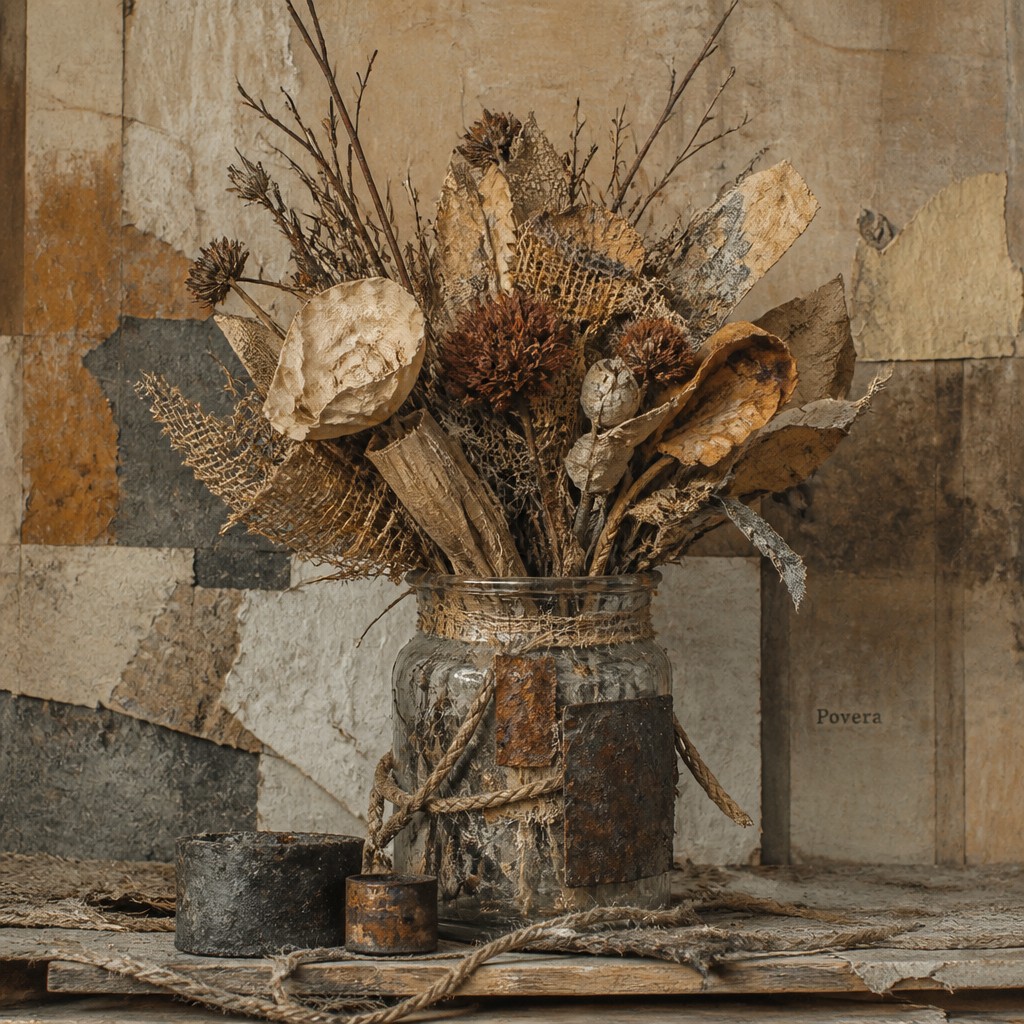
“bouquet of flowers in a glass vase”
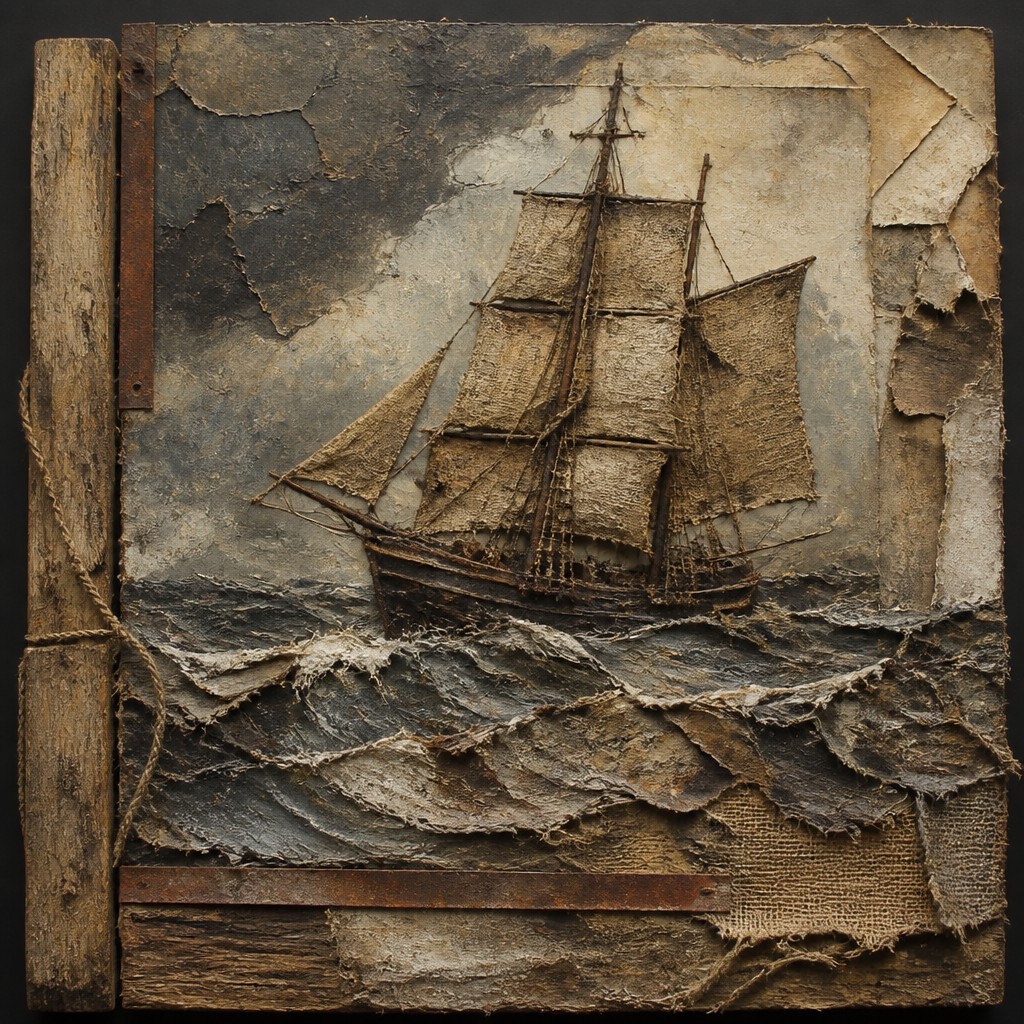
“sailing ship on a stormy sea”
How to Create Arte Povera Art
Master the craft step by step — or skip straight to creating. Read the full guide →
- 1
Choose ordinary, tactile materials
In traditional work, build from burlap, twine, untreated wood, paper, soil, wax, or found objects with a weathered look. Let the material properties remain legible instead of disguising them with smooth finishes.
- 2
Keep construction exposed
Show seams, knots, staples, bindings, and supports. Imperfection is essential: uneven edges, torn surfaces, and visible handwork help the piece feel materially honest.
- 3
Use a restrained palette
Favor earth pigments, soot-like blacks, rusted browns, grays, and dull ochres. In digital painting, reduce saturation, add grain, and layer distressed textures so the image reads as raw and embodied.
- 4
Build with accumulation and contrast
Combine soft and hard materials, organic and industrial elements, or heavy and fragile forms. The tension between opposites is a hallmark of the style and often carries the conceptual weight.
- 5
Treat the prompt as material-based
For image generation, describe the subject plus physical substances, texture, lighting, and construction details. Include words like burlap, rust, twine, earth, rough-hewn, weathered, frayed, and assemblage to steer the result toward the style's visual language.

The Story
History & Origins of Arte Povera
Arte Povera originated in Italy around 1967–1968, a period of intense political and cultural change. The term was coined by a leading critic and curator, who used it to describe a group of artists working across sculpture, installation, performance, and process-based practices. Rather than forming a strict school, Arte Povera operated as a loosely connected tendency centered in cities such as Turin, Rome, Genoa, and Milan.
Canonical artists associated with the movement include leading sculptors and installation artists, conceptually oriented painters and object-makers, and other major figures of the late 1960s and 1970s whose work drew from conceptual art, postminimalism, process art, and a renewed attention to materials and labor, while also responding to Italy’s industrial modernization and the tensions of consumer society. Over time, Arte Povera became influential as a model for materially direct, installation-based, and anti-spectacular contemporary art.
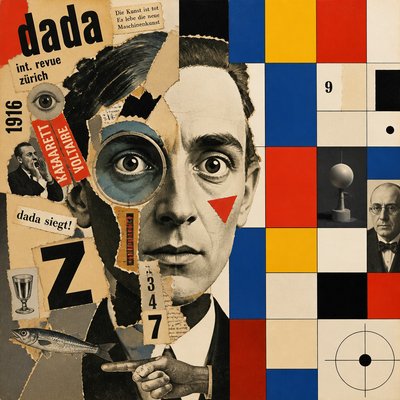
Influences: Arte Povera is closely related to postminimalism, conceptual art, process art, and installation practices of the late 1960s and 1970s. It also overlaps with certain strands of Dada and Arte Informale in its resistance to conventional polish, though it is distinct in its emphasis on raw materials and spatial presence. Among canonical artists, leading figures of the movement’s diverse material and conceptual range are especially important references.

Frequently Asked Questions
What defines Arte Povera?
Arte Povera is defined by the use of humble, everyday materials and an emphasis on raw construction, texture, and process. Its works often reject polished finish and commercial luxury in favor of ordinary matter such as earth, rope, wood, cloth, and metal.
Is Arte Povera the same as minimalism?
No. While both can look restrained, minimalism usually emphasizes industrial precision, repetition, and formal clarity. Arte Povera is more tactile, irregular, and materially expressive, often stressing decay, contingency, and handmade assembly.
What materials are most associated with the style?
Common materials include burlap, twine, wood, stone, soil, wax, felt, paper, glass, and corroded metal. The point is not any single material but the use of ordinary substances with visible traces of use, age, or labor.
Who are the major artists of Arte Povera?
Widely recognized figures include major Italian sculptors, installation artists, conceptually oriented object-makers, and other central participants in the movement’s history and visual language.
How do I make an image that feels like Arte Povera?
Focus on material description first: specify raw, humble substances, rough textures, and exposed joins. Keep the composition sparse or installation-like, and use a muted earth palette with signs of wear, tearing, corrosion, or handmade repair.
Where is Arte Povera used today?
Its influence appears in contemporary sculpture, installation art, environmentally responsive art, and material-based conceptual practices. Designers and image makers also borrow its raw textures and restrained palette when they want an anti-polished, poetic look.
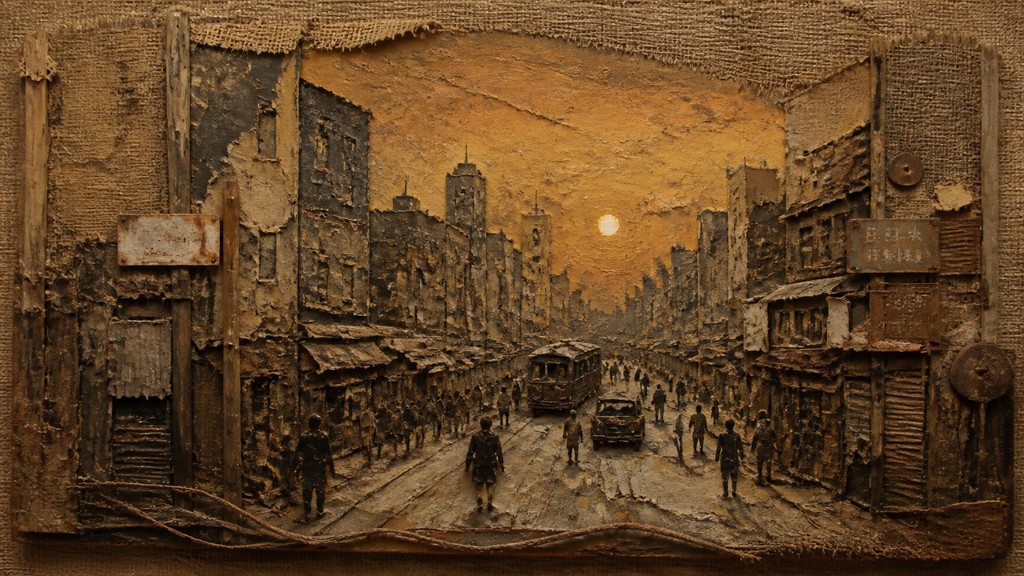
Create your first Arte Povera artwork
Describe anything — or upload a photo — and see it in Arte Povera Art Style in seconds.
Make Something with Arte Povera
Related Styles
Discover similar art styles