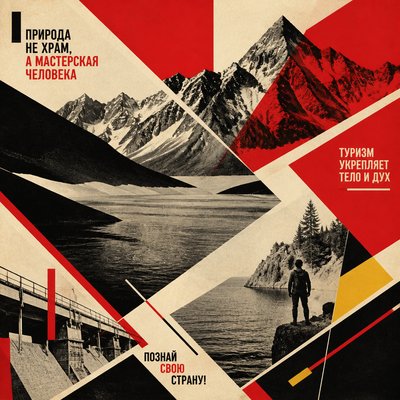
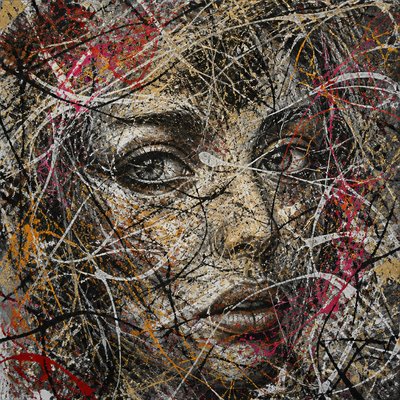
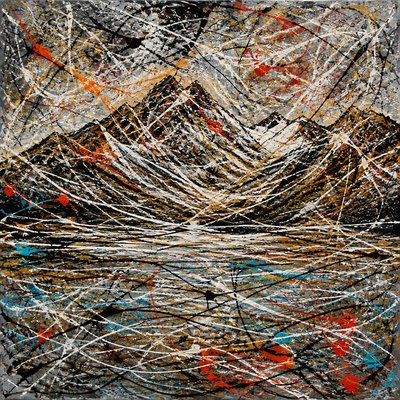
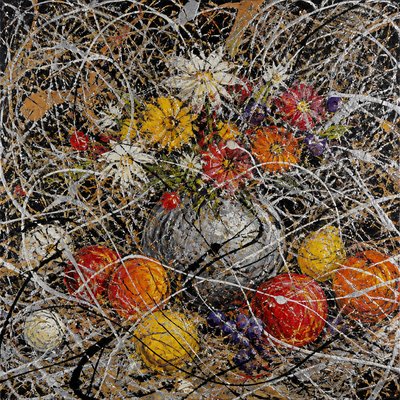
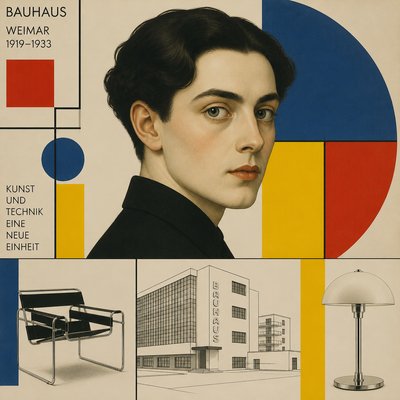
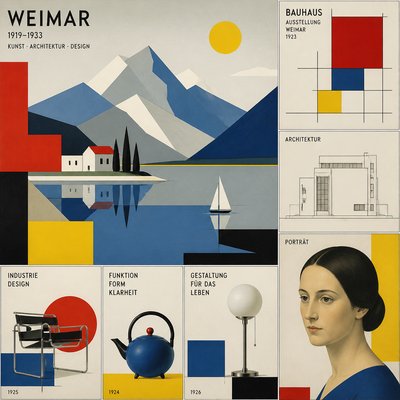
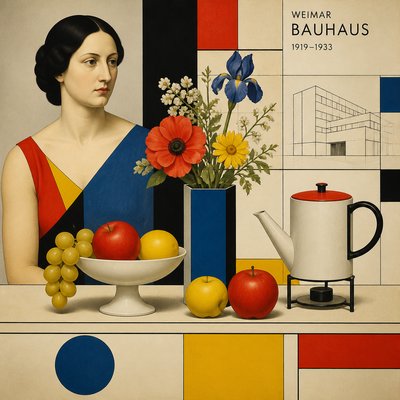
Kinetic Art Style
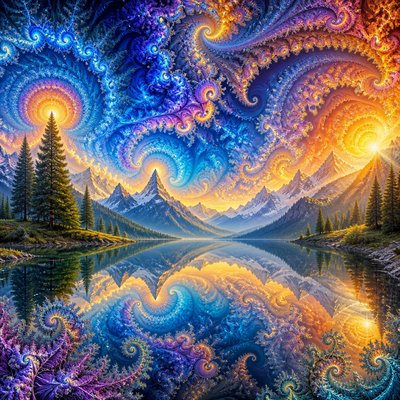
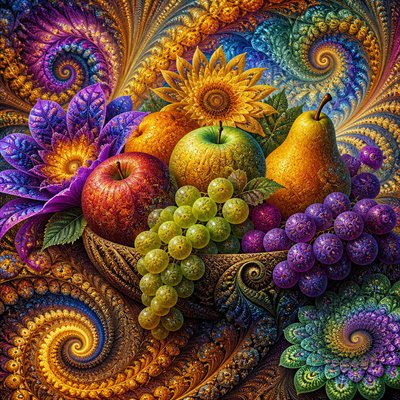
Dynamic art using motion, repetition, and optical vibration to suggest movement through time, space, and viewer interaction.
Instantly rendered in Kinetic — or transform a photo
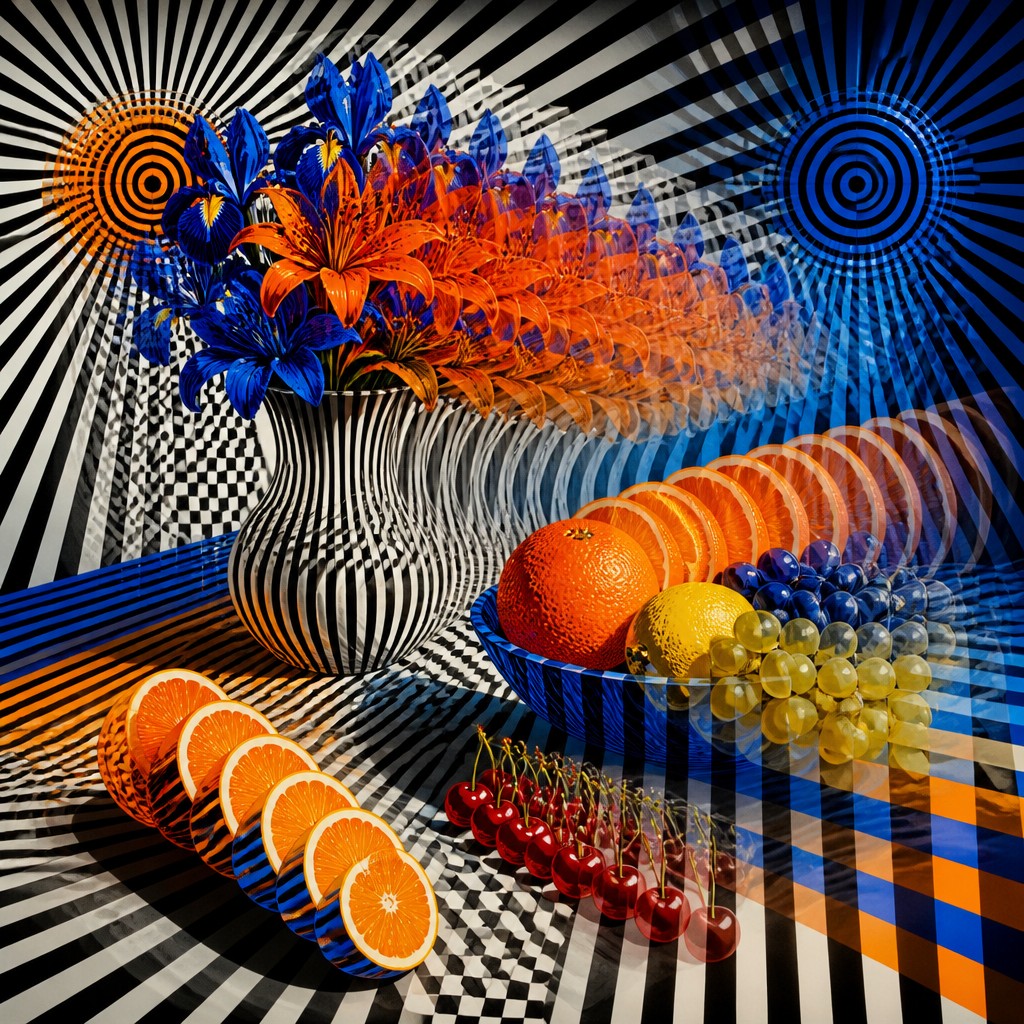
Kinetic Gallery
Tap any artwork to explore it
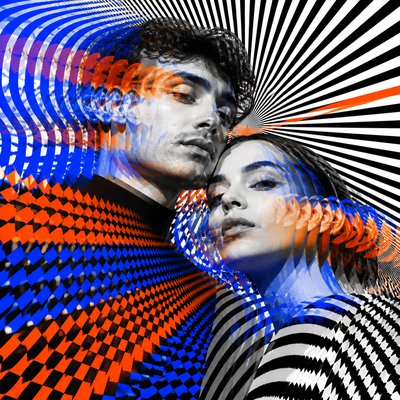
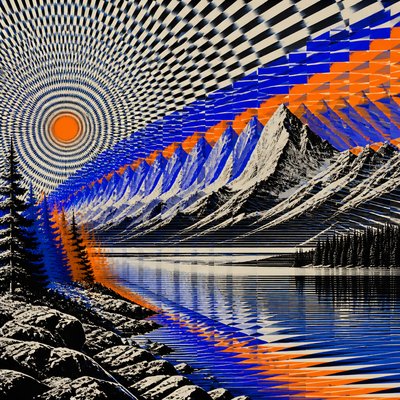
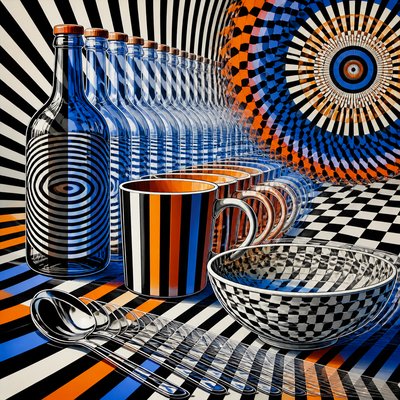
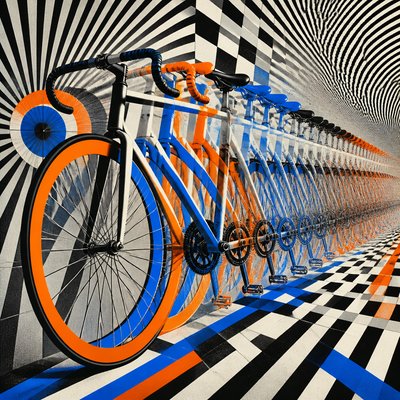
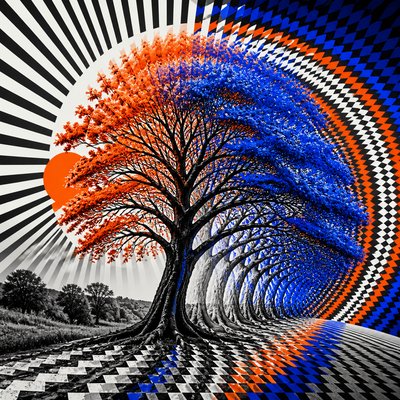
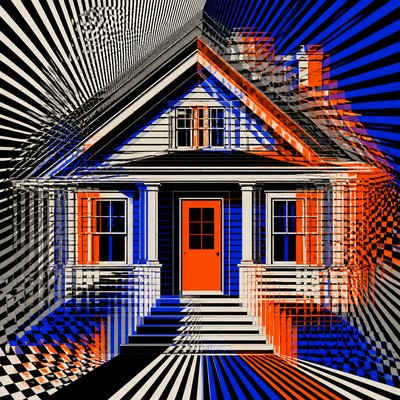
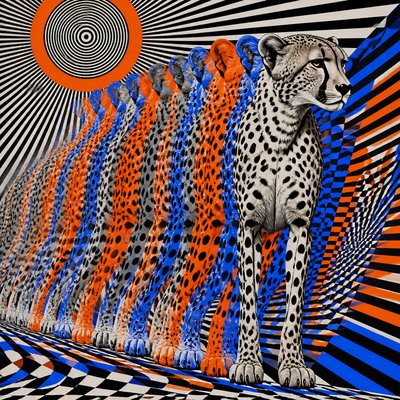
What is Kinetic Art Style?
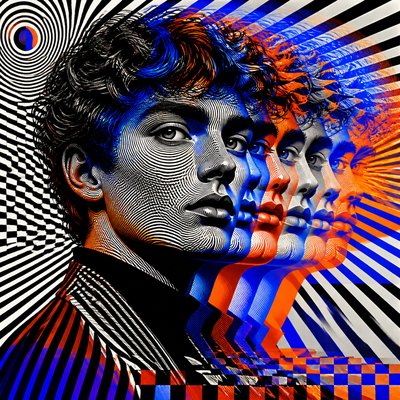
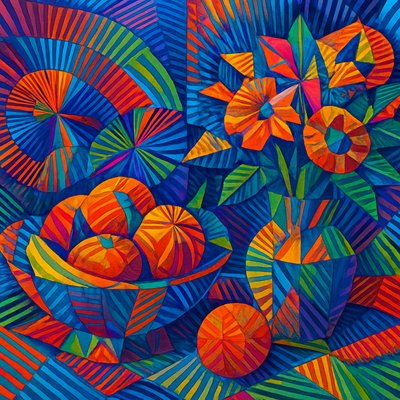
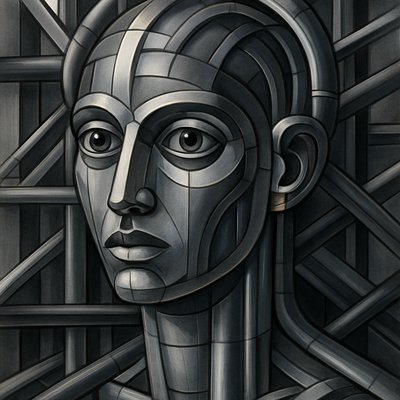
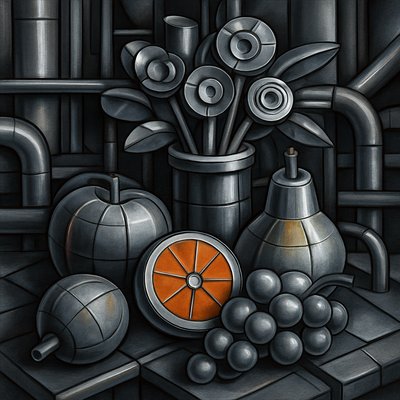
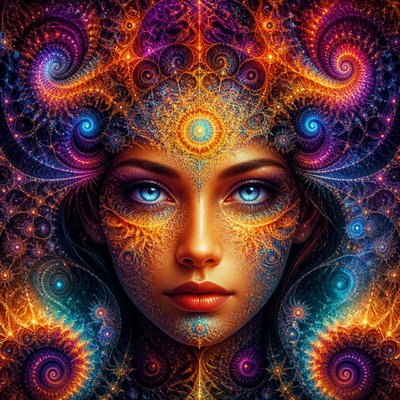
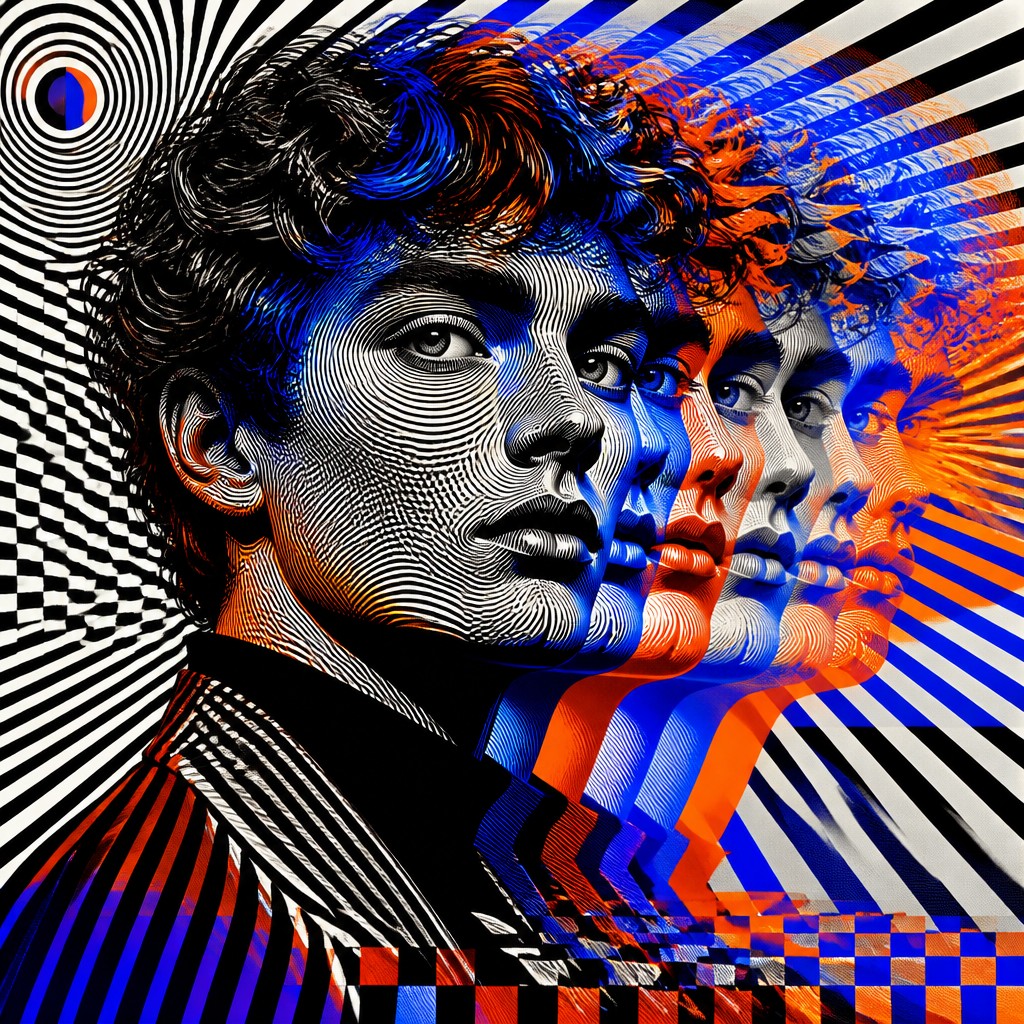
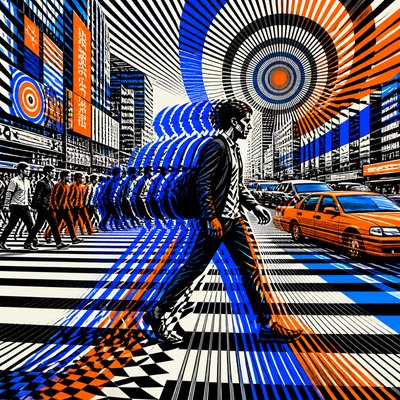
Kinetic art is an art mode defined by the suggestion or presence of movement. That movement may be literal, through motors, hinges, light, or viewer interaction, or it may be implied through visual devices such as repeated forms, optical vibration, and directional rhythm. The result is an image or object that seems unstable in time: it may pulse, rotate, shimmer, or appear to shift as the viewer changes position.
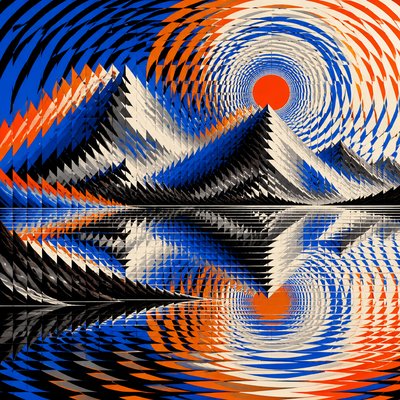
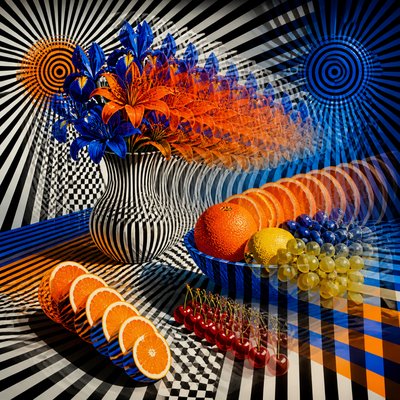
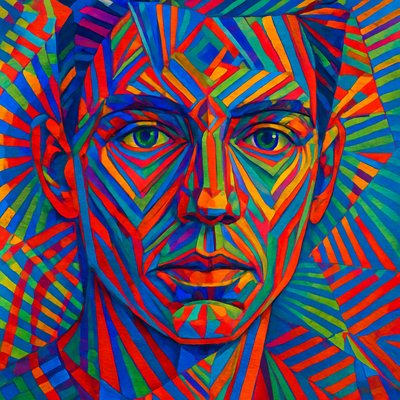
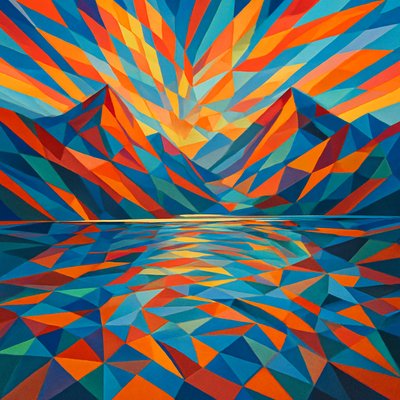
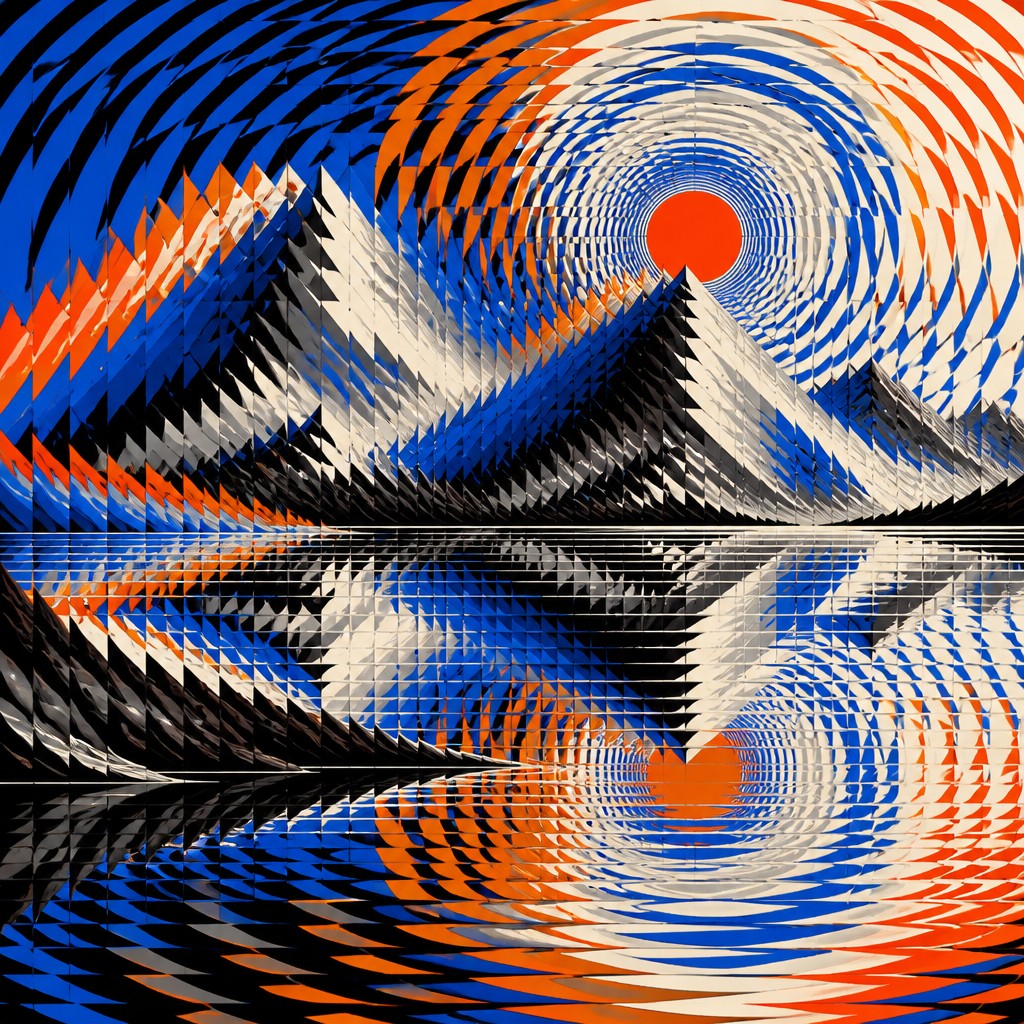
Its visual identity often combines geometric structure with energetic disruption. High-contrast bands, radiating lines, overlapping phases of a figure, and mathematically spaced repetitions create the sensation of motion even on a static surface. The style feels both systematic and animated because it borrows from engineering, modern design, and optical perception, turning order itself into a source of visual movement.
Try It On Your Photos
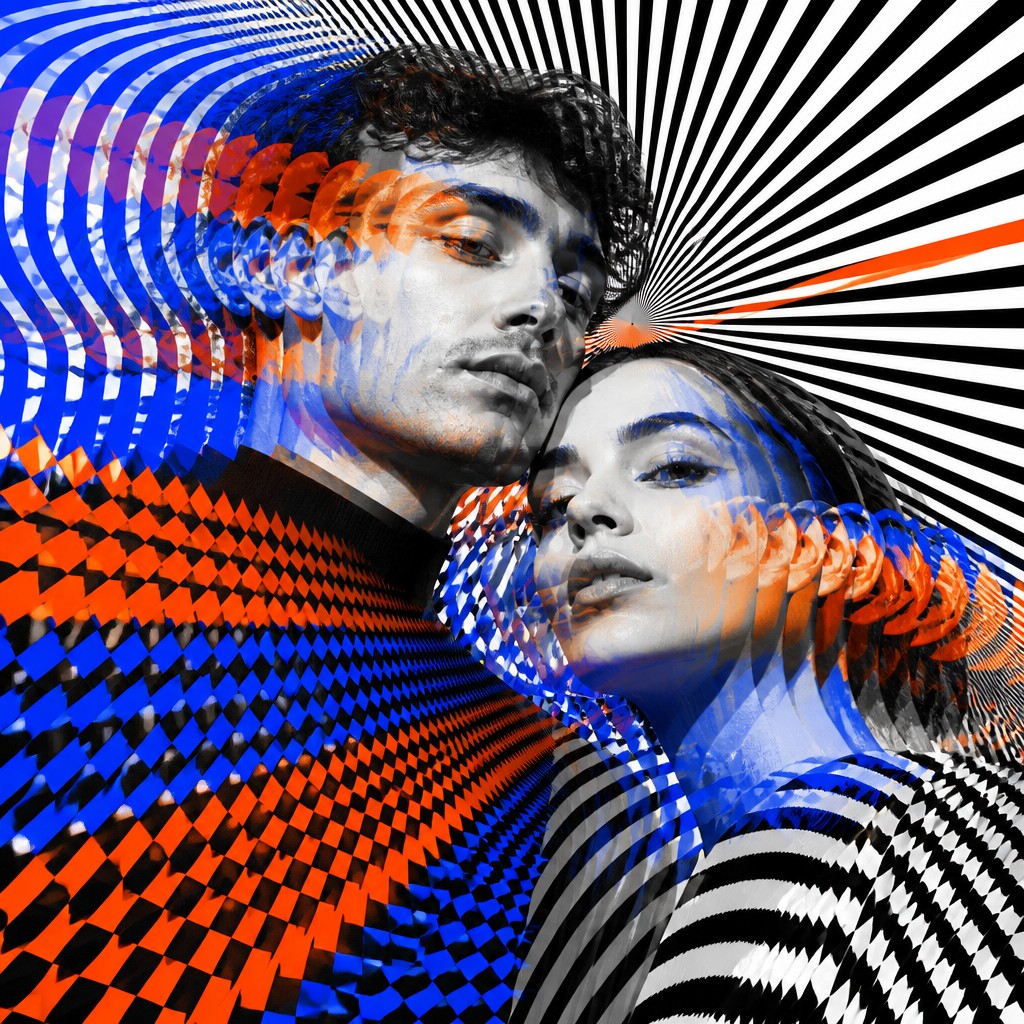
Upload any photo and convert it into Kinetic Art Style — drag the sliders to compare before and after.



What Defines Kinetic Art Style
The signature details, up close
Actual or implied motion
Some kinetic works physically move through motors, air currents, suspension, or viewer manipulation. Others create the perception of movement through repeated shapes, directional lines, or phase shifts.
Optical vibration
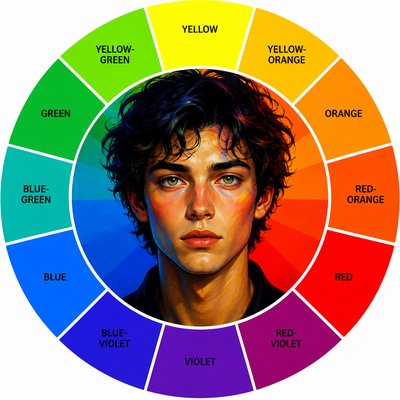
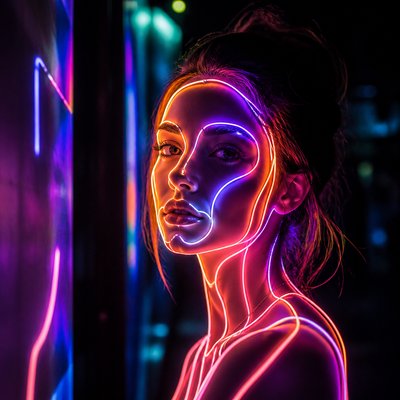
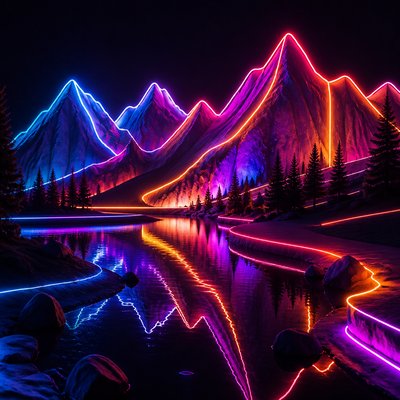
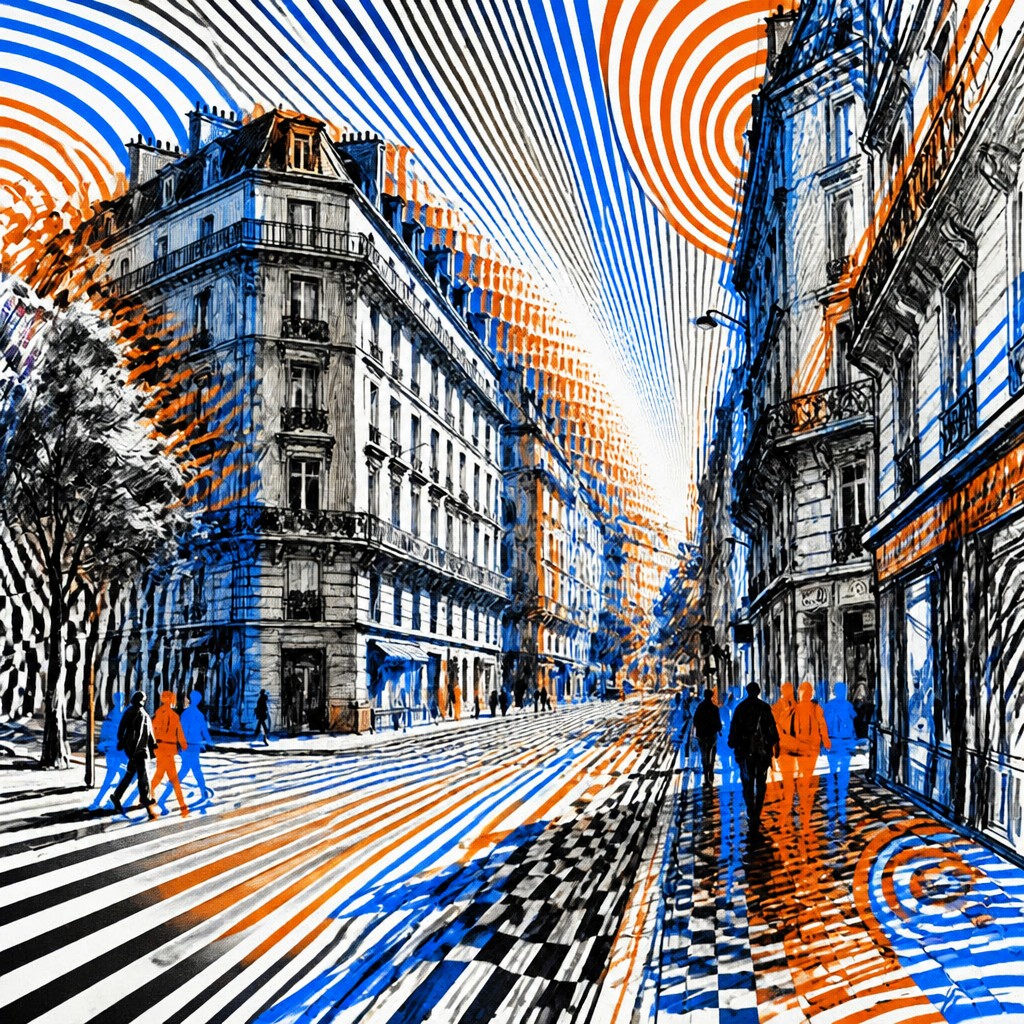
High-contrast patterns, especially black-and-white or saturated complementary colors, can create moiré effects and shimmering edges. This makes the surface seem unstable or alive.
Repetition and sequencing
Forms are often duplicated in steps, trails, or cycles to show progression through time. This sequencing is one of the clearest ways the style suggests motion without literal animation.
Geometric order
The style frequently uses grids, circles, concentric arcs, diagonals, and mathematical spacing. The precision of the structure heightens the sensation of controlled energy.
Directional force
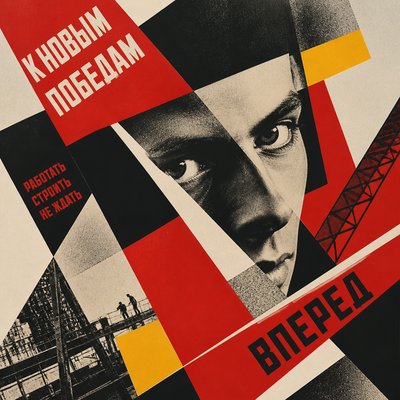
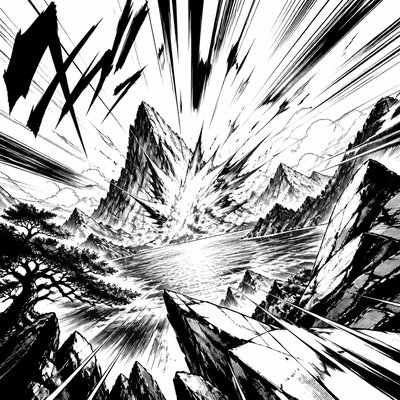
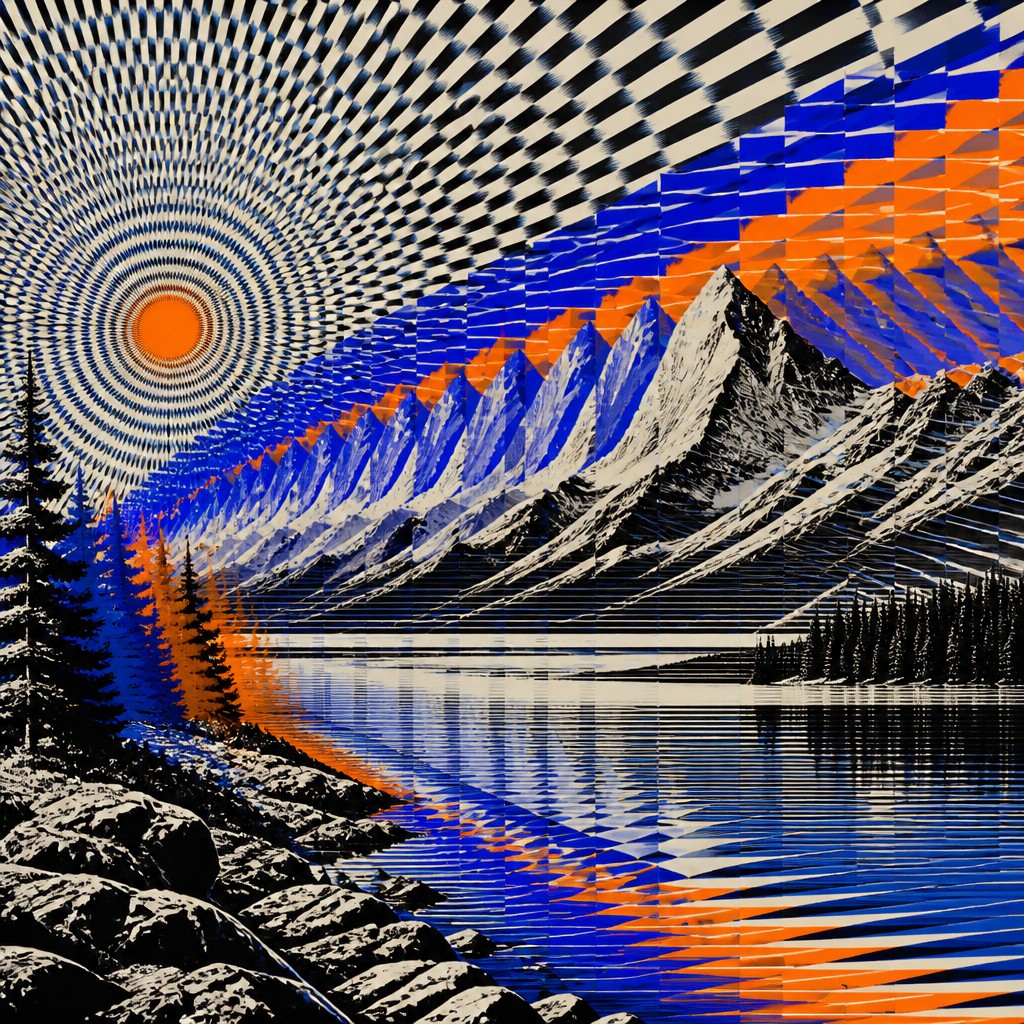
Diagonal thrusts, radial bursts, and sweeping curves guide the eye across the composition. These vectors create the impression that the image is pushing, spinning, or accelerating.
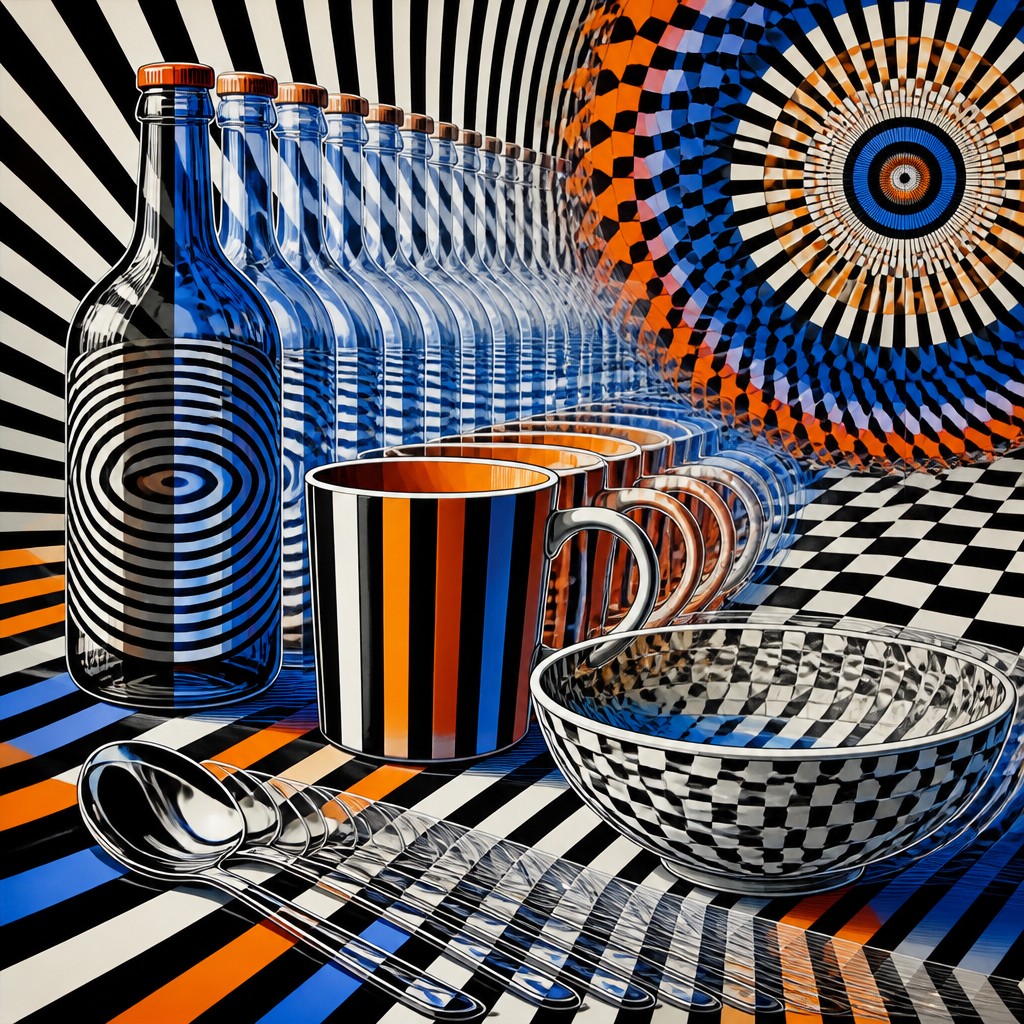
Sharp contrast and saturated accents
Black, white, and neutral grounds are often paired with vivid primaries or electric accent colors. The contrast intensifies optical flicker and reinforces the feeling of movement.
Try It
Create Videos in Kinetic Art Style
Styles aren't just for stills — describe a scene or animate an image and get a short video rendered in Kinetic. Press play to see this pond come to life.
Make a VideoKinetic Prompt Ideas
Start from an idea — each one opens the generator with the style ready to go. See all 40 Kinetic prompts →
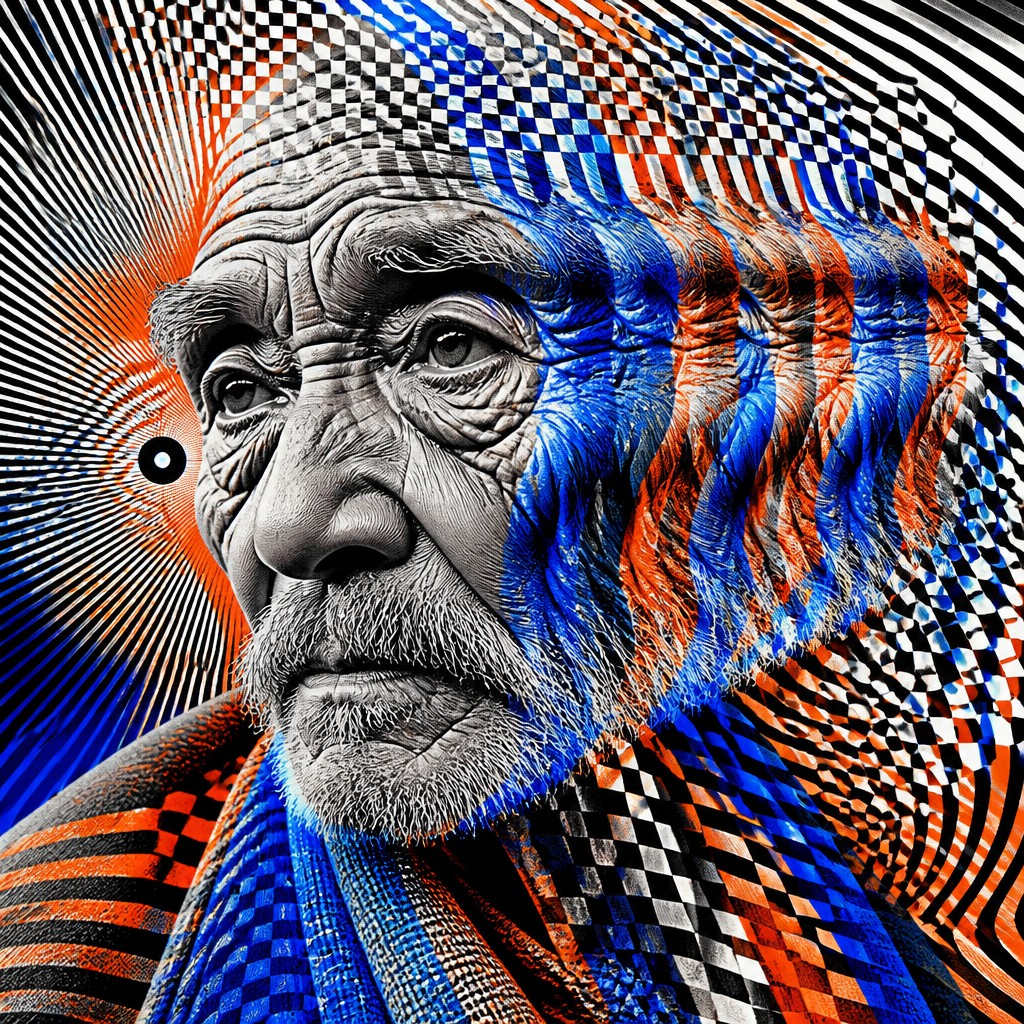
“close-up portrait of an elderly person with expressive weathered features”
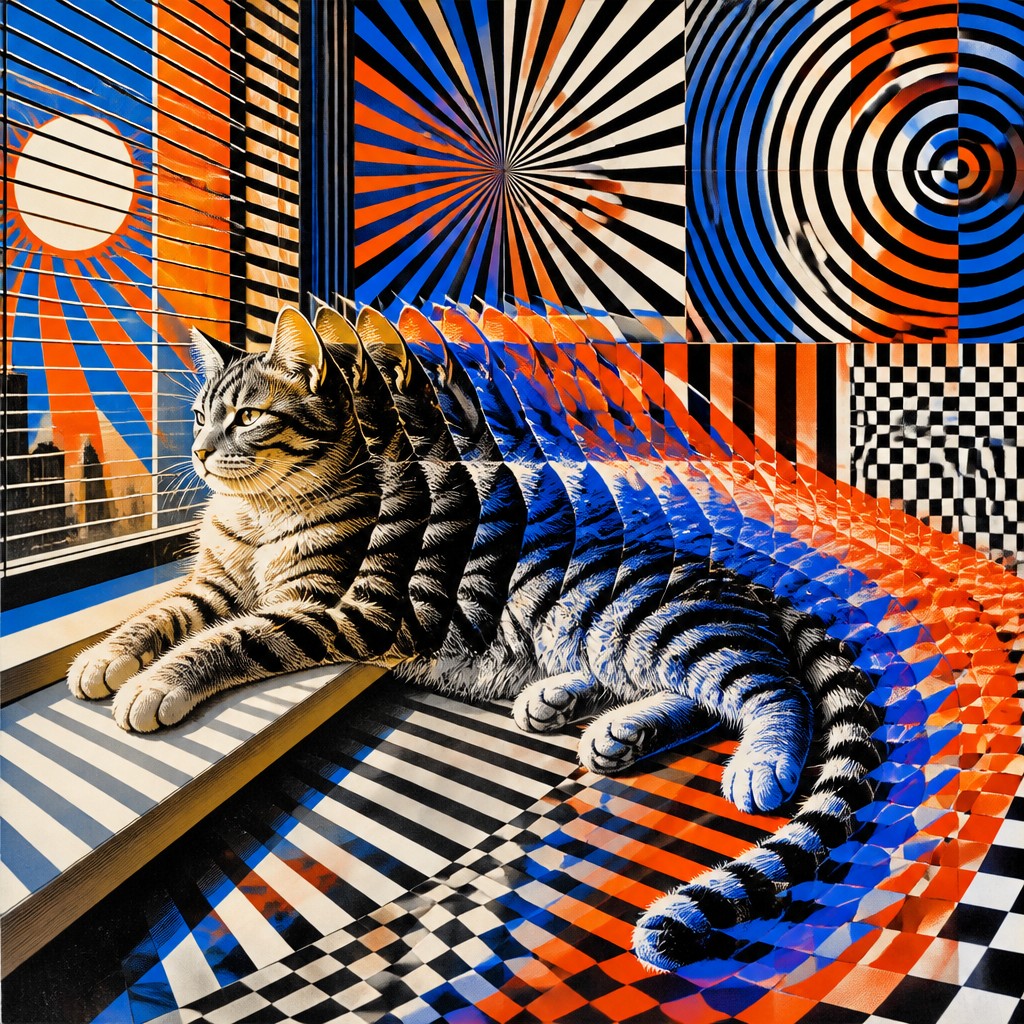
“a cat lounging in a sunlit window”
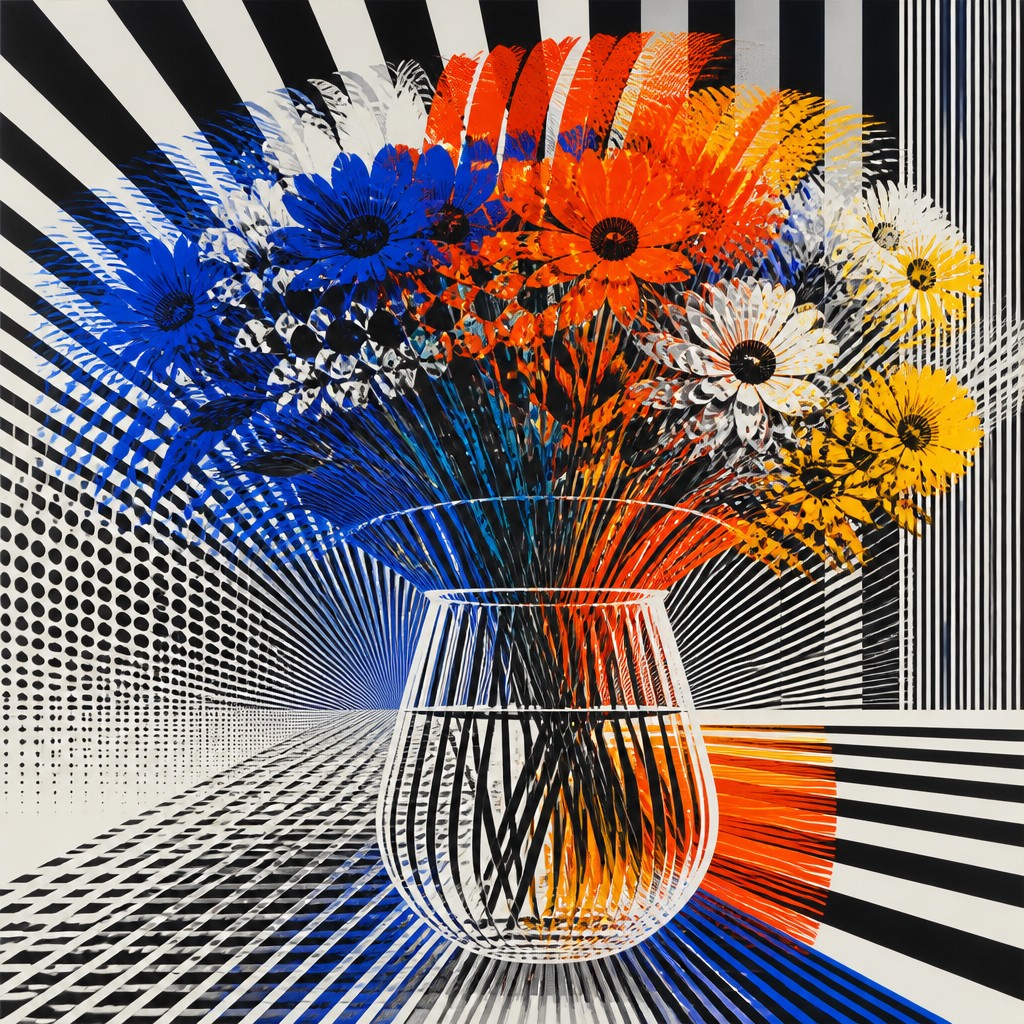
“bouquet of flowers in a glass vase”
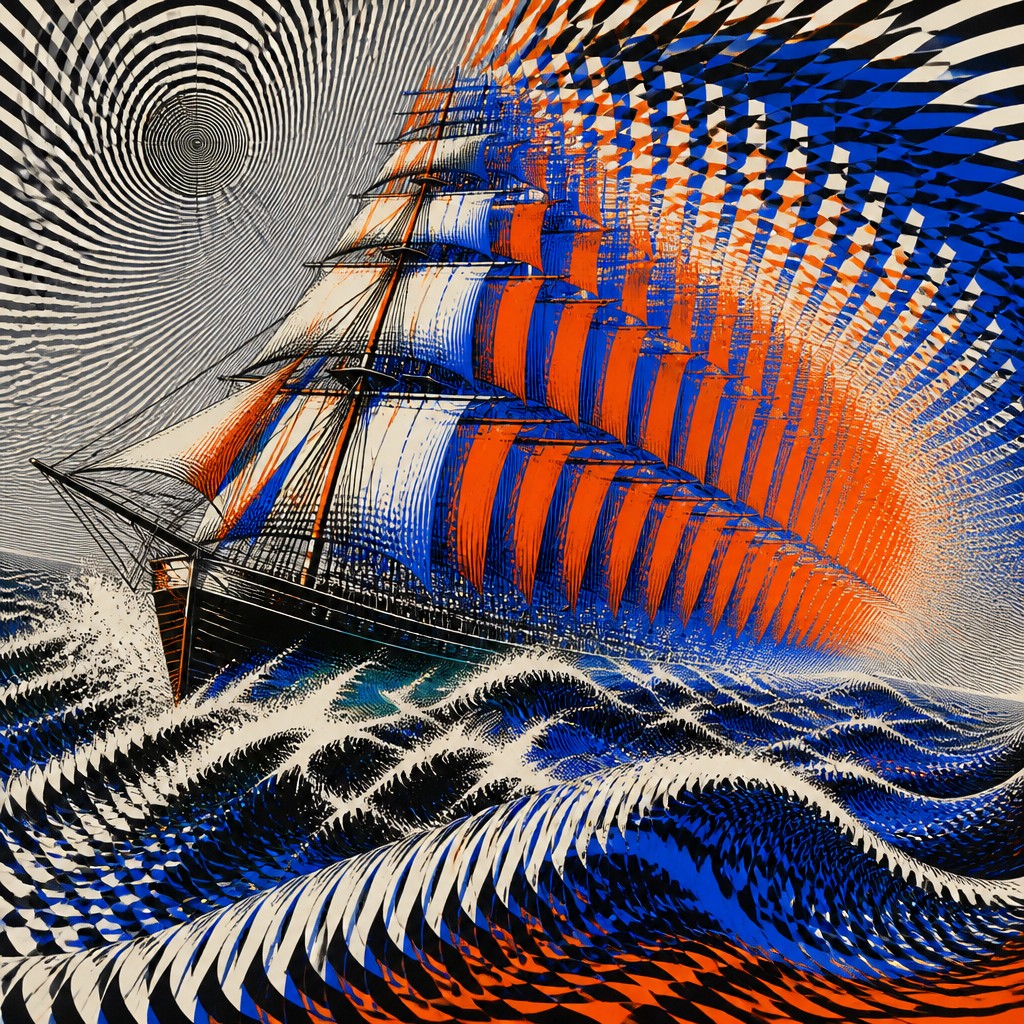
“sailing ship on a stormy sea”
How to Create Kinetic Art
Master the craft step by step — or skip straight to creating. Read the full guide →
- 1
Build a clear motion structure
Start with a simple movement logic: rotation, acceleration, oscillation, or drift. In drawing or painting, map that logic with repeated outlines, staggered positions, or converging lines so the eye reads progression rather than a single frozen pose.
- 2
Use optical contrast deliberately
Place dark and light values or complementary colors in tight adjacency to produce vibration. In digital work, fine line spacing and repeated bands can simulate moiré; in traditional media, crisp edges and measured spacing are essential.
- 3
Balance system and disruption
Keep one part of the composition highly ordered, such as a grid or concentric geometry, and let another part break that order with trails, slants, or pulses. The tension between control and instability is what gives the style its energy.
- 4
Think in layers or phases
When rendering figures or objects, show several sequential positions in one image, like a stroboscopic capture. This works especially well for dancers, athletes, machines, birds, and abstract shapes with rotational movement.
- 5
Choose materials or tools that support precision
Traditional artists often rely on rulers, tape, and careful masking to keep edges clean, while sculptors may use suspended elements, mirrored surfaces, or light sources. Digital and prompt-based approaches can specify geometric repetition, afterimages, and high-contrast bands to reproduce the same logic.
- 6
Prompt for motion cues, not just a subject
When generating an image, describe the object plus the mechanics of movement: trailing afterimages, radiating geometry, pulsating lines, and rhythmic spacing. Strong prompts often combine a concrete subject with terms like stroboscopic, moiré, oscillating, diagonal momentum, and alternating bands.

The Story
History & Origins of Kinetic
Kinetic art emerged in the 20th century as artists and designers explored motion as a core artistic element rather than a secondary effect. Its development is closely linked to Constructivism, Futurism, Op Art, and postwar experimentation with mechanics, light, and participatory viewing. Artists associated with moving sculpture made actual movement central to modern art, while leading optical-perception artists developed strategies that made static images appear to vibrate or move.
The aesthetic lineage also extends to scientific studies of perception, modern graphic design, and the fascination with machines and speed that marked industrial and postindustrial culture. Later iterations expanded into installations with light, motors, sound, and responsive systems, but the defining idea remained the same: motion is not merely represented, it is activated through structure, rhythm, and the viewer’s changing experience of the work.
Influences: Kinetic art is closely related to Futurism, Constructivism, and Op Art, as well as modernist abstraction and optical design. Canonical figures include pioneering mobile-sculpture artists for moving sculpture, major optical-perception artists for visual vibration, and influential experiments with light, motion, and industrial materials. Its visual language also overlaps with graphic design, scientific imaging, and the aesthetics of machinery and speed.

Frequently Asked Questions
What defines kinetic art?
Kinetic art is defined by movement, either literal or implied. The work may move physically through mechanical parts, shifting materials, or viewer interaction, or it may create the illusion of motion through repetition, contrast, and optical effects. The key idea is that time and movement are part of the artwork’s meaning, not just its subject.
Is kinetic art the same as Op Art?
Not exactly. Op Art is a related style that uses optical effects to create visual vibration and apparent movement on a static surface. Kinetic art is broader and includes actual moving objects and installations, though many works blur the line between the two.
How is kinetic art different from abstract art?
Kinetic art can be abstract, but not all abstract art is kinetic. What distinguishes it is the focus on motion, rhythm, and the viewer’s changing perception. A purely abstract work may emphasize color or form without implying movement, while kinetic art usually makes motion central.
What subjects work best in kinetic art?
Subjects with clear directional or cyclical movement work especially well: dancers, athletes, vehicles, birds, spinning objects, and figures in mid-action. Abstract forms such as circles, waves, and grids are also common because they can be sequenced or distorted to create visual motion.
Can kinetic art be made digitally?
Yes. Digital tools are especially useful for repeating shapes, precise spacing, layered motion phases, and optical patterns. Traditional methods can achieve a similar effect, but digital techniques make it easier to control geometry, symmetry, and high-contrast vibration.
Where is kinetic art used today?
It appears in gallery sculpture, public installations, graphic design, motion graphics, stage visuals, and interactive media. Its principles are also used in posters, album art, and architectural facades when designers want energy, vibration, or a sense of movement.

Create your first Kinetic artwork
Describe anything — or upload a photo — and see it in Kinetic Art Style in seconds.
Make Something with Kinetic
Compare Kinetic
Related Styles
Discover similar art styles