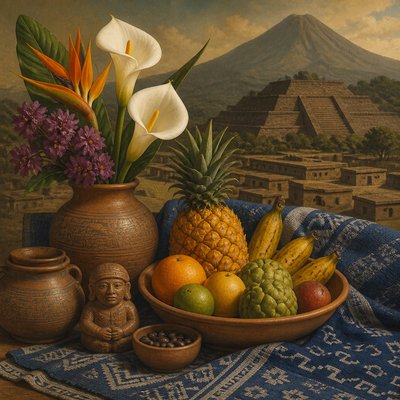
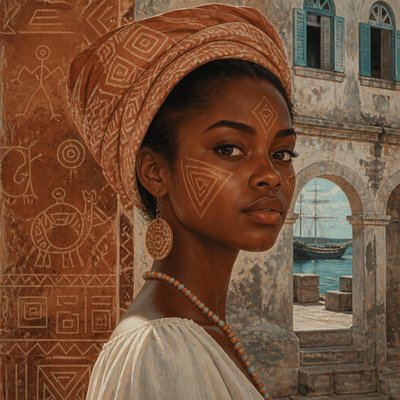
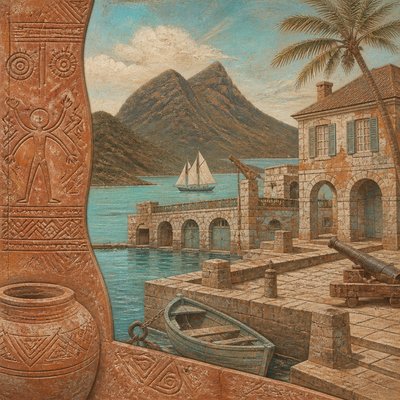
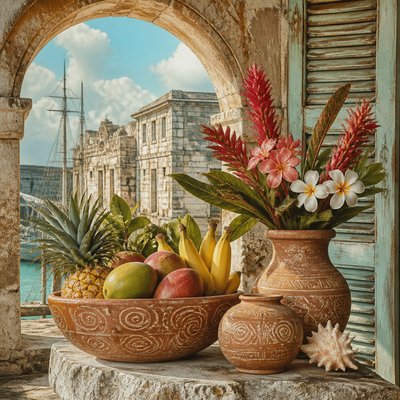
Quilt Art Style
Explore Quilt Art Style: vivid patchwork geometry, hand-stitched textures, cotton prints, frayed edges, and softly padded fabric dimension.
Instantly rendered in Quilt — or transform a photo
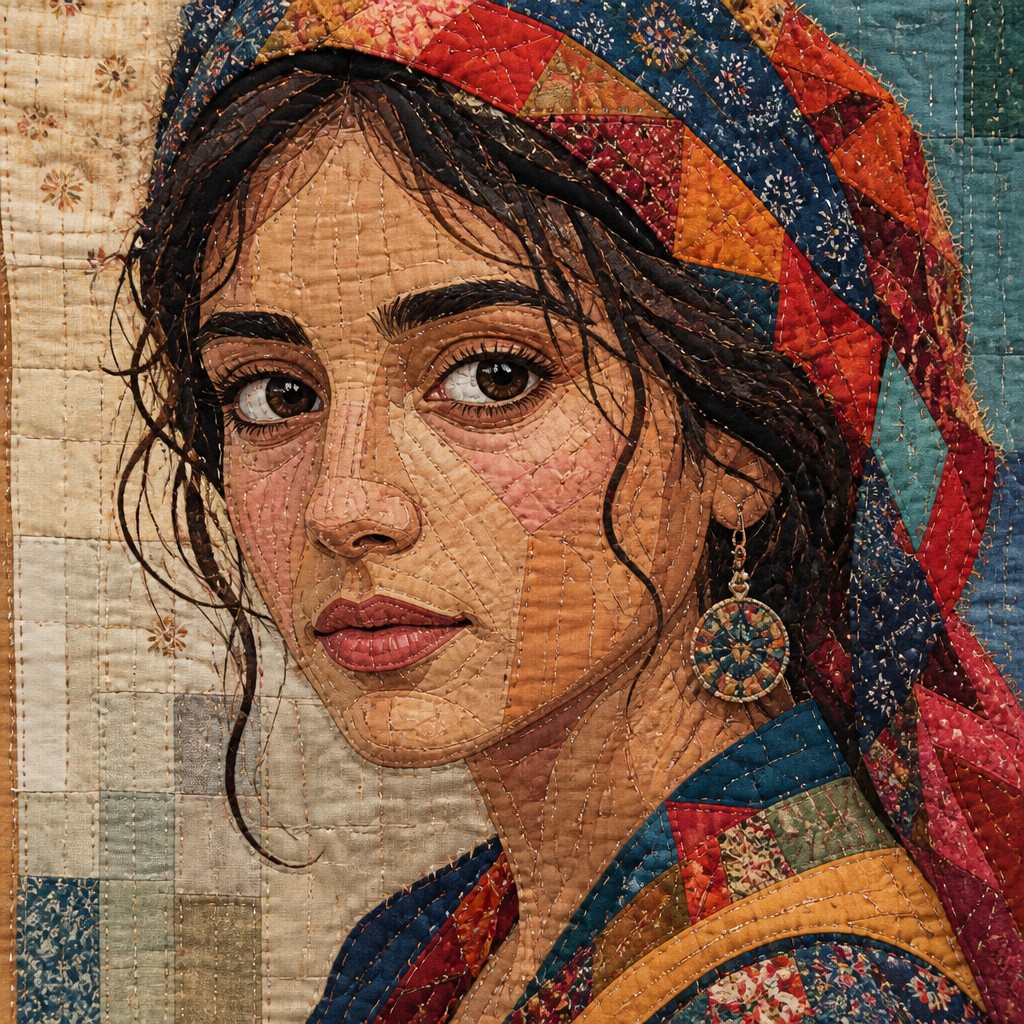
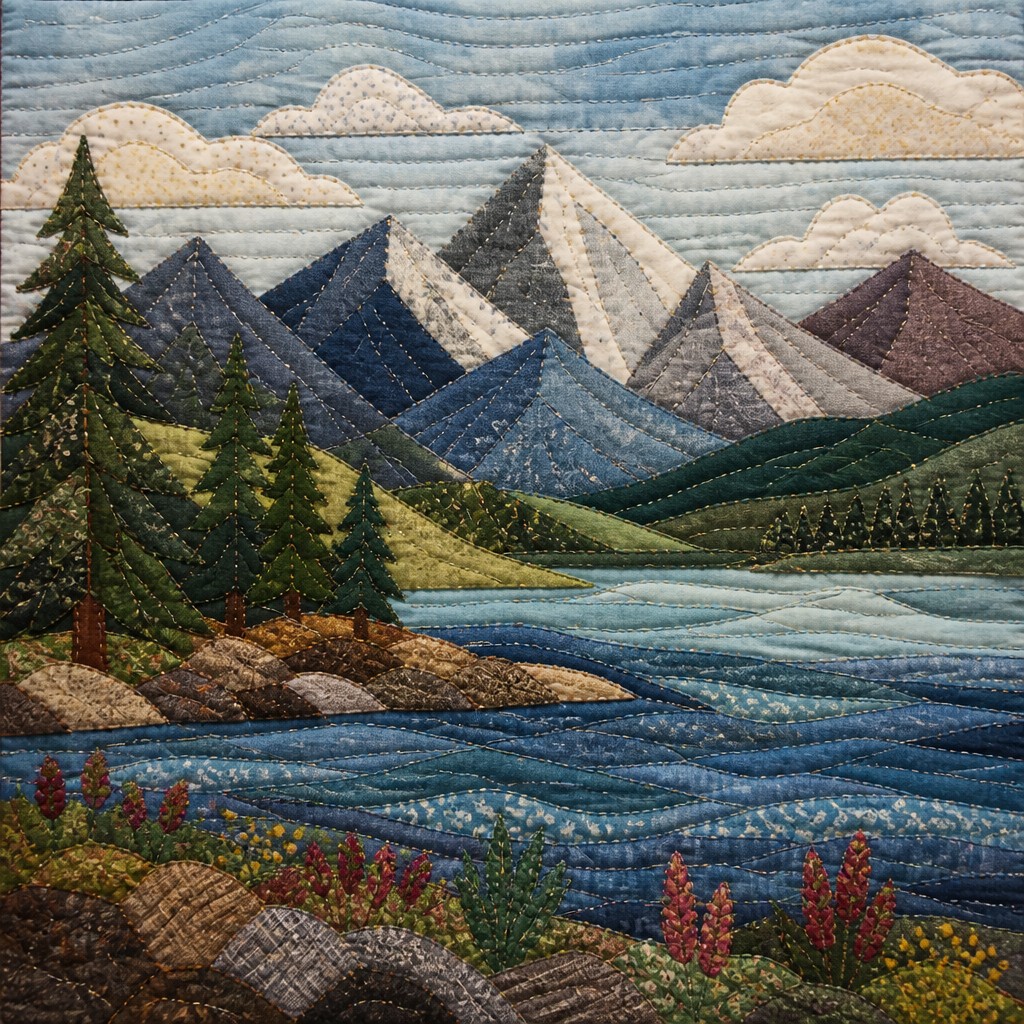
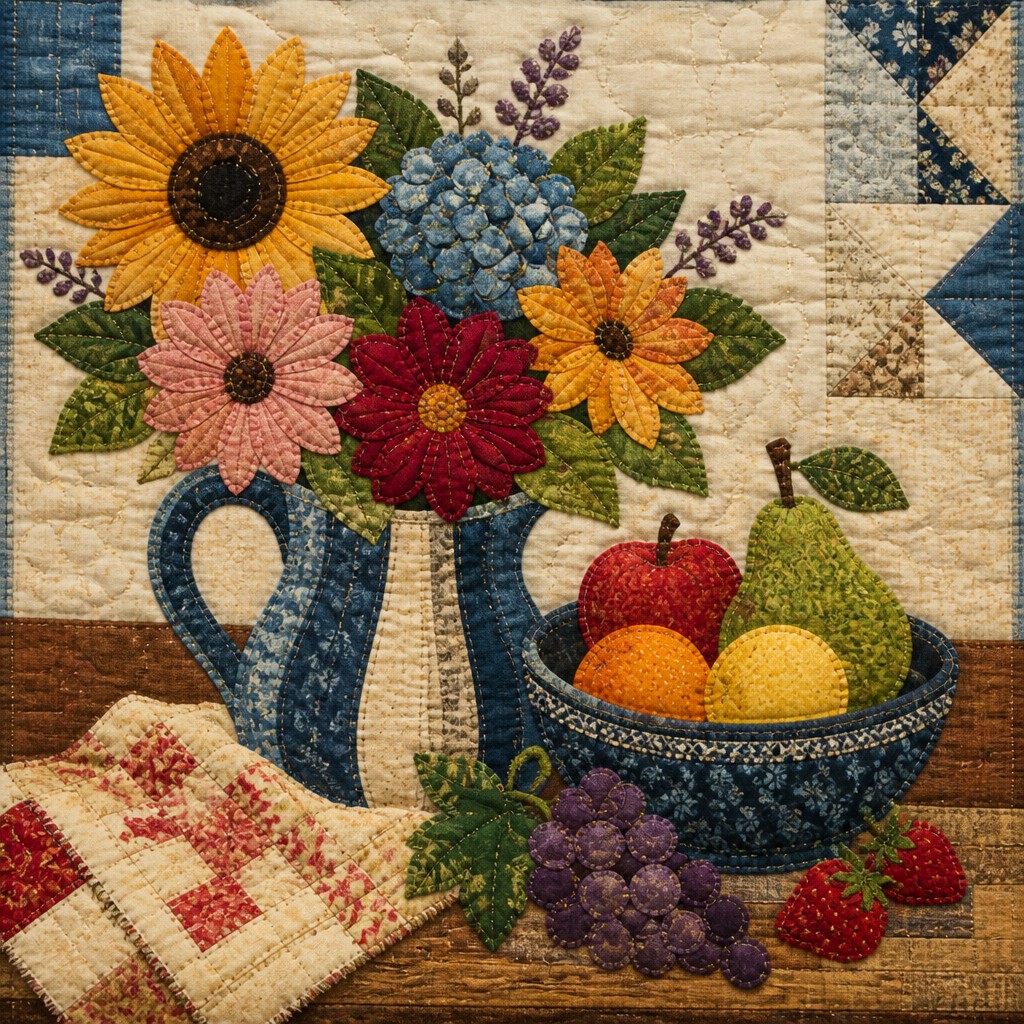
Quilt Gallery
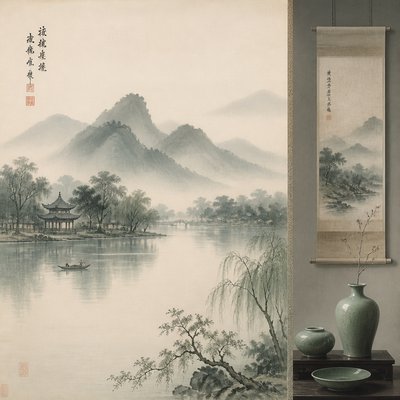
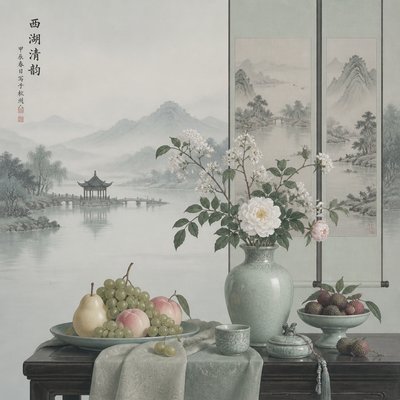
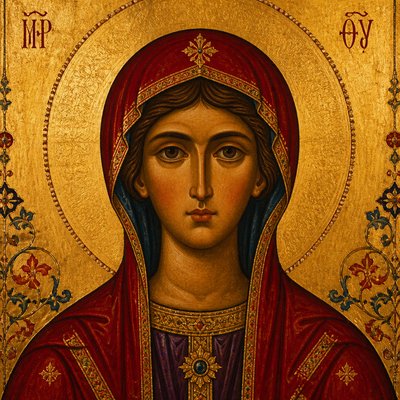
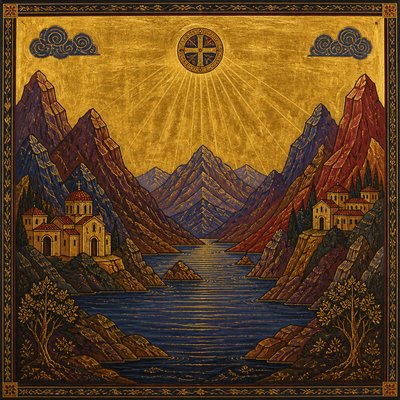
Tap any artwork to explore it
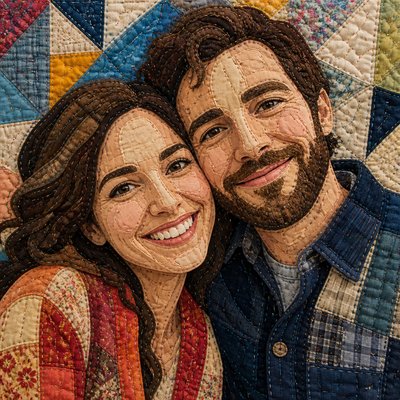
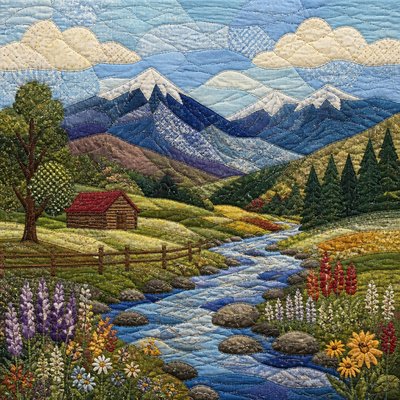
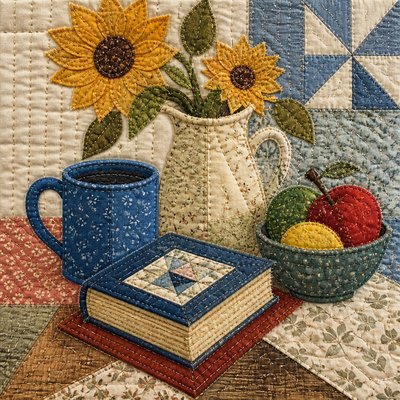
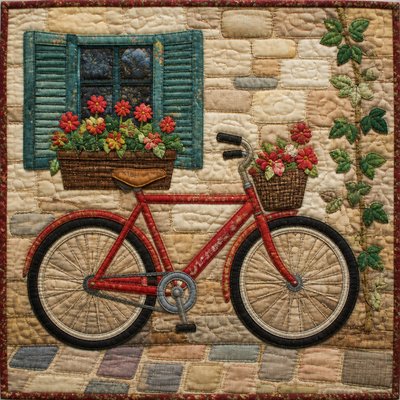
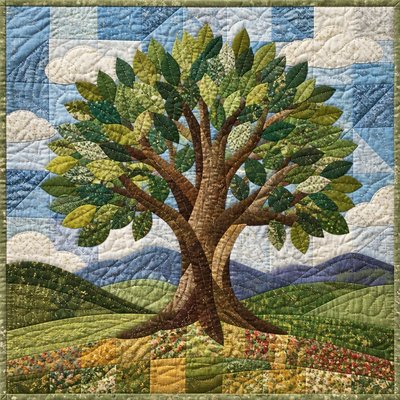
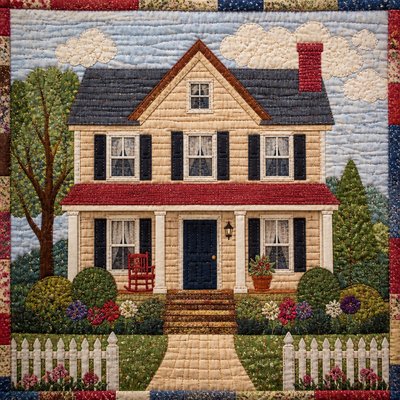
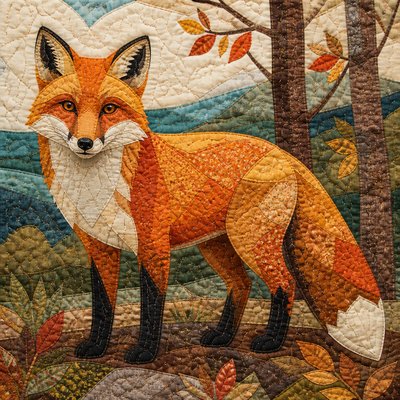
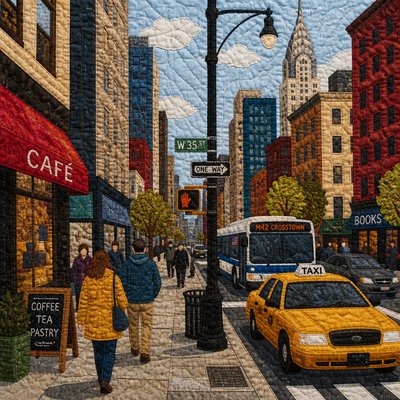
What is Quilt Art Style?
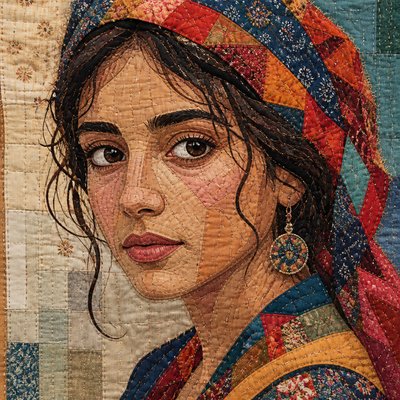
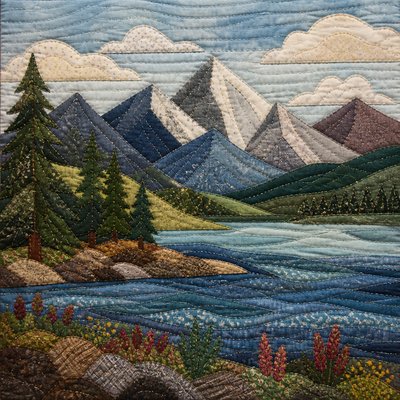
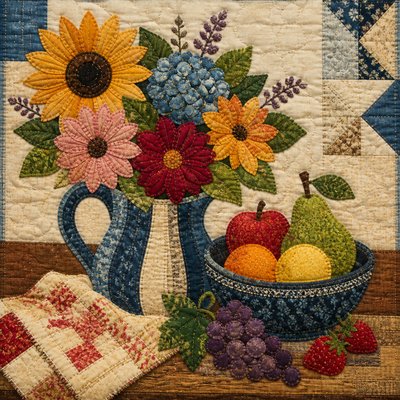
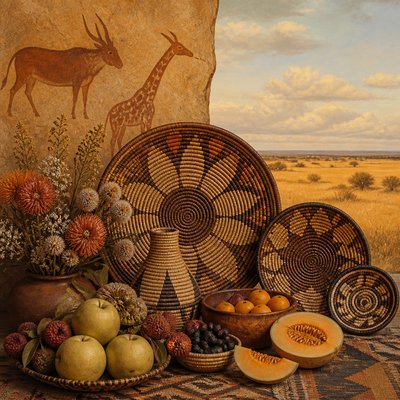
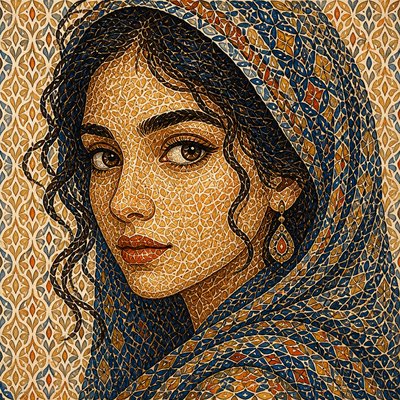
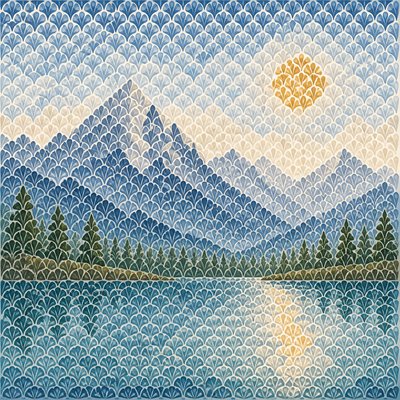
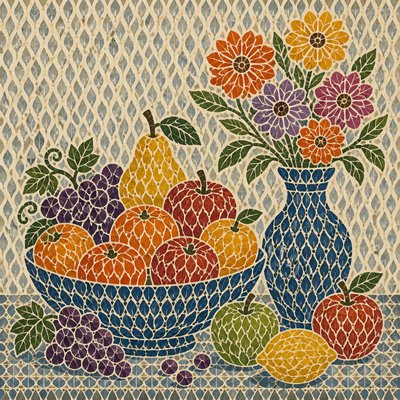
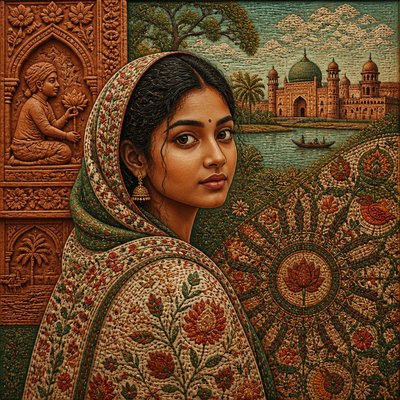
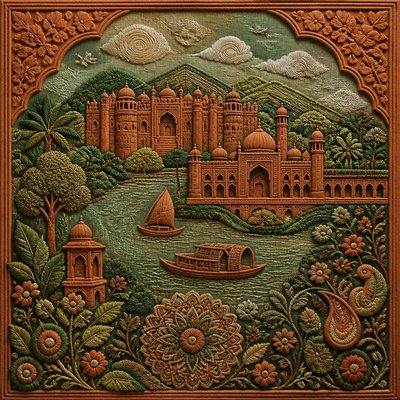
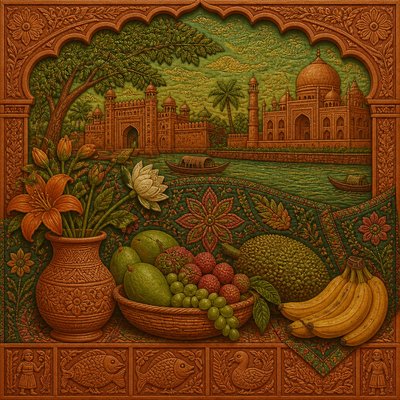
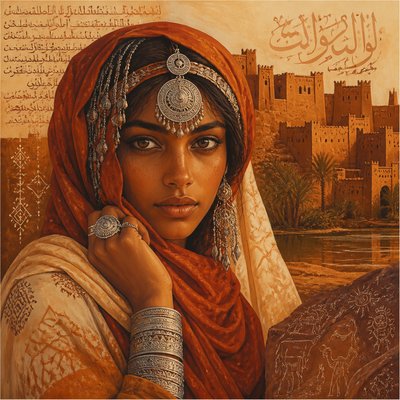
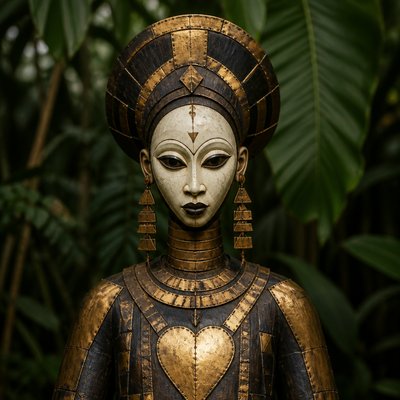
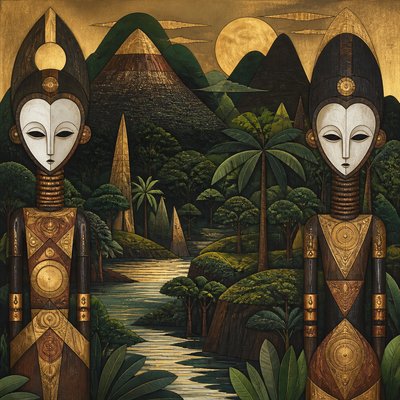
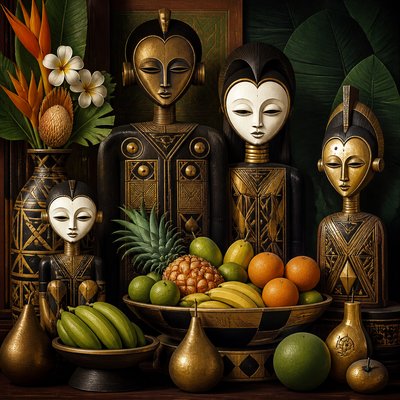
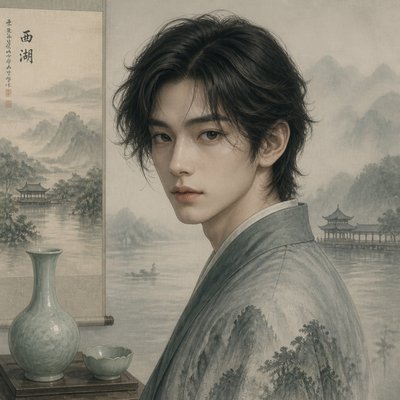
Quilt Art Style presents subjects as assembled textile compositions made from fabric pieces, stitched seams, appliqué shapes, and layered batting. Its visual identity combines bold geometric divisions with the tactile irregularities of cotton: visible thread, softened edges, printed cloth, small pattern variations, and gentle puffiness beneath the surface.
Rather than depicting a scene through conventional brushwork or photographic detail, the style translates it into a patchwork structure. Color blocks, repeated motifs, seam lines, and fabric grain carry the image, while imperfect alignment and worn surfaces suggest handmade construction. The result can range from orderly geometric abstraction to richly appliquéd portraits, landscapes, animals, and decorative objects.
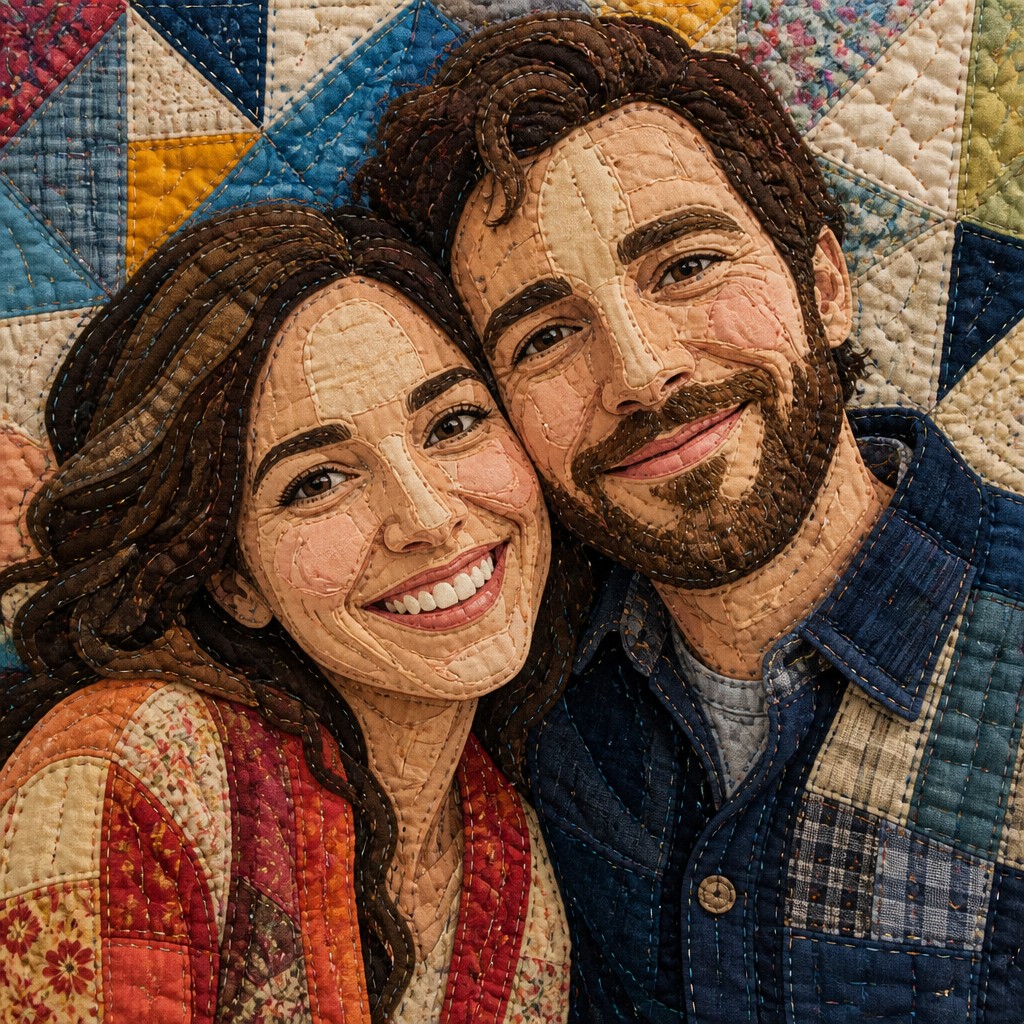
Try It On Your Photos
Upload any photo and convert it into Quilt Art Style — drag the sliders to compare before and after.
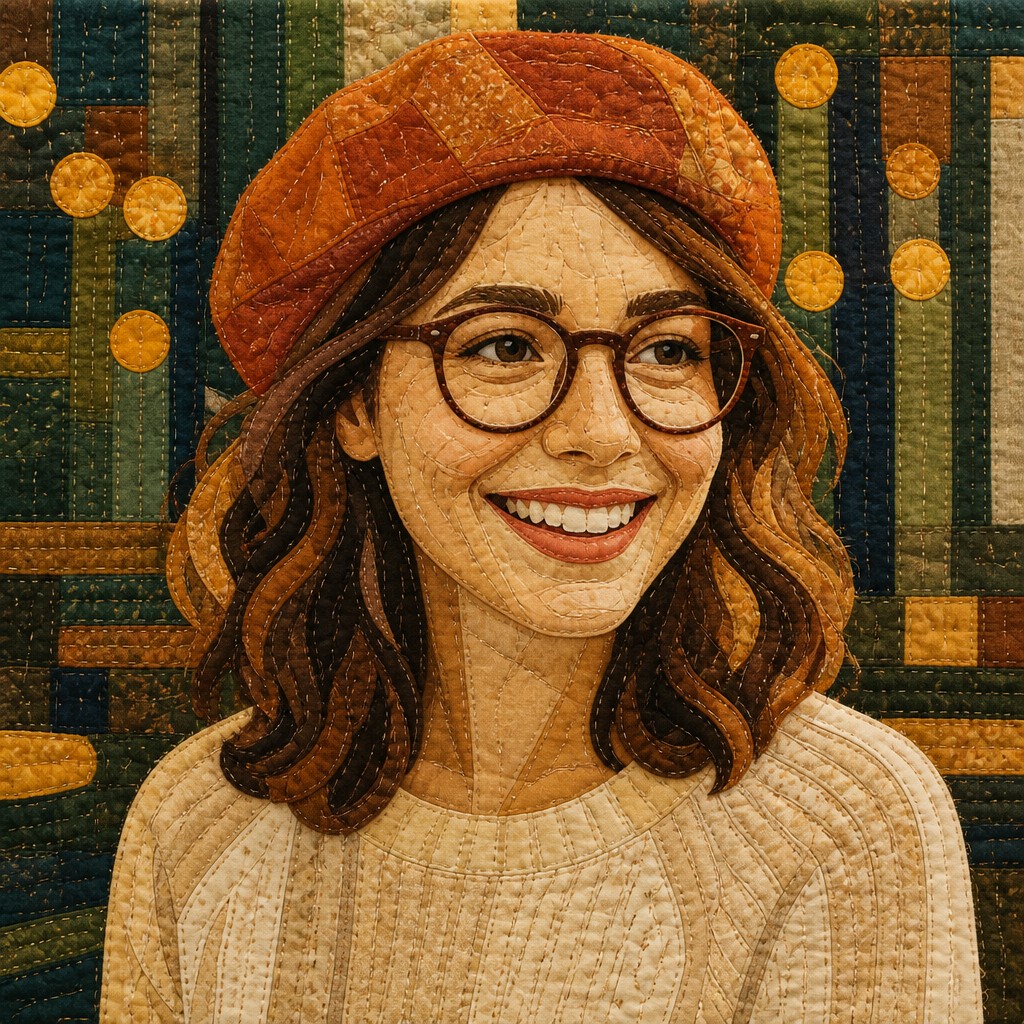

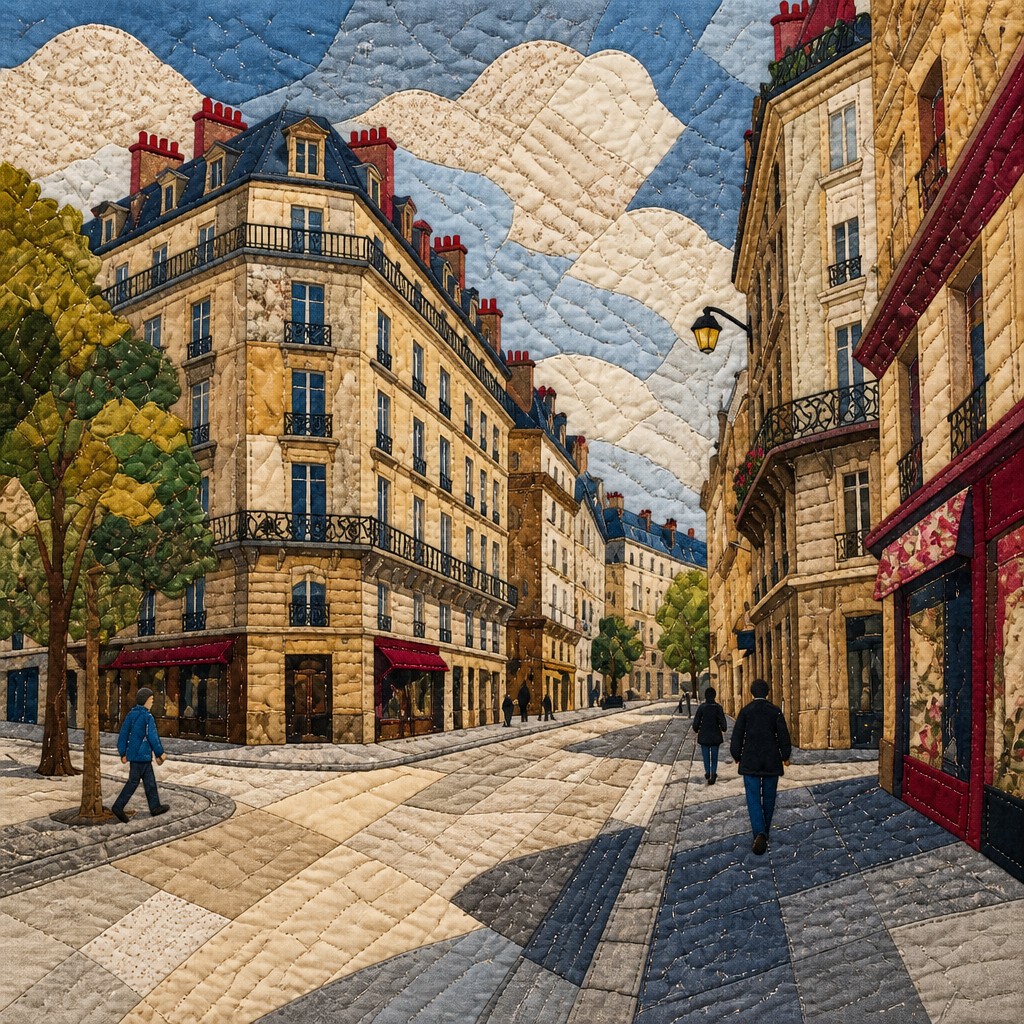

What Defines Quilt Art Style
The signature details, up close
Patchwork construction
The image is organized from adjoining fabric pieces, often arranged as squares, triangles, strips, diamonds, or irregular mosaic sections. Seams remain visible as part of the composition rather than being hidden.
Geometric color blocking
Strong fields of contrasting or coordinated color create rhythm and structure. Repetition, symmetry, radial layouts, and alternating blocks are common, though handmade variation prevents the pattern from feeling mechanically perfect.
Appliqué motifs
Shapes may be layered onto a larger cloth ground to form flowers, animals, figures, clouds, leaves, stars, or abstract symbols. Appliquéd forms are typically defined by stitched borders and simplified silhouettes.
Visible hand quilting
Running stitches, echo quilting, crosshatching, meandering lines, and decorative embroidery add both surface pattern and evidence of labor. Stitch direction can reinforce contours or divide broad fabric areas.
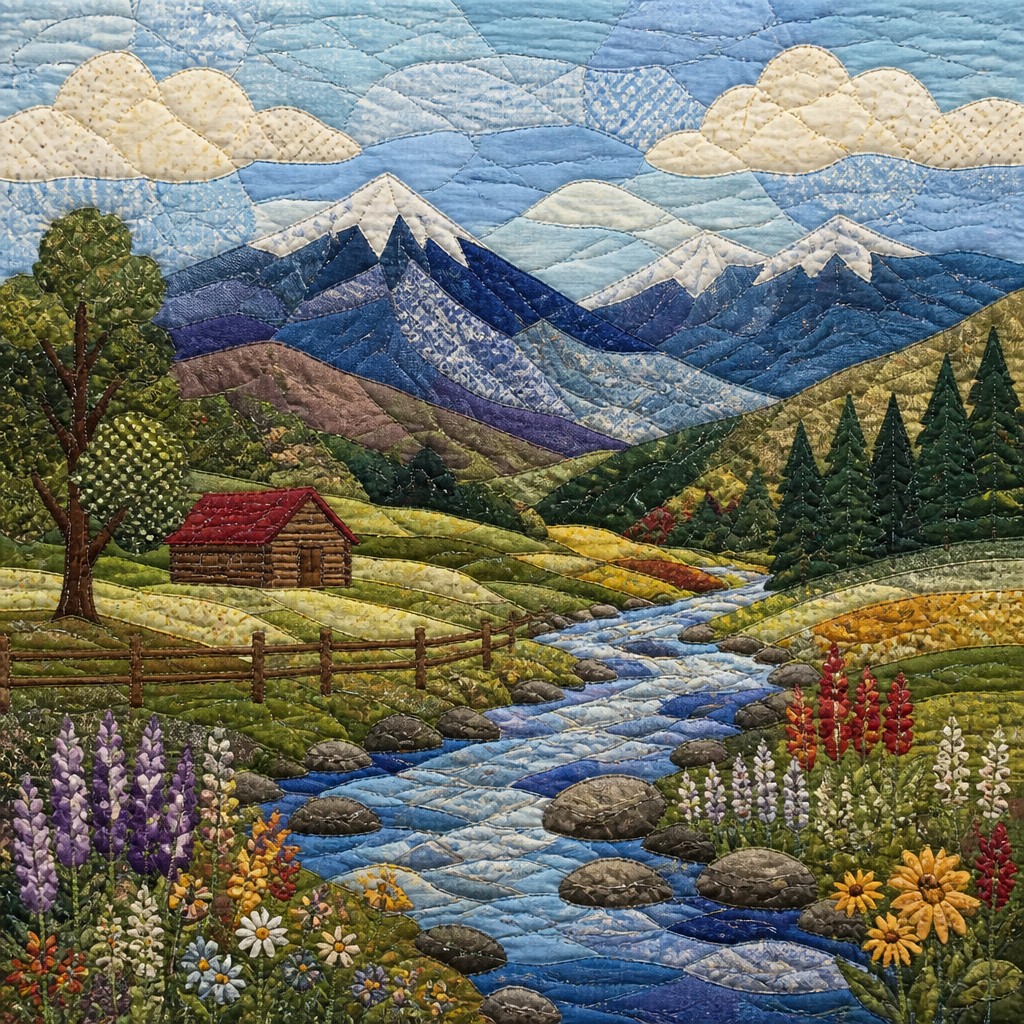
Cotton prints and tactile grain
Small floral prints, checks, stripes, dots, faded calico patterns, and solid cotton blocks create visual variety. The cloth should appear fibrous, slightly uneven, and absorbent rather than glossy or synthetic.
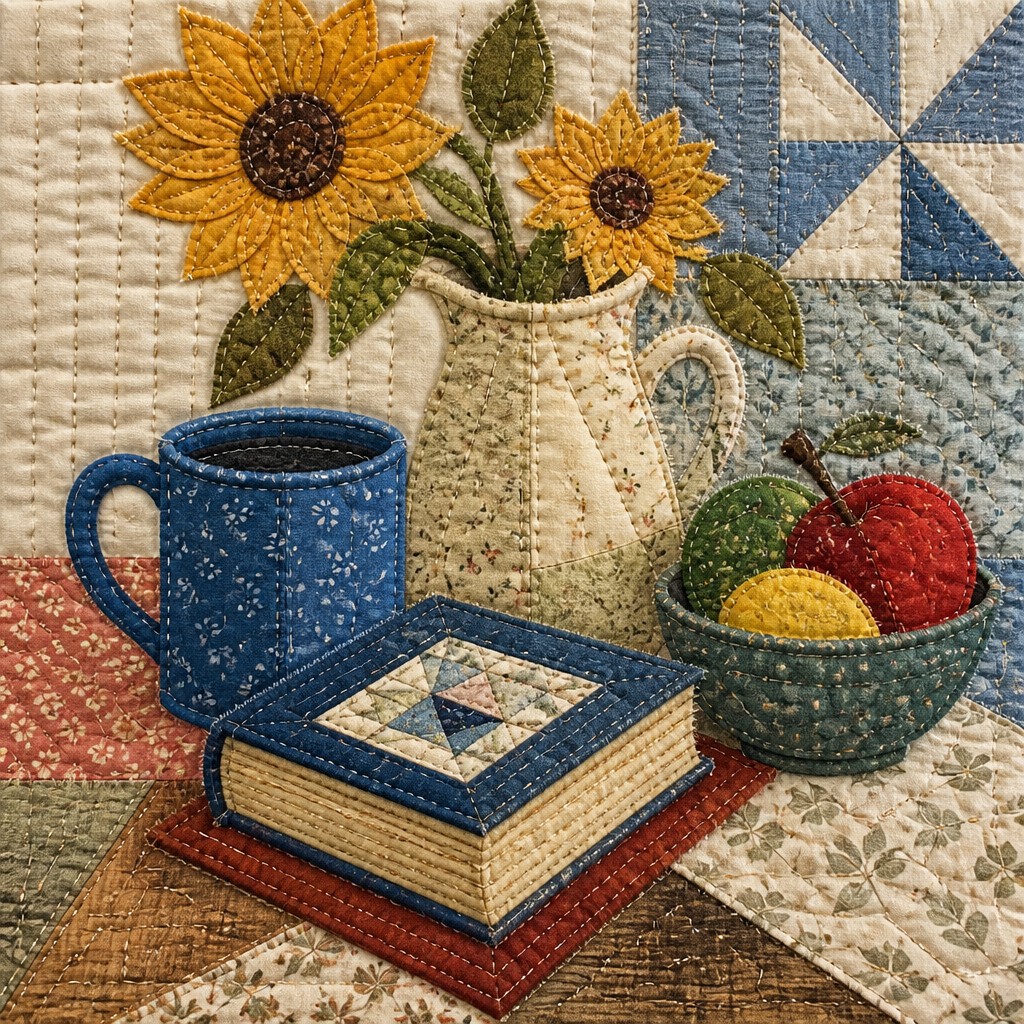
Frayed and softened edges
Loose threads, worn corners, seam irregularities, and gently faded colors give the surface a timeworn handmade character. Controlled imperfections help distinguish the style from flat vector collage.
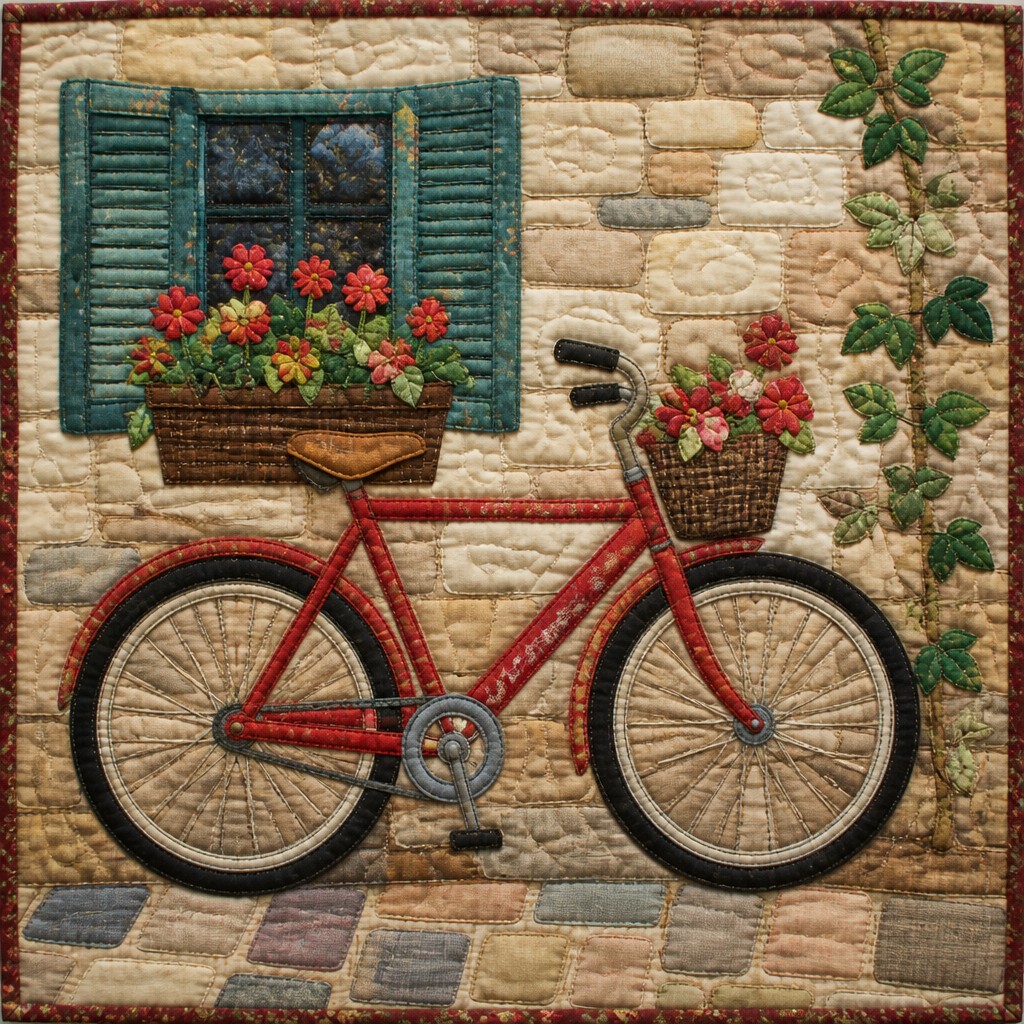
Layered dimensionality
A quilt sandwich of top fabric, batting, and backing produces subtle relief and rounded puffiness. Shadows along seams and raised stitched areas make the composition feel soft, touchable, and materially constructed.
Quilt Prompt Ideas
Start from an idea — each one opens the generator with the style ready to go. See all 40 Quilt prompts →
How to Create Quilt Art
Master the craft step by step — or skip straight to creating. Read the full guide →
- 1
Plan the block structure
Reduce the subject to a clear silhouette and a limited set of patchwork regions before adding detail. Use repeated blocks, borders, or a central medallion to give the composition the organized logic of a quilt top.
- 2
Choose a fabric-led palette
Combine several solid colors with a few small-scale cotton prints, keeping contrast high enough for seams and motifs to remain legible. Slightly mismatched hues and faded areas make the result feel handmade rather than digitally uniform.
- 3
Build convincing textile texture
Add weave grain, seam allowances, folded edges, loose threads, and subtle batting shadows. In traditional work, layer fabric over batting and backing before quilting; digitally, use texture maps, displacement, soft shadows, and stitched brushes.
- 4
Use stitches as drawing
Outline appliqué shapes with running or blanket stitches, then add echo lines, crosshatching, or free-motion quilting in open areas. Let stitch paths clarify the subject instead of covering every surface with equal density.
- 5
Preserve handmade irregularity
Vary seam width, alignment, print scale, thread spacing, and edge wear slightly while maintaining an intentional overall design. Excessive precision can make the result resemble a tiled graphic or manufactured upholstery.
- 6
Describe material and construction in prompts
For digital or AI-assisted creation, specify the subject followed by patchwork fabric pieces, stitched seams, cotton prints, appliqué, frayed edges, hand-quilted lines, batting, and soft dimensional relief. Add composition terms such as geometric blocks, medallion layout, or irregular handmade assembly to control the structure.
The Story
History & Origins of Quilt
Quilt Art Style is a contemporary, cross-cultural aesthetic category rather than a single historical movement. It draws on long-standing traditions of patchwork, appliqué, embroidery, and layered bed quilts practiced in many regions, including South Asia, Europe, North America, and Africa. Quilts have served practical, commemorative, domestic, ceremonial, and community purposes, with techniques and motifs shaped by locally available cloth and inherited design systems.
The modern art-quilt field developed especially strongly during the late twentieth century, when textile makers increasingly treated quilts as wall-hung artworks rather than only functional coverings. The digital version of the style condenses these traditions into a visual language of pieced geometry, stitched outlines, cotton prints, fraying, and padded relief without claiming to reproduce any one community's specific quilt tradition.
Influences: The style relates to patchwork and appliqué traditions, embroidered textiles, folk and vernacular craft, modern art quilts, geometric abstraction, collage, and relief-based textile sculpture. It also shares visual strategies with mosaic design, decorative arts, naïve or simplified narrative imagery, and contemporary mixed-media illustration, translating their forms into a tactile language of cloth, seams, thread, and layered padding.
Frequently Asked Questions
What defines Quilt Art Style?
It is defined by the visual suggestion of a constructed quilt: fabric pieces, seams, appliqué, visible stitching, cotton texture, and layered softness. Geometric organization and handmade irregularity are usually more important than photorealistic detail.
Is Quilt Art Style a historical art movement?
No. The term describes a contemporary aesthetic synthesis rather than a single movement with a fixed date or founding group. It is rooted in diverse quilting and textile traditions while adapting their visual language for illustration, design, and digital image-making.
How is it different from patchwork or collage?
Patchwork is a construction method in which fabric pieces are joined, while collage may combine any pasted or assembled materials. Quilt Art Style emphasizes the complete quilt object, including stitching, batting, textile grain, padded relief, and the tactile evidence of sewing.
Can realistic subjects be made in this style?
Yes, although the subject is usually simplified into silhouettes, color blocks, and appliquéd shapes. Landscapes, animals, portraits, architecture, food, and everyday scenes can all work when their major forms remain readable after being translated into fabric sections.
How can I make a traditional quilt-inspired image?
Begin with a paper layout, select a limited palette, cut or draw the major fabric shapes, and establish seams before adding appliqué and decorative stitches. For a physical quilt, layering the top, batting, and backing creates the characteristic padded surface; digital tools can simulate these layers with texture and shadow.
Where is this style commonly used?
It appears in textile art, children's illustration, editorial graphics, greeting cards, surface pattern, home décor, craft documentation, and decorative portraits or landscapes. Its clear shapes and tactile appearance also make it effective for posters, storybook scenes, and commemorative imagery.
Create your first Quilt artwork
Describe anything — or upload a photo — and see it in Quilt Art Style in seconds.
Related Styles
Discover similar art styles