Grid Composition Art Style
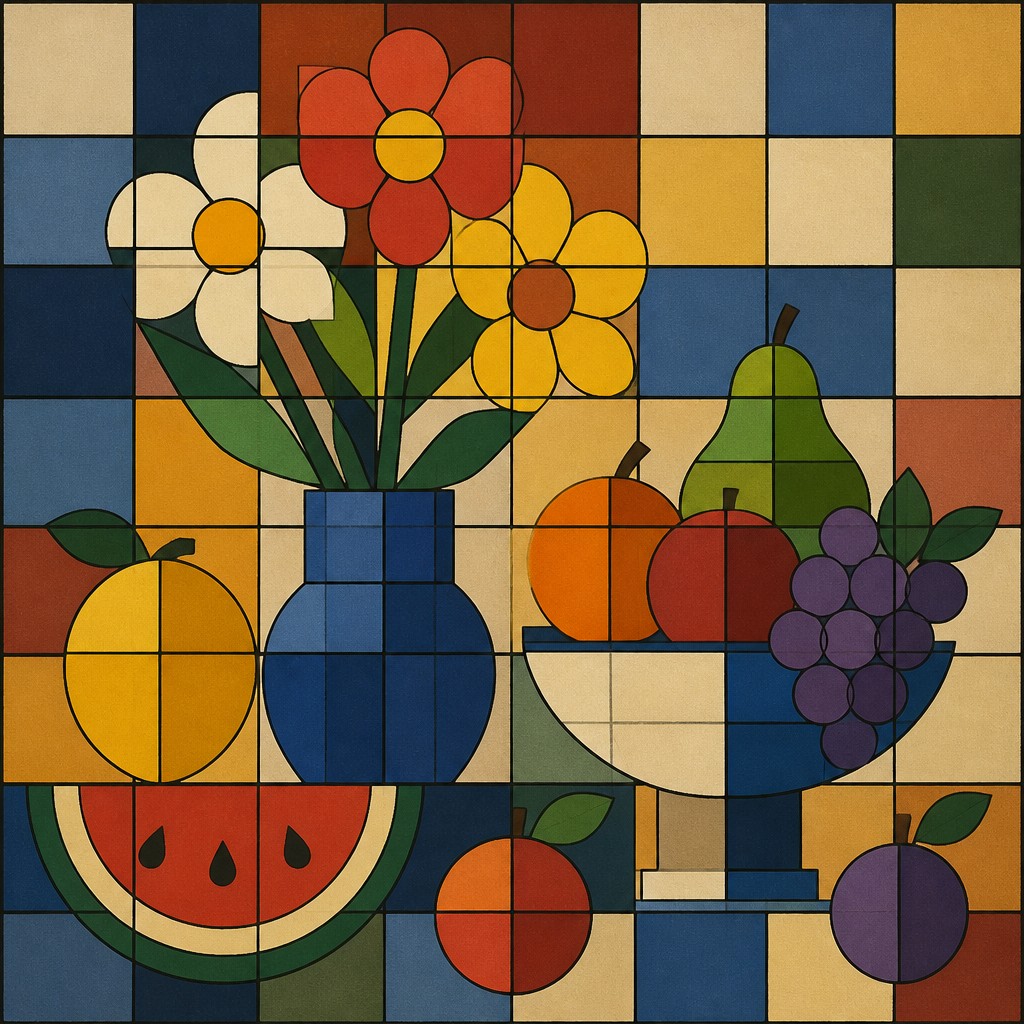
Explore Grid Composition art: modular cells, crisp lines, flat color, and mathematical order applied to paintings, graphics, photos, and digital images.
Instantly rendered in Grid Composition — or transform a photo
Grid Composition Gallery
Tap any artwork to explore it
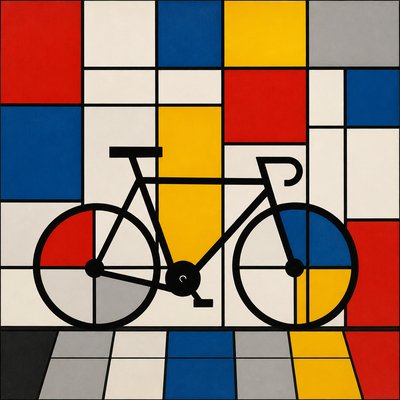
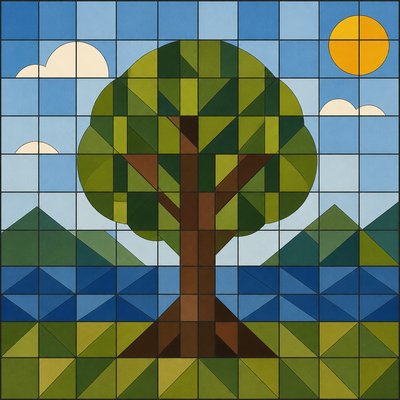
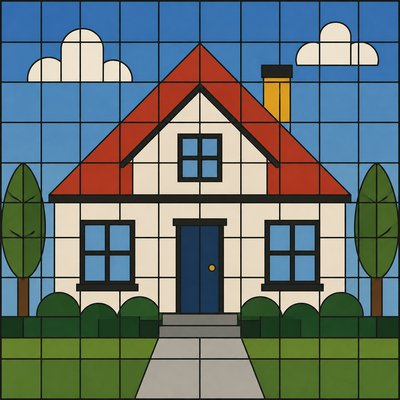
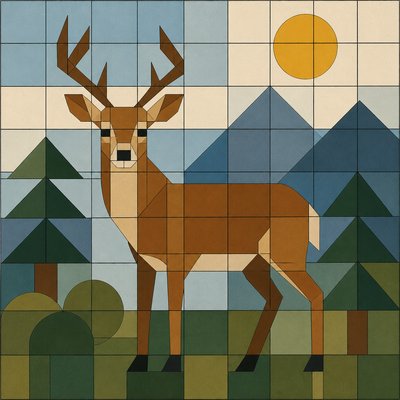
What is Grid Composition Art Style?
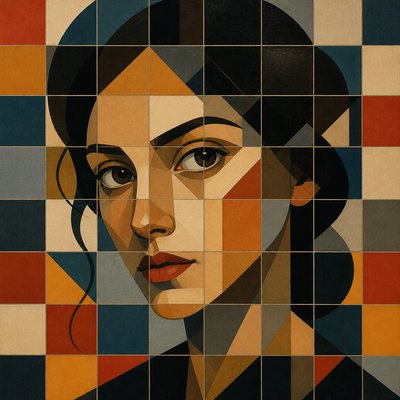
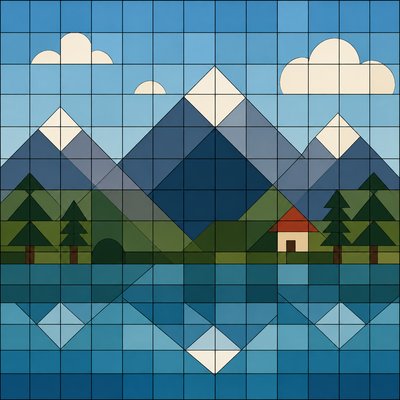
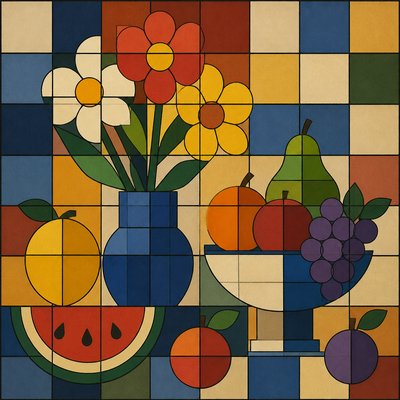
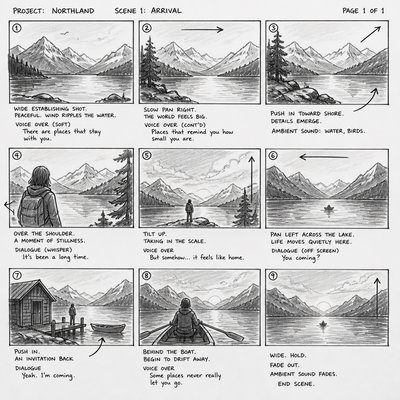
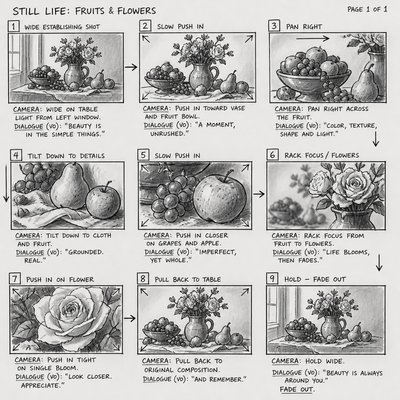
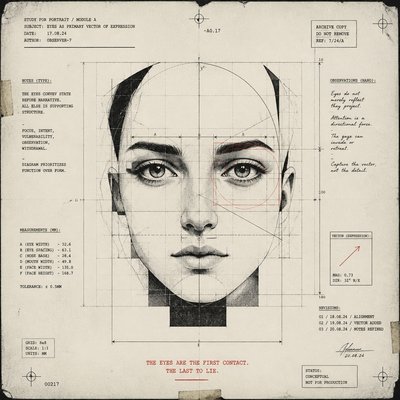
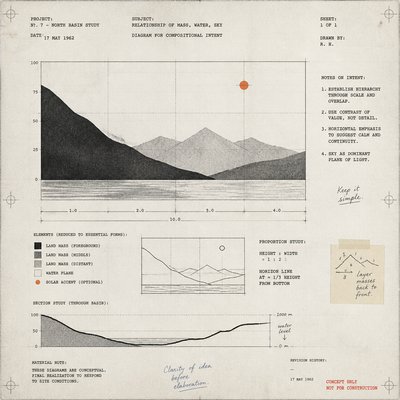
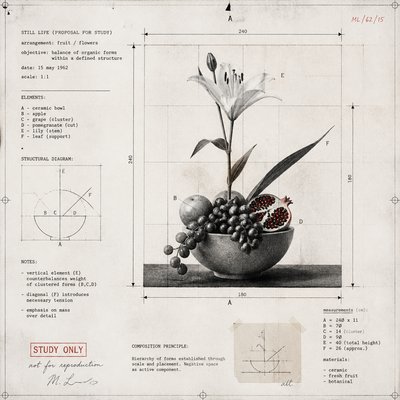
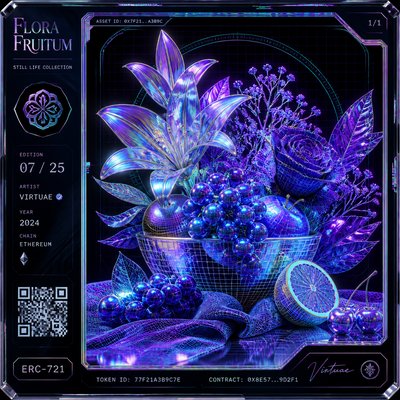
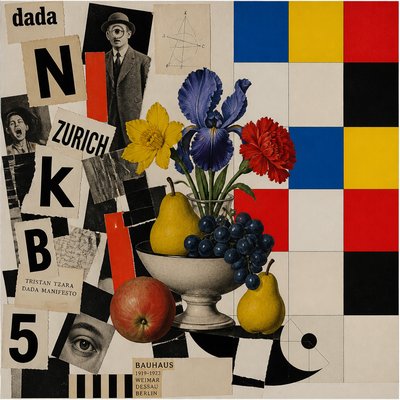
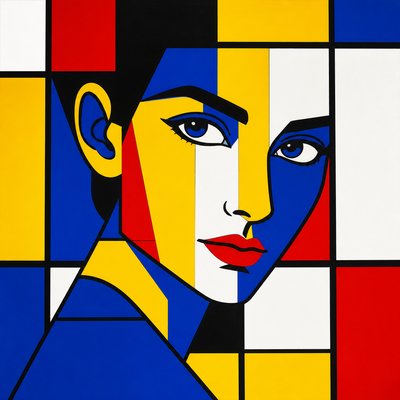
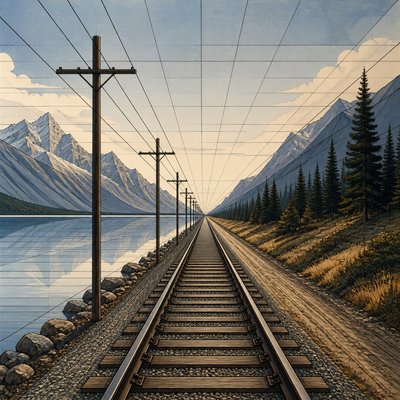
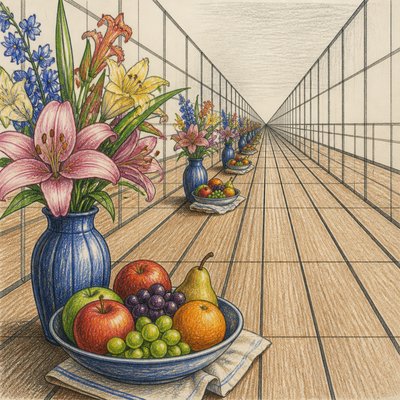
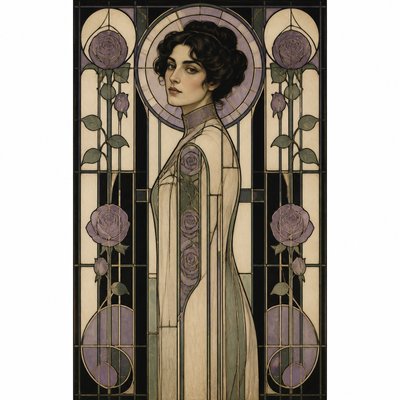
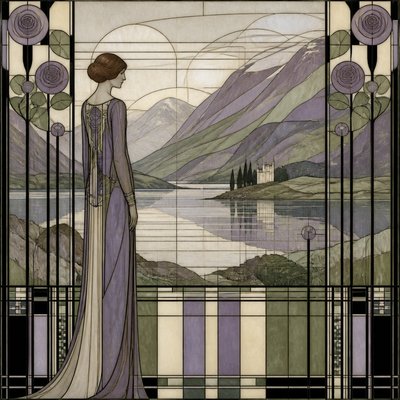
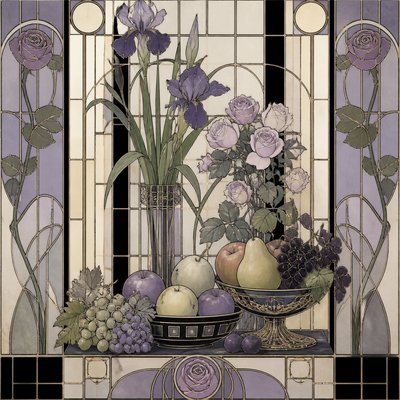
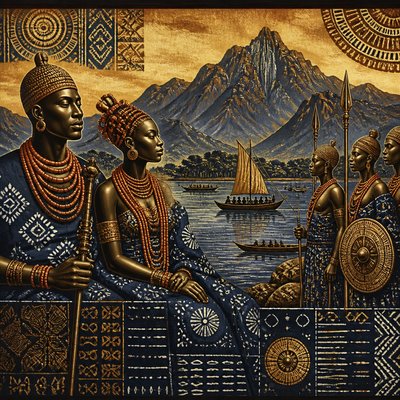
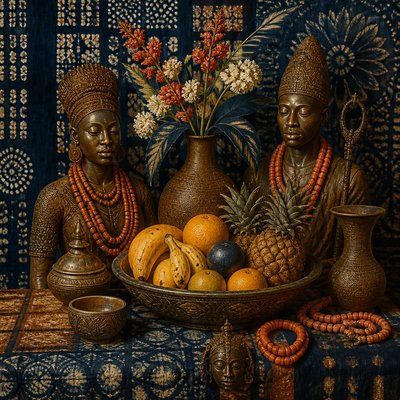
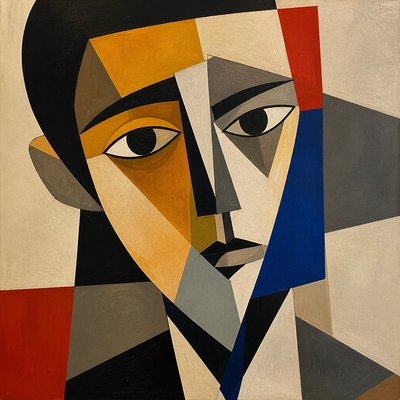
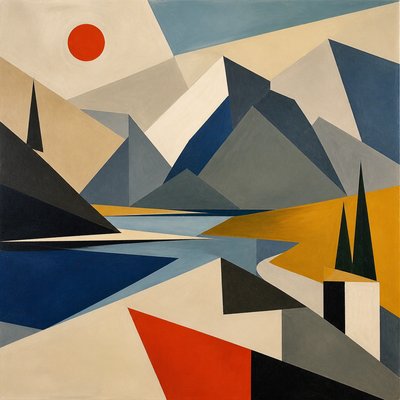
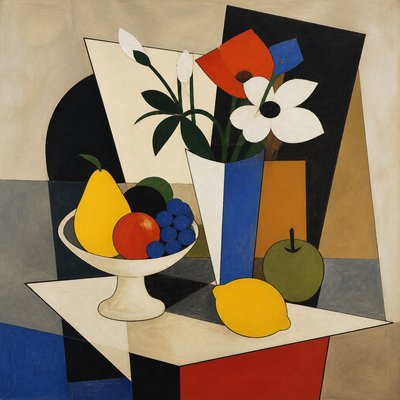
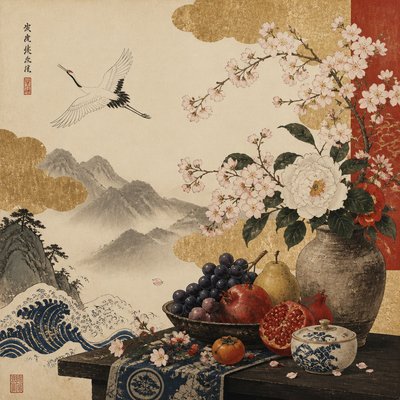
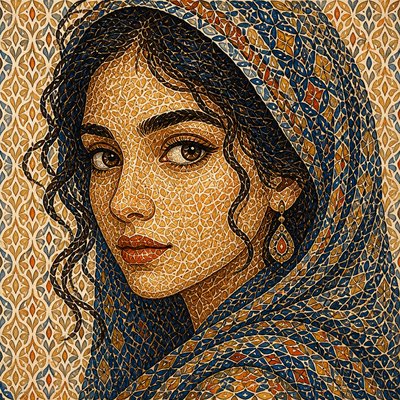
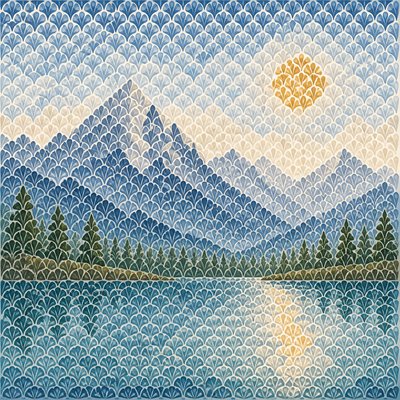
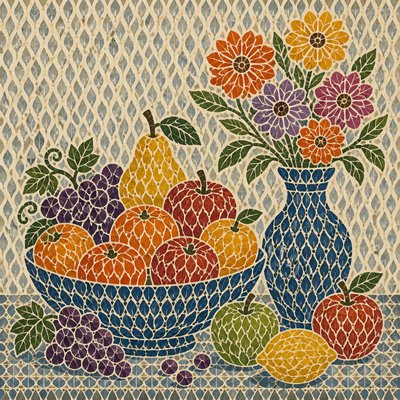
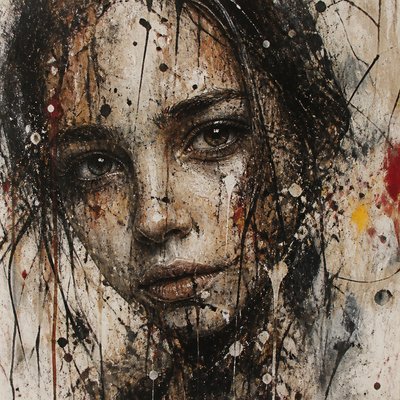
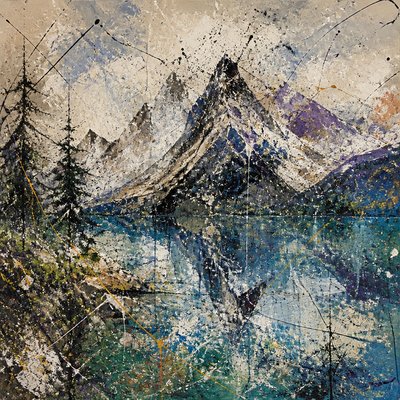
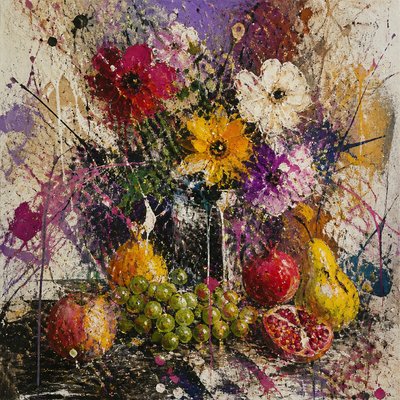
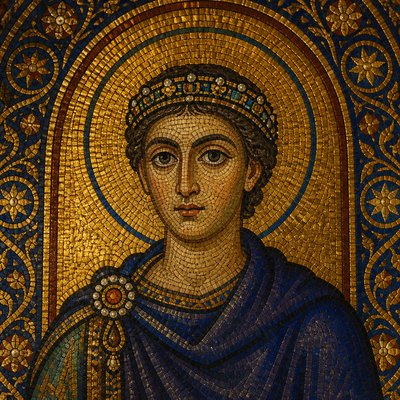
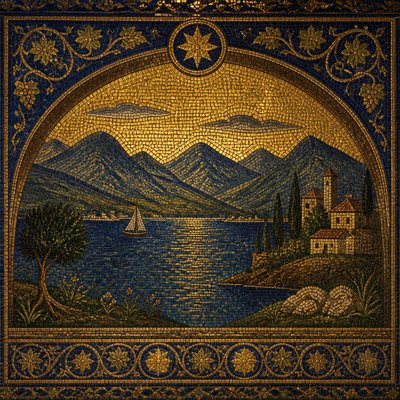
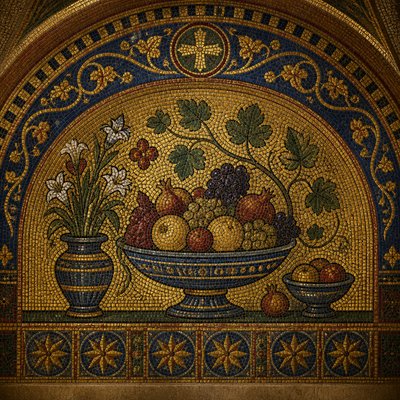
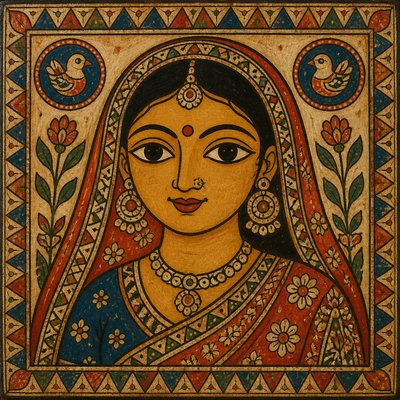
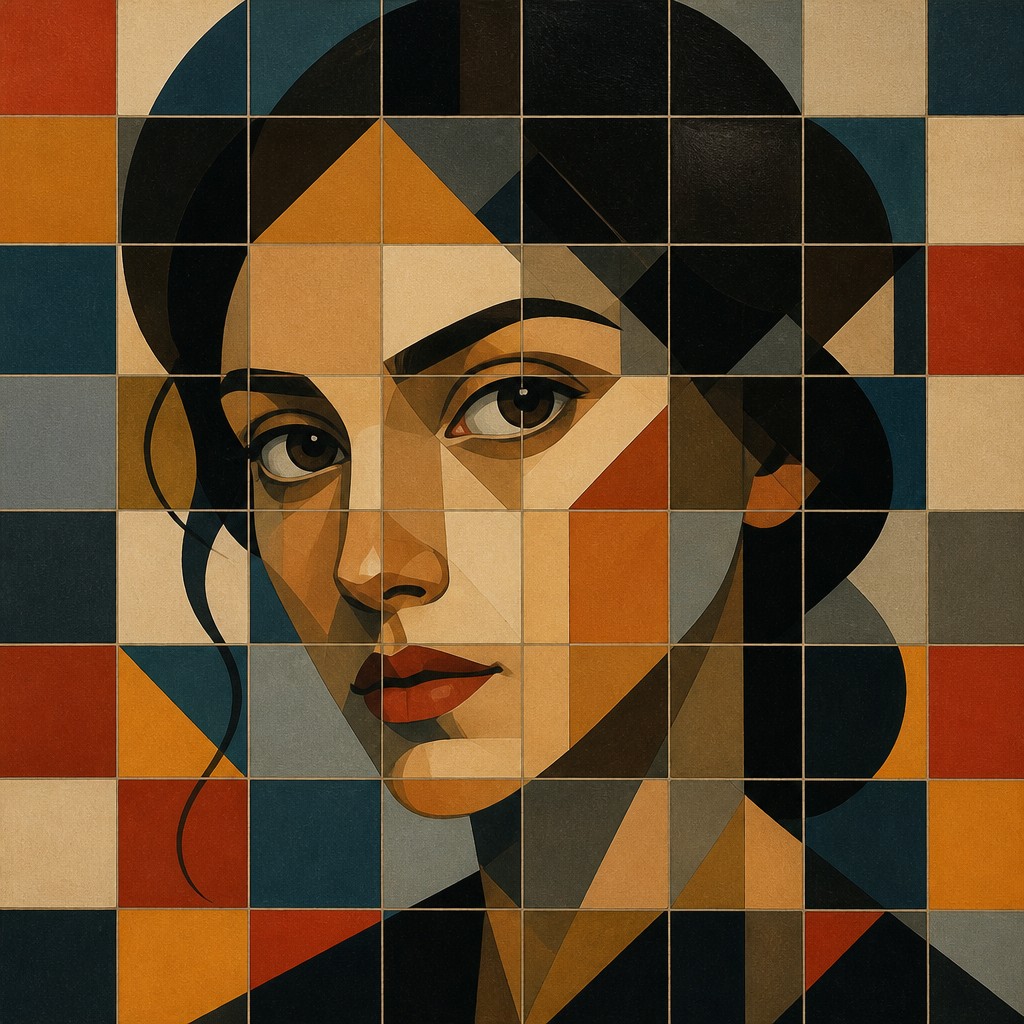
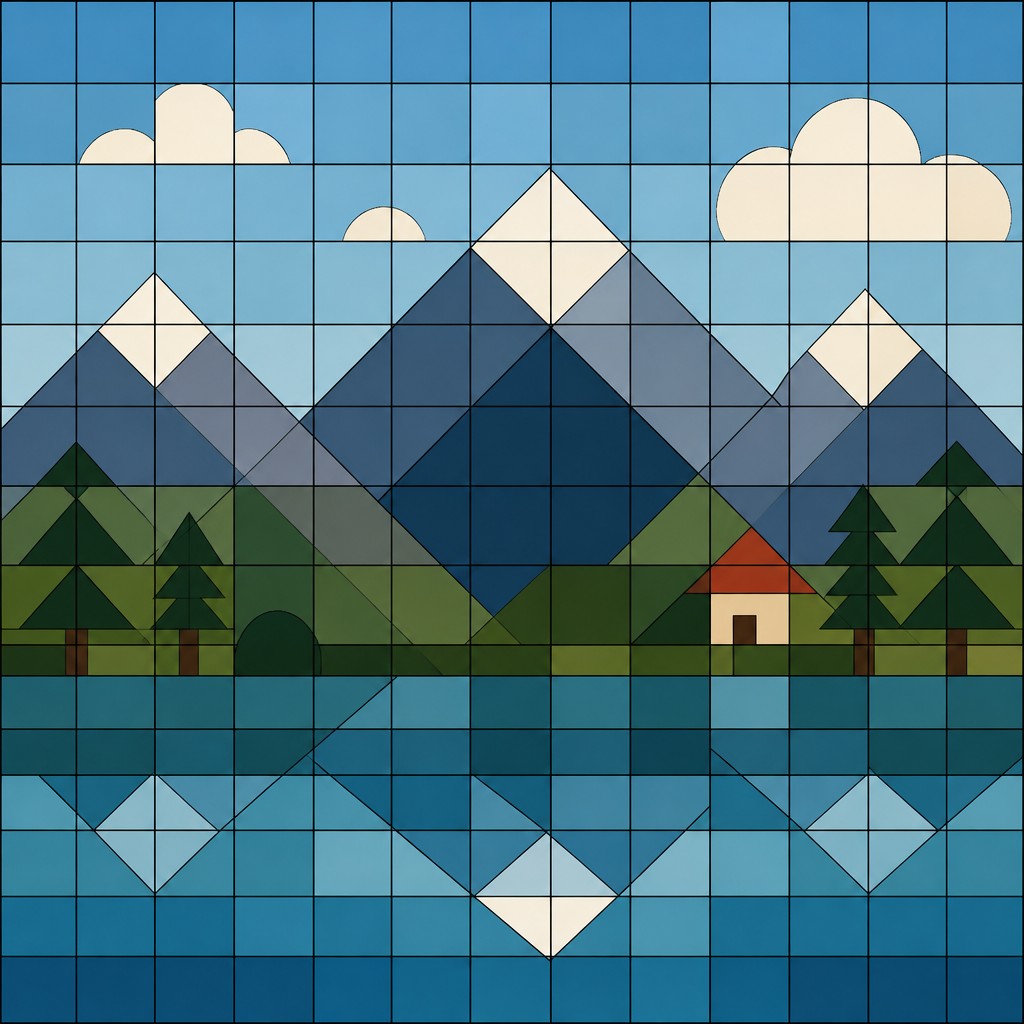
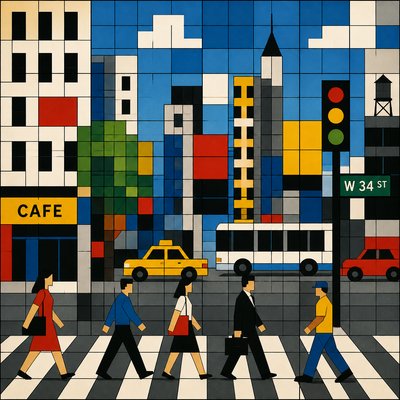
Grid Composition Art Style is a structured visual language in which the canvas is divided into clearly legible modular cells. Evenly spaced horizontal and vertical lines establish an organizing framework, while repeated geometric units contain flat areas of color, symbols, simplified forms, or fragments of imagery. The grid remains visible rather than serving only as a hidden guide.
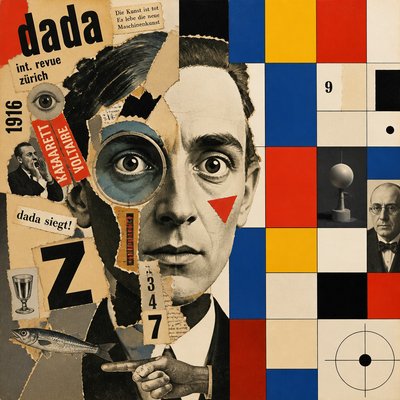
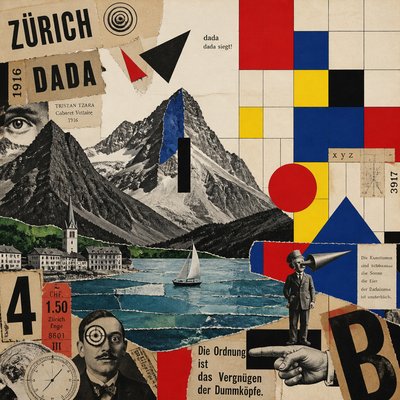
The style looks orderly because every element appears to occupy a deliberate position within a larger system. Repetition creates rhythm, while variation in color, scale, density, and internal content prevents the composition from becoming mechanically uniform. The result can be purely abstract or can translate a recognizable subject into an architectural arrangement of panels and cells.
Try It On Your Photos
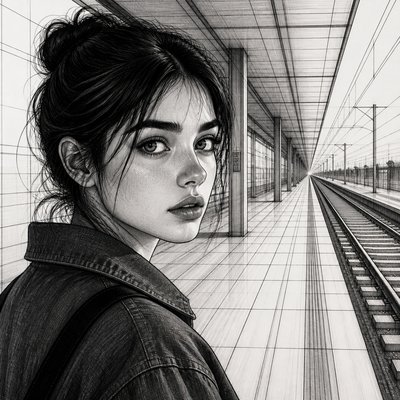
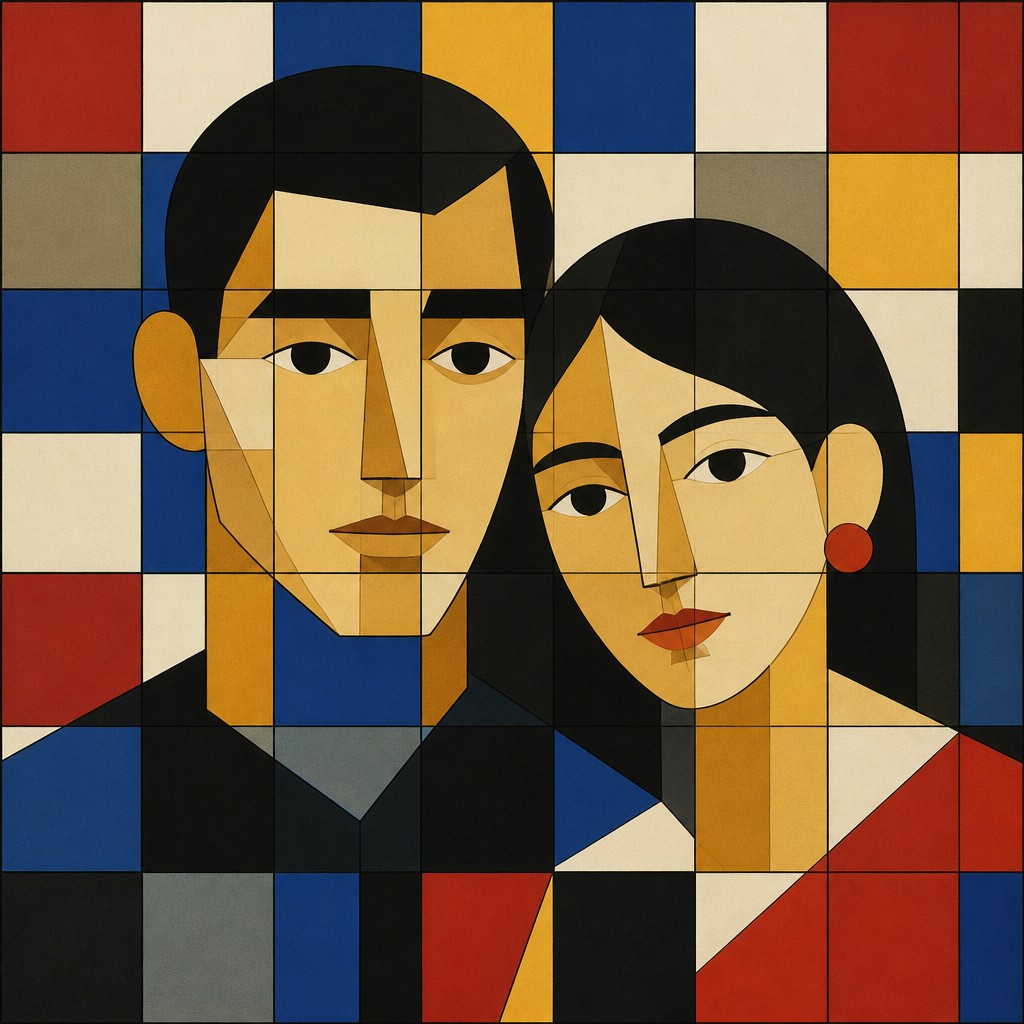
Upload any photo and convert it into Grid Composition Art Style — drag the sliders to compare before and after.


What Defines Grid Composition Art Style
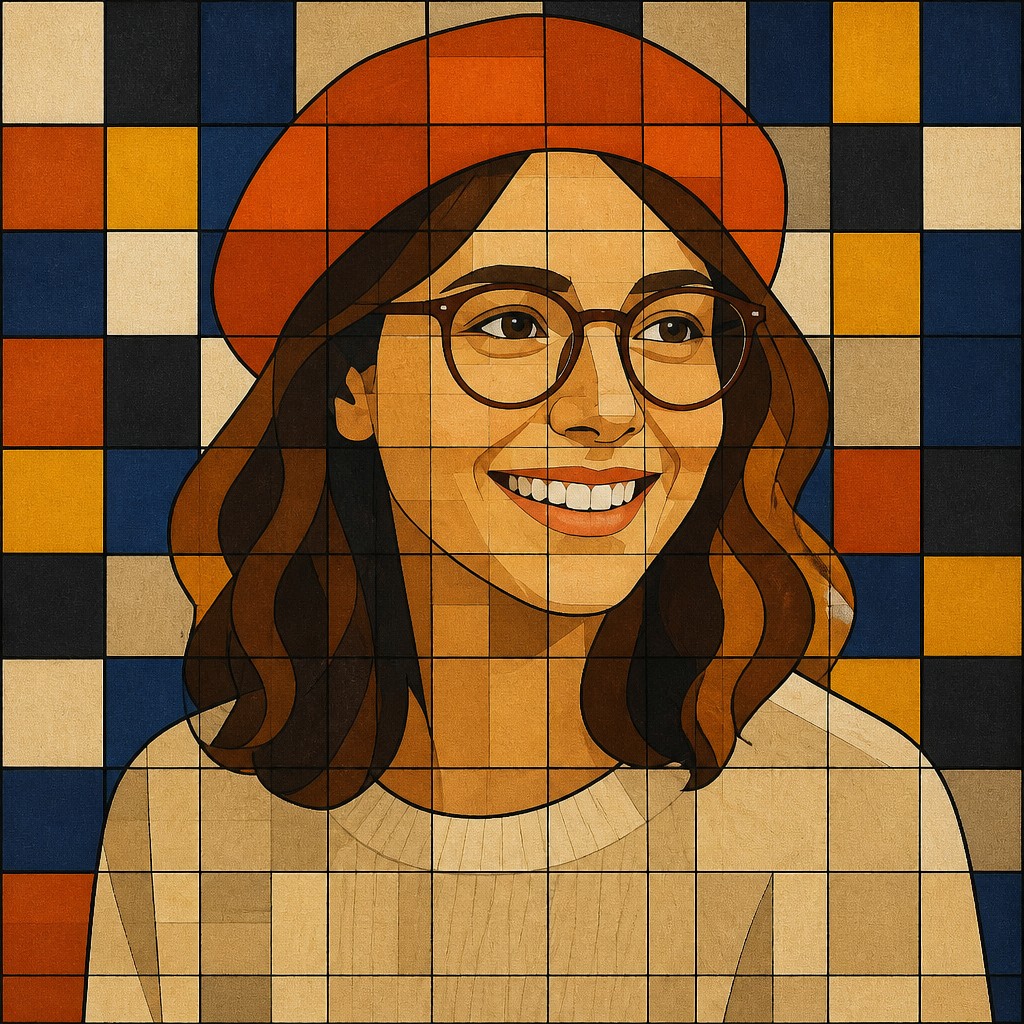
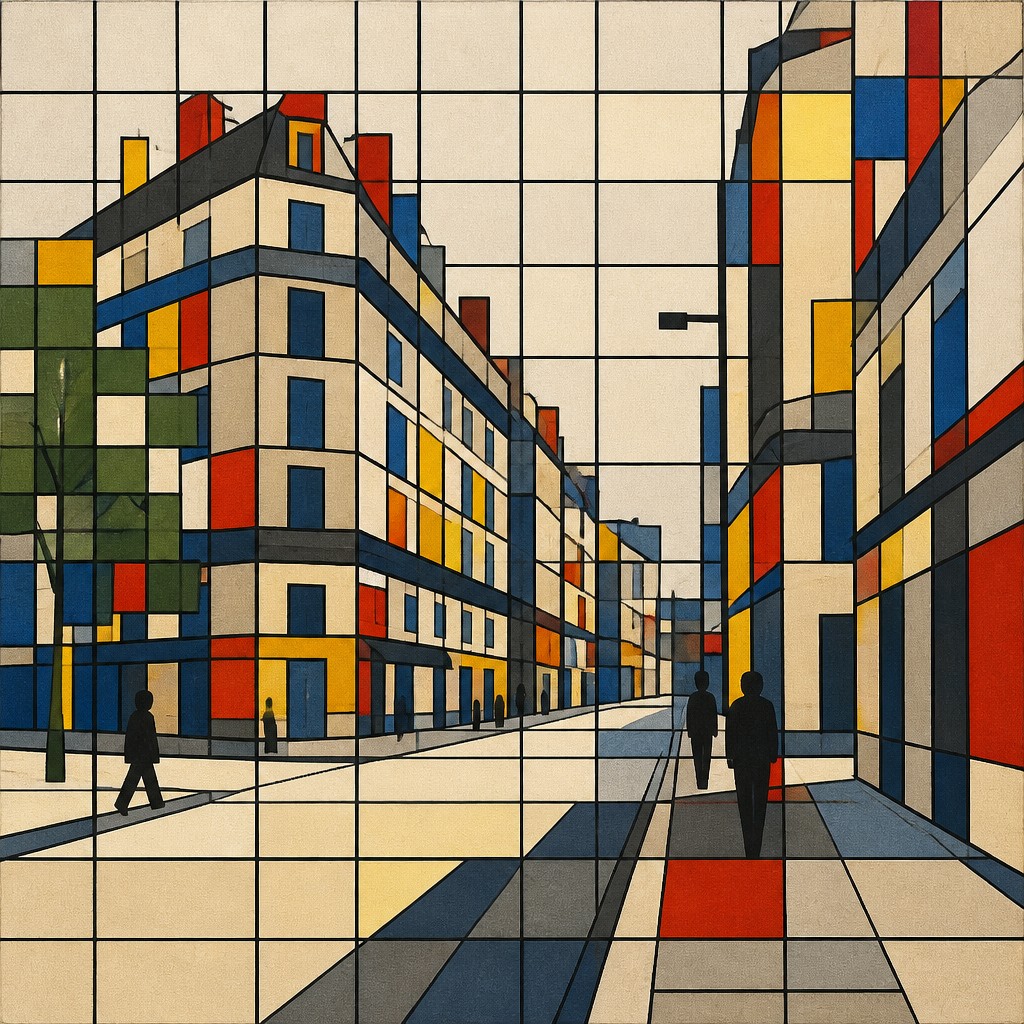
The signature details, up close
Visible modular framework
The surface is divided into regular cells by clean horizontal and vertical lines. The framework is usually explicit and remains an important part of the image rather than disappearing beneath the subject.
Geometric repetition
Squares, rectangles, bands, and other repeated units establish a steady visual rhythm. Repetition may be exact or may shift gradually through color, scale, orientation, or internal detail.
Flat color fields
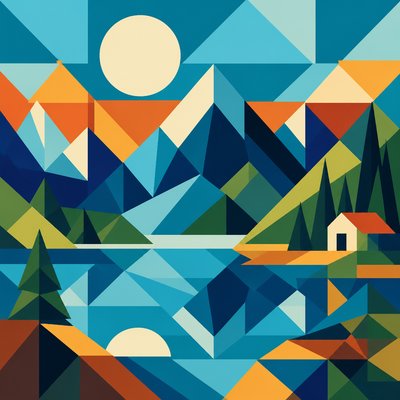
Color is generally applied in crisp, relatively uniform areas with limited blending. Strong contrasts, restrained palettes, or carefully sequenced hues help clarify the modular structure.
Mathematical order
Alignment, spacing, proportion, and recurrence govern the placement of forms. Even when the image depicts an organic subject, its features are translated into an ordered system of measurable relationships.
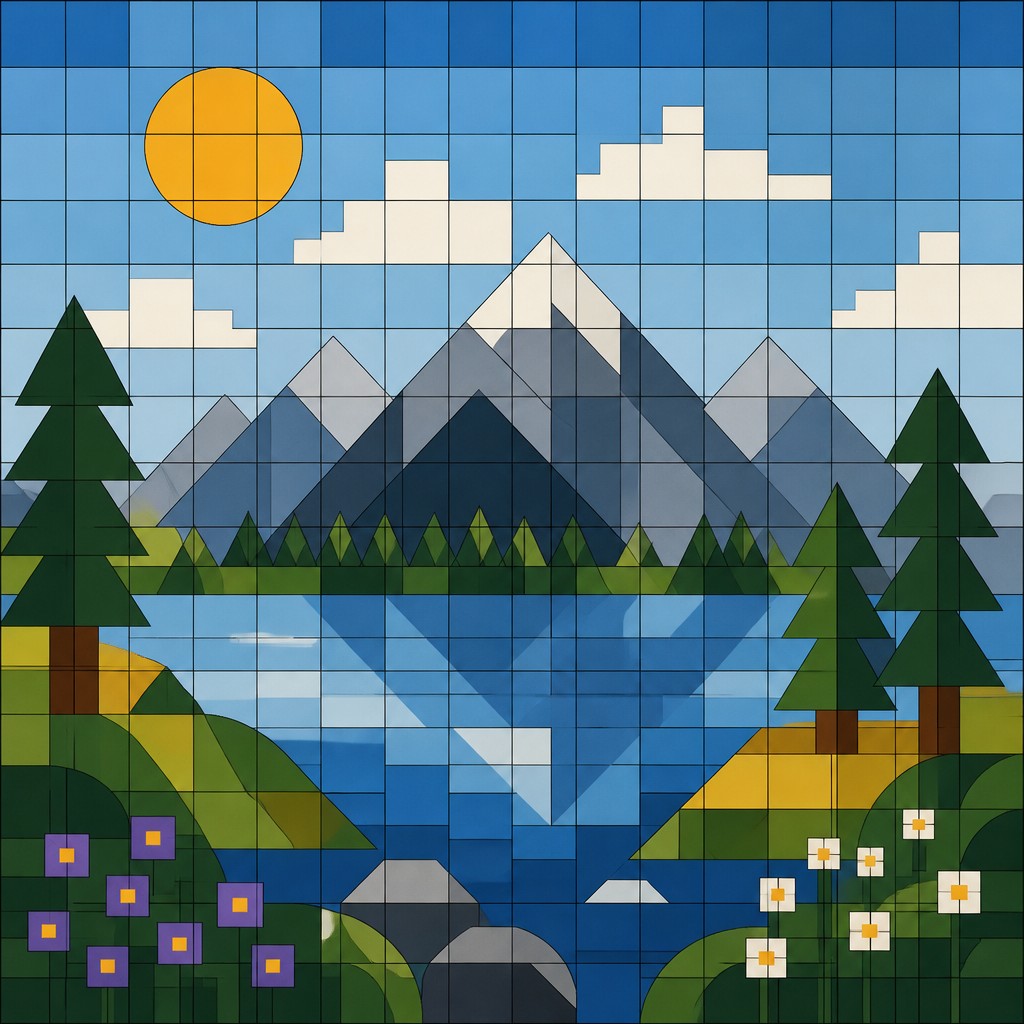
Crisp divisions
Edges are sharp and boundaries are easy to read, with little atmospheric softness or accidental overlap. Line weight and cell spacing are often kept consistent across the composition.
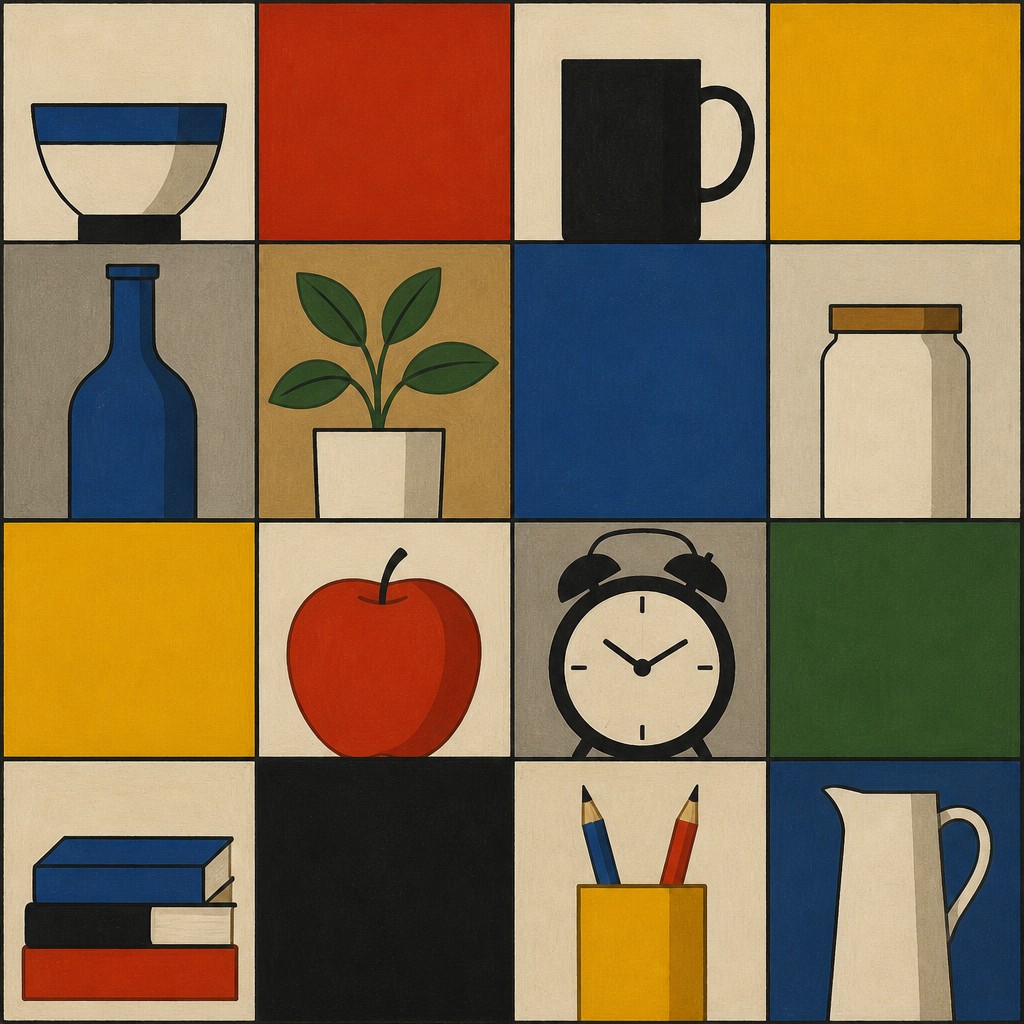
Balanced asymmetry
The underlying grid provides stability while selected cells can carry contrasting colors, empty space, symbols, or irregular forms. This produces tension and movement without abandoning structural control.
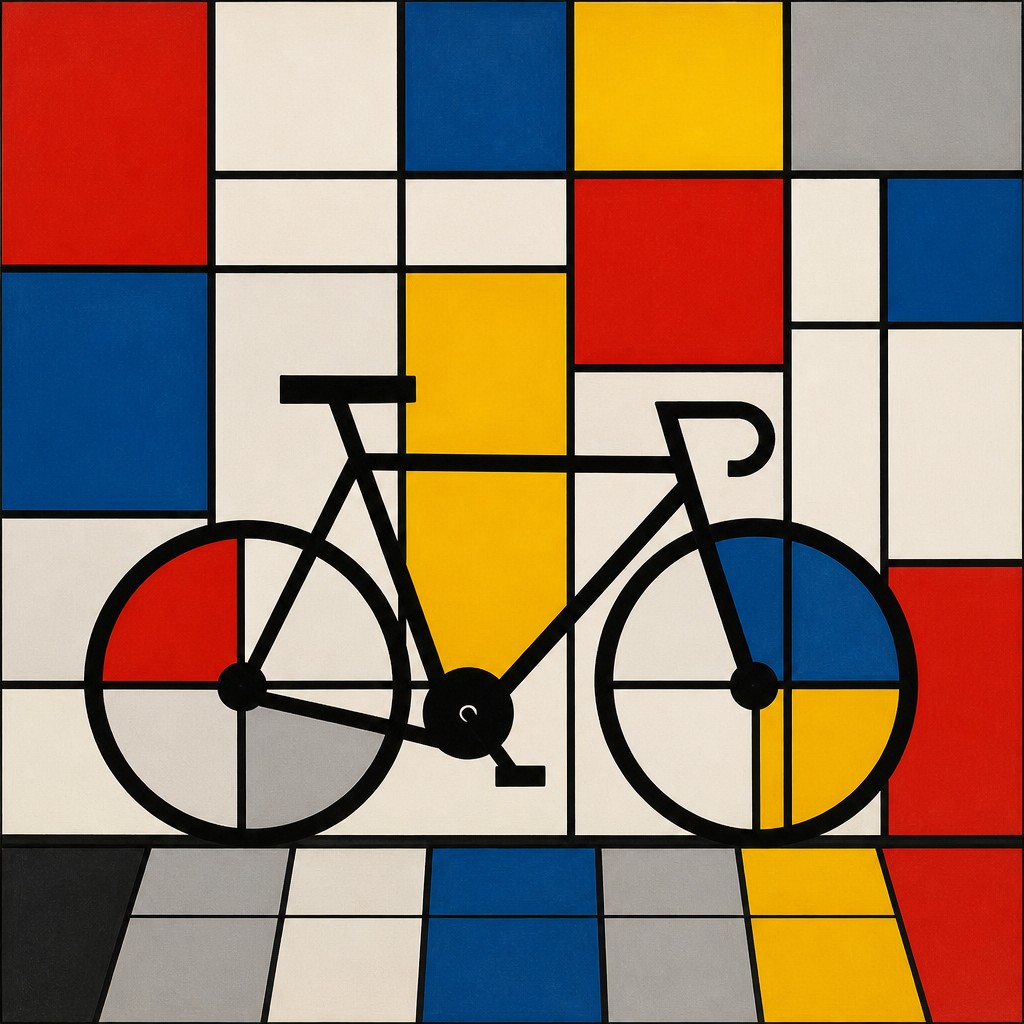
Subject fragmentation
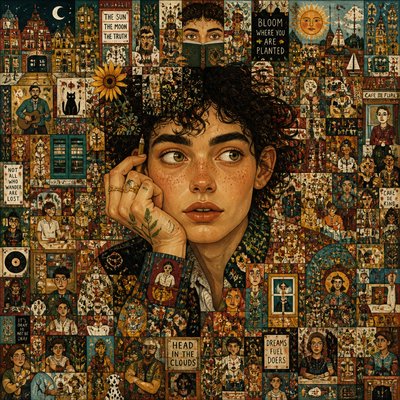
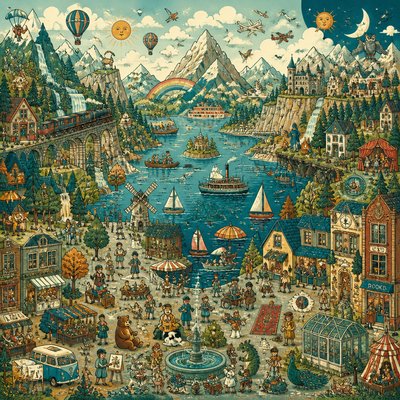
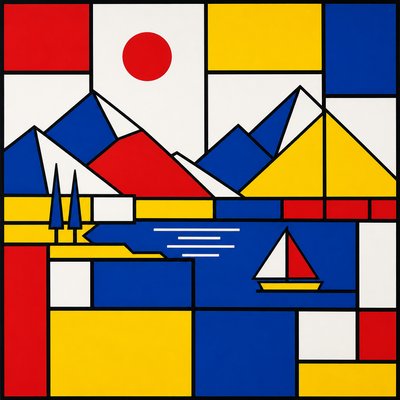
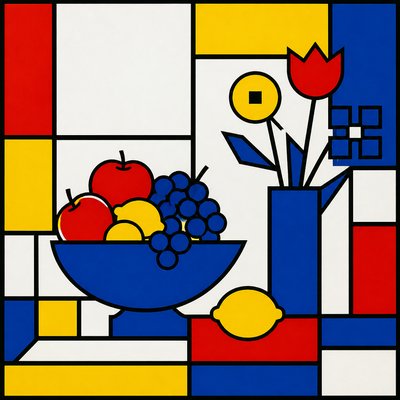
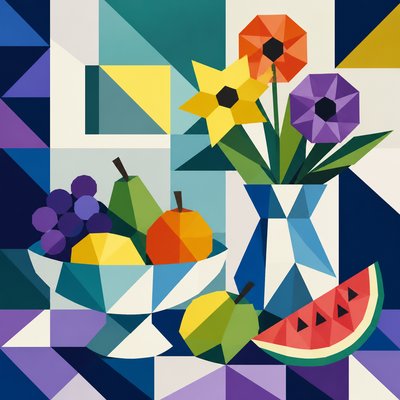
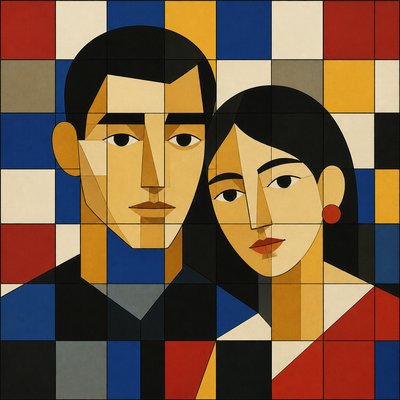
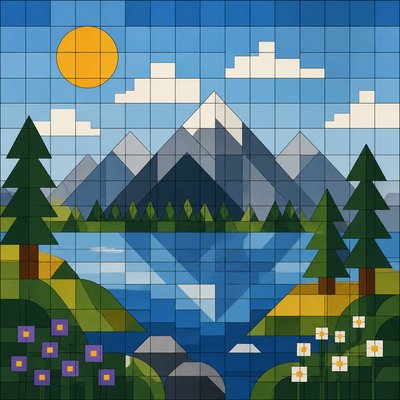
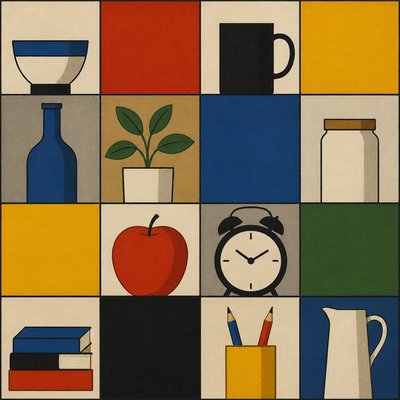
Portraits, landscapes, objects, and scenes may be broken into panels or simplified into cell-sized signs. Recognition comes from the distribution of shapes and colors across the grid rather than from continuous modeling.
Grid Composition Prompt Ideas
Start from an idea — each one opens the generator with the style ready to go. See all 40 Grid Composition prompts →
How to Create Grid Composition Art
Master the craft step by step — or skip straight to creating. Read the full guide →
- 1
Build the underlying grid
Begin with a square or rectangular matrix and decide the number of rows, columns, margins, and line weights before adding imagery. In traditional work, use a ruler, set square, masking tape, or lightly drawn construction lines.
- 2
Assign a visual hierarchy
Reserve dominant colors or larger forms for focal zones, then distribute secondary accents through neighboring cells. A consistent module size keeps the image coherent while controlled interruptions create emphasis.
- 3
Use flat, deliberate surfaces
Apply opaque paint, ink, colored paper, vector fills, or hard-edged digital brushes. Avoid uncontrolled gradients and painterly edges unless they are intentionally confined to specific cells.
- 4
Translate subjects into units
Reduce a subject to silhouettes, symbols, color blocks, and tonal groupings that can fit within the modular structure. Test the composition at a distance so the overall image remains legible despite its fragmentation.
- 5
Refine digitally
Vector software, raster layers, and pattern tools make it easy to duplicate cells, maintain alignment, and vary palette or spacing systematically. Lock guides and use snapping to preserve crisp divisions.
- 6
Write structured generation prompts
For text-to-image creation, specify the subject first, then request an evenly spaced visible grid, repeated geometric cells, flat color, crisp boundaries, and balanced mathematical order. For image transformation, emphasize preserving the subject's silhouette while reorganizing its details into aligned modular panels.
The Story
History & Origins of Grid Composition
Grid Composition Art Style is a contemporary descriptive category rather than a historically codified movement with a single origin. Its aesthetic lineage draws from geometric abstraction, modernist grid systems, modular architecture, pattern traditions, diagrammatic drawing, and the systematic organization of graphic design. It also reflects the influence of digital interfaces, pixel-based imagery, data visualization, and software tools that make repeated structures easy to construct.
Its development can be understood as a synthesis of several twentieth- and twenty-first-century approaches: constructivist geometry, De Stijl-inspired reduction, Bauhaus design principles, optical patterning, and the serial logic of minimal and conceptual art. Contemporary artists and designers use the grid both as a compositional scaffold and as a visible subject, adapting it to posters, murals, illustrations, motion graphics, photography, and generative image-making.
Influences: The style is related to geometric abstraction, Constructivism, De Stijl, Bauhaus design, Op art, minimalism, serial art, and contemporary information graphics. It also draws on modular architecture, tile and mosaic traditions, pixel art, cartographic diagrams, interface design, and repeated geometric patterns found across many cultural traditions. Unlike a single historical movement, it combines these sources through an explicitly visible grid and a contemporary emphasis on systematic variation.
Frequently Asked Questions
What defines Grid Composition Art Style?
Its defining feature is a visible, regular grid that divides the canvas into modular cells. Repeated geometric units, flat color, crisp edges, and deliberate alignment create an ordered rhythm, while controlled variations keep the image visually active.
Is Grid Composition Art Style a historical art movement?
No. The term is best understood as a contemporary descriptive style rather than a formally established movement with a fixed period or manifesto. It synthesizes ideas from geometric abstraction, modernist design, modular architecture, pixel imagery, and digital composition.
How does it differ from a normal grid used in drawing?
A conventional drawing grid is often a temporary measuring aid that disappears from the finished work. In Grid Composition Art Style, the grid is deliberately visible and functions as both structure and subject, shaping the appearance of every color field and form.
Can this style include recognizable subjects?
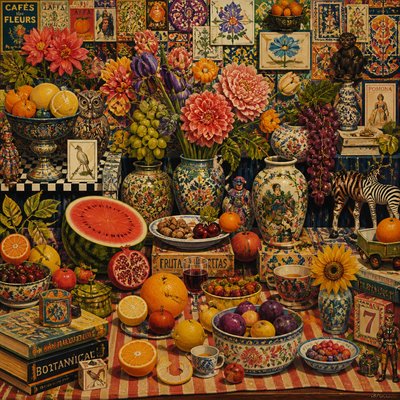
Yes. Landscapes, portraits, buildings, animals, and still-life objects can all be represented through simplified cells. Recognition depends on the arrangement of silhouettes, colors, and tonal patterns across the grid rather than on continuous realistic modeling.
What materials work well for creating it?
Suitable materials include acrylic or gouache, ink, collage, screen printing, colored paper, and hard-edged digital vector or raster tools. Rulers, masking tape, snapping guides, and duplicated modules help maintain consistent spacing and sharp boundaries.
How should I prompt for an image in this style?
Describe the subject, then specify a visible evenly spaced grid, modular cells, repeated geometric units, flat colors, crisp divisions, and mathematical balance. Mention whether the composition should be symmetrical, asymmetrical, monochrome, or built from a particular palette.
Create your first Grid Composition artwork
Describe anything — or upload a photo — and see it in Grid Composition Art Style in seconds.
Related Styles
Discover similar art styles