Art Brut Style
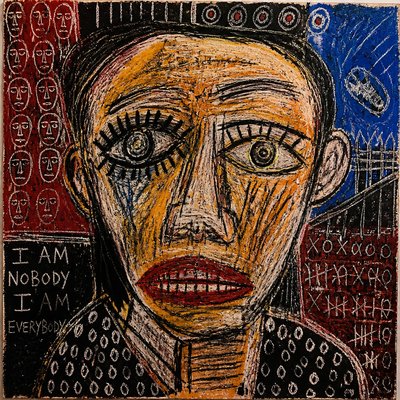
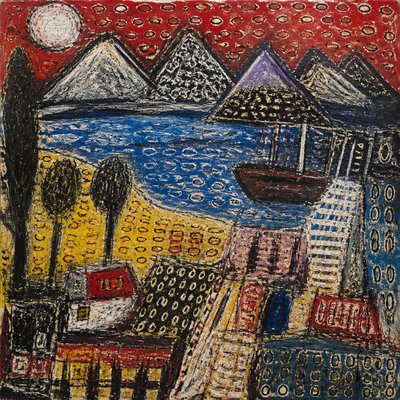
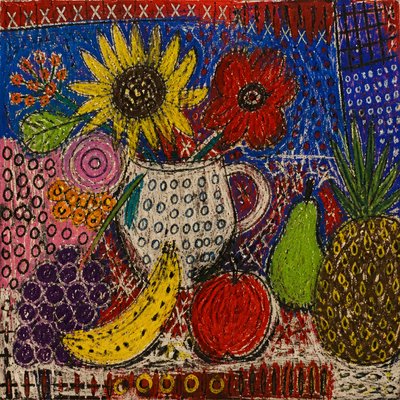
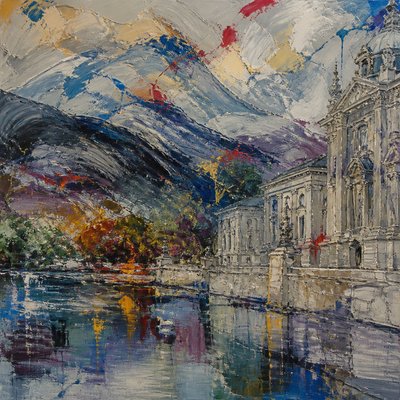
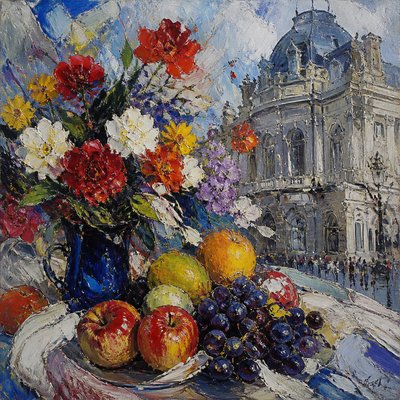
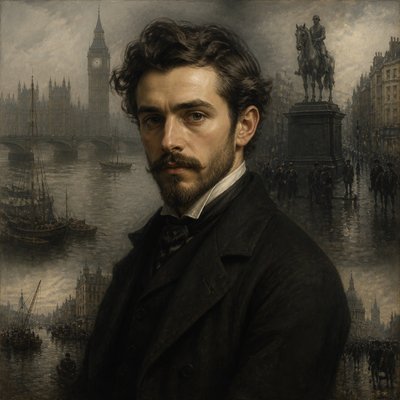
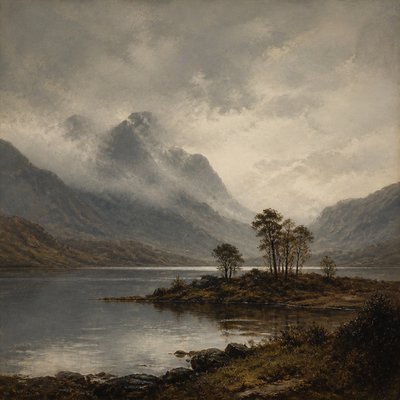
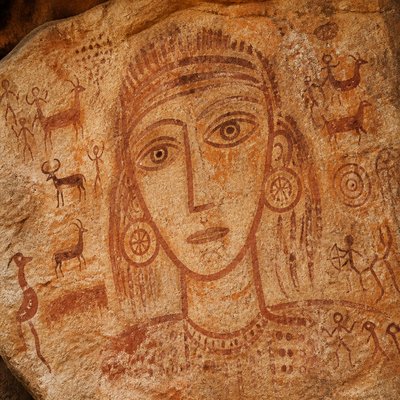
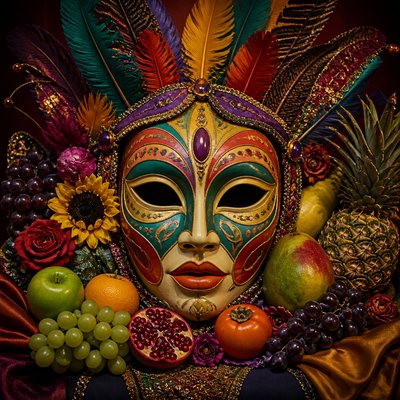
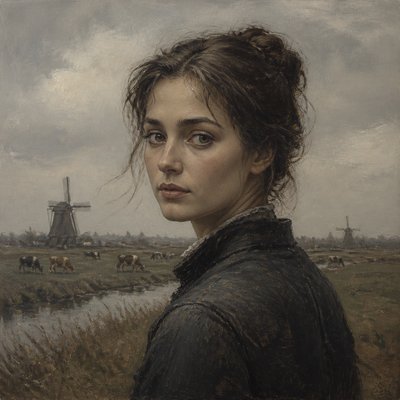
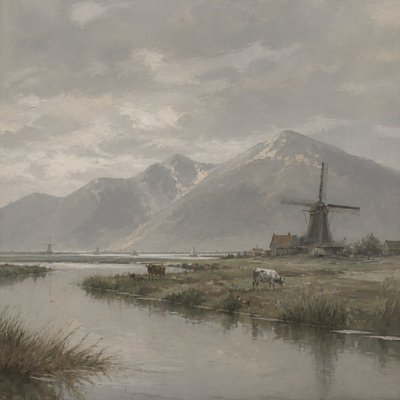
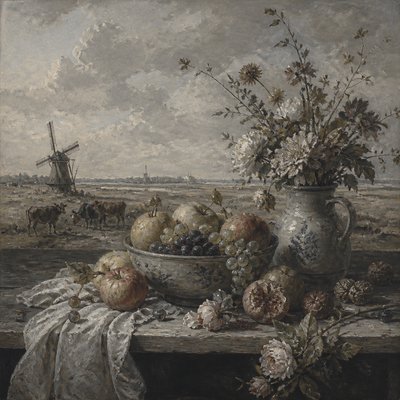
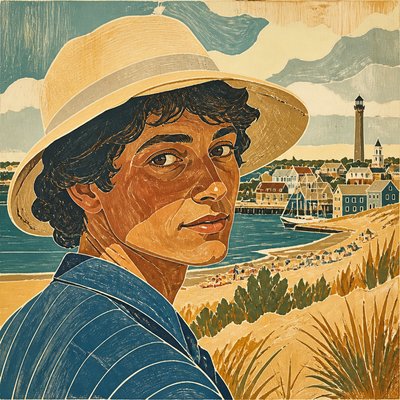
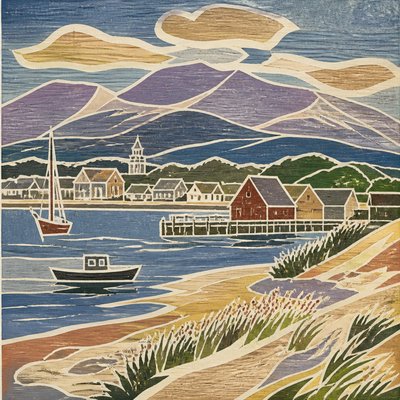
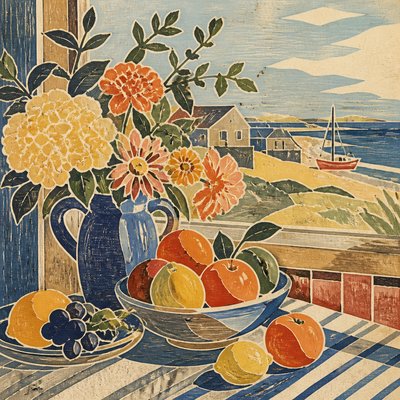
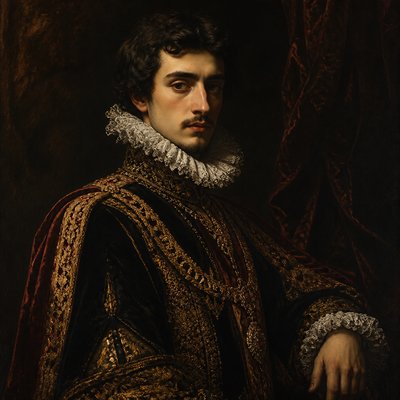
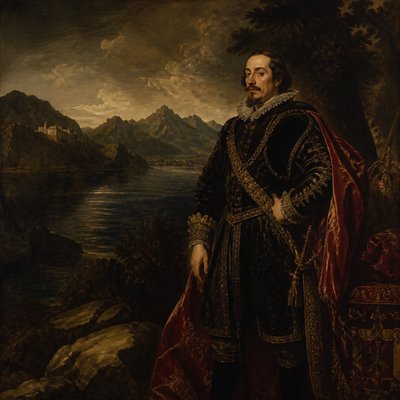
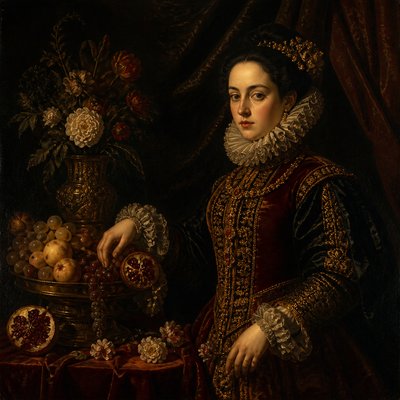
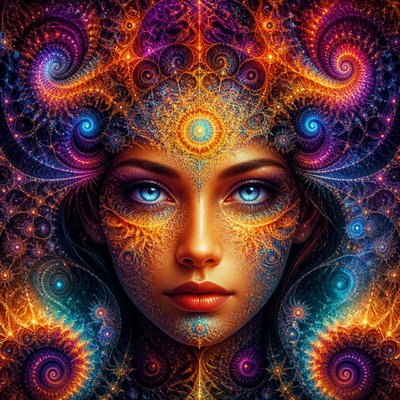
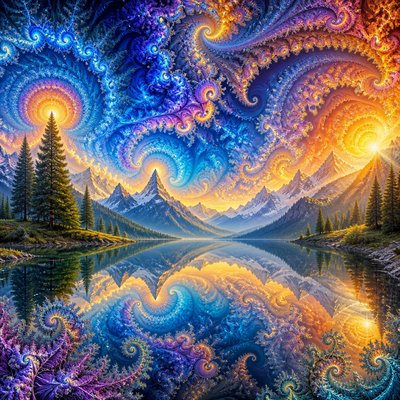
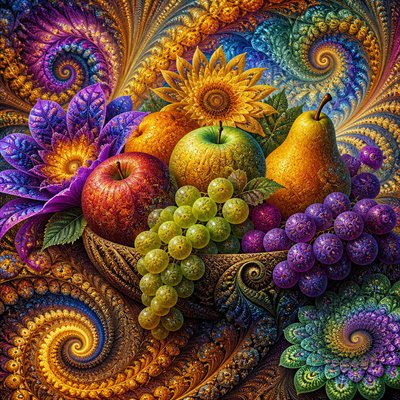
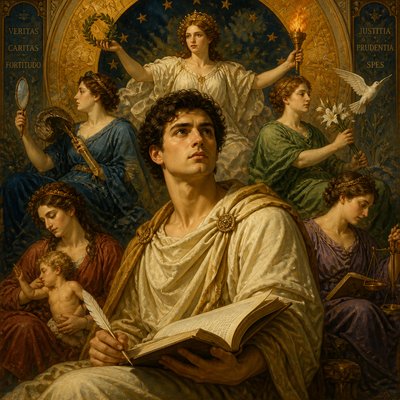
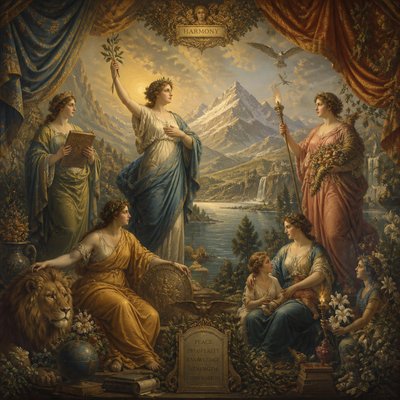
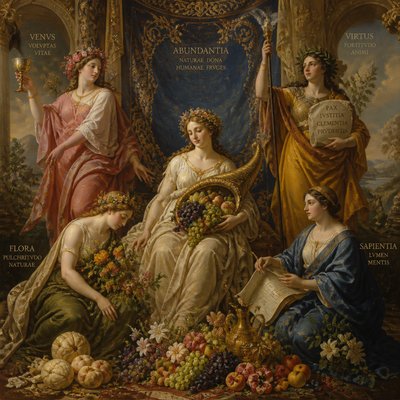
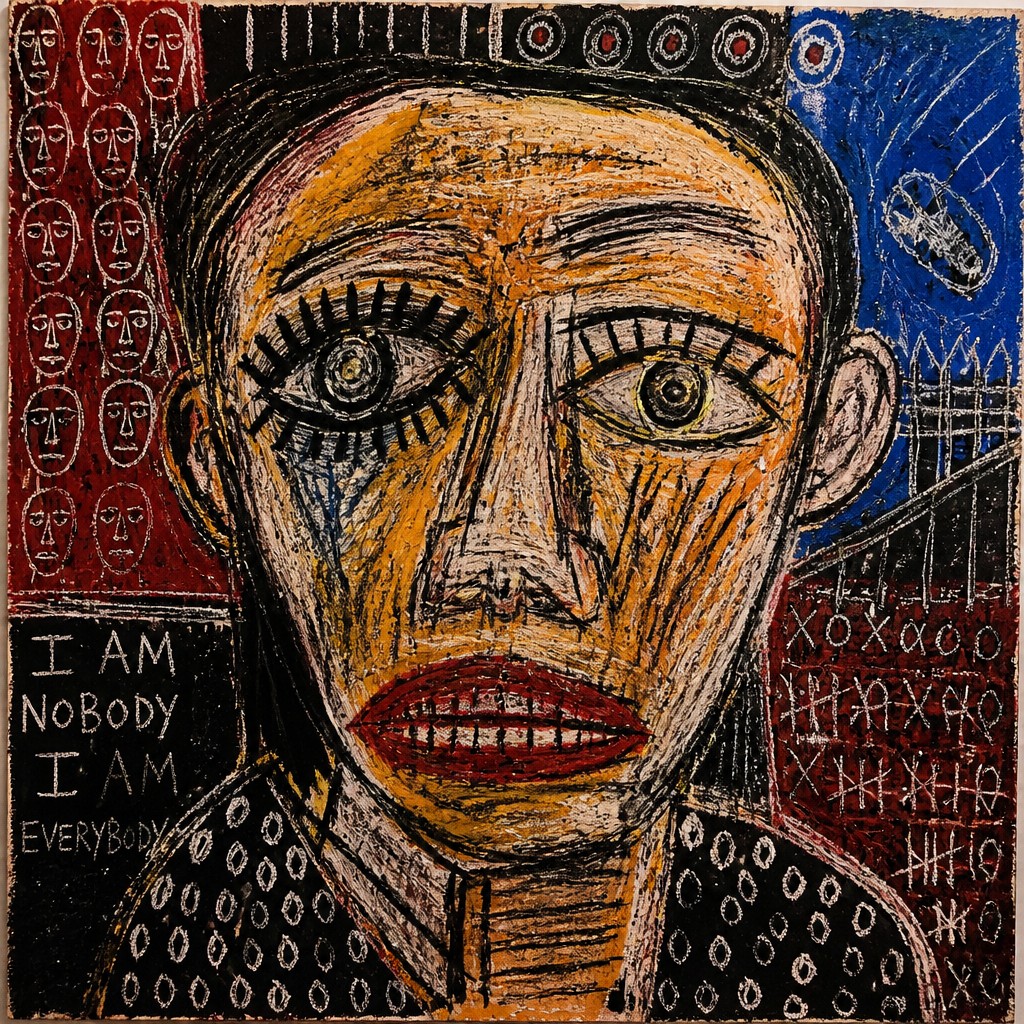
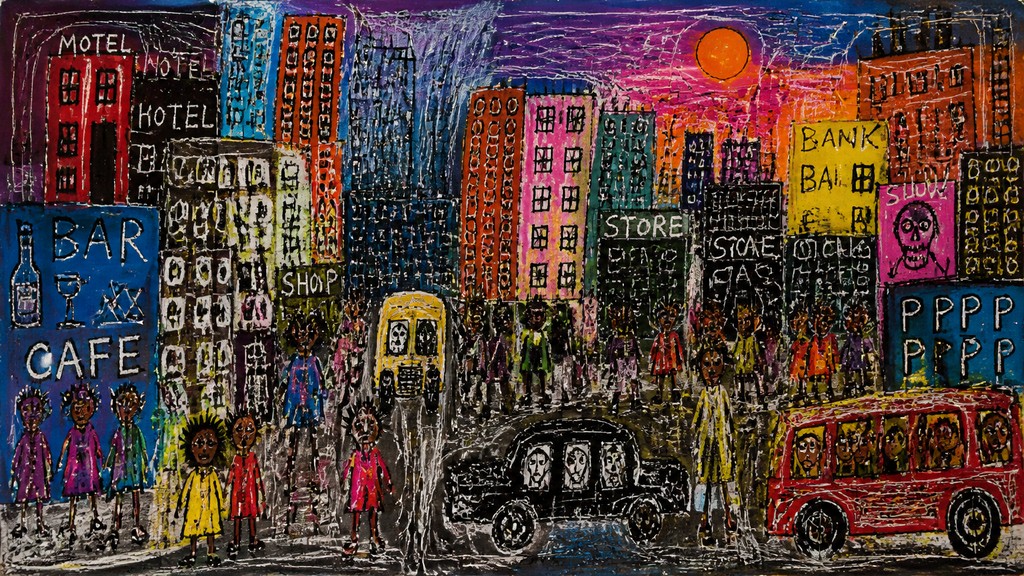
Art Brut: raw outsider art with instinctive marks, obsessive patterns, crude color, and handmade textures outside academic tradition.
Instantly rendered in Art Brut — or transform a photo
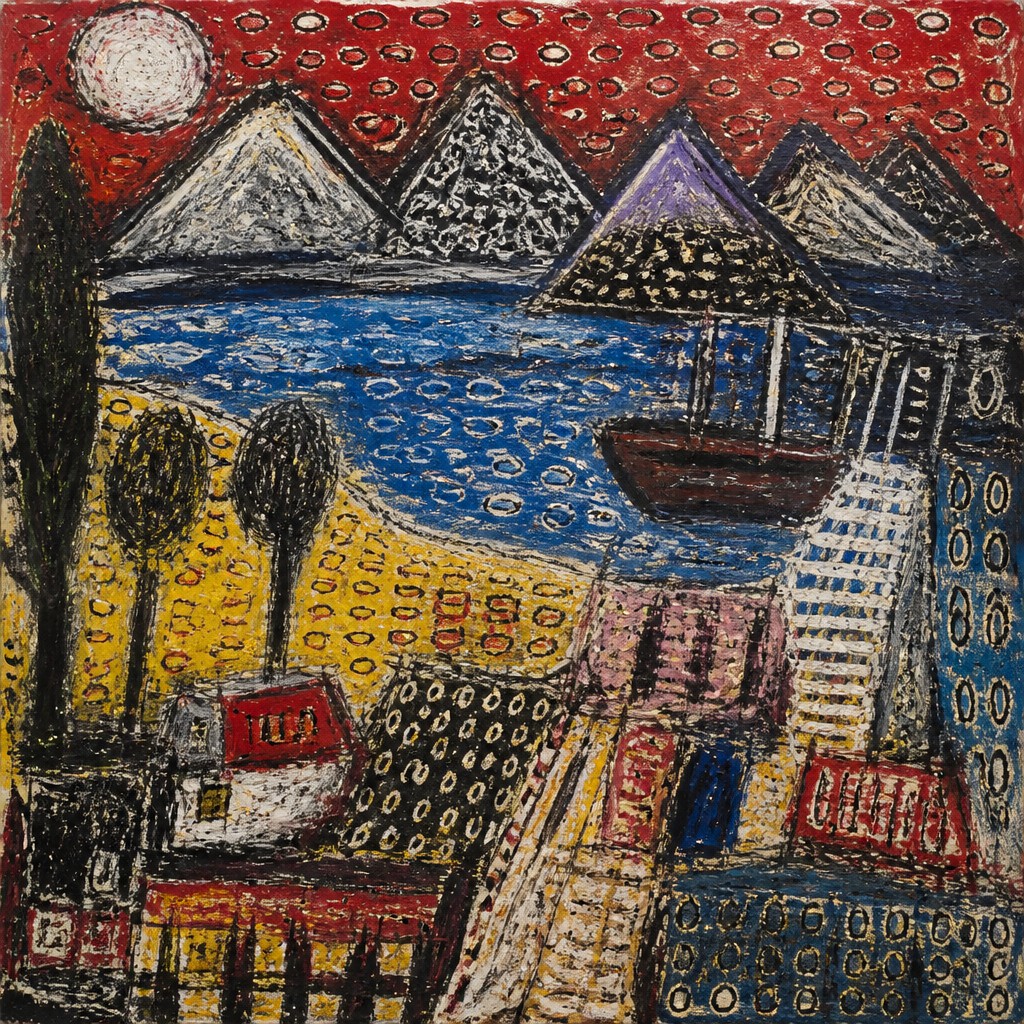
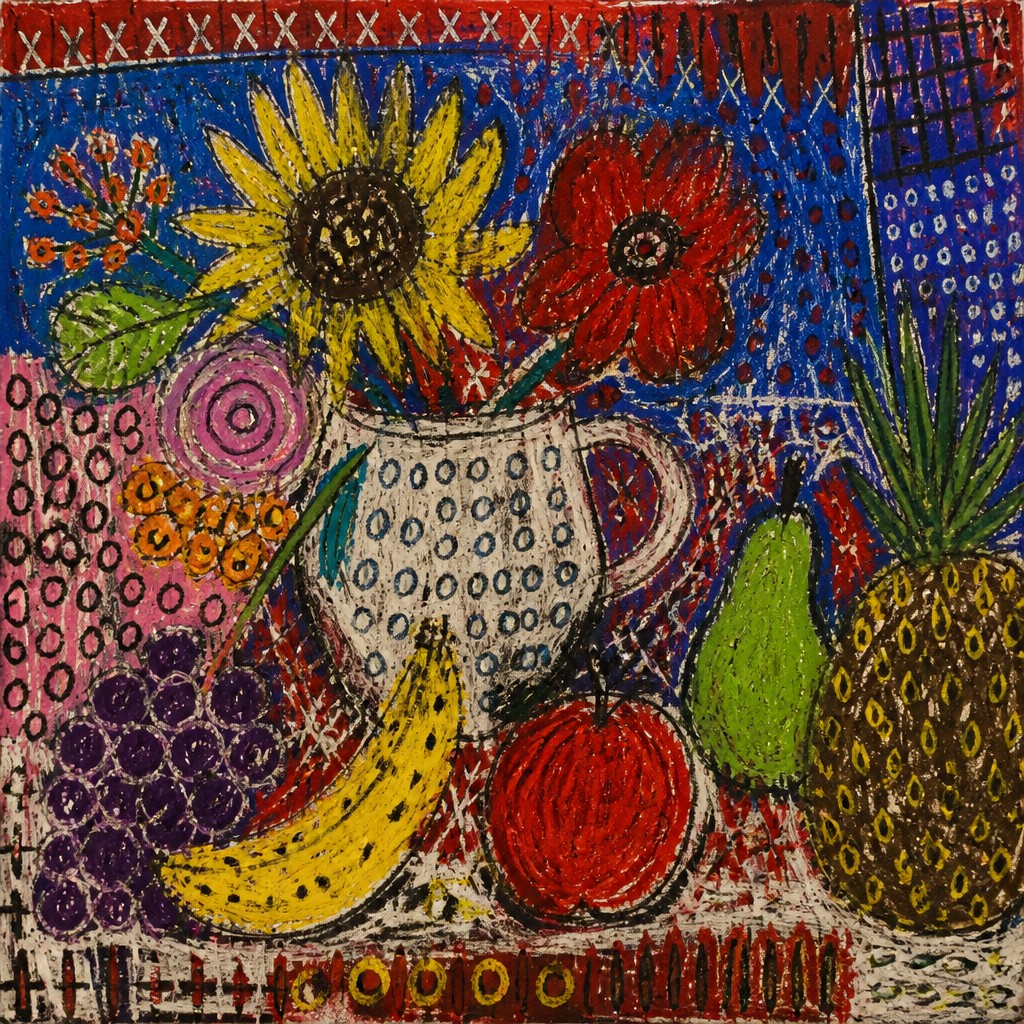
Art Brut Gallery
Tap any artwork to explore it
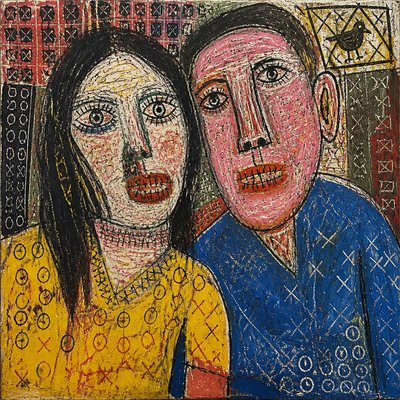
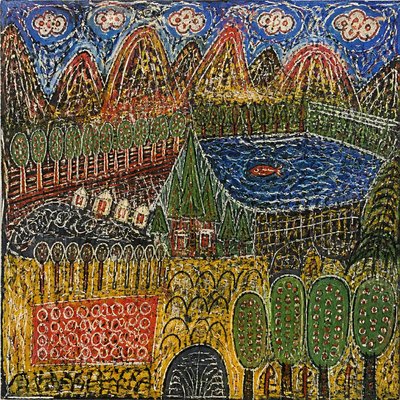
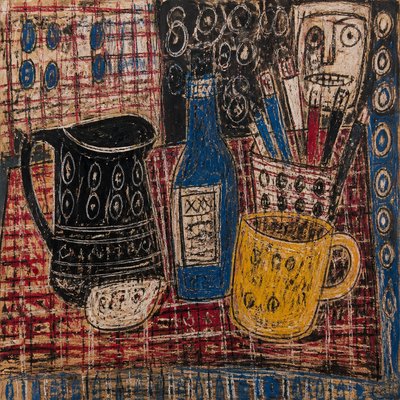
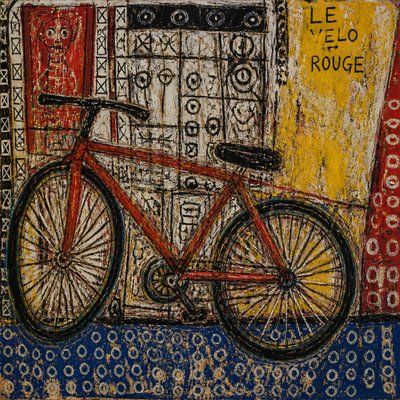
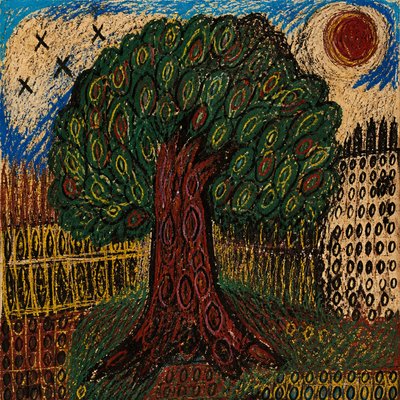
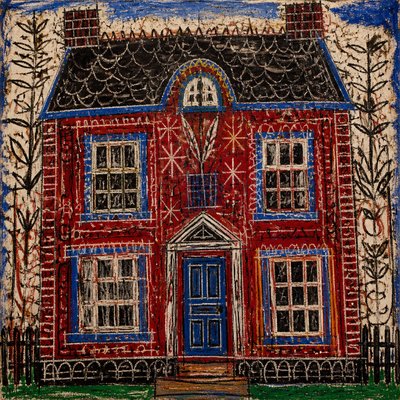
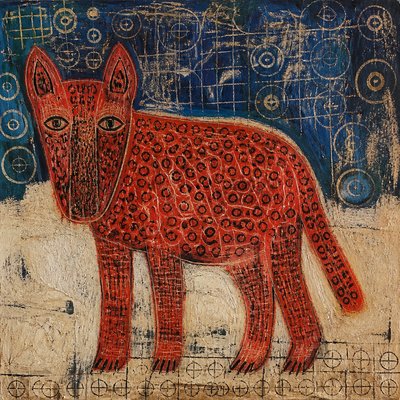
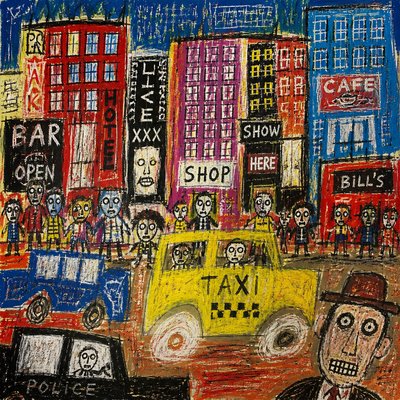
What is Art Brut Style?
Art Brut, literally “raw art,” describes work made outside academic training and established art-world conventions. It is identified less by a fixed subject matter than by an unfiltered visual attitude: instinctive mark-making, rough materials, naïve proportion, compressed space, and an intense commitment to the act of making itself. The result often feels immediate, personal, and unresolved in a way that preserves the maker’s hand and urgency.
Visually, Art Brut tends to combine crude or simplified forms with obsessive detail. Surfaces may be crowded with repeating motifs, dense linework, scratches, corrections, and thick or uneven applications of color. Because it is rooted in individual impulse rather than polished technique, the style often appears emotionally direct, improvisational, and resistant to academic balance or finish.
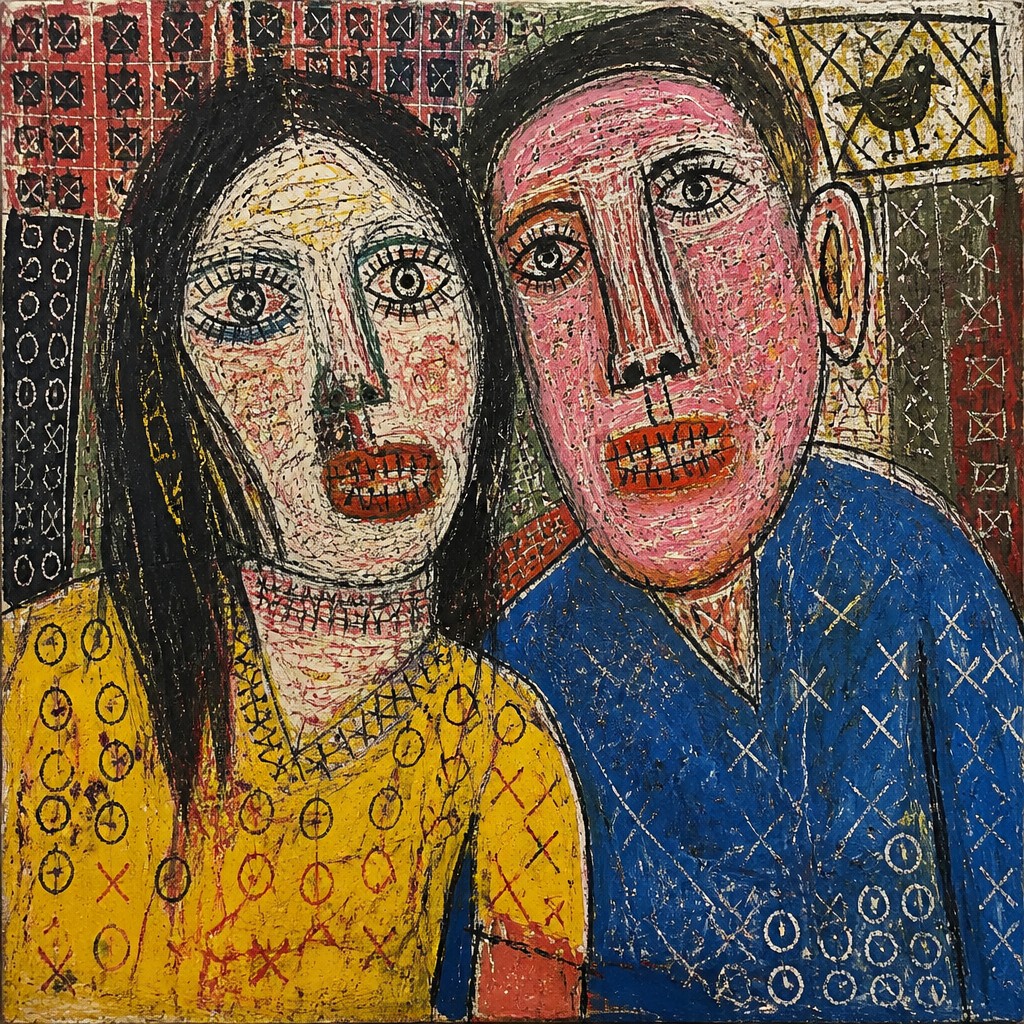
Try It On Your Photos
Upload any photo and convert it into Art Brut Style — drag the sliders to compare before and after.
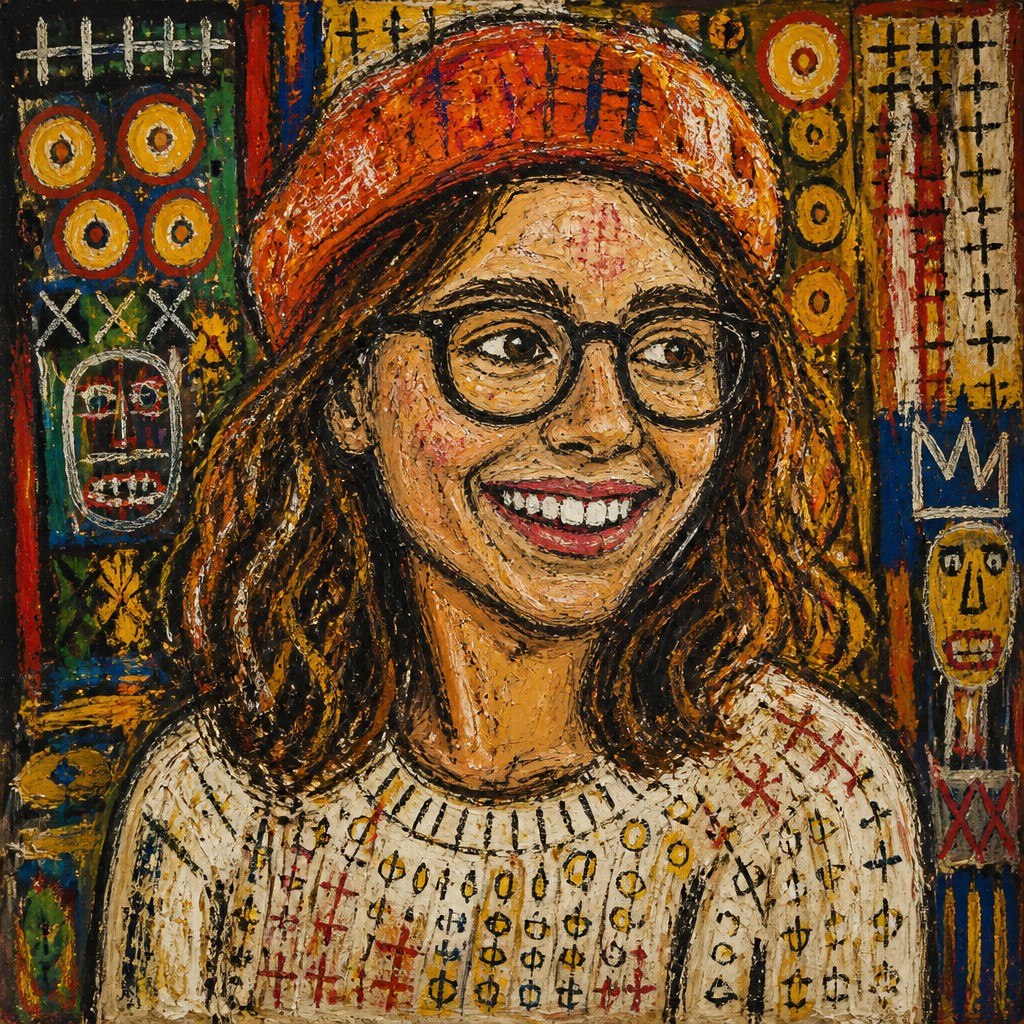

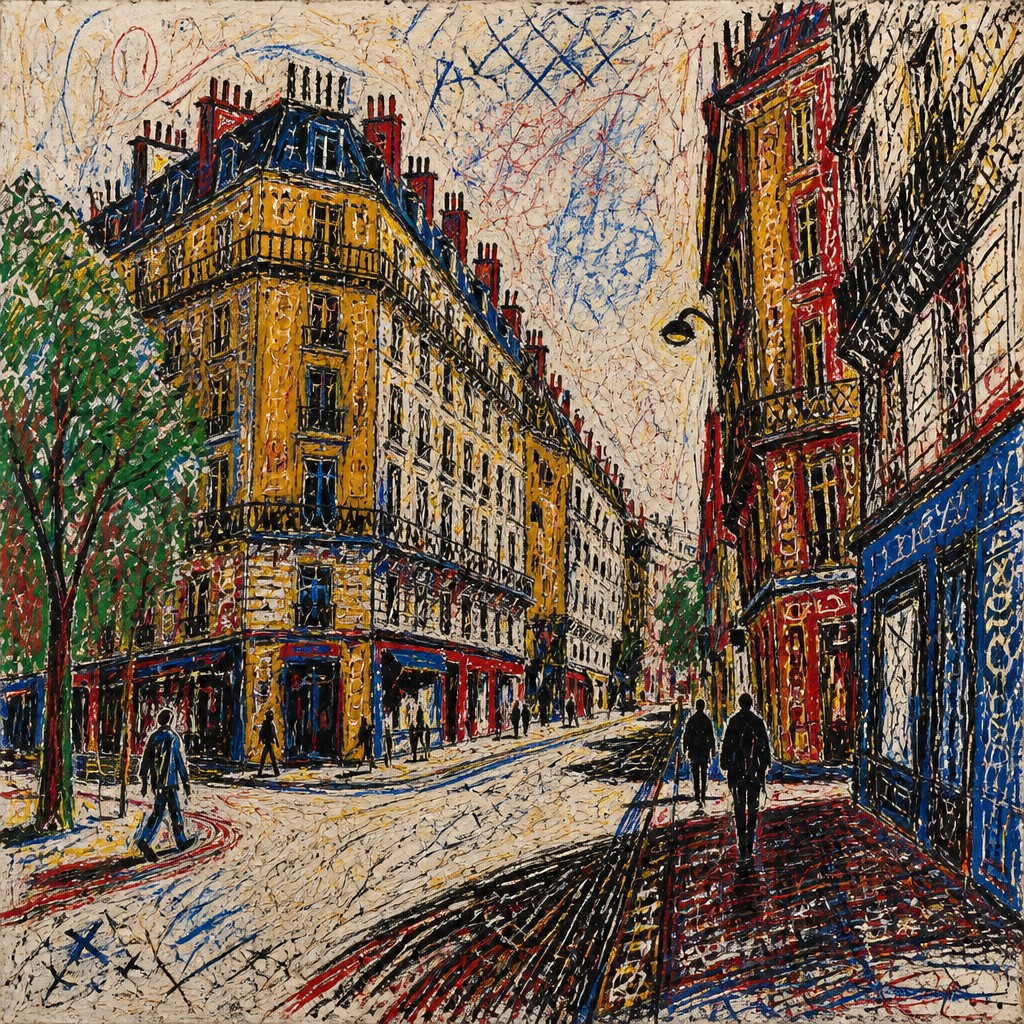

What Defines Art Brut Style
The signature details, up close
Raw, untrained mark-making
Lines often look impulsive, uneven, and physically direct, with little concern for academic perspective or polished draftsmanship. The hand of the maker remains visible in every stroke.
Obsessive repetition
Patterns, symbols, and marks may be repeated until they crowd the surface. This creates a compulsive, highly personal rhythm that is central to the style’s energy.
Naïve or flattened space
Figures and objects are frequently simplified, distorted, or arranged without conventional depth. Space may feel tilted, compressed, or logically inconsistent.
Intense, unmixed color
Color is often applied in thick, blunt, or highly saturated patches, sometimes beside bare paper or rough ground. The palette can feel primitive, emotional, or deliberately unrefined.
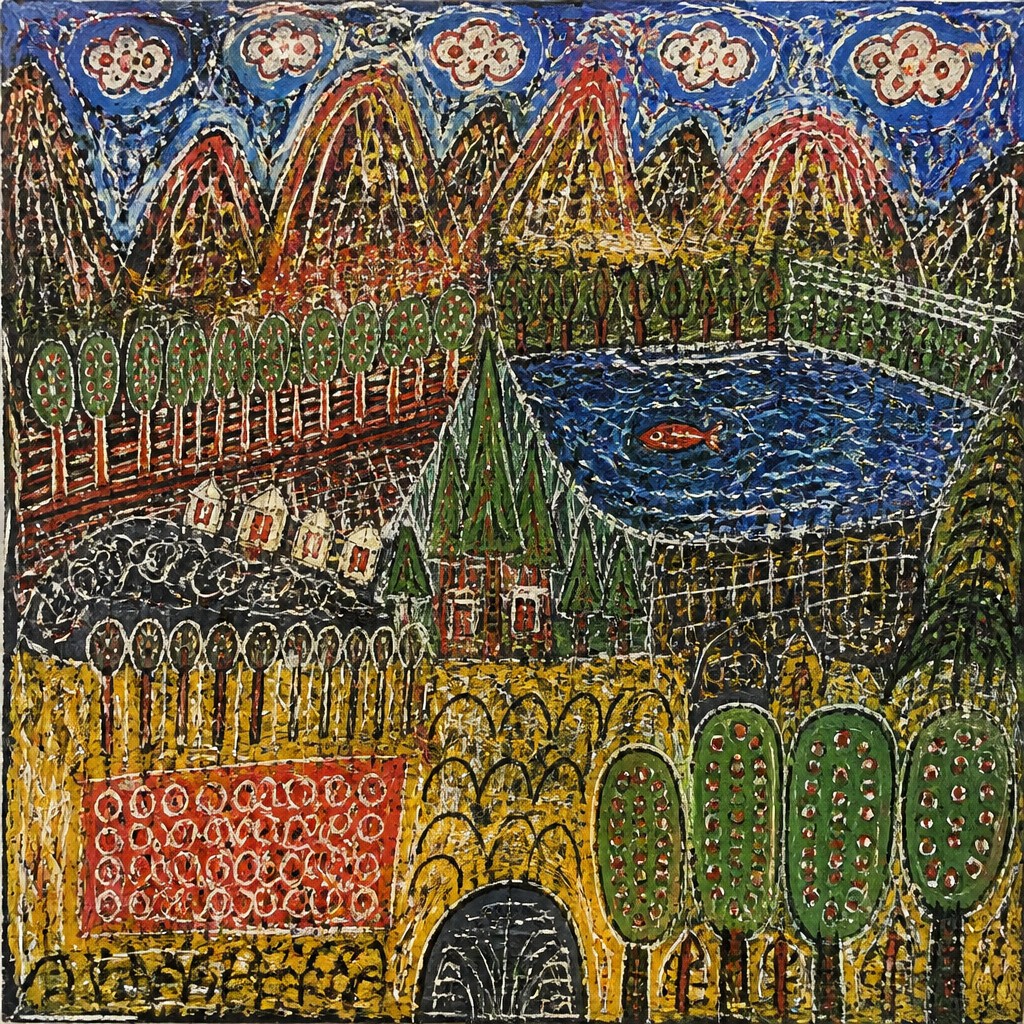
Visible corrections and overworking
Revisions, layering, scratches, and re-traced lines are usually left exposed rather than hidden. This creates a dense surface that records the process of making.
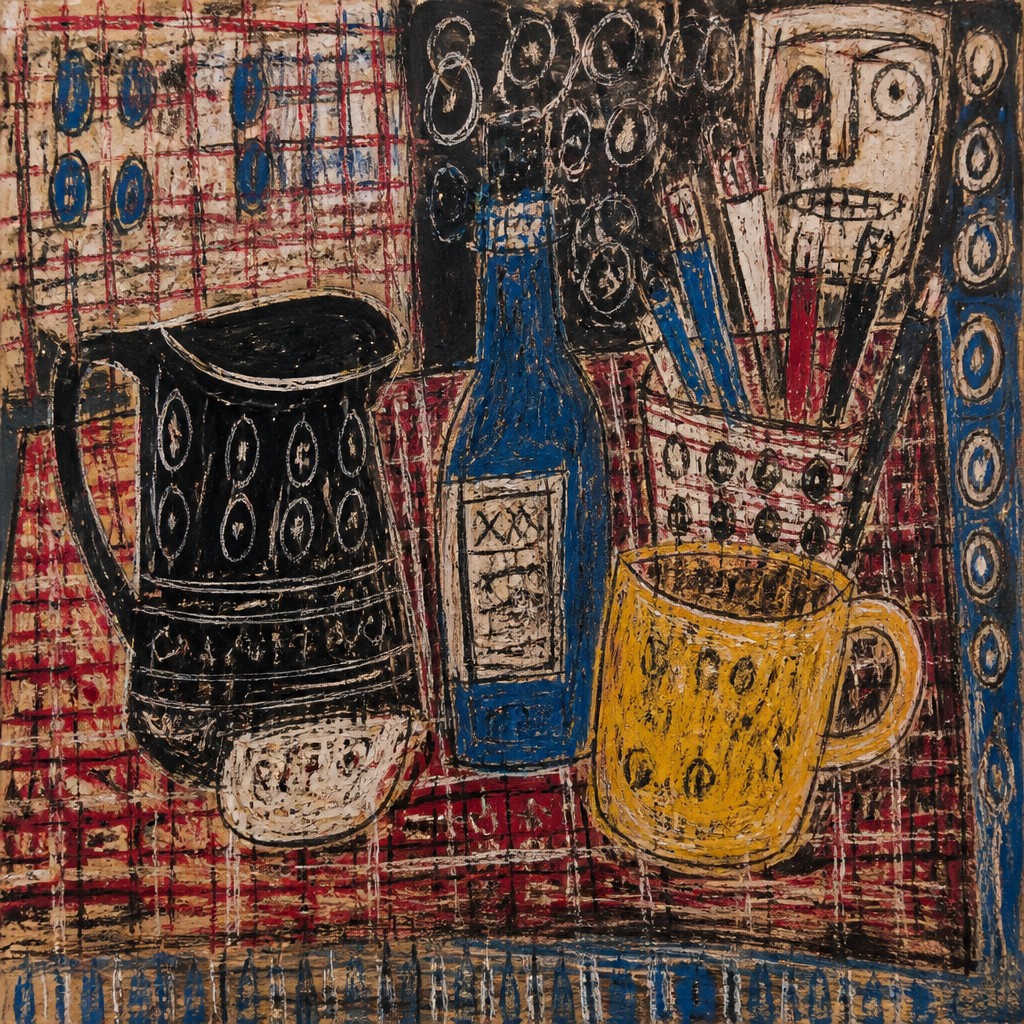
Handmade texture and material immediacy
Fingerprints, tool marks, smears, collage fragments, and uneven paint buildup contribute to a tactile surface. The material evidence is part of the image’s meaning.
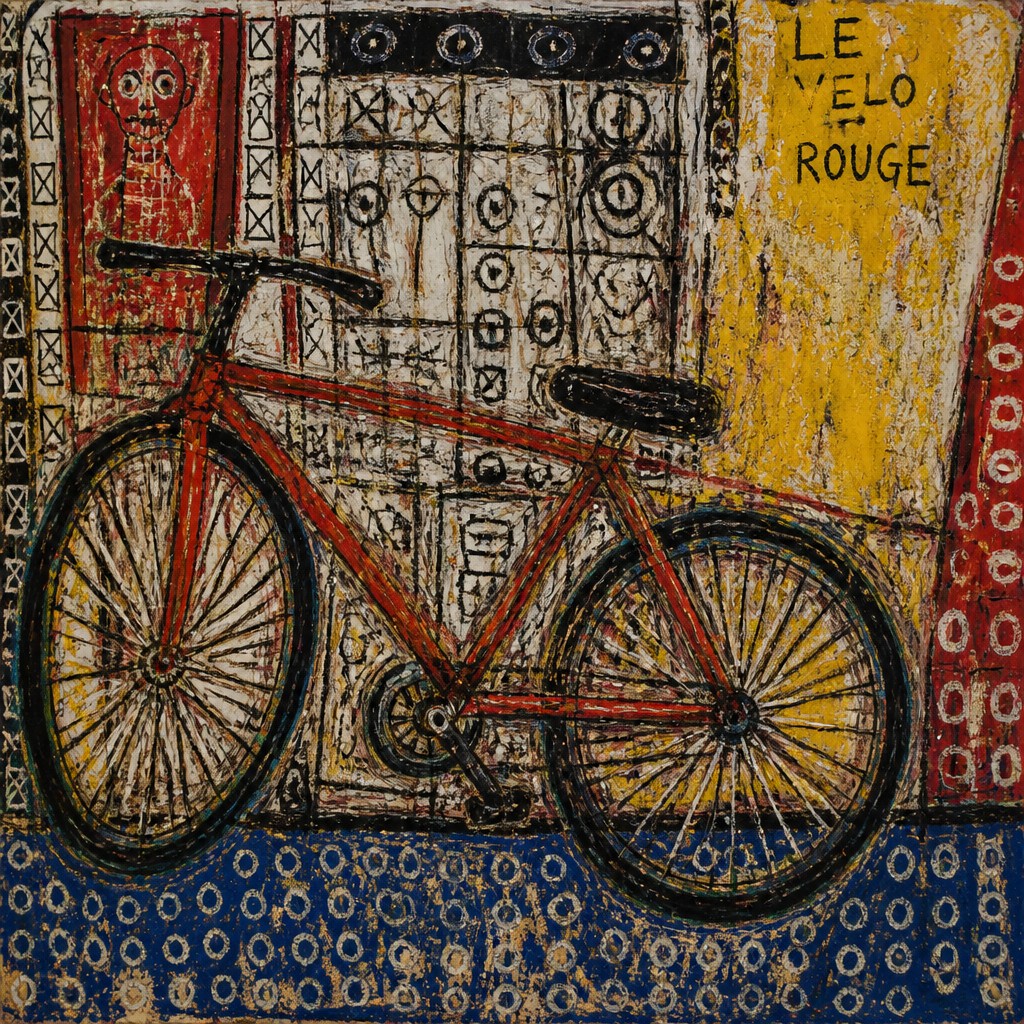
Emotional directness
Whether the subject is symbolic, figurative, or abstract, the overall effect is urgent and unfiltered. The style often communicates intensity through accumulation rather than refinement.
Try It
Create Videos in Art Brut Style
Styles aren't just for stills — describe a scene or animate an image and get a short video rendered in Art Brut. Press play to see this pond come to life.
Make a VideoArt Brut Prompt Ideas
Start from an idea — each one opens the generator with the style ready to go. See all 40 Art Brut prompts →
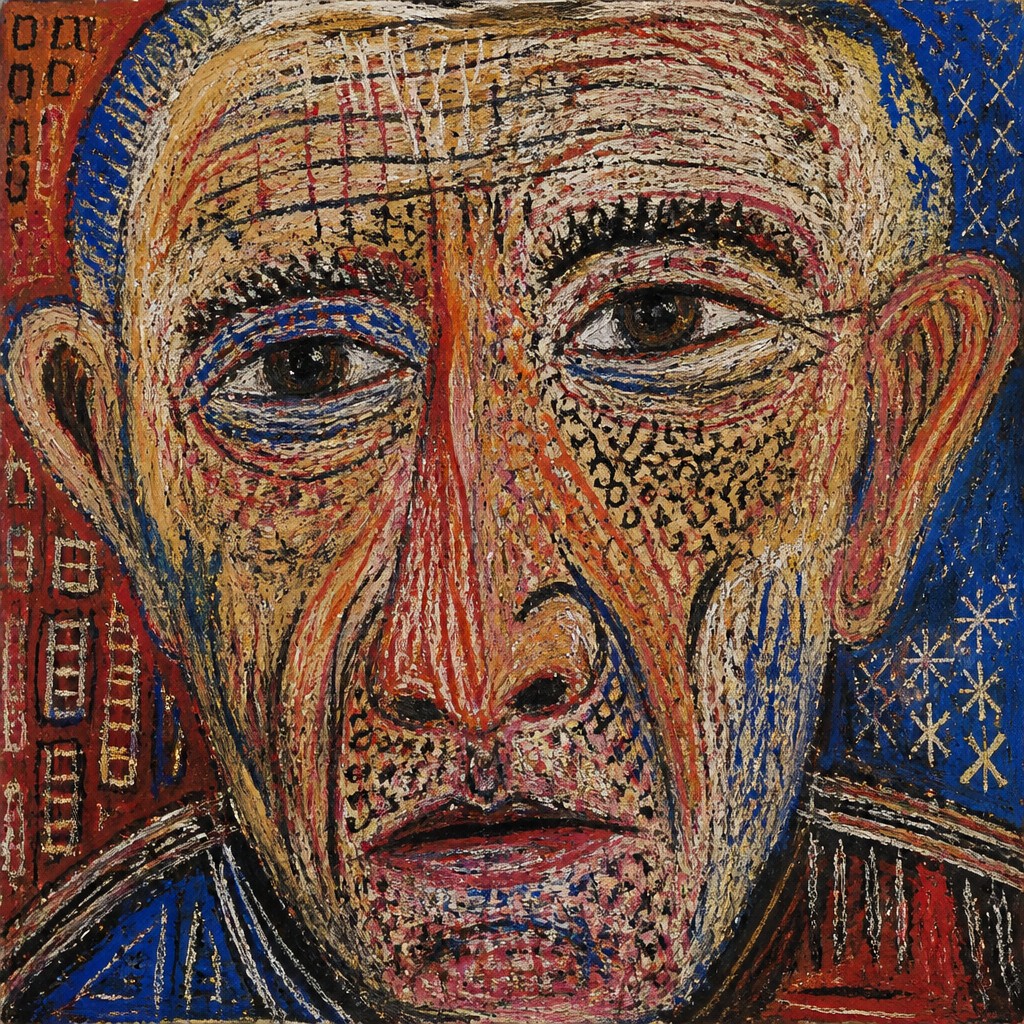
“close-up portrait of an elderly person with expressive weathered features”
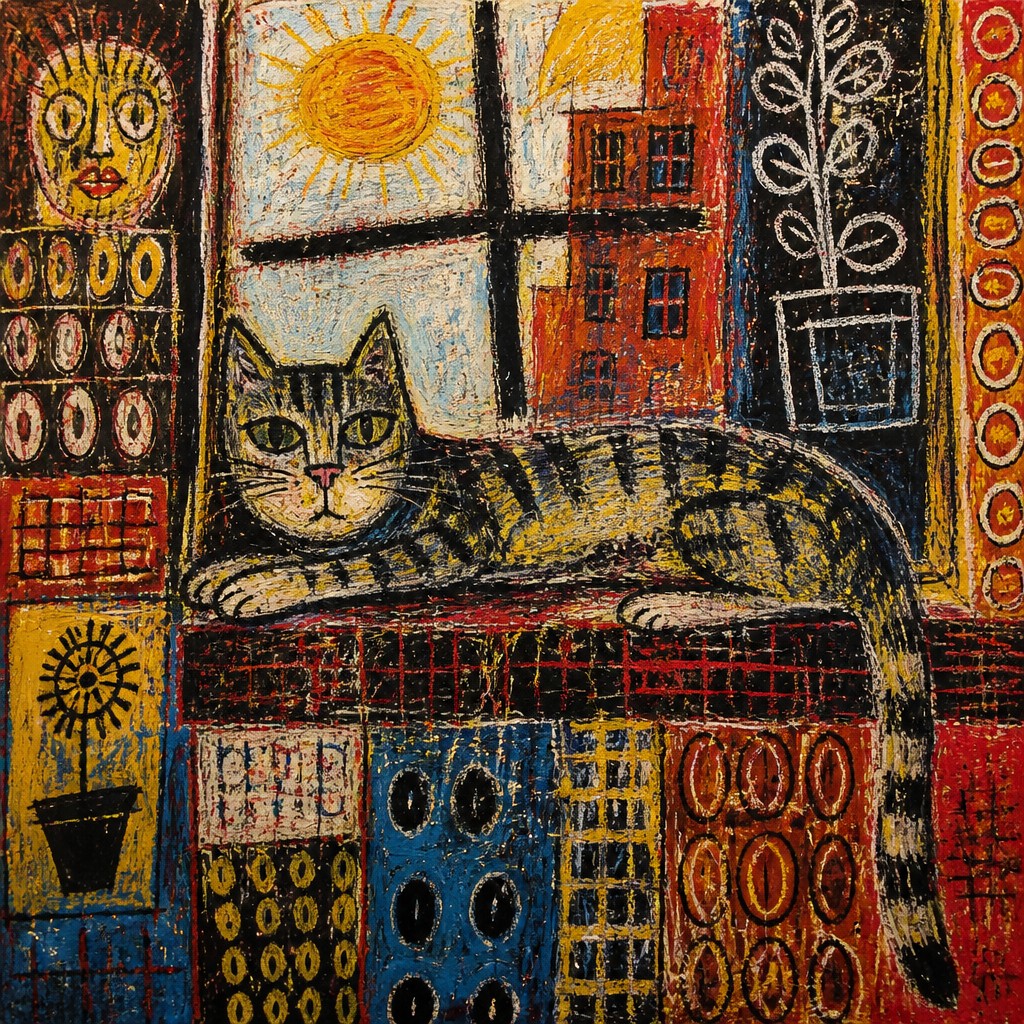
“a cat lounging in a sunlit window”
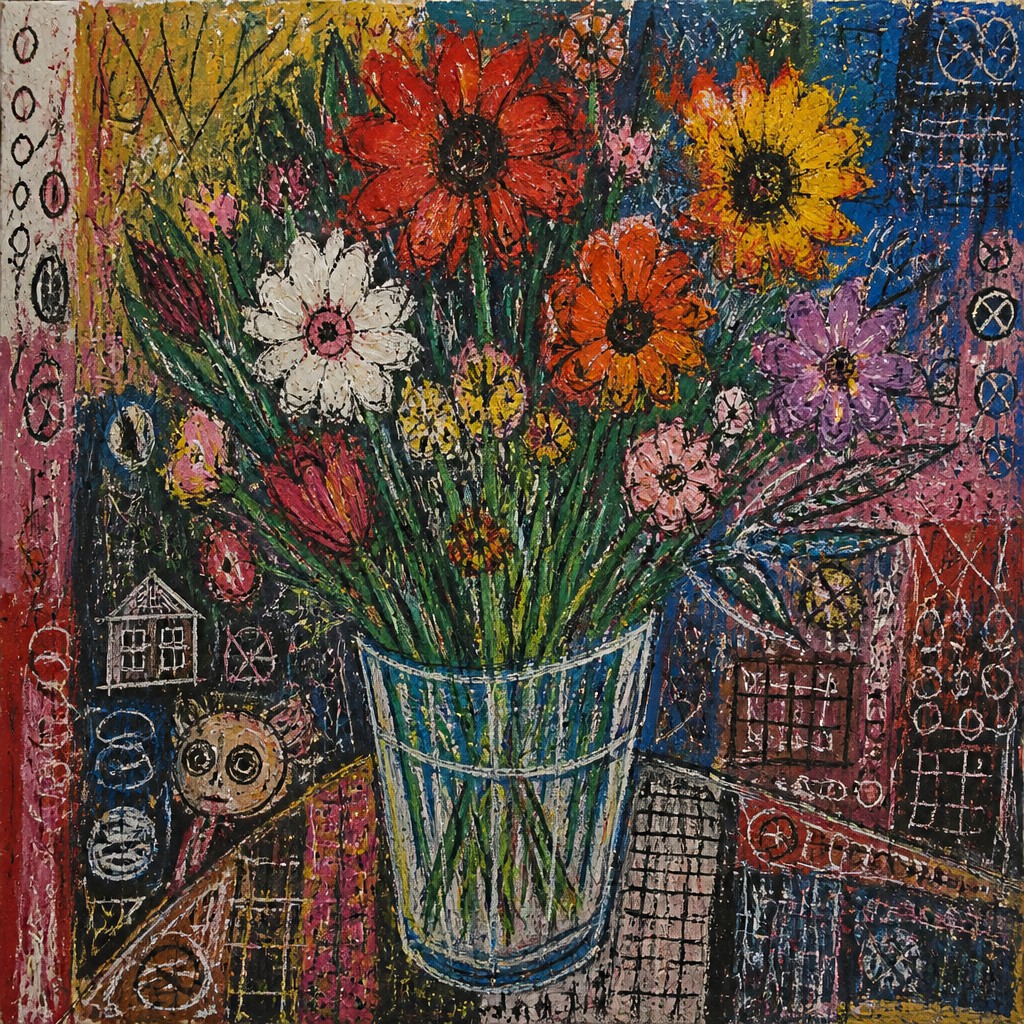
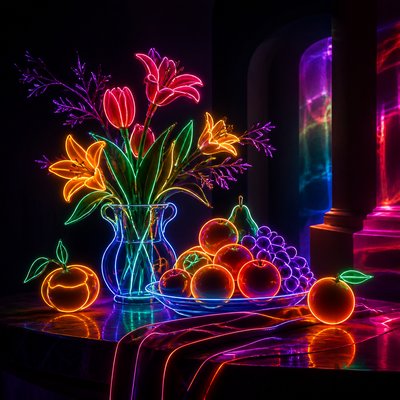
“bouquet of flowers in a glass vase”
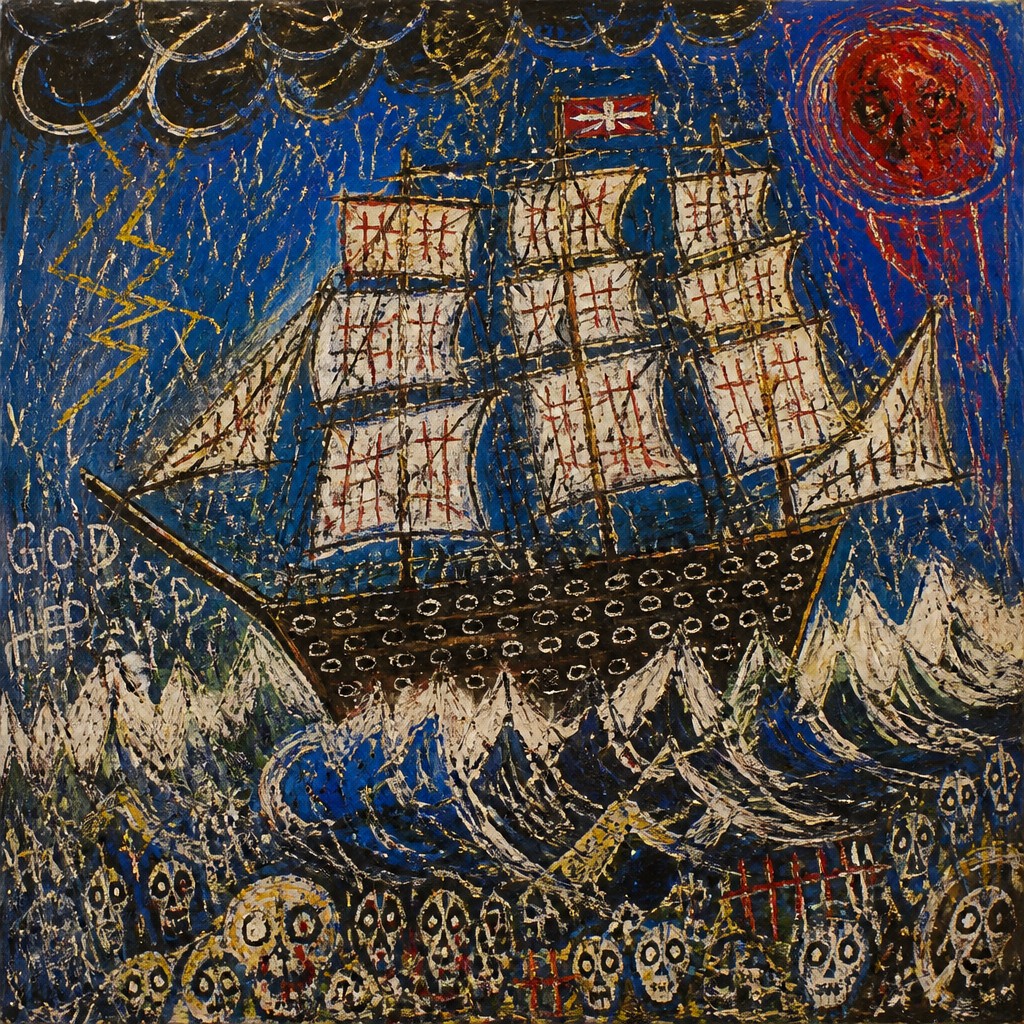
“sailing ship on a stormy sea”
How to Create Art Brut Art
Master the craft step by step — or skip straight to creating. Read the full guide →
- 1
Start with instinct, not polish
Begin by drawing or painting quickly, allowing proportion and composition to emerge through repeated adjustments. Preserve accidental marks, uneven edges, and visible revisions instead of correcting them away.
- 2
Build a crowded surface
Layer repeating motifs, symbols, hatch marks, and dense textures until the surface feels charged and inhabited. Negative space can be minimal or intentionally rough, with bare patches used as part of the composition.
- 3
Use blunt materials and simple tools
Crayons, markers, ink, house paint, charcoal, found paper, cardboard, and collage scraps work well because they encourage direct, imperfect handling. In digital work, imitate these effects with textured brushes, limited blending, and hand-drawn line irregularities.
- 4
Favor distortion over academic realism
Let figures be naïve, flattened, or slightly off-balance, and avoid overly smooth perspective or rendering. Emotional truth and graphic force matter more than anatomical accuracy.
- 5
Show the making process
Leave fingerprints, scrapes, overlaps, and corrections visible. If generating from text, describe the subject plus rough surfaces, obsessive repetition, crude strokes, and handmade imperfection rather than asking for a clean illustration.

The Story
History & Origins of Art Brut
The term Art Brut was coined by a French artist in the 1940s to describe “raw” works created outside mainstream cultural institutions, especially by self-taught makers, psychiatric patients, prisoners, and others working beyond academic norms. The originator of the term valued these works for their independence from convention and for what he saw as a more direct connection between imagination, sensation, and material expression.
As a visual and cultural category, Art Brut is closely linked to outsider art and self-taught art, though the terms are not identical. Its lineage reaches through folk art, visionary art, naïve art, and certain strands of modern expressionism, while also overlapping with experimental drawing, assemblage, and art made from found or improvised materials. Over time, the aesthetic has influenced contemporary illustration, design, and digital image-making, where artists intentionally imitate its rawness, density, and handmade irregularity.
Influences: Art Brut is most closely related to outsider art and self-taught art, but it also draws on folk art, naïve art, visionary art, and expressionist practices that privilege feeling over accuracy. The category was shaped historically by a French artist associated with the term, while artists such as a Cuban-Swedish modern painter, a major postwar neo-expressionist painter, and a leading gestural American painter-poet are often discussed in adjacent contexts for their materially expressive approaches, though they are not strictly Art Brut artists in the original sense.

Frequently Asked Questions
What defines Art Brut style?
Art Brut is defined by raw, instinctive making rather than academic training or polished technique. Common traits include rough marks, obsessive repetition, naïve proportion, visible corrections, and a strong handmade surface. The style often feels immediate and emotionally direct because it values process and impulse over finish.
Is Art Brut the same as outsider art?
The terms are closely related, but not identical. Art Brut is the original term coined by a French artist for art made outside mainstream culture and institutions, while outsider art is a broader later umbrella used especially in English-language contexts. In practice, people often use them interchangeably, though Art Brut has a more specific historical meaning.
How is Art Brut different from abstract expressionism?
Both can be gestural and emotionally charged, but Abstract Expressionism is a modernist art movement made largely by trained artists working within the art world, while Art Brut emphasizes raw, nonacademic creation outside those systems. Art Brut also often includes figurative, symbolic, or diagrammatic imagery, not just abstraction.
What materials work best for making Art Brut art?
Materials that encourage directness and texture are ideal: charcoal, ink, markers, crayons, house paint, collage scraps, cardboard, and found surfaces. Digital artists can approximate the same look using rough brushes, scanned textures, imperfect linework, and layering that preserves rough edges.
Where is Art Brut commonly used today?
It appears in contemporary painting, illustration, poster design, album art, editorial imagery, and experimental digital art. The style is especially useful when an image needs to feel raw, personal, haunted, or intentionally anti-polished.
How do I prompt this style without making it look too clean?
Describe the subject first, then specify rough handmade textures, uneven strokes, visible corrections, obsessive patterns, and crude or naïve forms. Avoid language that suggests glossy rendering, symmetry, realism, or studio polish if you want the image to stay grounded in the style’s raw character.
Create your first Art Brut artwork
Describe anything — or upload a photo — and see it in Art Brut Style in seconds.
Make Something with Art Brut
Compare Art Brut
Related Styles
Discover similar art styles