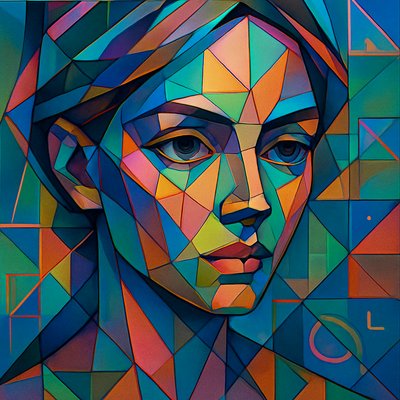
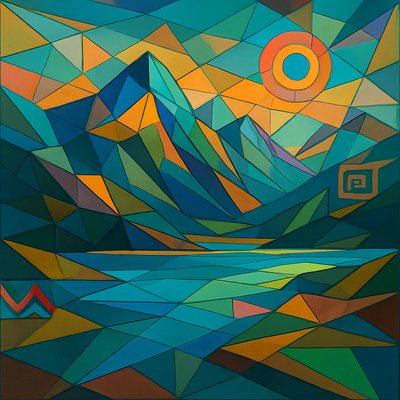
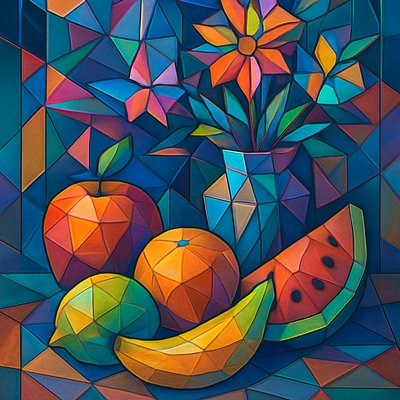
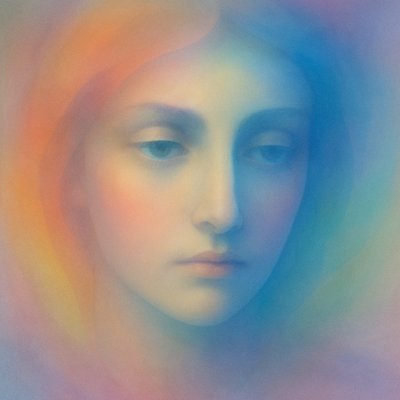
Complexity Art Style
Explore Complexity Art Style: dense interlocking patterns, layered motifs, and richly textured compositions designed for sustained close-up discovery.
Instantly rendered in Complexity — or transform a photo
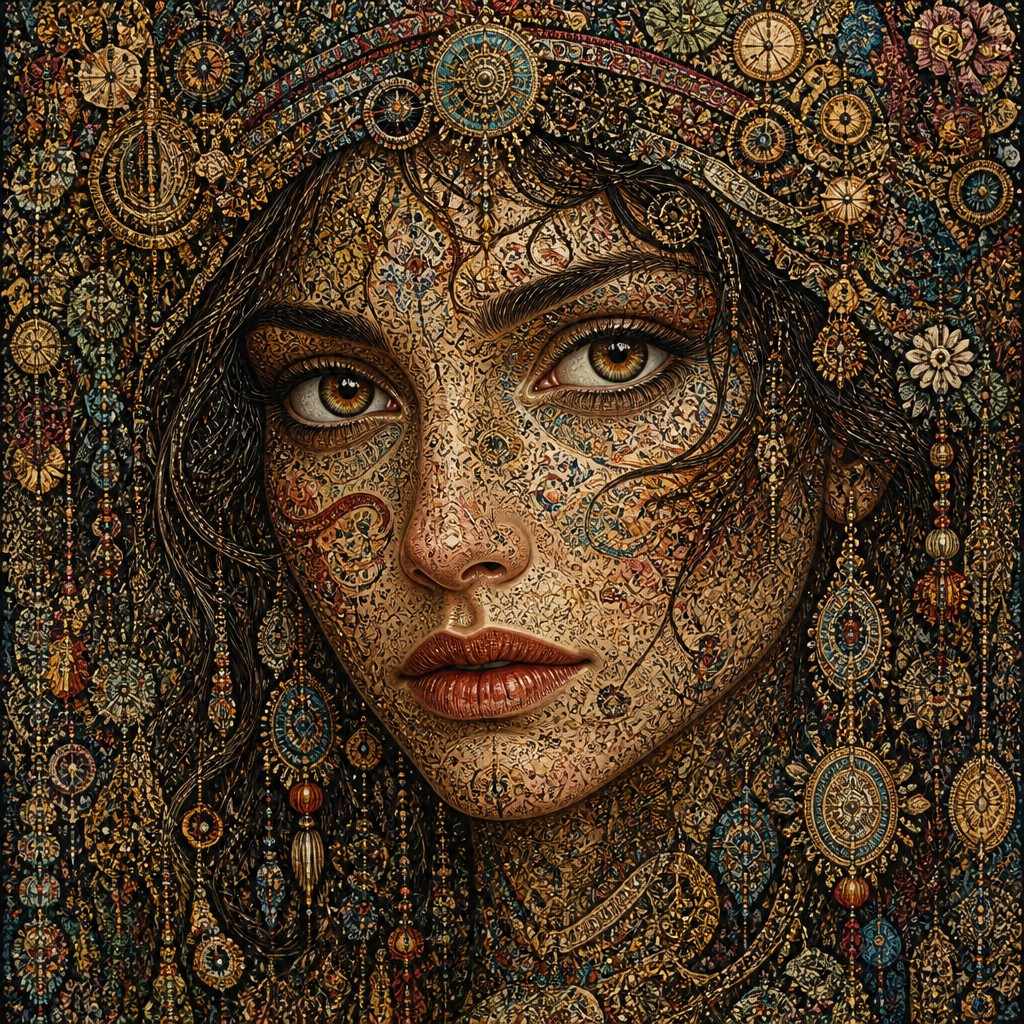
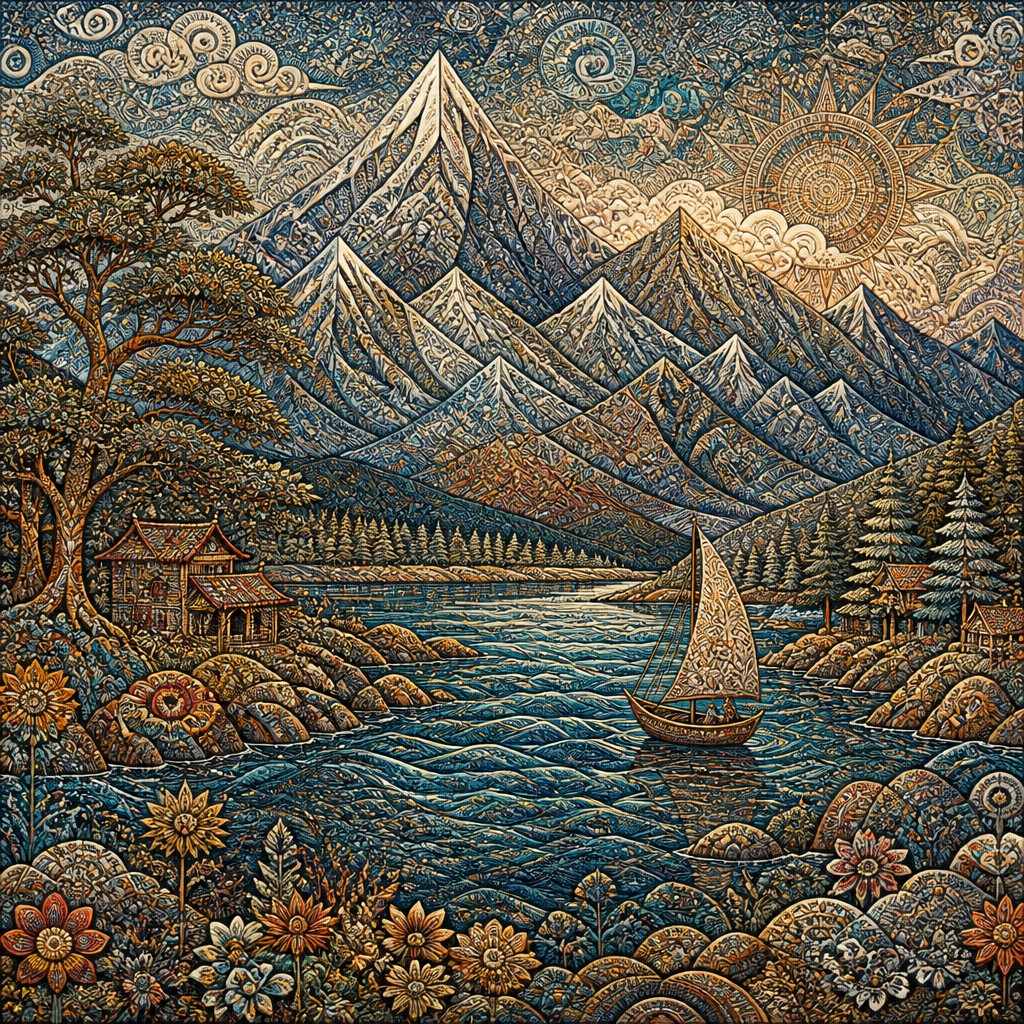
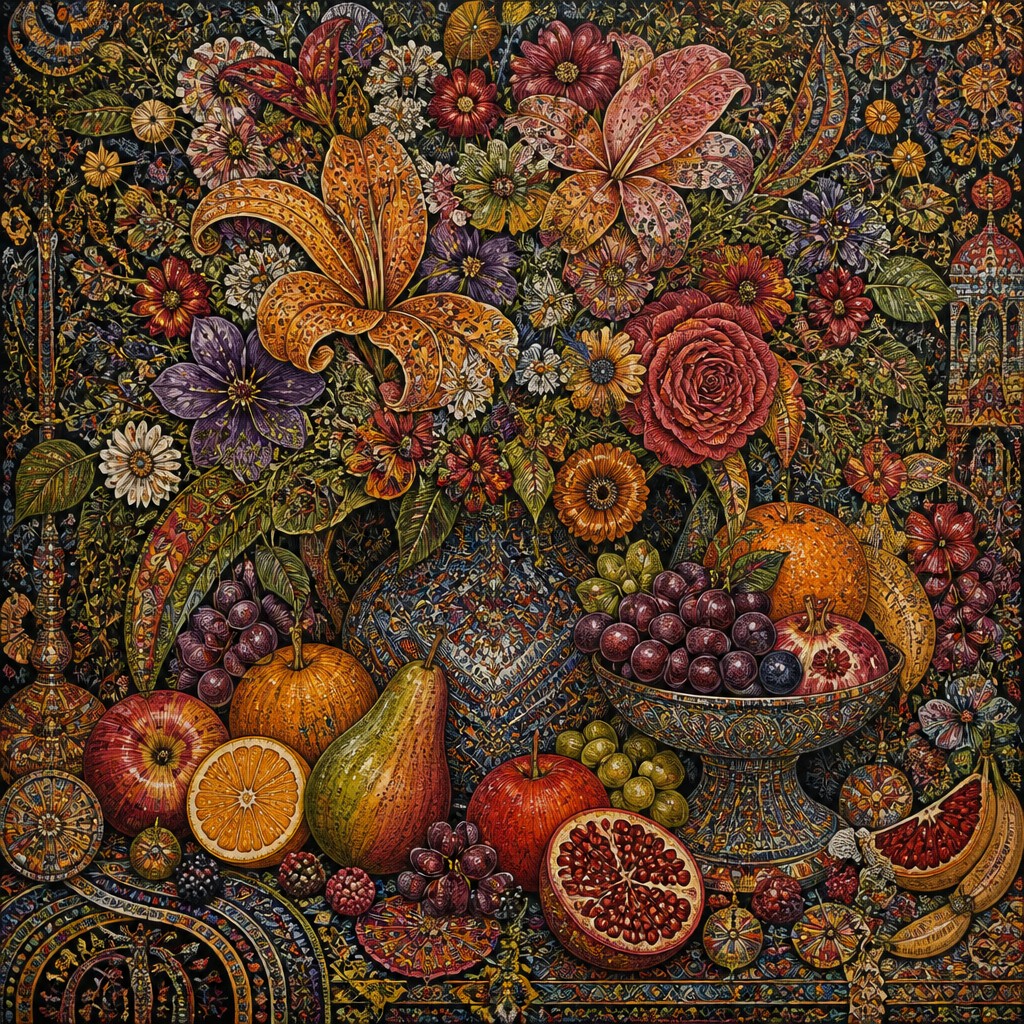
Complexity Gallery
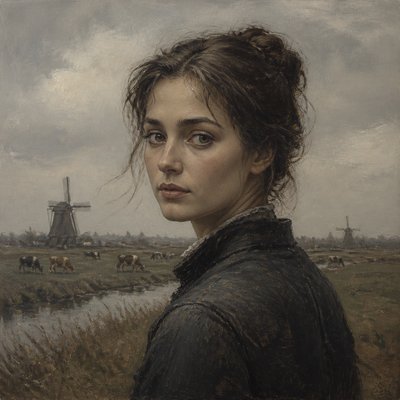
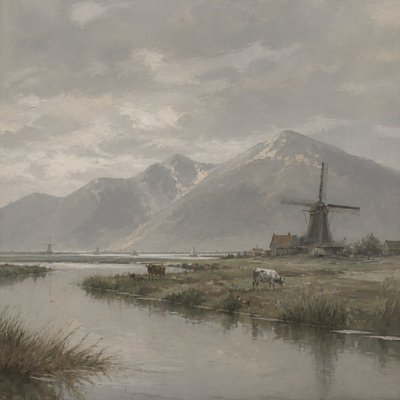
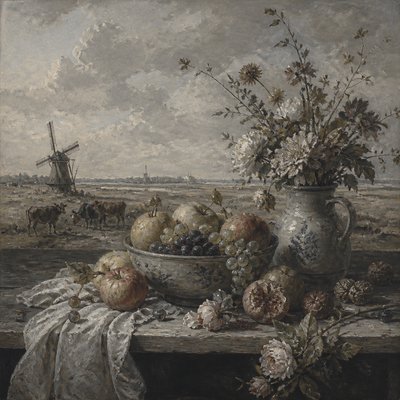
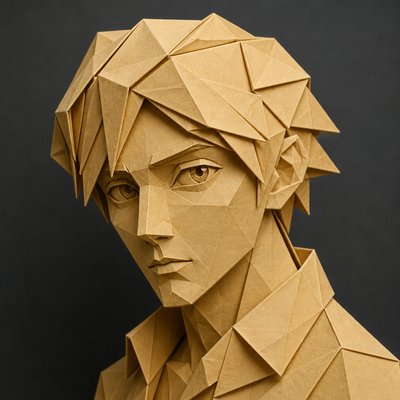
Tap any artwork to explore it
What is Complexity Art Style?
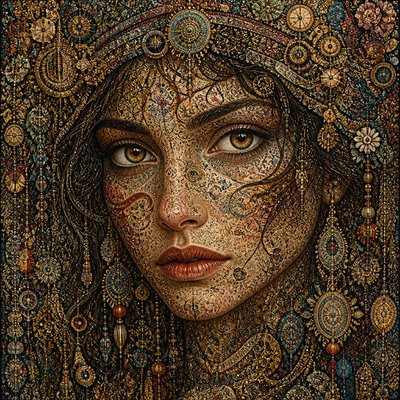
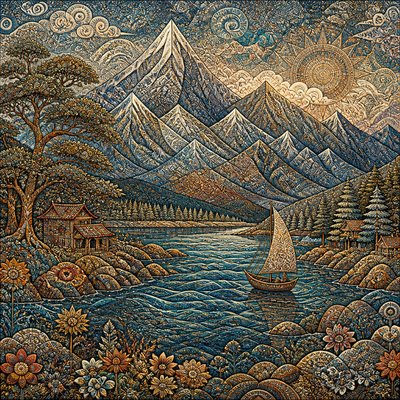
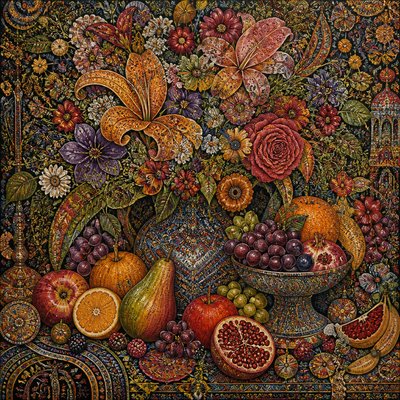
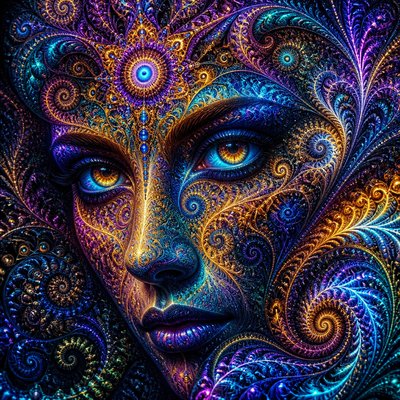
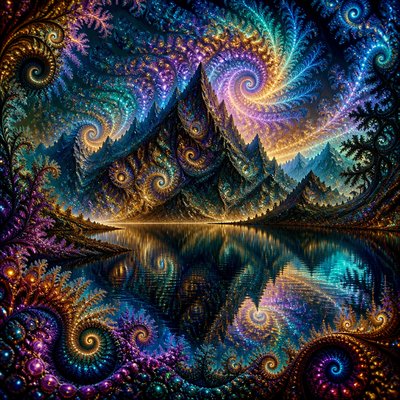
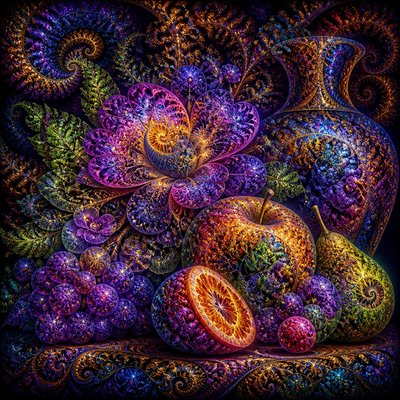
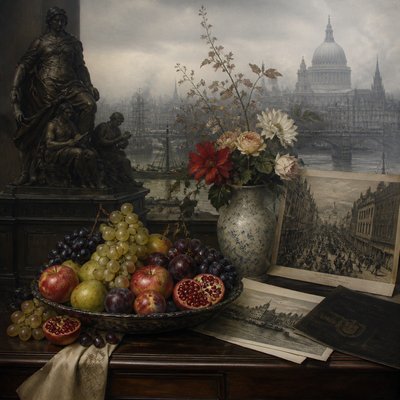
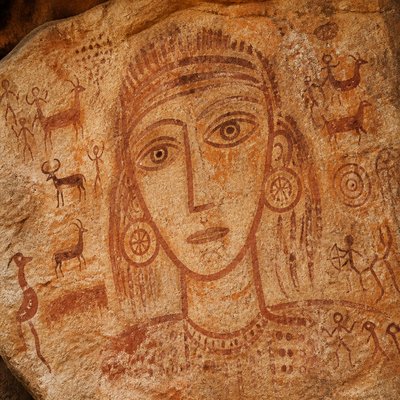
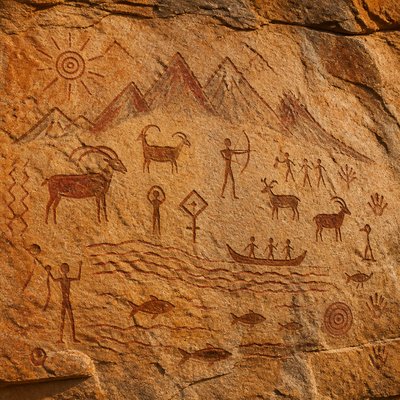
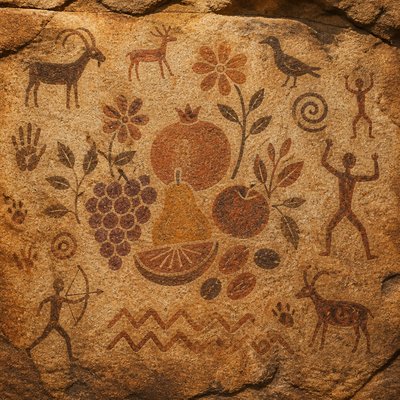
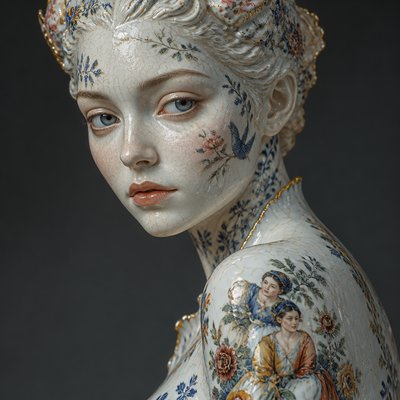
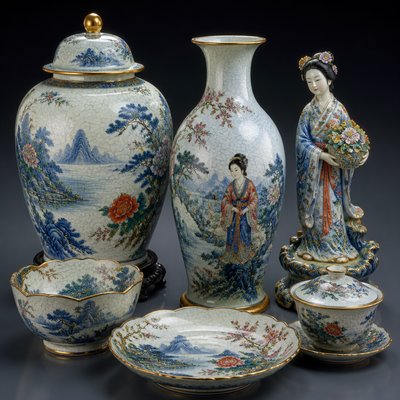
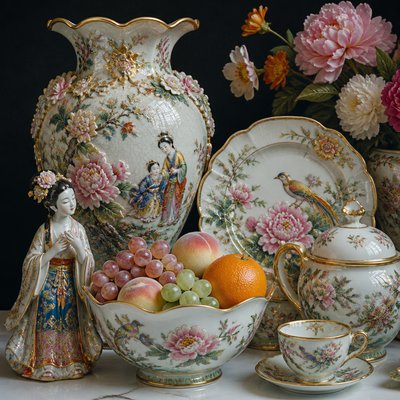
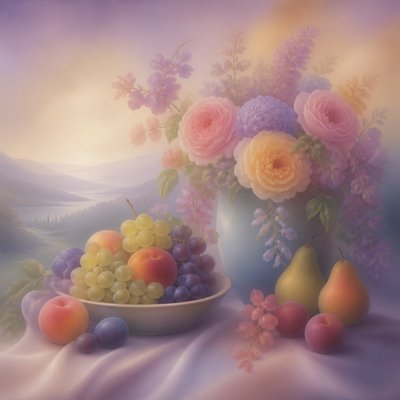
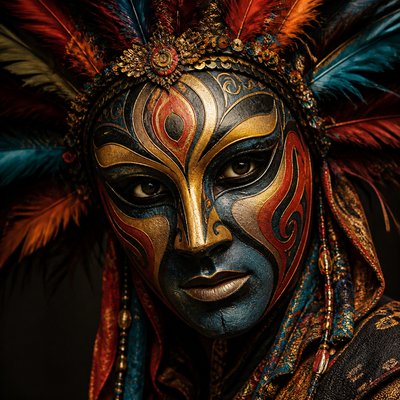
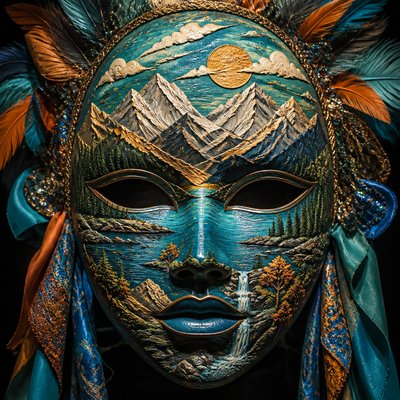
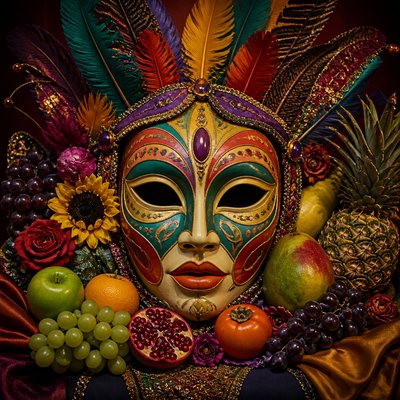
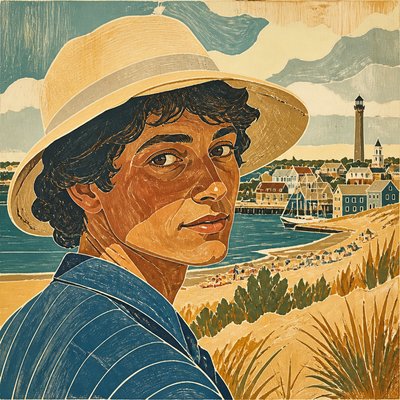
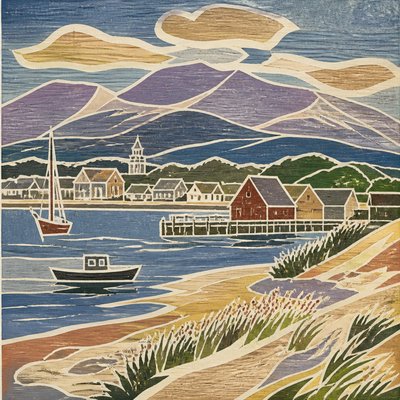
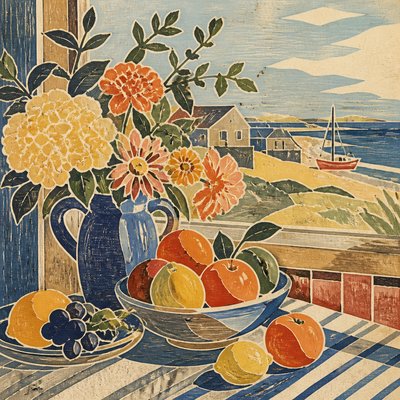
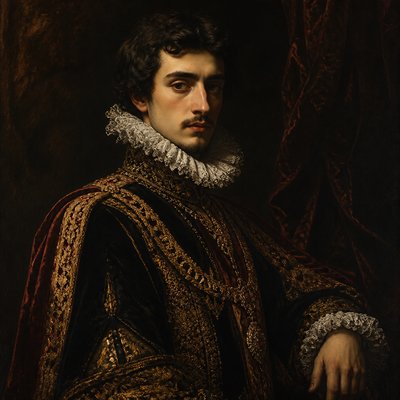
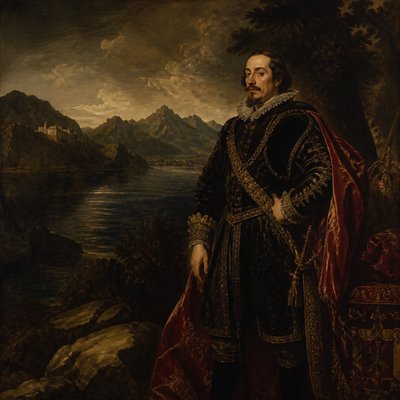
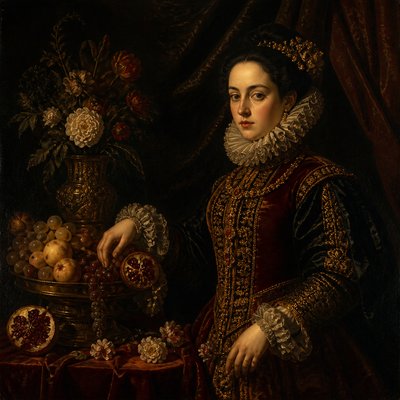
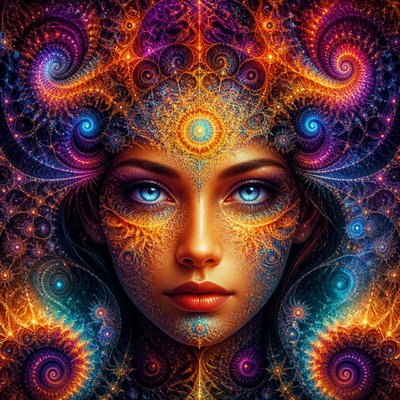
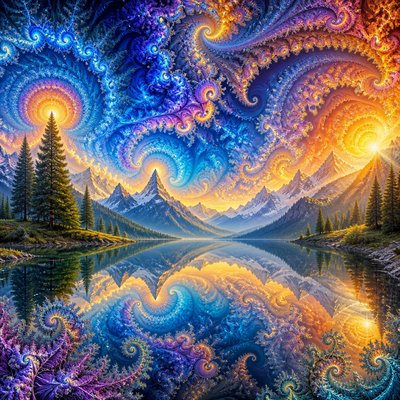
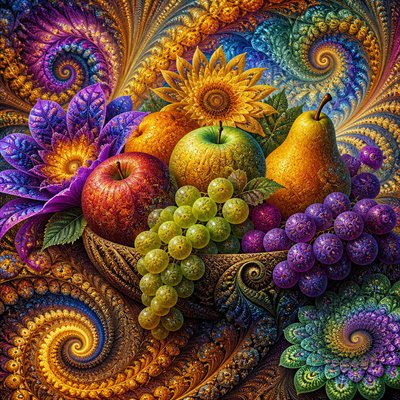
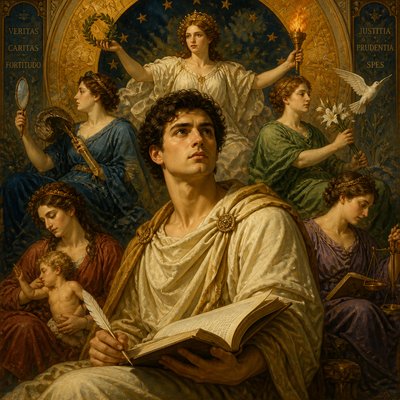
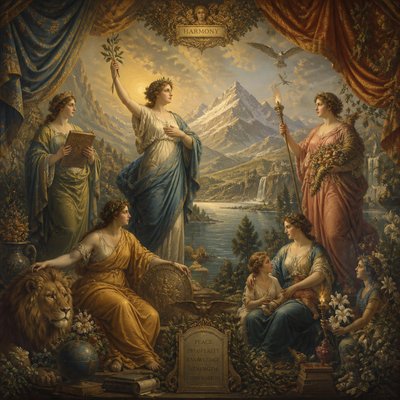
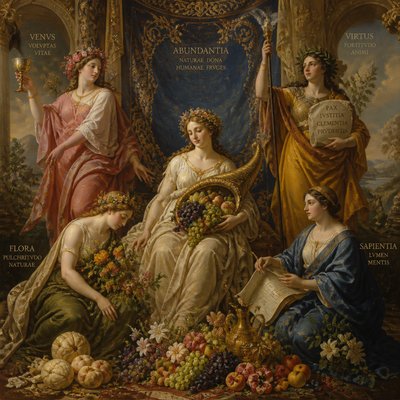
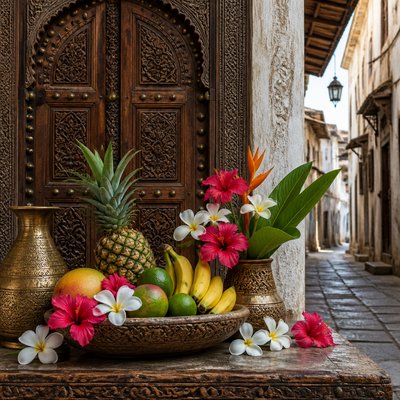
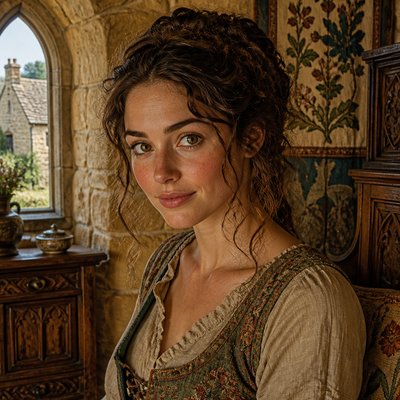
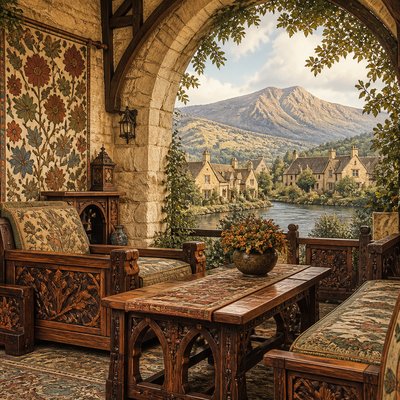
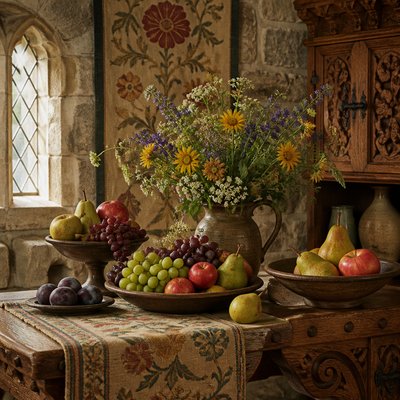
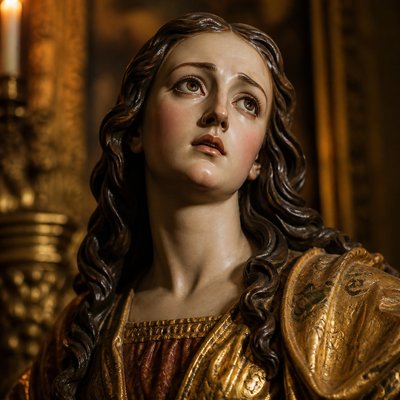
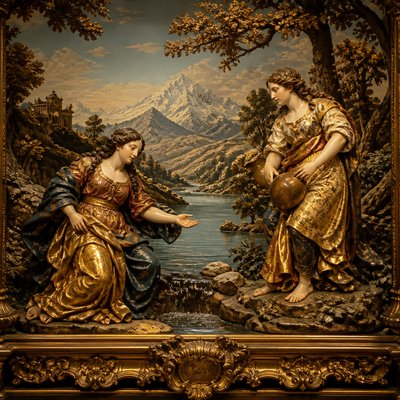
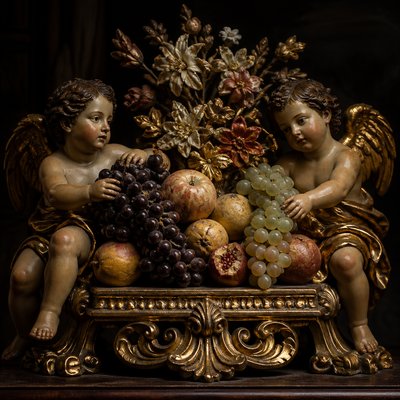
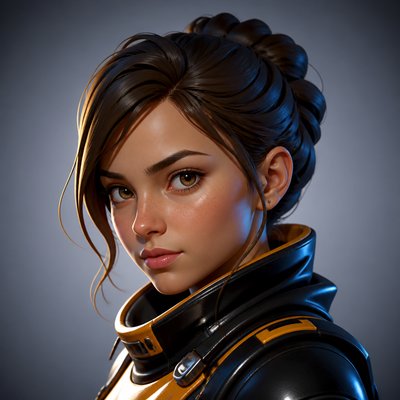
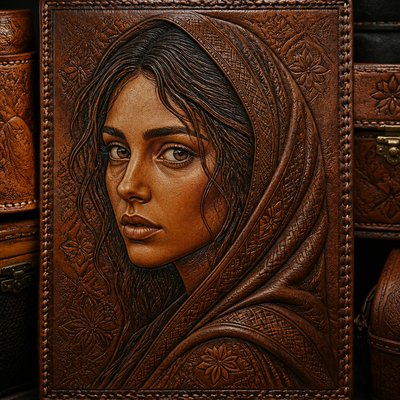
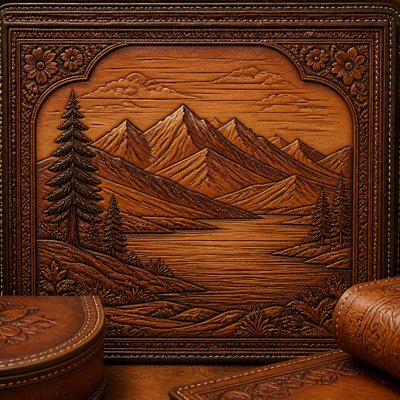
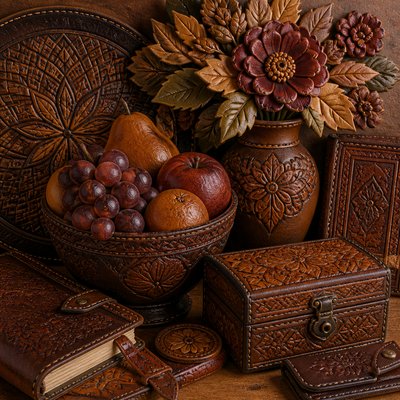
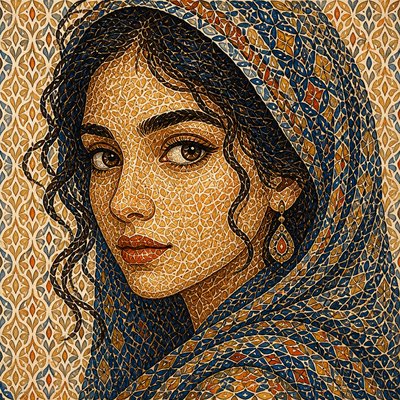
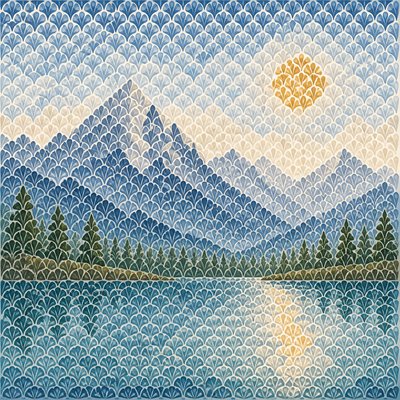
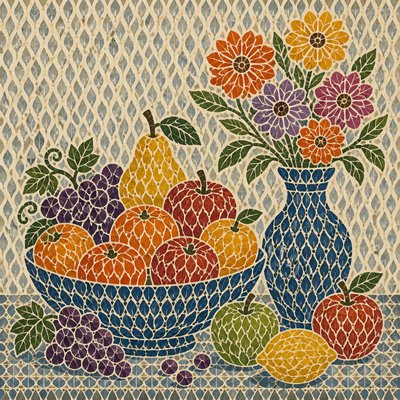
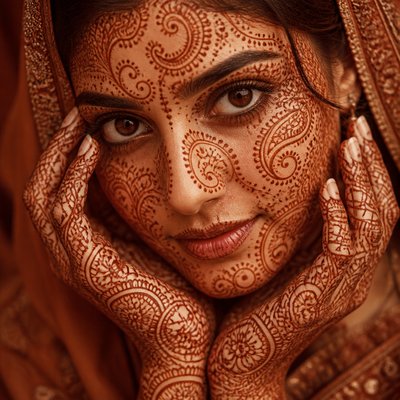
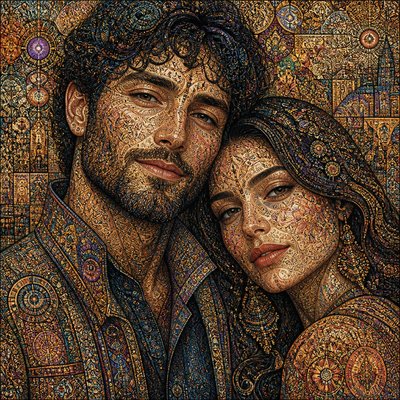
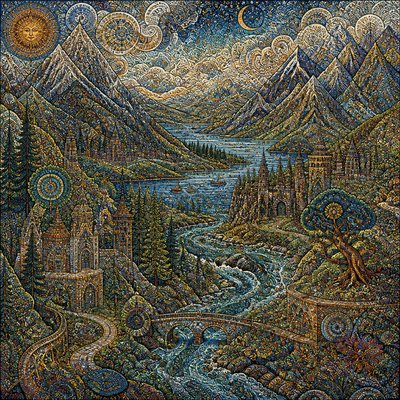
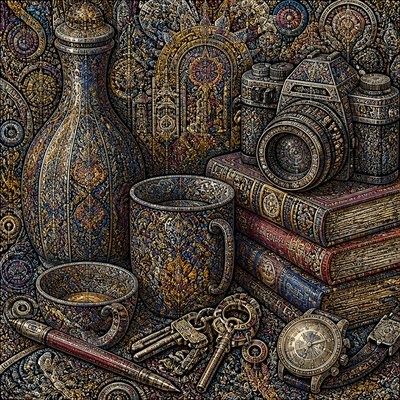
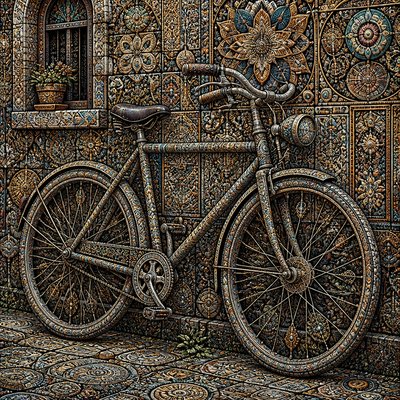
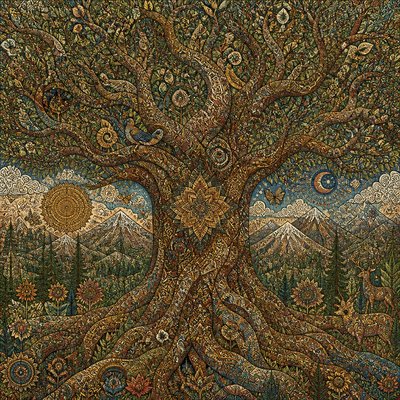
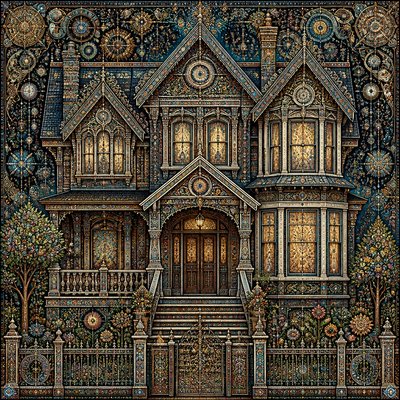
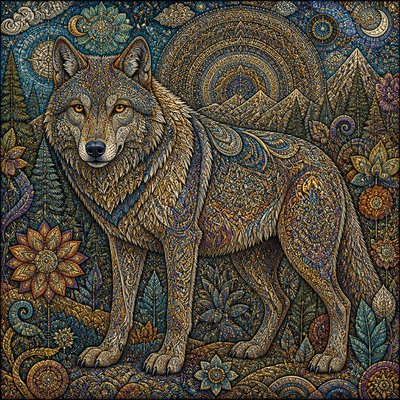
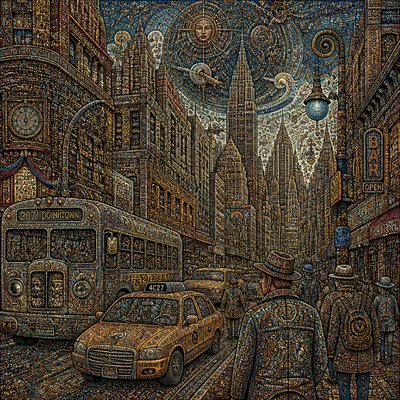
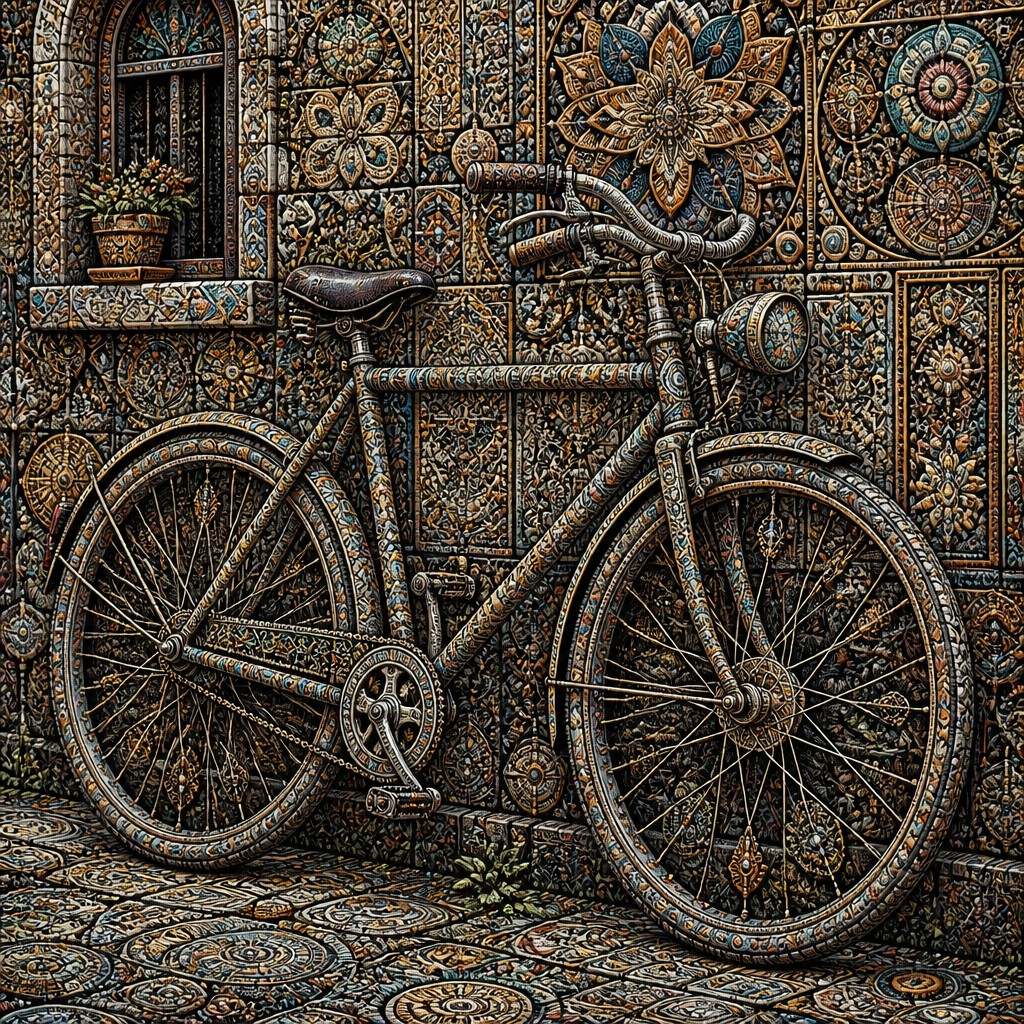
Complexity Art Style is an invented, contemporary visual approach defined by dense interlocking layers, repeated motifs, and intricate details distributed across the entire image. Rather than directing attention toward a single focal point, it creates a field of visual activity in which patterns, textures, symbols, and small forms overlap and compete for attention.
Its visual identity comes from accumulation. Elements are built in strata, often repeating at different scales so that a broad composition reveals secondary structures when viewed closely. The result may be figurative, abstract, architectural, or organic, but it consistently favors maximal surface detail, visual ambiguity, and prolonged inspection over simplicity or immediate legibility.
Try It On Your Photos
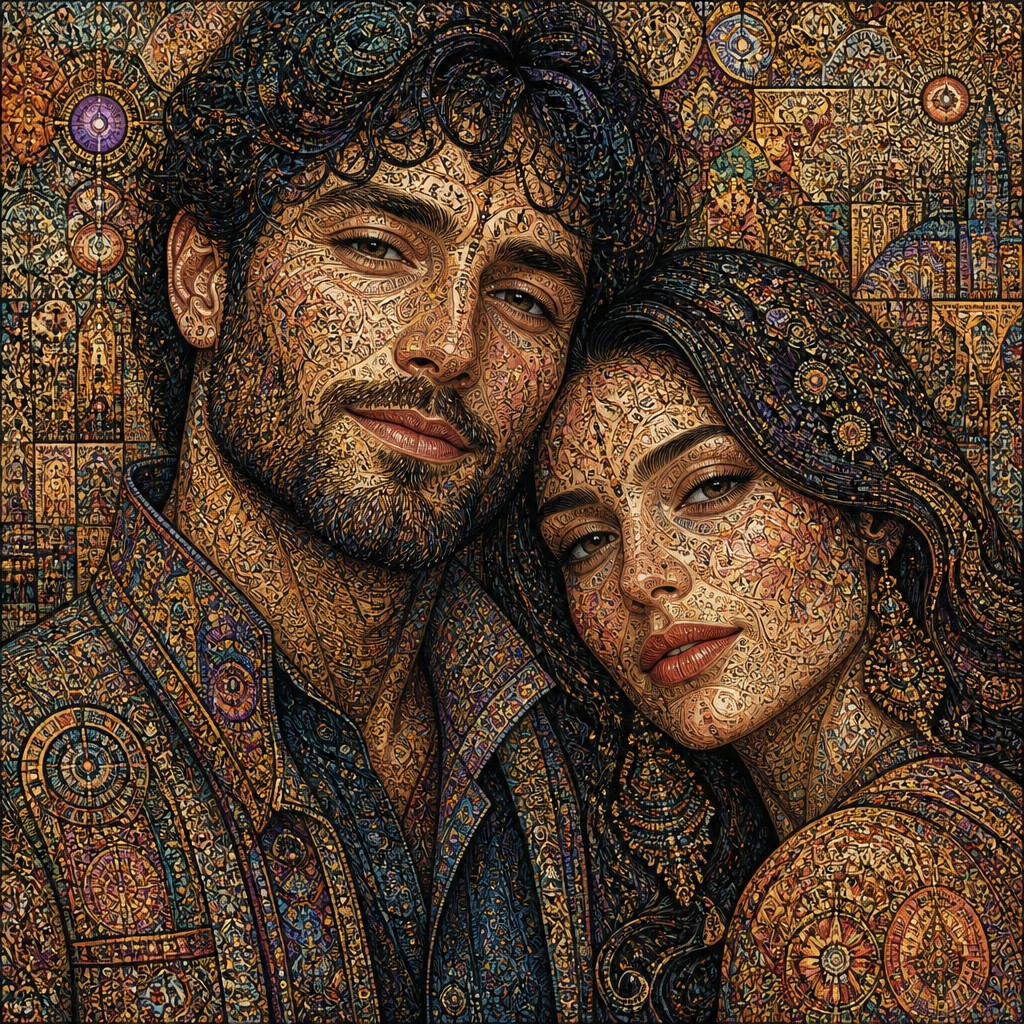
Upload any photo and convert it into Complexity Art Style — drag the sliders to compare before and after.
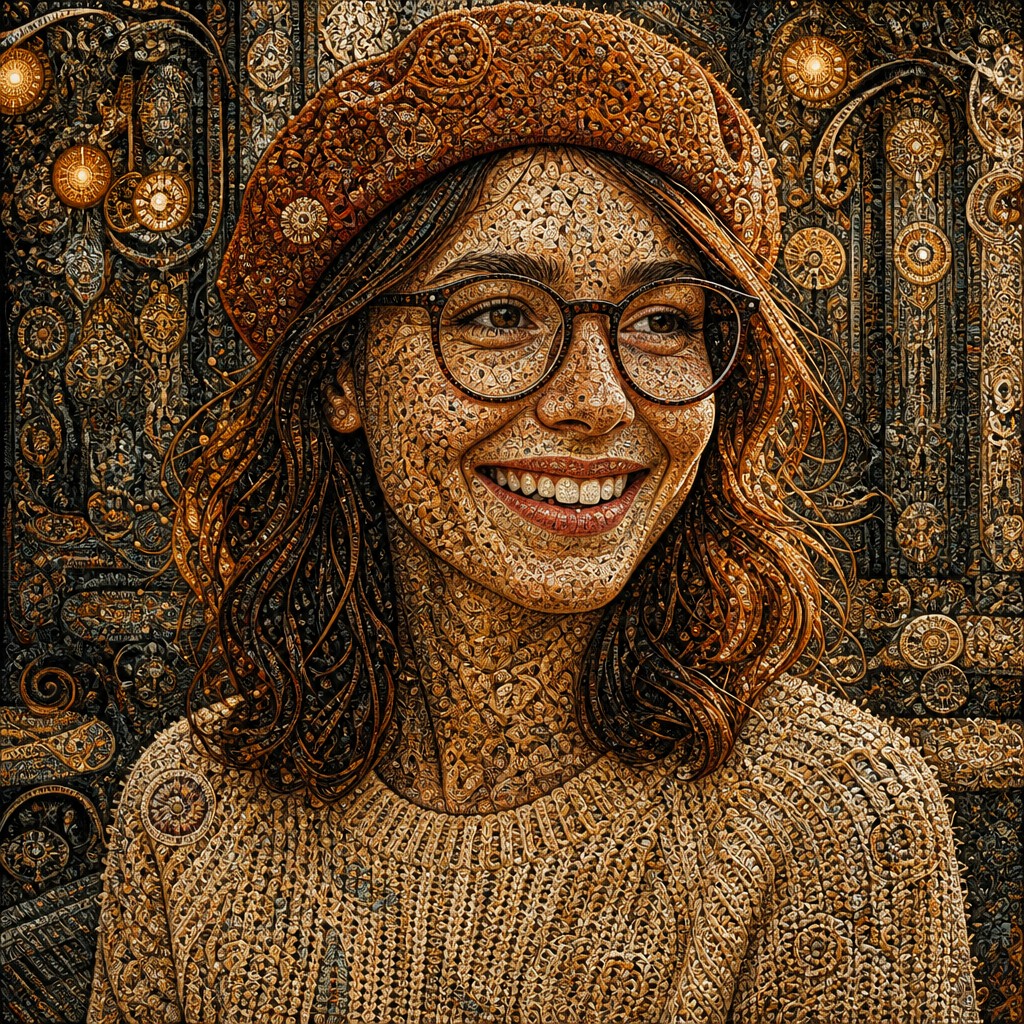

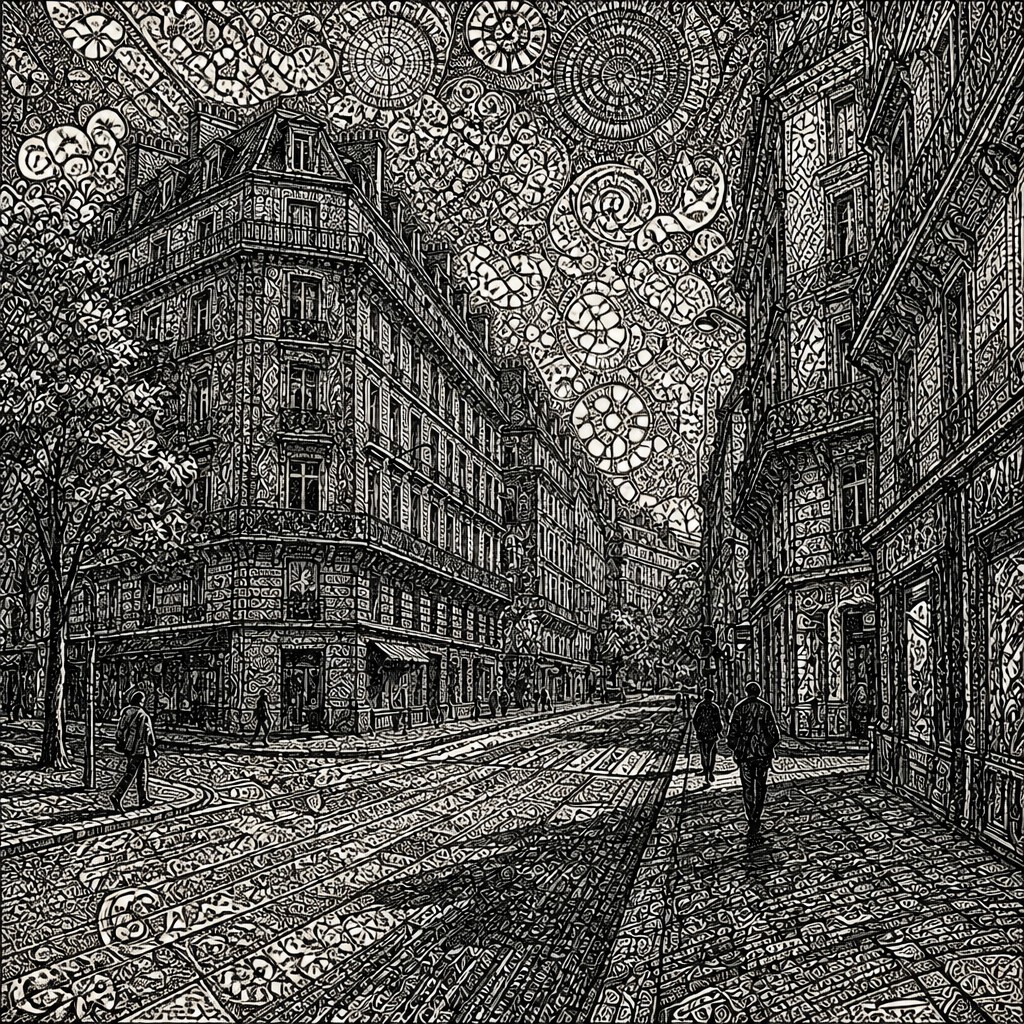

What Defines Complexity Art Style
The signature details, up close
Interlocking structure
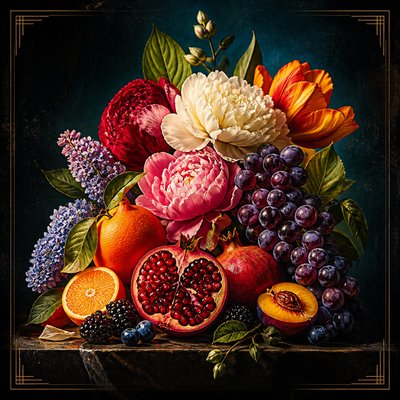
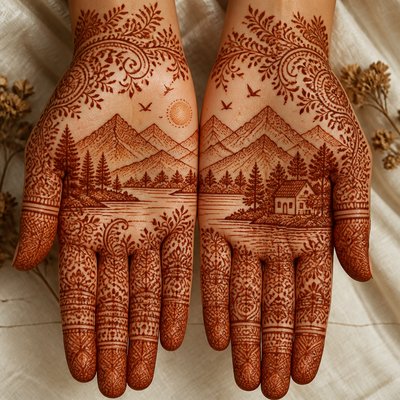
Lines, shapes, motifs, and objects connect across the composition instead of remaining isolated. Negative space is reduced as forms weave around, through, and behind one another.
Layered visual strata
The image is built from overlapping levels of detail, including background textures, middle-ground patterns, and foreground marks. Each layer may introduce a different scale, material, or visual rhythm.
Multiplying motifs
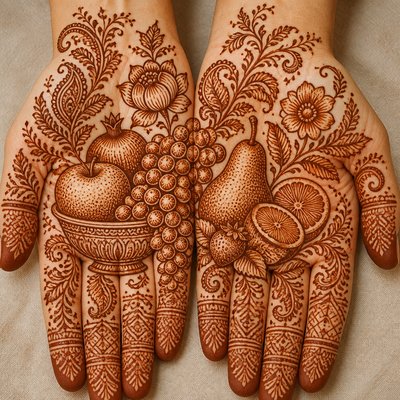
Recurring symbols, organic forms, geometric units, or ornamental fragments appear in varied sizes and orientations. Repetition creates cohesion while small changes prevent the surface from feeling mechanically uniform.
Maximalist surface
Nearly every area of the canvas carries information, texture, or pattern. Empty space is used sparingly and often functions as a narrow channel between active forms.
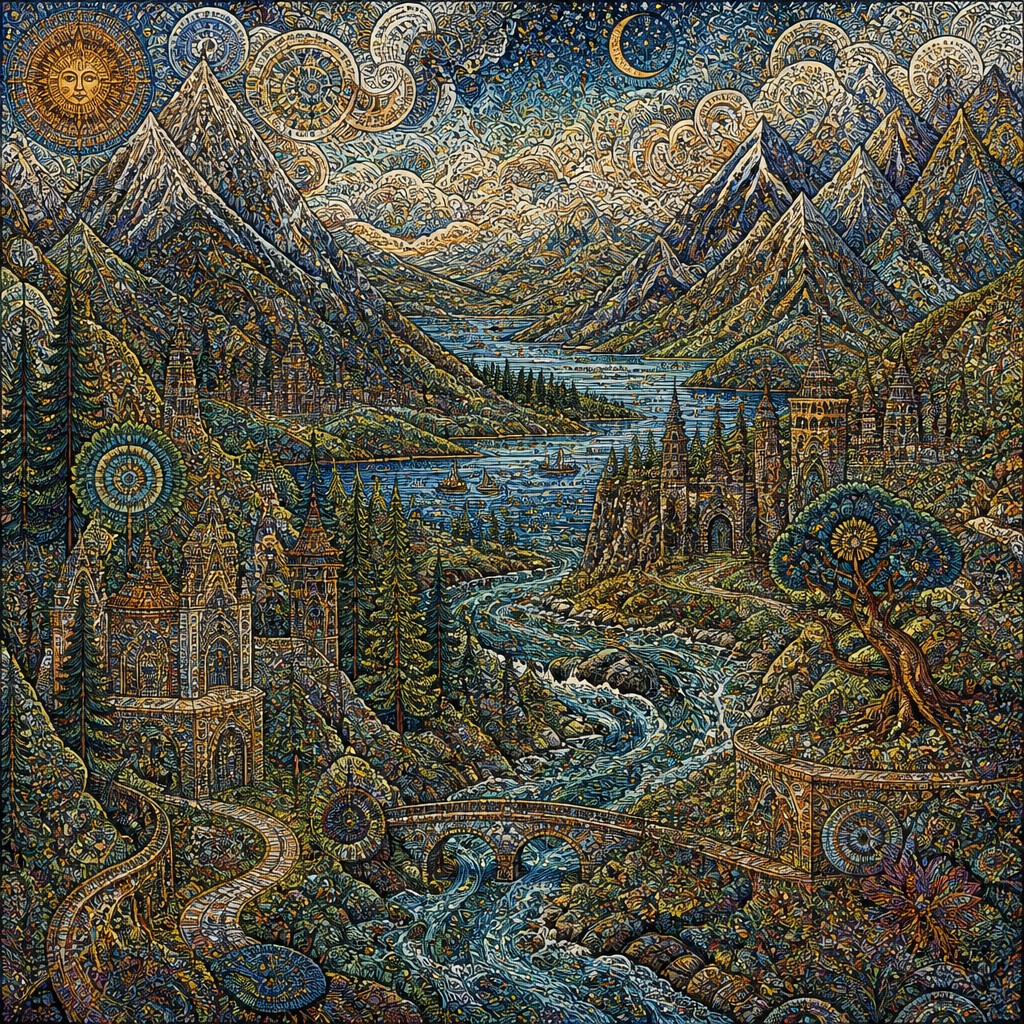
Micro-detail and close inspection
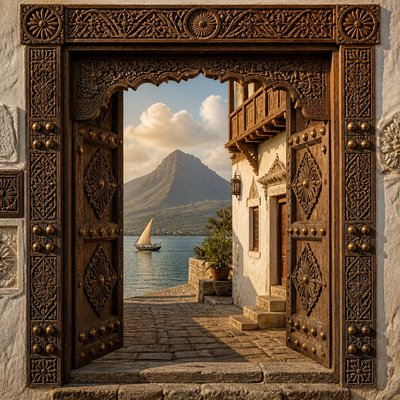
Fine marks, miniature scenes, concealed shapes, and nested patterns reward zooming in. The composition is designed to operate both as a unified field and as a collection of local discoveries.
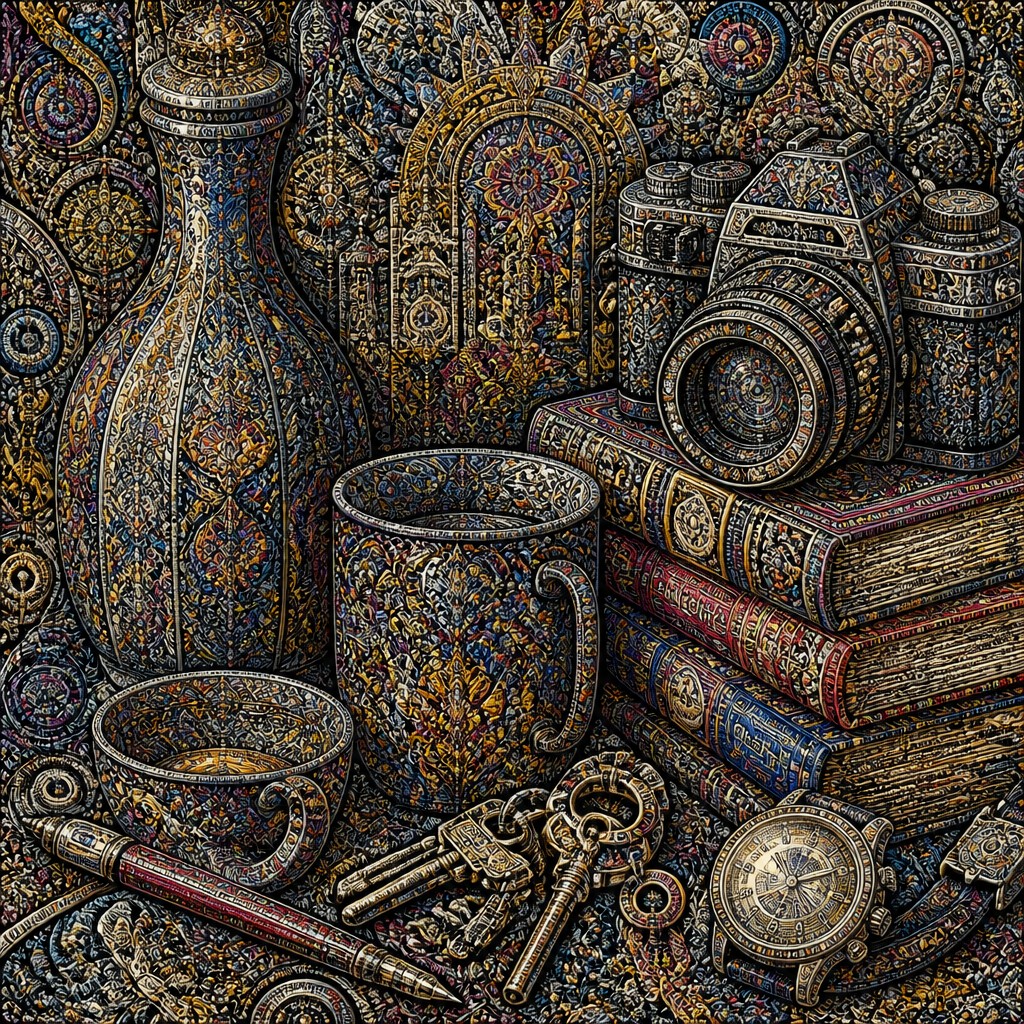
Rich material variation
Ink-like hatching, polished digital surfaces, granular textures, textile marks, metallic accents, and organic irregularities may coexist. Contrasting textures help separate layers within the crowded image.
Distributed focal points
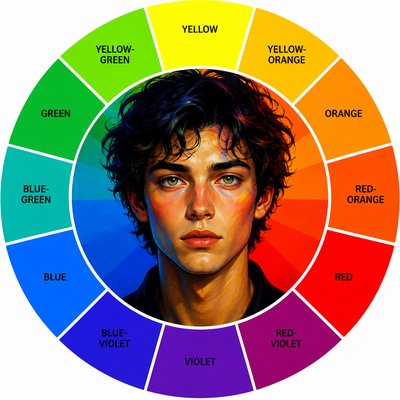
Instead of relying on one dominant subject, the style creates many secondary points of interest. Contrast, color, scale, and directional lines guide the eye through a constantly shifting hierarchy.
Complexity Prompt Ideas
Start from an idea — each one opens the generator with the style ready to go. See all 40 Complexity prompts →
How to Create Complexity Art
Master the craft step by step — or skip straight to creating. Read the full guide →
- 1
Build from large to small
Start with a clear overall silhouette, spatial division, or compositional rhythm before adding detail. Establish three or more depth layers, then progressively introduce smaller motifs so the image remains organized beneath its density.
- 2
Use controlled repetition
Choose a family of related shapes and repeat them at multiple scales, varying their orientation, spacing, and degree of transformation. Regular repetition supplies unity, while measured irregularity keeps the result alive.
- 3
Create texture by hand
For drawing or painting, combine hatching, stippling, cross-contour lines, collage fragments, and transparent glazes. Reserve the darkest values and sharpest marks for selected areas so a crowded surface still has depth.
- 4
Layer digitally with masks
Use separate layers, clipping masks, blend modes, and texture brushes to construct background, pattern, object, and highlight strata independently. Periodically simplify or conceal small sections to prevent visual noise from flattening the composition.
- 5
Direct prompt-based generation precisely
Describe the subject first, then specify dense interlocking patterns, overlapping strata, repeated motifs at varied scales, richly textured surfaces, and details distributed across the whole canvas. Add material, palette, viewpoint, and lighting instructions, and request clear structure if the result becomes indiscriminately chaotic.
- 6
Edit for navigability
After generating or rendering the image, inspect it at both thumbnail and close-up size. Strengthen a few pathways for the eye, vary detail density, and remove accidental tangles that do not contribute to the composition.
The Story
History & Origins of Complexity
Complexity Art Style has no established historical movement, founding school, or fixed period. It is best understood as a contemporary, cross-media aesthetic lineage rather than a documented art-historical style. Its development reflects the convergence of ornamental traditions, densely worked drawing, pattern-based design, surreal imagery, fractal thinking, and the layered workflows of digital illustration.
The style also corresponds to a broader contemporary interest in images that behave like visual environments: compositions that can be understood from a distance but continue to disclose smaller structures at close range. Digital compositing and text-to-image tools have made it easier to multiply, nest, and recombine motifs, while traditional practices such as engraving, manuscript ornament, textile pattern, and meditative mark-making provide important precedents.
Influences: The style draws on illuminated manuscript ornament, intricate engraving and etching, Persian and South Asian pattern traditions, textile and carpet design, mandala structures, Art Nouveau linework, Symbolist and surrealist image-making, visionary illustration, ornamental tattoo design, fractal geometry, and contemporary digital compositing. It also shares the close-looking discipline of highly worked drawing and the environmental quality of immersive installation and world-building imagery.
Frequently Asked Questions
What defines Complexity Art Style?
It is defined by dense interlocking forms, multiple overlapping layers, repeated motifs, and extensive micro-detail across the full image. The composition is meant to reward both distant viewing and prolonged close inspection.
Is Complexity Art Style a historical art movement?
No. It is a contemporary, invented style label rather than a documented historical movement with a founding date or official school. Its visual language combines influences from ornament, intricate drawing, pattern design, surreal imagery, and digital layering.
How is it different from maximalism?
Maximalism is a broad preference for abundance, contrast, and visual richness, while Complexity Art Style specifically emphasizes interlocking structures, nested detail, and repeated forms operating at different scales. A maximalist image can be crowded without having the layered, close-reading quality associated with this style.
Can Complexity Art Style depict recognizable subjects?
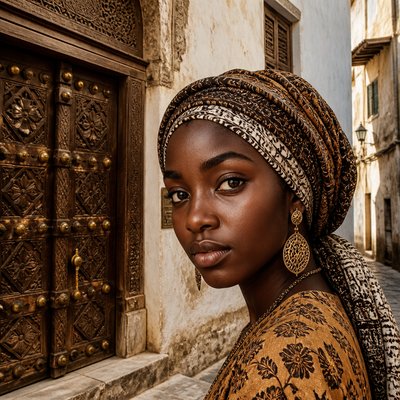
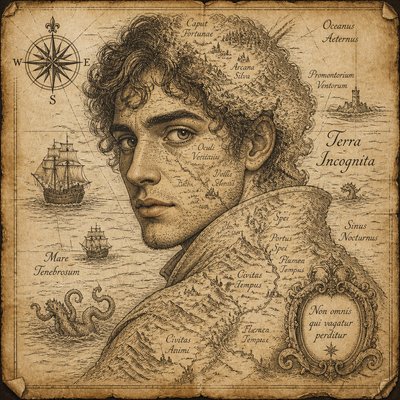
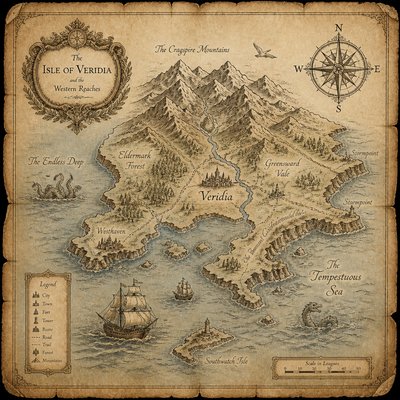
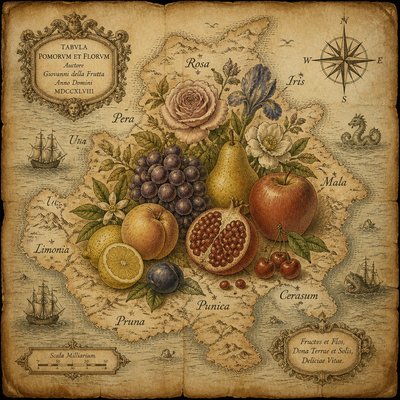
Yes. Portraits, animals, buildings, landscapes, maps, machines, and narrative scenes can all serve as underlying structures. The subject is often surrounded or partially constructed by patterns and secondary forms, so recognizability is balanced with visual complexity.
How can I prevent a complex image from becoming visually confusing?
Maintain a clear large-scale silhouette or spatial hierarchy before adding small details. Use differences in value, color, scale, edge sharpness, and texture to separate layers, and leave occasional quieter passages to create navigable paths through the image.
Where is this style commonly used?
It suits editorial illustration, album and poster artwork, fantasy world-building, concept art, book covers, textile and surface design, decorative prints, and immersive digital scenes. It is particularly effective when viewers are expected to spend time exploring the image.
Create your first Complexity artwork
Describe anything — or upload a photo — and see it in Complexity Art Style in seconds.
Related Styles
Discover similar art styles