Bacteriological Agar Art
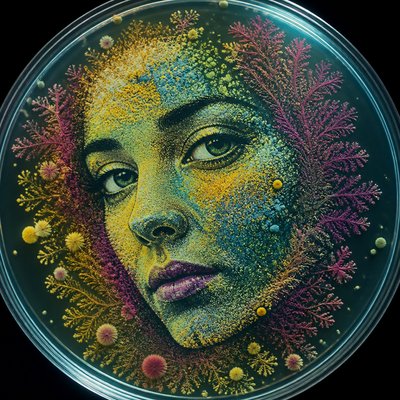
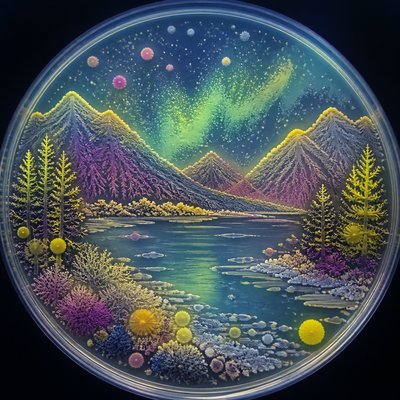
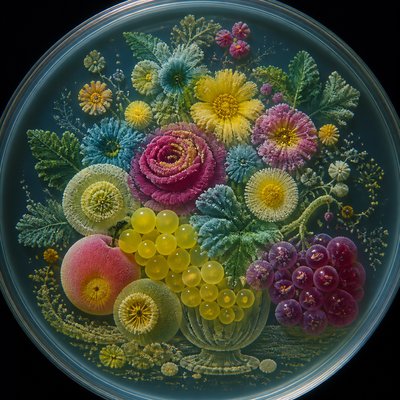
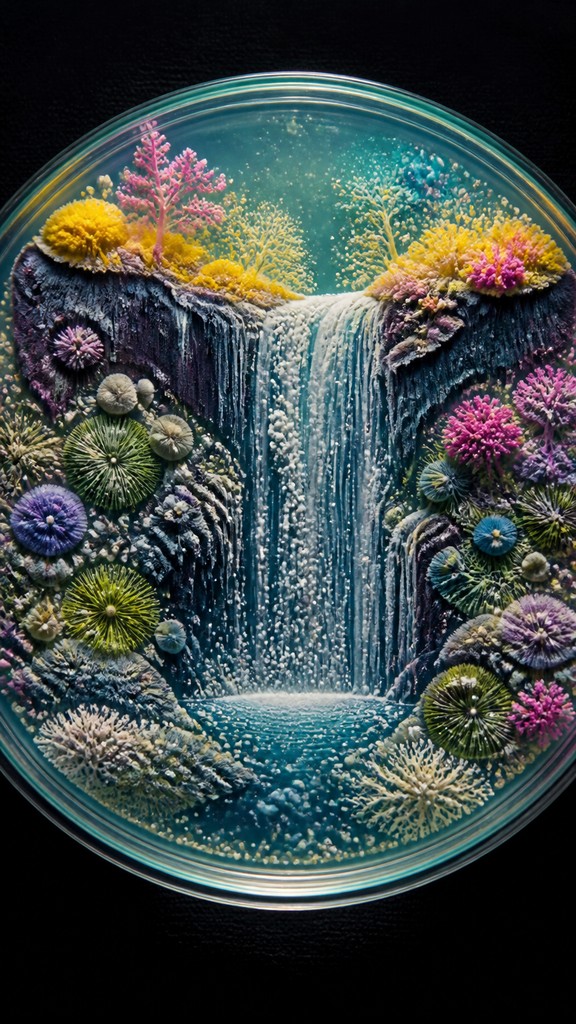
Living petri-dish imagery made from bacterial colonies, with glowing colors, organic growth patterns, and scientific texture.
Instantly rendered in Bacteriological Agar — or transform a photo
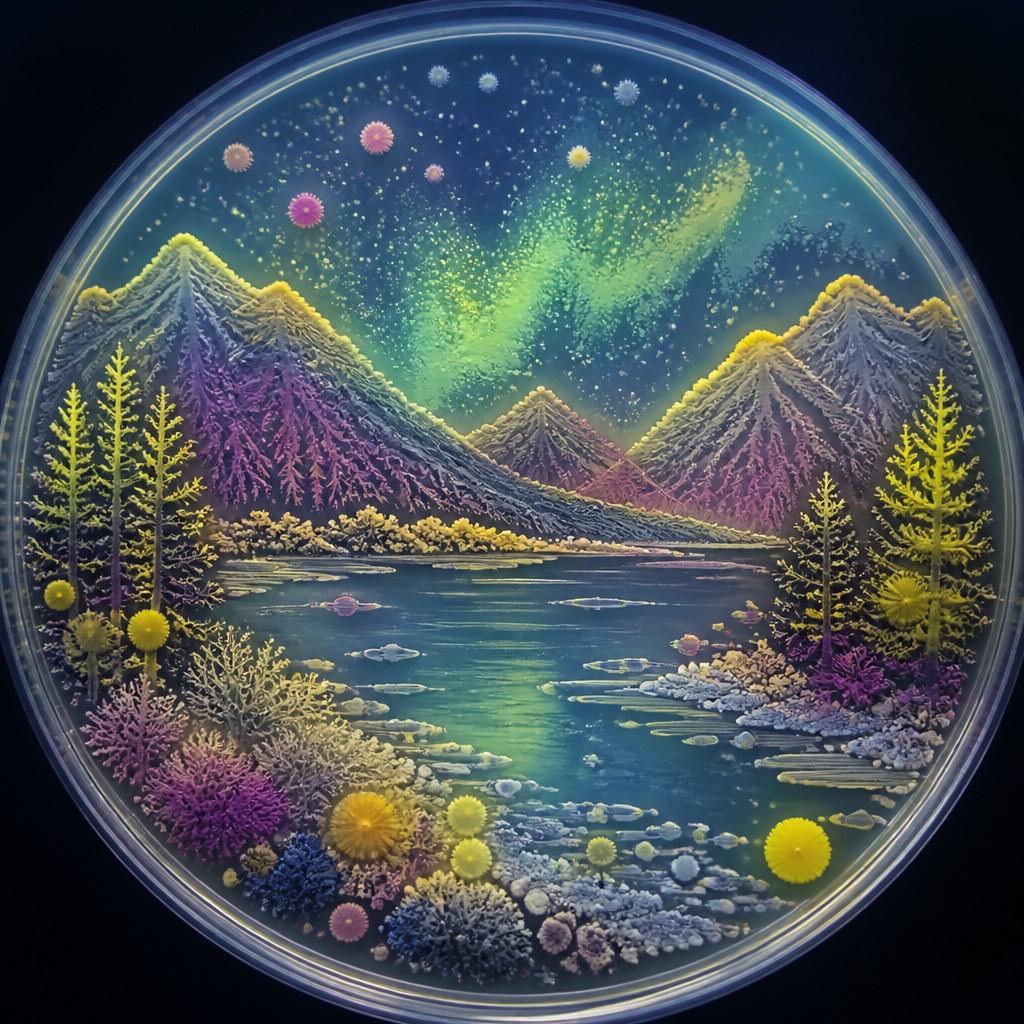
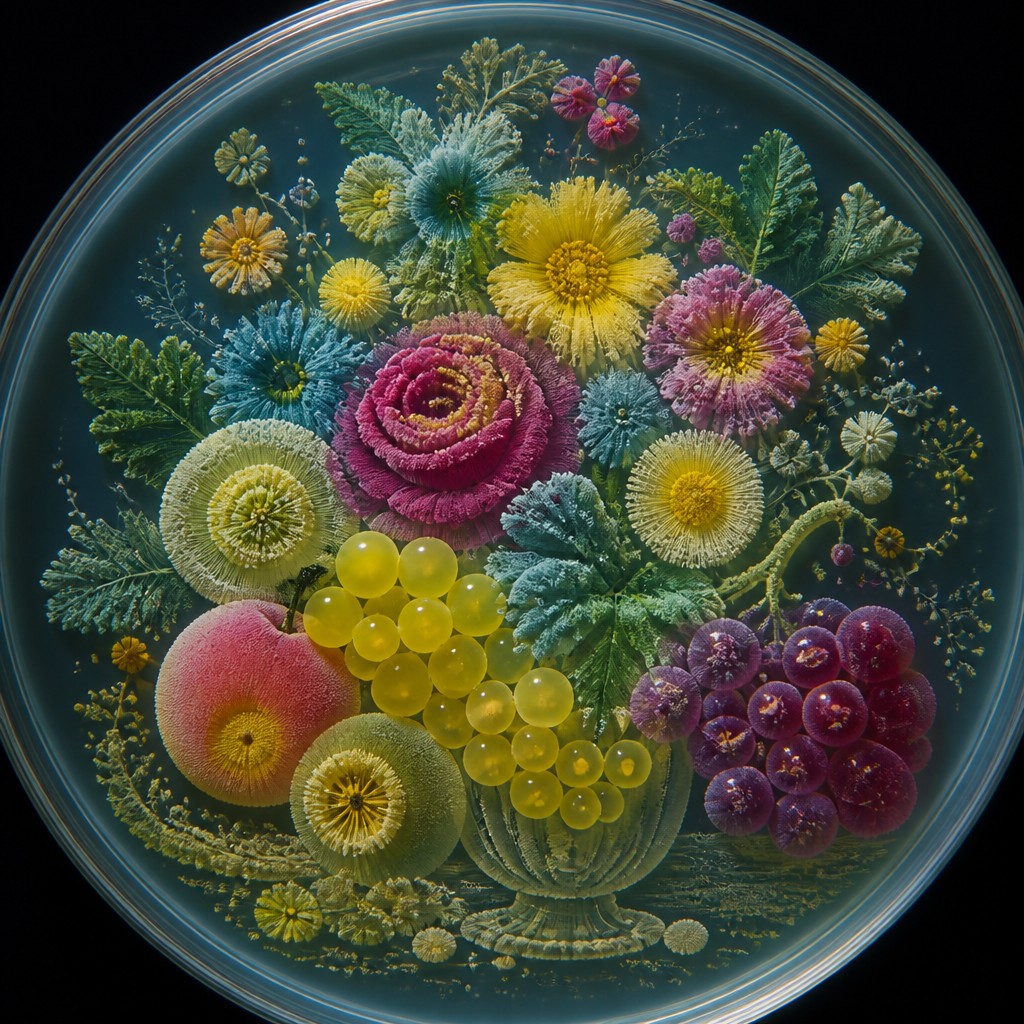
Bacteriological Agar Gallery
Tap any artwork to explore it
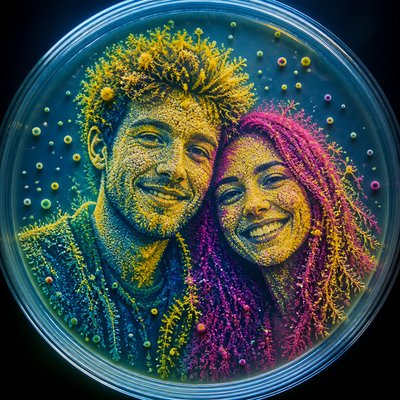
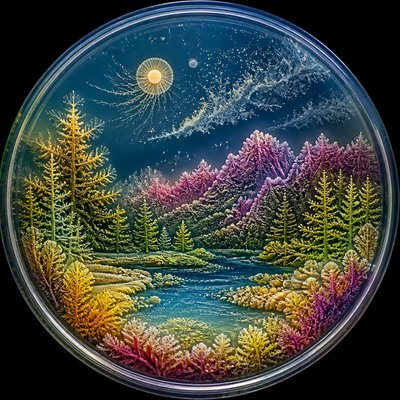
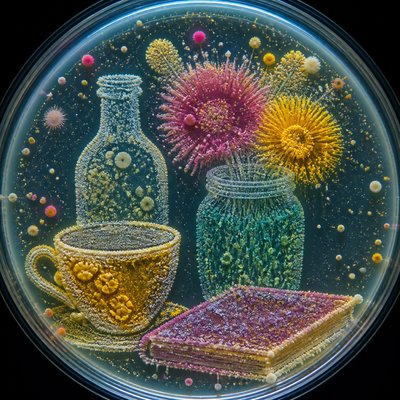
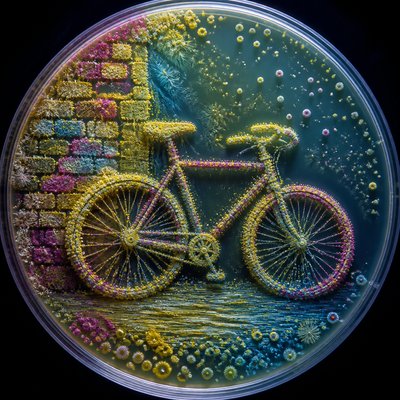
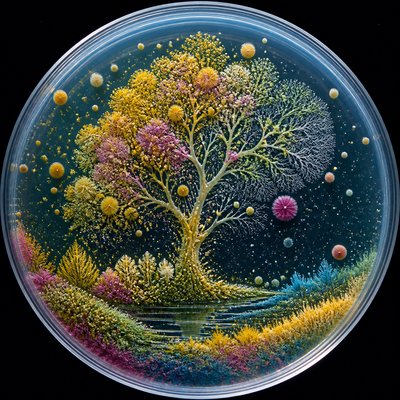
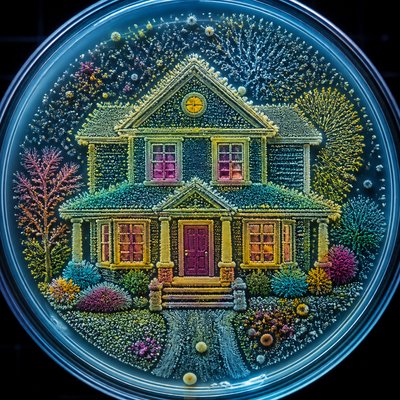
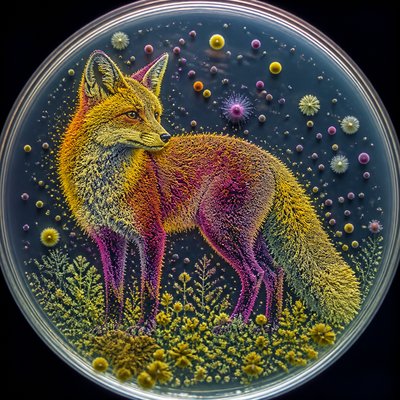
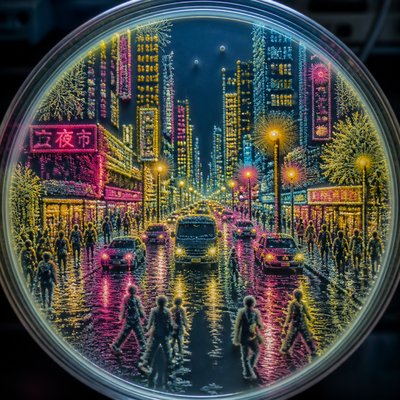
What is Bacteriological Agar Art?
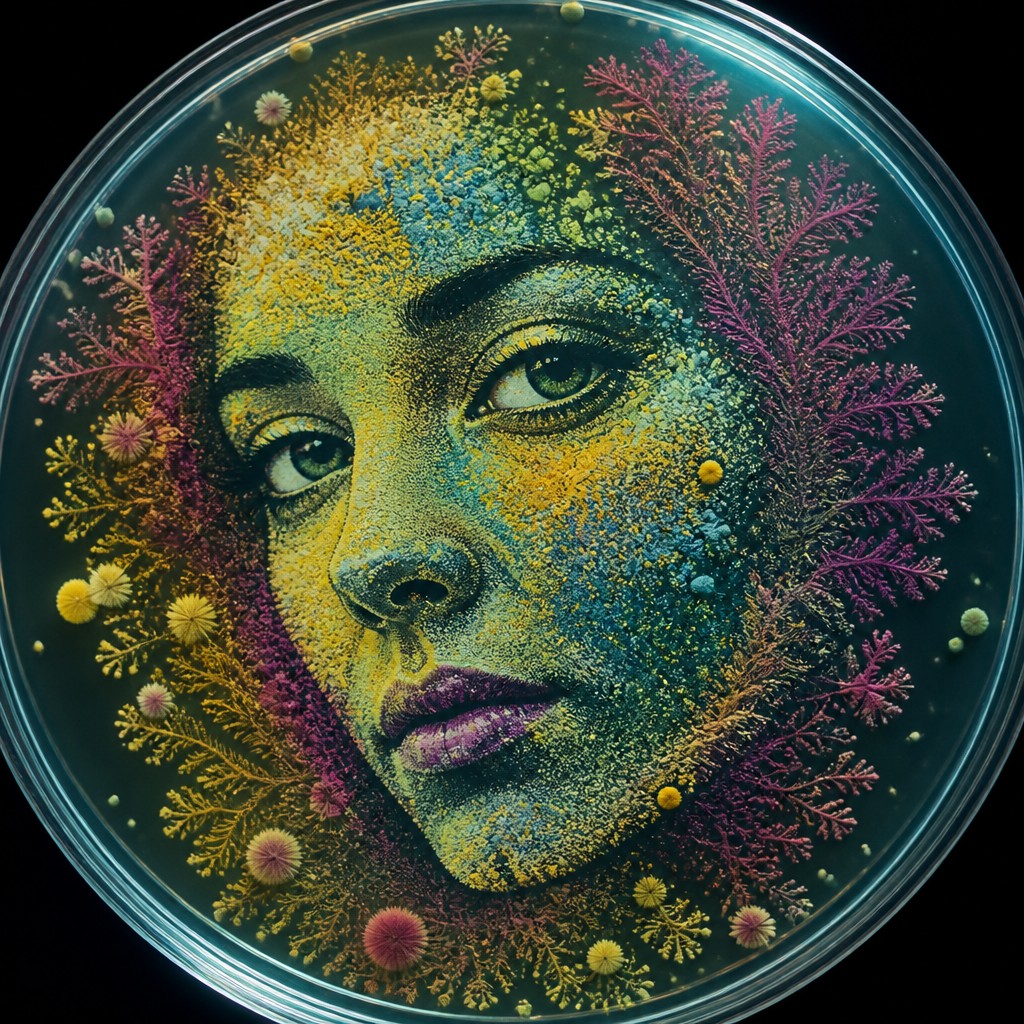
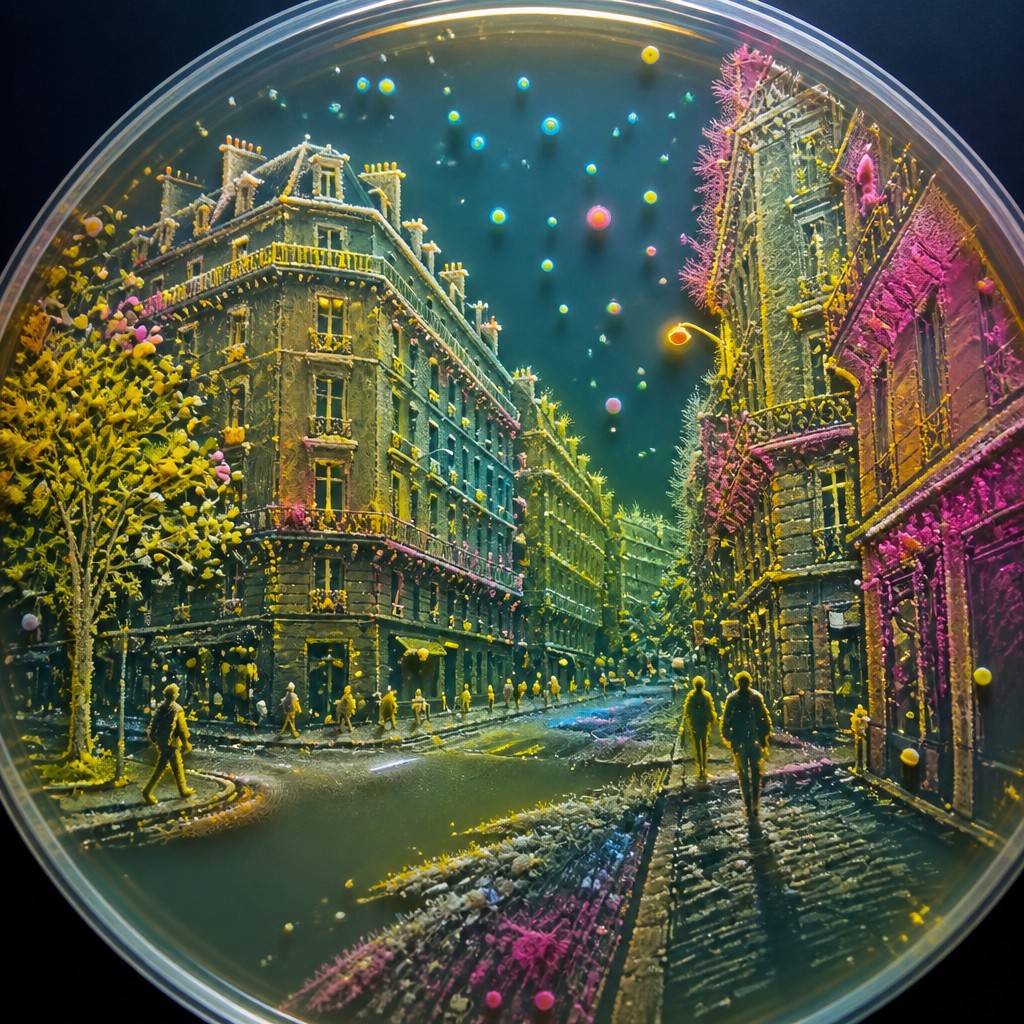
Bacteriological Agar Art is an image-making style in which pictorial forms are built from bacterial colonies grown on agar, usually within the circular boundary of a petri dish. The resulting images rely on living material rather than paint: dense growth reads as dark tone or saturated color, while sparse colonies, thin inoculations, and uncolonized agar create highlights and gradients.
Its visual identity is defined by organic, microscopic texture. Fringed colony edges, radial spread, branching growth, and subtle differences in strain pigmentation produce a surface that feels both diagrammatic and alive. Because the image continues to change as the colonies grow, the style often carries a sense of process, fragility, and time passing, even when presented as a finished composition.
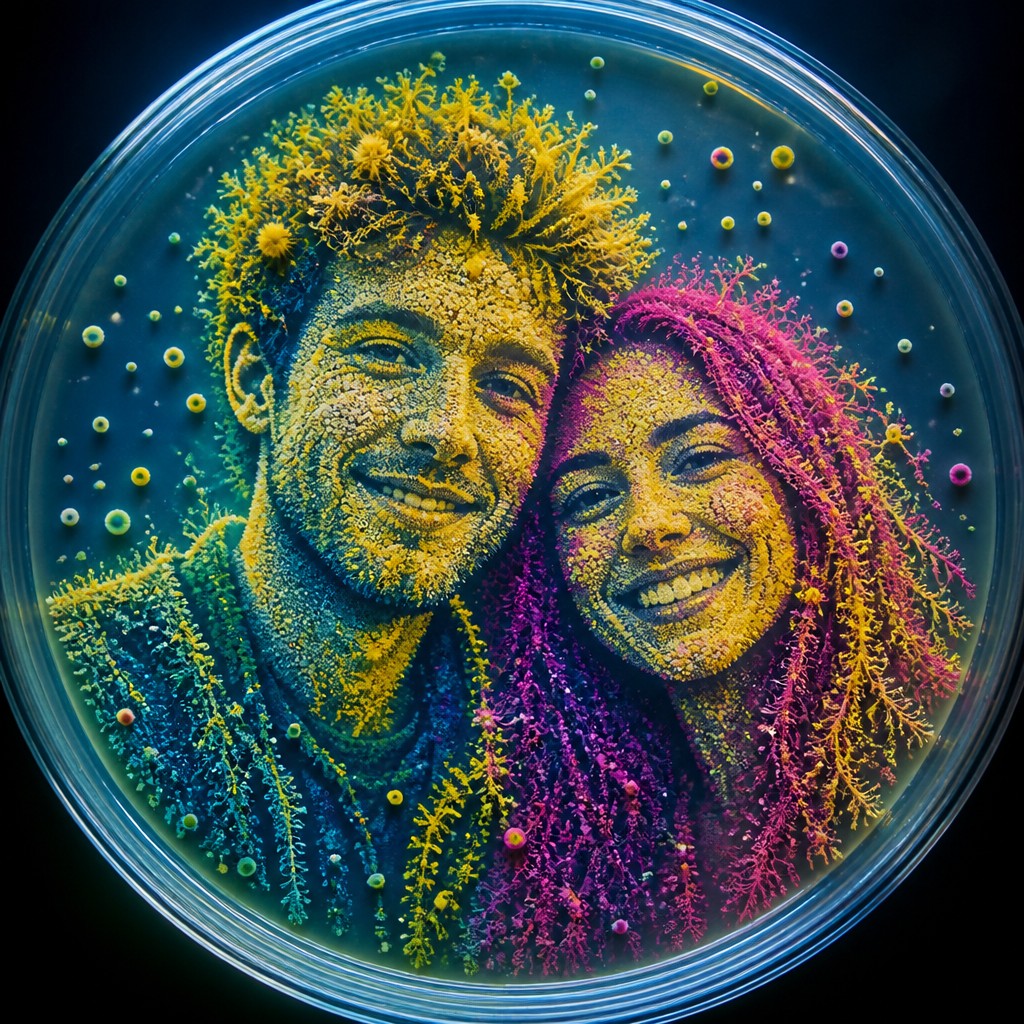
Try It On Your Photos
Upload any photo and convert it into Bacteriological Agar Art — drag the sliders to compare before and after.
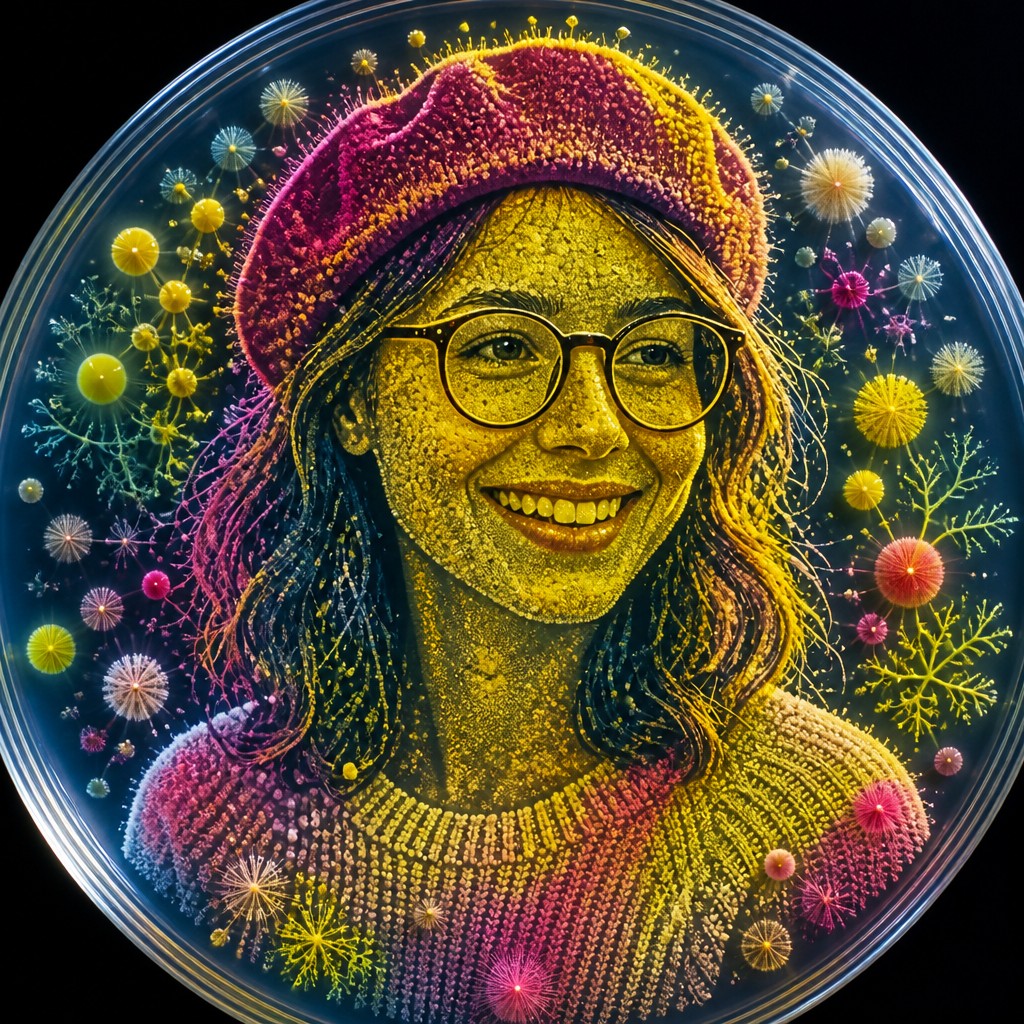


What Defines Bacteriological Agar Art
The signature details, up close
Living colony texture
Forms are made from clustered microbial growth rather than painted marks. Close viewing reveals granular, feathery, or velvety textures that vary by strain and density.
Petri-dish framing
The composition is usually confined to a circular dish, which creates a contained, laboratory-like presentation. The round boundary often functions as both frame and stage.
Color from biology
Color comes from pigmented bacterial strains rather than conventional pigments. Typical palettes include creams, yellows, pinks, magentas, greens, blues, and translucent off-whites.
Growth-based gradients
Shading is achieved by colony density and inoculation patterns. Dense areas read as dark or saturated, while sparse areas dissolve into dots, gaps, and atmospheric transitions.
Organic edge behavior
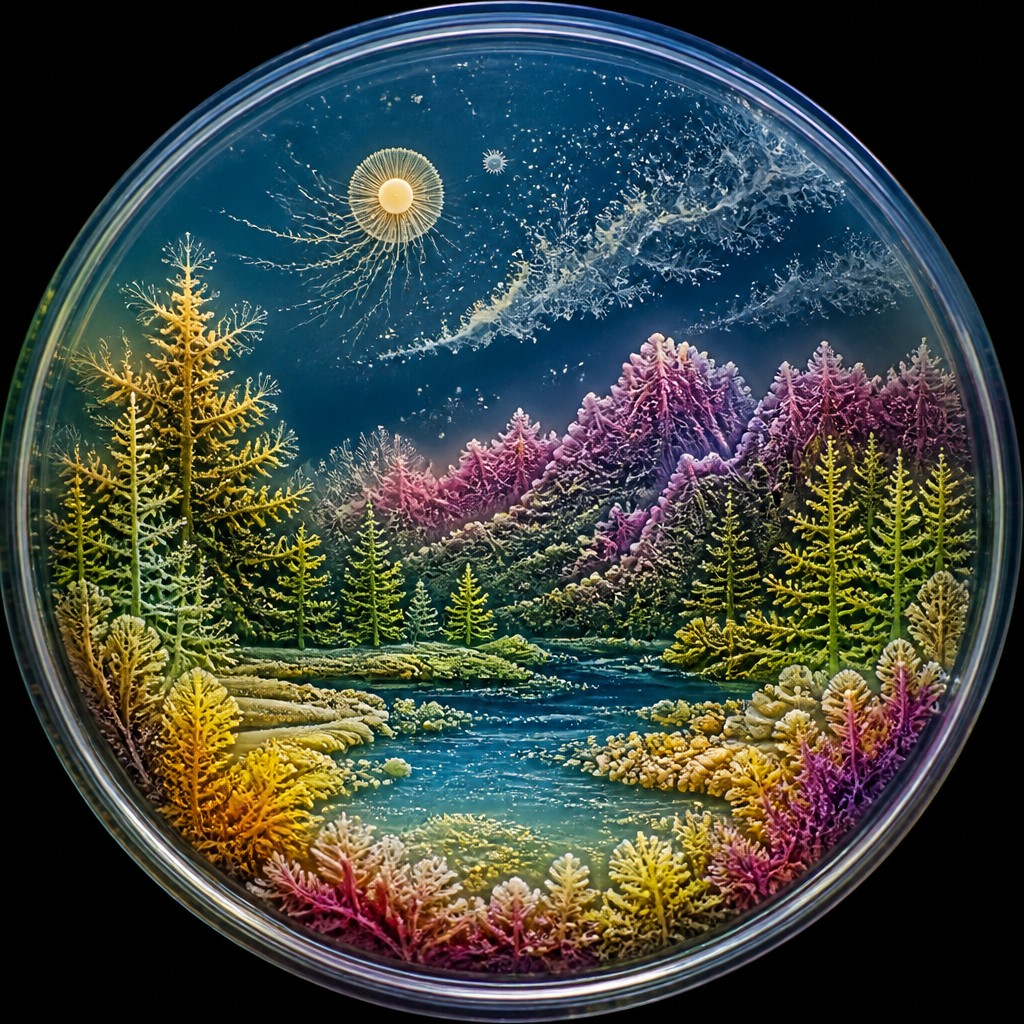
Instead of crisp vector outlines, the image often has irregular, fringed, or dendritic borders. These edges are produced by expansion, branching, and competition among colonies.
Glossy laboratory surface
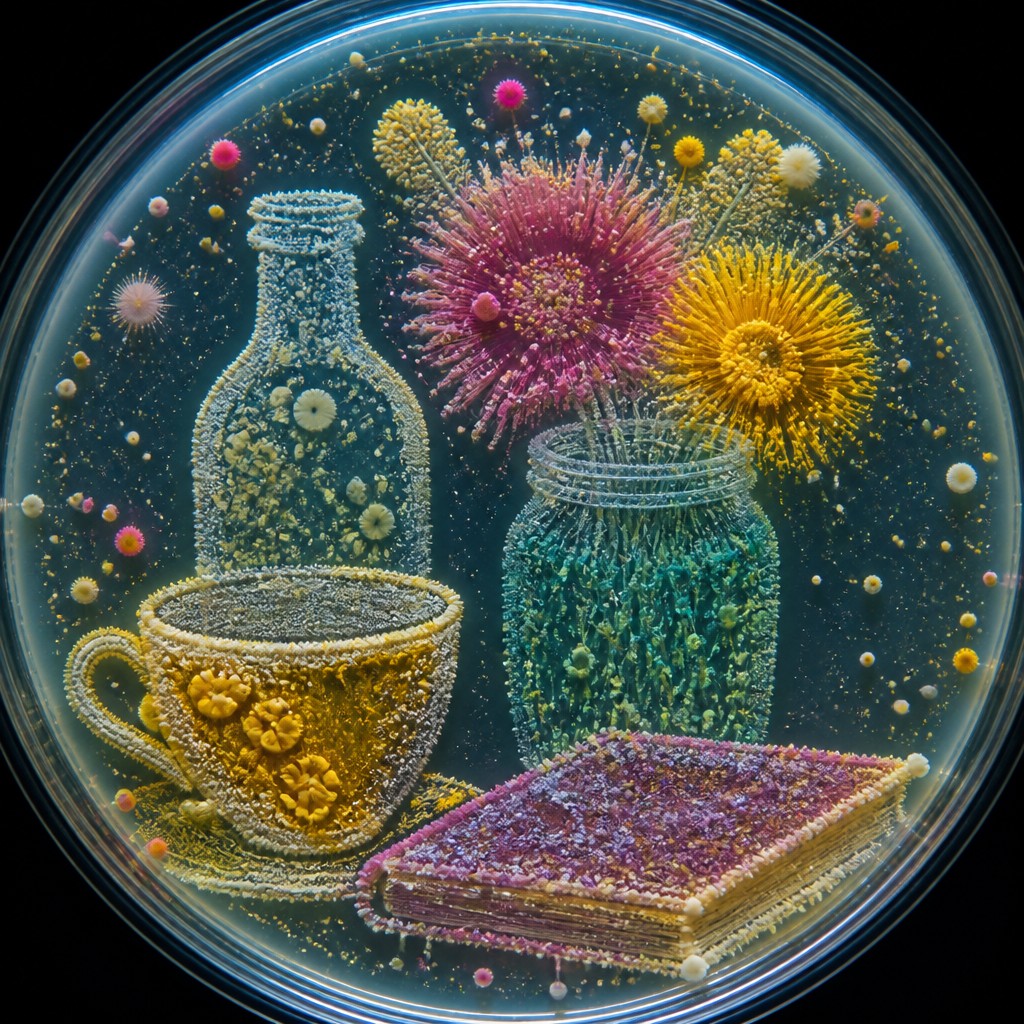
The agar itself appears smooth, moist, and slightly refractive under cool light. Reflections and translucent gel qualities give the composition a clinical but tactile presence.
Try It
Create Videos in Bacteriological Agar Art
Styles aren't just for stills — describe a scene or animate an image and get a short video rendered in Bacteriological Agar. Press play to see this pond come to life.
Make a VideoBacteriological Agar Prompt Ideas
Start from an idea — each one opens the generator with the style ready to go. See all 40 Bacteriological Agar prompts →
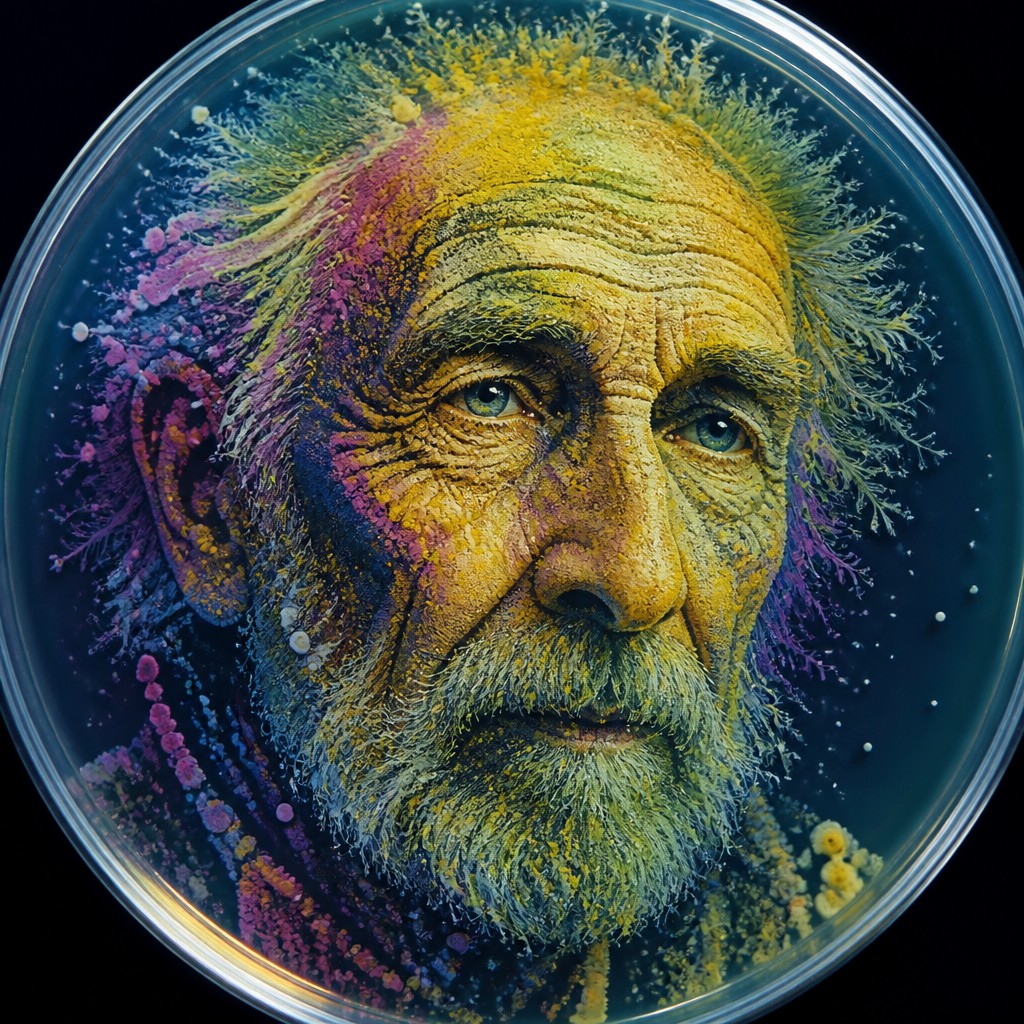
“close-up portrait of an elderly person with expressive weathered features”
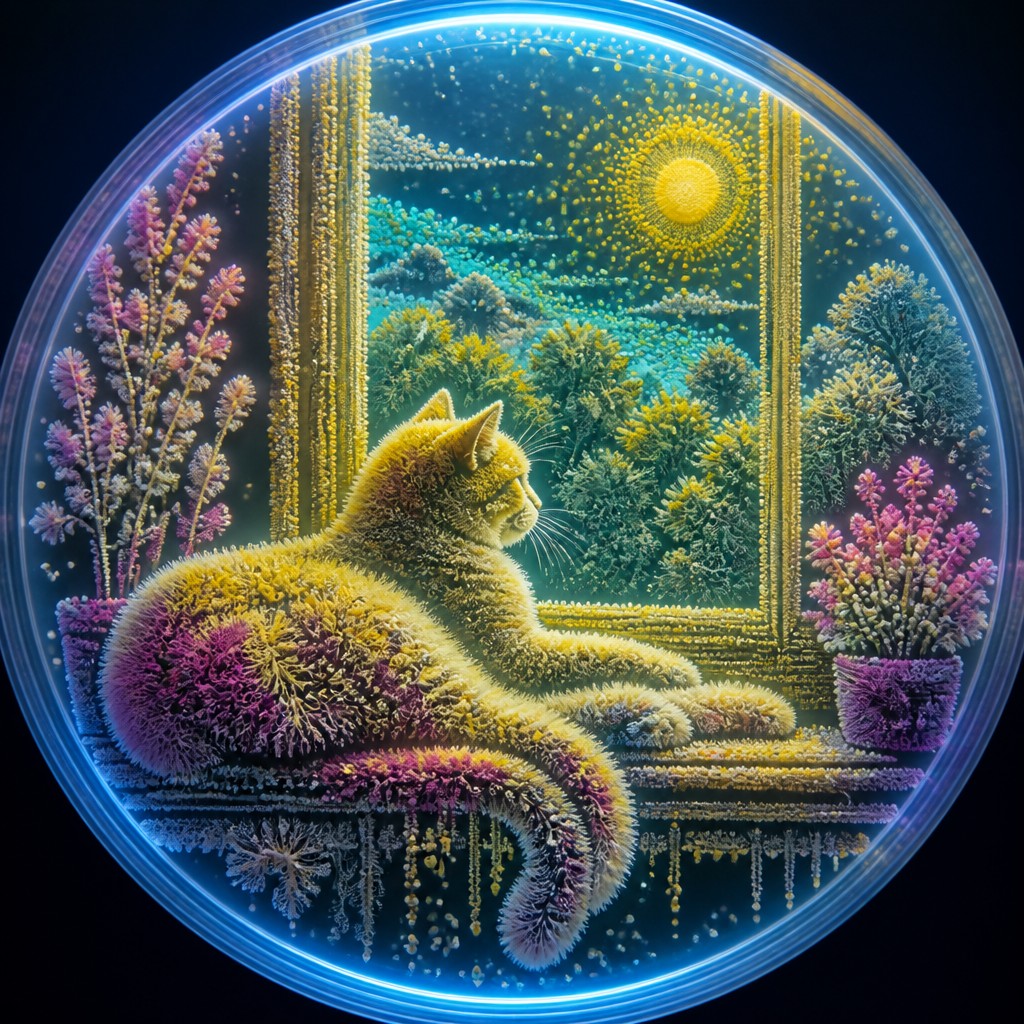
“a cat lounging in a sunlit window”
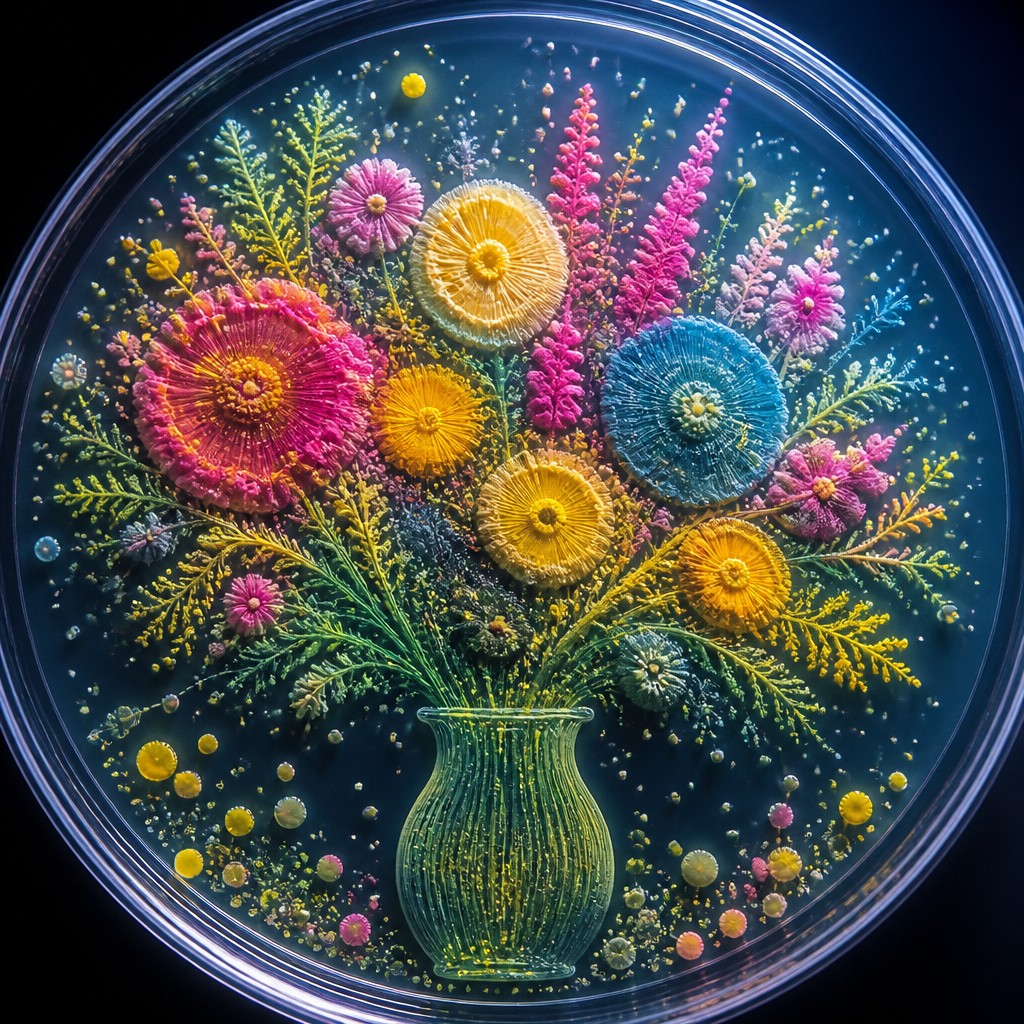
“bouquet of flowers in a glass vase”
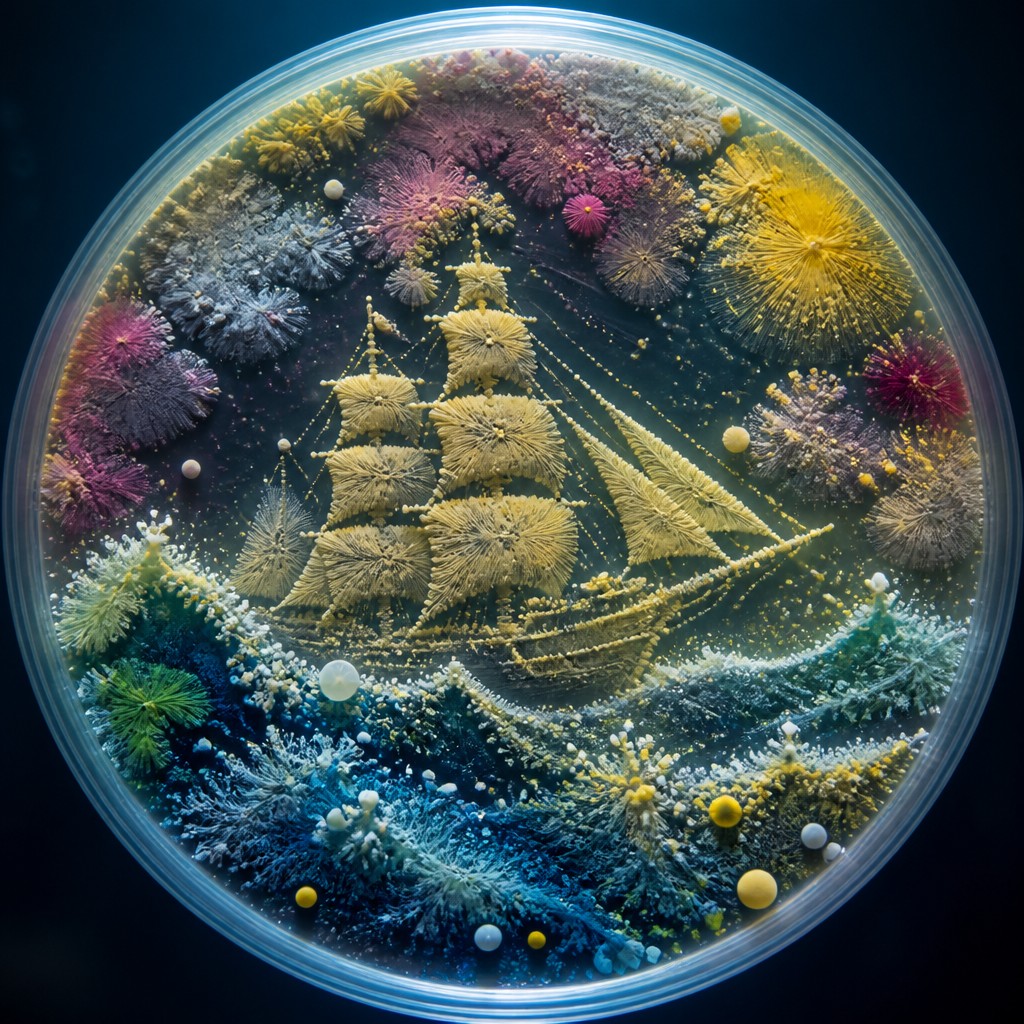
“sailing ship on a stormy sea”
How to Create Bacteriological Agar Art
Master the craft step by step — or skip straight to creating. Read the full guide →
- 1
Design for colony density
Build your image using areas of high and low density rather than continuous fills. In a traditional interpretation, think like a stipple or mosaic artist; in digital work, simulate clustered grains, soft dispersal, and irregular biological edges.
- 2
Use a limited microbial palette
Choose a restrained set of hues that feel strain-based rather than painterly. Bright pigments work best when balanced against translucent agar tones and a small number of neutral zones.
- 3
Preserve circular containment
Compose with the petri dish in mind, using the round boundary as part of the image design. Subjects that fit radial symmetry, portraits, emblems, organisms, or central icons often translate especially well.
- 4
Emphasize living irregularity
Avoid perfectly clean lines and uniform fills. Let forms feather, branch, and soften at the edges so the image feels cultivated rather than printed.
- 5
For photo-to-style transformation, simplify tonal structure
Strong silhouettes and clear value separation convert more effectively than highly detailed scenes. Portraits, animals, flowers, and logos usually work best when reduced to bold shapes and then reinterpreted as colony growth.
- 6
For prompt-based generation, specify growth behavior
Include terms such as clustered colonies, sparse dots, radial spread, translucent agar, and petri-dish boundary. Mention the desired subject and then describe it as if assembled from living bacterial textures under laboratory light.
The Story
History & Origins of Bacteriological Agar
Agar art emerged from microbiology and laboratory practice rather than from a traditional fine-art movement. Its materials are standard in bacteriology: nutrient agar, petri dishes, and selectively pigmented bacterial strains. Artists and scientists began using these tools creatively as a way to visualize biological growth, turning plate cultures into temporary images that reveal the aesthetics of microbial life.
The style’s aesthetic lineage connects to scientific illustration, microscopy, bioart, and process-based contemporary art. It also overlaps with the visual logic of pointillism, stained-glass composition, and organic abstraction, but its defining feature is that the image is literally cultivated. Contemporary interest in agar art reflects both public fascination with microbes and the broader bioart tradition of working with living systems as medium and subject.
Influences: This style draws from bioart, scientific illustration, microscopy imagery, and process art, while also echoing pointillist image construction and organic abstraction. Its circular framing and flat, self-contained presentation can recall emblem design and stained-glass composition, but unlike those traditions it depends on the behavior of living cultures. Contemporary discussions of bioart often place it near artists and practitioners concerned with living systems, though agar art itself is better understood as a laboratory-based visual practice than as a fixed historical movement.
Frequently Asked Questions
What defines bacteriological agar art?
It is imagery made from bacterial colonies grown on agar, usually in a petri dish. The defining features are living texture, colony-based color, and compositions that visibly depend on microbial growth.
How is it different from painting or digital art?
Traditional painting uses applied pigments, while agar art uses living organisms as the mark-making medium. Digital versions imitate the same visual cues—colony texture, translucency, and dish framing—but do not involve actual bacterial growth.
Why does it look mottled or grainy?
The grain comes from the size and distribution of colonies, not from brushwork. Dense clusters create darker regions, while thinning growth creates dotted transitions and soft gradients.
Can agar art change over time?
Yes. Because the medium is alive, the image continues to grow, shift, and sometimes degrade after it is made. That temporality is part of the style’s identity and visual meaning.
What subjects work best in this style?
Bold, legible subjects with clear silhouettes work best, including portraits, animals, flowers, symbols, and logos. Highly detailed scenes can be harder to read unless they are simplified into strong tonal areas.
Where is this style used?
It appears in scientific outreach, bioart exhibitions, educational demonstrations, and experimental visual design. It is especially associated with work that bridges art, biology, and laboratory culture.

Create your first Bacteriological Agar artwork
Describe anything — or upload a photo — and see it in Bacteriological Agar Art in seconds.
Make Something with Bacteriological Agar
Related Styles
Discover similar art styles