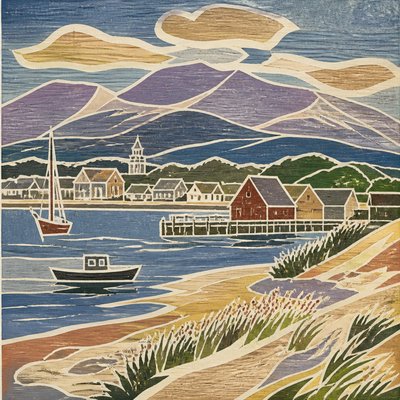
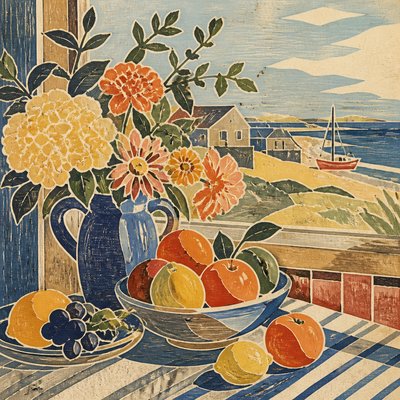
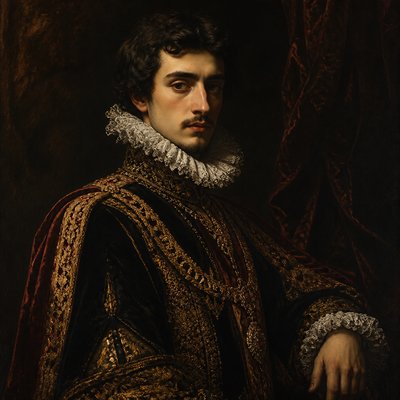
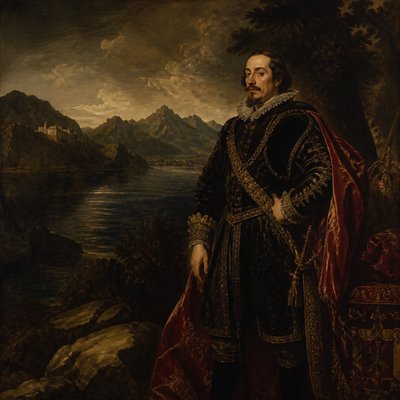
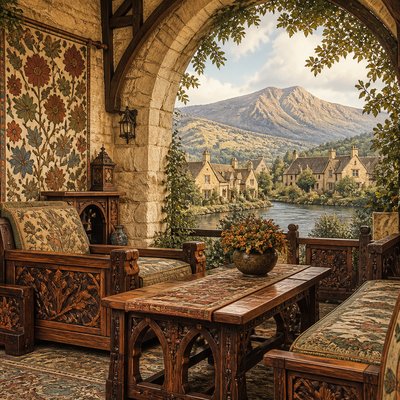
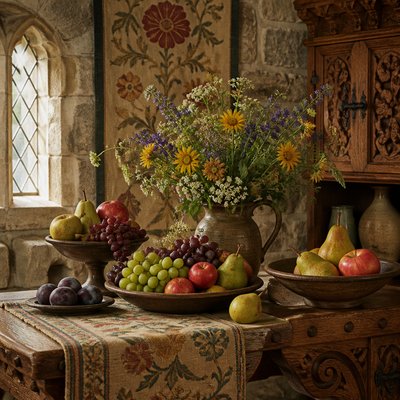
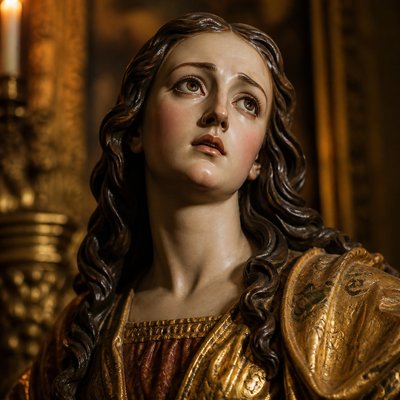
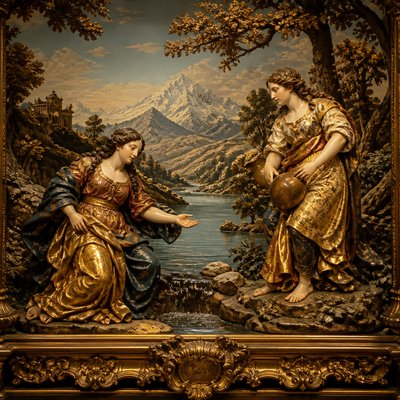
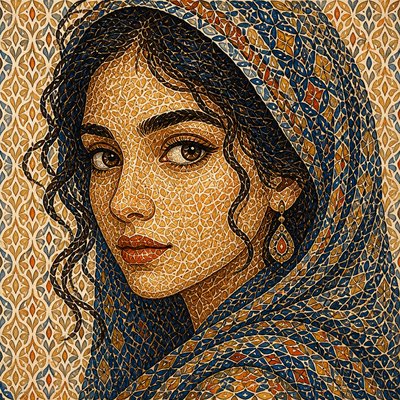
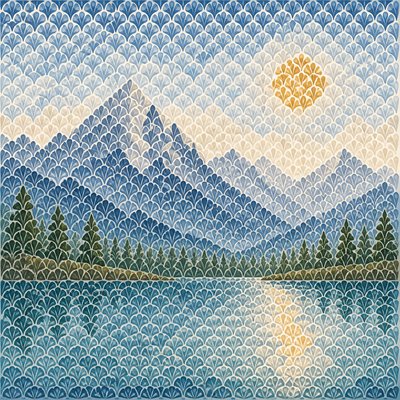
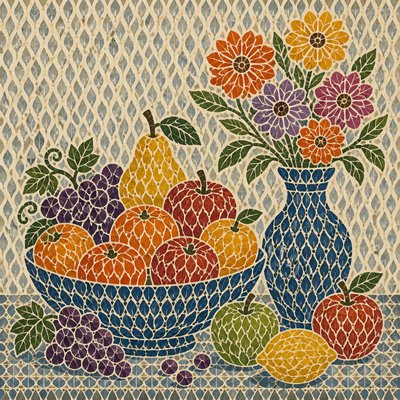
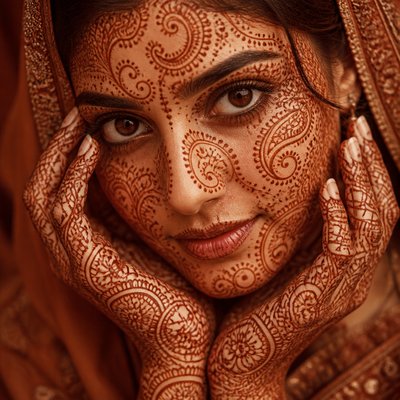
Simplicity Art Style
Explore Simplicity Art: a quiet visual style built from one essential shape, sparse color, and expansive negative space.
Instantly rendered in Simplicity — or transform a photo
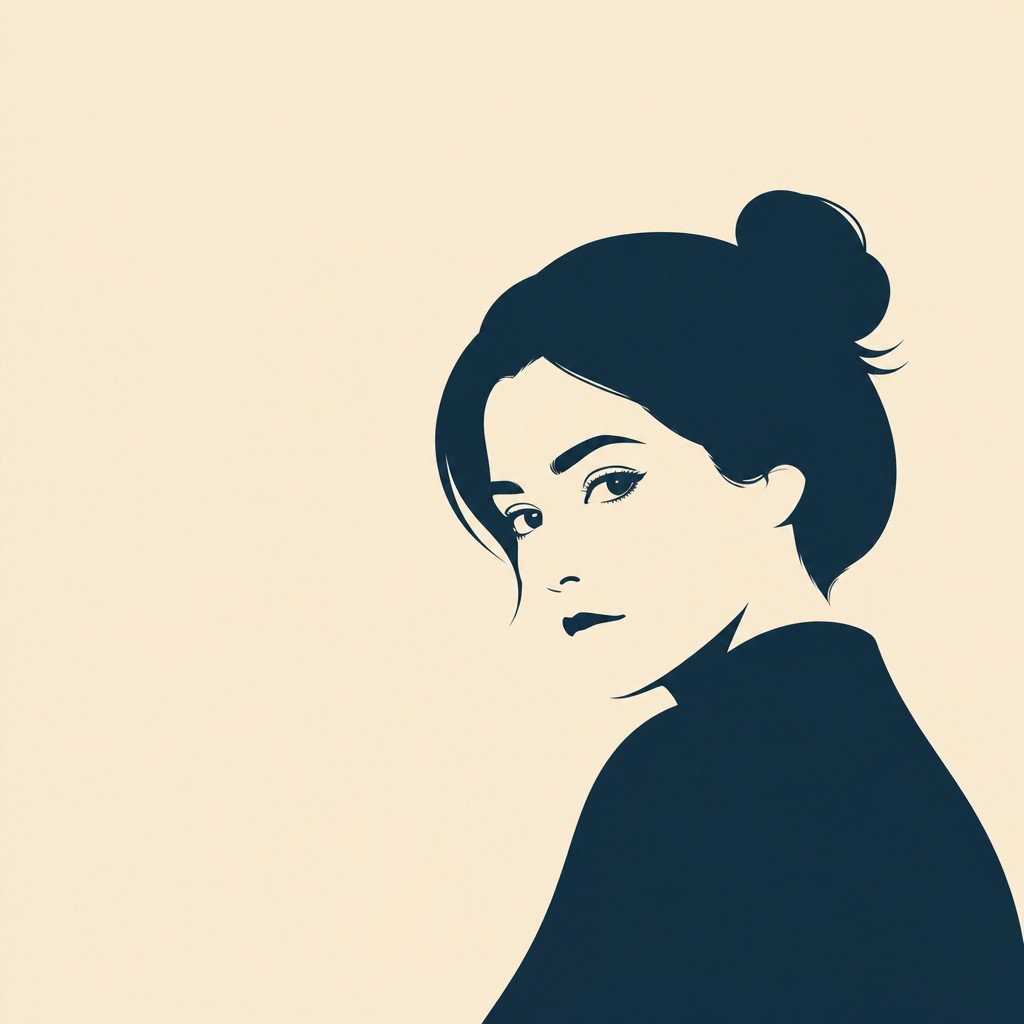
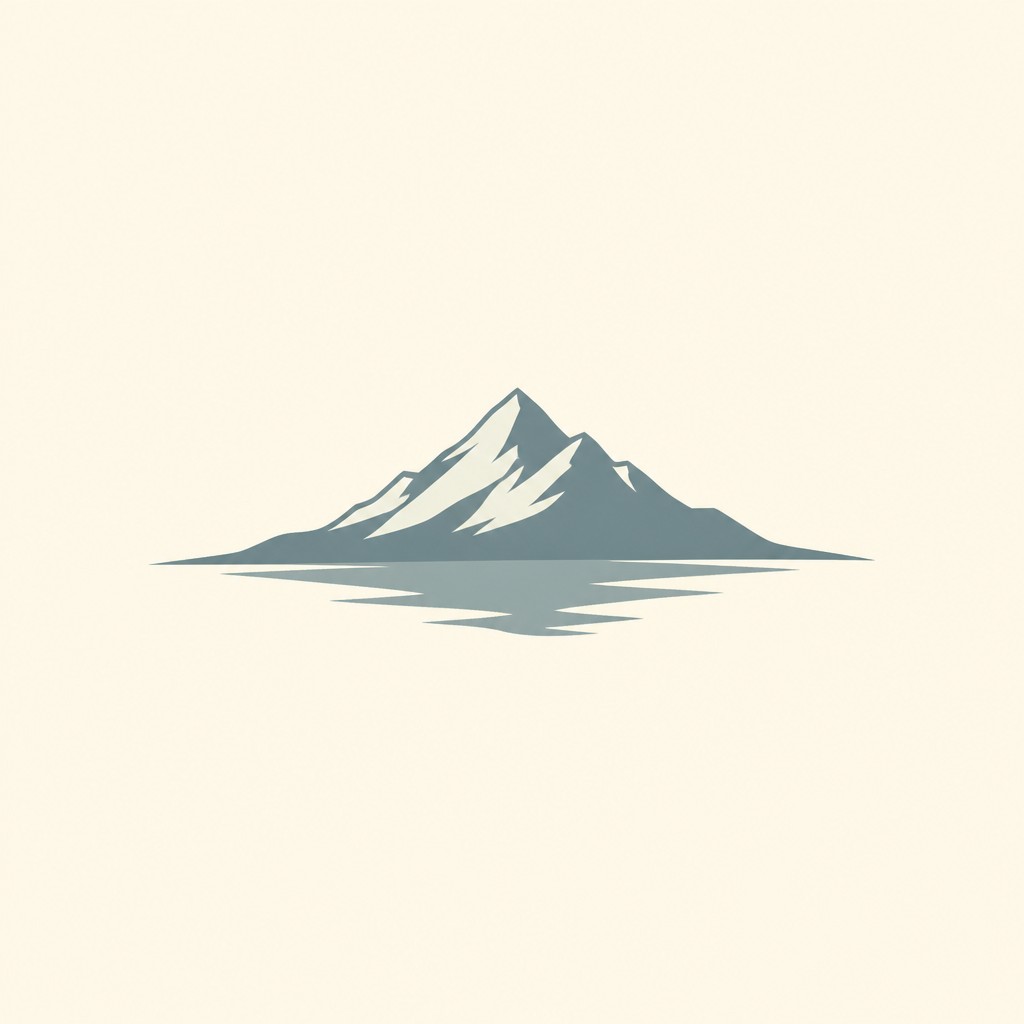
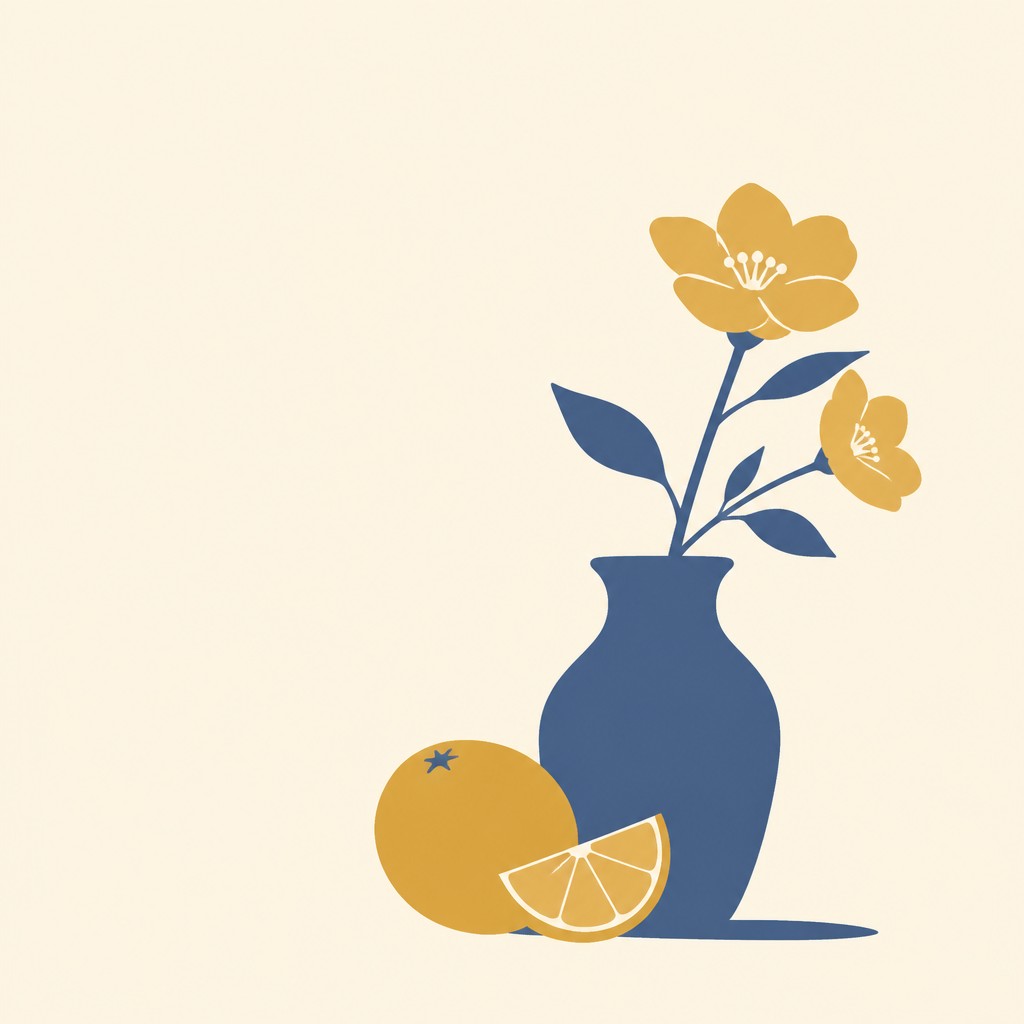
Simplicity Gallery
Tap any artwork to explore it

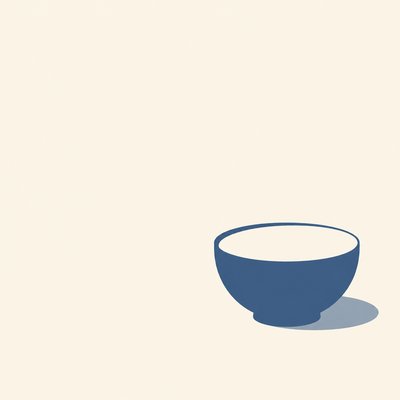
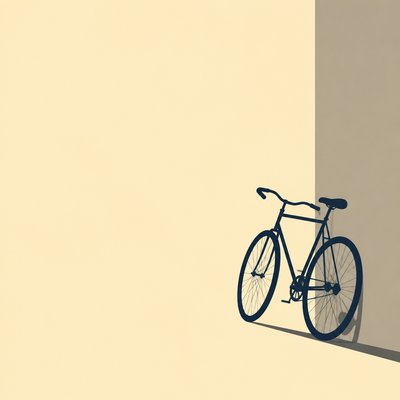
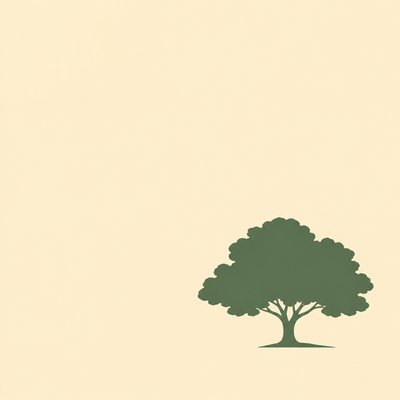
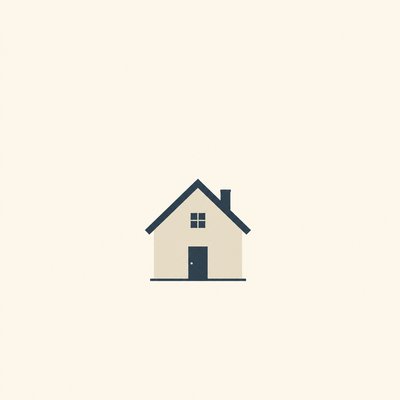
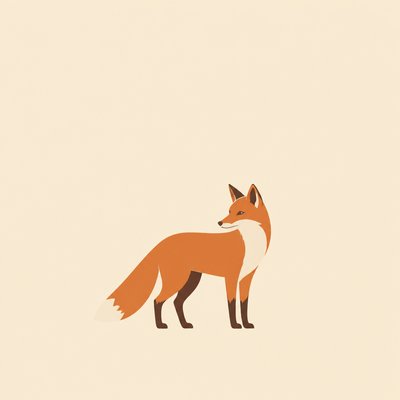
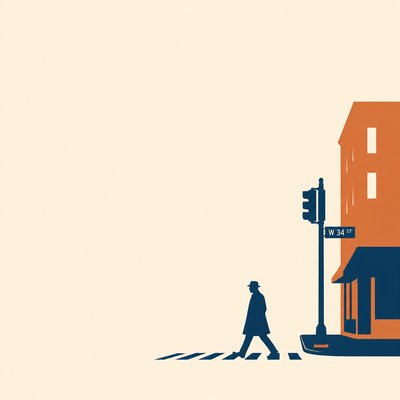
What is Simplicity Art Style?
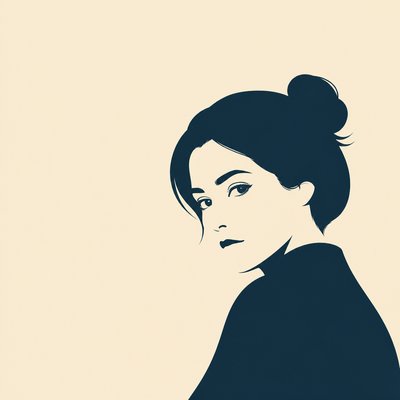
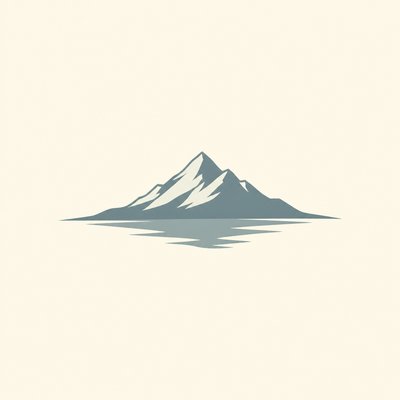
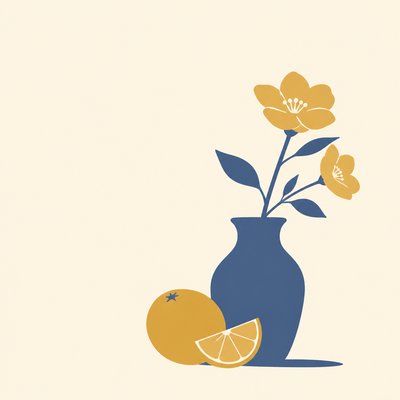
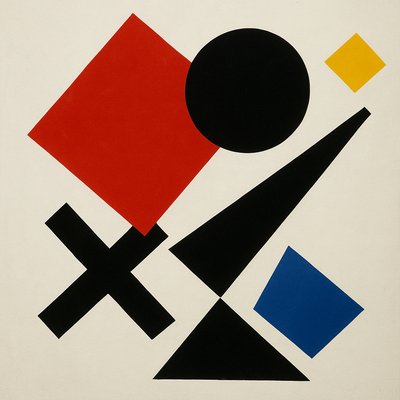
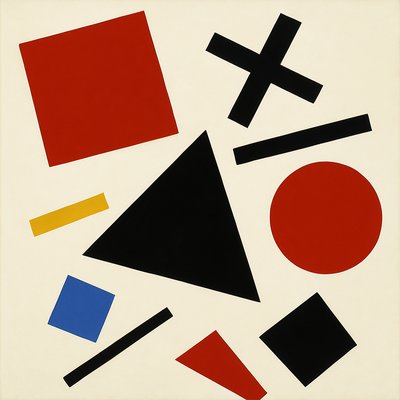
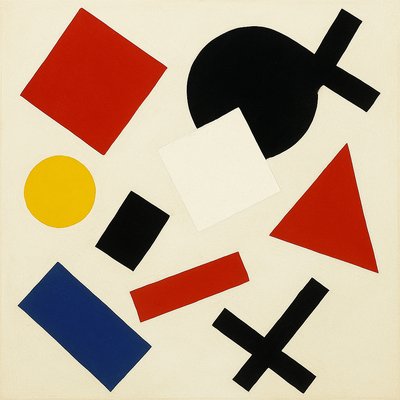
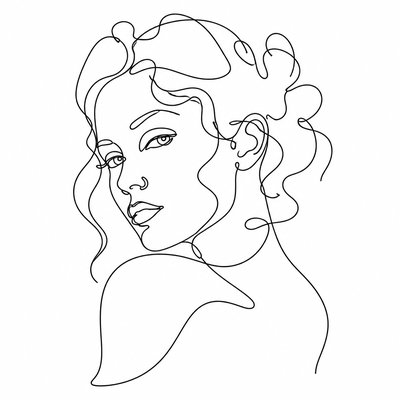
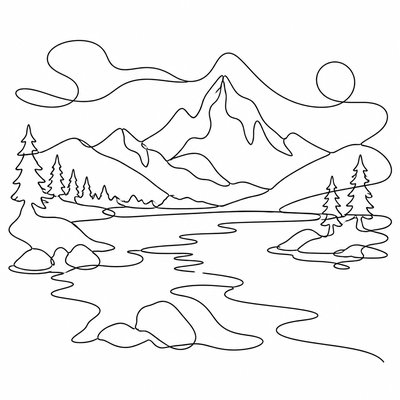
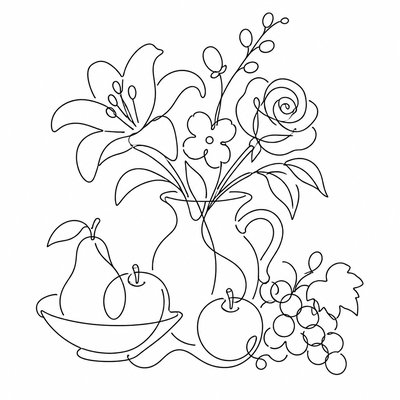
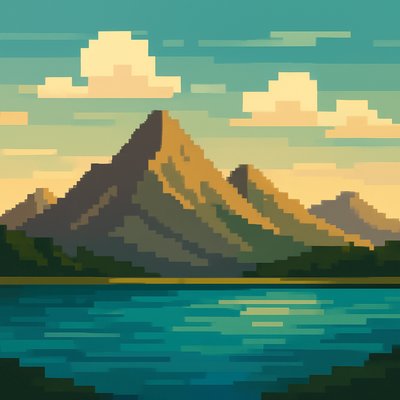
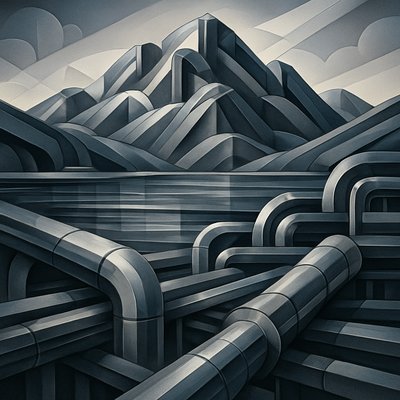
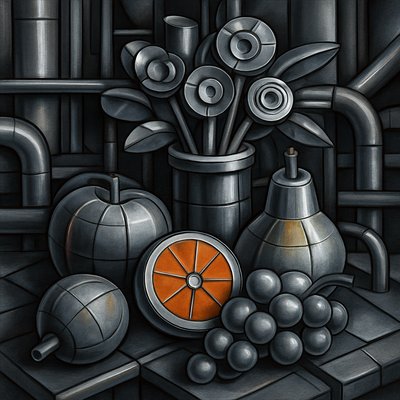
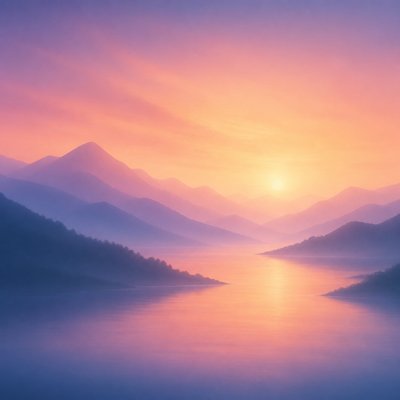
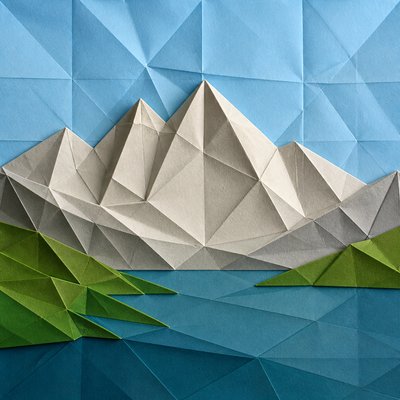
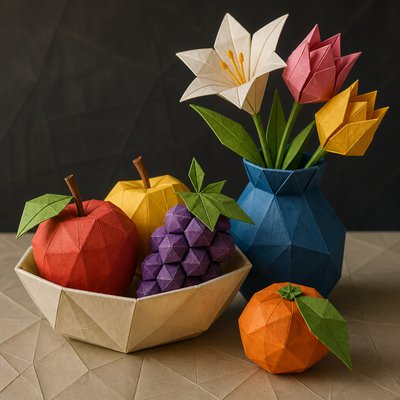
Simplicity Art is an intentionally reduced visual style organized around a single clean shape suspended in abundant empty space. Its compositions use very few elements—often one central form, a restrained background, and two or three flat tones—to create a sense of stillness, clarity, and visual pause.
The style looks calm because it removes hierarchy, texture, ornament, and narrative detail that might compete with the essential form. A circle, vessel, leaf, stone, figure, or geometric silhouette can become the entire subject, while generous negative space gives the image room to breathe. Although it may be abstract, it can also depict recognizable objects through simplified contours and carefully controlled proportion.
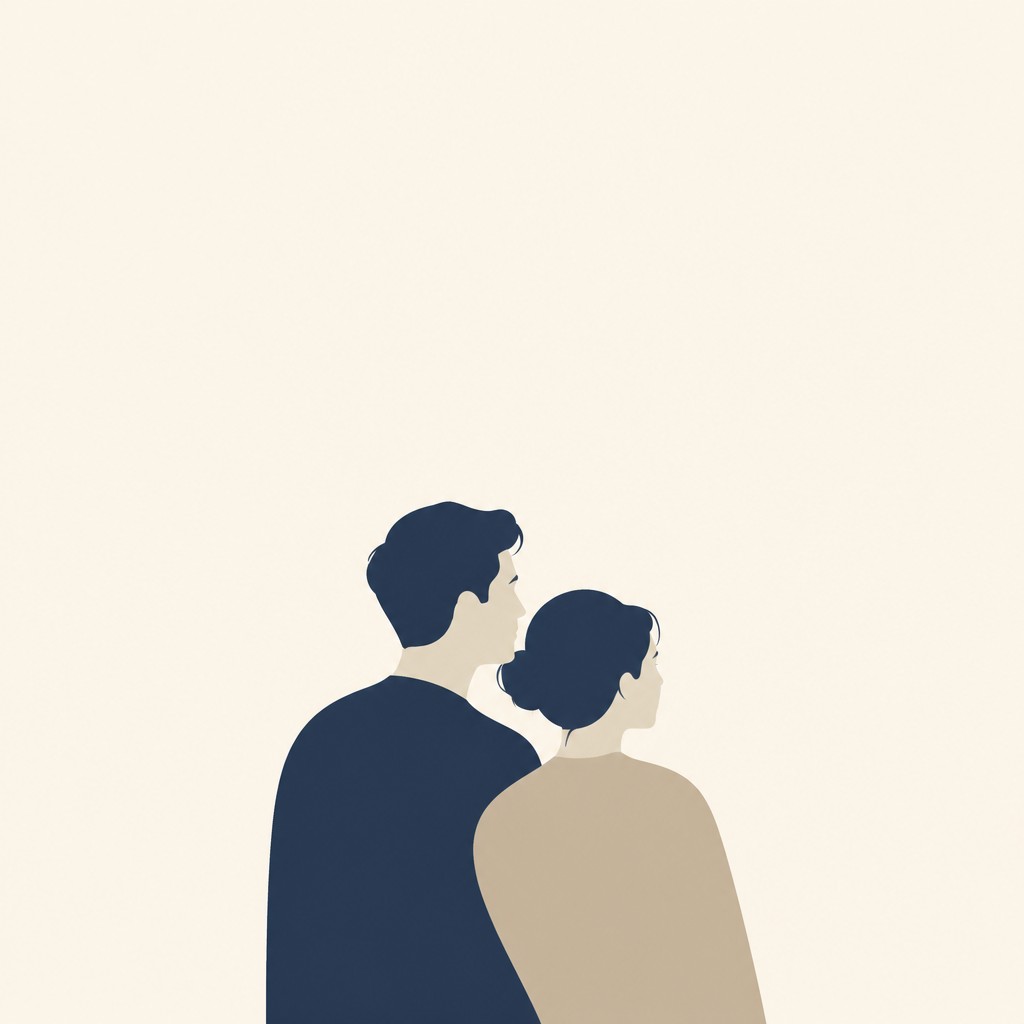
Try It On Your Photos
Upload any photo and convert it into Simplicity Art Style — drag the sliders to compare before and after.


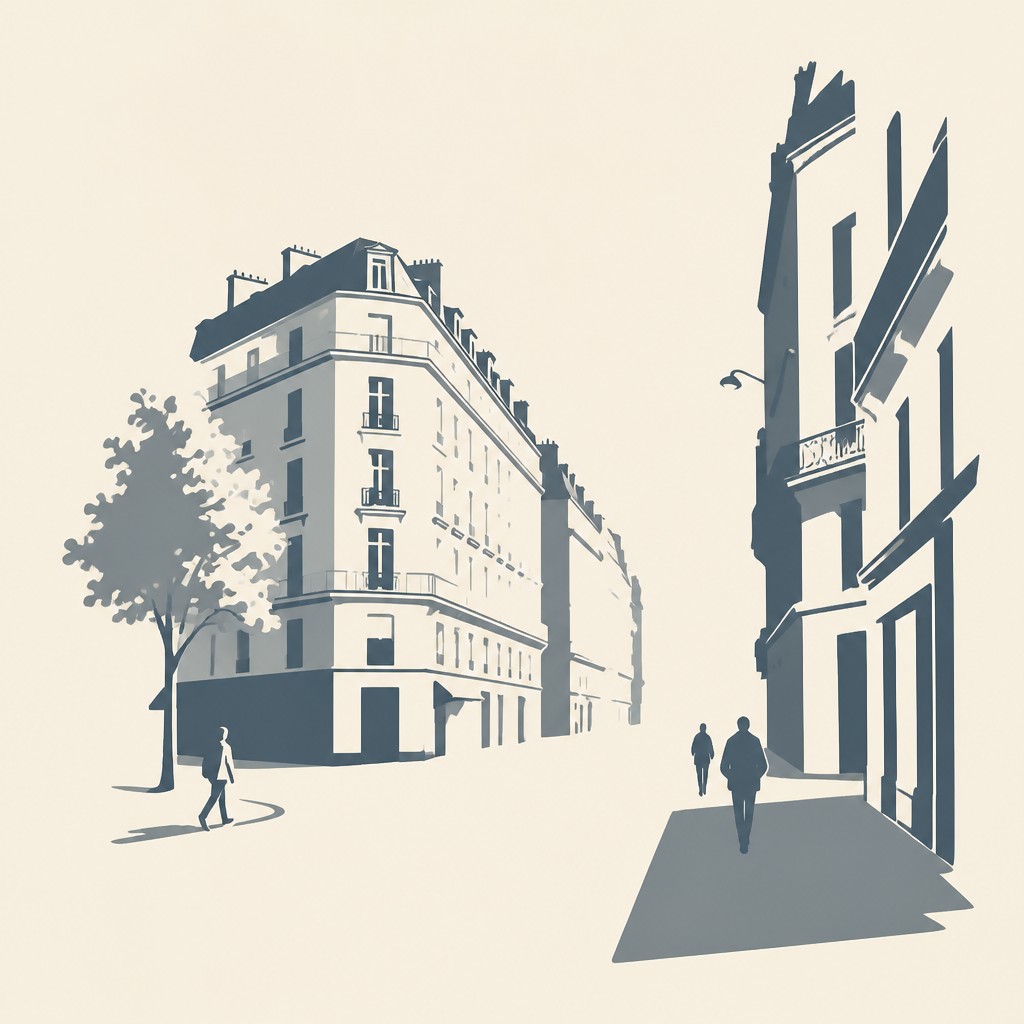

What Defines Simplicity Art Style
The signature details, up close
One dominant form
The composition is usually built around a single shape or object that carries nearly all of the visual meaning. Secondary elements are omitted or reduced to avoid competition.
Expansive negative space
Empty background occupies most of the canvas, surrounding the subject with a deliberate sense of distance. This space functions as an active compositional element rather than an unfinished area.
Restricted color palette
Color is commonly reduced to two or three flat tones, often combining a muted background with one contrasting subject color. Subtle tonal shifts may be used sparingly, but decorative color variation is avoided.
Essential contour
Forms are defined by confident, economical edges rather than intricate modeling or surface detail. The silhouette must remain recognizable and balanced even when reduced to a few lines.
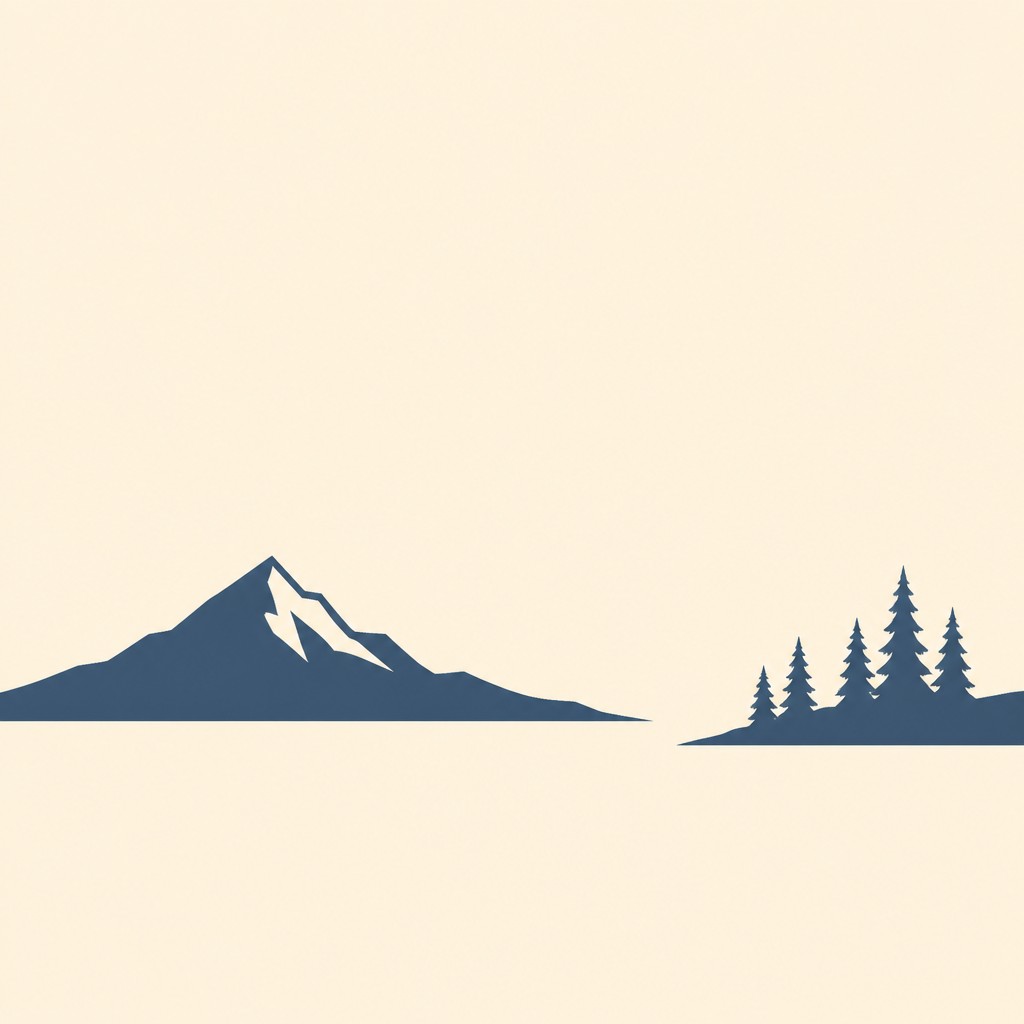
Flat visual treatment
The style favors broad areas of unmodulated color and limited shading. Texture, photorealistic rendering, and complex lighting are generally excluded unless they support the central form.
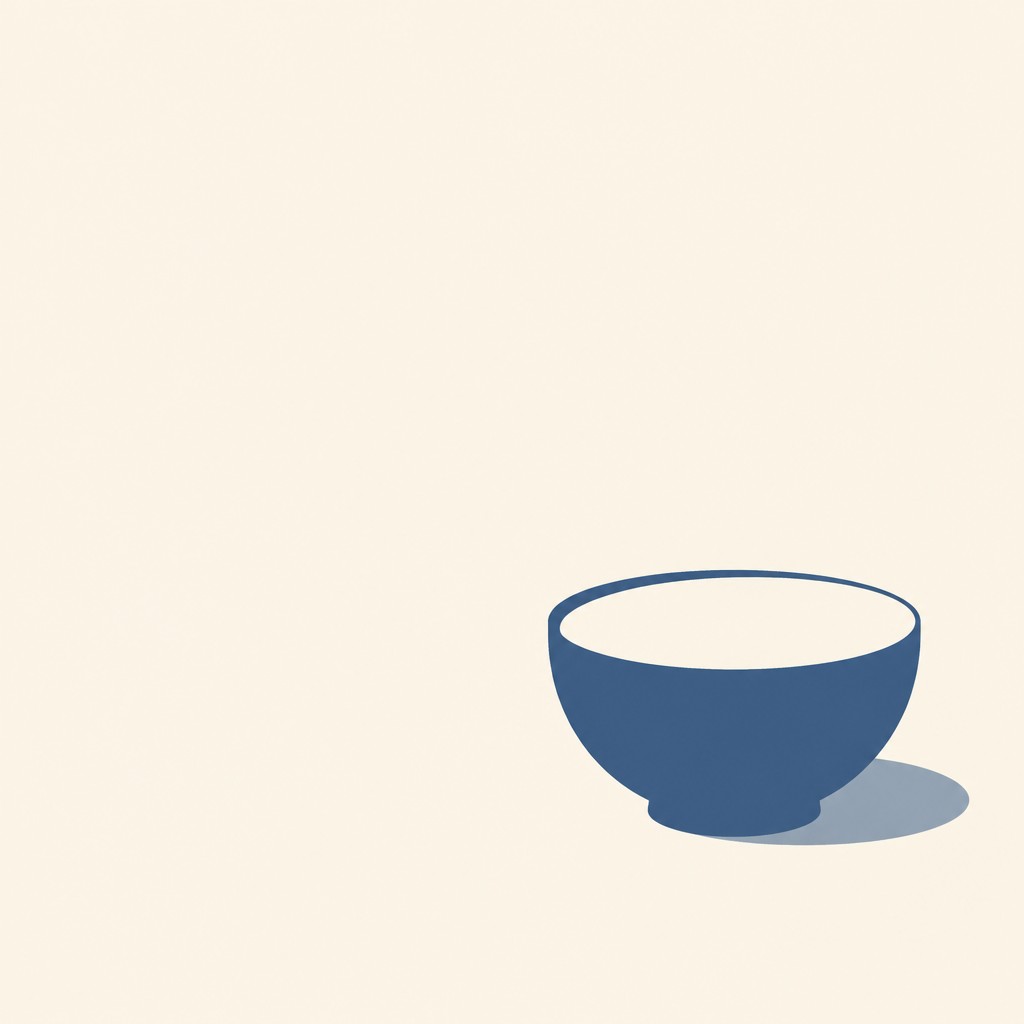
Quiet asymmetry
Subjects may be placed slightly off-center to create tension without disrupting the calm atmosphere. Small shifts in scale, position, or orientation provide interest within an otherwise sparse composition.
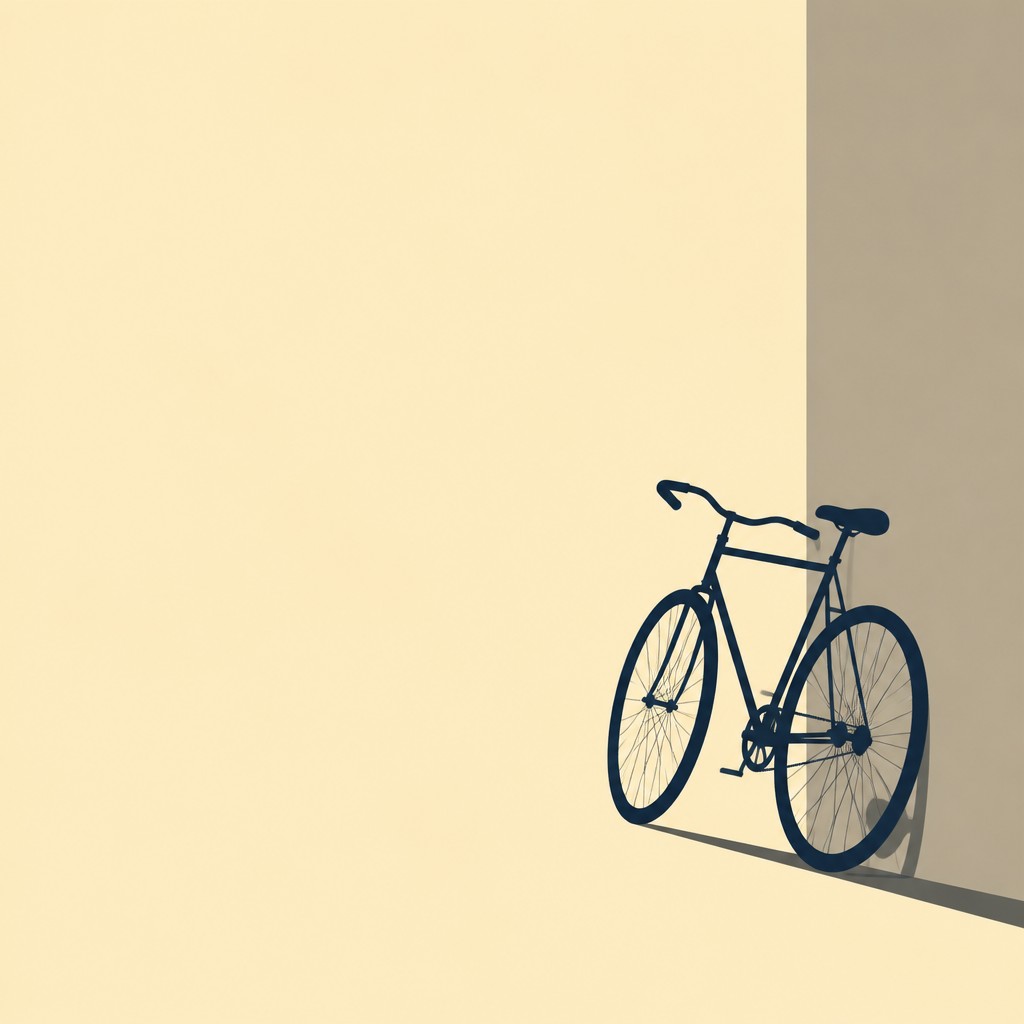
Controlled proportion
The relationship between subject size and surrounding space is carefully considered. A small object can suggest isolation, while a larger form can feel monumental without adding visual complexity.
Simplicity Prompt Ideas
Start from an idea — each one opens the generator with the style ready to go. See all 40 Simplicity prompts →
How to Create Simplicity Art
Master the craft step by step — or skip straight to creating. Read the full guide →
- 1
Choose one essential subject
Begin with a single object, silhouette, or abstract form and decide what visual information is indispensable. Remove secondary props, scenery, text, and decorative marks.
- 2
Simplify the silhouette
Sketch the subject as a continuous contour with as few changes of direction as possible. Test the shape at small size to ensure it remains legible without internal detail.
- 3
Build a restrained palette
Select a background tone, a subject tone, and optionally one accent or shadow tone. Flat paint, cut-paper collage, screen printing, vector shapes, and digital fills all suit this approach.
- 4
Control the empty field
Leave most of the canvas unoccupied and place the subject with deliberate attention to scale and balance. Avoid gradients, busy backgrounds, excessive cropping, and accidental marks.
- 5
Use precise digital construction
Vector paths, shape layers, masks, and hard-edged brushes make it easier to maintain clean contours and consistent fills. Check alignment, edge quality, and color contrast at both full and thumbnail size.
- 6
Write focused generation prompts
Describe one subject, its simple silhouette, a vast empty background, a two- or three-tone palette, and flat restrained rendering. Add exclusions such as clutter, ornate detail, text, complex scenery, and photorealistic texture when a model needs stronger guidance.
The Story
History & Origins of Simplicity
Simplicity Art is an invented contemporary aesthetic rather than a historically codified movement. Its lineage can be traced to modernist reduction, geometric abstraction, minimalist composition, flat graphic design, Japanese-inspired principles of restraint, and the use of negative space in photography, printmaking, and poster art.
The style develops these sources into a highly portable visual language suited to both physical and digital image-making. Its emphasis is not on a particular period, medium, or school, but on extracting the most legible and emotionally quiet form from a subject.
Influences: The style relates to Minimalism, geometric abstraction, modernist reduction, flat illustration, poster design, screen printing, cut-paper composition, and photographic practices centered on negative space. It also shares an affinity with Japanese visual traditions that value asymmetry, restraint, and the expressive potential of absence, while remaining a contemporary synthesis rather than a direct historical school.
Frequently Asked Questions
What defines Simplicity Art?
It is defined by one dominant shape, extensive negative space, a restricted palette, and a deliberate refusal of unnecessary detail. The subject is reduced to its most essential contour and visual character.
Is Simplicity Art the same as Minimalism?
They overlap, but they are not identical. Minimalism is a broad historical and theoretical tendency with applications across art, design, architecture, and sculpture, whereas Simplicity Art is a specific image-making formula focused on one isolated form and a calm, sparse composition.
Can the style depict realistic objects?
Yes. A recognizable object can be represented through its silhouette, proportion, and a few defining features rather than through realistic texture or detailed modeling. The more information a subject requires for recognition, the more carefully its contour must be designed.
What colors work best for this style?
Two or three colors are usually sufficient. Muted neutrals create a subdued effect, while one saturated subject against a quiet background creates stronger graphic contrast without making the composition busy.
What materials can be used to make it?
Suitable methods include gouache, acrylic, ink, paper collage, screen printing, vector illustration, and digital painting. Hard-edged tools and opaque fills are useful because they preserve the style's clean contours and flat tonal structure.
How should I describe this look in an image prompt?
Specify one clear subject, a simple silhouette, a vast empty background, two or three flat tones, and a calm uncluttered composition. If needed, exclude ornament, extra objects, detailed scenery, text, heavy texture, and complex lighting.
Create your first Simplicity artwork
Describe anything — or upload a photo — and see it in Simplicity Art Style in seconds.
Related Styles
Discover similar art styles