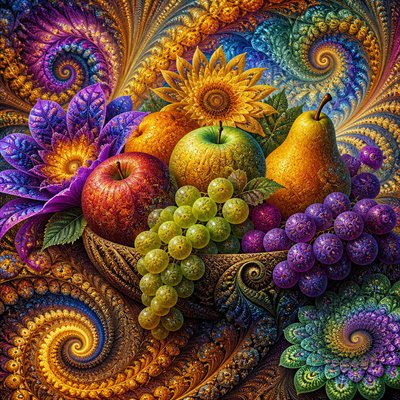
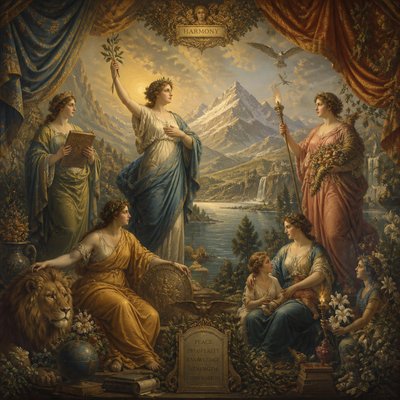
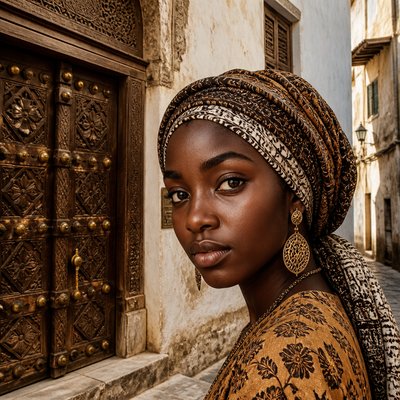
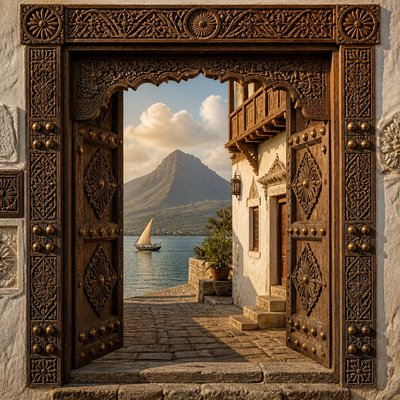
Modernism Art Style
Early 20th-century movement favoring abstraction, fractured forms, bold geometry, and the energy of modern urban life.
Instantly rendered in Modernism — or transform a photo
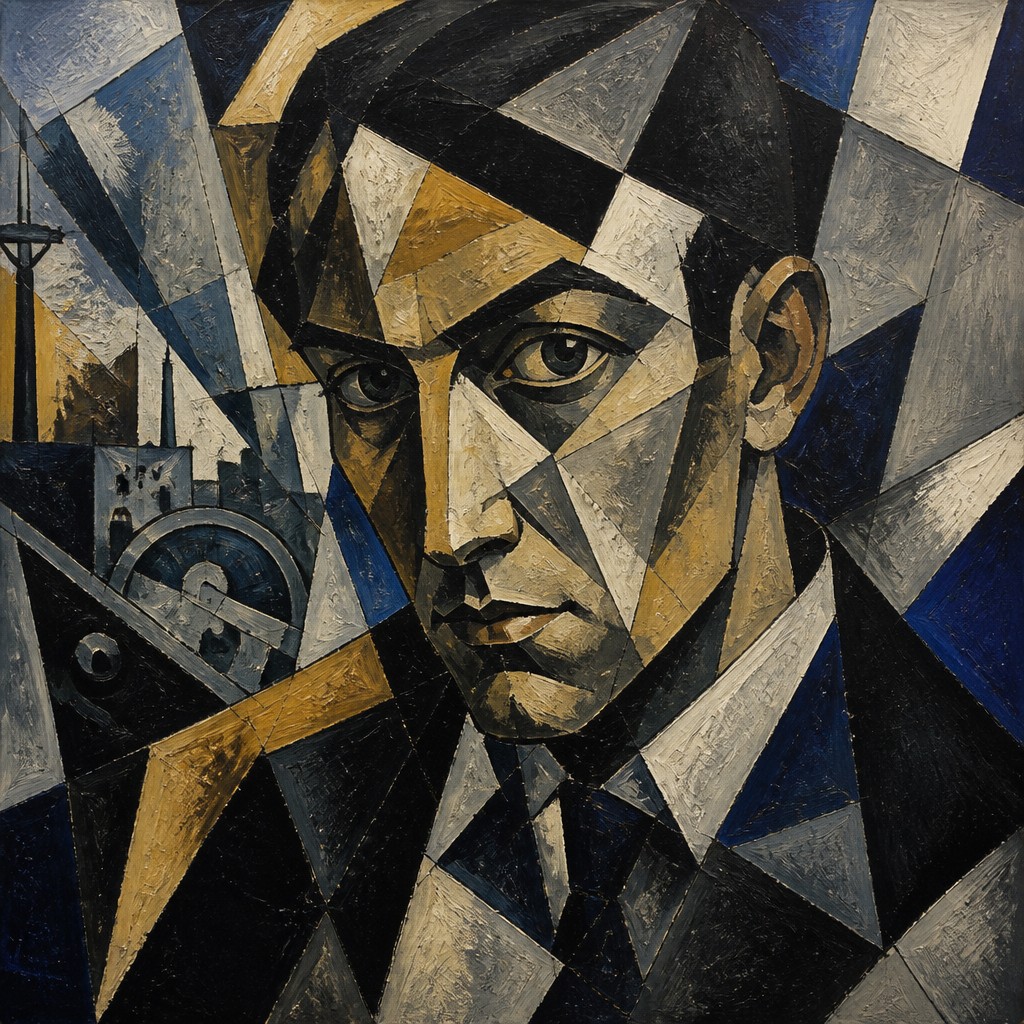
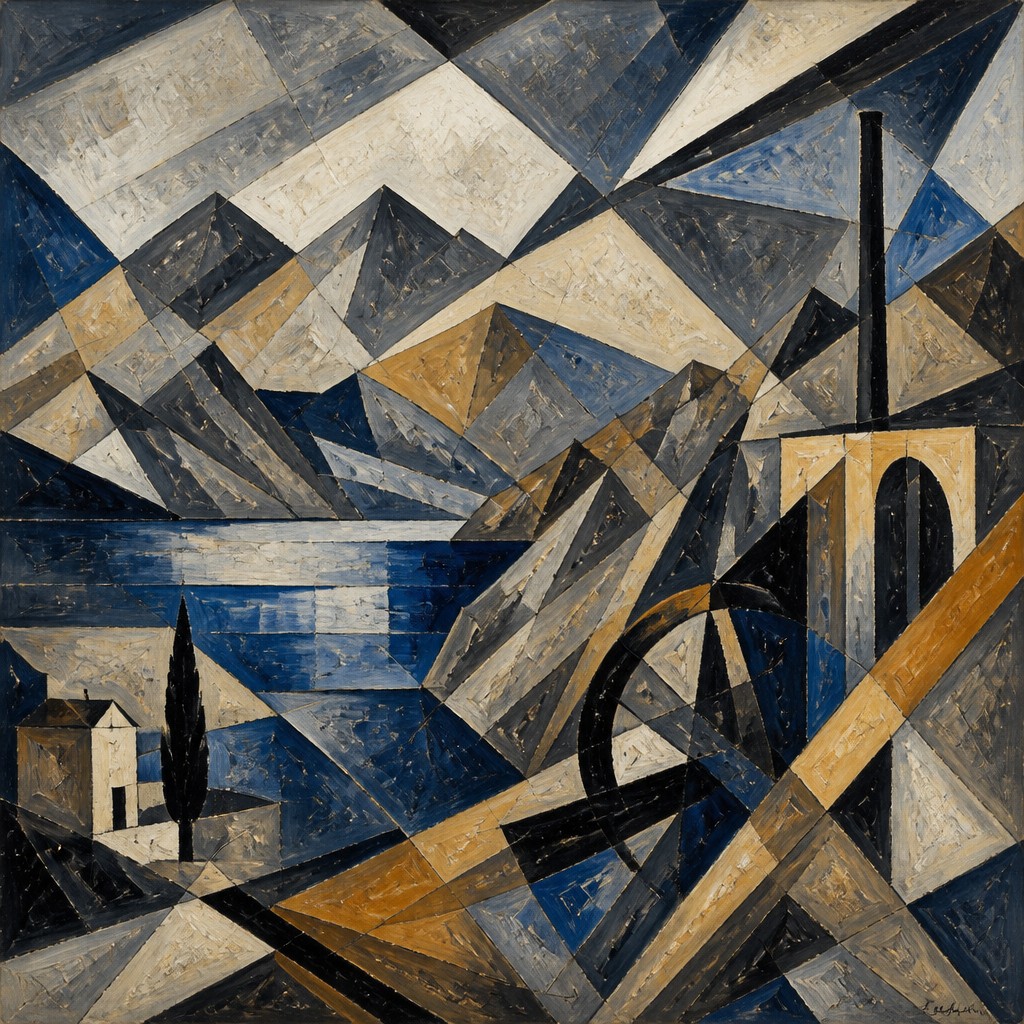
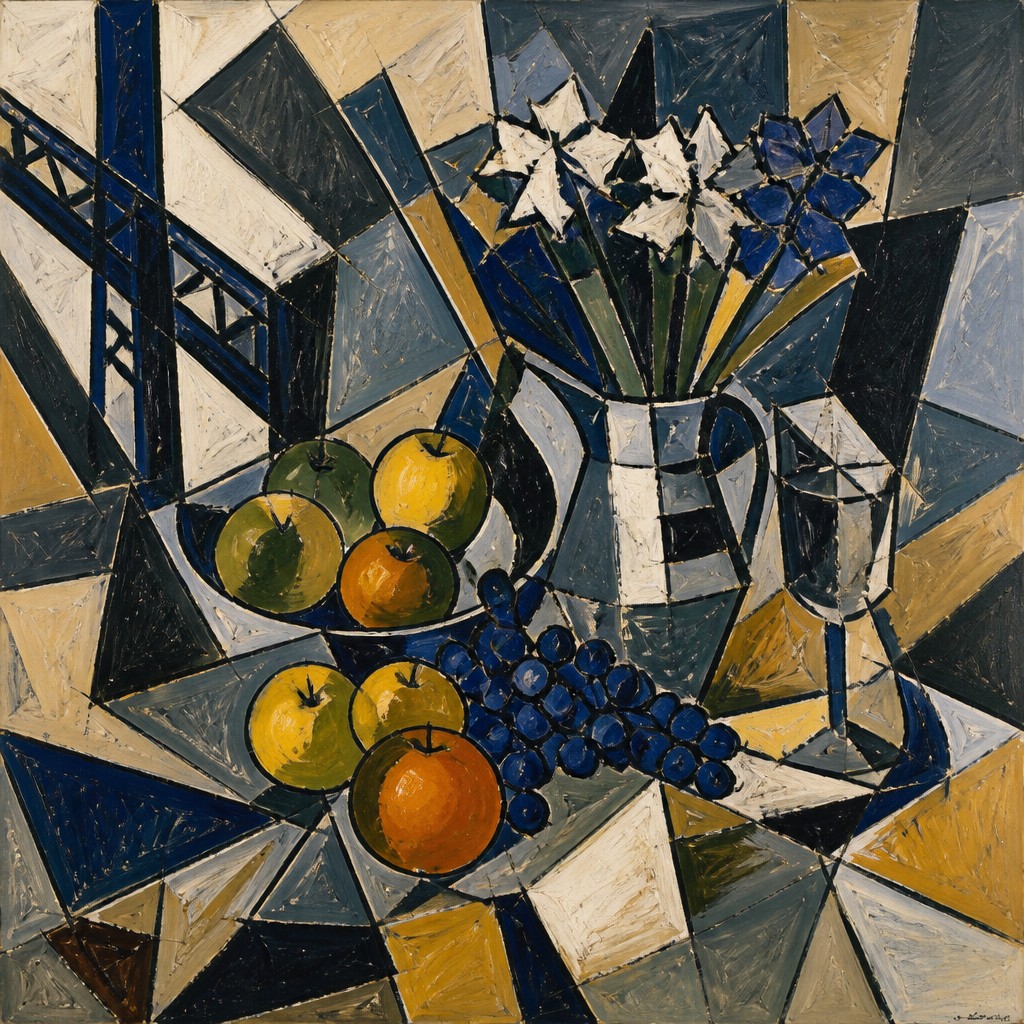
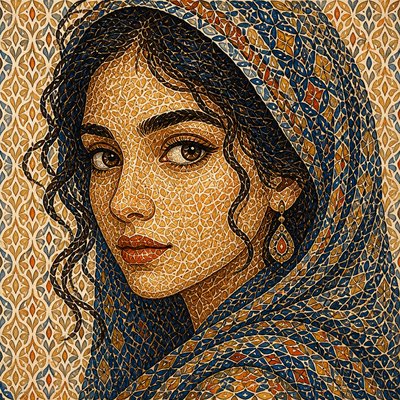
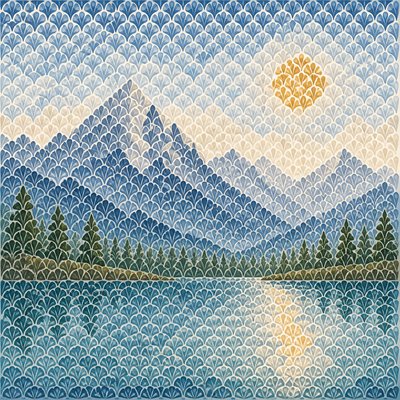
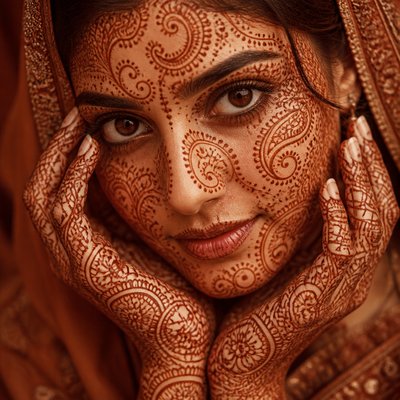
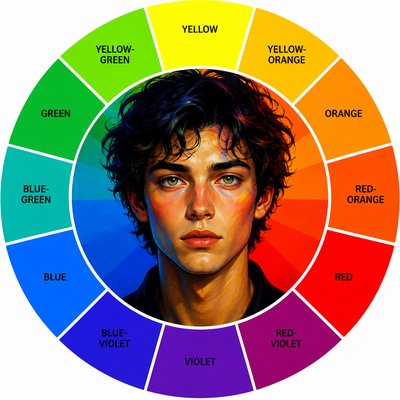
Modernism Gallery
Tap any artwork to explore it
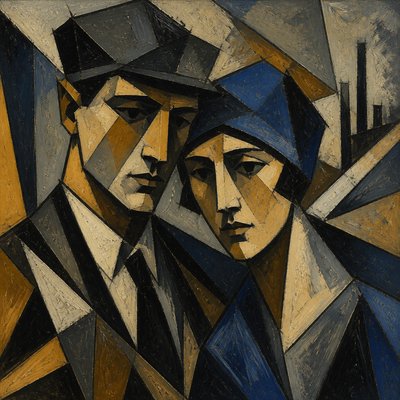
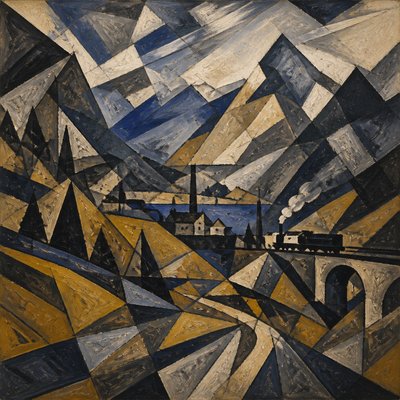
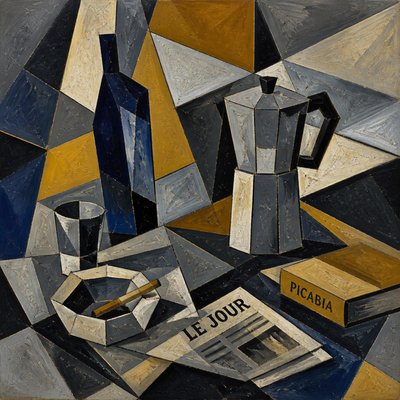
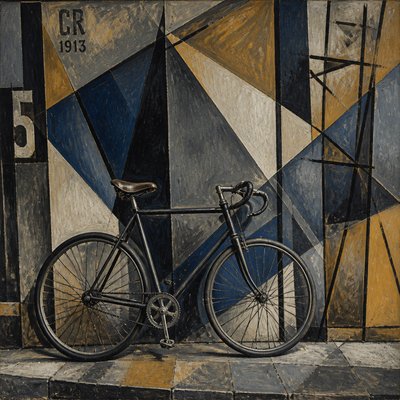
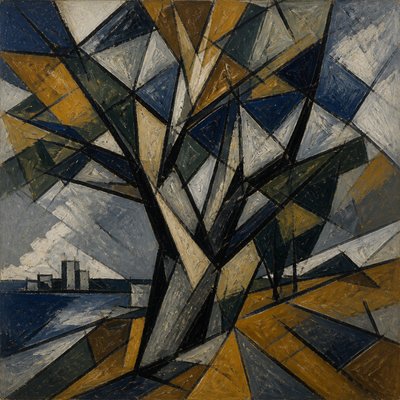
What is Modernism Art Style?
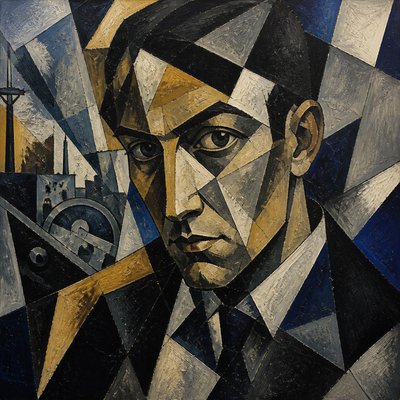
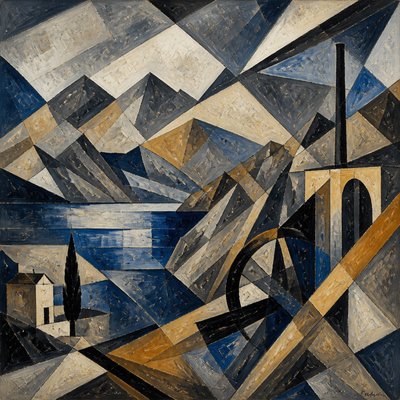
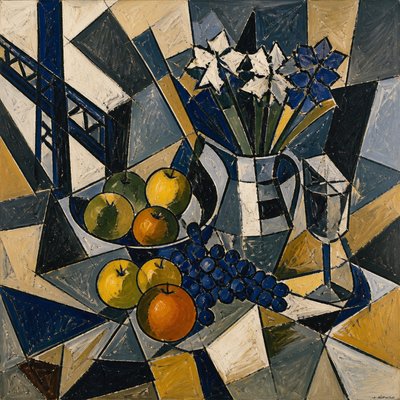
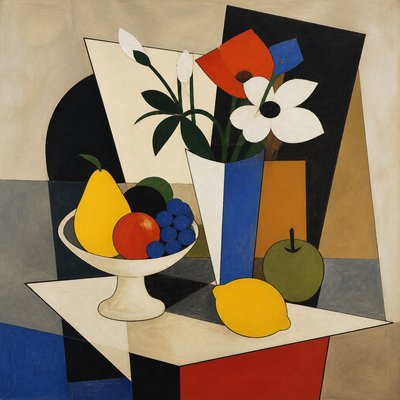
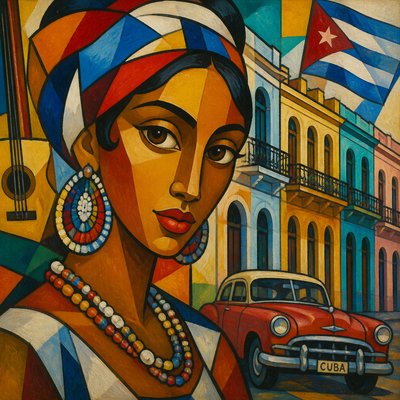
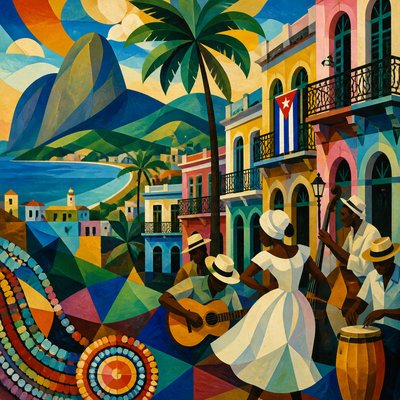
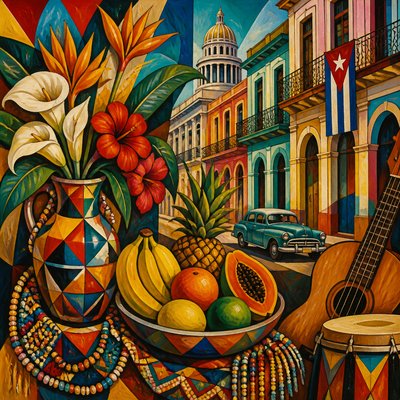
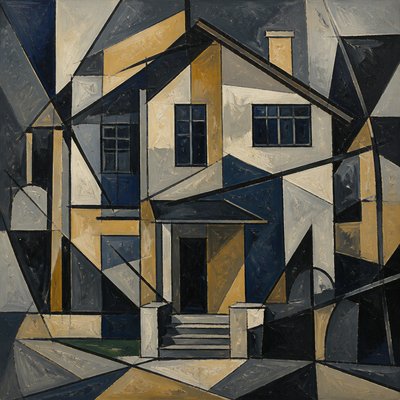
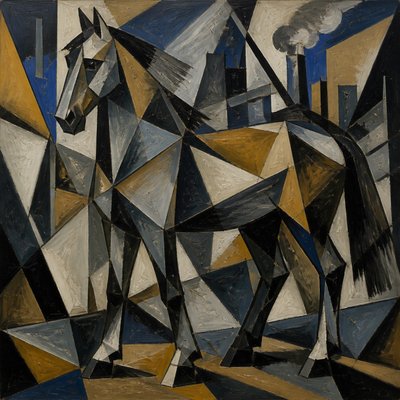
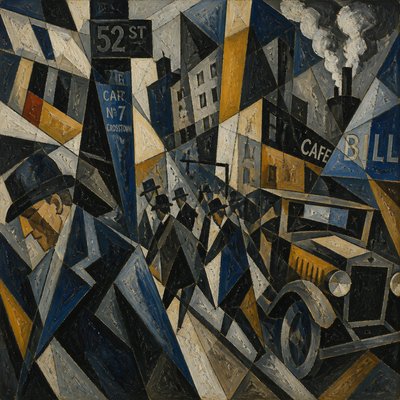
Modernism is a broad early twentieth-century art movement defined by a break with academic realism and a search for new visual languages suited to modern life. In painting, it often appears as simplified forms, flattened space, geometric fragmentation, and a strong sense of structure rather than illusionistic depth. The style can still depict recognizable subjects—figures, cities, interiors, machinery, still lifes—but it tends to reinterpret them through abstraction, rhythm, and design.
Its visual identity comes from an effort to make art feel contemporary: faster, more analytical, more experimental, and less tied to inherited conventions. Artists emphasized the material facts of the painting itself—line, plane, color, surface, and composition—while responding to the industrial city, new technologies, and the changing social world. As a result, modernist works often combine representation and abstraction, producing images that feel energetic, angular, and intellectually constructed.
Try It On Your Photos
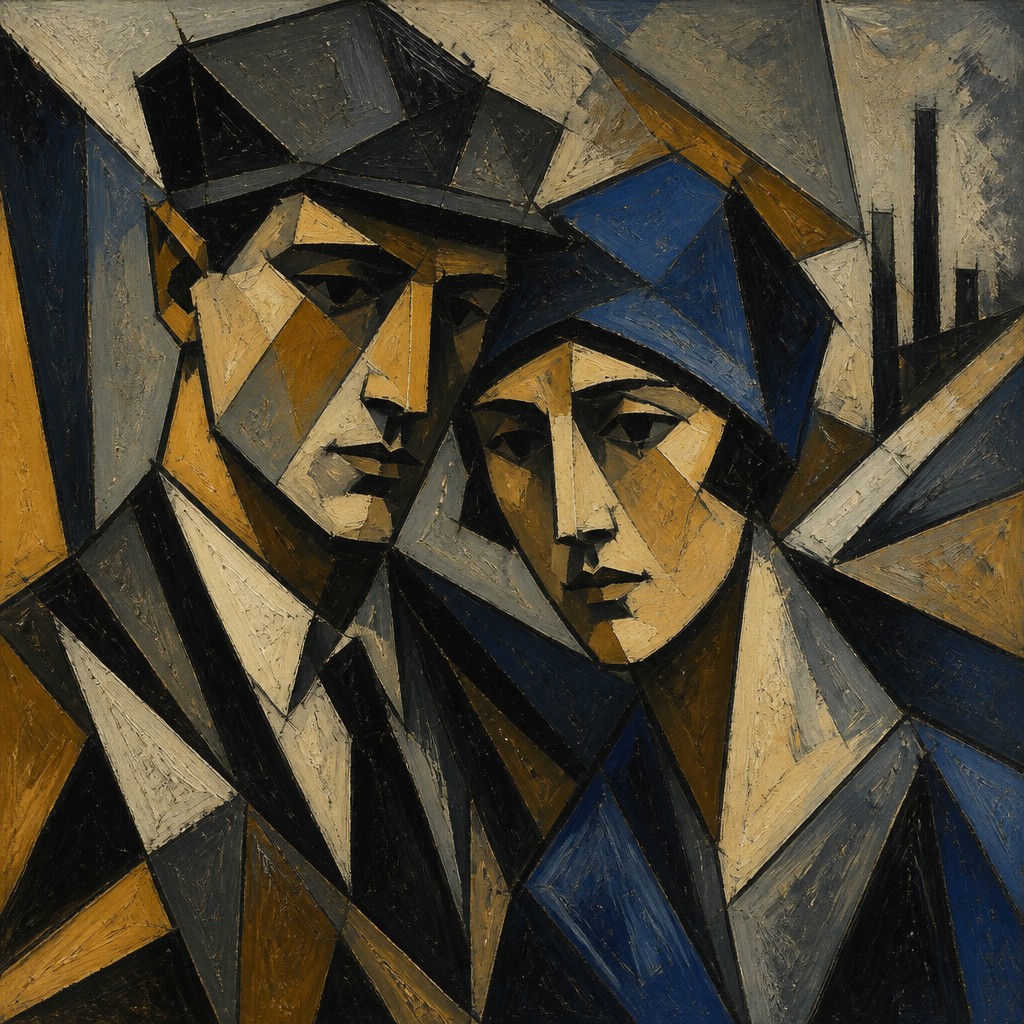
Upload any photo and convert it into Modernism Art Style — drag the sliders to compare before and after.


What Defines Modernism Art Style
The signature details, up close
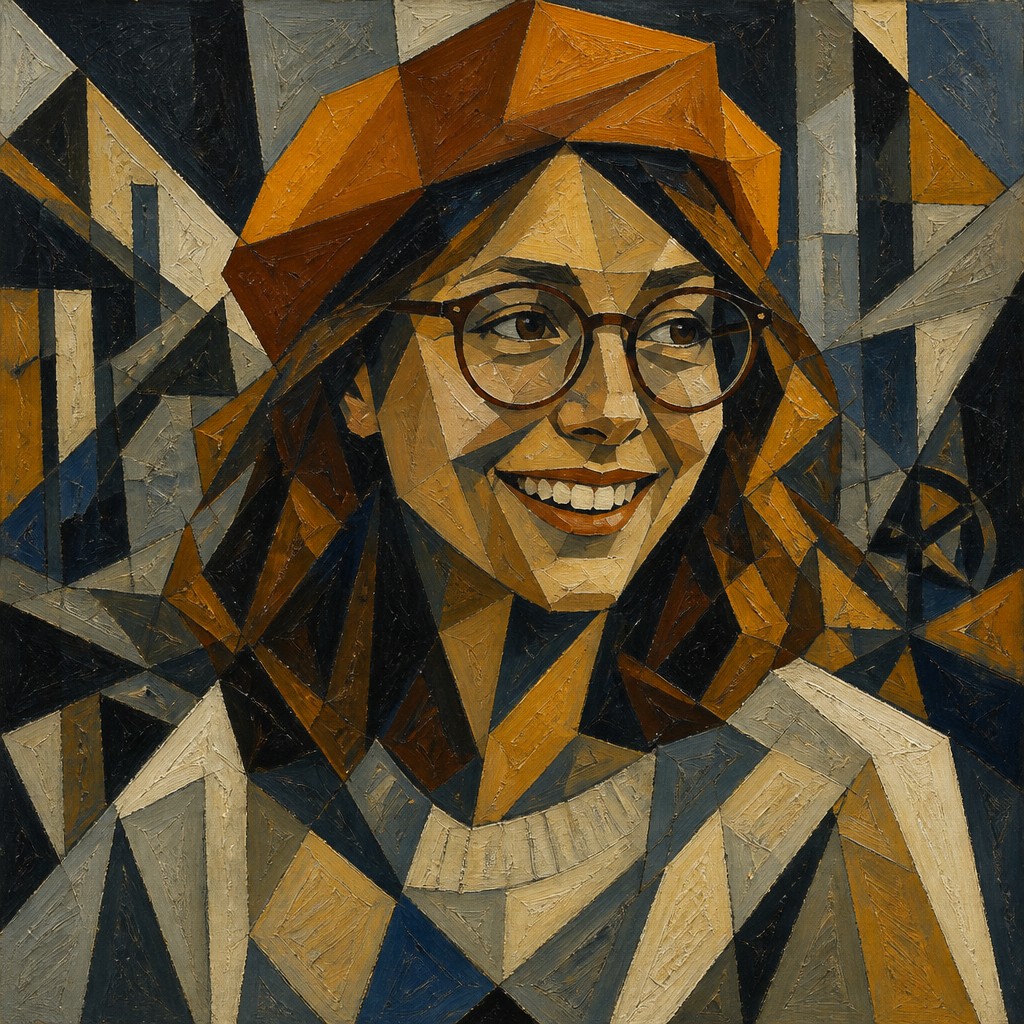
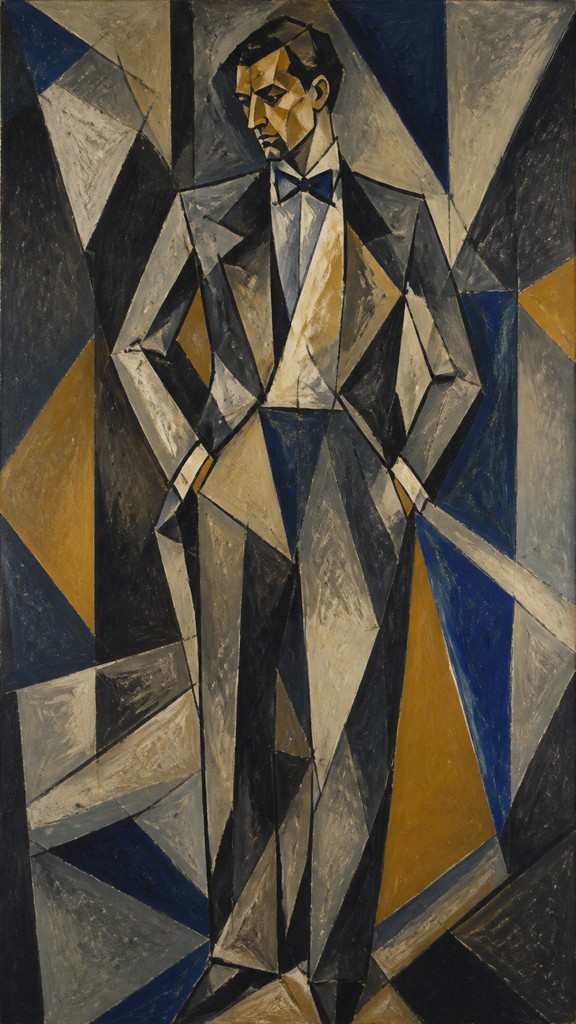
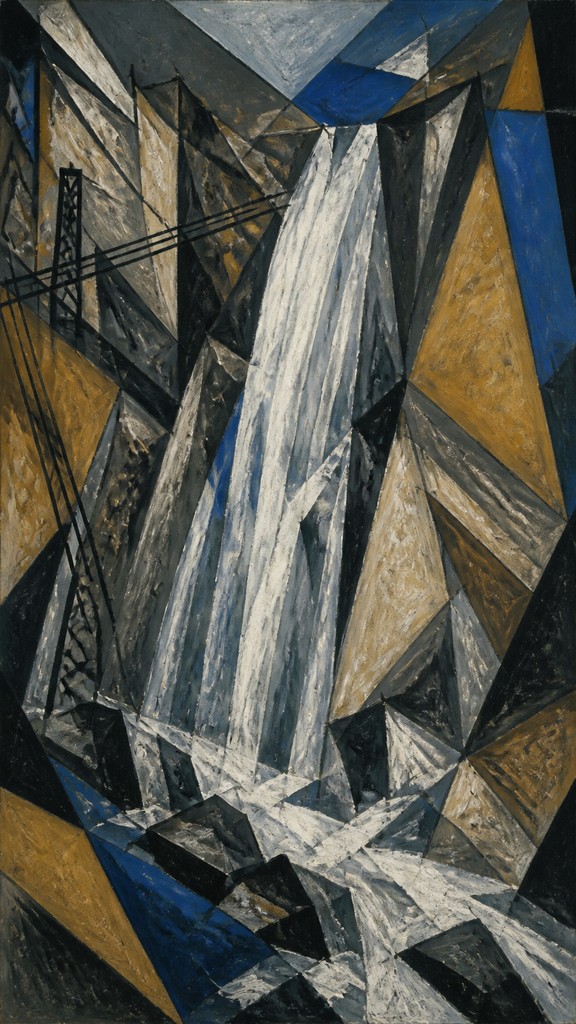
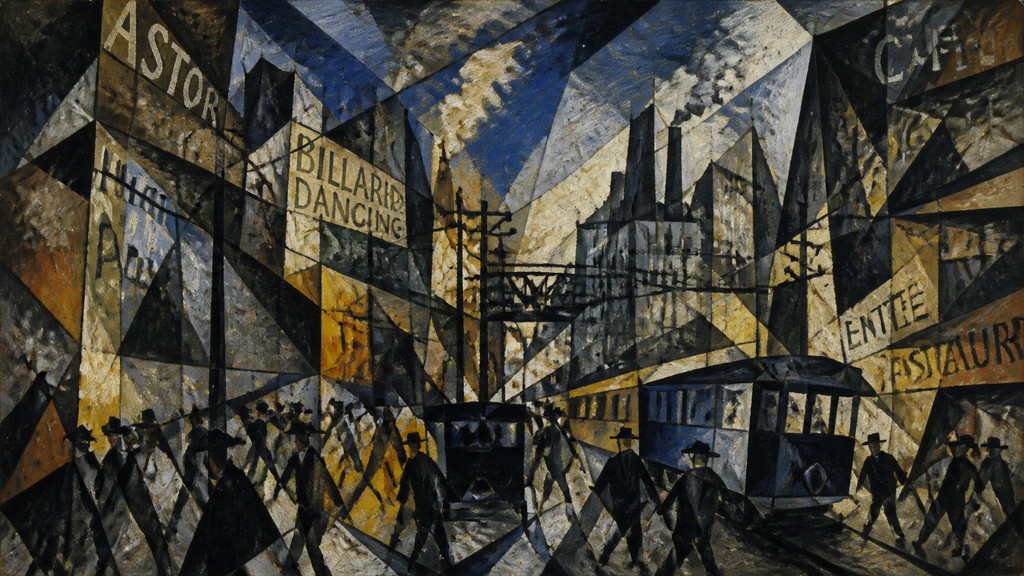
Fragmented geometry
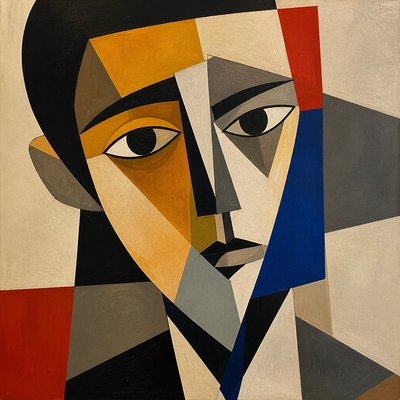
Forms are broken into angular facets or intersecting planes, often suggesting multiple viewpoints at once. This gives the image a constructed, analytical structure.
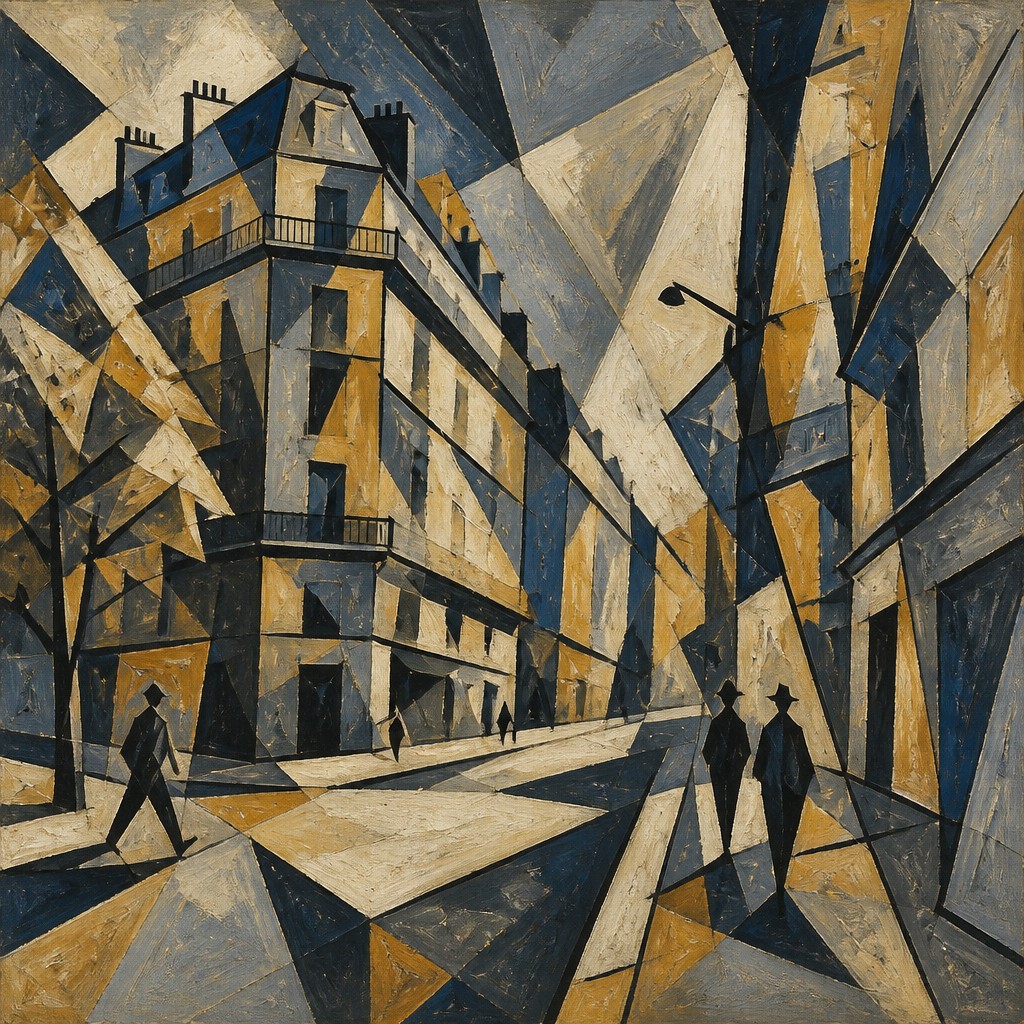
Flattened space
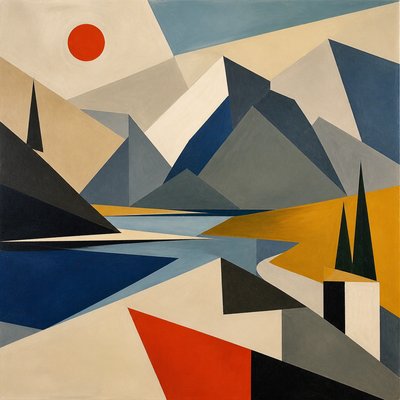
Traditional perspective is reduced or rejected in favor of a shallow pictorial field. Objects may appear pressed toward the surface, emphasizing design over illusion.
Simplified forms
Figures and objects are pared down to essential outlines, masses, and planes. Ornament is usually minimized so the composition reads clearly and directly.
Bold, restrained palette
Modernist palettes often use muted industrial tones—grays, ochres, blacks, blues, and earth colors—punctuated by strong contrasts. Color is frequently organized for structure rather than decorative richness.
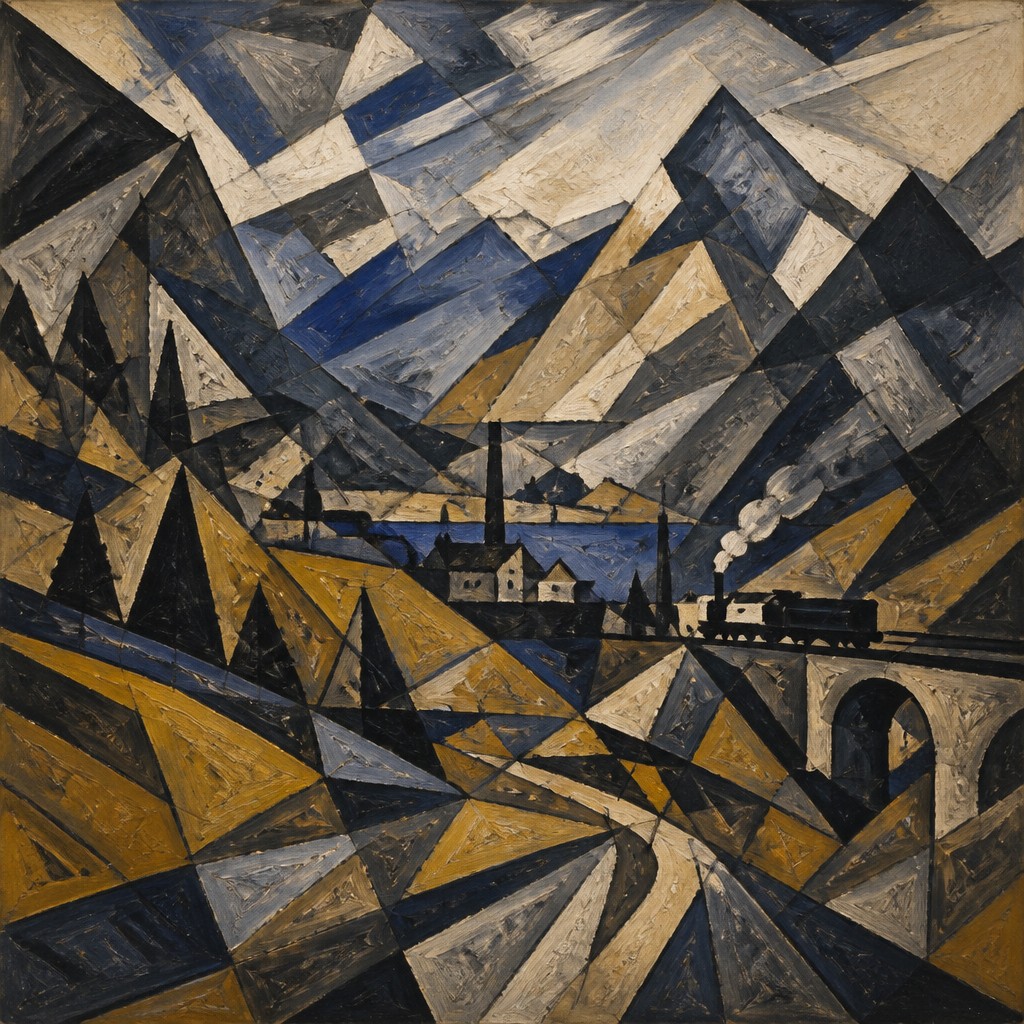
Visible brushwork and materiality
The paint surface is often left legible, with strokes, edges, and layering visible. This reinforces the idea of the artwork as an object rather than a window into another world.
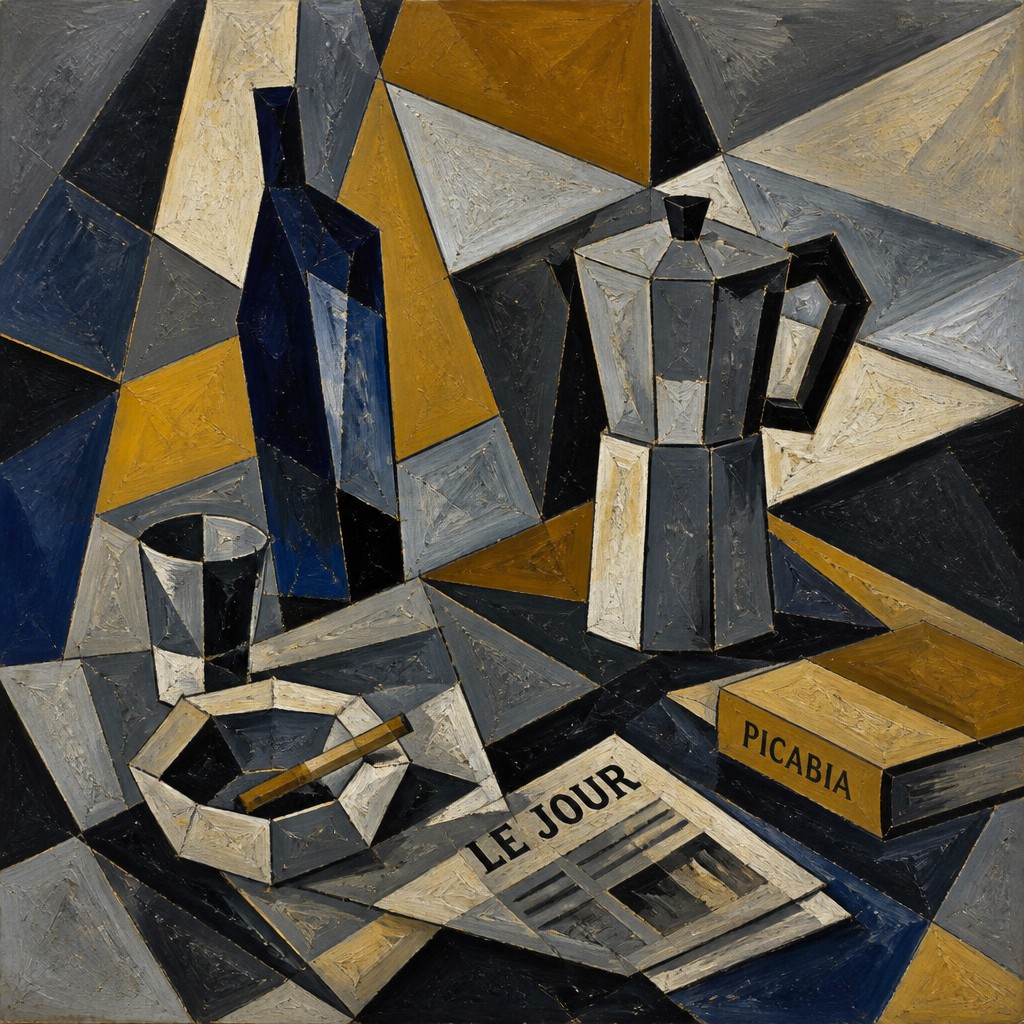
Dynamic composition
Diagonal rhythms, asymmetry, and tension between shapes create movement and urgency. Even static subjects can feel animated by the arrangement of planes and lines.
Try It
Create Videos in Modernism Art Style
Styles aren't just for stills — describe a scene or animate an image and get a short video rendered in Modernism. Press play to see this pond come to life.
Make a VideoModernism Prompt Ideas
Start from an idea — each one opens the generator with the style ready to go. See all 40 Modernism prompts →
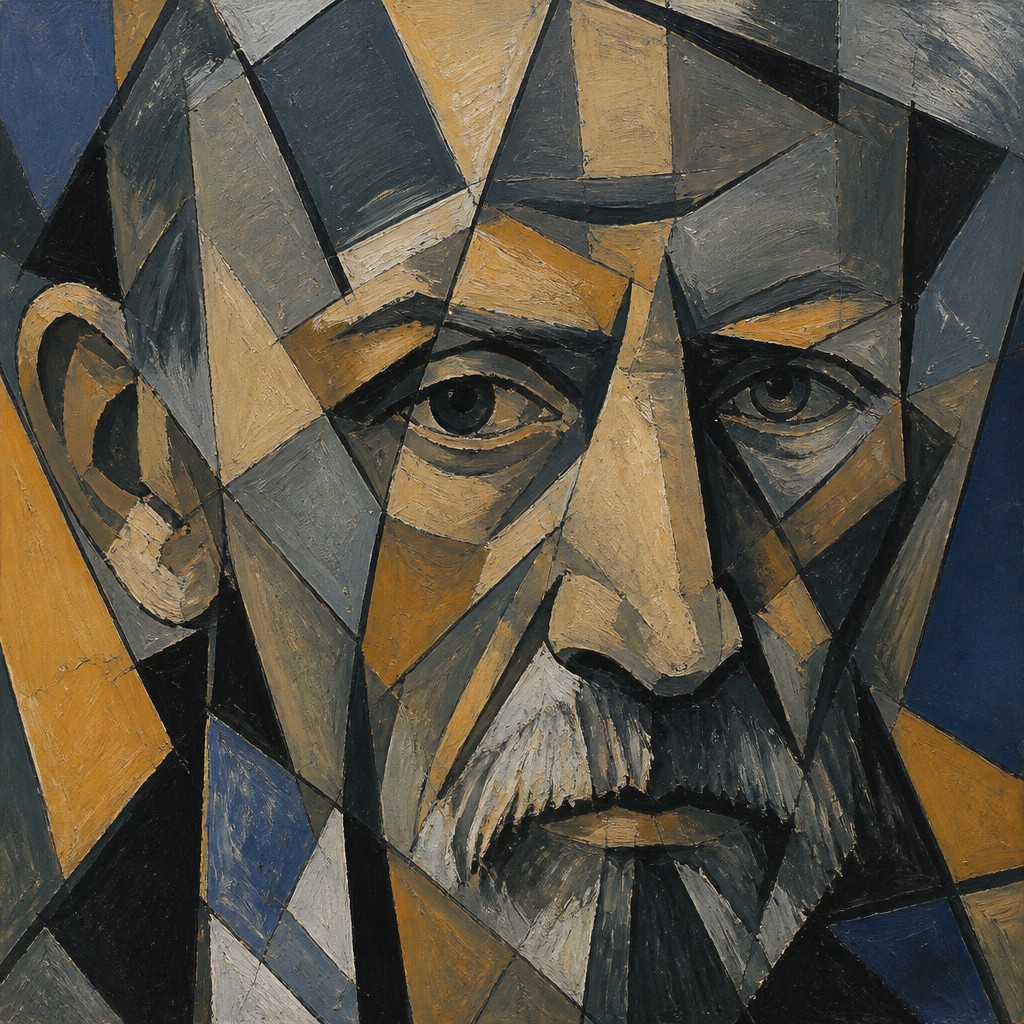
“close-up portrait of an elderly person with expressive weathered features”
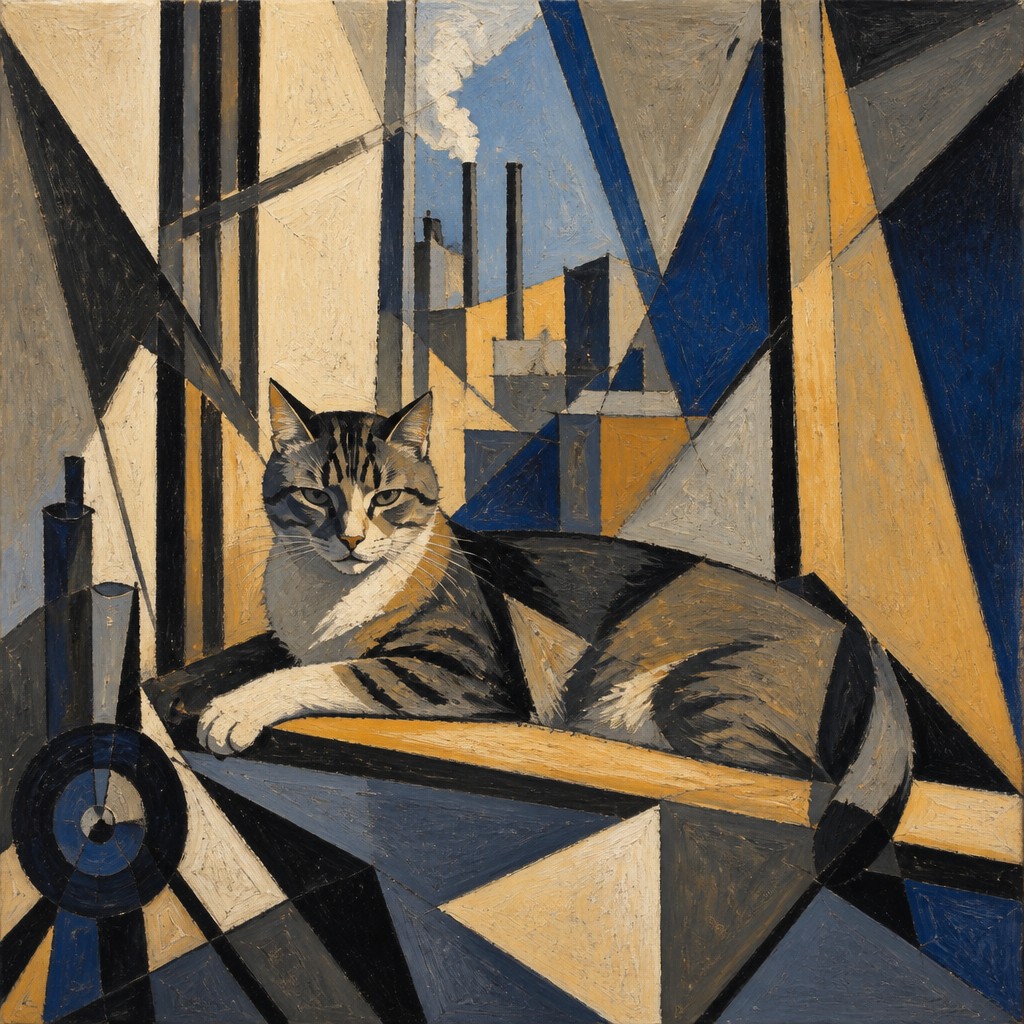
“a cat lounging in a sunlit window”
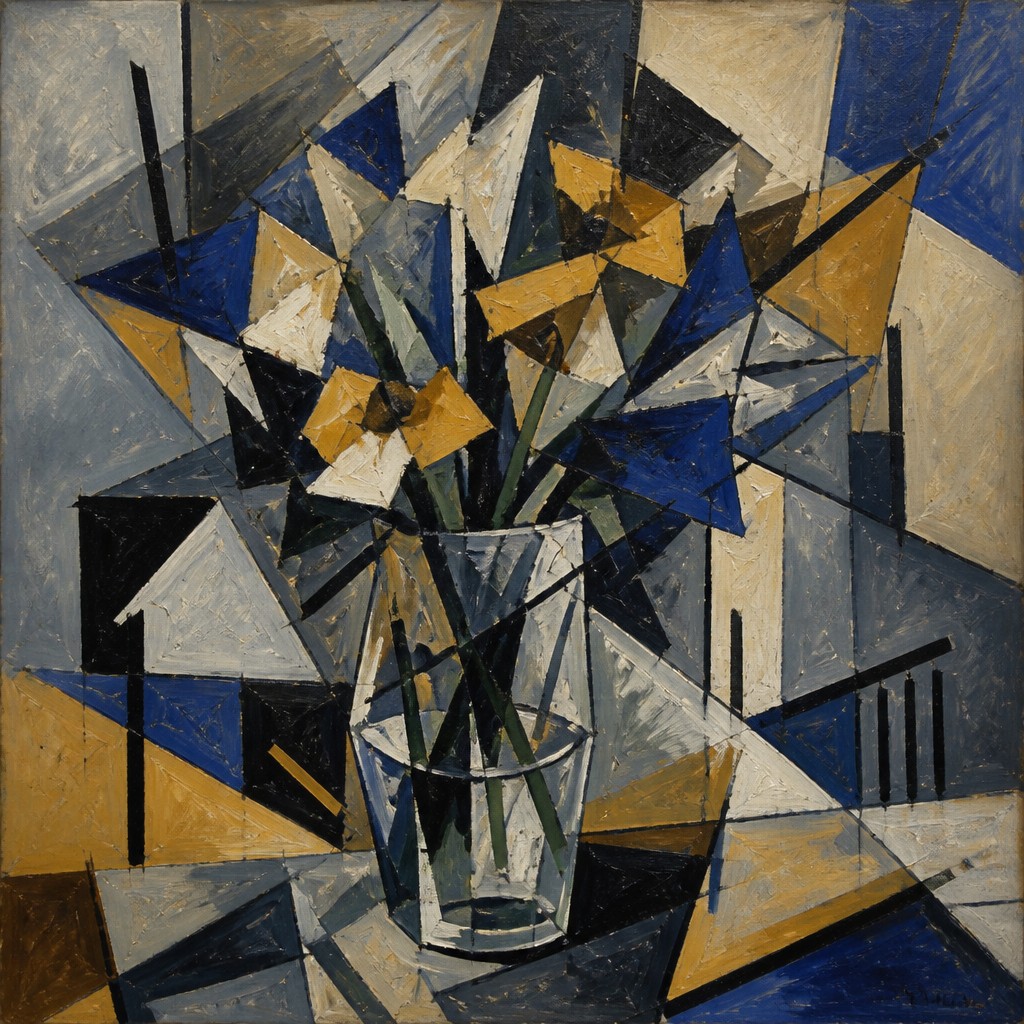
“bouquet of flowers in a glass vase”
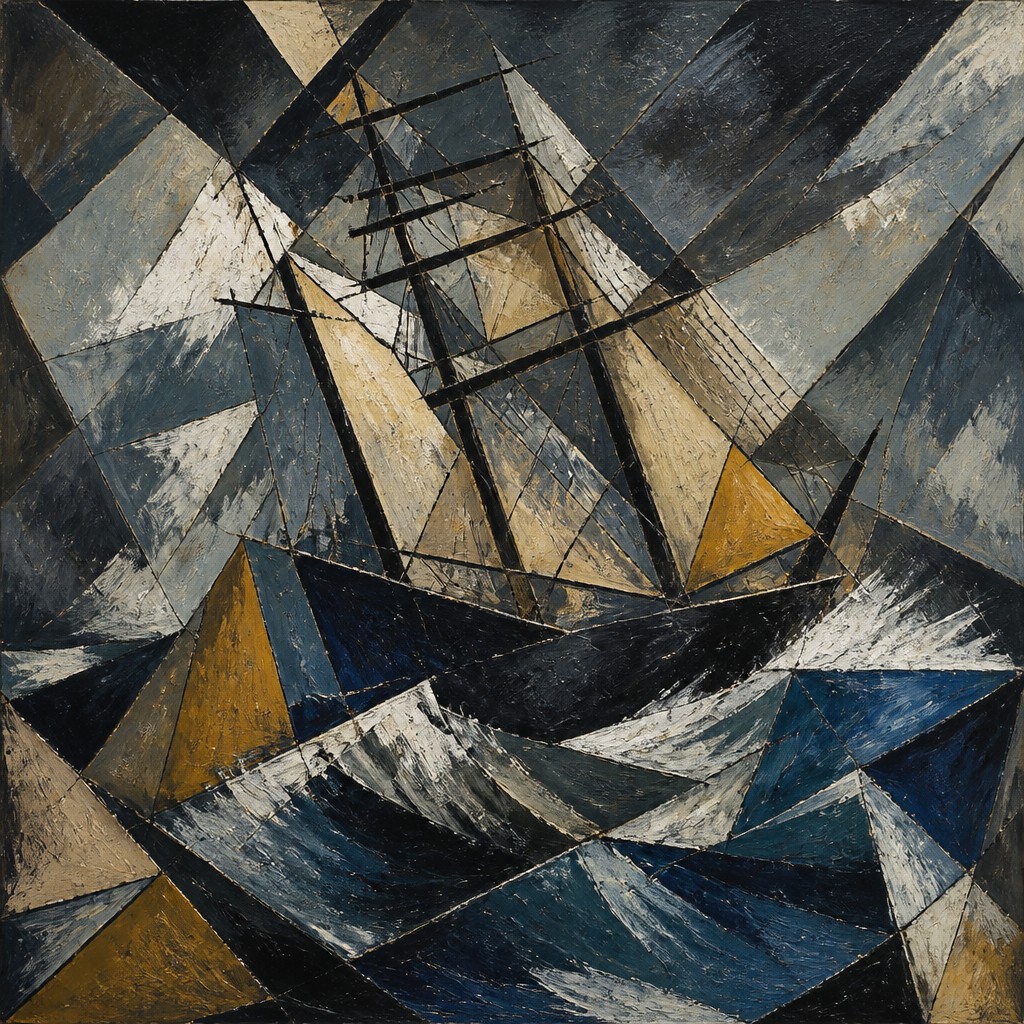
“sailing ship on a stormy sea”
How to Create Modernism Art
Master the craft step by step — or skip straight to creating. Read the full guide →
- 1
Build the image from geometric masses
Start by reducing your subject to large planes, simple volumes, and strong contours before adding detail. In traditional media, block in shapes with a limited palette; in digital work, use layered shape construction rather than soft blending.
- 2
Compress depth and simplify perspective
Keep the space shallow and let overlapping forms, not atmospheric perspective, organize the composition. If generating with a prompt, ask for flattened pictorial space, fractured planes, and sharp angular structure.
- 3
Use a disciplined color scheme
Choose a few muted, industrial hues and reserve high contrast for key edges or focal points. Avoid overly saturated color unless you want a later, more expressionist modernist look.
- 4
Make the brushwork or texture visible
Let edges, strokes, and surface variation remain evident so the image feels materially made. In digital rendering, simulate dry brush, oil impasto, or rough paint texture rather than polished gradients.
- 5
Balance representation with abstraction
A good modernist image often remains just recognizable enough to anchor the viewer while still being transformed by geometry and design. When generating, name a concrete subject—portrait, city street, factory, still life—then describe the modernist treatment.
The Story
History & Origins of Modernism
Modernism emerged across Europe and the United States in the late nineteenth and early twentieth centuries, reaching a decisive phase between roughly 1905 and the 1930s. It was not a single unified style but a broad artistic response to rapid industrialization, urbanization, photography, cinema, and the collapse of older certainties in art and culture. Its development included many overlapping movements, among them Cubism, Futurism, Constructivism, De Stijl, Expressionism, Suprematism, and abstraction more generally.
In the visual arts, modernism developed through artists who challenged Renaissance perspective, naturalistic modeling, and decorative excess. Leading Cubist painters fractured objects into multiple viewpoints in Cubism; a major Futurist artist and other Futurists explored motion and machine age dynamism; a key De Stijl pioneer moved toward strict geometric abstraction; and an influential pioneer of abstract composition pursued nonrepresentational forms. By the mid-twentieth century, modernism had become a dominant framework for avant-garde painting, design, architecture, and photography, influencing later minimalist and abstract traditions.
Influences: Modernism draws from several related early twentieth-century movements, especially Cubism, Futurism, Constructivism, De Stijl, Expressionism, and abstract painting. Canonical artists associated with these streams include leading Cubist painters for Cubism, a major Futurist artist for Futurism, a key De Stijl pioneer for De Stijl, and an influential pioneer of abstract composition for abstraction. Its formal emphasis on structure and reduction also anticipates later minimalist and graphic design traditions.
Frequently Asked Questions
What defines Modernism in art?
Modernism is defined by a break from academic realism and a willingness to experiment with abstraction, fragmentation, and new compositional systems. It often emphasizes the materials of art itself—line, shape, color, surface—rather than strict imitation of nature. In visual terms, it usually looks simplified, angular, and structurally daring.
Is Modernism the same as Cubism?
No. Cubism is one of the major movements within the wider modernist umbrella, but Modernism also includes Futurism, De Stijl, Constructivism, abstraction, and more. Cubism is especially associated with fractured forms and multiple viewpoints, while Modernism is a broader historical and aesthetic category.
What subjects work well in a modernist style?
Urban scenes, industrial machinery, portraits, still lifes, interiors, and figures are all common modernist subjects. The style is especially effective when the subject can be simplified into strong planes and shapes. Everyday scenes often gain a sense of energy and structure when treated this way.
How do I make an image look modernist?
Use flattened space, geometric simplification, and a restrained palette with strong contrasts. Reduce decorative detail and let the composition be driven by diagonal rhythms, hard edges, and visible texture. In prompts, specify fragmented planes, abstracted forms, and early twentieth-century avant-garde painting.
What is the difference between Modernism and abstract art?
Abstract art removes or greatly reduces recognizable subject matter, while Modernism can include both abstraction and representation. Many modernist works still depict people, buildings, or objects, but they are reorganized through abstract structure. In other words, abstraction is one part of modernism, not the whole of it.
Where is Modernism used today?
Modernist visual language still appears in editorial illustration, posters, album covers, interior graphics, and contemporary art inspired by early avant-garde design. It is also common in digital art that wants a structured, architectural, or machine-age feeling. The style remains useful when the goal is clarity, tension, and a sense of modernity.
Create your first Modernism artwork
Describe anything — or upload a photo — and see it in Modernism Art Style in seconds.
Make Something with Modernism
Compare Modernism
Related Styles
Discover similar art styles