Biomorphic Shapes Art Style
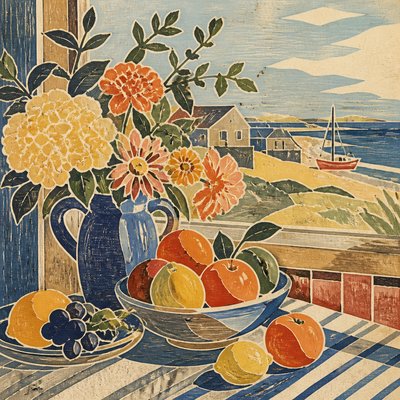
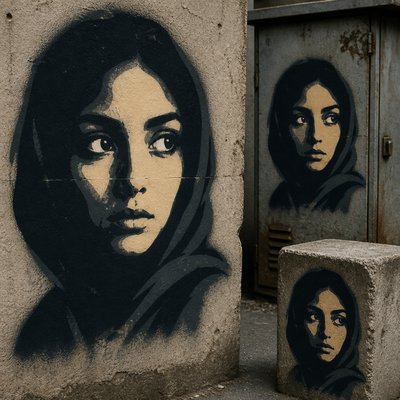
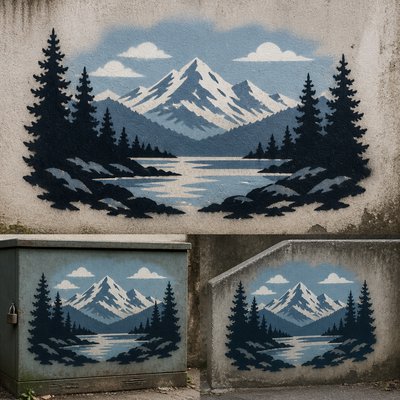
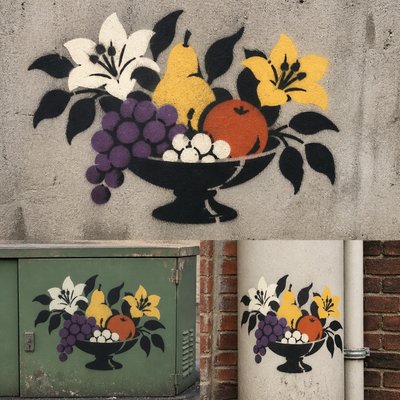
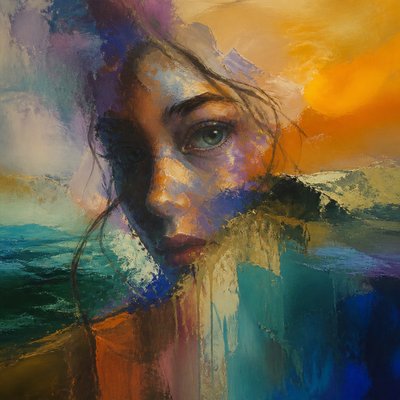
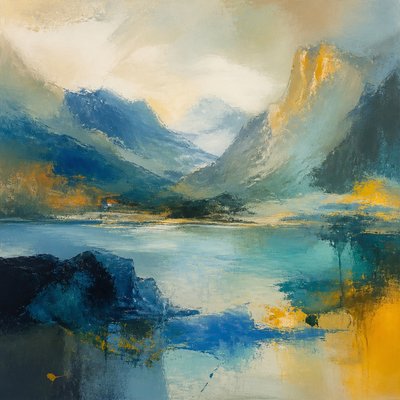
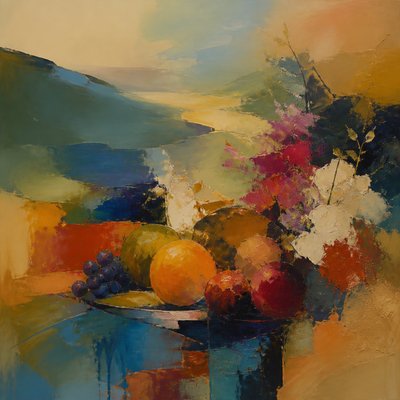
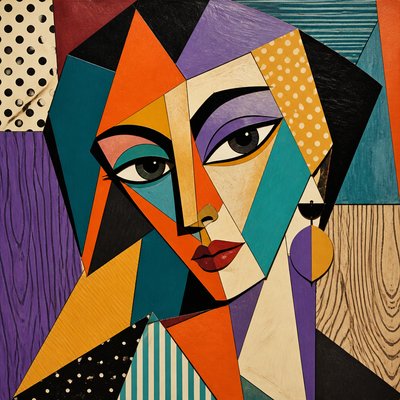
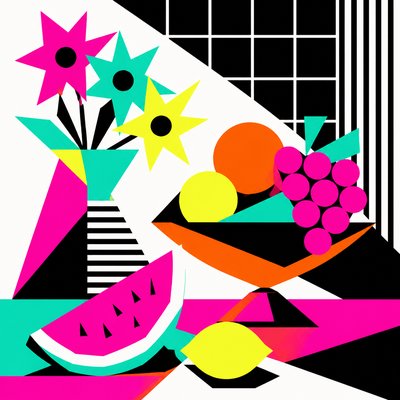
Explore Biomorphic Shapes: soft, cellular blobs and flowing organic contours inspired by nature, surrealism, abstraction, and living forms.
Instantly rendered in Biomorphic Shapes — or transform a photo
Biomorphic Shapes Gallery
Tap any artwork to explore it
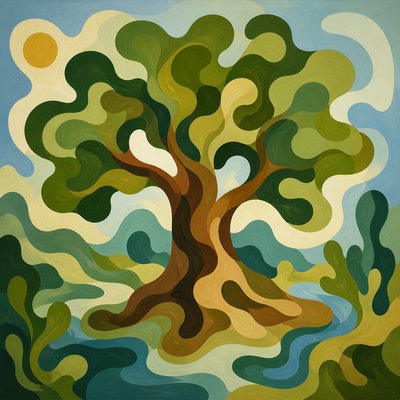
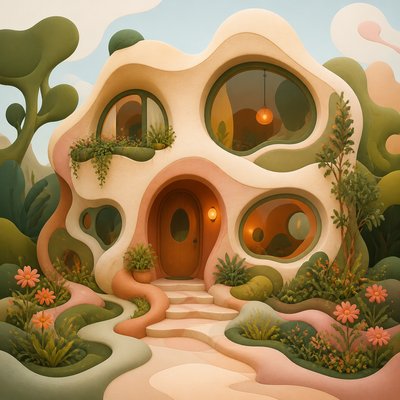
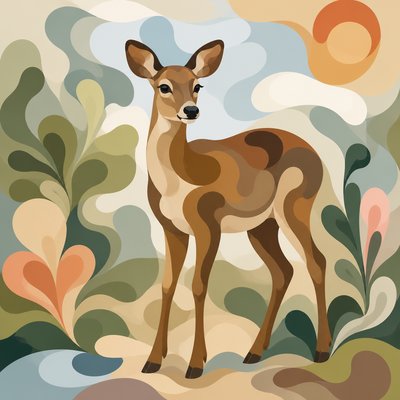
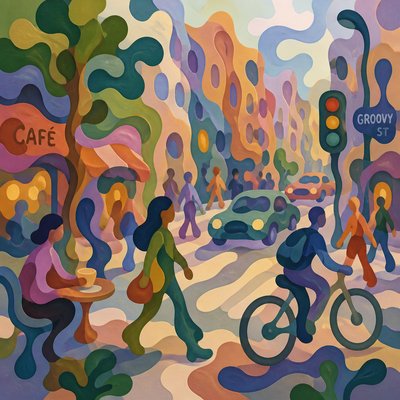
What is Biomorphic Shapes Art Style?
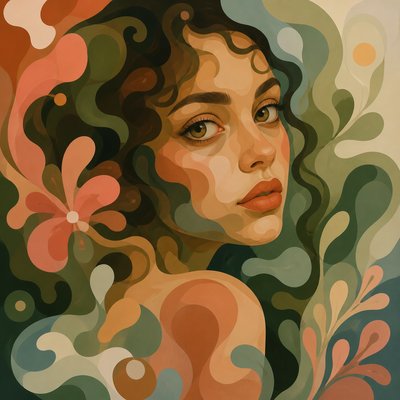
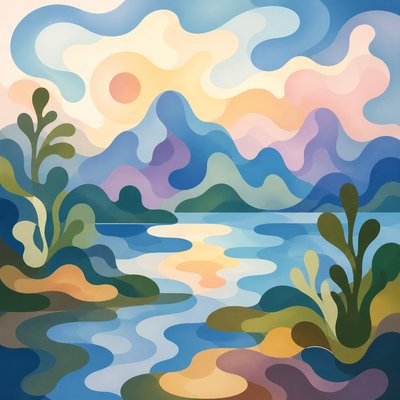
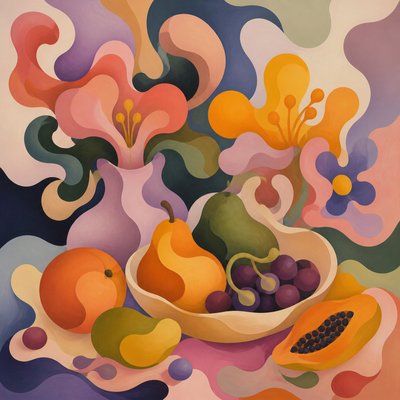
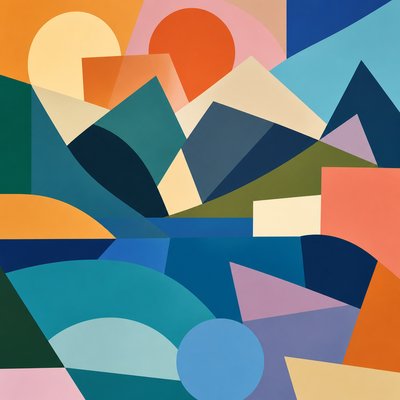
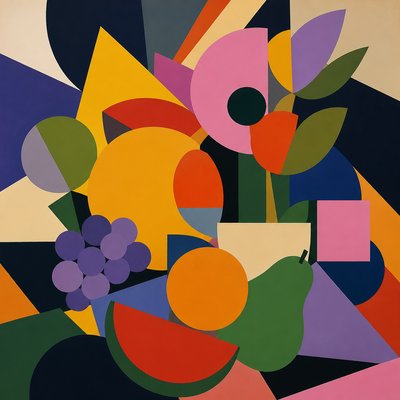
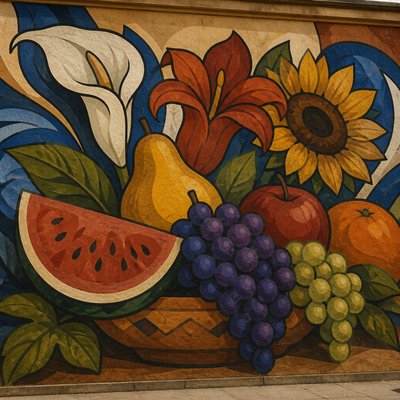
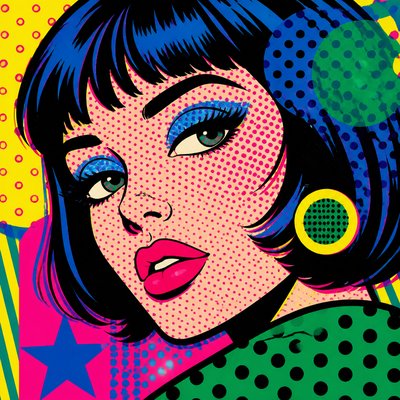
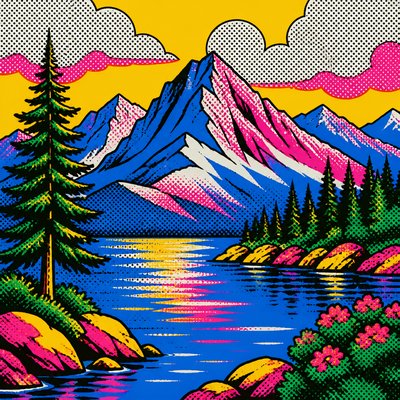
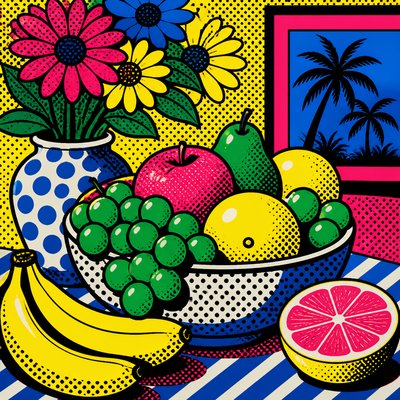
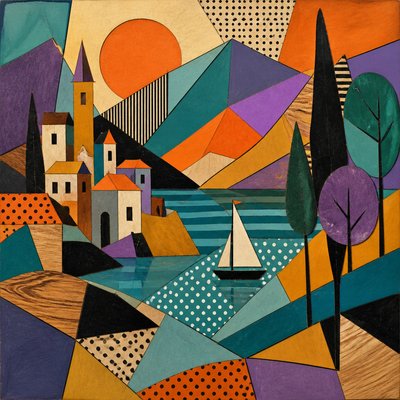
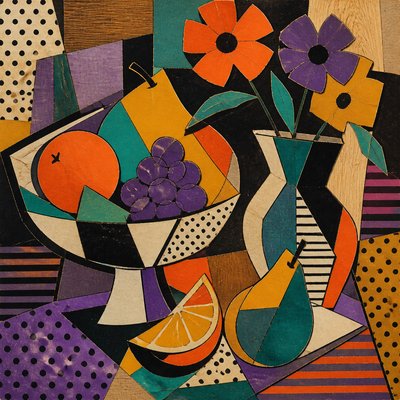
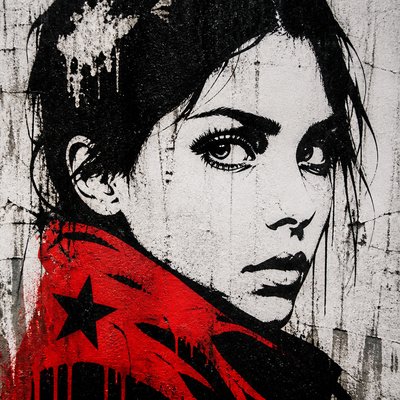
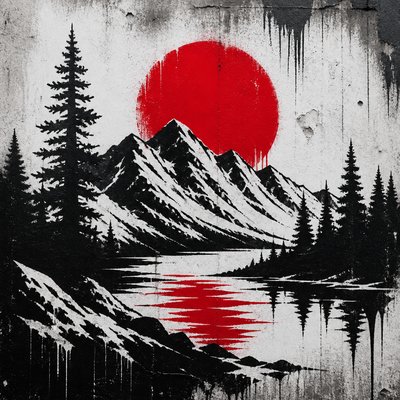
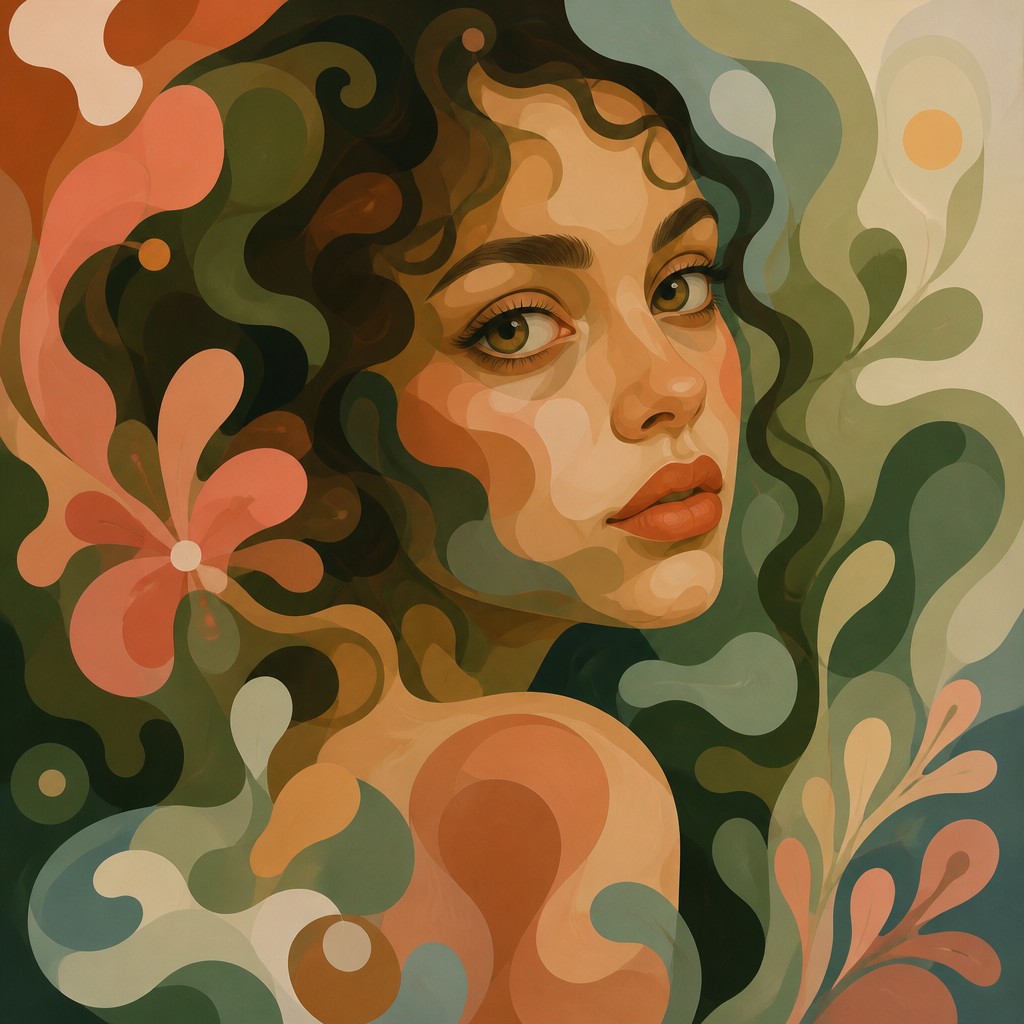
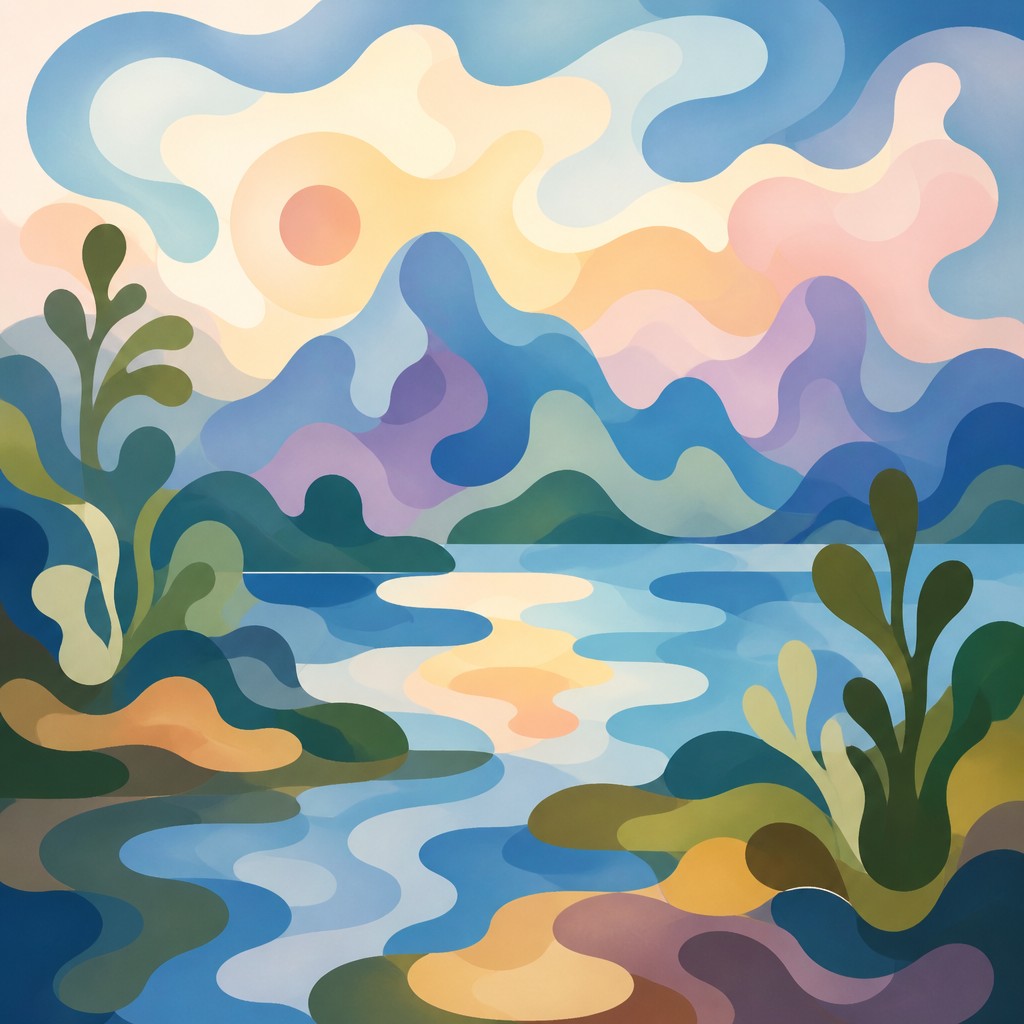
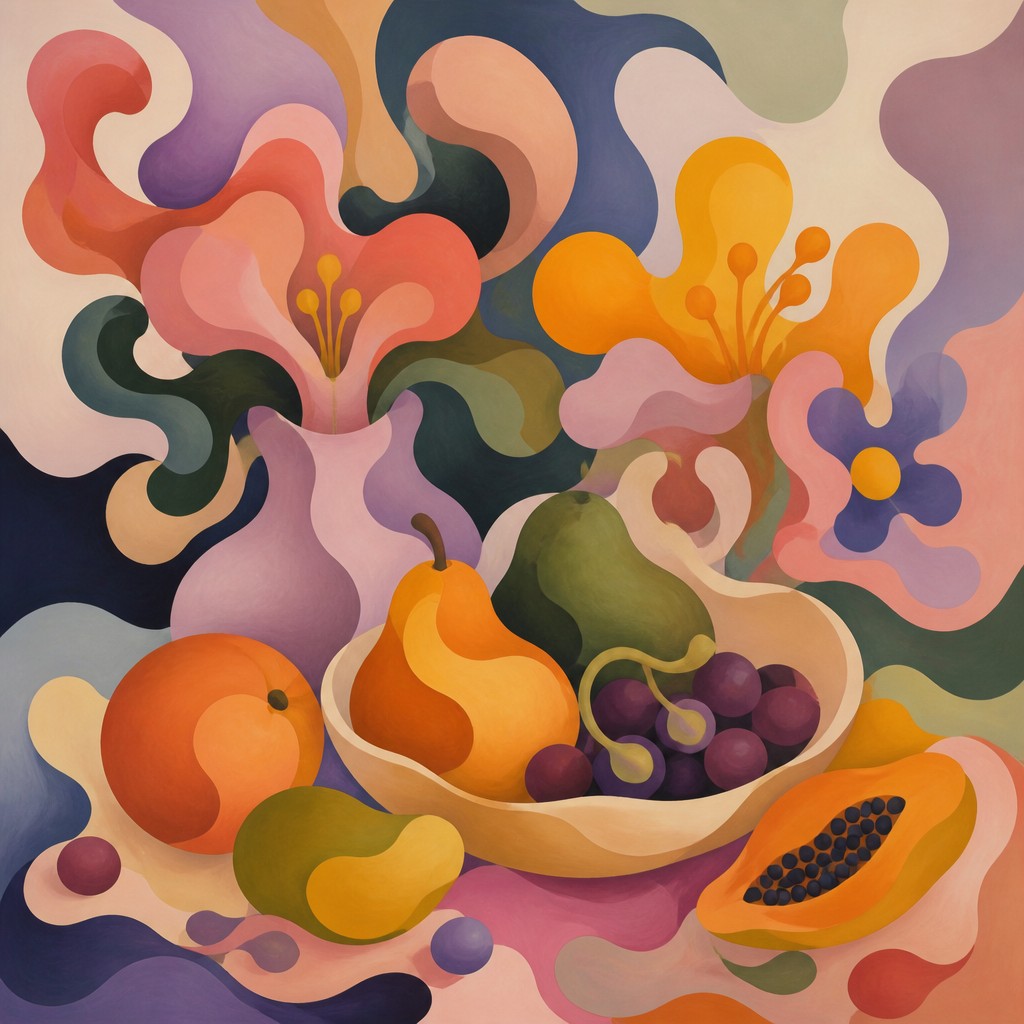
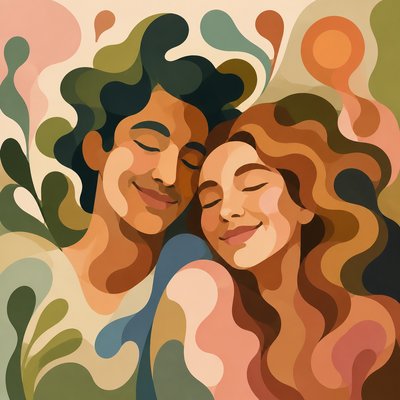
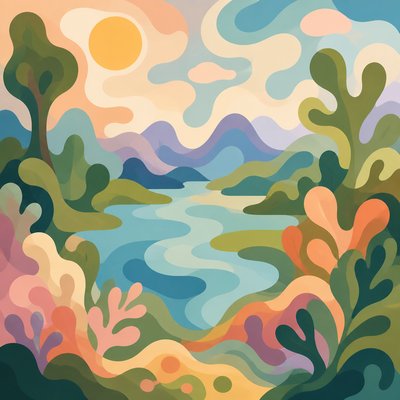
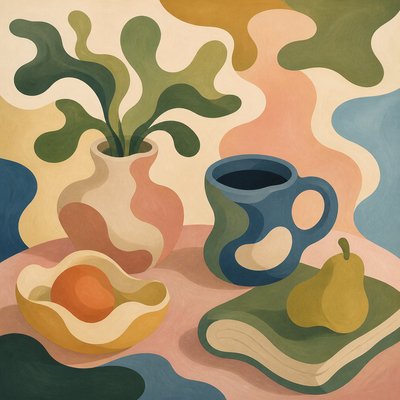
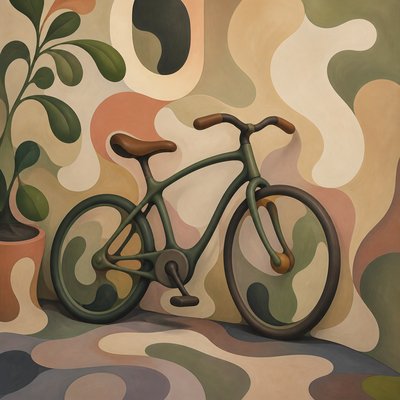
Biomorphic Shapes is an abstract visual style built from soft, rounded forms that resemble cells, seeds, droplets, organs, leaves, and other living structures without directly depicting them. Its silhouettes swell, taper, overlap, and drift across the picture plane, replacing rigid geometry with continuous, undulating contours and a strong sense of organic movement.
The style looks fluid because its forms are designed as if they are growing, floating, or changing shape. Smooth edges, inflated volumes, gentle asymmetry, and layered overlaps create a visual language that feels both playful and biological. It can be used for nonrepresentational compositions or to reinterpret subjects such as landscapes, animals, architecture, and portraits as arrangements of living-looking shapes.
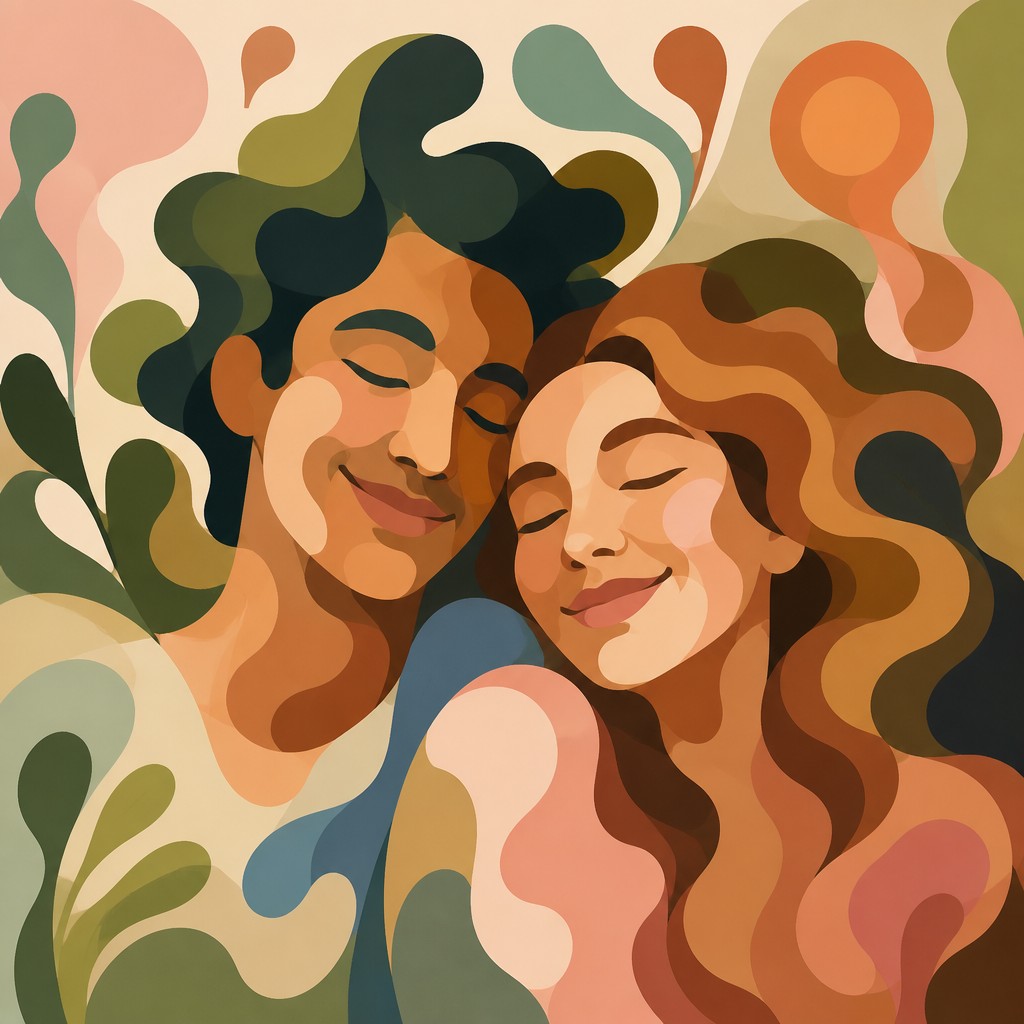
Try It On Your Photos
Upload any photo and convert it into Biomorphic Shapes Art Style — drag the sliders to compare before and after.
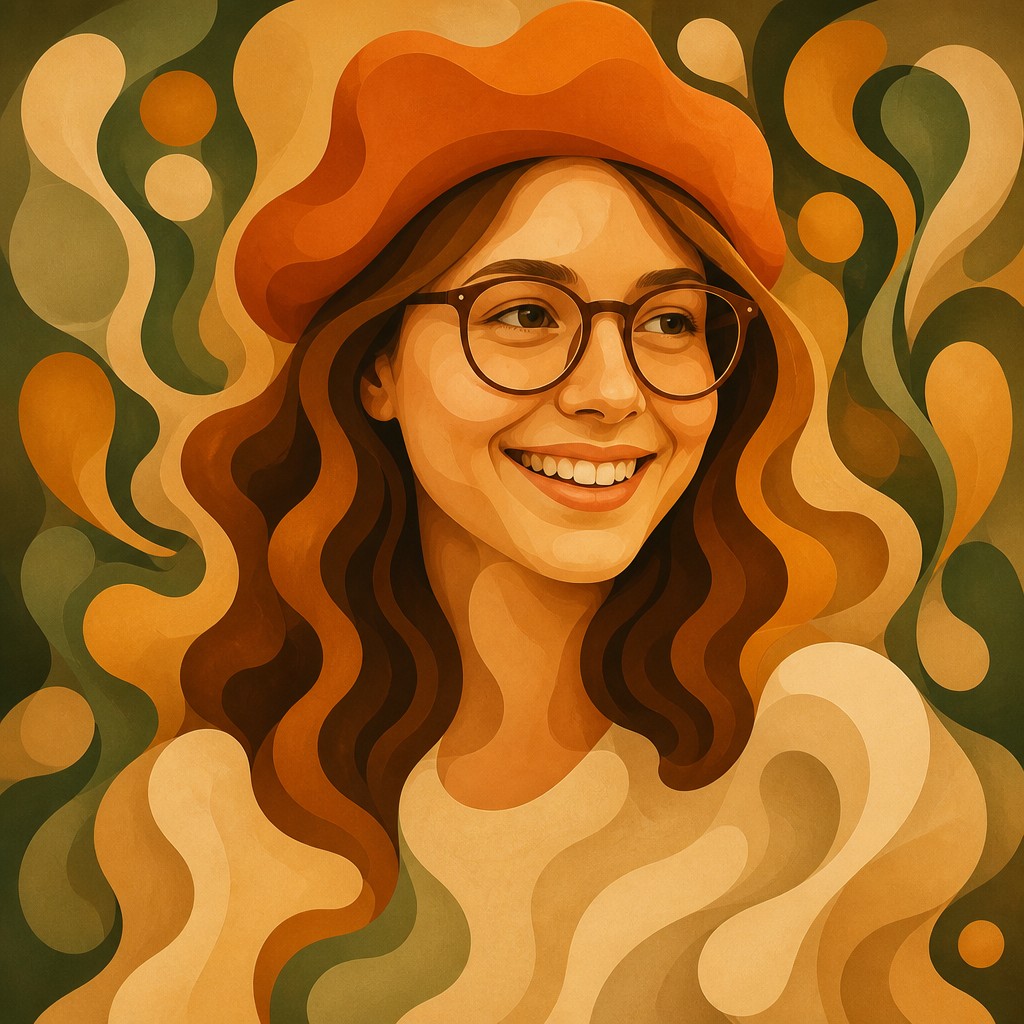

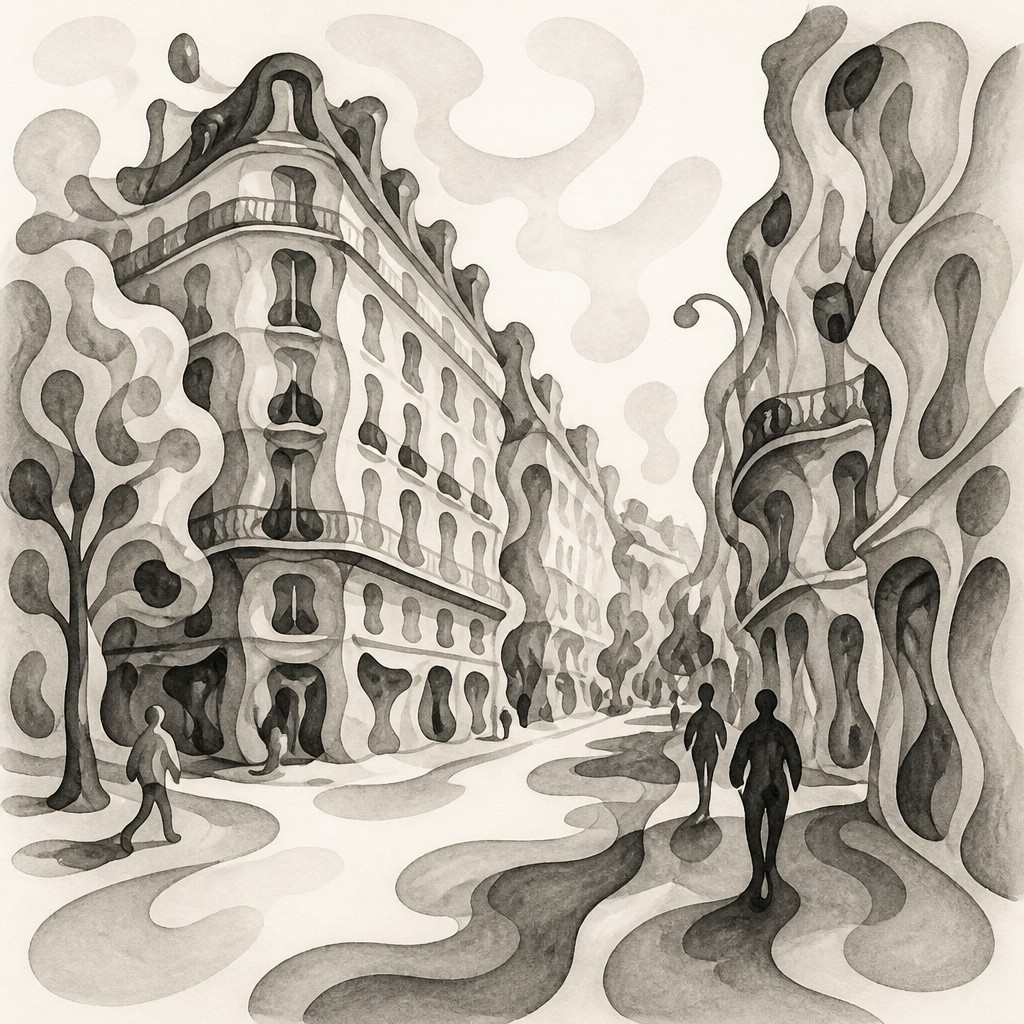

What Defines Biomorphic Shapes Art Style
The signature details, up close
Amoeba-like silhouettes
The primary forms resemble soft cells, blobs, droplets, or organisms. They expand and contract irregularly rather than following measured geometric proportions.
Continuous curved contours
Outlines remain smooth and free-flowing, with no straight edges or sharp mechanical corners. Curves often undulate gently as they pass around each form.
Organic growth patterns
Shapes may branch, bud, cluster, overlap, or appear to be in the process of growing. Repetition is irregular, suggesting natural development rather than a strict pattern.
Layered movement
Forms drift across the picture plane and overlap in shallow or deep layers. Overlapping contours create rhythm, depth, and the impression of floating cellular matter.
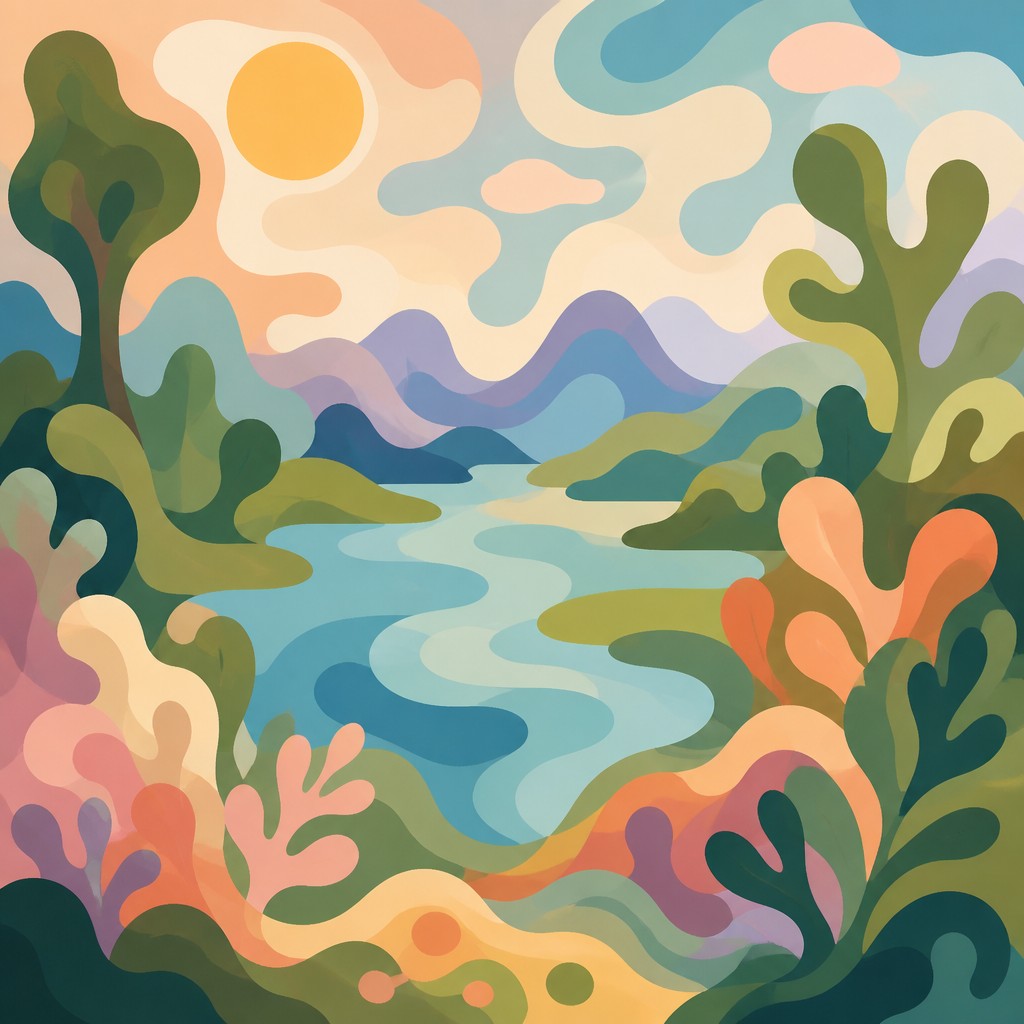
Rounded volume
Shading, gradients, highlights, or tonal transitions can make blobs appear inflated and tactile. Even flat versions retain a soft visual presence through their curved boundaries.
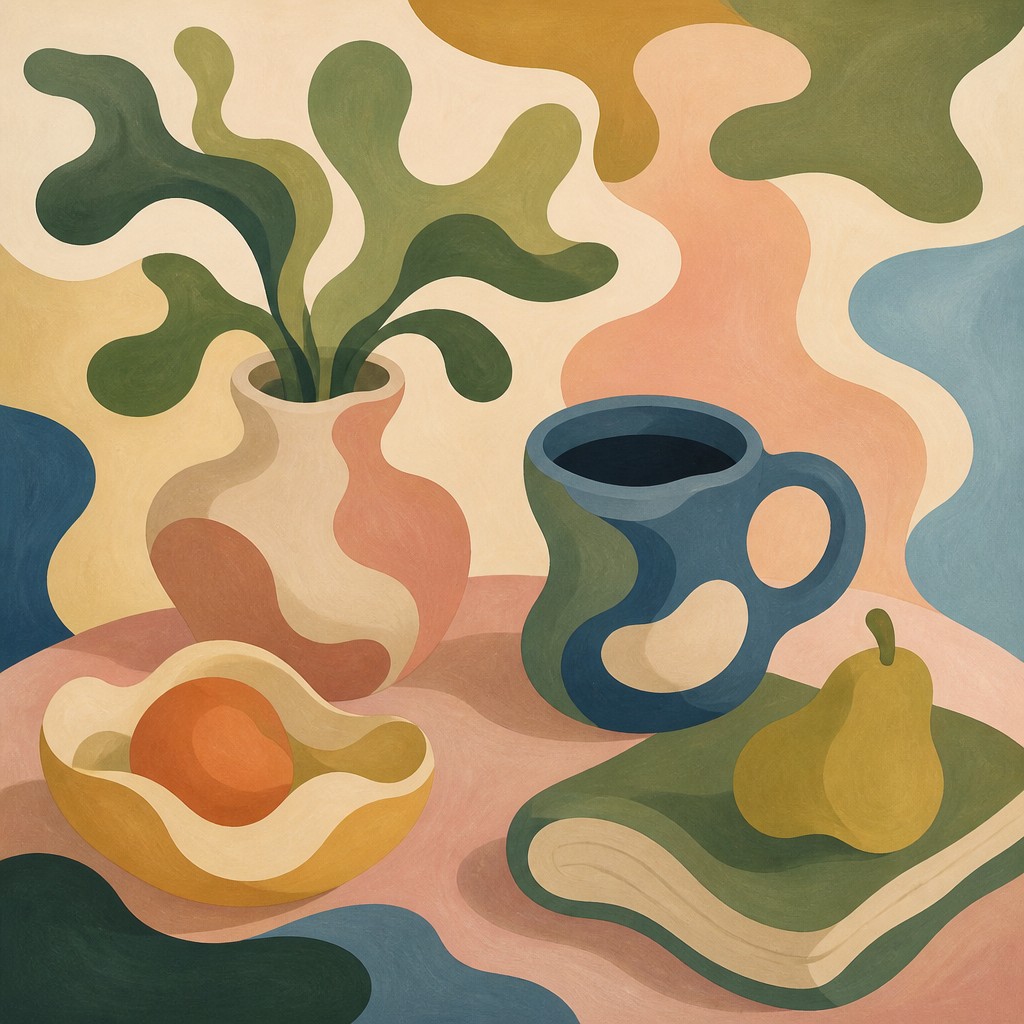
Plant and body associations
The shapes may subtly evoke petals, roots, skin, muscles, shells, embryos, or internal organs without becoming literal illustrations. This ambiguity is central to the style's imaginative character.
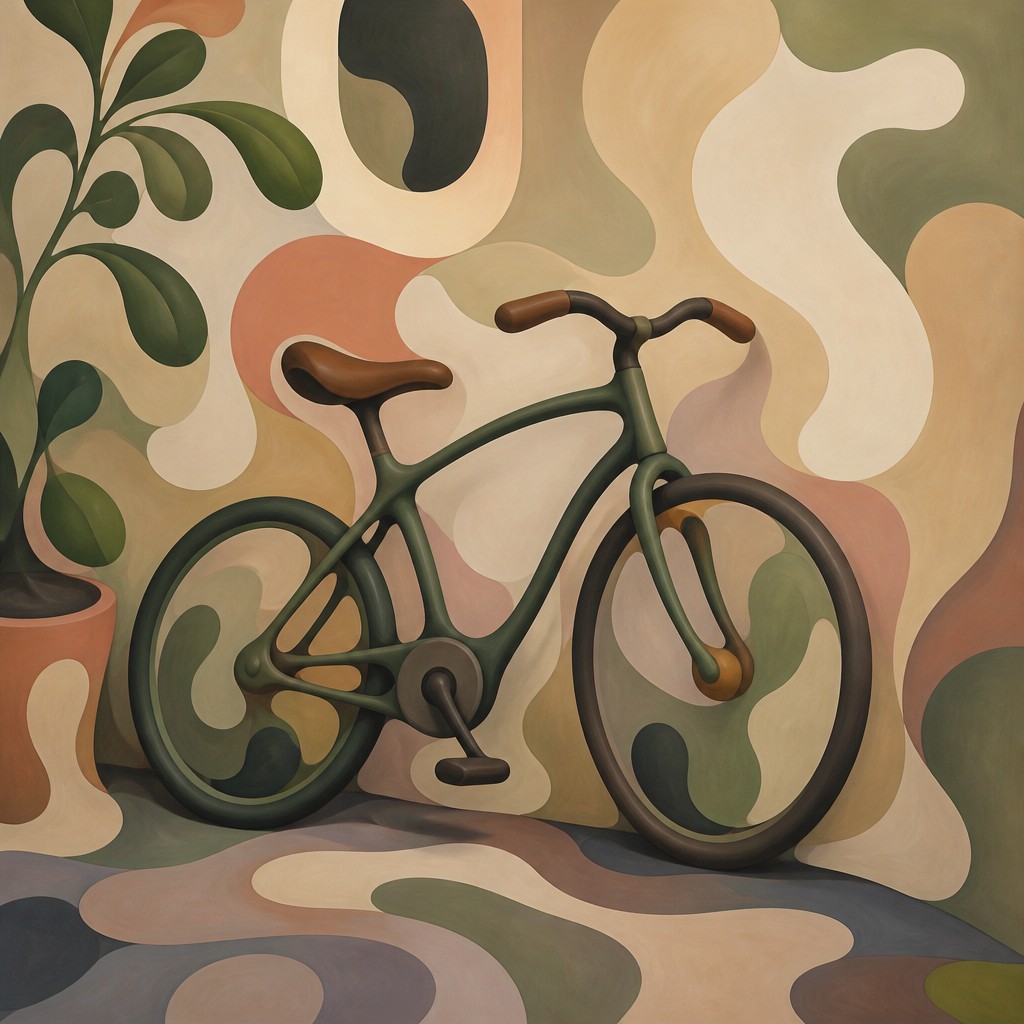
Playful organic color
Palettes may range from muted earth tones and botanical greens to luminous candy colors or translucent biological hues. Color often distinguishes overlapping forms while preserving a unified atmosphere.
Biomorphic Shapes Prompt Ideas
Start from an idea — each one opens the generator with the style ready to go. See all 40 Biomorphic Shapes prompts →
How to Create Biomorphic Shapes Art
Master the craft step by step — or skip straight to creating. Read the full guide →
- 1
Build from irregular curves
Begin with freehand or vector paths made from long, rounded curves, then vary their width so each form swells and tapers. Avoid straight segments, sharp corners, and perfectly regular circles.
- 2
Use layered silhouettes
Arrange blobs at different scales and depths, allowing some to overlap or partially disappear beyond the frame. Vary spacing and orientation to create a drifting, growing composition.
- 3
Model soft volume
For traditional work, use blended paint, colored pencils, or ink washes to create subtle tonal transitions. Digitally, use gradient fills, soft shadows, translucent layers, and restrained highlights rather than hard-edged shading.
- 4
Translate recognizable subjects
Reduce a landscape, animal, face, or building to its flowing masses before adding details. Preserve the subject's overall gesture while replacing literal surfaces with rounded organic forms.
- 5
Control the palette
Choose a limited family of related colors, then reserve contrast for overlapping forms or focal areas. Soft greens, coral, cream, violet, and warm neutrals can reinforce a biological or dreamlike impression.
- 6
Write precise generation prompts
Describe the subject first, then request soft amoeba-like forms, cellular blobs, swelling and tapering contours, smooth undulating outlines, layered drift, and no straight edges. For image transformation, specify that the original subject should remain recognizable while its surfaces become organic abstract shapes.
The Story
History & Origins of Biomorphic Shapes
Biomorphic Shapes is a contemporary, descriptive style rather than a historically established art movement with a fixed period or founding group. Its aesthetic lineage can be traced to early twentieth-century biomorphism, abstract modernism, Surrealist explorations of metamorphosis, and organic forms found in sculpture, botanical illustration, microscopy, and natural history.
The style has also developed through digital illustration, motion graphics, 3D modeling, generative design, and image-based experimentation. These technologies make it easy to produce smooth contours, inflated surfaces, translucent layers, and continuously morphing forms, extending earlier organic abstraction into a flexible image-making language.
Influences: The style relates to biomorphic abstraction, Surrealism, organic modernist design, abstract sculpture, Art Nouveau's vegetal line, and the soft masses of cellular and microscopic imagery. It also draws on botanical forms, marine life, anatomical structures, natural growth patterns, clay modeling, vector illustration, 3D blob modeling, motion graphics, and contemporary generative image-making.
Frequently Asked Questions
What defines the Biomorphic Shapes art style?
It is defined by soft, irregular forms that resemble cells, plants, droplets, or body structures without depicting them literally. Smooth curved outlines, rounded volumes, organic asymmetry, and a sense of growth or drifting are more important than a particular color palette.
Is Biomorphic Shapes a historical art movement?
No. It is a contemporary descriptive style rather than a formally defined historical movement. Its visual language draws from biomorphic abstraction, Surrealism, organic design, natural science imagery, and digital shape-making.
How is it different from geometric abstraction?
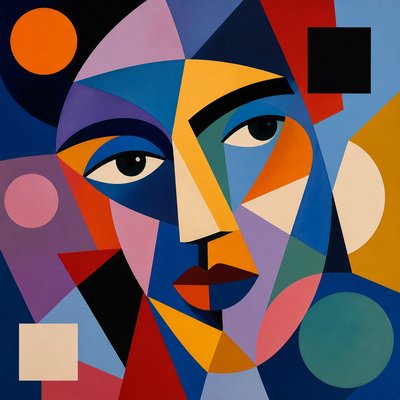
Geometric abstraction generally emphasizes measured shapes, straight lines, angles, grids, and clear mathematical order. Biomorphic Shapes replaces those features with continuous curves, irregular proportions, soft transitions, and forms that suggest living growth.
Can this style be used with recognizable subjects?
Yes. A portrait, animal, landscape, or building can remain identifiable while its details are simplified into rounded, flowing masses. The strongest results preserve the subject's silhouette or gesture while transforming its internal structure.
What materials work well for making it traditionally?
Acrylic, gouache, oil, watercolor, colored pencil, ink wash, and airbrush techniques can all produce the style. Smooth blending, layered transparent color, and carefully controlled curved edges are especially useful.
Where is Biomorphic Shapes commonly used?
It suits editorial illustration, album and book artwork, posters, motion graphics, app interfaces, packaging, textile patterns, educational visuals, and concept art. Its friendly organic forms can communicate nature, wellness, imagination, biology, or transformation.
Create your first Biomorphic Shapes artwork
Describe anything — or upload a photo — and see it in Biomorphic Shapes Art Style in seconds.
Related Styles
Discover similar art styles