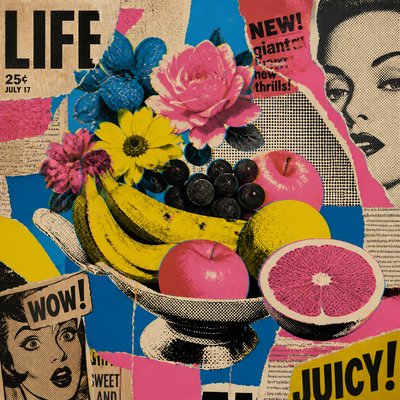
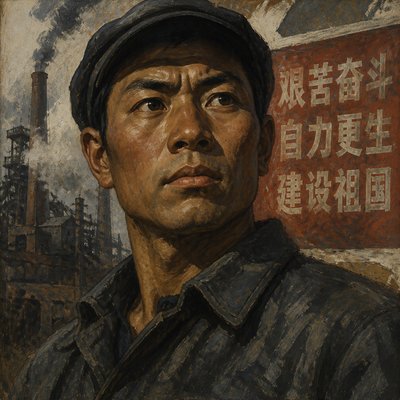
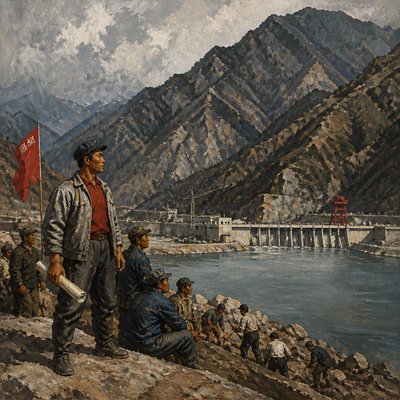
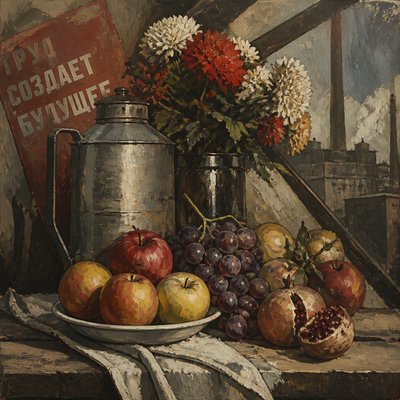
Tension Art Style
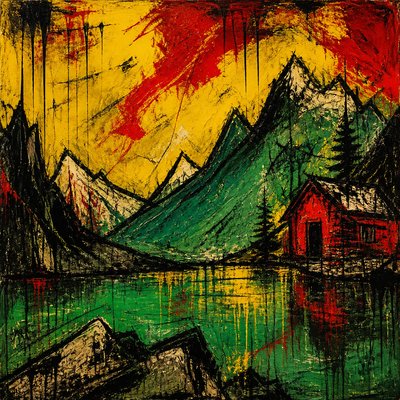
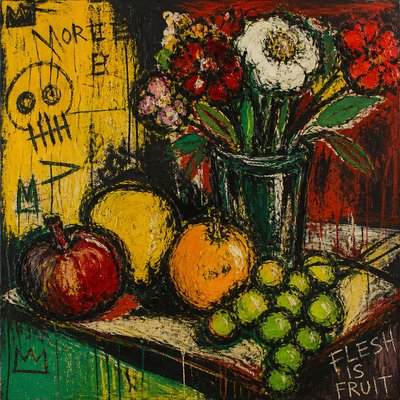
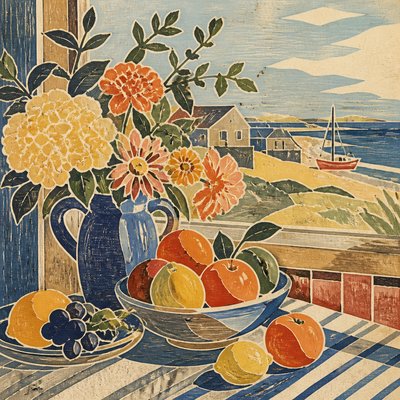
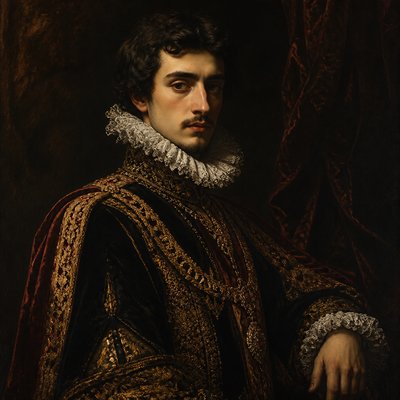
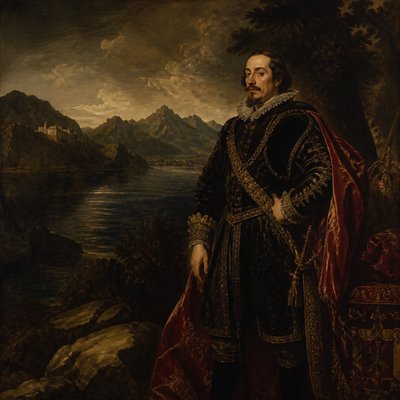
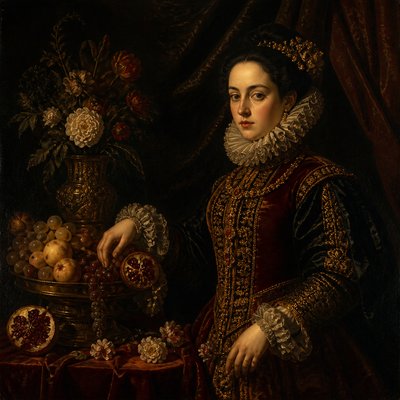
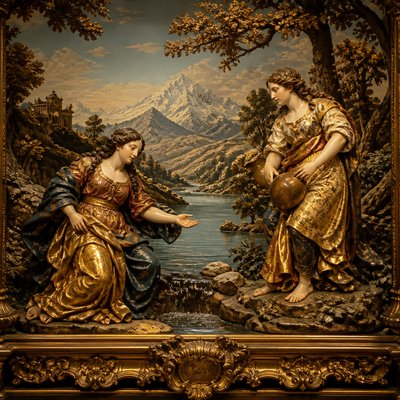
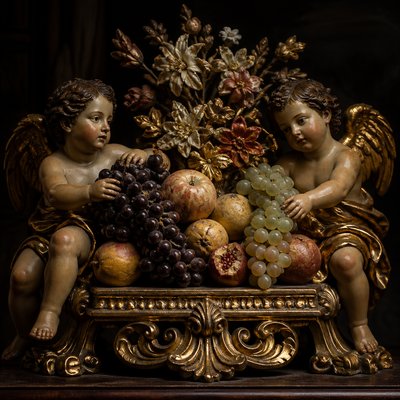
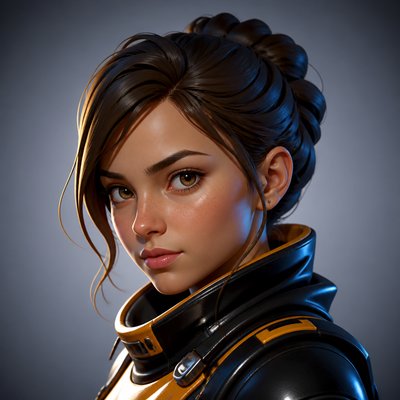
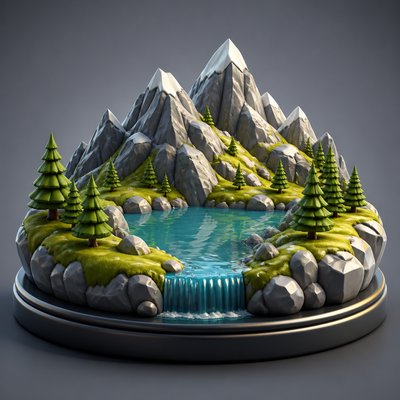
Explore Tension Art: a charged visual style of sharp diagonals, opposing forces, unstable balance, and unresolved compositional energy.
Instantly rendered in Tension — or transform a photo
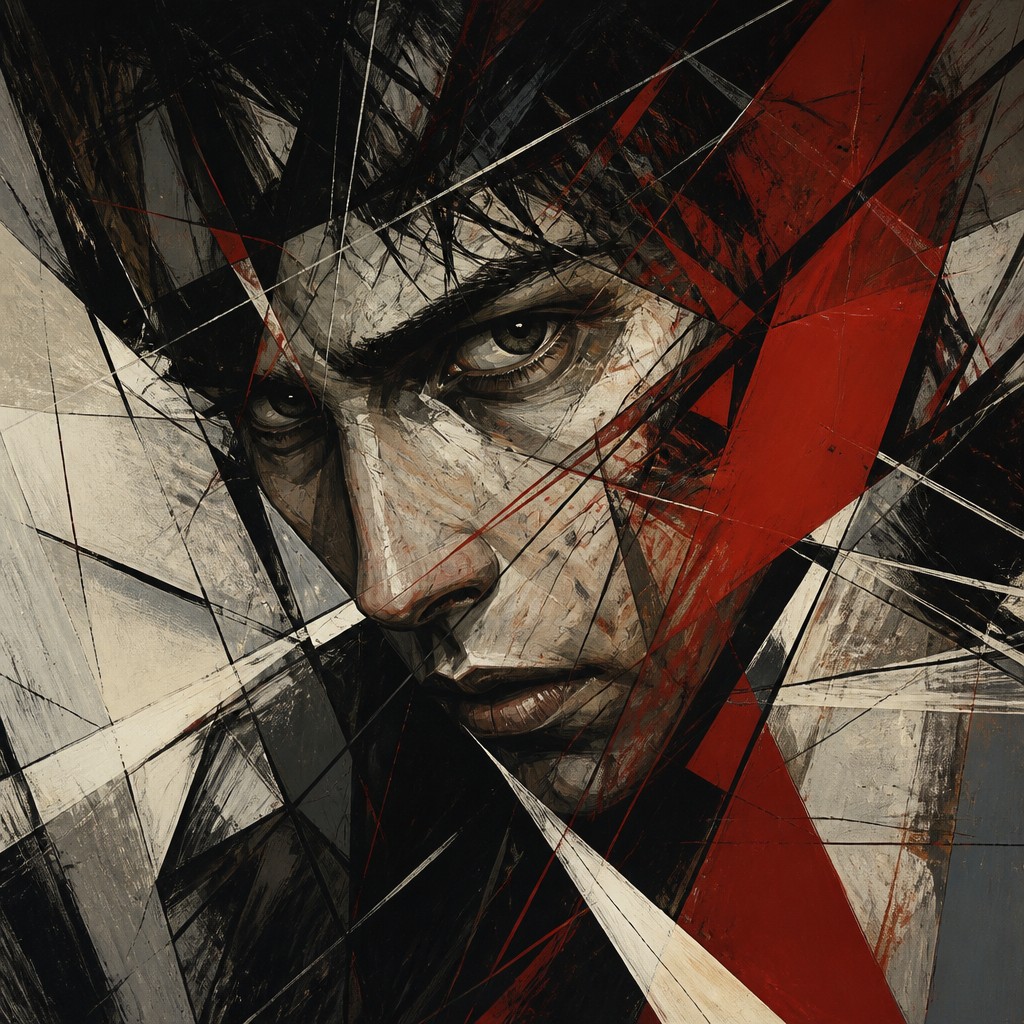
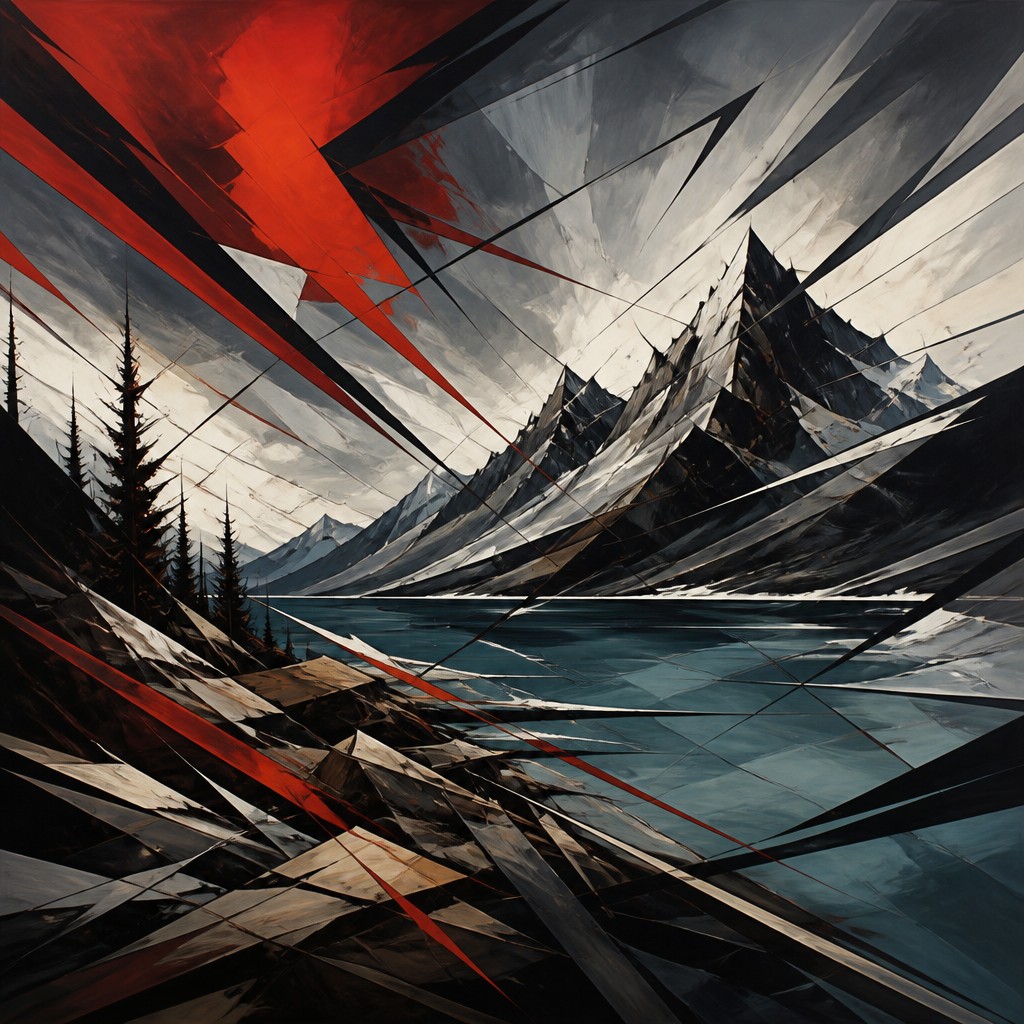
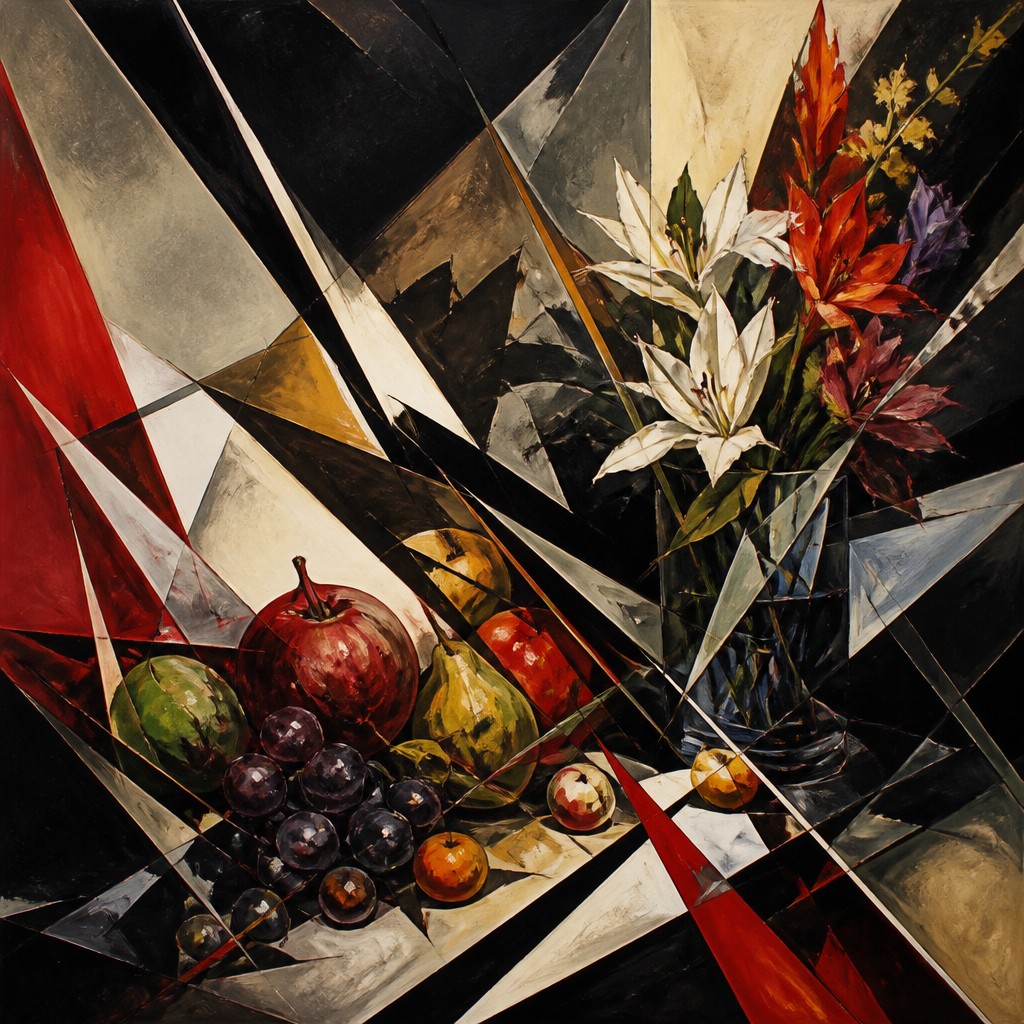
Tension Gallery
Tap any artwork to explore it
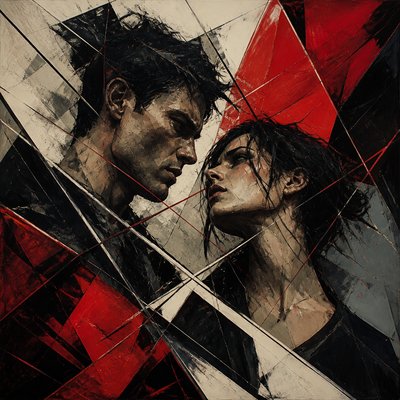
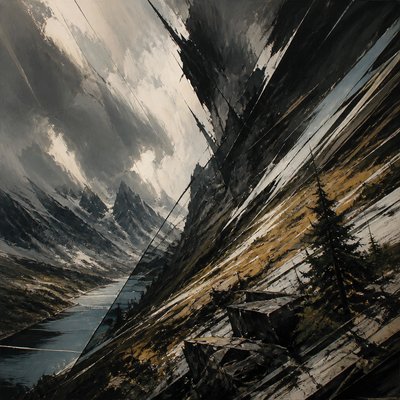
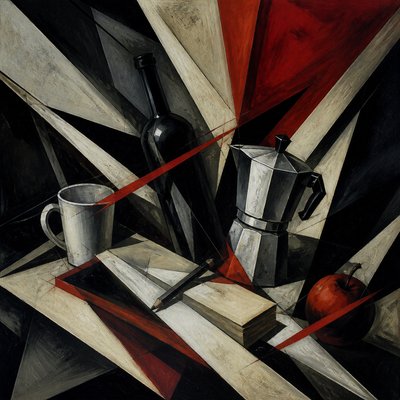
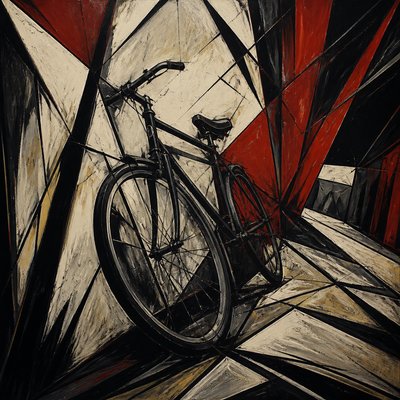
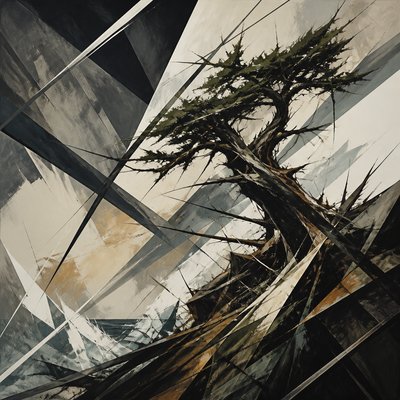
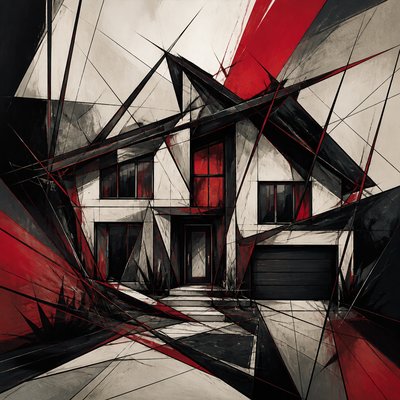
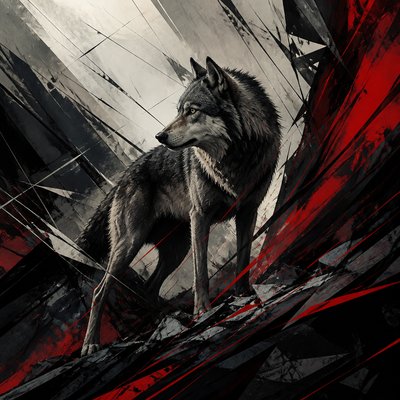
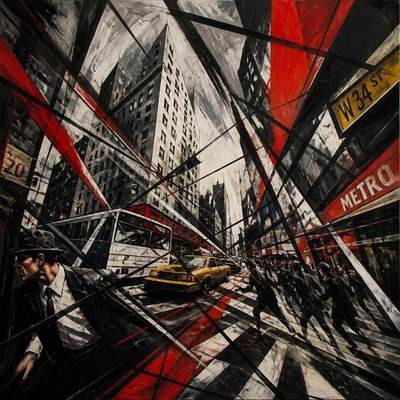
What is Tension Art Style?
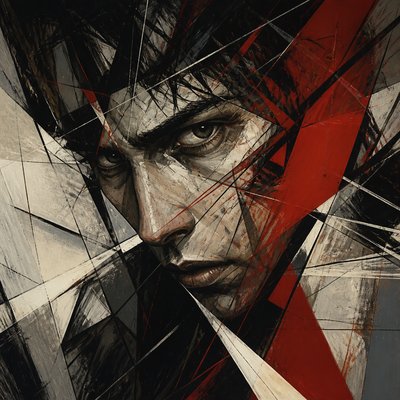
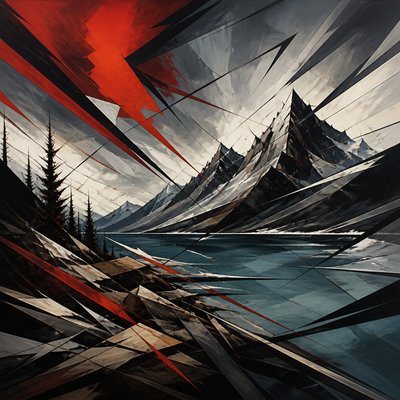
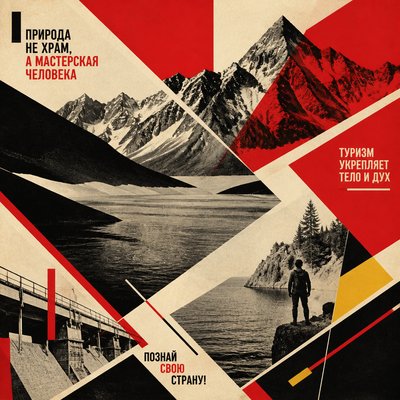
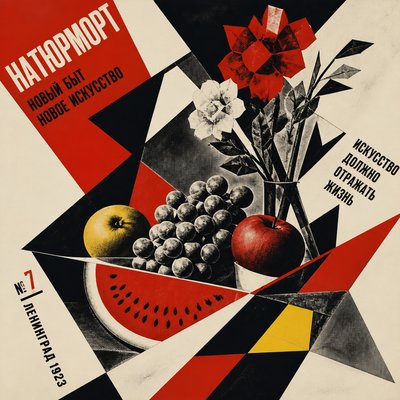
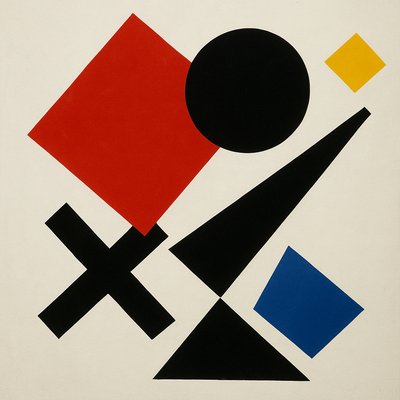
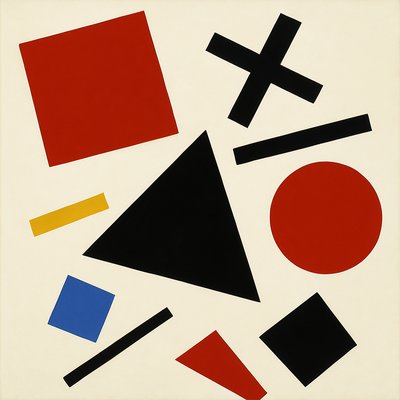
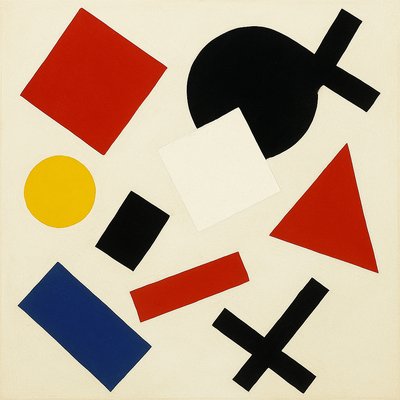
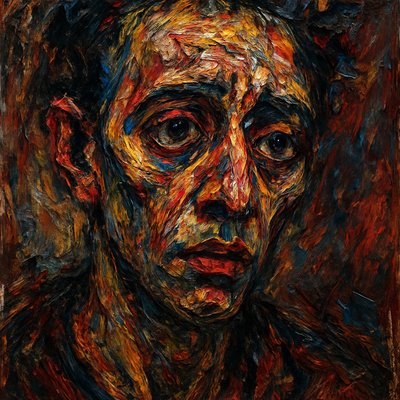
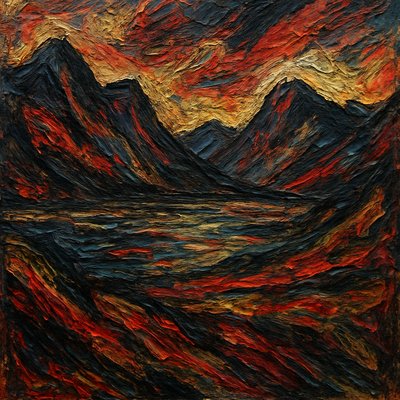
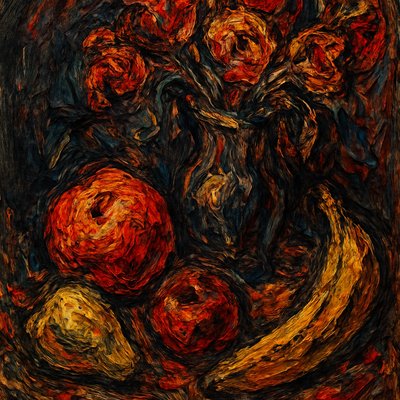
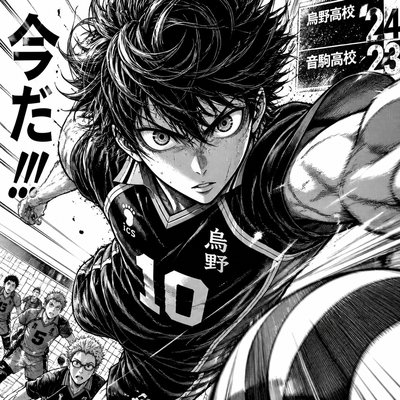
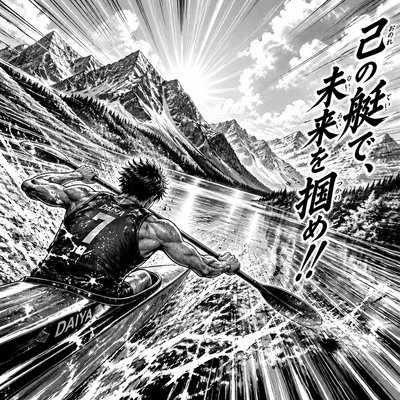
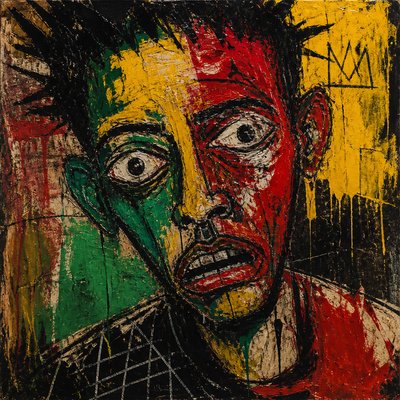
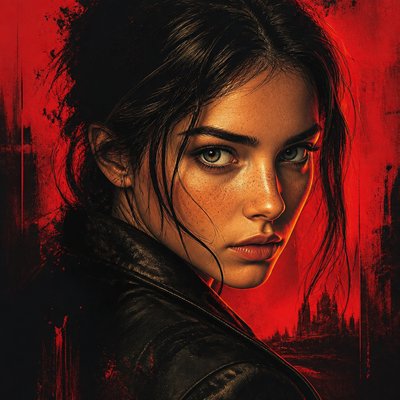
Tension Art Style is a compositional approach built around conflict, pressure, and instability. Sharp diagonals cut across the image, forms push against one another, and lines appear stretched toward a breaking point. Rather than guiding the eye toward a calm center, the image keeps attention in motion through asymmetry, interruption, and unresolved directional forces.
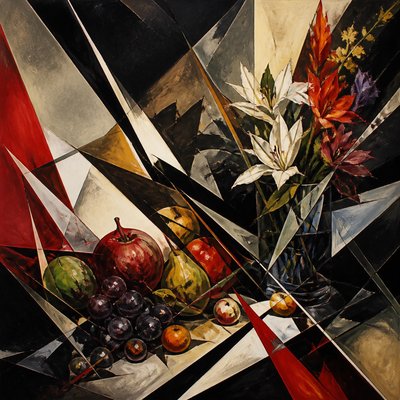
The style can be figurative, abstract, symbolic, or entirely nonrepresentational. Its defining quality is not a particular subject or medium but the way visual elements are arranged to create anticipation and strain. Crowded corners, abrupt overlaps, uneven weight, and compressed negative space make the frame feel as though it is actively resisting resolution.
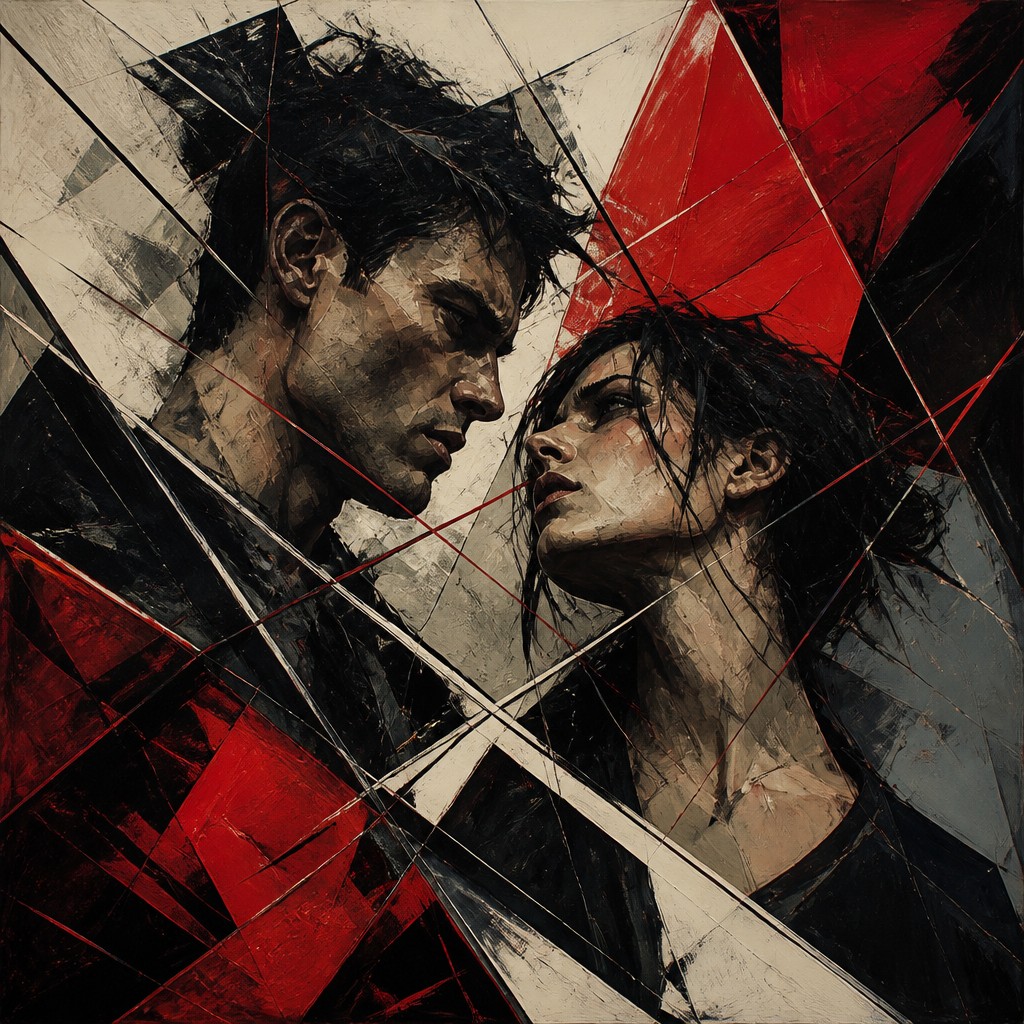
Try It On Your Photos
Upload any photo and convert it into Tension Art Style — drag the sliders to compare before and after.
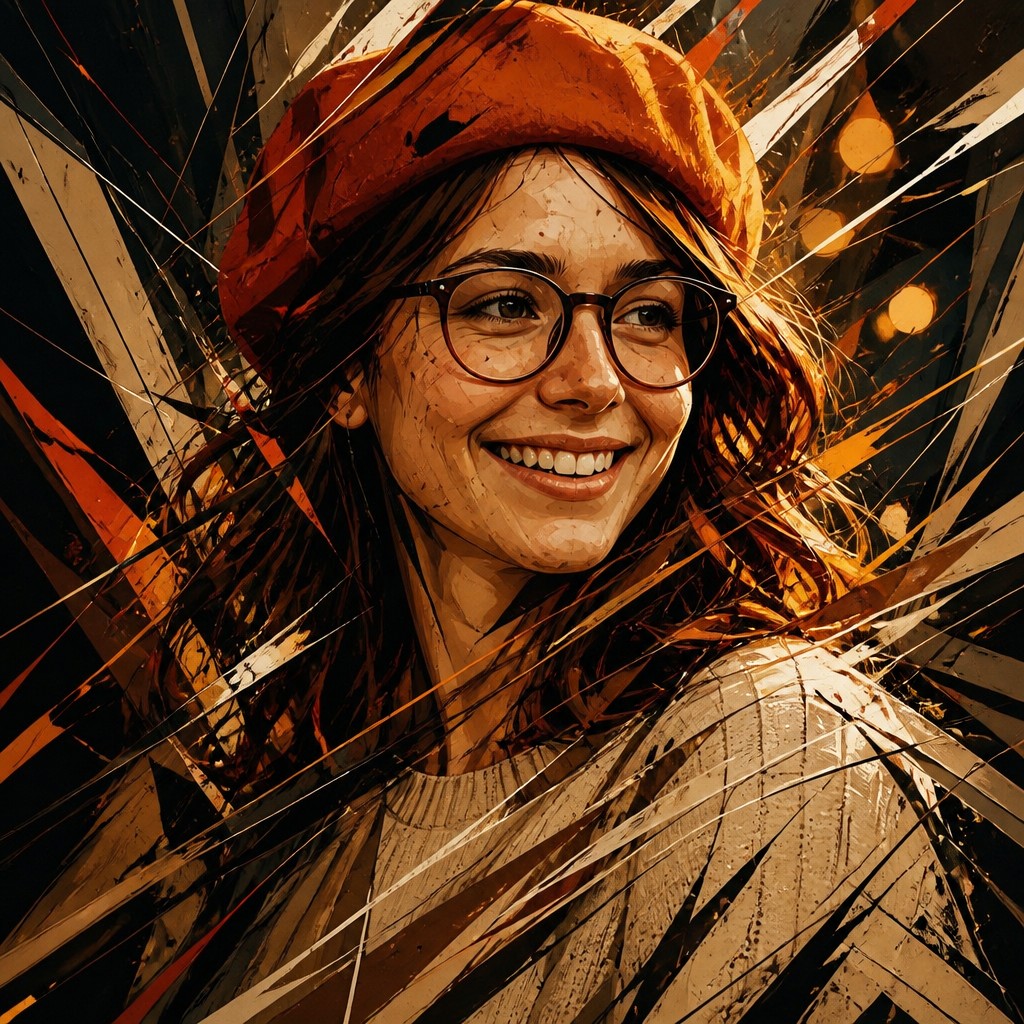

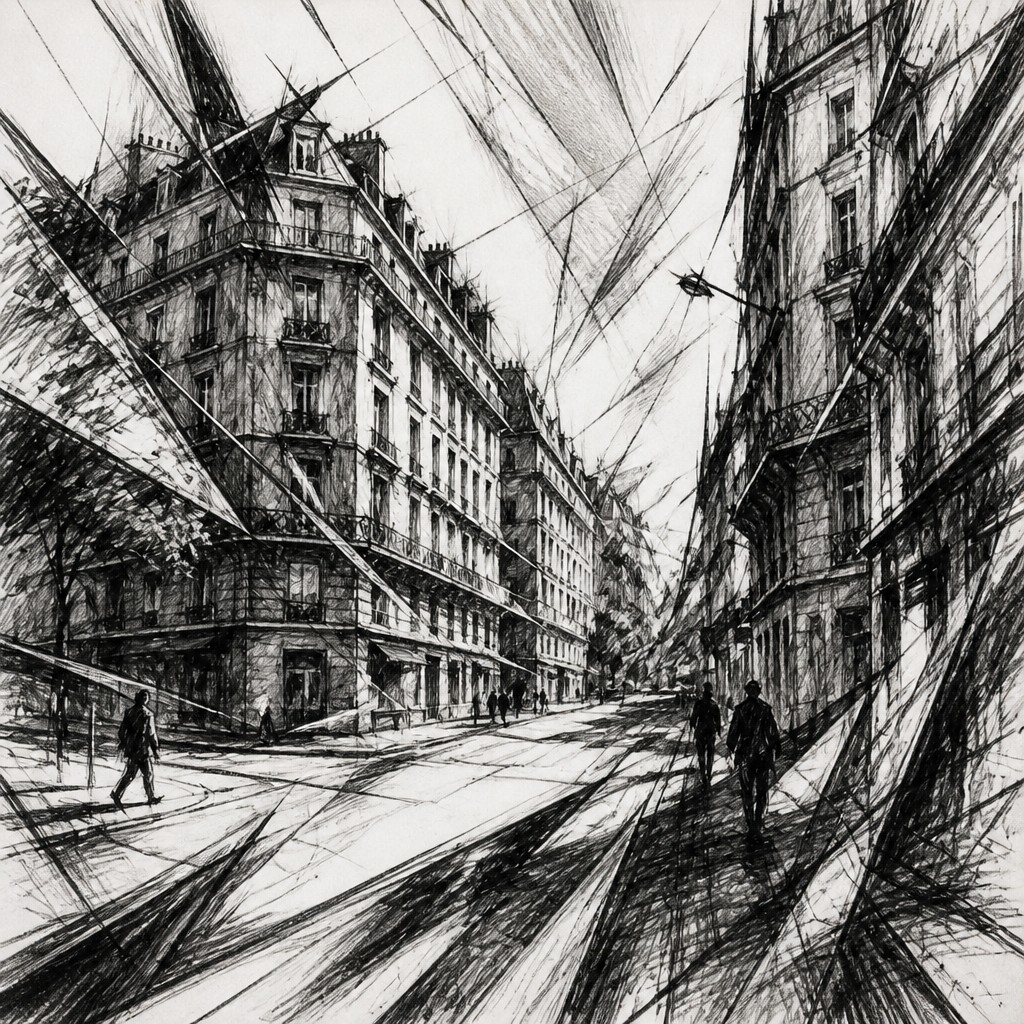

What Defines Tension Art Style
The signature details, up close
Dominant diagonals
Lines, limbs, architectural edges, shadows, and color bands run diagonally rather than resting on horizontal or vertical axes. These directions create movement and prevent the composition from feeling static.
Opposing directional forces
Major shapes pull toward competing corners or axes, producing a visual struggle within the frame. The eye is repeatedly redirected instead of being given one settled path.
Unstable asymmetry
Visual weight is distributed unevenly, often with a large mass countered by a smaller but sharper accent. The imbalance feels intentional and active rather than accidental.
Compressed space
Forms crowd one another and may press against the edges of the image. Reduced breathing room heightens the impression of pressure, confinement, or imminent collision.
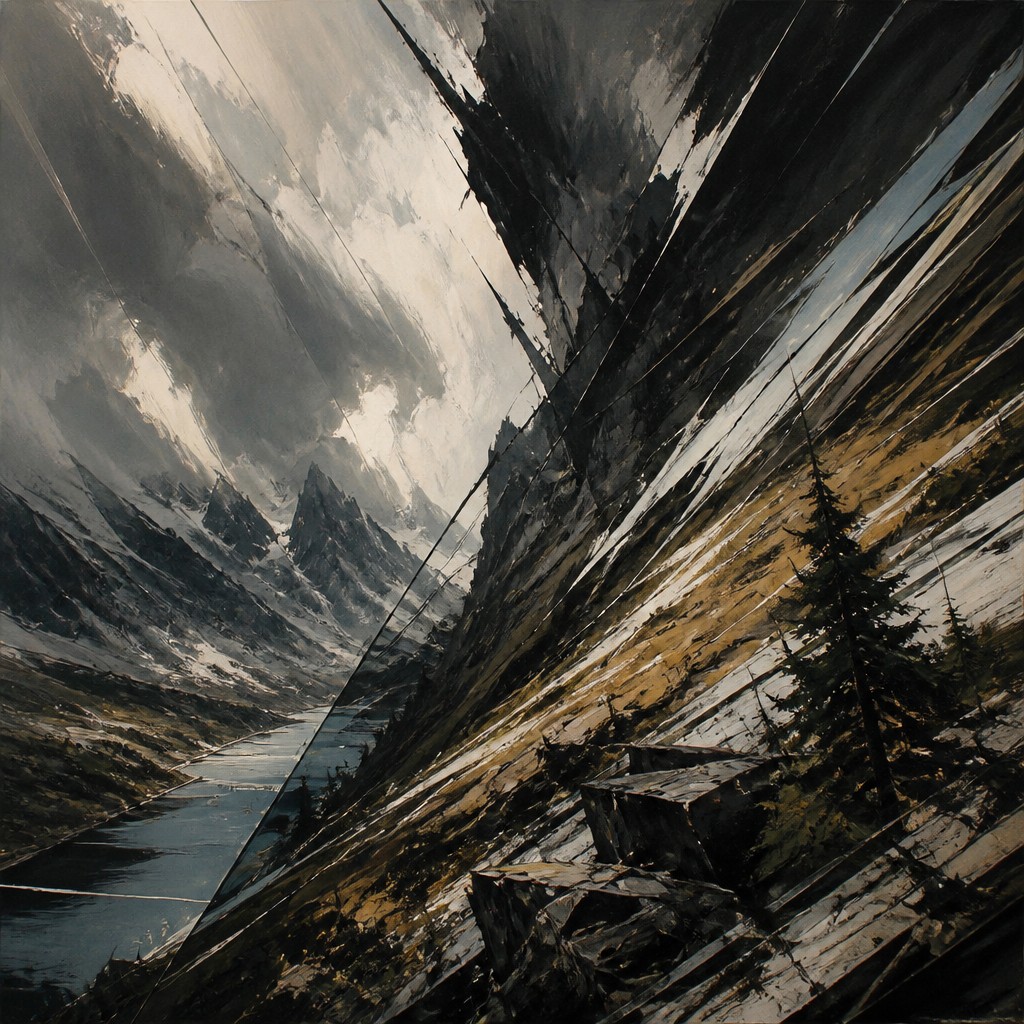
Jagged and interrupted contours
Broken edges, angular silhouettes, abrupt overlaps, and fragmented shapes replace smooth continuity. These interruptions make objects appear strained, unstable, or in the process of changing.
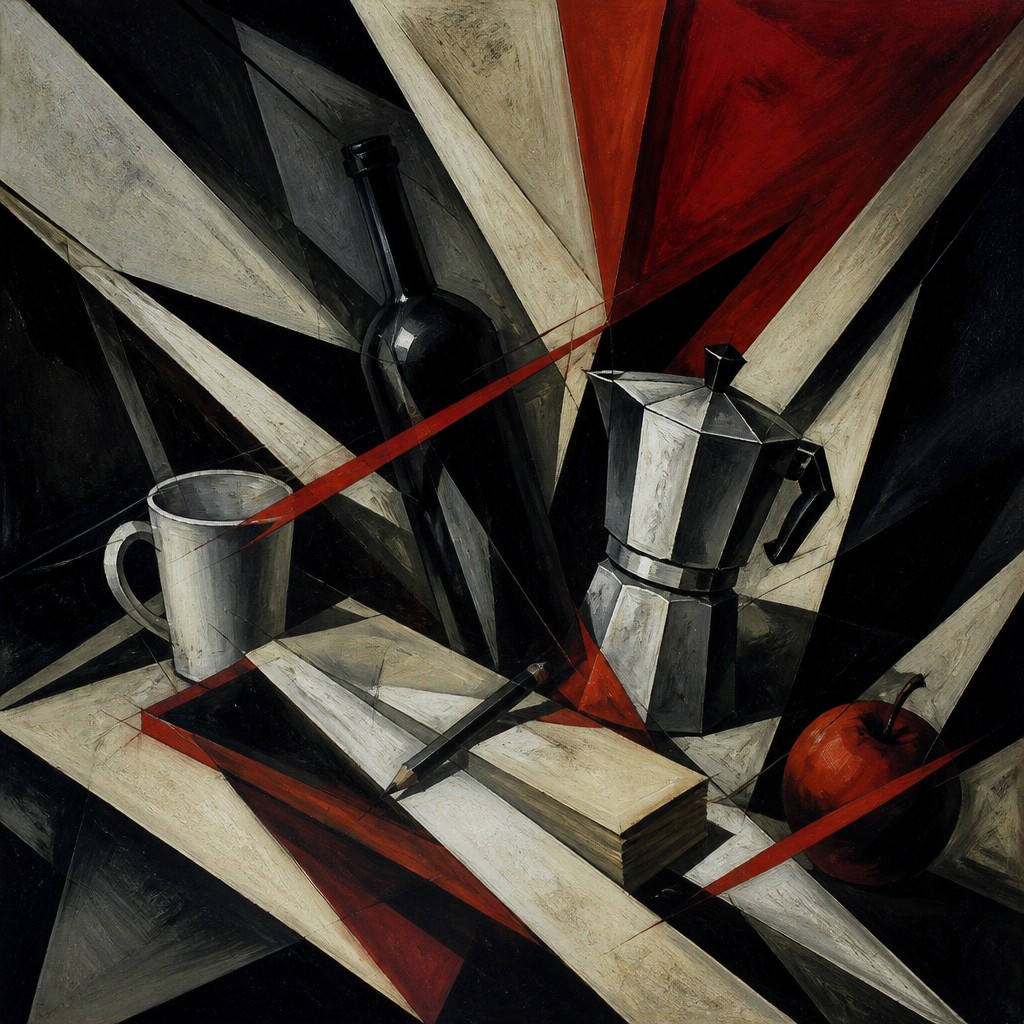
High-contrast rhythm
Strong value, color, texture, or scale contrasts establish competing focal points. Alternating accents create a visual rhythm that feels urgent rather than harmonious.
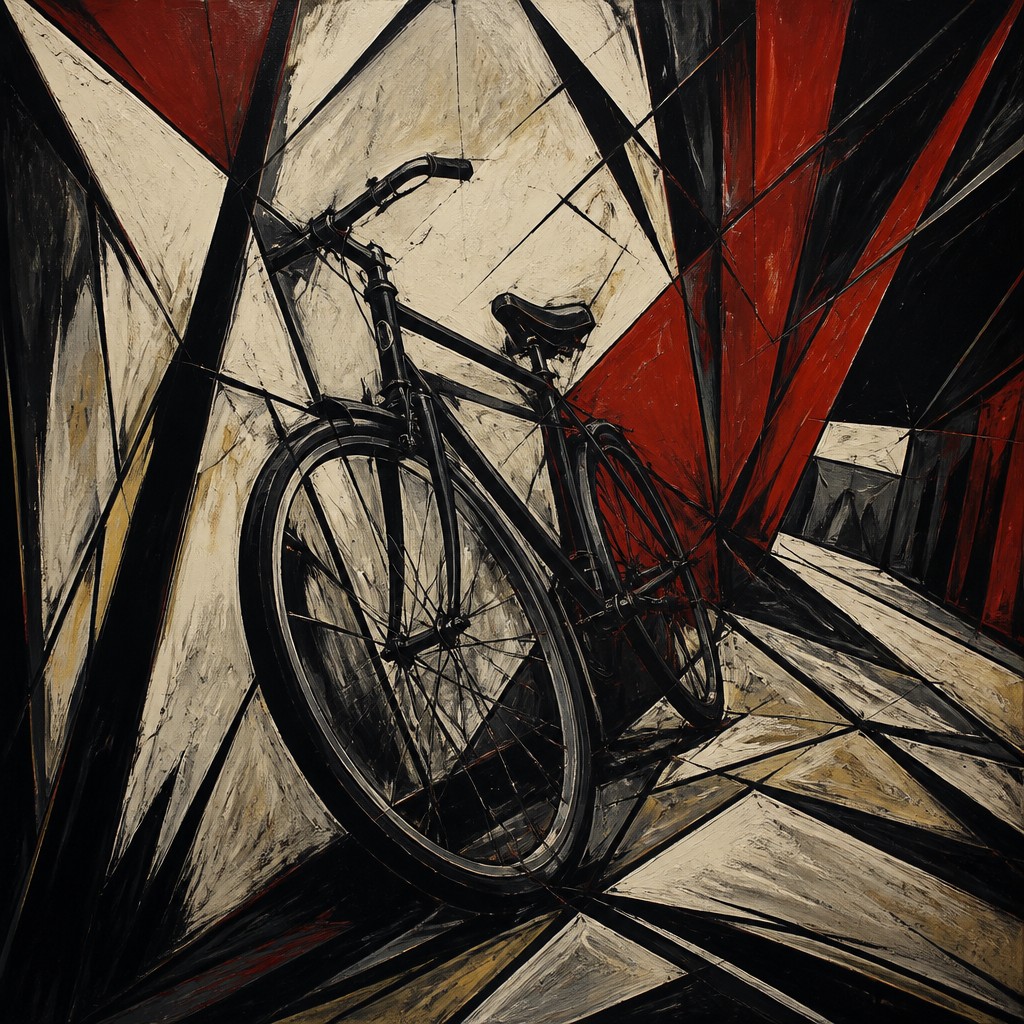
Refusal of resolution
The composition avoids a perfectly centered focal point or an obvious visual conclusion. Even when the subject is recognizable, the arrangement leaves a sense of suspended action.
Tension Prompt Ideas
Start from an idea — each one opens the generator with the style ready to go. See all 40 Tension prompts →
How to Create Tension Art
Master the craft step by step — or skip straight to creating. Read the full guide →
- 1
Build with a directional armature
Begin with two or more intersecting diagonals and place the main subject along, across, or against them. In drawing or painting, lightly mark these vectors before adding detail so the whole image shares one structural tension.
- 2
Set unequal visual weights
Pair a dominant mass with a smaller, sharper counterforce rather than balancing the frame symmetrically. Vary scale, darkness, saturation, and proximity to the edge to control where pressure accumulates.
- 3
Compress and crop the scene
Push forms toward the borders and allow selected objects to be cut off by the frame. Use overlapping planes and limited negative space to make the viewer feel close to a collision.
- 4
Distort edges and surfaces
Use angular brushwork, broken contours, faceted shading, collage fragments, or digital warping to interrupt smooth forms. Keep enough recognizable structure for the distortion to read as purposeful strain.
- 5
Control contrast strategically
Reserve the strongest dark-light or complementary-color contrast for points of conflict. A restrained palette with a few sharp accents often produces more tension than uniformly intense color.
- 6
Write prompts around forces
For prompt-based generation, specify the subject together with sharp diagonals, opposing motion, compressed framing, jagged overlaps, unstable asymmetry, and unresolved corners. For image-to-image work, preserve the subject's identity while increasing angularity, directional conflict, and edge pressure.
The Story
History & Origins of Tension
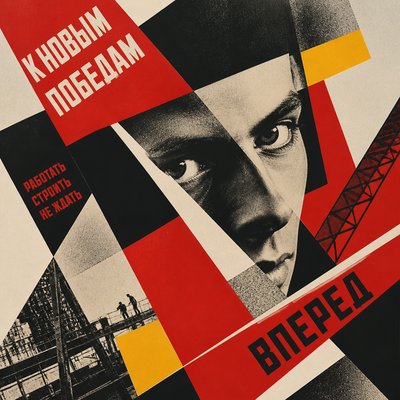
Tension Art Style is an invented, contemporary aesthetic rather than a documented historical movement with a fixed origin or membership. Its visual lineage draws from traditions that use directional force and imbalance as expressive tools, including Cubist fragmentation, Futurist dynamism, Expressionist distortion, Constructivist geometry, abstract action-based composition, and cinematic techniques for suggesting danger or psychological pressure.
In digital and generative practice, the style develops these precedents through layered geometry, aggressive cropping, controlled distortion, and prompt-based emphasis on opposing forces. It is best understood as a flexible visual language for representing conflict, urgency, suspense, and instability across different subjects and media.
Influences: The style relates to Cubist fragmentation, Futurist explorations of speed and simultaneity, Expressionist distortion, Constructivist geometric organization, abstract painting based on gestural force, and film-noir or suspense cinematography that uses oblique framing. It also shares methods with editorial illustration, graphic storytelling, stage composition, and photography that rely on cropping, converging lines, and visual imbalance to communicate urgency.
Frequently Asked Questions
What defines Tension Art Style?
It is defined by visual conflict: sharp diagonals, competing directions, asymmetrical weight, compressed space, and forms that appear close to collision. The style creates energy through unresolved relationships rather than through subject matter alone.
Is Tension Art Style a historical art movement?
No. It is a contemporary, invented style label rather than a historically documented movement. Its vocabulary draws on several established traditions, especially geometric fragmentation, expressive distortion, dynamic composition, and cinematic suspense.
How is it different from chaotic or abstract art?
Tension Art may look chaotic, but its instability is organized around directional opposition. Compared with purely random abstraction, it usually retains a deliberate compositional armature of diagonals, counterweights, overlaps, and pressure points.
Can recognizable subjects be used in this style?
Yes. Portraits, landscapes, architecture, animals, and narrative scenes can all use the approach. Recognition is maintained while pose, perspective, cropping, lighting, and surrounding shapes are made more angular and conflicted.
How can I make a traditional artwork feel more tense?
Start with an off-center composition and establish two competing diagonals before adding detail. Crop forms at the edges, overlap major shapes, vary visual weight, and reserve the strongest contrast for the point where the forces appear to meet.
Where is this style commonly useful?
It suits posters, comics, editorial illustration, concept art, album or book imagery, dramatic photography, motion graphics, and scenes involving conflict or suspense. It can also give abstract studies a strong sense of movement and psychological pressure.
Create your first Tension artwork
Describe anything — or upload a photo — and see it in Tension Art Style in seconds.
Related Styles
Discover similar art styles