Rayonism Art Style
Explore Rayonism: an early Russian avant-garde style of intersecting light rays, fractured color, and dynamic abstract energy.
Instantly rendered in Rayonism — or transform a photo
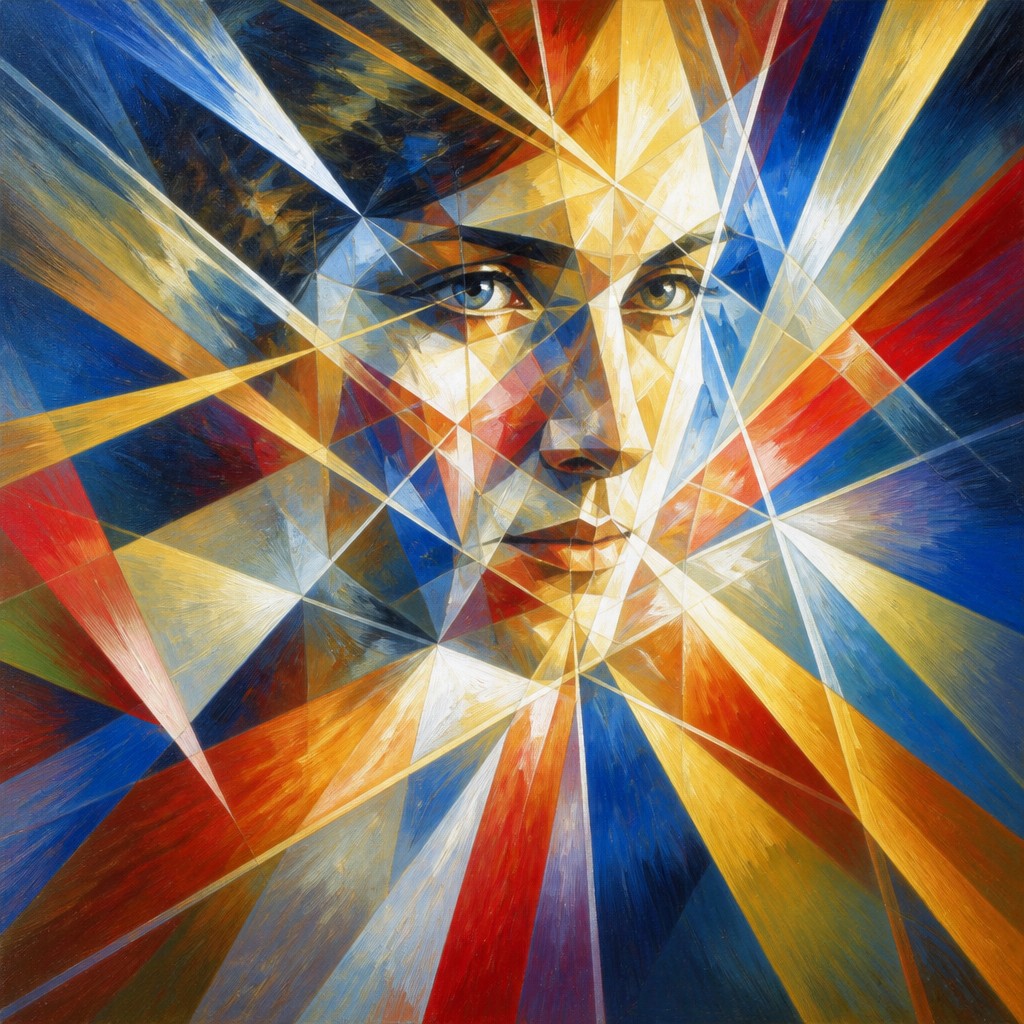
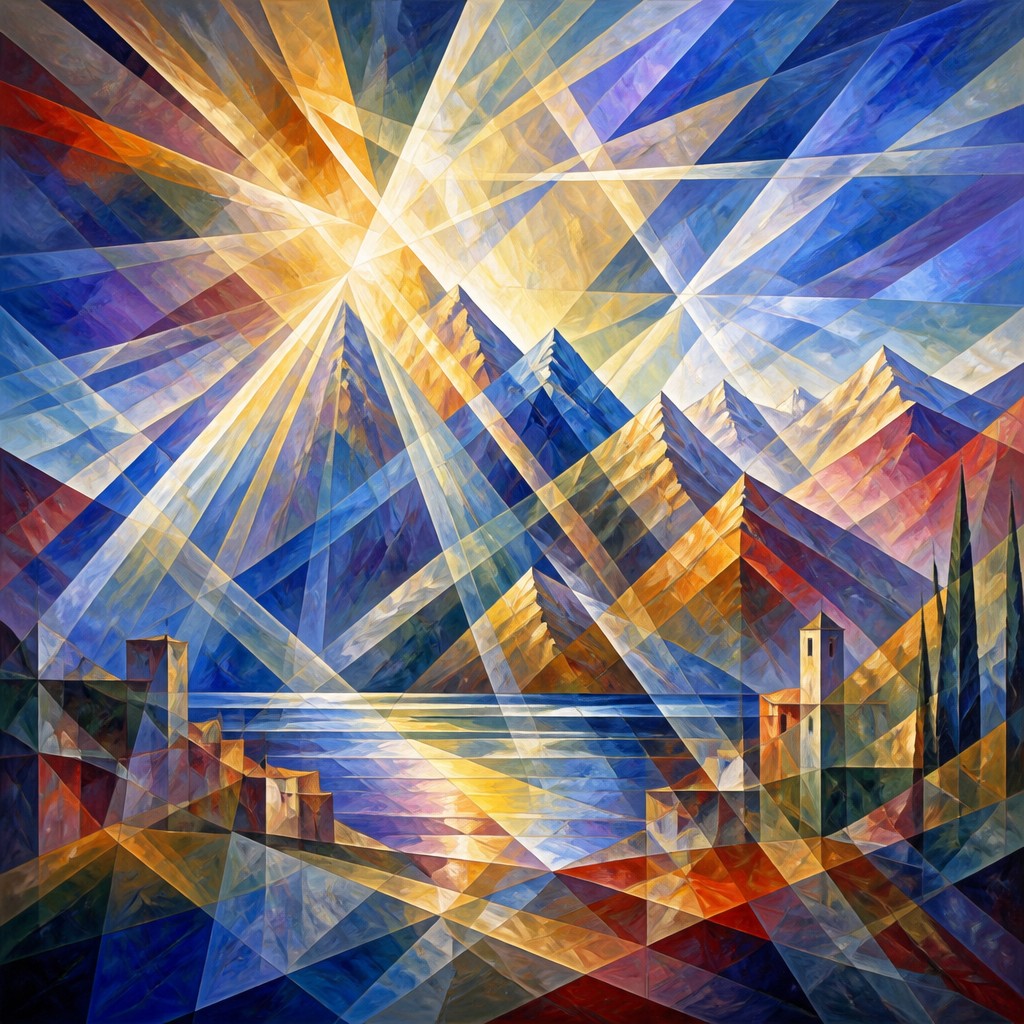
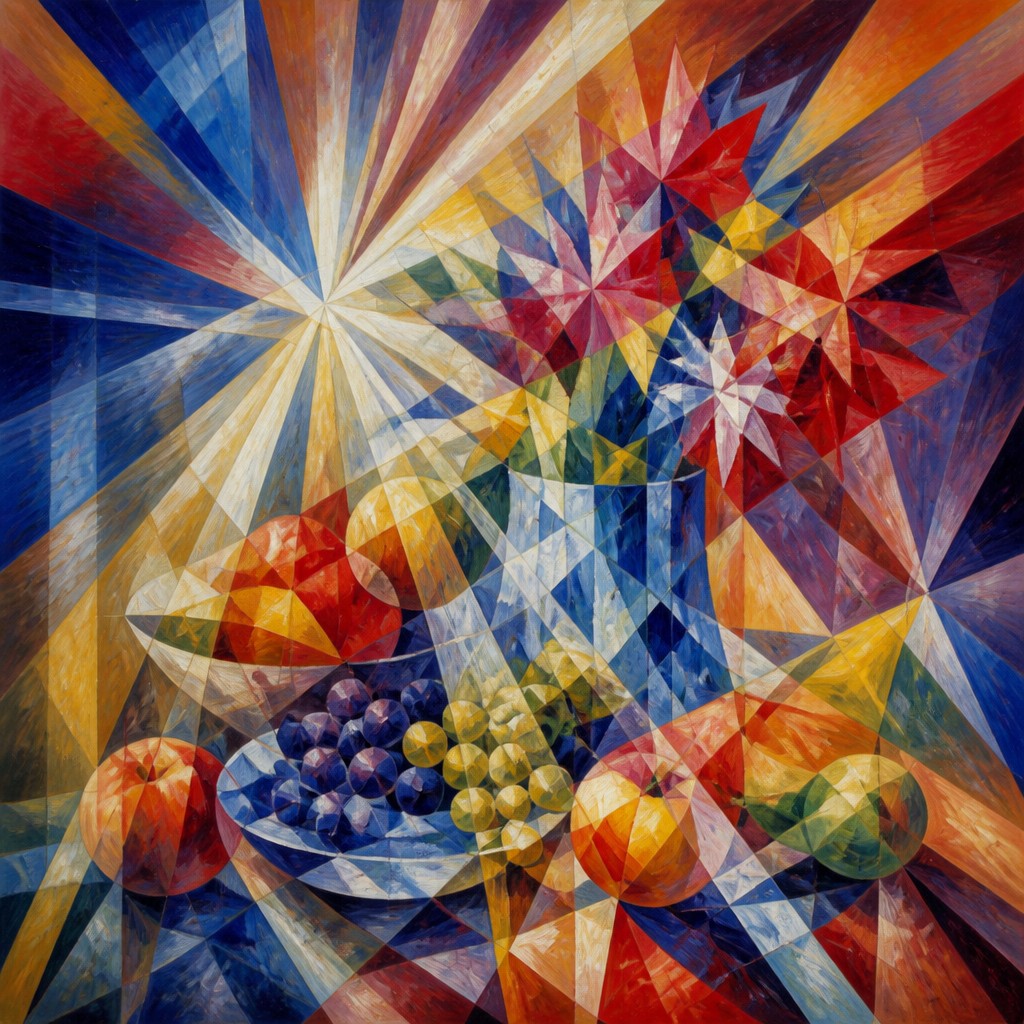
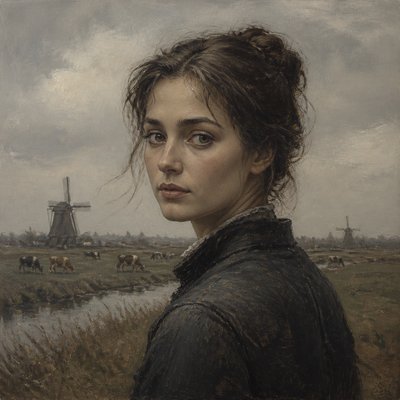
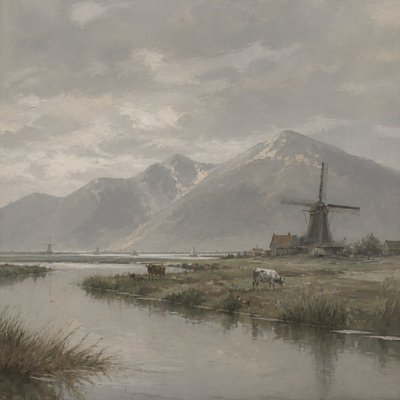
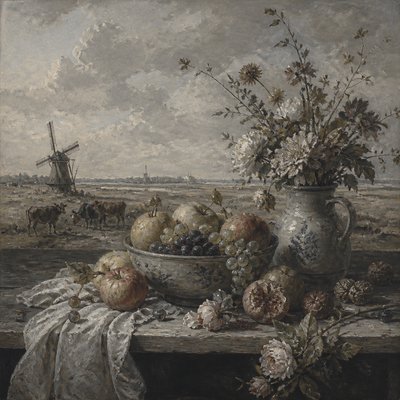
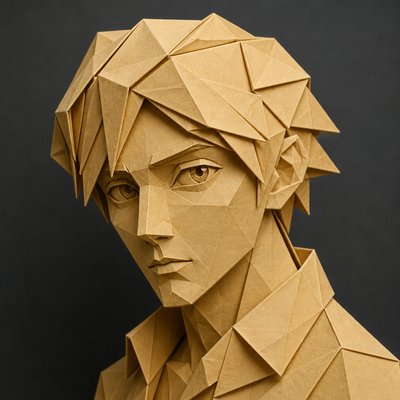
Rayonism Gallery
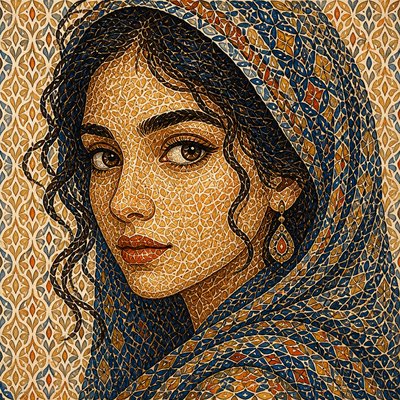
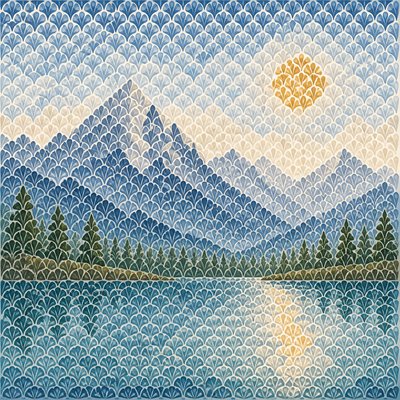
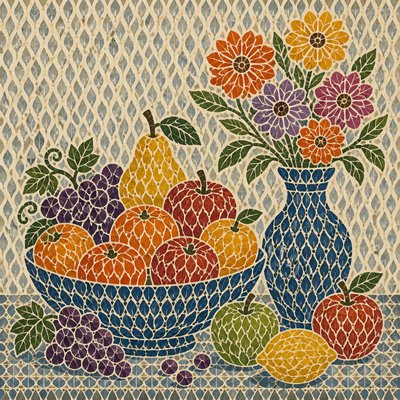
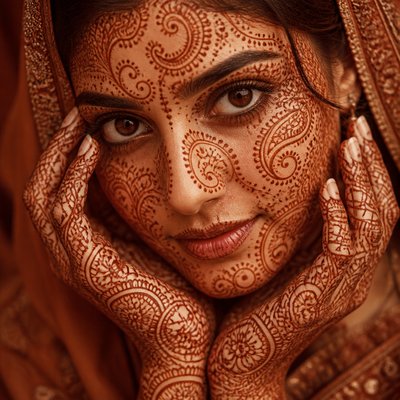
Tap any artwork to explore it
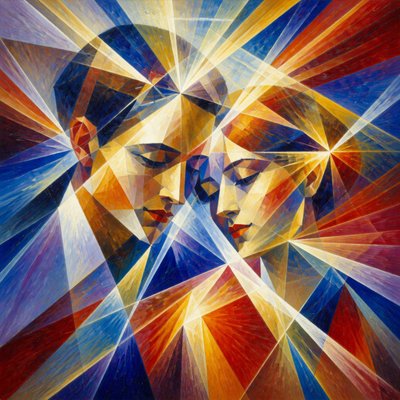
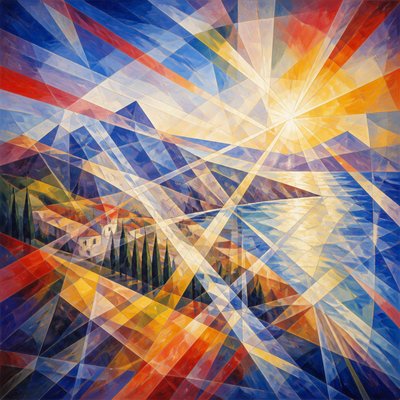
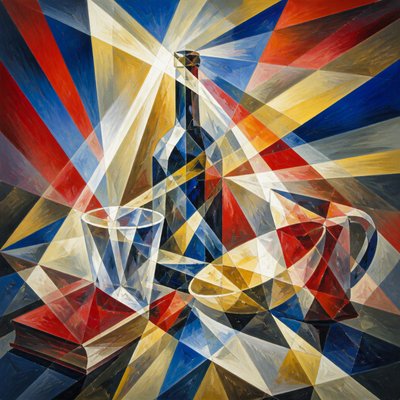
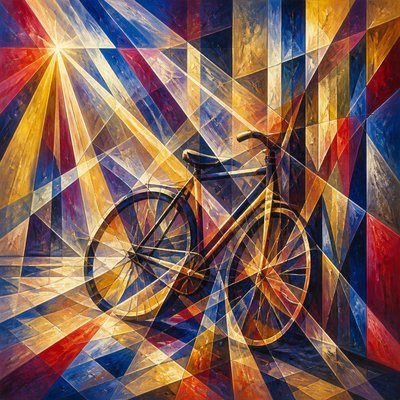
What is Rayonism Art Style?
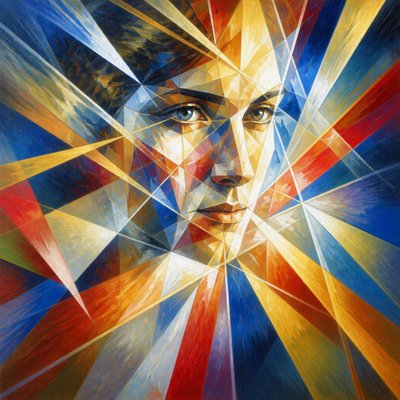
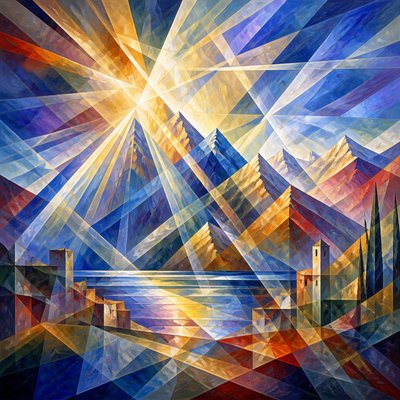
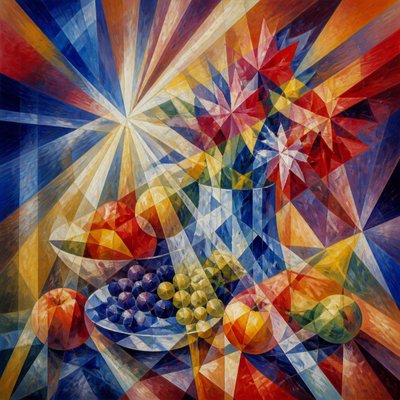
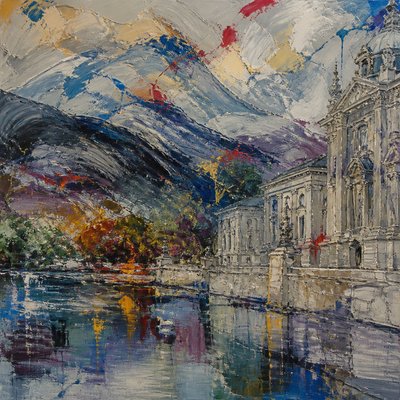
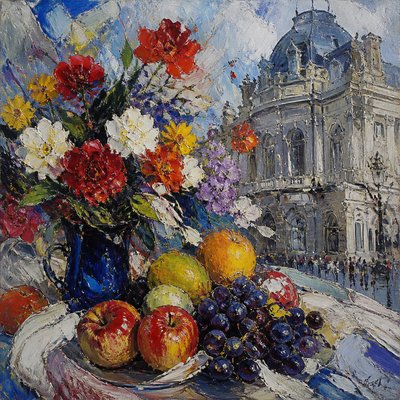
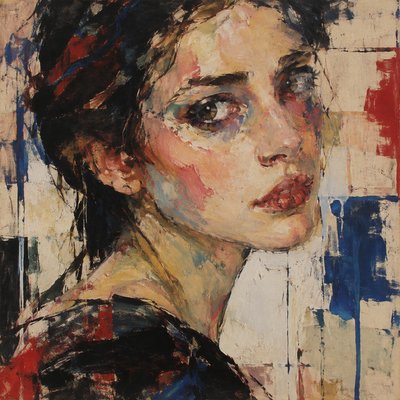
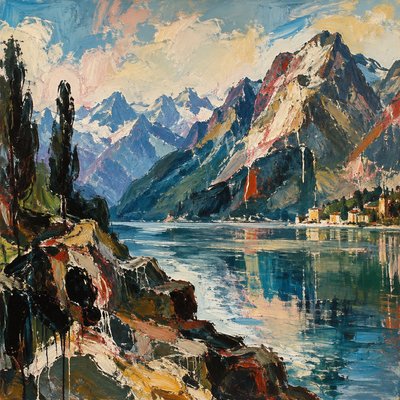
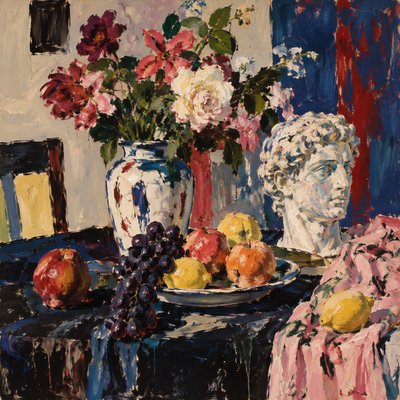
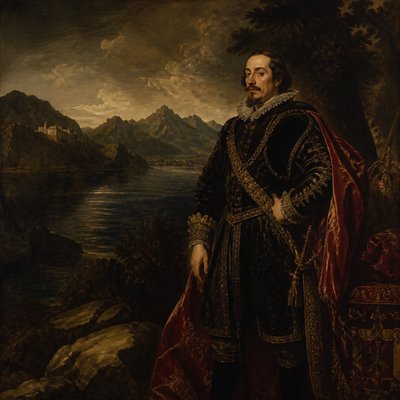
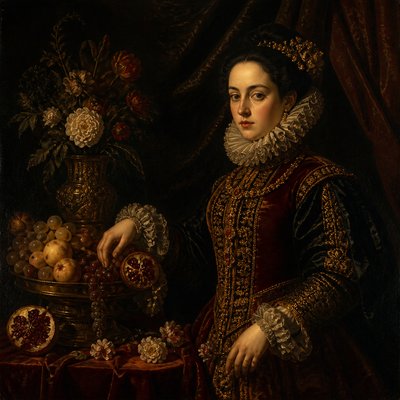
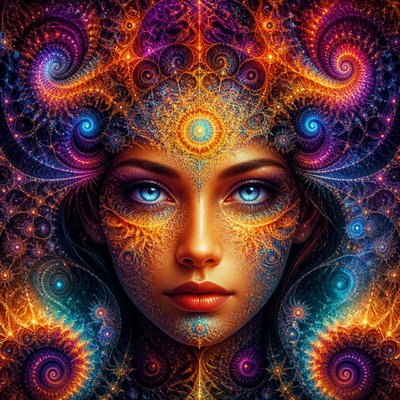
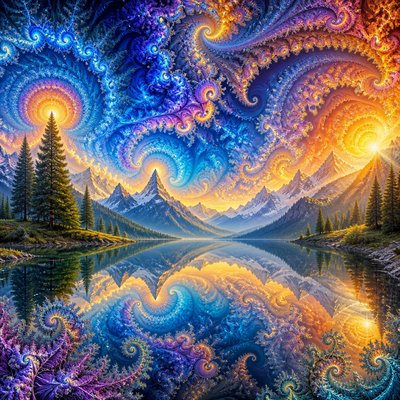
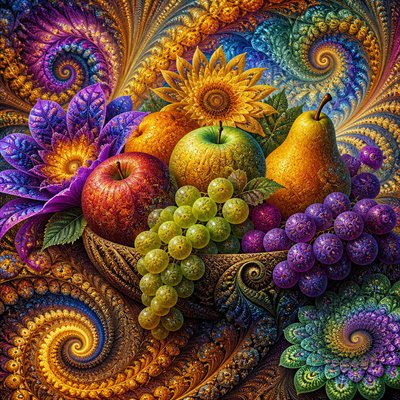
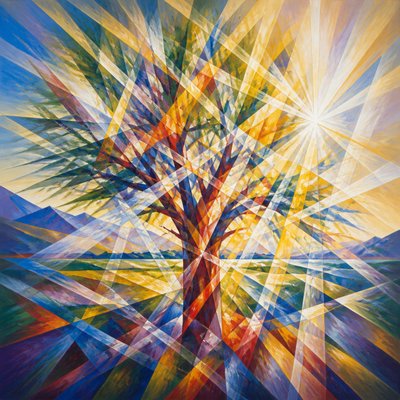
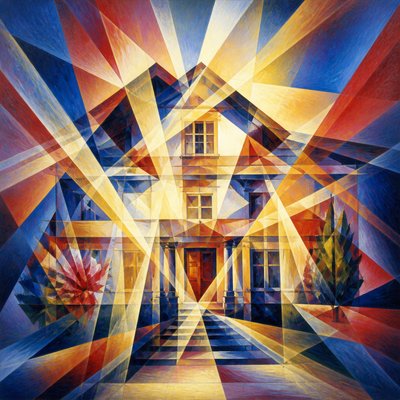
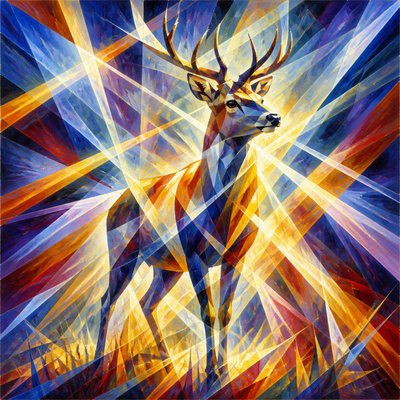
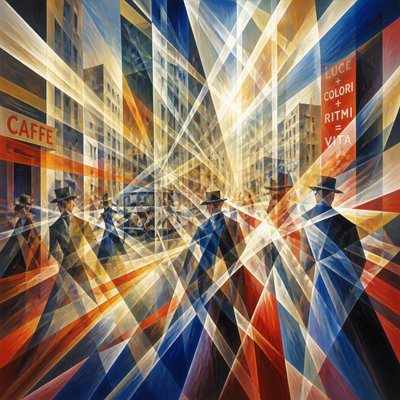
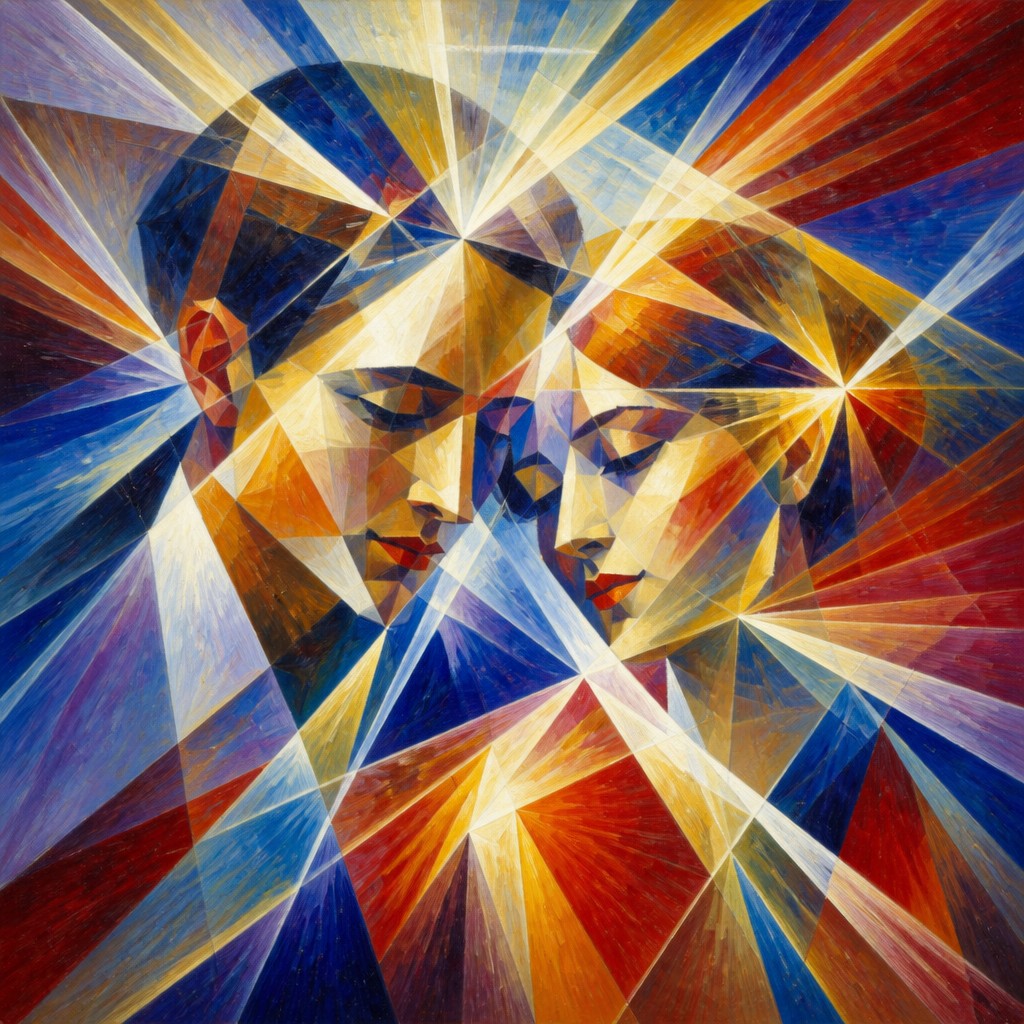
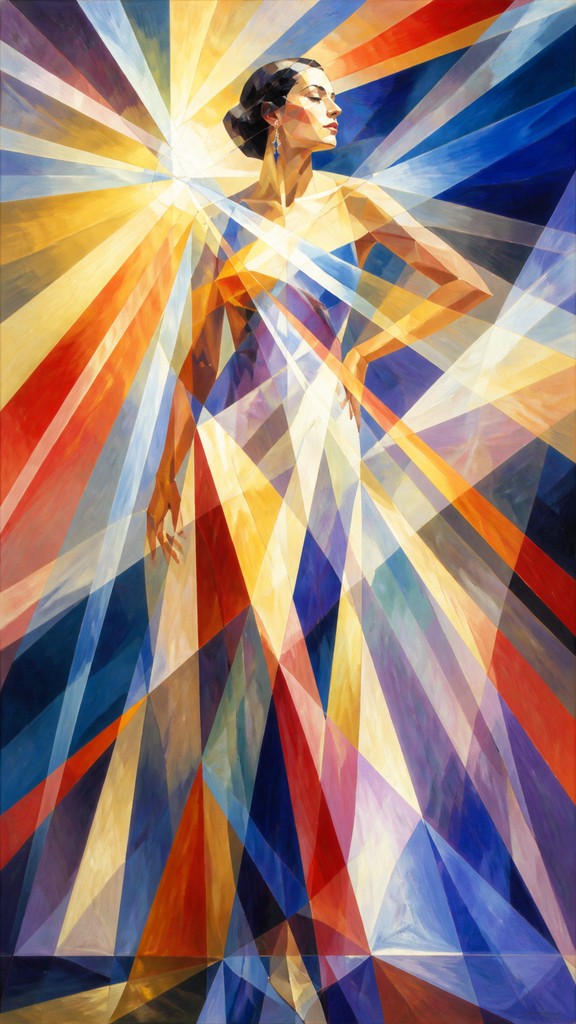
Rayonism is an abstract art movement built from the visual energy of intersecting rays, reflected light, and fragmented color. Instead of depicting objects as stable forms, it breaks them into diagonal bands, luminous planes, and crossing trajectories that suggest light in motion. The result is a dynamic composition in which rays and color fields become more important than recognizable subject matter.
The style is typically identified by sharp angular rhythms, overlapping beams, prismatic contrasts, and a sense that forms are dissolving into radiant fragments. Contemporary interpretations often intensify these qualities with crystalline shards, white highlights, saturated reds, blues, and golds, producing images that sit between painting, visual abstraction, and constructed light.
Try It On Your Photos
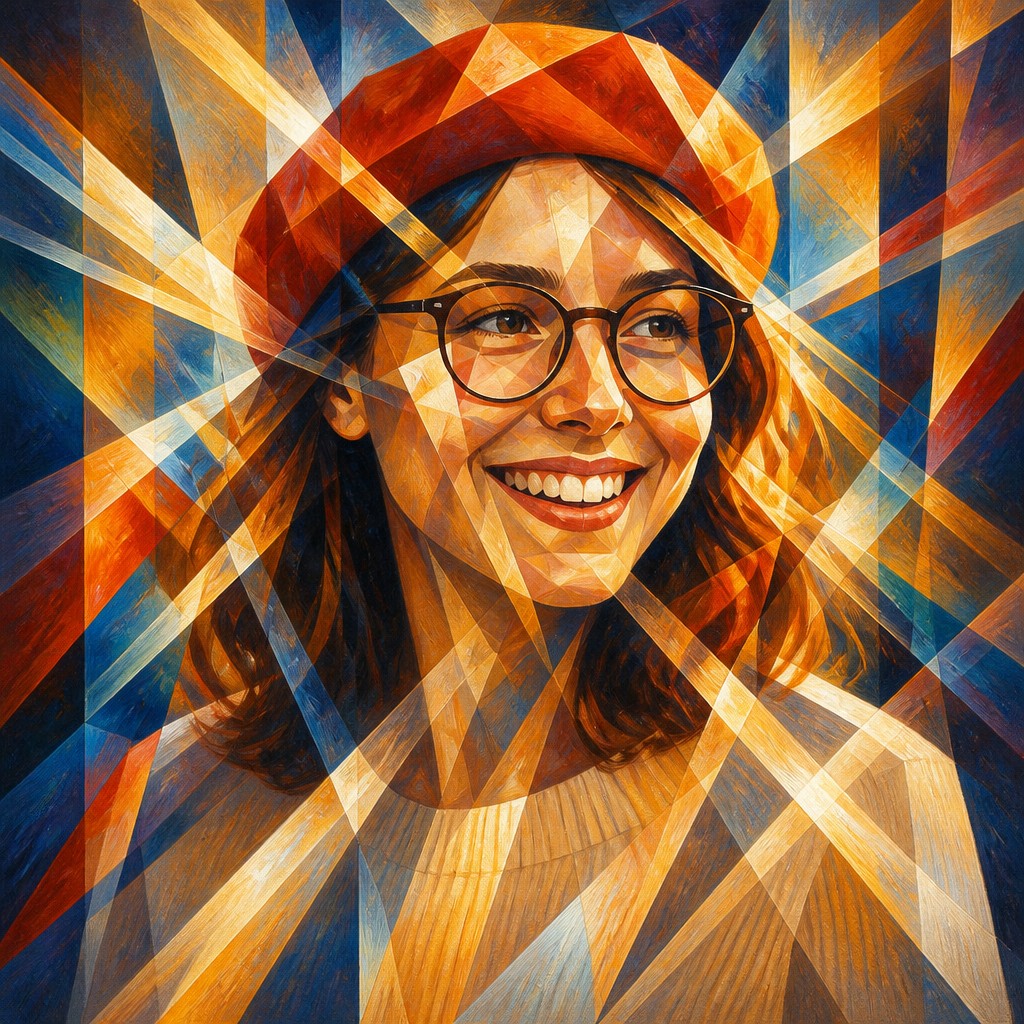
Upload any photo and convert it into Rayonism Art Style — drag the sliders to compare before and after.


What Defines Rayonism Art Style
The signature details, up close
Intersecting rays
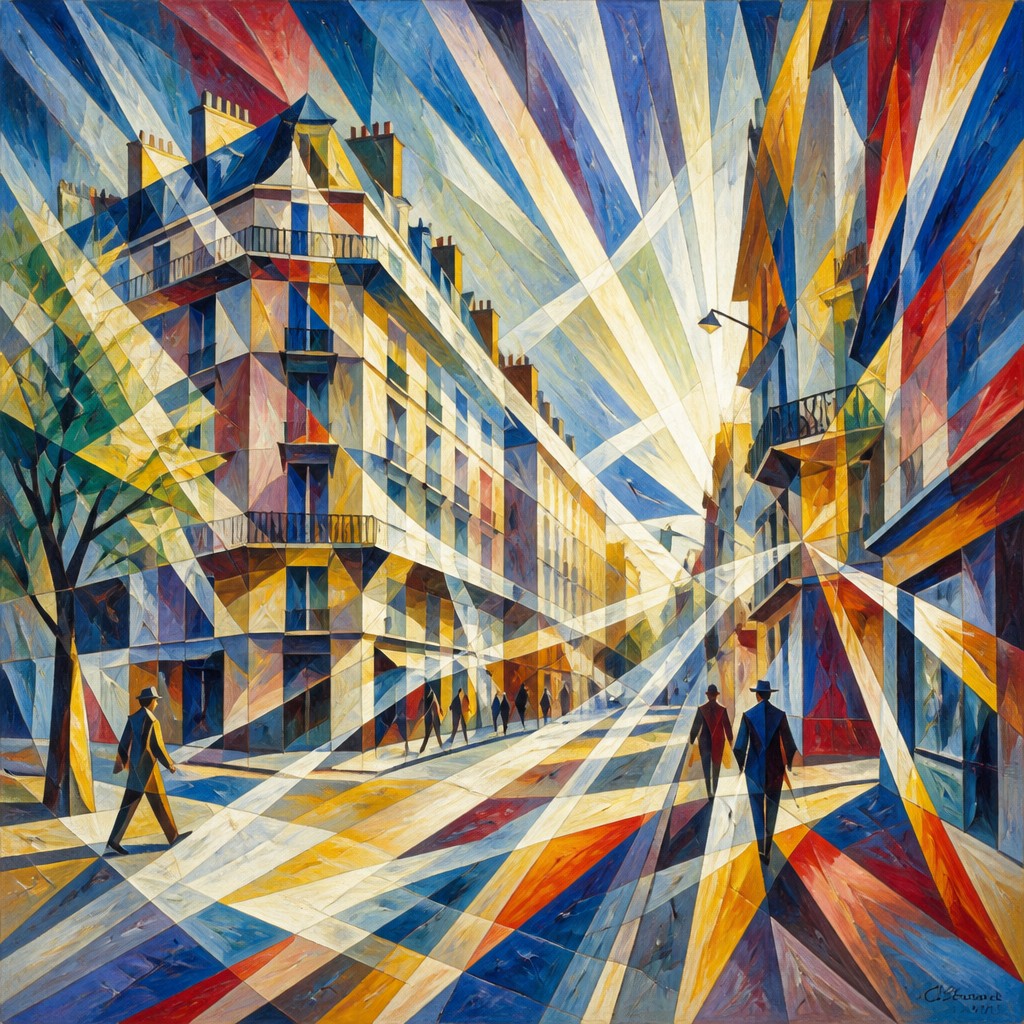
Diagonal beams cross, overlap, and diverge across the composition. Their intersections create visual nodes that imply energy, movement, and optical vibration.
Dissolved form
People, objects, and landscapes are reduced to fragments of color and directional strokes rather than clearly modeled volumes. Recognition may remain partial, but the image is organized by light.
Prismatic color
Strong reds, blues, yellows, and golds are placed side by side to suggest spectral dispersion. High contrast and unexpected color relationships heighten the sensation of radiance.
Angular geometry
Sharp wedges, slivers, triangular planes, and oblique bands replace soft contours. The geometry gives the image a crystalline, faceted structure.
Optical motion
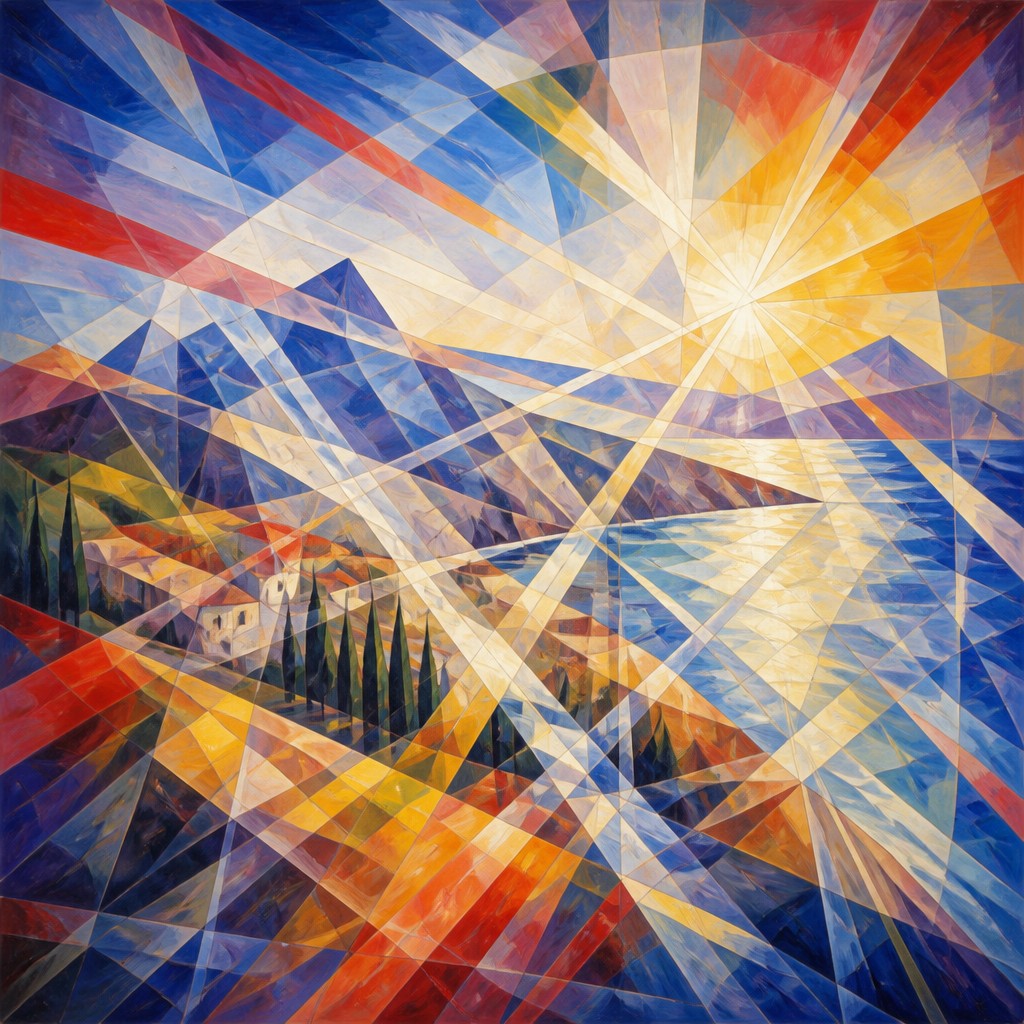
Repeated diagonals and directional overlaps lead the eye rapidly through the canvas. The composition often feels in flux, as though light is being refracted or projected.
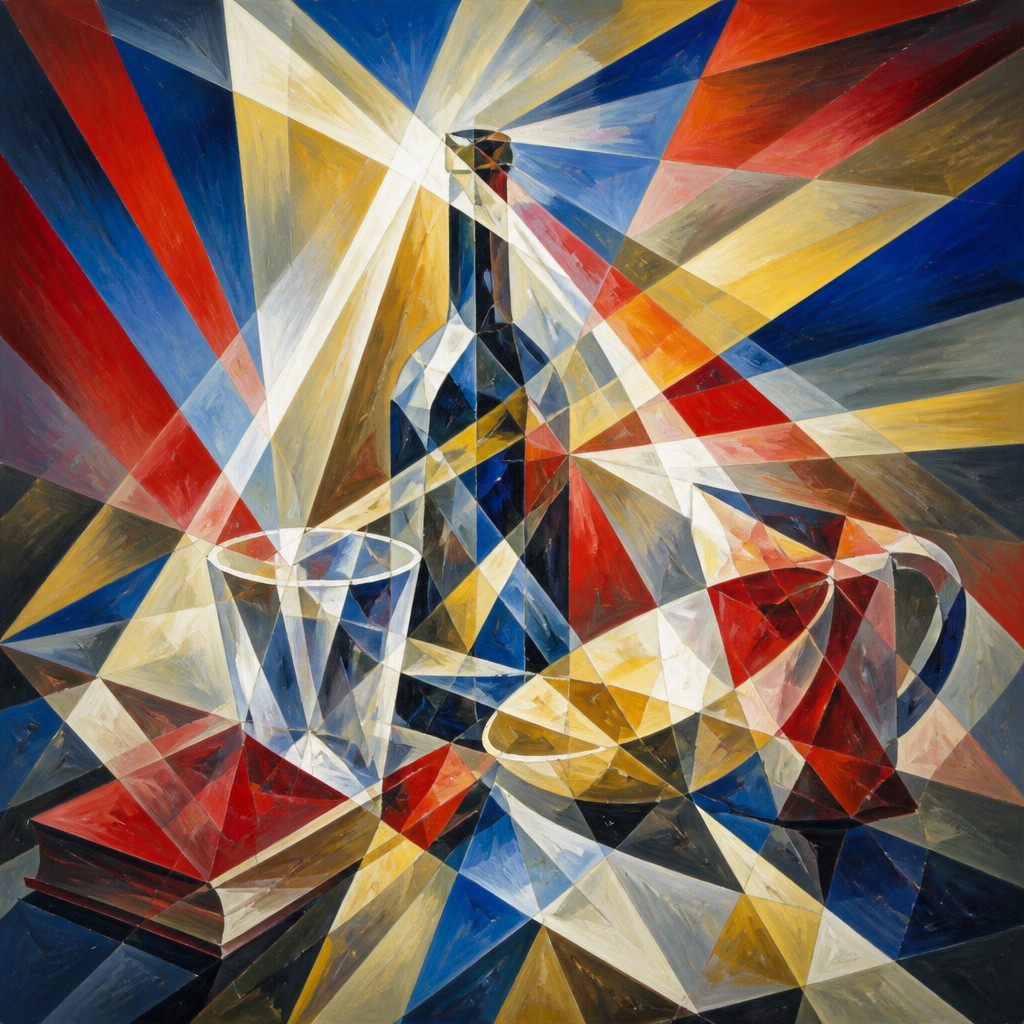
Luminous highlights
White or pale accents mark the brightest intersections and edges. These highlights create depth and make the surrounding color appear to glow.
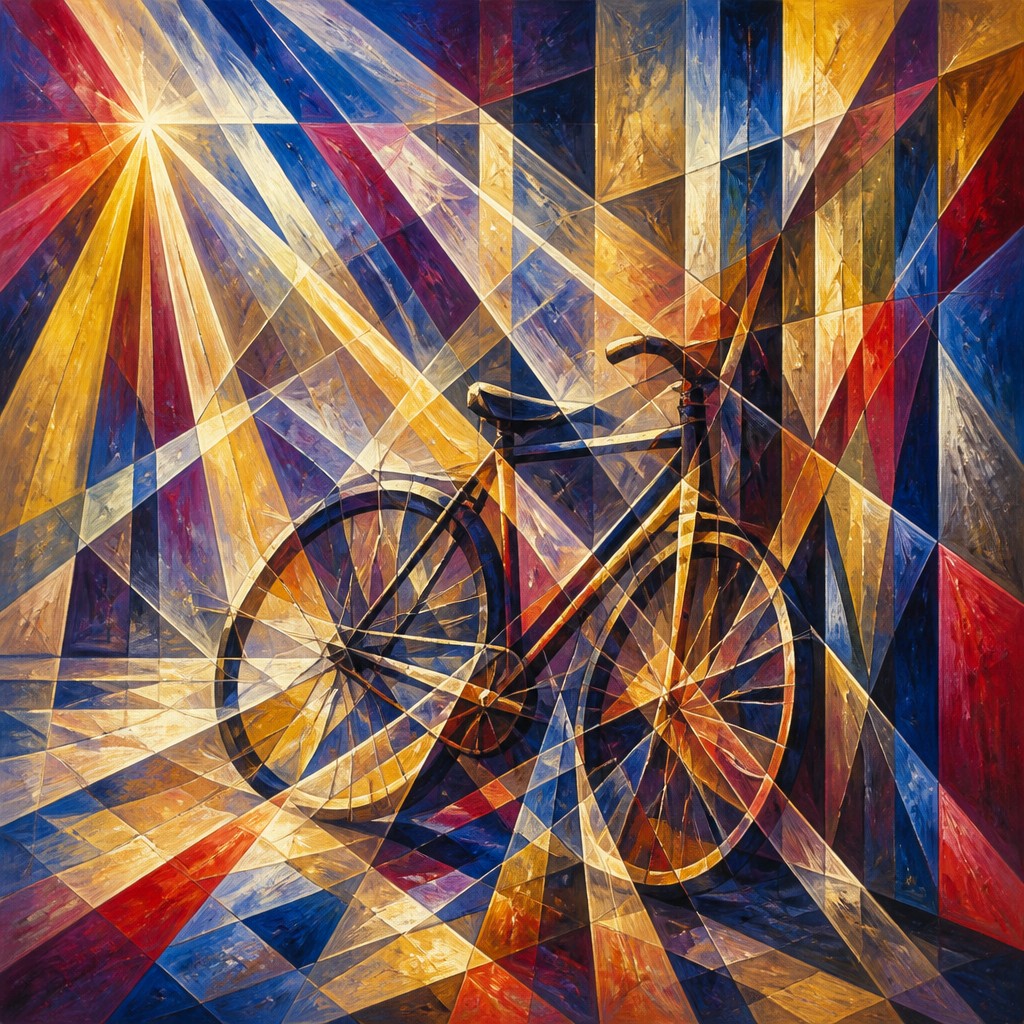
Compressed spatial depth
Traditional perspective is disrupted by overlapping rays and flattened color planes. Space becomes a field of simultaneous visual events rather than a consistent physical setting.
Try It
Create Videos in Rayonism Art Style
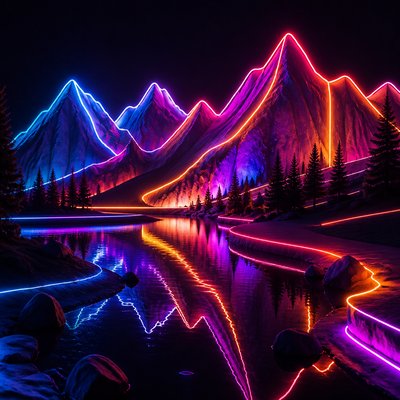
Styles aren't just for stills — describe a scene or animate an image and get a short video rendered in Rayonism. Press play to see this pond come to life.
Make a VideoRayonism Prompt Ideas
Start from an idea — each one opens the generator with the style ready to go. See all 40 Rayonism prompts →
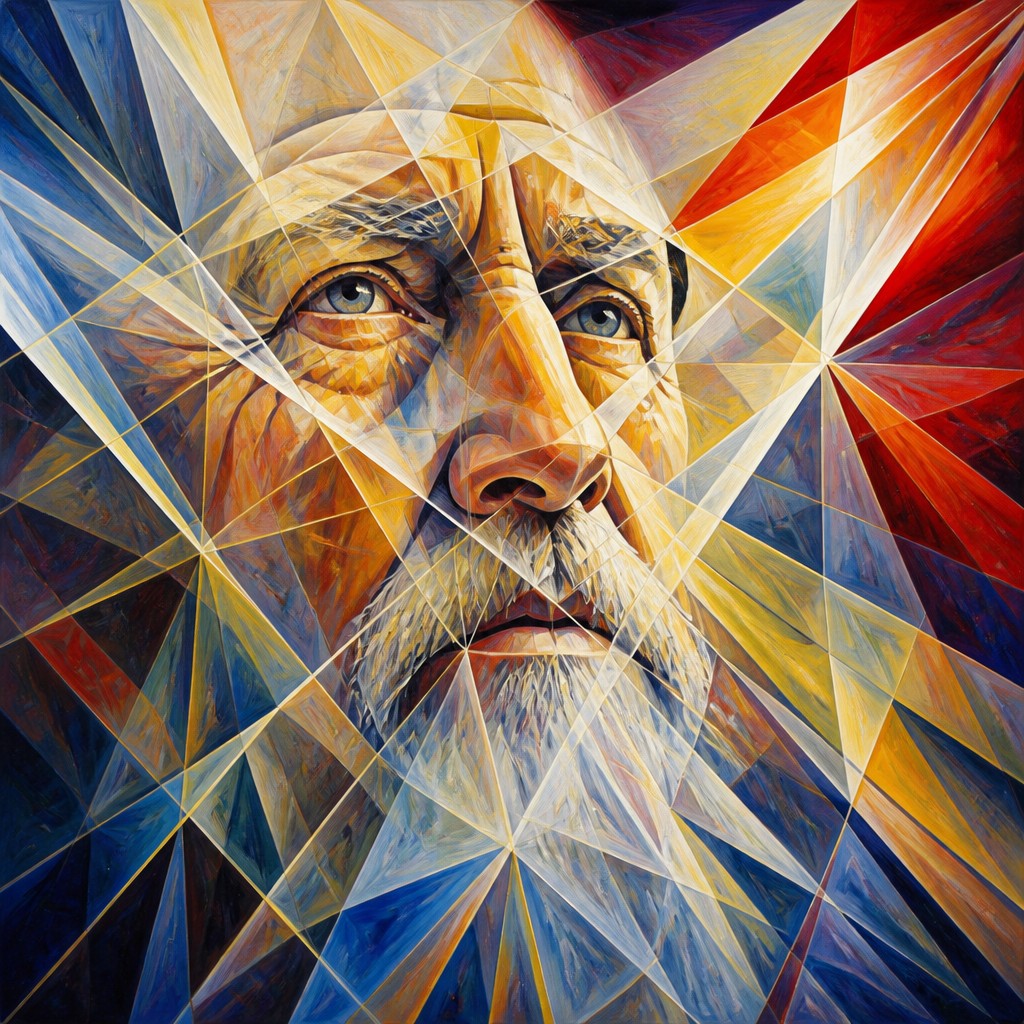
“close-up portrait of an elderly person with expressive weathered features”
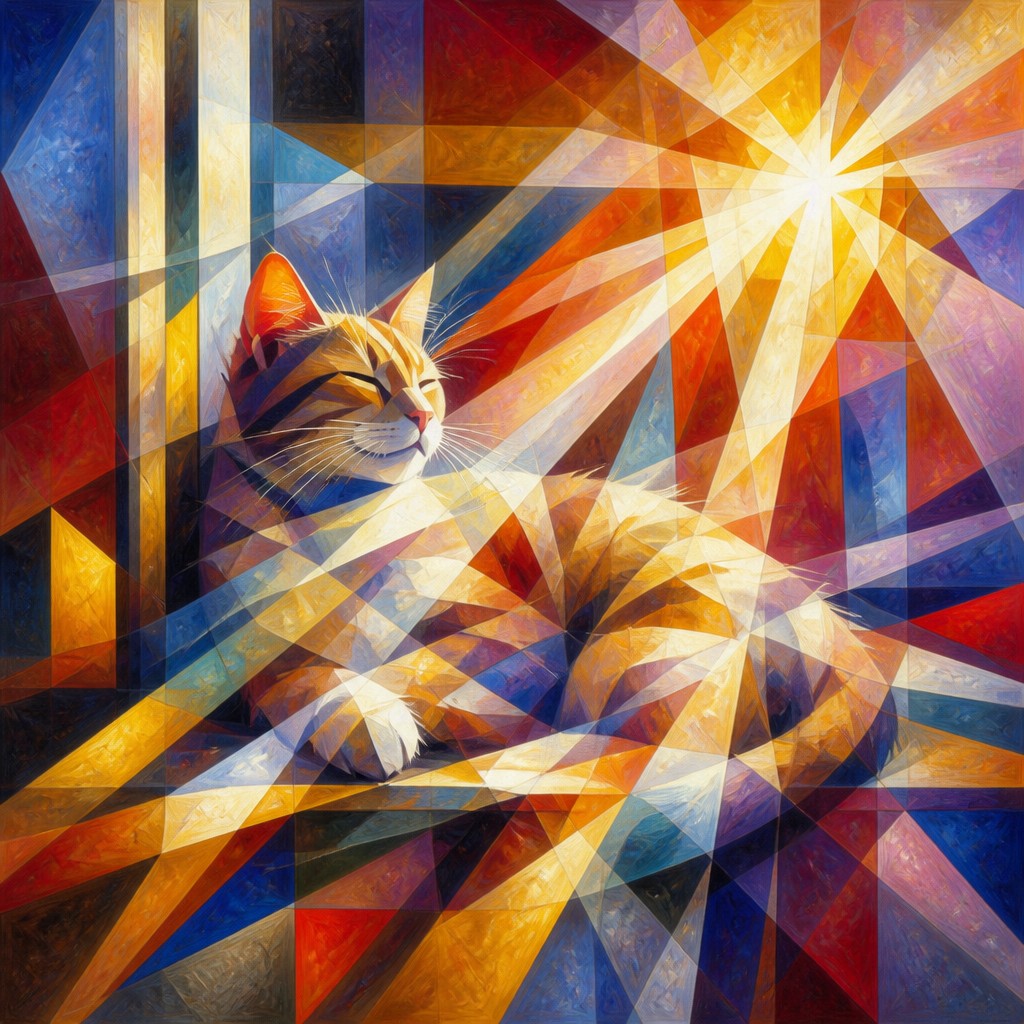
“a cat lounging in a sunlit window”
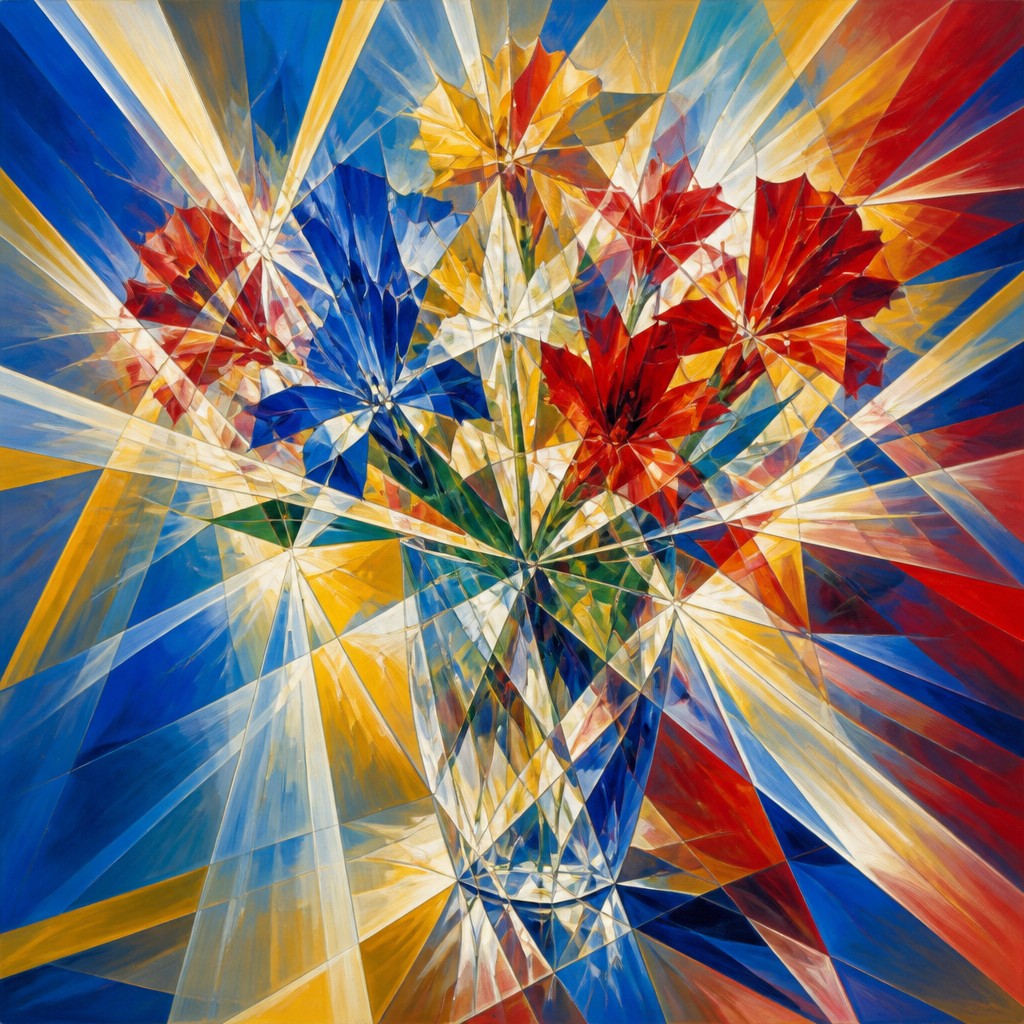
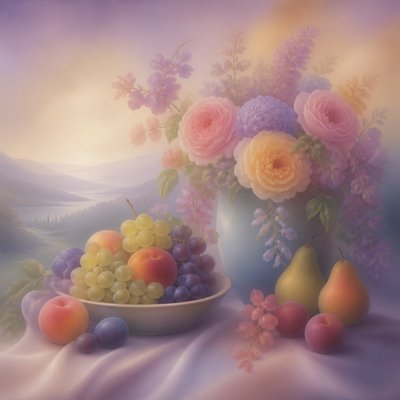
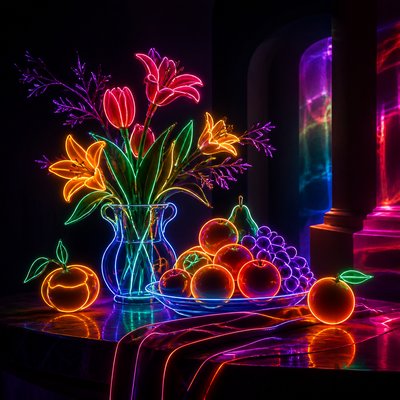
“bouquet of flowers in a glass vase”
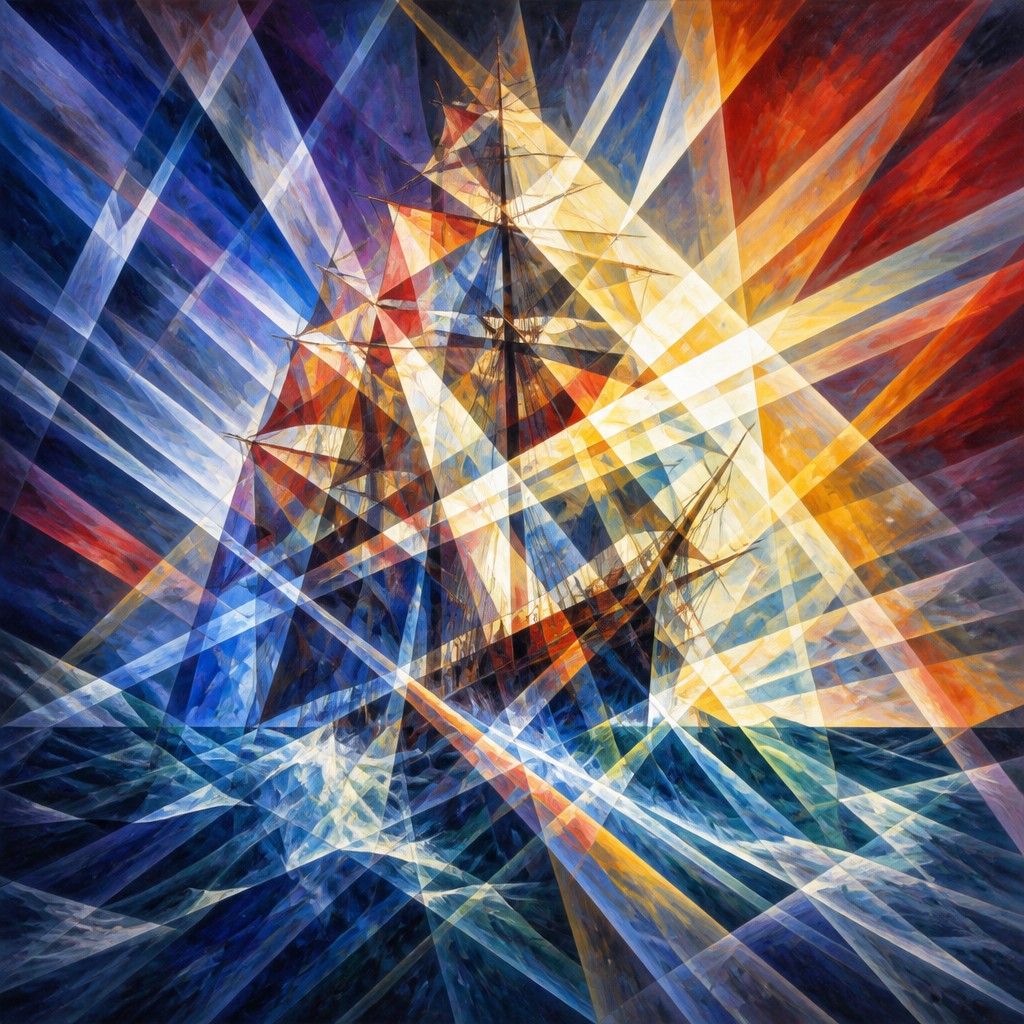
“sailing ship on a stormy sea”
How to Create Rayonism Art
Master the craft step by step — or skip straight to creating. Read the full guide →
- 1
Build a directional scaffold
Begin with several strong diagonal axes radiating from different points, then layer secondary rays across them. Vary their width, angle, and opacity so the composition feels energetic rather than mechanically uniform.
- 2
Fragment the subject
Reduce the subject to angular planes and elongated shards, allowing only a few recognizable contours to survive. In traditional media, use masking tape, palette knives, or hard-edged brushes to preserve crisp divisions.
- 3
Use color as light
Place saturated reds, blues, yellows, and golds in adjacent facets, reserving white or near-white for selected intersections. Avoid evenly distributing every color; concentrated contrasts create stronger radiance.
- 4
Control layering and depth
Overlap transparent washes, opaque planes, and narrow highlights to imply rays passing through one another. Digitally, use separate layers, blend modes, masks, and directional blur sparingly to retain angular definition.
- 5
Balance abstraction with recognition
Choose a clear subject, establish its broad silhouette, and then let the rays interrupt or dissolve it. This keeps the image legible while maintaining the movement's emphasis on optical structure.
- 6
Write precise generation prompts
Specify the subject, intersecting diagonal light rays, fractured crystalline planes, prismatic colors, sharp white highlights, and an angular rhythm. Add composition terms such as full-frame, radiating perspective, layered beams, or fragmented silhouette to guide the result.
The Story
History & Origins of Rayonism
Rayonism emerged in Russia during the early 1910s as part of the pre-revolutionary avant-garde, with its main development occurring around 1911–1914. It reimagined painting as an arrangement of rays produced by the reflection and interaction of light rather than as a window onto solid objects. The movement was closely connected to the experimental climate of Russian modernism and was publicly articulated in manifestos and exhibitions of the period.
Its aesthetic lineage includes Cubism's fractured planes, Futurism's interest in motion and simultaneity, and Orphist experiments with color and visual rhythm. Although the original movement was brief, its emphasis on radiating geometry has continued in abstract painting, kinetic and light-based art, stained glass, poster design, and digital image-making.
Influences: Rayonism draws on Cubist fragmentation, Futurist depictions of motion, Orphist color abstraction, and the optical effects of reflected or refracted light. It also relates to stained glass, prism photography, kinetic art, light installation, geometric abstraction, and contemporary digital compositing. Its strongest common thread with these traditions is the treatment of light as an active structural force rather than a passive way of illuminating objects.

Frequently Asked Questions
What defines Rayonism art?
Rayonism is defined by intersecting rays, fractured planes, vivid color contrasts, and the dissolution of solid forms into directional light. The composition is organized around optical energy and movement rather than conventional perspective or realistic modeling.
Is Rayonism the same as Cubism?
No. Both styles fragment representation, but Cubism primarily analyzes objects through overlapping viewpoints and geometric planes. Rayonism shifts attention toward reflected light, radiating trajectories, and the interaction of rays across the entire picture.
When and where did Rayonism originate?
Rayonism originated in Russia in the early 1910s, reaching its most active period around 1911–1914. It formed part of the country's avant-garde experimentation before the First World War and the Russian Revolution.
How can I make a Rayonist painting by hand?
Start with a subject and mark several diagonal vanishing or radiating points. Break the subject into hard-edged color facets, layer intersecting rays, and reserve the brightest highlights for key overlaps; acrylic, gouache, collage, and oil are all suitable media.
How does Rayonism differ from simple light-ray effects?
A light-ray effect usually adds illumination to an otherwise stable scene. Rayonism makes the rays the primary structure of the image, allowing them to fragment, replace, and reorganize the subject.
Where is Rayonist imagery used today?
Its visual language appears in abstract painting, posters, album artwork, stained glass, motion graphics, projection design, editorial illustration, and digital compositions. It is especially useful when a subject needs to suggest speed, radiance, transformation, or optical intensity.
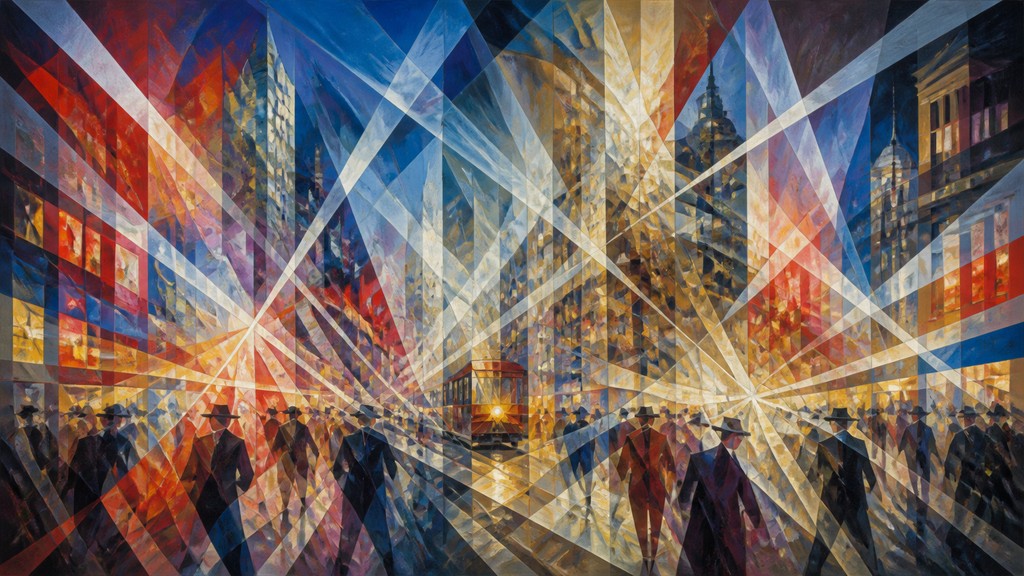
Create your first Rayonism artwork
Describe anything — or upload a photo — and see it in Rayonism Art Style in seconds.
Related Styles
Discover similar art styles