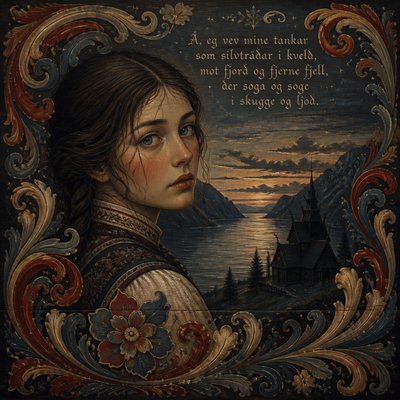
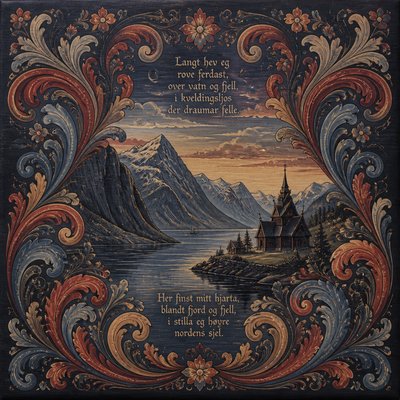
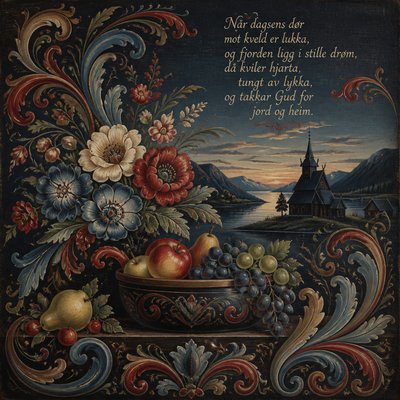
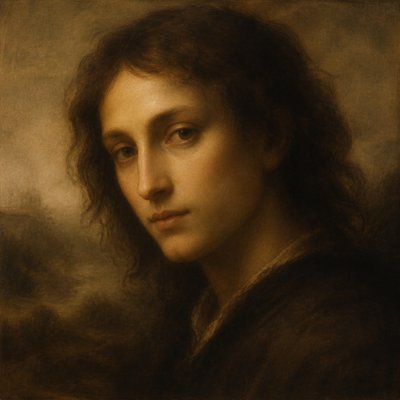
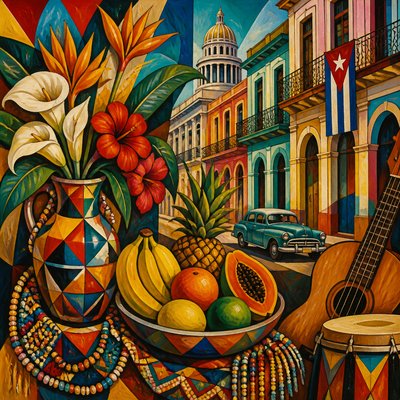
Palette Knife Painting Style
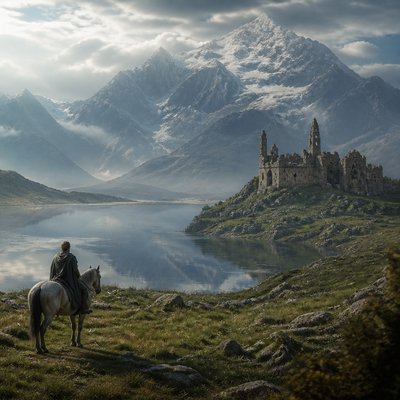
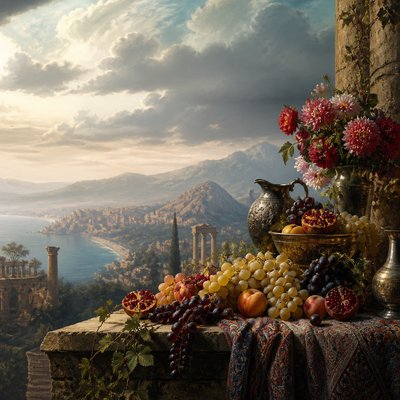
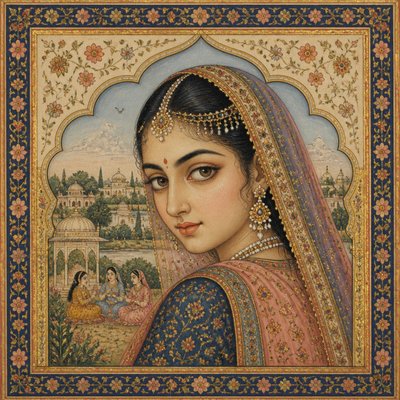
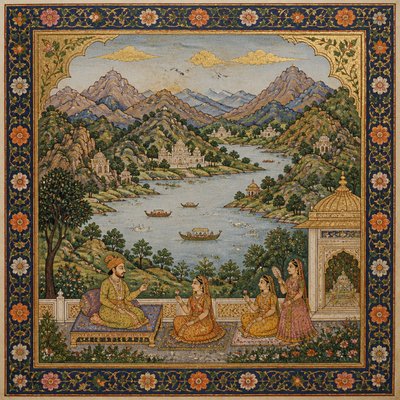
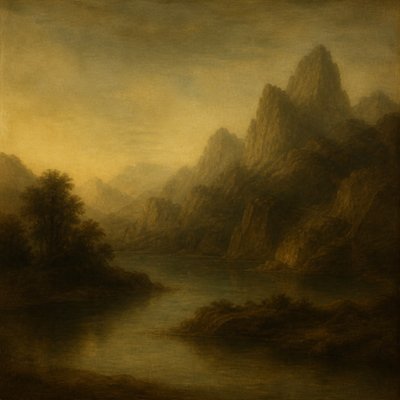
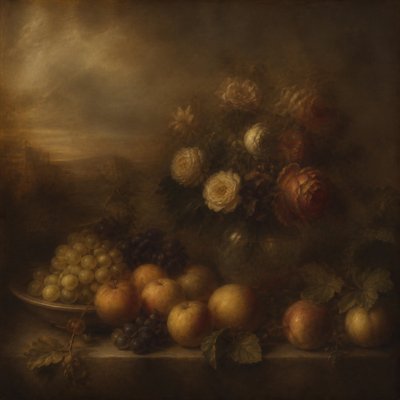
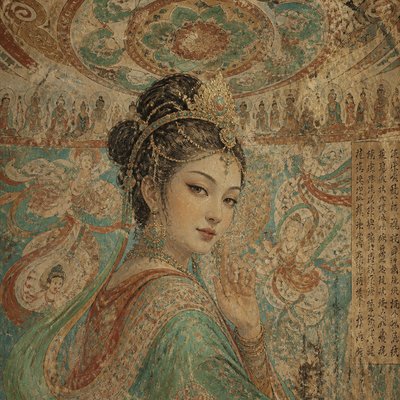
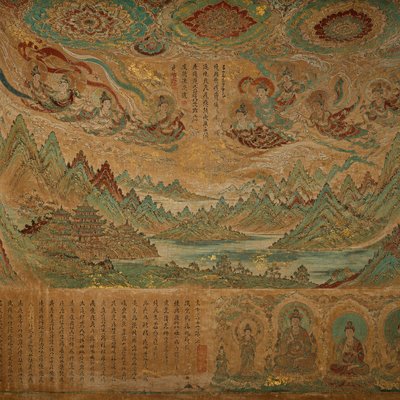
Explore palette knife painting: bold slabs, ridged impasto, faceted color planes, and sculptural texture shaped with a painting knife.
Instantly rendered in Palette Knife Painting — or transform a photo
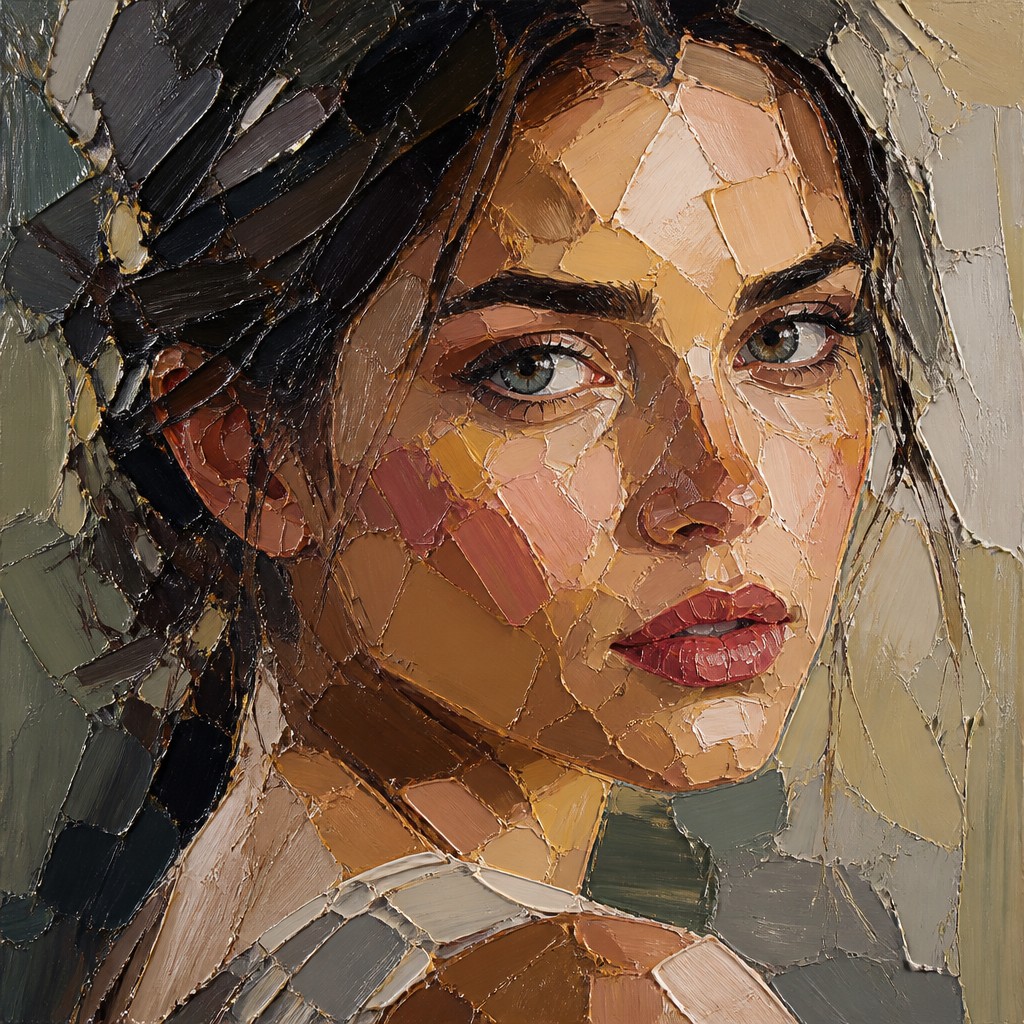
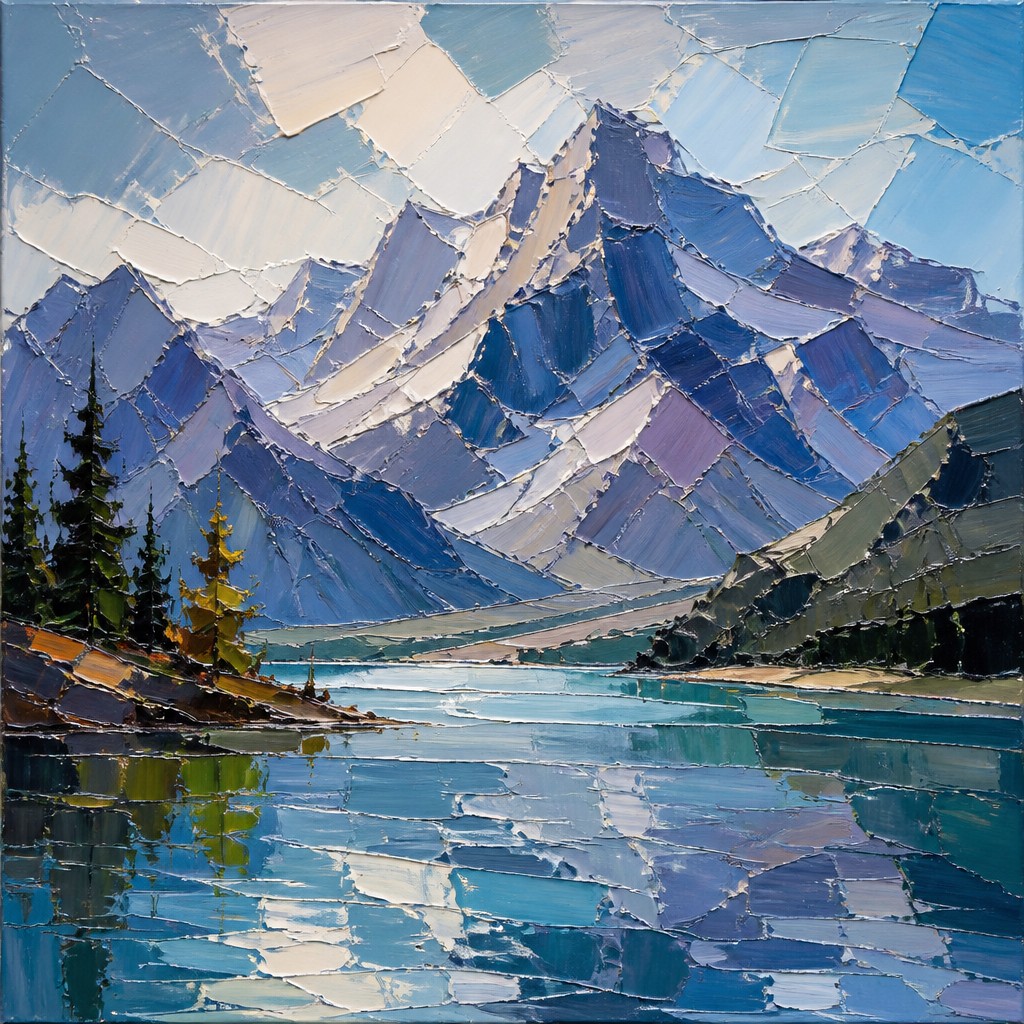
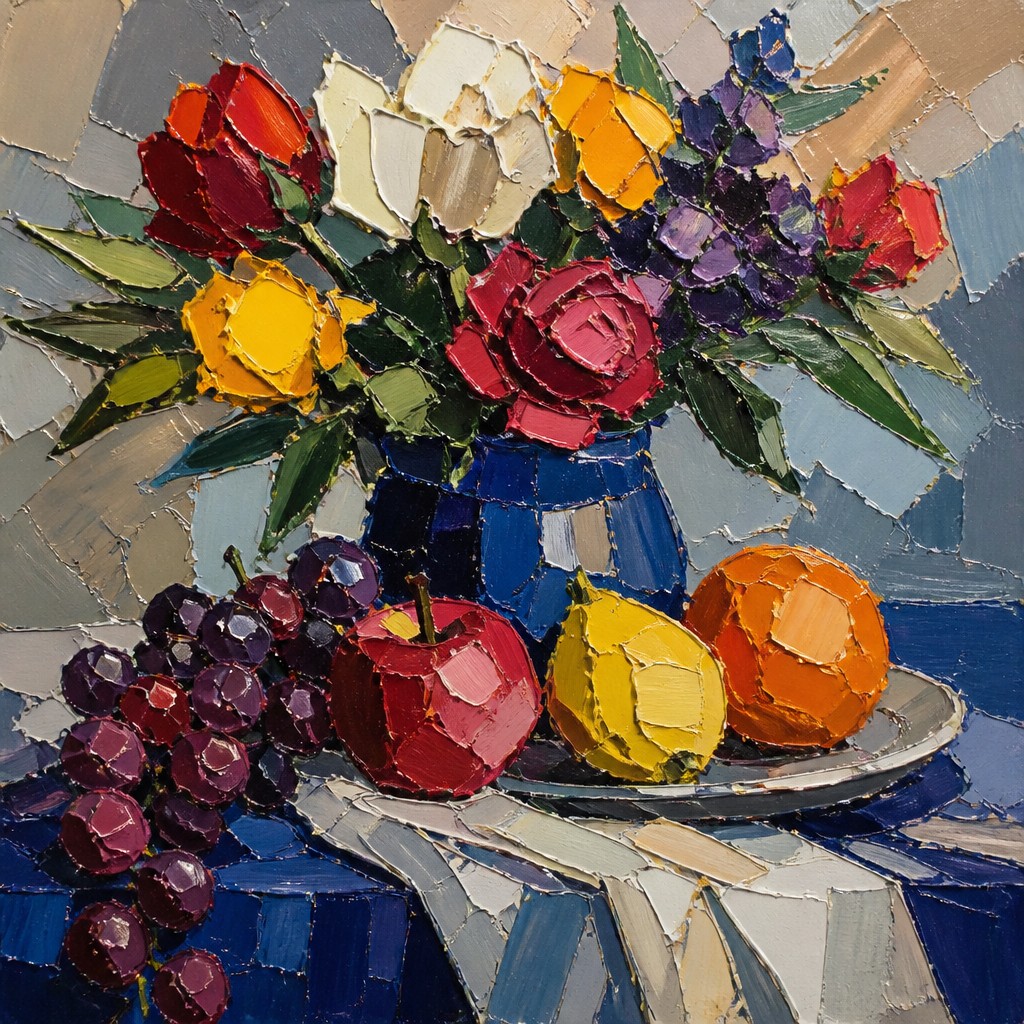
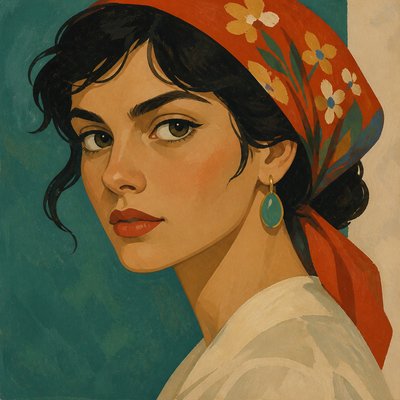
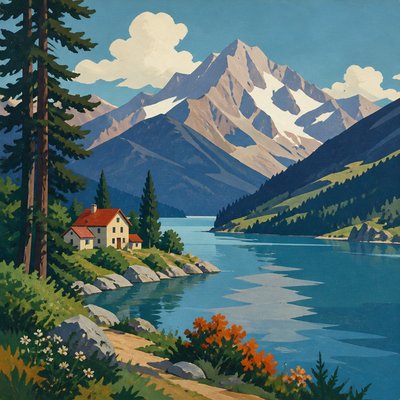
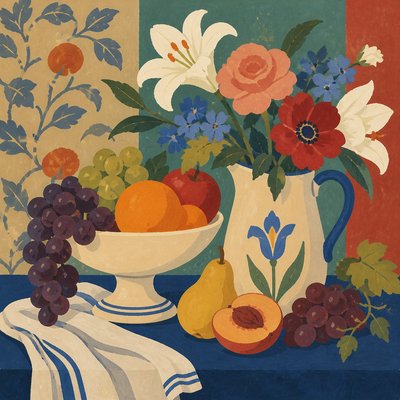
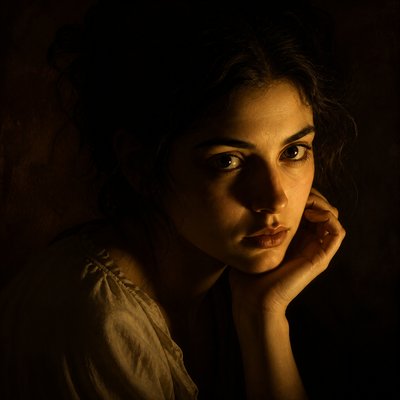
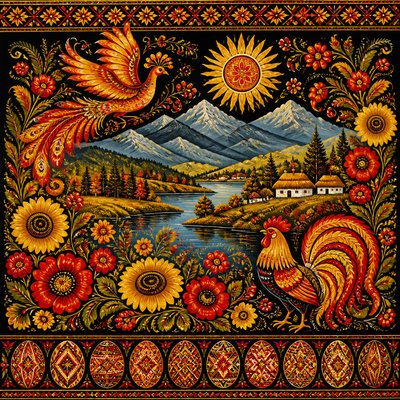
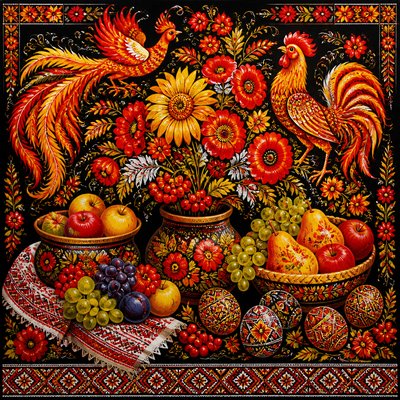
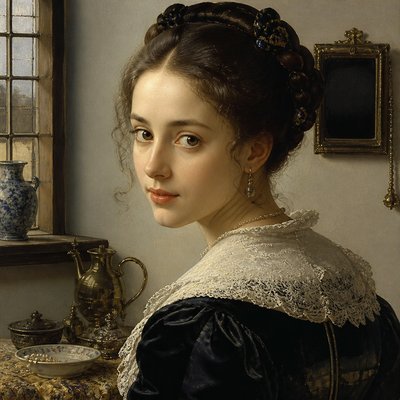
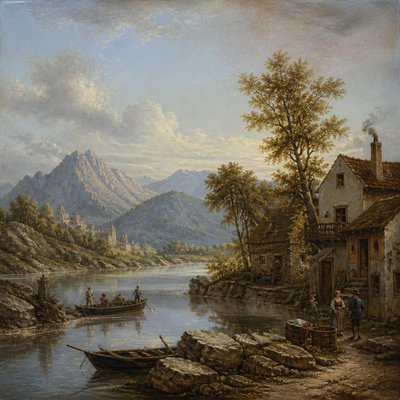
Palette Knife Painting Gallery
Tap any artwork to explore it
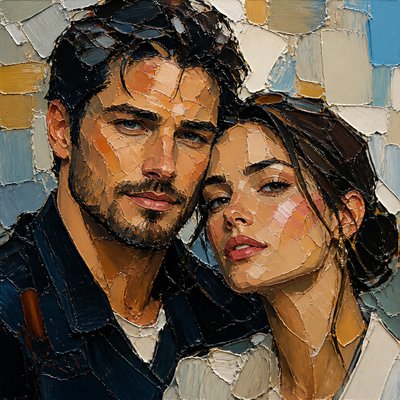
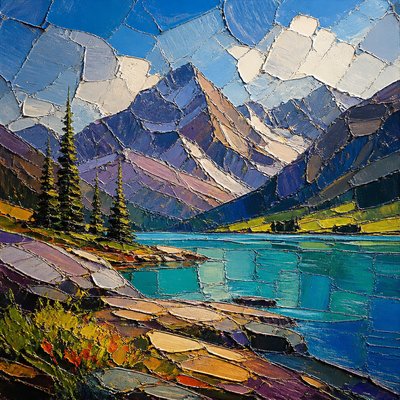
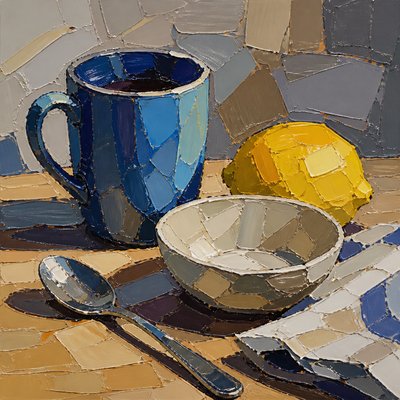
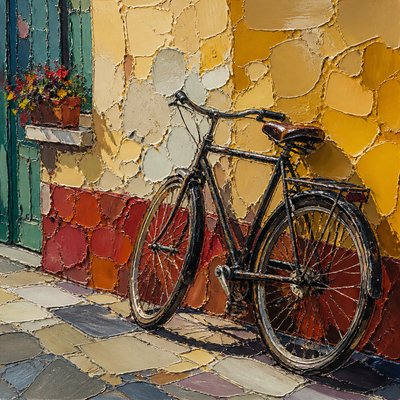
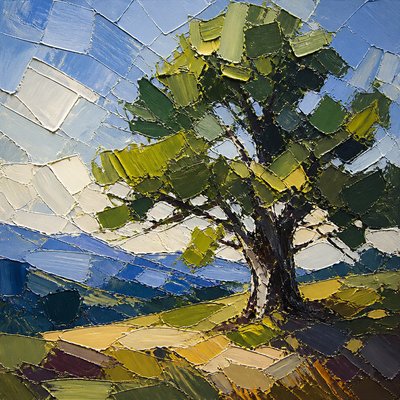
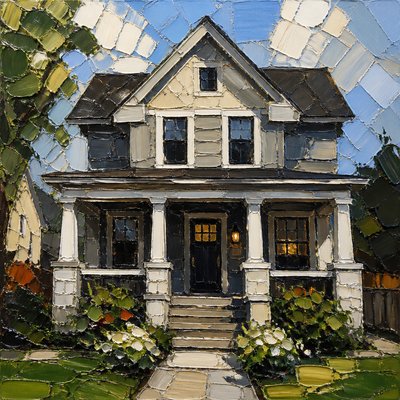
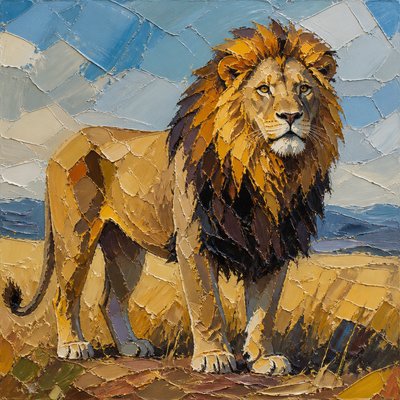
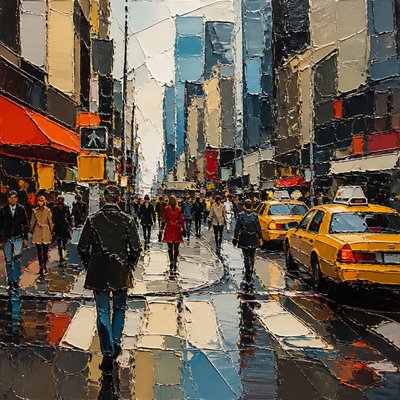
What is Palette Knife Painting Style?
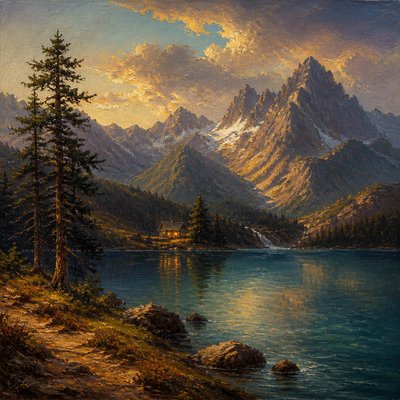
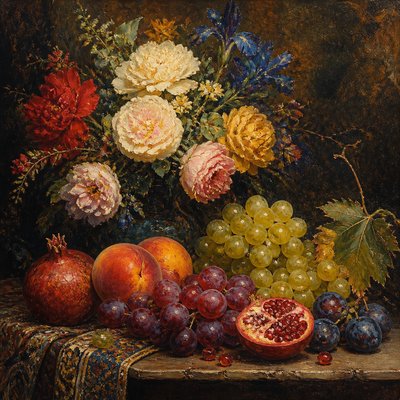
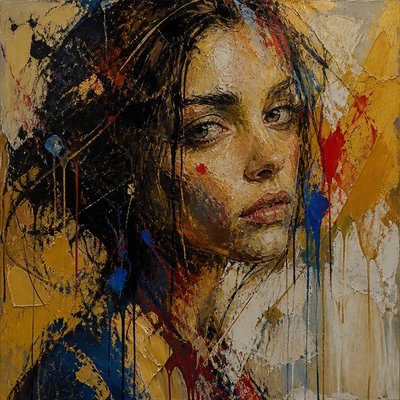
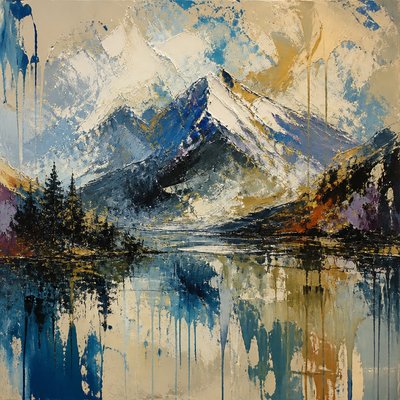
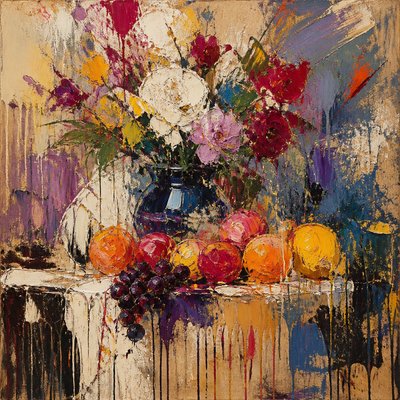
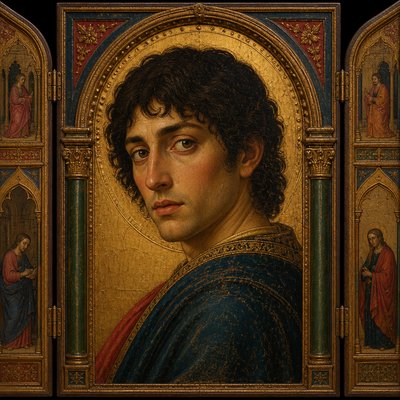
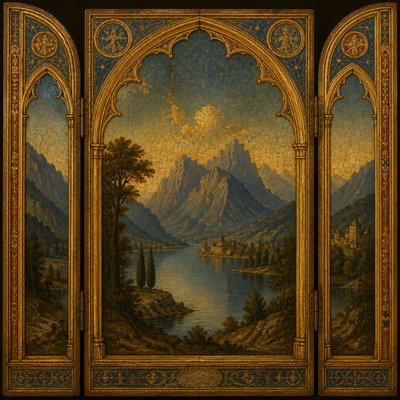
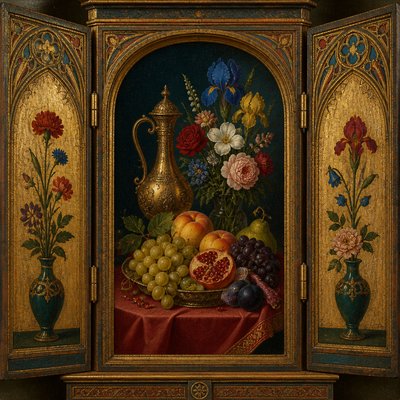
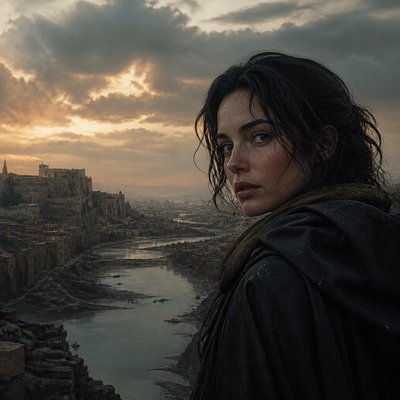
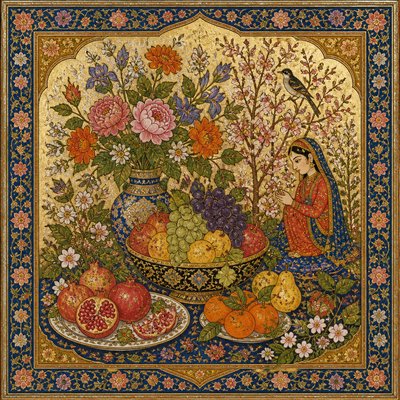
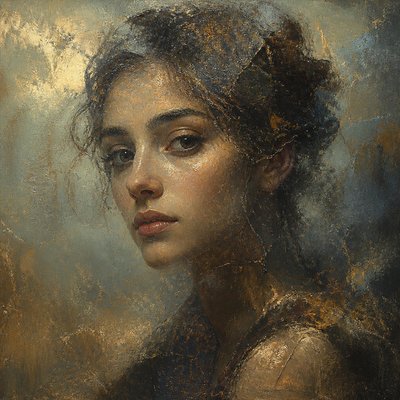
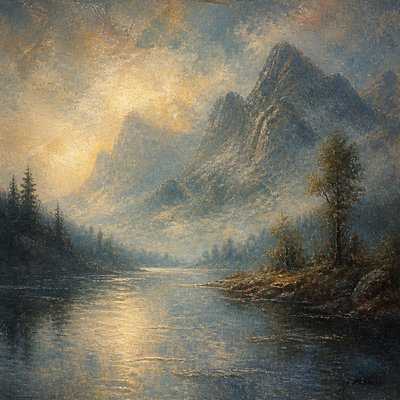
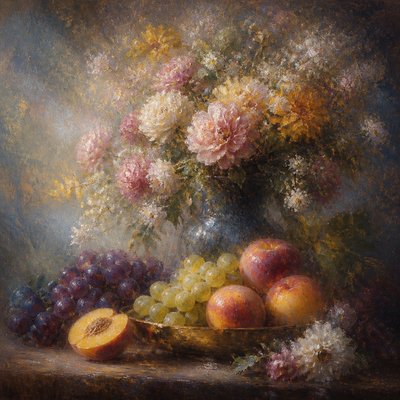
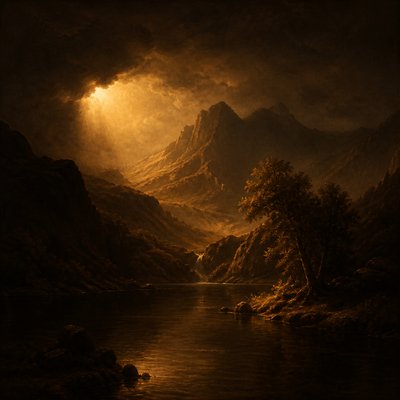
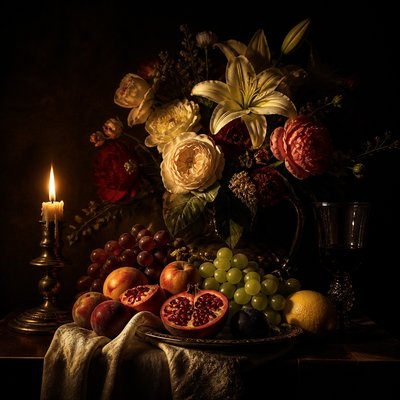
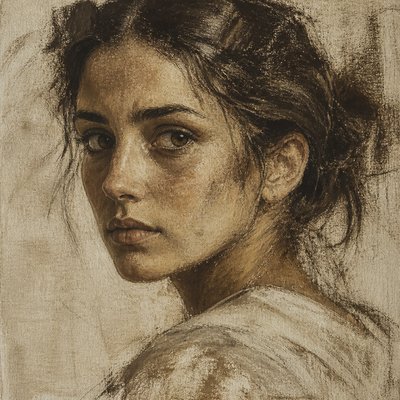
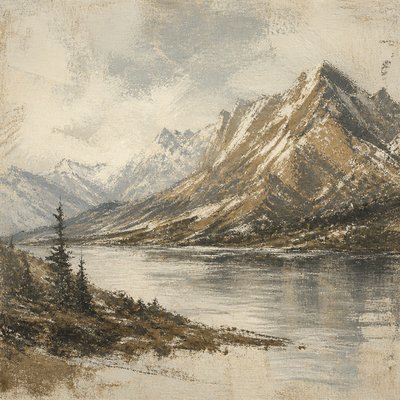
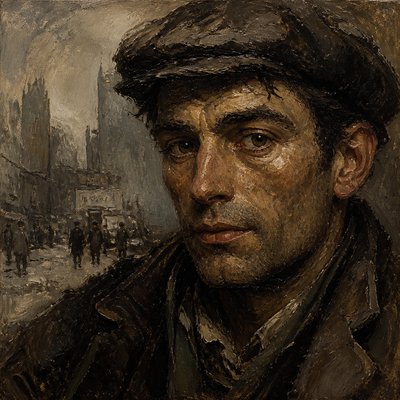
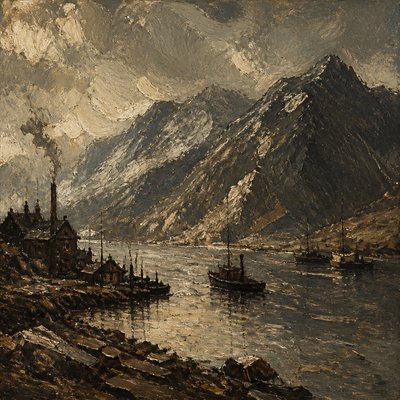
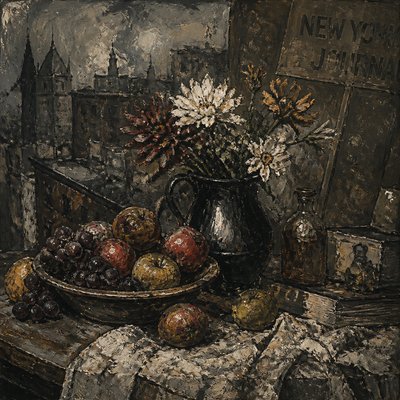
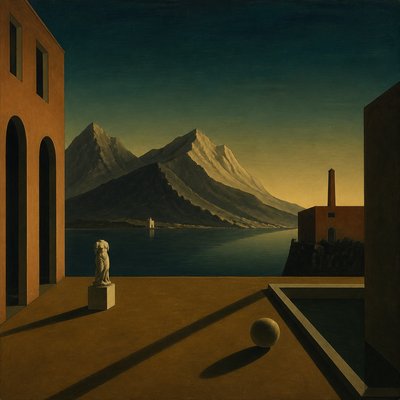
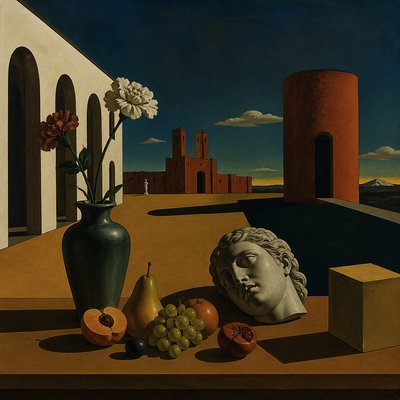
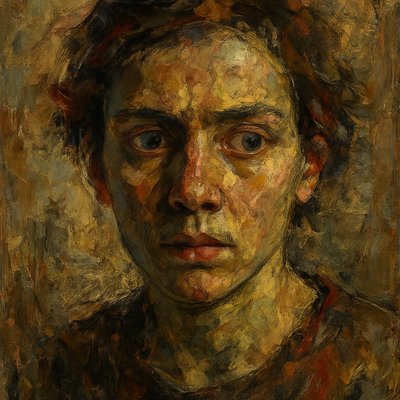
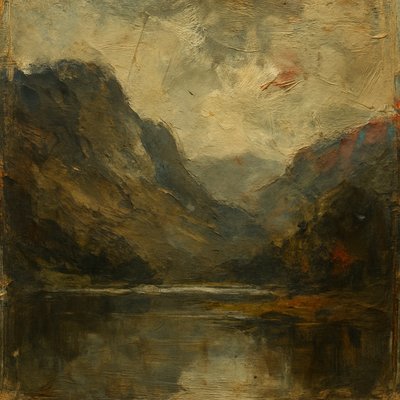
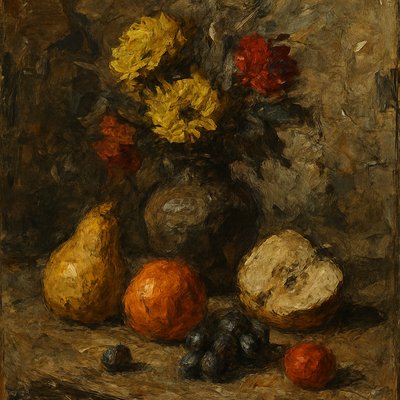
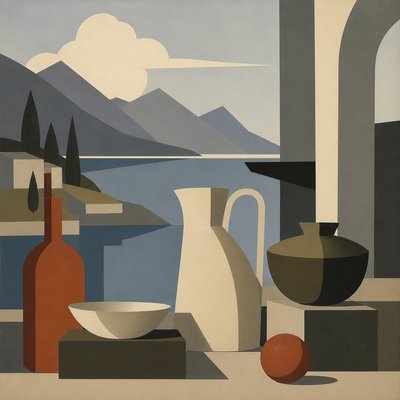
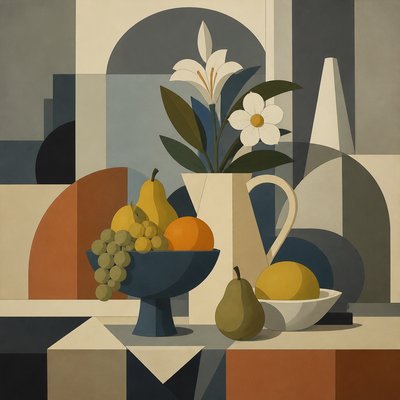
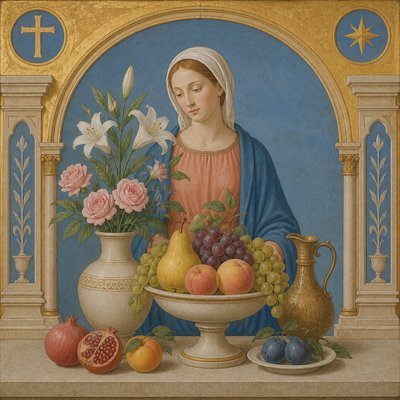
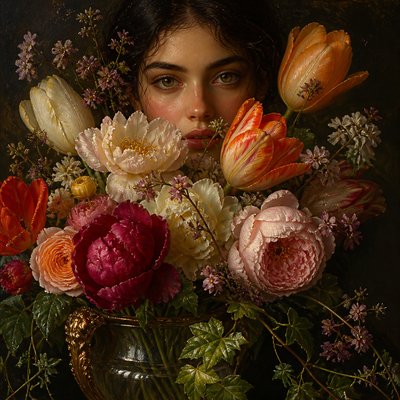
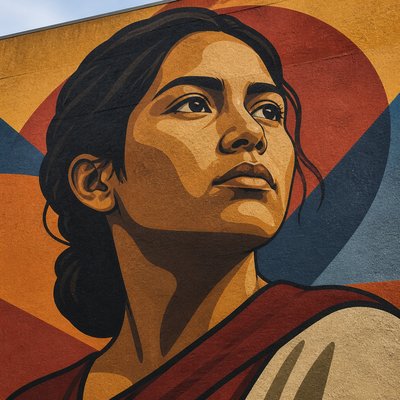
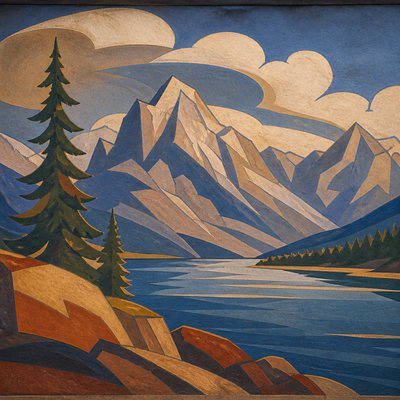
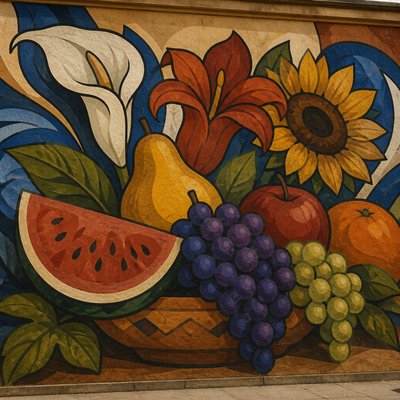
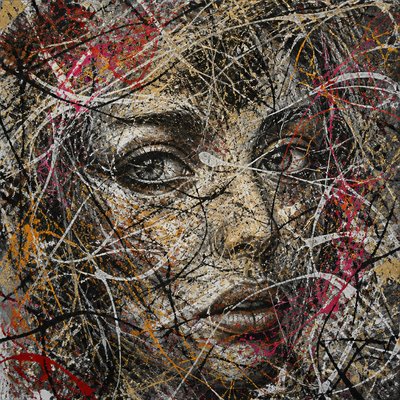
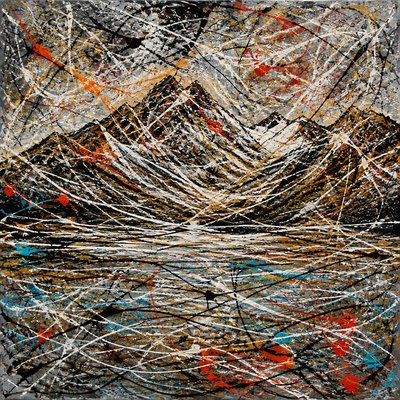
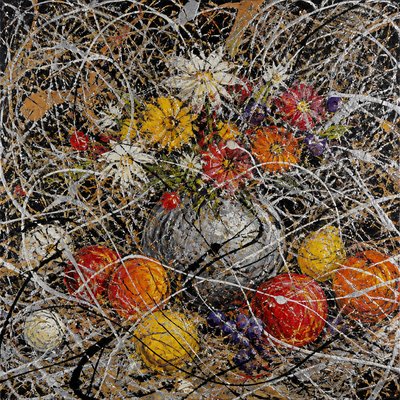
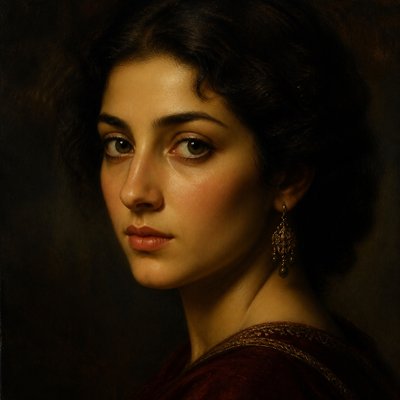
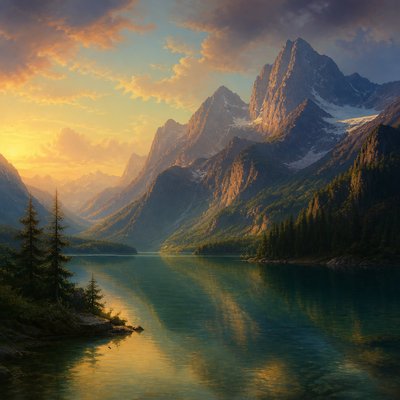
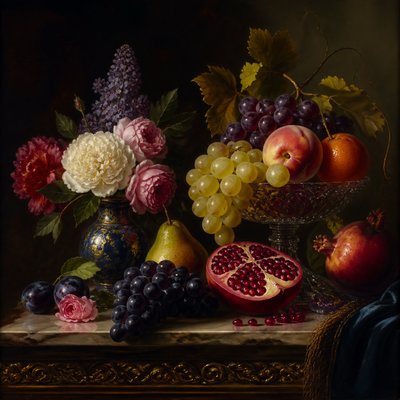
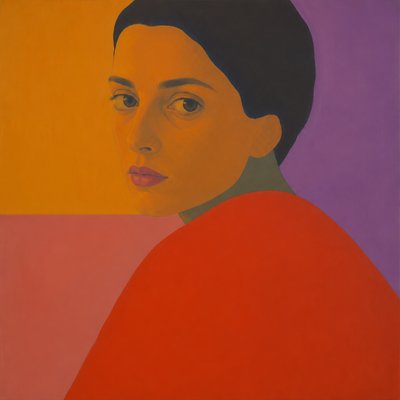
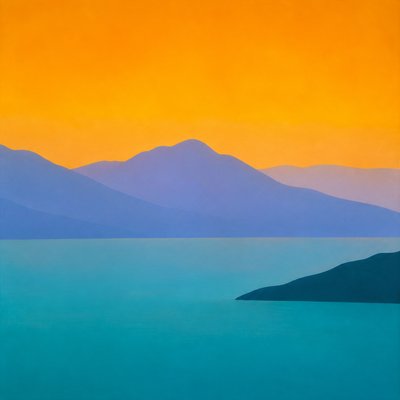
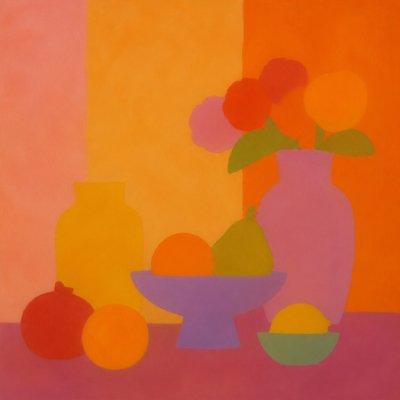
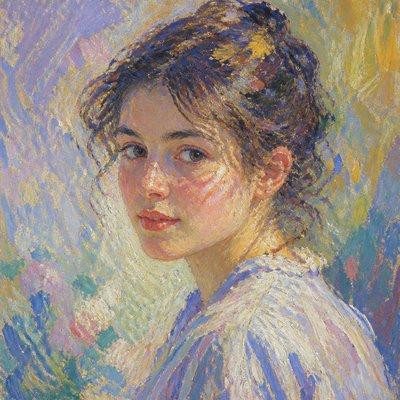
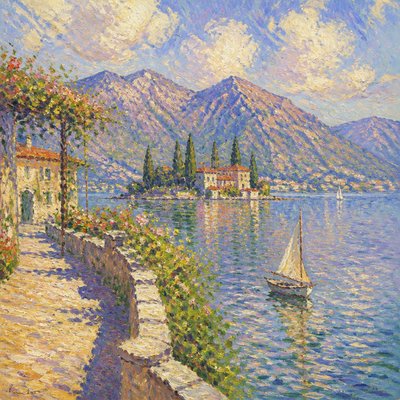
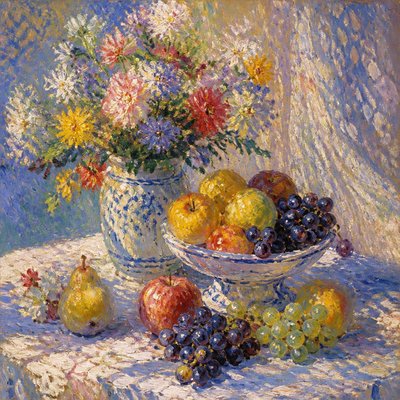
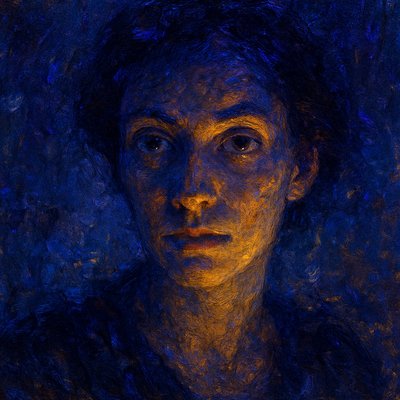
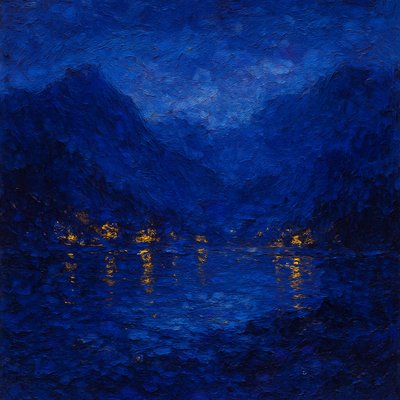
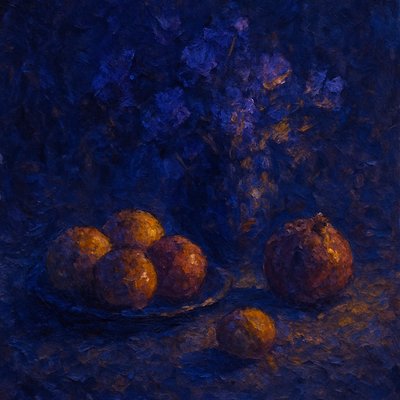
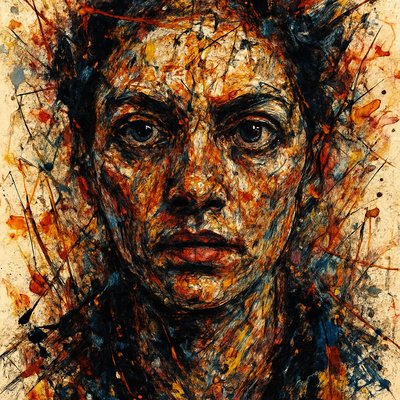
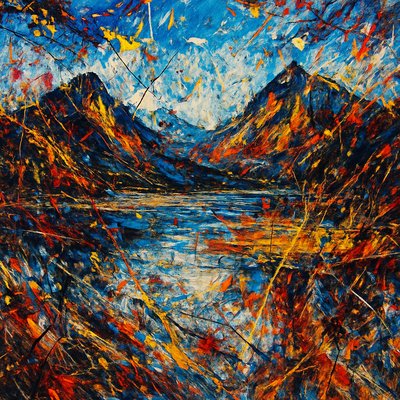
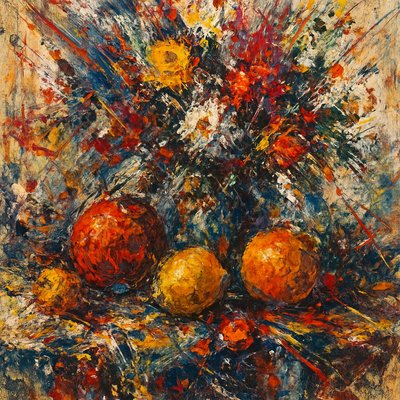
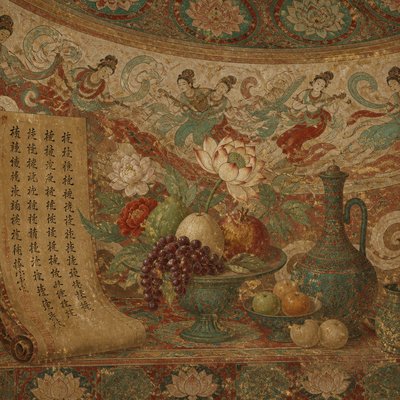
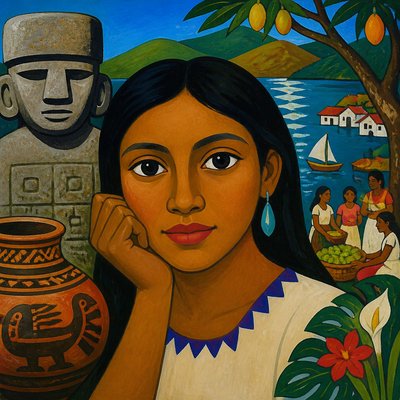
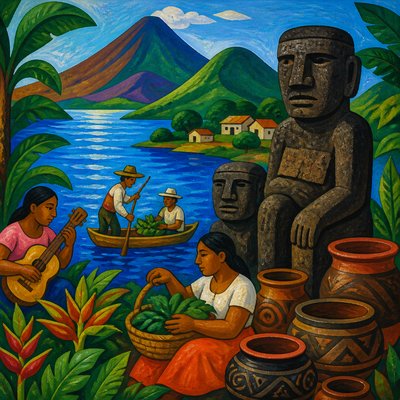
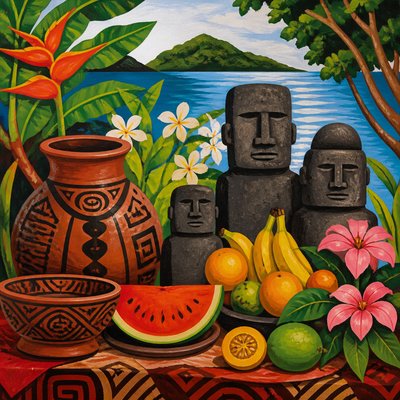
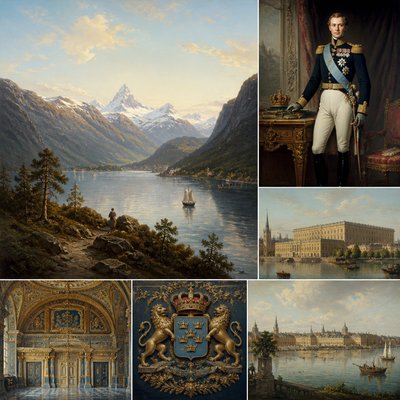
Palette knife painting is a technique and visual style in which paint is applied, spread, scraped, or lifted with a flat metal or plastic painting knife rather than primarily with brushes. The resulting surface is built from bold slabs, angular deposits, compressed ridges, and sharply defined impasto edges, giving the image a tactile, almost sculptural presence.
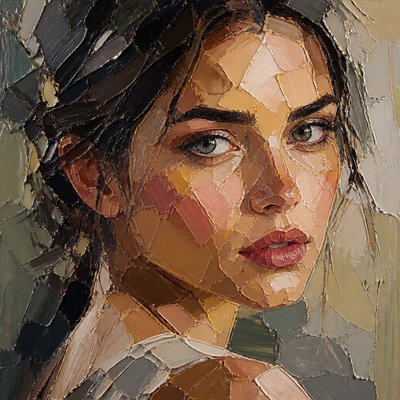
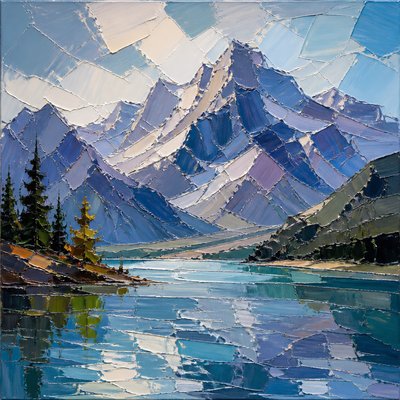
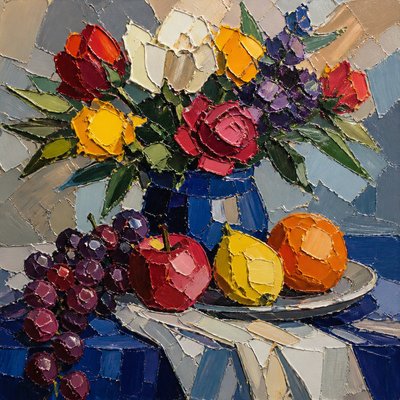
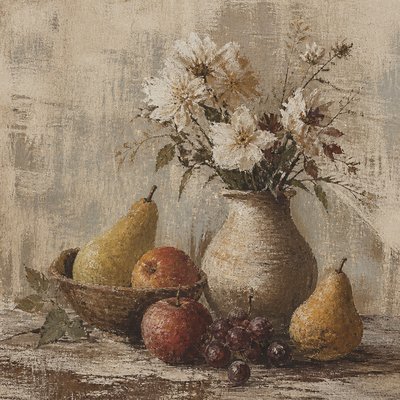
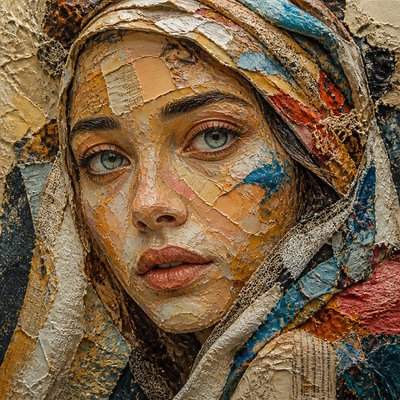
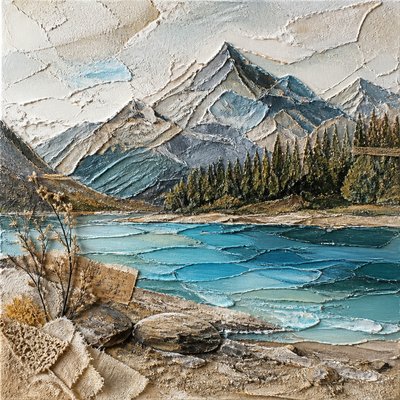
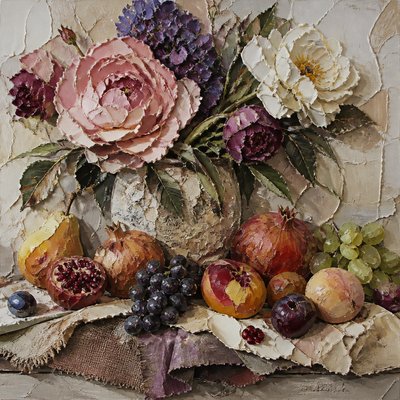
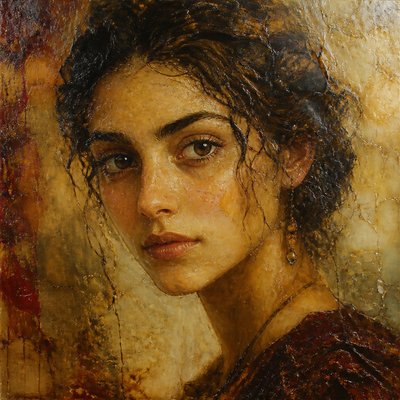
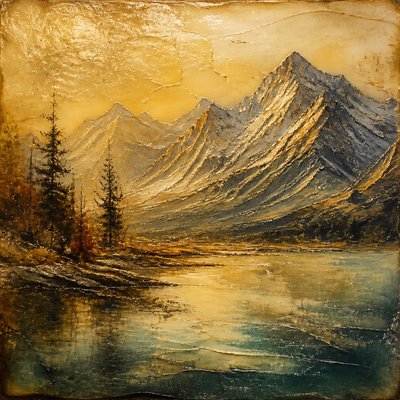
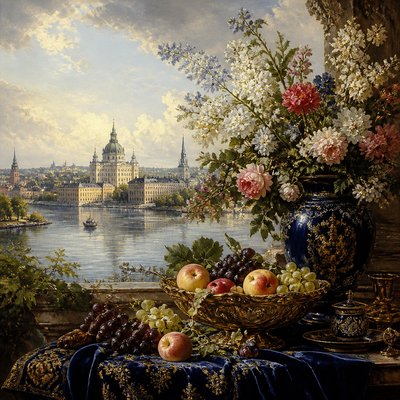
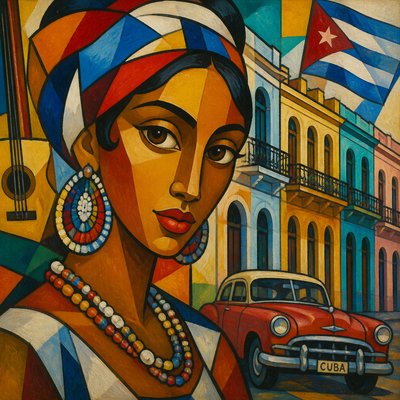
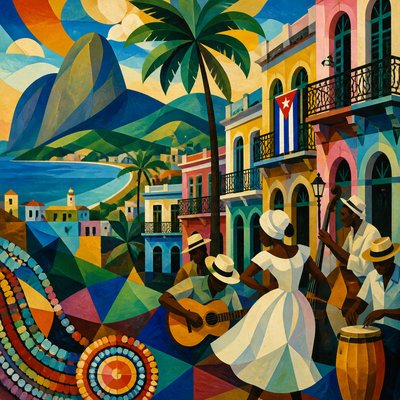
Its visual identity comes from treating color as both image and material. Forms are simplified into faceted planes, contours are suggested by adjacent strokes, and light catches the raised surface unevenly. The style can describe recognizable subjects such as landscapes, portraits, flowers, and city scenes while retaining an energetic, abstracted structure.
Try It On Your Photos
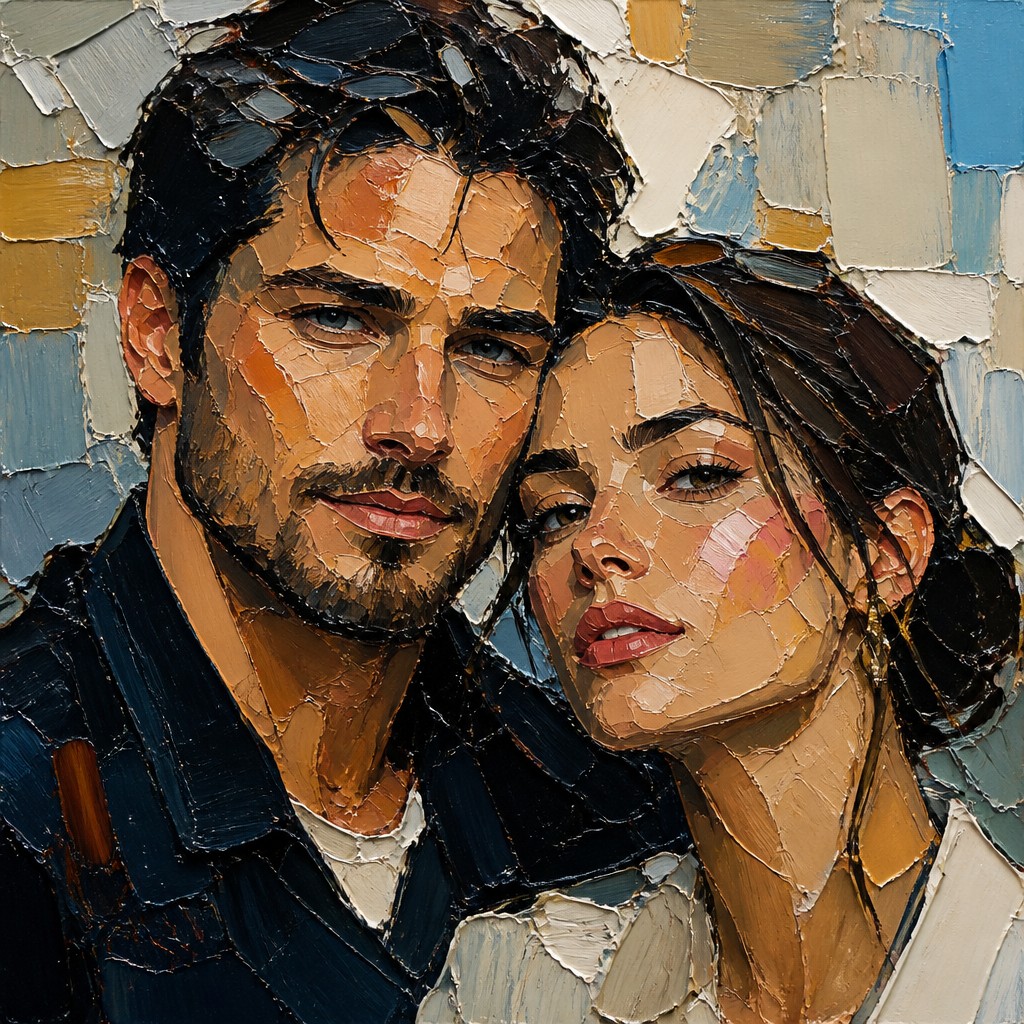
Upload any photo and convert it into Palette Knife Painting Style — drag the sliders to compare before and after.


What Defines Palette Knife Painting Style
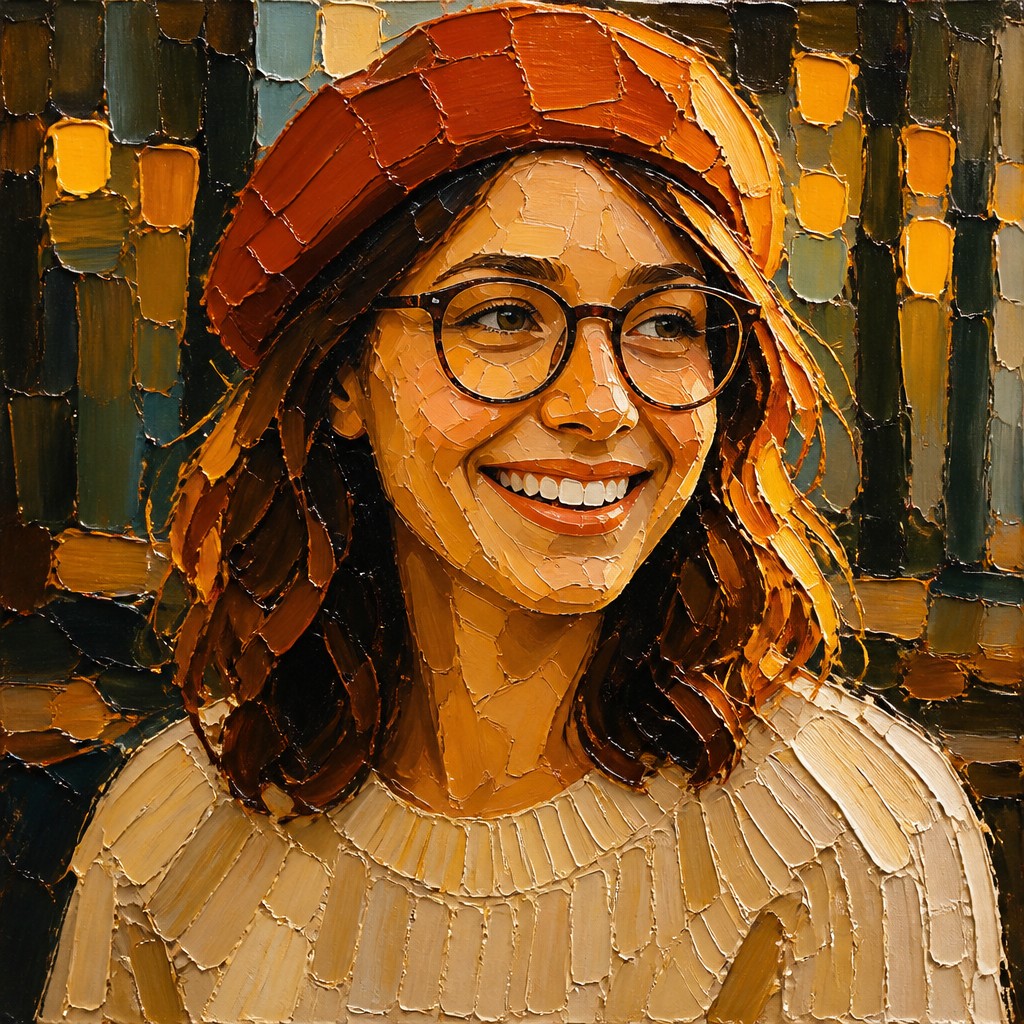
The signature details, up close
Thick impasto
Paint is deposited in raised layers rather than spread into a uniformly thin film. The buildup creates visible relief and makes the surface respond physically to light.
Bold slabs of color
Large, confident applications replace delicate blending with blocks or wedges of pigment. Color areas often remain distinct so the composition reads through juxtaposition.
Ridged and scraped marks
The edge of the knife leaves grooves, ridges, skids, and scraped passages. These marks record the direction and pressure of the hand or tool.
Faceted planes
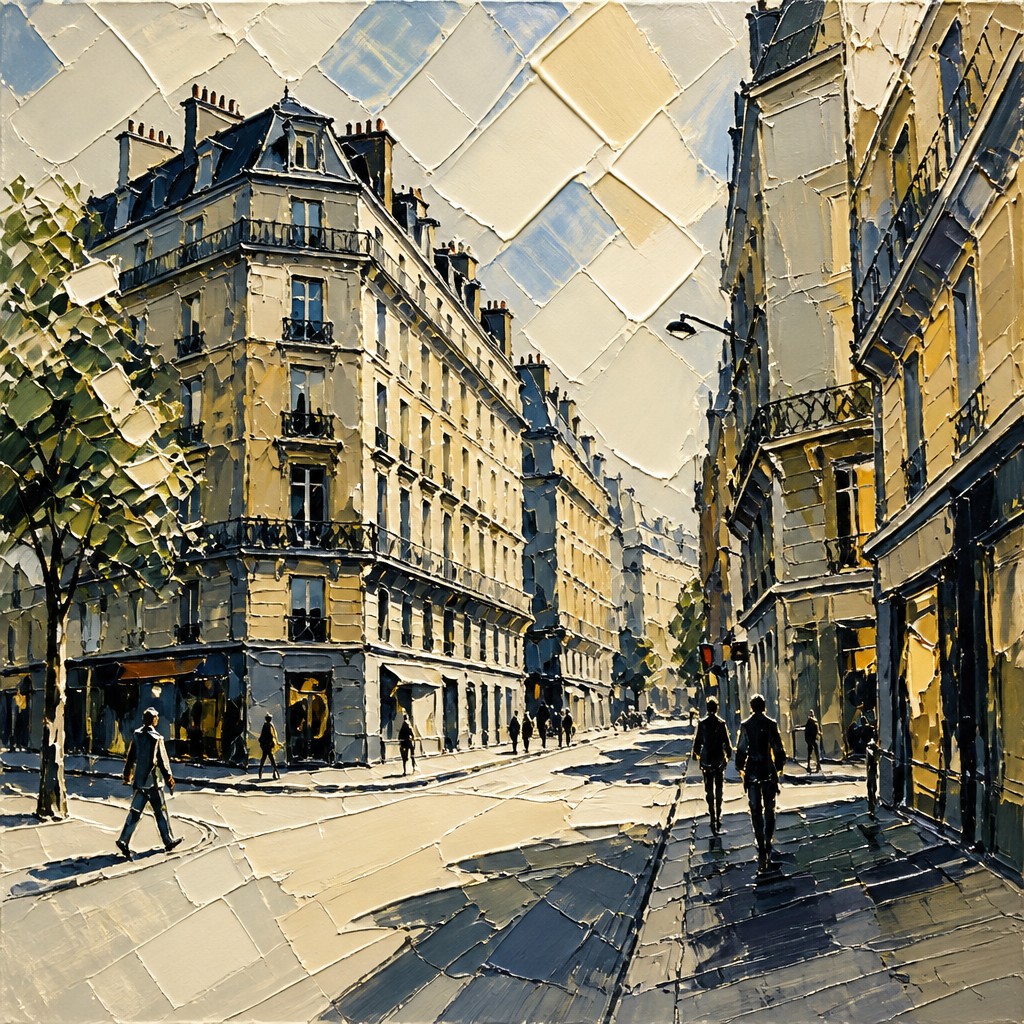
Rounded objects and atmospheric scenes are commonly reorganized into angular planes. Modeling depends on neighboring color shapes rather than smooth tonal transitions.
Sharp impasto edges
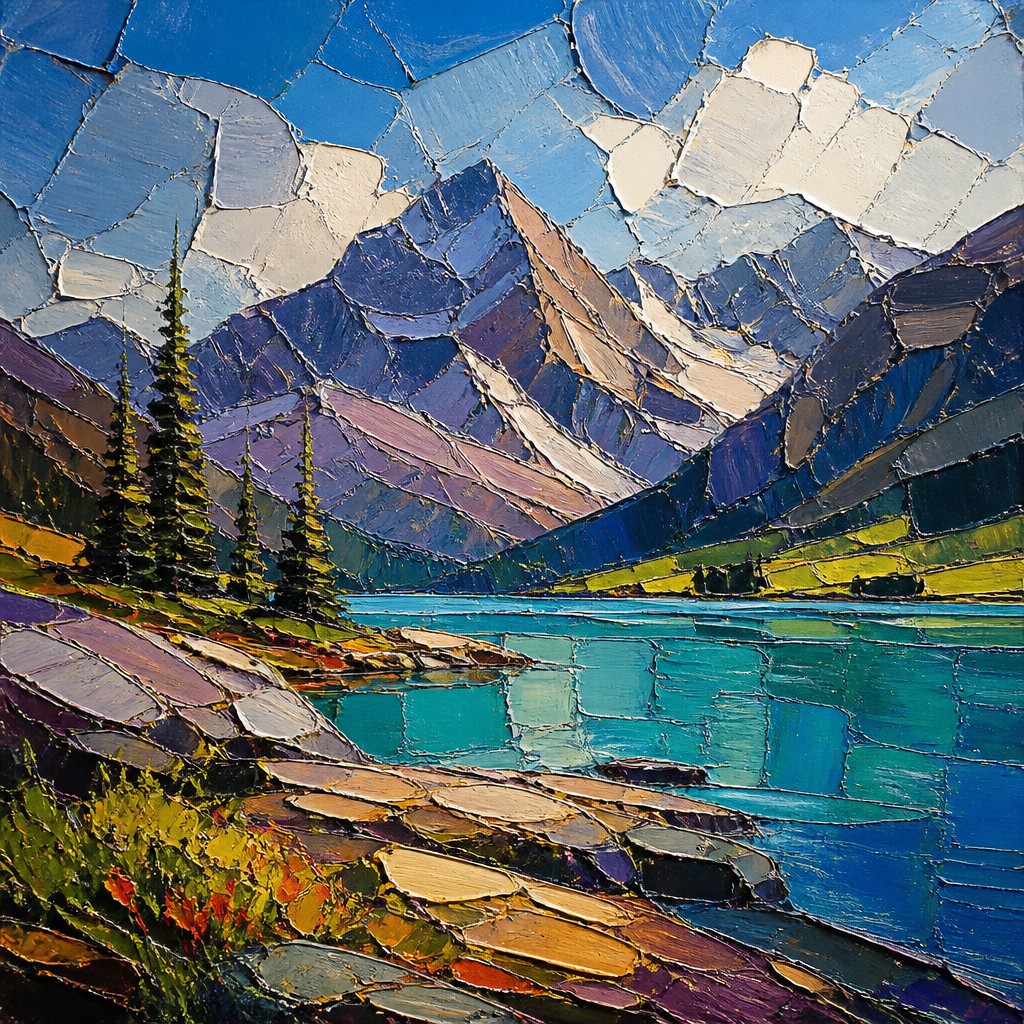
Raised paint can end in crisp ledges, broken contours, or lifted peaks. These edges catch highlights and make forms appear constructed from colored material.
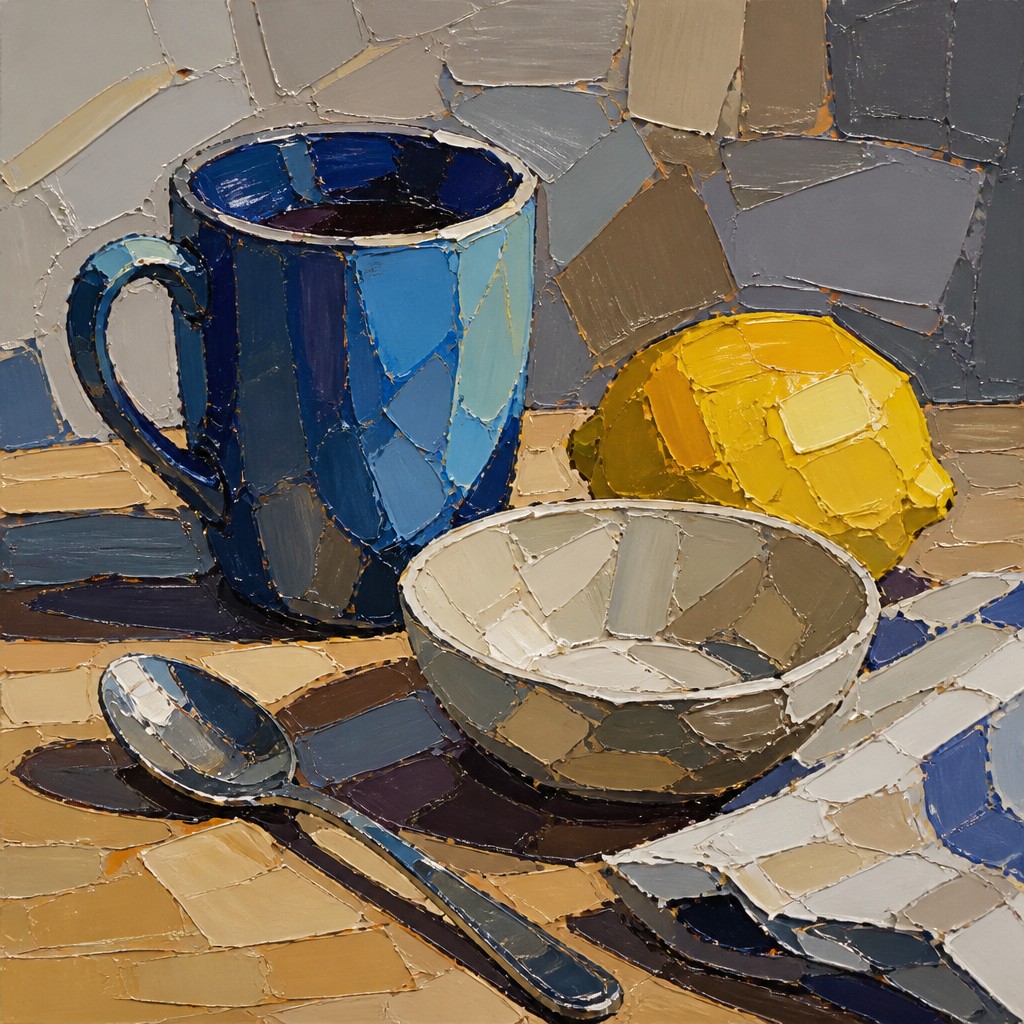
Abstracted realism
Subjects remain identifiable, but detail is reduced to essential masses, directional marks, and color relationships. Recognition comes from structure rather than fine rendering.
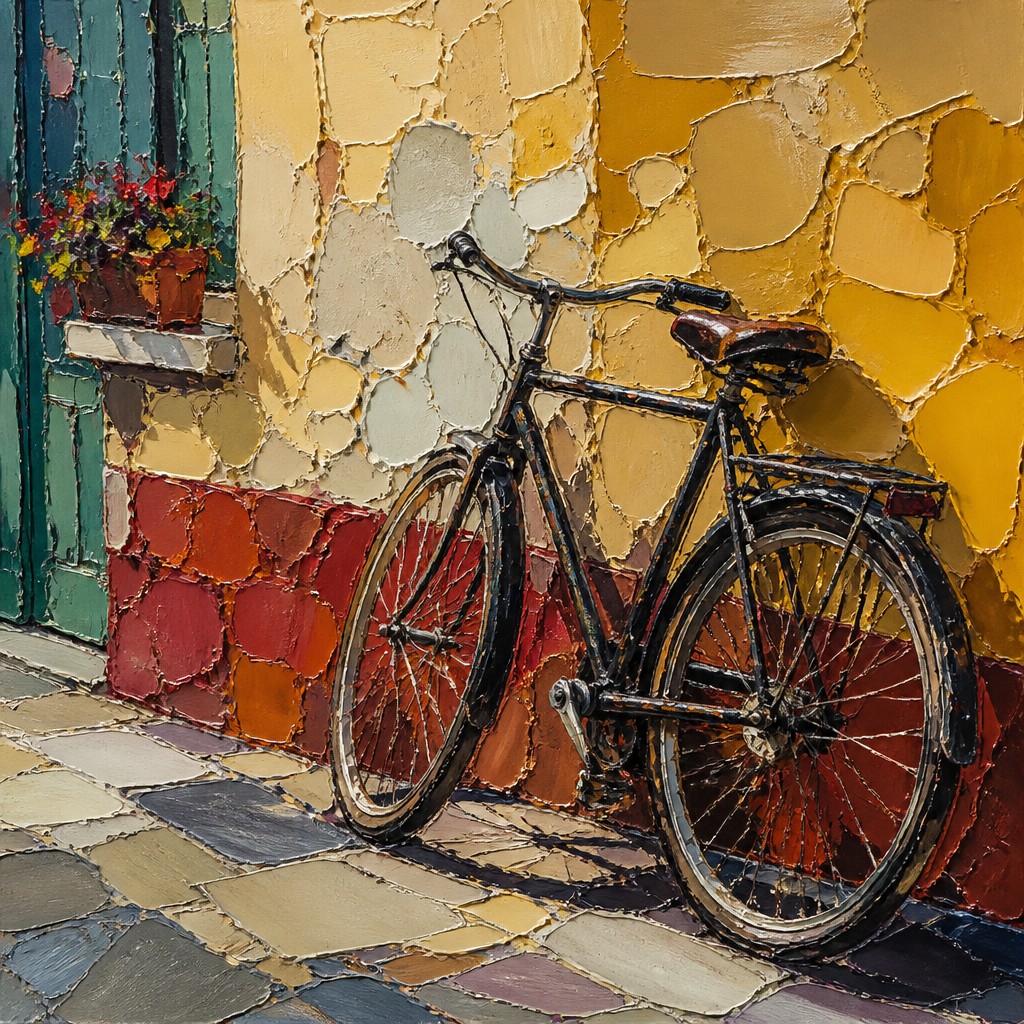
Directional energy
Stroke orientation helps describe movement, volume, and atmosphere: horizontal marks can suggest water, diagonal marks can energize streets or skies, and curved applications can follow anatomy.
Try It
Create Videos in Palette Knife Painting Style
Styles aren't just for stills — describe a scene or animate an image and get a short video rendered in Palette Knife Painting. Press play to see this pond come to life.
Make a VideoPalette Knife Painting Prompt Ideas
Start from an idea — each one opens the generator with the style ready to go. See all 40 Palette Knife Painting prompts →
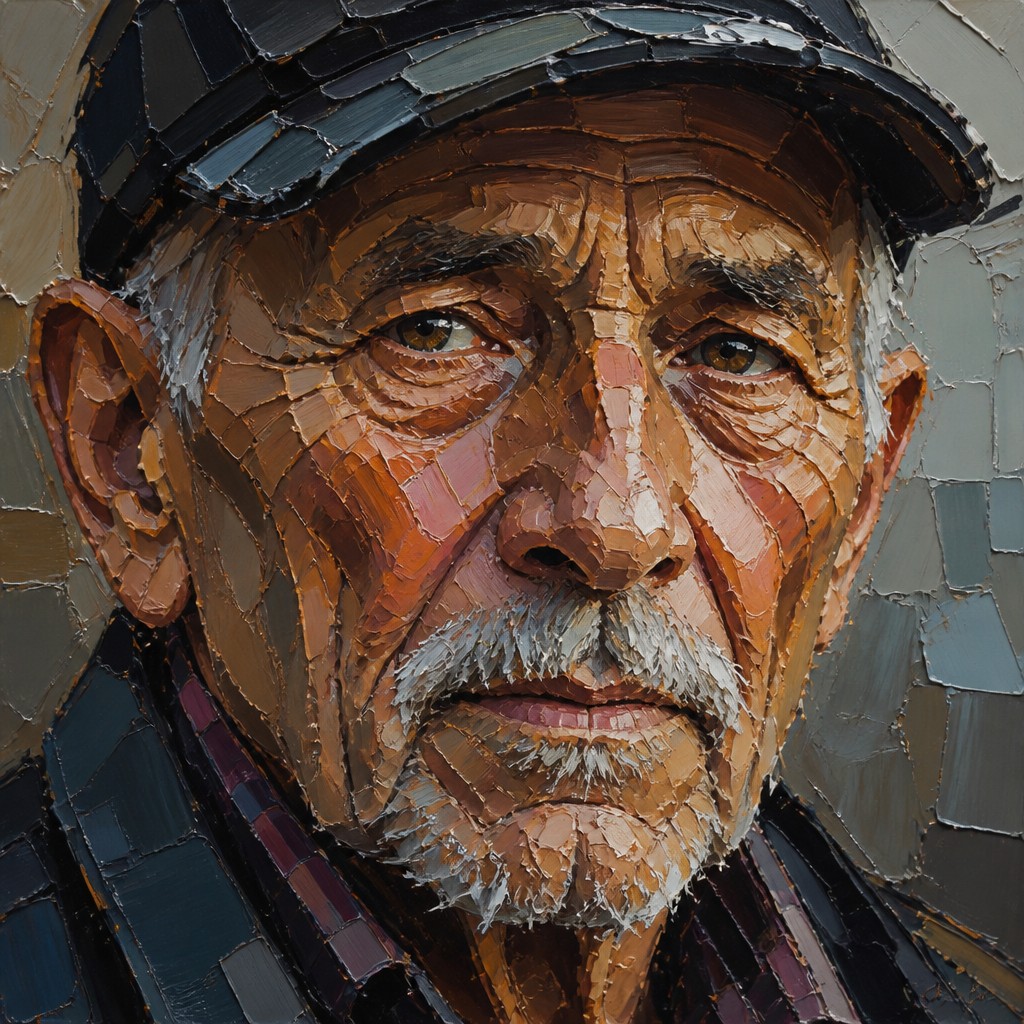
“close-up portrait of an elderly person with expressive weathered features”
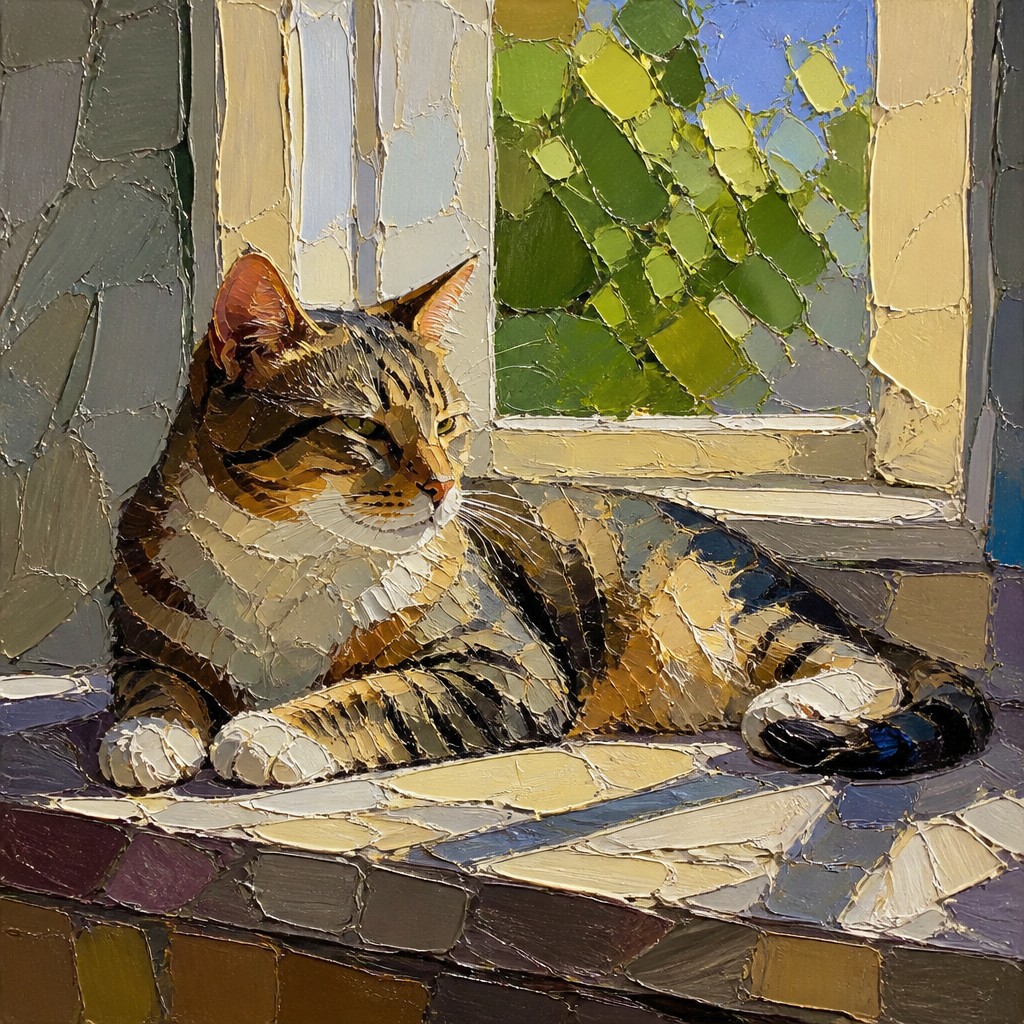
“a cat lounging in a sunlit window”
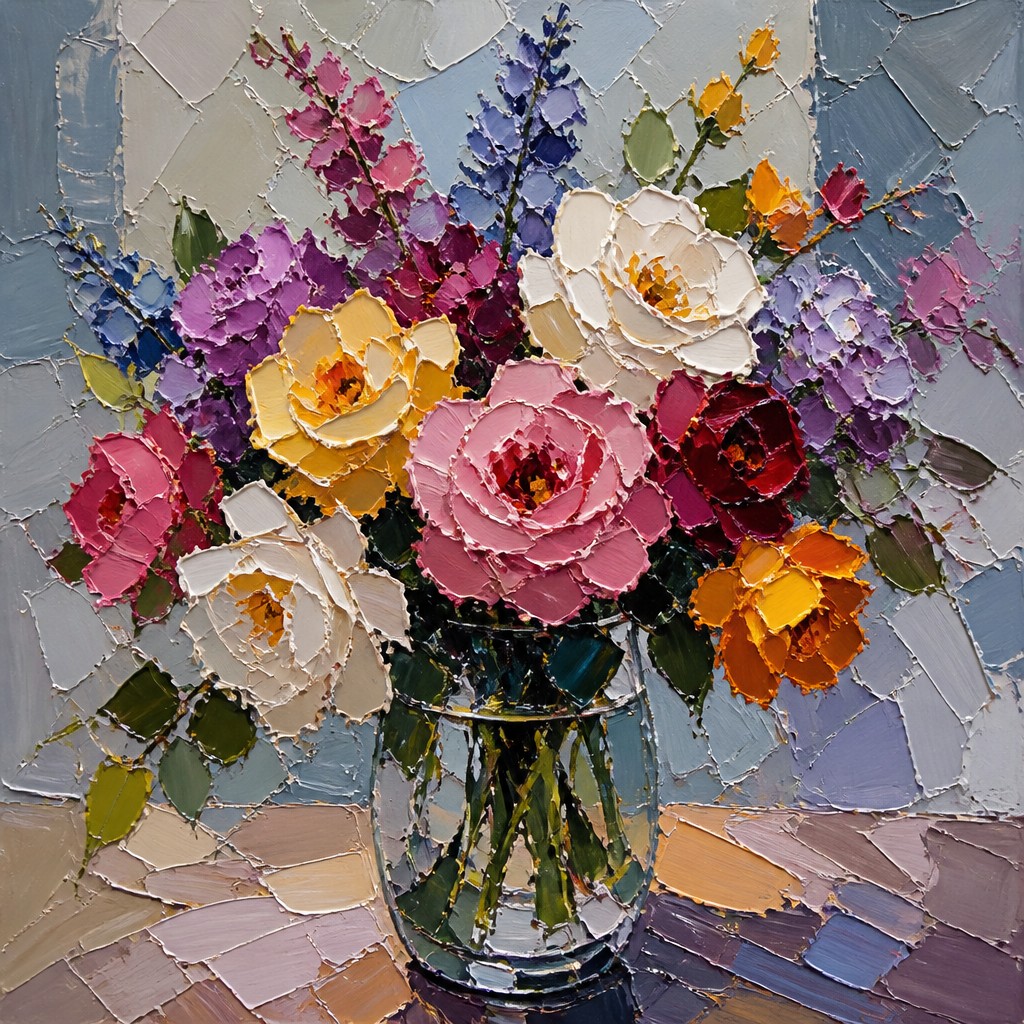
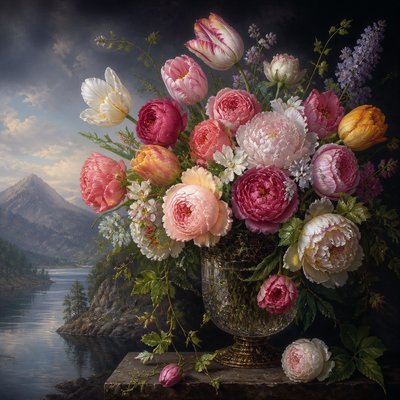
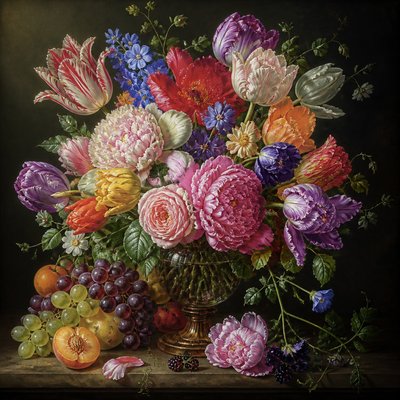
“bouquet of flowers in a glass vase”
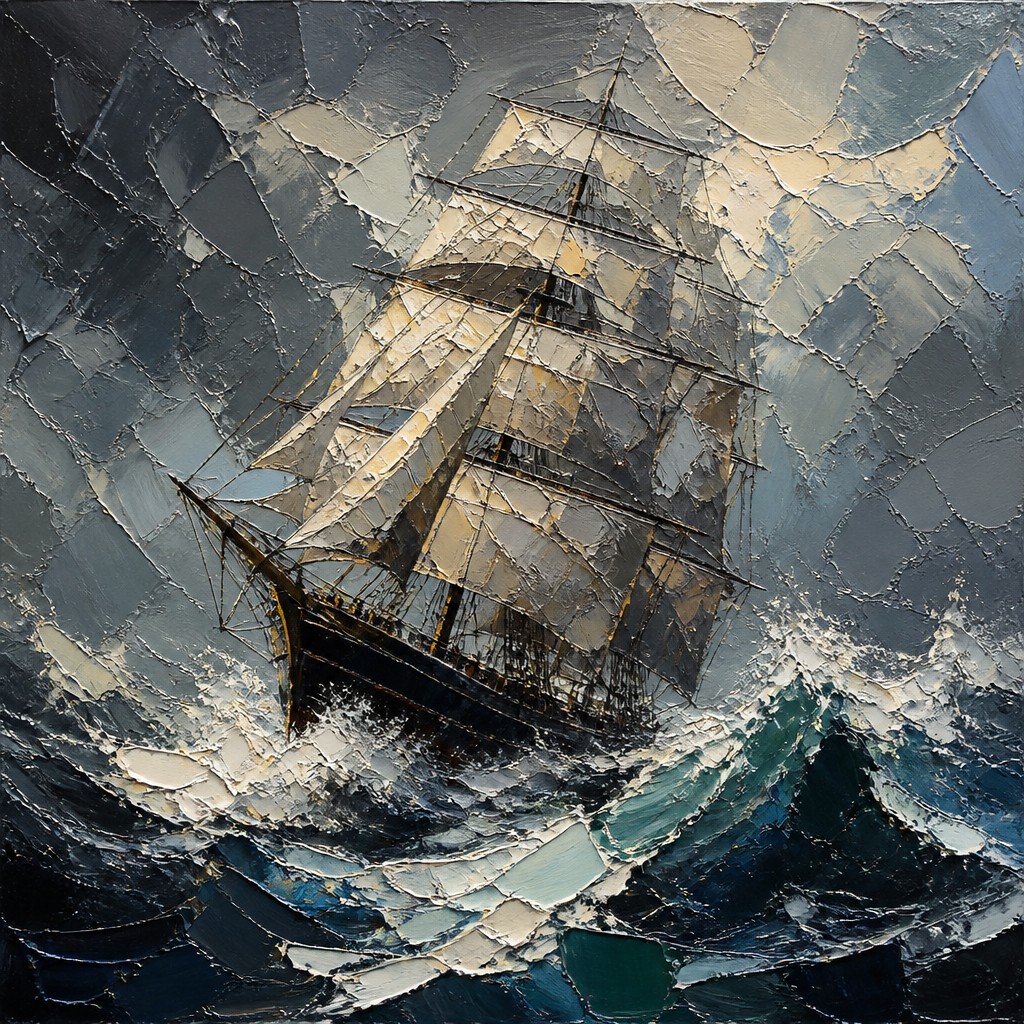
“sailing ship on a stormy sea”
How to Create Palette Knife Painting Art
Master the craft step by step — or skip straight to creating. Read the full guide →
- 1
Build the composition in large masses
Begin with a simplified drawing and block in the dominant light, middle, and dark areas. Avoid outlining every detail; let the main color shapes establish the subject first.
- 2
Load and place paint generously
Use oil or heavy-body acrylic paint with a rigid painting knife, applying it in deliberate deposits rather than brushing it thin. Vary pressure to create both broad planes and narrow ridges.
- 3
Mix selectively on the surface
Prepare a limited palette and mix some colors on the canvas or panel, but stop before they become muddy. Leaving neighboring hues partially unmixed preserves the style's optical vibration.
- 4
Use scraping as actively as application
Drag the knife across wet paint to flatten, reveal an underlayer, sharpen an edge, or remove excess material. Scraped passages provide contrast against thick, untouched impasto.
- 5
Translate the method digitally
In digital painting, use a textured knife or impasto brush with pressure-sensitive opacity and directional grain. Layer opaque strokes, preserve hard edges, and add restrained highlights to suggest raised paint rather than relying on a uniform texture overlay.
- 6
Describe material behavior in prompts
For prompt-based creation, specify thick paint, flat slabs, ridged strokes, faceted color planes, sharp impasto edges, and directional tool marks. Pair those material instructions with a clear subject and lighting condition so texture supports the image instead of obscuring it.
The Story
History & Origins of Palette Knife Painting
Palette knife painting developed from the broader history of oil painting and the increasing use of direct, visibly worked surfaces in modern European painting. Painting knives were used for mixing pigments, scraping down passages, and applying thick color, while nineteenth- and twentieth-century painters increasingly allowed individual marks, heavy impasto, and material texture to remain visible.
The technique is not a single historical movement, but it draws on several modern approaches: Impressionist attention to broken color, Post-Impressionist simplification of form, Expressionist emotional distortion, and later traditions of gestural abstraction. Contemporary artists use it across oil, acrylic, mixed media, and digital simulations that reproduce the look of ridged, troweled paint.
Influences: The style is related to Impressionist broken-color painting, Post-Impressionist structural simplification, Expressionist use of emphatic color and gesture, and the material concerns of modern gestural abstraction. It also connects to impasto traditions in oil painting, plein-air landscape practice, decorative troweled surfaces, and contemporary mixed-media work that treats the painted surface as a physical object.

Frequently Asked Questions
What defines palette knife painting?
It is defined by paint applied or manipulated with a rigid knife, producing thick slabs, ridges, scraped passages, and visible impasto. The image often combines recognizable subject matter with simplified, faceted forms and strongly separated color areas.
Is palette knife painting an art movement?
No. It is primarily a technique and surface language rather than a formally organized historical movement. It has been used within several approaches, including Impressionist, Expressionist, modernist, contemporary, and abstract painting.
How does it differ from brush painting?
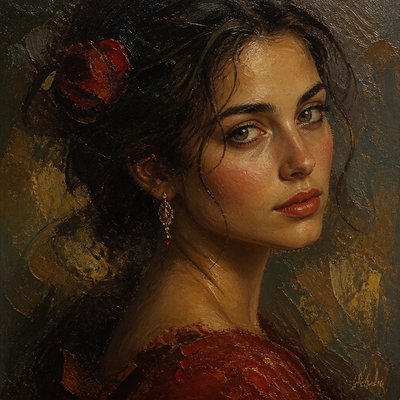
Brushes tend to produce softer blends, linear strokes, and more gradual modeling, while a knife deposits paint in flatter planes and sharper ridges. Palette knife work also makes the thickness and physical drag of the material especially apparent.
What paint is best for this technique?
Oil paint and heavy-body acrylic are the most common choices because they hold a raised edge and remain workable long enough to manipulate. Lightweight fluid acrylic or thin watercolor generally cannot sustain the same sculptural impasto without a substantial supporting medium.
Can realistic subjects be painted this way?
Yes. Landscapes, portraits, still lifes, architecture, and animals can all remain recognizable. Realism is usually achieved through accurate large-scale shapes, value relationships, and color placement rather than fine brush detail.
How can the look be recreated digitally or with prompts?
Use textured digital brushes that respond to pressure and direction, build opaque layers, and preserve angular edges between color planes. In prompts, describe the subject separately from the material qualities, emphasizing thick deposits, troweled ridges, faceted color, and light-catching impasto.
Create your first Palette Knife Painting artwork
Describe anything — or upload a photo — and see it in Palette Knife Painting Style in seconds.
Related Styles
Discover similar art styles