Spray Paint Art Style
Explore Spray Paint Art: glossy aerosol layers, neon gradients, drips, stencils, mist, and fast expressive color-field techniques.
Instantly rendered in Spray Paint — or transform a photo
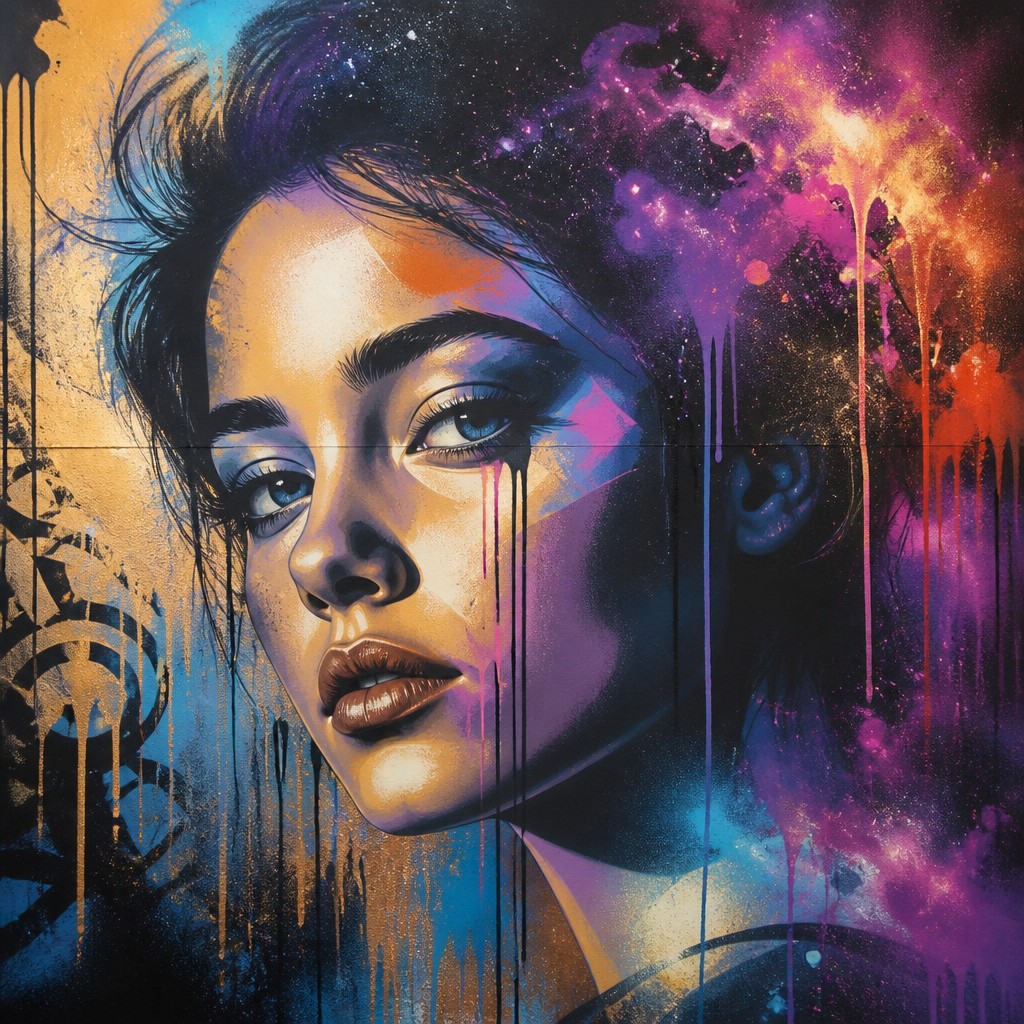
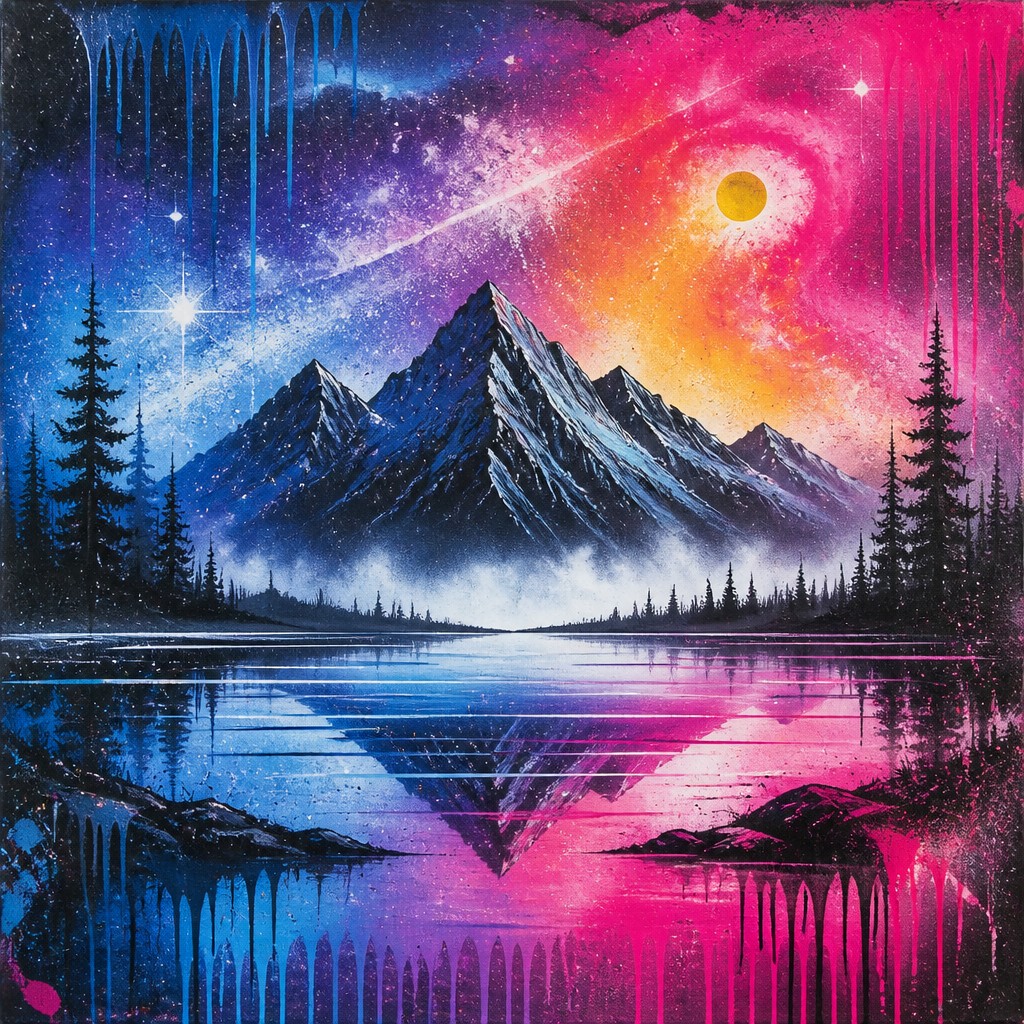
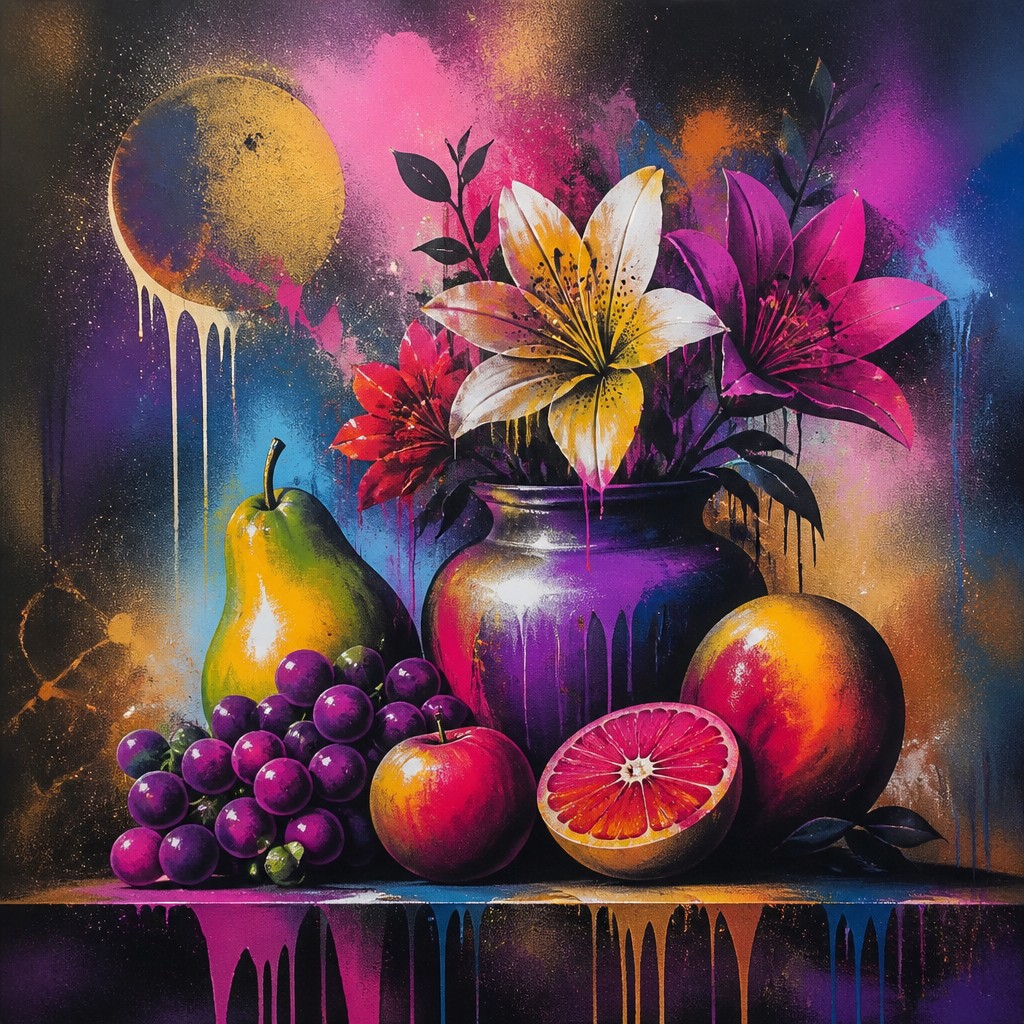
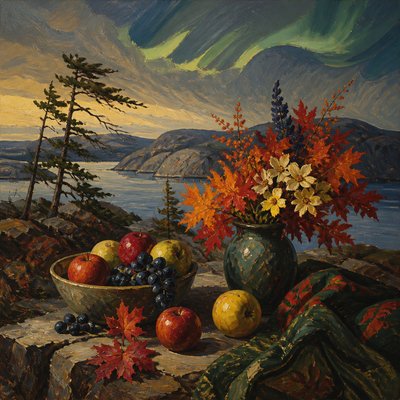
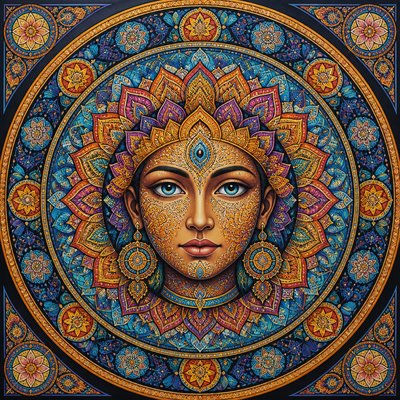
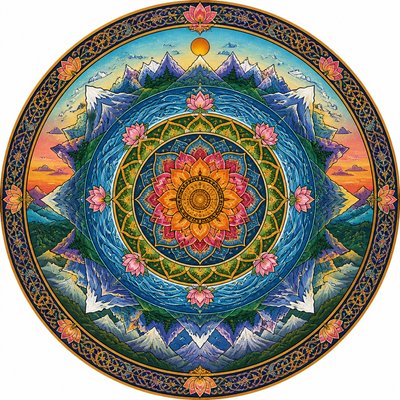
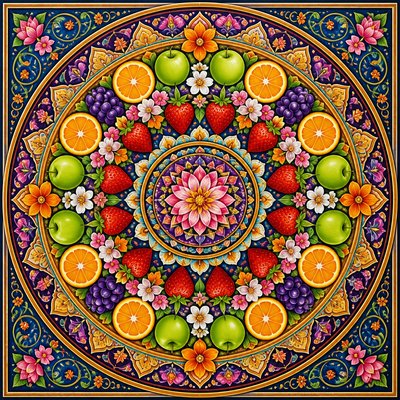
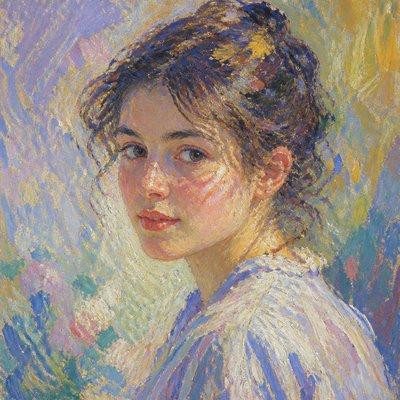
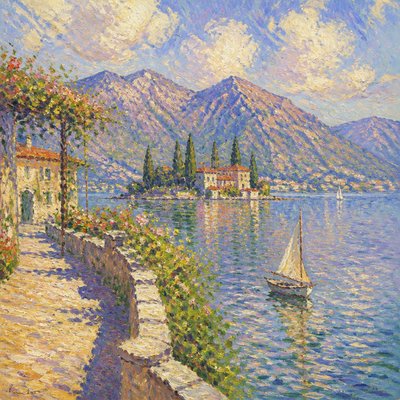
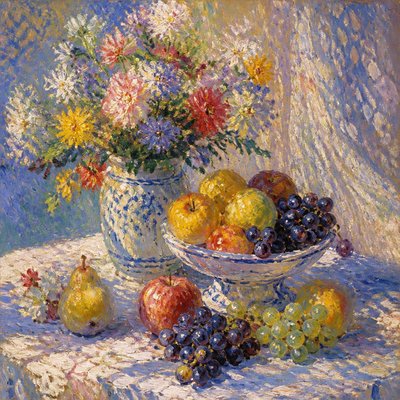
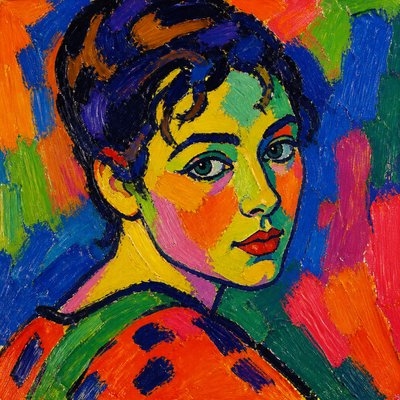
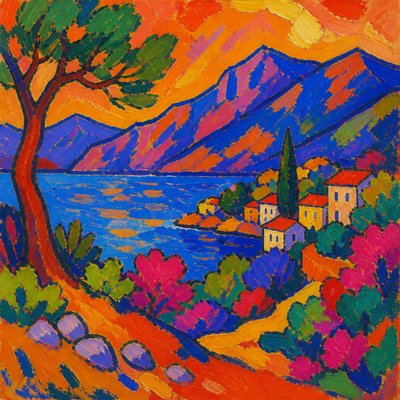
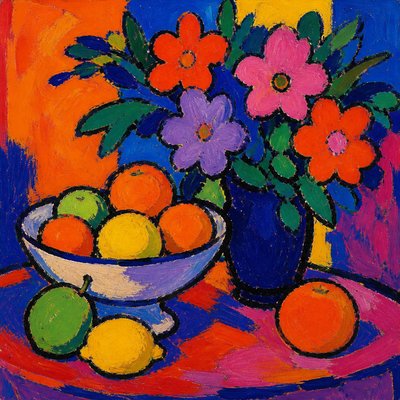
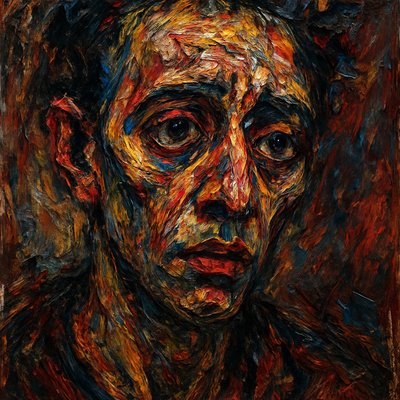
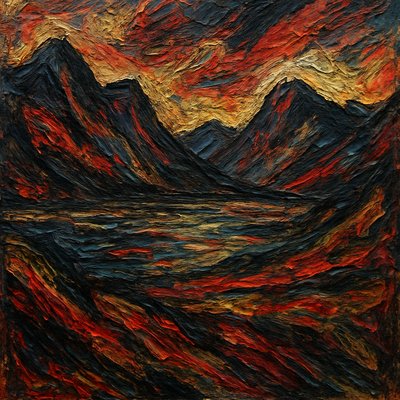
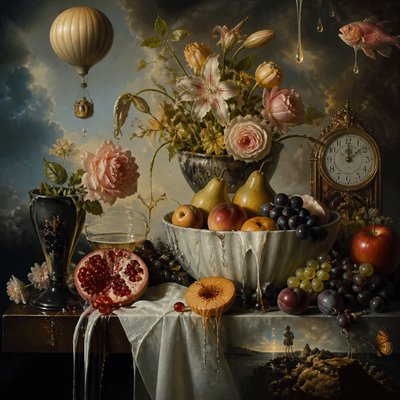
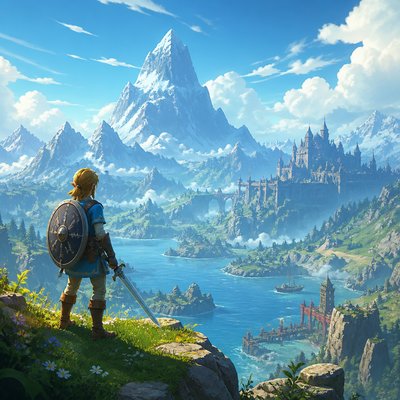
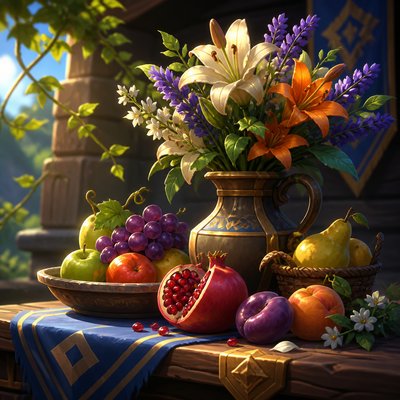
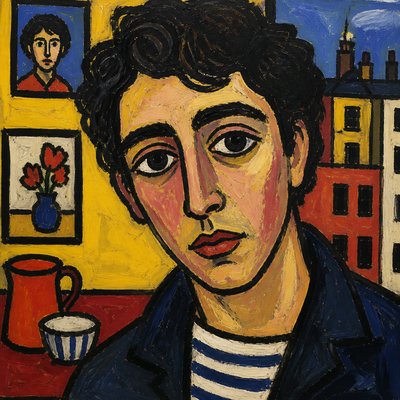
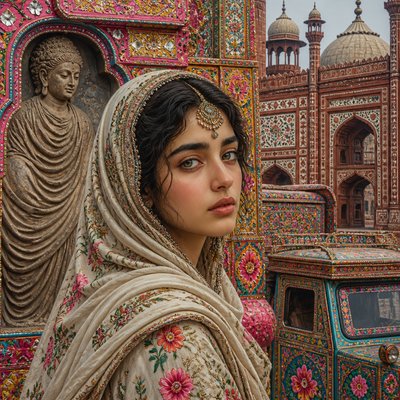
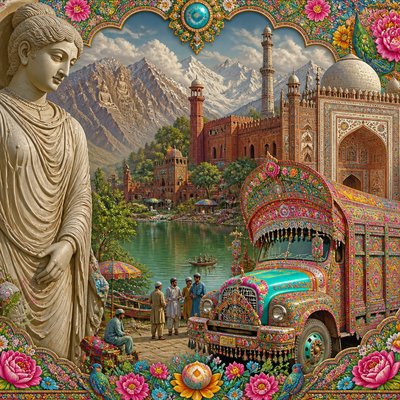
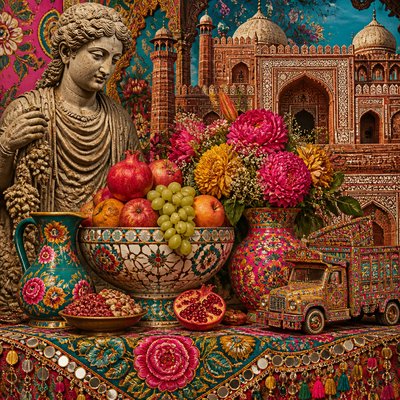
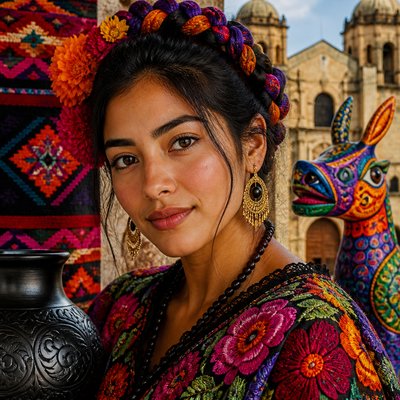
Spray Paint Gallery
Tap any artwork to explore it

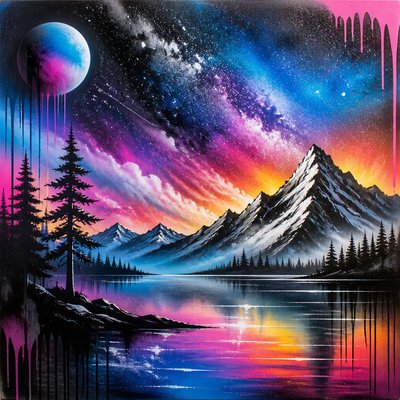
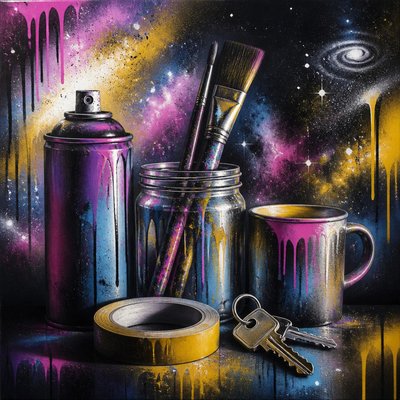
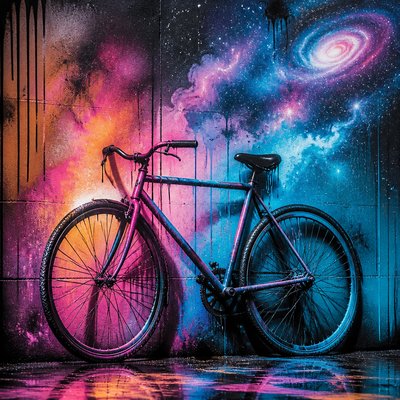
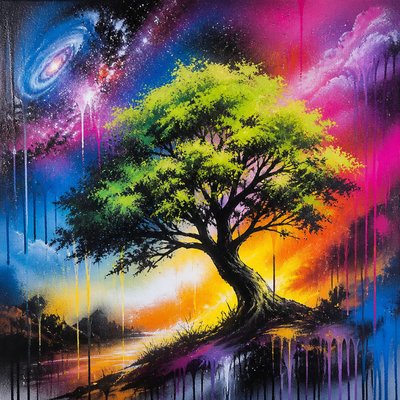
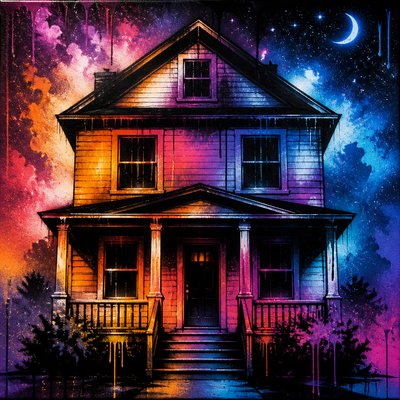
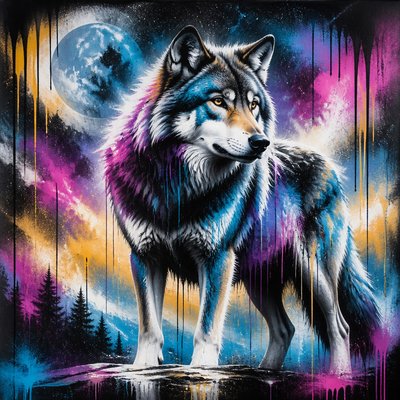
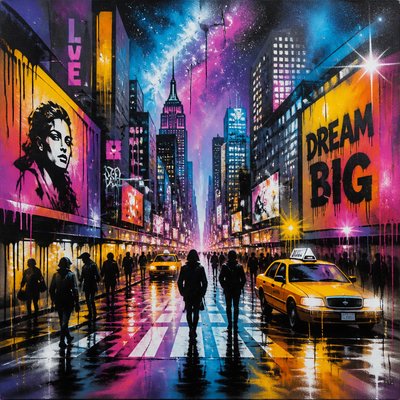
What is Spray Paint Art Style?
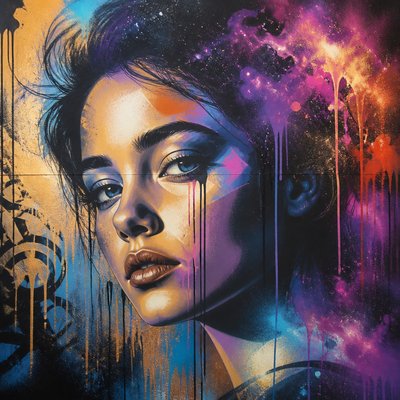
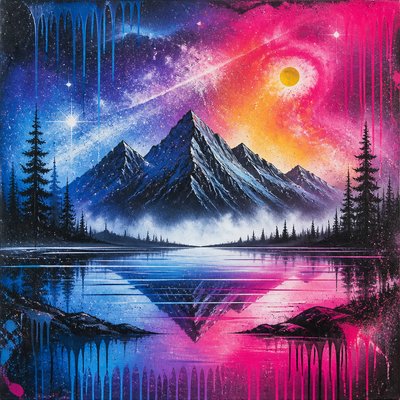
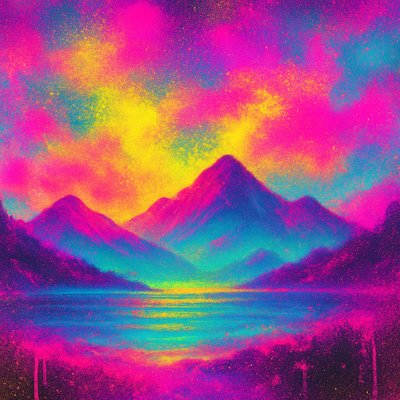
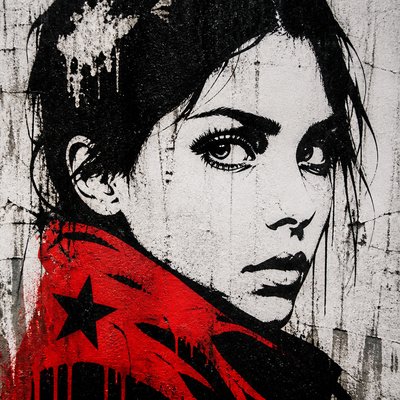
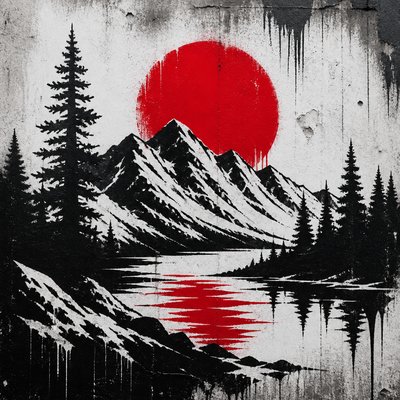
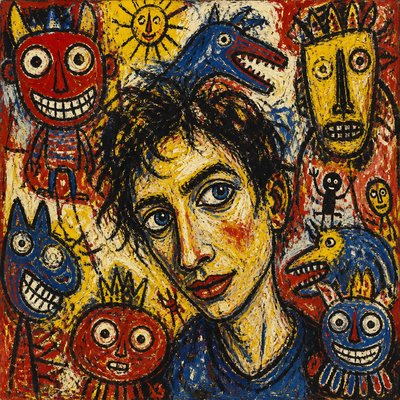
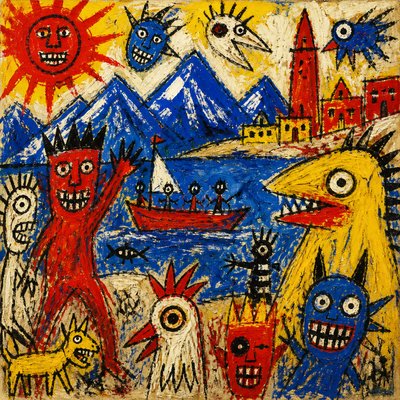
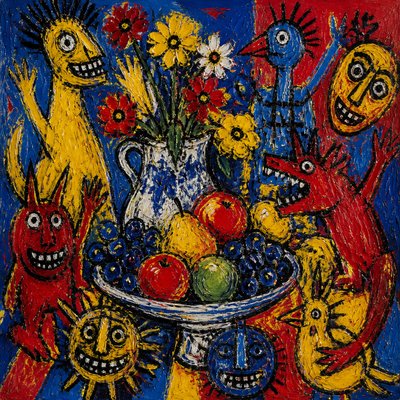
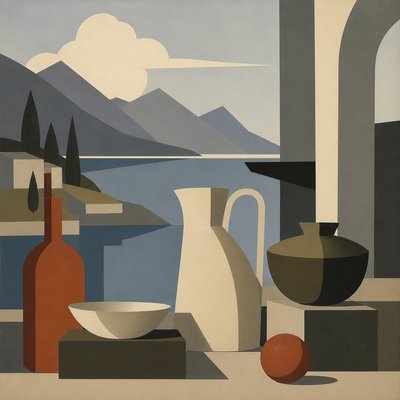
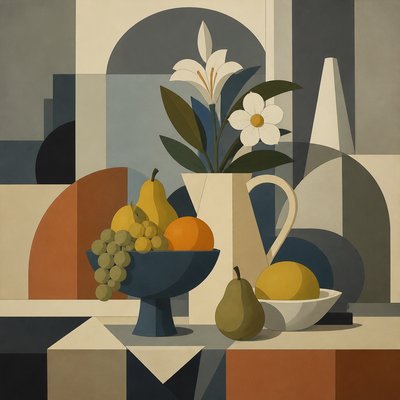
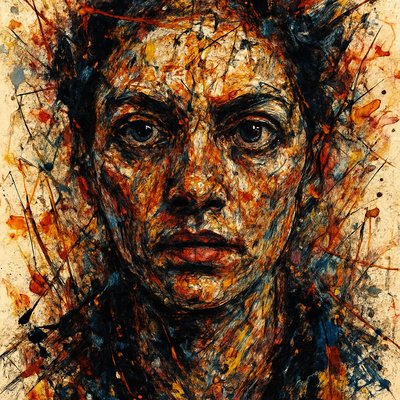
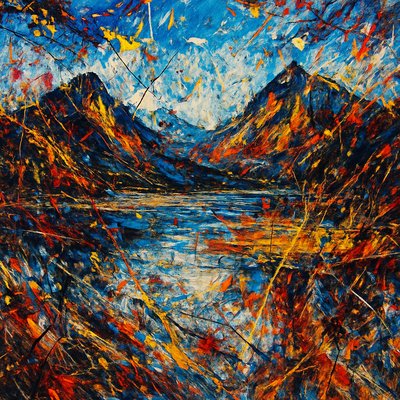
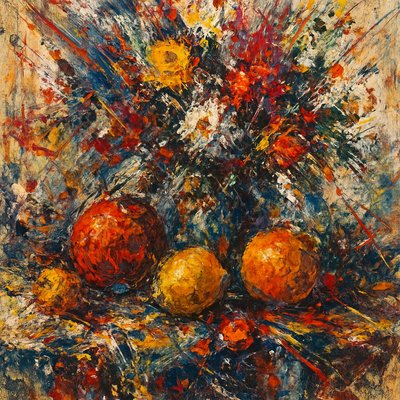
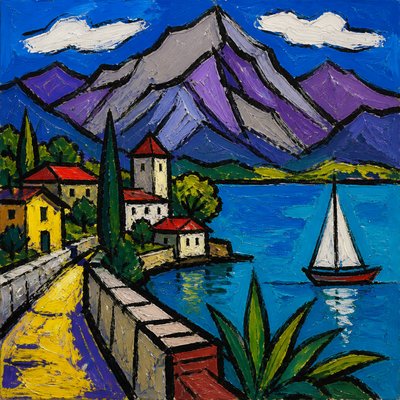
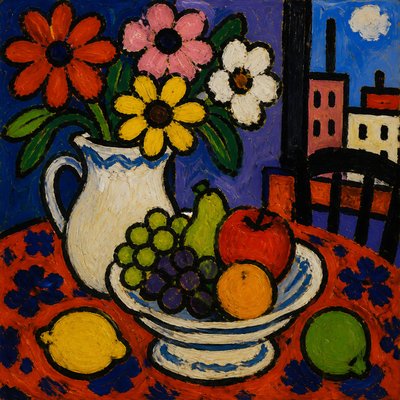
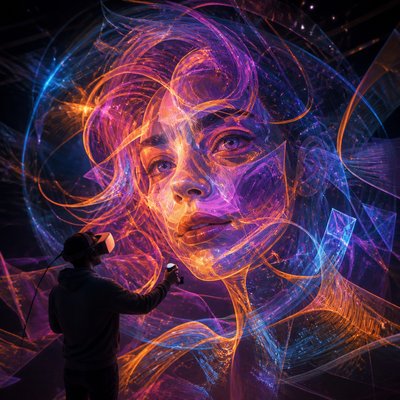
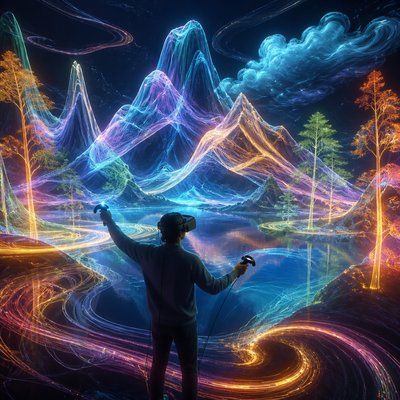
The style looks fast because its marks remain visibly gestural: sweeping can strokes, abrupt color changes, feathered halos, and downward-running paint are part of the image rather than flaws to be concealed. Common subjects include galaxies, planets, clouds, flames, city scenes, lettering, masks, and abstract color fields, but the defining identity comes from the aerosol surface and compressed, high-impact finish.
Try It On Your Photos
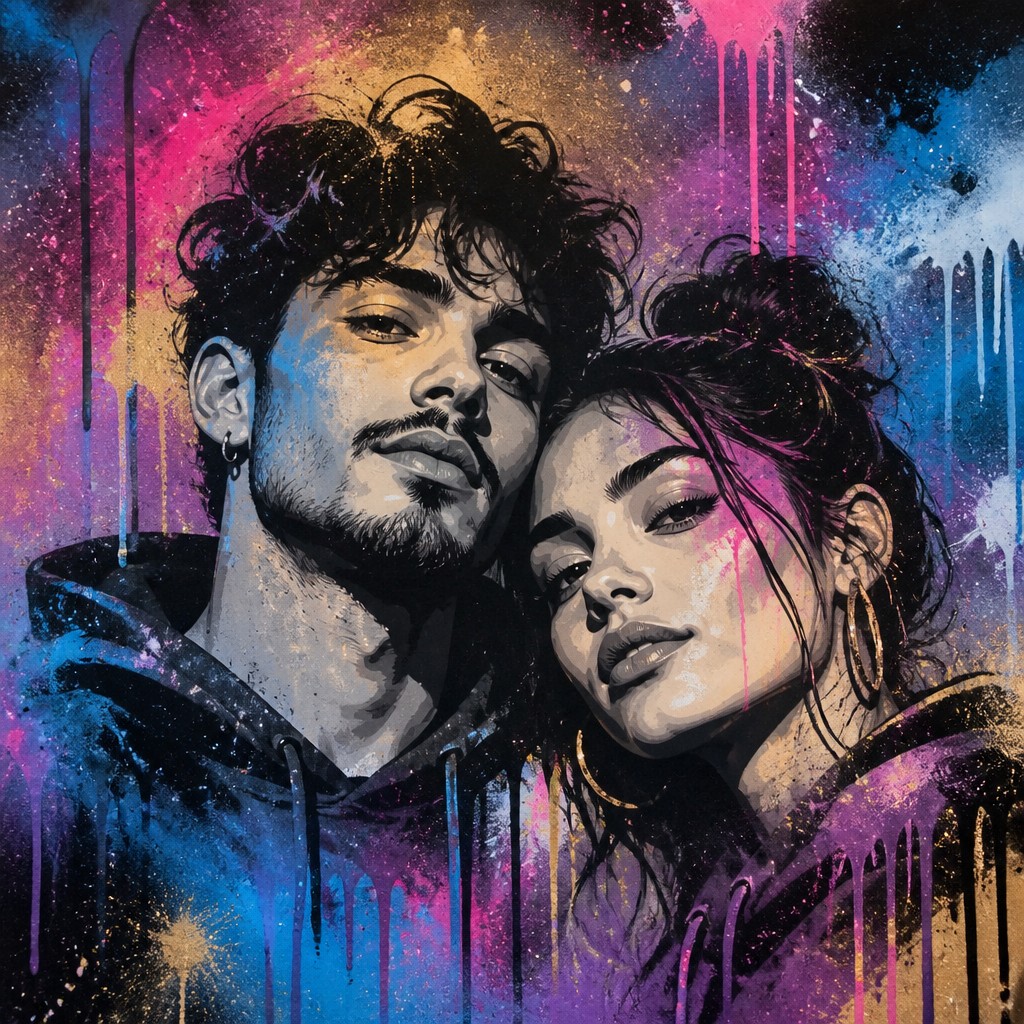
Upload any photo and convert it into Spray Paint Art Style — drag the sliders to compare before and after.


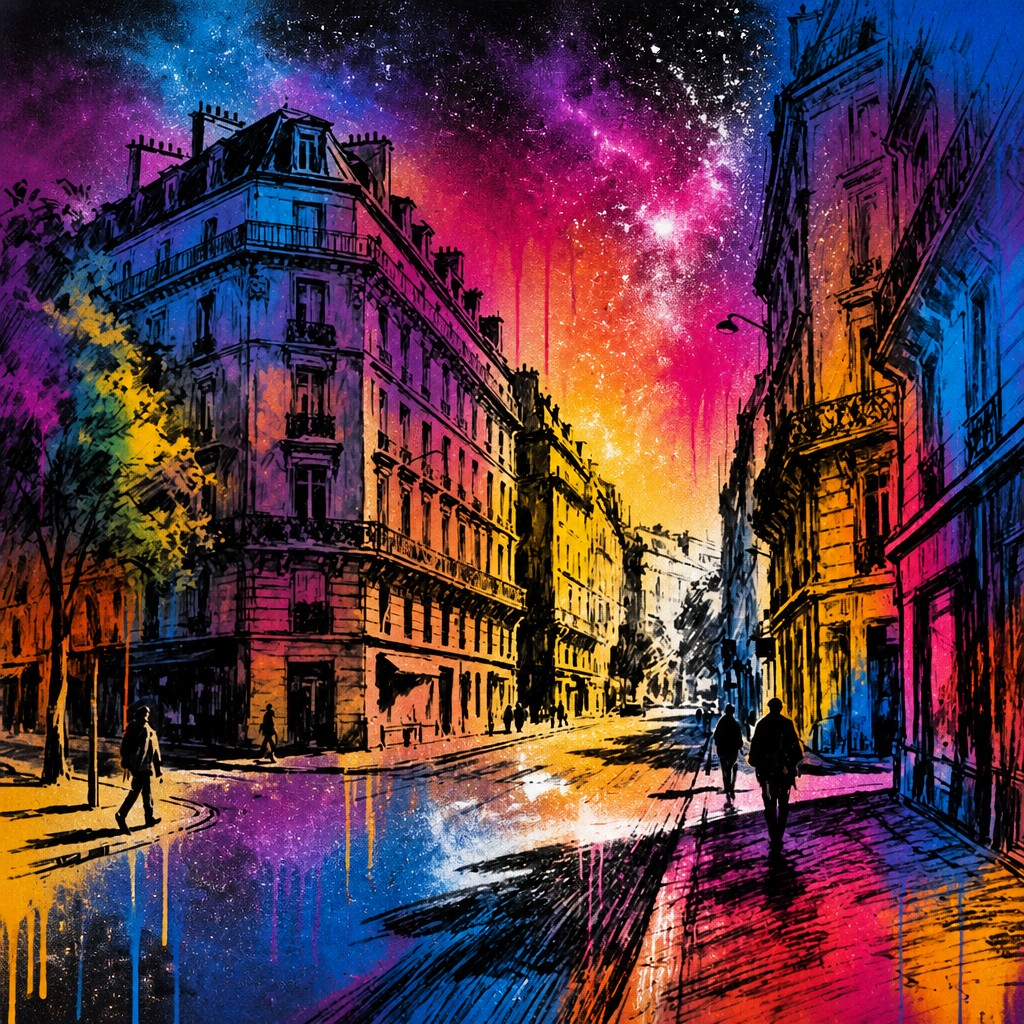

What Defines Spray Paint Art Style
The signature details, up close
Aerosol mist and overspray
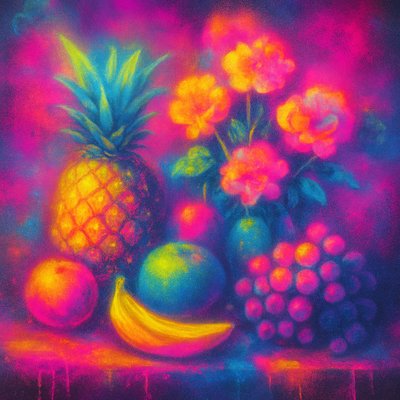
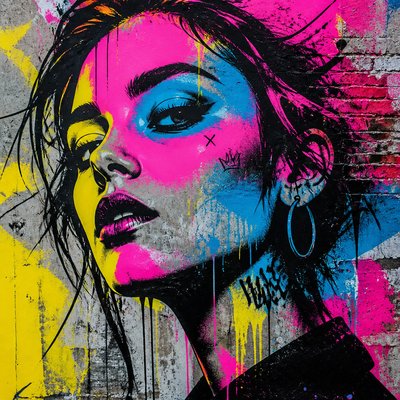
Fine particles soften transitions and create halos around major forms. Uneven edges and translucent deposits preserve the sense of paint suspended in air.
Glossy drip trails
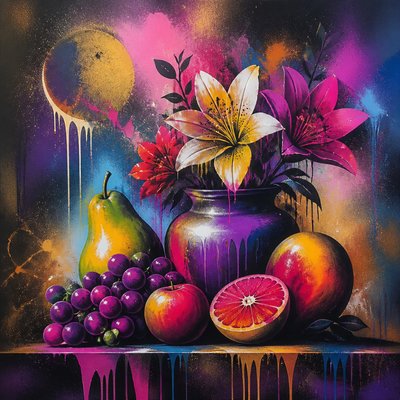
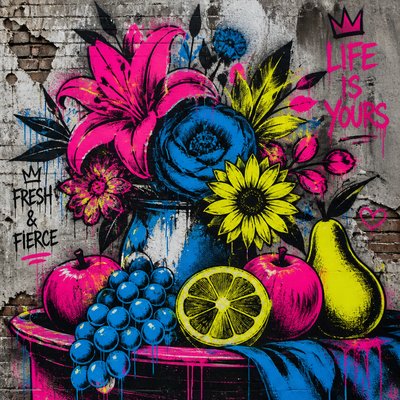
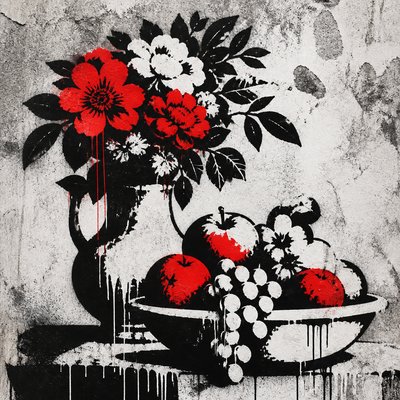
Wet-looking vertical runs interrupt otherwise smooth fields of color. Drips add gravity, chance, and evidence of a rapidly applied surface.
Smooth atmospheric gradients
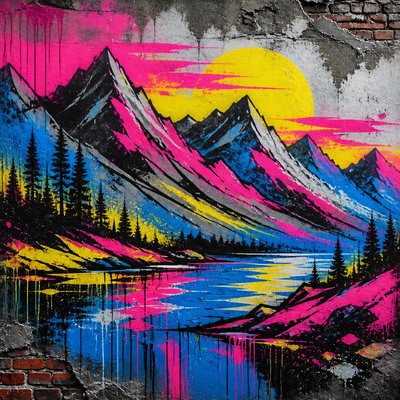
Colors blend quickly from dark to light or across complementary hues, producing cloud, smoke, nebula, sunset, and vapor-like effects.
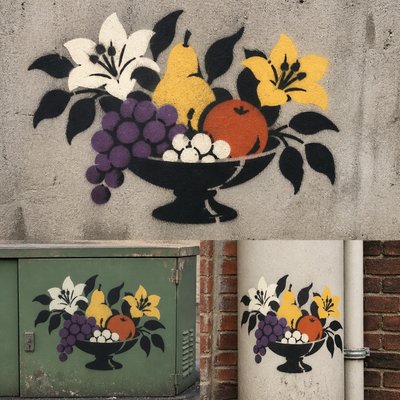
Stencil-sharp contrasts
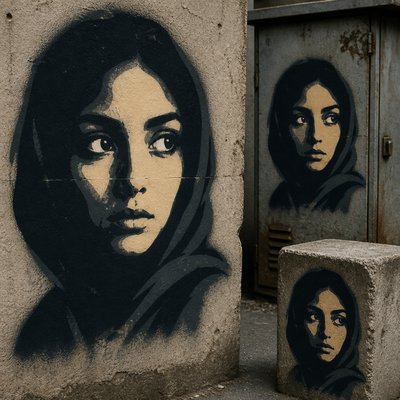
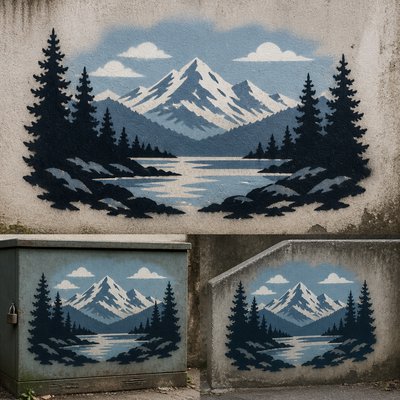
Crisp silhouettes, lettering, and geometric cutouts often sit beside soft feathered spray. This contrast gives the style its graphic clarity.
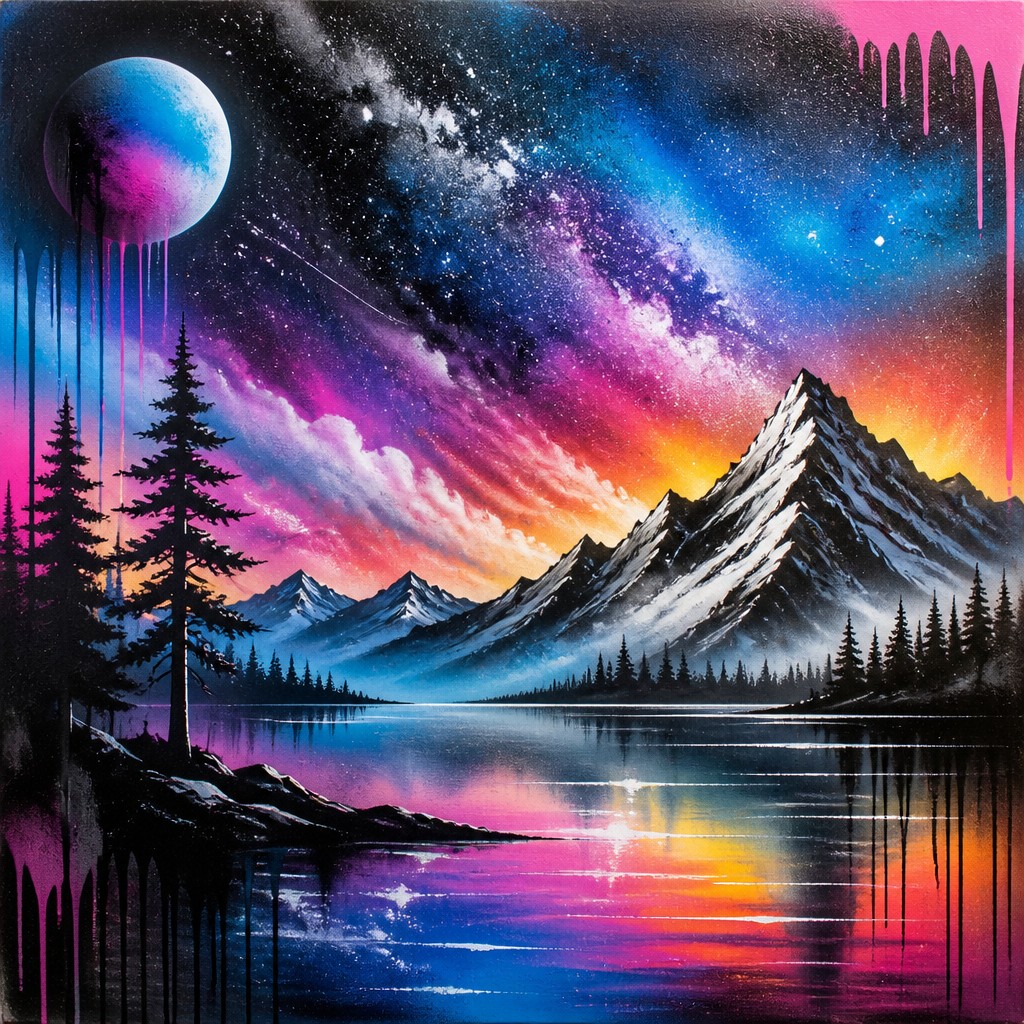
Neon and metallic pigments
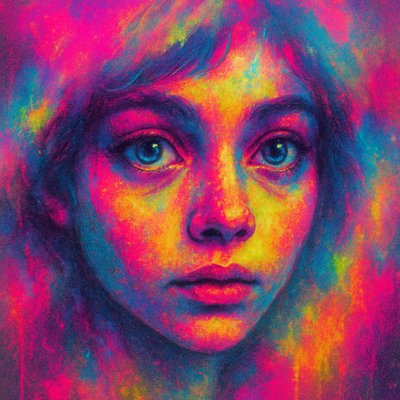
High-chroma pinks, blues, greens, oranges, and purples are frequently paired with silver, gold, black, or reflective highlights for a luminous finish.
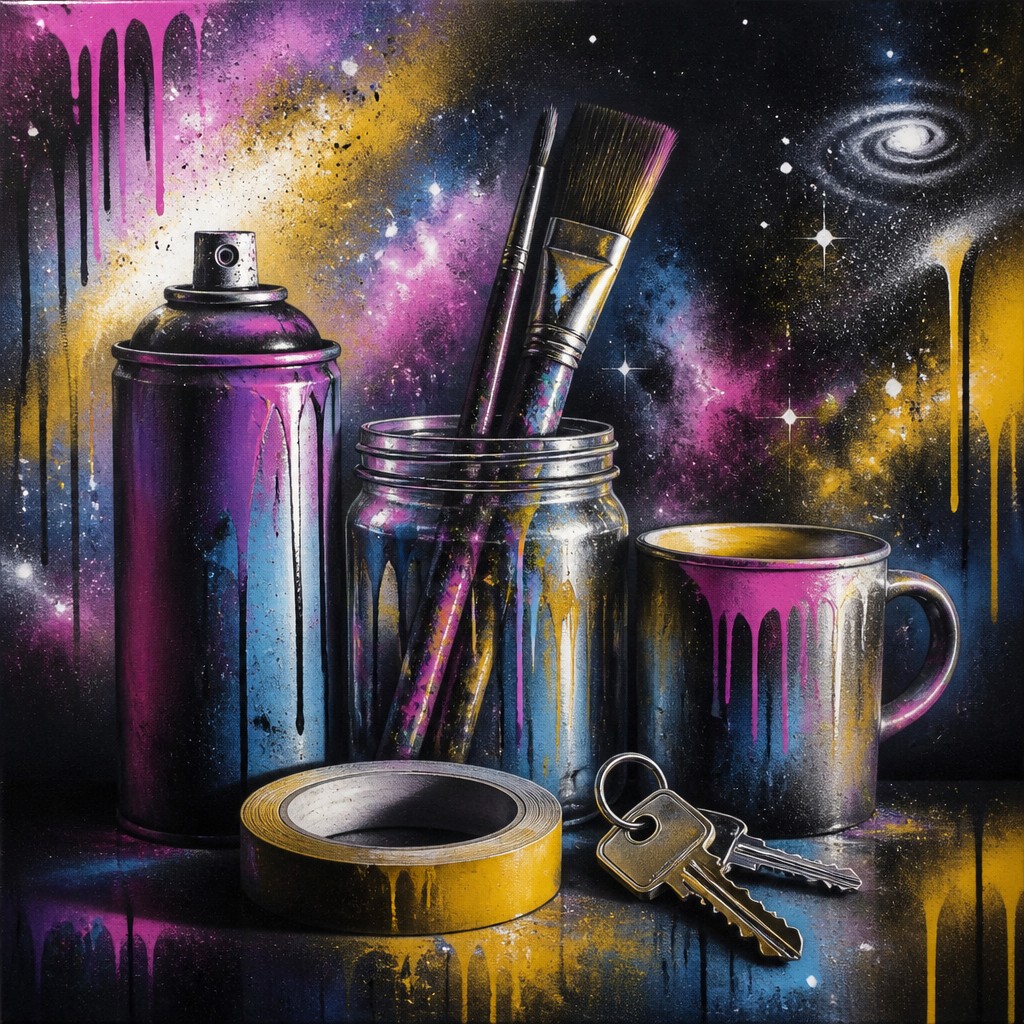
Rapid gestural construction
Broad sweeps, brief bursts, splatters, and layered passes imply speed and confidence. The image typically favors immediate impact over meticulous surface correction.
Spray Paint Prompt Ideas
Start from an idea — each one opens the generator with the style ready to go. See all 40 Spray Paint prompts →
How to Create Spray Paint Art
Master the craft step by step — or skip straight to creating. Read the full guide →
- 1
Build from dark to light
On a primed panel or wall, establish a dark base before adding broad color fields and lighter atmospheric zones. This preserves depth and makes neon or metallic passages appear brighter.
- 2
Control distance and pressure
Hold the can farther away for a soft mist and closer for saturated marks, edges, and drips. Test caps and pressure on scrap material before working on the final surface.
- 3
Combine masks with free spraying
Use cardboard, paper masks, cut stencils, or masking film for sharp silhouettes, then soften selected areas with overspray. Varying the boundary treatment prevents the image from becoming uniformly mechanical.
- 4
Layer digital equivalents
In digital software, combine airbrushes, textured aerosol brushes, opacity masks, blur, displacement, and vertical streak layers. Add subtle grain and reflective highlights so the surface feels deposited rather than smoothly painted.
- 5
Write prompts around material behavior
For prompt-based generation, specify aerosol mist, glossy wet drips, stencil edges, feathered overspray, neon or metallic pigments, and rapid layered application. Name the subject and composition clearly, then control unwanted clutter with negative instructions such as clean anatomy or limited lettering.
The Story
History & Origins of Spray Paint
Its visual language has also developed through digital illustration, photography, album and poster graphics, and online image-making communities that emulate aerosol mist, overspray, metallic pigment, and wet drips. Contemporary versions may be made physically with spray cans or simulated digitally through layered brushes, masks, texture maps, and generative image tools.
Influences: The style relates to graffiti and mural painting, stencil art, airbrushing, sign painting, psychedelic poster graphics, and experimental aerosol landscape techniques. It also shares atmospheric strategies with atmospheric painting and cosmic illustration, while its vivid palettes and graphic contrasts connect to pop art, contemporary illustration, and digital compositing.
Frequently Asked Questions
What defines Spray Paint Art?
Its defining features are aerosol mist, fast color layering, glossy drips, soft gradients, and a mixture of sharp masked edges with uncontrolled overspray. The image should suggest wet pigment applied quickly to a physical surface.
Is Spray Paint Art the same as graffiti?
They overlap because both commonly use aerosol paint and public or mural-scale surfaces, but they are not identical. Graffiti may emphasize lettering, tagging, or a particular writerly mark system, while Spray Paint Art can focus on landscapes, cosmic scenes, portraits, and abstract atmospheres.
What surfaces work best for traditional spray painting?
Primed wood, metal, canvas, cardboard, and properly prepared masonry can all work. A smooth, sealed base makes gradients and stencils easier, while a lightly textured surface produces more broken overspray and physical variation.
How can I create the look without spray cans?
Use airbrushes, aerosol-effect brushes, sponges, masks, splatter tools, and vertical streak layers in digital software. The key is to combine transparent atmospheric deposits with selective hard edges and convincing wet highlights.
What subjects suit this style?
The technique works especially well for galaxies, planets, sunsets, clouds, animals, vehicles, portraits, lettering, and futuristic environments. Strong silhouettes and luminous backgrounds make the contrast between stencil precision and soft spray easy to see.
How do I avoid an image that looks too clean or digital?
Introduce irregular opacity, uneven edges, overspray halos, small splatters, surface grain, and gravity-directed drips. Limit perfect gradients and vary the scale of marks so the result retains evidence of physical application.
Create your first Spray Paint artwork
Describe anything — or upload a photo — and see it in Spray Paint Art Style in seconds.
Related Styles
Discover similar art styles