Fragmentation Art Style
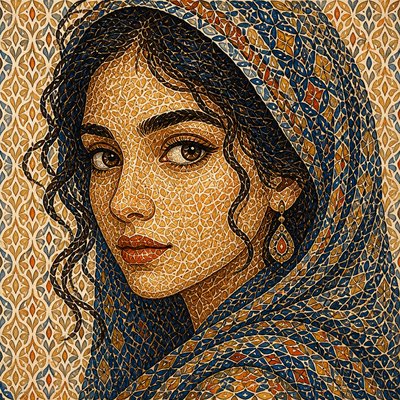
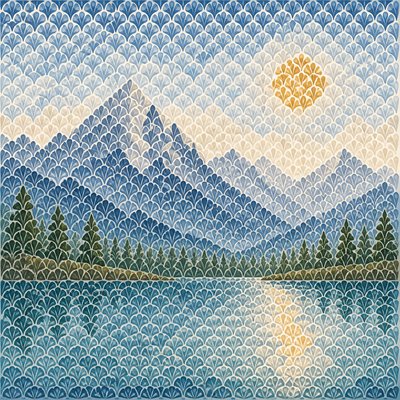
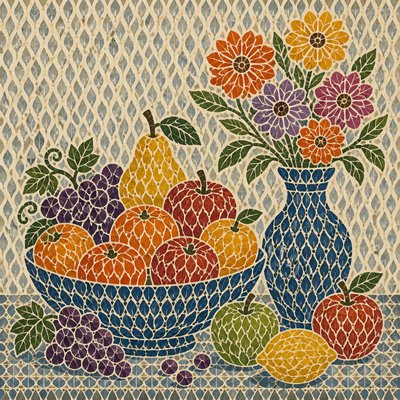
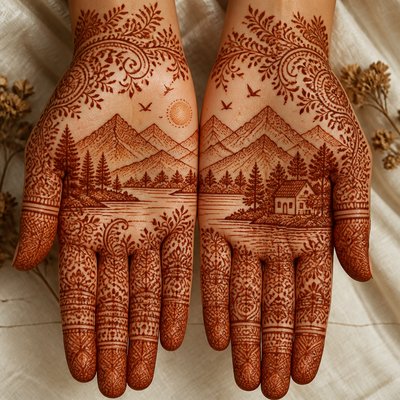
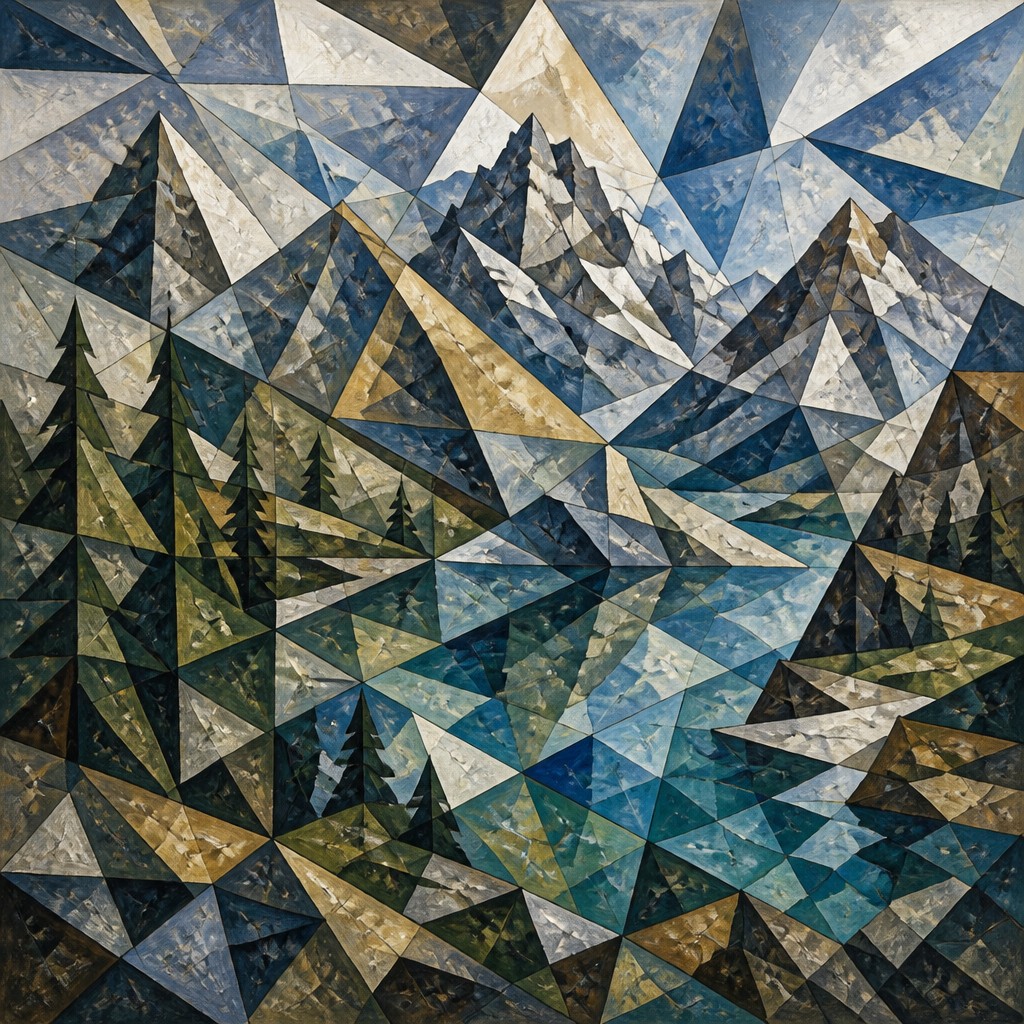
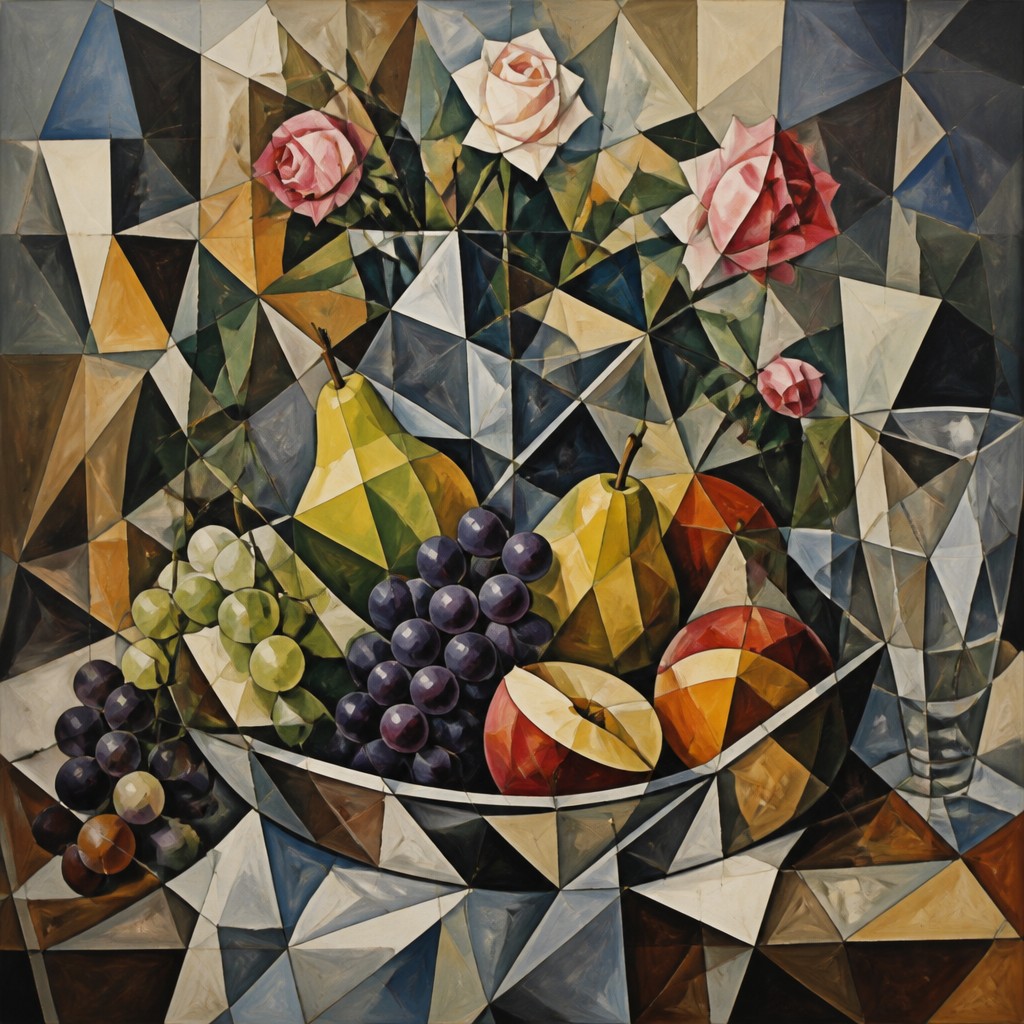
Explore Fragmentation Art: angular facets, shattered viewpoints, and interlocking geometric shards that reconstruct subjects as fractured visual mosaics.
Instantly rendered in Fragmentation — or transform a photo
Fragmentation Gallery
Tap any artwork to explore it
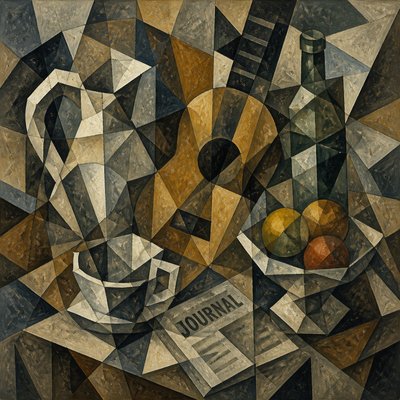
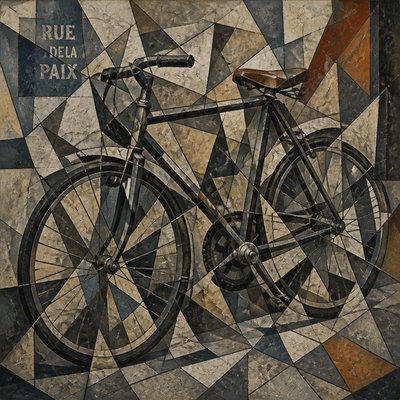
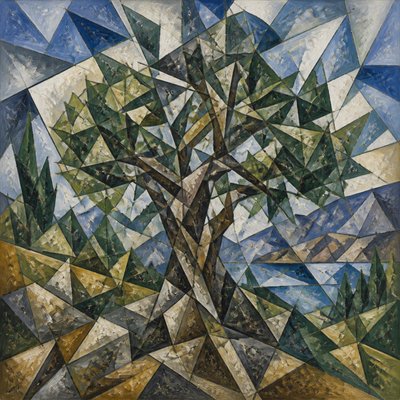
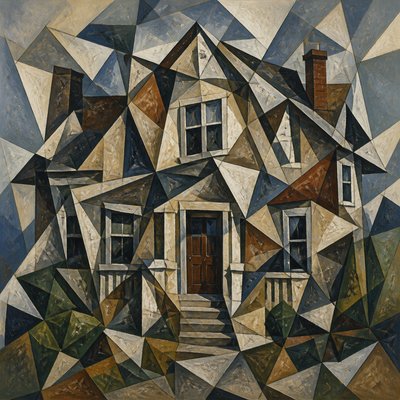
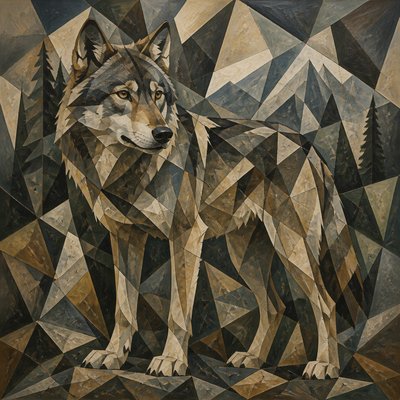
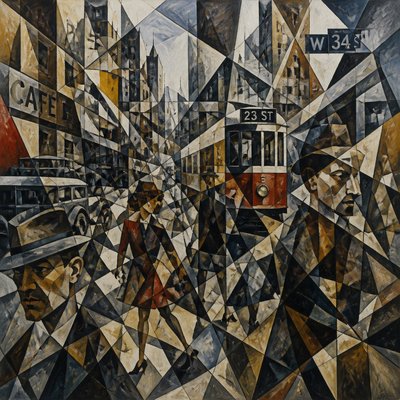
What is Fragmentation Art Style?
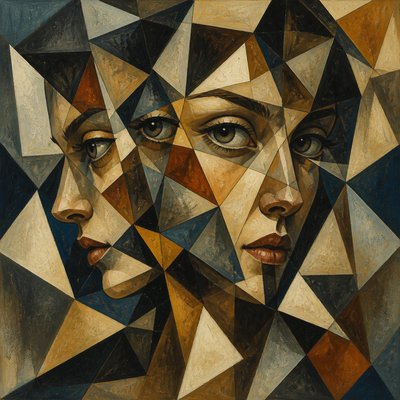
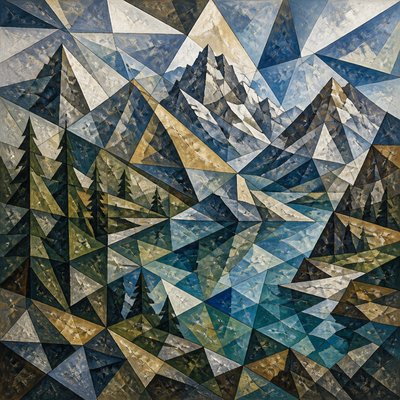
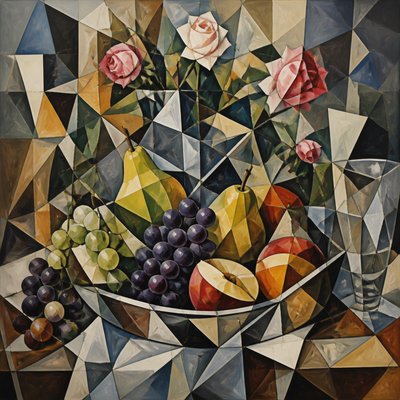
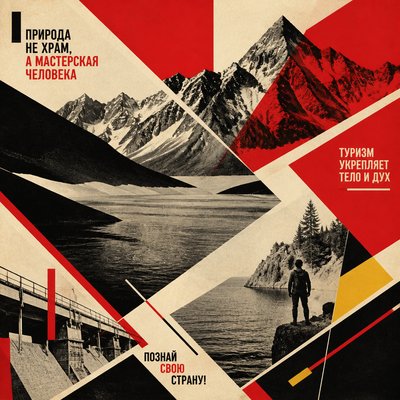
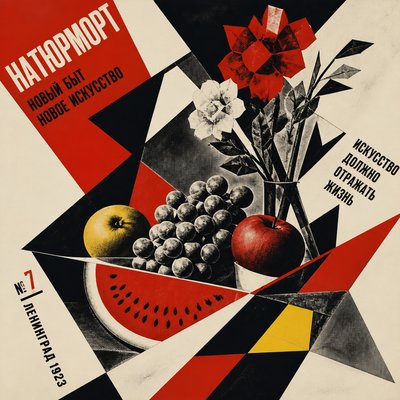
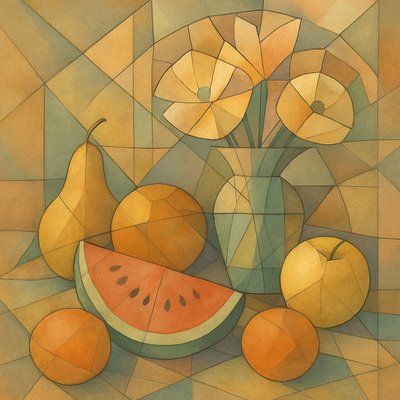
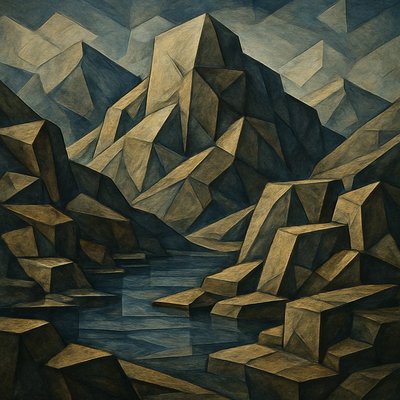
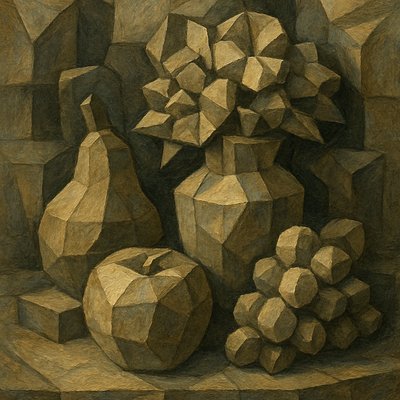
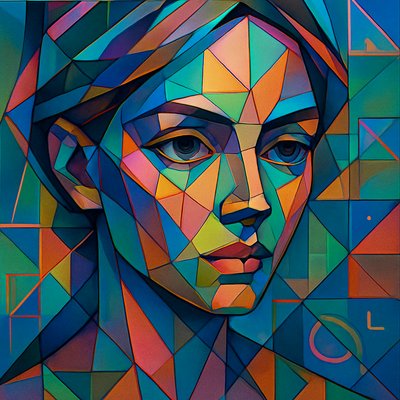
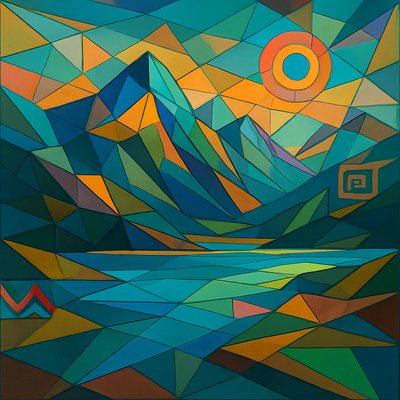
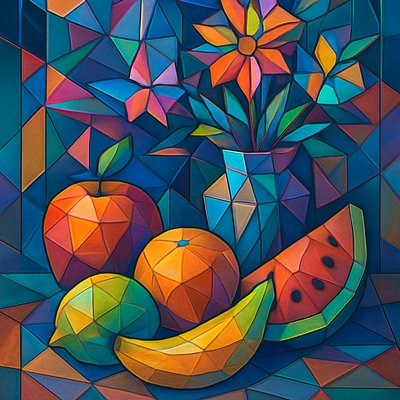
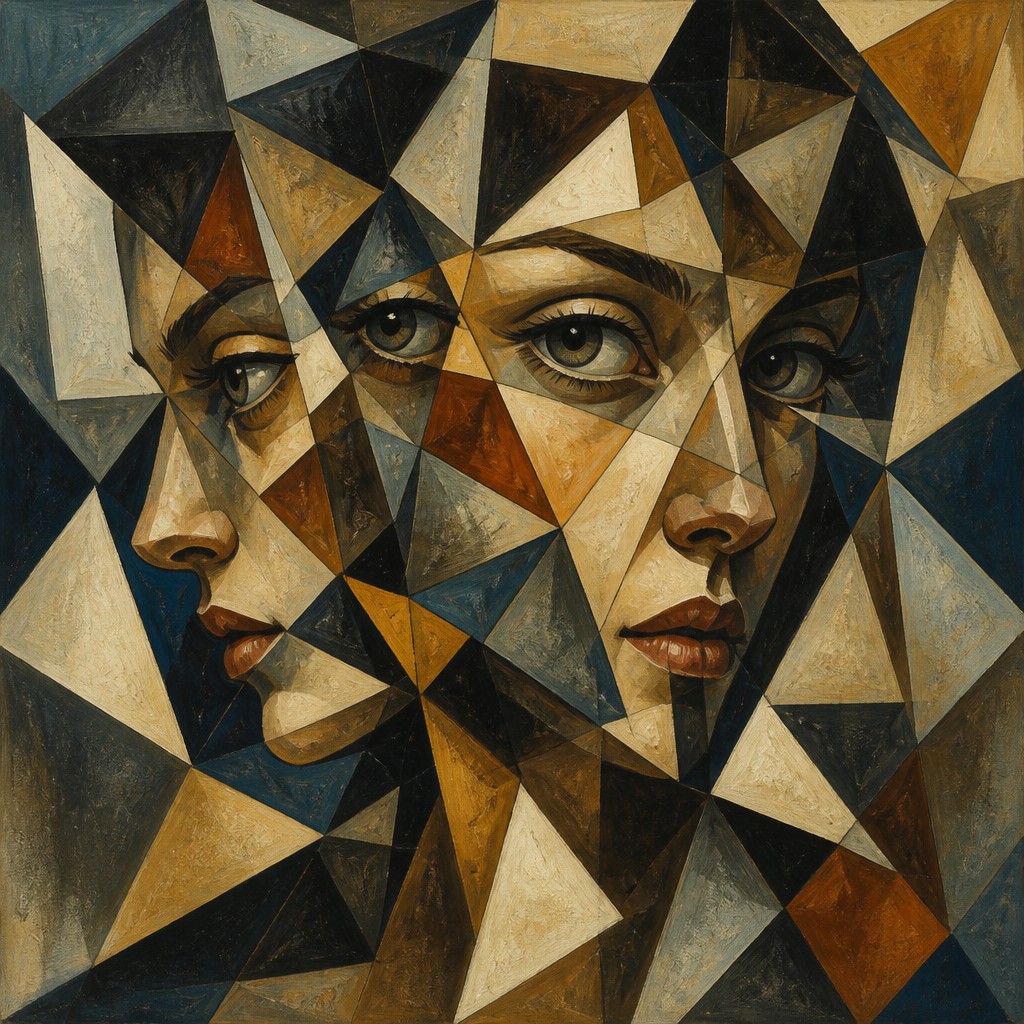
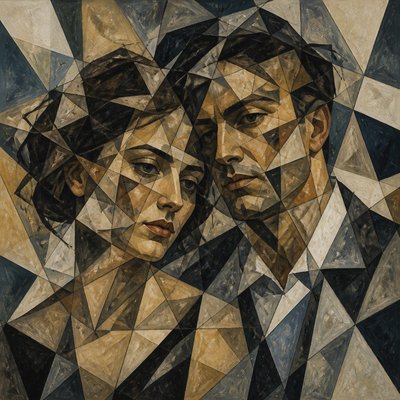
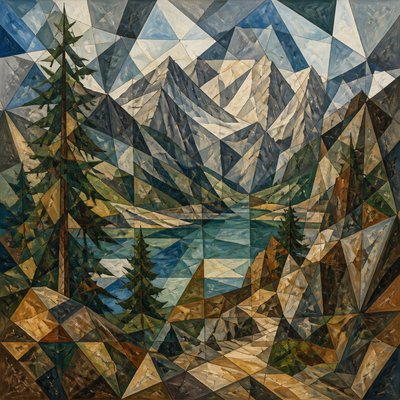
Fragmentation Art reconstructs a subject from overlapping angular planes, broken contours, and multiple viewpoints shown at once. Rather than presenting an object as a continuous, stable form, it distributes that form across interlocking shards, creating a fractured silhouette that remains recognizable while appearing spatially dislocated.
Its visual identity depends on tension between structure and rupture. Hard edges, abrupt changes in scale, misaligned perspectives, and layered facets make the image feel as though it has been shattered and reassembled across the picture plane. Color may reinforce the divisions through contrasting planes, while repeated fragments can suggest movement, memory, simultaneous perception, or an object seen from several positions at once.
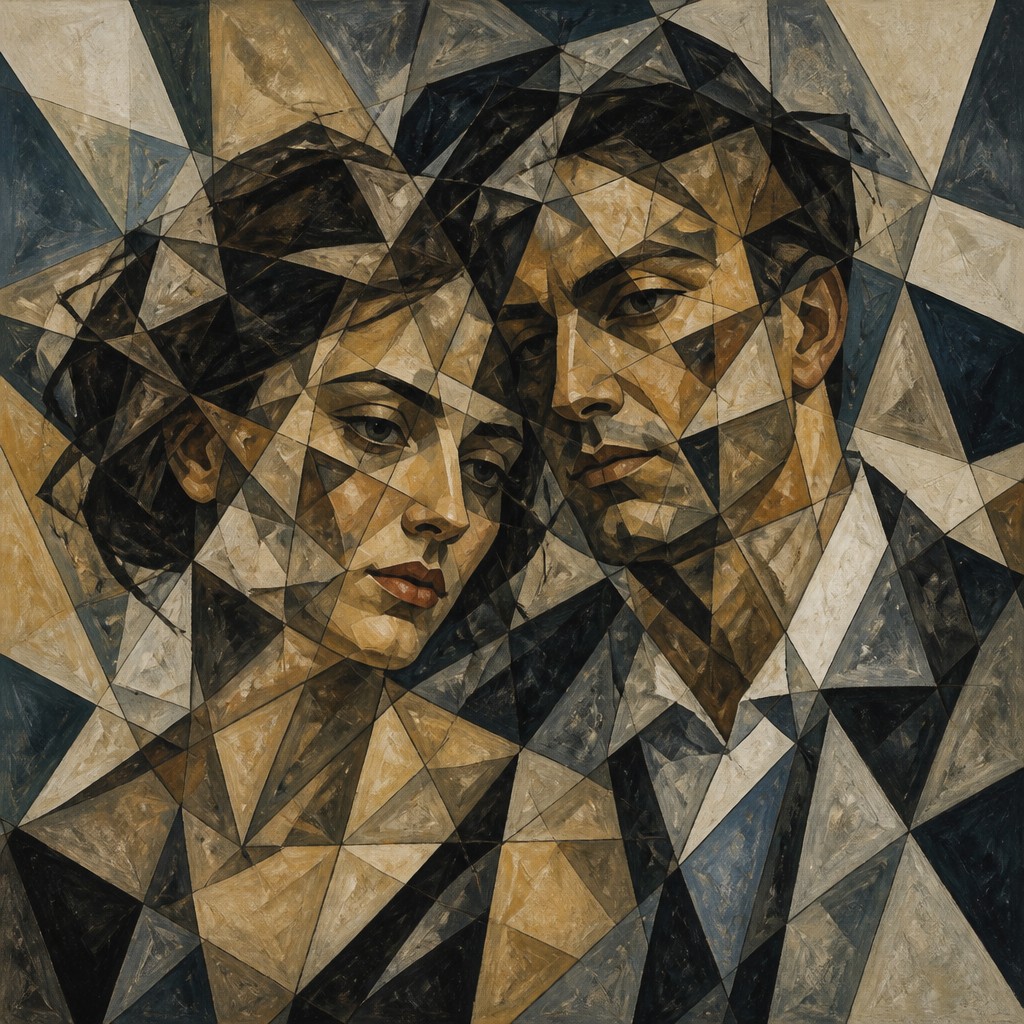
Try It On Your Photos
Upload any photo and convert it into Fragmentation Art Style — drag the sliders to compare before and after.


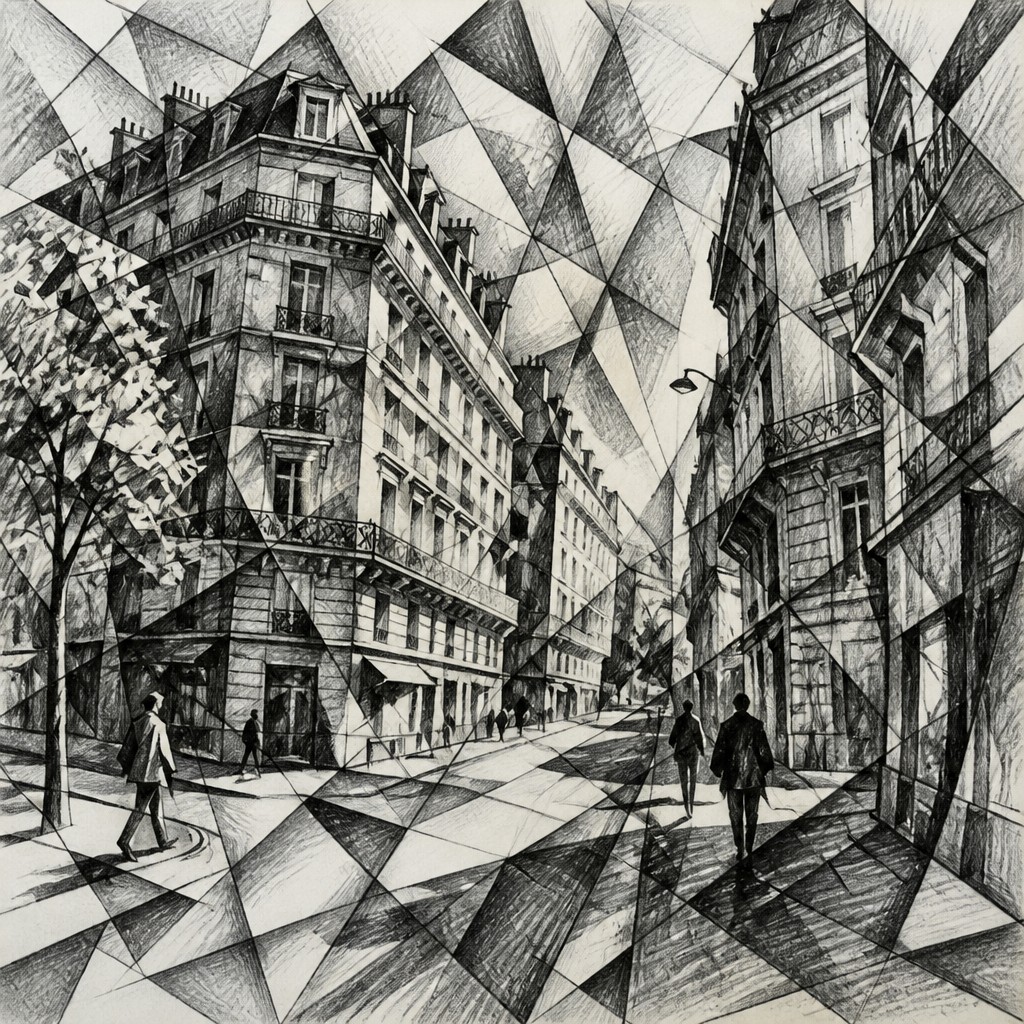

What Defines Fragmentation Art Style
The signature details, up close
Multiple viewpoints
A single subject is shown from several angles or positions at once. Front, side, top, and oblique views may overlap without being resolved into conventional perspective.
Angular facets
Forms are divided into sharp planes, wedges, triangles, and irregular polygons. These facets describe volume while emphasizing the image's constructed, broken appearance.
Shattered silhouette
The outer contour is interrupted, displaced, or rebuilt from separate pieces. Fragments may project beyond the expected boundary of the subject into the surrounding space.
Interlocking mosaic
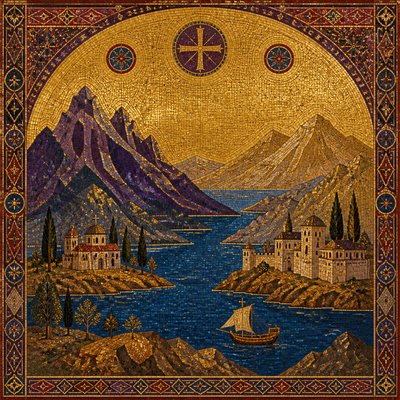
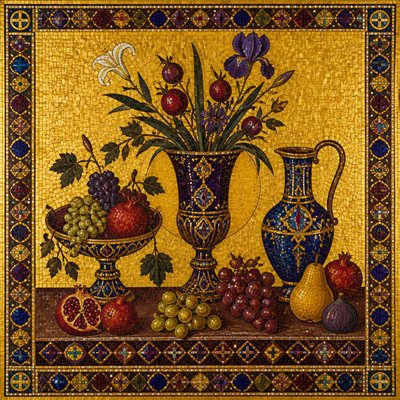
Broken components fit together across the picture plane like a jagged mosaic. Overlaps, seams, and slight misalignments make the process of reconstruction visible.
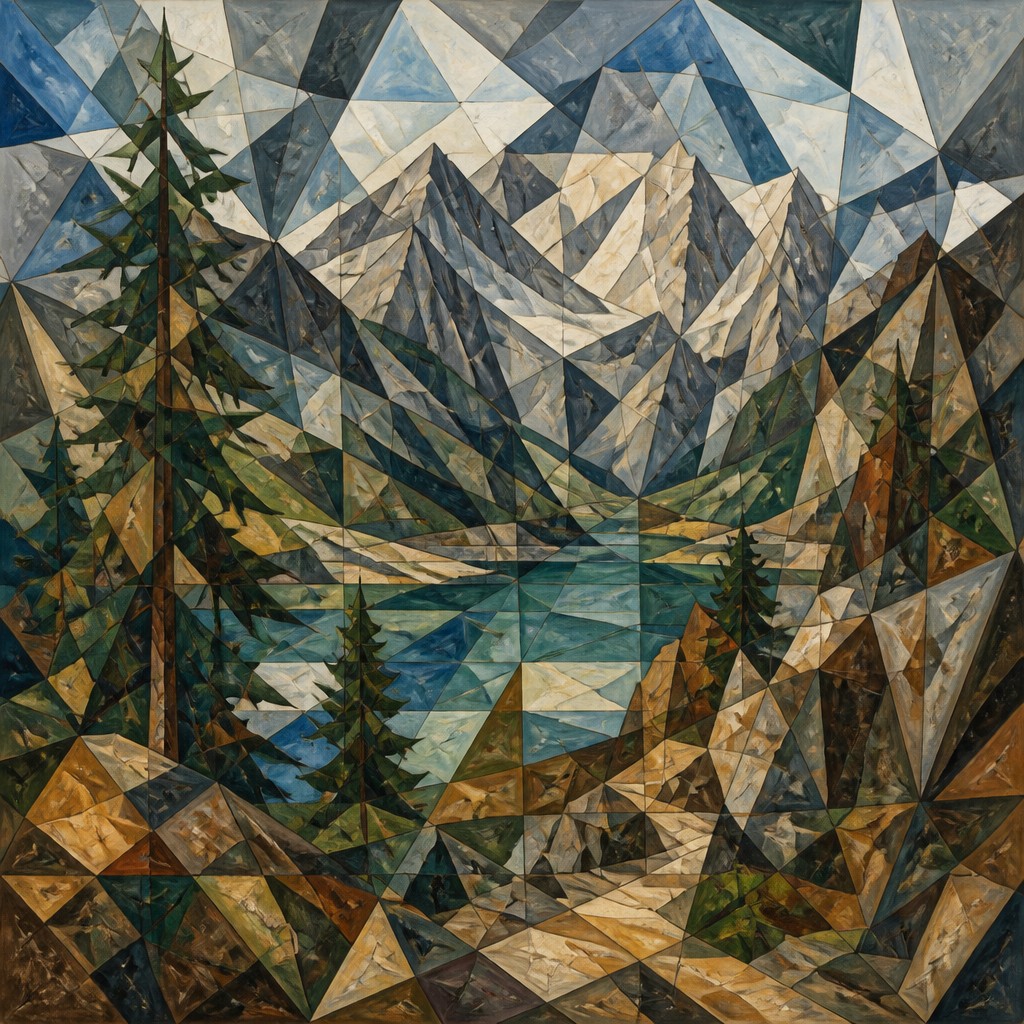
Compressed depth
Traditional foreground, middle ground, and background often collapse into a shallow arrangement of planes. Objects can appear simultaneously near and far because depth is distributed across overlapping facets.
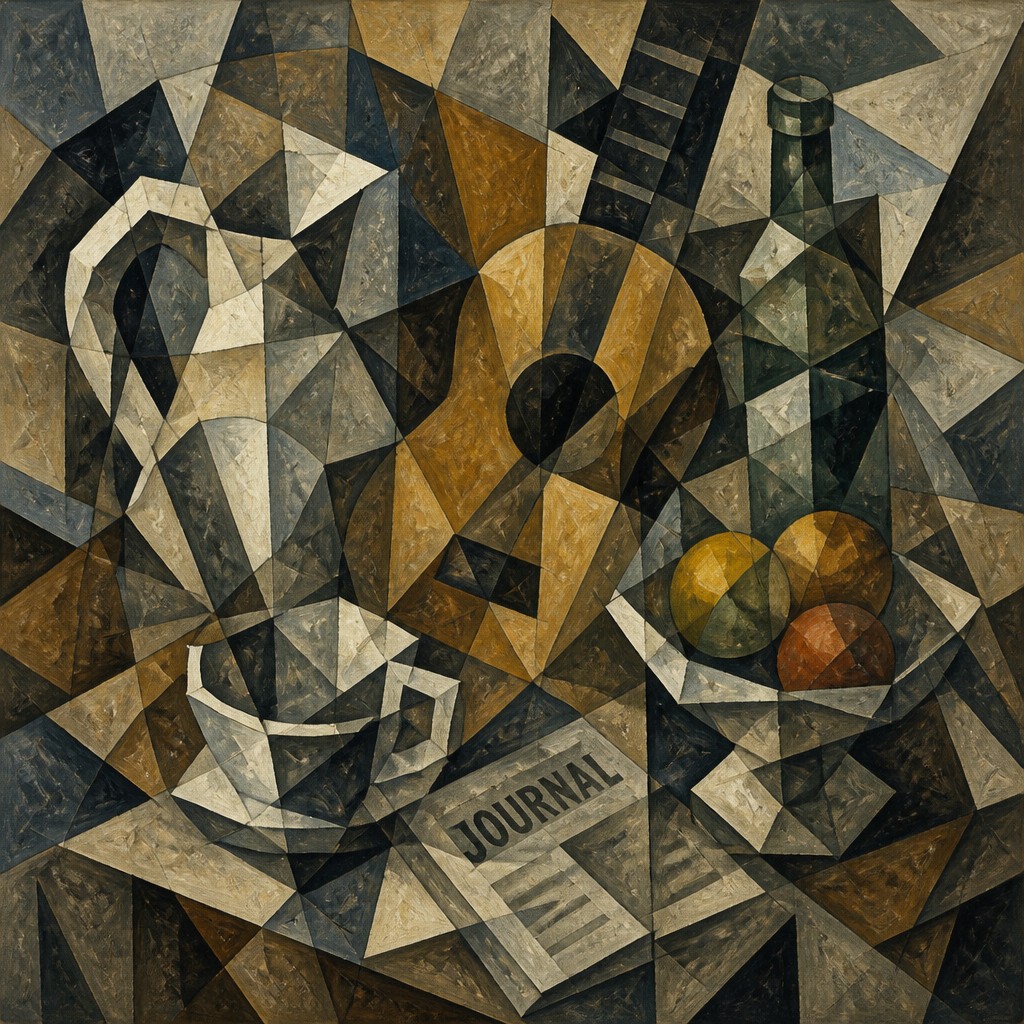
Directional energy
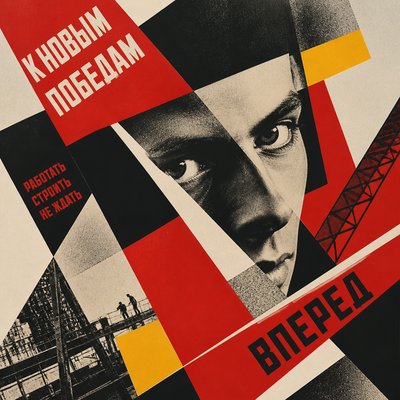
Diagonal shard patterns and repeated angular lines create movement, tension, and visual rhythm. The composition may imply impact, rotation, acceleration, or perceptual instability.
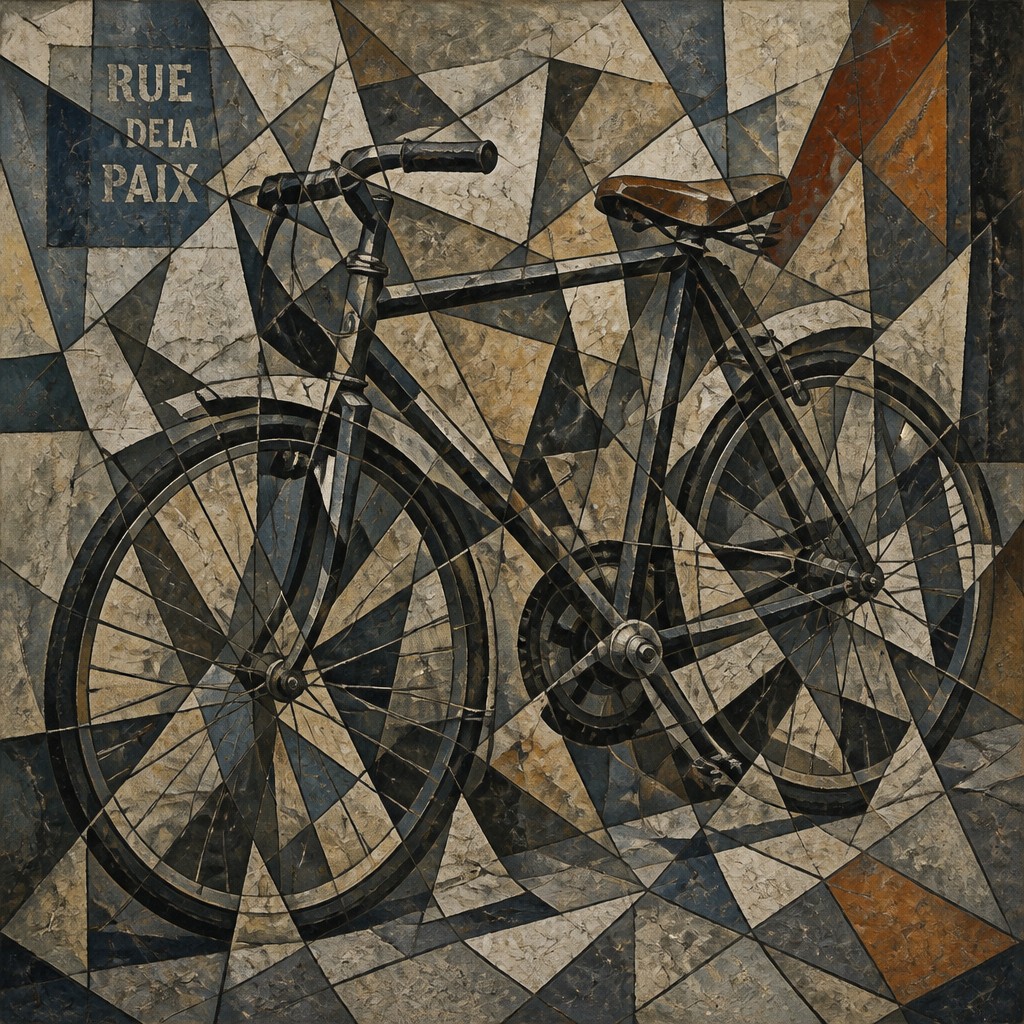
Contrasting planar color
Color changes frequently follow the facet structure, with adjacent planes separated by tonal, chromatic, or textural contrasts. A restrained palette creates cohesion, while vivid oppositions heighten the sense of rupture.
Fragmentation Prompt Ideas
Start from an idea — each one opens the generator with the style ready to go. See all 40 Fragmentation prompts →
How to Create Fragmentation Art
Master the craft step by step — or skip straight to creating. Read the full guide →
- 1
Map the subject from several angles
Begin with a recognizable subject and sketch its front, side, and three-quarter views together. Select the most informative contours from each view before dividing the combined form into planes.
- 2
Build with geometric planes
In traditional media, use graphite, ink, collage paper, or masking tape to establish angular sections and hard edges. In digital software, use polygonal selections, vector shapes, clipping masks, and layered transforms to rotate and overlap facets.
- 3
Control recognition and rupture
Keep a few anchor features—such as an eye, wheel, doorway, or branch structure—aligned enough to identify the subject. Displace secondary contours more aggressively to create fragmentation without losing visual coherence.
- 4
Design the seams and overlaps
Vary the size, opacity, direction, and spacing of fragments rather than scattering them randomly. Let some shards overlap, some separate into negative space, and others extend beyond the main silhouette.
- 5
Use a deliberate palette
Assign related colors to neighboring planes to preserve volume, then introduce selected complementary contrasts at key breaks. Changes in value can clarify depth even when perspective is intentionally unstable.
- 6
Write prompts with structural cues
For prompt-based creation, specify the subject, several simultaneous viewpoints, angular facets, interlocking shards, fractured planes, compressed depth, and a controlled palette. Add composition and lighting instructions to prevent the result from becoming an indiscriminate texture of random polygons.
The Story
History & Origins of Fragmentation
Fragmentation Art is best understood as a contemporary descriptive and digital-native style rather than a formally established historical movement with a fixed chronology. Its aesthetic lineage draws primarily from early twentieth-century Cubism, especially its analysis of subjects through overlapping planes and simultaneous viewpoints, while also incorporating the dynamism of Futurist composition and the angular structures of geometric abstraction.
Later influences include collage, photomontage, shattered-image effects in photography, fractured perspective in illustration, and the polygonal modeling language of computer graphics. Digital image-making has expanded these ideas by allowing artists to duplicate, rotate, mask, distort, and recombine facets with precise control, producing increasingly complex mosaics of viewpoint and form.
Influences: The style is closely related to Cubist multiple perspective, Futurist dynamism, Vorticist angularity, geometric abstraction, collage, photomontage, and polygonal computer graphics. It also shares strategies with fractured portraiture, mosaic traditions, stained glass, shattered photography, and contemporary glitch aesthetics, but differs from pure glitch art by treating fragmentation as an organized method of reconstructing form rather than merely as digital error.
Frequently Asked Questions
What defines Fragmentation Art?
It is defined by subjects broken into angular, overlapping facets that combine multiple viewpoints within one image. The fragments are arranged as a deliberate reconstruction, so the subject remains partly legible beneath the disruption.
Is Fragmentation Art a historical art movement?
Not in the same established sense as Cubism or Baroque art. The term describes a contemporary aesthetic approach with roots in multiple historical movements, especially Cubist perspective analysis, geometric abstraction, collage, and digital image manipulation.
How is it different from Cubism?
Fragmentation Art borrows Cubism's interest in simultaneous viewpoints and flattened planes, but it often makes the breaking process more explicit through shattered silhouettes, separated shards, and pronounced geometric seams. It may also use digital distortion, polygonal graphics, and effects that are not characteristic of early twentieth-century Cubist practice.
How can I make a fragmented portrait?
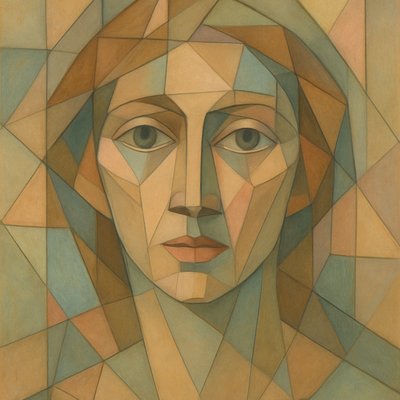
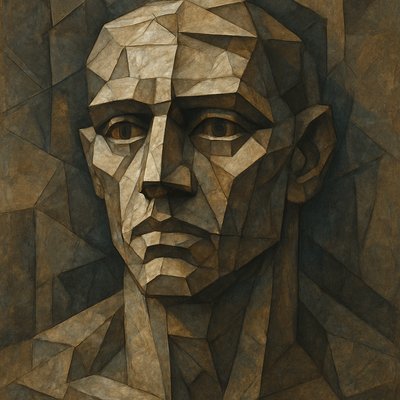
Start with a clear facial structure and mark several angular planes across the forehead, eyes, nose, cheeks, and jaw. Keep a few identifying features aligned, then shift and rotate surrounding sections while using changes in value or color to distinguish each viewpoint.
Does the style work better with realistic or abstract subjects?
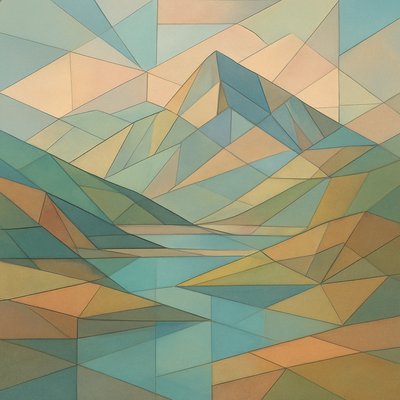
It works with both. Portraits, animals, vehicles, buildings, and still lifes benefit from recognizable anchor details, while landscapes and conceptual subjects can use more radical fragmentation because their identity may come from color, rhythm, or atmosphere.
Where is Fragmentation Art used?
It appears in digital illustration, editorial imagery, posters, album artwork, concept art, experimental portraiture, motion graphics, and photographic compositing. Its strong silhouettes and directional planes also make it useful for visual identities and compositions that need a sense of motion or perceptual tension.
Create your first Fragmentation artwork
Describe anything — or upload a photo — and see it in Fragmentation Art Style in seconds.
Related Styles
Discover similar art styles