Rwandan Art Style
Explore Rwandan art style: imigongo geometry, agaseke basket patterns, royal architecture, and warm highland colors rooted in Rwanda's craft traditions.
Instantly rendered in Rwandan — or transform a photo
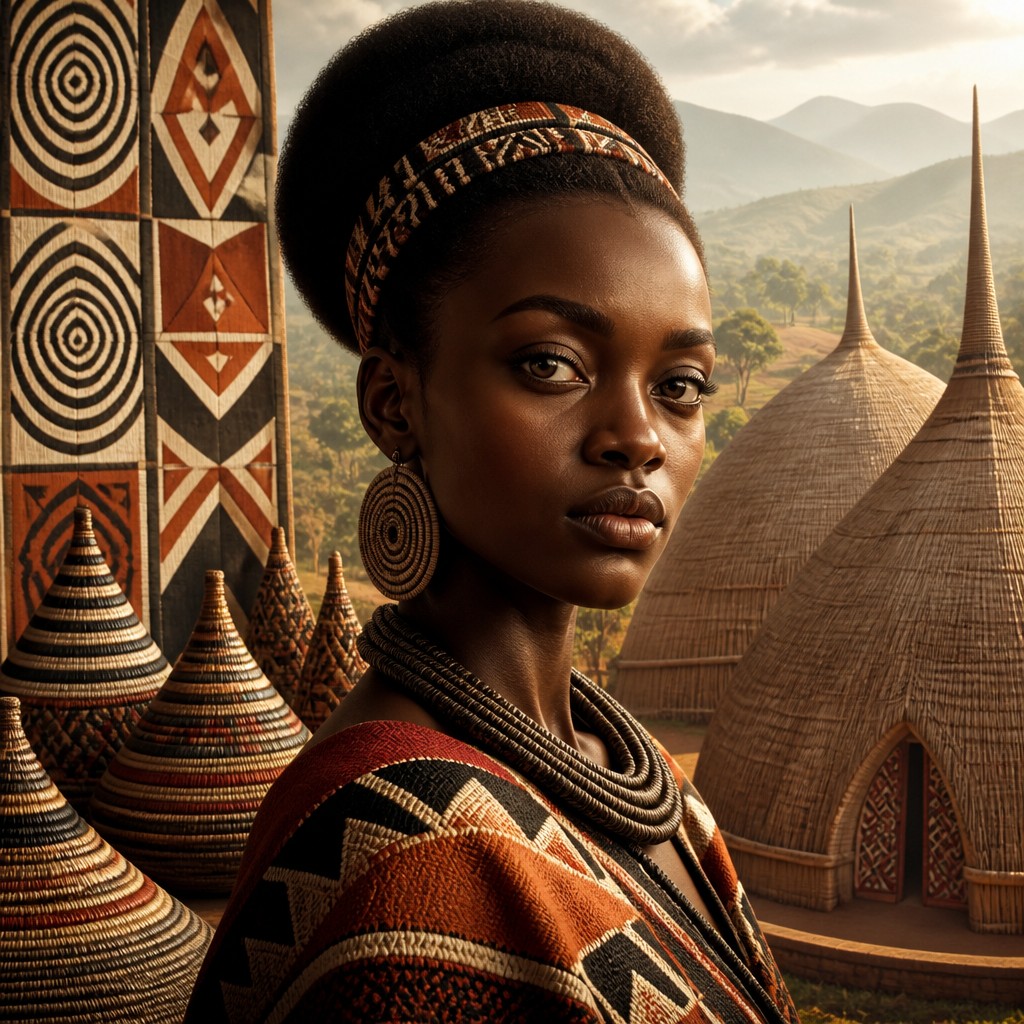
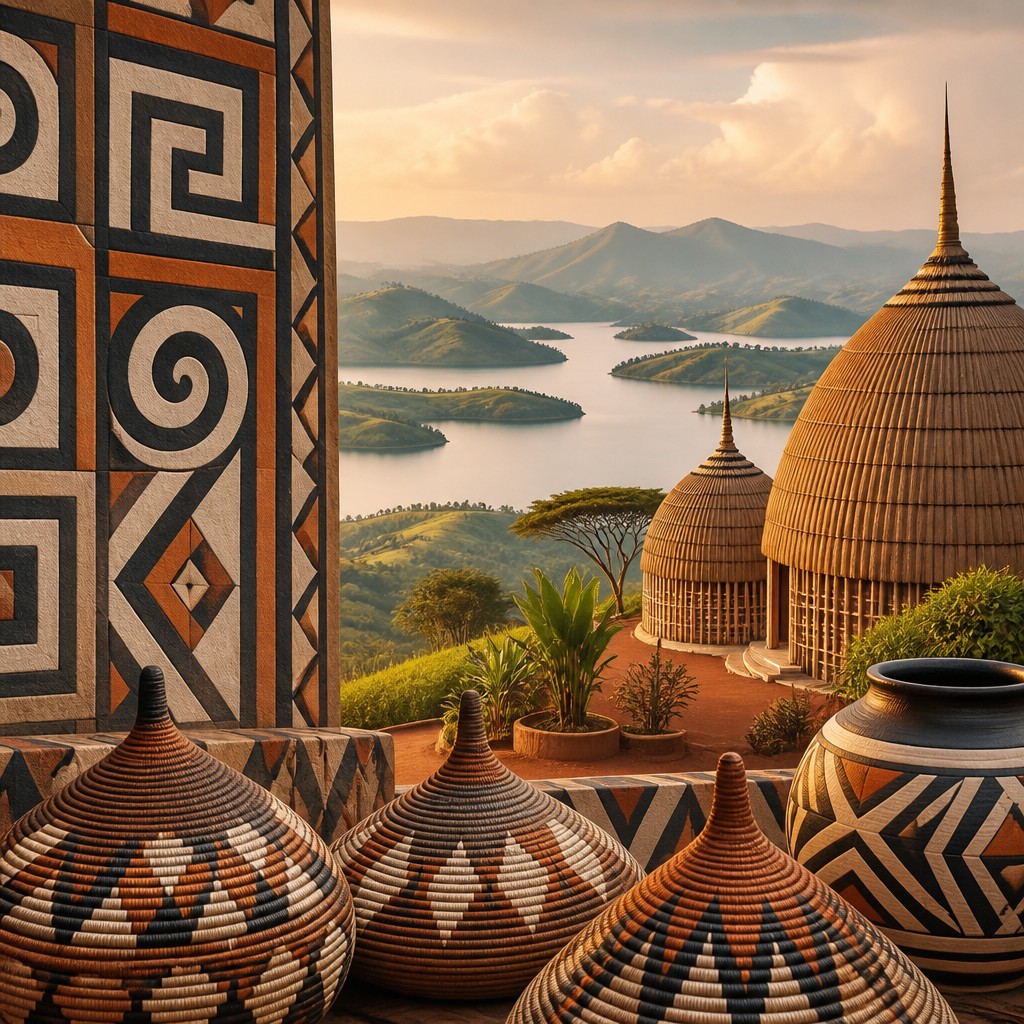
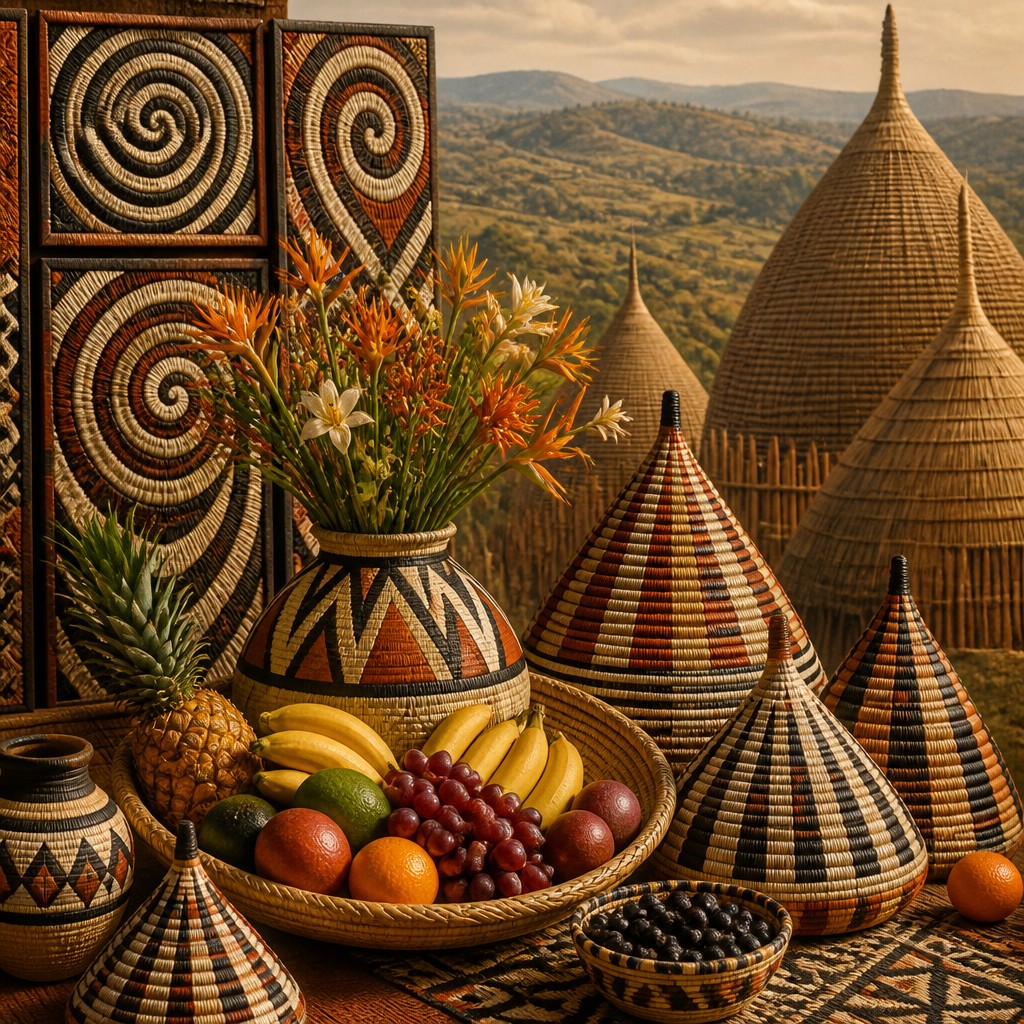
Rwandan Gallery
Tap any artwork to explore it
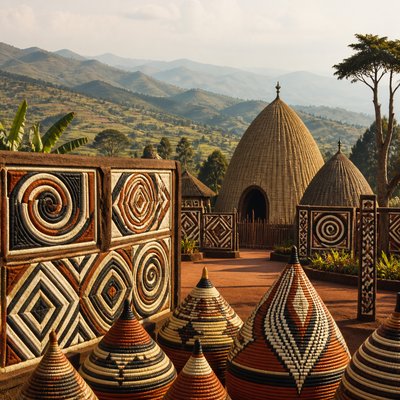
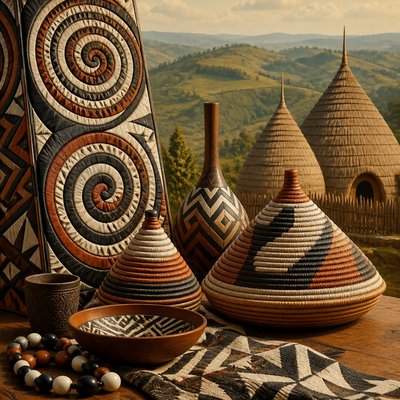
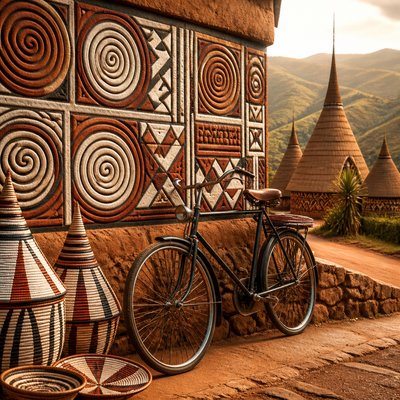
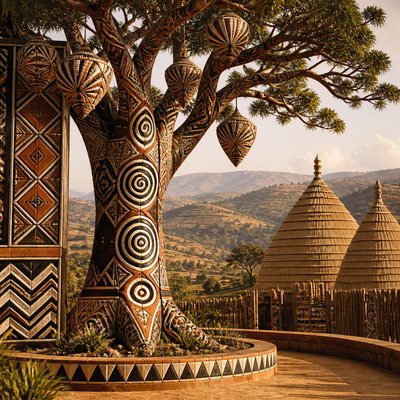
What is Rwandan Art Style?
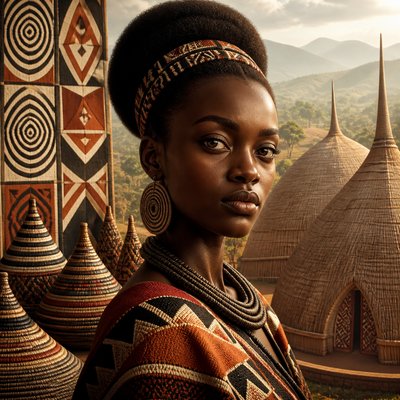
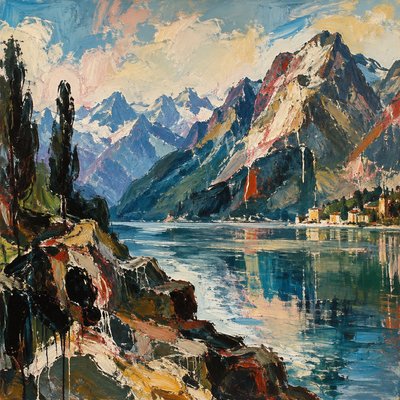
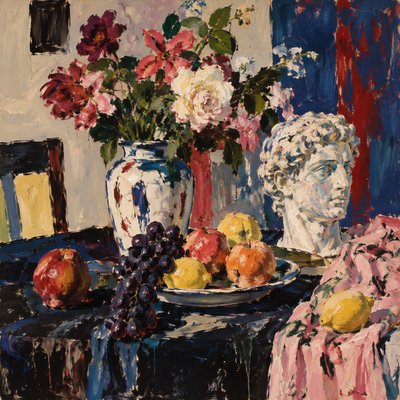
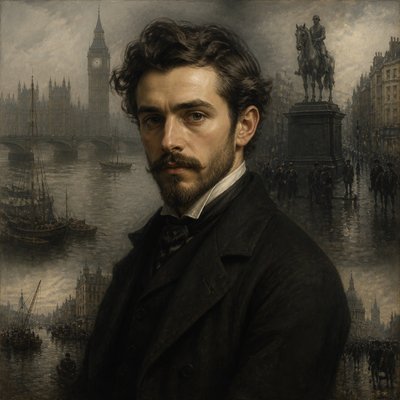
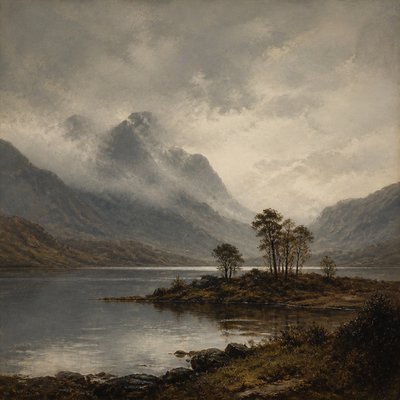
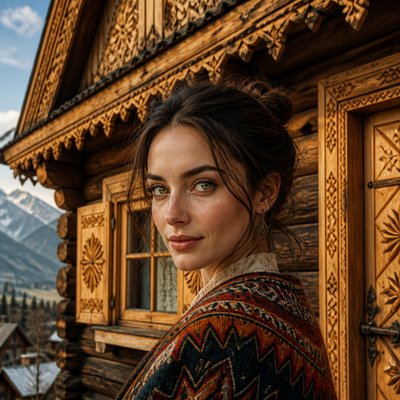
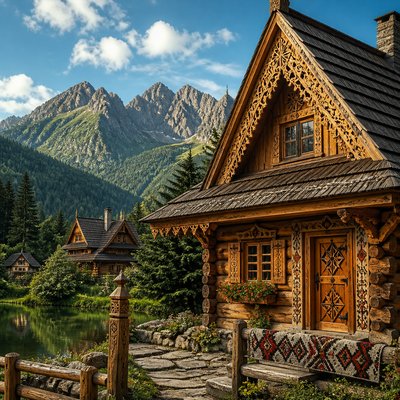
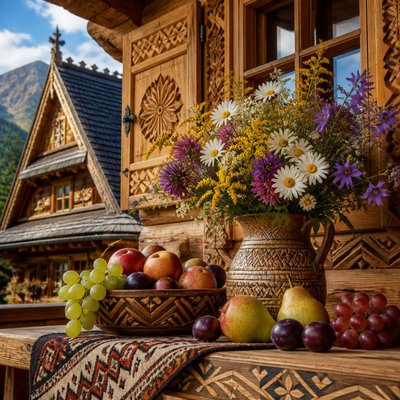
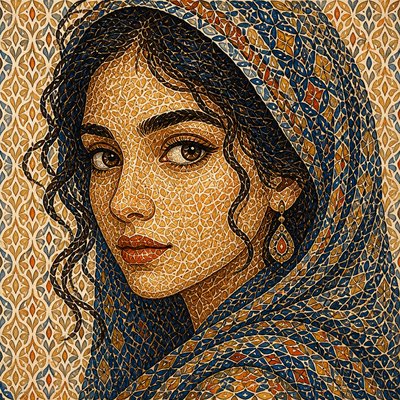
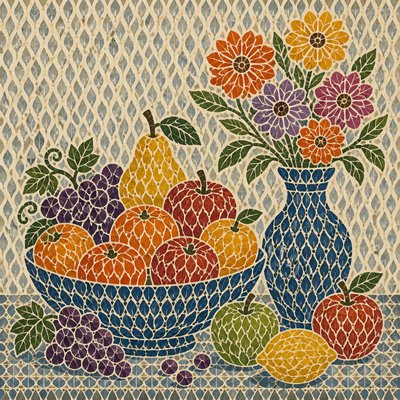
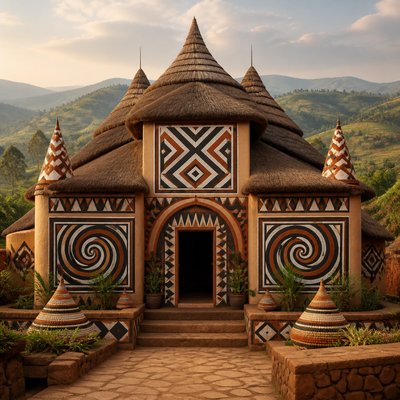
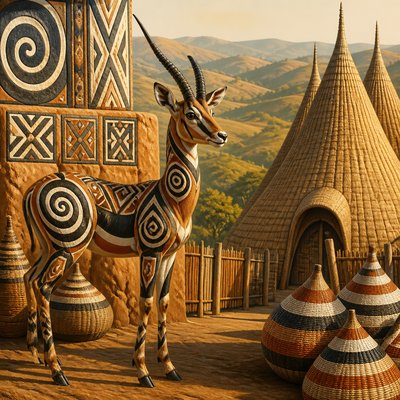
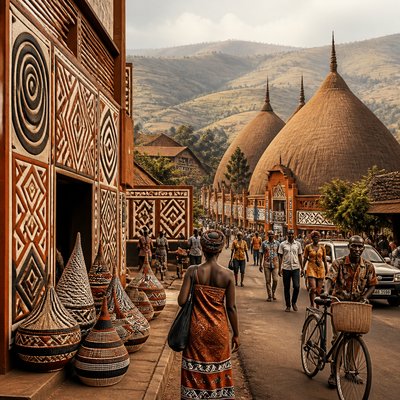
Rwandan art style is a contemporary visual synthesis inspired by Rwanda's geometric imigongo relief work, tightly coiled agaseke baskets, traditional architecture, and the country's rolling highland landscapes. Its signature vocabulary combines raised or simulated relief lines, spirals, concentric bands, sharply organized diamonds, and a restrained palette of black, white, clay red, ochre, brown, and muted green.
The style looks structured and tactile because its principal references are crafted surfaces rather than purely pictorial traditions. Imigongo contributes bold, angular patterning and earthen contrast; basketry contributes radial repetition and intricate line rhythm; royal palace forms contribute domes, conical silhouettes, and architectural symmetry. Soft equatorial haze and warm soil colors can temper the graphic geometry with a sense of place.
Try It On Your Photos
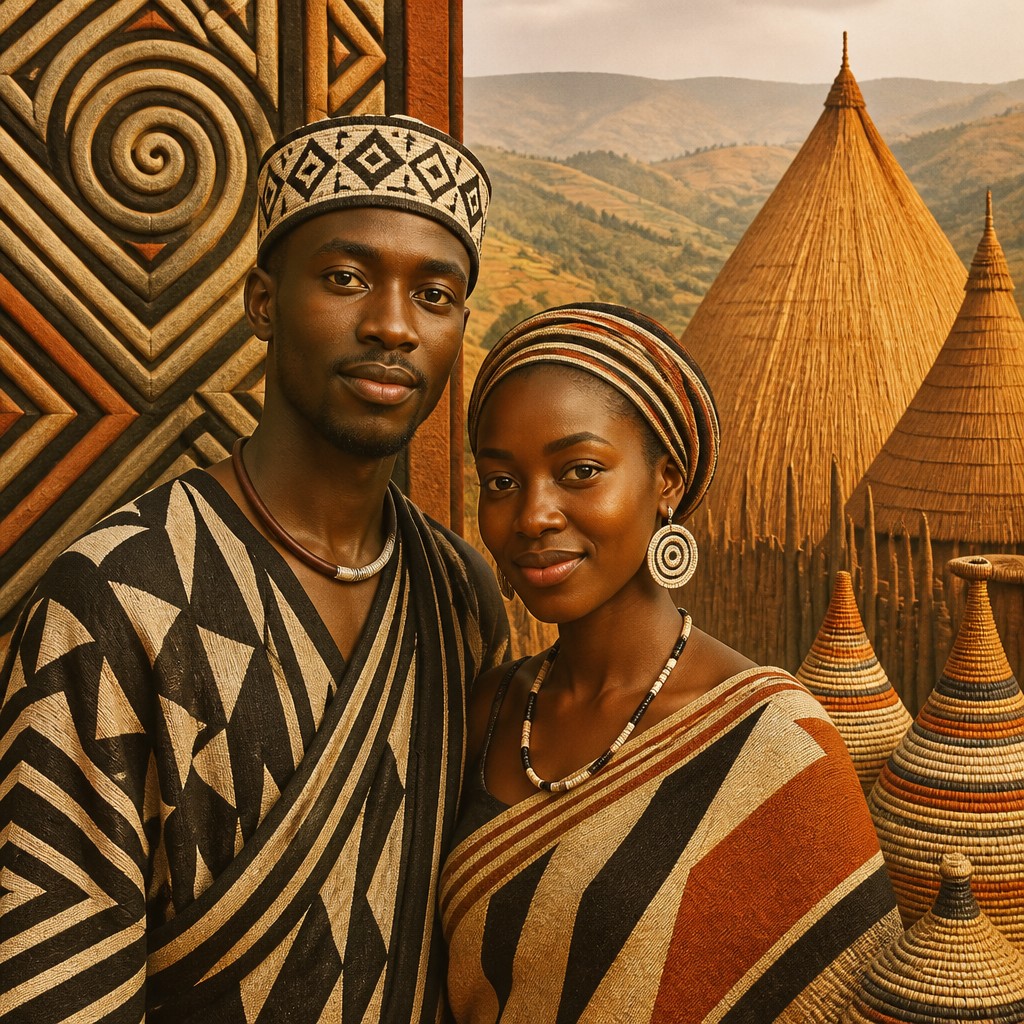
Upload any photo and convert it into Rwandan Art Style — drag the sliders to compare before and after.


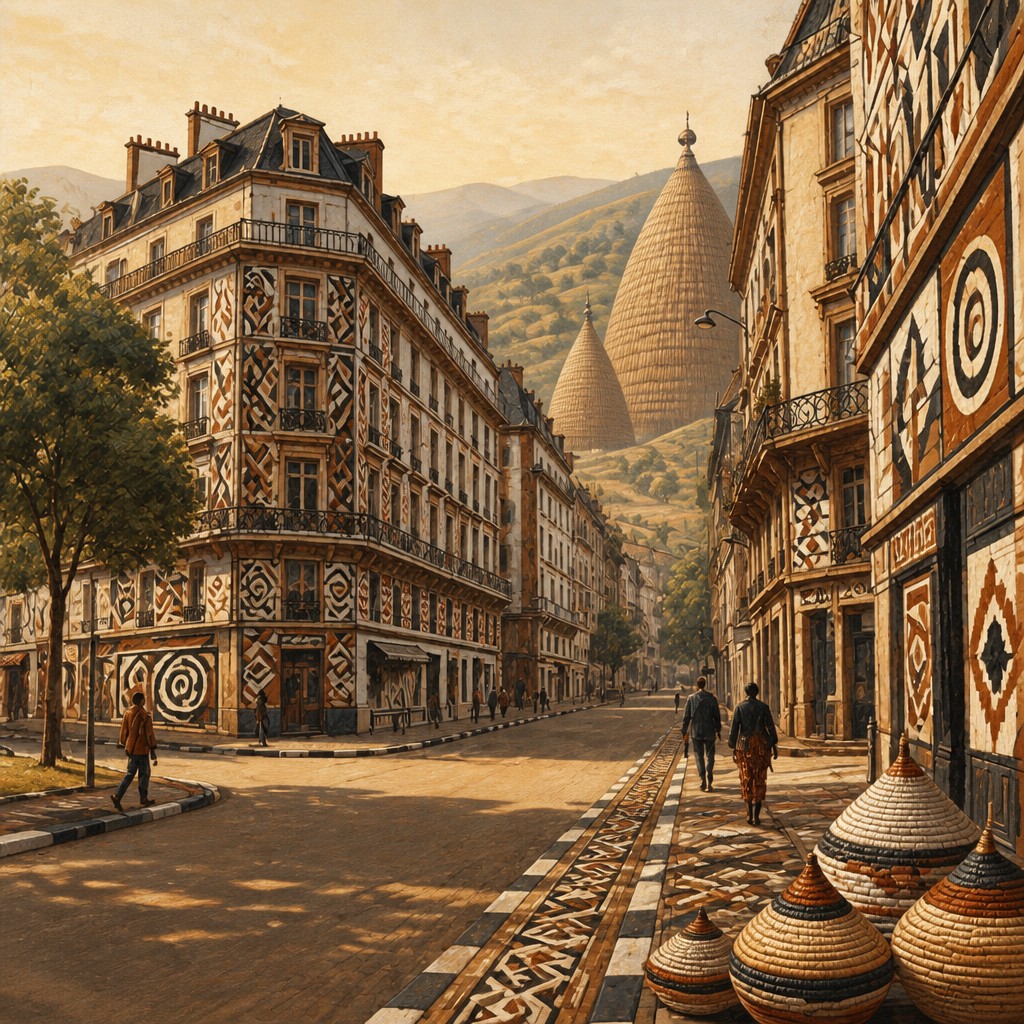

What Defines Rwandan Art Style
The signature details, up close
Imigongo relief geometry
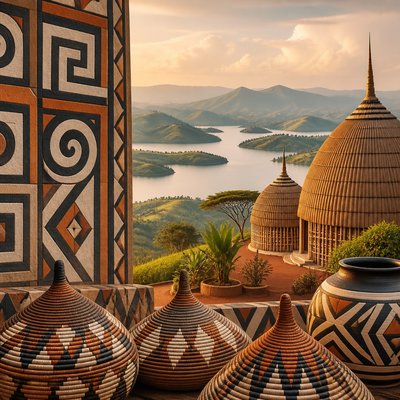
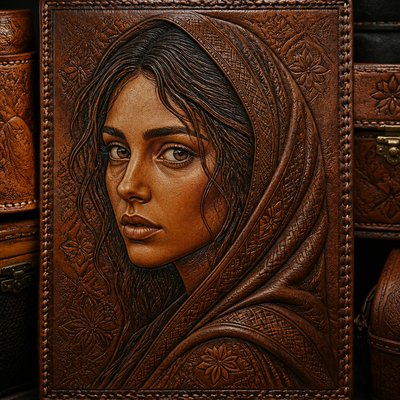
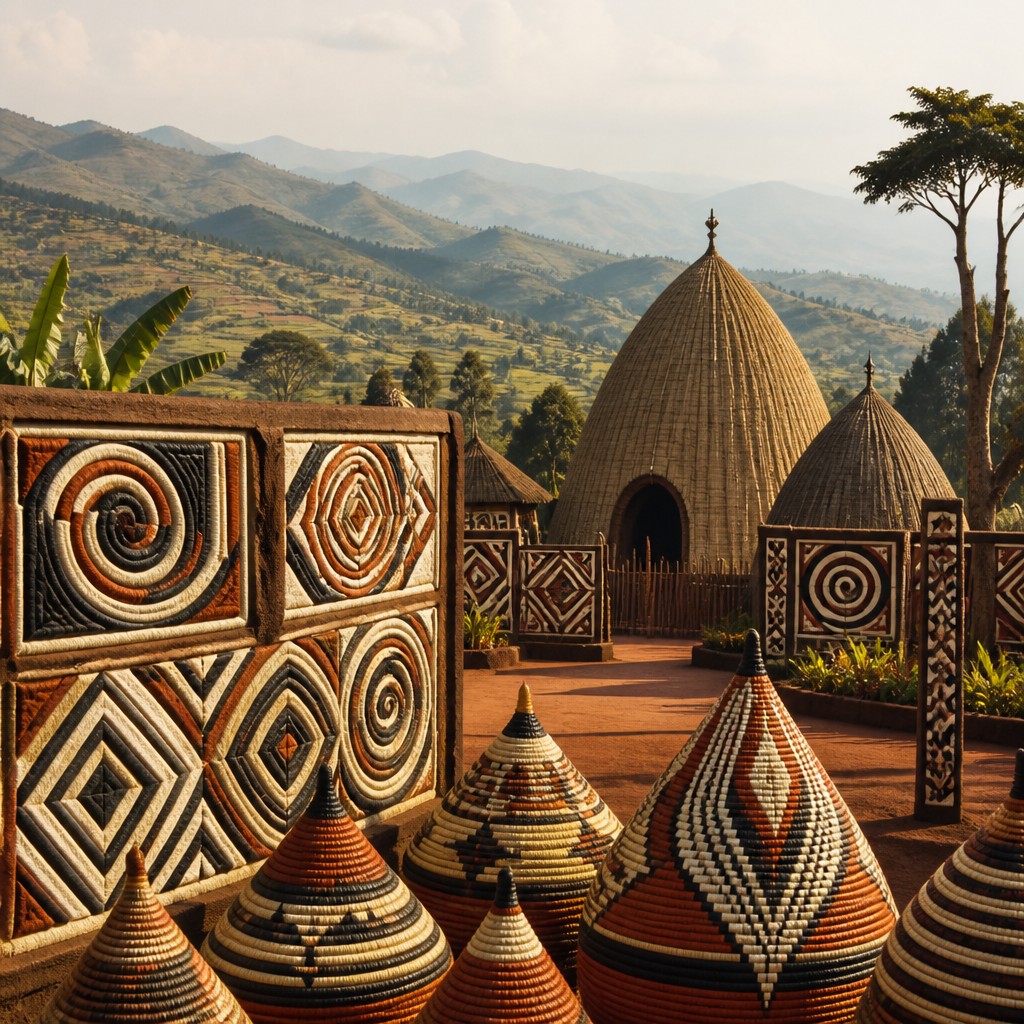
Raised-looking ridges, angular spirals, diamonds, chevrons, and nested forms create a tactile, sculptural surface. Even when rendered digitally, the pattern should suggest hand-built relief rather than flat vector decoration.
Black, white, and rust contrast
Deep charcoal or black, chalky white, and terracotta rust form the core palette. Ochre, umber, muted red, and restrained greens can extend it without weakening the graphic contrast.
Coiled basket rhythms
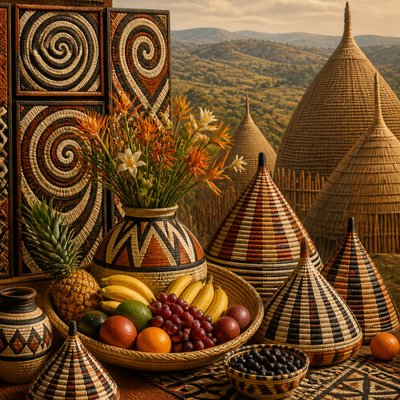
Agaseke-inspired cones, cylinders, and rounded vessels use tightly wound lines and radiating bands. Repetition should feel precise but retain the small irregularities of hand weaving.
Radial and concentric patterning
Circular bands, starbursts, spirals, and expanding rings organize surfaces around a clear center. These motifs work especially well on baskets, shields, medallions, textiles, and architectural details.
Thatched royal architecture
Tall conical or domed roofs, layered thatch, and symmetrical compound forms evoke the historic royal architecture associated with Nyanza. Architecture is usually simplified into strong silhouettes and rhythmic roof lines.
Highland landscape atmosphere
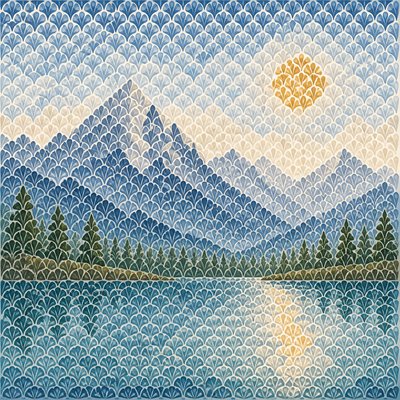
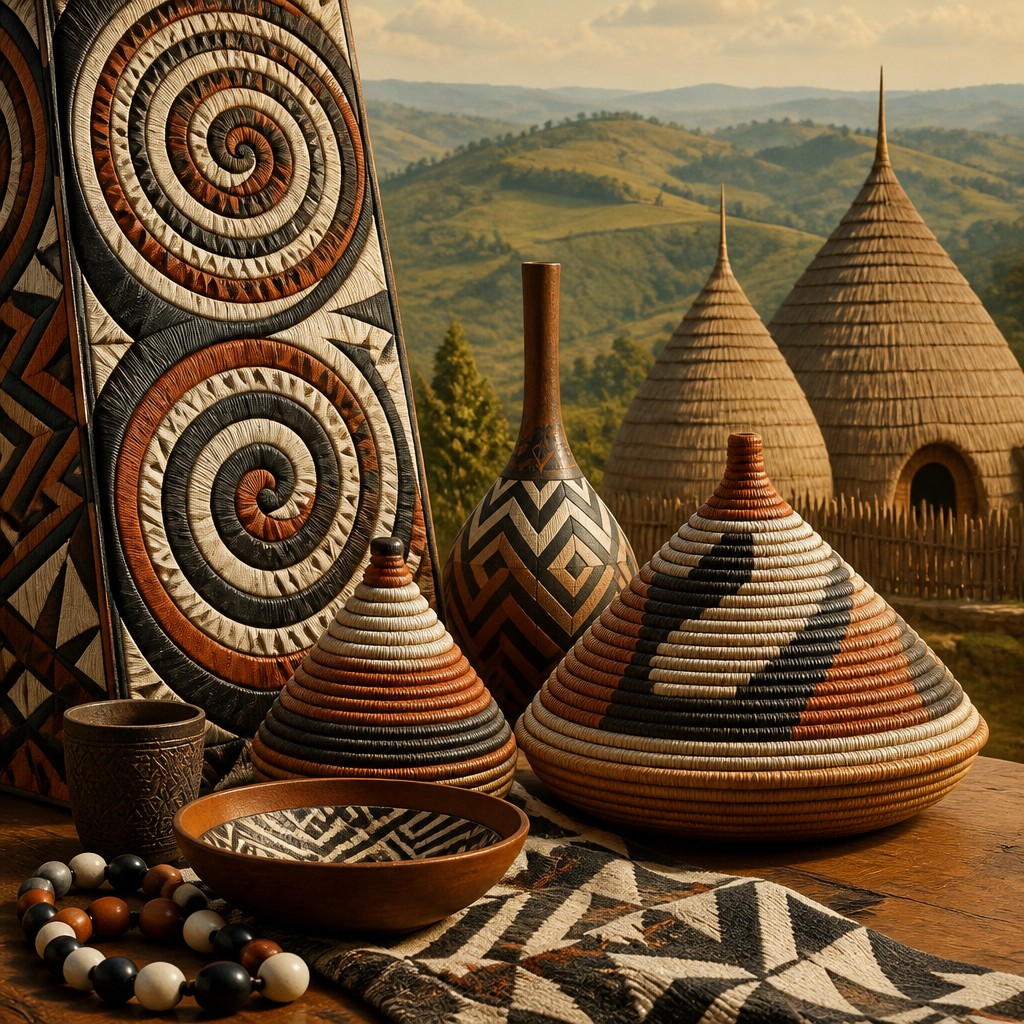
Rolling hills, cultivated slopes, warm earth, and distant ridges provide a quiet environmental setting. Soft equatorial haze and filtered daylight balance the hard edges of the geometric motifs.
Rwandan Prompt Ideas
Start from an idea — each one opens the generator with the style ready to go. See all 40 Rwandan prompts →
How to Create Rwandan Art
Master the craft step by step — or skip straight to creating. Read the full guide →
- 1
Build a limited earthen palette
Start with charcoal black, mineral white, terracotta, ochre, and umber, then add only one or two subdued accent colors. Keep large color areas clean so the geometry remains legible.
- 2
Plan the relief before the image
Sketch a grid of diamonds, spirals, chevrons, or concentric forms, then vary thickness and height to imply imigongo-style raised ridges. In digital work, use bevels, displacement, shadow, or textured masks sparingly.
- 3
Use basketry as a line system
Construct vessels and ornaments from repeated coils or wrapped strokes that follow the object's volume. Alternate narrow and broad bands to create the visual cadence of hand-coiled weaving.
- 4
Balance pattern with atmosphere
Place the strongest geometric detail in a deliberate focal area and simplify distant motifs. Warm haze, matte surfaces, and softened landscape contours prevent the composition from becoming mechanically busy.
- 5
Combine physical and digital methods
A practical traditional approach can use clay, earth-colored pigments, textured paper, and raised modeling paste; digital artists can scan those marks or recreate them with layered shapes and displacement maps. For prompt-based generation, specify the subject, relief geometry, basketry coils, palette, lighting, and Rwandan architectural or highland context rather than relying on a style label alone.
The Story
History & Origins of Rwandan
Rwandan art style, as used today, is not the name of a single historical art movement or uniform school. It is an interpretive, contemporary synthesis of established Rwandan craft and architectural traditions, especially imigongo, a raised geometric wall-art technique historically made with cow dung and earth pigments, and agaseke basketry, whose finely coiled forms carry cultural and ceremonial associations.
Imigongo developed in rural Rwanda and became known for sculptural surfaces, repeated geometric compositions, and contrasting natural colors. Agaseke basket traditions developed through generations of skilled weaving and are associated with hospitality, exchange, ceremony, and peace symbolism. References to the royal residences of Nyanza add a historical architectural dimension, while modern design and digital image-making recombine these elements for illustration, pattern, interiors, and portraiture.
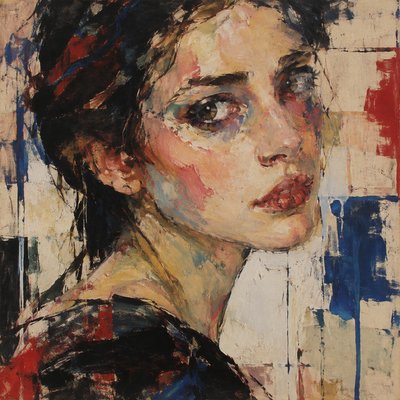
Influences: The style draws primarily from Rwandan imigongo relief art, agaseke basket weaving, traditional architectural forms associated with the royal residences of Nyanza, and the visual structure of Rwanda's highland environment. It also intersects with broader African geometric abstraction, vernacular architecture, textile pattern design, relief sculpture, and contemporary craft revival. Its simplified blocks of color may resemble modernist abstraction, but its emphasis on material texture, repetition, and cultural craft references distinguishes it from purely nonrepresentational geometric art.
Frequently Asked Questions
What defines the Rwandan art style?
Its defining features are imigongo-inspired raised geometry, agaseke-like coiled basket patterns, a black-white-rust earthen palette, and references to Rwandan highland landscapes and traditional architecture. The overall effect is both graphic and tactile.
Is Rwandan art style a formal historical art movement?
No. The label generally describes a contemporary synthesis rather than a single historical movement with a fixed period or manifesto. It brings together several genuine Rwandan traditions for use in illustration, pattern, design, and digital image-making.
What is imigongo?
Imigongo is a Rwandan decorative relief tradition in which raised geometric forms are built on a surface and finished with contrasting earth-derived colors. Its compositions commonly use spirals, diamonds, zigzags, and other repeated shapes.
What is an agaseke basket?
Agaseke refers to a finely coiled Rwandan basket tradition, often characterized by carefully controlled spiral construction, fitted lids, and intricate linear patterning. The baskets have practical, ceremonial, and symbolic significance, including associations with peace and hospitality.
How is this style different from generic African geometric art?
It is more specifically anchored in Rwandan materials, techniques, and forms, especially imigongo wall reliefs and agaseke basketry. Including these references, along with Nyanza-inspired architecture and thousand-hills scenery, gives the work a distinct regional identity.
Where can this style be used?
It suits posters, editorial illustration, textile and surface patterns, packaging, murals, interior accents, architectural visualizations, portraits, and landscape scenes. It is particularly effective when a subject can support strong borders, repeated motifs, or tactile material contrast.
Create your first Rwandan artwork
Describe anything — or upload a photo — and see it in Rwandan Art Style in seconds.
Related Styles
Discover similar art styles