Smoked Glass
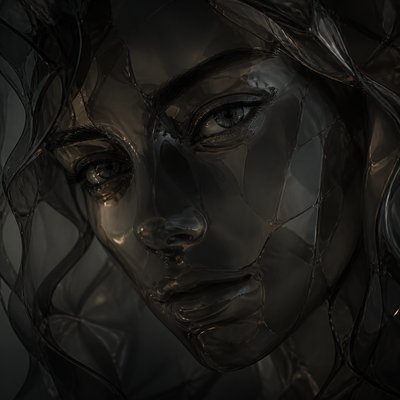
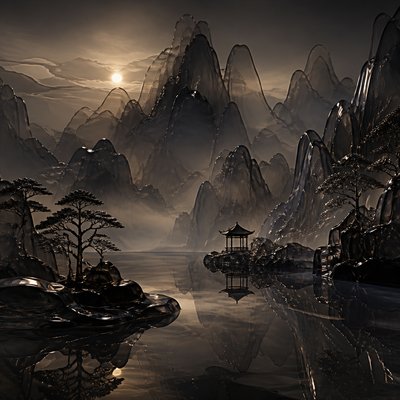
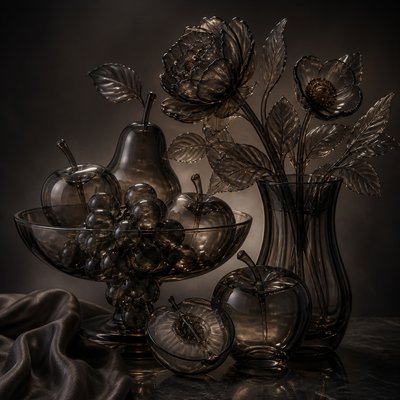
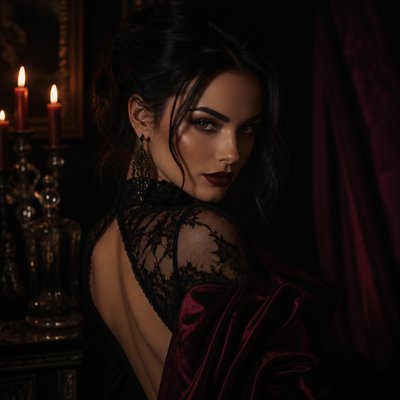
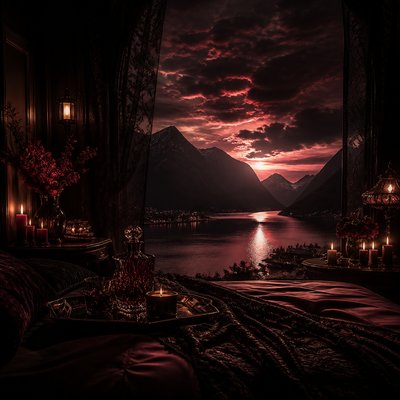
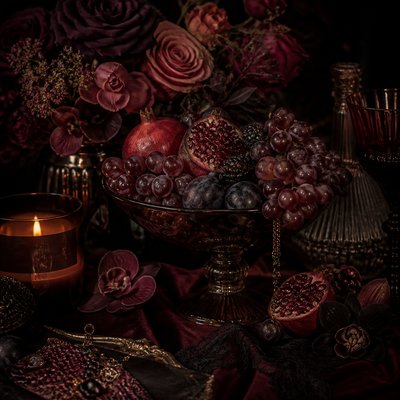
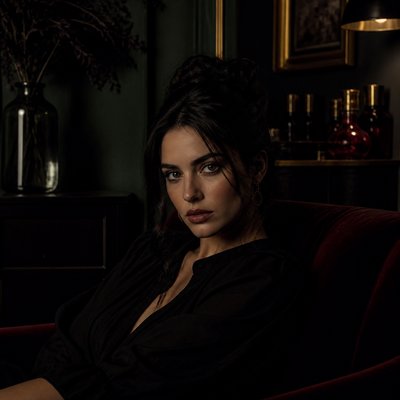
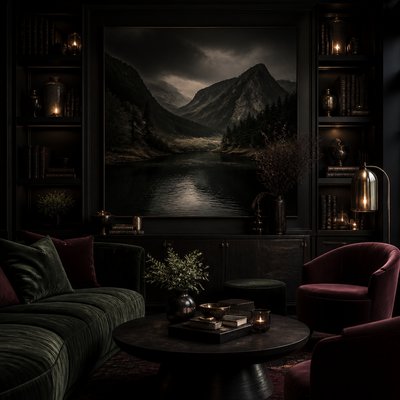
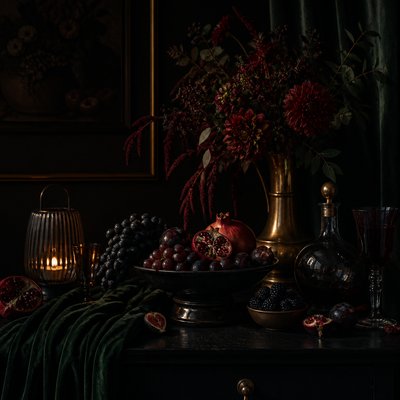
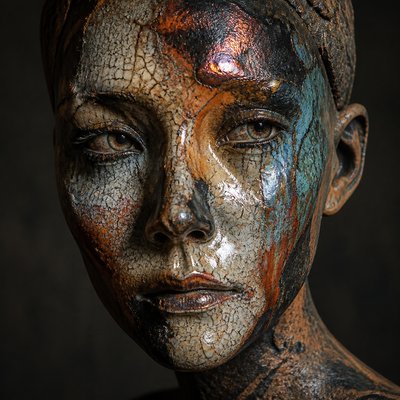
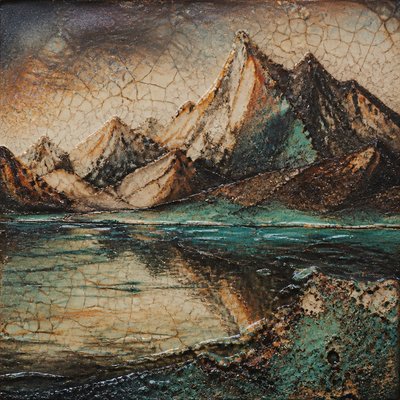
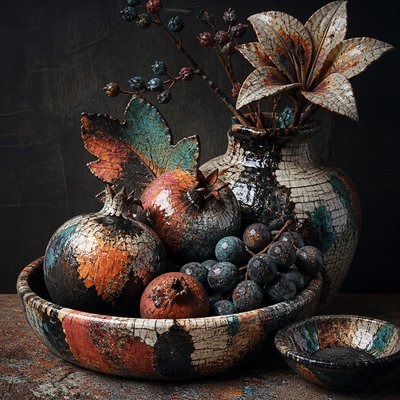
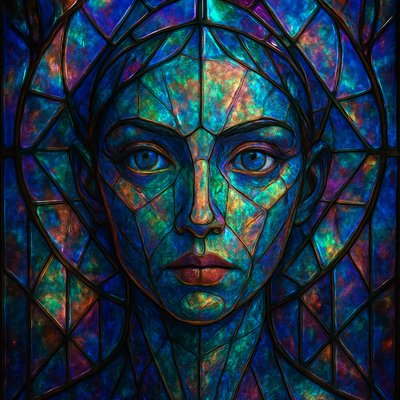
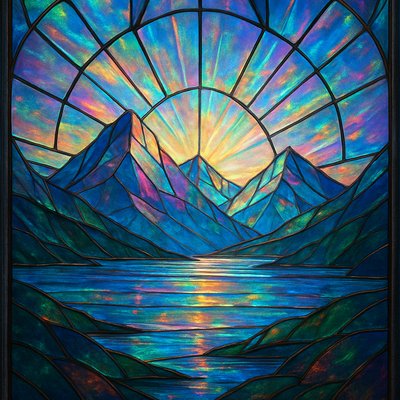
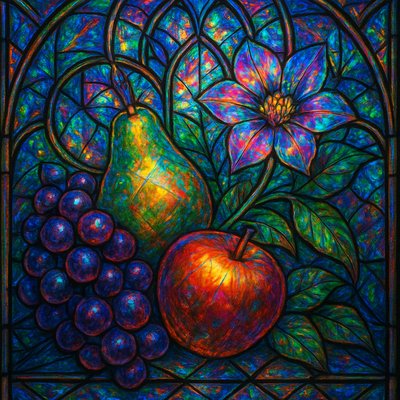
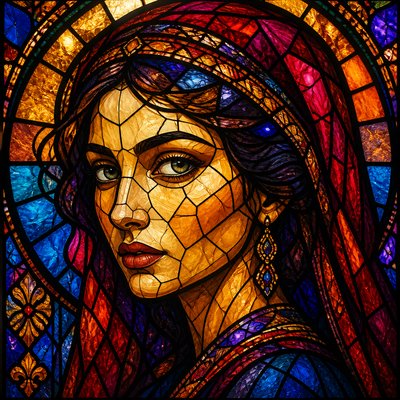
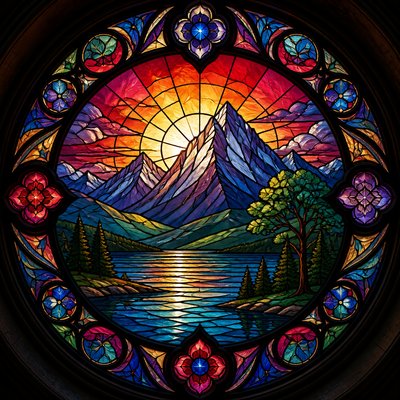
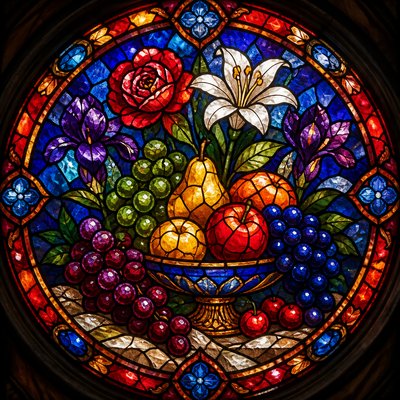
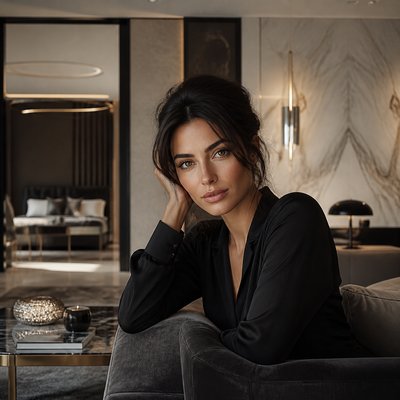
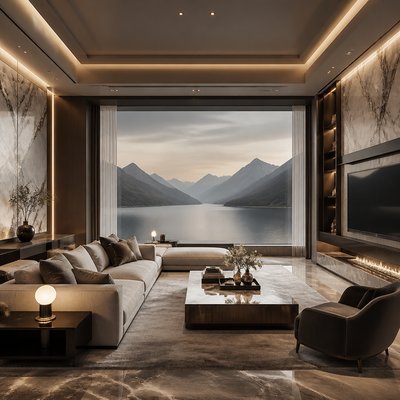
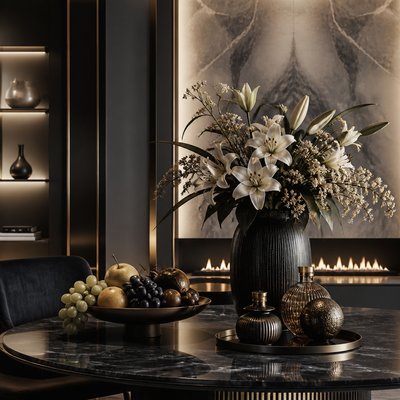
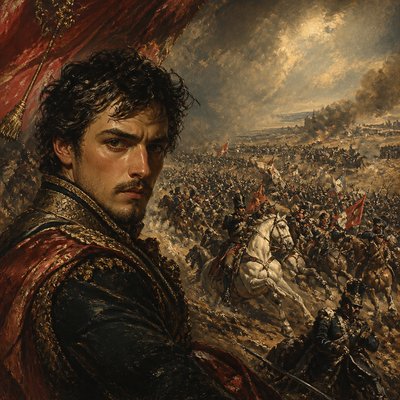
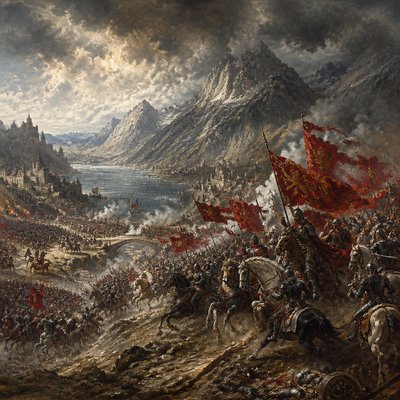
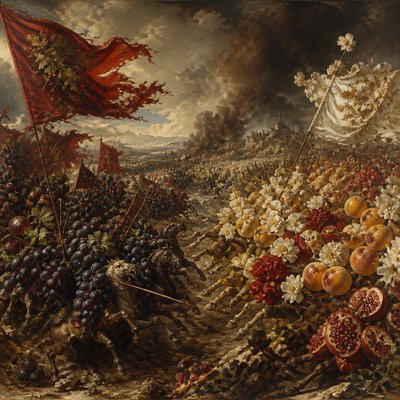
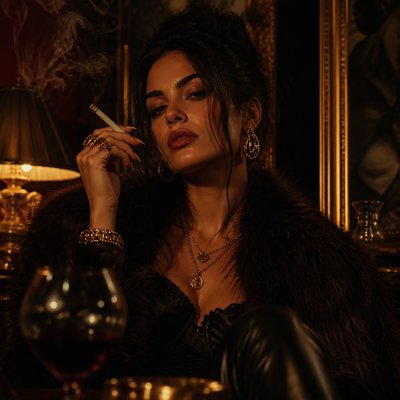
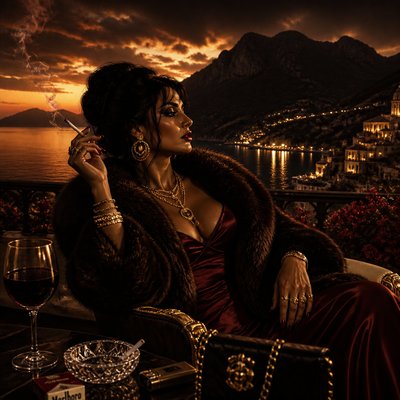
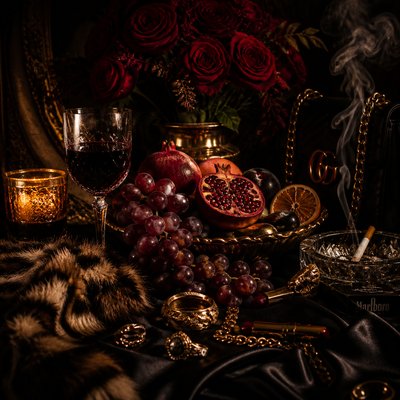
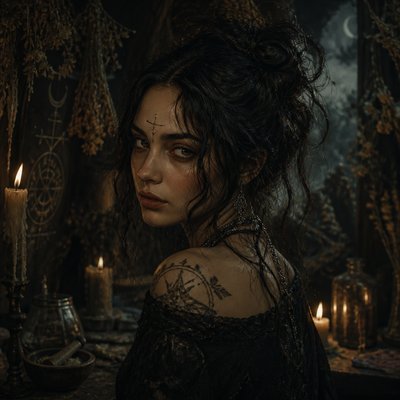
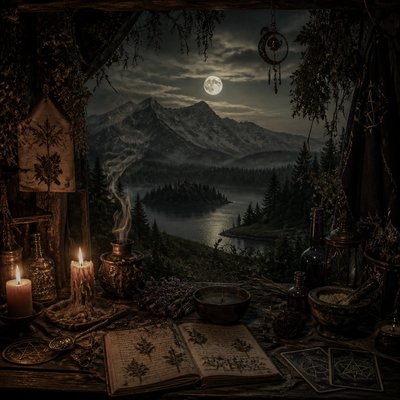
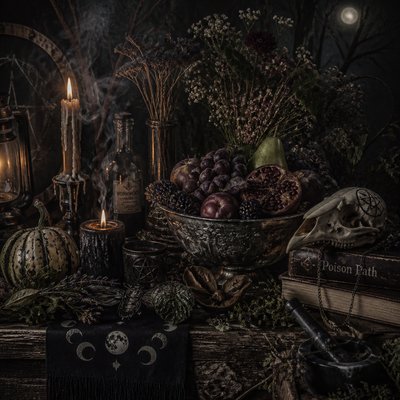
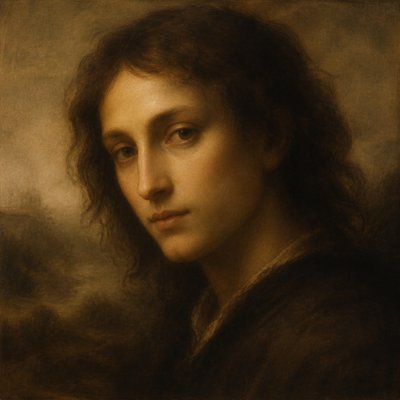
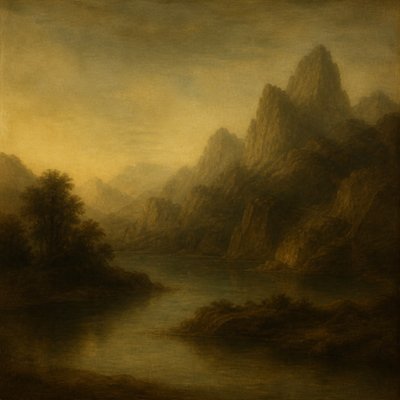
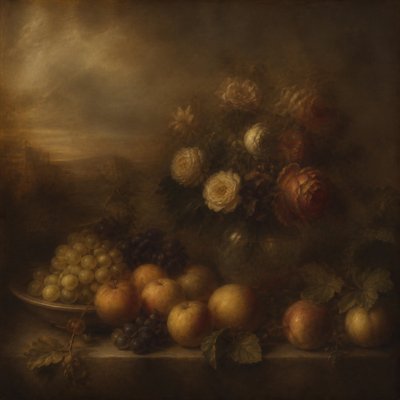
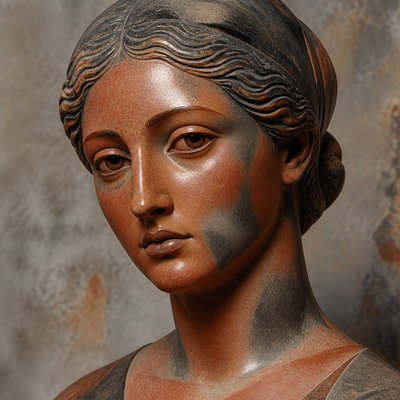
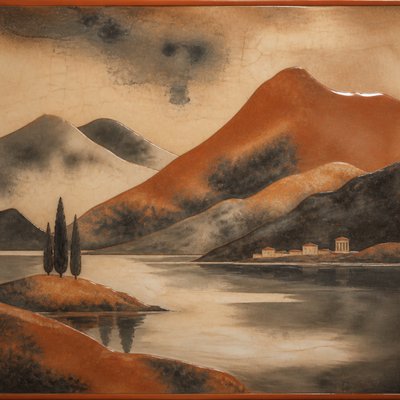
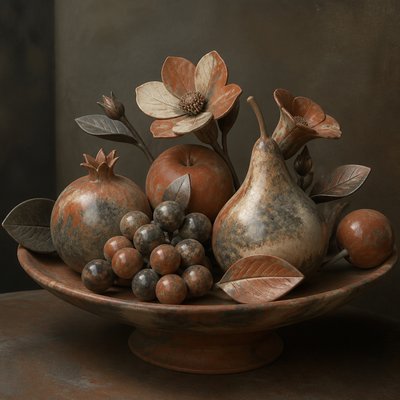
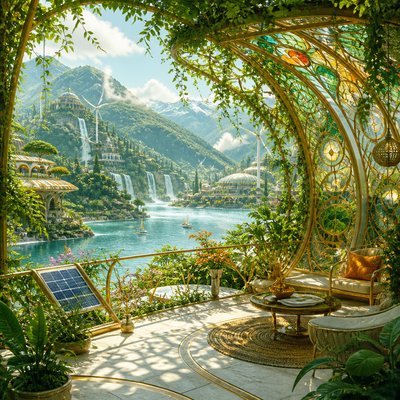
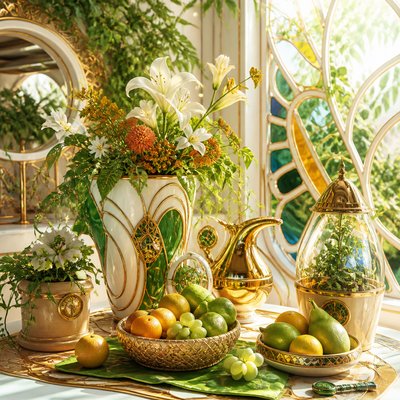
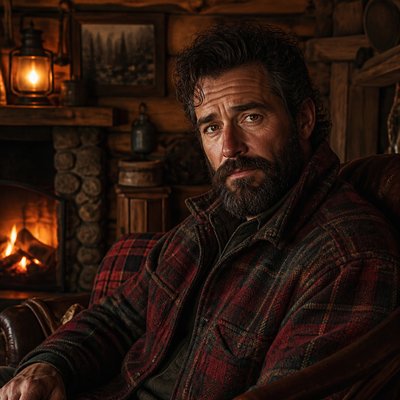
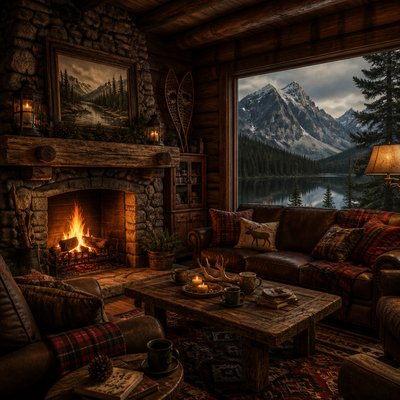
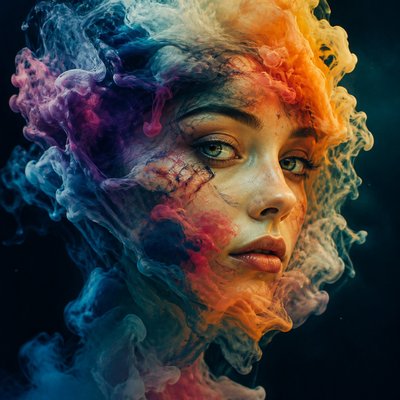
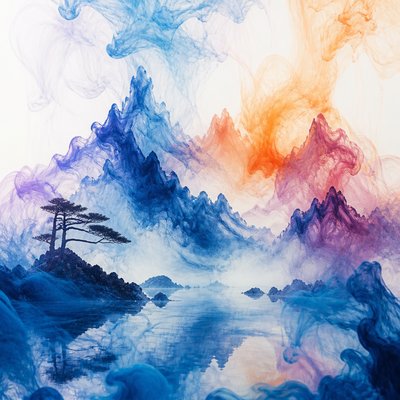
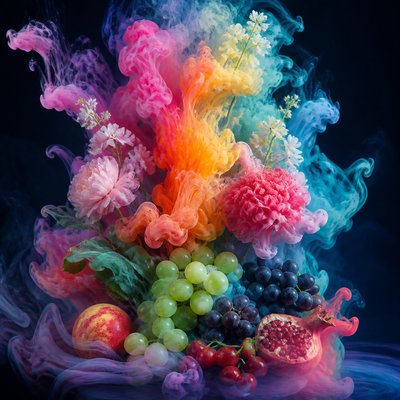
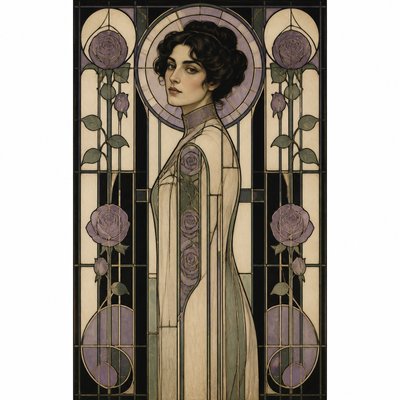
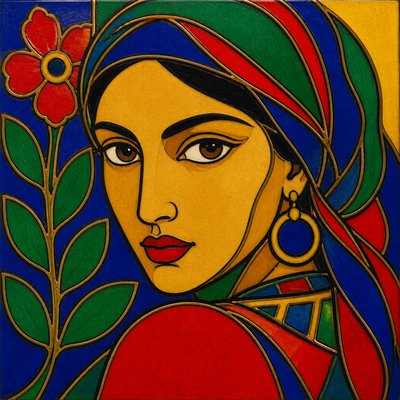
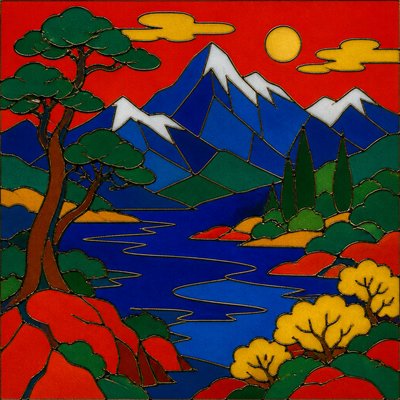
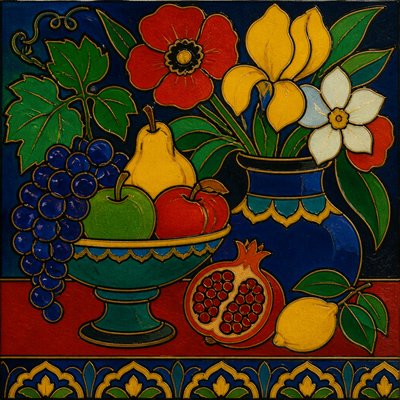
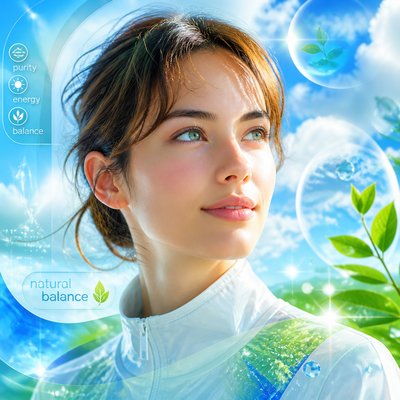
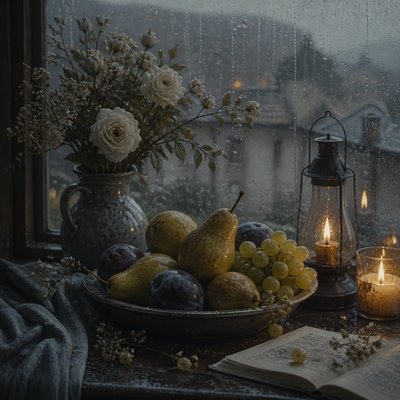
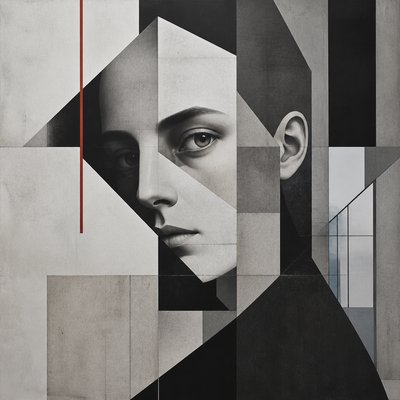
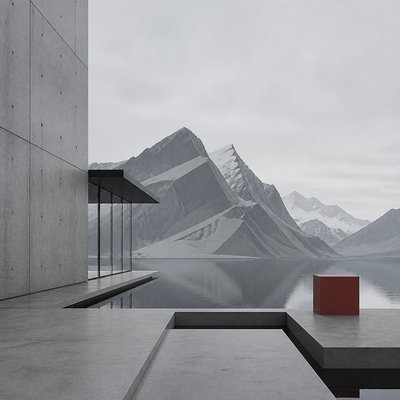
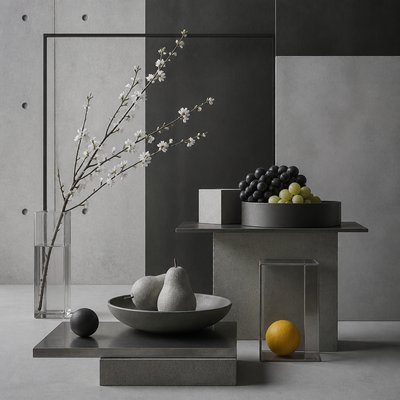
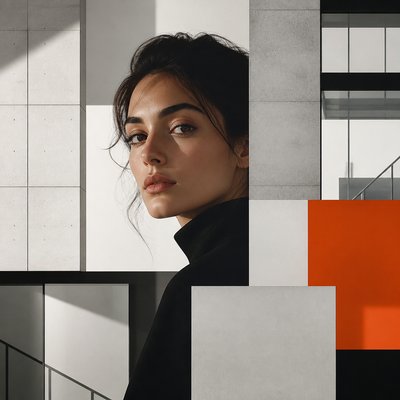
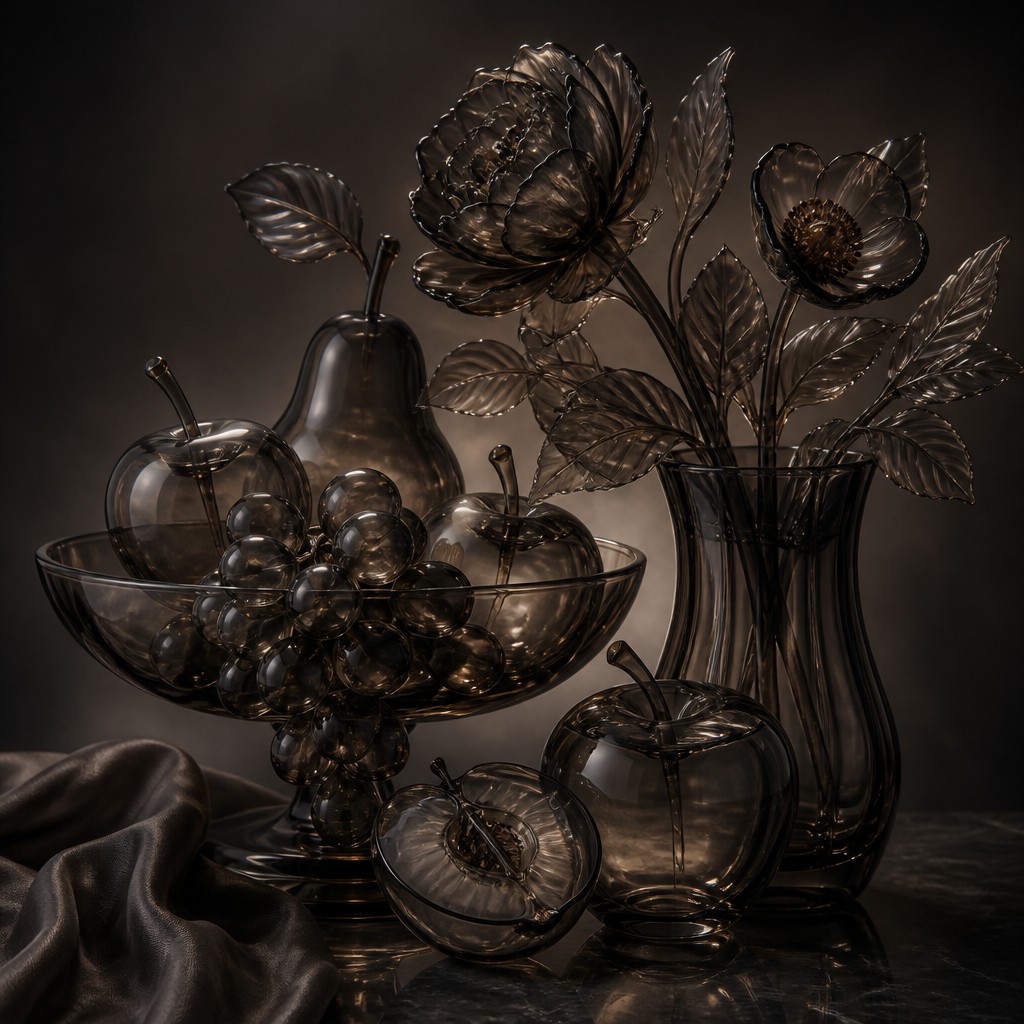
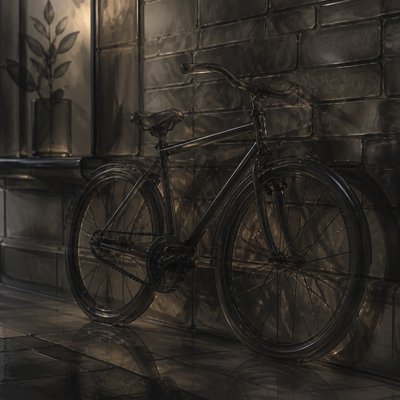
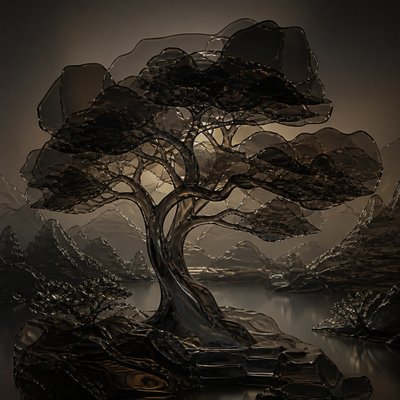
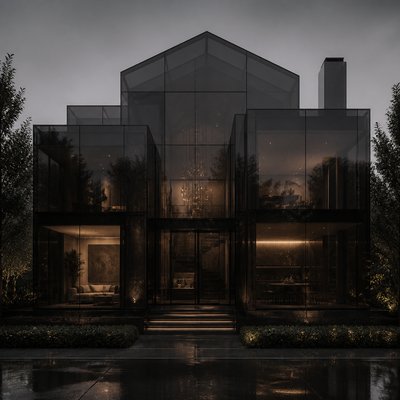
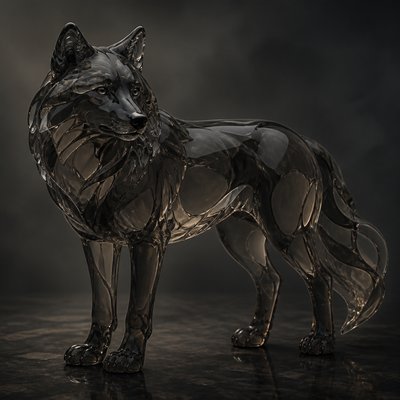
Dark translucent forms with smoky depth, glossy reflections, and muted light filtering through layered glass-like surfaces.
Instantly rendered in Smoked Glass — or transform a photo
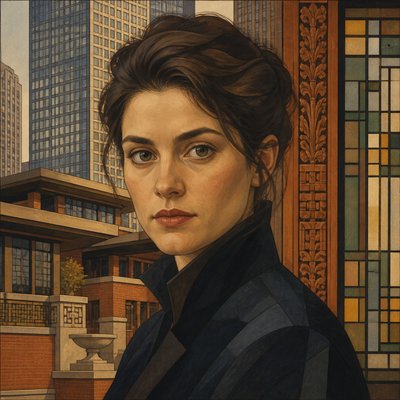
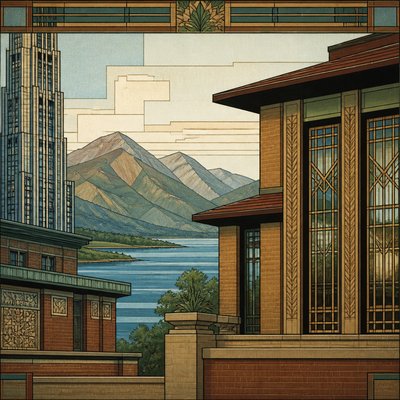
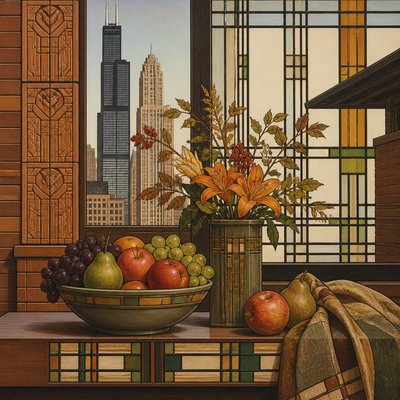
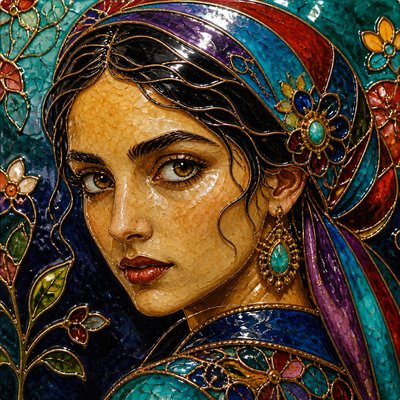
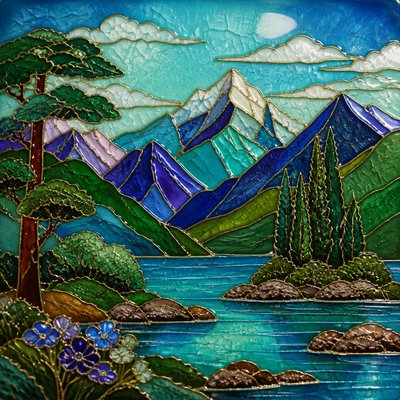
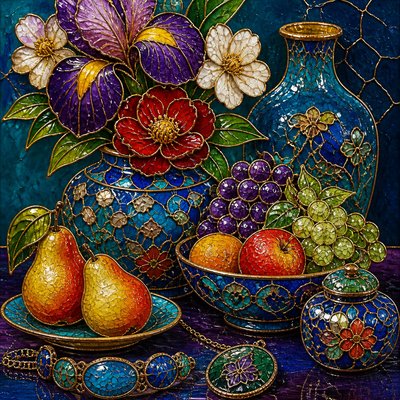
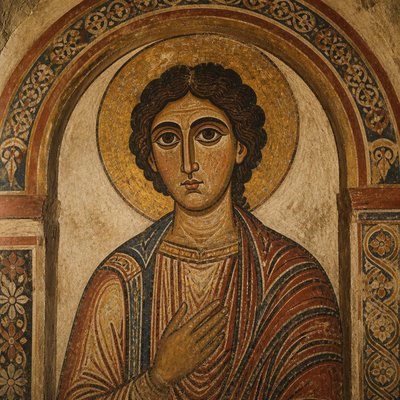
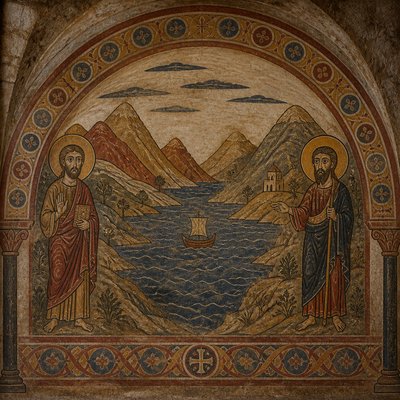
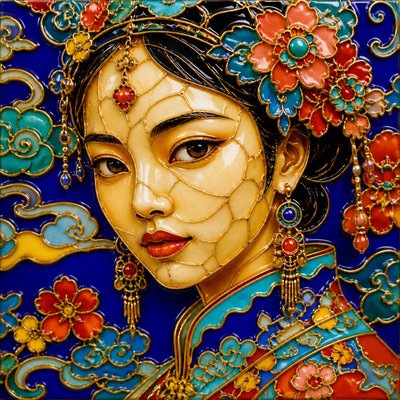
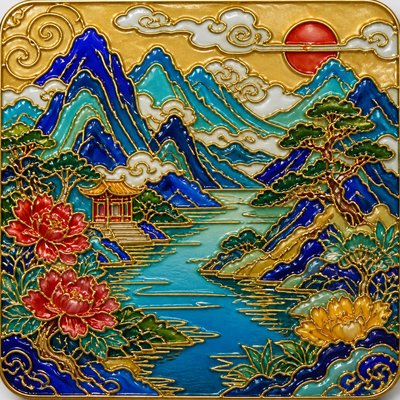
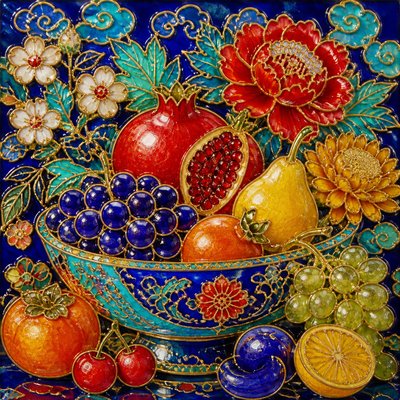
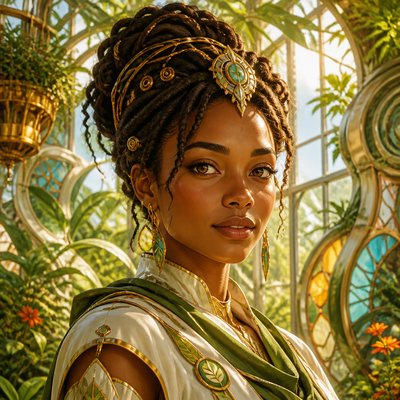
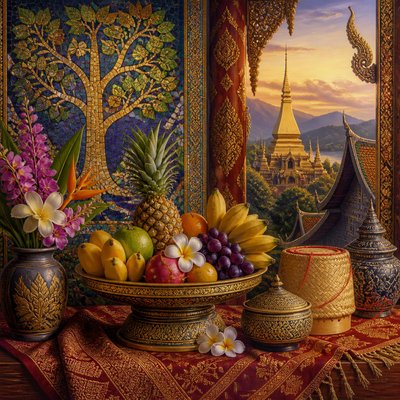
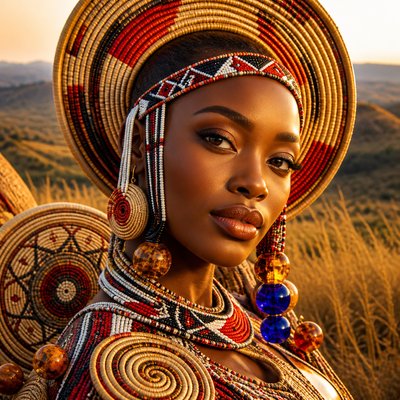
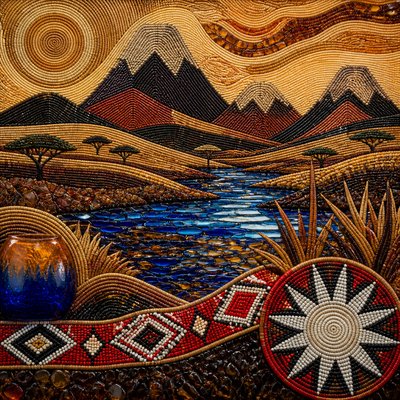
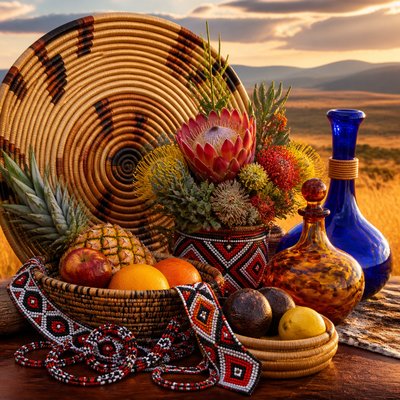
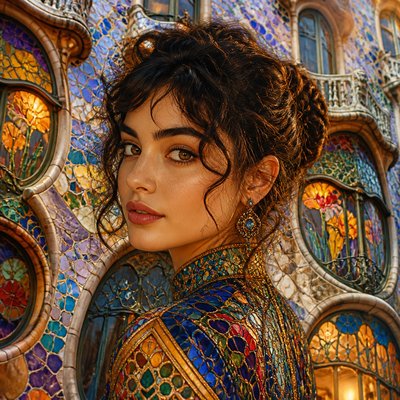
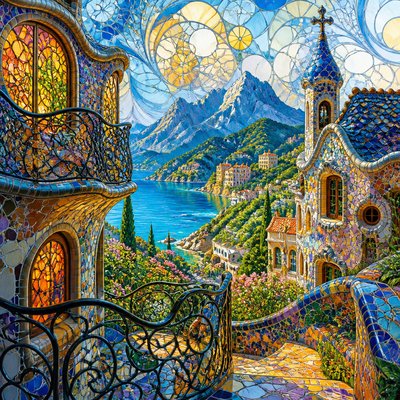
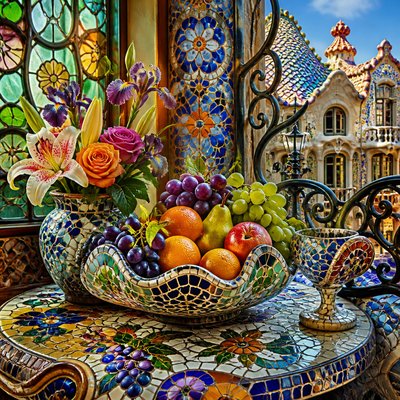
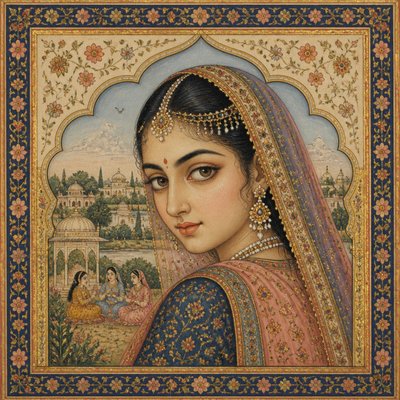
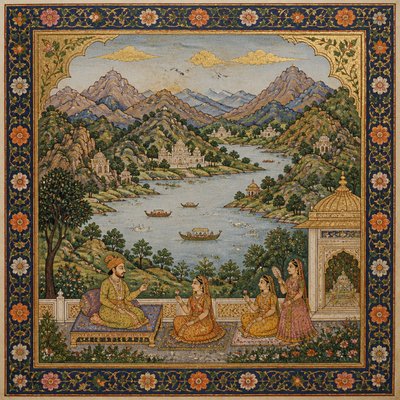
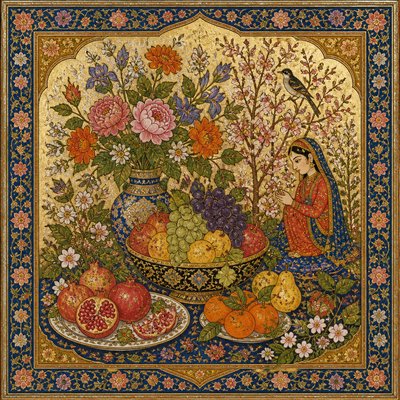
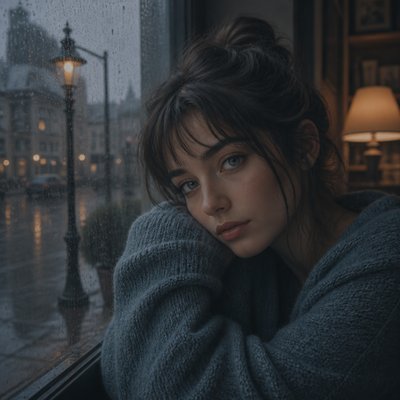
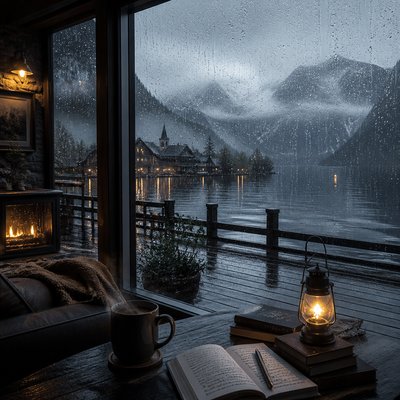
Smoked Glass Gallery
Tap any artwork to explore it
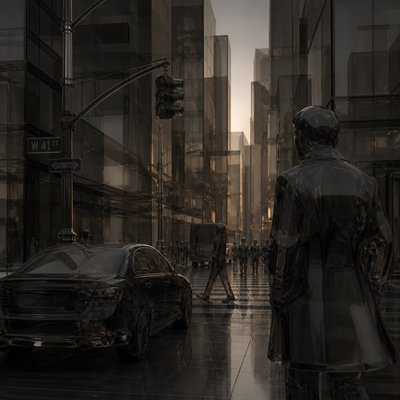
What is Smoked Glass?
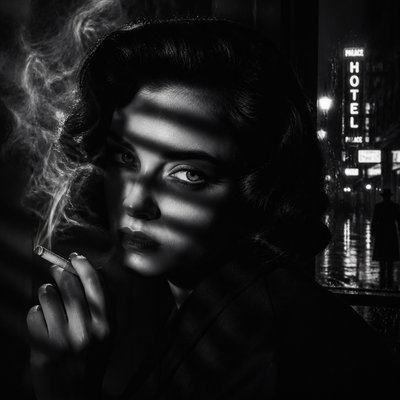
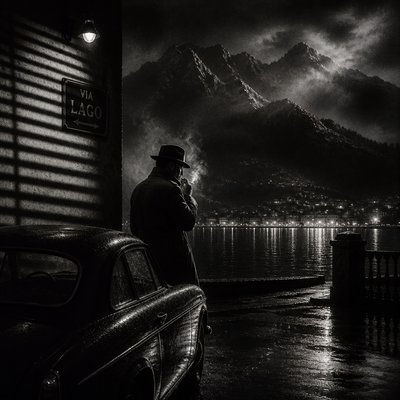
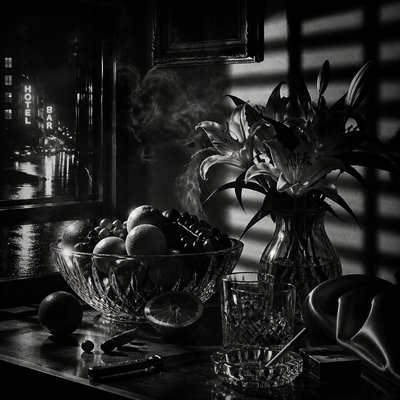
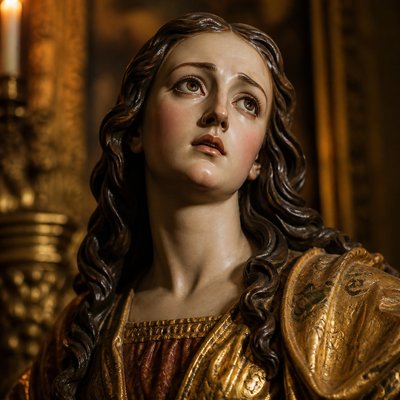
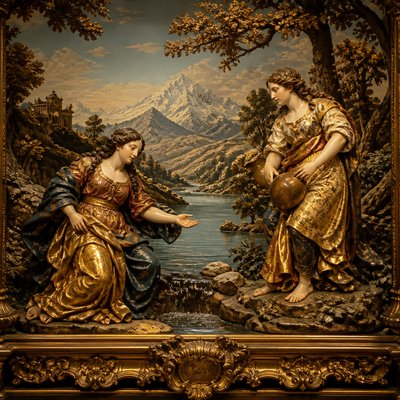
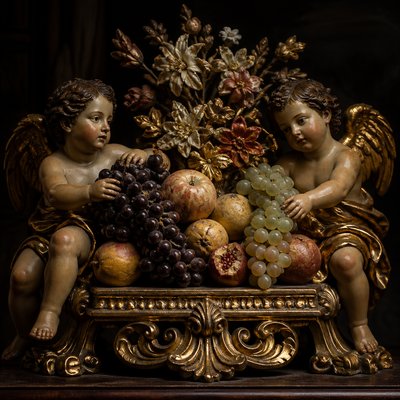
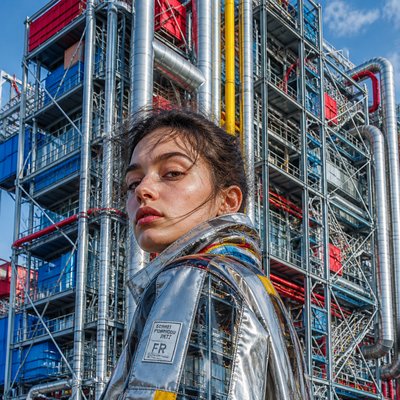
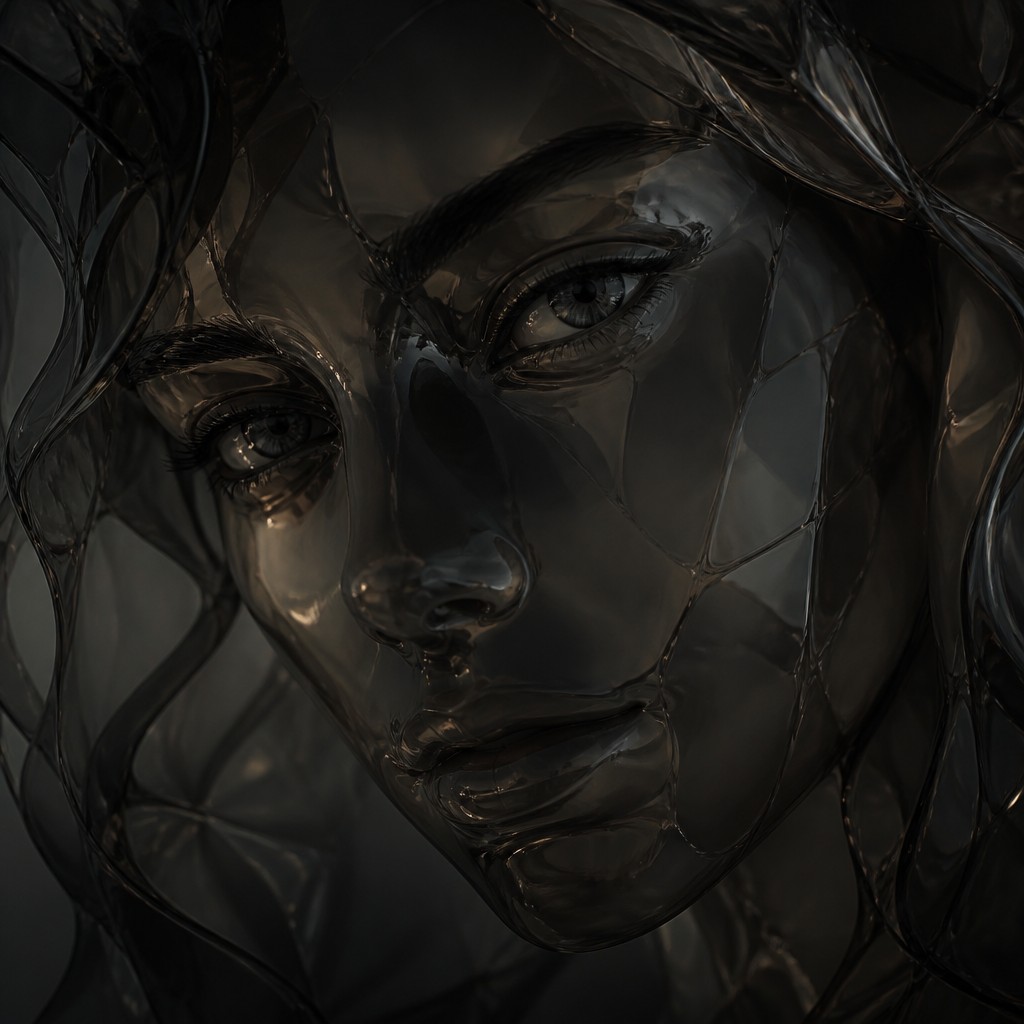
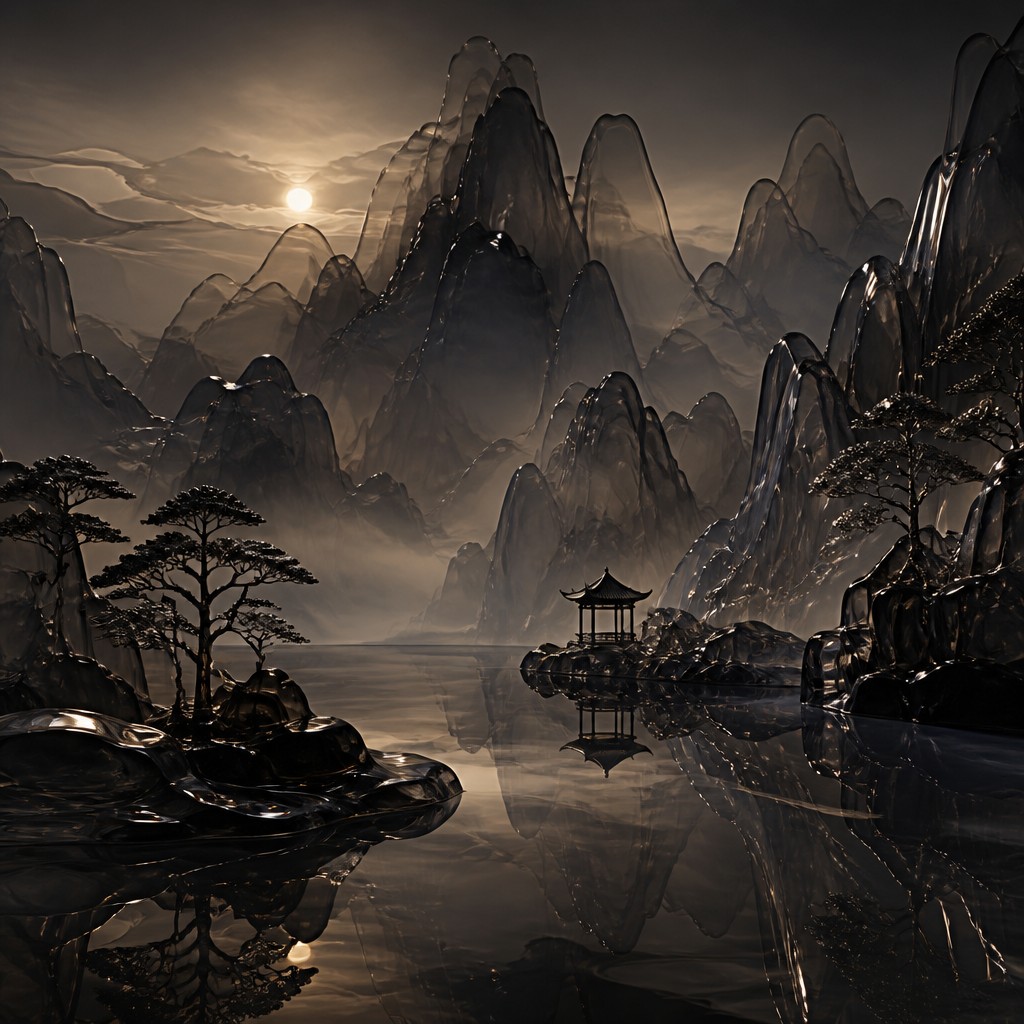
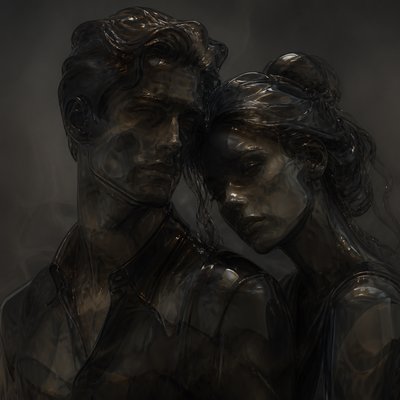
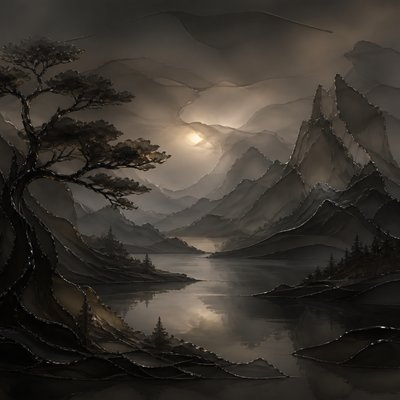
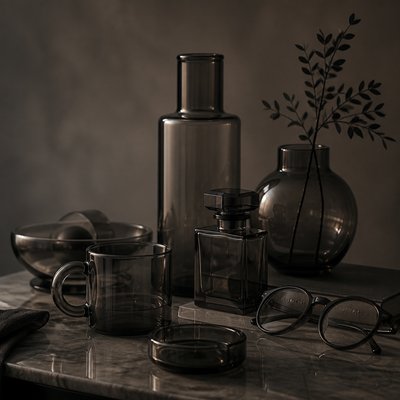
Smoked Glass is a contemporary visual style built around dark translucency, soft internal reflections, and a sense of depth created by light passing through tinted layers. Its surfaces feel polished and glass-like, with charcoal, smoky gray, and near-black tones interrupted by faint warm undertones or dim highlights. The result is elegant and subdued rather than highly contrasted, with forms that seem partially revealed through haze.
The style is defined by the illusion of material density and optical depth: objects appear as if they were made of smoked glass, dark resin, or tinted crystal. Instead of crisp outlines, edges are softened by diffusion, refraction, and layered transparency. This gives Smoked Glass a mood of controlled obscurity—modern, refined, and atmospheric, often used to suggest luxury, secrecy, or quiet sophistication.
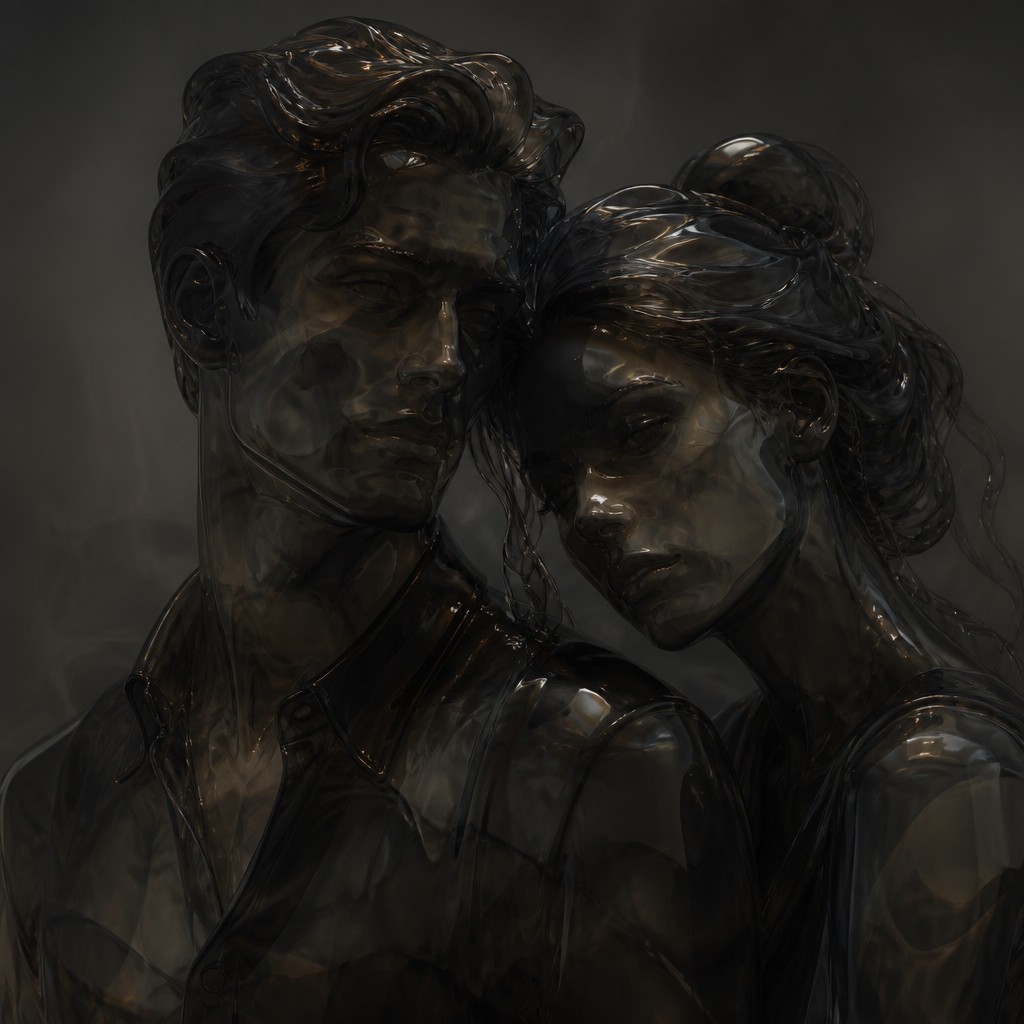
Try It On Your Photos
Upload any photo and convert it into Smoked Glass — drag the sliders to compare before and after.
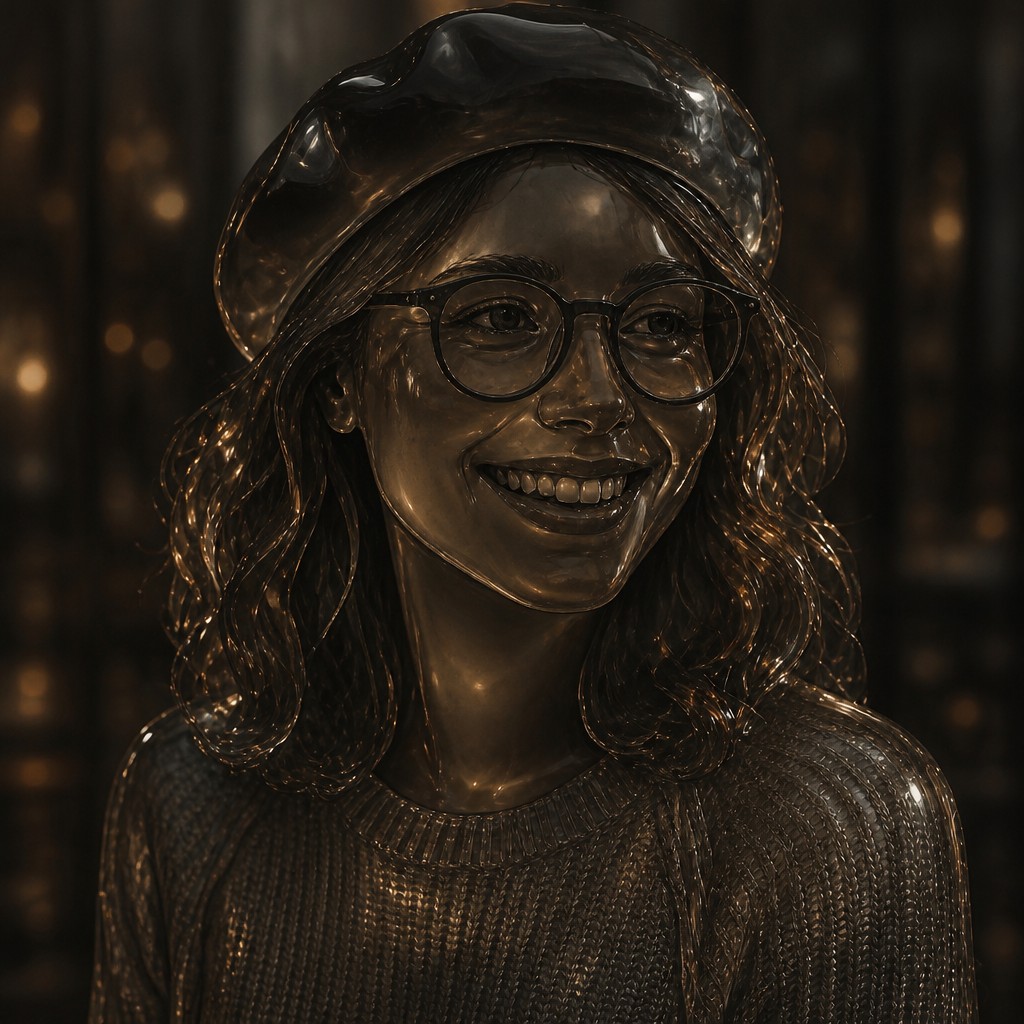

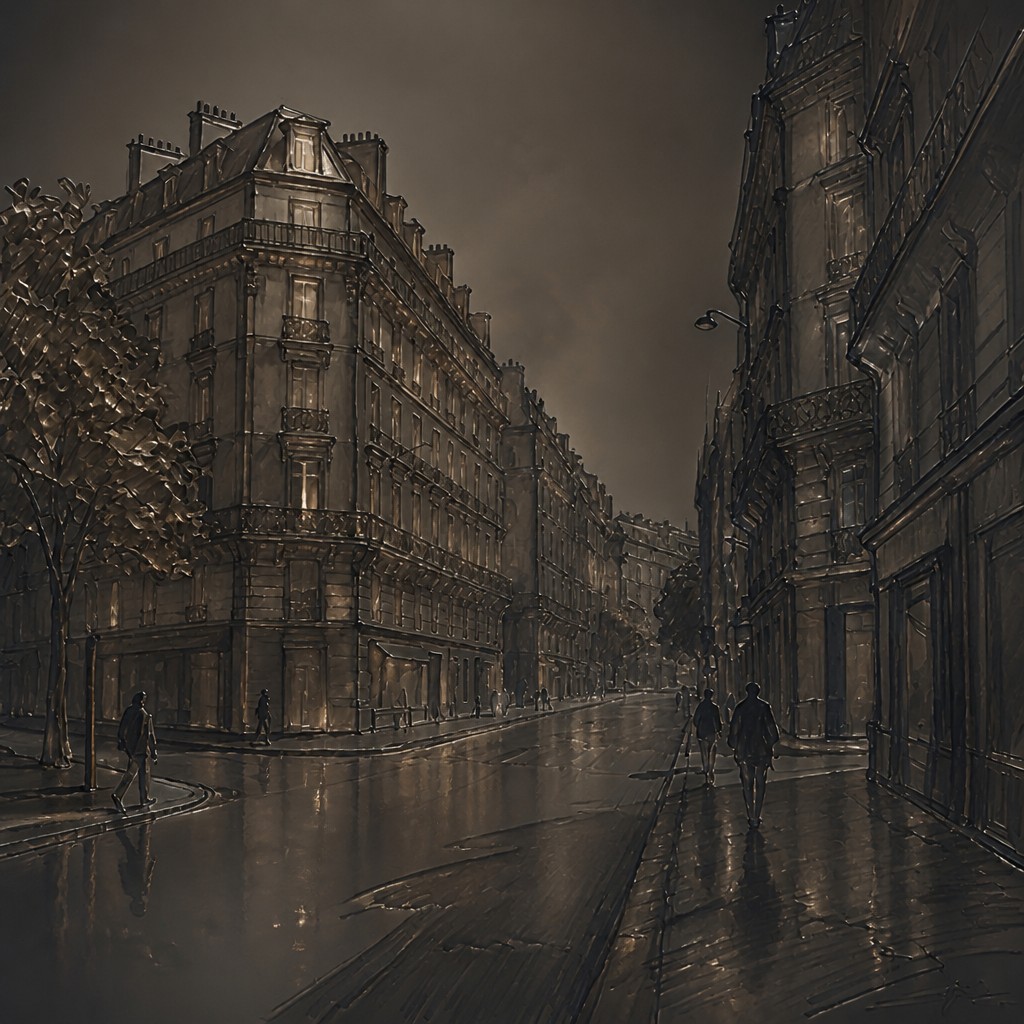

What Defines Smoked Glass
The signature details, up close
Dark translucent palette
The palette centers on charcoal, smoke gray, blackened bronze, and muted amber or wine-colored undertones. These colors create the sense of tinted glass rather than opaque pigment.
Layered light penetration
Light appears to pass through the subject in soft bands or internal glows. This creates the impression that the form has depth inside it, not just on its surface.
Glossy polished surfaces
Highlights are smooth, restrained, and reflective, suggesting a finished glass or lacquered material. The finish is sleek rather than sharp, often with blurred specular edges.
Soft internal reflections
Reflections seem embedded within the object, as if light is bouncing through multiple translucent layers. This produces complexity without heavy contrast.
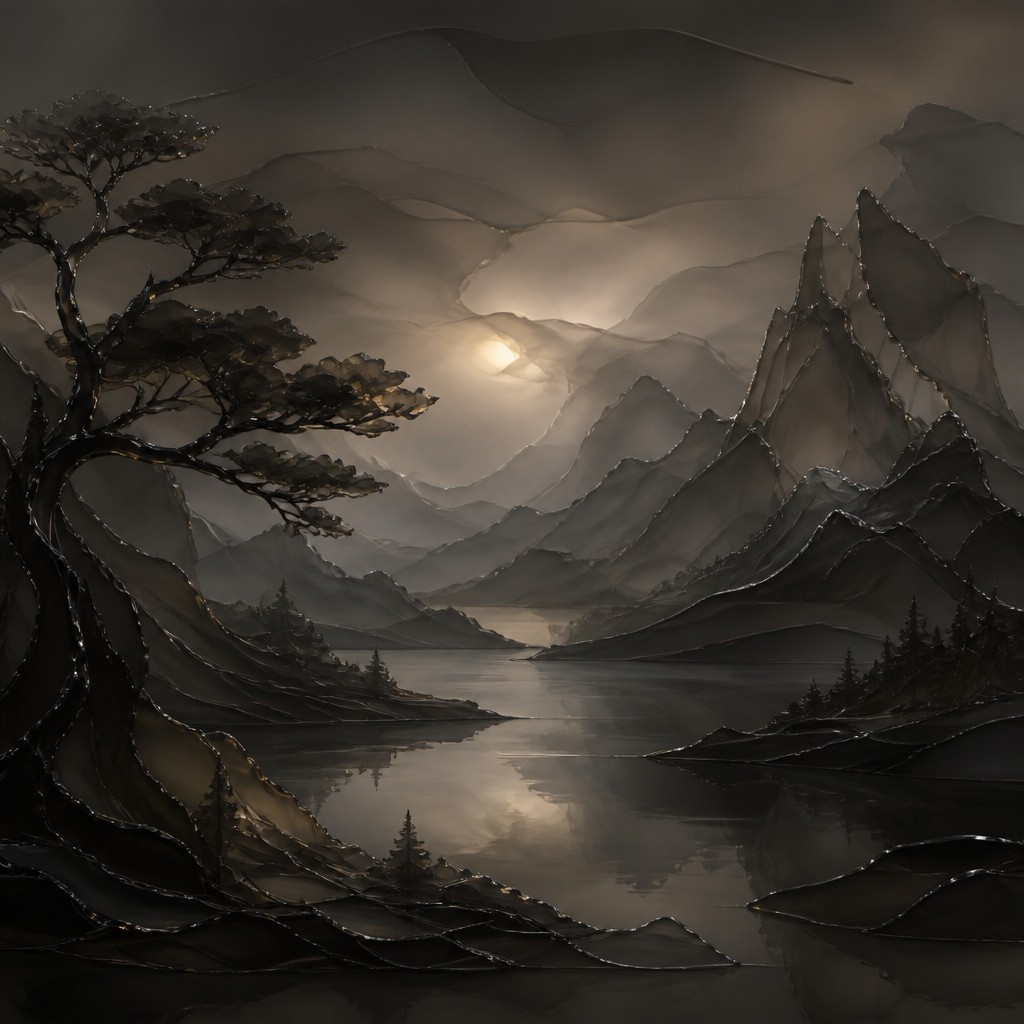
Shadowy emerging forms
Shapes are partially obscured and gradually revealed through tint and haze. The viewer reads the image by inference, which is central to the style’s mystery.
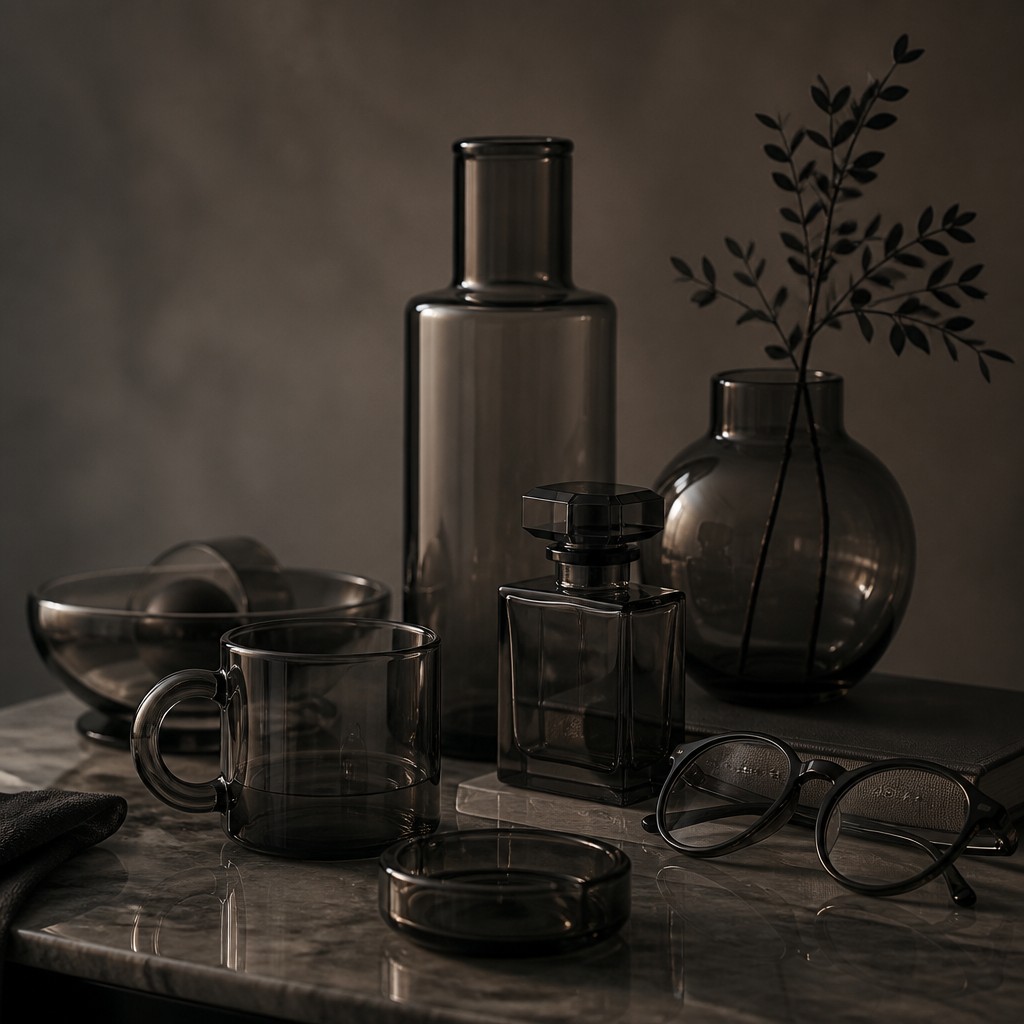
Low-contrast premium mood
The overall effect is quiet, controlled, and sophisticated. Instead of dramatic brightness, the style favors restrained illumination and tonal harmony.
Try It
Create Videos in Smoked Glass
Styles aren't just for stills — describe a scene or animate an image and get a short video rendered in Smoked Glass. Press play to see this pond come to life.
Make a VideoSmoked Glass Prompt Ideas
Start from an idea — each one opens the generator with the style ready to go. See all 40 Smoked Glass prompts →
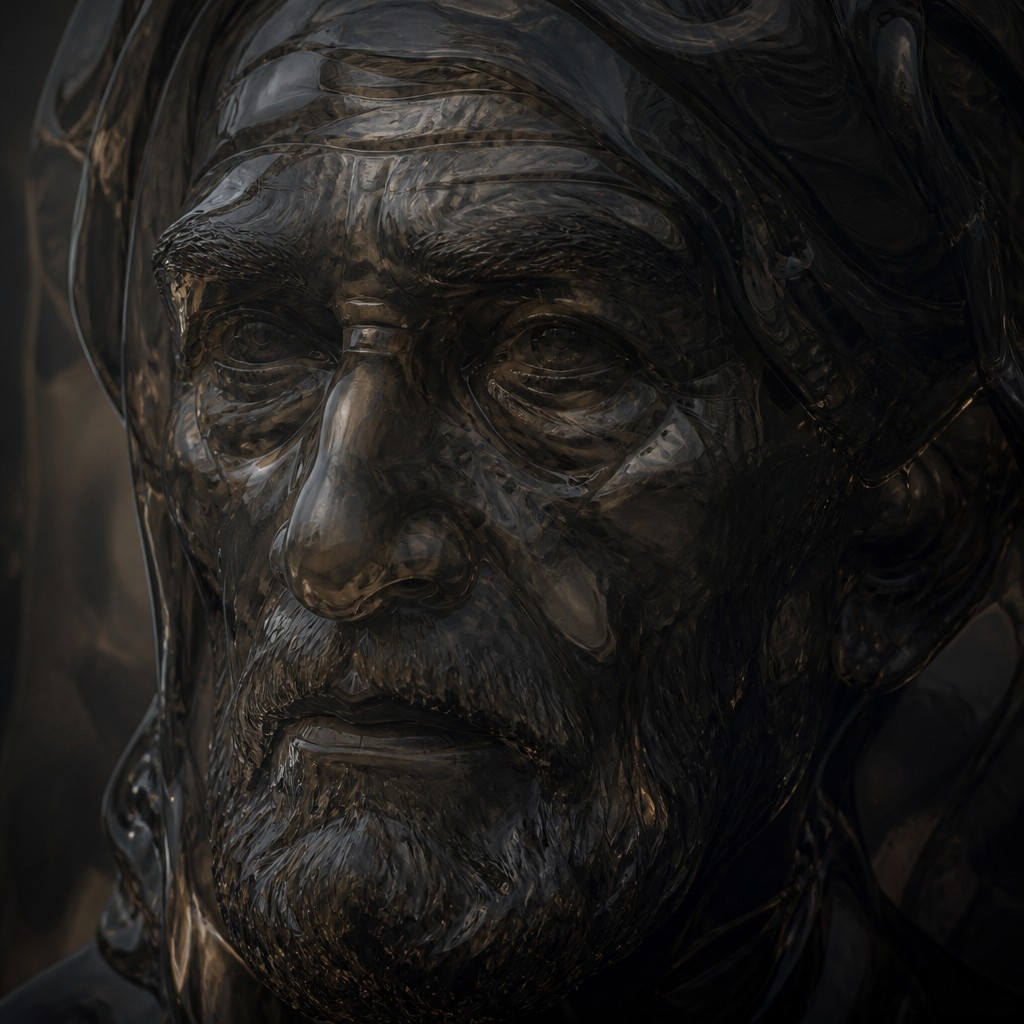
“close-up portrait of an elderly person with expressive weathered features”
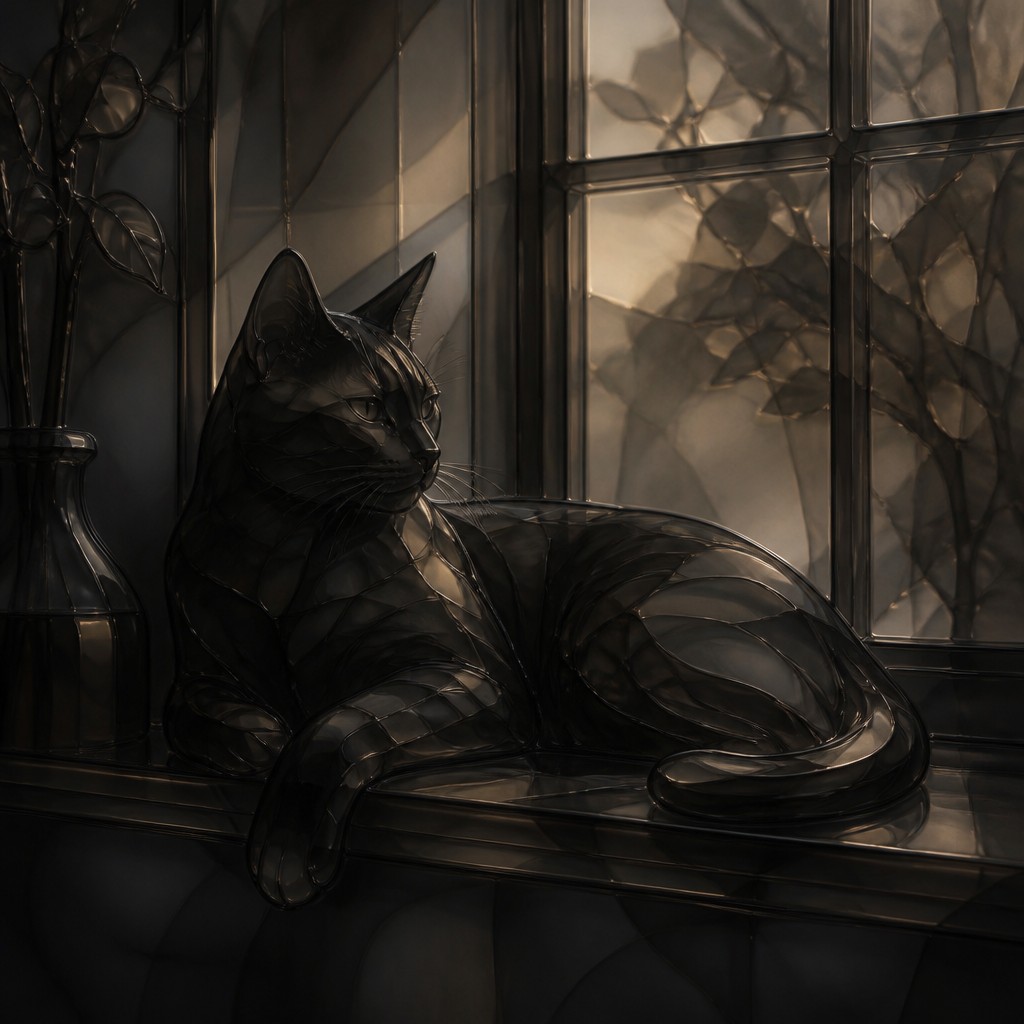
“a cat lounging in a sunlit window”
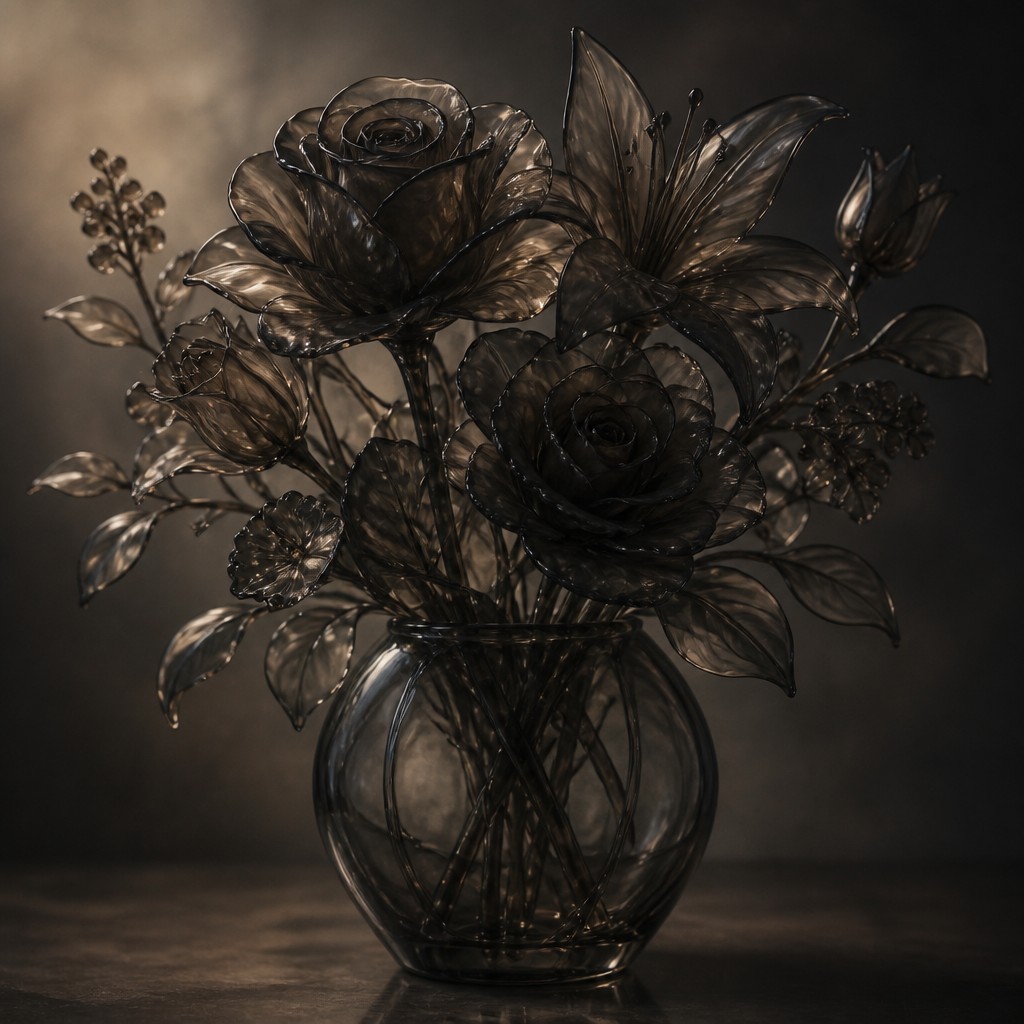
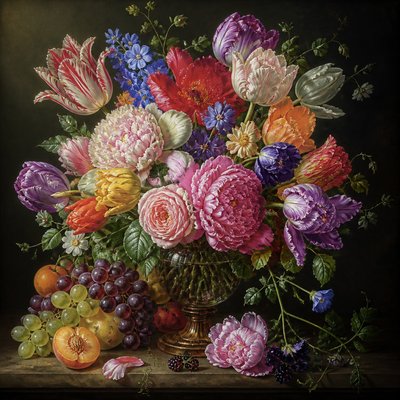
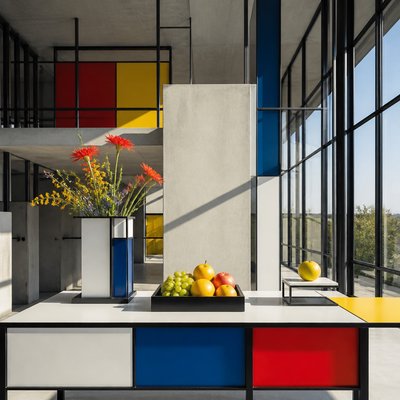
“bouquet of flowers in a glass vase”
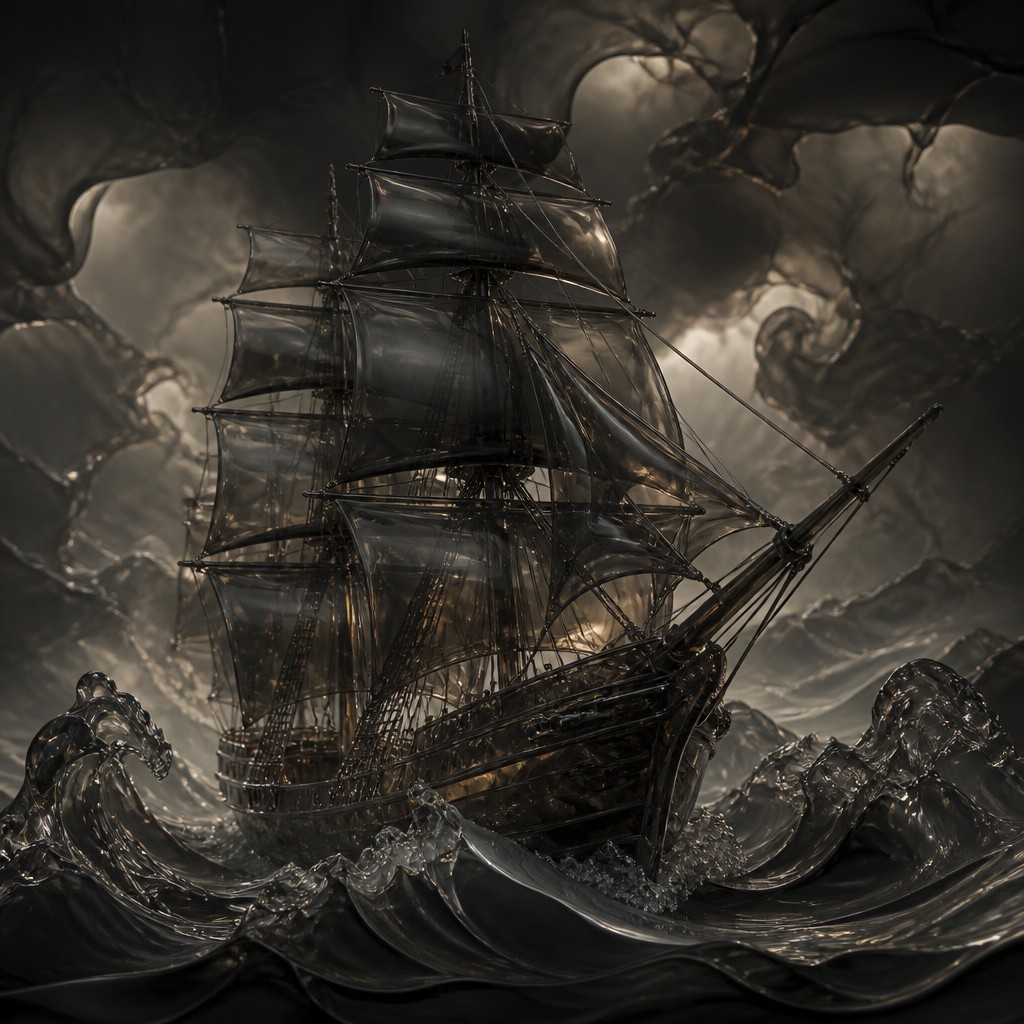
“sailing ship on a stormy sea”
How to Create Smoked Glass Art
Master the craft step by step — or skip straight to creating. Read the full guide →
- 1
Build the image in layered translucency
In traditional media, use glazing, wash layers, or translucent materials to suggest depth beneath the surface. In digital work, separate the subject into stacked transparent planes and vary opacity so that interior light reads through the darker tint.
- 2
Control contrast rather than maximize it
Keep highlights selective and avoid bright whites except in tiny specular accents. A Smoked Glass image depends on compressed tonal range, so the subject should remain visible through gradations, not hard edges.
- 3
Design for reflective surfaces
Introduce clean, curved highlight bands and soft mirror-like responses to implied light sources. Even simple subjects become convincing when reflections follow the form and remain blurred at the edges.
- 4
Use subdued color temperature
Favor cool grays and blackened neutrals, then add small amounts of warm brown, copper, or smoky amber to prevent the image from becoming flat. This subtle warmth helps the glass feel dimensional and expensive.
- 5
Prompt for material behavior, not just appearance
When generating images, describe the object plus the optical qualities: tinted transparency, layered inner glow, soft reflections, dark glossy glass, and muted low-contrast lighting. The more clearly you specify material behavior, the more consistent the result.
- 6
Preserve silhouettes and simple forms
This style works best with clear, elegant shapes that can survive diffusion and tinting. Whether you are painting, compositing, or prompting, keep the subject legible and let the atmosphere do the rest.

The Story
History & Origins of Smoked Glass
Smoked Glass is not a historical art movement in the strict sense, but a modern aesthetic that draws from several established visual traditions. Its closest roots lie in glass art, product design, and contemporary digital rendering, where translucent materials are studied for their optical behavior: reflection, refraction, tint, and depth. It also echoes the atmospheric restraint of tonal painting and the subdued palettes of late modern graphic design.
The style’s visual language developed in parallel with digital imaging tools that can simulate transparency, bloom, subsurface-like glow, and layered compositing. It also overlaps conceptually with luxury branding and editorial design, where dark glass, polished surfaces, and muted highlights are used to imply premium materials and controlled elegance. In AI-assisted image creation, Smoked Glass has become a recognizable prompt-based aesthetic because it produces immediately legible depth and mood from almost any subject.
Influences: Smoked Glass relates most closely to glass art, product visualization, and contemporary digital rendering of transparent materials, where artists study how tinted surfaces absorb and refract light. It also draws from tonal and atmospheric traditions in painting, as well as the restrained elegance of modernist and luxury-oriented graphic design. In a broader art-historical sense, it shares an interest in mood and suggestion with Symbolist atmosphere and with photographers and painters who favor subdued tonal structure, though it is not attributable to a single canonical movement.
Frequently Asked Questions
What defines Smoked Glass art?
It is defined by dark translucency, layered internal light, and polished reflective surfaces that look like tinted glass. The image should feel partially hidden rather than fully opaque, with forms emerging through smoky gray or charcoal tones. The mood is usually refined, quiet, and slightly mysterious.
Is Smoked Glass a real historical art movement?
No. It is a contemporary aesthetic rather than a formal historical movement. Its look comes from a blend of glass design, digital rendering, atmospheric tonal effects, and modern luxury visual language.
How is Smoked Glass different from neon or cyberpunk styles?
Neon and cyberpunk styles rely on high saturation, bright color contrasts, and energetic urban lighting. Smoked Glass is much more muted, with dark tints, soft reflections, and a restrained palette. The emphasis is on depth and elegance rather than visual intensity.
Can Smoked Glass be used for portraits and objects?
Yes, and it works especially well for subjects with strong silhouettes, such as faces, bottles, architecture, jewelry, or abstract forms. The style depends on readable structure beneath the translucency, so clear shapes usually produce the strongest results. Complex scenes can work too, but they should be simplified by tonal layering.
What mediums can be used to make Smoked Glass art?
It can be created in painting, illustration, 3D rendering, compositing, and photo-based editing. Traditional artists often use glazing and transparent layers, while digital artists simulate refraction, opacity changes, and glossy highlights. Photography can also approximate the look through tinted materials and controlled lighting.
What kind of lighting works best for this style?
Soft directional lighting works best because it creates internal glow without destroying the subdued mood. Strong backlight, rim light, or diffused edge light can help reveal the glass-like structure. Harsh, high-contrast lighting usually makes the style look less atmospheric.

Create your first Smoked Glass artwork
Describe anything — or upload a photo — and see it in Smoked Glass in seconds.
Make Something with Smoked Glass
Related Styles
Discover similar art styles